Years after visiting Salzburg and climbing Austria’s highest mountain, I finally made it to Vienna. I had already seen some beautiful parts of Austria, but the capital was a completely different experience. Vienna is filled with enormous churches, imperial palaces, museums, parks, cafes, and the kind of architecture that makes it easy to wander around without much of a plan.
That was basically how I explored it. Once I settled into my room, I started walking and kept finding something interesting around the next corner.
Karlskirche and My First Night in Vienna
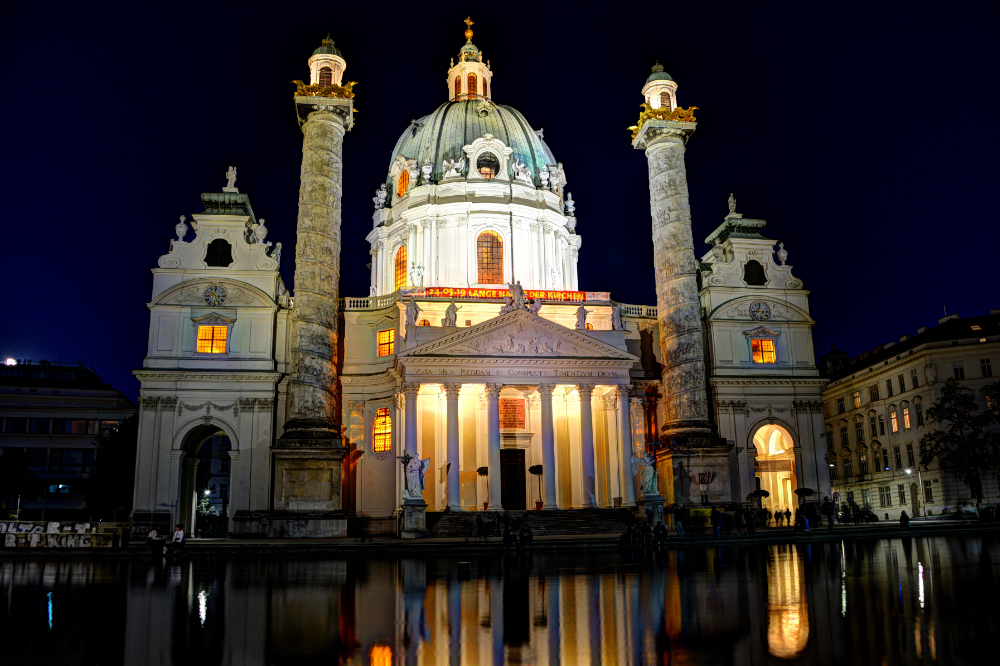
The first major landmark I headed toward was St. Charles Church, better known locally as Karlskirche. I had seen impressive photographs before arriving, but the church was even more beautiful in person.
The Baroque church has stood here for nearly 300 years and is considered one of Vienna’s most recognizable religious buildings. It was a pretty good introduction to a city where even the buildings that aren’t famous seem unnecessarily impressive.
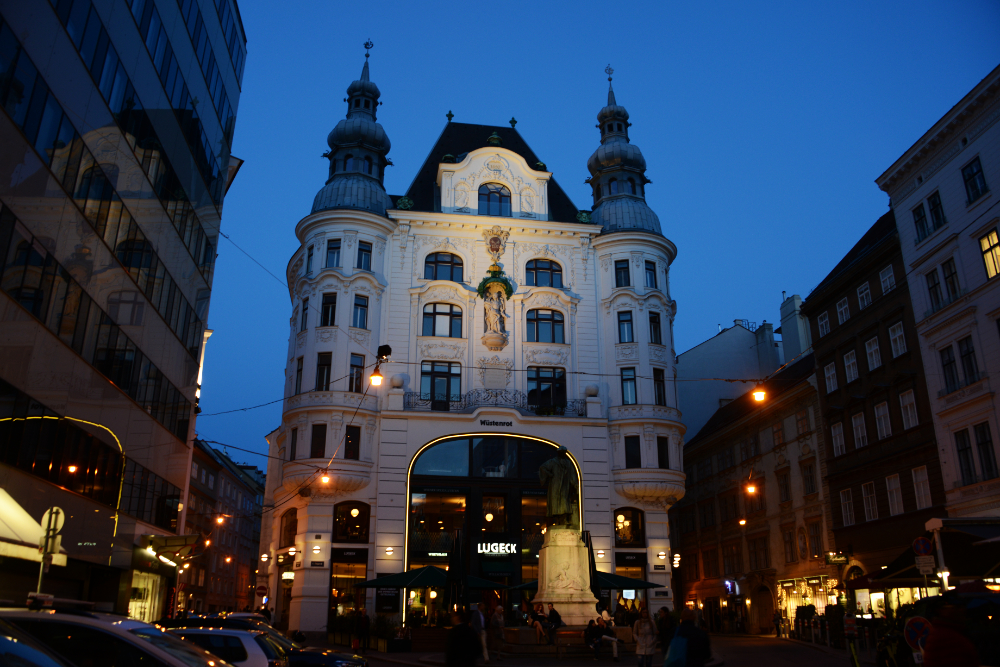
After visiting Karlskirche, I simply wandered through the city. That’s one of the advantages of visiting an old European capital: you don’t necessarily need a detailed plan.
I came across this enormous building above and wasn’t even sure what it was. At the time I believed it was connected with Wüstenrot and might have been little more than an unusually elaborate office building. In Vienna, apparently even that is possible.
St. Stephen’s Cathedral
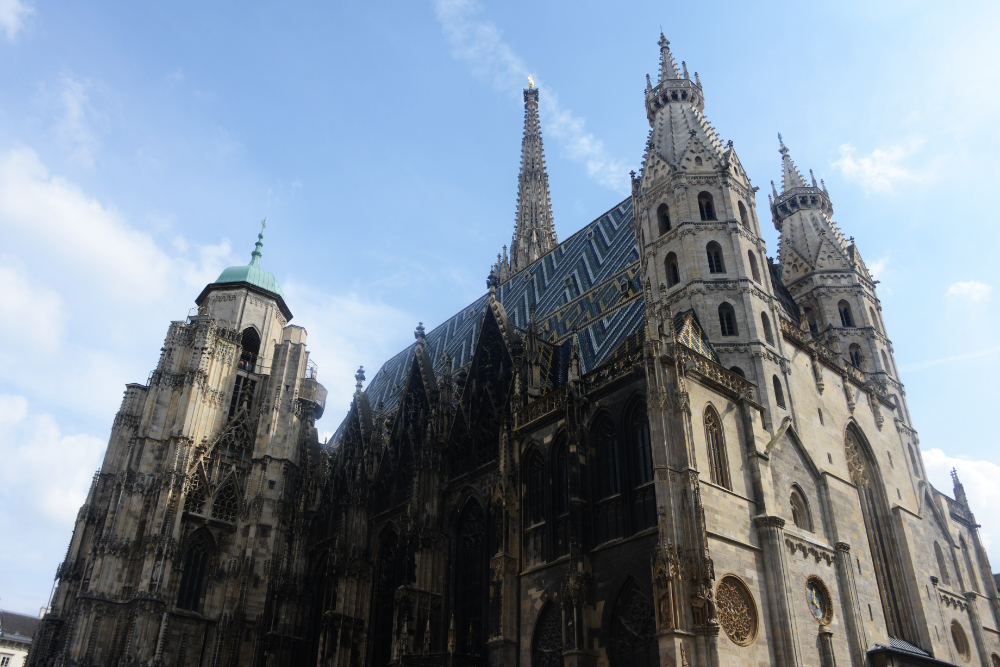
I hate using vertical photographs on my website, but there wasn’t much choice with St. Stephen’s Cathedral.
The cathedral towers over the historic center and is probably Vienna’s most famous religious building. Churches have occupied this site since the Middle Ages, and the cathedral has been rebuilt and expanded over centuries into the enormous Gothic structure that stands here today.
Beneath and around it are tombs, crypts, and catacombs tied to centuries of Viennese history. Standing outside, though, the first thing that really gets your attention is simply how enormous it is.
The Hofburg and Imperial Vienna
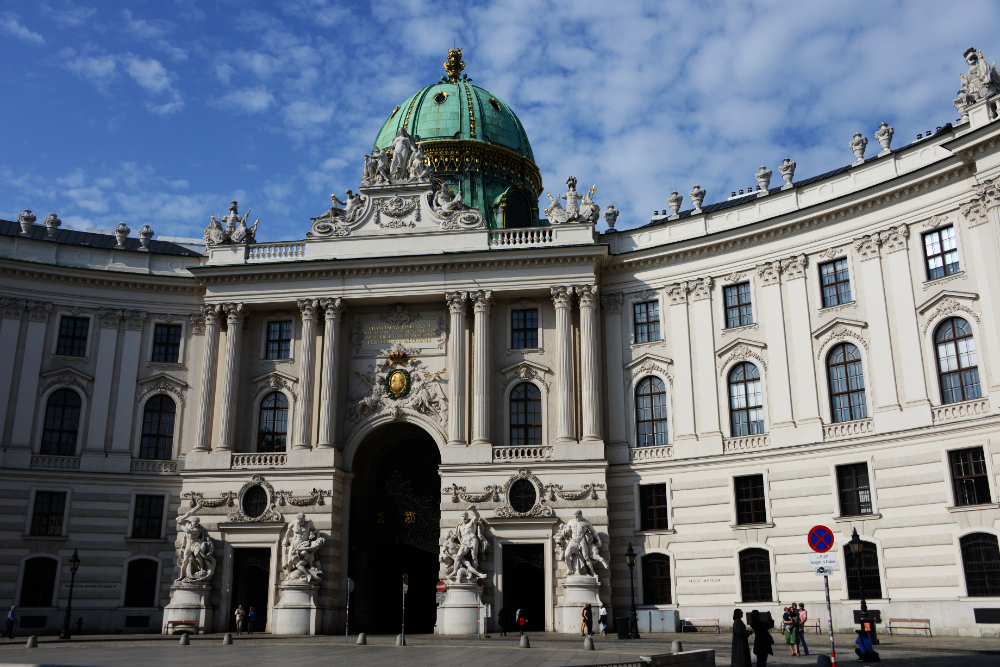
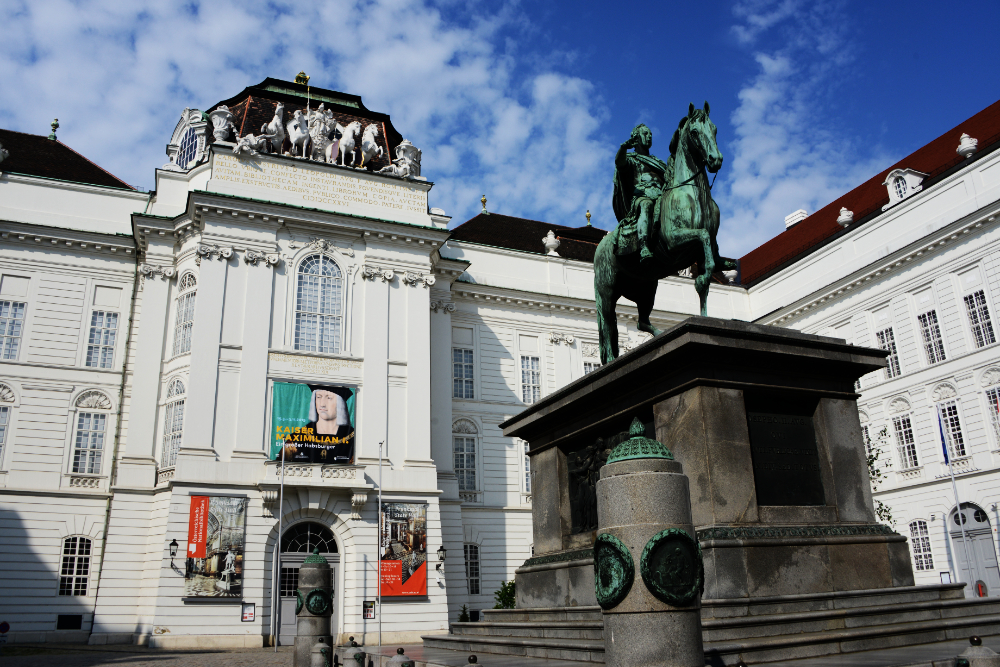
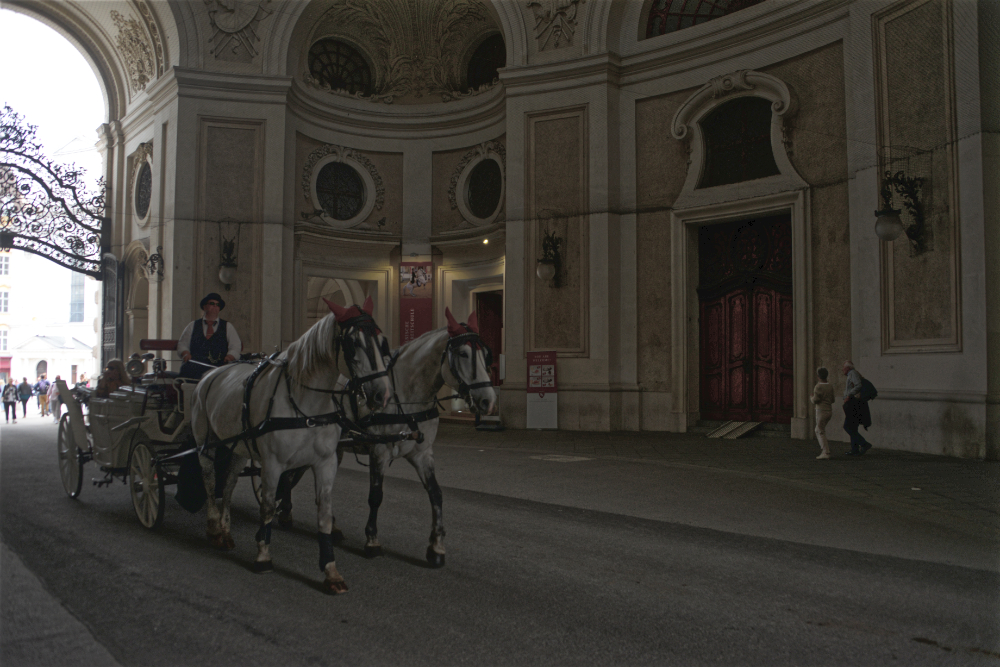
Vienna’s imperial past is impossible to miss around the Hofburg. For centuries this enormous complex was associated with the Habsburg rulers who controlled Austria and, at different times, large parts of Europe.
What impressed me most was the scale. It doesn’t feel like one isolated palace. The courtyards, wings, museums, churches, government buildings, and ceremonial spaces seem to spread into the surrounding city.
A Memorial Where the Gestapo Headquarters Once Stood
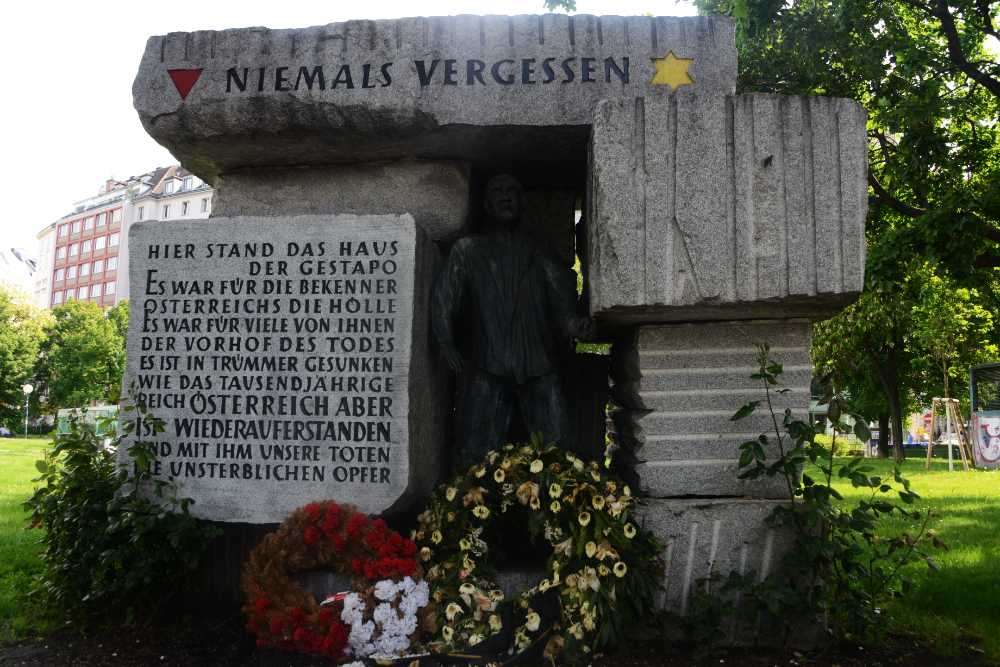
I hadn’t heard nearly as much about Vienna’s World War II history as I had about places farther west in France or farther east toward Poland and Russia. Then, while waiting for a bus, I noticed a memorial directly behind me.
I had apparently been standing there for about twenty minutes without realizing that the Gestapo’s Vienna headquarters once occupied the site.
The memorial’s message is essentially “Never Forget,” commemorating the people who were imprisoned, tortured, and killed under Nazi rule. It was one of those moments where a completely ordinary part of the modern city suddenly took on a much darker meaning.
The Battle of Vienna and the Soviet Memorial
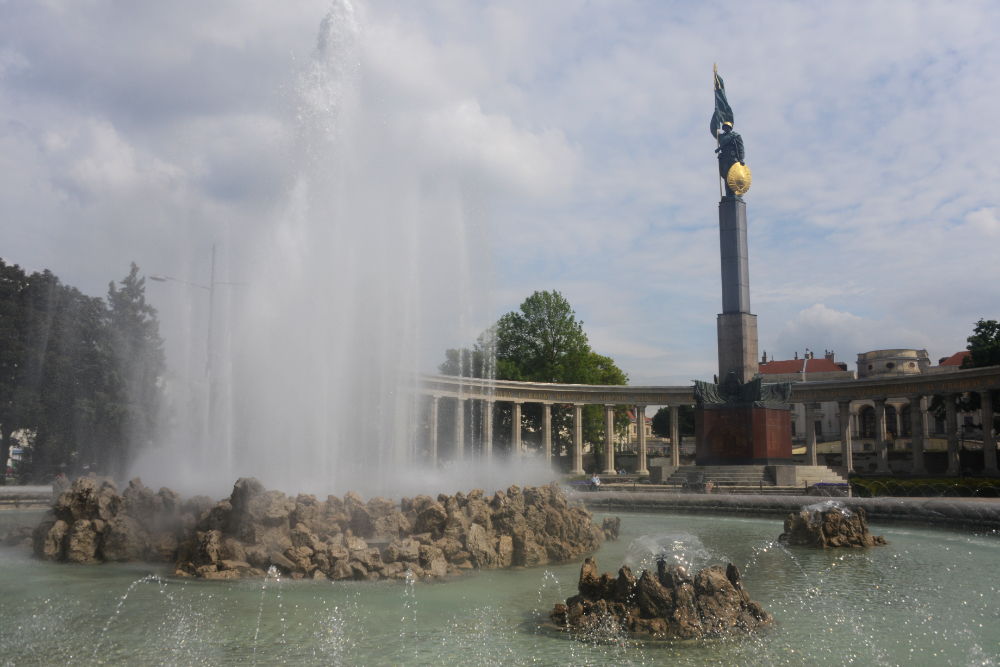
Near the end of World War II, Vienna became the scene of a major battle as Soviet forces advanced into the city in April 1945. Fighting caused extensive destruction, and bridges across the Danube were among the infrastructure damaged or destroyed during the battle.
After the city fell, a large memorial was constructed honoring Soviet soldiers who died during the fighting. The monument is impossible to miss, with a soldier standing above the square holding a Soviet flag and shield.
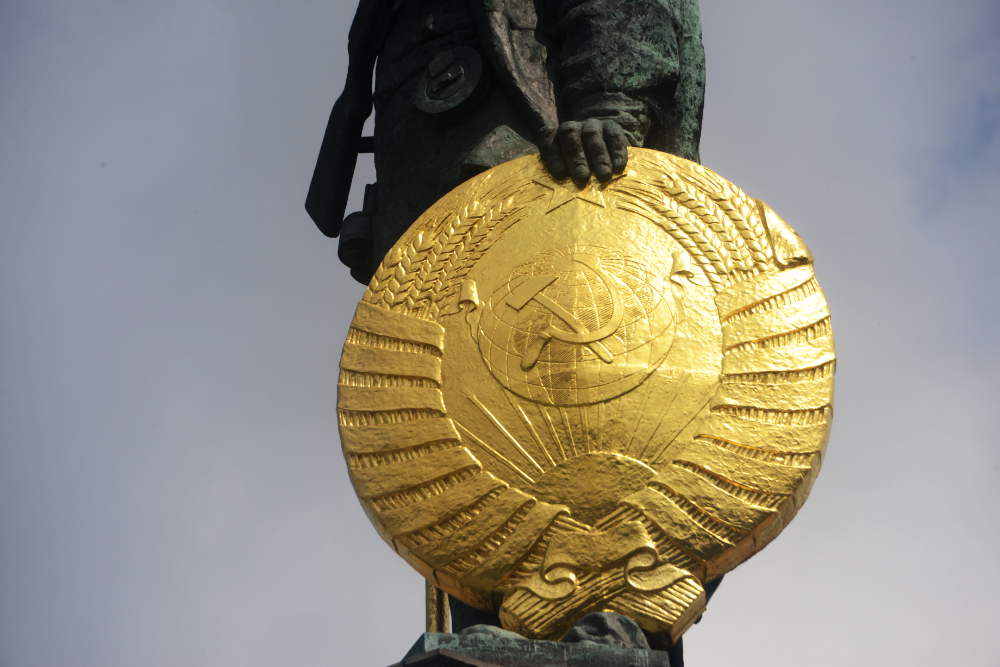
The shield still carries the hammer and sickle, something you don’t encounter very often on monuments in western Europe.
The Spanish Riding School
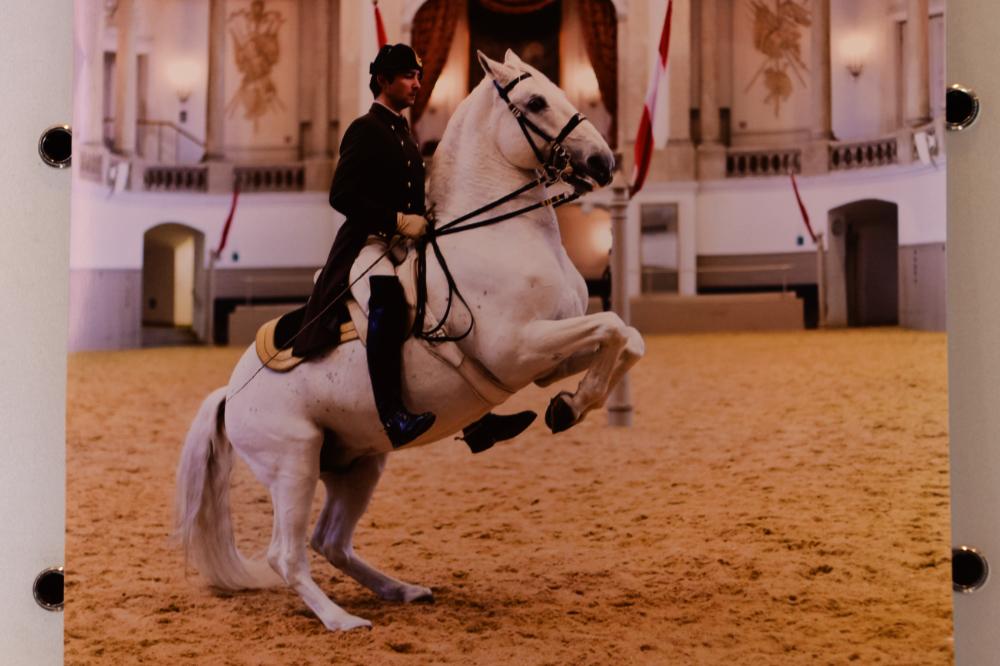
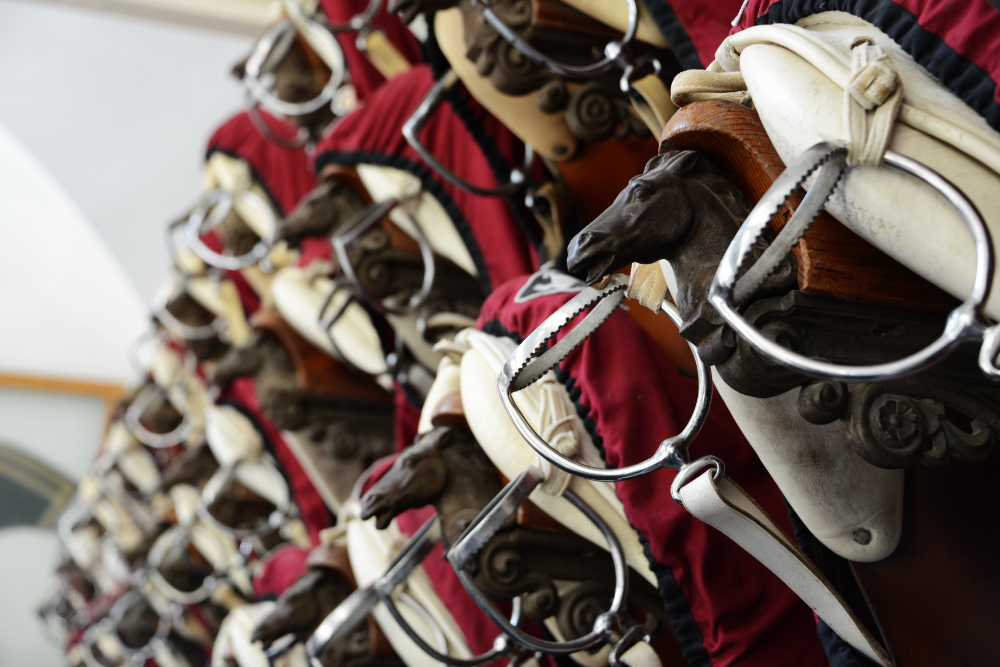
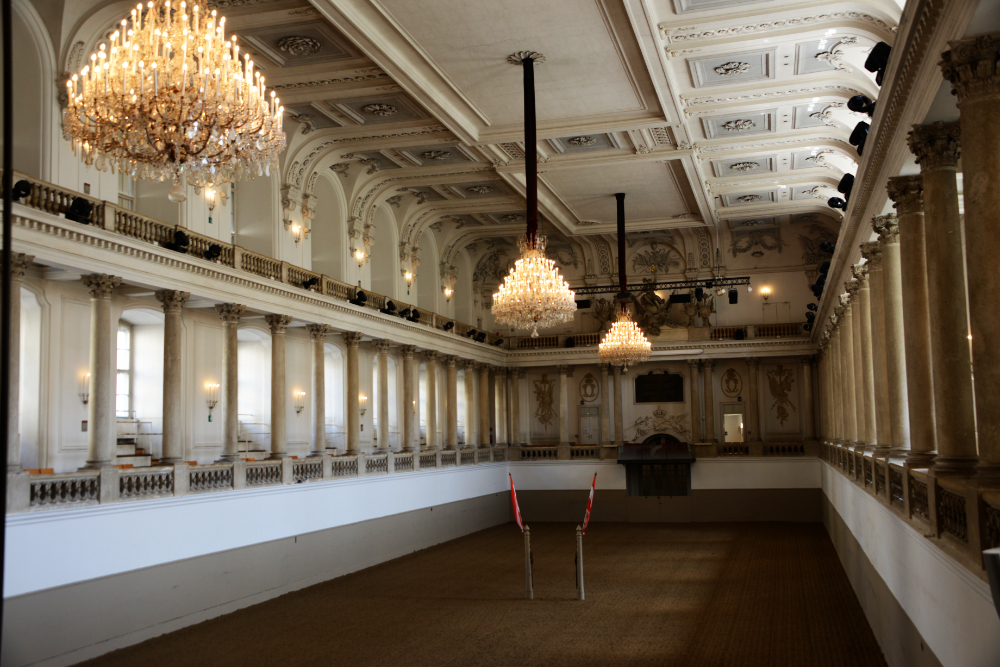
Another part of Vienna’s imperial tradition survives at the Spanish Riding School. The school is famous for its Lipizzaner horses and the highly controlled classical riding movements they perform.
The surroundings are almost as impressive as the horses. The indoor riding hall looks more like a palace ballroom than somewhere you’d expect horses to be training.
Stadtpark
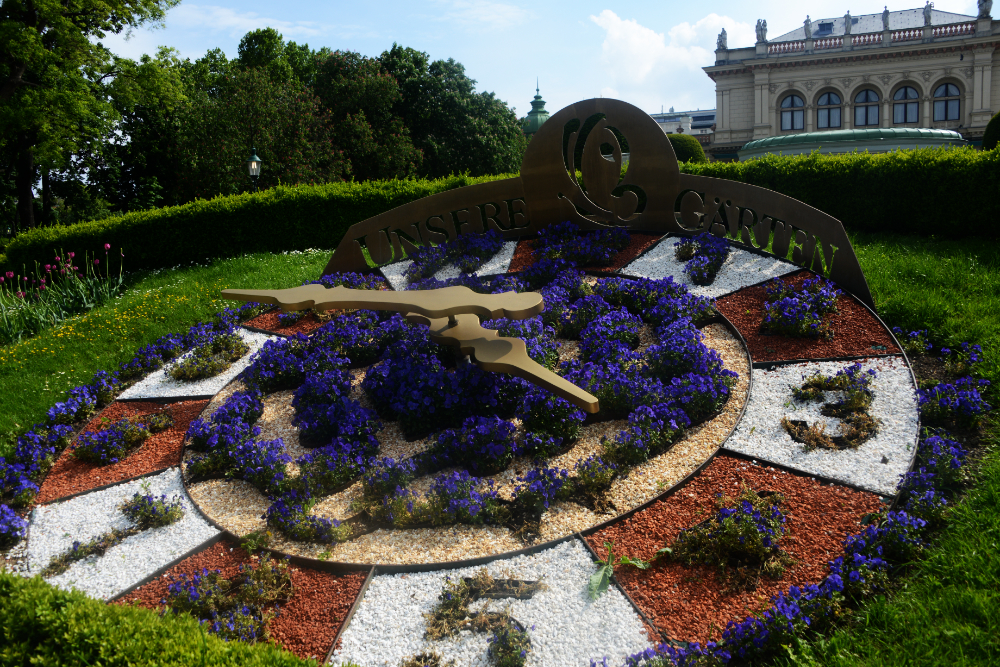
My favorite part of Vienna was probably Stadtpark.
I liked it partly because of its size, but mostly because so many different things seemed to be happening there at once. The park had been around for more than 150 years by the time I visited and contained gardens, paths, open fields, monuments, playgrounds, and plenty of space to simply sit around.
I’ve always liked these decorative garden clocks, and Stadtpark had one near the middle.
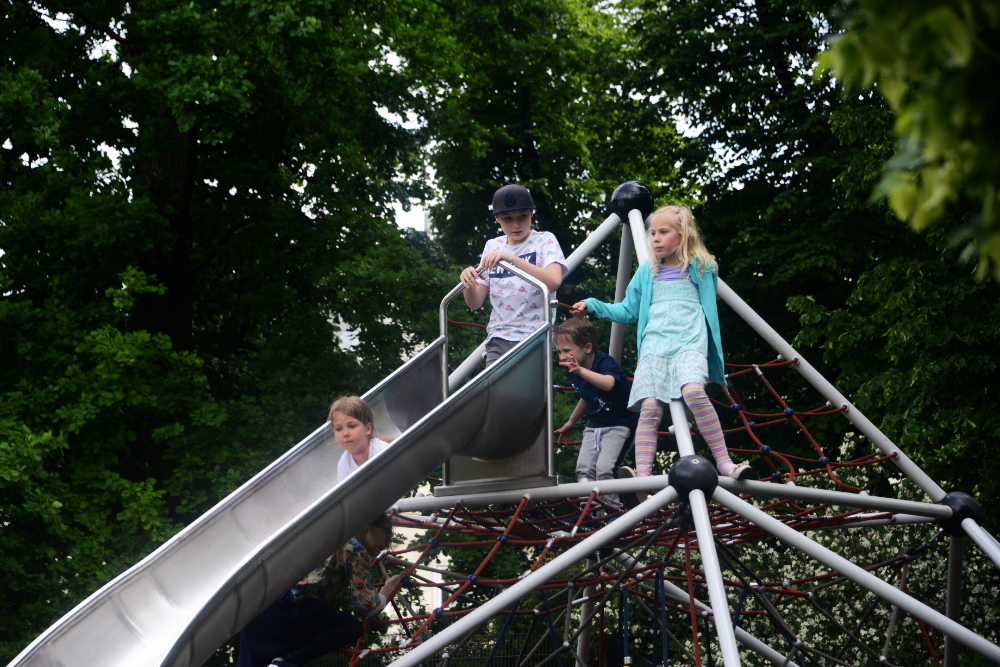
The clock wasn’t actually my first impression of the park. That honor went to what seemed like more than a hundred children spread through several areas.
There were playgrounds, monkey bars, basketball courts, a skate area, and a line of kids waiting to go down this slide.
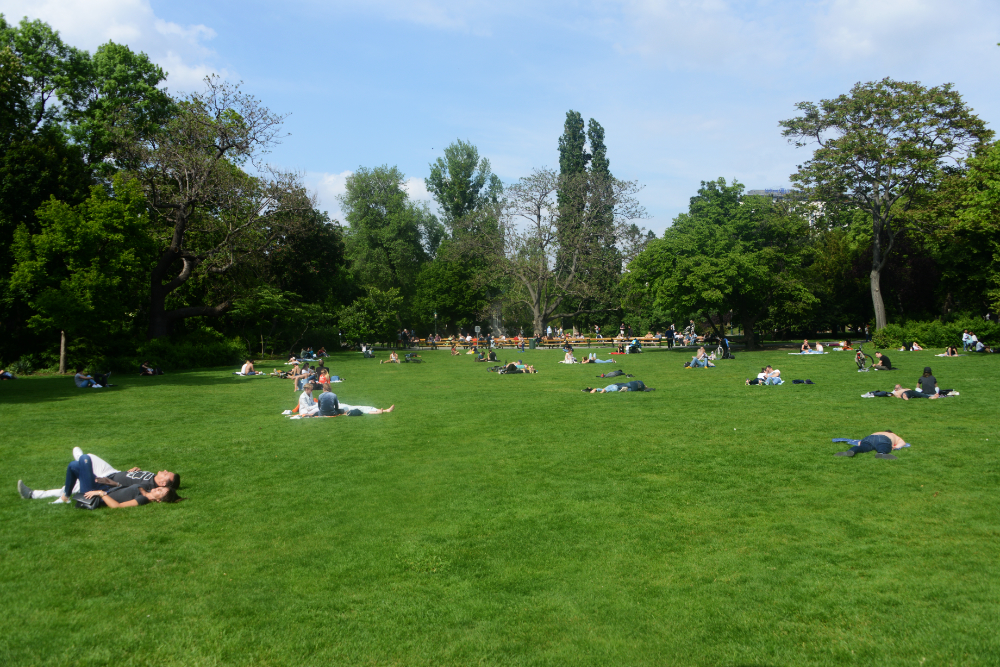
Elsewhere, adults had taken over large grassy areas to enjoy the spring weather. The park felt like a real part of everyday Vienna rather than something preserved exclusively for tourists.
Random Things You Notice While Walking
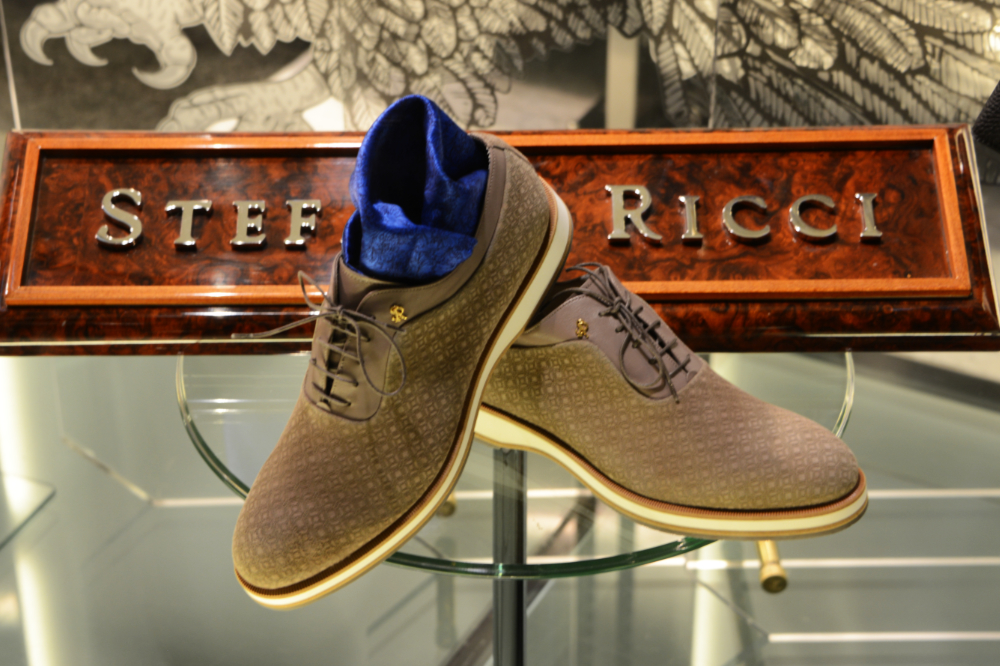
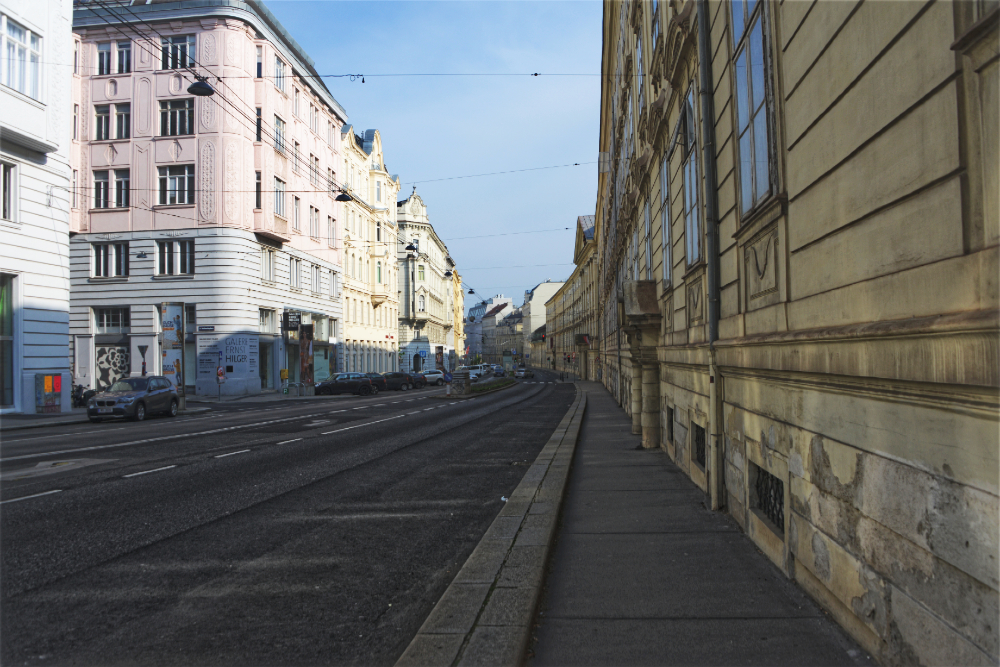
Like much of Europe, Vienna becomes considerably quieter on Sundays when many businesses are closed. Saturday night had been crowded, but by Sunday morning it almost felt like I had the city to myself.
I had also managed to forget my tripod on this trip. I could have bought another one earlier in the weekend, but naturally I kept forgetting until Sunday, when finding an open store became much more difficult. That forced me to get creative whenever I wanted a steady photograph.
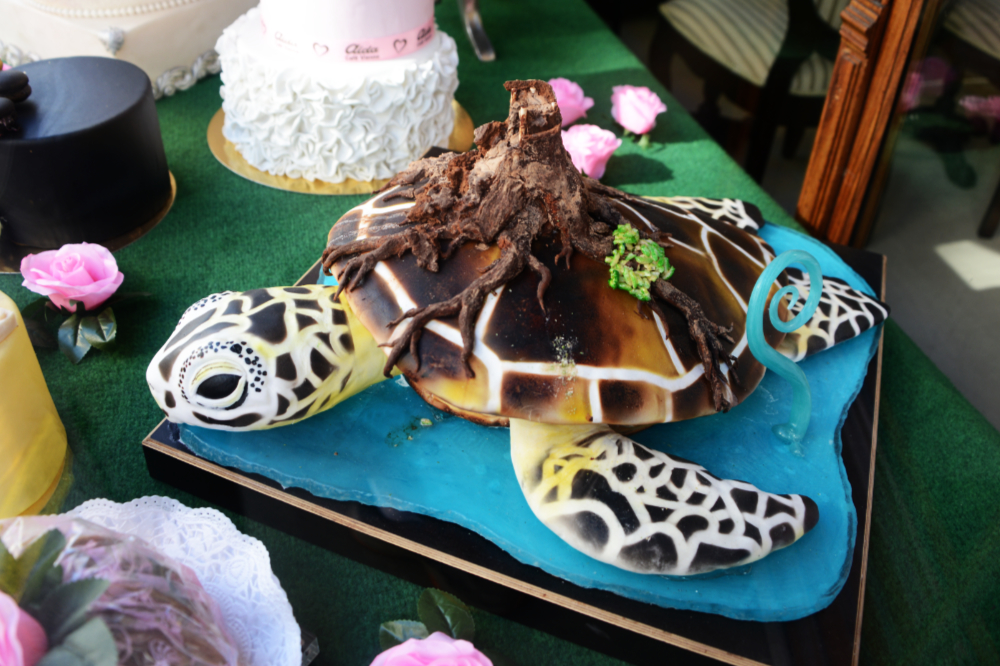
At one bakery I found an impressive cake shaped like a sea turtle. It reminded me of a considerably sadder sight I’d seen years earlier in Yemen, where I encountered a real sea turtle for sale in a seafood market.
This one at least had a happier ending. It was nothing but cake.
Saturday Night in Vienna
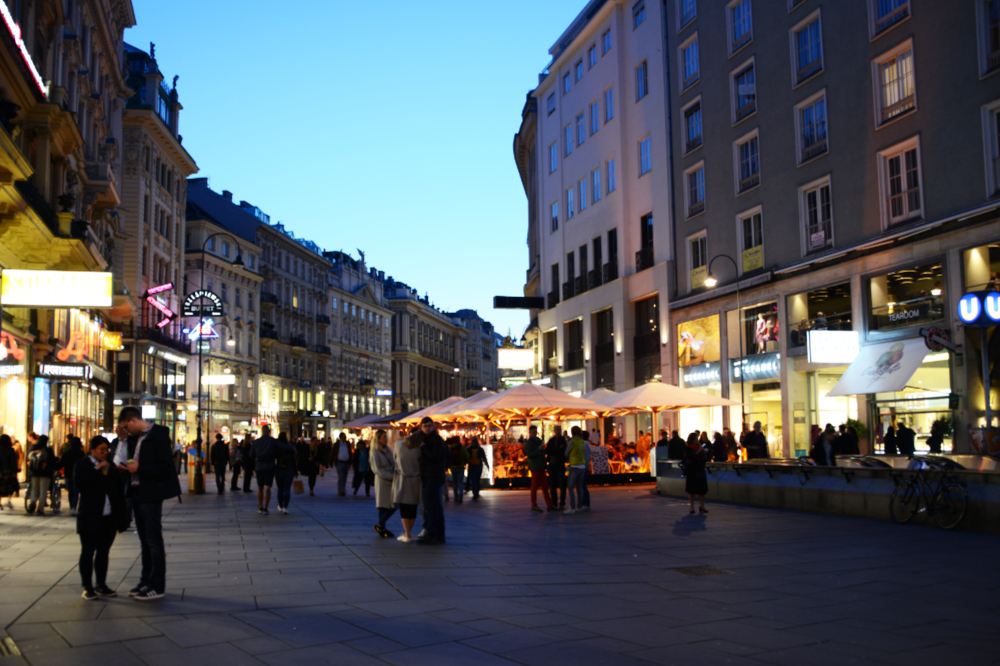
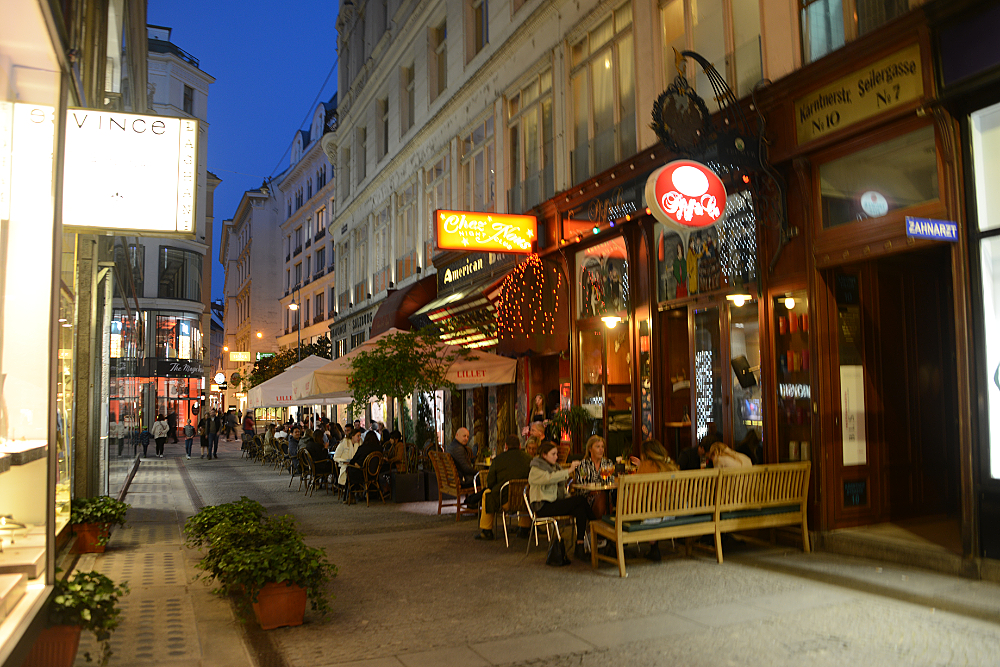
Saturday night was completely different from Sunday morning. The weather was perfect and huge numbers of people were out walking, eating, drinking, and enjoying the city center.
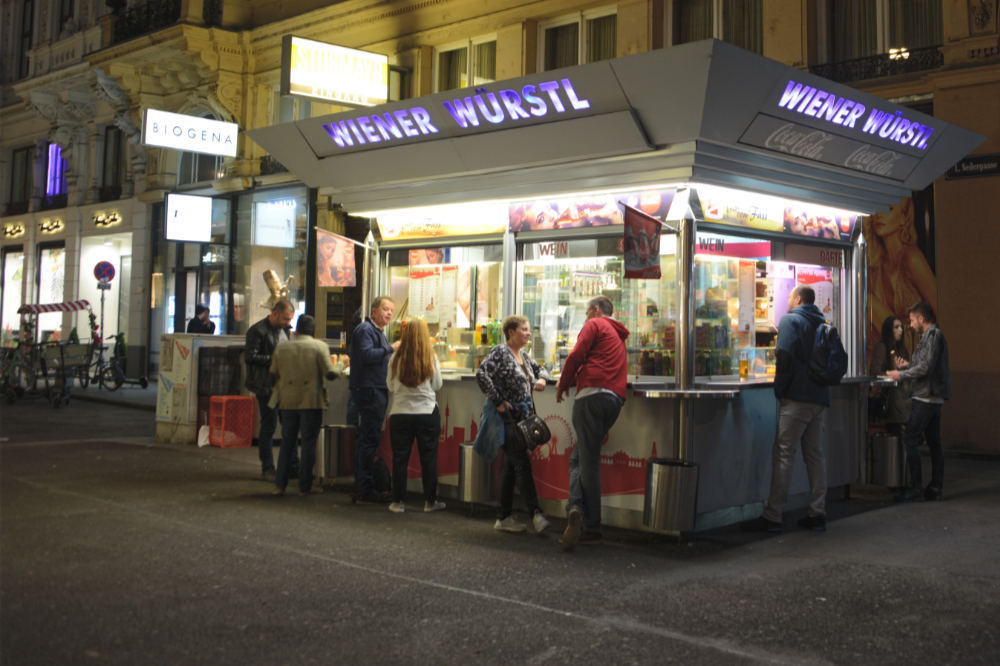
The smell of hot dogs and Austrian sausages seemed to follow me through the streets.
Diving in Landlocked Austria
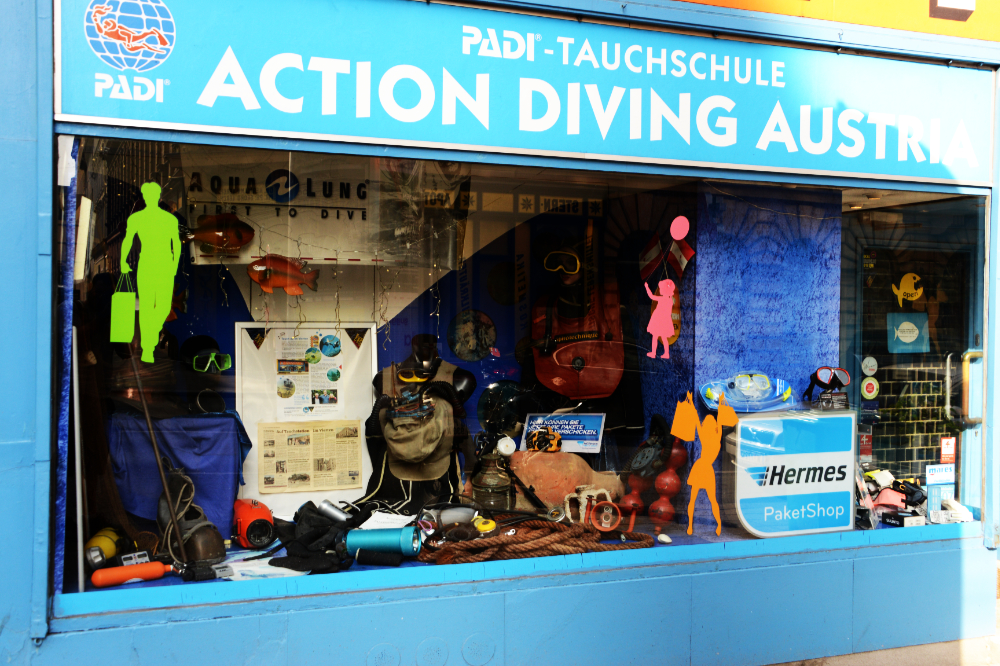
I think someone may have confused Austria with Australia when they decided to open a diving shop here.
The store was closed when I passed it, and I couldn’t help wondering how difficult it must be to run a diving business in a landlocked country.
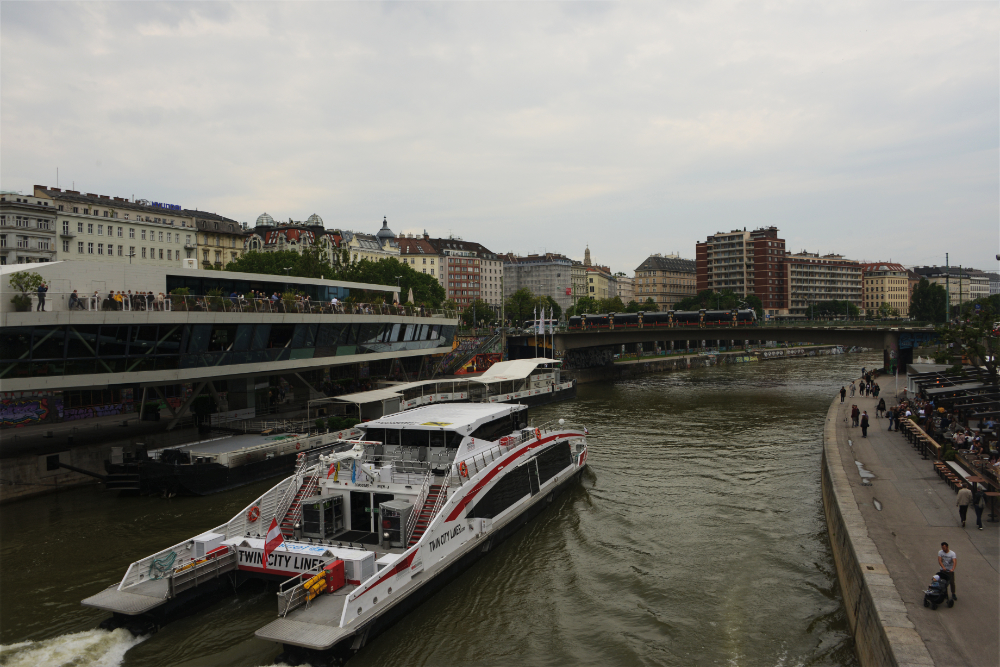
Vienna does at least have the Danube.
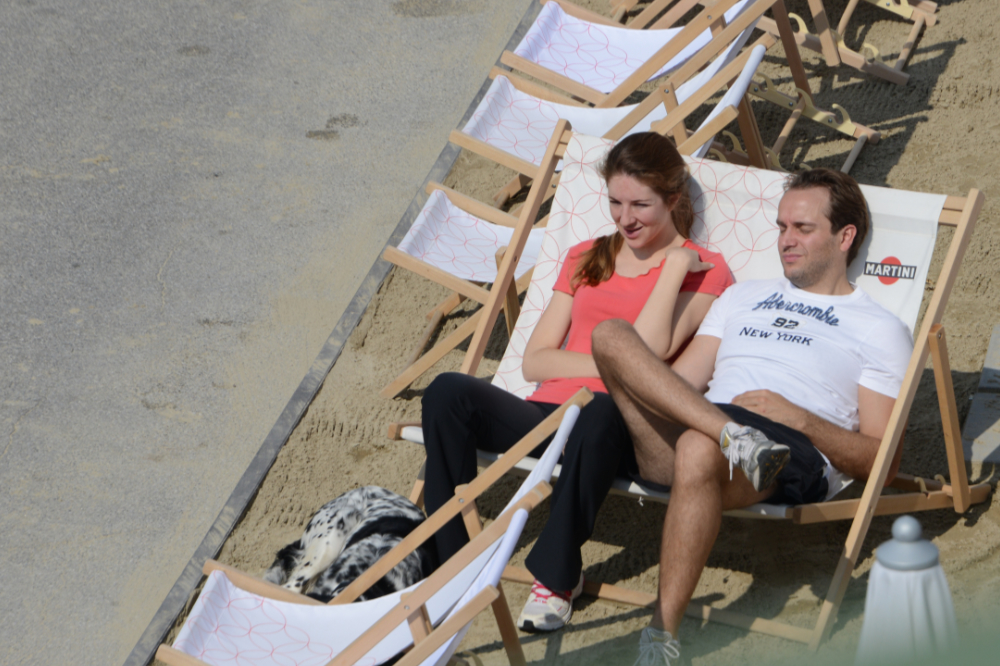
Parts of the river provide plenty of places for boating, swimming, sunbathing, and other recreation. From the right angle, this couple could almost have been sitting somewhere along the coast instead of in the middle of Austria.
More of Central Vienna
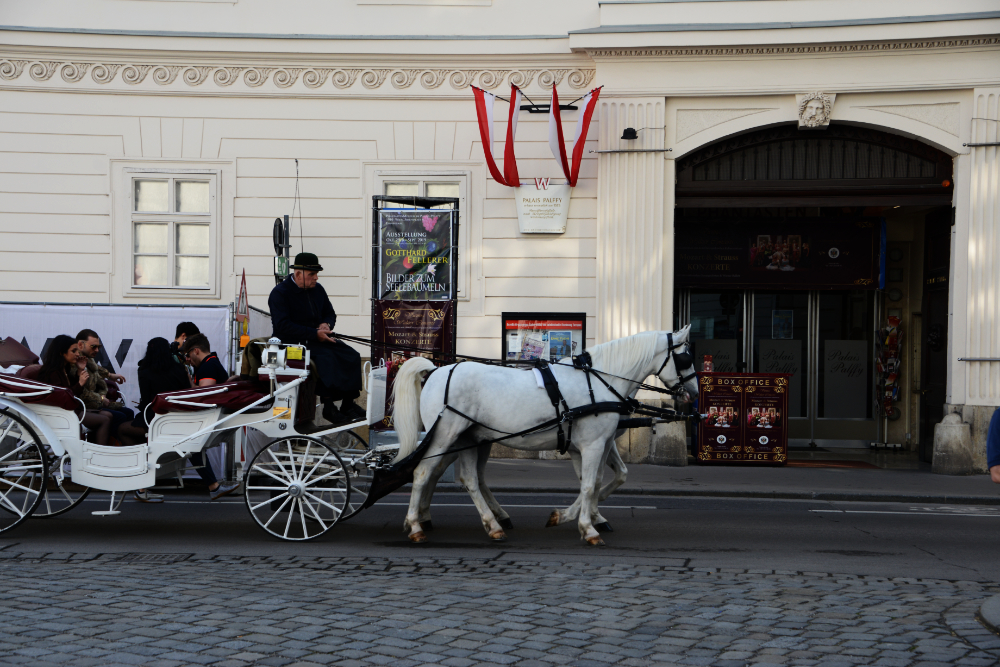
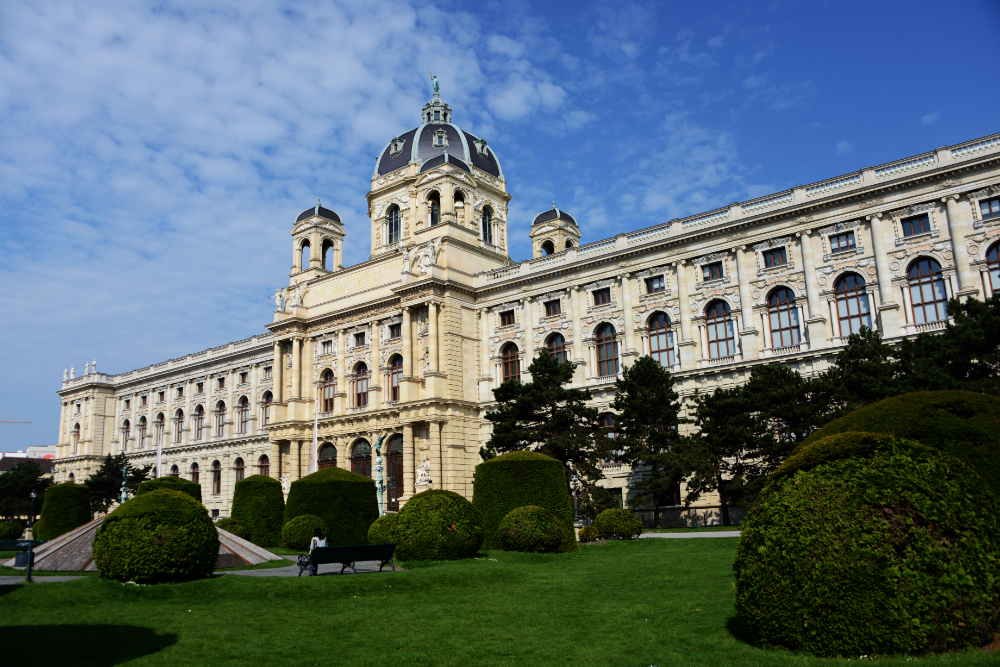
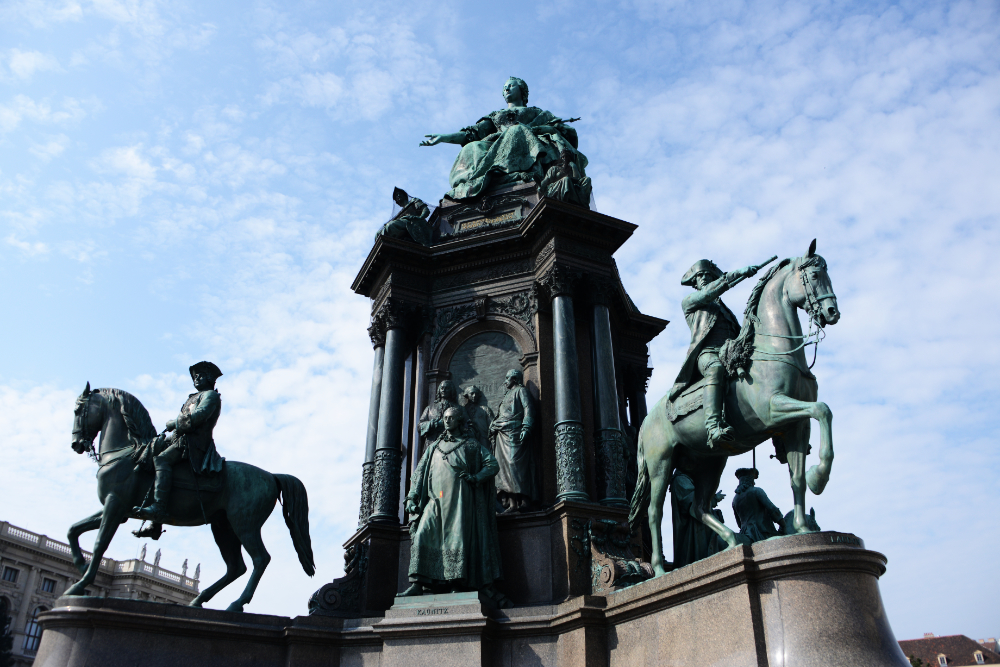
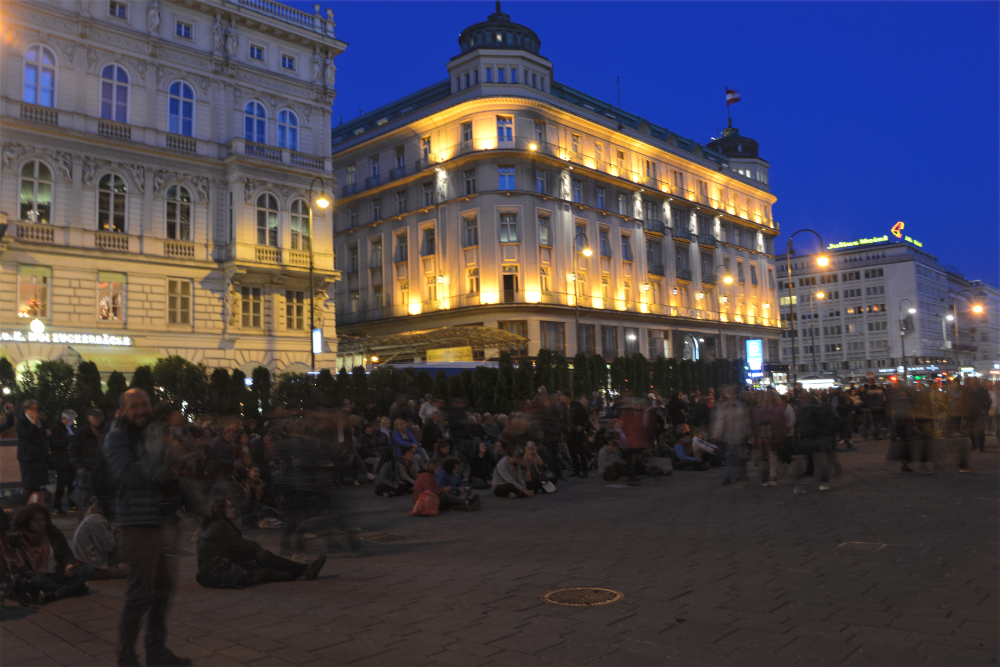
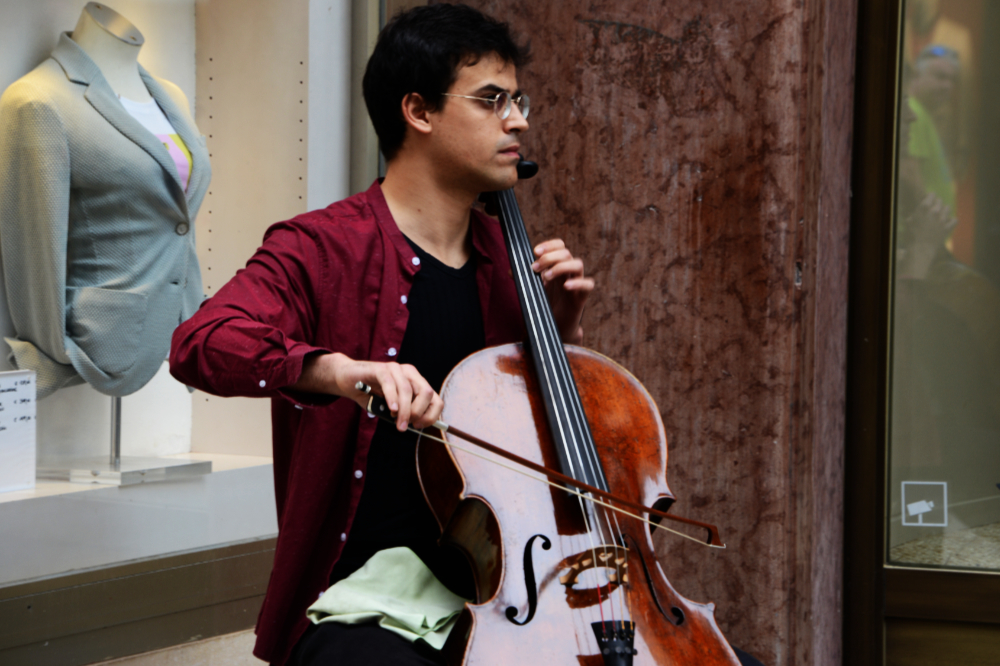
Vienna has so many major museums, palaces, concert halls, and historic buildings that it would take far longer than my visit to see everything properly.
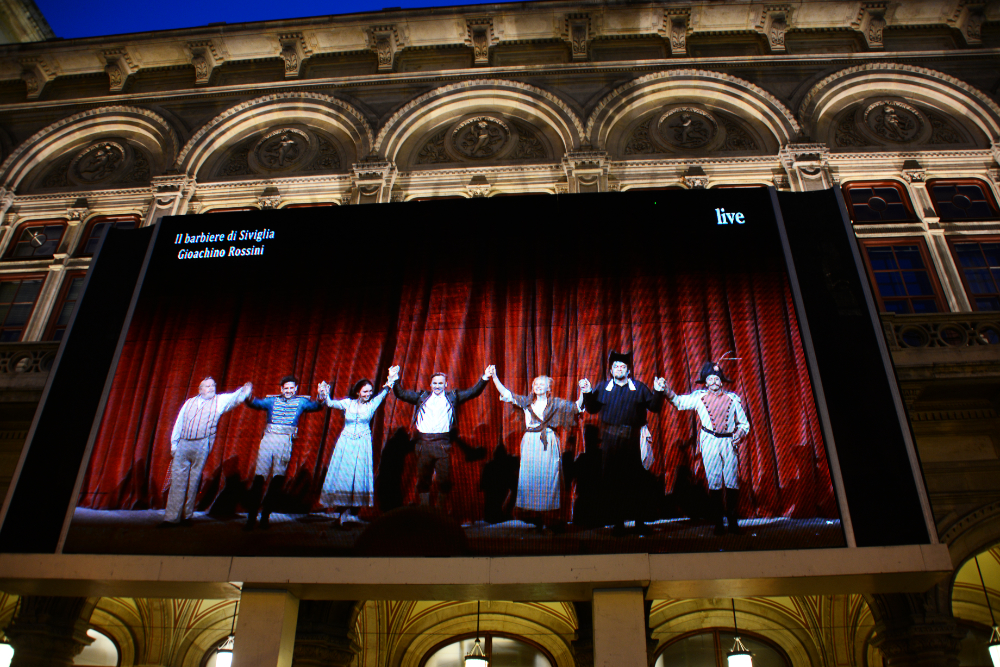
The Vienna State Opera was one example of how strongly music and the arts remain part of the city. Even people who weren’t inside could gather outside and watch performances on a large screen.
Roman Vienna
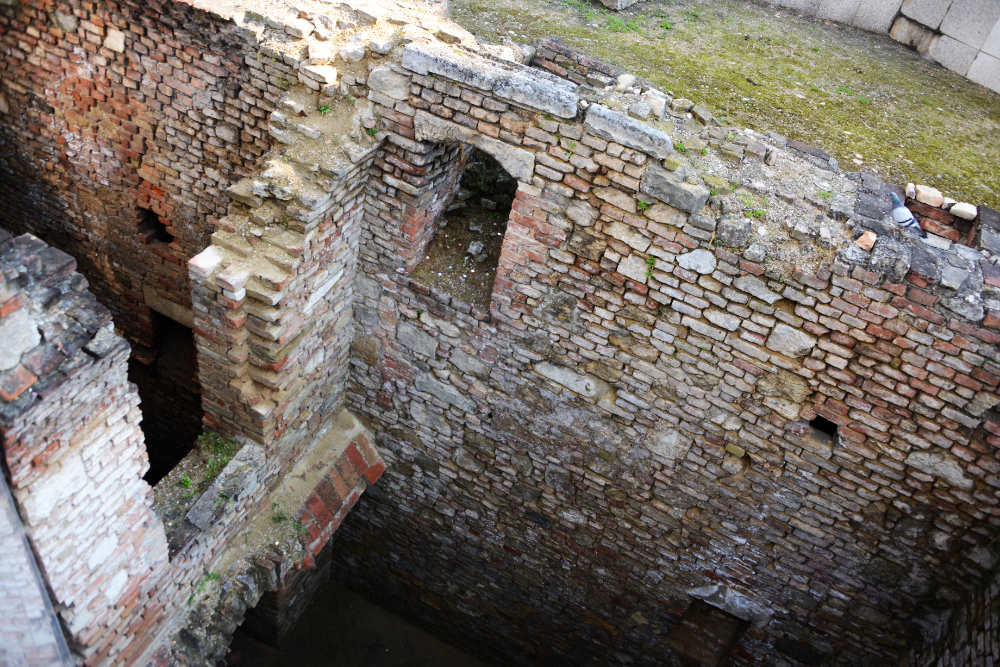
For all the imperial palaces and Baroque architecture, Vienna’s history goes back much farther. Roman settlements and military installations once occupied this area, and archaeological remains still survive beneath parts of the modern city.
That was probably what impressed me most about Vienna overall. The city has layers everywhere: Roman remains below the streets, medieval churches above them, imperial palaces surrounding those, reminders of World War II scattered between them, and modern Vienna carrying on around all of it.
I had already enjoyed Austria’s mountains and smaller cities, but Vienna completed a very different side of the country for me. I could spend the morning looking at imperial palaces, relax in Stadtpark in the afternoon, find a Soviet monument or Roman ruin while wandering somewhere else, and finish the night surrounded by restaurants and crowds in the historic center.
There was far more here than I had time to see, which is usually a good reason to return.
Explore More of Austria
the Grossglockner • Salzburg • Innsbruck • Vienna