I think Phoenix is one of the most unique and underrated major cities in the United States. Most people probably associate it with one thing: heat. That reputation is deserved. Summer temperatures regularly climb above 100°F (38°C), and the city’s all-time record reached 122°F (50°C), putting it in the same temperature range as some of the hottest cities in the Middle East and North Africa.
Fortunately, you don’t have to visit in the middle of summer. Phoenix is also a massive metropolitan area surrounded by mountains and the Sonoran Desert, with plenty to see beyond simply escaping from one air-conditioned building to another.
A City Spread Across the Desert
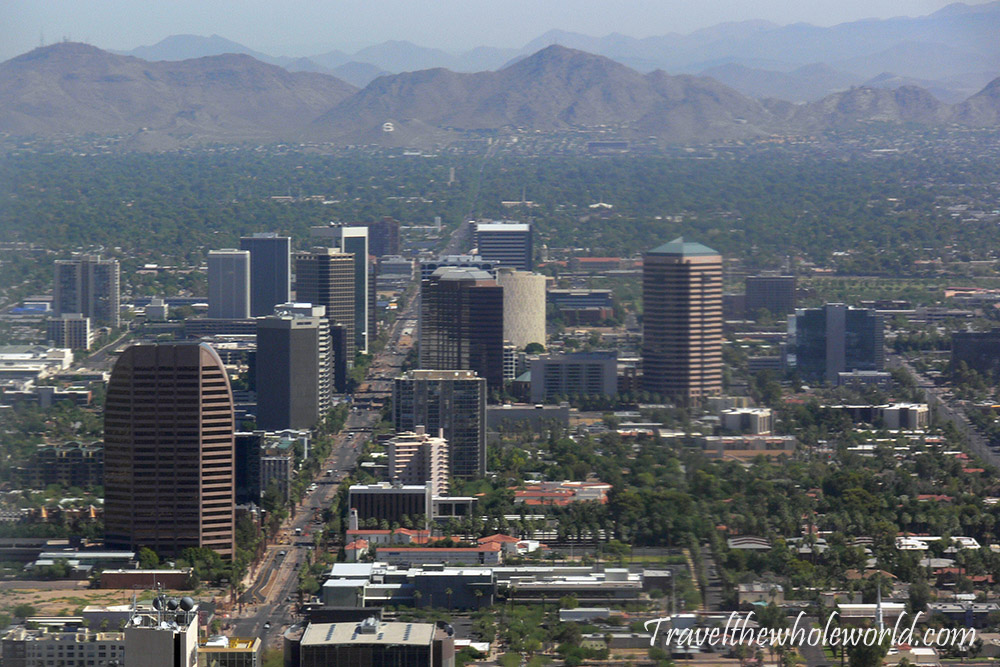
Phoenix is one of the largest cities in the United States by population, although that description can be a little misleading because the city also covers an enormous amount of land. Compared with many older eastern cities, Phoenix is extremely spread out. Much of the metropolitan area consists of low-rise neighborhoods stretching mile after mile across the valley.
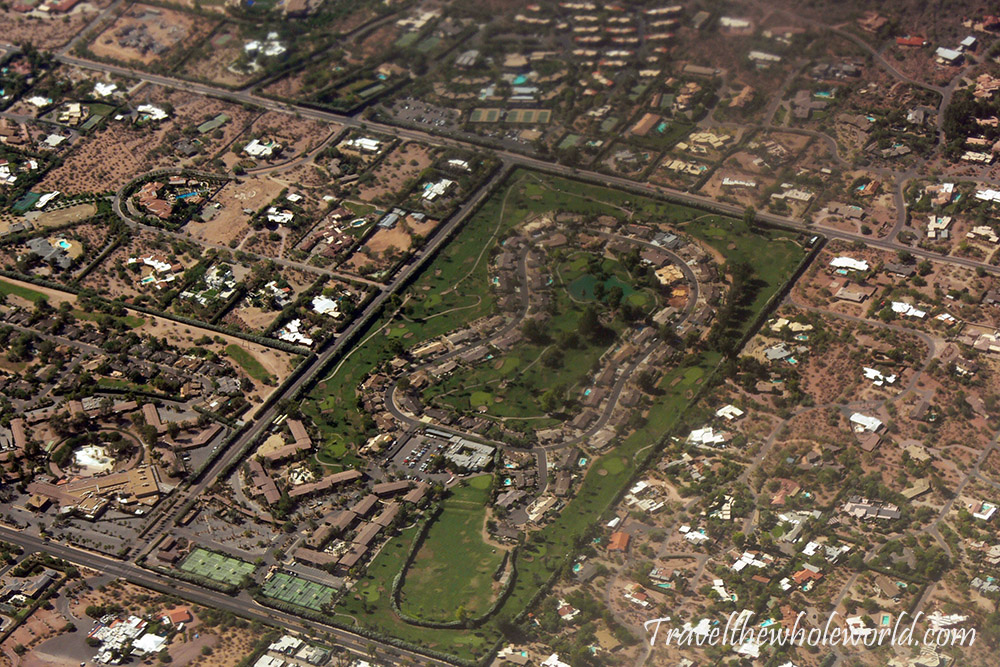
Apparently I took this aerial photograph way back in 2007, which I find funny because I barely remember visiting Phoenix that year. Looking at it now, I like how clearly it shows the city’s layout. Most of the homes have considerably more space than you’d find in the dense apartment neighborhoods of many major American cities.
It also shows just how dry Phoenix really is. The patches of deep green stand out dramatically against the reddish desert landscape. I can only imagine that keeping some of those neighborhoods looking that green isn’t cheap.
Arizona’s Capitol
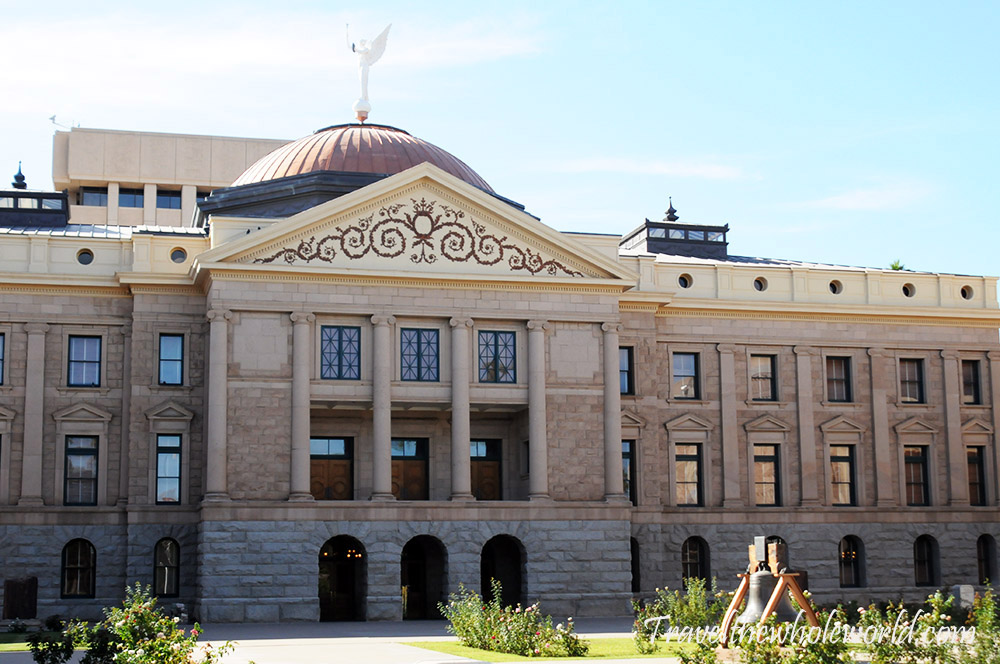
On one of my earlier visits, I photographed what I assumed was still Arizona’s working state capitol. It wasn’t until I returned years later that I realized the historic building no longer serves that role in the way I had imagined. Today it houses the Arizona Capitol Museum, while the state’s legislative buildings and offices surround it.
Somehow I’ve managed to visit Phoenix multiple times without actually going inside. Maybe the third time will finally be the charm.
How Phoenix Grew in the Desert
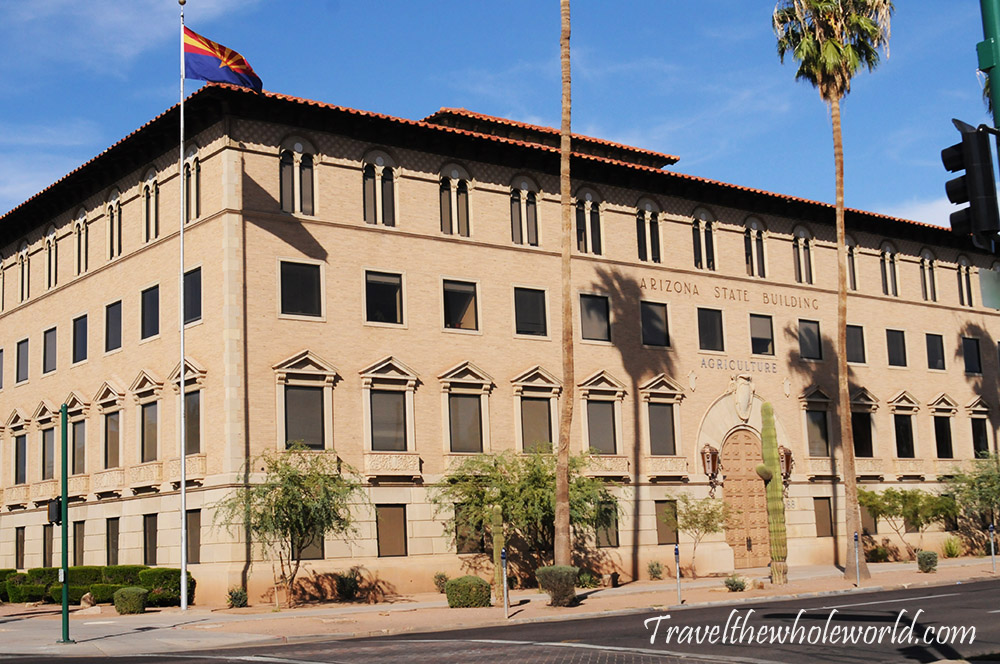
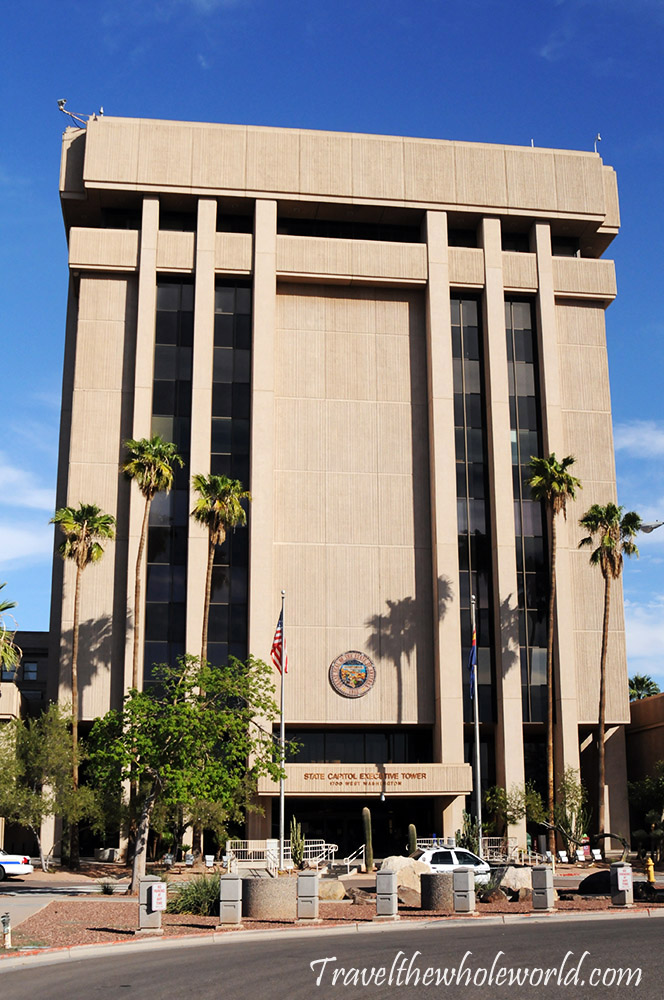
An agriculture department might seem slightly absurd in one of the hottest and driest major cities in America, but agriculture is actually a huge part of the story of Phoenix.
Long before the modern city existed, Indigenous communities developed extensive irrigation systems that brought river water across the valley and allowed crops to grow in the desert. When American settlers arrived centuries later, they reused and expanded on the same basic idea. Irrigation once again transformed the land, agriculture expanded, and the settlement that eventually became Phoenix grew around it.
The city’s name was fitting: a new community rising from the remains of an older civilization that had once farmed the same desert.
An Even Older Arizona
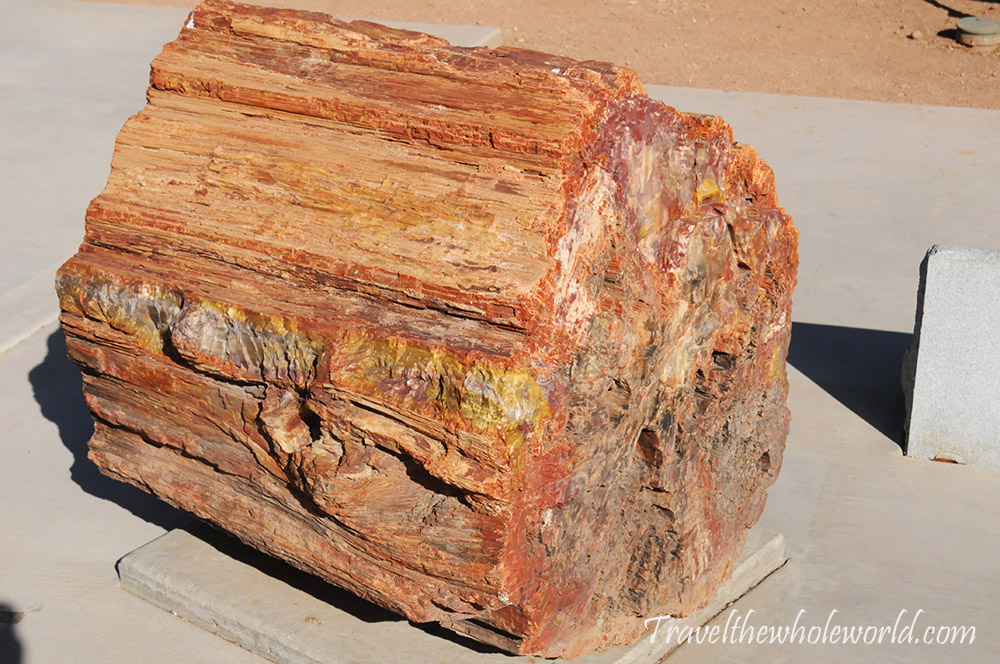
If you go back far enough, even the desert itself disappears. Hundreds of millions of years ago, parts of what are now Arizona looked completely different, with forests growing where dry desert exists today.
Under the right conditions, some of those ancient trees became petrified and survived as stone. Eastern Arizona is especially famous for Petrified Forest National Park, but examples of petrified wood can also be found on display around Phoenix.
I always find things like this fascinating because they make the modern landscape feel temporary. The place that today seems almost defined by heat and desert was once something completely different.
The Phoenix Heat
I’ve somehow avoided visiting Phoenix during the worst part of summer, but I have experienced nearby Yuma in August when the temperature was around 117°F (47°C). Walking outside felt like an act of torture. People love to point out that Arizona has a “dry heat,” which may technically be true, but at 117°F it still feels like someone opened an oven door and asked you to go sightseeing.
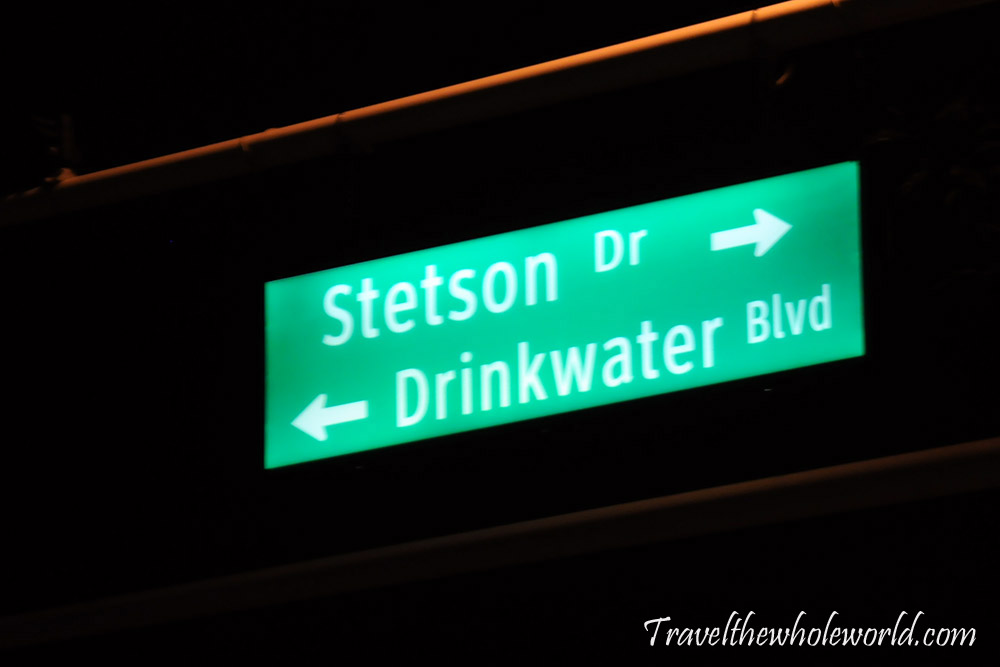
That made me appreciate the name Drinkwater Boulevard when I came across it. In a city like Phoenix, it sounds less like a street name and more like a direct command.
Tempe and the Water
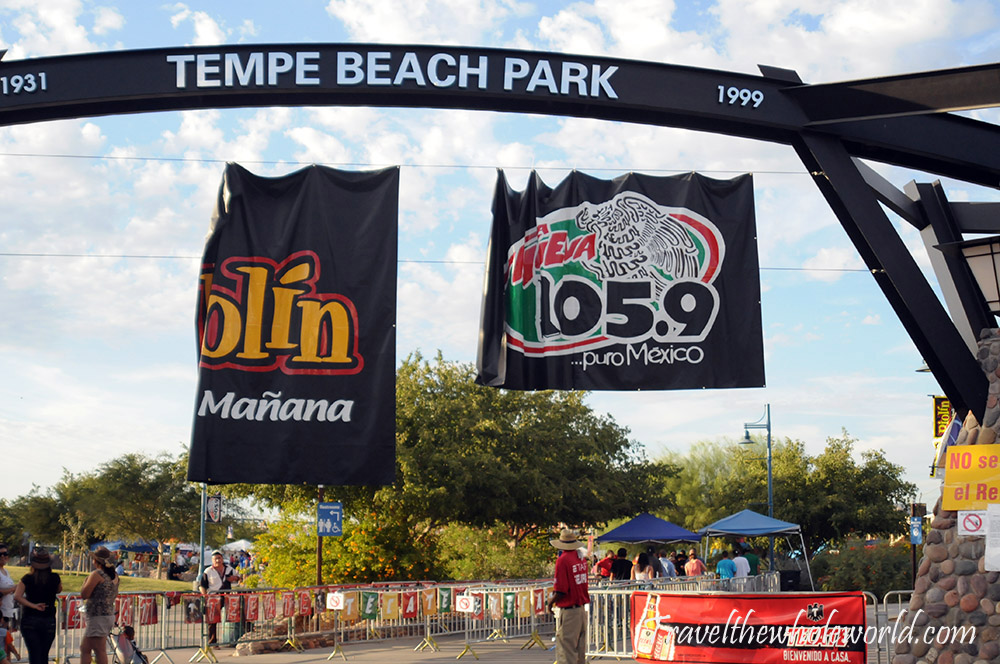
Water has always determined what was possible in this part of Arizona, and that is still obvious around Tempe. Tempe Beach Park sits along Tempe Town Lake, part of the Salt River system that has played such an important role in the development of the Phoenix area.
It’s strange to associate boating, kayaking, and waterfront parks with a city surrounded by desert, but that’s part of what makes Phoenix interesting. The relationship between the city and water is everywhere once you start paying attention to it.
Mill Avenue
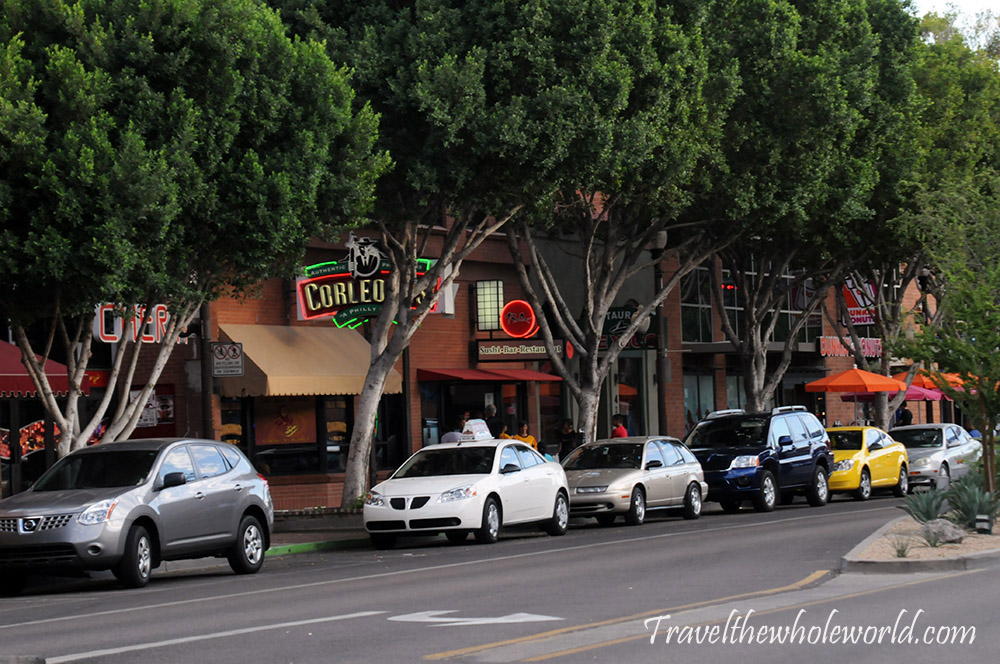
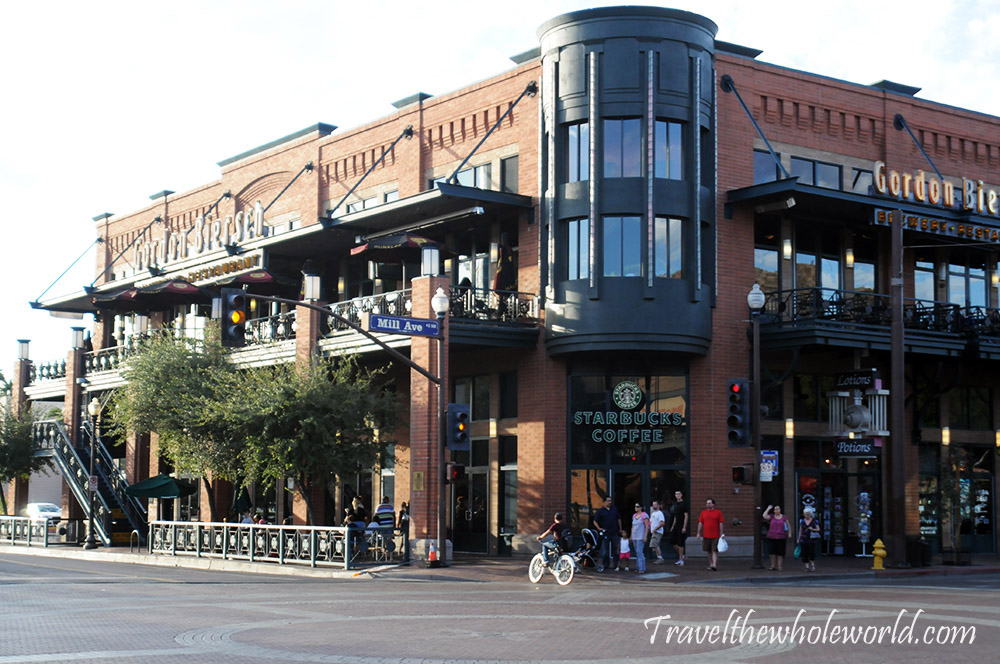
Nearby Mill Avenue is one of the main entertainment areas around Arizona State University. From everything I’ve heard, it can become pretty wild when college sports or major events are happening.
My daytime photographs tell a very different story. During my visit it looked almost suspiciously calm and family-friendly.
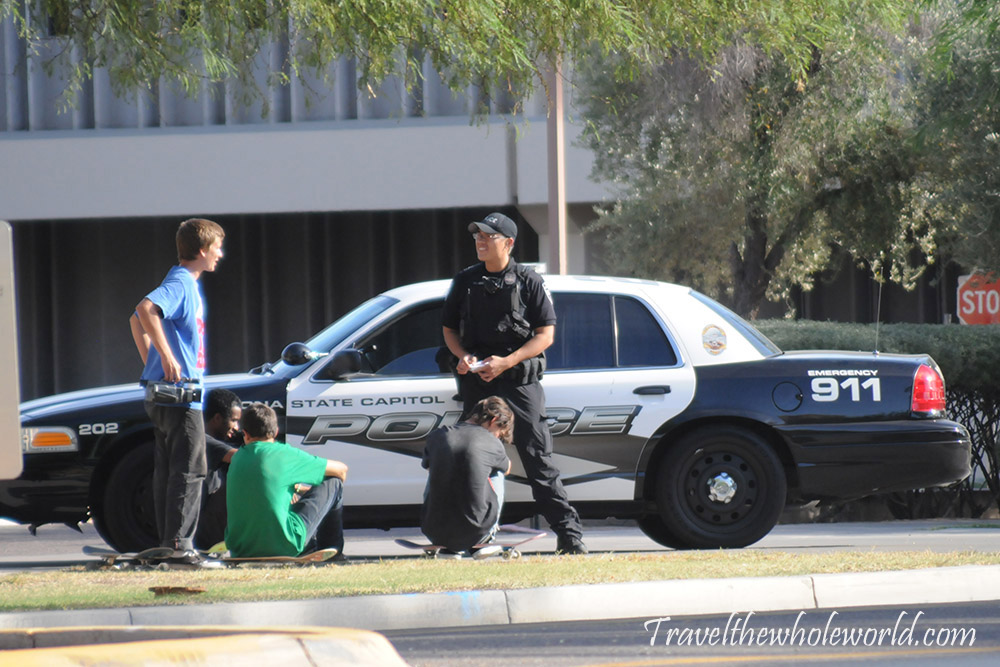
I did at least find a little action when I saw police talking with a few skateboarders who appeared to be skating somewhere they shouldn’t have been. Nothing particularly dramatic was happening, but it provided slightly more excitement than my otherwise peaceful view of Mill Avenue.
Desert Botanical Garden
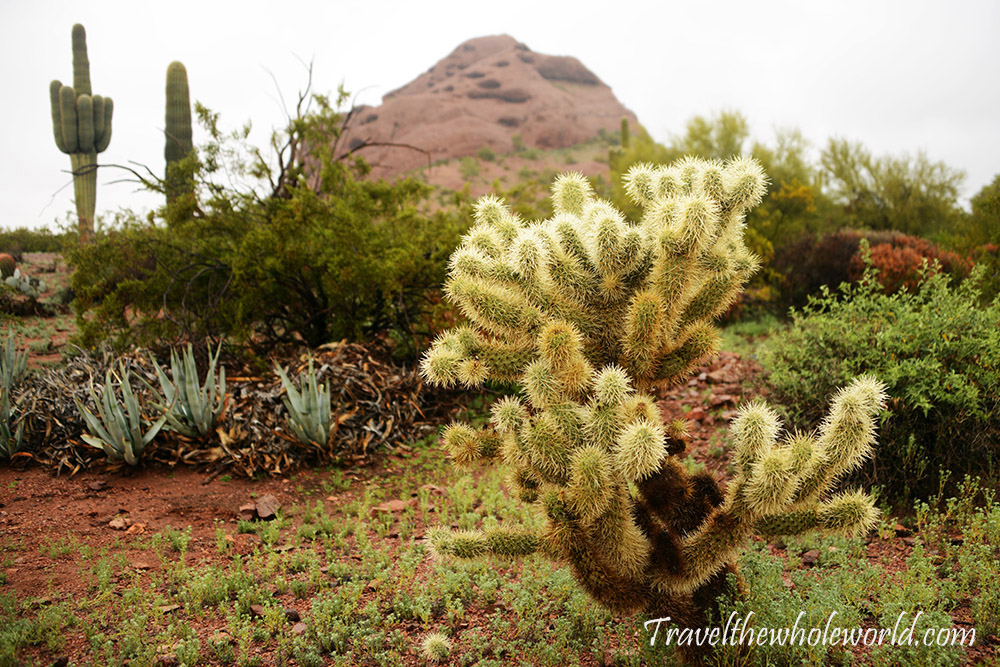
Most of the photographs on this page came from older visits, but I returned to Phoenix years later after climbing Humphreys Peak. I was mainly in the city to catch a flight and meet an old friend from elementary school, but I had enough time to squeeze in one tourist stop at the Desert Botanical Garden.
Calling it a visit might be generous.
I only had around half an hour available, and with admission costing roughly $25 at the time, paying full price to sprint through the garden didn’t make much sense. Fortunately, there were already plenty of impressive plants outside the entrance, so I wandered around the free areas instead.
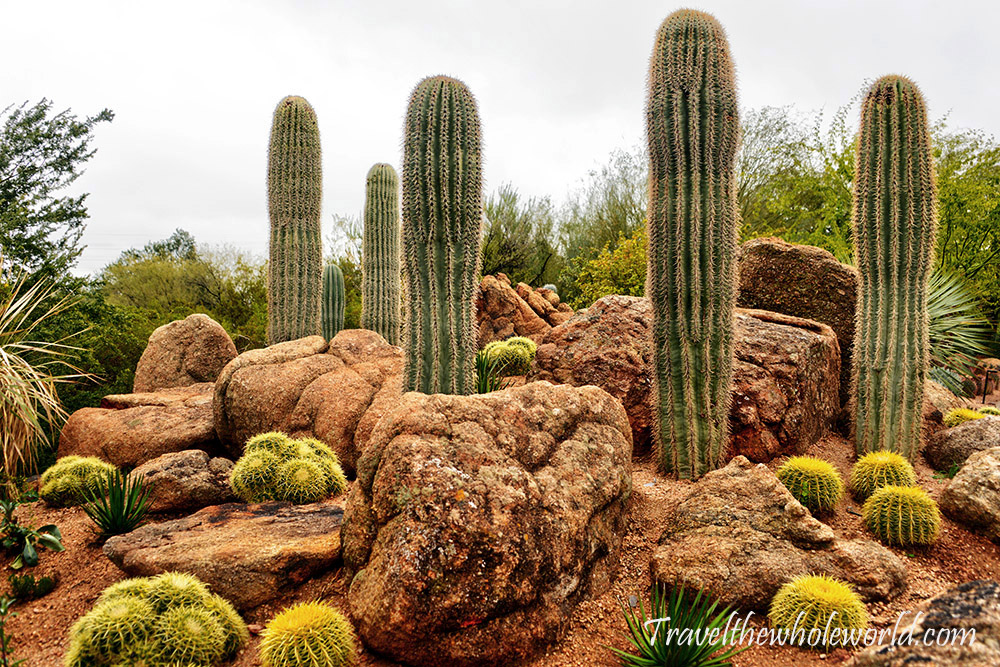
Even without going inside, it was an excellent place to get close to some of the plants that make the Sonoran Desert so distinctive. Giant cacti and other desert species that would seem exotic almost anywhere else are completely at home here.
I was impressed enough by what I could see for free that I can only imagine how much better the full garden is. So technically I’ve visited the Desert Botanical Garden, while at the same time I still haven’t really visited it. That gives me another reason to come back to Phoenix.
Phoenix isn’t a city that overwhelms you with famous monuments or a dense historic center. What makes it interesting is the environment itself: a huge modern city built in one of the harshest climates in the United States, surrounded by mountains and desert, and dependent on the same basic resource that made settlement here possible thousands of years ago—water.
“`
Explore More of Arizona
Mt. Humphrey • Flagstaff • Phoenix • the Grand Canyons