Arizona is one of my favorite states to explore because almost every trip seems to challenge the stereotype of it being nothing more than endless desert. The Grand Canyon alone would make Arizona one of the great travel destinations in the United States, but beyond it are red-rock canyons, giant saguaros, ancient cliff dwellings, historic towns, pine forests, and mountains high enough to support ski resorts and serious winter conditions.
I’ve returned to Arizona several times and still have plenty left to explore. Places like Monument Valley, Horseshoe Bend, and the Wave remain on my list, while the trips I’ve already made have taken me from the Sonoran Desert around Phoenix to the forests of Flagstaff, the summit of Humphreys Peak, the red rocks of Sedona, and the rim of the Grand Canyon. Few states in the country pack so many dramatically different landscapes into a relatively small area.
Explore Flagstaff & Northern Arizona
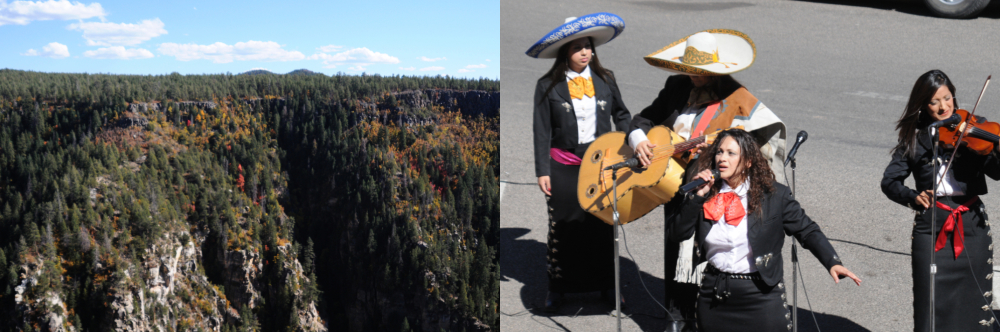
At nearly 7,000 feet (2,130 meters), Flagstaff reveals a side of Arizona that looks almost nothing like the deserts farther south. Ponderosa pine forests cover the surrounding mountains, autumn brings changing leaves, and winter regularly blankets the high country with snow. South of the city, the landscape descends through the forests and canyons of northern Arizona before reaching historic mining communities such as Jerome.
Explore Arizona’s Deserts & Red Rocks
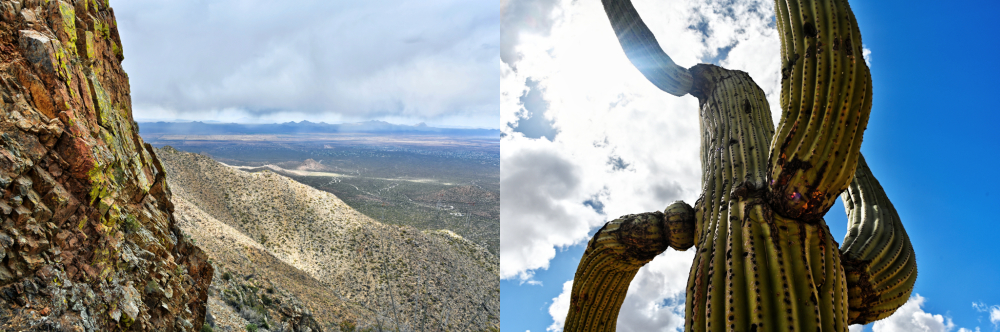
Arizona’s deserts contain some of the most recognizable scenery in the American Southwest. Giant saguaros rise across the Sonoran Desert, rocky mountains break up the valleys, and farther north the landscape transforms into the immense red and orange sandstone formations surrounding Sedona. The region also contains places such as Slide Rock and Montezuma Castle, where desert scenery is mixed with flowing water and centuries of human history.
Explore Humphreys Peak
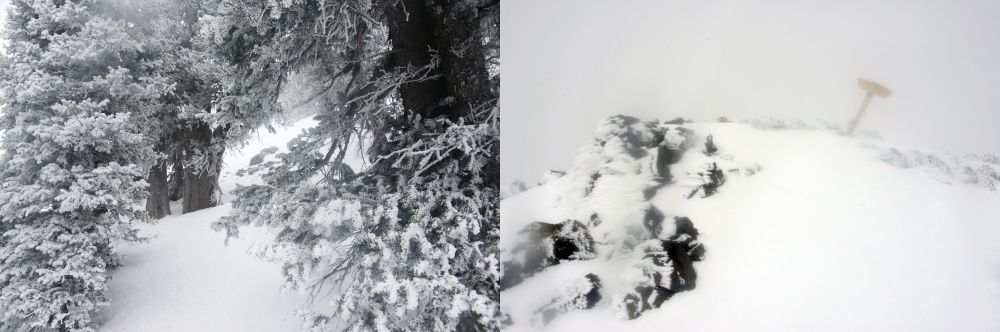
Humphreys Peak is the highest mountain in Arizona at 12,633 feet (3,850 meters), rising above Flagstaff as part of the San Francisco Peaks. During the warmer months the surrounding mountains offer hiking and camping, while winter transforms the upper elevations with deep snow, powerful winds, and rime ice. Nearby Arizona Snowbowl makes the same mountain range one of the state’s major skiing destinations.
Explore Phoenix

Phoenix is a sprawling desert metropolis surrounded by rugged mountains and the Sonoran Desert. The city is famous for extreme summer heat, with an all-time record of 122°F (50°C), but its desert environment is also one of its greatest attractions. Hiking trails, desert parks, and distinctive Sonoran vegetation can all be found throughout the metropolitan area.
Beyond the desert scenery, Phoenix includes the historic Arizona State Capitol and a huge metropolitan area extending into communities such as Tempe. Mill Avenue and Arizona State University give Tempe a different atmosphere from central Phoenix, while the Desert Botanical Garden showcases the extraordinary variety of plants adapted to desert environments.
Explore the Grand Canyon
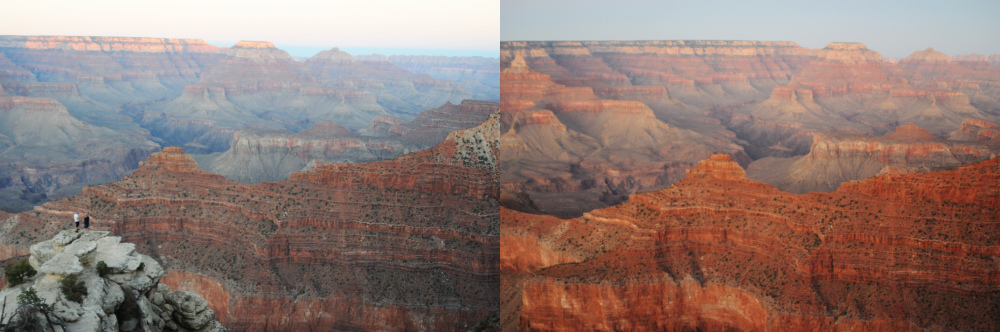
The Grand Canyon is Arizona’s most famous natural landmark and one of the great landscapes of North America. From the South Rim, immense cliffs and side canyons descend thousands of feet toward the Colorado River, exposing layer after layer of geological history. Wildlife, including elk, can also be encountered around the rim and surrounding forests.
The overlooks provide spectacular views, but they reveal only a fraction of the canyon. Trails descend from the rim toward the Colorado River, while rafting, backpacking, climbing, and other adventures offer completely different ways to experience a landscape whose scale is difficult to appreciate until standing at its edge.
