Arizona is famous for its deserts, but seeing the landscape in person made me appreciate how varied even the desert parts of the state can be. Giant saguaros cover rocky mountainsides in the Sonoran Desert, while farther north the landscape transforms into the enormous red sandstone formations surrounding Sedona. Traveling through central and southern Arizona took me through some of the scenery I had always associated with the American Southwest, along with places that looked completely different from what I expected.
The Sonoran Desert
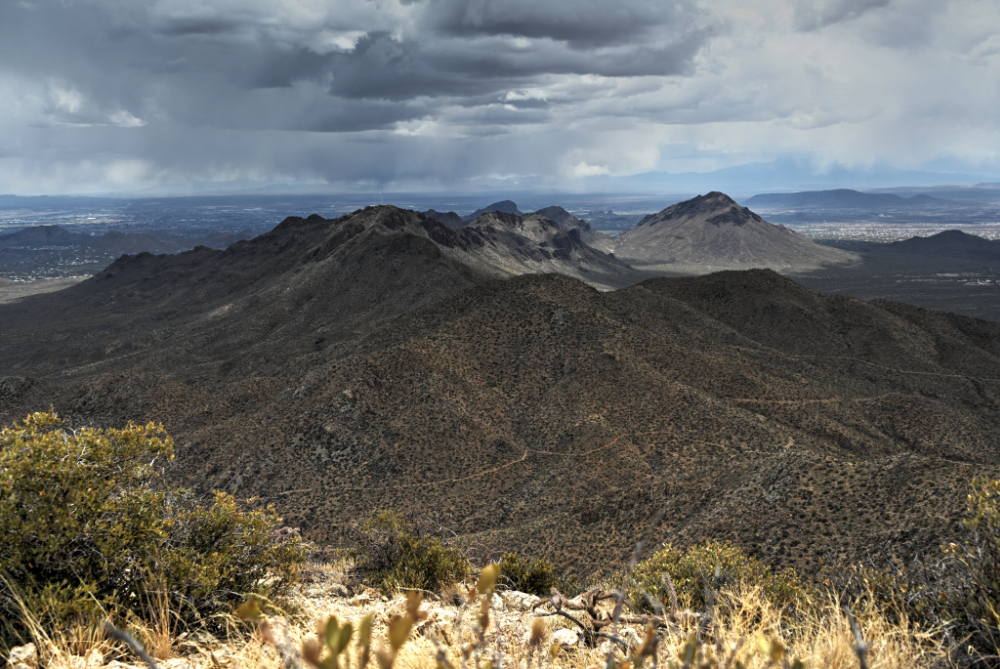
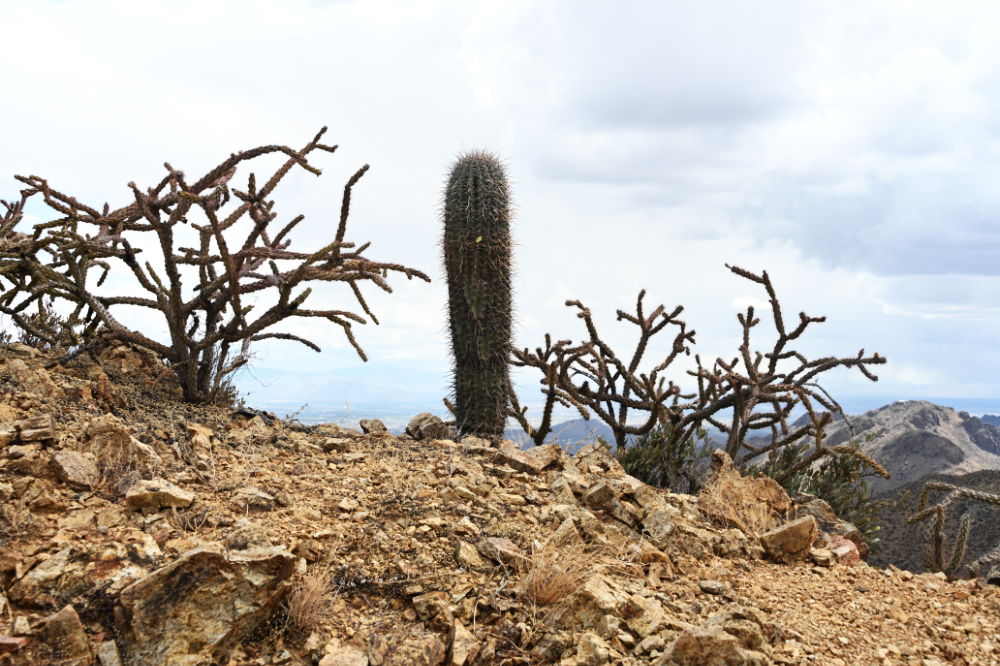
The Sonoran Desert contains some of the scenery most closely associated with Arizona. The most distinctive plants are the enormous saguaro cacti, which grow naturally only in the Sonoran Desert and can dominate entire hillsides. Seeing thousands of them scattered across the mountains was completely different from encountering an occasional cactus beside the road.
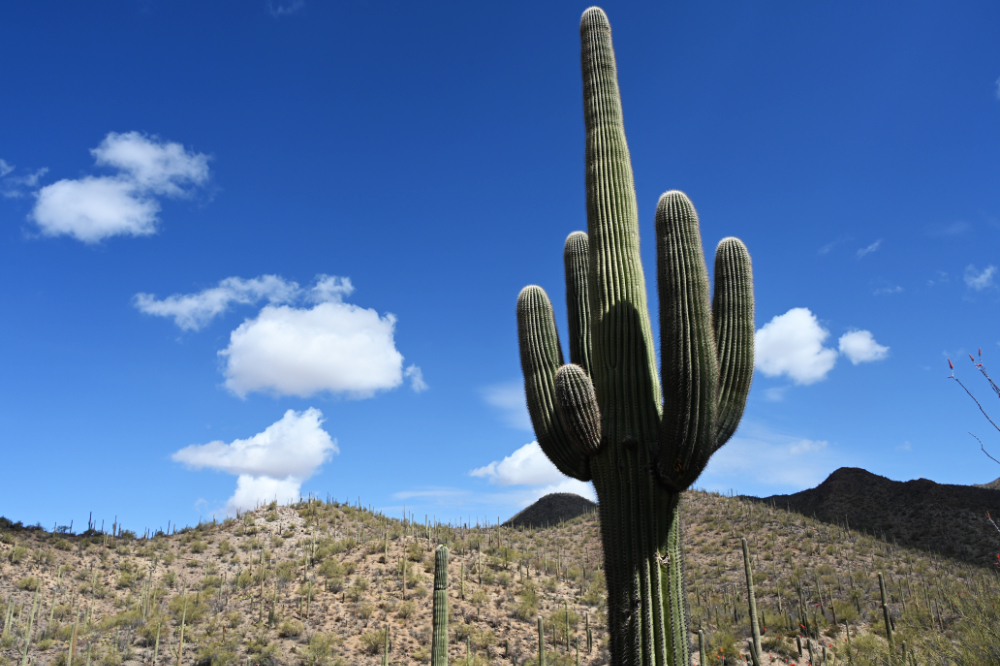
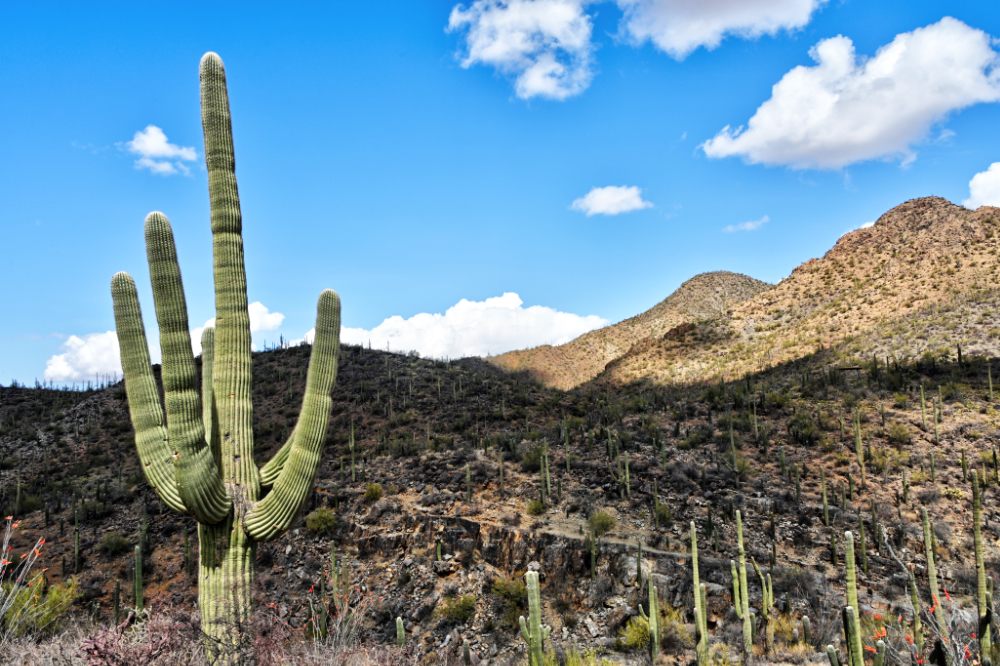
What surprised me was how much vegetation there actually was. From a distance the desert can look barren, but up close it was filled with different species of cactus, shrubs, and other plants adapted to surviving extreme heat and long periods with very little rain.
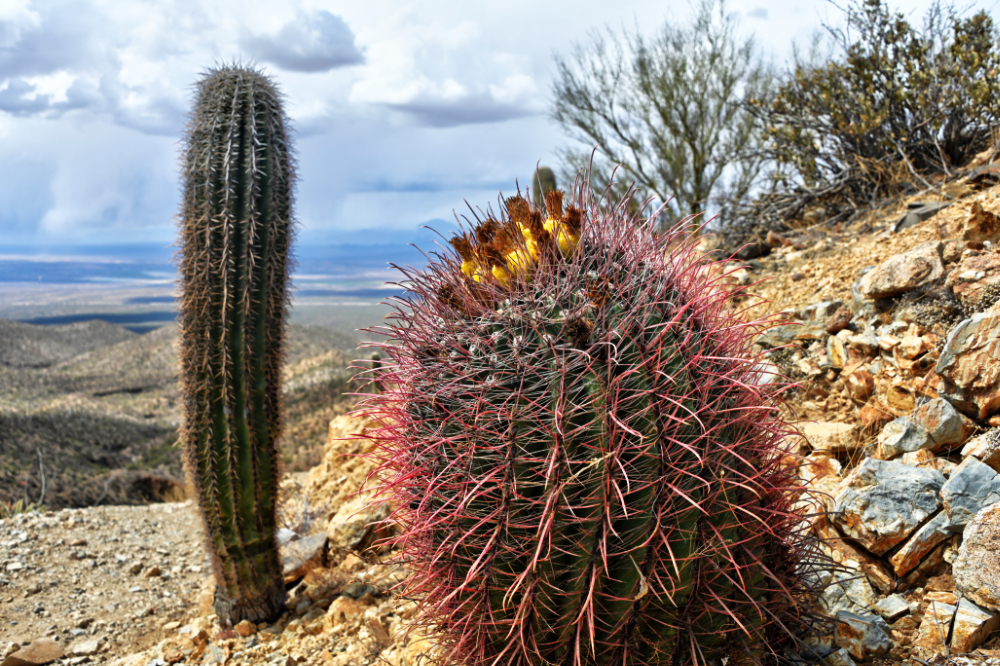
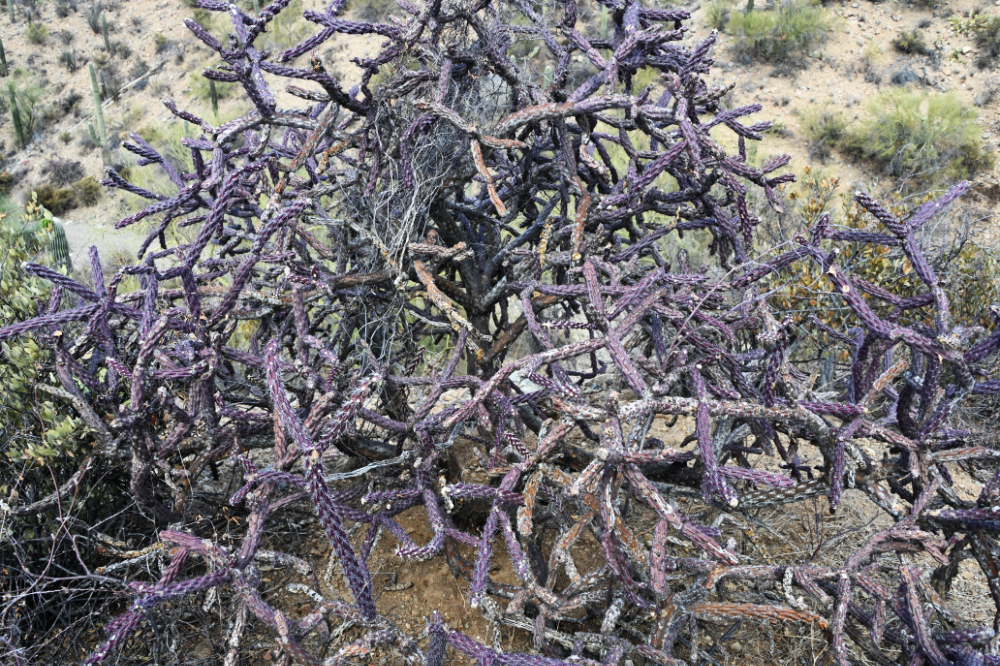
The Saguaros
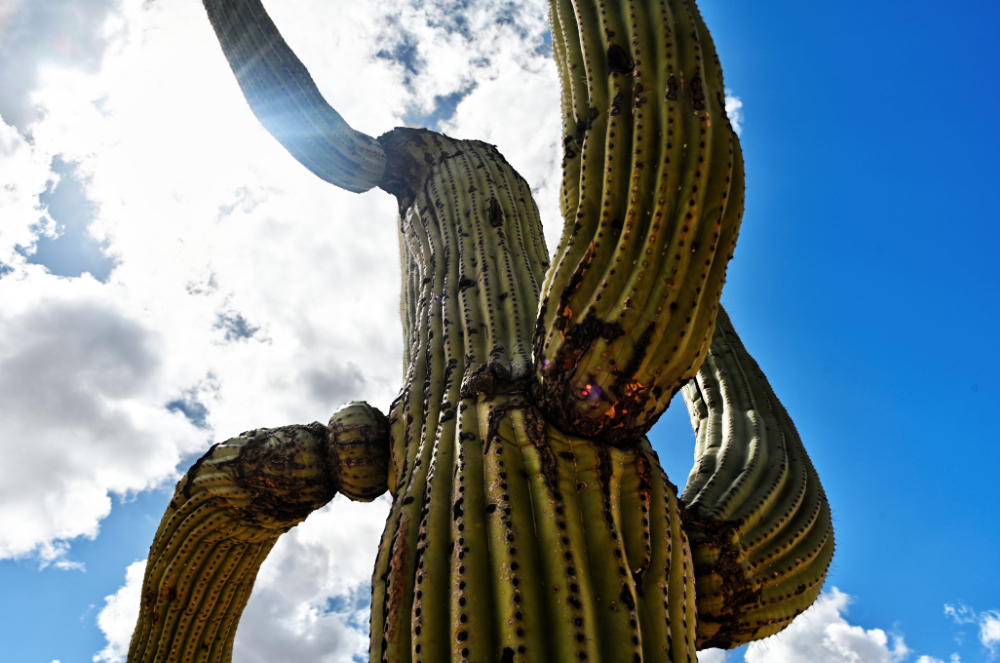
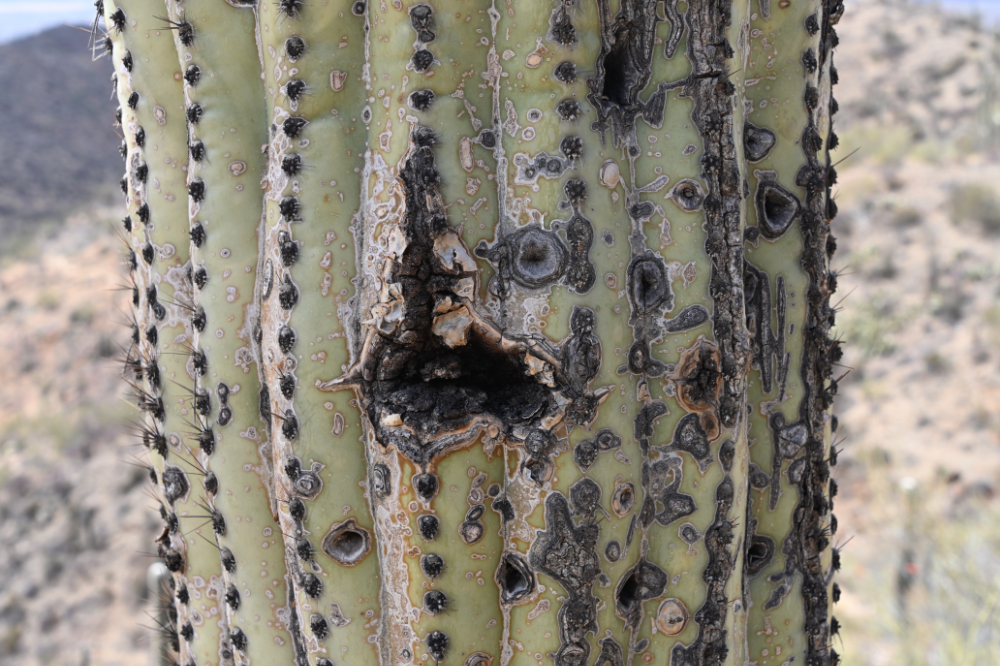
Saguaros become more impressive when you get close to them. Their ribbed trunks expand to store water, while the pleated surface and dense spines give them an appearance unlike almost anything growing elsewhere in the United States. Some remain simple columns while others eventually develop the huge arms that create their familiar silhouette.
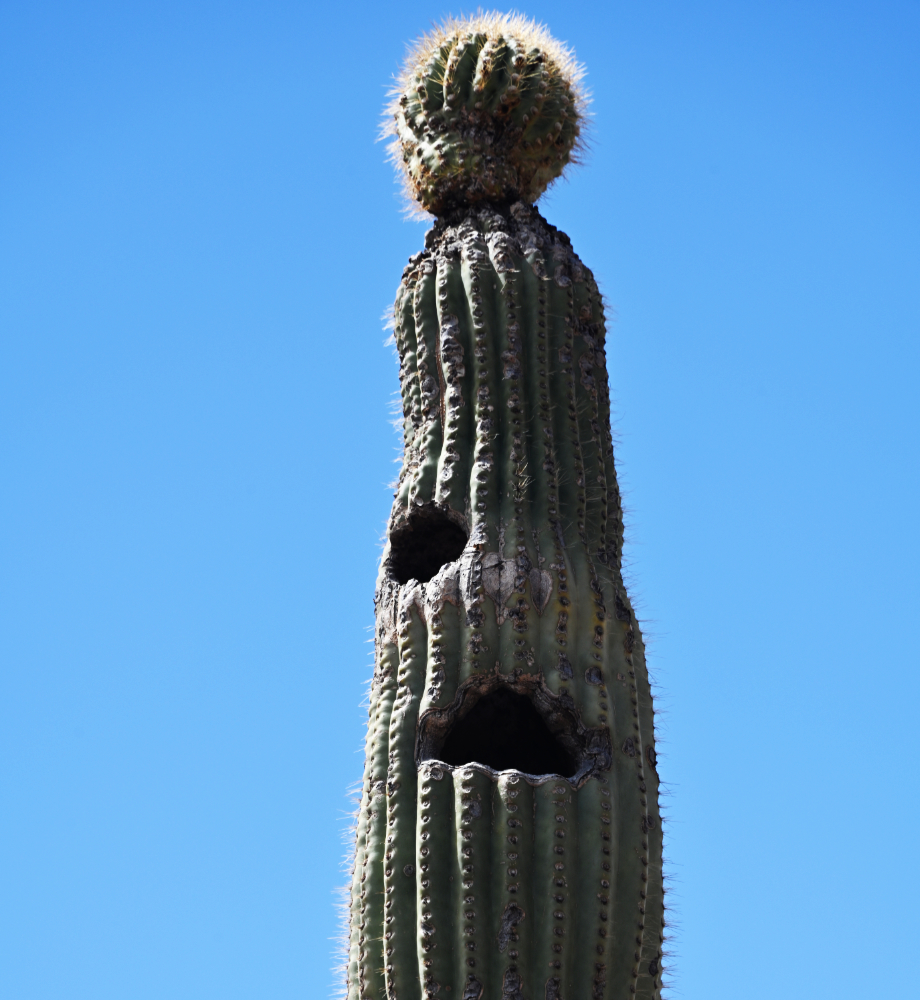
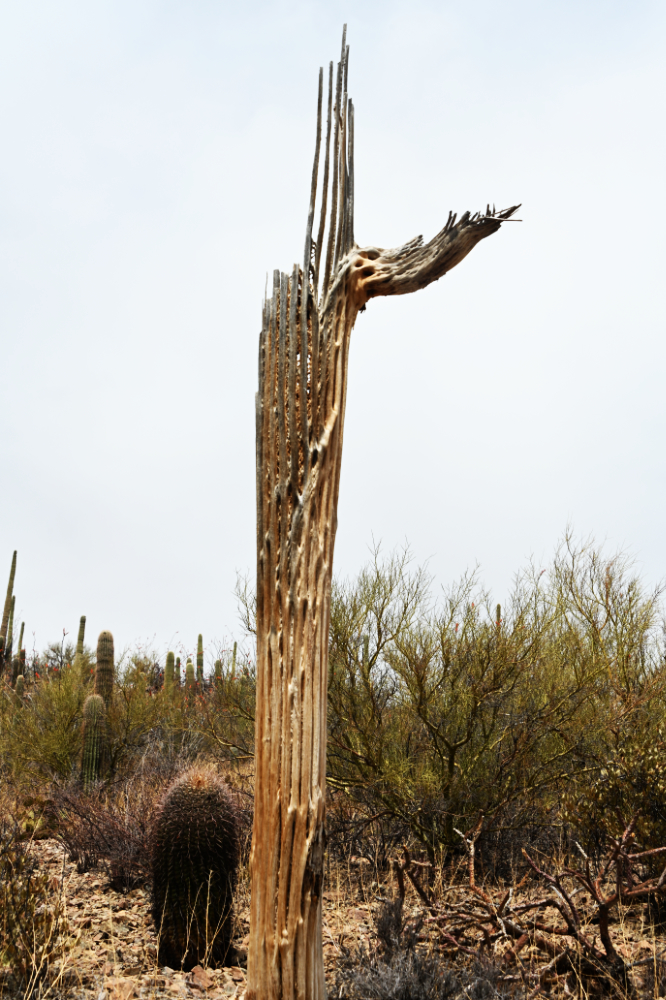
Even a dead saguaro was interesting. Once the softer outer tissue disappears, it leaves behind a surprisingly substantial framework of woody ribs that supported the cactus during its life.
Across the Desert Mountains
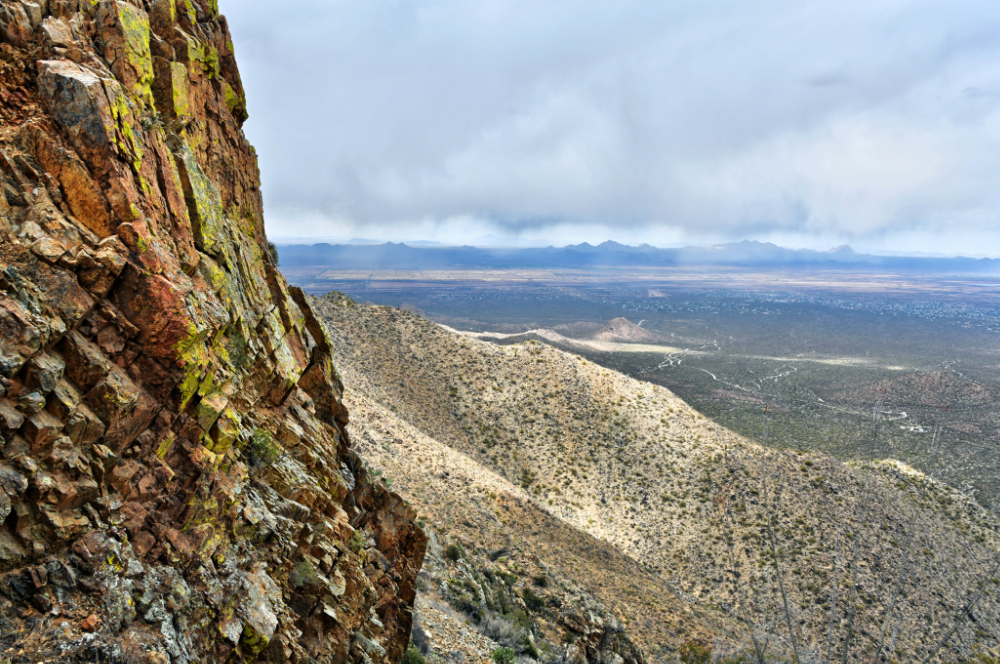
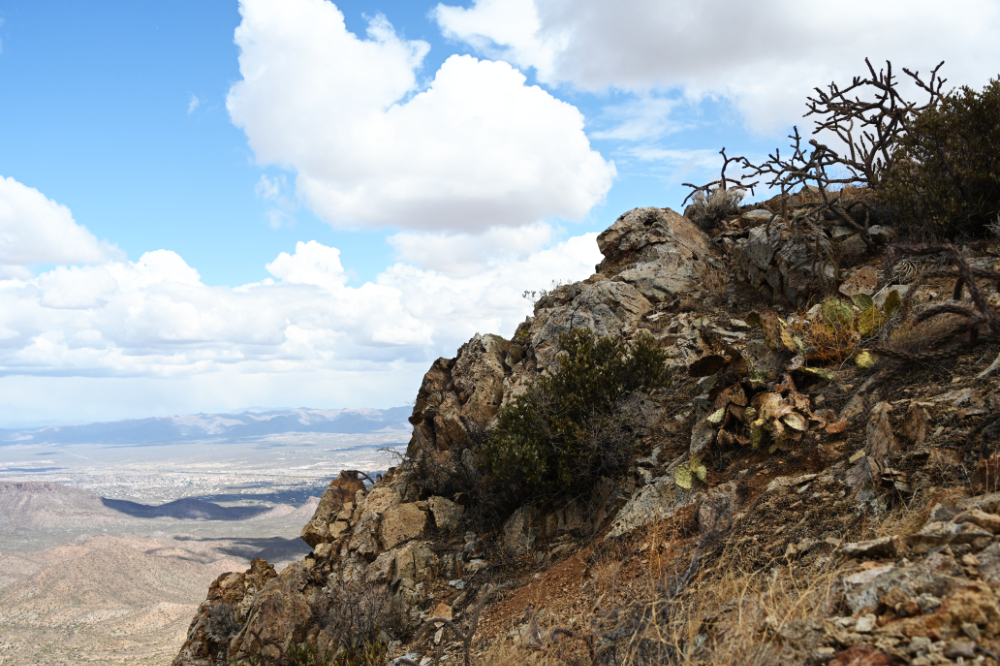
The terrain was much more mountainous than the word desert might suggest. Rocky ridges and cliffs rose directly above valleys filled with saguaros, and climbing higher opened increasingly broad views across the surrounding landscape.
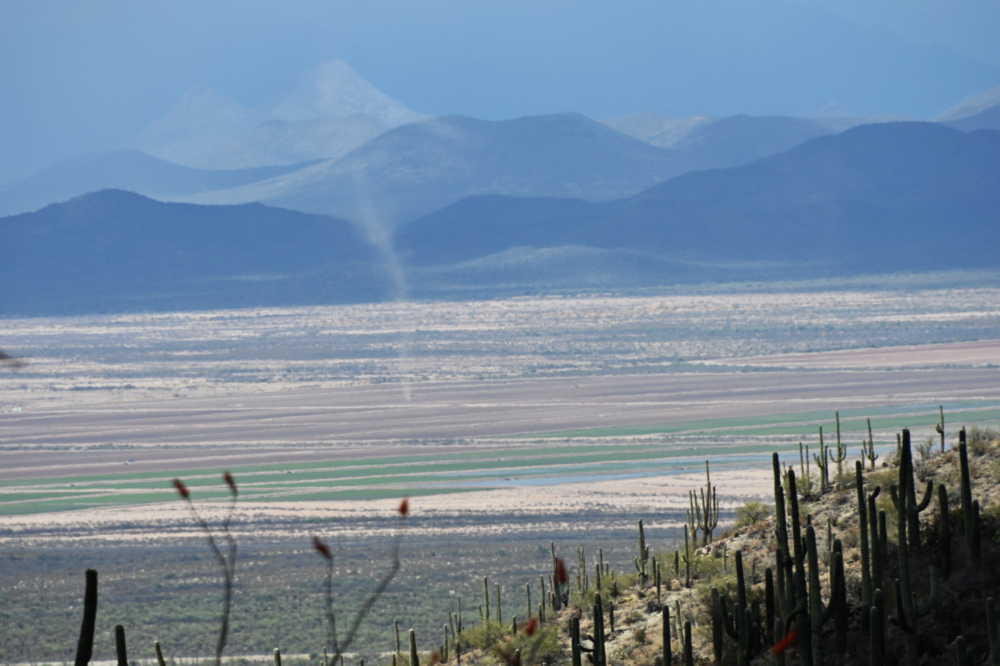
From higher on the mountains I could look across a huge expanse of desert and watch a dust devil moving across the landscape below. It was the Arizona I had pictured before ever visiting the state: rugged mountains, intense sun, cactus-covered slopes, and desert stretching toward the horizon.
Sedona and the Red Rocks
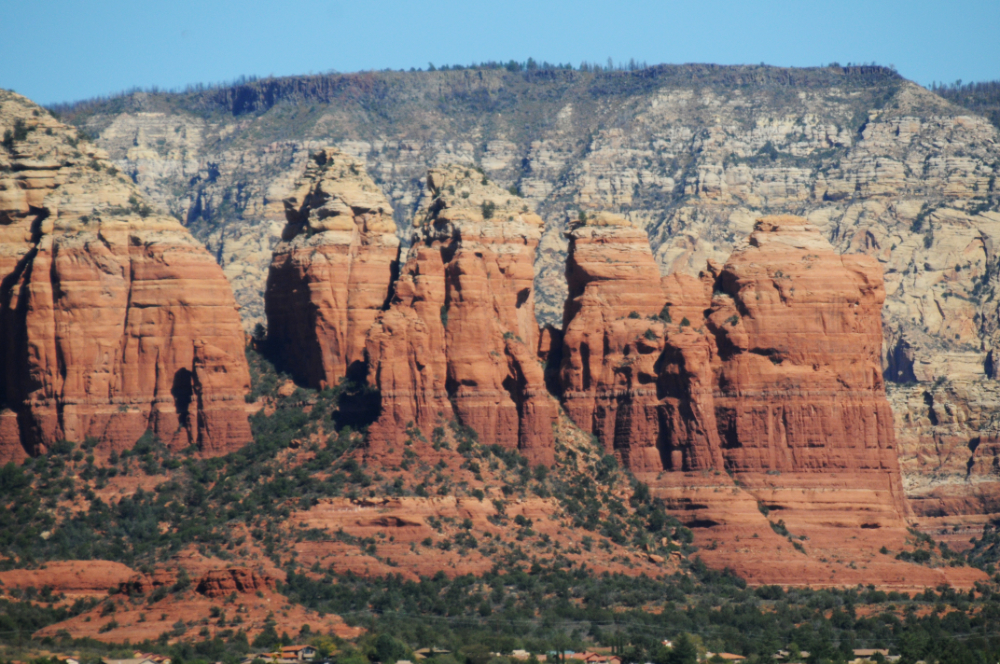
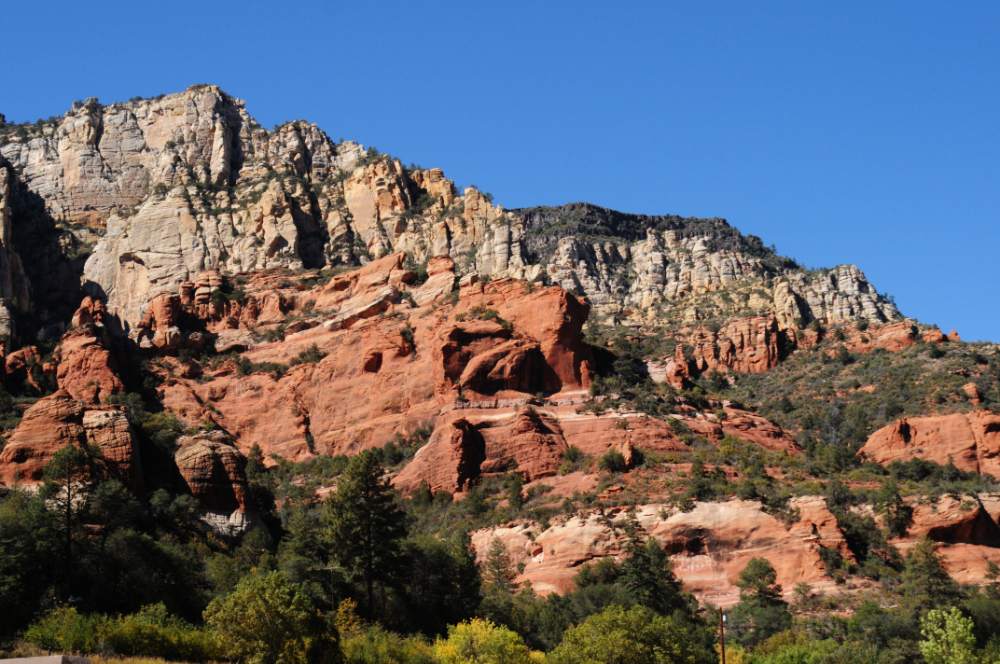
Farther north, the desert scenery changed dramatically around Sedona. Massive red and orange rock formations rise around the town, creating one of the most recognizable landscapes in Arizona. The formations seemed to change constantly depending on the angle and the light.
Sedona itself was much greener than I expected. Trees and vegetation filled the town beneath the surrounding red cliffs, creating an impressive contrast between the developed areas, green vegetation, and rugged sandstone formations towering above them.
Slide Rock
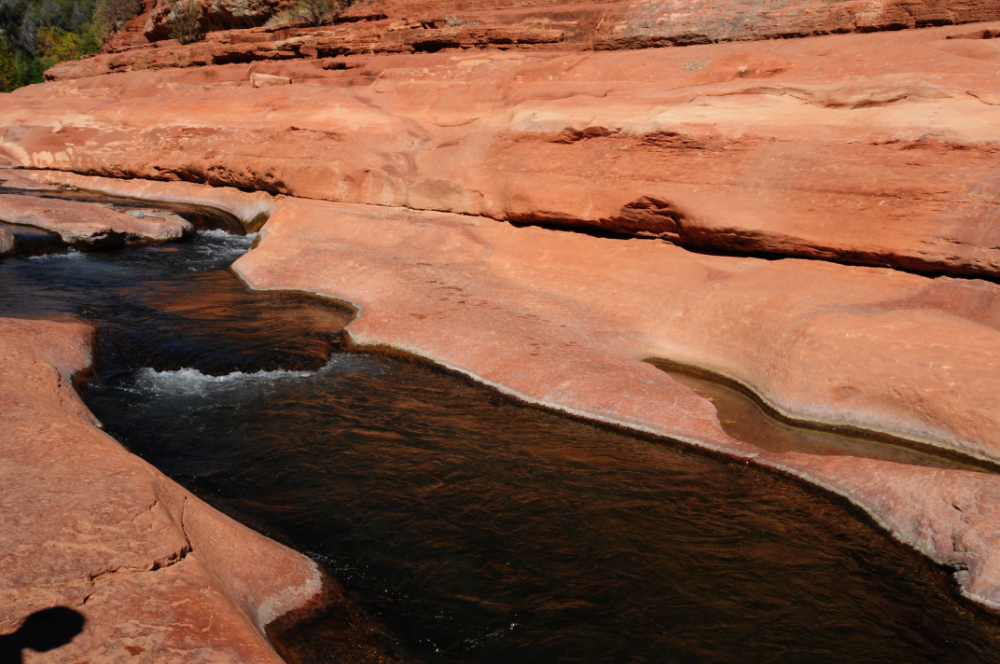
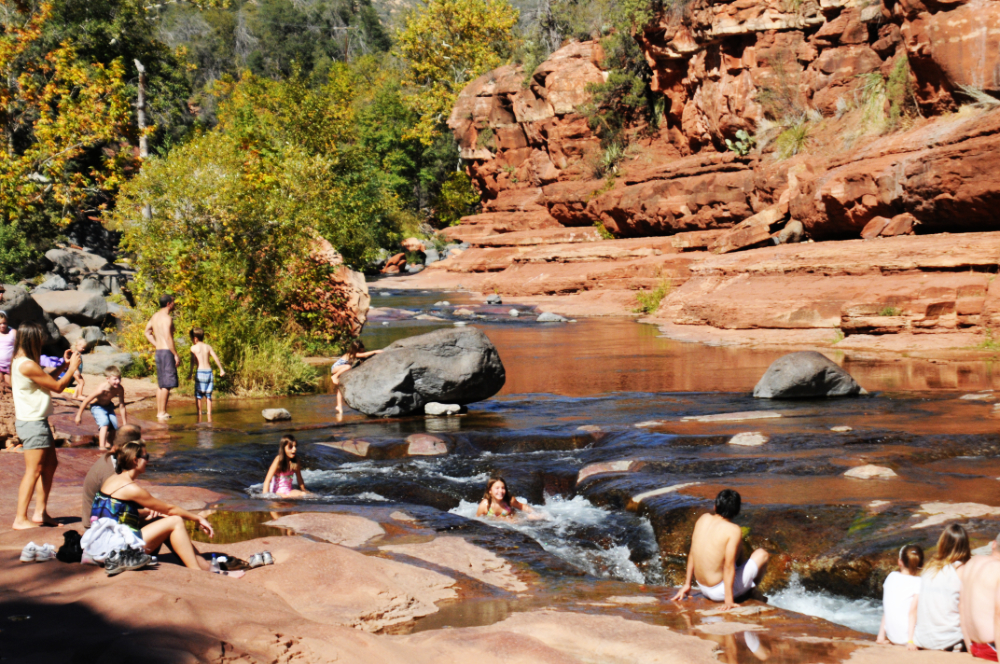
Near Sedona is Slide Rock, where Oak Creek has spent thousands of years carving a smooth channel through the sandstone. The result is essentially a natural water slide. During warmer weather, people swim in the creek and let the current carry them through the narrow rock chute.
It was another example of how varied Arizona could be. Within the same broad region were cactus-covered desert mountains, enormous red-rock formations, and a cool creek where people could swim through channels carved naturally into the sandstone.
Montezuma Castle
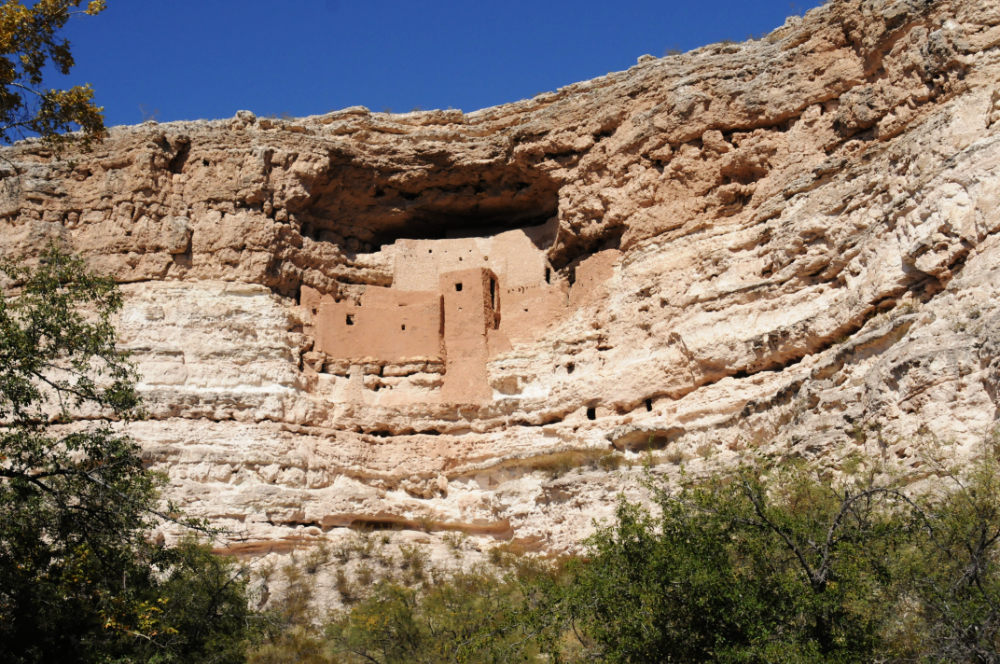
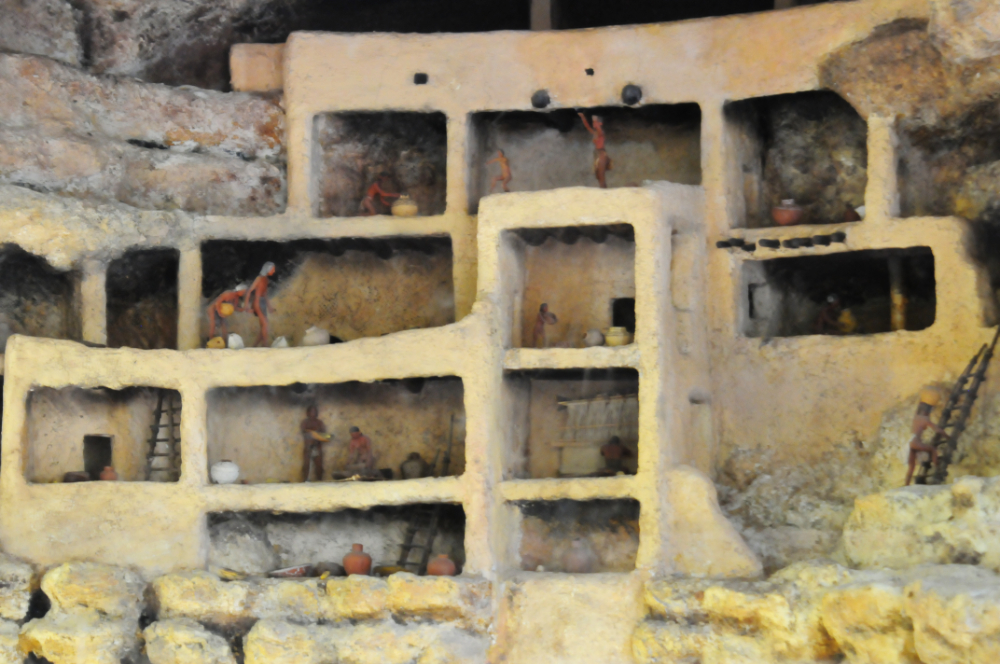
Montezuma Castle added an entirely different dimension to the trip. Despite the misleading name, the structure has nothing to do with the Aztec emperor Montezuma. It is a remarkably well-preserved Indigenous cliff dwelling built into a limestone cliff hundreds of years before Europeans reached the region.
Seeing something this old still standing in Arizona gave me a much better sense of how deep the human history of the Southwest really is. The deserts and canyons may dominate the scenery, but people had already been building communities in this landscape centuries before Arizona existed as a state.
Traveling through the Sonoran Desert, Sedona, Slide Rock, and Montezuma Castle showed me several very different versions of the Arizona landscape. The giant saguaros and rugged desert mountains were the scenery I had expected, but the red-rock cliffs, flowing creeks, and ancient cliff dwellings made the region far more varied than the stereotypical image of an endless desert.
Explore More of Arizona
Mt. Humphrey • Arizona Deserts • Flagstaff • Phoenix • the Grand Canyons
