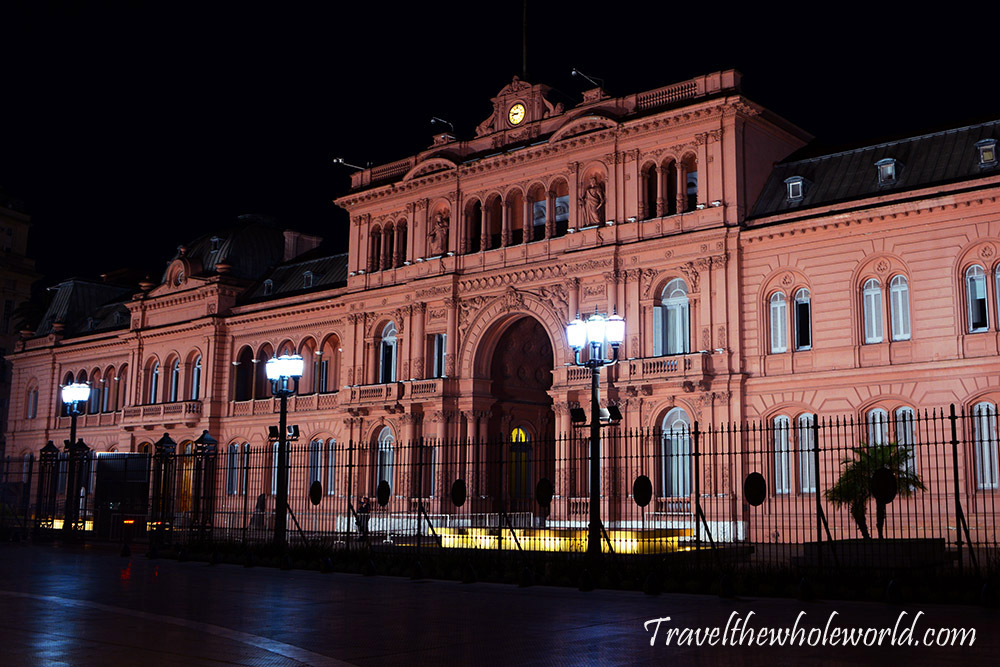
Buenos Aires! One of South America’s great cities, and one I’ve had the chance to visit more than once, with nearly 15 years separating my first two trips. I’m sure plenty changed for the people living here during that time, but from my perspective Buenos Aires was just as amazing as I remembered it.
On both trips I visited Casa Rosada, so it seemed like the right place to begin this page. The famous pink building overlooks Plaza de Mayo and serves as the seat of Argentina’s national government. One thing I learned on my first trip and never forgot was the story behind its unusual color. A popular explanation is that the pink represented a blending of the red and white associated with rival political factions in Argentina’s past.
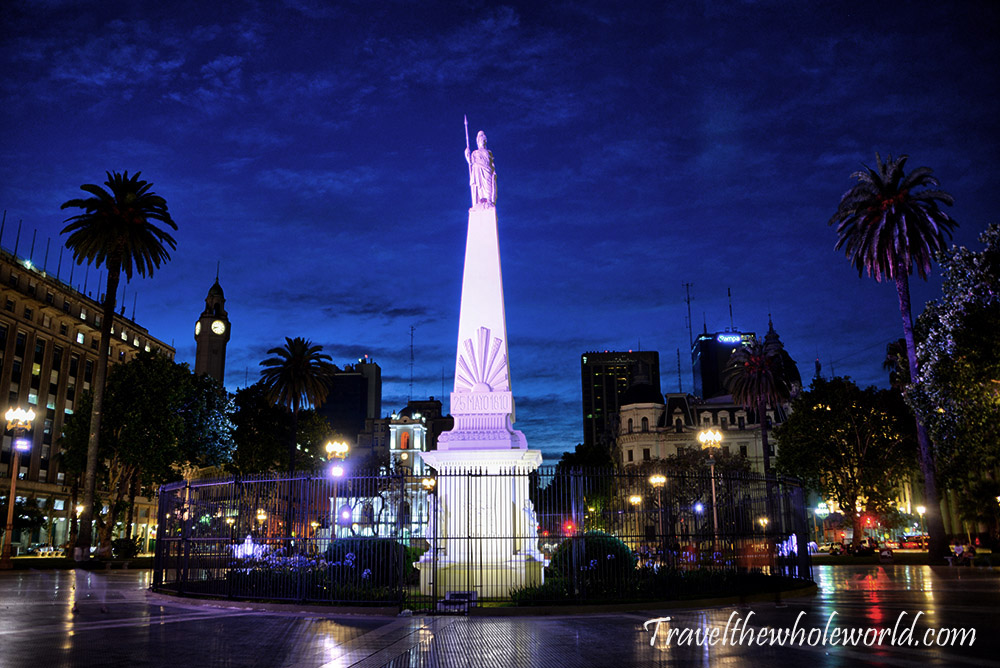
The historic heart of Buenos Aires is Plaza de Mayo, named for the May Revolution of 1810 that began Argentina’s path toward independence from Spain. The plaza remains one of the country’s most important public spaces, surrounded by historic buildings and regularly used for ceremonies, celebrations, and protests.
I passed through Plaza de Mayo several times during my visits. The photo above was taken around sunset, while the church below was only about a block away.
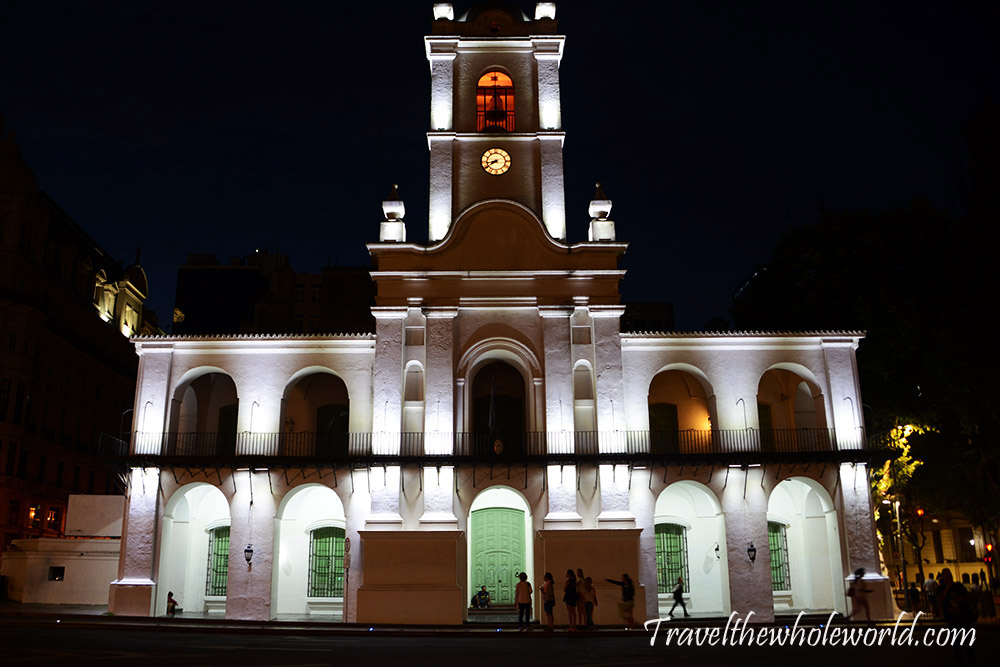
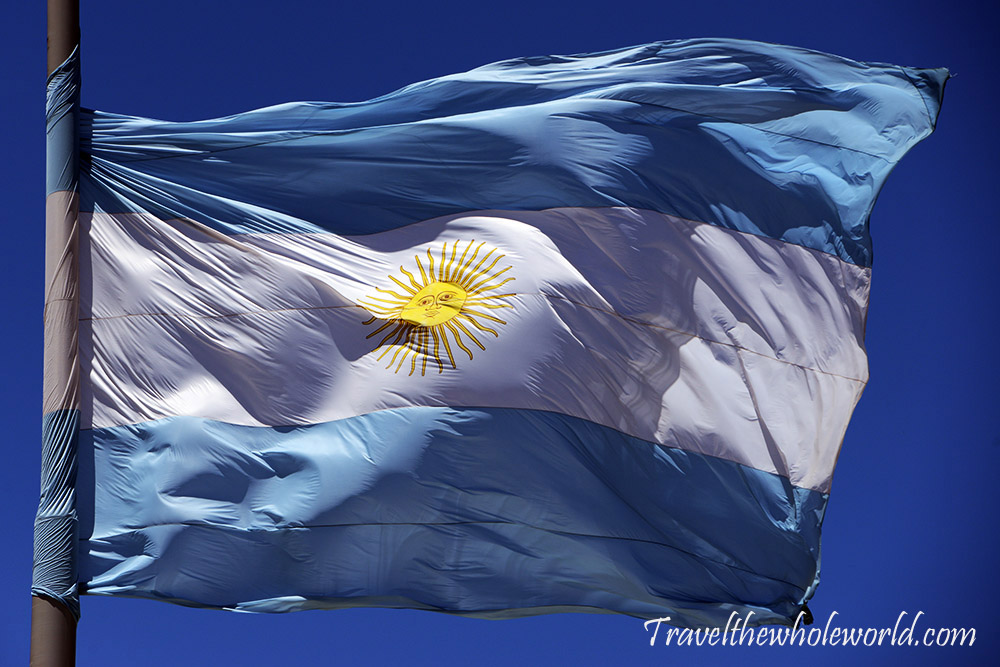
Plaza de Mayo also became a useful reference point while I wandered around the center of the city, so I ended up seeing it under completely different conditions throughout the day. On this particular visit the sky was bright blue and the temperature was about as comfortable as I could have asked for.
I liked how the palm tree and streaks of white cloud in the photo below almost seemed to repeat the colors of Argentina’s flag.
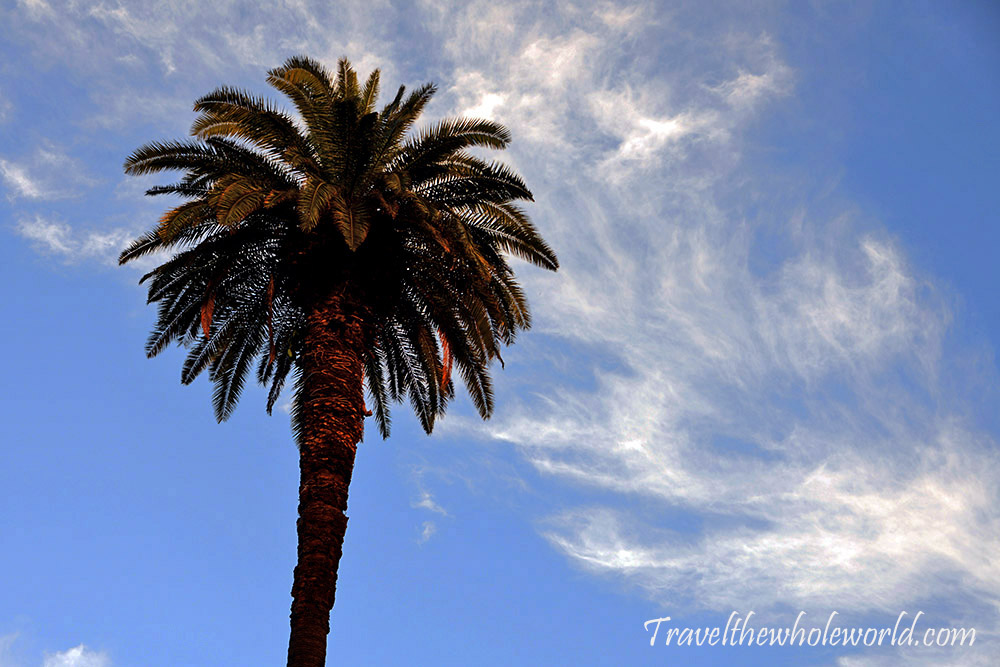
Buenos Aires literally means “good airs,” and the weather during my visits certainly lived up to the name. The city has hot summers and relatively mild winters compared with many cities farther from the equator, although there are plenty of exceptions in both directions.
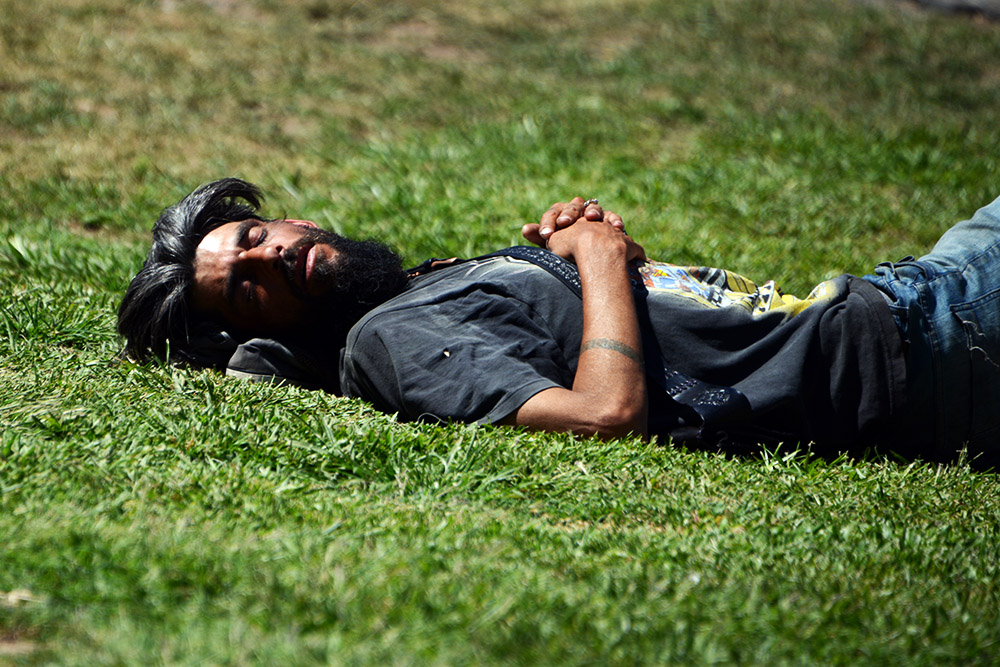
One taxi driver even told me about the rare occasion when Buenos Aires received snow. I didn’t see anything remotely like that. My visits were during Argentina’s summer, when taking a nap outside like this guy seemed like a perfectly reasonable thing to do.

All of my trips to Argentina have happened during winter back home and summer down here. On my most recent visit I arrived only about a week before Christmas, which meant seeing Christmas decorations surrounded by palm trees and warm weather.
Inside one of the city’s shopping centers I found this enormous Christmas tree. The two girls posing below didn’t look nearly as excited about the decorations as some of the other people I encountered.

Exploring the Center of Buenos Aires
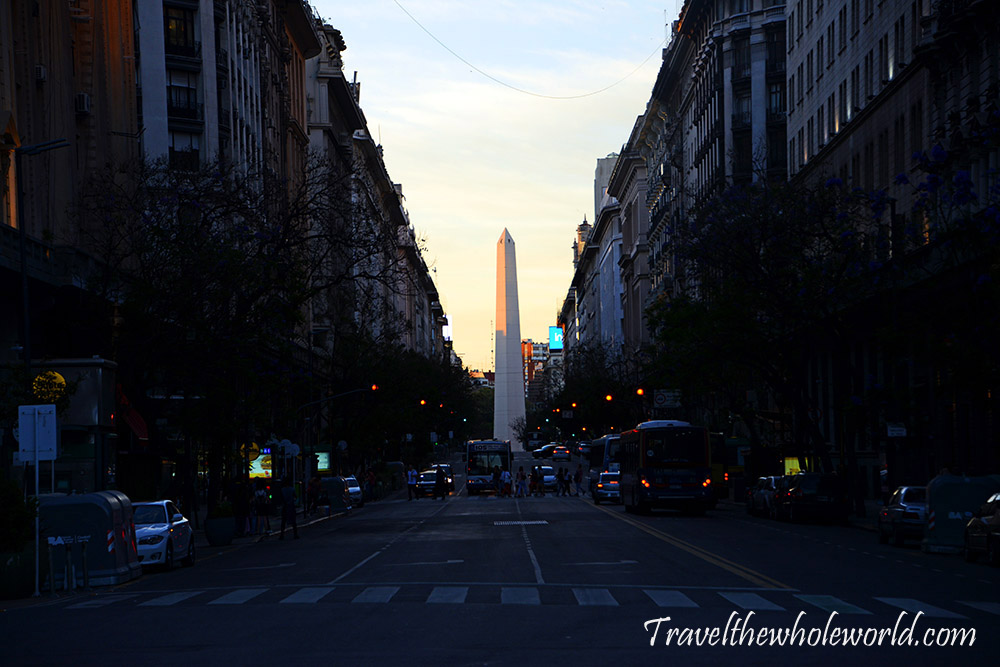
With nearly 15 years separating my visits, I expected Buenos Aires to feel much more different than it did. I’m sure someone who actually lived here would have noticed countless changes, but as a traveler returning after so long, much of the city still felt strangely familiar.
One landmark that obviously hadn’t gone anywhere was the Obelisco de Buenos Aires. I’ve always thought it was funny how much it resembles the Washington Monument back home, although on a smaller scale.
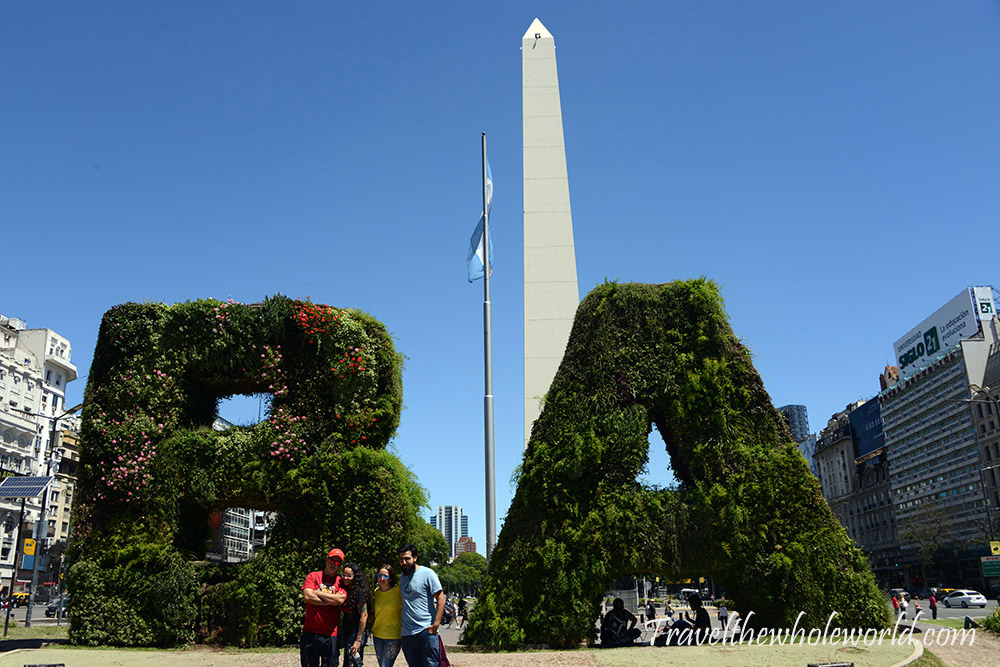
The obelisk was built in 1936 to commemorate the 400th anniversary of the first founding of Buenos Aires. Today it stands in the middle of Avenida 9 de Julio and has become one of the city’s most recognizable landmarks.
It’s also an extremely popular place for photographs. Trying to get a clean picture without somebody wandering into the frame can be nearly impossible unless you show up ridiculously early in the morning.
Eventually I stopped trying to avoid everyone and decided the people were part of the scene.
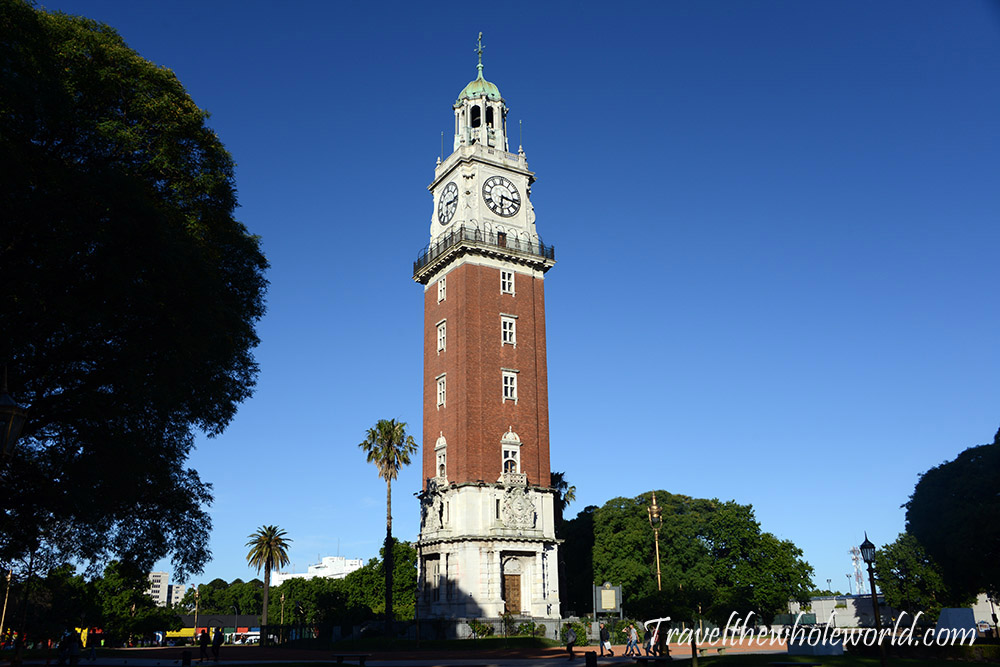
Buenos Aires is famous for the European influence visible throughout its architecture, and Torre Monumental is a particularly obvious example. The Palladian-style clock tower was a gift from the city’s British community and was completed in the early 20th century.
Buildings like this are part of what gives central Buenos Aires such a distinctive appearance. Depending on which street you’re walking down, parts of the city can look surprisingly European.
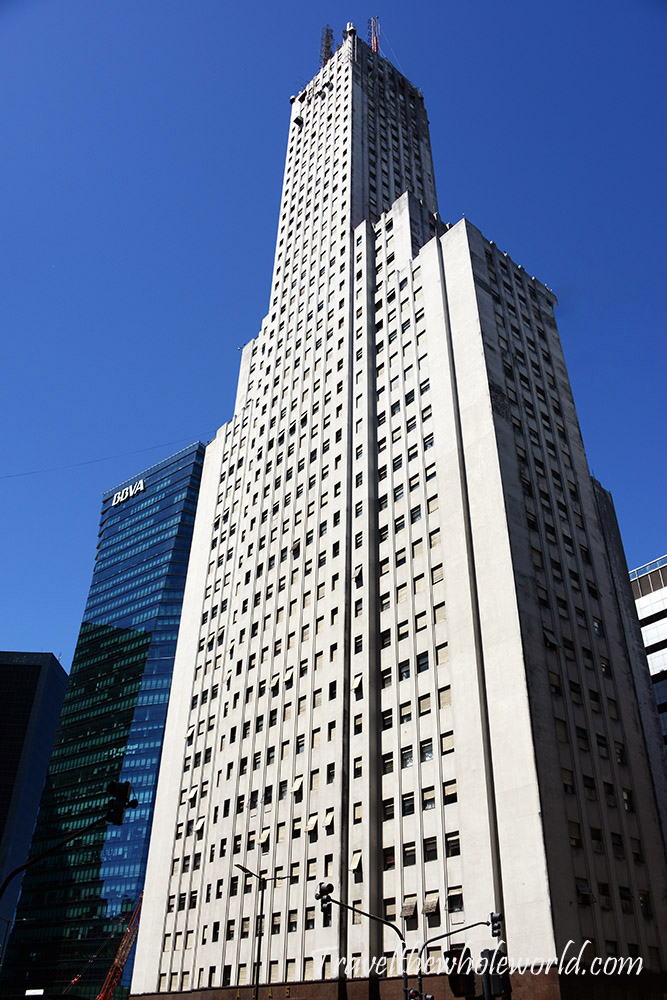
Of course, Buenos Aires isn’t frozen in its historic architecture. The city has plenty of modern towers as well. I hate posting vertical photographs on my site, but there wasn’t really another way to capture some of these giants.
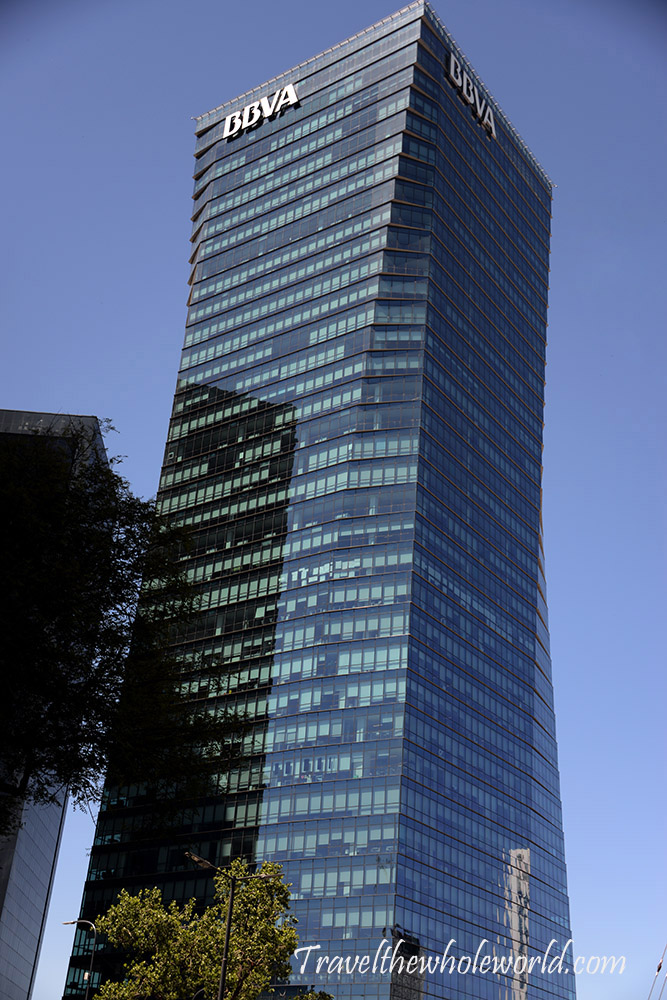
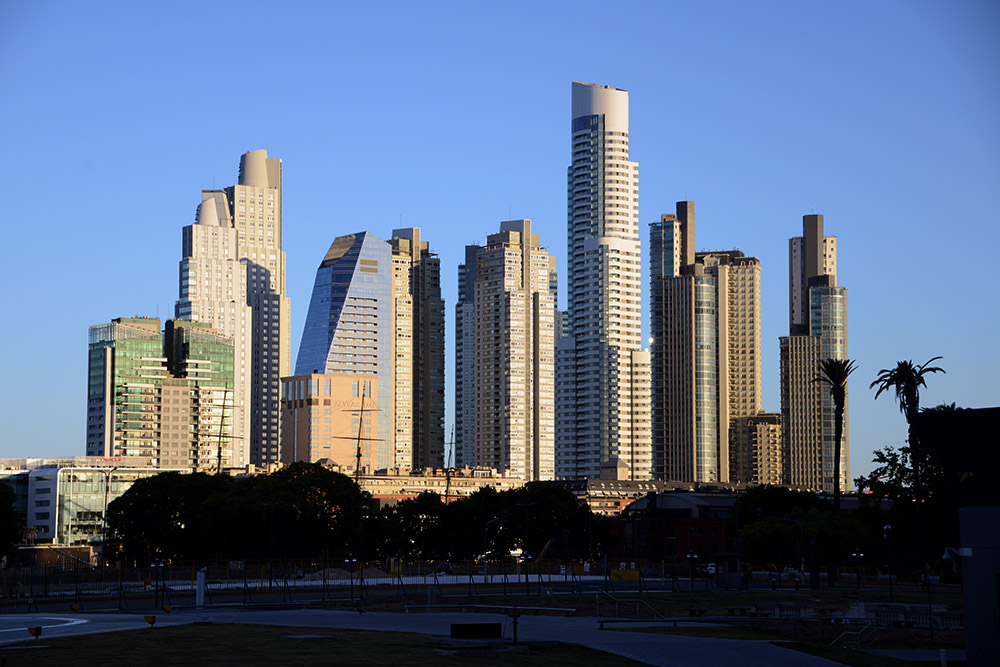
Even after visiting Buenos Aires multiple times, this is an enormous city and there are large areas I’ve barely explored. I could see these buildings along the water from the center, but much of my time was spent closer to the historic core.
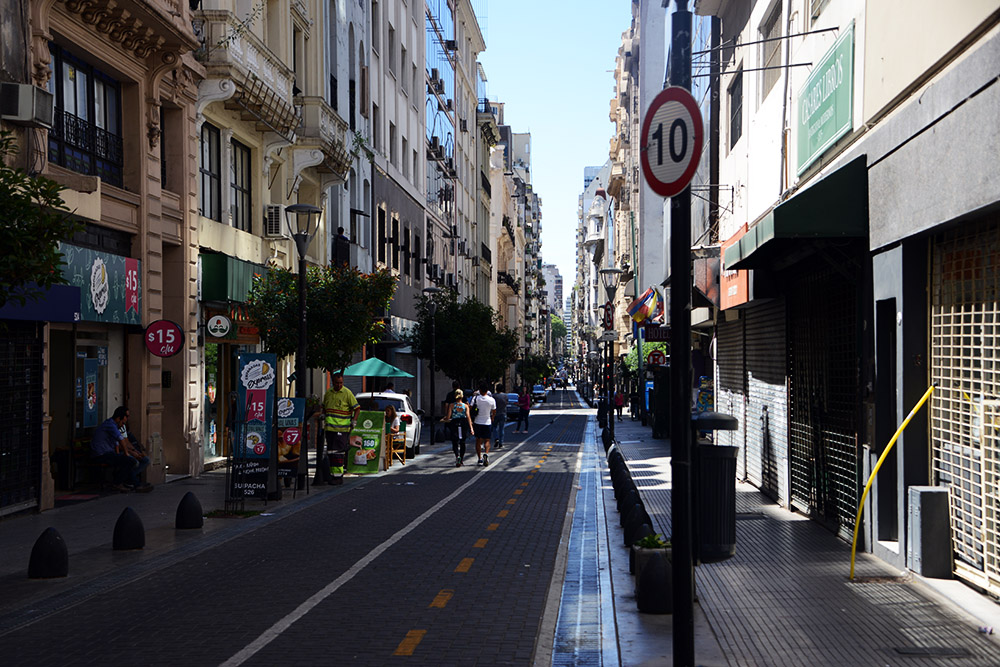
That’s also how I prefer exploring cities anyway. Rather than trying to check off every attraction, I’ll often just pick a direction and start wandering down random streets.
The Less Polished Side of the City
I’ve always viewed Buenos Aires as a beautiful city, even during periods when Argentina was going through serious economic problems. Like any enormous city, there are places where you should pay more attention to your surroundings, but I generally felt comfortable wandering around the areas I visited.
During my first trip, I was taking a taxi to the airport when I had to run inside a building to grab something. I took my carry-on containing my camera and documents but left my main backpack in the taxi.
When I returned, the driver couldn’t believe I’d done it. He told me another taxi driver might have simply taken off with my belongings.
Whoever tried would have been rewarded with a backpack full of dirty laundry.
Nearly 15 years later I found myself wondering whether a taxi driver would still give me the same warning.
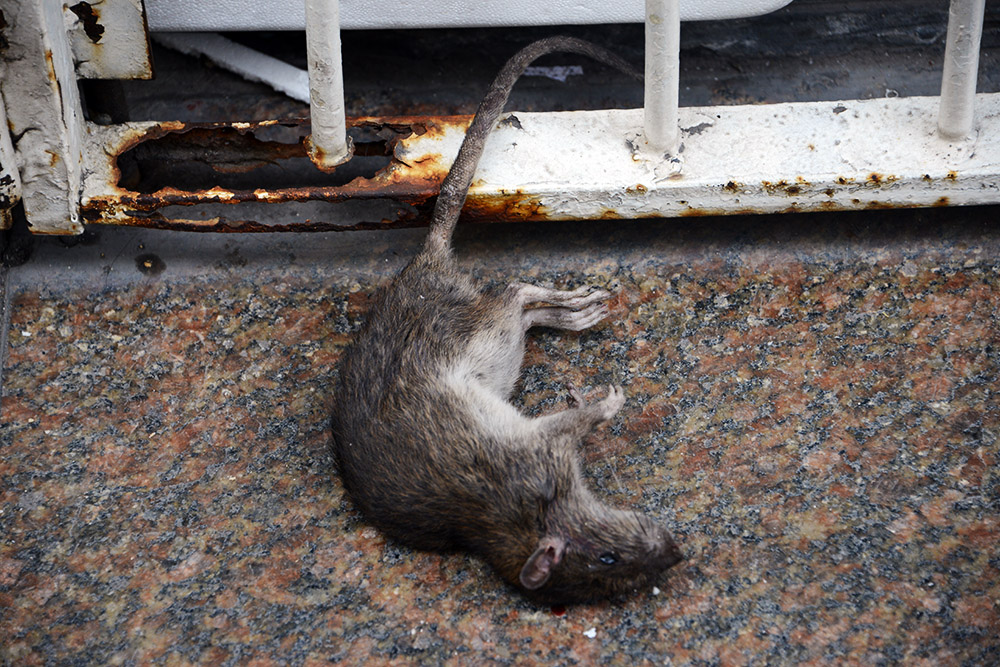
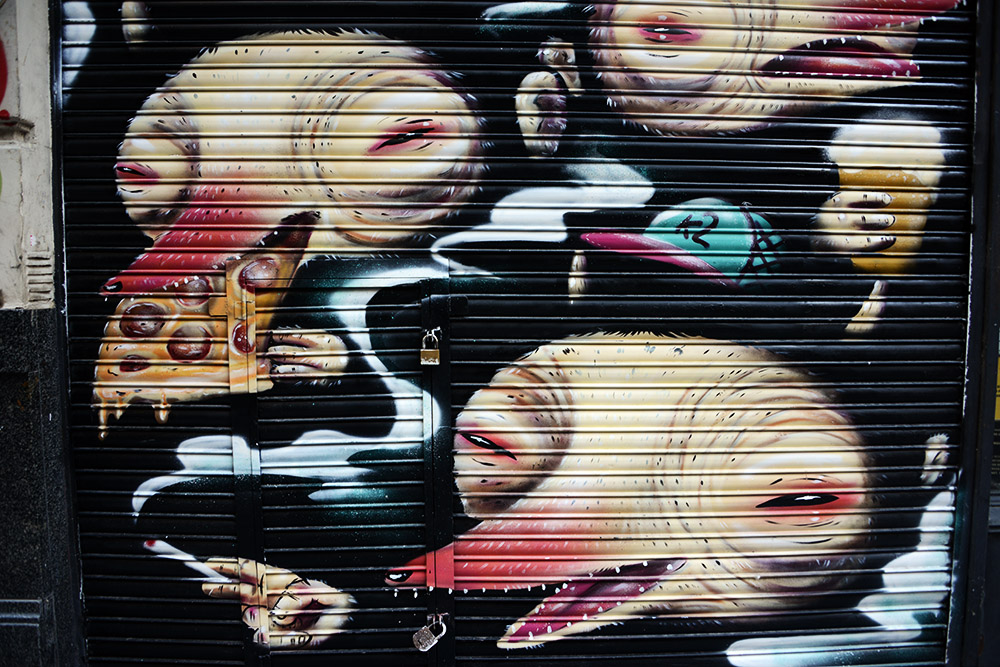
One of the alleys I wandered through had some creative graffiti and this rat.
Just a typical alley experience.
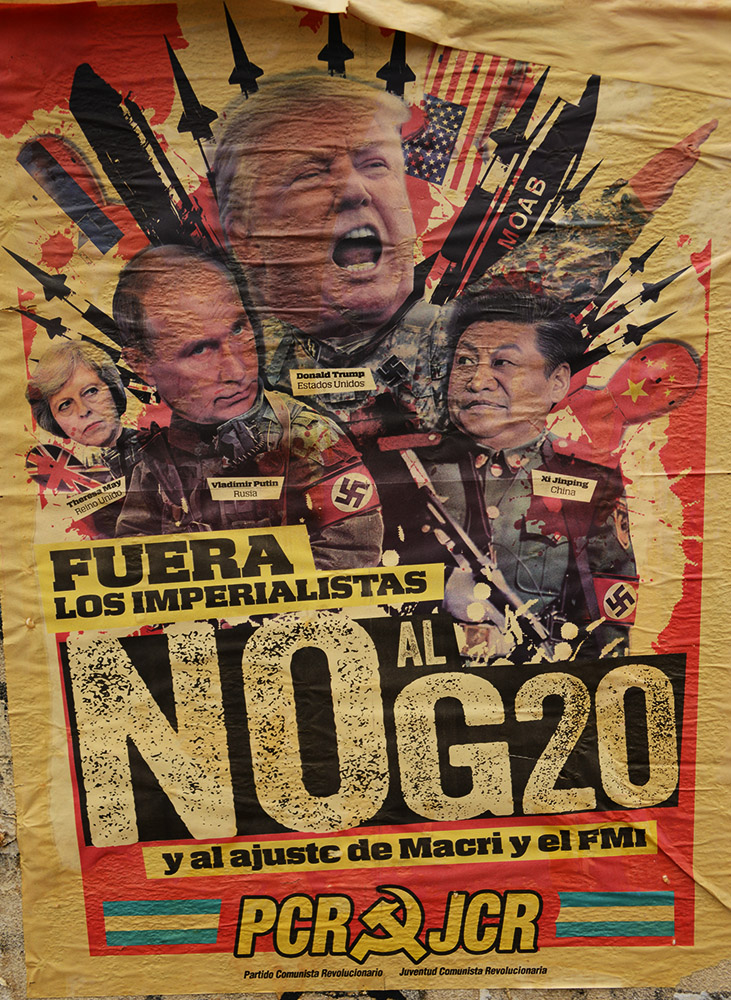
My most recent visit happened to coincide with the G20 summit in Buenos Aires. Security was heavy in parts of the city, and so were the protests. Graffiti, posters, and political messages appeared throughout the streets.
This particular poster depicted Donald Trump, Vladimir Putin, and Xi Jinping as Nazis. Whatever anyone thought about the world leaders involved, the artist certainly wasn’t subtle about making a point.
Food, Restaurants and Wandering
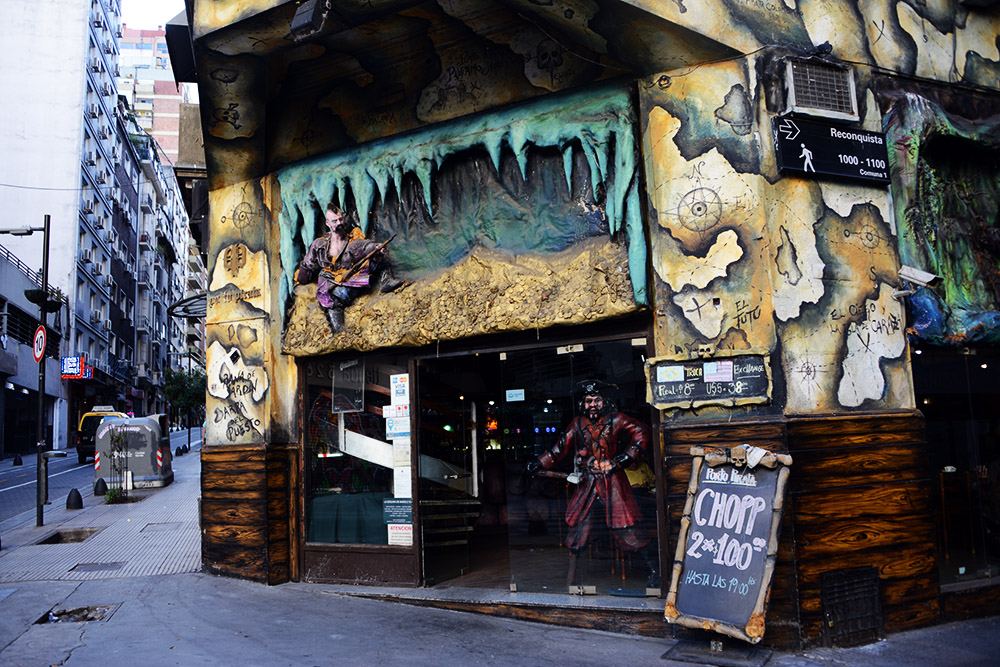
Random walks also led me past every kind of restaurant and business imaginable. Some restaurants looked incredibly elegant, others were neighborhood dive bars, and then there were places like this pirate-themed restaurant.
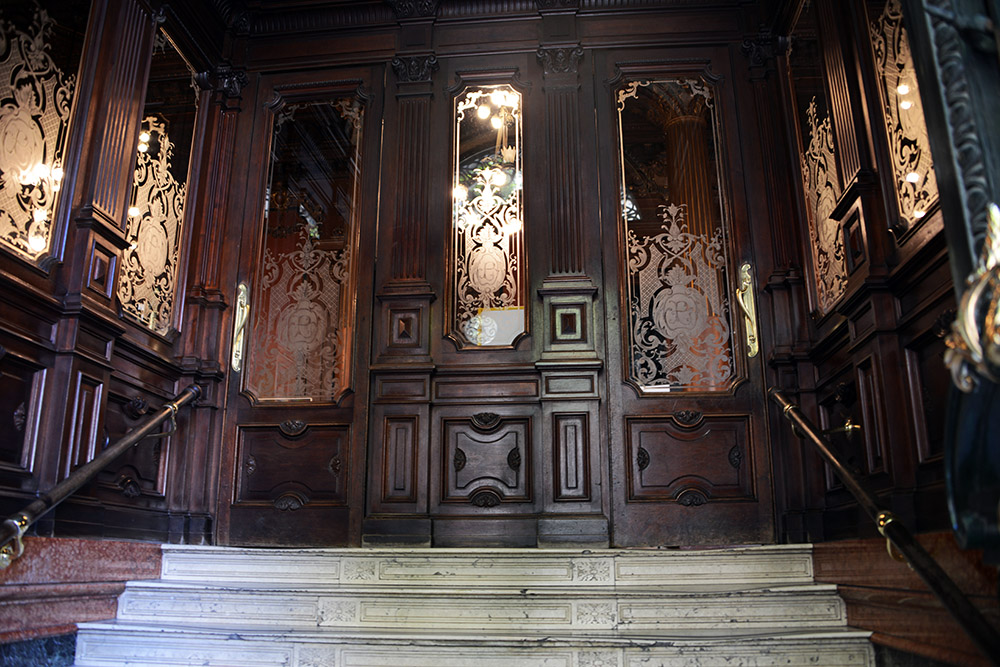
Even some of the apartment buildings looked like places I wouldn’t mind living. I passed this entrance below and immediately wondered how much an apartment inside would cost.

Argentina is famous for its food, particularly steak and wine. Somehow I managed not to photograph either of those while I was in Buenos Aires. Since I rarely take food pictures at all, I’m actually impressed that I bothered to photograph this giant salad.
Wine may be what Argentina is famous for, but I have a special relationship with beer here. Argentina was actually where I finally acquired a taste for it, specifically Andes Negra while traveling near the mountains.
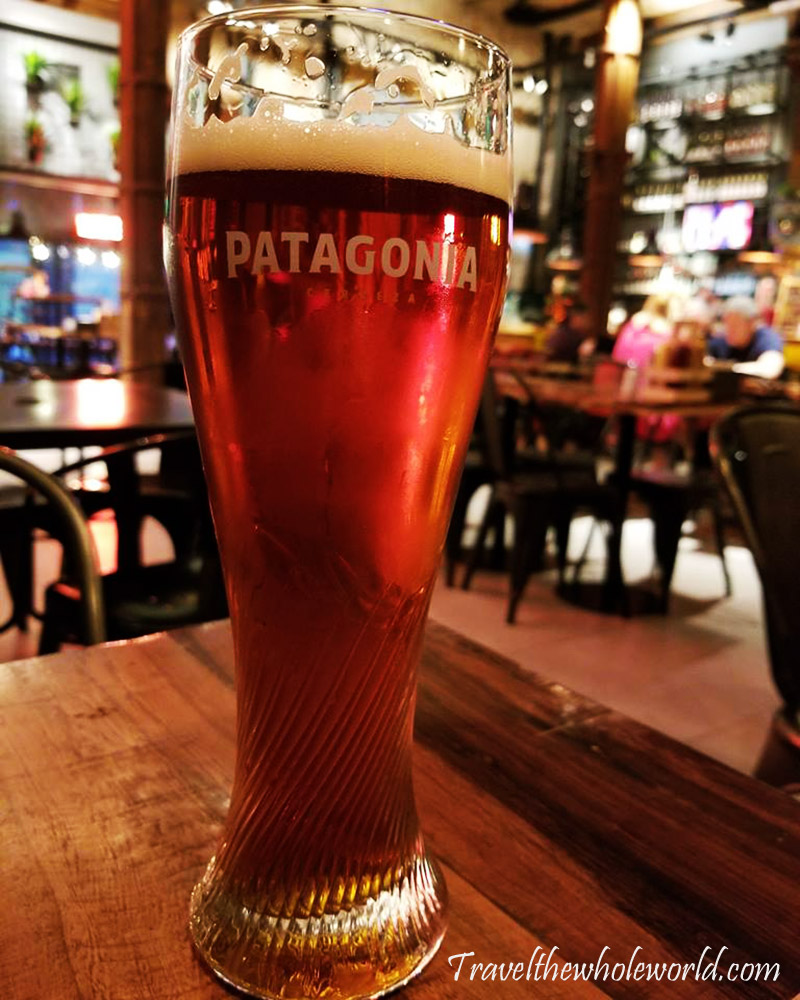
I was disappointed to discover that Andes Negra wasn’t nearly as common once I was away from the mountain regions, so I ended up trying Patagonia instead. That turned out to be an excellent substitute.
Even after multiple visits, I still feel like I’ve only scratched the surface of Buenos Aires. There are entire neighborhoods I haven’t properly explored, places I’ve missed, and things I’ve somehow managed not to do despite returning to the city.
Next time I’d like to spend more time exploring neighborhoods such as La Boca and San Telmo, and considering how many times I’ve been to Buenos Aires without properly experiencing tango, I should probably finally fix that too.
Explore More of Argentina
Buenos Aires • Mendoza • Tierra Del Fuego