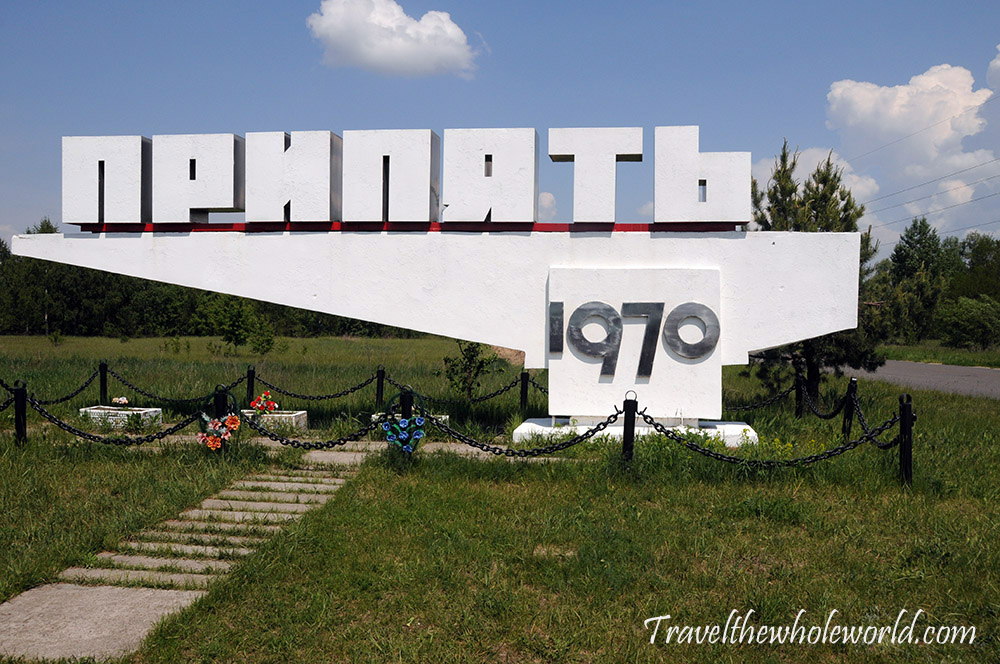
When people think of the world’s worst nuclear disasters, Chernobyl usually comes to mind. The accident occurred at Reactor No. 4 of the Chernobyl Nuclear Power Plant, located just outside Pripyat. Unlike the much older town of Chernobyl, Pripyat had been founded in 1970 specifically to house workers and their families connected to the nuclear plant. By 1986, nearly 50,000 people lived there.
Following the disaster, Pripyat became part of the Chernobyl Exclusion Zone and was permanently abandoned. Access was tightly controlled when I visited, and the amount of time visitors could spend in different areas depended largely on radiation levels. The photo above shows the welcome sign to Pripyat. Since the city was founded in 1970 and evacuated in 1986, it existed as an inhabited city for only sixteen years.
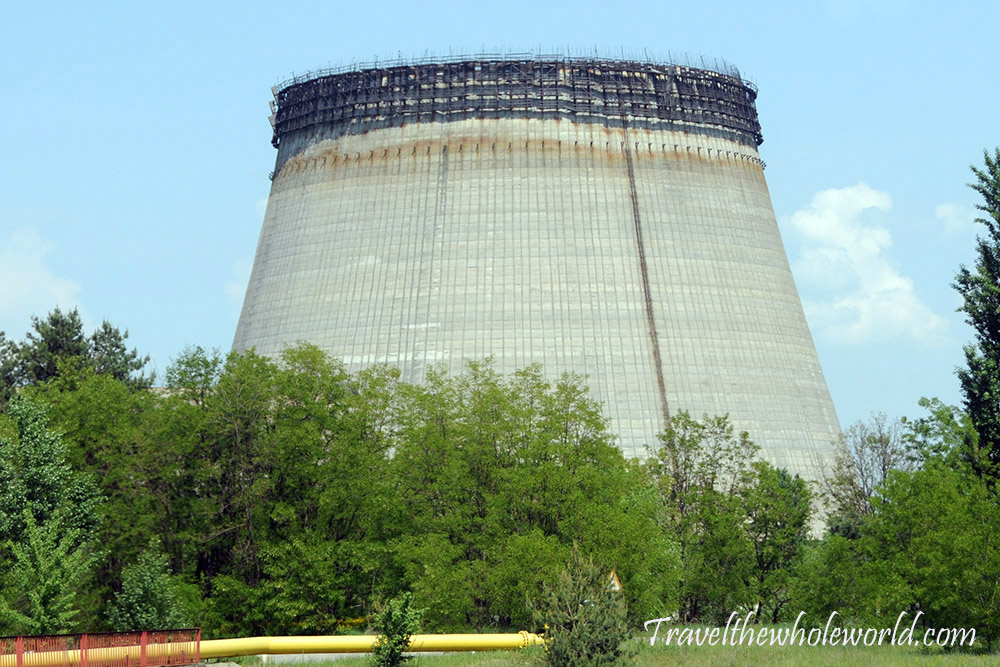
The Chernobyl Nuclear Power Plant consisted of several Soviet-designed RBMK reactors. Four were operating by the time of the disaster, while Reactors No. 5 and No. 6 were still under construction. The first unit entered service in 1977, followed by three more over the next several years. The photo above shows Reactor No. 5, which was never completed or placed into operation.
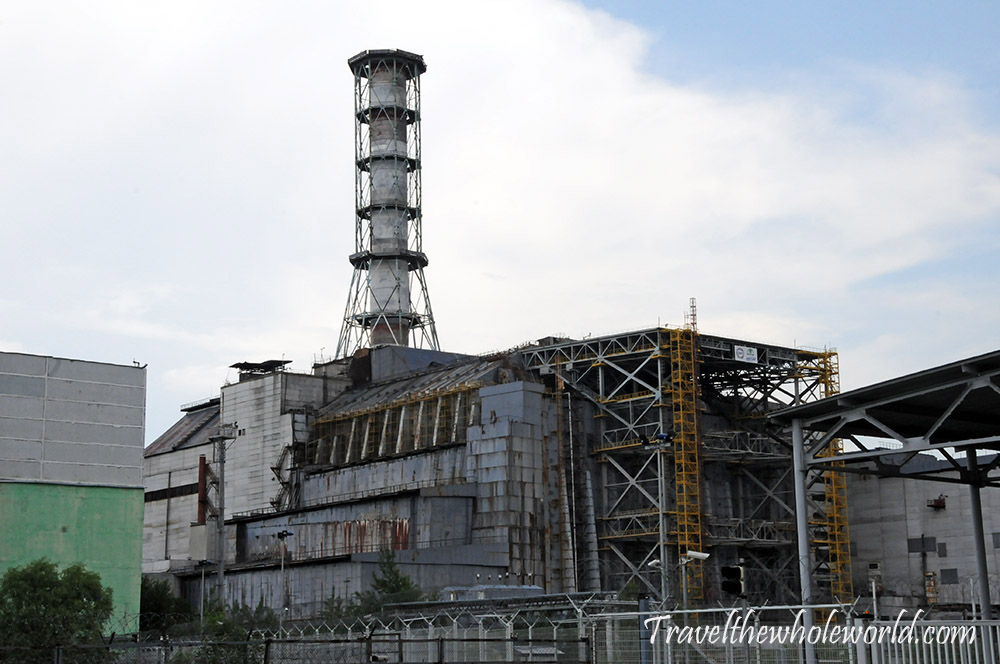
The exact chain of events that destroyed Reactor No. 4 is complicated, but the accident resulted from a combination of serious reactor design flaws and decisions made during a late-night safety test. The test was intended to determine whether the momentum of the plant’s spinning turbine generators could temporarily provide electricity to important equipment during a loss of external power, bridging the gap before emergency diesel generators came online.
Even after a turbine stops receiving steam, it continues spinning for a short period. Engineers wanted to know whether that remaining energy could keep essential systems powered while the backup generators started. The test had been attempted before without satisfactory results, and another attempt was scheduled for April 25, 1986.
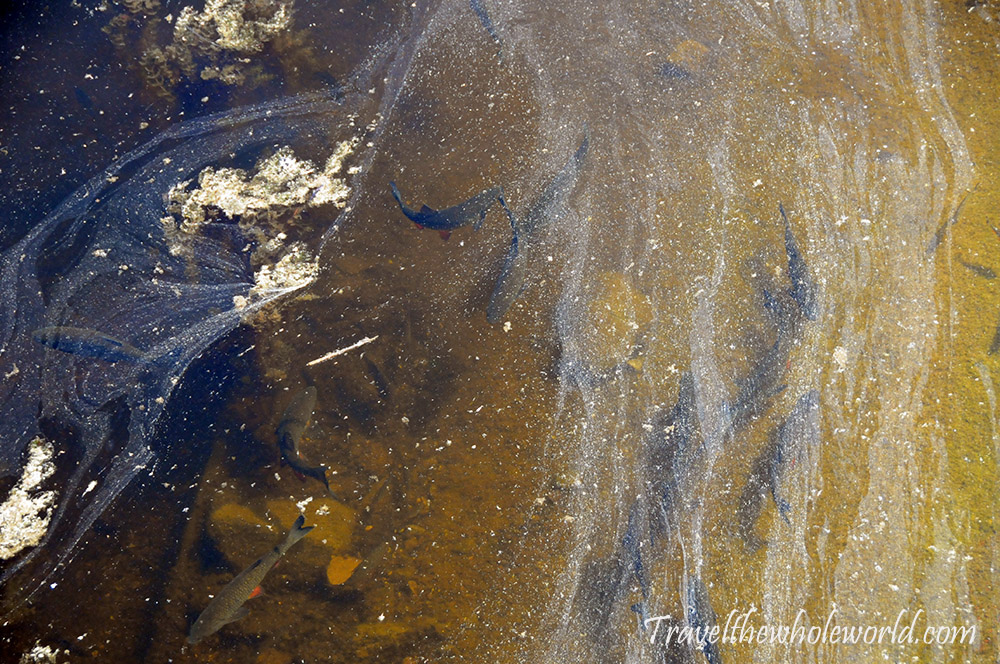
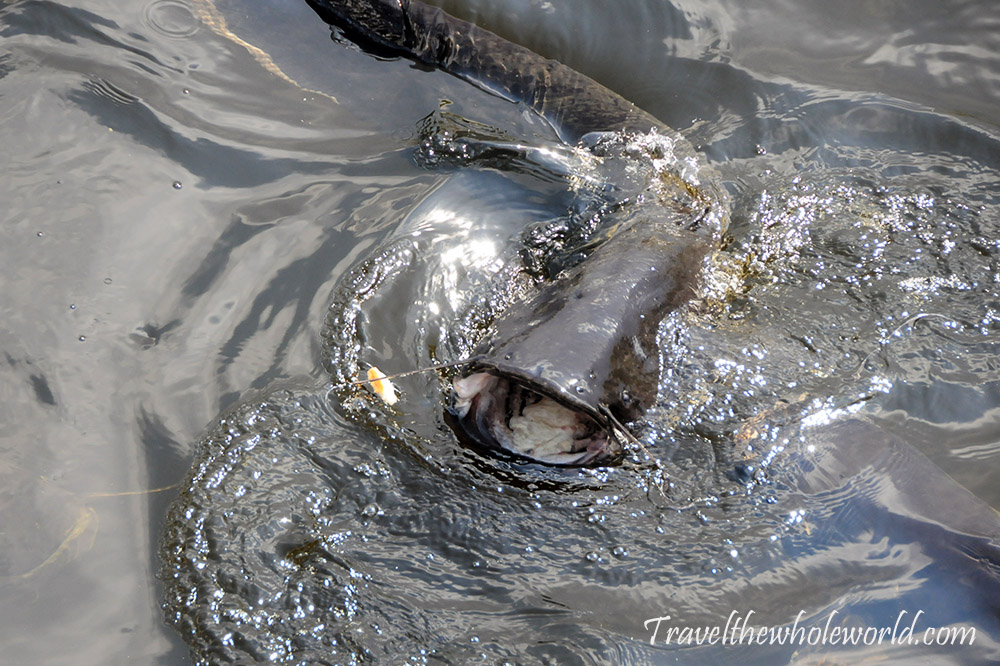
The photo above shows part of the water system surrounding the plant. Decades later the water looked pretty damn nasty, yet somehow giant catfish were thriving in it. I didn’t expect to see anything living in those murky waters, but after some food was thrown into the water, out of nowhere emerged what I decided to call the Kraken of Chernobyl.
The test had originally been planned for April 25, but electricity demand caused the reactor’s shutdown to be delayed. The test eventually began during the night shift in the early hours of April 26. By then the reactor had been brought into an unstable operating condition. When operators initiated the emergency shutdown, a flaw in the RBMK control-rod design briefly increased reactivity in parts of the core instead of immediately reducing it. Reactor power surged catastrophically, followed by explosions that destroyed the reactor building and exposed the core.
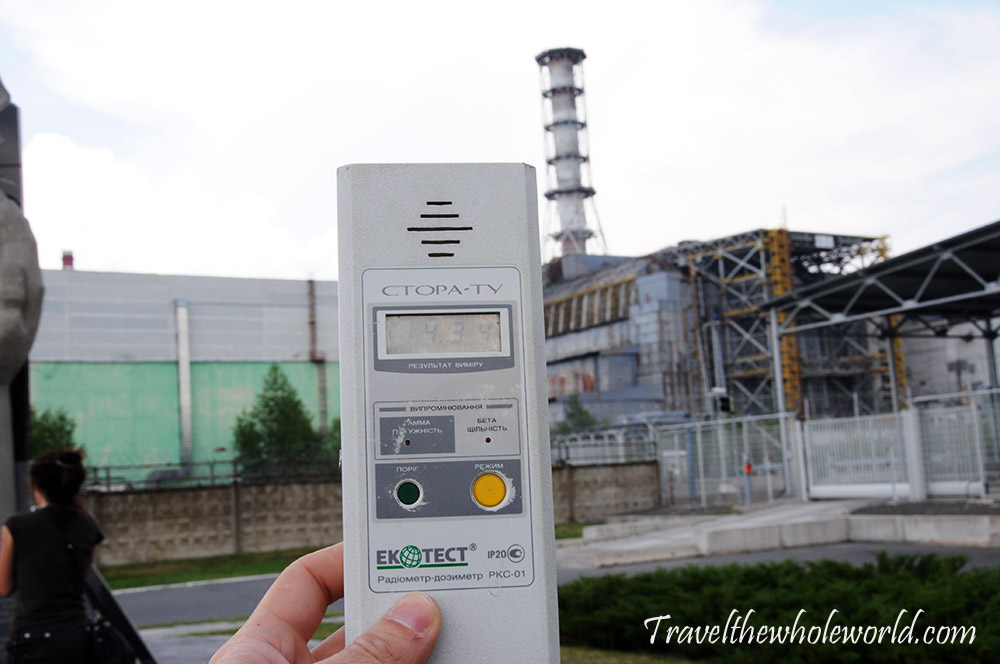
The meter photographed above was reading about 4.34 microsieverts per hour when I visited, considerably higher than readings I had seen around the town of Chernobyl. Radiation throughout the exclusion zone is extremely uneven, with relatively low readings in some places and localized hot spots in others, so distance alone doesn’t determine the danger.

The Soviet authorities were heavily criticized for the delay in informing the public about the scale of the accident. Pripyat was not evacuated until the afternoon of April 27, roughly a day and a half after the explosion. Residents were told to take identification, essential belongings and enough food for a short absence. Most believed they would soon return home.
They never did.
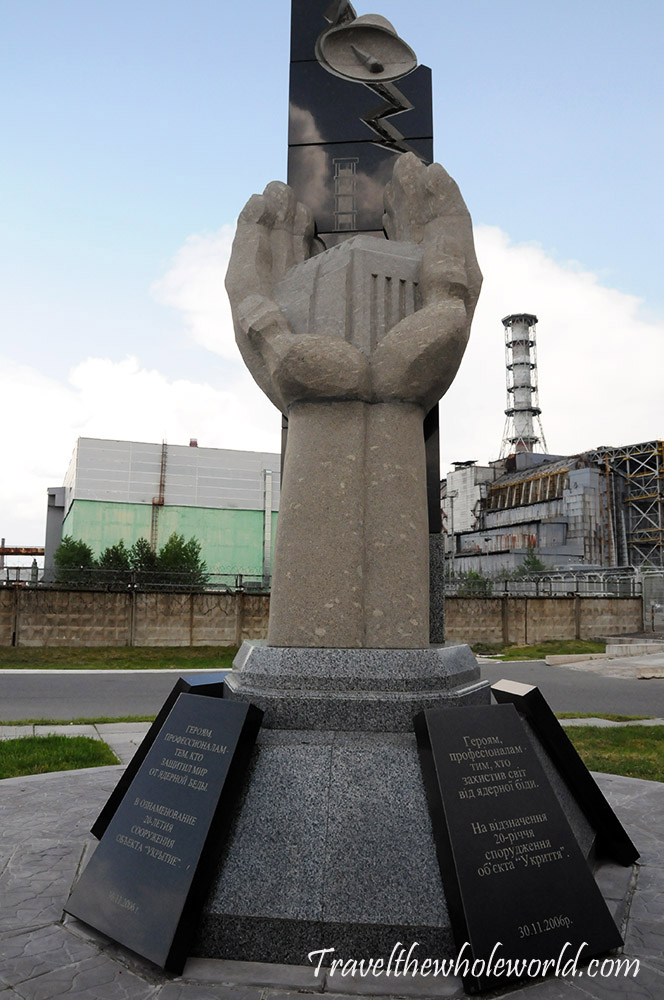
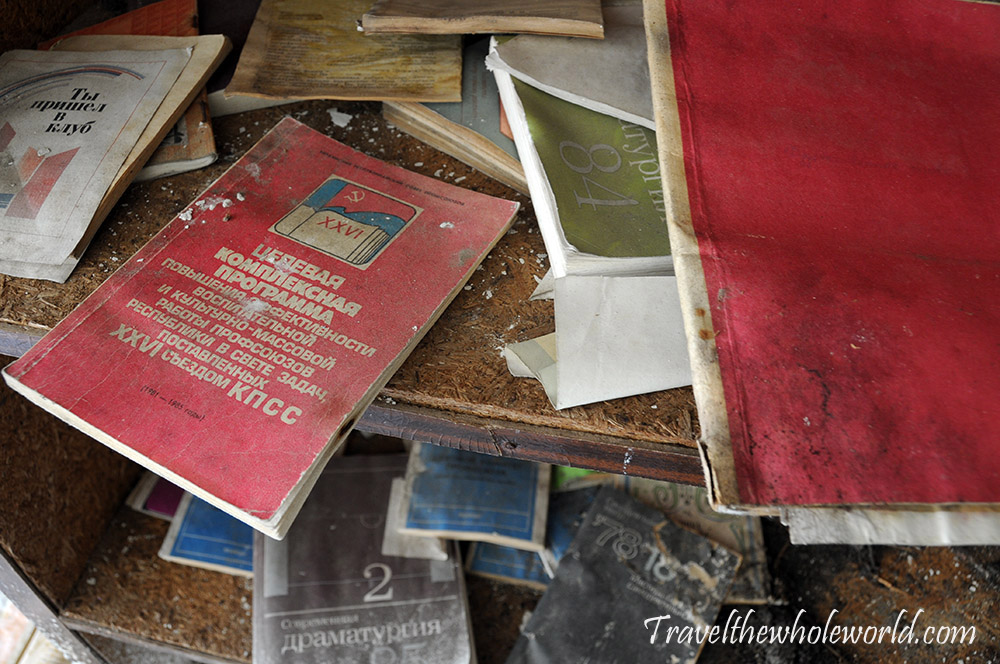
About 45,000 people were evacuated from Pripyat that afternoon, and additional communities surrounding the plant were evacuated afterward. The abandoned city became an extraordinary time capsule of late Soviet life, although decades of weather, looting, vandalism and decay have altered much of what was originally left behind. The symbol photographed above is one of the many Soviet remnants that survived.

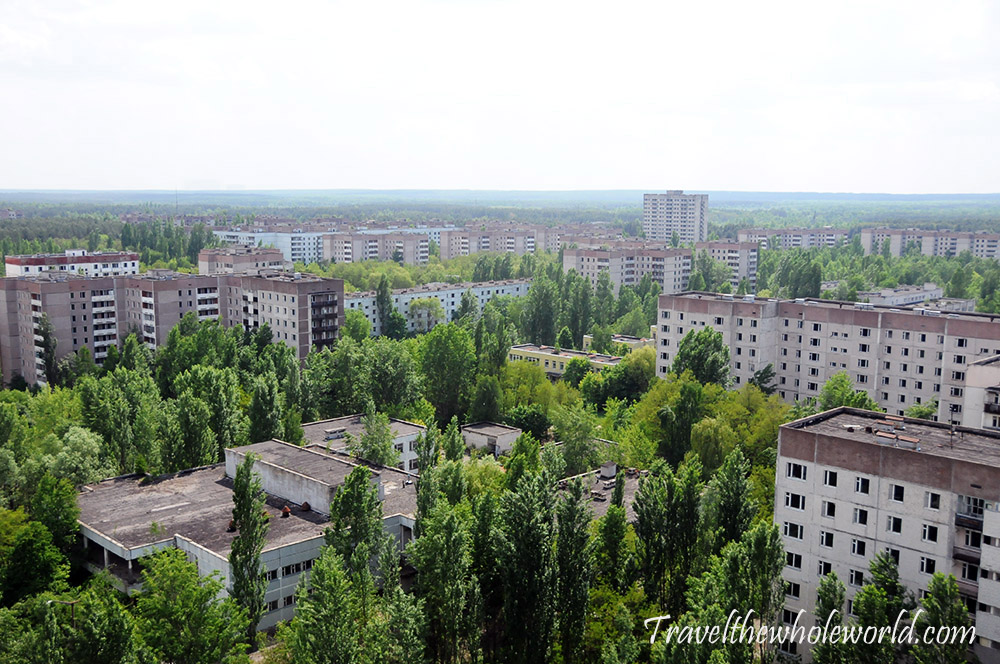
Since Pripyat was abandoned in 1986, nature has steadily reclaimed the city. The photo above was taken from one of the taller buildings in Pripyat. From there I could see Soviet apartment blocks slowly disappearing behind an expanding forest. Roads that once crossed an open city now look more like narrow paths through the trees.
I couldn’t help wondering what the city would look like after another few decades if nature were left to continue taking it back.
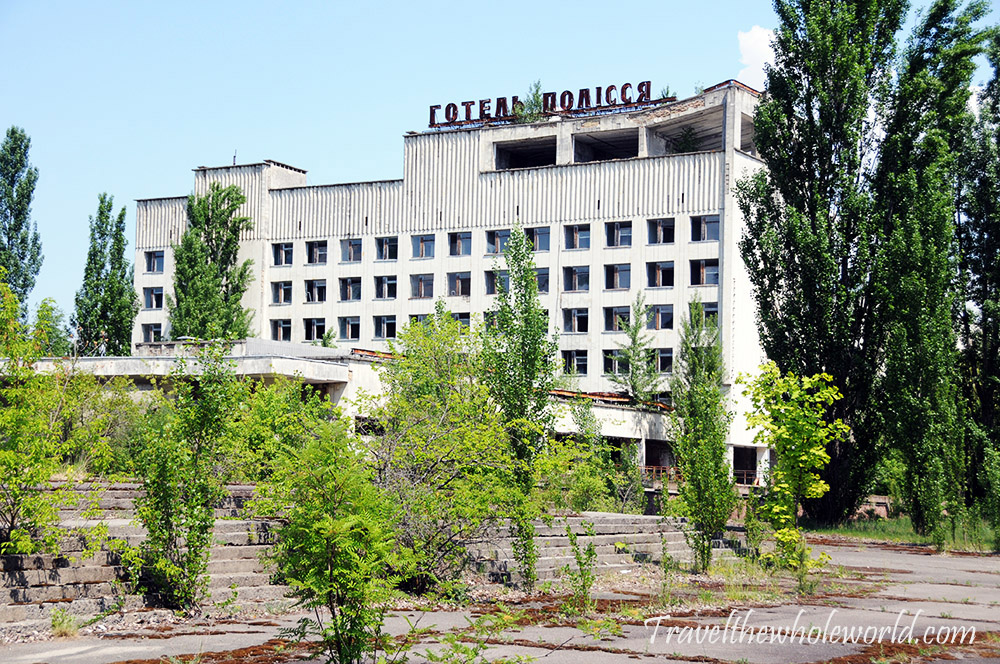
These were some of the first abandoned buildings I saw in Pripyat. I didn’t go inside either of them, but the building on the right is the former Hotel Polissya, one of the most recognizable structures in the center of the city. Before the disaster, Pripyat was not simply a small provincial town. It was a planned Soviet city built around the nuclear industry, with thousands of residents and visitors connected to the power plant.
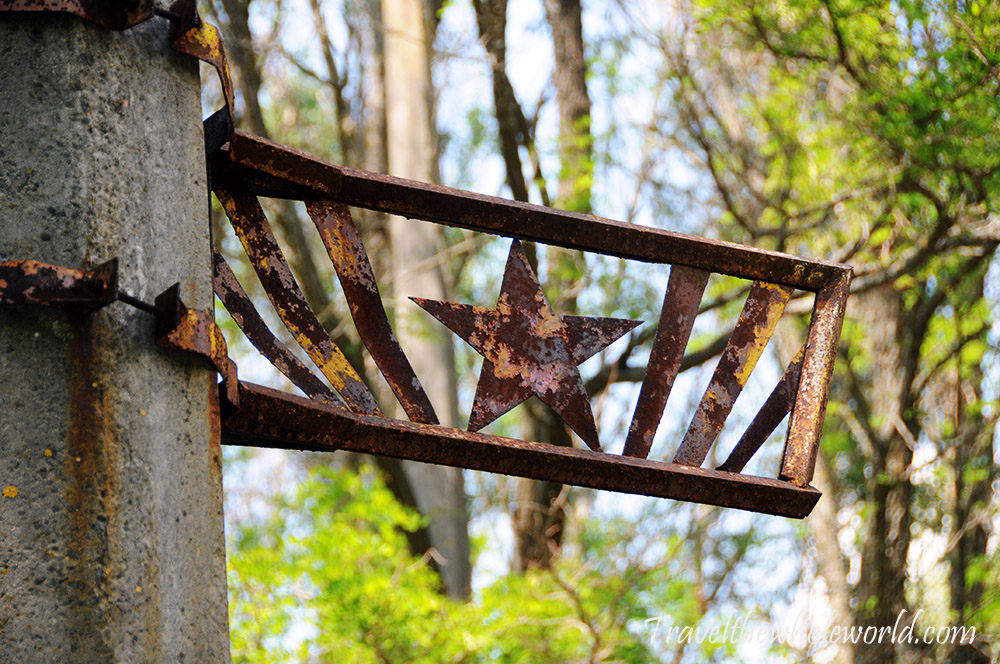
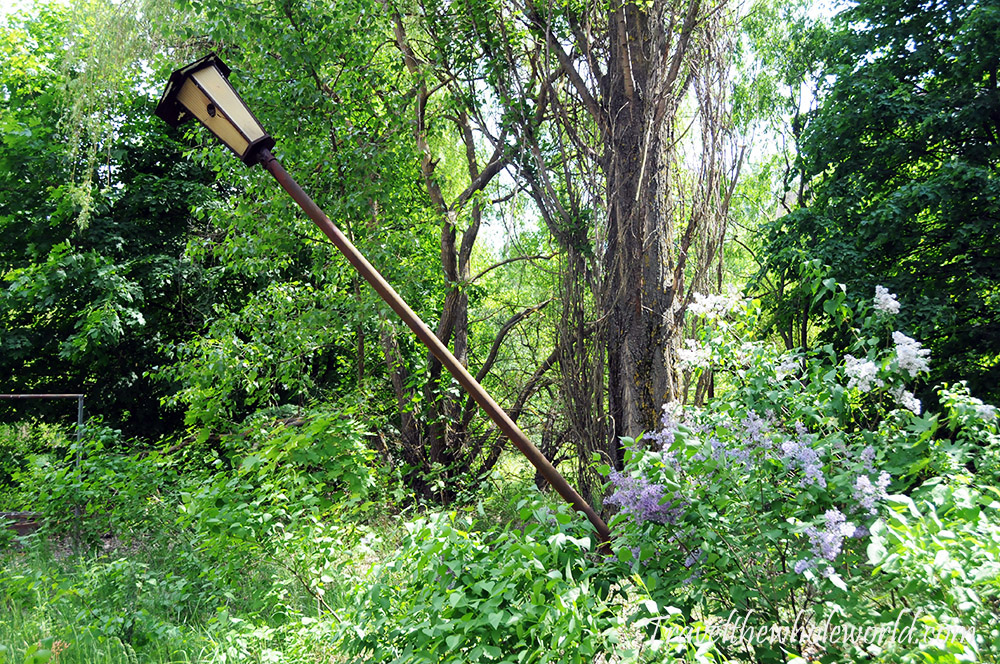
Much of the city’s infrastructure was still standing during my visit, although decades without maintenance had taken their toll. Metal signs had rusted almost beyond recognition, while lamp posts, sidewalks and other ordinary pieces of the city were slowly collapsing or disappearing beneath vegetation.
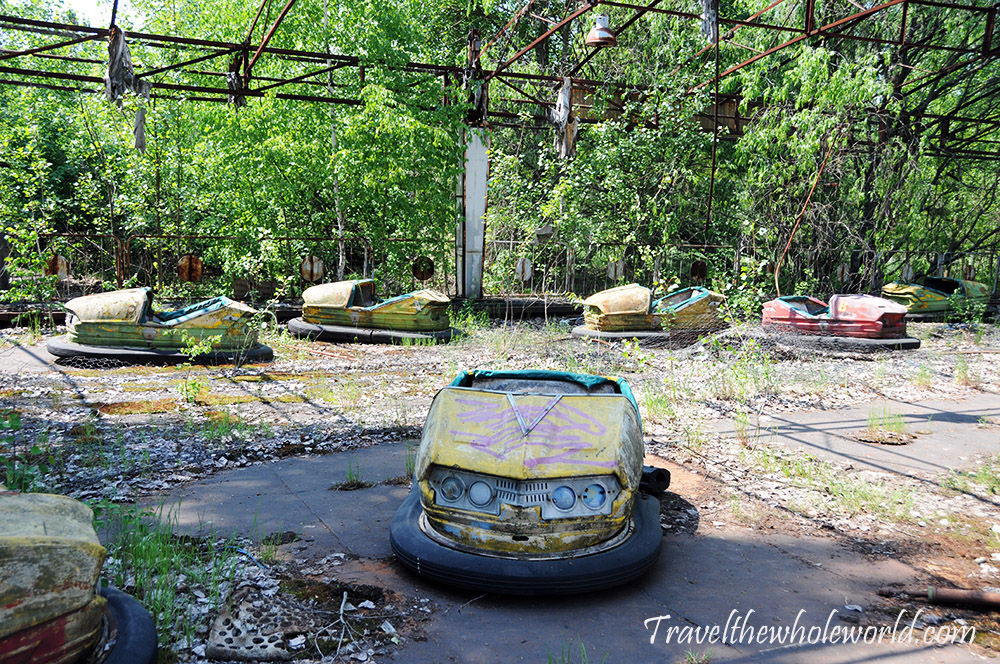
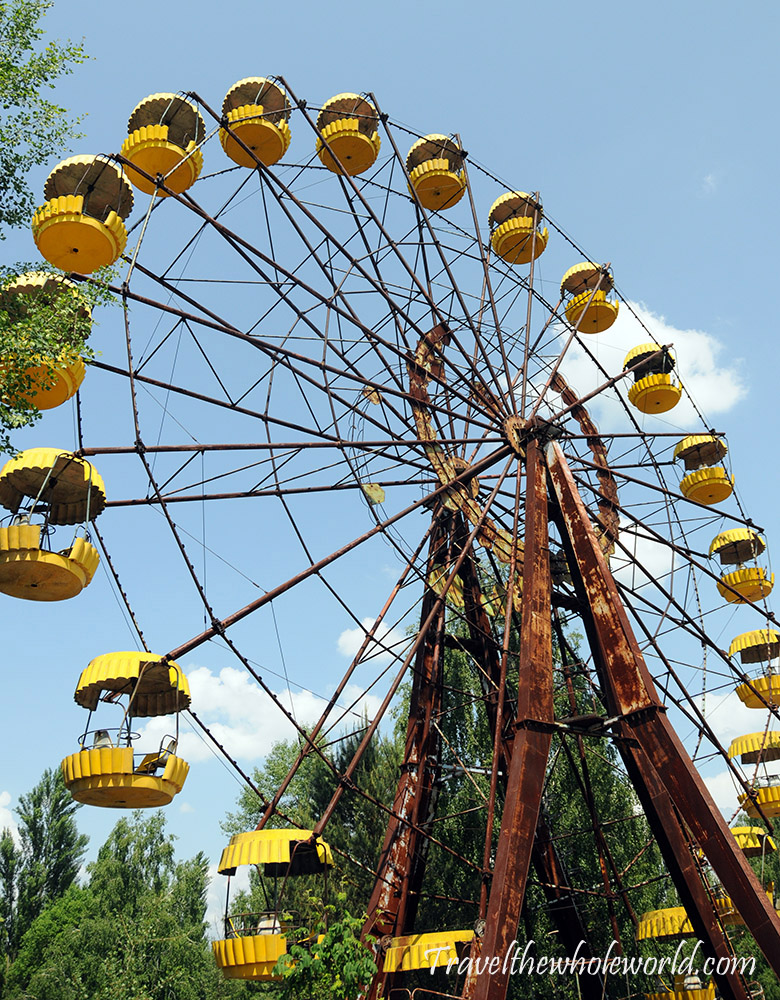
One of the most famous areas of Pripyat is its abandoned amusement park. The park had been scheduled to officially open for the May Day celebrations on May 1, 1986, only a few days after the reactor exploded. That opening never happened. Some accounts say parts of the park may have operated briefly on April 27 while the city prepared for evacuation, but it never became the permanent attraction that had been planned.
The bumper cars and Ferris wheel have since become some of the most recognizable symbols of Pripyat. Looking at them, I wondered how much longer the structures could survive decades of Ukrainian winters without maintenance.
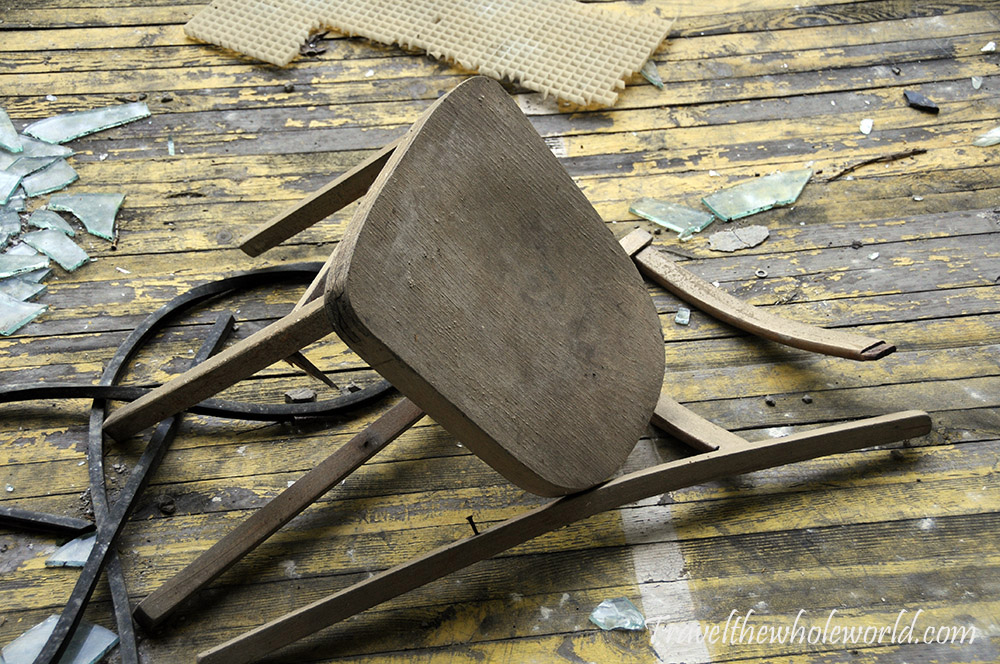

Above are the remains of a broken chair and what appeared to be a bulletin board inside a sports facility. The papers still attached to the board were related to soccer, another ordinary reminder that this had once been a living city rather than the ghost town it is today.

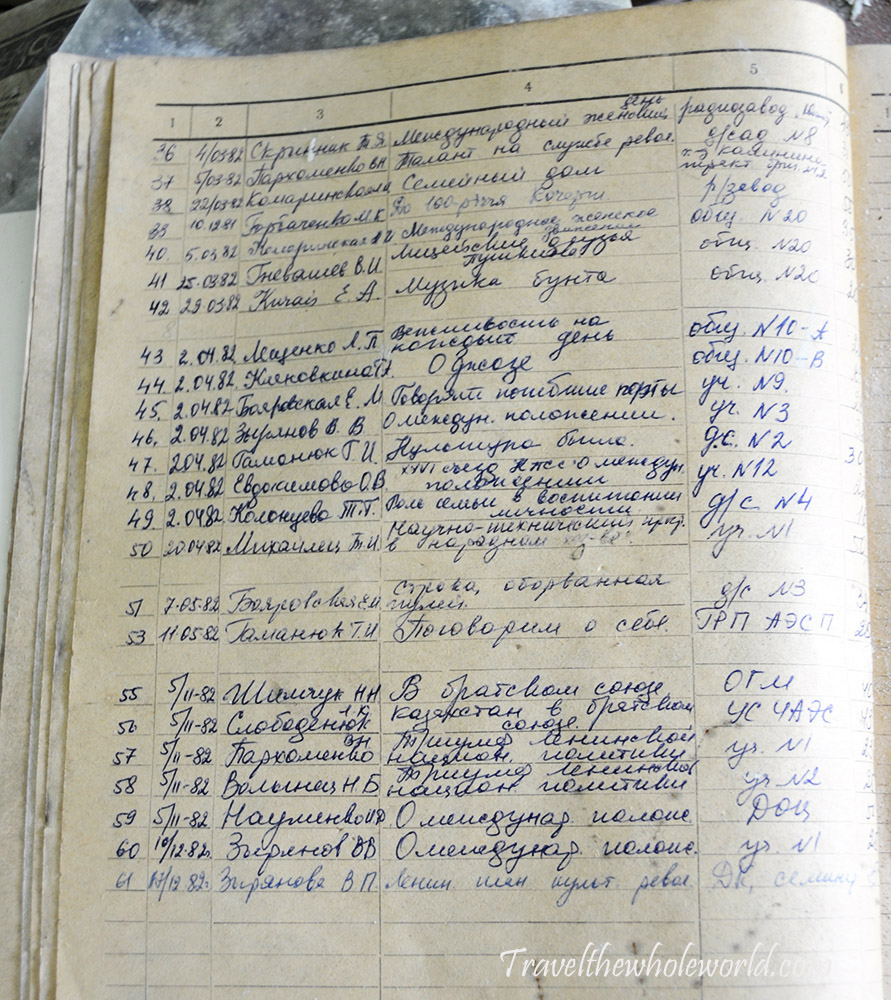
The strange green radioactive doll on the left was clearly placed here long after the accident. Pripyat has attracted visitors for decades, and not everything seen inside its buildings has remained exactly where residents left it in 1986. The book on the right appeared far more authentic to the period, with entries dating back to the early 1980s.
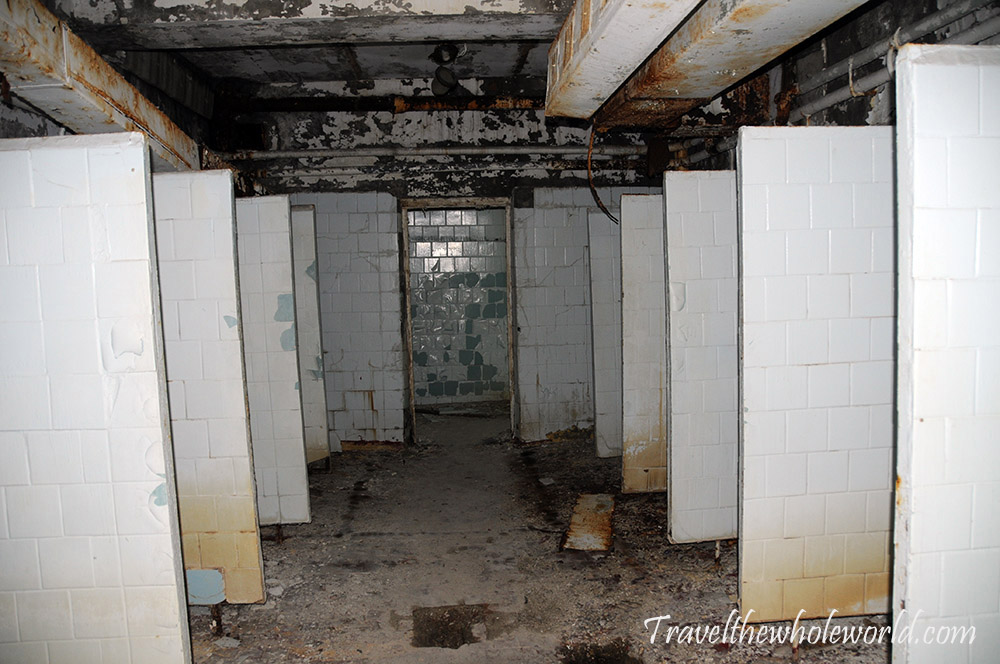
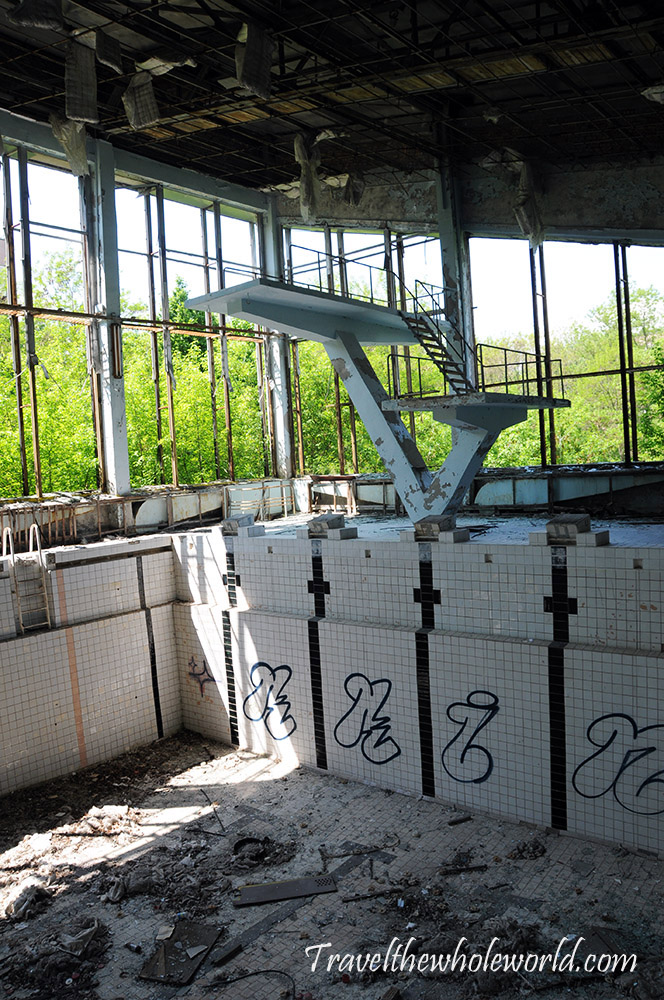
The swimming pool was another interesting place to visit. Pripyat had been designed as a showcase city for workers in the Soviet nuclear industry, and despite its relatively small population it contained substantial recreational and cultural facilities. Seeing a large swimming pool, sports facilities and an amusement park gave me a much better sense of what daily life here must have looked like before the disaster.
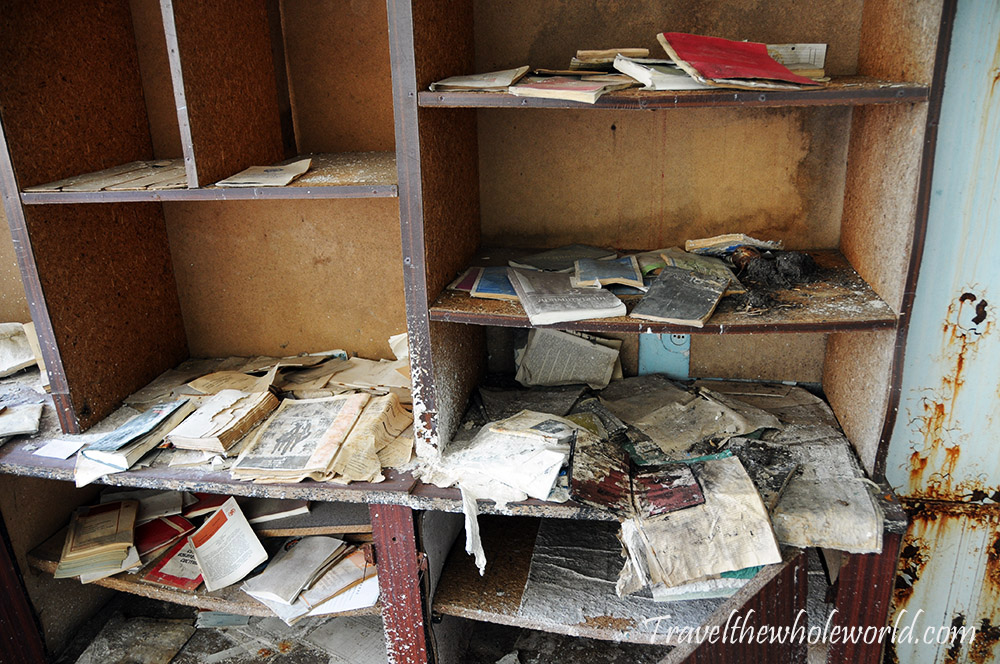
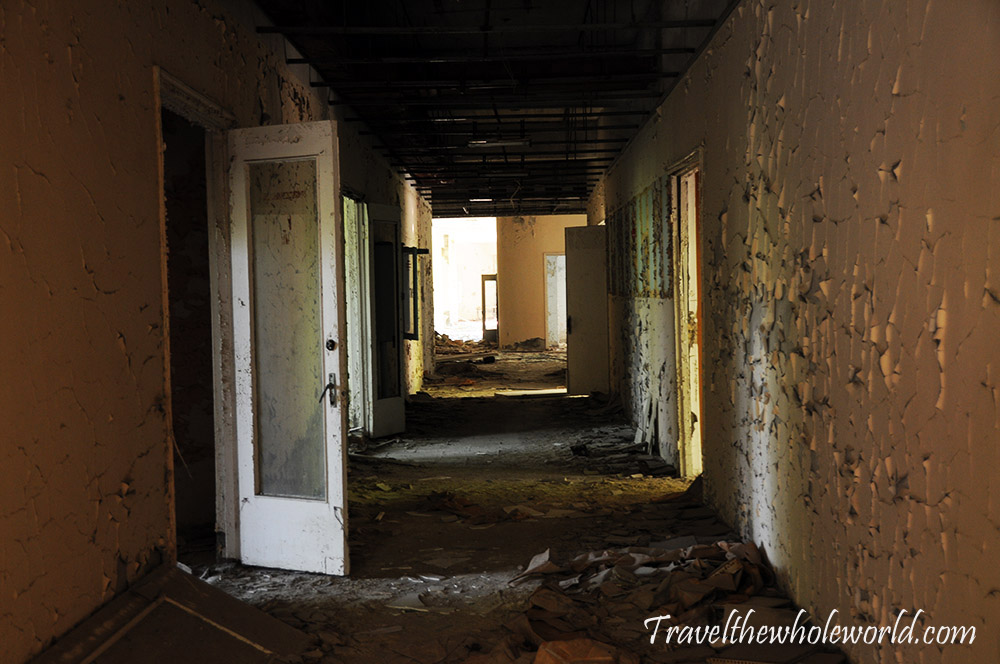
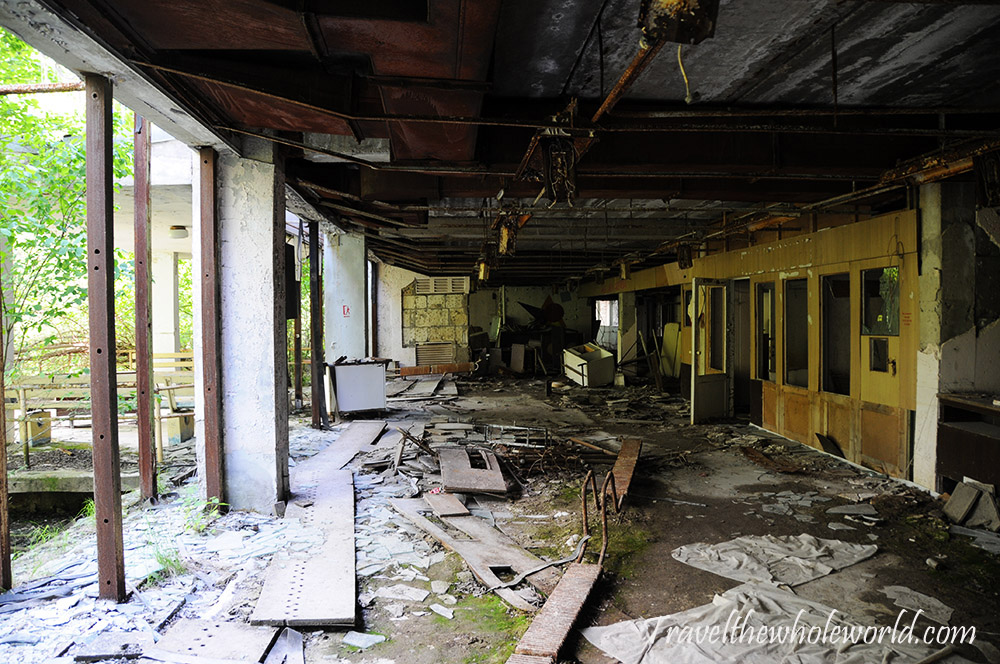
Elsewhere, abandoned interiors were filled with broken glass, bricks and belongings scattered across the floors. Plants had begun pushing through some parts of the buildings, while other rooms were simply collapsing under decades of exposure to the elements.
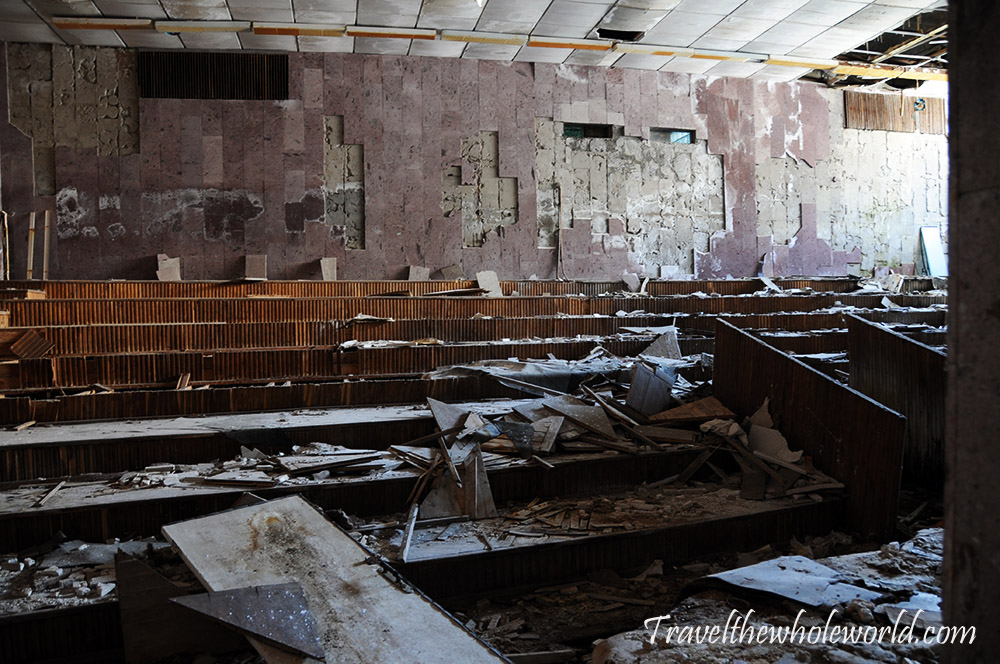
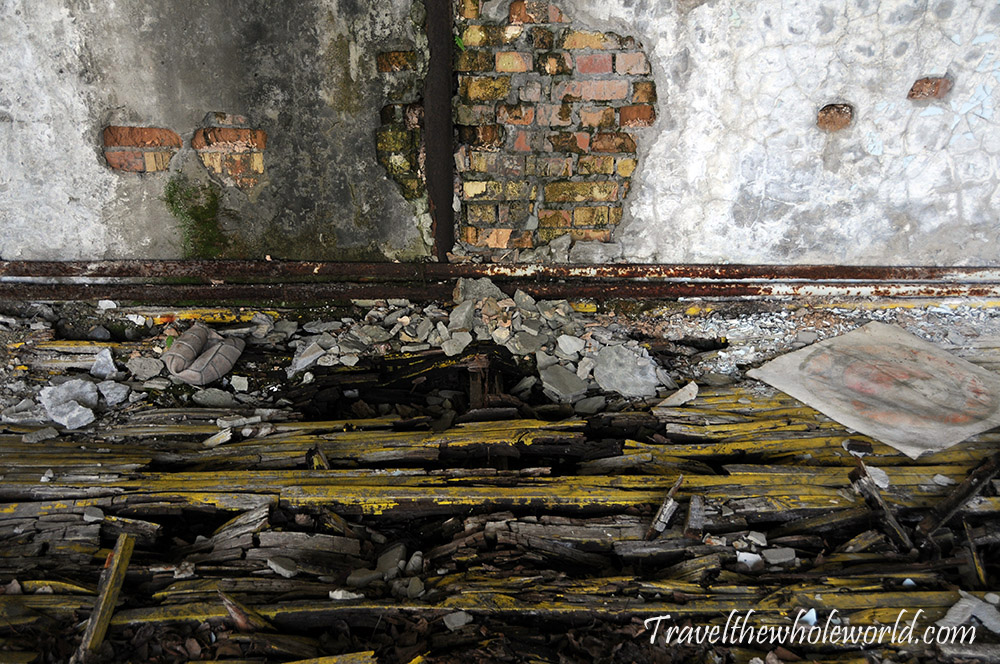
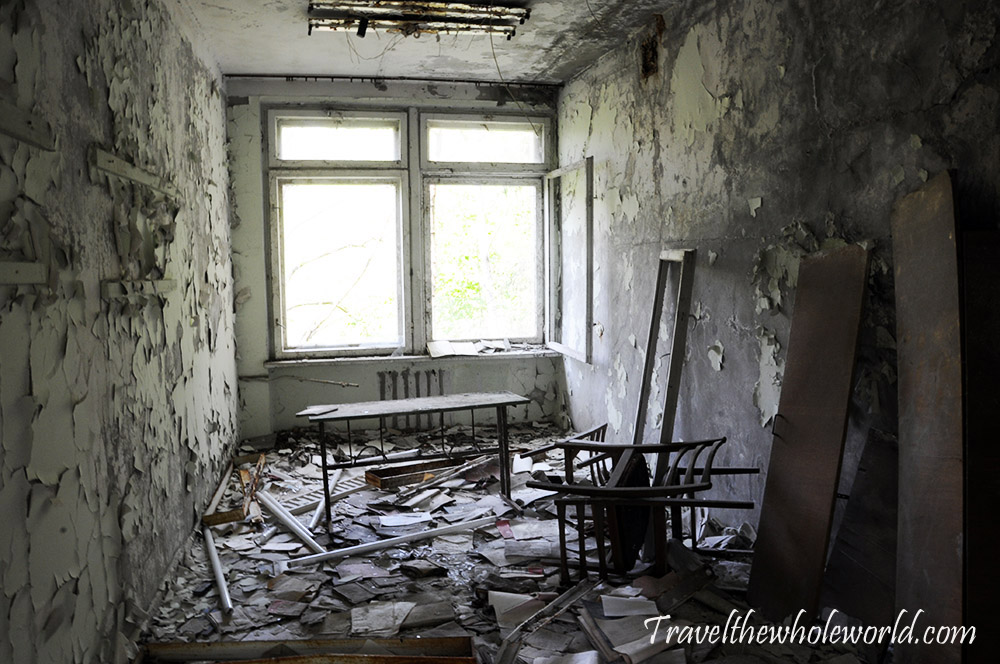
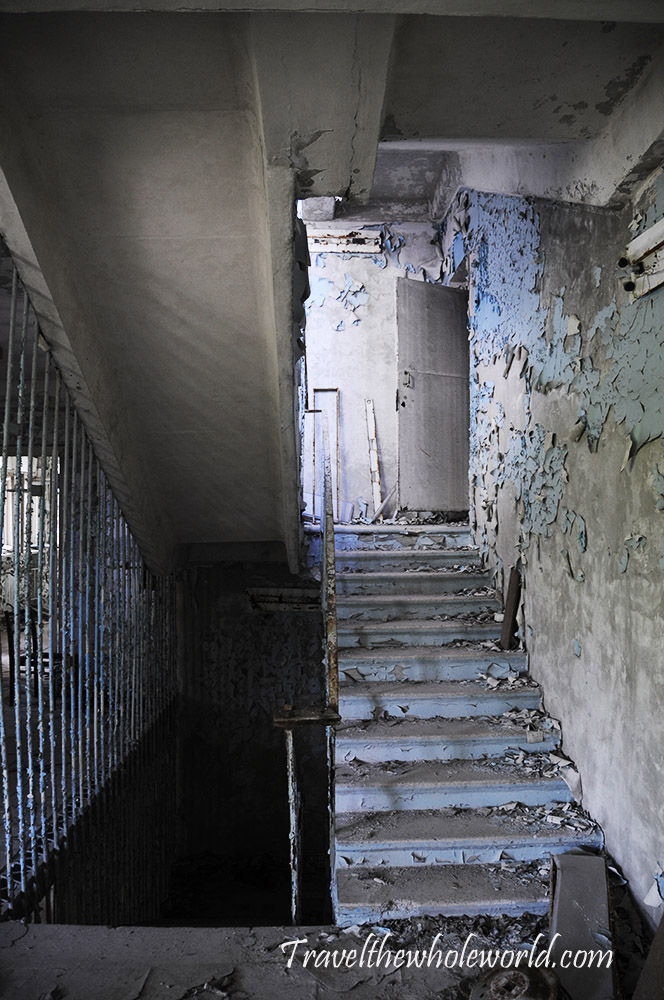
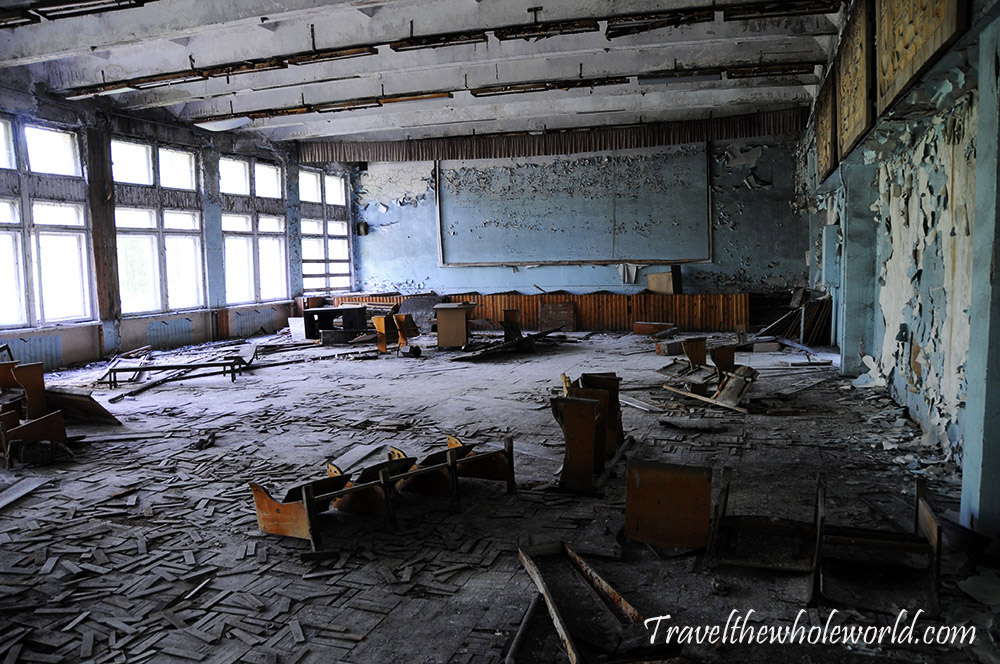
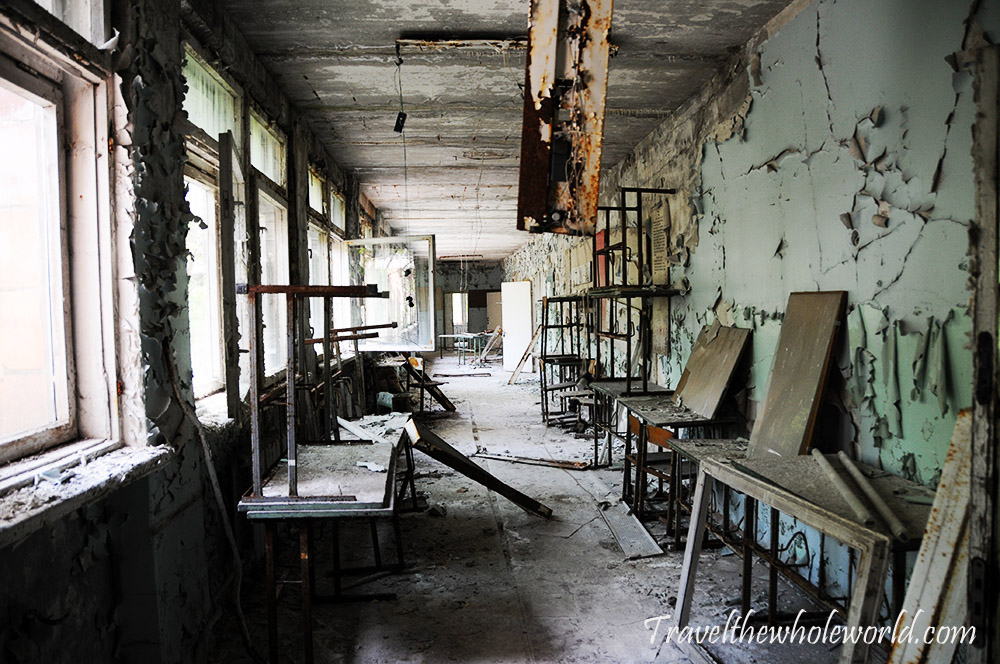
These next photos are from one of Pripyat’s abandoned schools. The building was large, with several floors, and its condition was no better than the rest of the city. Walking through the dark classrooms and damaged stairwells reminded me of Silent Hill.
It was easy to imagine the children who once walked these halls every day, carrying their books from class to class and spending time with their friends. Then, over the course of a single afternoon, the entire city was emptied. Those children left believing they would soon come home, but their school was abandoned along with everything else.
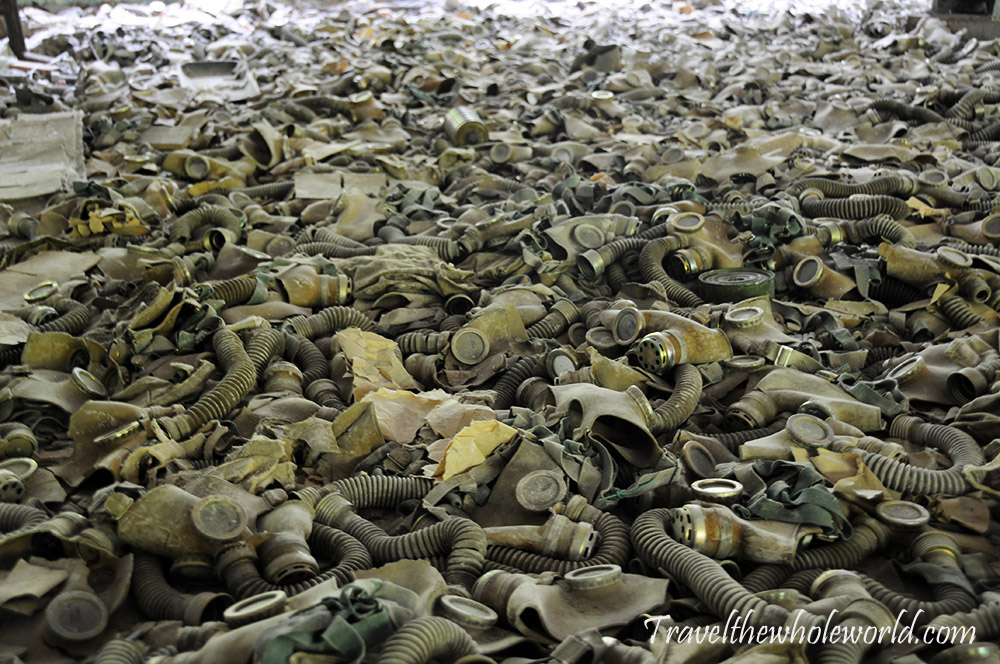
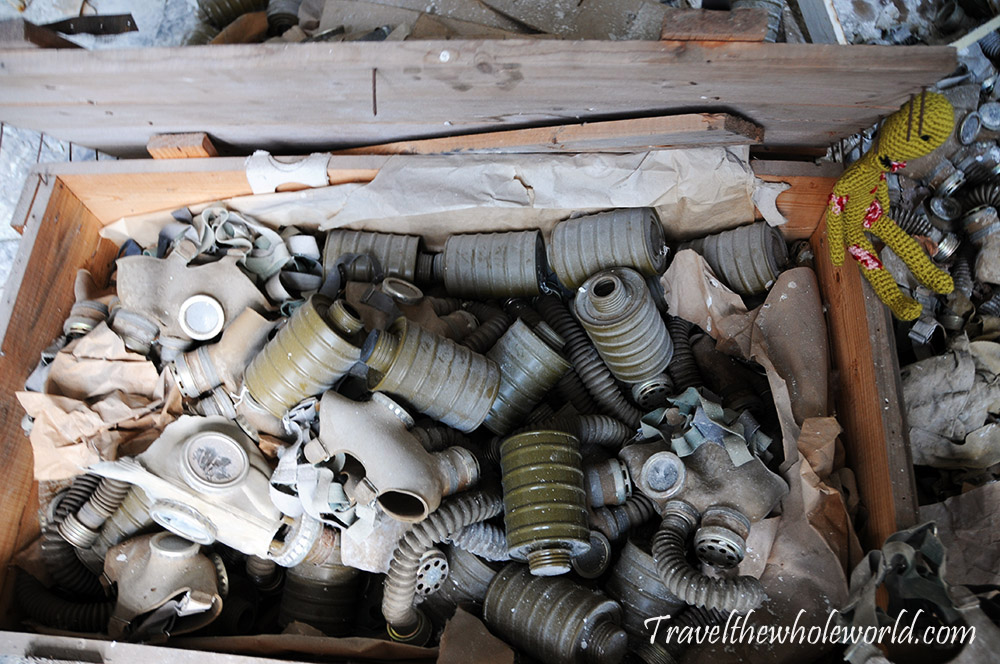
Inside the school I found boxes and rooms filled with old gas masks and filters. At first I wondered whether they had somehow been connected to the nuclear accident, but these were part of the Soviet civil-defense system. Schools and other public buildings throughout the Soviet Union stored protective equipment in case of war or other emergencies. The famous piles of masks seen around Pripyat are therefore not evidence that residents wore them during the evacuation, and many have been moved around by people since the city was abandoned.

The mural above had survived surprisingly well despite the decades that had passed. Other rooms and hallways were in much worse condition, with damaged walls, collapsed material and staircases leading through dark interiors. In one of the stairwells, the bright light at the bottom wasn’t electricity at all, just sunlight pouring through an open doorway.
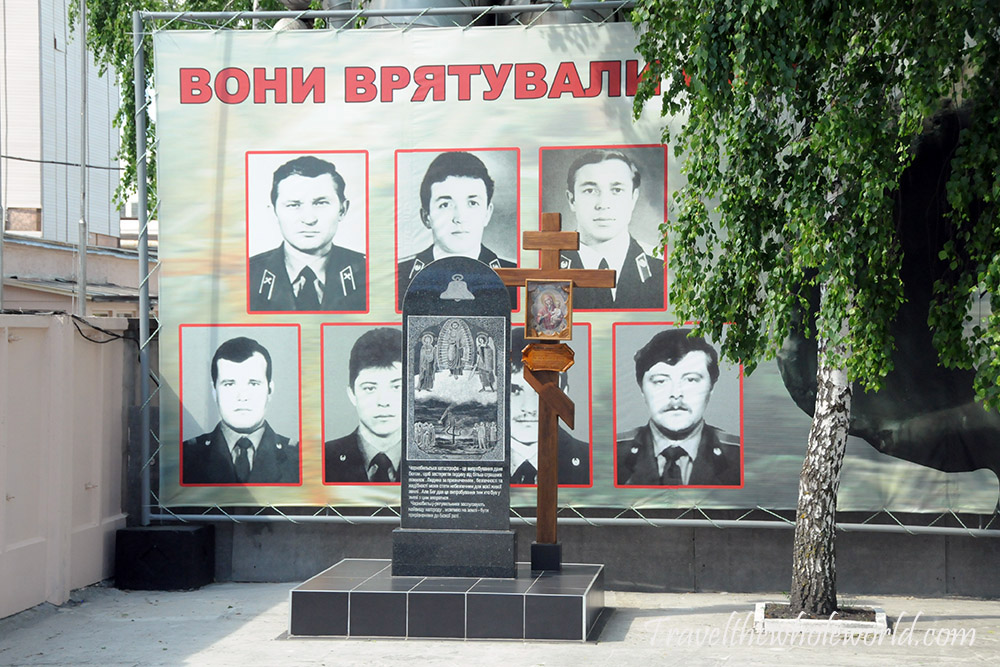
Near Reactor No. 4 I visited another memorial honoring those who responded to the disaster. Firefighters, plant employees and other emergency workers entered an environment they could barely understand at the time, and many received enormous doses of radiation while fighting fires and trying to bring the destroyed reactor under control.
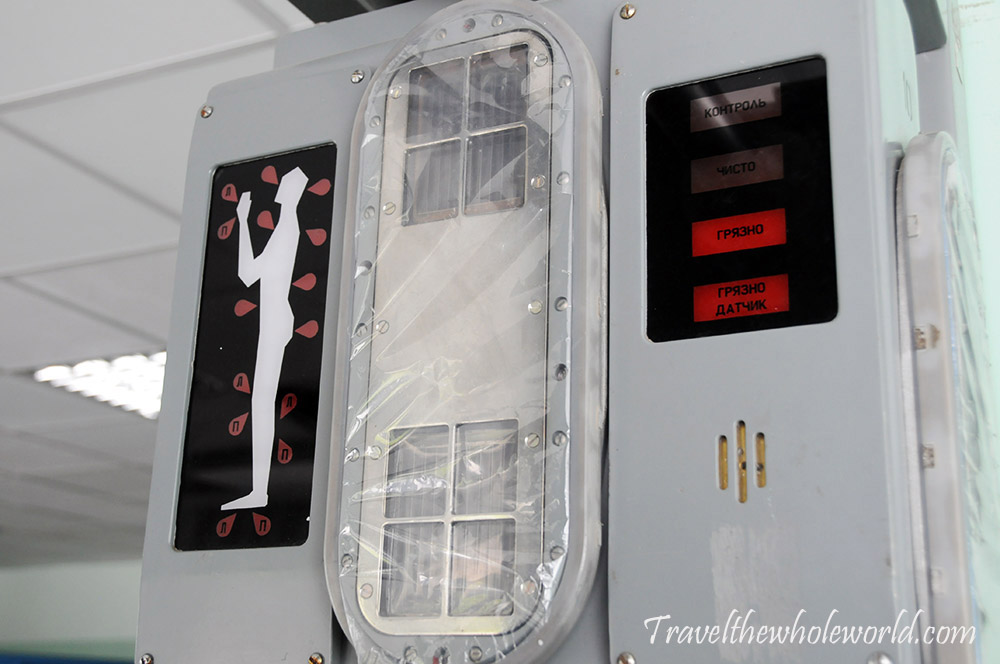
The device on the right was used to check for radioactive contamination before leaving the exclusion zone. Everyone had to pass through one of these monitors. I was jokingly told that if I failed the test I wouldn’t be allowed to leave and would have to stay behind to help finish the new structure over Reactor No. 4.
That structure, known as the New Safe Confinement, has since been completed and moved into position over the remains of the reactor. Pripyat itself, however, remains abandoned. Nature continues to reclaim the streets and buildings, and aside from the people who work in or visit the exclusion zone, wildlife has become the most consistent presence in what was once a city of nearly 50,000 people.