On April 26, 1986, Reactor No. 4 at the Chernobyl Nuclear Power Plant exploded during a late-night safety test, causing the worst nuclear power plant accident in history. I was too young to remember the disaster, but Chernobyl eventually became synonymous around the world with radiation, abandoned communities and the dangers of nuclear power.
What I didn’t fully understand before visiting was that Chernobyl, Pripyat and the nuclear power plant are three separate places. The reactor was located at the Chernobyl Nuclear Power Plant near the purpose-built city of Pripyat, while the much older town of Chernobyl lies about 15 kilometers (9 miles) away. My visit began in the outer reaches of the exclusion zone before continuing toward the power plant and Pripyat.
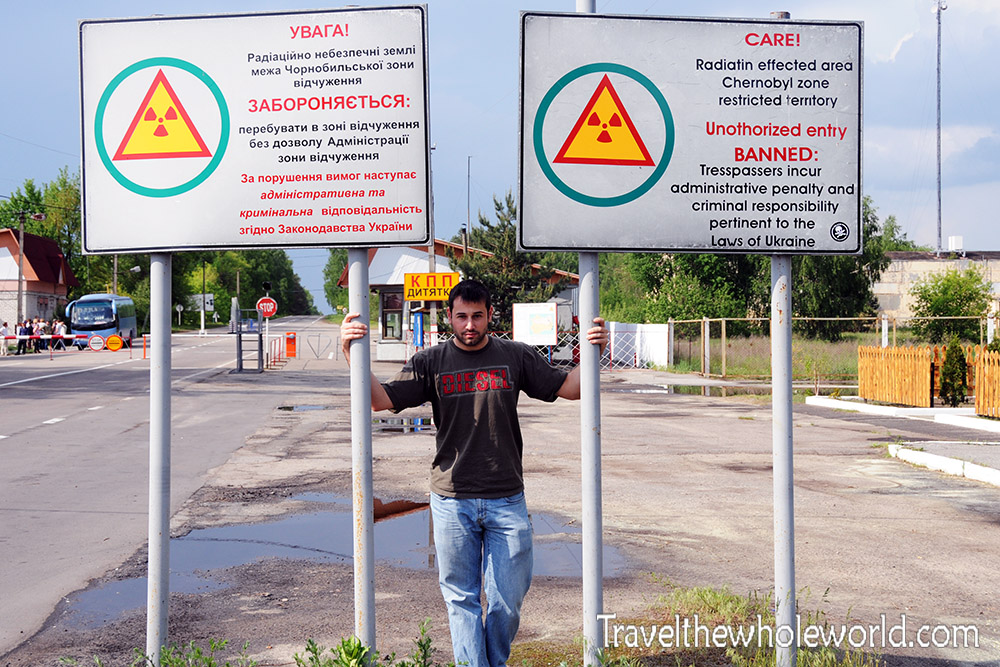
After the disaster, authorities established an exclusion zone around the damaged reactor and evacuated tens of thousands of people from surrounding communities. Residents were generally told to bring only essential belongings because they expected to return home. For many, that return never happened.
I visited roughly 25 years after the disaster, when controlled tours into parts of the exclusion zone were permitted. Entering required authorization and passing through checkpoints, and our group was accompanied by an official guide. Radiation levels varied considerably depending on where we were, so access to some areas remained restricted.
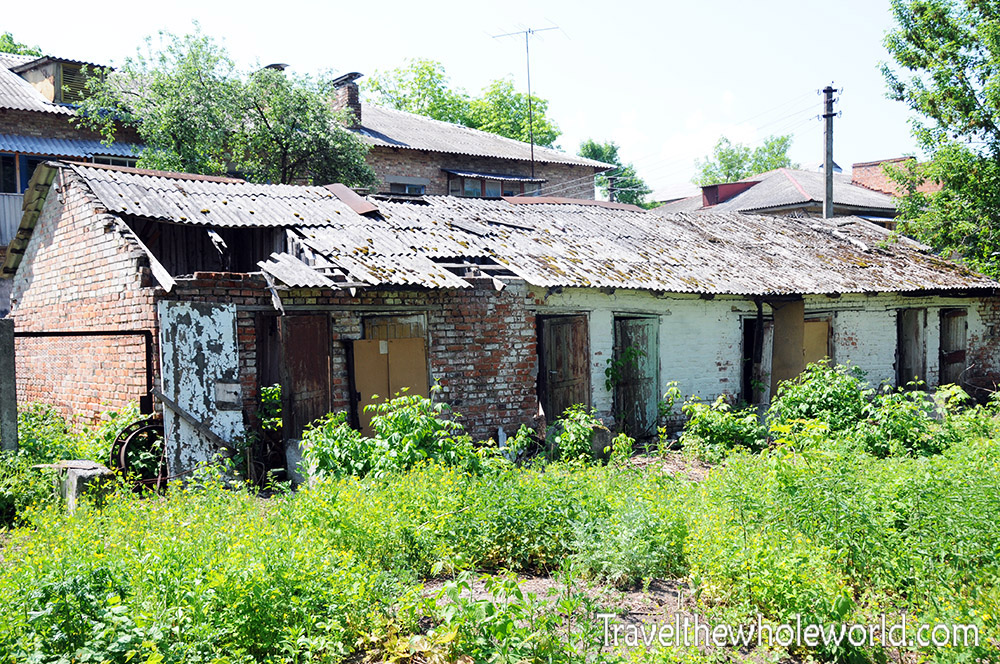
Chernobyl itself wasn’t completely abandoned. Although much of the civilian population was evacuated after the accident, the town later became an administrative and logistical center for the exclusion zone. Workers stayed there on rotating schedules, and some evacuated residents eventually returned illegally or semi-officially to communities within the wider zone.
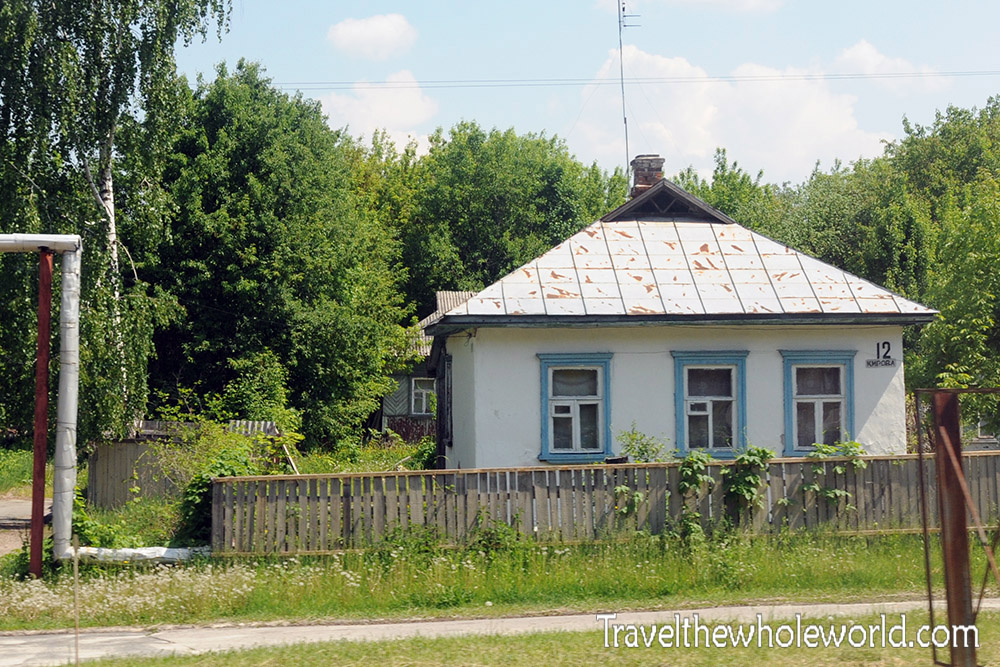
The abandoned building above was one of many reminders that this had once been a much more ordinary community.
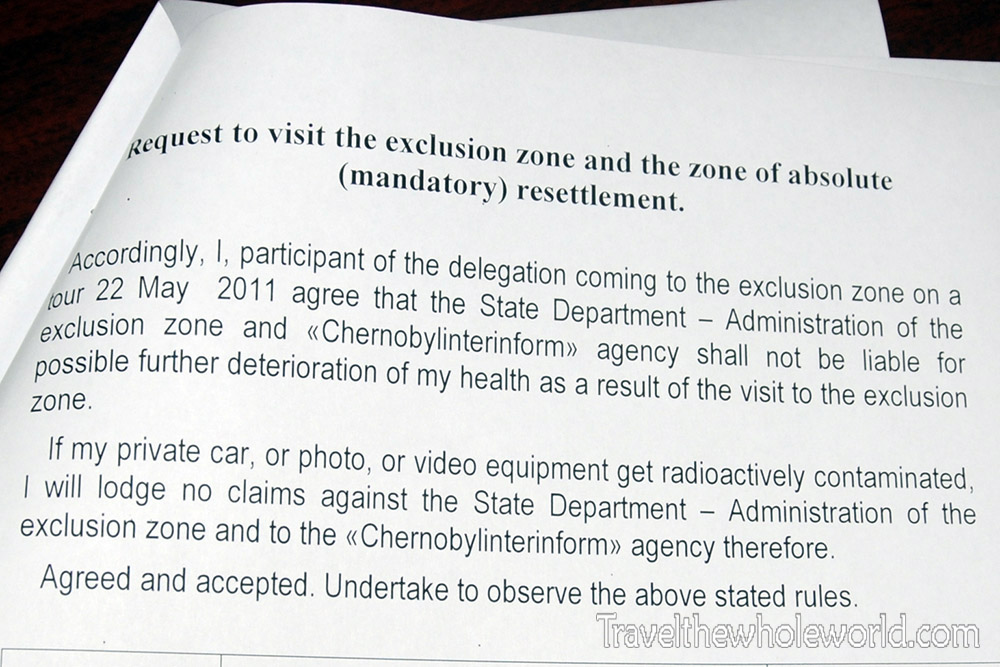
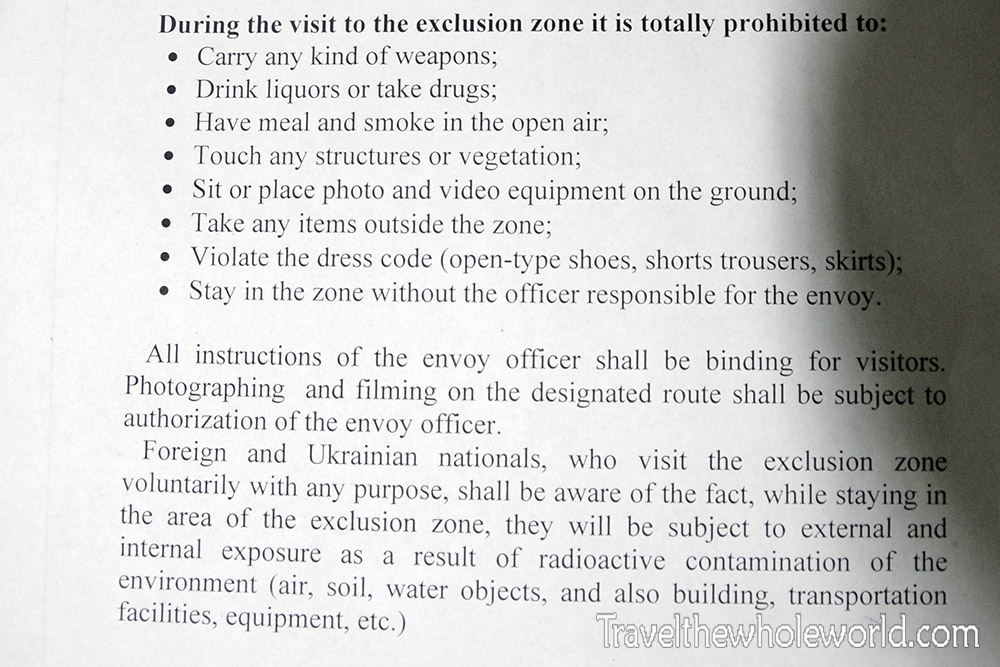
Before entering, I had to sign paperwork acknowledging the risks associated with visiting an area contaminated by radioactive material. Reading warnings about exposure to radiation certainly made the trip feel more serious.
At the same time, people actually worked inside the exclusion zone, including scientists, security personnel and employees involved with the power plant and cleanup operations. For me this was a one-time visit, while for some of them entering the zone was simply part of their job.
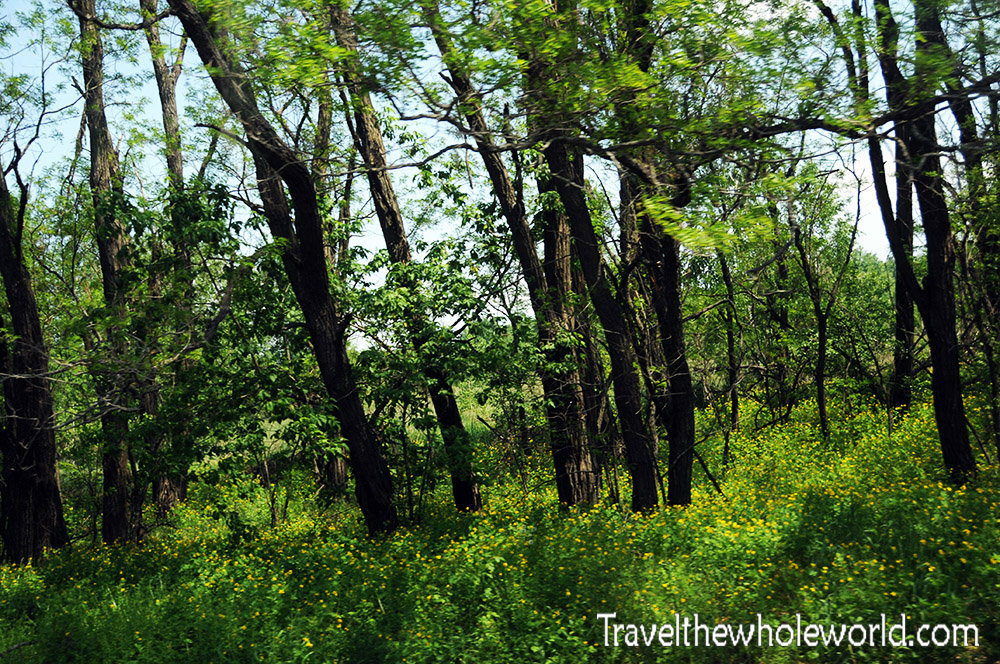
One of the things I was most curious about was what nature would look like inside the exclusion zone. I think many people imagine a radioactive wasteland where nothing can survive, but that isn’t what I saw at all. Forests, grasslands and wildlife had reclaimed large areas that people had left behind.
If someone dropped you into parts of the outer zone without telling you where you were, there would be little about the landscape itself to reveal its history.
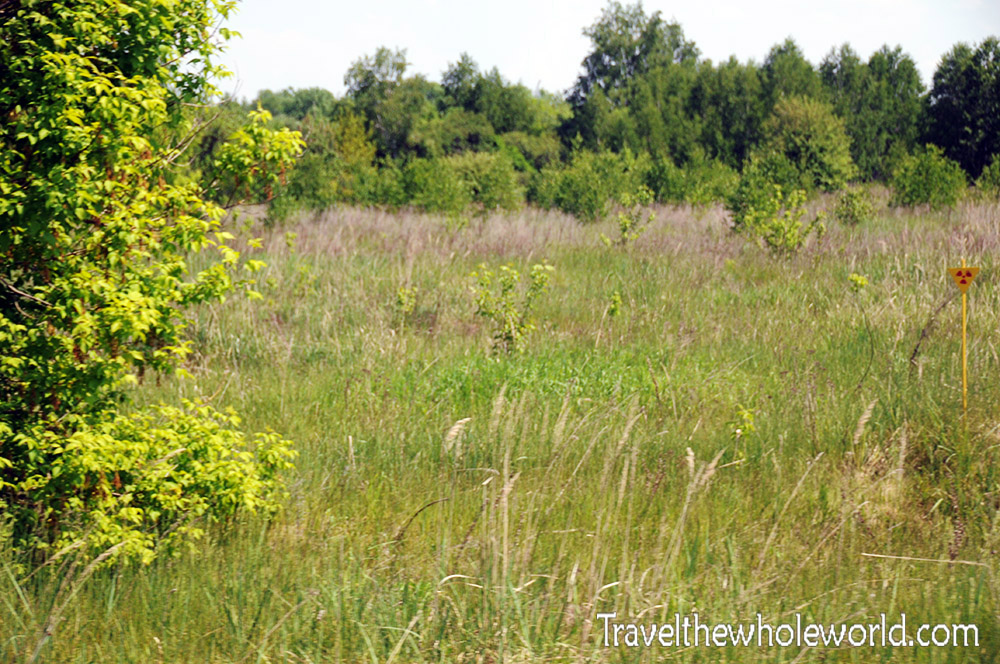
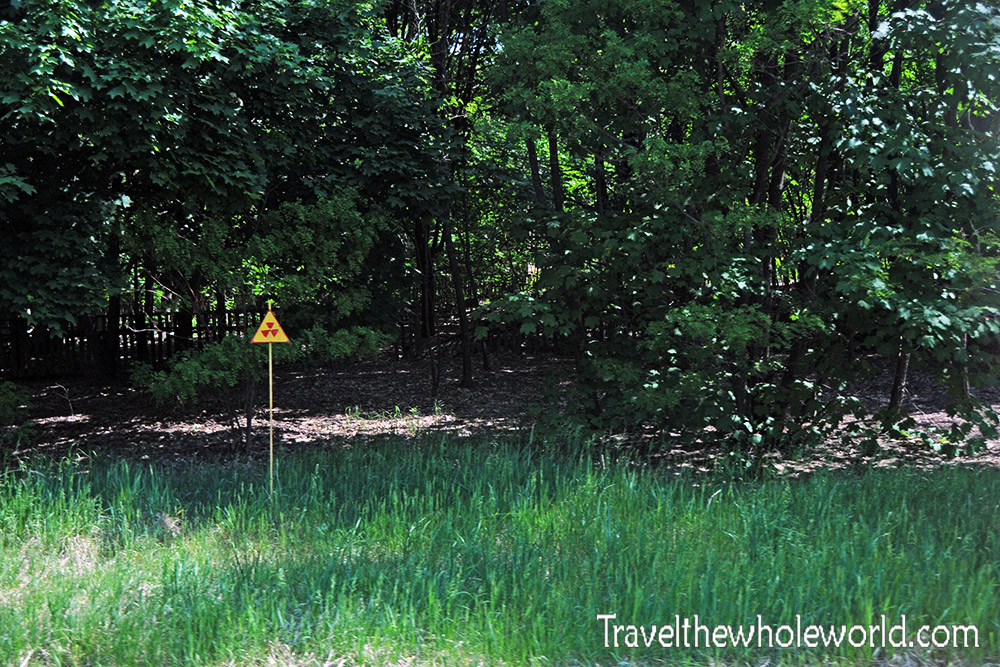
Then you’d come across signs like this one warning you not to leave the road or enter certain areas because radioactive contamination remained in the soil. Radiation wasn’t distributed evenly throughout the exclusion zone, and localized hotspots could be considerably more contaminated than the surrounding landscape.
The most famous example is the Red Forest near the power plant. It received extremely high doses of radiation immediately after the accident, killing large numbers of pine trees and turning their needles reddish-brown. The original contaminated trees were later bulldozed and buried, so the forest I had heard about wasn’t simply a stand of dead 1986 trees still waiting to decompose decades later.
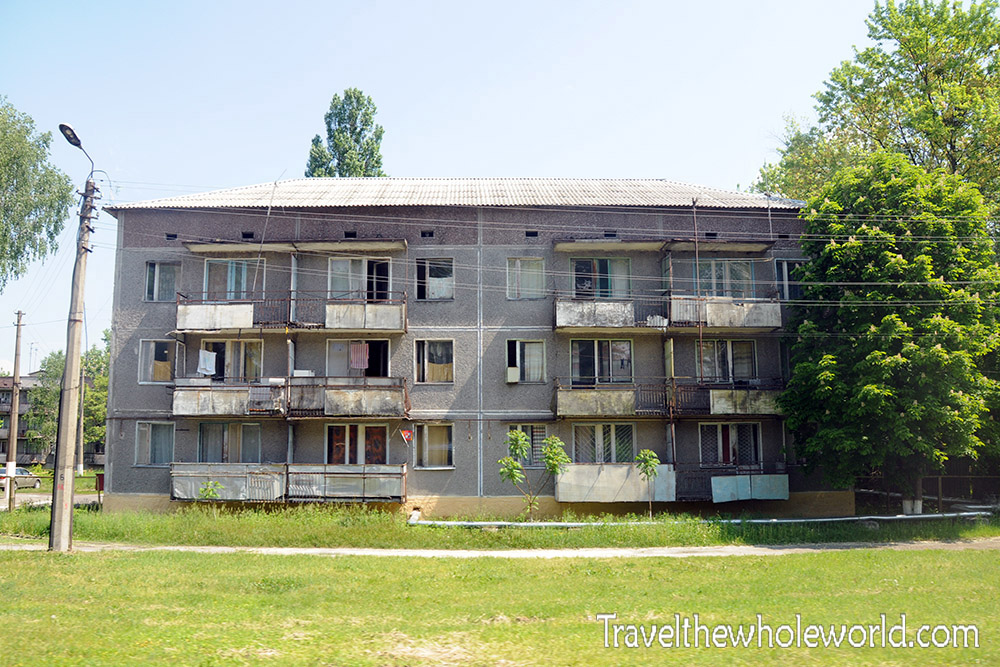
I was surprised to see people moving around Chernobyl almost as they would in any small town. Much of the surrounding region had been abandoned, but Chernobyl itself continued to serve the exclusion zone. Workers stayed in designated accommodations while carrying out scientific, administrative, maintenance and cleanup work.
At the time of my visit, one of the largest projects in the region was the construction of the New Safe Confinement, an enormous steel structure designed to eventually slide over the deteriorating shelter surrounding Reactor No. 4. The arch was later moved into position in 2016, creating a much more secure enclosure around the remains of the destroyed reactor.

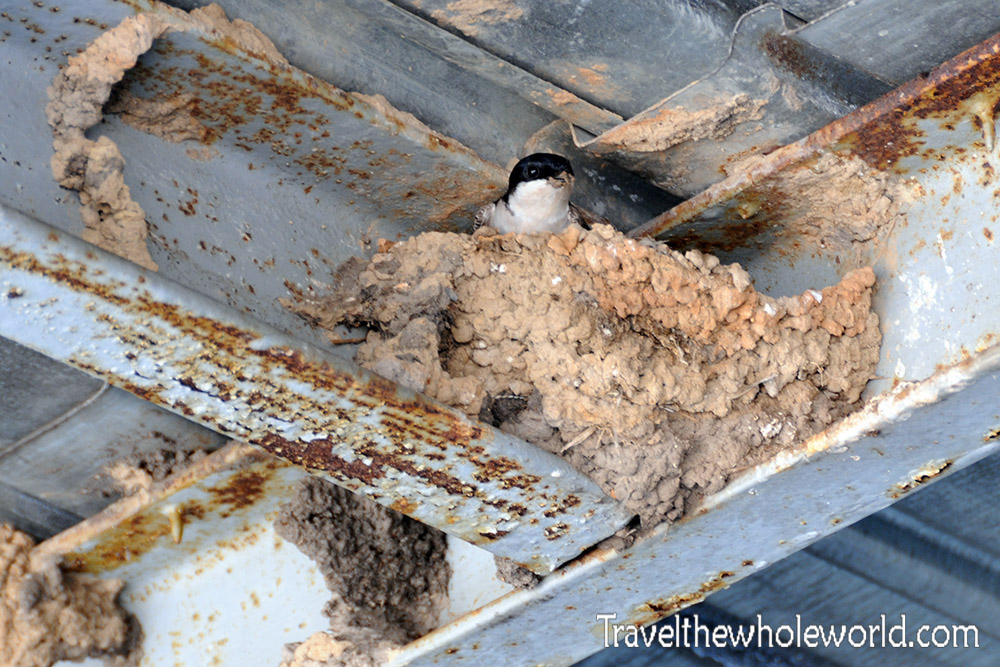
Humans weren’t the only inhabitants I encountered. I saw cats, birds and plenty of insects while traveling through the zone. I even came across some unusually large beetles and jokingly wondered whether radiation had anything to do with their size. Almost certainly not, but when you’re walking around Chernobyl it’s difficult not to have thoughts like that.
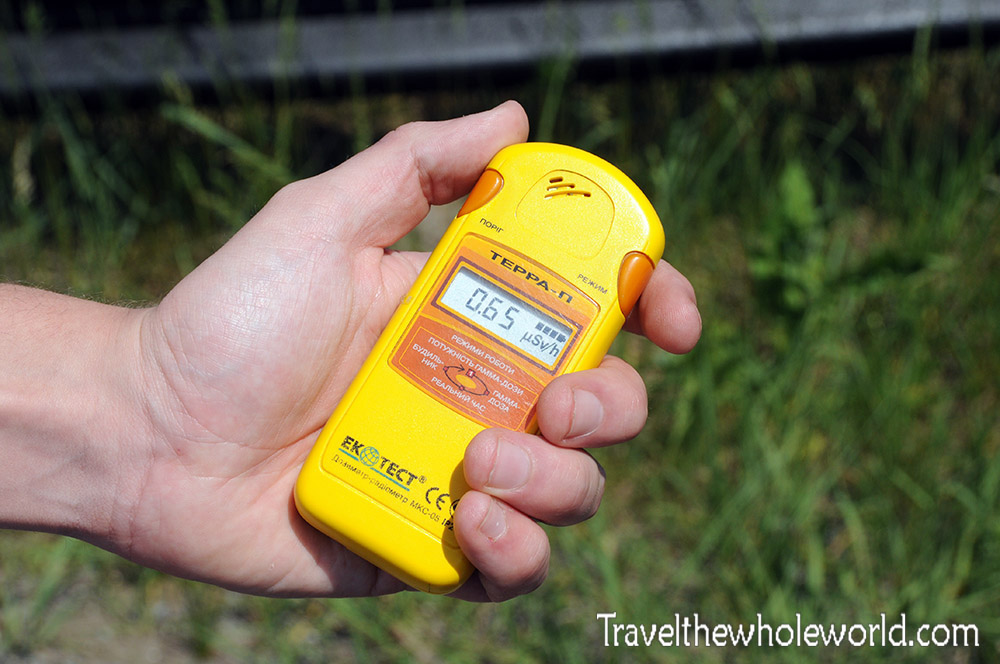
Our guide carried a radiation meter as we traveled through the zone. At this location it showed a reading of about 0.65 microsieverts per hour. A single reading like this doesn’t determine the overall radiation dose from a visit, but it demonstrated something important about Chernobyl: radiation levels could change dramatically from one location to another.
The greater concern was avoiding contaminated hotspots and following the rules about where we could walk, rather than assuming the entire exclusion zone had one uniform level of radiation.
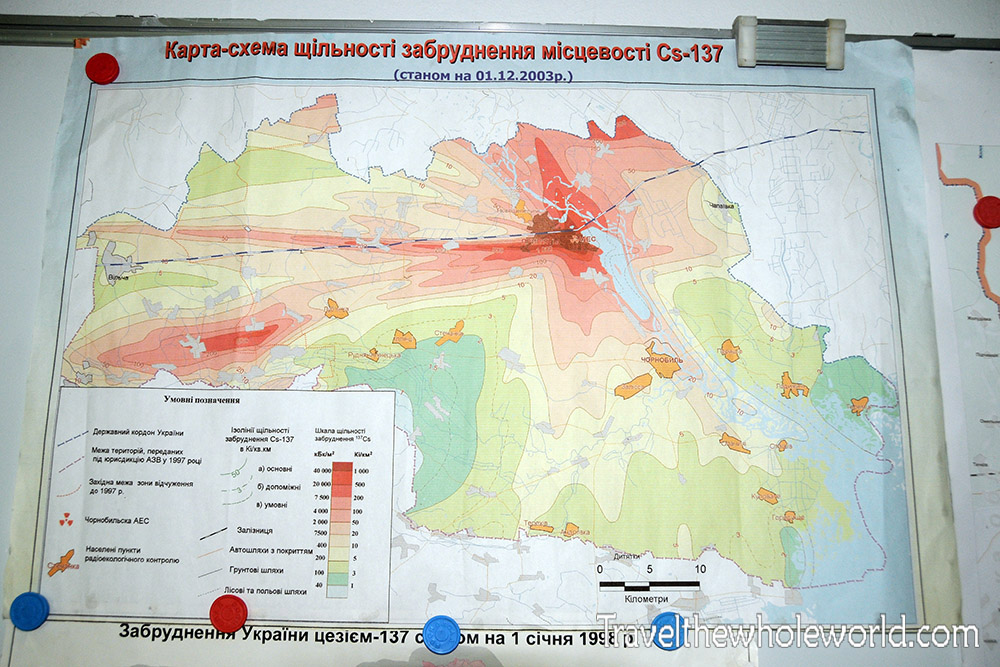
This map showed how radioactive contamination spread far beyond the immediate area around the power plant. The dotted line marks the border between Ukraine and Belarus. Winds carried a substantial portion of the radioactive fallout northward, and Belarus received some of the heaviest contamination from the disaster.
The effects of Chernobyl therefore extended far beyond the exclusion zone I was visiting. Radioactive material was detected across large areas of Europe, while Ukraine, Belarus and Russia experienced the greatest contamination.
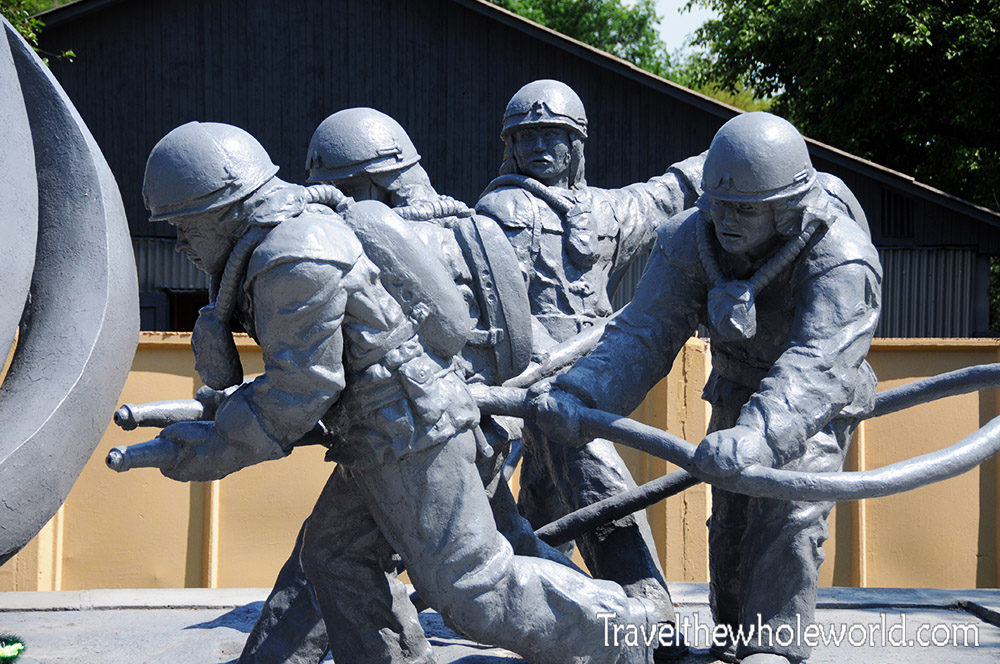
The most meaningful place I visited in Chernobyl was this memorial dedicated to the firefighters and other responders who confronted the disaster. Firefighters arrived at the burning reactor without fully understanding the extraordinary radiation levels they were facing, and several suffered fatal acute radiation syndrome in the weeks that followed.
They were only the beginning of a much larger response. Hundreds of thousands of people—including firefighters, soldiers, engineers, miners, plant workers and other so-called liquidators—participated in containing and cleaning up the consequences of the accident.
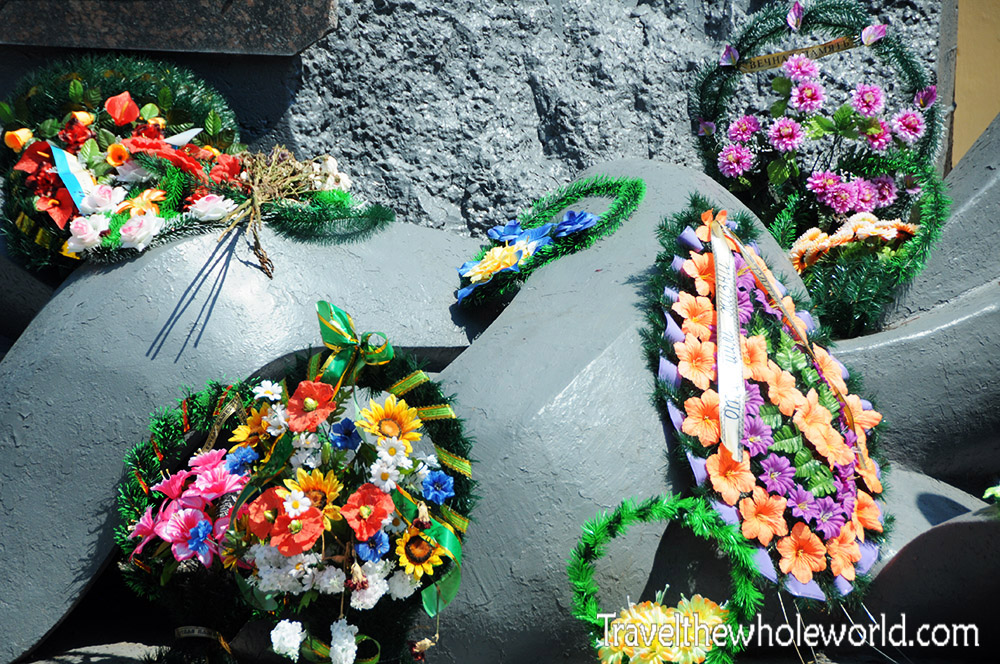
Visiting Chernobyl gave me a much better understanding of the disaster, but this was only the beginning of the trip. From here I continued deeper into the exclusion zone toward the nuclear power plant and Pripyat, the abandoned Soviet city built for the plant’s workers.