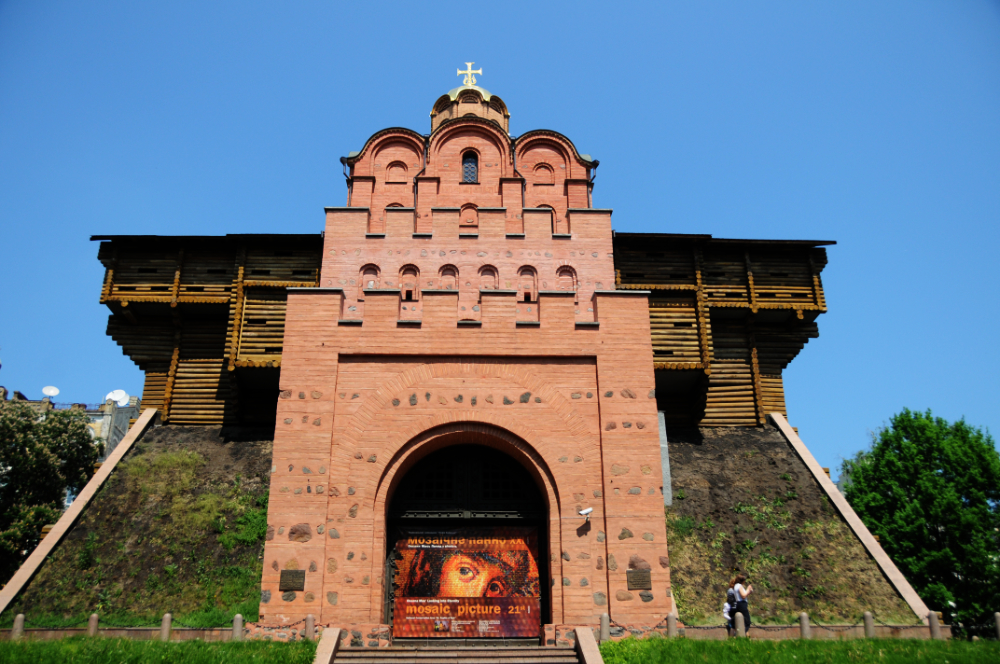
Ukraine was one of my favorite countries to visit in the former Soviet Union. Kyiv was an interesting and beautiful capital, while the Black Sea port city of Odessa offered some of the most fascinating World War II history I encountered during my travels. My trip into the Chernobyl Exclusion Zone was completely different, offering an eerie look at abandoned Soviet-era communities and the lasting consequences of one of history’s worst nuclear disasters.
I left Ukraine knowing there was still much more of the country I wanted to explore. Western Ukraine and the Carpathian Mountains remain especially high on my list, along with more of the country’s historic cities and natural areas.
Explore Kyiv
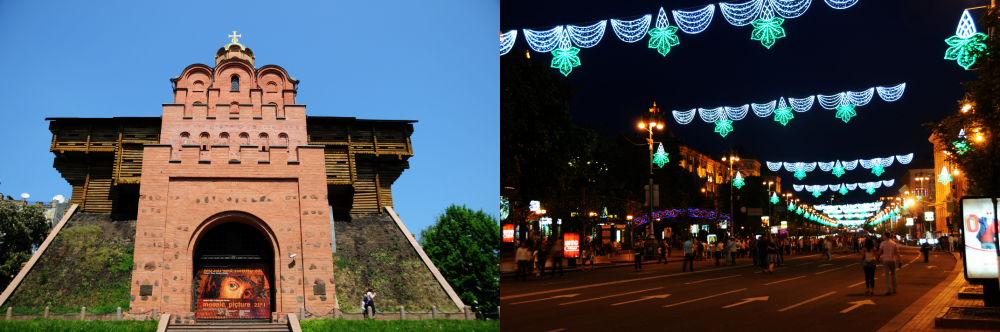
Kyiv is one of Eastern Europe’s great historic cities, with a history stretching back more than a thousand years. Situated along the Dnipro River, the Ukrainian capital contains remarkable examples of medieval religious architecture alongside monuments, museums, and buildings reflecting centuries of political and cultural change.
Among its most important landmarks are Saint Sophia Cathedral, St. Michael’s Golden-Domed Monastery, Kyiv-Pechersk Lavra, the Golden Gate, and Independence Square. The city also contains memorials documenting the Holodomor, the devastating Soviet-era famine of 1932–33 that killed millions of Ukrainians and is recognized by Ukraine and numerous other countries as genocide. Together, these sites reveal the many layers of Kyiv’s history, from Kyivan Rus through the Soviet period and modern Ukrainian independence.
Explore Odessa
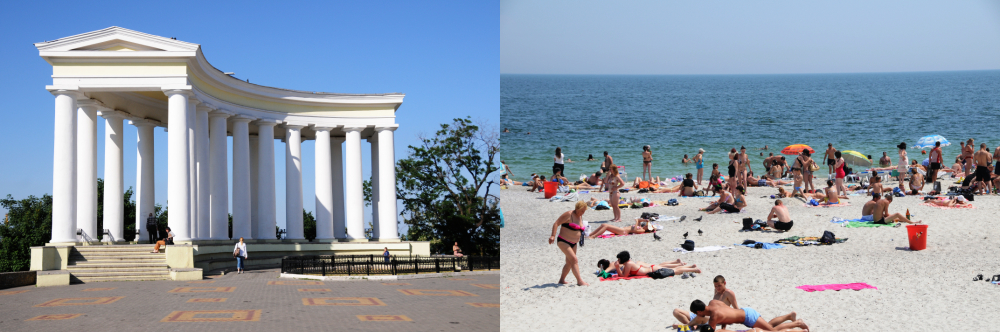
Odessa is a historic Black Sea port city that developed rapidly during the late eighteenth and nineteenth centuries, becoming an important center of maritime trade and commerce. Its grand architecture, historic opera house, Potemkin Stairs, and coastal setting give it a distinctive character compared with Ukraine’s inland cities.
The city combines elegant nineteenth-century buildings and lively public squares with residential neighborhoods, waterfront promenades, and beaches along the Black Sea. Odessa also played an important role in World War II, enduring a lengthy siege in 1941 before its occupation by Romanian forces allied with Nazi Germany. Its wartime history is closely connected to the extensive underground quarry network beneath the city and surrounding region.
Explore the Odessa Catacombs
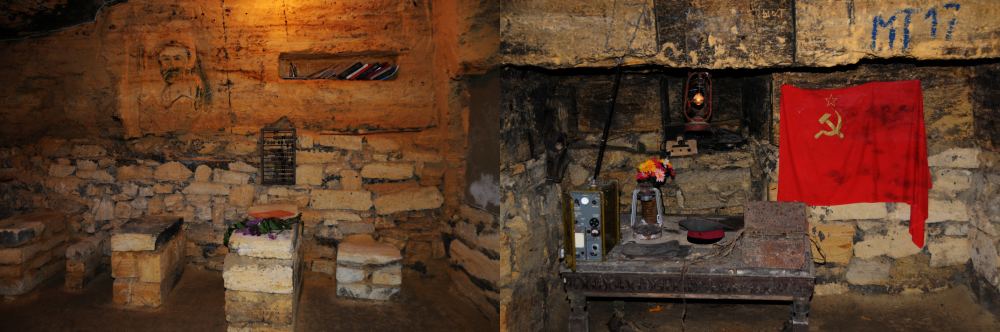
Beneath Odessa and its surrounding communities lies an enormous network of underground passages, most of which originated as limestone quarries used to supply building materials for the growing city. Over generations, excavation created a sprawling and complicated system of tunnels extending beneath the region.
During World War II, sections of the catacombs provided shelter and operational bases for Soviet partisan groups resisting Axis occupation. Today, portions of the underground network preserve evidence of this history, including passages associated with wartime resistance. The catacombs are among Odessa’s most unusual historical attractions, connecting the city’s architectural development with its turbulent wartime past.
Explore Chernobyl
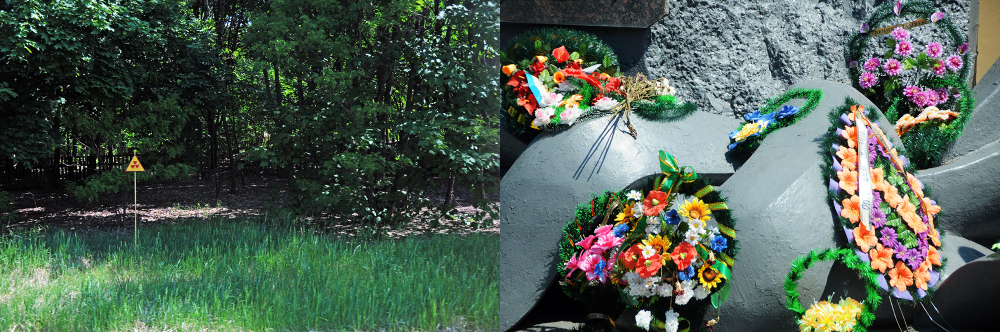
Chernobyl became internationally known after Reactor No. 4 at the nearby Chernobyl Nuclear Power Plant exploded on April 26, 1986. The disaster released substantial quantities of radioactive material into the environment and led to the evacuation and resettlement of communities throughout the surrounding region.
The Chernobyl Exclusion Zone contains the remains of settlements, infrastructure, and facilities connected to the disaster. Among its most significant landmarks are the nuclear power plant, the New Safe Confinement structure covering the damaged reactor, and memorials honoring those who responded to the accident. The region remains a powerful reminder of the disaster’s environmental and human consequences.
Explore Pripyat

Pripyat was established in 1970 to house workers and families associated with the nearby Chernobyl Nuclear Power Plant. By 1986, the purpose-built Soviet city had grown to nearly 50,000 residents, with apartment buildings, schools, recreational facilities, and public spaces designed to serve its young population.
Following the nuclear disaster, Pripyat was evacuated on April 27, 1986, and its residents were unable to return permanently. Decades of abandonment transformed the city as vegetation spread through streets and courtyards and buildings deteriorated. Its empty schools, residential blocks, and famous amusement park have become enduring images of the Chernobyl disaster and the sudden disruption of an entire community.
