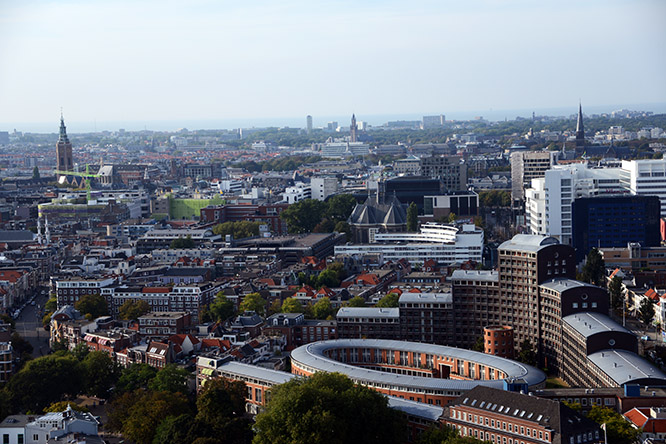
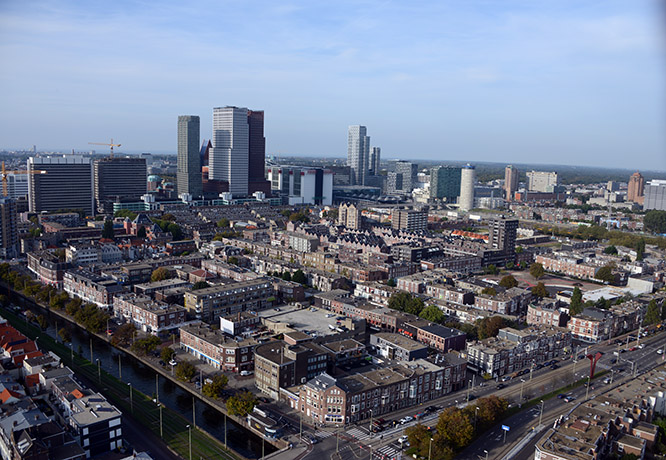
Amsterdam may be the official capital of the Netherlands, but The Hague is the country’s political center. The Dutch government and parliament are based here, as is the official residence of the monarch. The city is also home to numerous international organizations and courts.
I arrived in The Hague by train and remember being surprised by the modern skyline. For some reason I had imagined something more like Washington, D.C., with mostly government buildings mixed among older Dutch architecture. Instead, parts of the city center looked surprisingly modern.
I eventually made my way into one of the high-rise buildings for a view over the city. I had thought the building was open to the public, but when I arrived it required a key card. Fortunately, someone was nice enough to let me in and even recommended the best floor for the view.
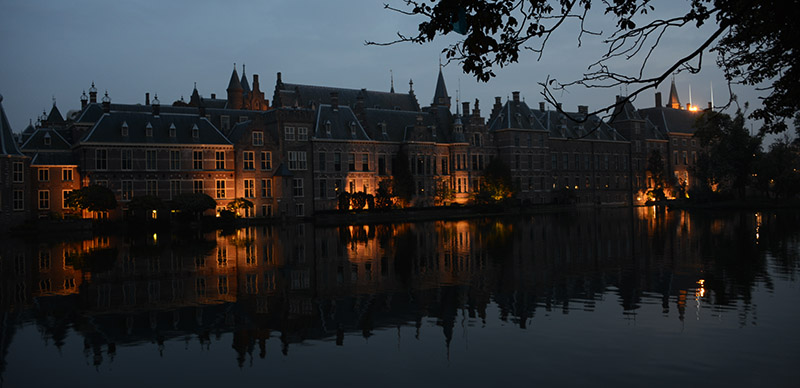
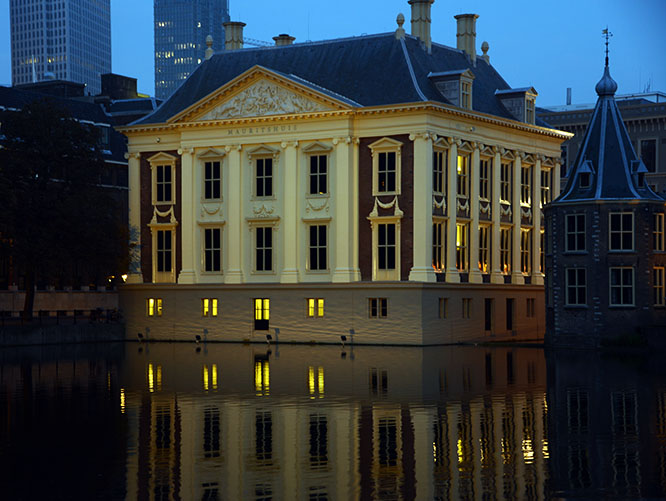
These scenes were more like the historic The Hague I had expected to find. The small lake is the Hofvijver, with the Binnenhof standing along its edge. The Binnenhof began as a 13th-century court complex associated with the counts of Holland and gradually developed into the center of Dutch political life. Today it is one of the oldest parliamentary complexes still in use, although the buildings have undergone extensive changes over the centuries.
Nearby is the Mauritshuis, one of the Netherlands’ best-known art museums. Its collection is especially famous for Dutch and Flemish paintings from the 17th century, including works by Vermeer and Rembrandt.
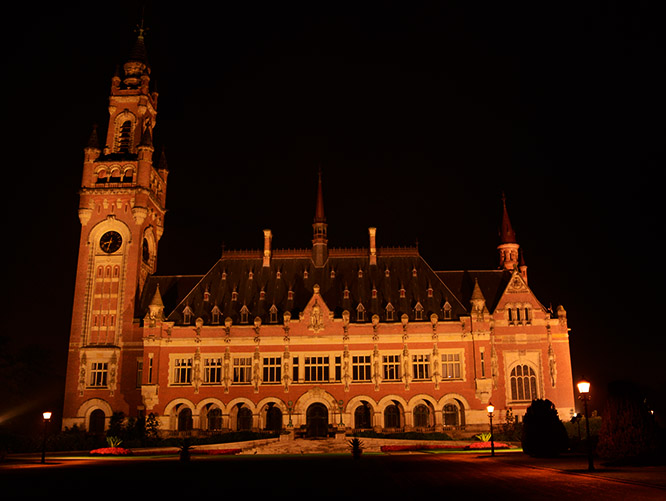
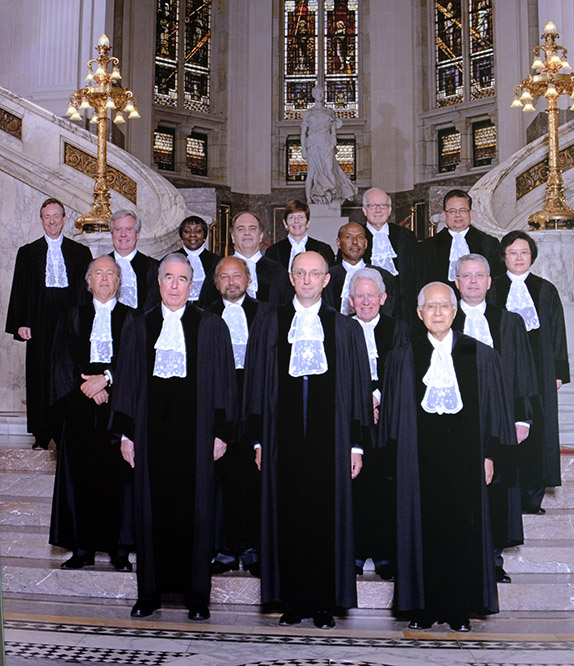
One of the most famous buildings in The Hague is the Peace Palace. I visited while taking a global affairs class, so it was especially interesting to see in person a place connected to subjects I was studying back in Virginia.
The Peace Palace opened in 1913 as a home for institutions devoted to international law and peaceful dispute resolution. Today it houses the International Court of Justice, the Permanent Court of Arbitration and other institutions devoted to international law. The International Court of Justice is the principal judicial organ of the United Nations, although the Peace Palace itself predates the UN by more than three decades.
The timing of its opening is one of history’s great ironies. The Peace Palace was dedicated in 1913 amid hopes that international arbitration and law could help nations resolve disputes peacefully. Less than a year later, Europe descended into World War I.
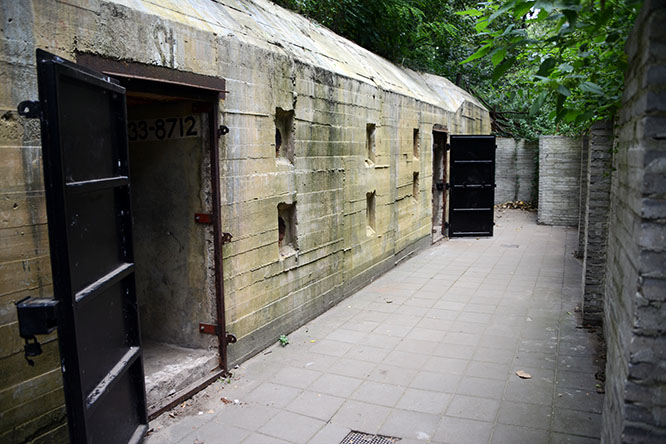
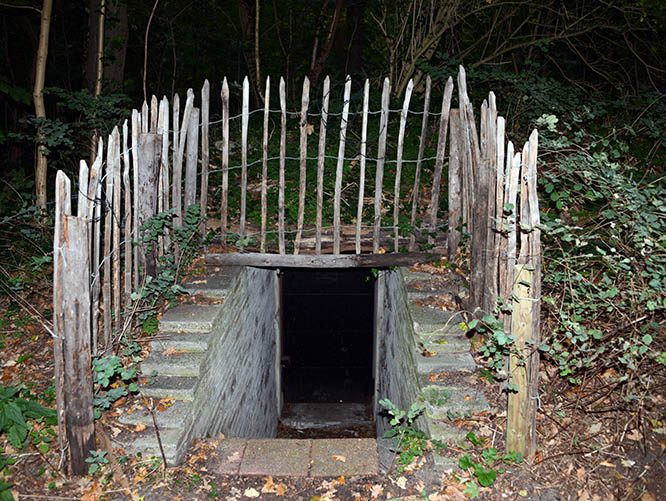
The first historical site I actually visited in The Hague was completely unexpected. I came across people waiting to enter several World War II bunkers and discovered that they were open to visitors that day. Apparently I had arrived at exactly the right time.
German forces occupied the Netherlands in 1940, and The Hague later became part of the enormous Atlantikwall defensive system constructed along the coast of occupied Europe. Bunkers, barriers and other fortifications were built around the city and nearby Scheveningen in preparation for a possible Allied invasion.
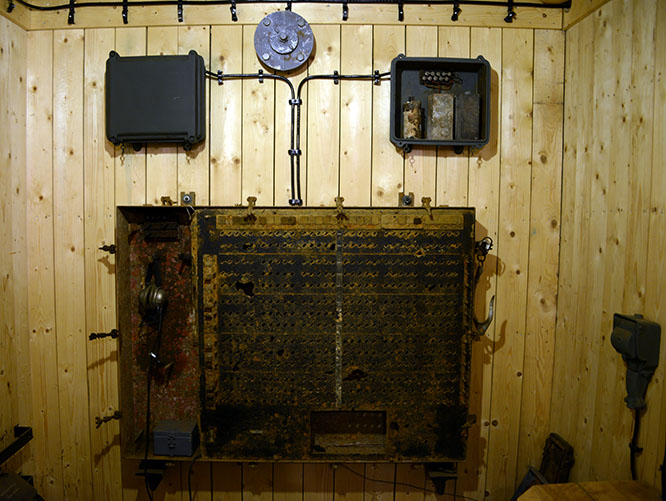
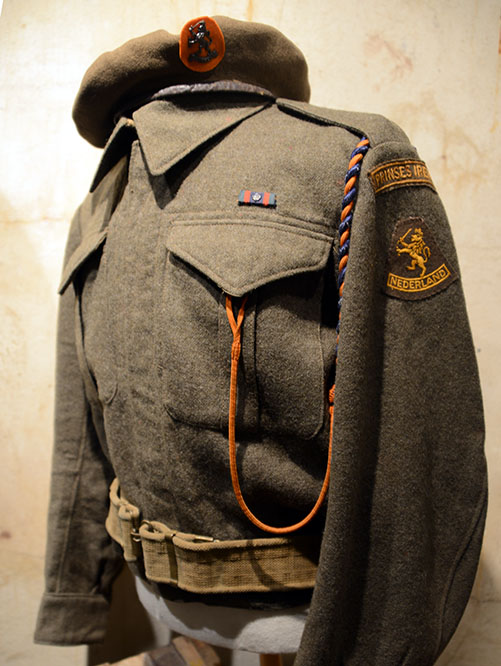
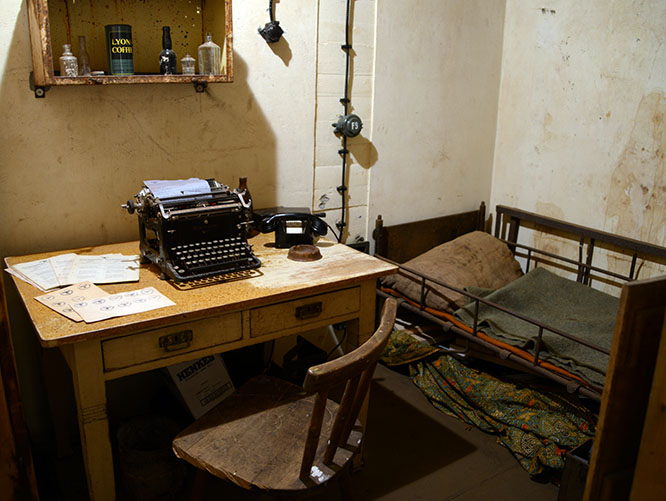
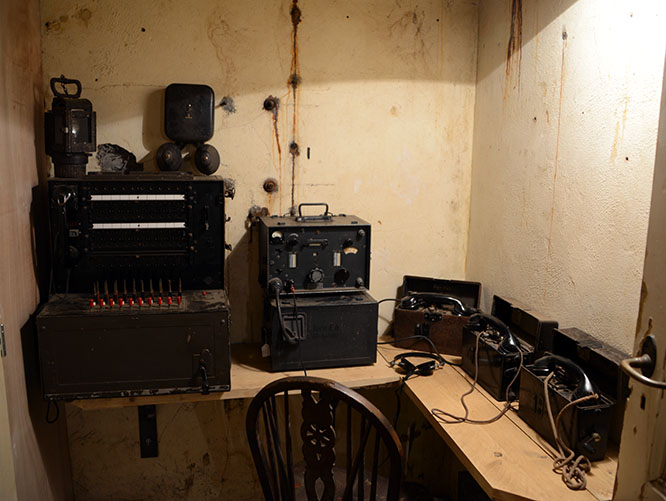
Many wartime fortifications in the Netherlands were demolished, buried or incorporated into the modern landscape after the war, but numerous remnants survive. These photographs show the interiors of bunkers I explored in The Hague, where restored rooms and historical displays help recreate how the structures were used.
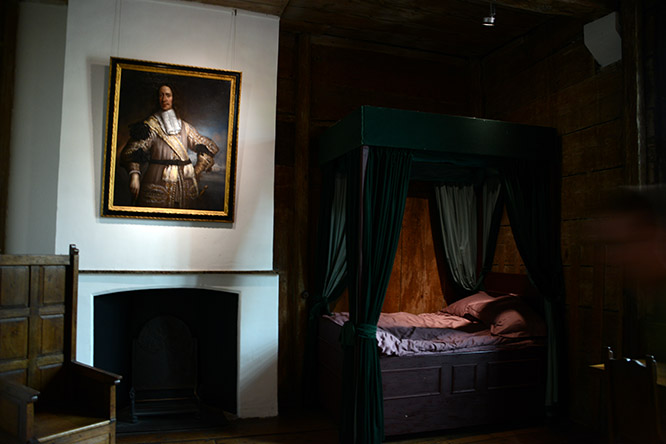
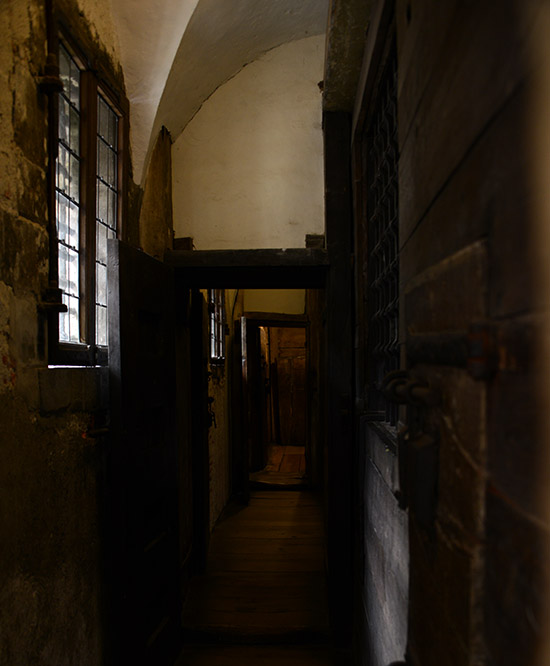
Another fascinating historical site in The Hague is the Gevangenpoort, or Prison Gate. The building began as one of the medieval gateways into the Binnenhof area before being converted into a prison in the 15th century. For centuries, accused prisoners were confined here while awaiting interrogation, trial or punishment.
The prison also reflected the enormous differences between social classes. Poor prisoners could be confined together in cramped communal cells, while wealthy or high-ranking prisoners could pay for considerably more comfortable accommodations. Walking through the surviving rooms makes those differences immediately apparent.

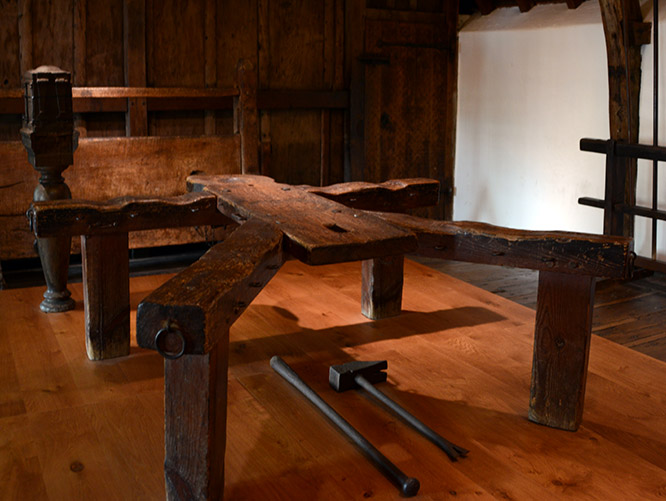
The most disturbing part of the museum deals with interrogation, torture and punishment. During periods when confessions played an important role in criminal proceedings, torture could be legally authorized under particular circumstances in an attempt to obtain one.
The museum displays instruments and rooms associated with this darker part of Dutch judicial history. Punishments varied enormously depending on the crime and period and could include public humiliation, banishment, corporal punishment or execution. Some executions themselves became public spectacles.
It was a fascinating museum, but also a pretty convincing reminder that I’m glad I visited The Hague in modern times.
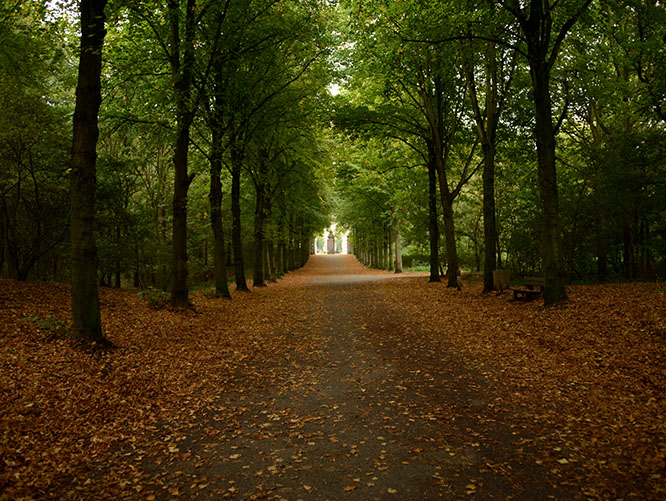
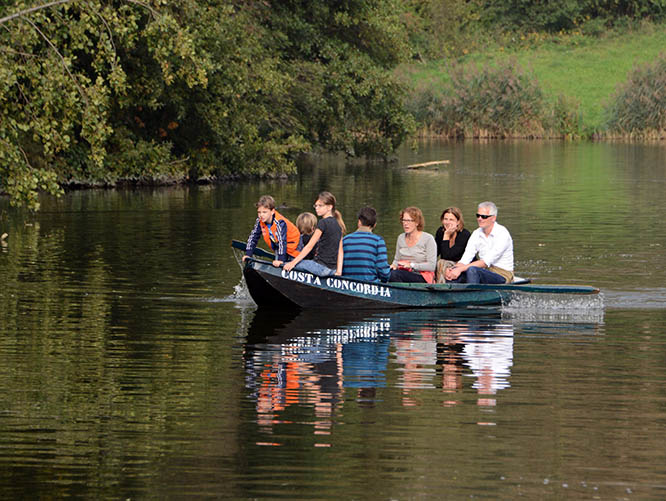
For a city so closely associated with government and international law, The Hague also has an impressive amount of green space. Parks, wooded areas and gardens are scattered throughout the city. These photographs are from the Scheveningse Bosjes and around Van Stolkpark.
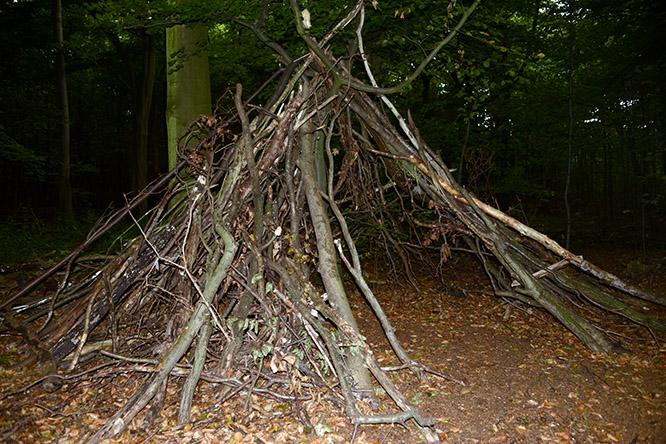
The parks also gave me a few random finds. I came across this large wooden structure beside one of the trails without any sign explaining why it was there.
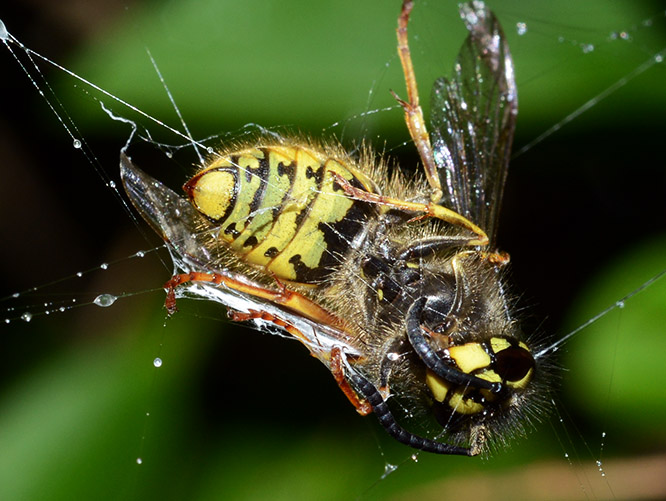
The bee was actually one of the first photographs I took after arriving in The Hague. Walking from the train station to my room, I realized I had accidentally left my macro lens on the camera after using it back in the United States. Since the lens was already there, I figured I might as well put it to use.
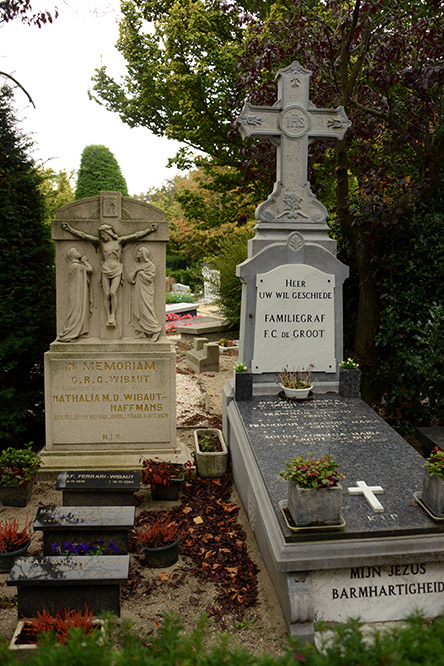
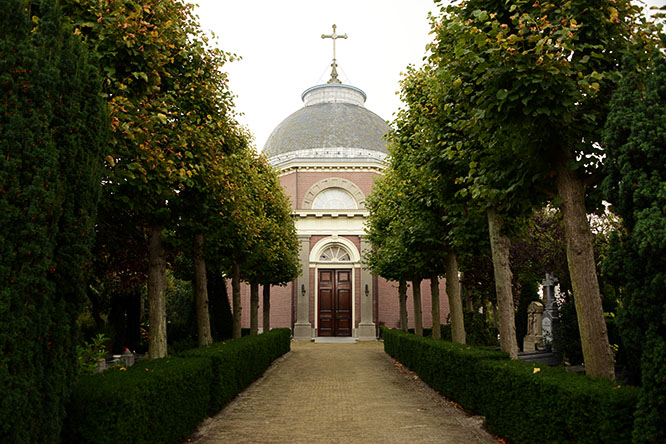
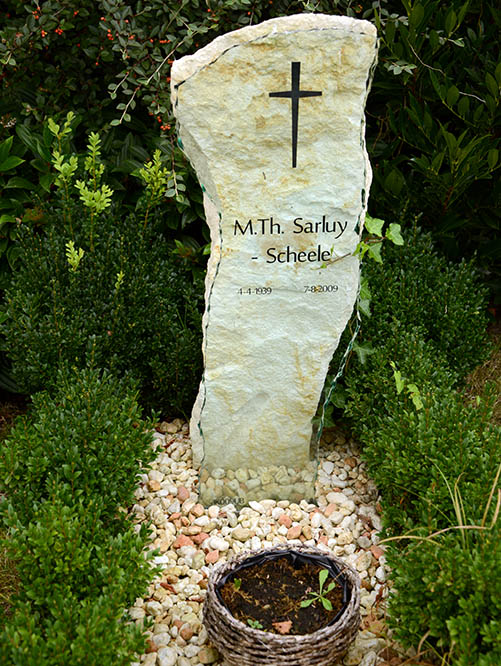
Near the Scheveningse Bosjes I came across Kerkhoflaan Cemetery. At first glance I assumed it must have been hundreds of years old, but the cemetery dates to the 19th century and remains in use. I was surprised to see recently dated graves mixed among much older monuments, with everything from traditional headstones to highly personalized memorials.
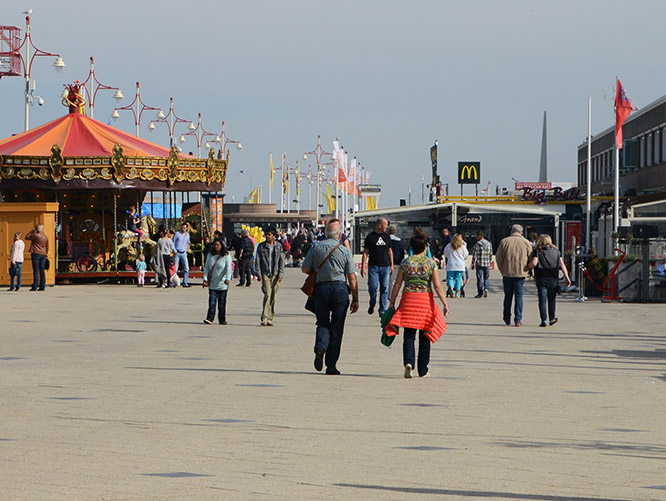
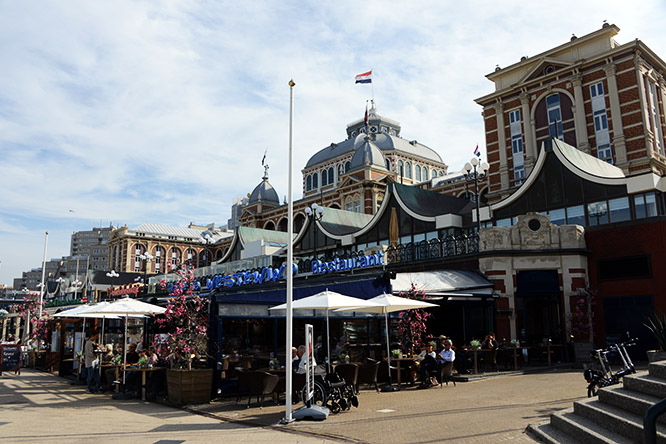
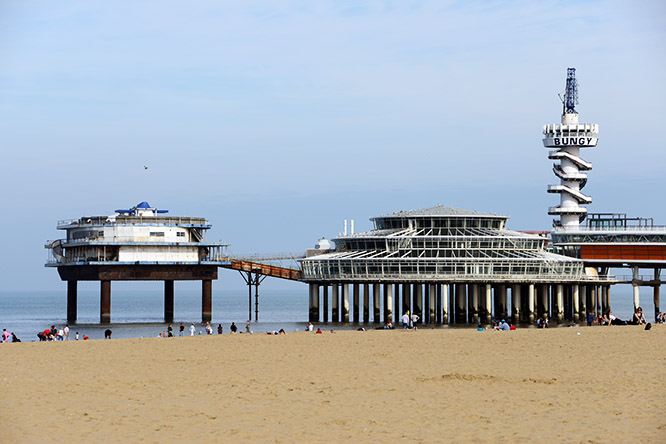
I had always known The Hague was on the coast, but for some reason I still hadn’t pictured it as a beach city. Scheveningen completely changed that impression. The district has a wide sandy beach, a long promenade and plenty of restaurants and attractions along the North Sea.
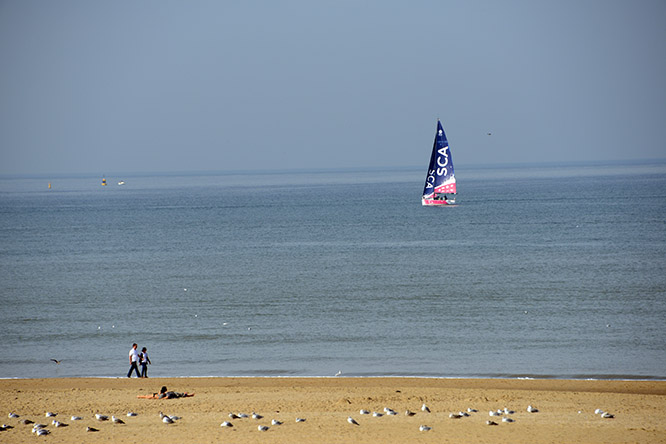
The weather was pleasant during my visit but definitely too cold for me to swim. I didn’t see many people in the water, but there were plenty enjoying the beach and promenade while boats passed offshore.
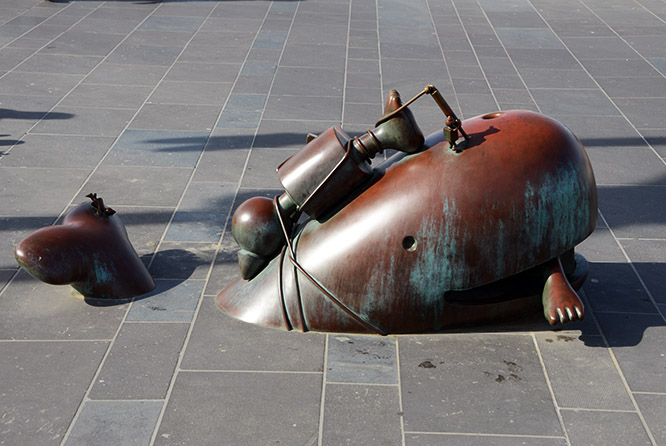
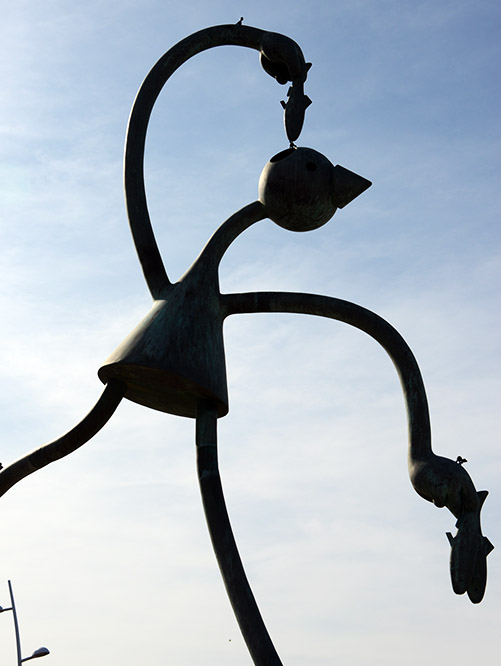
I also came across several strange sculptures along the beachfront. I had no idea who created them or what they were supposed to represent. Some were funny, others were a little disturbing, and a few seemed to be staring off into space contemplating their existence. Whatever the explanation was, they certainly made the beach more memorable.
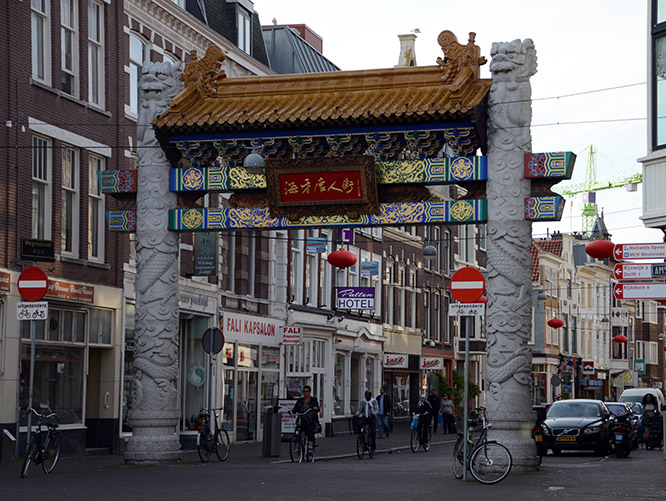
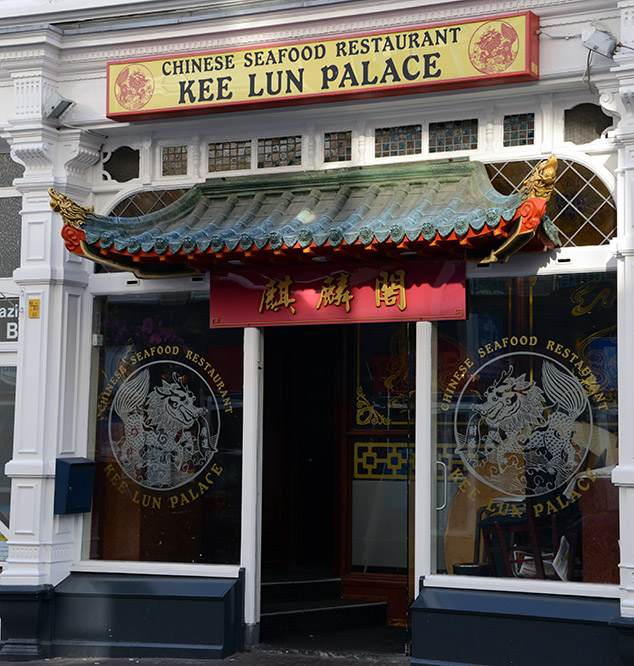
The Hague even has its own Chinatown. I hadn’t planned on visiting it and didn’t actually know it existed until I stumbled across one of its Chinese-style gateways. I only passed through briefly, so I didn’t spend enough time there to give the neighborhood a fair review, but I saw a mixture of Asian restaurants, grocery stores and other businesses.
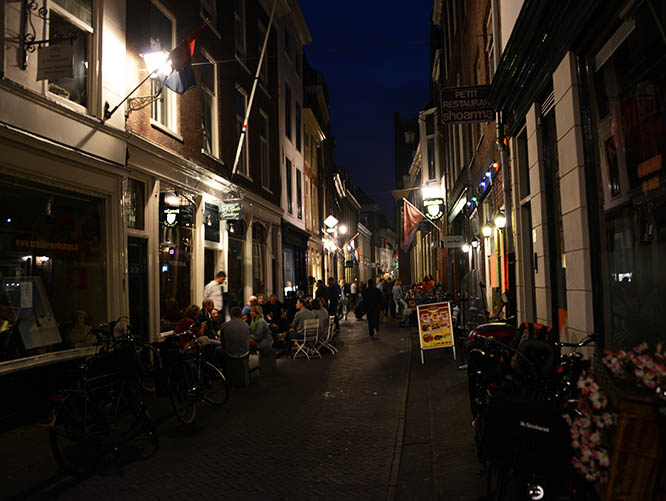
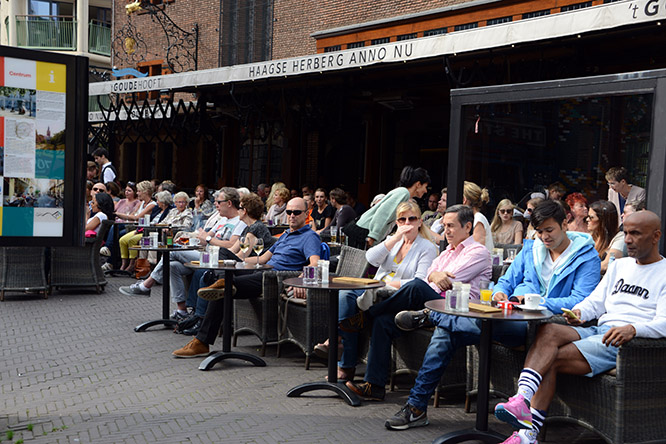
My remaining photographs are from the central parts of The Hague around the Binnenhof and nearby streets. This was one of the liveliest areas I explored, filled with restaurants, shops, museums and historic buildings.
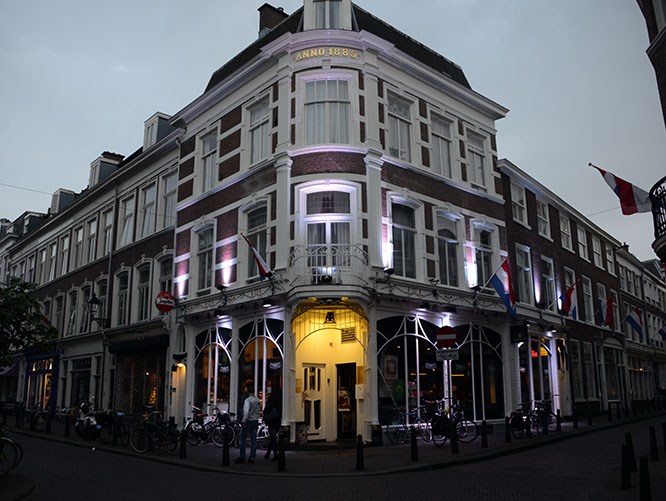
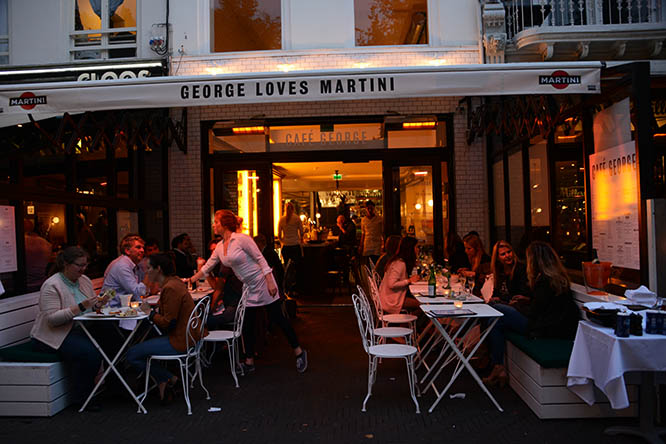
And since my name is George, of course I had to photograph a restaurant called George Loves Martini.
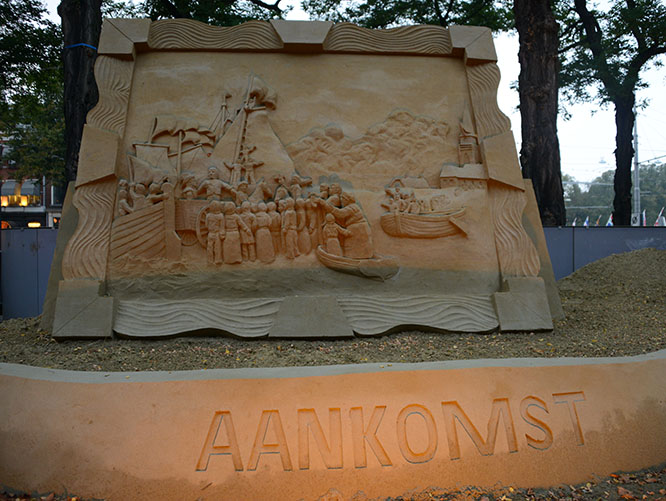
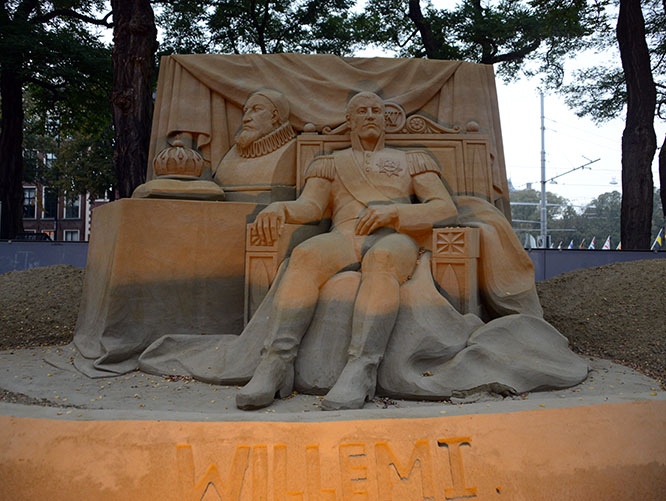
Lastly, I came across these elaborate sand sculptures downtown. One included the word Aankomst, Dutch for “arrival.” Another depicted Willem I, who became the first king of the Netherlands in 1815 and reigned until his abdication in 1840.