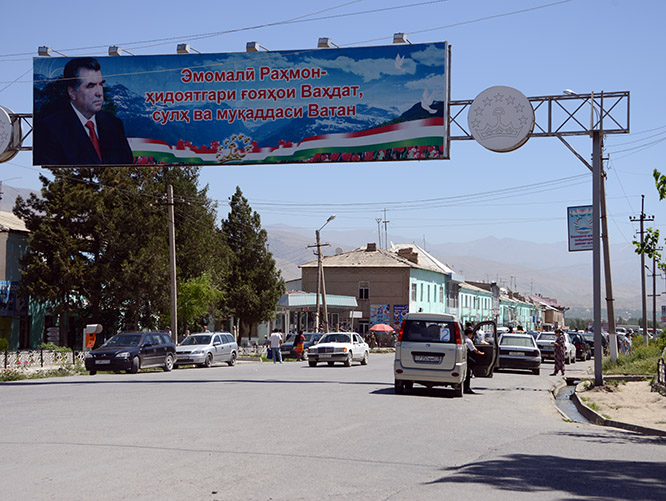
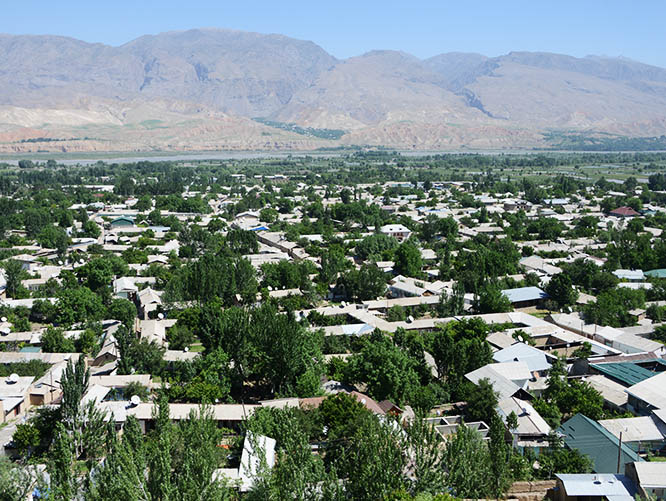
Panjakent is a relatively small city in western Tajikistan, but it has far more historical importance than its size might suggest. The biggest attraction is Old Panjakent, the ruins of an ancient Sogdian city that flourished here more than a thousand years ago. Panjakent also has a museum displaying artifacts recovered from the archaeological site and explaining the history of the region.
Above are two views of the modern city, including the entrance to Panjakent and a broader look across the town.
Panjakent Market
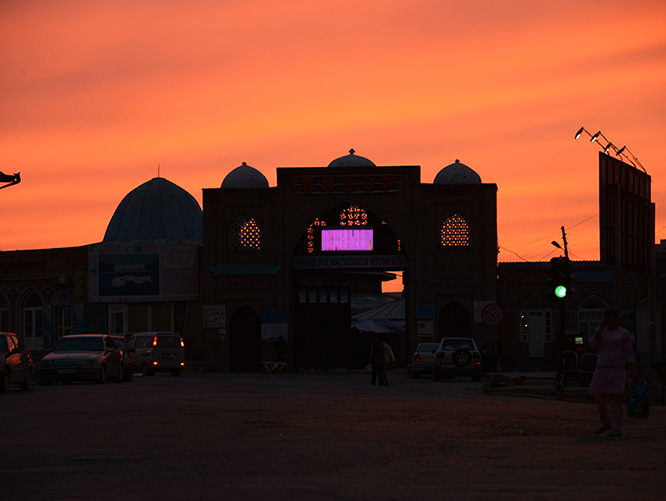
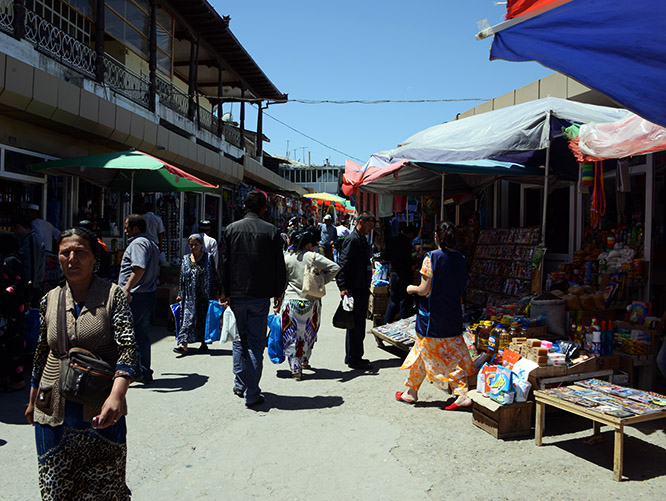
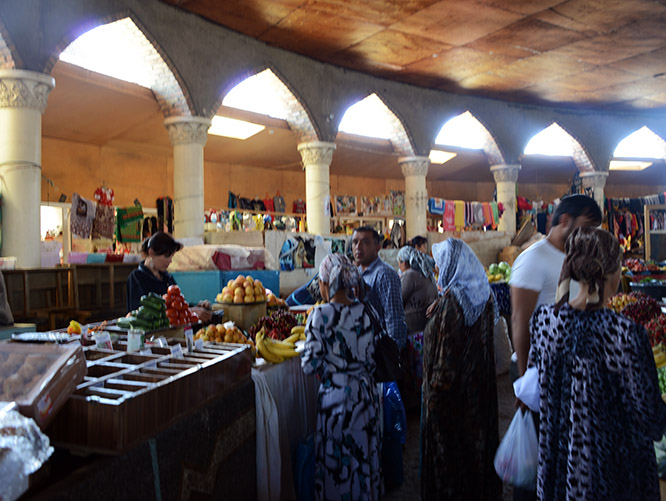
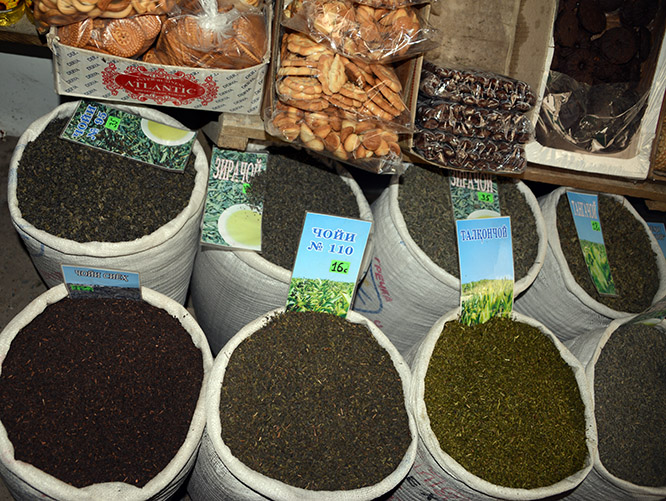
I arrived in Panjakent after dark, and the market entrance above was one of the first things I photographed. The market wasn’t especially large, but it was still worth exploring. Shops and stalls around the outside sold everyday merchandise and tools, while the interior was where I found food, produce, spices, and other local goods.
Panjakent Mosque
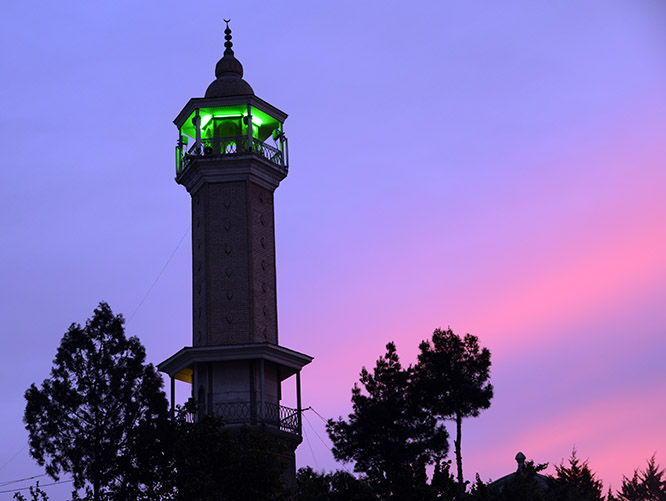
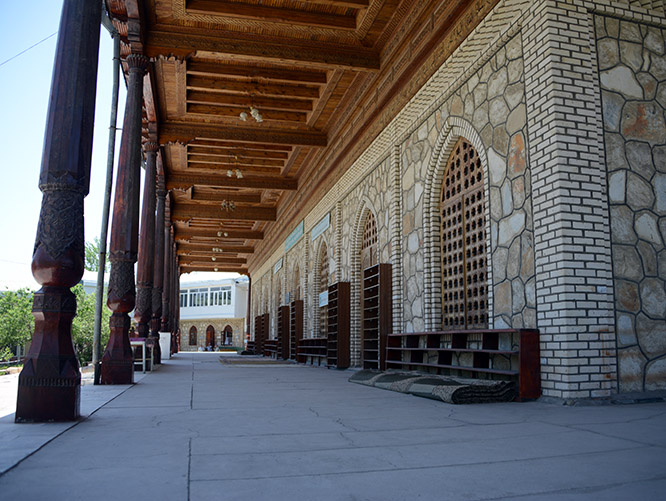
Because of all the delays I had along the highway, I didn’t arrive in Panjakent until late in the evening. One of the first landmarks I noticed was the minaret of the city’s mosque. The following day I returned to see the mosque itself.
The mosques I saw in Tajikistan often looked quite different from the large domed mosques I associated with parts of the Middle East. This one had a rectangular prayer hall and an entrance framed by columns and decorative details that reflected Central Asian architectural traditions.
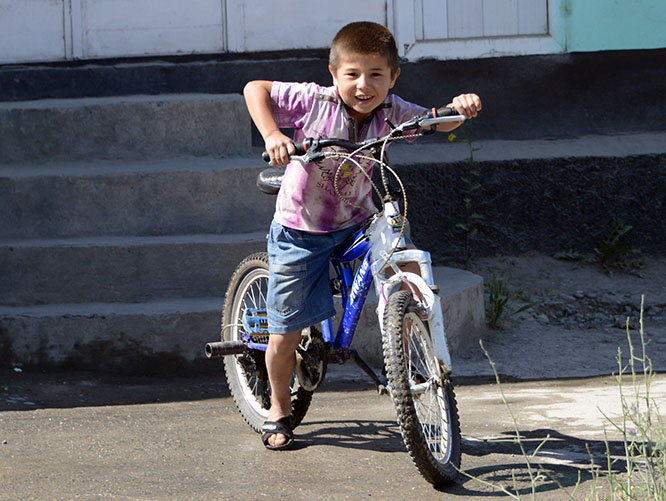
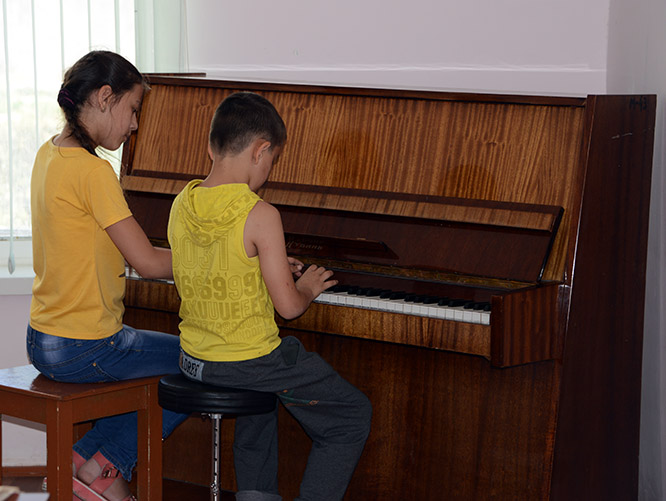
I expected Panjakent to feel more conservative than Dushanbe because of its smaller size and more rural setting, but everyday life didn’t seem dramatically different. I did notice more men wearing beards than I had in the capital, but that was only a casual observation from a short visit.
The kid above seemed extremely happy when I took his photo. On the right are some other children learning piano and singing Russian songs.
Panjakent Museum
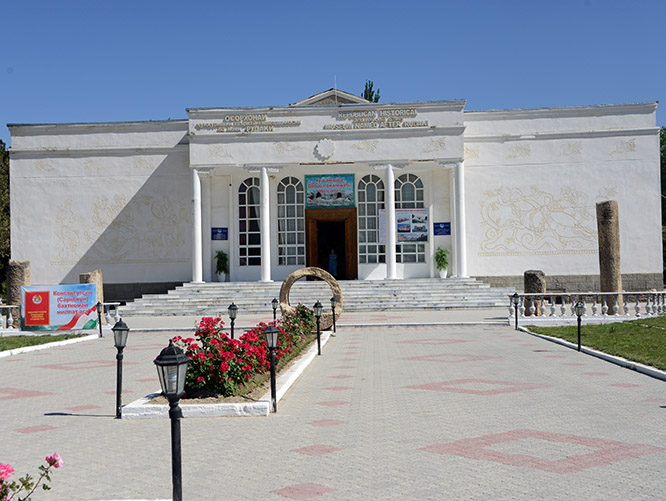
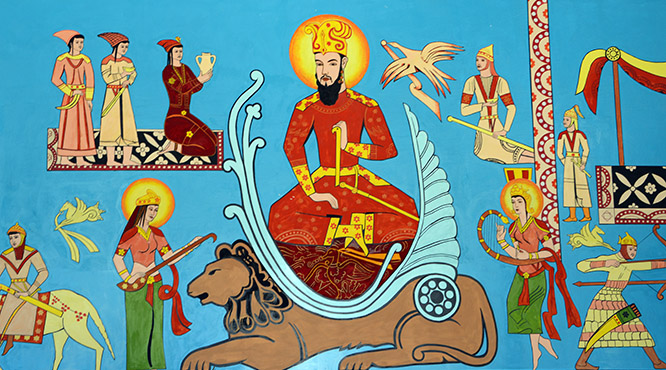
Panjakent has a surprisingly substantial museum dedicated to the history and archaeology of the region. Many of the objects recovered from Old Panjakent are displayed here, while other important finds have been moved to museums in Dushanbe and elsewhere.
The museum entrance is shown above, along with a large mural depicting people from the ancient cultures that once lived in this part of Central Asia.
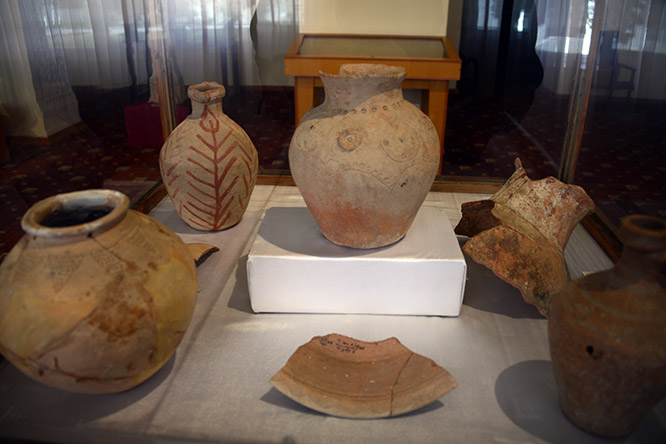
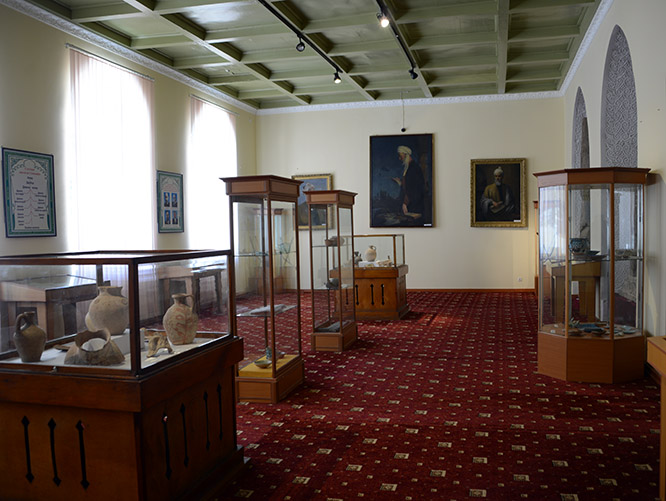
The archaeological collection contains pottery, jewelry, weapons, coins, and other everyday objects recovered from the ancient city. My favorite exhibits were the reconstructed wall paintings and decorative scenes.
Old Panjakent was especially famous for its elaborate murals. Some of the surviving originals are badly faded after centuries underground, so the museum’s reconstructions make it much easier to imagine how colorful the interiors once looked.
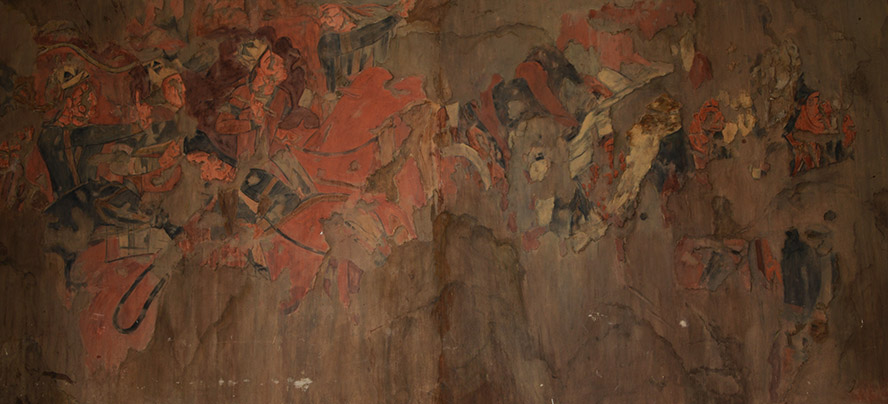
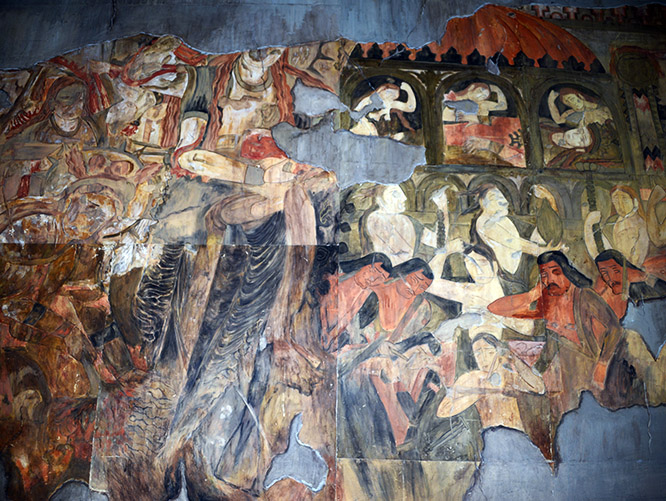
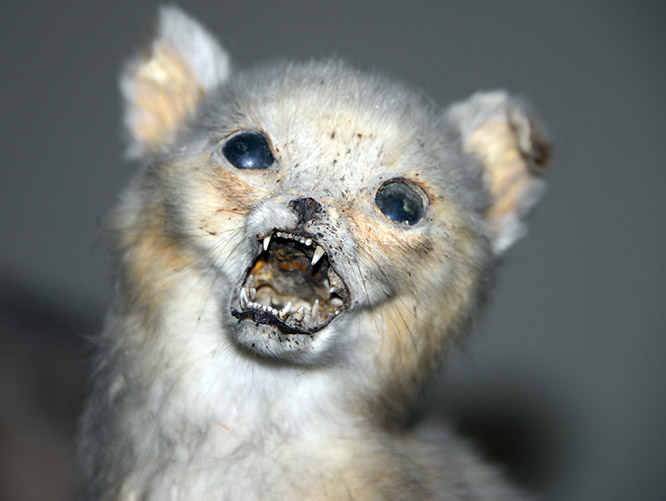
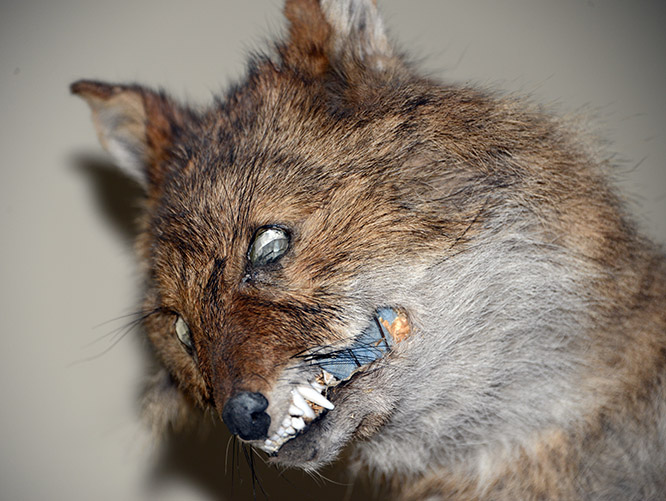
The museum also had exhibits unrelated to Old Panjakent. The strangest room for me was filled with preserved birds and mammals. The taxidermy had aged badly enough that some of the animals looked considerably more disturbing than I imagine the museum intended.
Old Panjakent
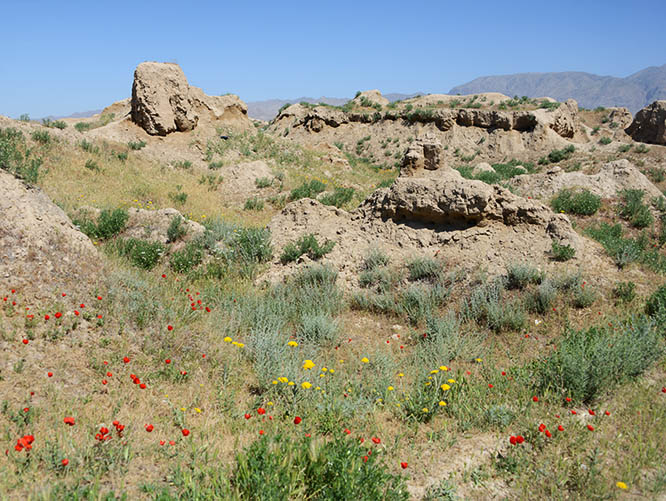
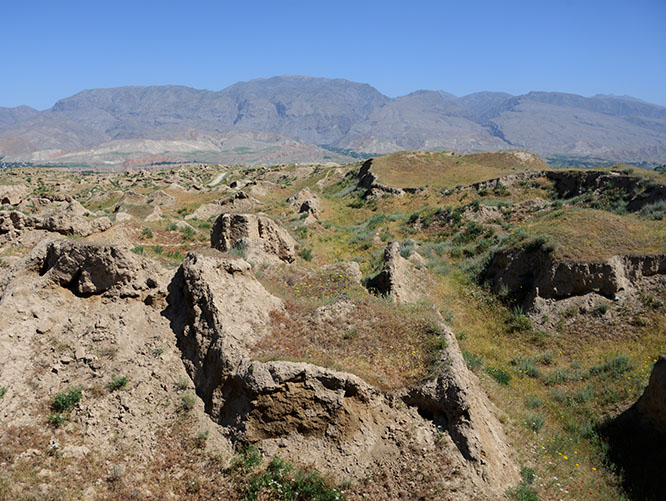
These are the remains of Old Panjakent itself. At first glance the site can look like a collection of random earthen hills, but once you begin walking through it, the outlines of streets, walls, rooms, temples, and houses become much easier to recognize.
Old Panjakent was a major Sogdian city that flourished mainly between the fifth and eighth centuries CE. The Sogdians were famous merchants and traders whose communities played an important role along the Silk Roads connecting Central Asia, China, Persia, and regions farther west.
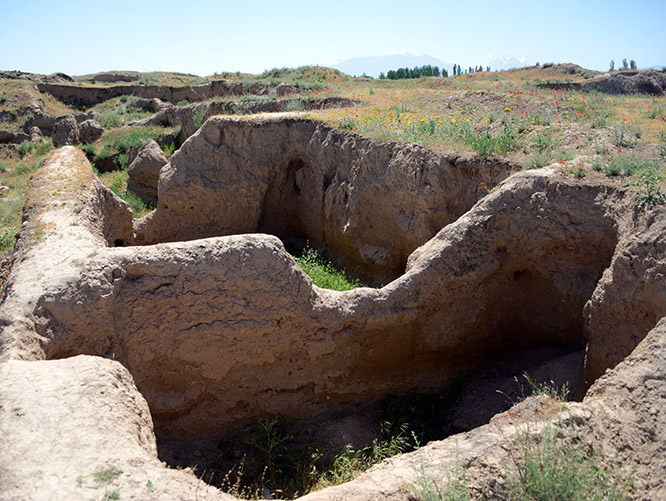

These are some of the better-preserved sections of the archaeological site. Considering that the city has been abandoned for more than a thousand years, it’s impressive that the layout of so many structures can still be identified. Archaeologists have uncovered homes, temples, workshops, streets, and richly decorated reception halls throughout the site.
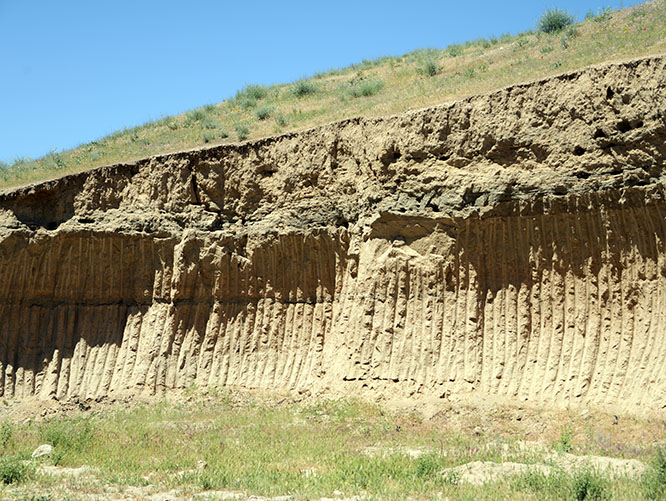

The ruins have also become habitat for wildlife. Birds had built mud nests throughout parts of the site, and I saw several species while walking around.
I visited in late spring, which turned out to be a great time to explore the area. Wildflowers were blooming all over the archaeological site, adding bright colors to the otherwise dusty remains of the ancient city.
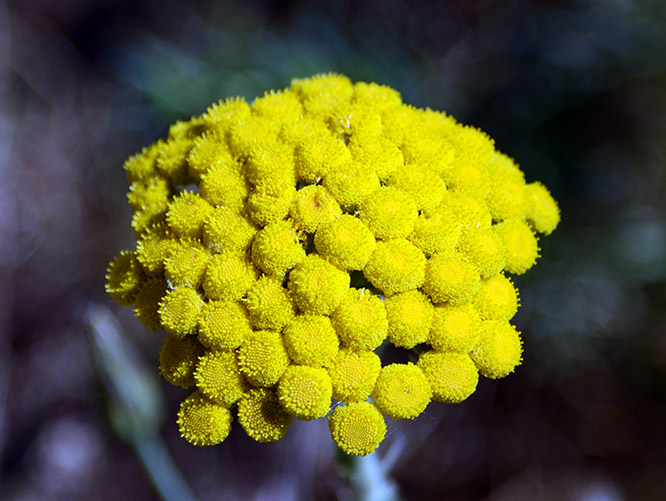
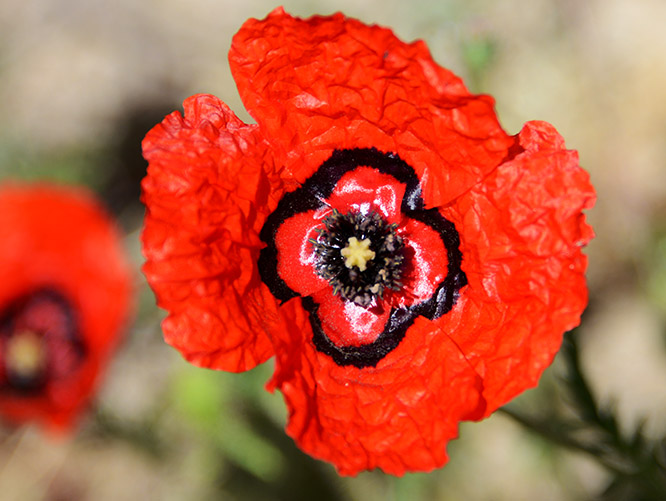
Between the modern city, the museum, and the ruins, Panjakent ended up being much more interesting than its small size would suggest. Old Panjakent in particular gave me a completely different perspective on the civilizations that once flourished across Central Asia long before the modern borders of Tajikistan existed.
Explore More of Tajikistan
Tajikistan Road Trip • Dushanbe • Panjakent • the Fann Mountains