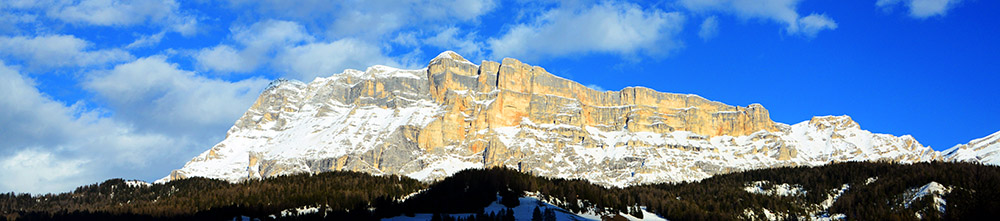
The Dolomites are one of those special places in the world that I almost stumbled into by accident. To be honest, I hadn’t even heard much about them before my trip to northern Italy. If I had known what this place looked like, I definitely would have planned more time for serious hiking or climbing. I’ve seen different parts of the Alps in Austria and Switzerland, but so far the Dolomites remain my favorite. They aren’t the highest mountains in the Alps, but the jagged rock formations and dramatic scenery make them some of the most impressive mountains I’ve seen anywhere in Europe.
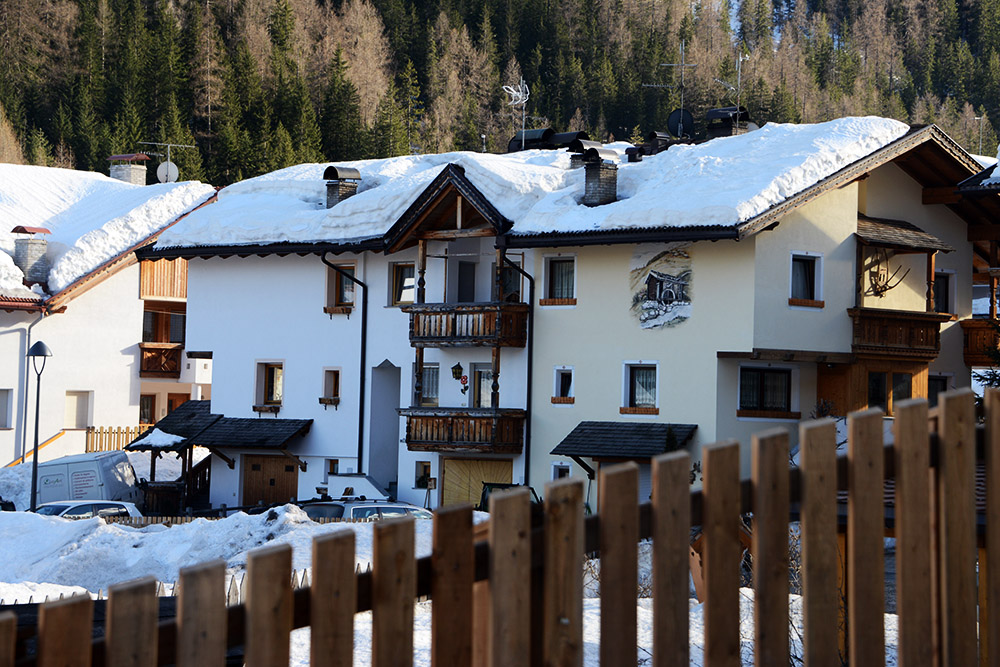
One of the great things about the Dolomites is that you don’t even have to be deep in the wilderness to get incredible mountain views. Small towns and villages sit directly beneath the peaks, so even driving through the region can be spectacular. I stayed in a random village where the room was surprisingly affordable despite being in the middle of ski season. Once the sun came up the next morning, I checked out and headed straight back into the mountains.
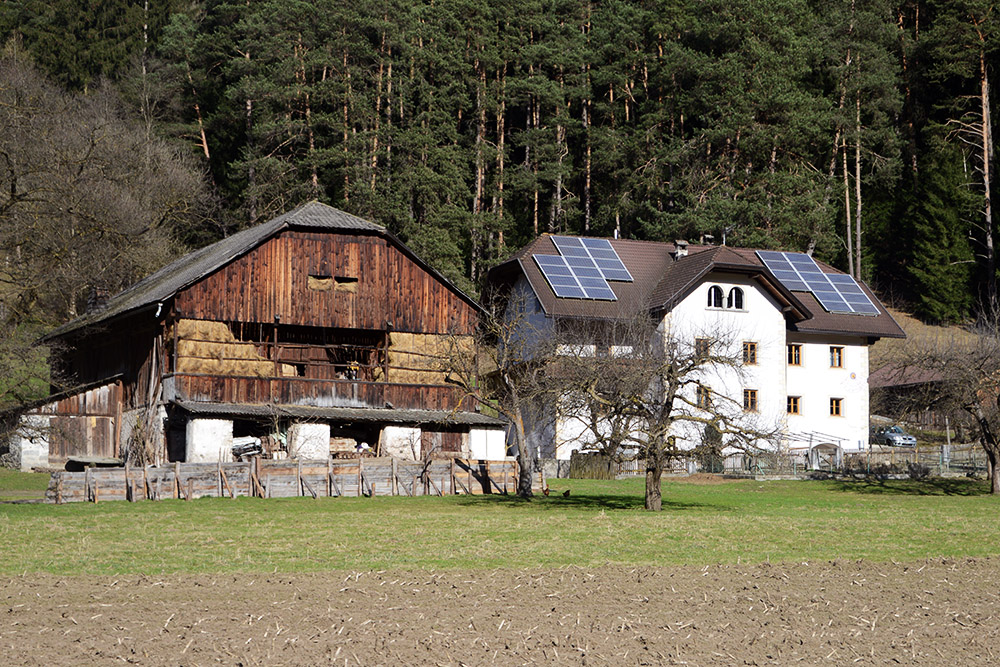
Even the houses scattered through the mountains added to the scenery. Buildings like this sat beneath the surrounding peaks, making it hard to forget that the mountains were always close by.
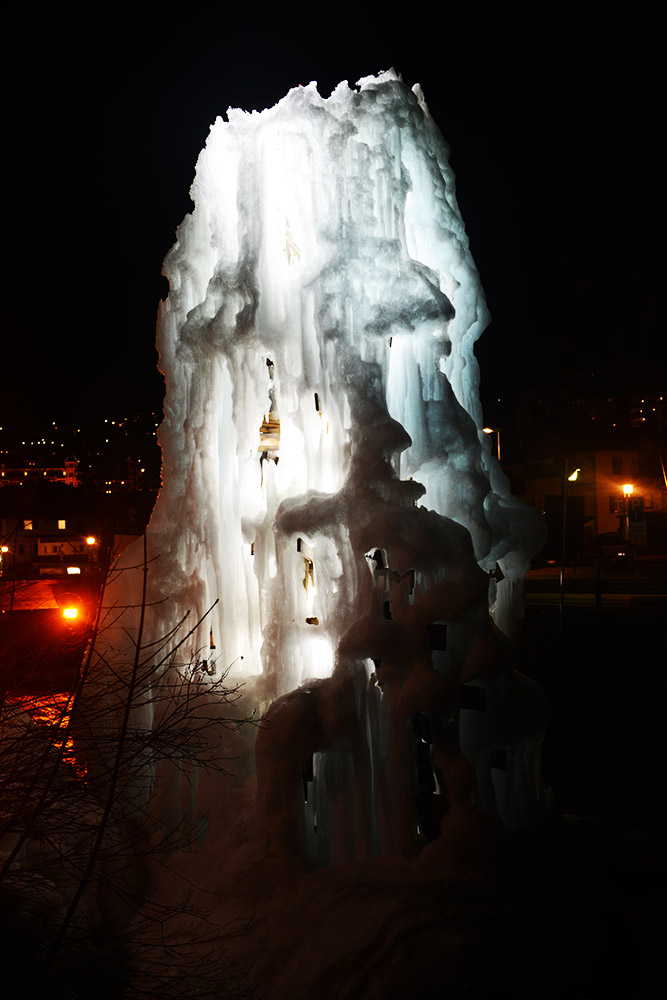
I didn’t spend much time exploring the town itself, although I did take a late-night walk with my friend. I came across this strange ice structure and never figured out exactly what its purpose was. It looked like someone had built a wooden frame and intentionally sprayed water over it until a giant tower of ice formed. Considering how popular winter sports are in this region, I wouldn’t be surprised if it was used for some kind of ice climbing practice.
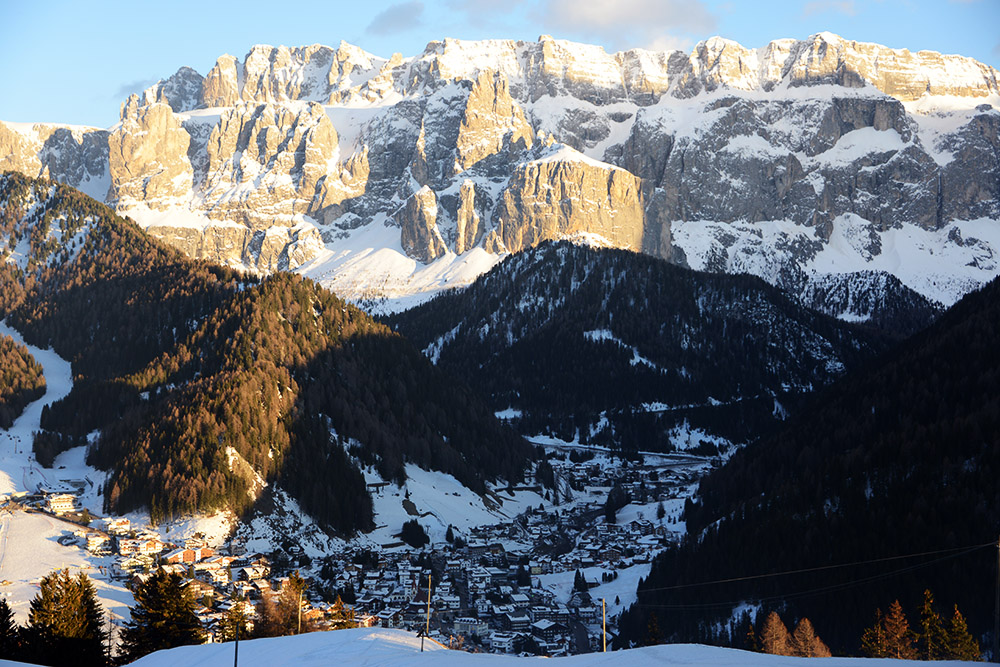
It probably goes without saying that this is one of the best regions in Europe for skiing. This town was much more scenic than the one where I stayed, sitting directly beneath enormous mountain walls. The buildings are almost hidden in shadow at the bottom of the photograph. I have a feeling I wouldn’t have found quite the same bargain on a room if I’d decided to stay here instead.
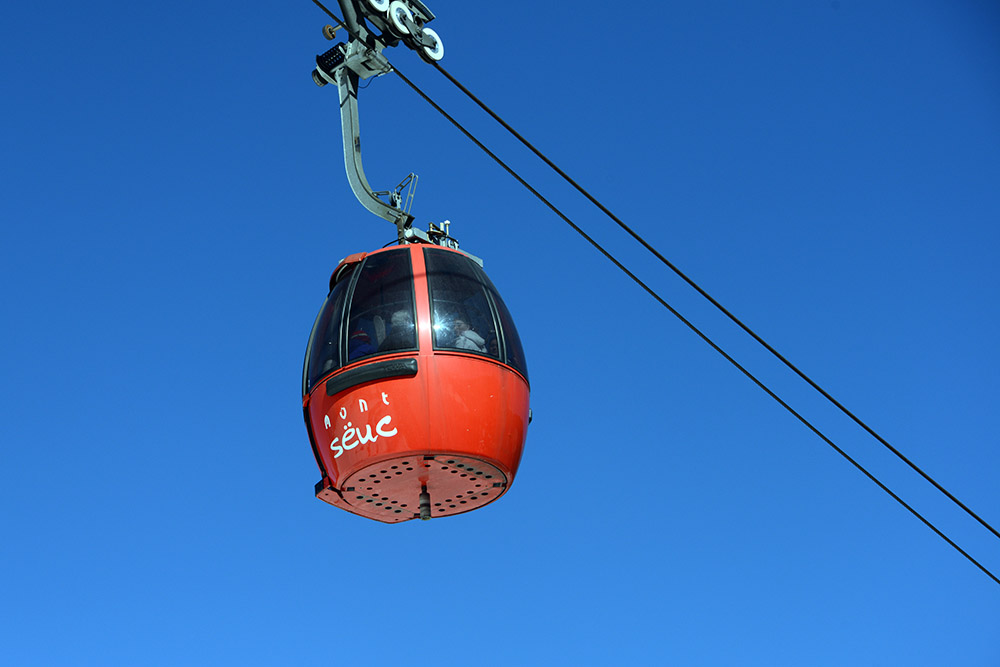
Skiing is so popular in this part of Italy that ski lifts seemed to be everywhere. Some were visible almost directly outside my hotel window, and this one actually passed above a major road. Other areas had simpler tow systems that pulled skiers up smaller slopes. I didn’t go skiing during this trip, but I couldn’t visit mountains like these without doing at least a little hiking.
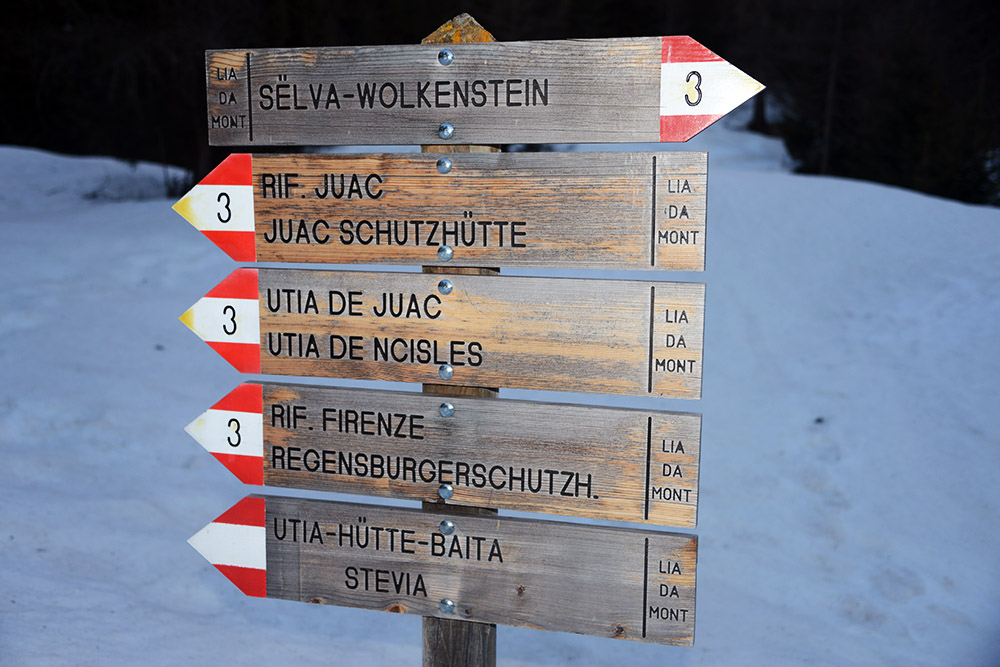
There were plenty of marked routes for hiking and cross-country skiing. Unfortunately I didn’t have snowshoes or skis, so getting through the deeper snow in normal hiking shoes was slow and a little annoying. Staying dry wasn’t exactly easy either. Still, the scenery made all of that worth it. The trails were well marked, and signs like this made it easy enough to keep track of where I was going.
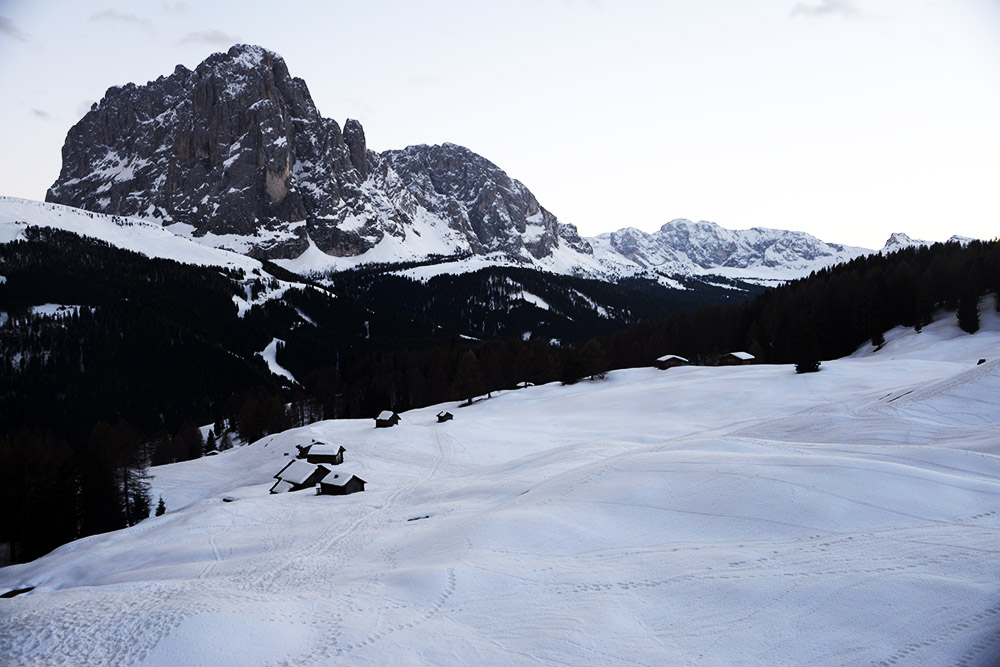
Once the trail opened into a large snowfield, the views became incredible. This was exactly the kind of scenery that made me wish I’d known about the Dolomites before the trip. I could have easily spent days hiking through different valleys and trying to get closer to some of these peaks.
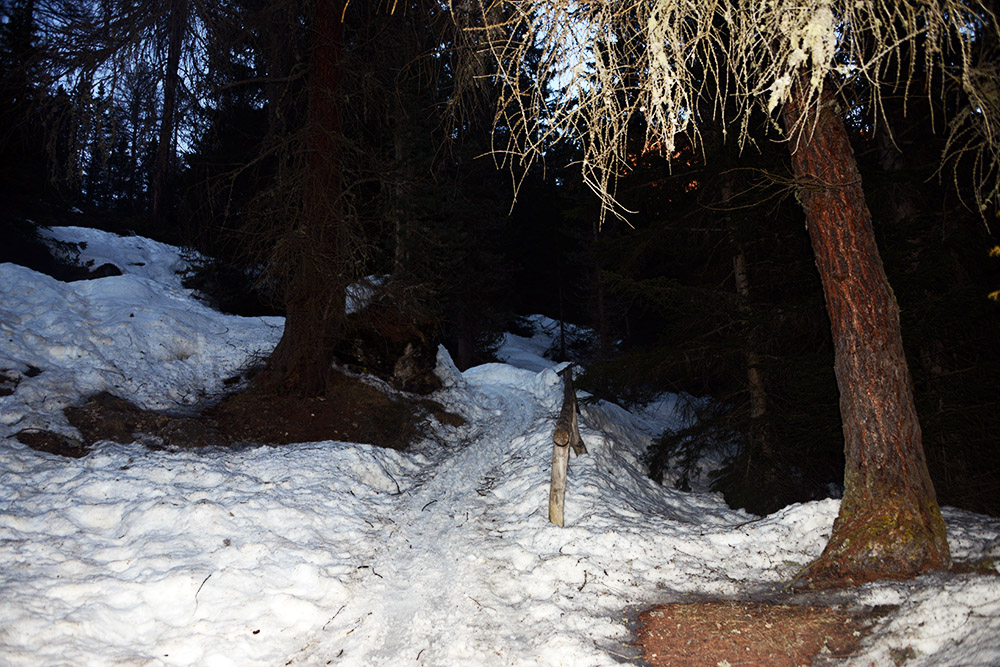
You can probably tell from the lighting that I started my hike later than I should have. The trail weaved in and out of wooded areas, so at times it felt much darker than it actually was. Every time the trees opened up, though, another huge mountain view appeared in front of me.
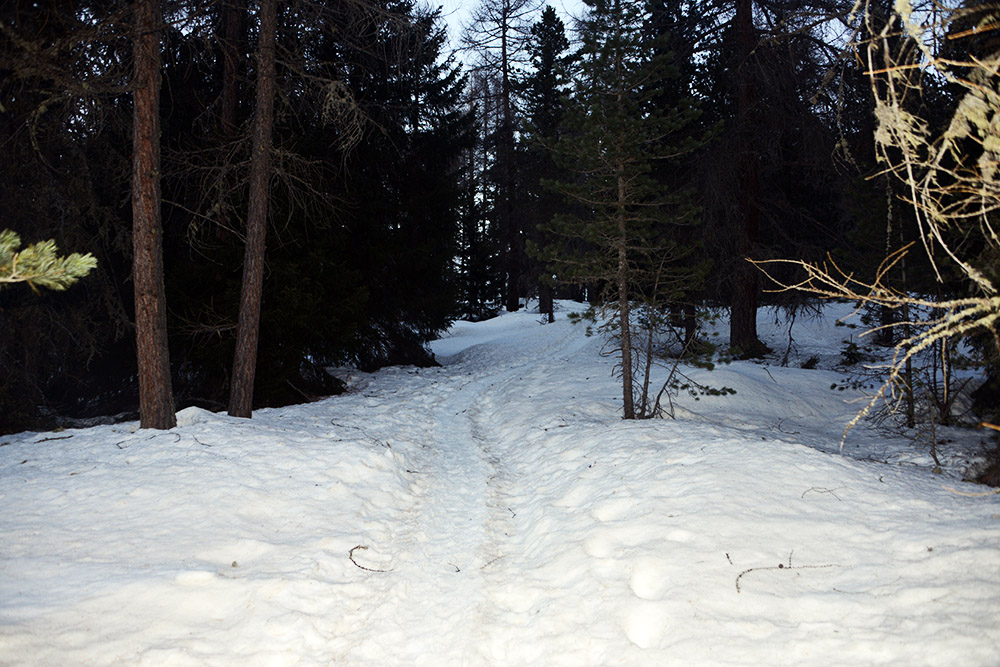
I wasn’t sure what kind of wildlife I might come across in the Dolomites, and because I was visiting in winter I didn’t end up seeing much. Even without animals, the mix of snow-covered trails, forests, cliffs, and exposed mountain faces gave me more than enough to photograph.
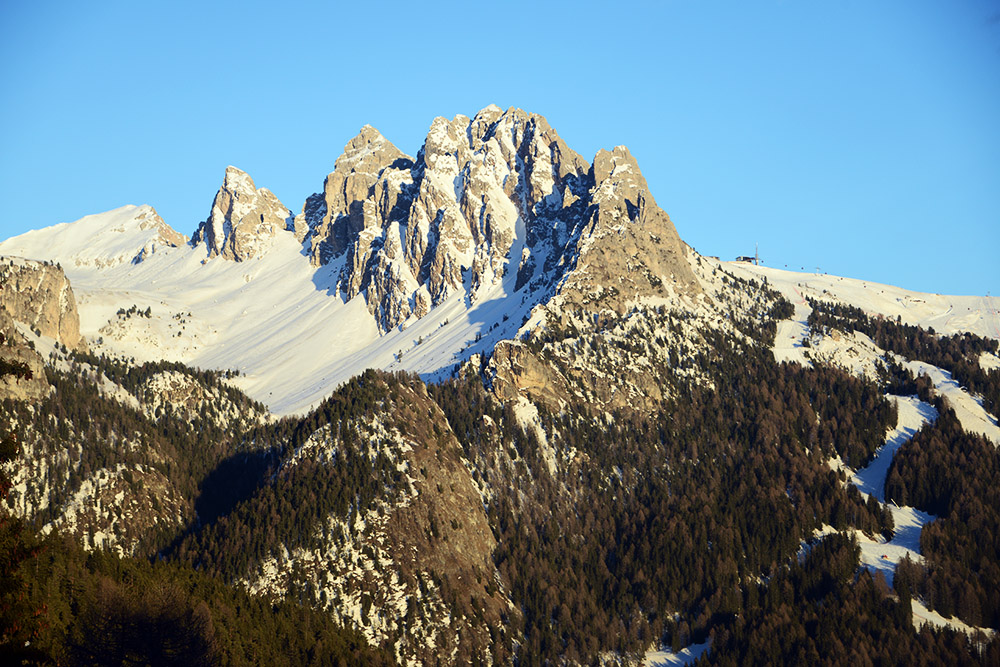
The farther I explored, the more obvious it became just how much climbing potential exists here. The steep limestone towers and cliffs looked perfect for rock climbing in warmer weather, while winter opens up entirely different possibilities with snow and ice.
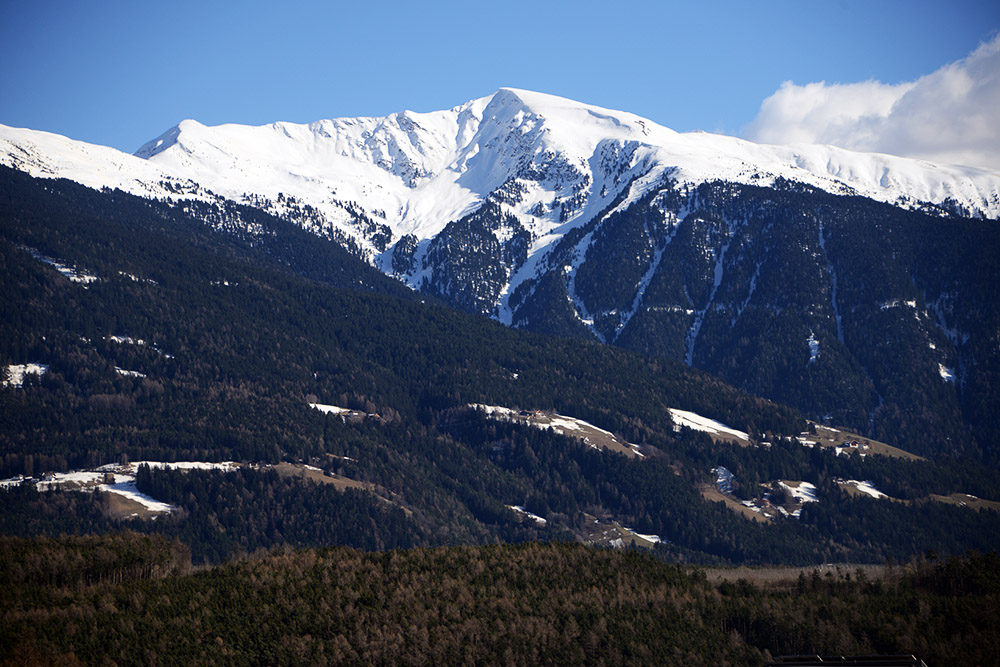
The mountain scenery continued almost everywhere I looked. Even without a long hike or a major climb planned, simply traveling through this part of northern Italy gave me constant views of the surrounding Alps.
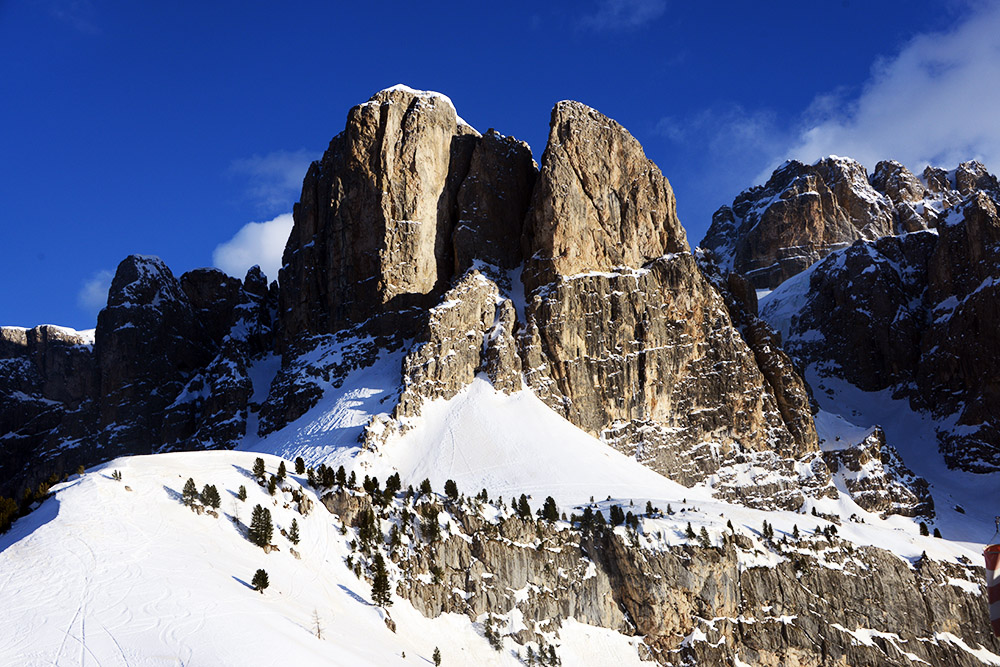
This last photo shows some of my favorite scenery from the trip. I arrived in the Dolomites without really knowing what to expect and left wondering how I had gone so long without hearing more about them. For someone who loves hiking and climbing, this region has almost everything I could ask for. I definitely plan to return one day with more time, better winter gear, and a much more serious climbing agenda.
Explore More of Italy
Gran Paradiso • Milan • Venice • the Dolomites