Colorado is located in the heart of America, famous for the Rocky Mountains, colorful desert landscapes, and its capital, Denver. I’ve explored several very different parts of the state, from the western deserts around Grand Junction to some of the highest peaks in the Rockies. As mountaineering is one of my passions in life, Colorado is my most practical training ground. A four-hour flight from Virginia puts me at the foothills of several 14,000-foot (4,000-meter) mountains, where I’ve trained and acclimatized for much bigger peaks around the world. Beyond the mountains, Colorado has plenty to explore at a more relaxed pace, from its metropolitan capital and smaller towns to historic districts, scenic drives, museums, and communities shaped by the state’s mining and frontier history.
Visit Denver
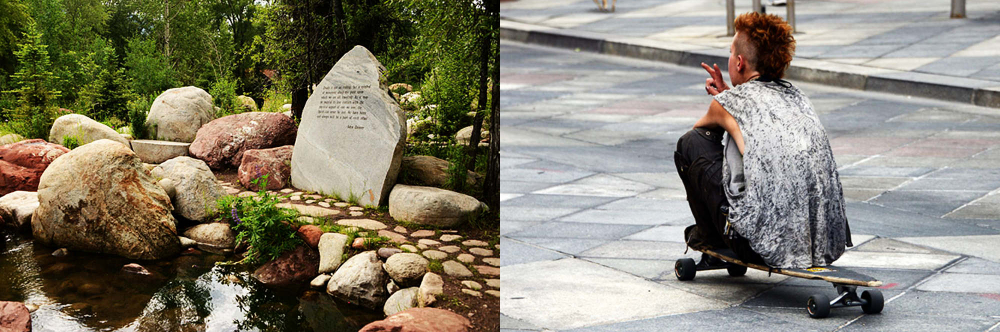
Denver developed as a frontier city during Colorado’s 19th-century gold rush and still retains elements of its western history alongside a modern downtown. Known as the “Mile High City,” it sits about a mile above sea level with the Rocky Mountains rising prominently to the west. Historic areas such as Lower Downtown preserve some of the city’s older architecture, while landmarks including Union Station and the Colorado State Capitol reflect different periods of Denver’s growth. The combination of a major city, high elevation, and immediate proximity to the Rockies gives Denver a character that is distinctly Colorado.
Climb Pyramid Peak
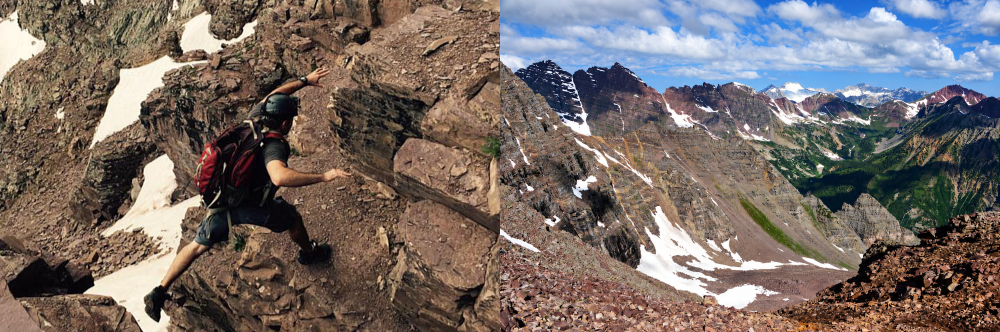
At 14,026 feet (4,275 meters), Pyramid Peak is one of Colorado’s 14ers and rises in the Elk Mountains near Aspen. Although lower than many of the state’s other 14,000-foot peaks, its steep, exposed terrain makes the standard route considerably more challenging than its elevation alone might suggest.
Climb Mt. Elbert
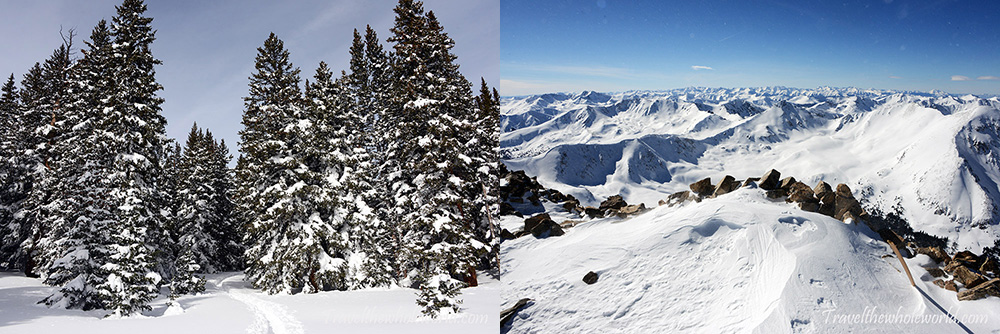
At 14,439 feet (4,401 meters), Mt. Elbert is the highest mountain in Colorado and the Rocky Mountains. Despite its elevation, the standard routes are non-technical hiking routes, making Elbert one of the more accessible major peaks in the state.
Visit Grand Junction
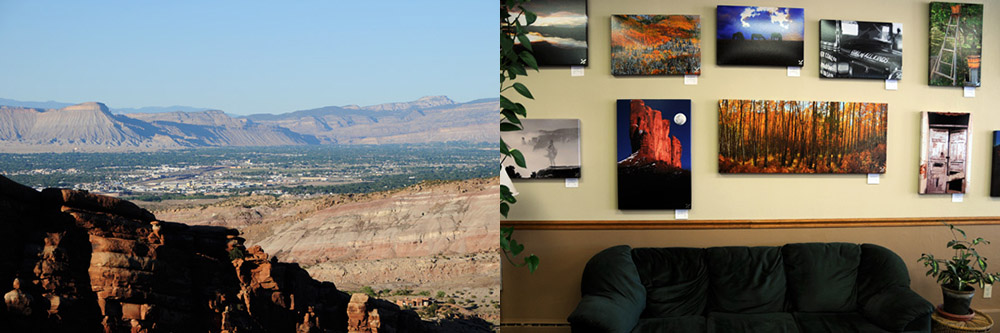
Grand Junction sits at the confluence of the Colorado and Gunnison rivers on Colorado’s much drier Western Slope. The city is surrounded by a landscape of mesas, canyons, and red sandstone formations that feels very different from the high Rockies farther east. The surrounding Grand Valley is also known for its orchards and vineyards, while nearby Colorado National Monument contains towering sandstone cliffs and deep canyons overlooking the valley. Together, the desert scenery and agricultural landscape give Grand Junction a distinct character within Colorado.