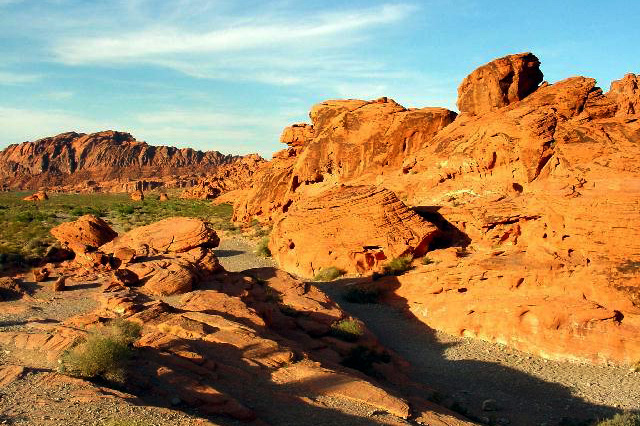
About 50 miles northeast of Las Vegas is one of the most scenic desert landscapes I’ve ever visited. This area is known as Valley of Fire, a name inspired by the brilliant red sandstone formations that can appear to glow when illuminated by the sun. Valley of Fire is Nevada’s oldest state park and is famous for unusual geological formations such as Elephant Rock and the Beehives, along with ancient petroglyphs left by Native Americans who lived in and traveled through the region.
At an elevation of roughly 2,000 feet, Valley of Fire is fairly low by Nevada standards, and summers can be brutally hot. Temperatures regularly climb above 100°F (38°C), with extreme days becoming considerably hotter. If you’re exploring the park during the summer, the combination of intense heat, exposed terrain, and limited shade makes carrying plenty of water especially important.
Regrettably, I don’t have more pictures from Valley of Fire, but I’m certain I’ll return one day. I visited well over 15 years ago, and I think I may have lost some of my photos over time rather than simply not taking enough. Fortunately, I photographed more of the desert landscape during my travels elsewhere in Nevada.
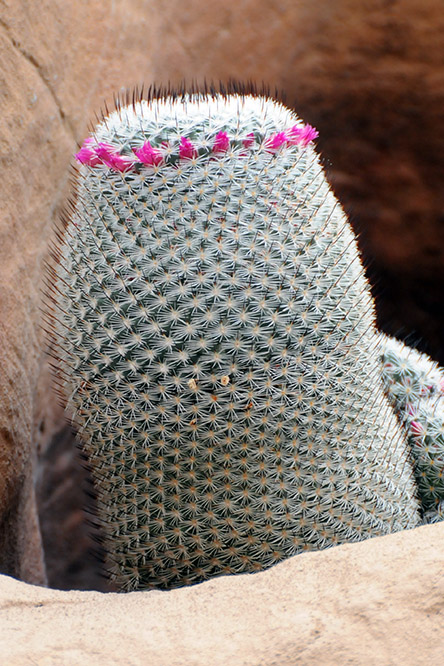
Coming from Virginia, I’m always interested in the completely different flora and fauna found in the deserts of the American West. I saw several types of cacti, including the one above with its colorful ring around the top. I still haven’t been able to put an exact name to the species, but it was definitely one of my favorites.
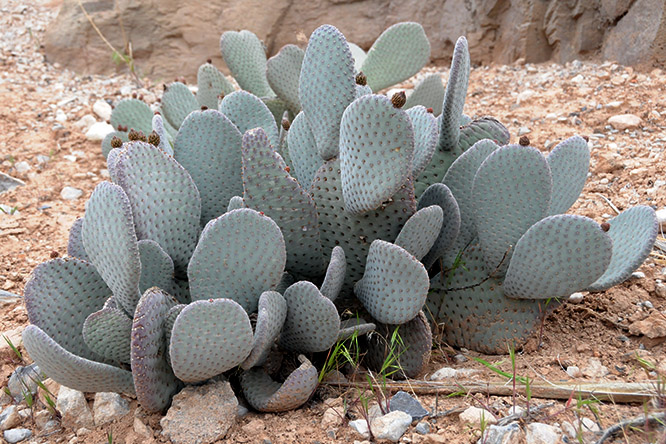
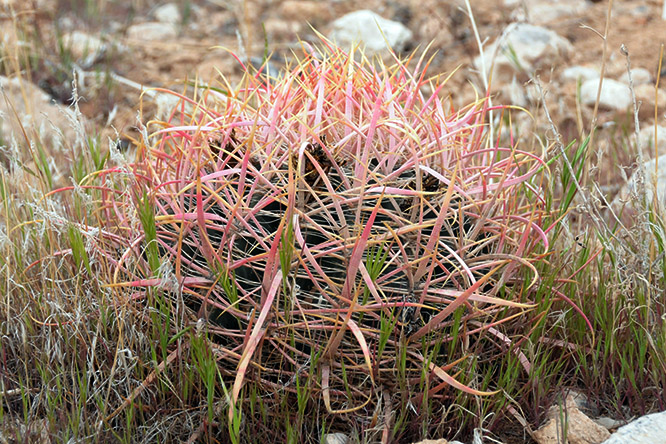
I wasn’t able to identify either of these plants with certainty. The one above appeared to be some type of young cactus, although its small size made it difficult for me to tell exactly what it would eventually look like. That’s one of the interesting things about exploring an unfamiliar environment: even relatively common plants can look completely alien when they’re nothing like the species you’re used to seeing back home.
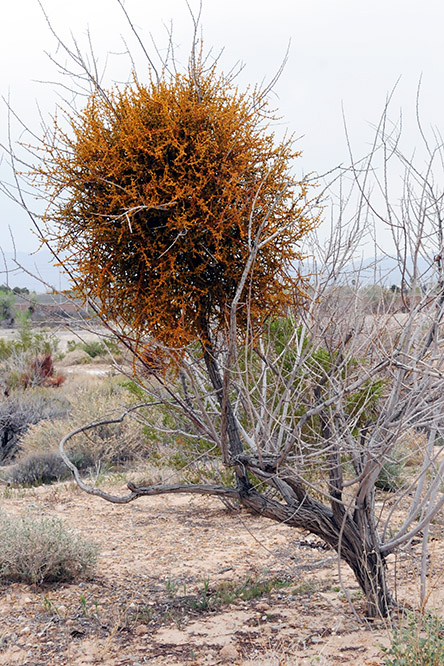
This strange plant also caught my attention. I couldn’t tell whether it was a shrub growing into this unusual shape or whether a smaller plant had taken over a larger one. I only noticed it in this immediate area, so I didn’t have anything nearby to compare it with. Nevada’s deserts can look barren from a distance, but once I started paying attention to the vegetation, there was considerably more variety than I initially expected.
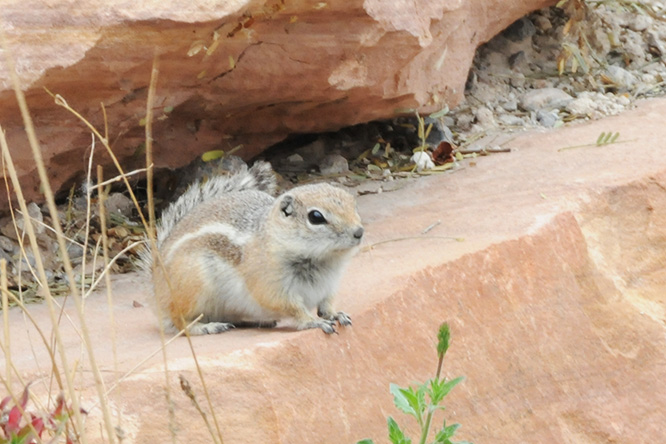
I also came across two animals that were new species for me. The little desert resident above is an antelope ground squirrel. I later looked it up and learned that there are several species of antelope ground squirrels found across the deserts and dry regions of western North America.
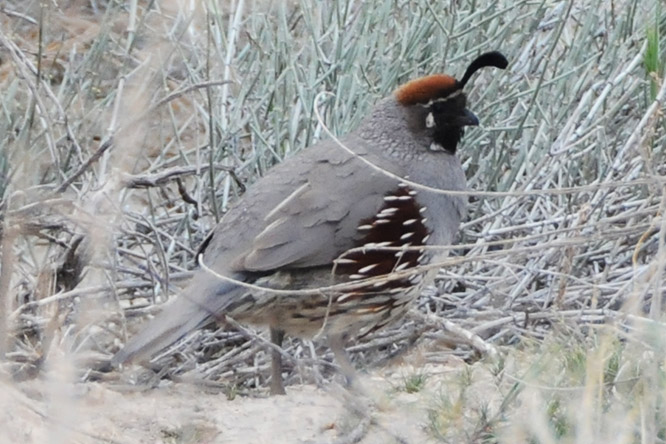
The bird above was another first for me: a California quail, also commonly called a valley quail. Its distinctive plume immediately made it stand out from the birds I was accustomed to seeing back east. Between the wildlife, unusual vegetation, and fiery sandstone landscapes, Nevada’s deserts ended up being much more diverse than the empty stretches of sand and rock I had once imagined.
Explore More of Nevada
Boundary Peak • Carson City • Lake Tahoe • Las Vegas • Nevada Deserts • Reno