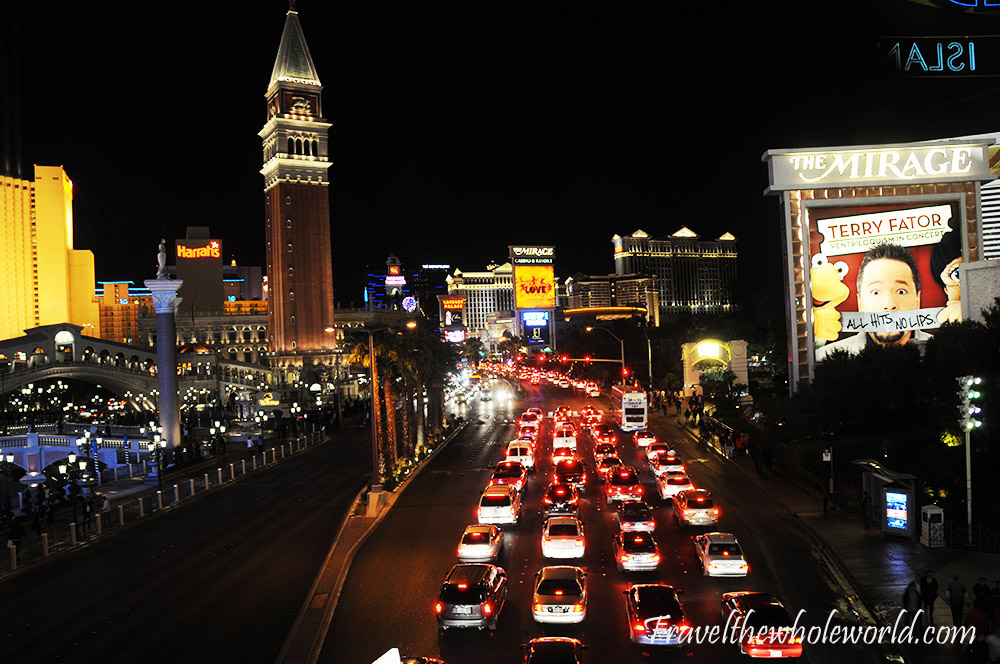
Las Vegas rises out of the Nevada desert, an unlikely oasis that transformed from a small desert town into one of the world’s most recognizable entertainment destinations. I’ve been lucky enough to visit Vegas multiple times over the past 20 years, and over those trips I’ve gotten to know the city beyond the casinos and nightlife it’s famous for. Each time I returned I discovered something new, and on my most recent trip the photos above and below captured my return as I drove back into the city.
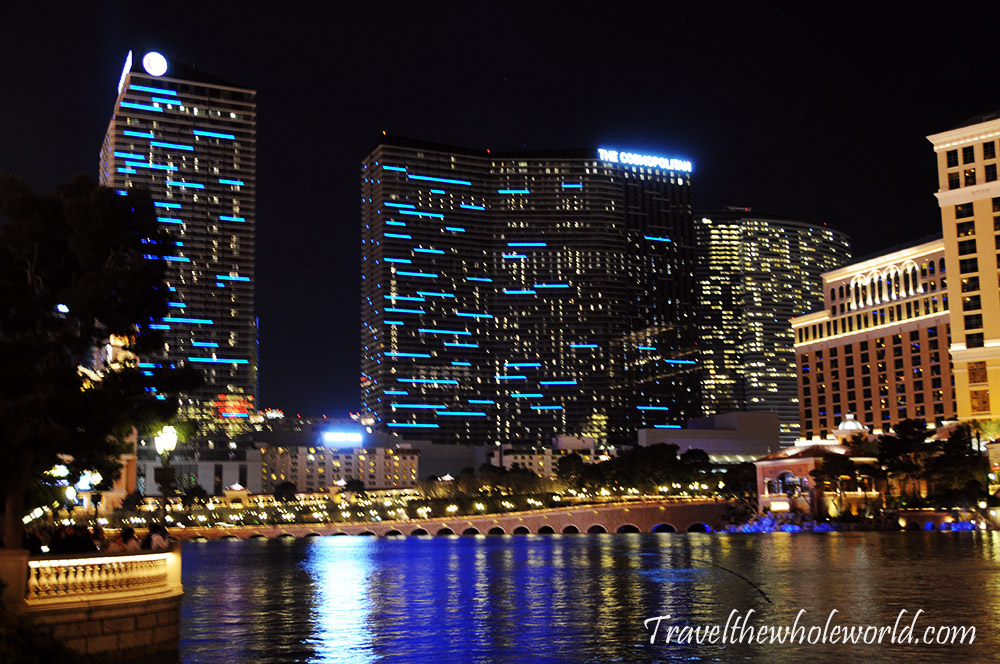
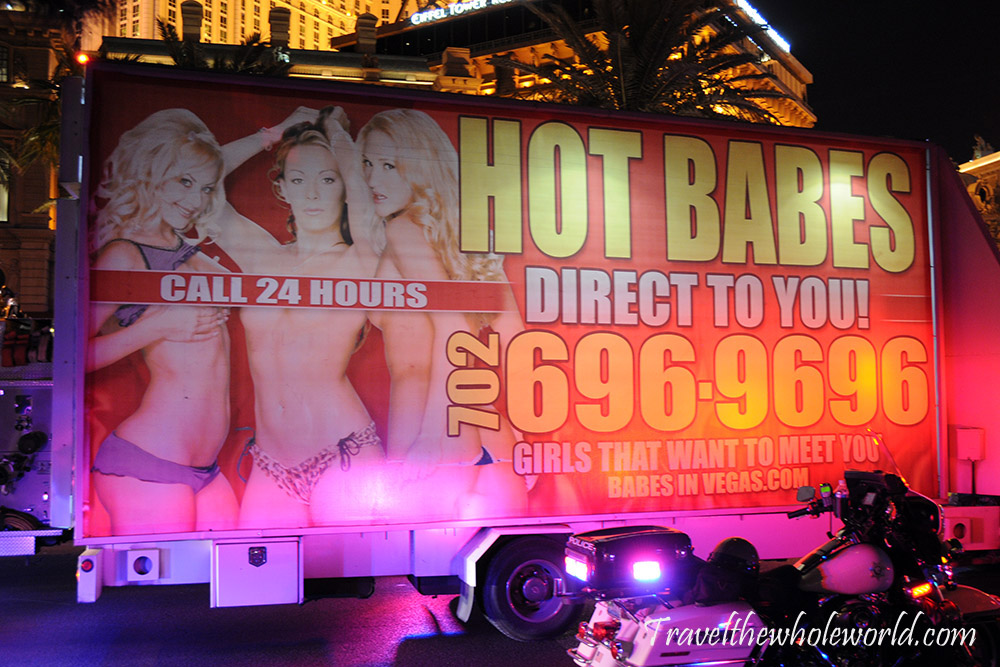
I think Las Vegas is a city that’s misunderstood by a lot of people, including myself before I got to know it better. Most people understandably picture Vegas as a city full of casinos, strip clubs, and adult entertainment. I used to wonder why couples would want to vacation here, let alone families with young kids. The advertisement above certainly reinforces the city’s “Sin City” reputation, but after several visits I realized there’s much more to Vegas. Beyond the gambling and adult entertainment, there are world-class shows, restaurants, museums, resorts, shopping, and plenty of attractions for people who never intend to set foot at a gambling table.
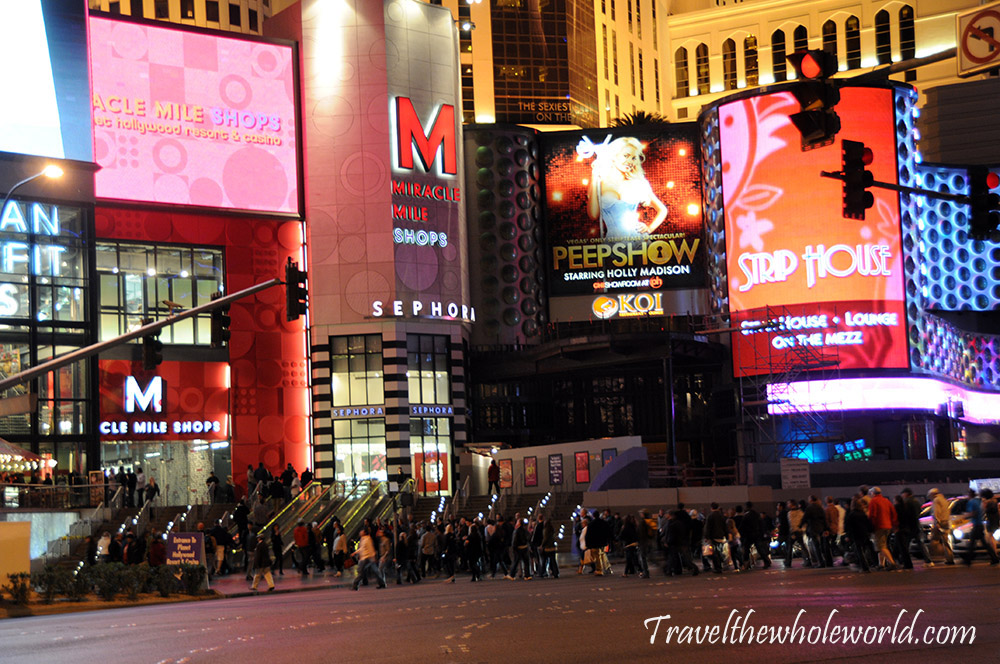
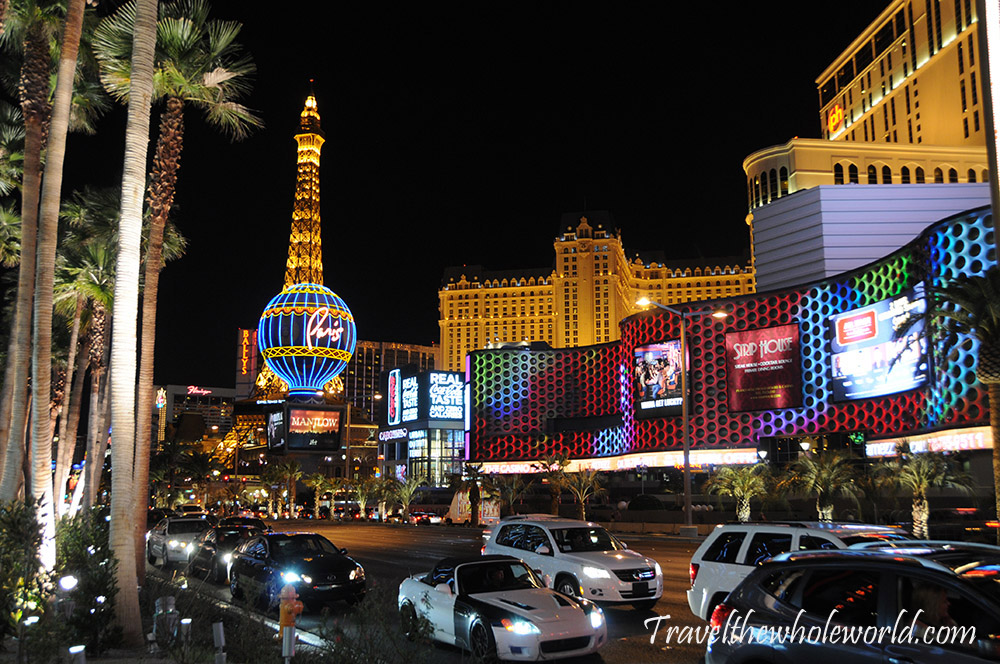
Though Vegas has many different districts, the most famous part of the city will always be the Las Vegas Strip. This is the chaotic Vegas most people imagine, packed with enormous resorts, shows, restaurants, casinos, and crowds that seem to continue through the night. The first time I ever visited Las Vegas was for New Year’s in 2001. I don’t have any photos from that trip, but I remember the Strip being so packed that walking just a few feet could take several minutes. Part of what makes the Strip so unusual is that many of its attractions are the hotels themselves, with enormous themed resorts recreating famous places from around the world.
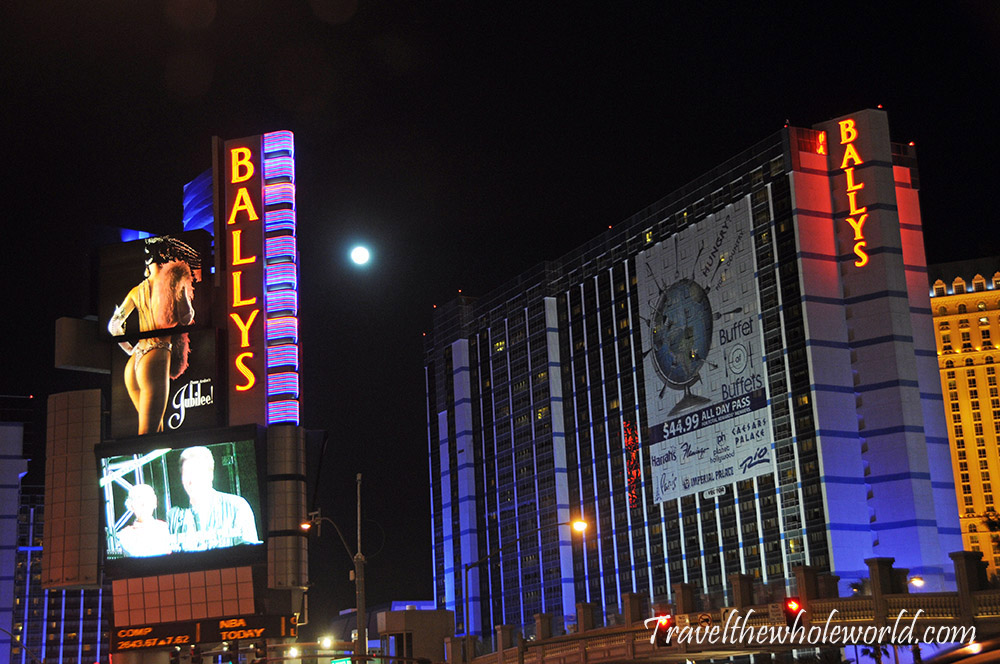
One of the giant hotels I photographed was Bally’s, which originally opened as the MGM Grand in the early 1970s and was once the largest hotel in the world. I’ve never stayed in one of these massive resorts, although my first trip to Vegas gave me a lesson in why you should book a room ahead of time. We were all 18 years old and had been too stupid to reserve anything before arriving for New Year’s Eve. Almost everything was completely booked, and at the last minute we found a single room in a one-star hotel that didn’t even have sheets. It cost us $250 for the night, and at the time we actually felt fortunate to have found anything at all.
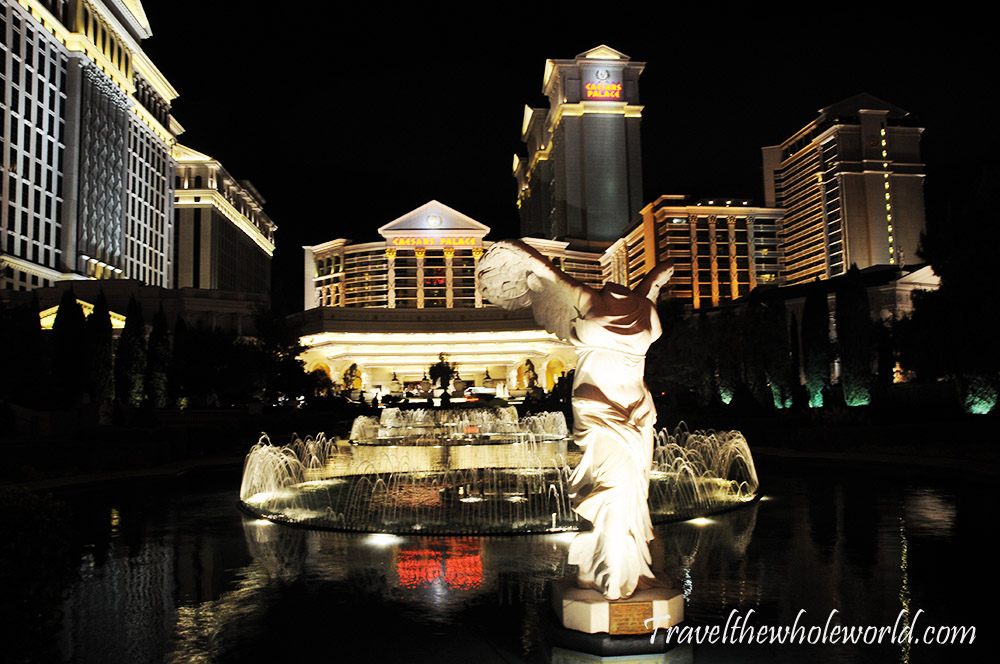
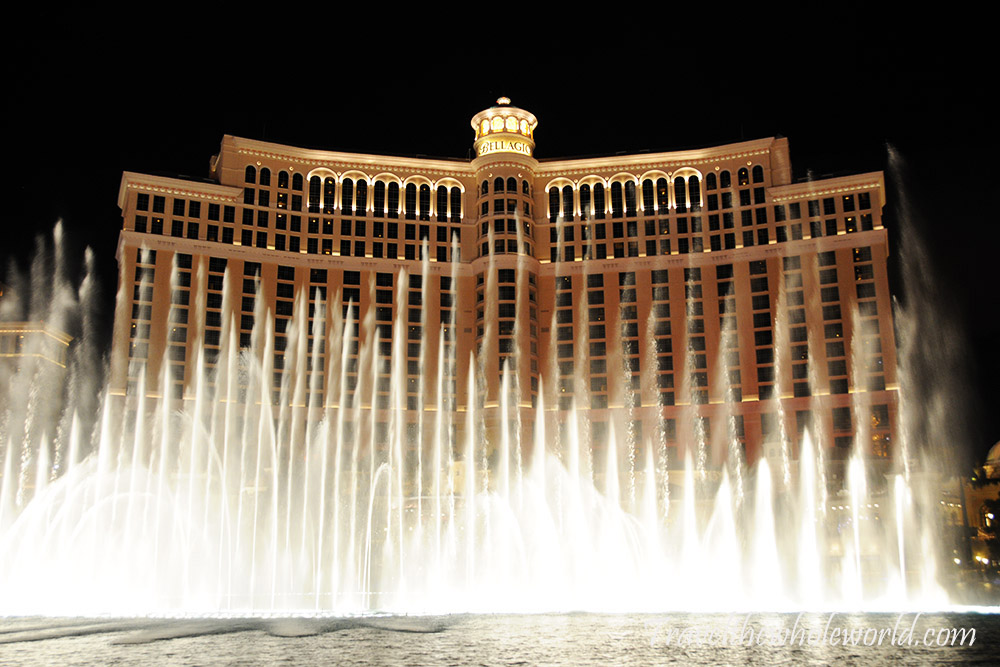
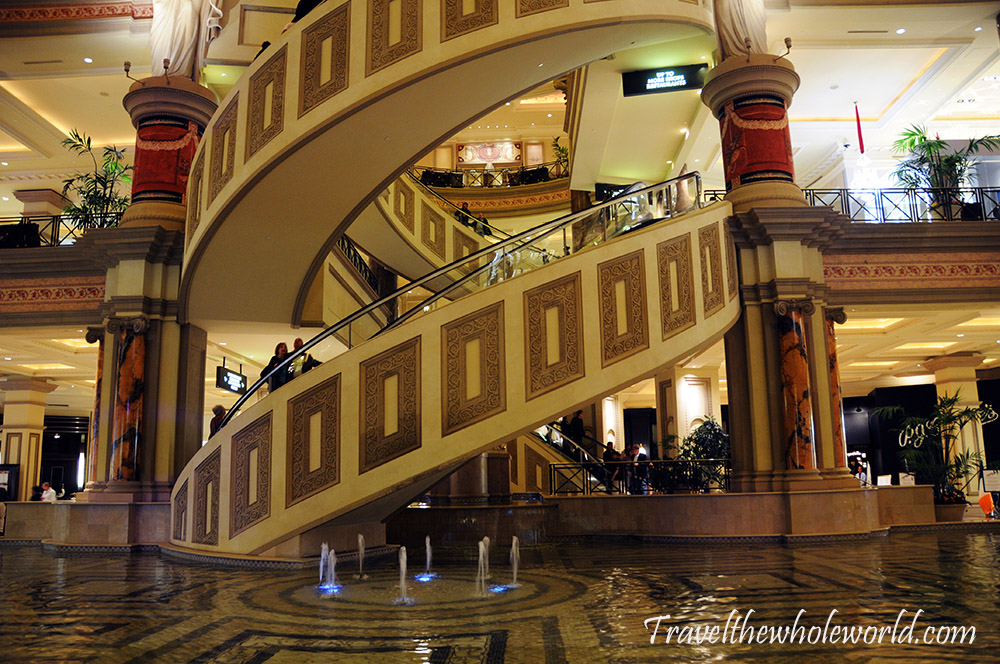
Caesars Palace is another of the city’s legendary resorts, opening in 1966, while newer properties such as the Bellagio came decades later. I wish I had taken more photographs inside the hotels because in many cases I think their interiors are even more impressive than their exteriors. Some contain enormous themed shopping areas, indoor canals with gondolas, elaborate pools, restaurants, theaters, and enough entertainment that you could spend an entire vacation inside a single resort without needing to leave.
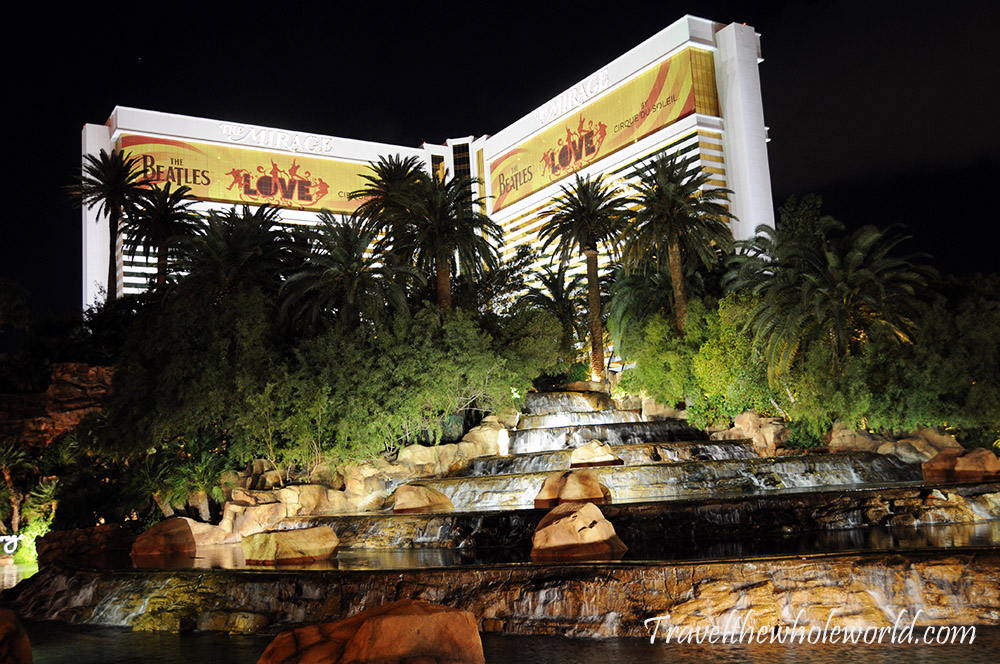
Another famous resort I photographed was the Mirage, once especially well known for the performances of Siegfried & Roy. Two things I’ve repeatedly failed to do in Vegas are attend one of the city’s major shows and properly photograph the interiors of its giant hotels. I planned to fix that on one of my later visits but somehow came away with only the single lobby photo below. So once again, there’s always next time.
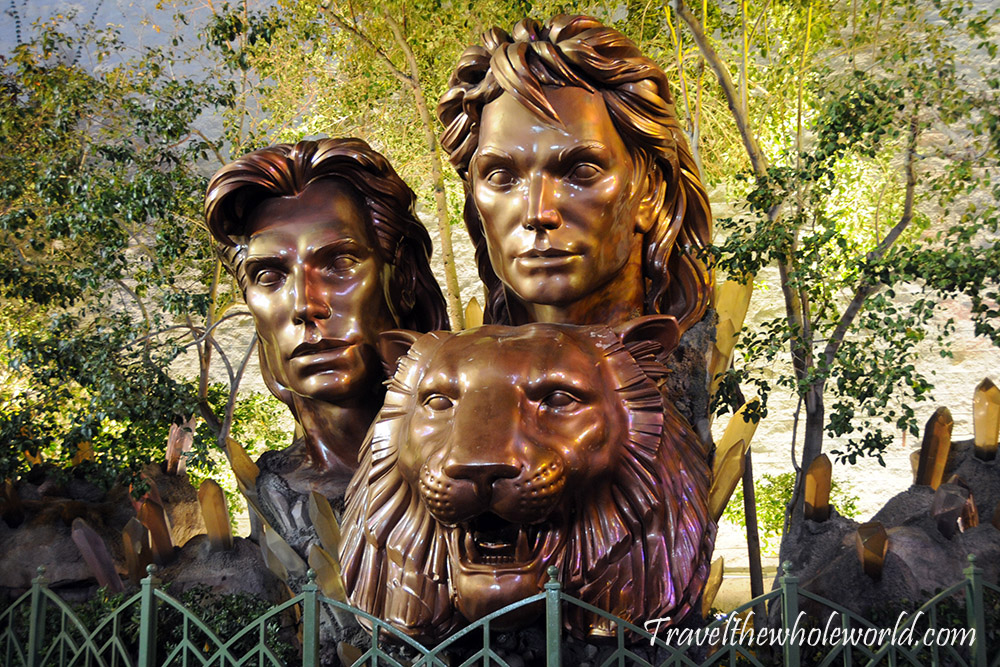
Las Vegas has hosted some of the most famous entertainment acts in the world, with Siegfried & Roy becoming almost synonymous with the city. Their elaborate performances involving white lions and tigers ran for decades until an accident in 2003 brought their career together to an abrupt end. During a performance, Roy Horn was seriously injured by a tiger named Montecore. He survived but suffered major injuries, and the incident permanently ended one of the most famous shows in Las Vegas history.
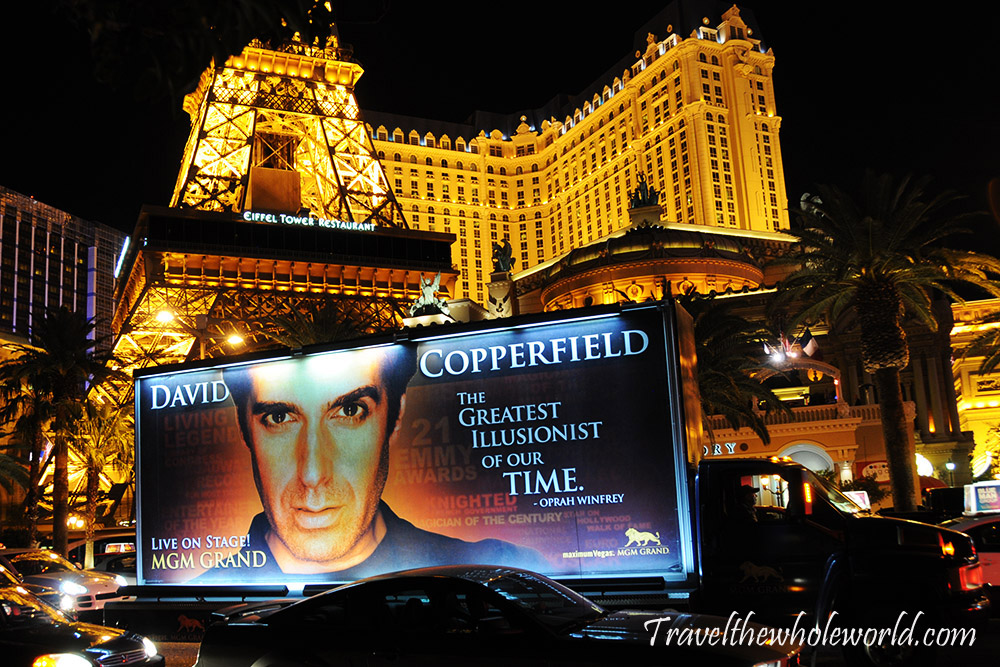
Another entertainment legend closely associated with Las Vegas is David Copperfield. I caught this advertisement for his show during one of my visits. Copperfield became one of the most commercially successful magicians in history, performing illusions and large-scale stunts for audiences around the world before becoming a fixture of Las Vegas entertainment.
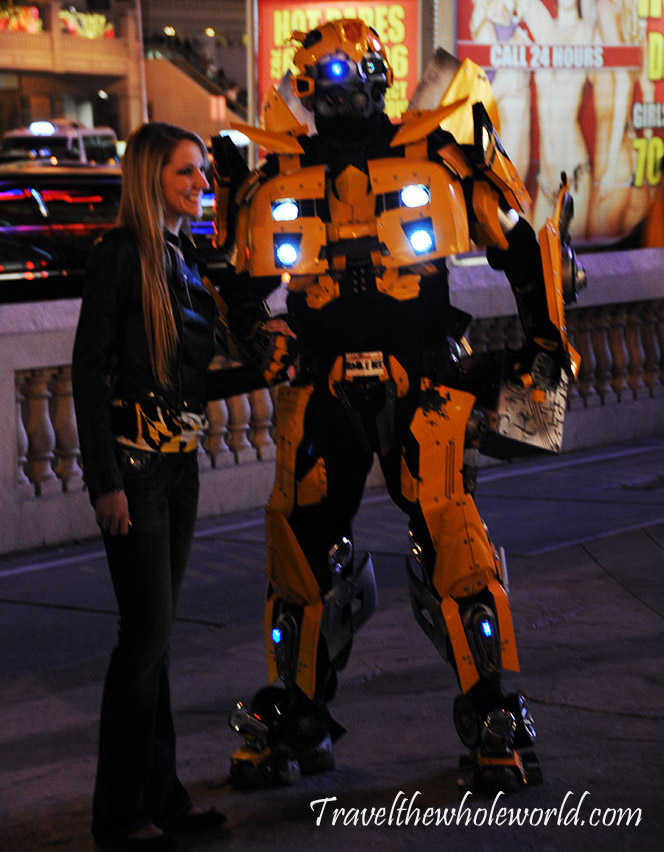
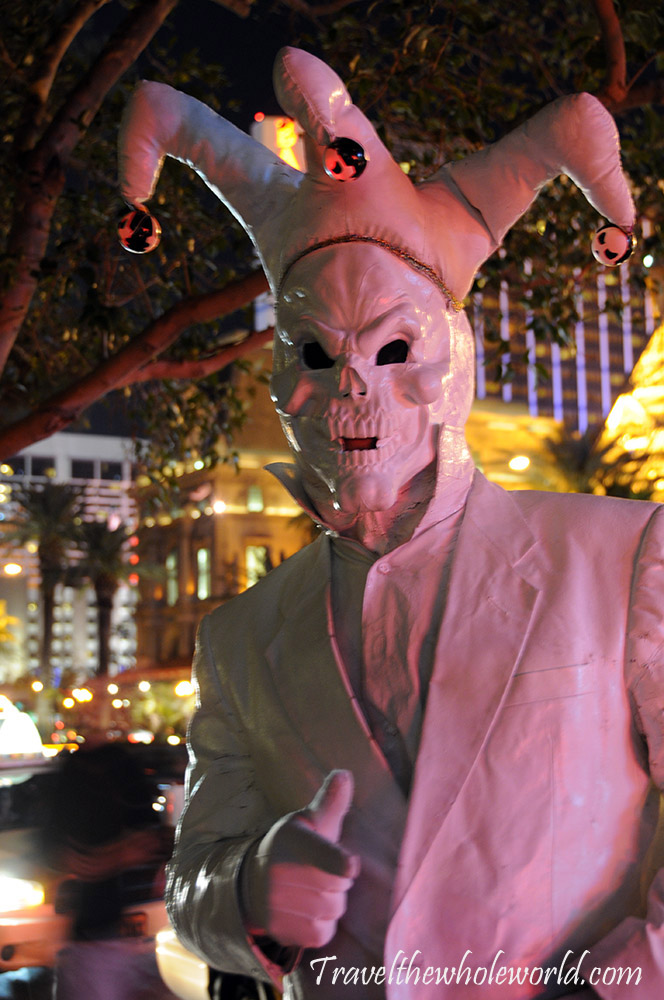
While big-name performers dominate the theaters, there’s seemingly an infinite number of street performers along the Strip. The Transformer above either dedicated a year’s paycheck to that costume or was working as some type of promotional character. Either way, it was considerably more elaborate than most of the costumes I saw. The jester below had a much simpler setup and plenty of competition from other performers trying to get the attention of passing tourists.
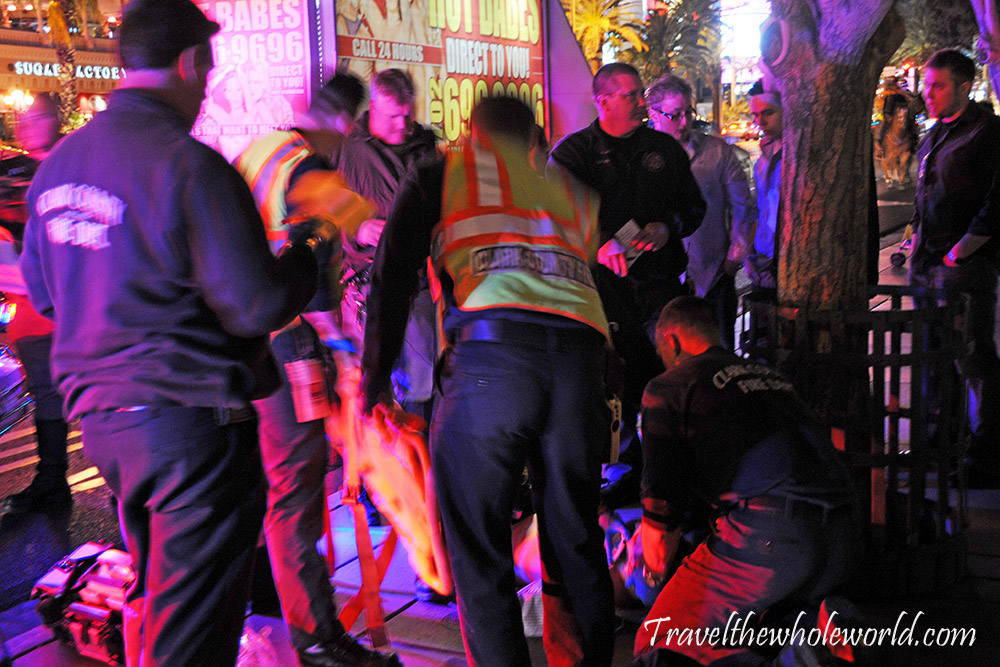
Some people dream of coming to Las Vegas and winning big, whether through a casino jackpot or by making it in show business. Unfortunately, photographs around gambling tables are generally restricted, which makes it difficult to photograph one of the things the city is most famous for. Most people simply come to Vegas to have fun, although every visit seems to produce a few stories of incredible luck and terrible luck. The person above had an especially bad night after stepping into the street and being struck by a vehicle.
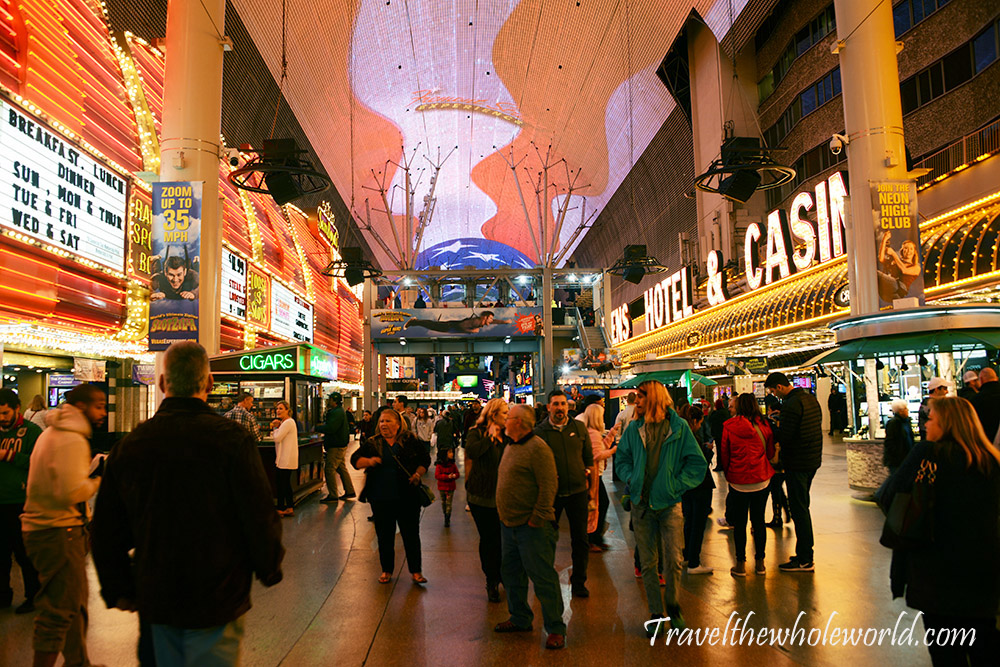
It wasn’t until my fourth visit to Vegas that I finally discovered Fremont Street. I’m a little embarrassed to admit that because Fremont was essentially the original heart of Las Vegas. Long before the giant resorts of the modern Strip appeared, casinos such as the Golden Nugget and Binion’s Horseshoe helped make Fremont famous. The street became the first paved road in Las Vegas in 1925 and eventually developed into the center of the city’s early gambling and entertainment scene.
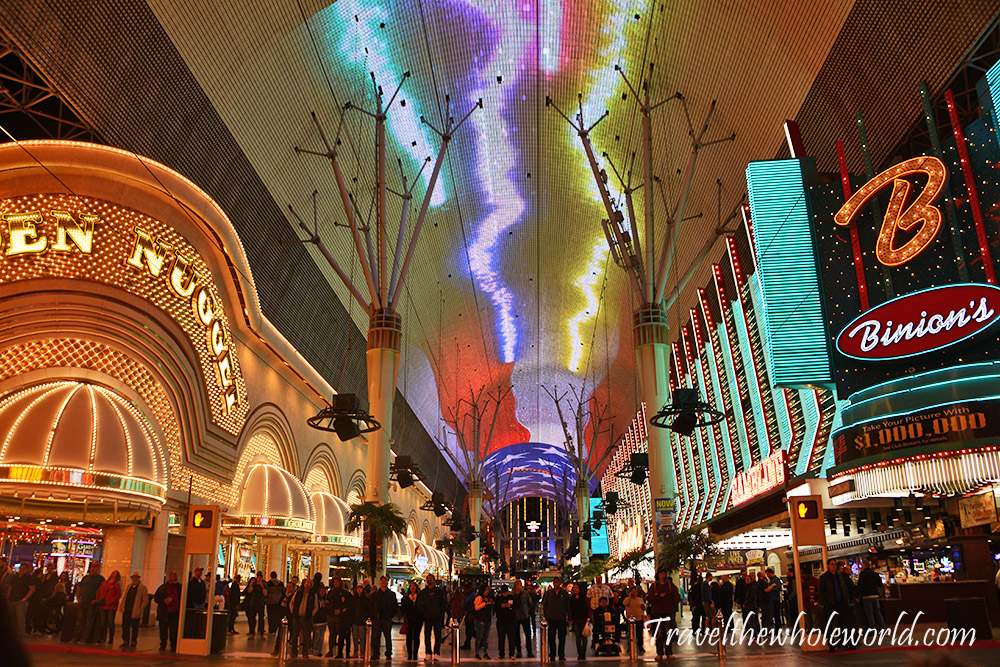
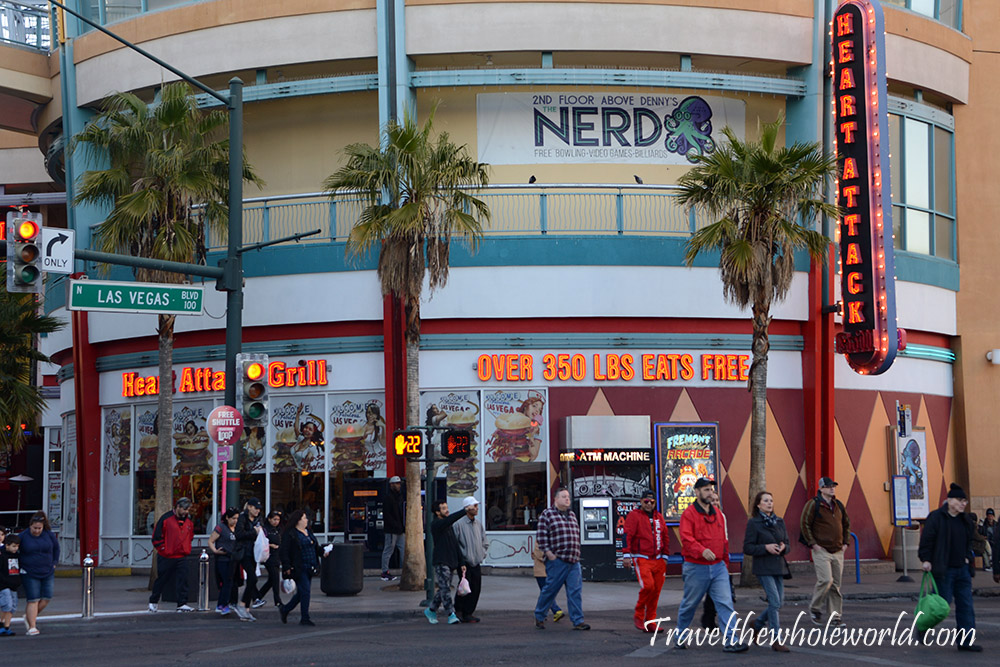
Compared with the main Las Vegas Strip, Fremont felt much more manageable to me, and I actually preferred the atmosphere here. It still has plenty of restaurants, casinos, and entertainment, but everything feels more compact. I had always heard about the Heart Attack Grill but didn’t realize it was located in the Fremont area until I came across it myself. The restaurant proudly built its identity around absurdly unhealthy meals containing enormous amounts of calories. Needless to say, I decided not to eat there.

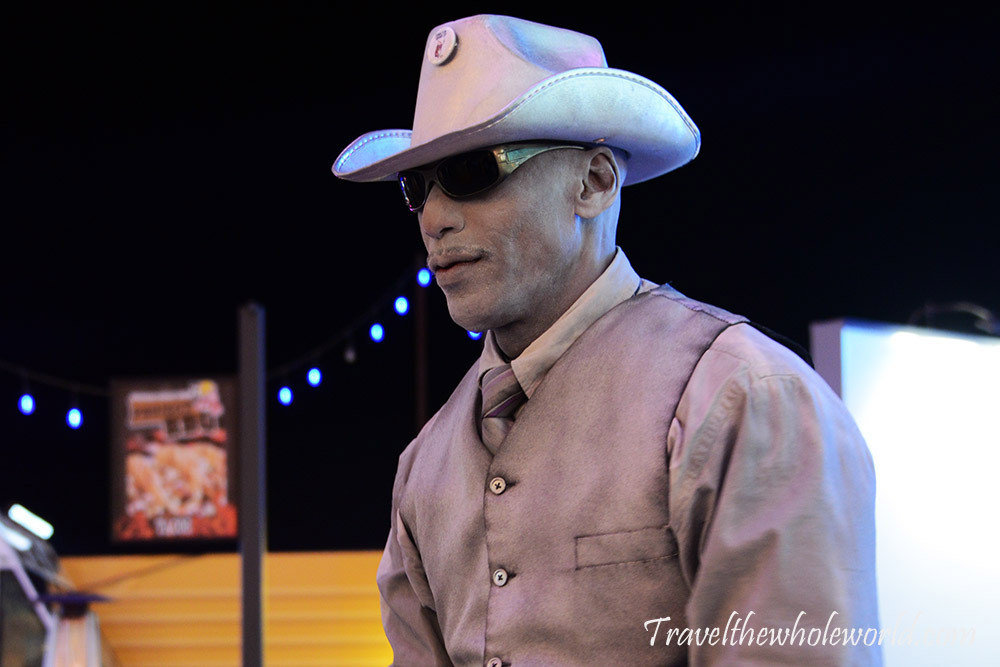
Like the rest of Vegas, Fremont had its own collection of entertainers lining the streets. I’m not exactly sure how the woman above was being paid, but she was one of several “Dancing DJs” spread around the area, playing music and dancing as people passed. The living statue below worked for tips, and after my friend gave him some cash we got to see him come to life.
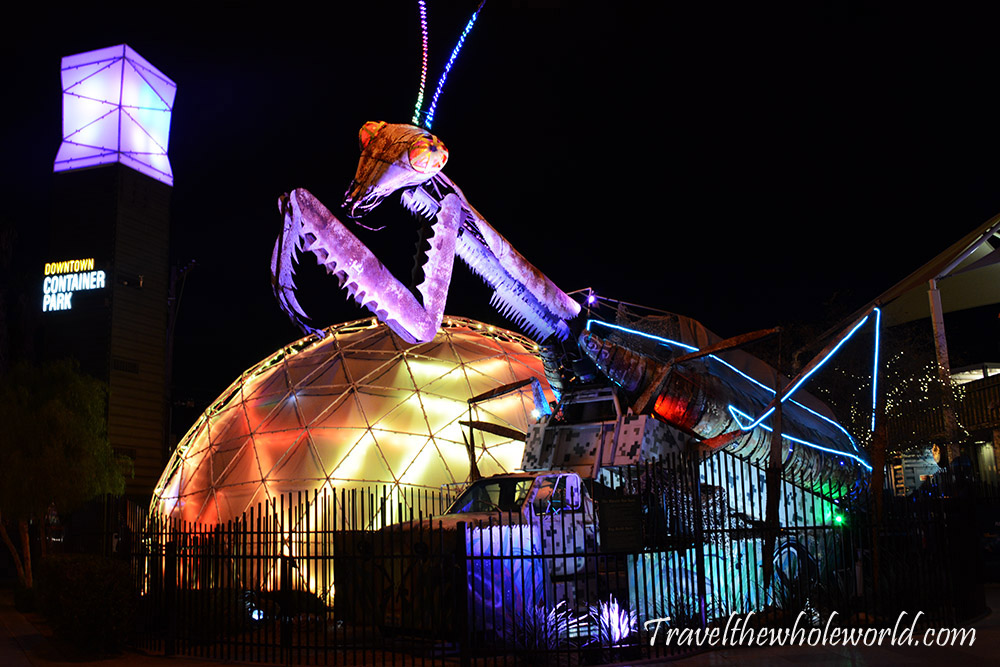
As we left Fremont and walked back toward my friend’s place, we stumbled across this enormous metal praying mantis. The sculpture comes to life with music and blasts huge flames into the air from its antennae. I have photographs of the flames as well, but they shot so high that I couldn’t fit the entire display into the frame without moving much farther away.
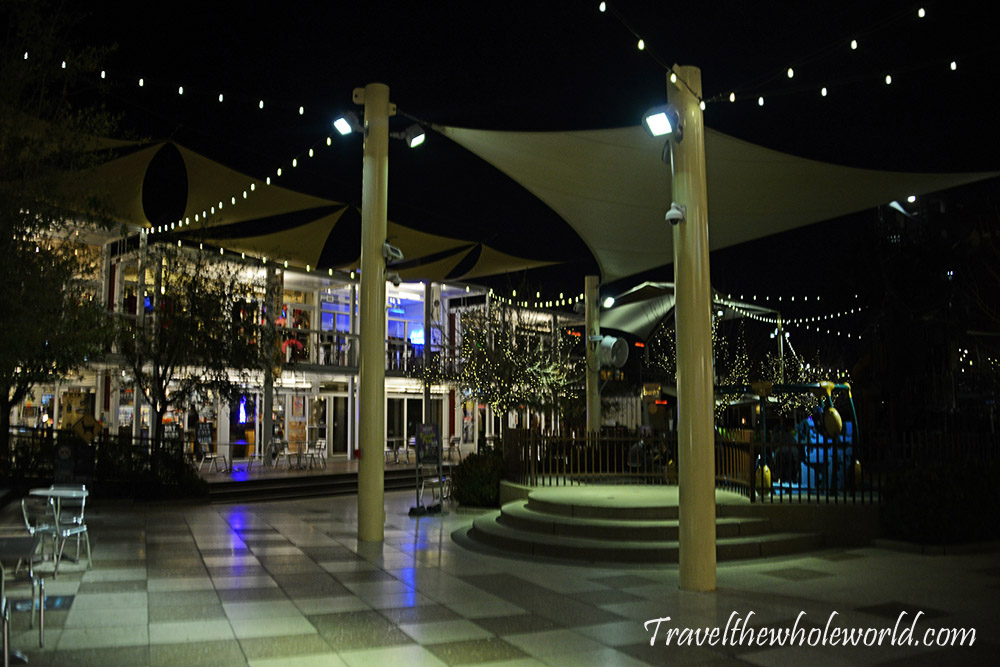
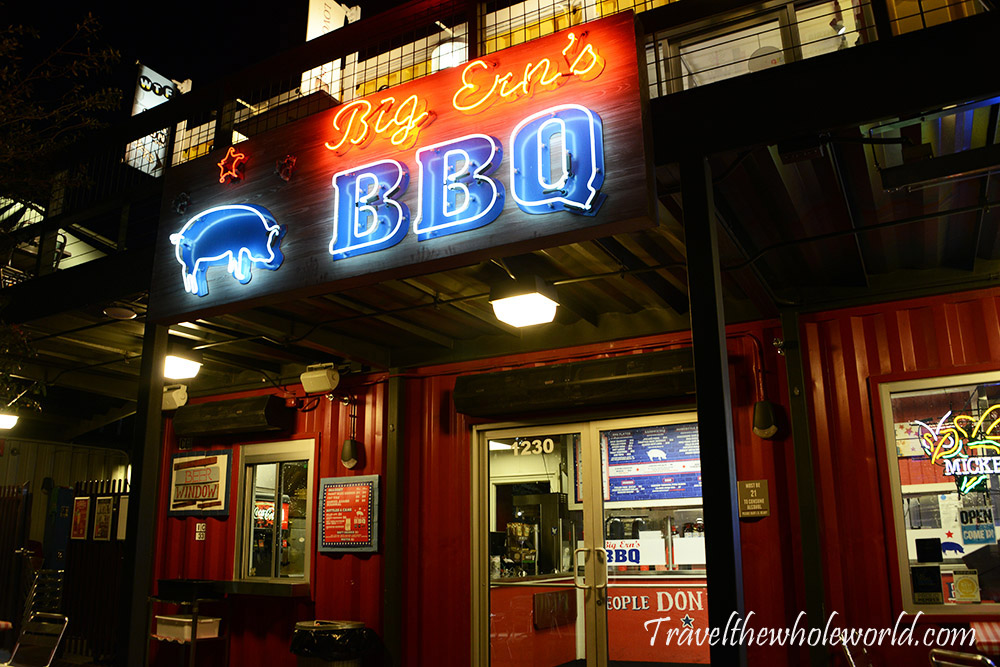
The praying mantis marks the entrance to Downtown Container Park, a collection of shops, restaurants, and entertainment spaces built largely from repurposed shipping containers. When my friend first explained the concept, I pictured rusty containers filled with cheap businesses. Instead, I was surprised by how polished everything looked. If I hadn’t known beforehand, I probably wouldn’t have realized that many of the buildings were made from shipping containers, especially once I was inside the shops and restaurants.
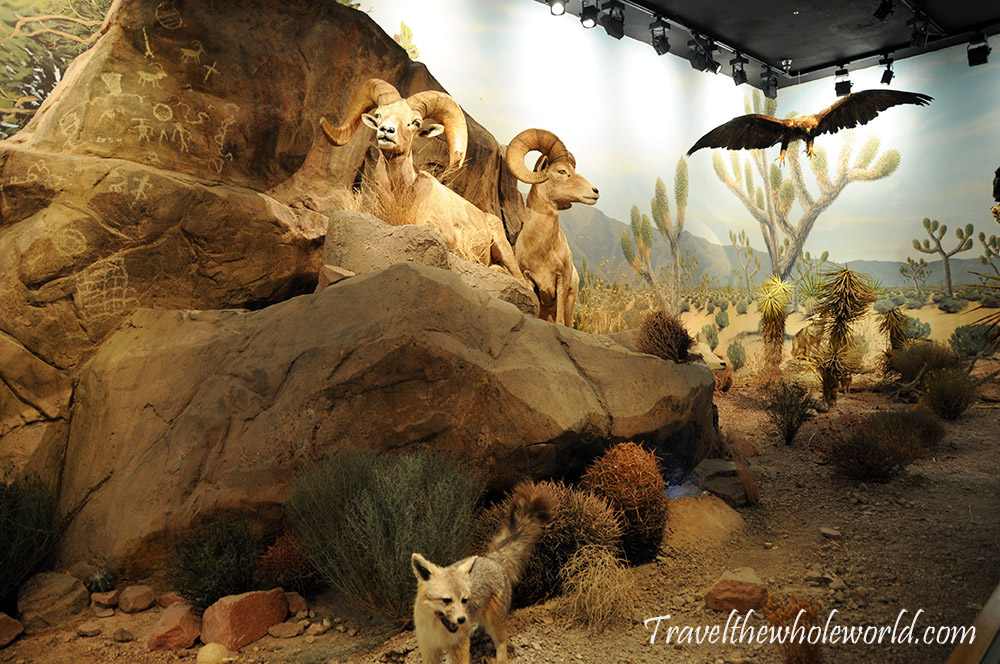
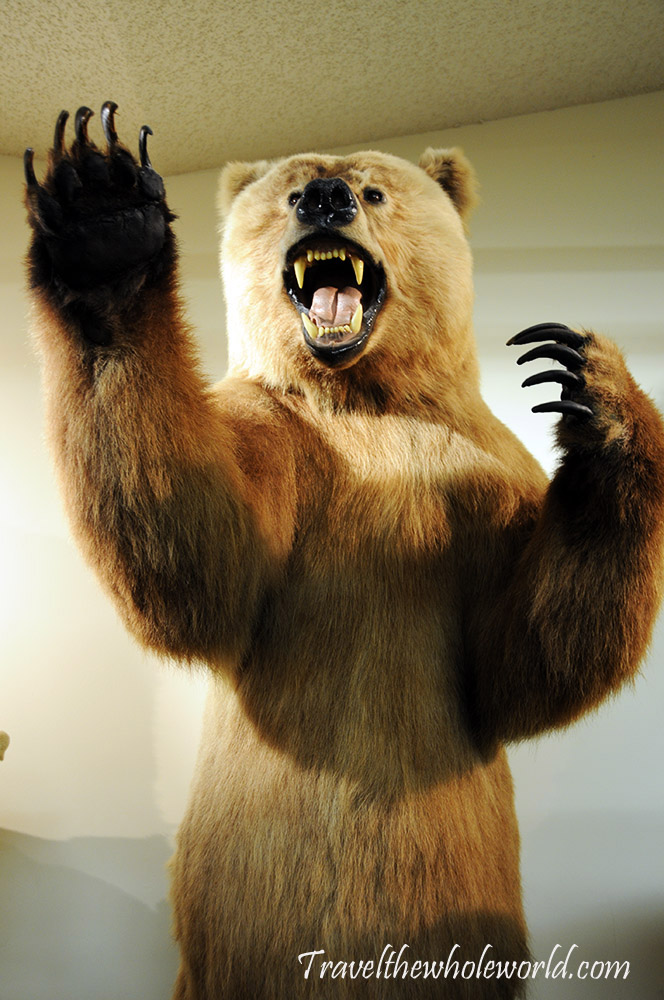
Looking back through my photos, I realized that nearly everything on this page so far was photographed at night. There’s still plenty to do in Las Vegas during the day. During one visit it was raining, so I ducked inside the Las Vegas Natural History Museum. I actually came across the museum by accident, but it turned out to be well worth visiting. It has wildlife exhibits from around the world, and I photographed this display showing some of the animals associated with Nevada and the surrounding region.
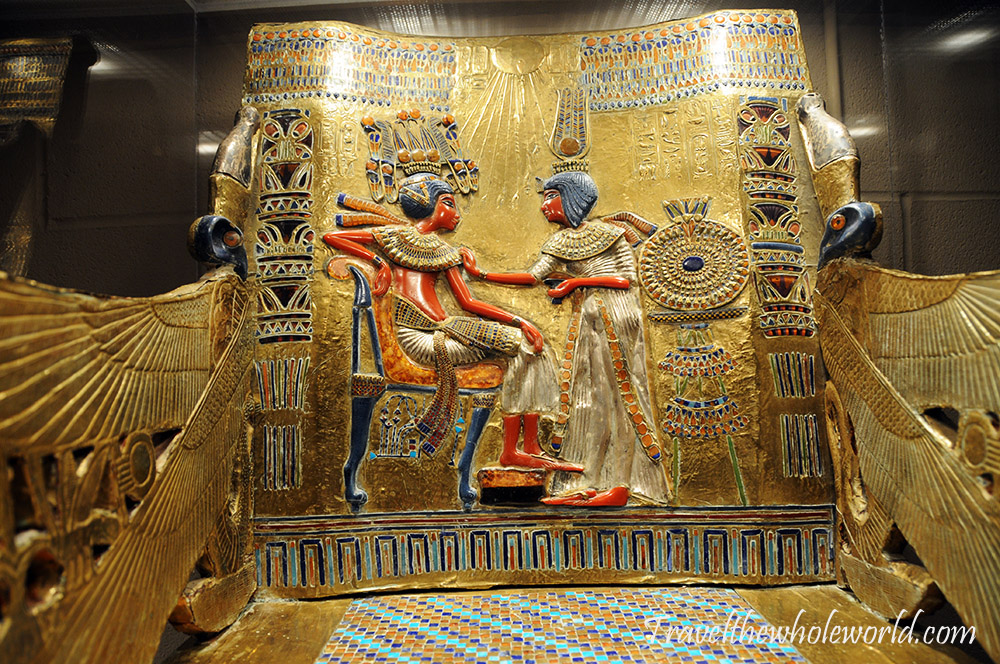
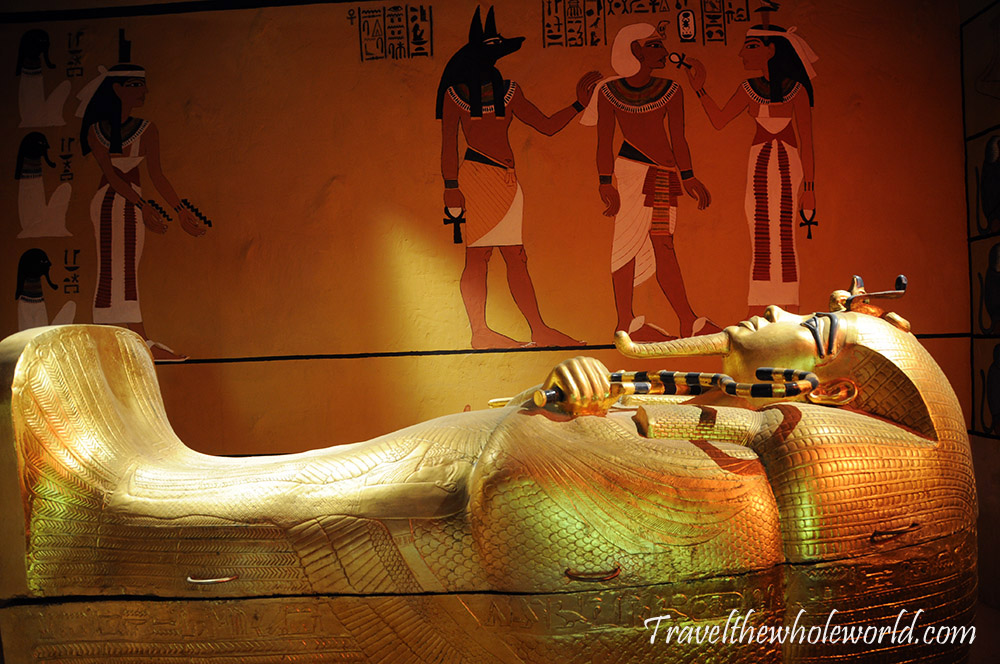
A little randomly, the museum also has a large section dedicated to ancient Egypt. It includes a mixture of artifacts and replicas, along with recreations of tombs and other displays. The museum didn’t look very large from the outside, but there was considerably more inside than I expected. Other exhibits cover African wildlife, dinosaurs, geology, and natural history, making it a perfect place to spend a rainy afternoon in Vegas.
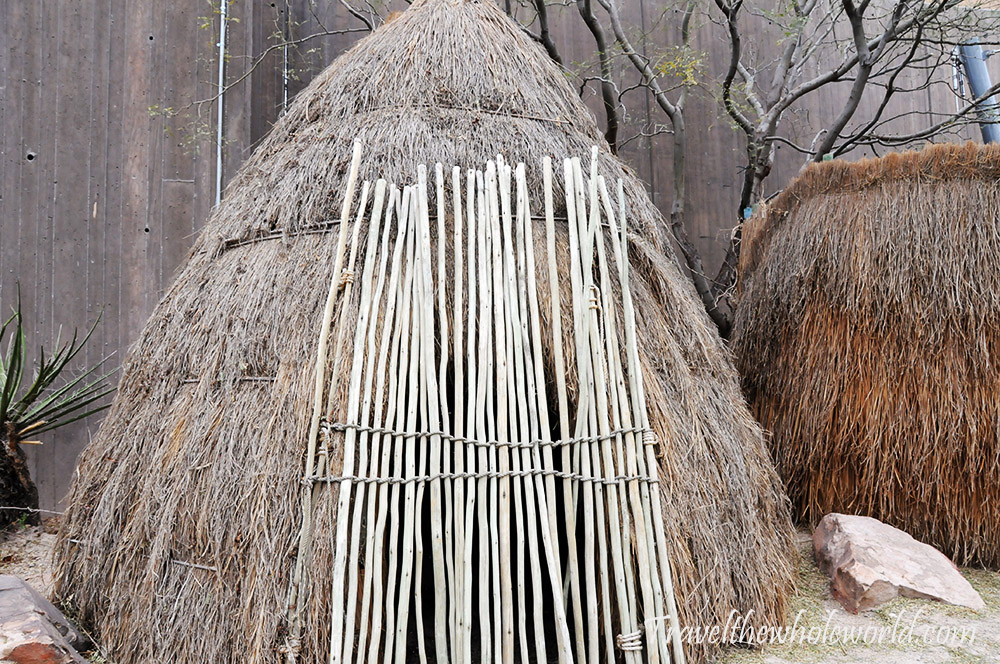
Las Vegas also has plenty of museums and historical sites that explain what existed here long before the casinos. At the Springs Preserve I learned more about the Native American cultures of southern Nevada and the history of the Las Vegas Valley. The exhibits include recreations showing how people lived in the desert long before the modern city appeared. These photos show examples of shelters used by Native Americans in the region.
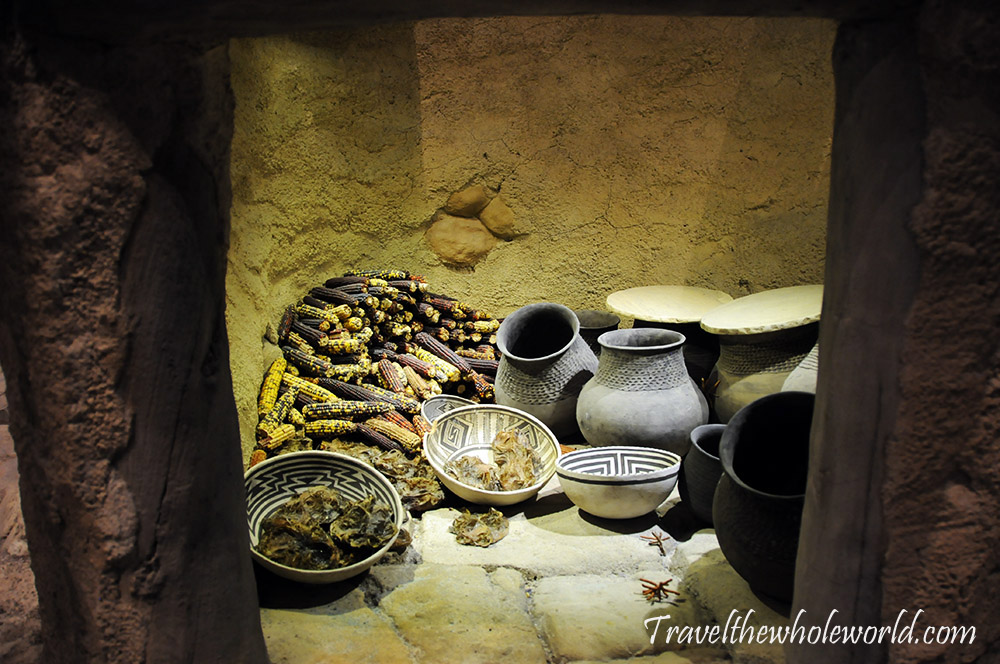
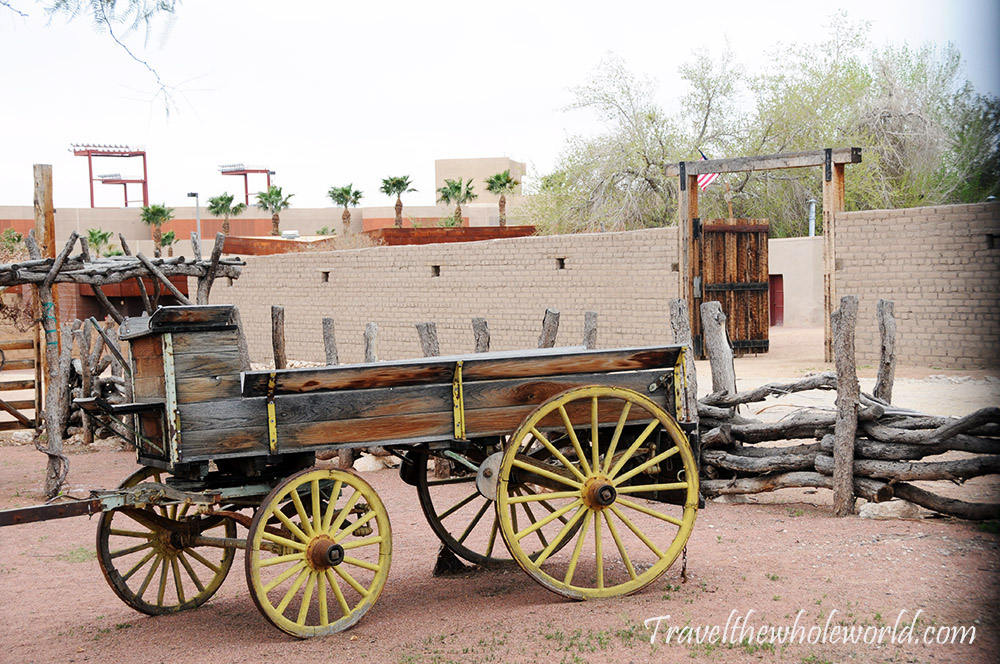
After this region became part of the United States, Mormon missionaries established a settlement in the Las Vegas Valley and constructed a fort here in 1855. Its location beside the natural springs made it an important stopping point along routes through the desert. The settlement was eventually abandoned, but part of the old fort survives today in the middle of modern Las Vegas. Seeing the remains of a frontier settlement surrounded by a city famous for giant casinos is one of the stranger contrasts you’ll find in Vegas.
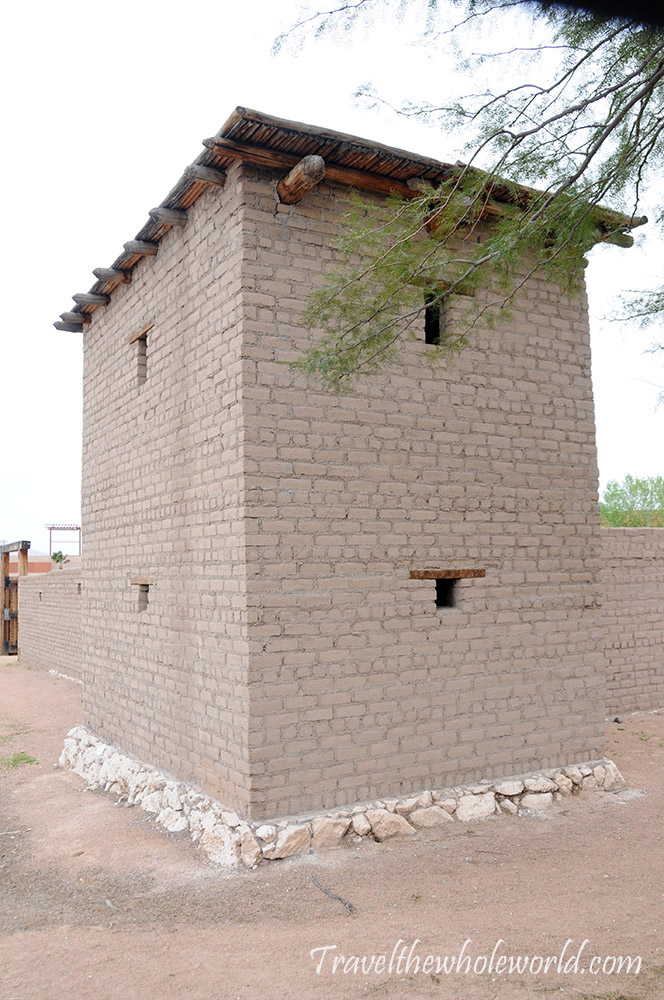
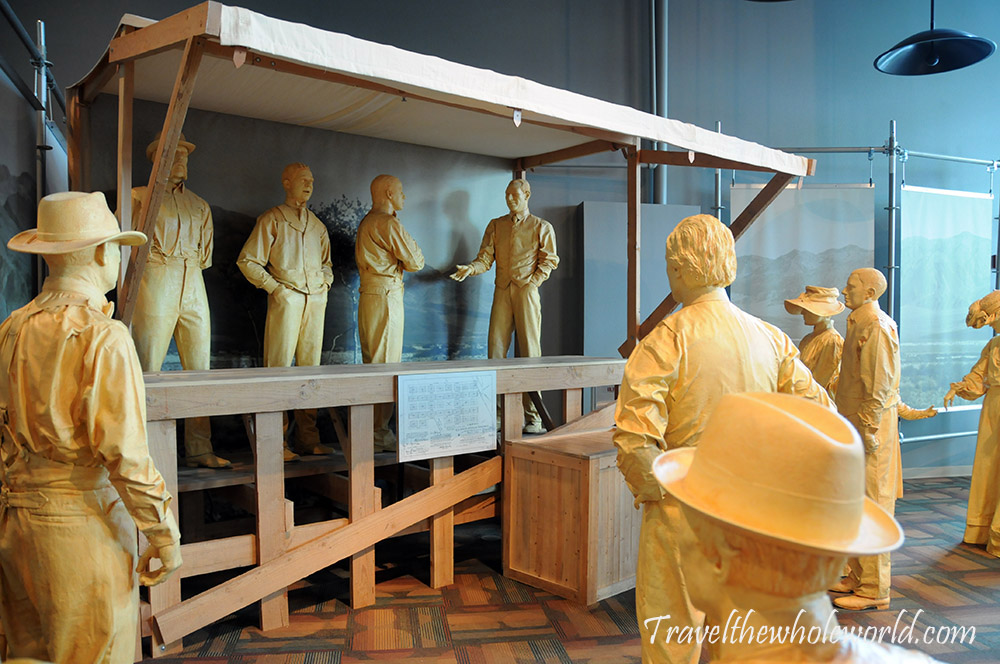
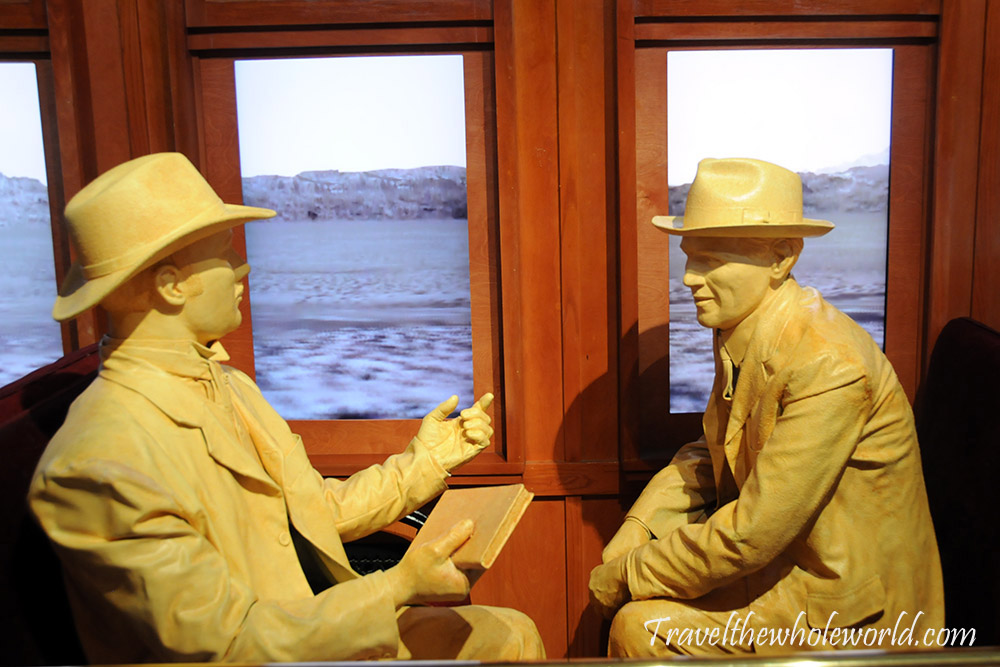
By the early 1900s, Las Vegas was developing as a railroad town surrounded by mining activity. The city’s fortunes rose and fell along with the surrounding mines and transportation routes, but Las Vegas survived long enough for another enormous project to transform the region. Construction of Hoover Dam during the 1930s brought thousands of workers to southern Nevada and helped introduce far more visitors to Las Vegas. The exhibits above and below at the Springs Preserve recreate scenes from this earlier period of the city’s development.
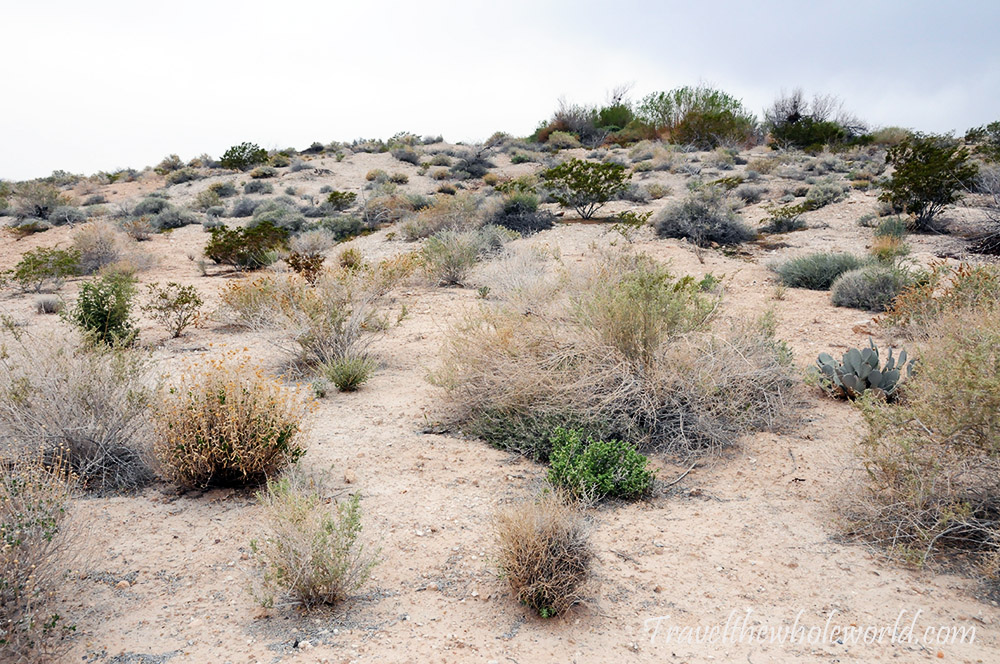
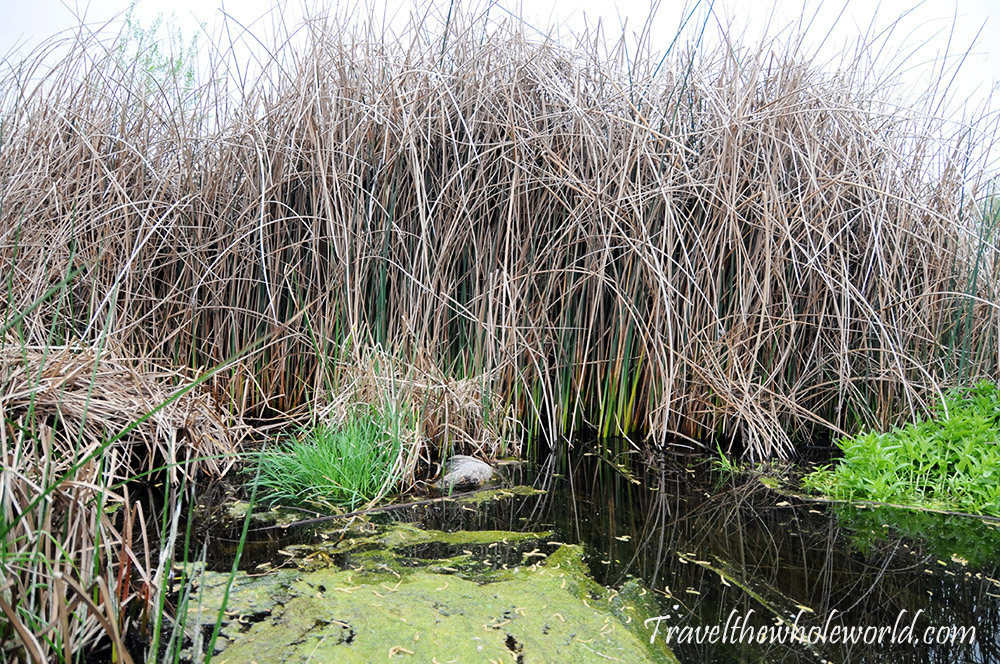
These final photos might look insignificant compared with the giant casinos and hotels that define Las Vegas today, but the natural springs here are the reason the city exists at all. In the middle of an extremely dry desert, reliable water created patches of green vegetation and meadows that stood out dramatically from the surrounding landscape. Spanish-speaking travelers called the area Las Vegas, meaning “the meadows.”
Those springs made this an important stopping point long before the modern city existed and eventually helped support permanent settlement. It’s strange to stand here today knowing that one of the world’s most famous entertainment cities ultimately began because of a few patches of water and vegetation in the Nevada desert.
Explore More of Nevada
Boundary Peak • Carson City • Lake Tahoe • Las Vegas • Nevada Deserts • Reno