Of the 50 states, I’ve probably visited Texas more times than any other. My job brought me here countless times, including extended stays in both Dallas and Austin that sometimes lasted for weeks. Those trips gave me plenty of time to explore the cities after work and take weekend road trips to other parts of the state. Over the years, I’ve seen everything from the major cities to remote desert landscapes, mountain trails, and national parks. Yet in a state larger than France, there’s always more to explore. I’d particularly like to spend more time along the Gulf Coast, including Galveston and Corpus Christi.
Texas is the second-largest state in the United States, covering more than 268,000 square miles (695,000 square kilometers). Its landscapes range from the Gulf Coast and the wooded hills of East Texas to the rolling Hill Country, vast plains, and rugged mountains of the west. The state is also known for its distinctive history, having existed as the independent Republic of Texas from 1836 until its annexation by the United States in 1845.
Texas offers an enormous variety of destinations, from historic cities and major museums to national parks, coastal beaches, and some of the most remote wilderness in the country. The following destinations highlight the state’s diverse landscapes, history, culture, and attractions.
Explore Austin
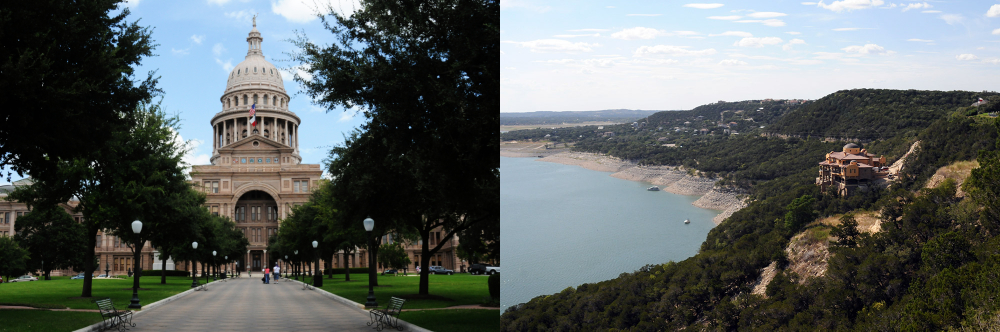
Austin is the capital of Texas, located along the Colorado River at the eastern edge of the Texas Hill Country. Known for its live music, creative culture, and lively entertainment districts, the city combines historic landmarks with a rapidly growing technology industry. Downtown Austin is home to the Texas State Capitol, while South Congress Avenue and Sixth Street are popular destinations for restaurants, shops, music venues, and nightlife.
One of Austin’s most unusual attractions is the Congress Avenue Bridge, which shelters a large seasonal colony of Mexican free-tailed bats. From spring through fall, the bats emerge around sunset to feed, creating one of the city’s best-known natural spectacles. Lady Bird Lake, Barton Springs Pool, and the surrounding greenbelts also provide opportunities for walking, cycling, swimming, and other outdoor activities.
Explore Big Bend National Park
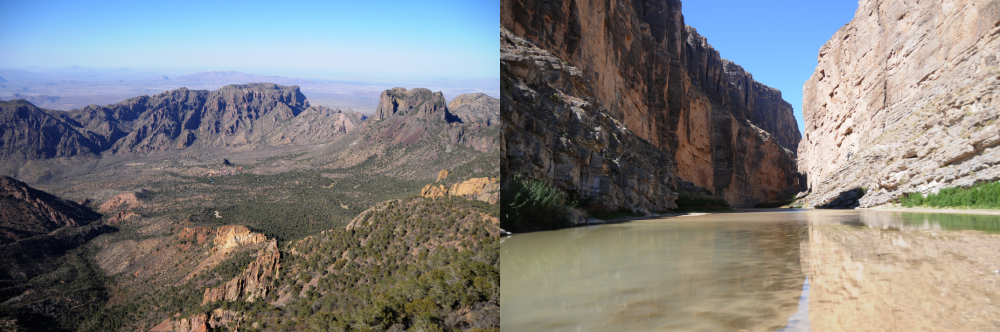
Big Bend National Park protects more than 800,000 acres of wilderness in far West Texas, where the Rio Grande curves along the border between the United States and Mexico. The park encompasses three distinct environments: the Chihuahuan Desert, the Chisos Mountains, and the Rio Grande corridor. Its remote location, rugged scenery, and remarkable geological diversity make it one of the most distinctive national parks in the country.
Highlights include the towering limestone walls of Santa Elena Canyon, the scenic Chisos Basin, and the trail to Emory Peak, the highest mountain in the park at approximately 7,832 feet (2,387 meters). Wildlife includes black bears, mountain lions, roadrunners, javelinas, and numerous species of reptiles and birds. The park is also internationally recognized for its exceptionally dark night skies, making it an outstanding destination for stargazing.
Explore San Antonio
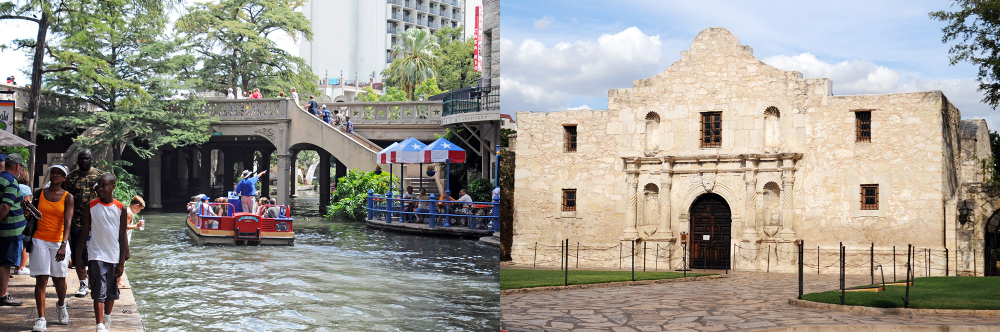
San Antonio is one of Texas’s most historic major cities, with a heritage shaped by Spanish colonization, Mexican culture, and the Texas Revolution. Its most famous landmark is the Alamo, originally established as a Spanish mission and remembered for the 1836 battle in which a small force of Texan defenders was defeated by the Mexican army. The Alamo and four other historic missions form the San Antonio Missions UNESCO World Heritage Site.
The San Antonio River Walk is another major attraction, with landscaped pedestrian paths following the river through downtown past restaurants, shops, hotels, and historic sites. Other destinations include the San Antonio Museum of Art, the Pearl district, the San Antonio Botanical Garden, and major theme parks such as SeaWorld San Antonio and Six Flags Fiesta Texas. The city is also home to the NBA’s San Antonio Spurs.
Explore Dallas
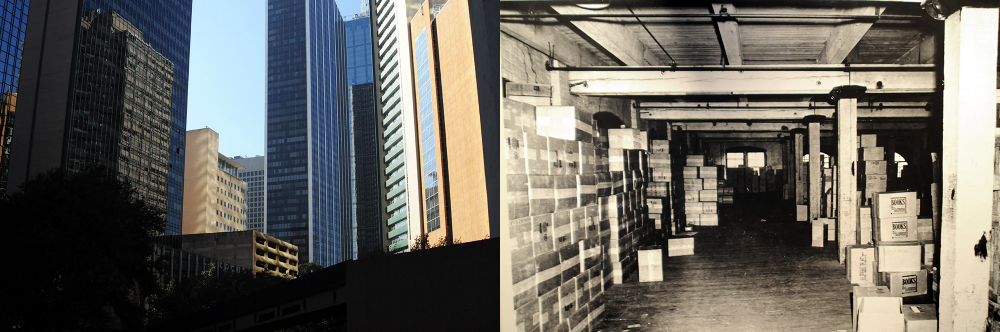
Dallas is one of the largest cities in Texas and a major center for business, finance, culture, and entertainment. Its modern skyline is surrounded by distinctive neighborhoods, museums, restaurants, and shopping districts. The city forms the eastern half of the Dallas–Fort Worth metropolitan area, one of the largest urban regions in the United States.
Among Dallas’s most significant historic landmarks is Dealey Plaza, where President John F. Kennedy was assassinated on November 22, 1963. The Sixth Floor Museum at Dealey Plaza, housed in the former Texas School Book Depository, examines Kennedy’s life, presidency, assassination, and legacy. Other attractions include the Dallas Arts District, the Perot Museum of Nature and Science, the Dallas Arboretum and Botanical Garden, and the restaurants and nightlife of Deep Ellum.
Explore Fort Worth
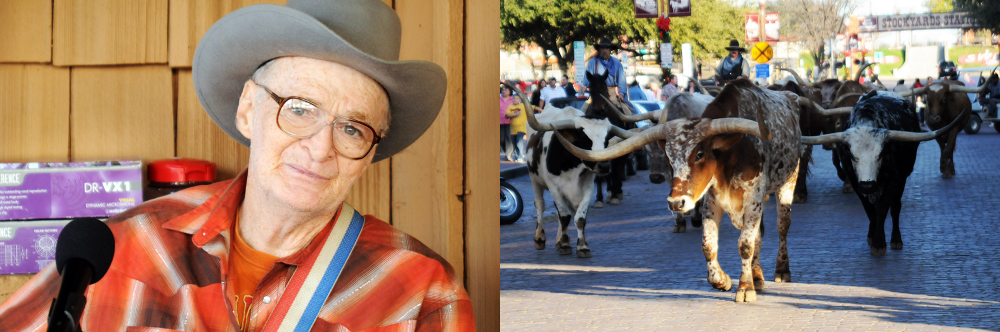
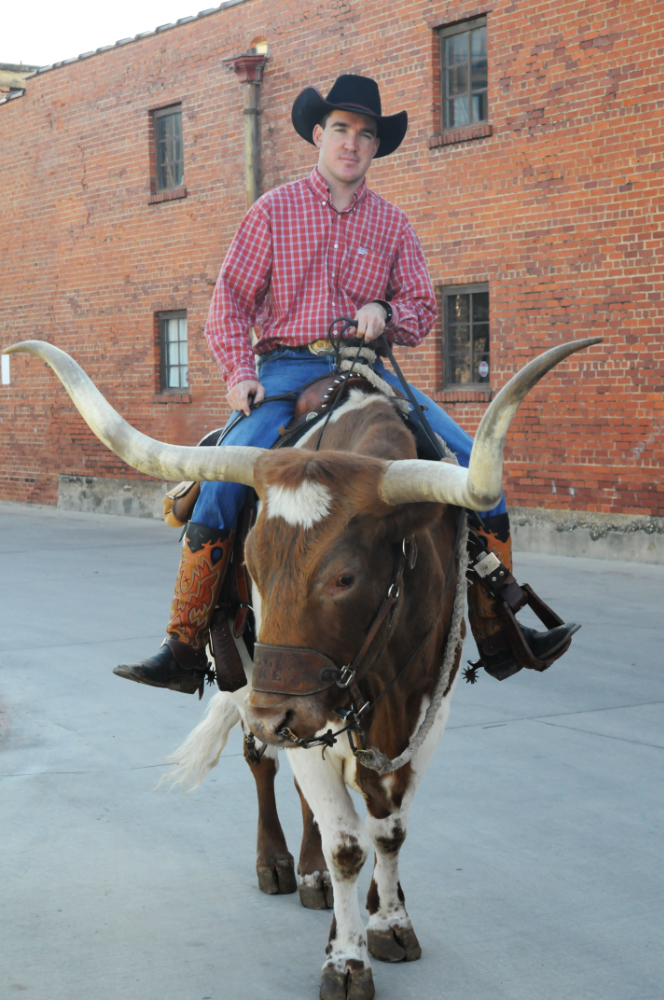
Fort Worth is part of the Dallas–Fort Worth metropolitan area but retains a distinctive identity rooted in Texas’s ranching and cattle-driving heritage. During the nineteenth century, the city became an important stop along major cattle trails, earning its enduring nickname, “Cowtown.” That history is especially visible in the Fort Worth Stockyards National Historic District, where preserved buildings and traditional Western attractions celebrate the city’s past.
The Stockyards are known for their Texas Longhorn cattle drives along East Exchange Avenue, typically held twice daily when weather and conditions permit. Visitors can also explore historic saloons, Western shops, restaurants, and rodeo attractions. Beyond the Stockyards, Fort Worth has a nationally recognized cultural district featuring the Kimbell Art Museum, the Modern Art Museum of Fort Worth, and the Amon Carter Museum of American Art.
Explore Guadalupe Peak
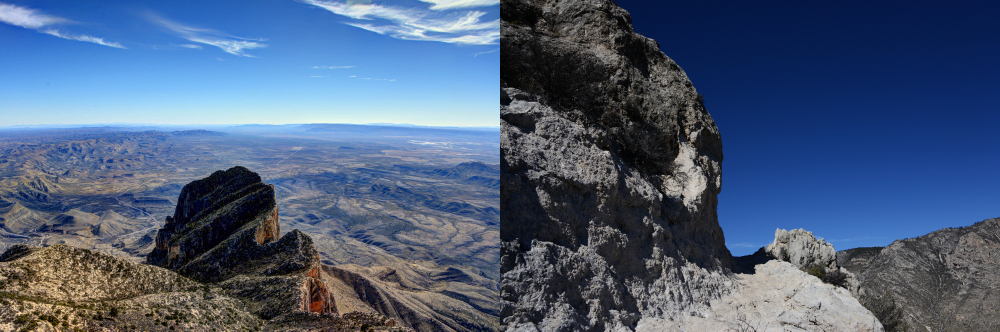
Guadalupe Peak is the highest point in Texas, rising to 8,751 feet (2,667 meters) above sea level in Guadalupe Mountains National Park. Located near the New Mexico border in far West Texas, the peak forms part of a rugged mountain range that rises dramatically above the surrounding Chihuahuan Desert. The mountains are the exposed remains of an ancient fossil reef formed when the region was covered by a shallow sea during the Permian Period.
The Guadalupe Peak Trail is a strenuous round-trip hike of approximately 8.4 miles (13.5 kilometers), climbing around 3,000 feet (914 meters) from the trailhead to the summit. At the top, hikers are rewarded with sweeping views of the surrounding mountains, desert plains, and distant salt flats. The national park also protects wooded canyons, desert grasslands, and diverse wildlife, including mule deer, elk, black bears, and mountain lions.
Explore Houston
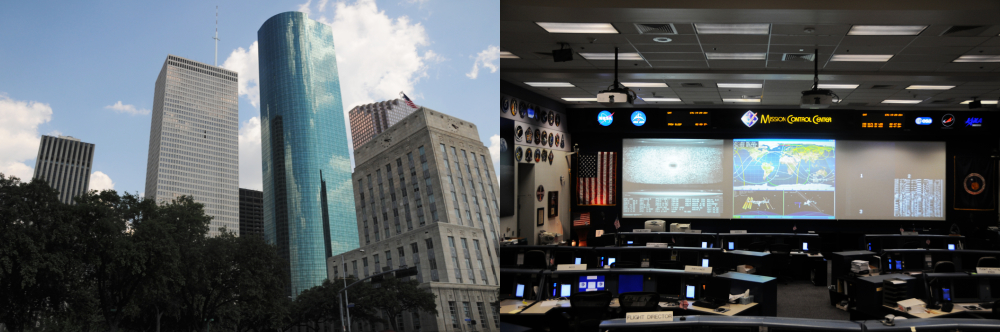
Houston is the largest city in Texas and one of the largest cities in the United States. Located near the Gulf Coast, it is a major international center for energy, medicine, aerospace, shipping, and business. The city’s diverse population has also helped establish Houston as a destination for international cuisine, performing arts, museums, and cultural events.
One of Houston’s best-known attractions is Space Center Houston, the official visitor center of NASA’s Johnson Space Center, where visitors can learn about the history of American human spaceflight, see historic spacecraft, and explore exhibits connected to the Apollo program and the International Space Station. Other major attractions include the Houston Museum of Natural Science, the Museum of Fine Arts, Hermann Park, and the Houston Zoo. East of the city, the San Jacinto Battleground marks the site of the decisive 1836 battle that secured Texas’s independence from Mexico.