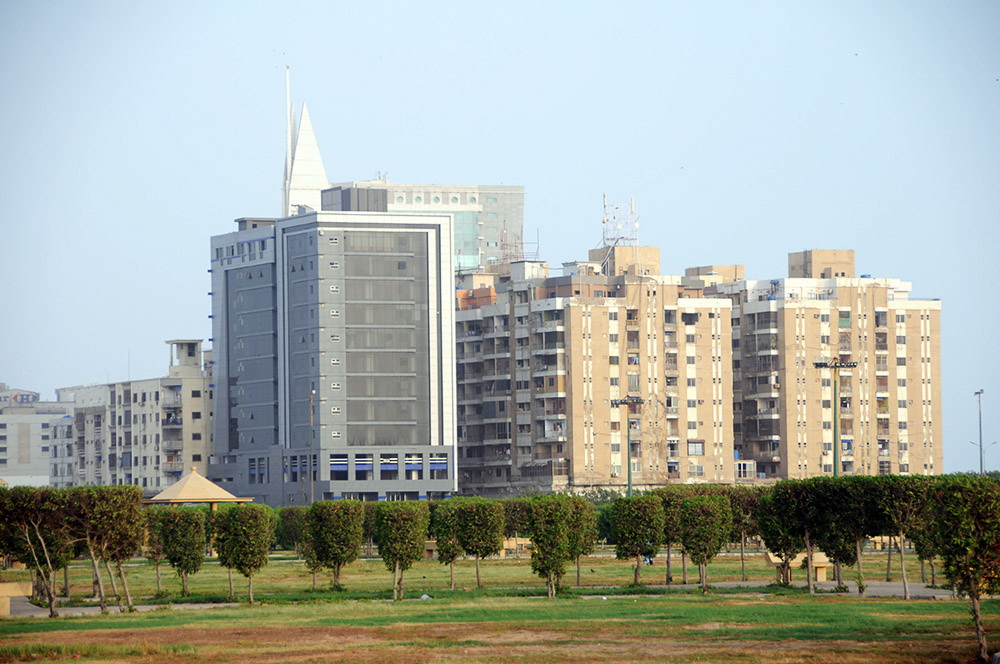
I started my Pakistan adventure in the enormous port city of Karachi. With millions of people spread across a seemingly endless urban area, Karachi was easily one of the most intense cities I had visited. Despite its enormous population, much of the city wasn’t dominated by skyscrapers like New York or other major world cities. Instead, I saw a seemingly endless mixture of large buildings, apartment blocks, commercial areas, and crowded neighborhoods. It was my first introduction to Pakistan and immediately felt different from anywhere else I had traveled.
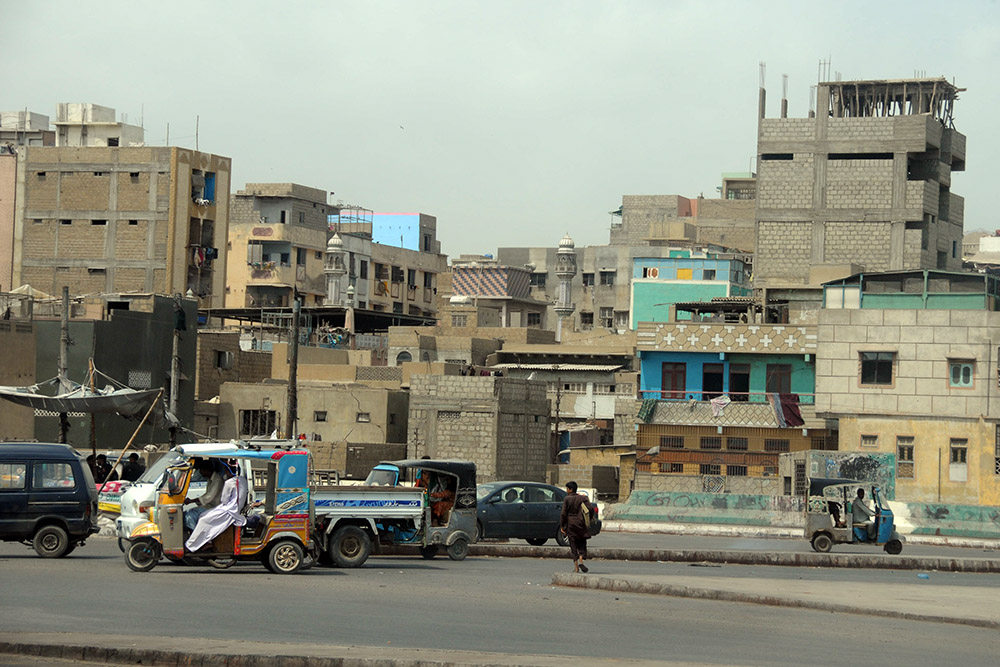
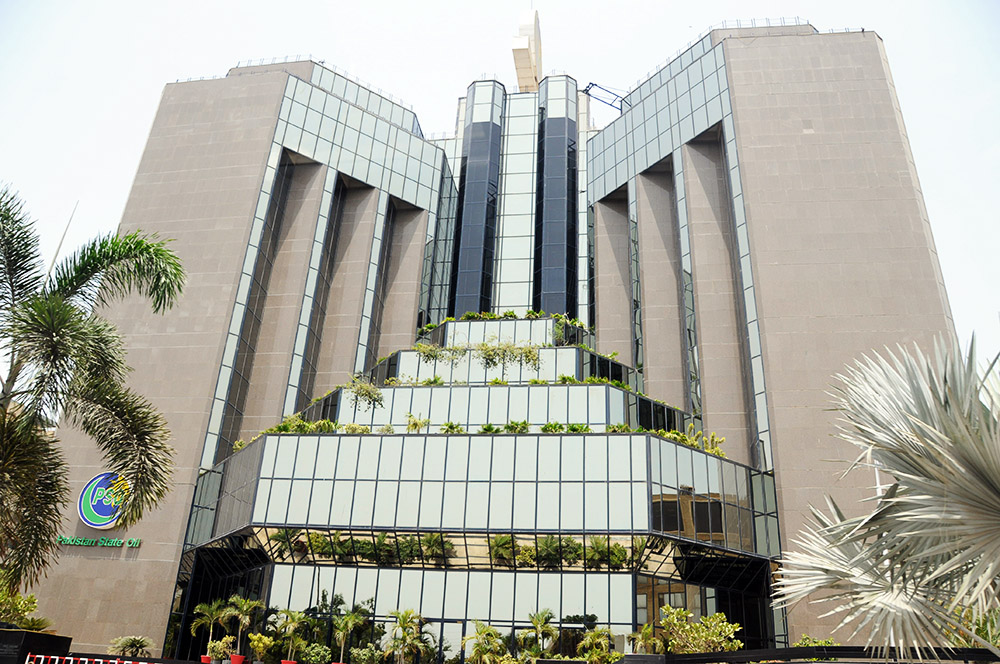
Karachi truly is a gigantic metropolis, and you can find just about anything you might need here. As a matter of fact, the first thing I saw after leaving the airport was a McDonald’s! Modern buildings rise throughout the city, but they are mixed among neighborhoods and commercial districts that seem to stretch forever.
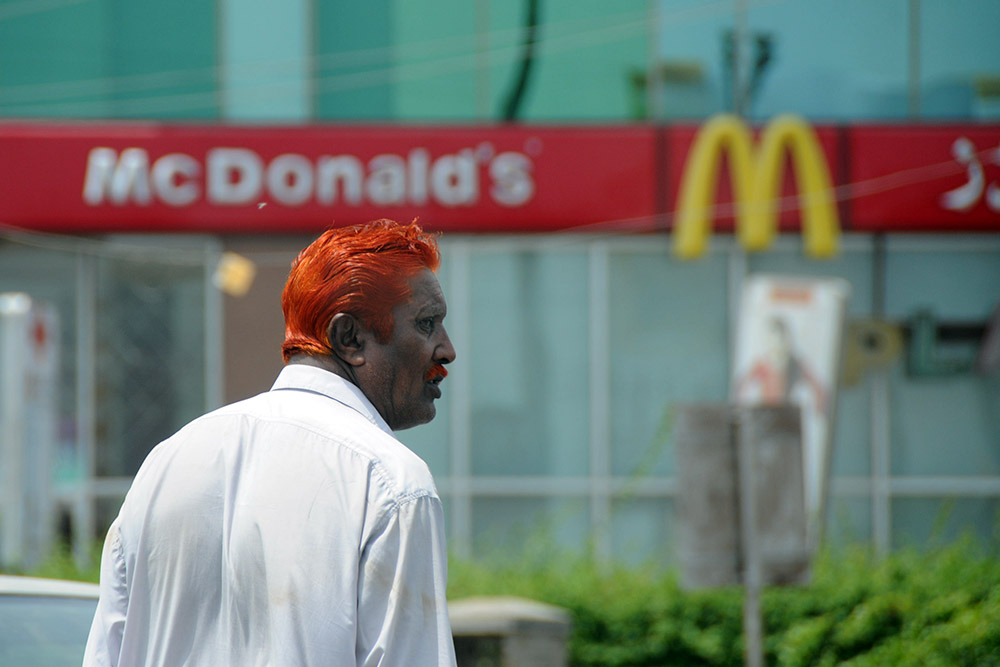
Some of my favorite photographs were simply of everyday things I noticed while moving around the city. I took this next photo because of the man’s brightly colored hair. I had seen people dye their hair in other countries I visited, but some of the bright orange and red shades I saw around Karachi definitely stood out.
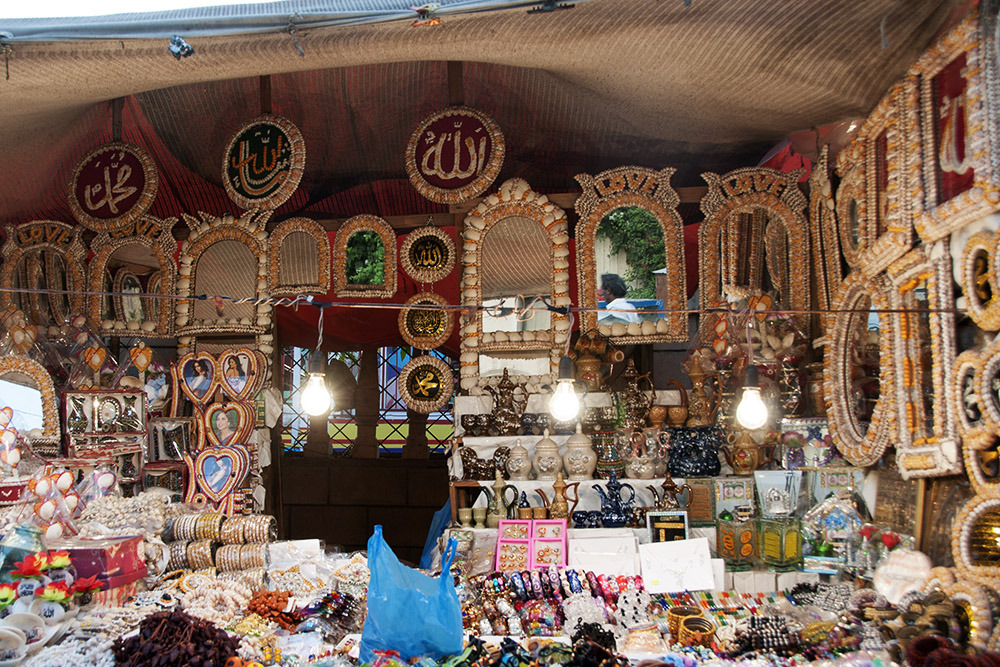
The streets themselves were constantly interesting. Shops, restaurants, people, buses, motorcycles, and cars seemed to fill every part of the city. Public transportation is a major part of daily life in a place this large, and I saw plenty of crowded buses and other vehicles throughout Pakistan.
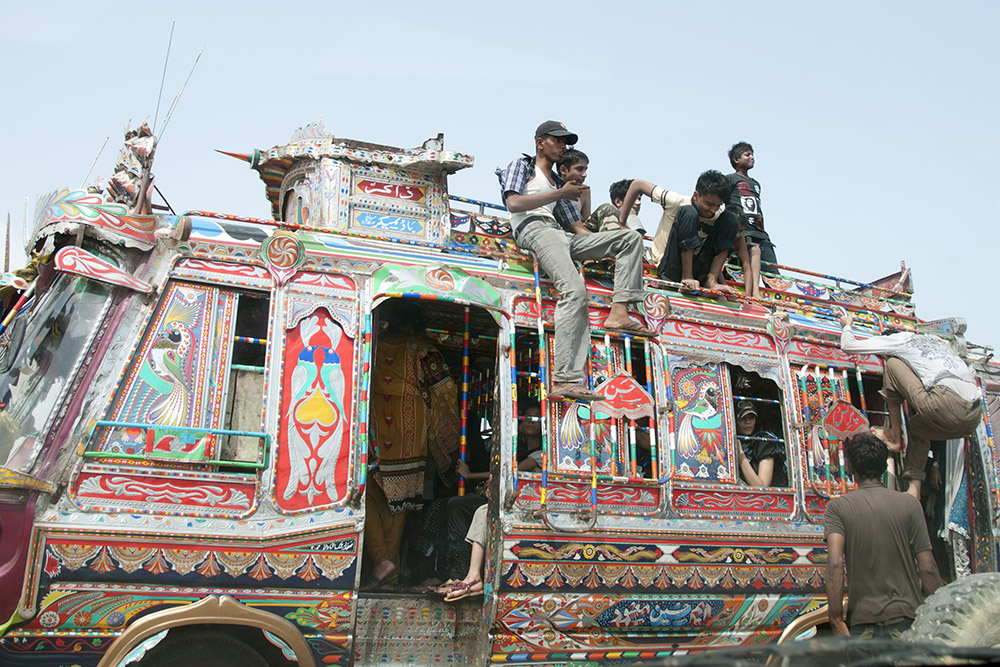
This particular bus was driving around with music blasting and a loud group of younger people riding both inside and on top. From where I was standing, it looked more like a party bus than ordinary public transportation.
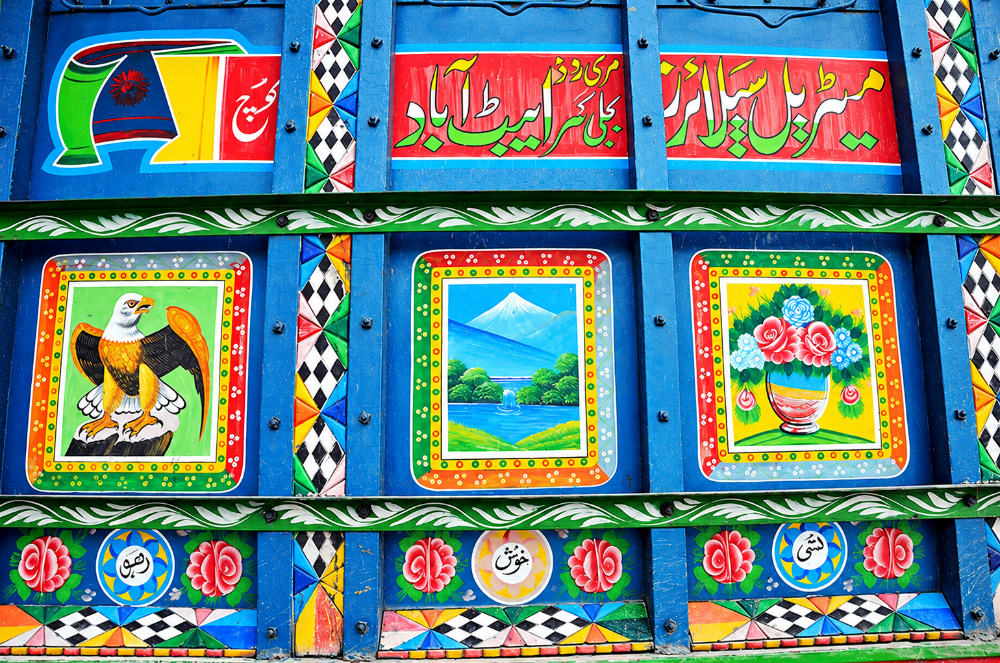
One thing I really liked throughout Pakistan was the incredible amount of work that went into decorating trucks and buses. Many were covered with detailed paintings showing landscapes, flowers, animals, and other colorful designs. The decorations often went far beyond paint, with chains, metal ornaments, and other pieces attached to the vehicles.
Karachi’s Coast
One of the easiest places to get away from the dense urban environment was Clifton Beach. I wasn’t sure what to expect from a beach in Pakistan, but there were thousands of people here and plenty going on. People were swimming, walking along the shore, riding camels, and simply hanging out with their families.
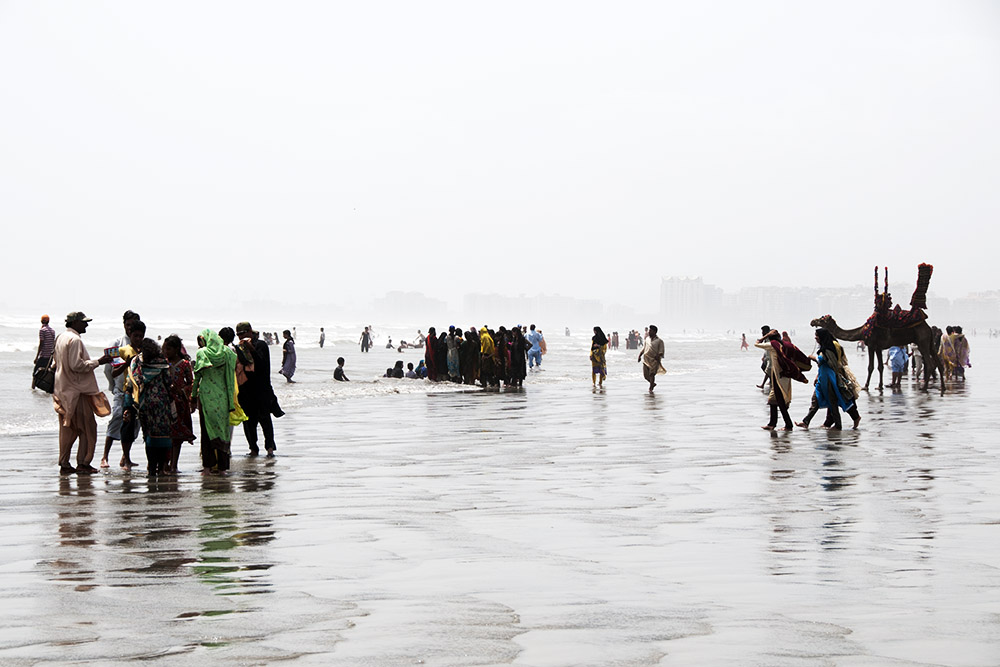
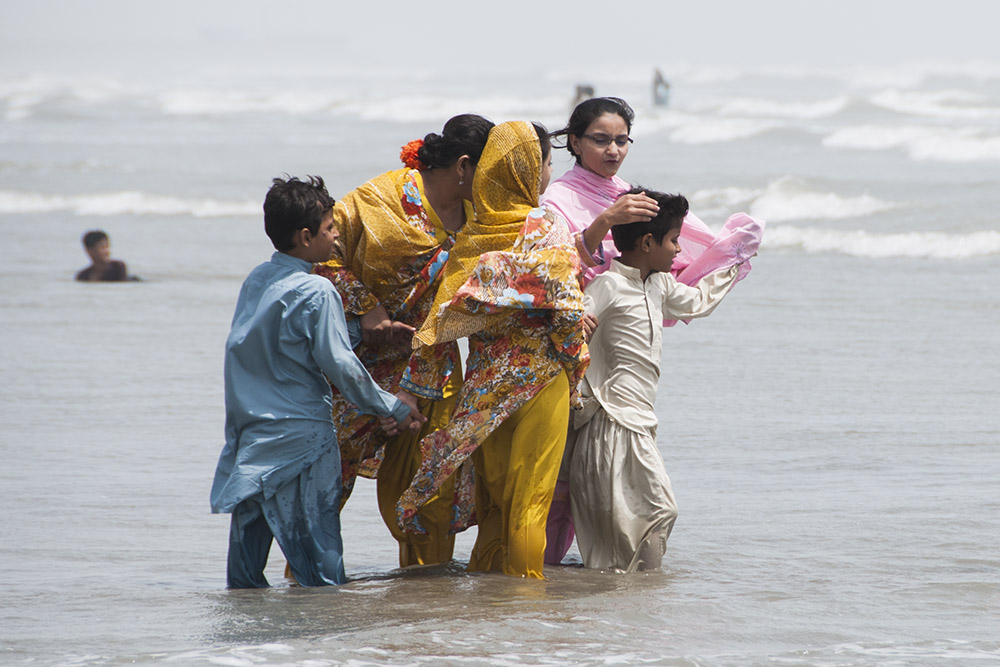
The Arabian Sea was also surprisingly warm, so there was certainly no need to build up the courage before stepping into the water. Clifton Beach wasn’t just somewhere to swim, either. There seemed to be something happening everywhere I looked.
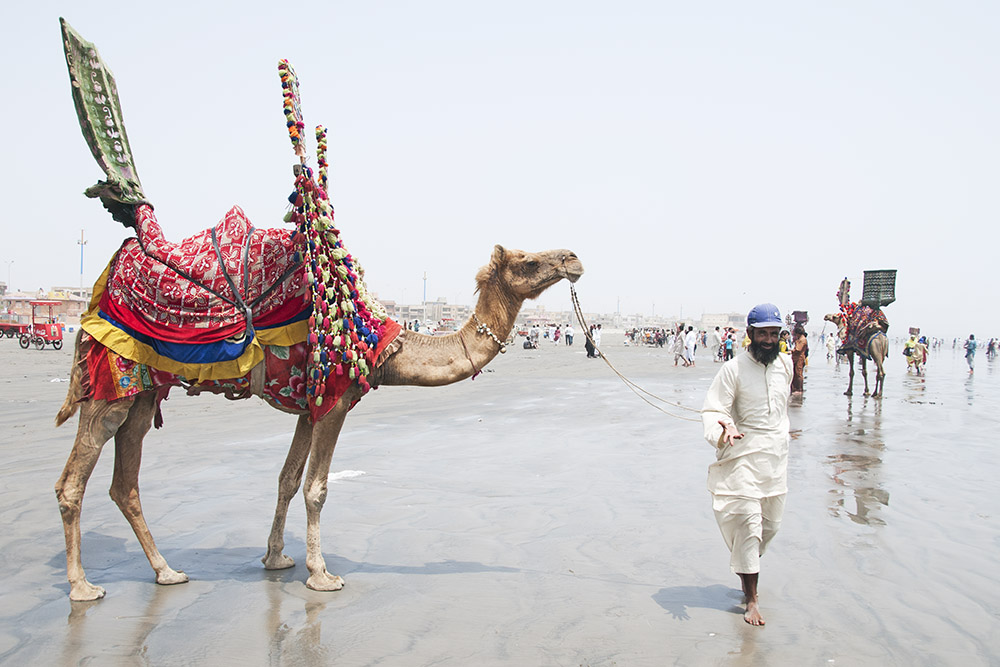
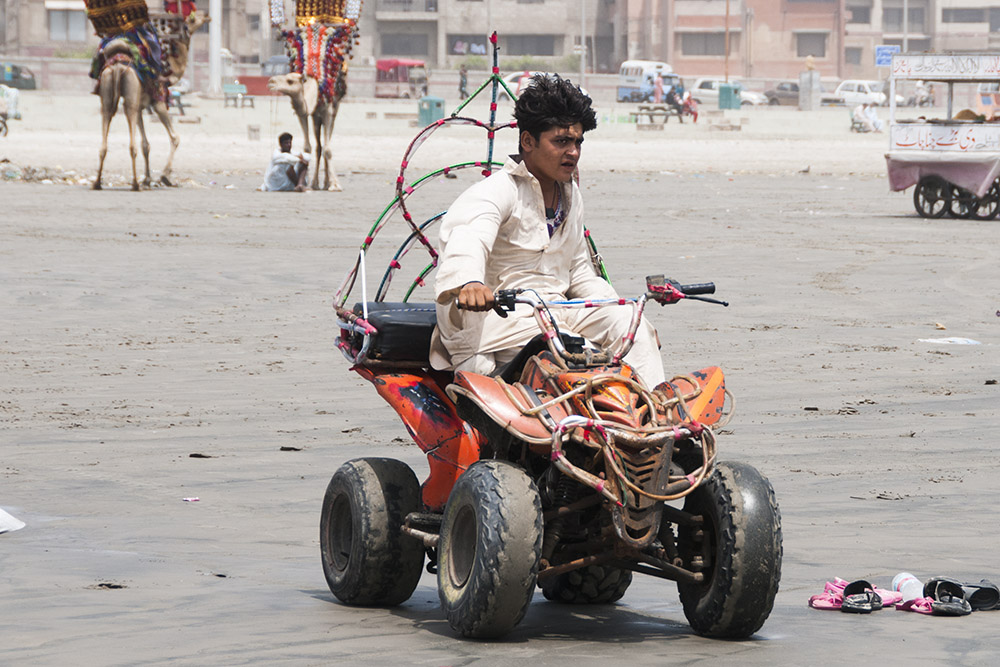
One of the most noticeable activities was taking a camel ride along the sand, with dozens of camels available along the beach. Another option was renting one of the small dune buggies that raced around the open stretches of sand.
While walking along the beach I stopped to purchase a souvenir, which apparently got the attention of a younger guy carrying a basket. I assumed he wanted to sell me something else and politely gestured that I wasn’t interested. Instead, he put the basket on the ground and casually pulled out a cobra!
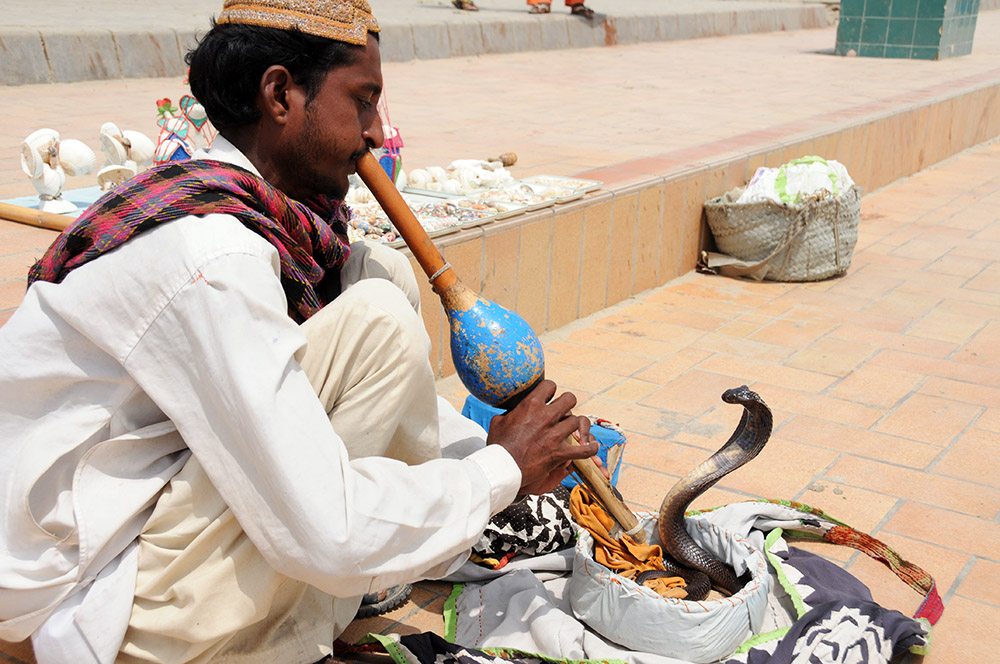
I had never seen a snake charmer before, so coming across one unexpectedly on a beach in Pakistan was quite an experience. As a former snake owner, I was especially interested in watching the cobra. At first it made a few strikes toward the instrument before settling down and following the movements of the man playing the music.
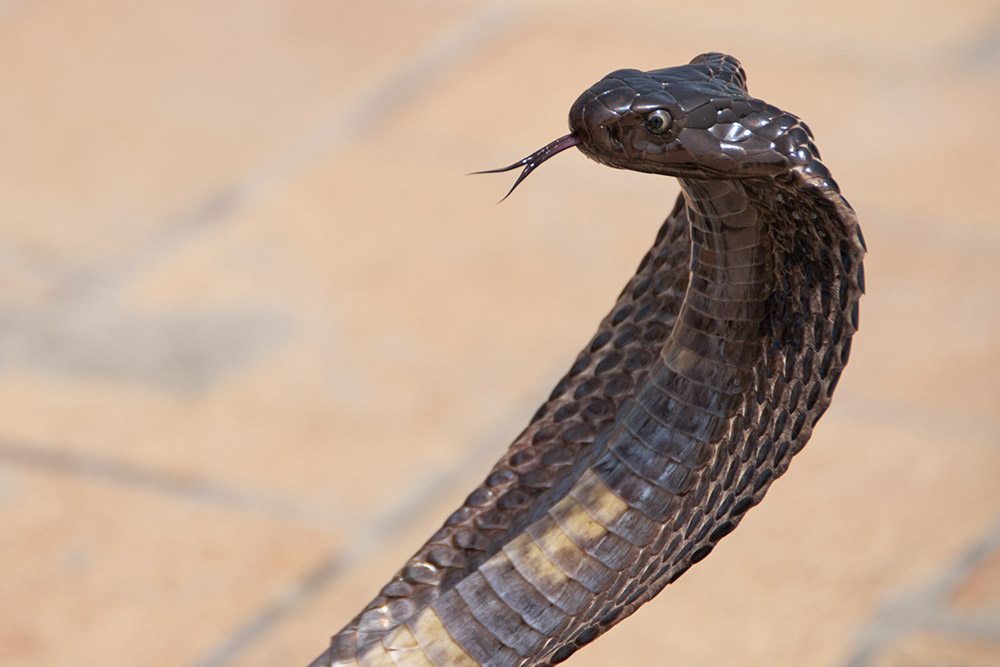
When the performance was finished, he placed the cobra back into its basket, where it immediately coiled up. Of all the random things I expected to encounter while exploring Karachi, a cobra on the beach certainly wasn’t one of them.
Farther along the coast was my favorite seaside area around Karachi, Paradise Point.
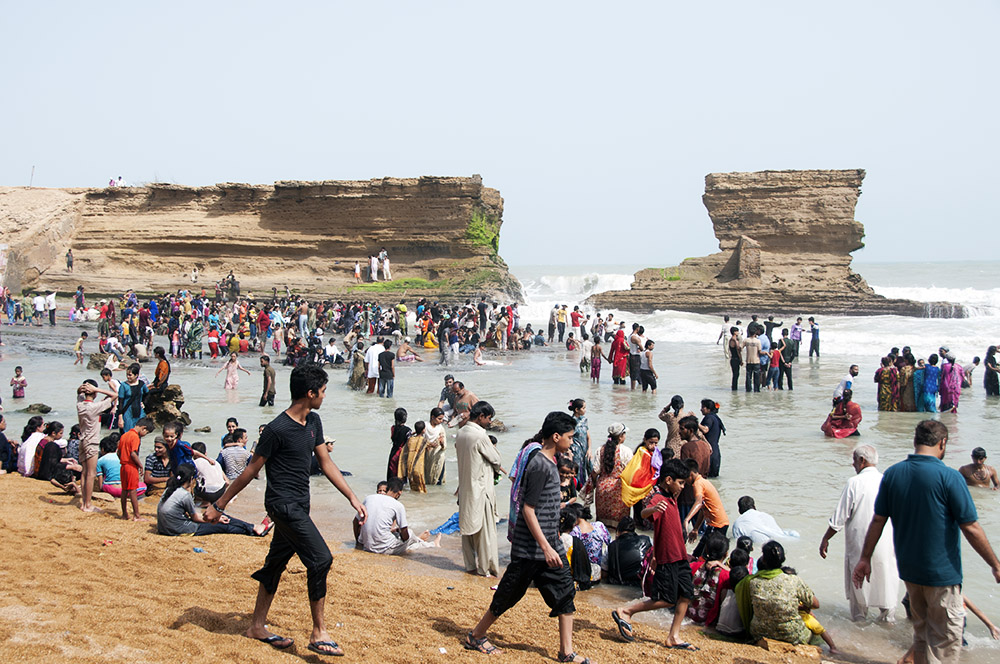
The rock formation here once extended into a natural arch, but I was told that the arch had collapsed during a storm several years before my visit. Interestingly, later in my trip I found an old postcard in Lahore showing Paradise Point when the arch was still intact.
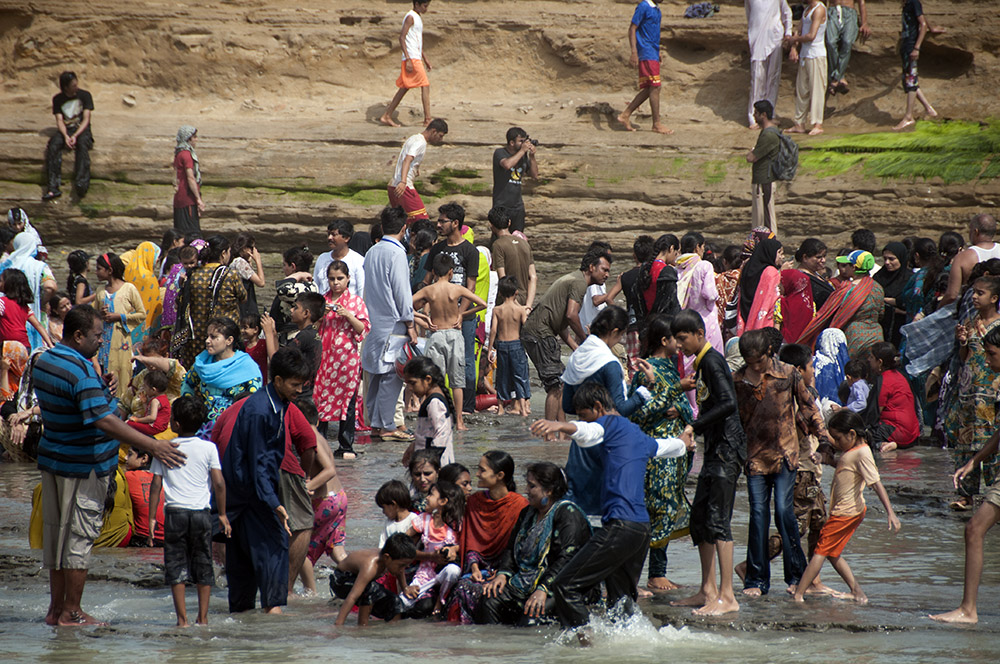
Paradise Point had a somewhat different atmosphere from Clifton Beach. There were fewer people around during my visit, giving the coastline a more relaxed feeling and making it easier to appreciate the scenery.
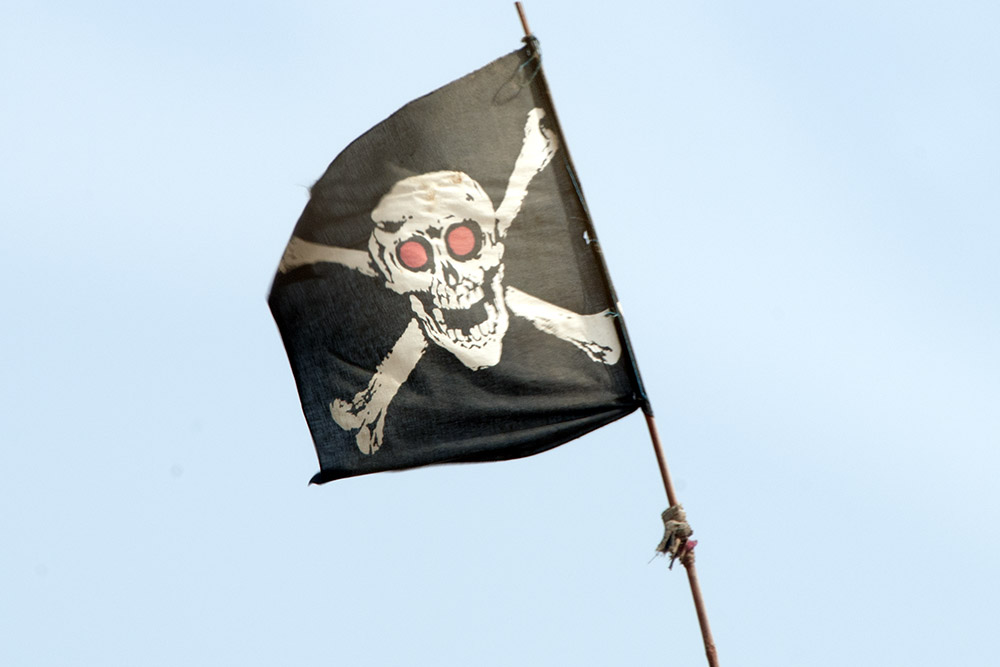
While passing through a residential area along the coast I noticed several pirate flags flying from properties. I’m still not sure whether they were meant as jokes, decorations, or simply warnings to stay off private property.
Exploring the City
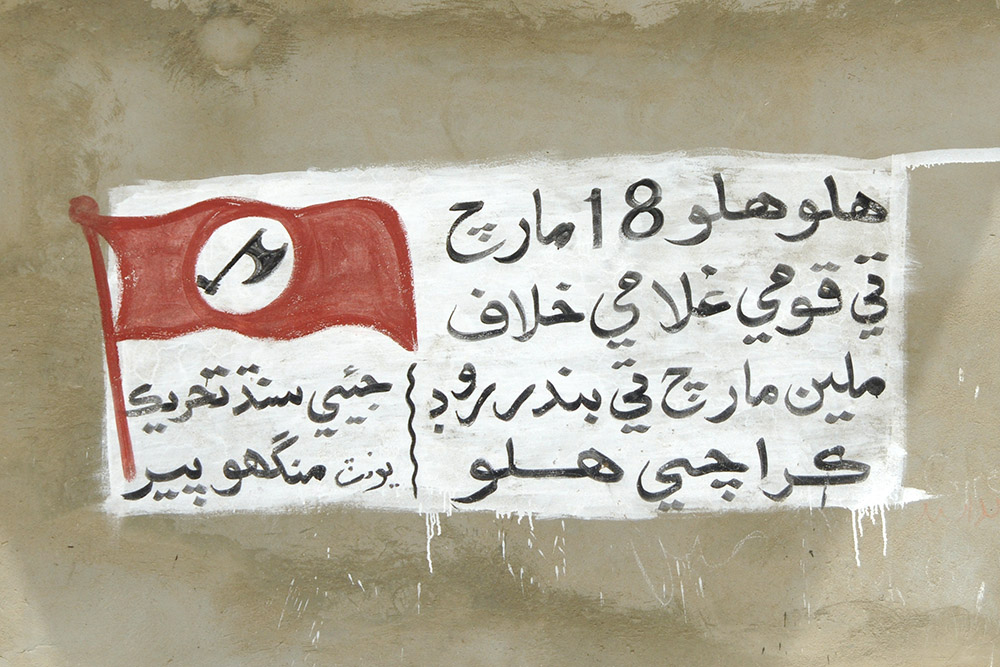
Political signs and markings were another common sight around Karachi. My driver explained some of the different parties and organizations represented by the symbols painted around the city. Karachi had experienced periods of political violence around the time of my visit, so I generally followed local advice about where to go and when to return to my hotel.
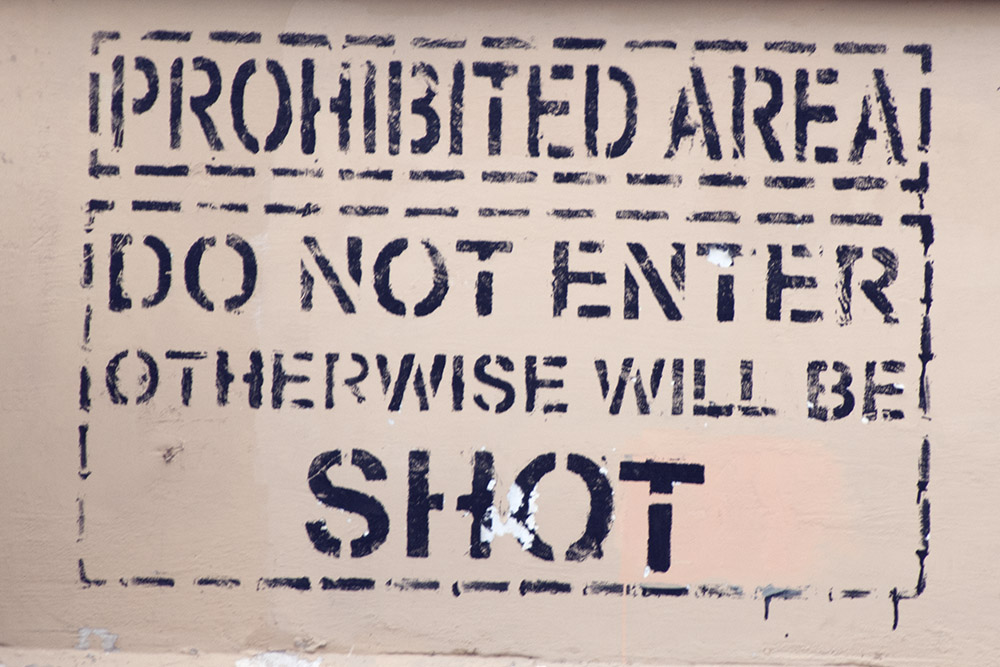
People I met in Karachi were very open about giving me safety advice. My hotel had arranged a driver and asked that I return before dark each day, so I followed their recommendations and had no problems during my visit. This warning was posted beside a restricted military area and certainly got the message across that visitors shouldn’t wander onto the property.
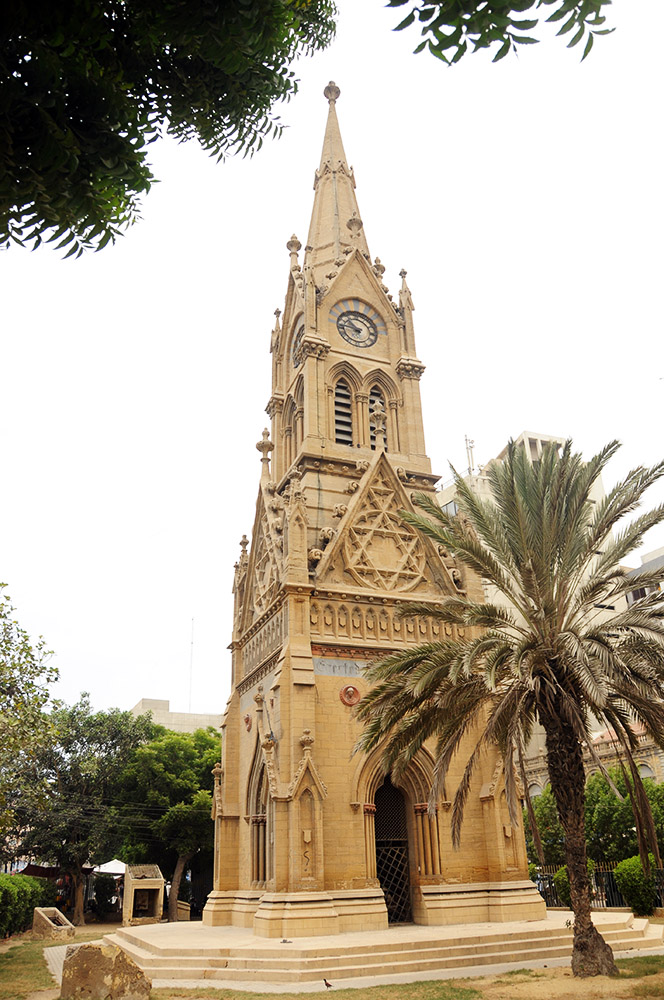
Another landmark I passed several times was Merewether Clock Tower. Completed during the British colonial period in the late 19th century, the tower stands more than 100 feet tall and is one of the most recognizable surviving historic structures in central Karachi.
Pakistan Maritime Museum
I ended up visiting quite a few museums in Karachi. When I first tried to visit the National Museum, something apparently got lost in translation and my driver took me to the Pakistan Maritime Museum instead. It turned out to be a worthwhile mistake. The museum occupies a large landscaped area filled with ships, aircraft, military equipment, and exhibits covering Pakistan’s maritime history.
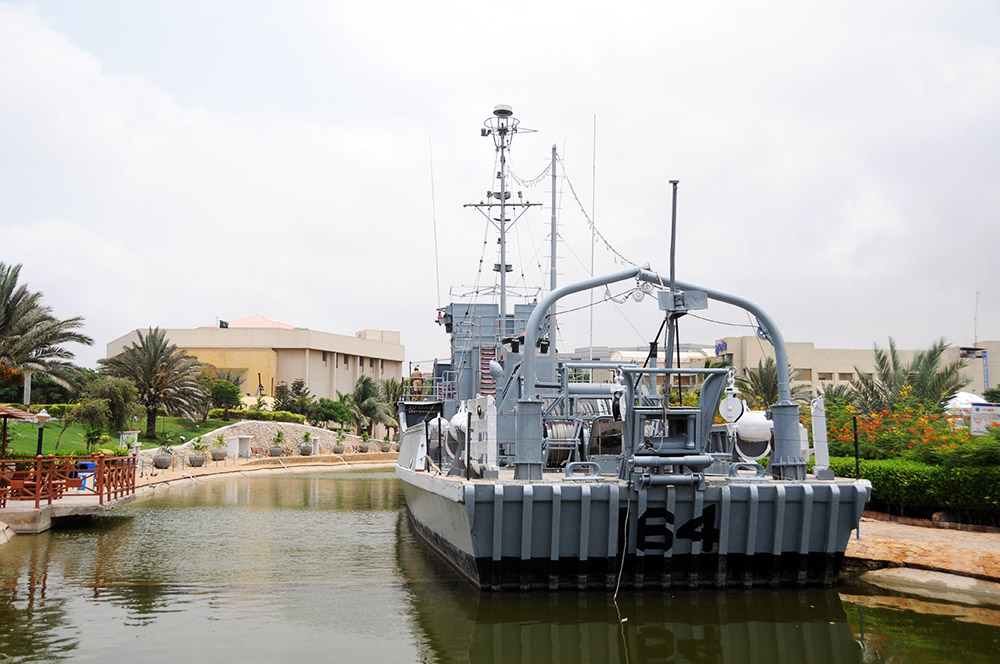
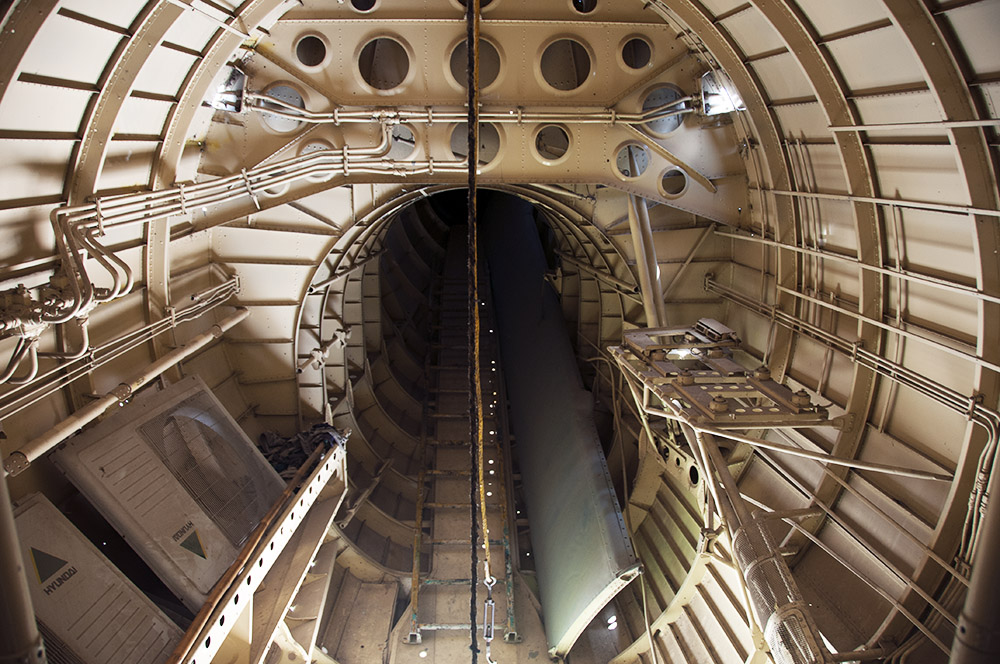
One of the highlights was a submarine that visitors could explore. Since I had once spent six months living aboard an aircraft carrier, I was naturally curious to see what the interior of a submarine looked like.
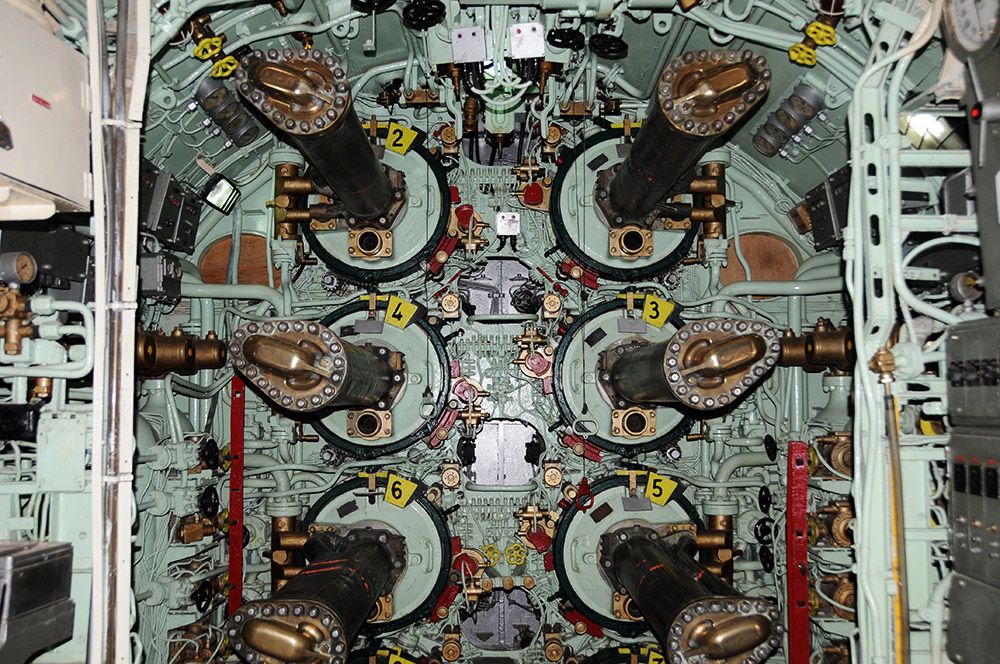
Unfortunately, it was ridiculously hot inside. Walking through it felt like entering a sweat lodge, so my exploration didn’t last nearly as long as I had expected.
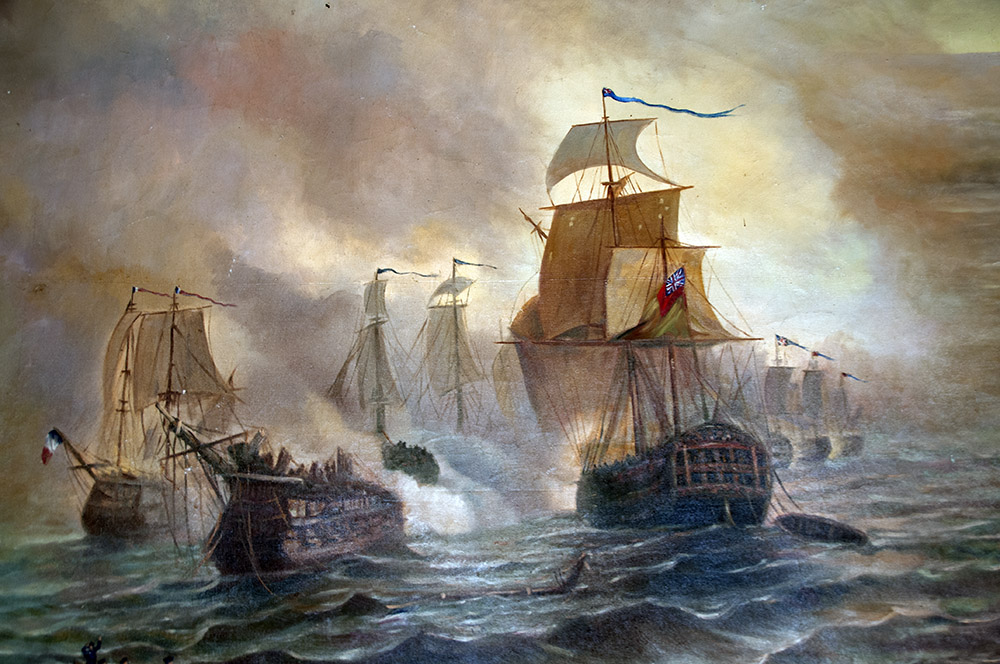
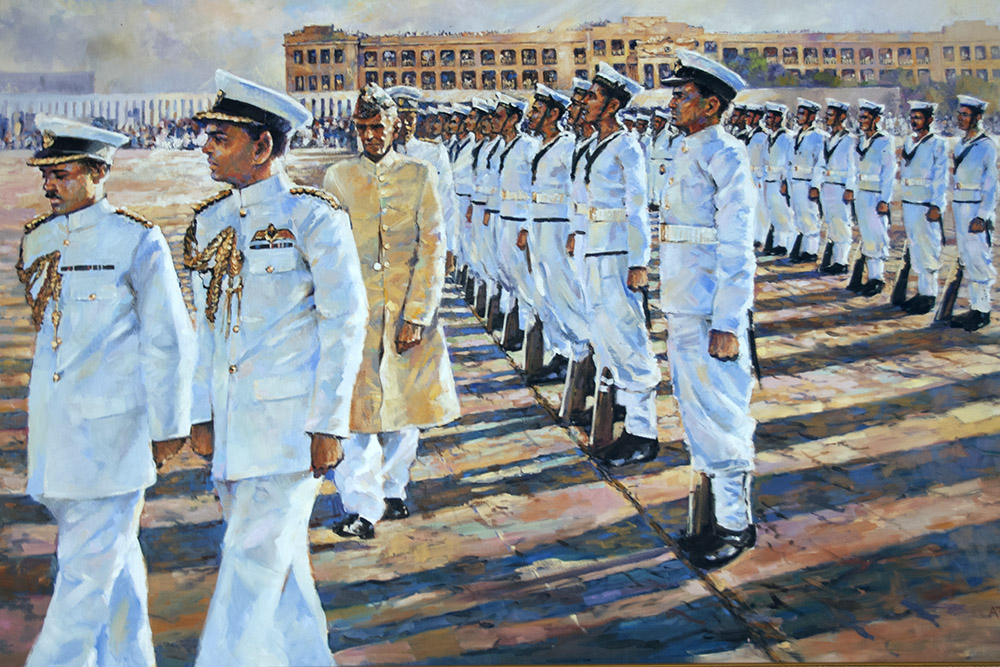
The museum also covered the region’s maritime history during the British colonial period and Pakistan’s independence. Other exhibits included aircraft, weapons, historic ships, artwork, and even a complete whale skeleton.
Mohatta Palace and Frere Hall
Another place that introduced me to Karachi’s history was Mohatta Palace. The enormous residence was built in the 1920s for businessman Shivratan Mohatta as a summer home. Following the partition of British India and creation of Pakistan in 1947, the building eventually passed through several different uses before becoming a museum.
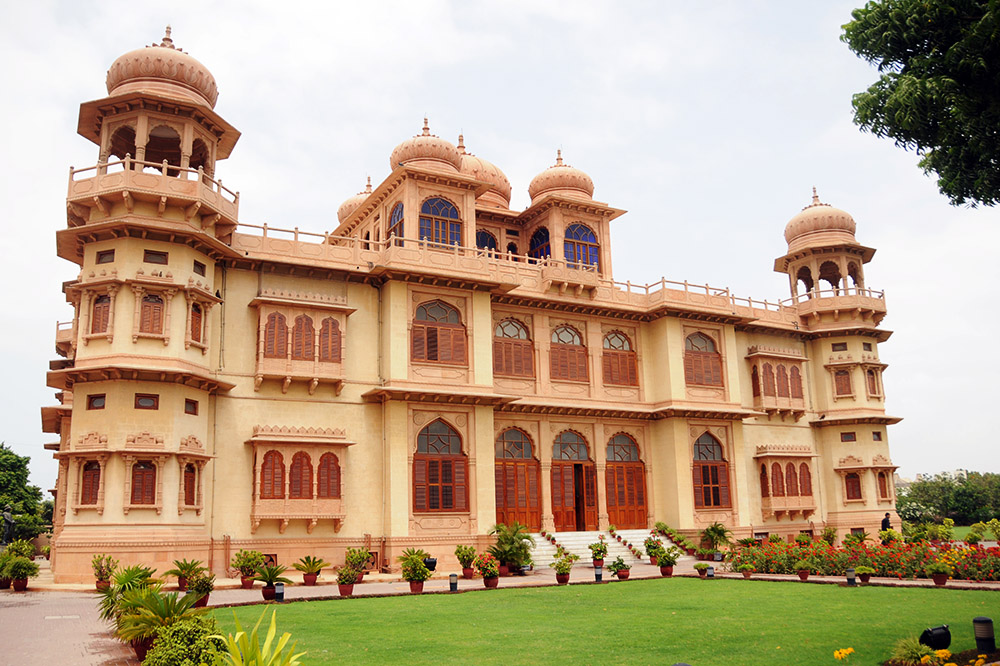
Unfortunately, it was closed for restoration during my visit, but I was still allowed to walk around the grounds and see the palace from outside.
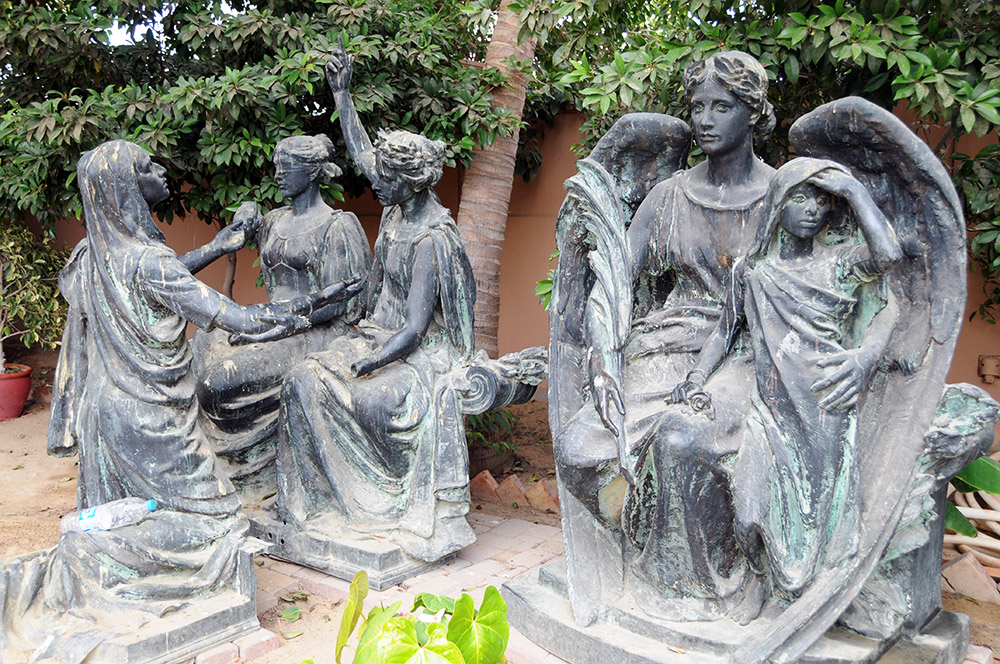
Frere Hall was another building that caught my attention while driving around Karachi. At first glance I thought it was a cathedral, but it was actually constructed during the British colonial period as a civic building.
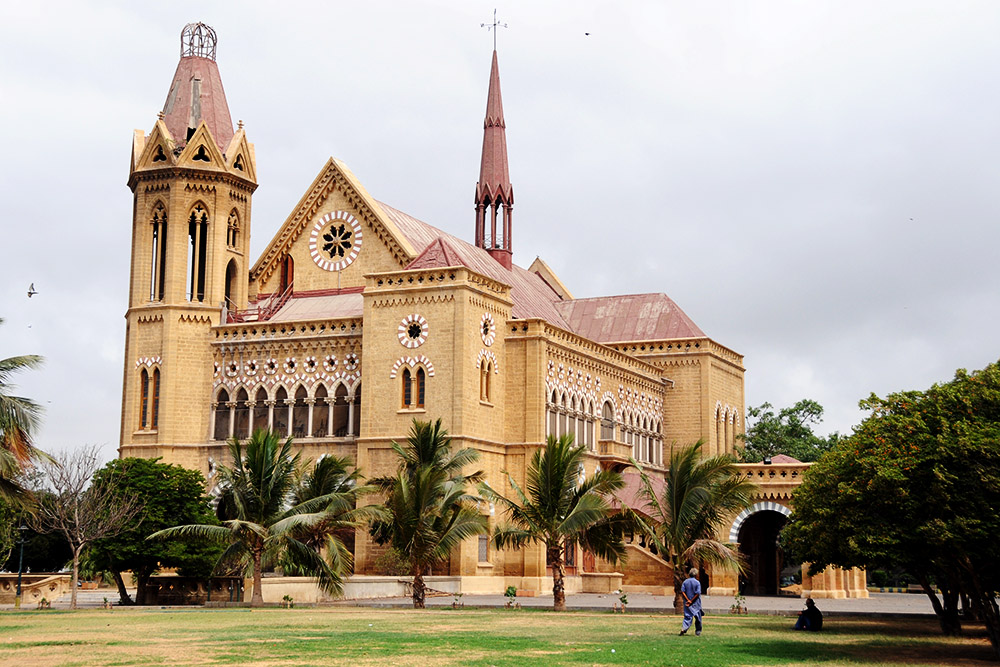
Today it remains one of Karachi’s most distinctive historic structures and contains a library and exhibition spaces. The highlight for me was the enormous painted ceiling by Pakistani artist Sadequain.
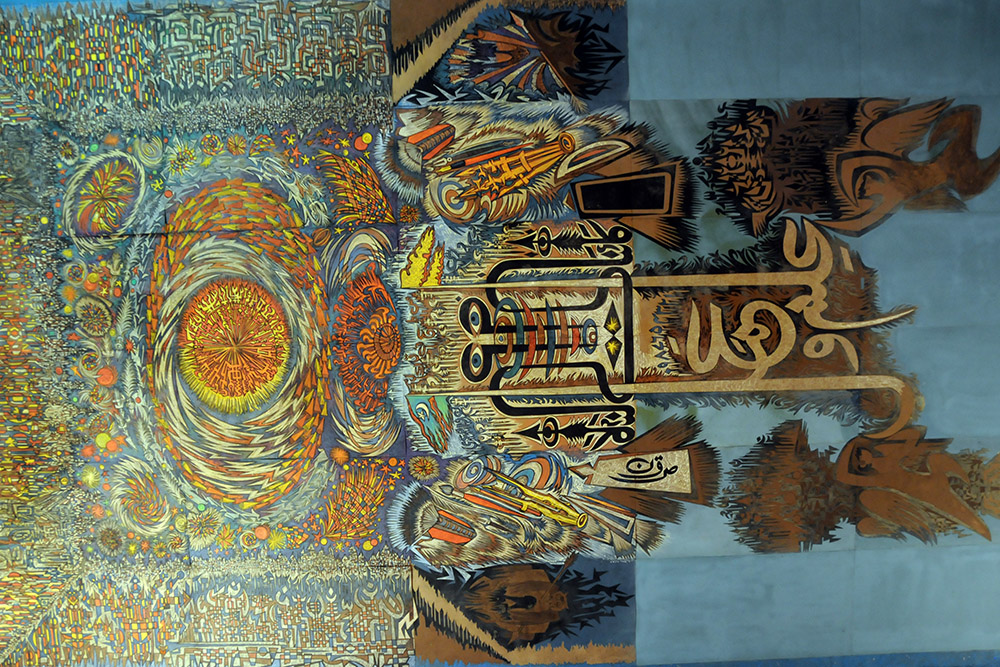
It’s difficult to appreciate the scale from a photograph, but the artwork stretches across a huge section of the ceiling. Sadequain was one of Pakistan’s best-known modern artists, and the mural remained unfinished when he died.
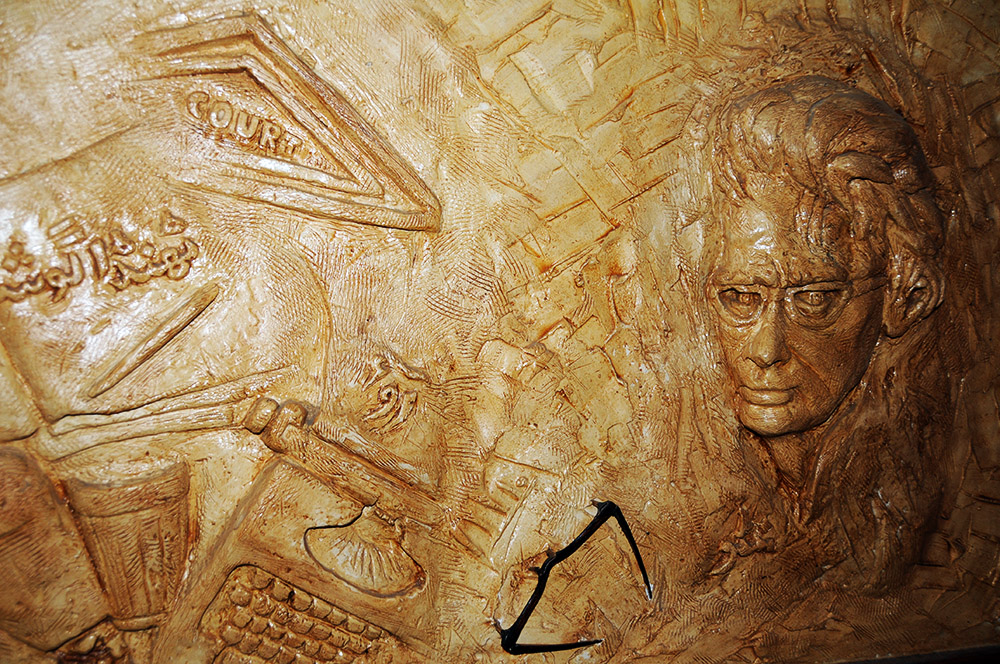
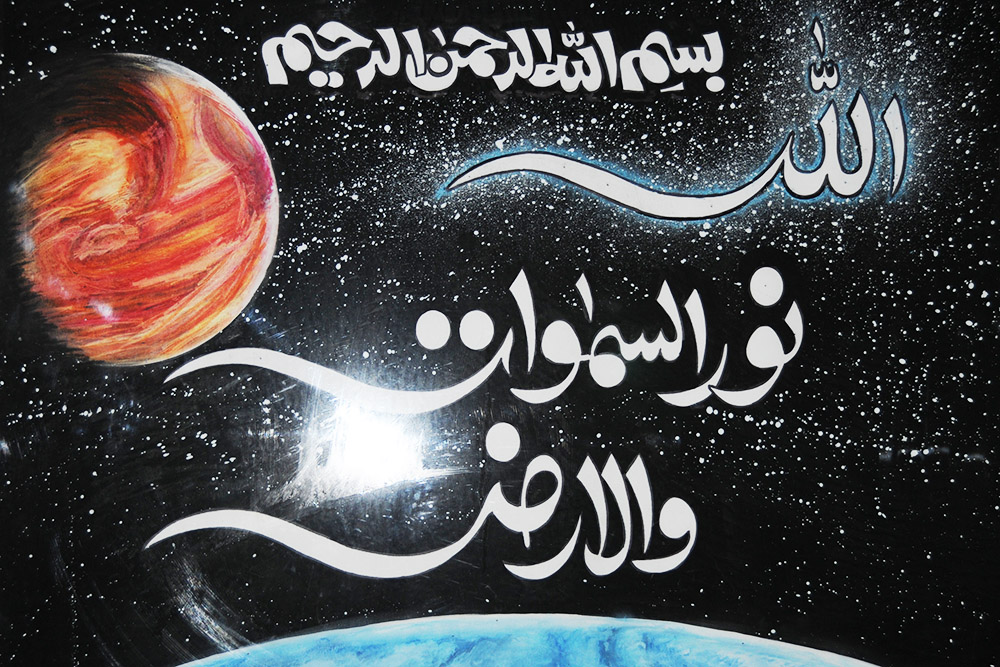
The building also contains a large public library and additional artwork. By this point I had visited quite a few museums and galleries around Karachi, but Frere Hall was worth stopping at just to see the architecture and Sadequain’s work.
I eventually made another attempt to visit the National Museum, mostly because my driver insisted that I should see it. Unfortunately, it was closed when we arrived.
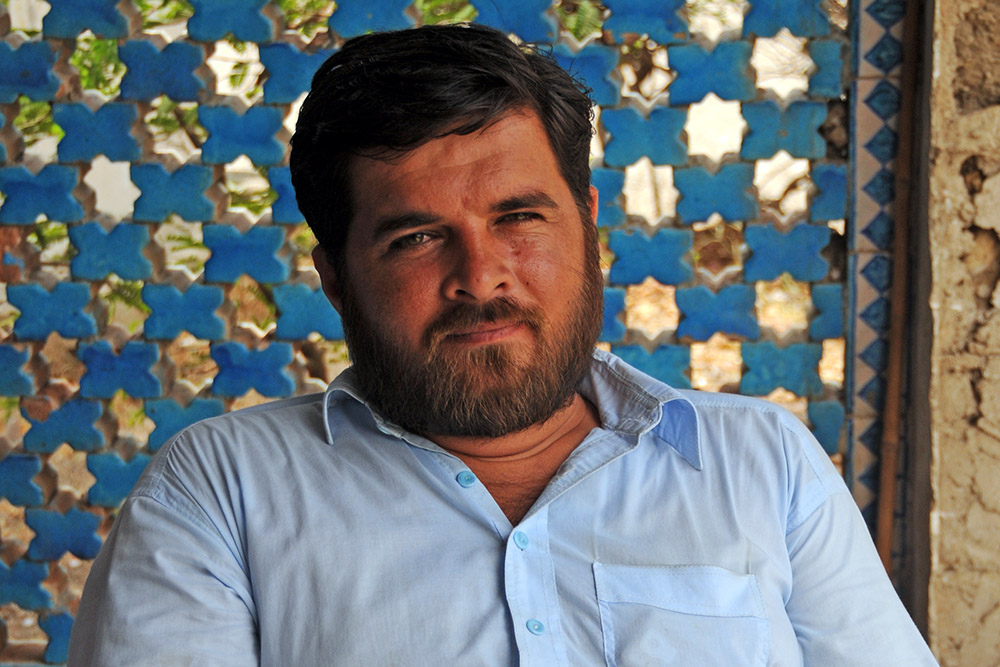
The man guarding the entrance repeatedly apologized and then asked me to take his photograph, giving me at least one memorable photo from a museum I never actually managed to enter.
Arena Karachi
Karachi certainly isn’t limited to historic sites and museums. I visited an entertainment complex called Arena that had bowling, ice skating, restaurants, games, and an indoor climbing wall. Security was fairly extensive at the entrance, and photography normally wasn’t permitted, but after asking permission I was eventually allowed to take some photos inside.
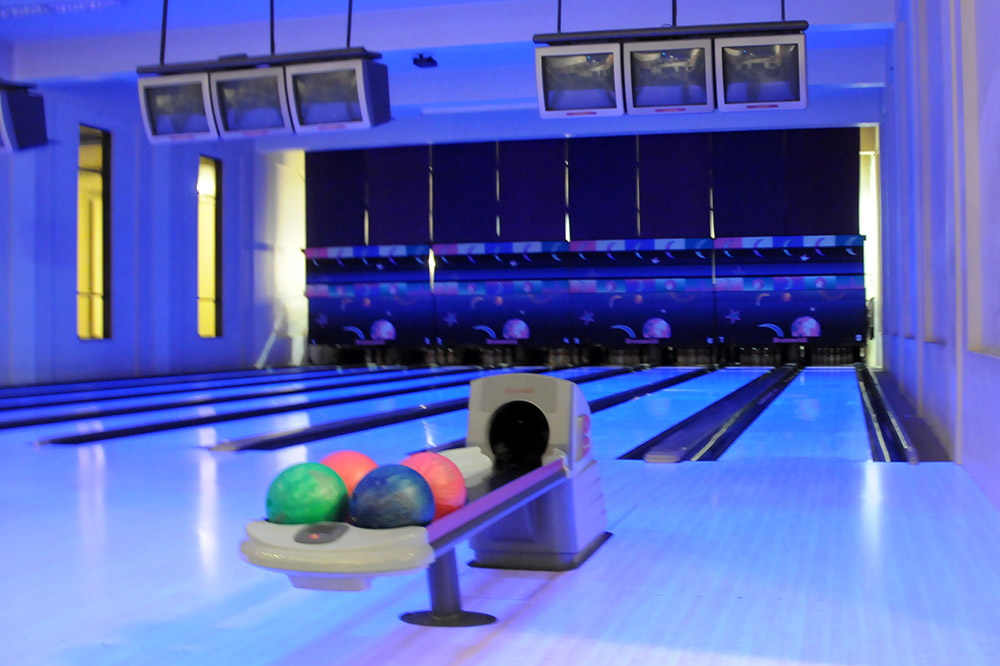
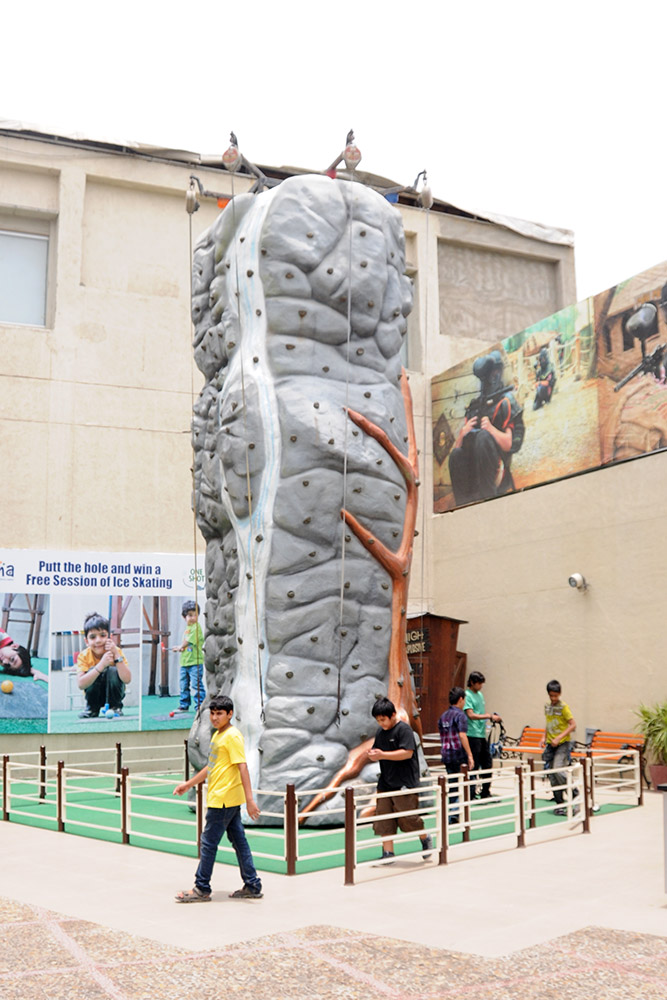
I tried the climbing wall and a few of the other activities before eating at the buffet, which ended up being one of my favorite meals of the entire Pakistan trip. I had tried convincing my driver to come inside and join me, but he wasn’t interested. I had imagined the two of us having some crazy Ferris Bueller-style adventure around Karachi, but unfortunately it wasn’t meant to be!
I also missed out on exploring much of Karachi’s nightlife and Port Grand, an entertainment and dining area along the waterfront. In a city this enormous there was simply far more to see than I could fit into one visit.
Mangroves and Conservation
One of the more unexpected stops was a WWF conservation area where mangroves had been restored along Karachi’s coast. I was told that the area had once been badly degraded, but restoration efforts helped bring back the mangrove habitat.
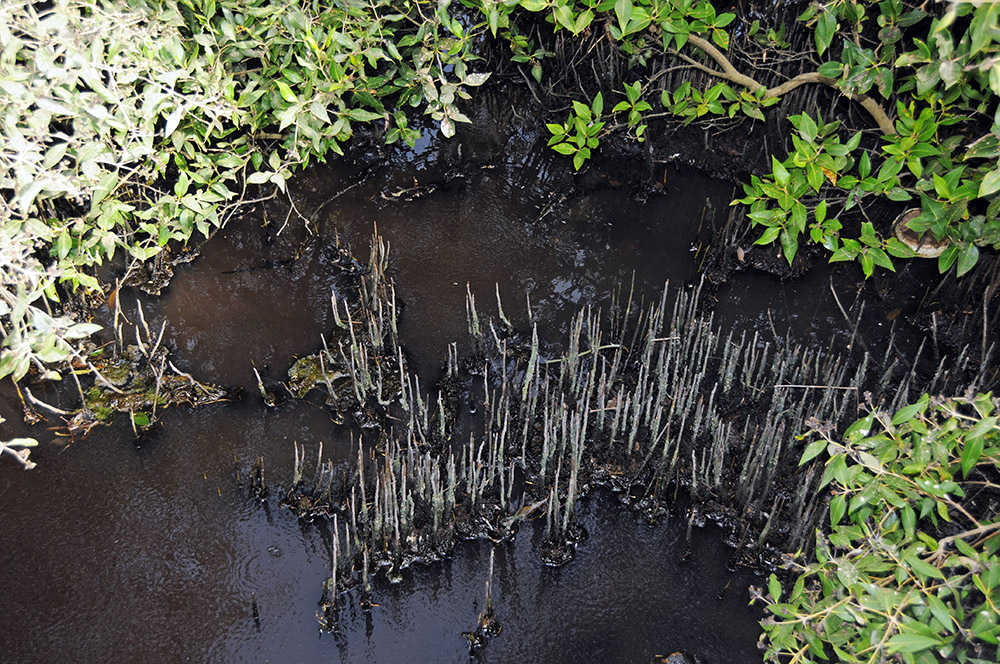
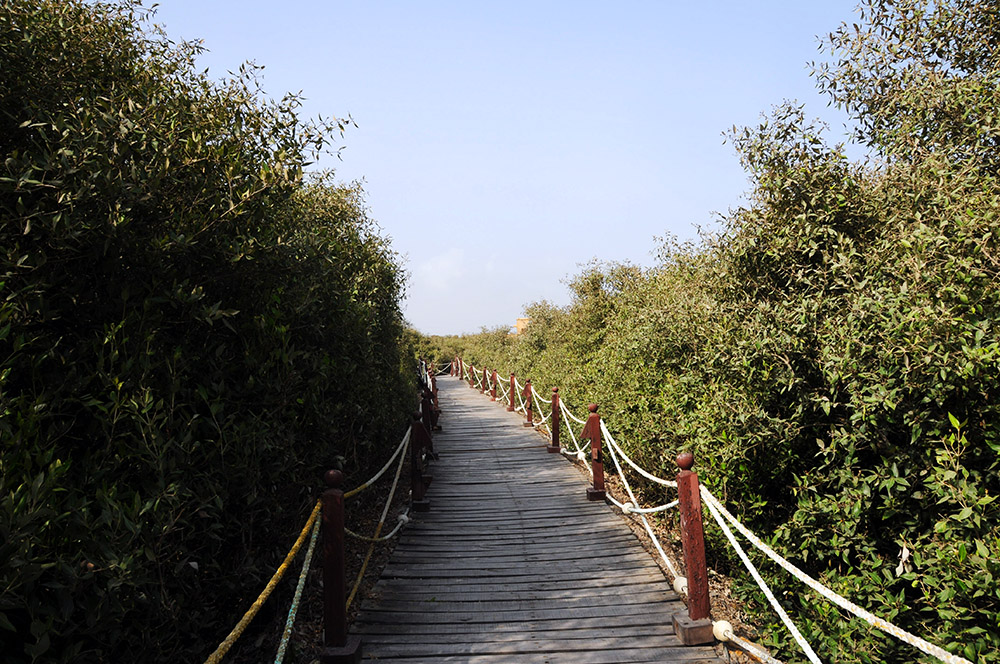
By the time I visited, the area provided habitat for birds and other wildlife and had a boardwalk where visitors could explore the ecosystem.
The conservation displays also described efforts to rescue dolphins and protect Pakistan’s wildlife.
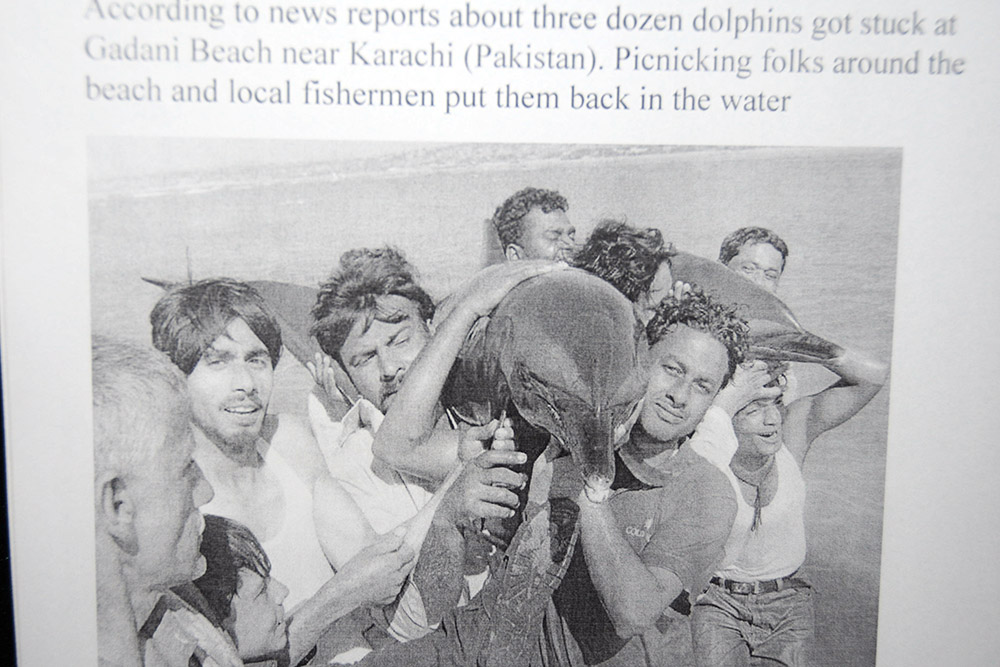
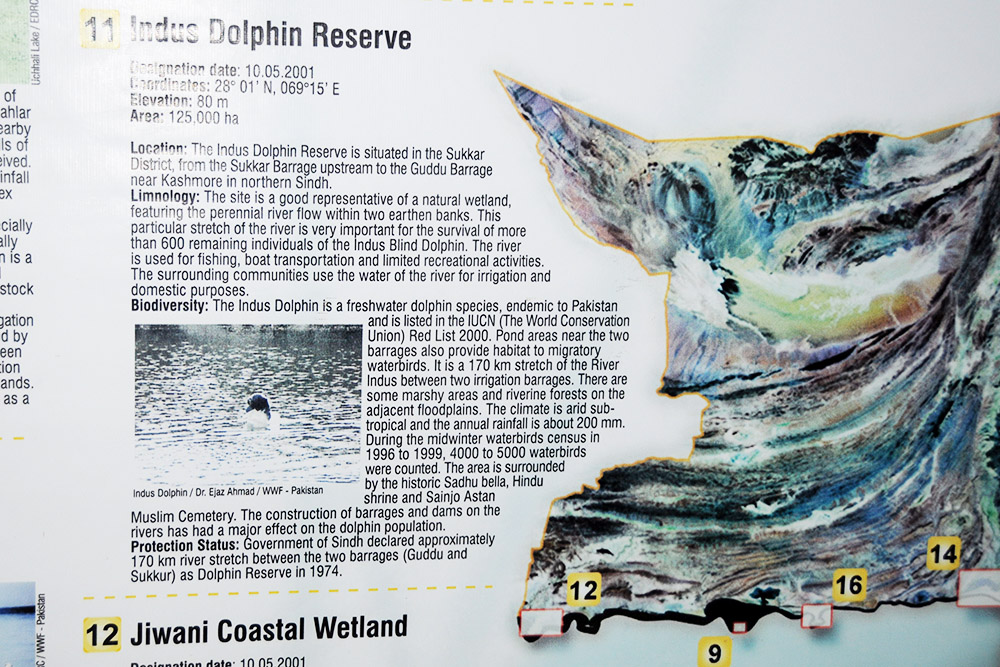
One particularly interesting species is the endangered Indus River dolphin, which lives in the Indus River system. These dolphins have extremely limited eyesight and rely heavily on echolocation to navigate the river’s murky water.
Bagh Ibn-e-Qasim
Another enormous green space I visited was Bagh Ibn-e-Qasim. After spending so much time surrounded by Karachi’s dense urban environment, the scale of this park was impressive.
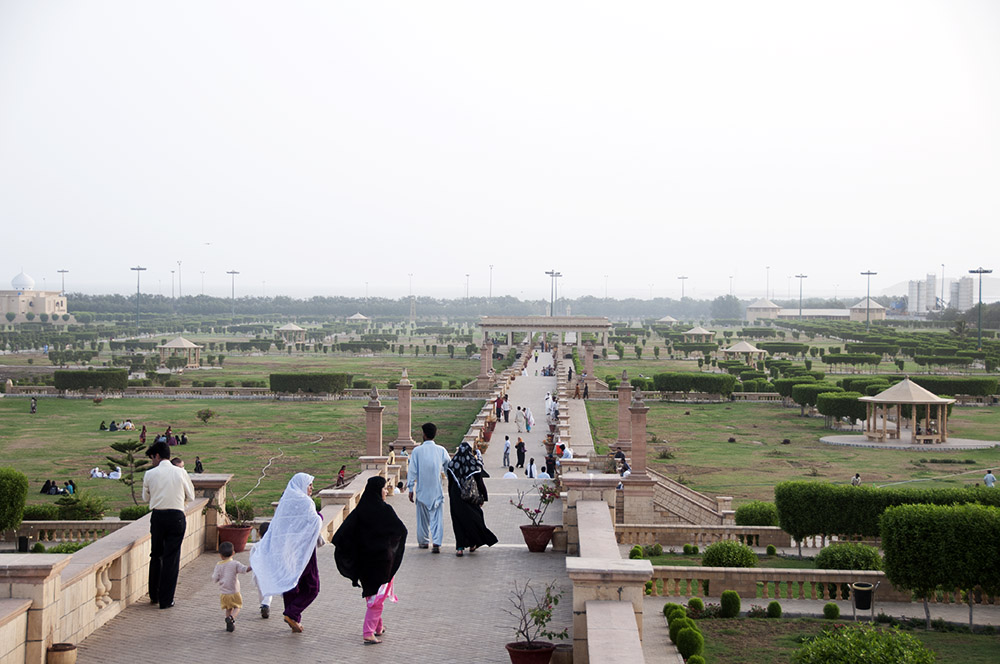
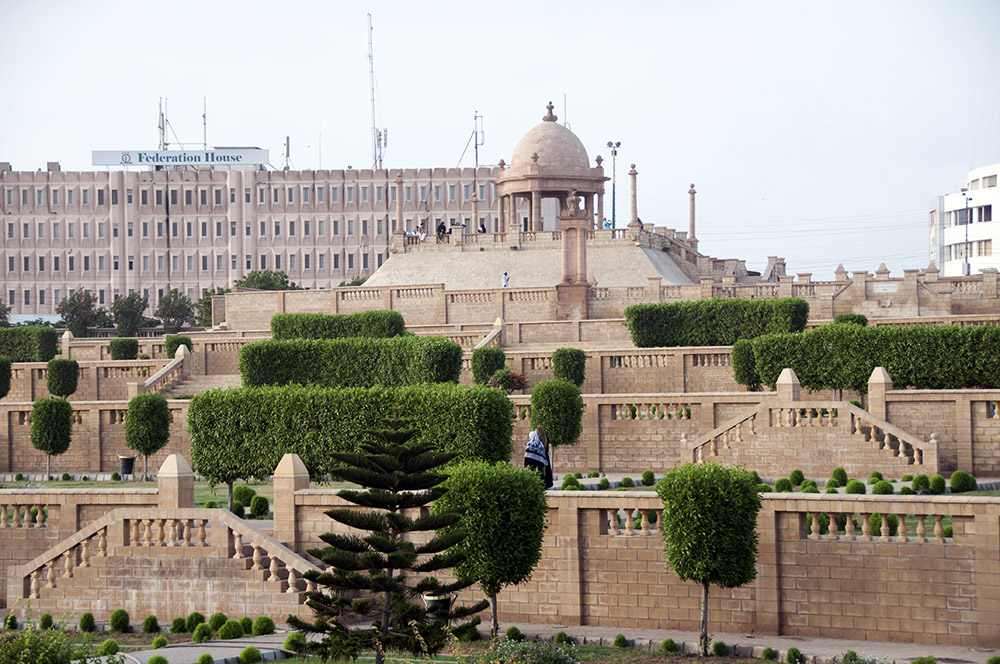
I came here with my driver, but initially security wouldn’t allow us into the park because we were two men visiting without a family. My driver explained the situation and eventually the guards made an exception for me. Another security guard stopped us farther inside, so my driver had to explain everything again. It was an interesting local rule that I hadn’t encountered before while traveling.
Chaukhandi Tombs
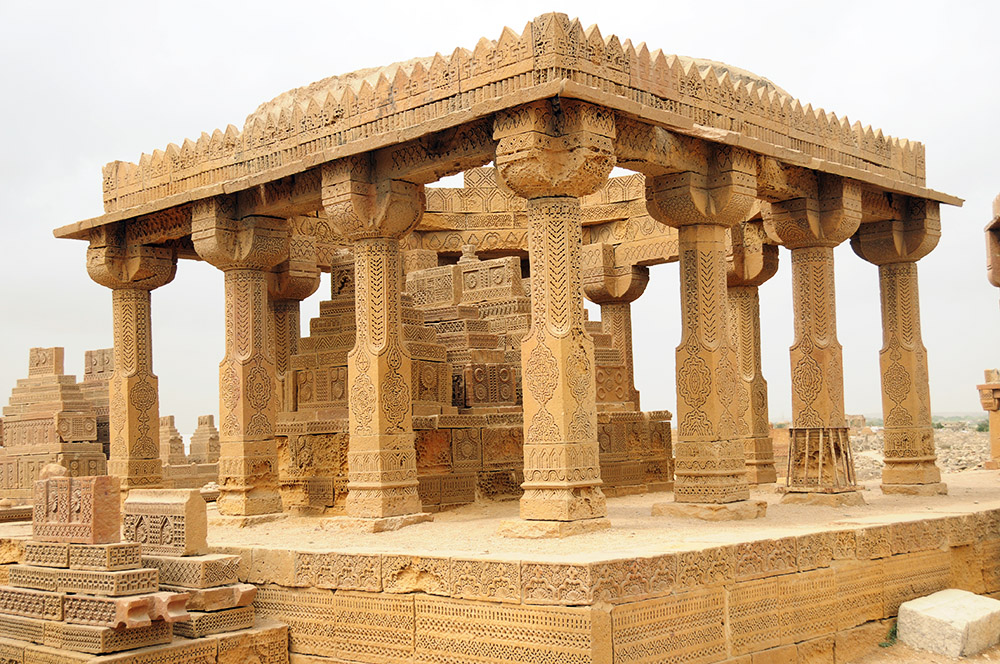
Toward the outskirts of Karachi I visited the Chaukhandi Tombs, a historic cemetery containing elaborately carved sandstone graves dating back several centuries. Because of Karachi’s traffic it took a long time to reach the site, and from a distance I initially wondered whether the trip had been worth it.
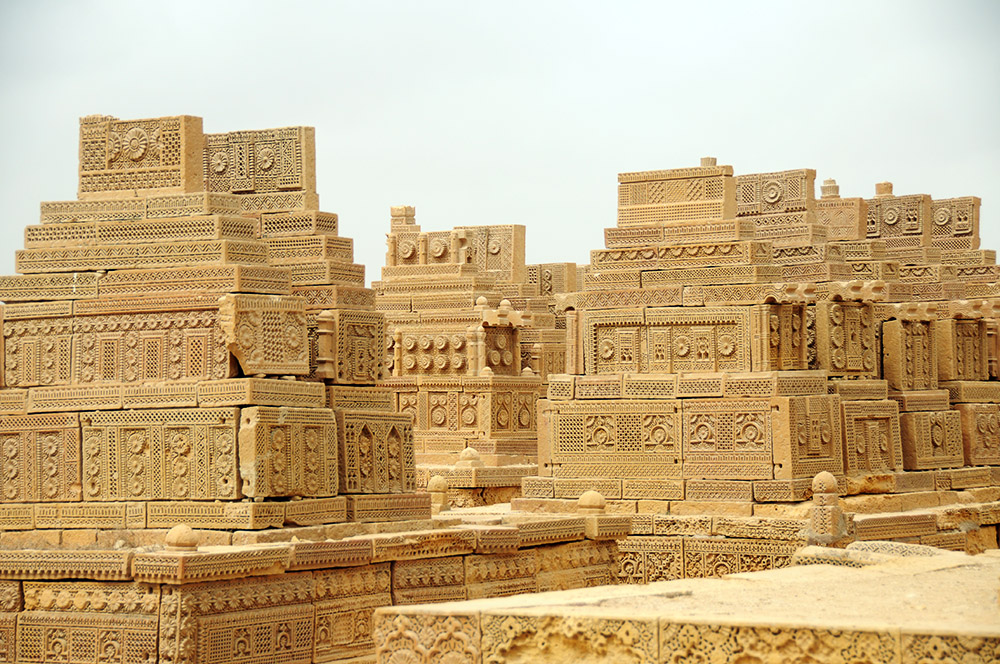
Once I started walking among the tombs, however, the incredible amount of carved detail became much more apparent.
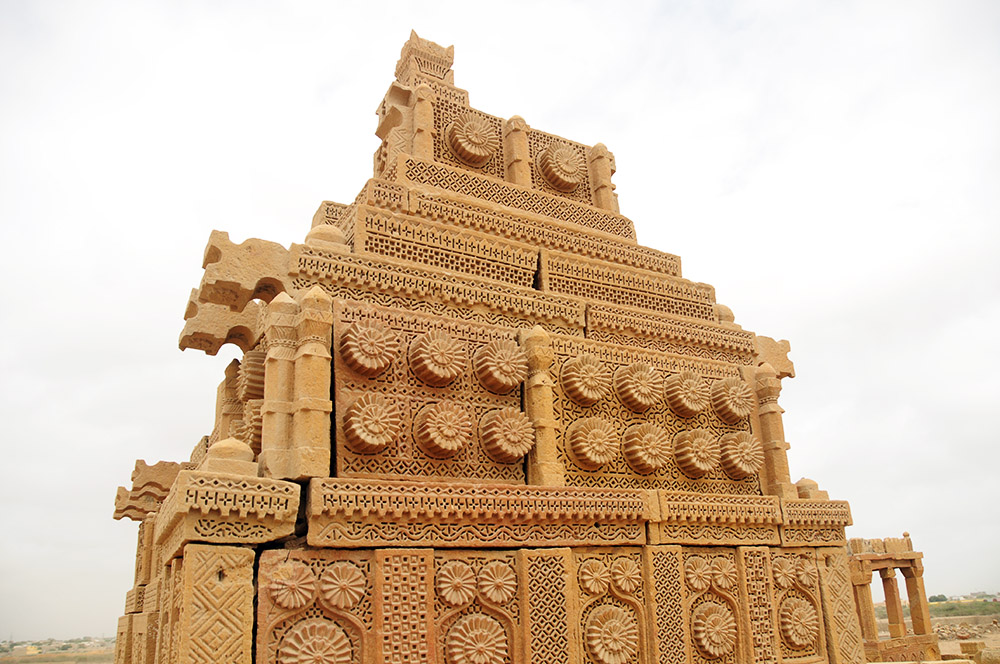
Some of the graves were relatively small while others rose several feet above the ground and were covered with intricate geometric patterns, flowers, and other designs. Different carvings could indicate information about the person buried there, making the cemetery as interesting for its artwork as for its history.
Manghopir Crocodiles
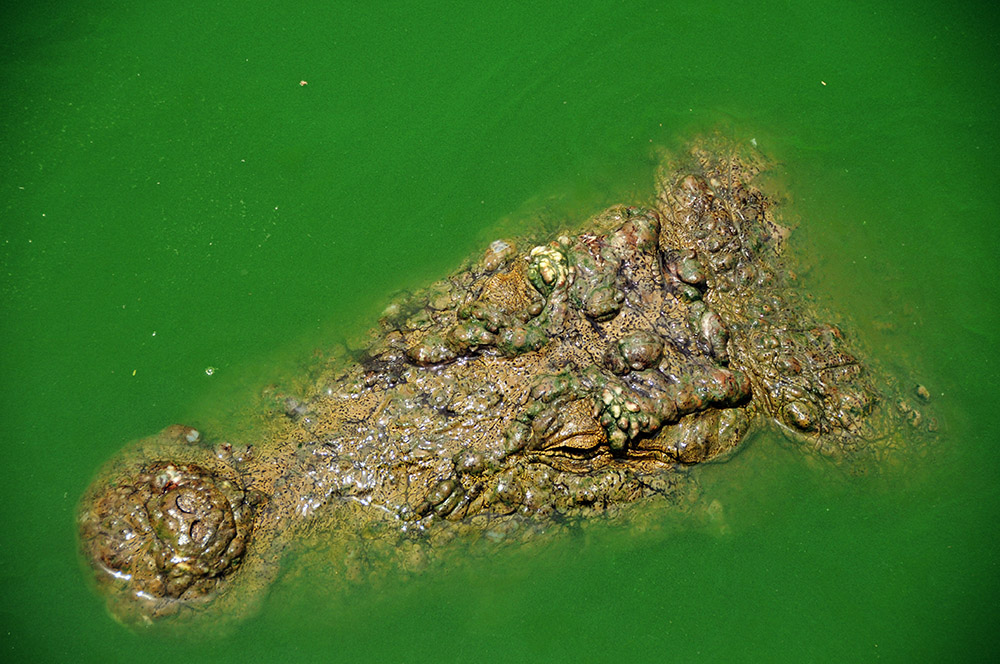
One of the most unusual places my driver took me was Manghopir, a historic religious site in Karachi famous for its crocodiles. I hadn’t planned on visiting at all, but my driver described the place to me and it happened to be near his home. He brought his niece along with us, and when we arrived I was even invited into the crocodile enclosure by one of the local caretakers.
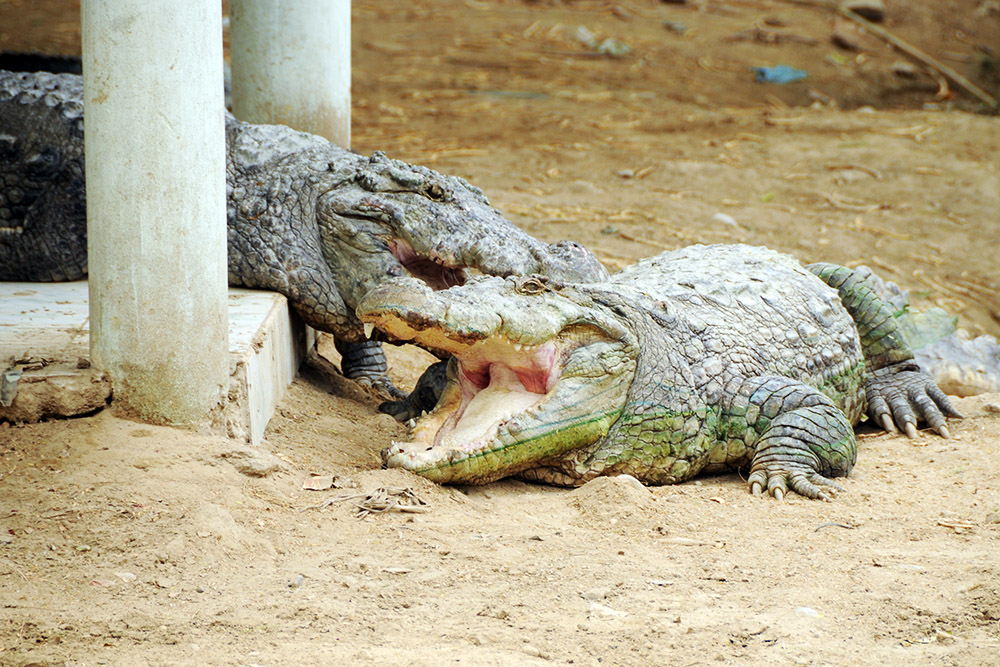
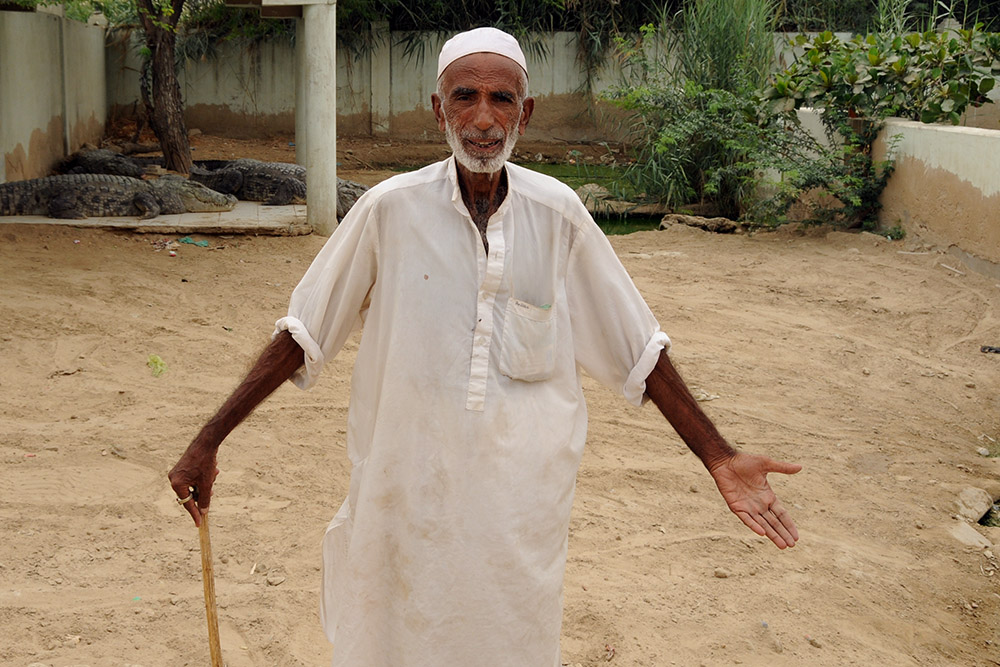
Getting this close to the crocodiles was certainly not something I had expected to be doing when I woke up that morning. The crocodiles have been associated with the shrine and local traditions for generations, making this much more than simply a place where crocodiles happen to live.
Visiting Manghopir gave me another example of just how varied Karachi can be. In the course of one visit I had gone from crowded beaches and modern entertainment complexes to colonial architecture, mangrove forests, centuries-old tombs, and a religious site filled with crocodiles.
Karachi could be overwhelming at times simply because of its enormous size, but that variety was also what made it one of the most memorable stops of my trip through Pakistan. I arrived here at the beginning of my Pakistan adventure without really knowing what to expect, and by the time I left I felt like I had only scratched the surface of the city.
Explore More of Pakistan
Islamabad • Karachi • Lahore • the Northern Areas