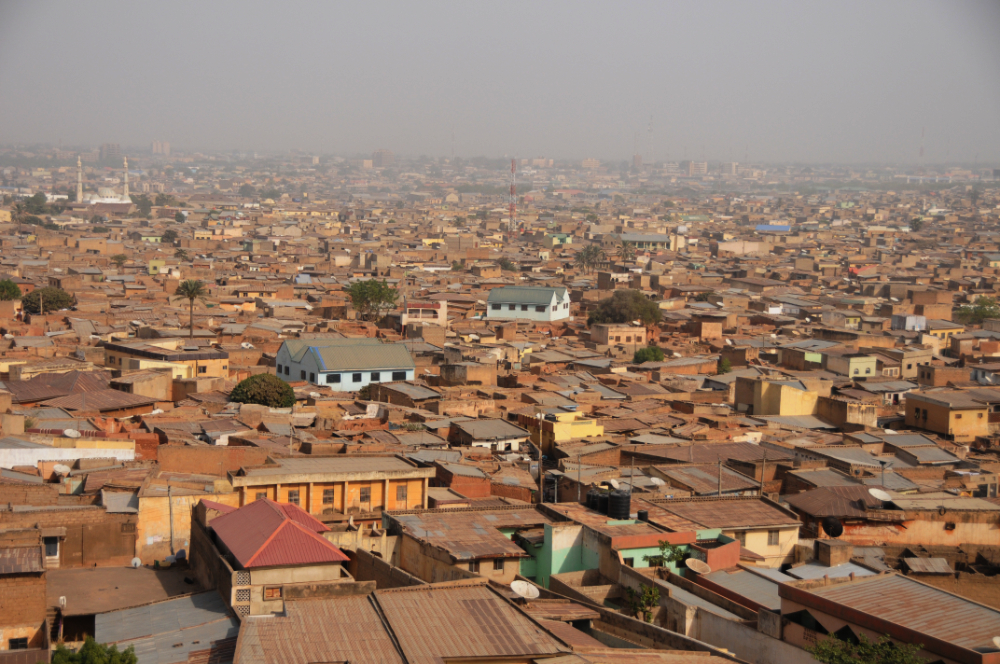
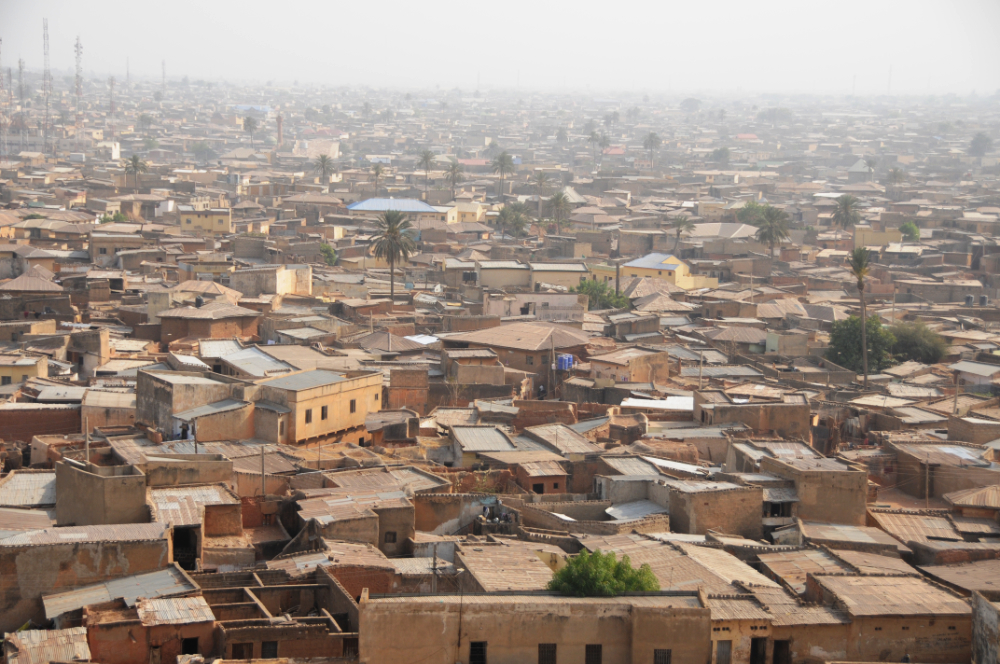
My last city in Nigeria was Kano in the north. The city doesn’t have the large buildings or impressive districts of Lagos, but it’s still one of Nigeria’s largest cities. From the photos above you can already tell that Kano feels very different from central and southern Nigeria. The city is predominantly Muslim and considerably more conservative. When I visited, Kano was frequently in the news because of attacks by Boko Haram, including deadly attacks against police and government targets shortly before I arrived. Despite all the problems I’d experienced in Lagos, some locals there actually warned me not to go to Kano and told me to stay in Lagos where it was “safe!”
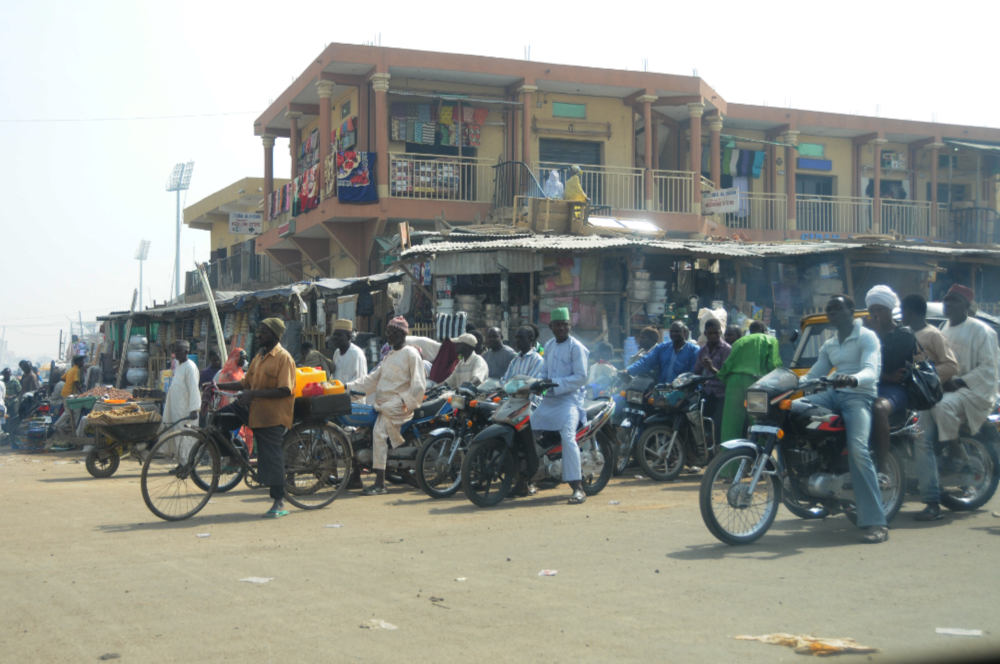
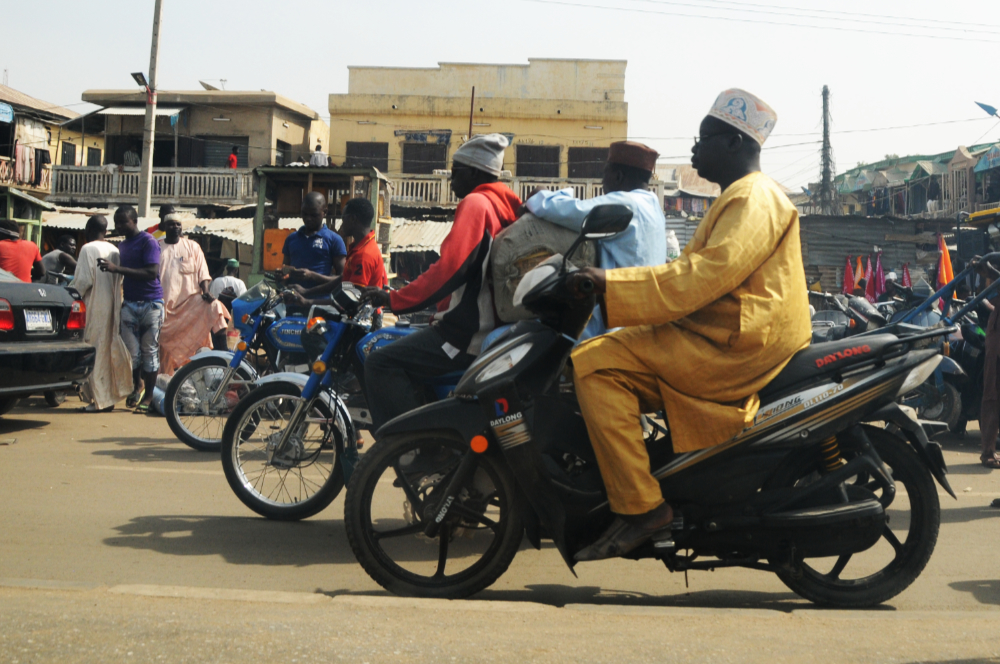
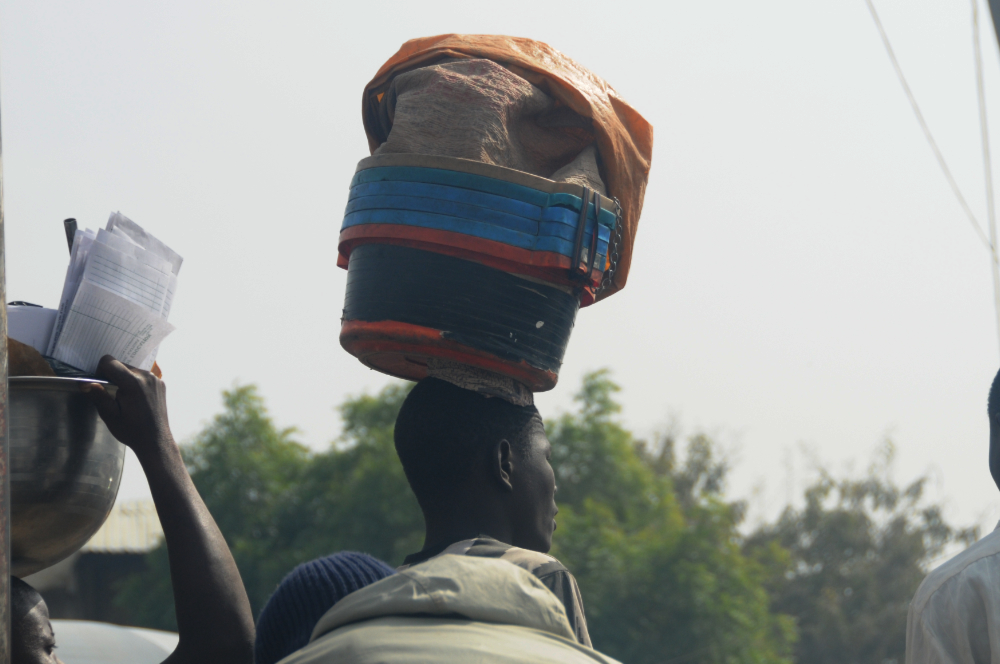
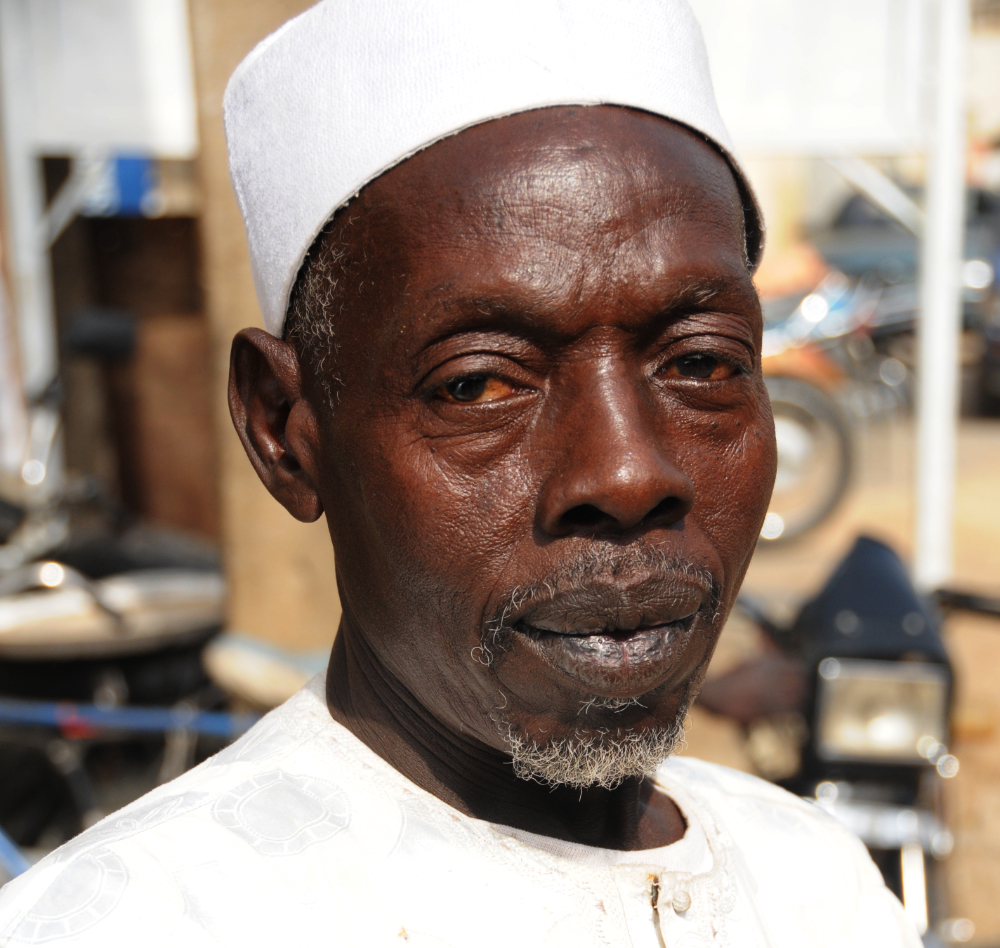
Although Kano is culturally and religiously different from southern Nigeria, you’ll still see plenty of traditional West African life here. One man I photographed had certainly mastered balancing items on his head. Another was a local man I met who took me through some of the markets and allowed me to take his photo.
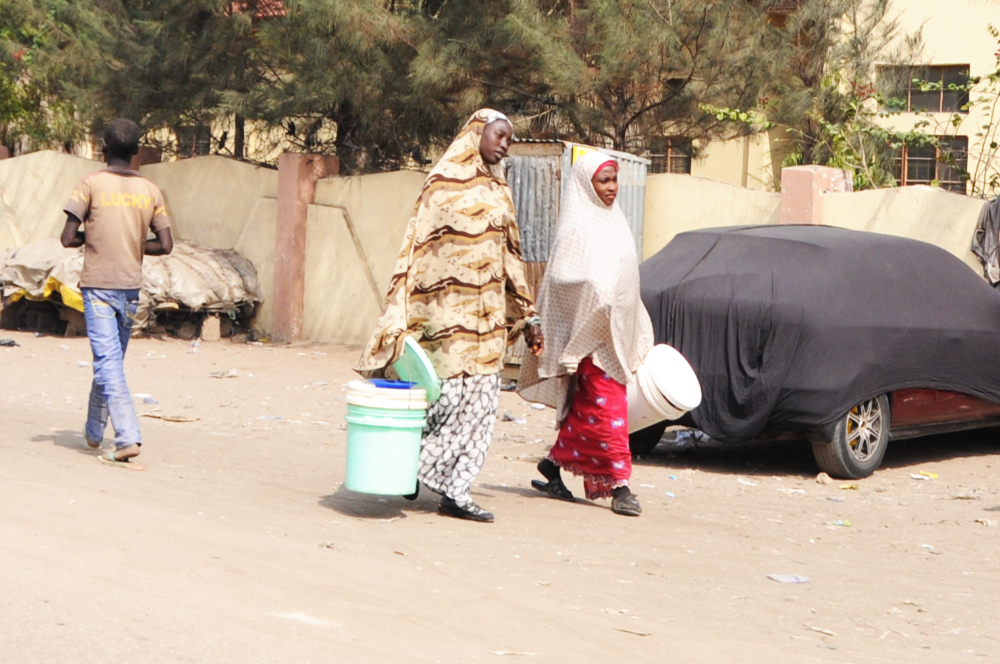
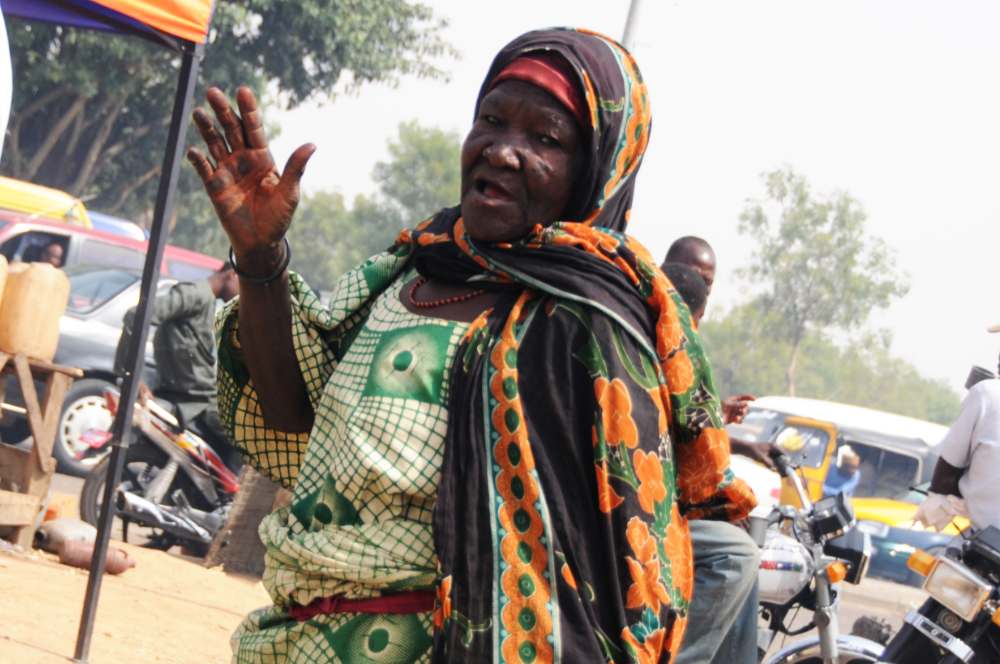
One thing that stood out during my visit was how few women I saw in public compared with men. That also made it difficult to get many photographs, especially in such a conservative Muslim city. The two women in the first photograph were among the relatively few I saw working in public, while the woman in the second photograph was begging at a busy intersection.
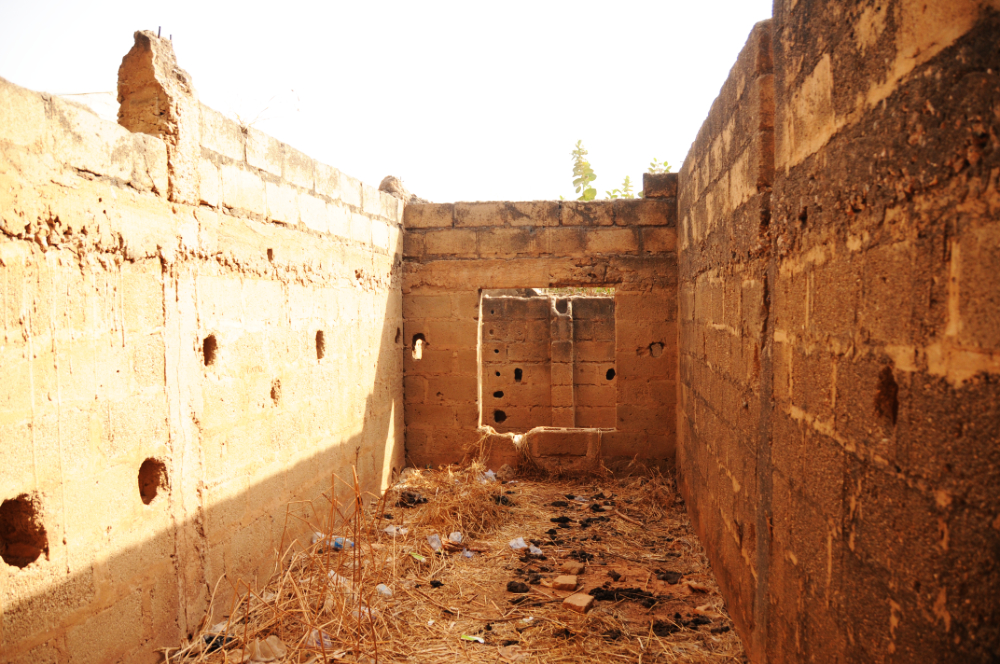
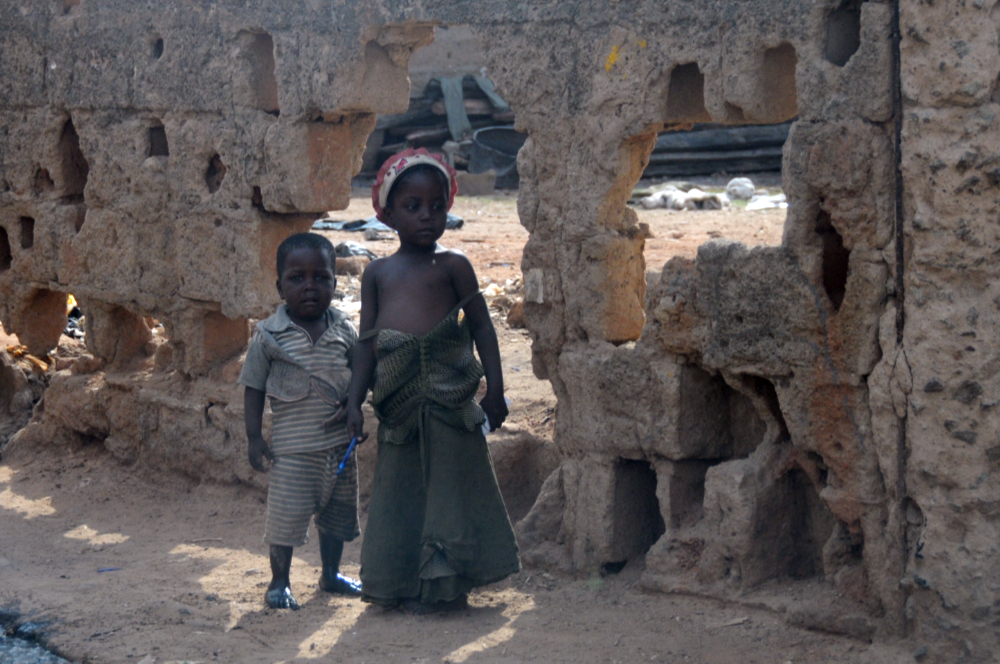
Some parts of Kano were visibly poor and had deteriorating buildings. The abandoned building above had dozens of lizards running along its walls. I also photographed some children in one of the poorer parts of the city.
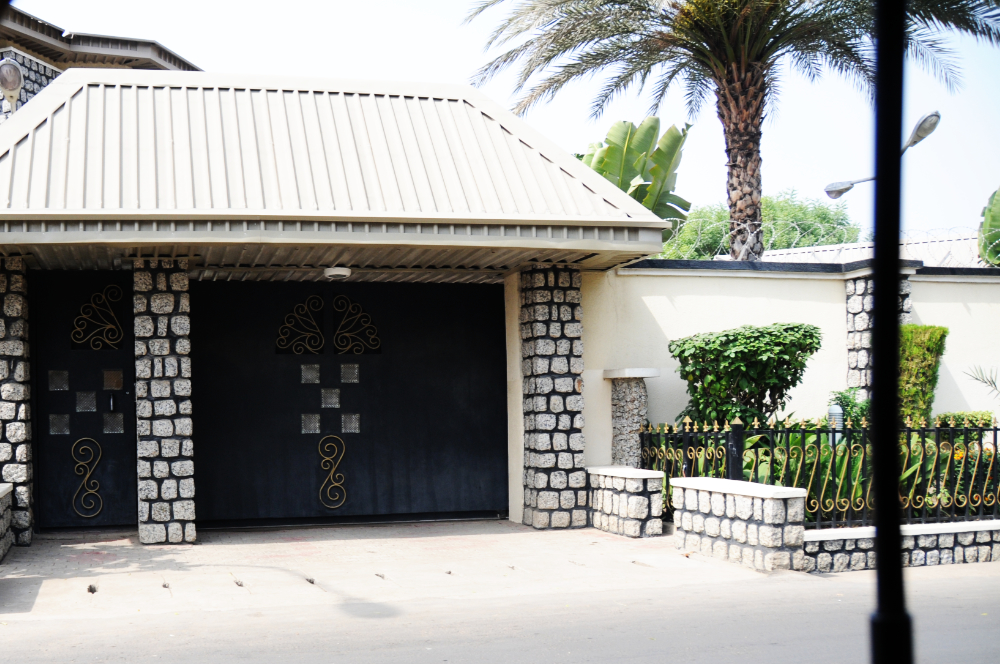
Not every part of Kano looked the same, however. I also came across much larger and more expensive homes, a reminder of the economic differences that exist within the city.
Markets of Kano’s Old City
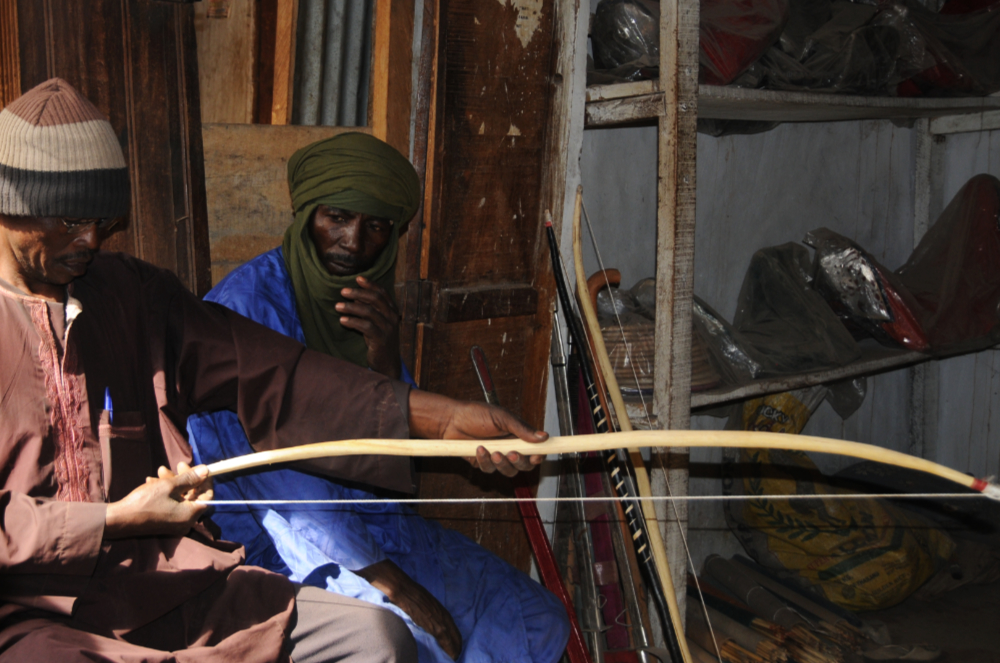
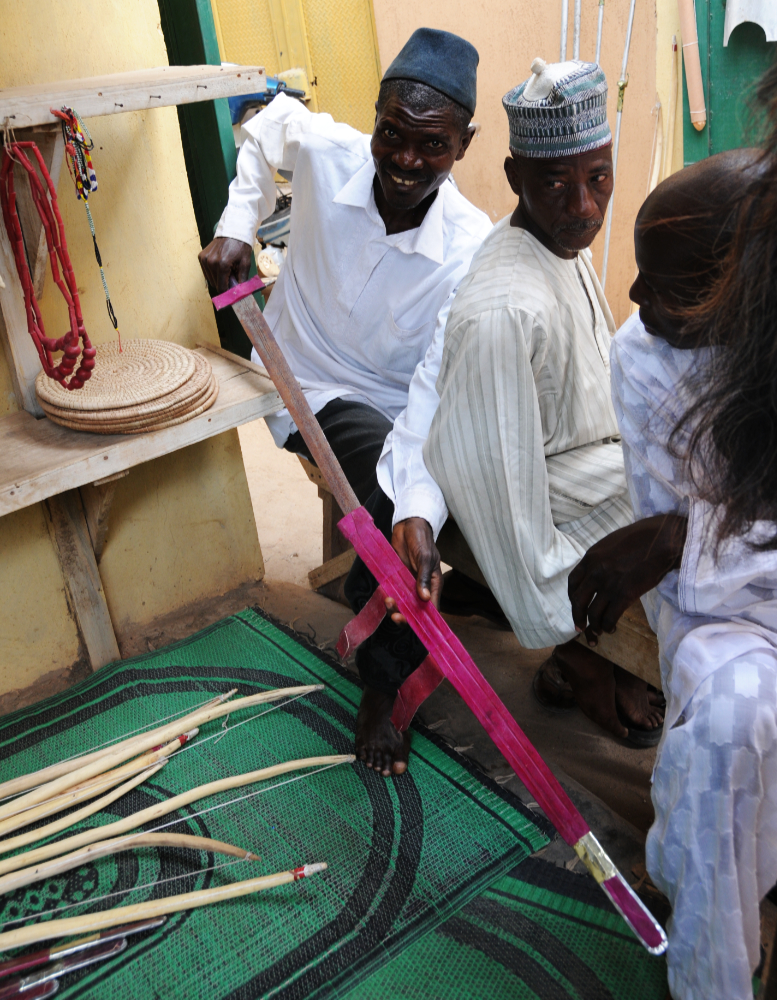
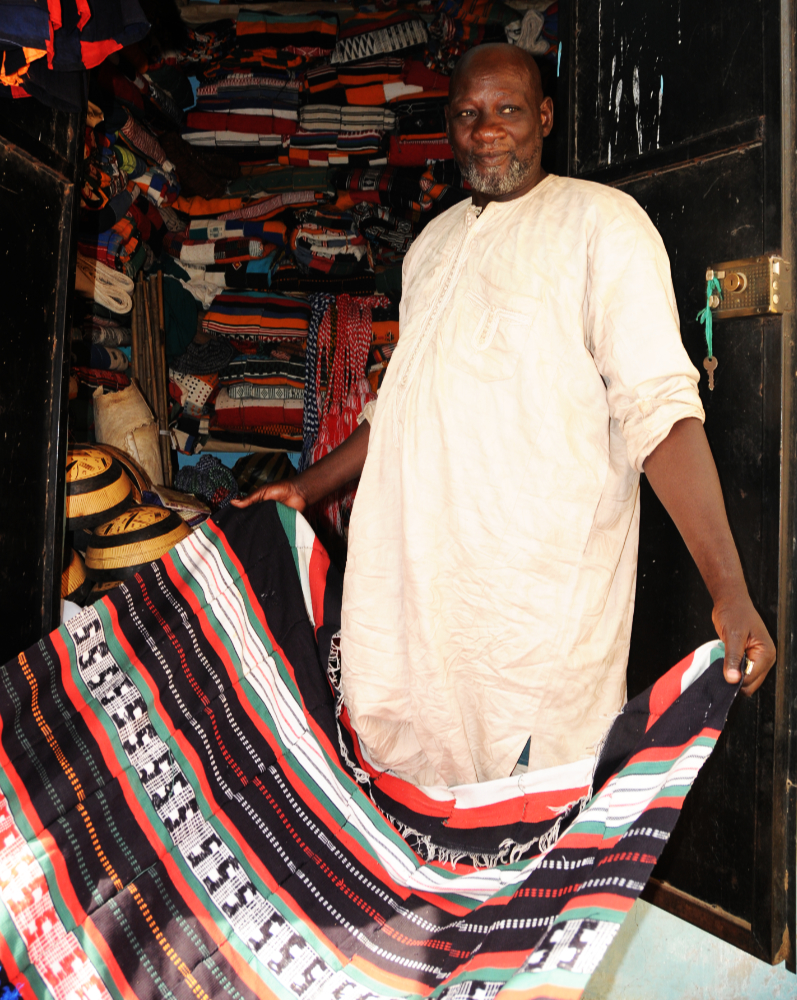
The markets were by far the highlight of Kano for me. Along with all the everyday goods you’d expect to find, there were some unusual shops like this one selling handmade bows, arrows and swords. I was told these were made and sold for both hunting and fighting. Other shops sold handmade rugs, necklaces and countless other items.
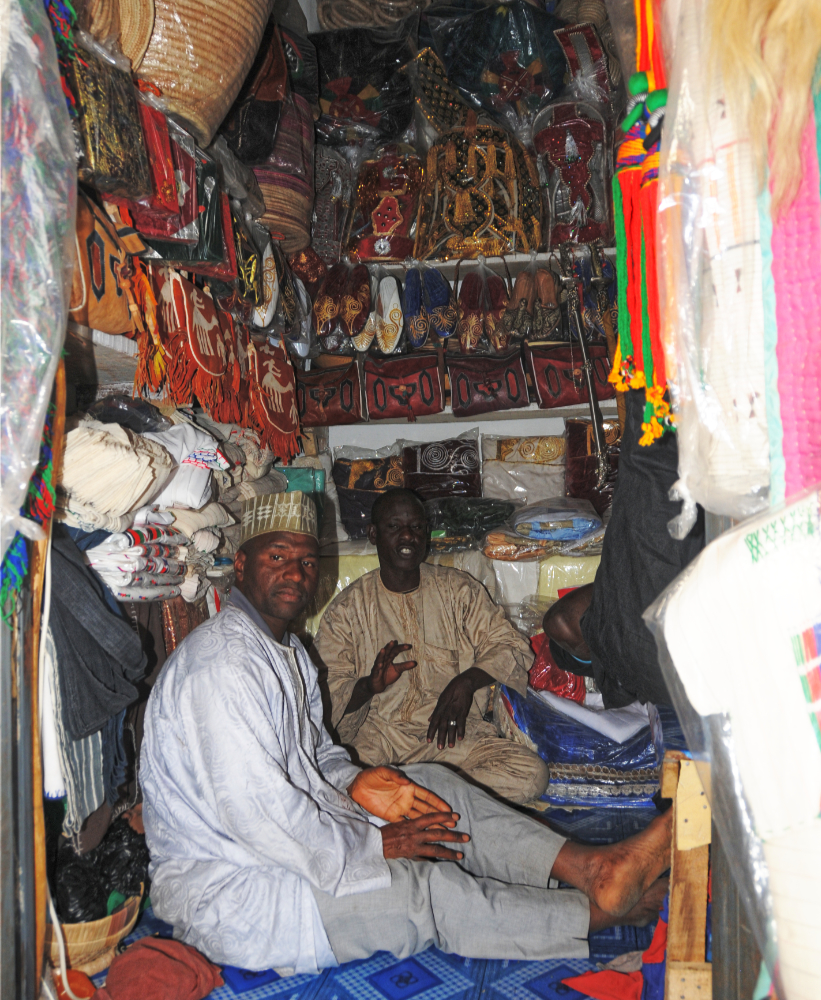
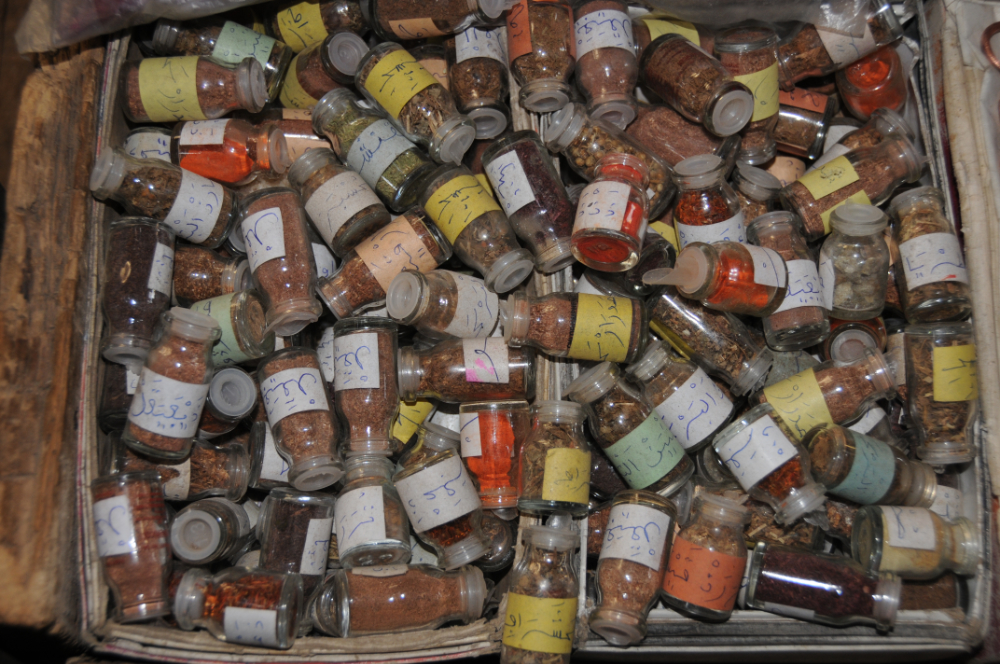
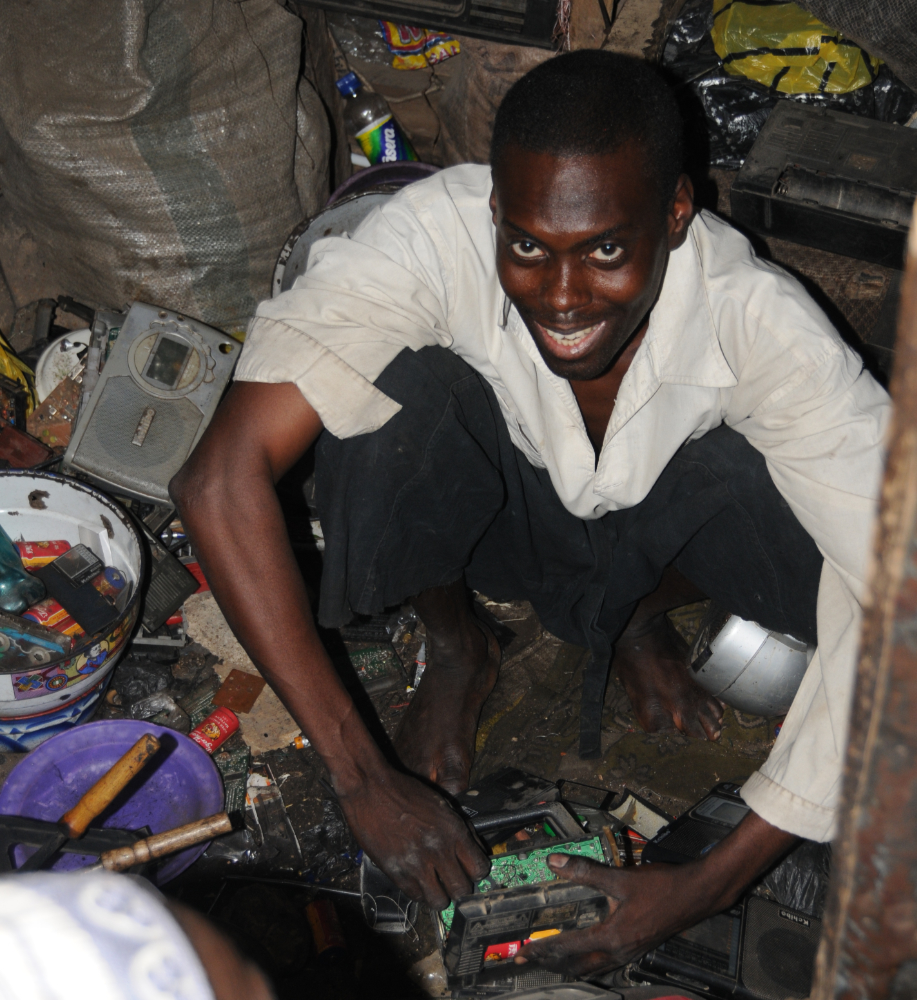
Another thing that interested me was the collection of little vials for sale in the market. I asked what they were and got mixed answers. At first I was told they were spices for food, then that they were incense meant to be burned over coals. I bought a random bright red one to try later because it looked like cayenne pepper to me. Nearby I found this electronics repairman working on equipment that looked like it could have been popular decades earlier. He didn’t speak English, but it was my understanding that another local had trained him and that he was running a successful little business.
Farmers Market and Bakery
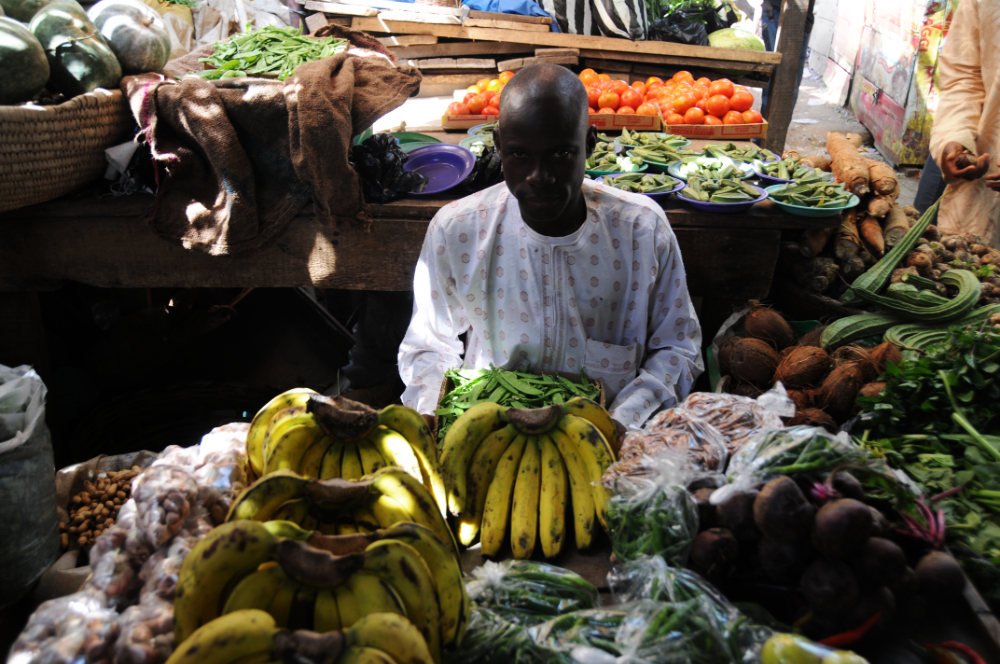
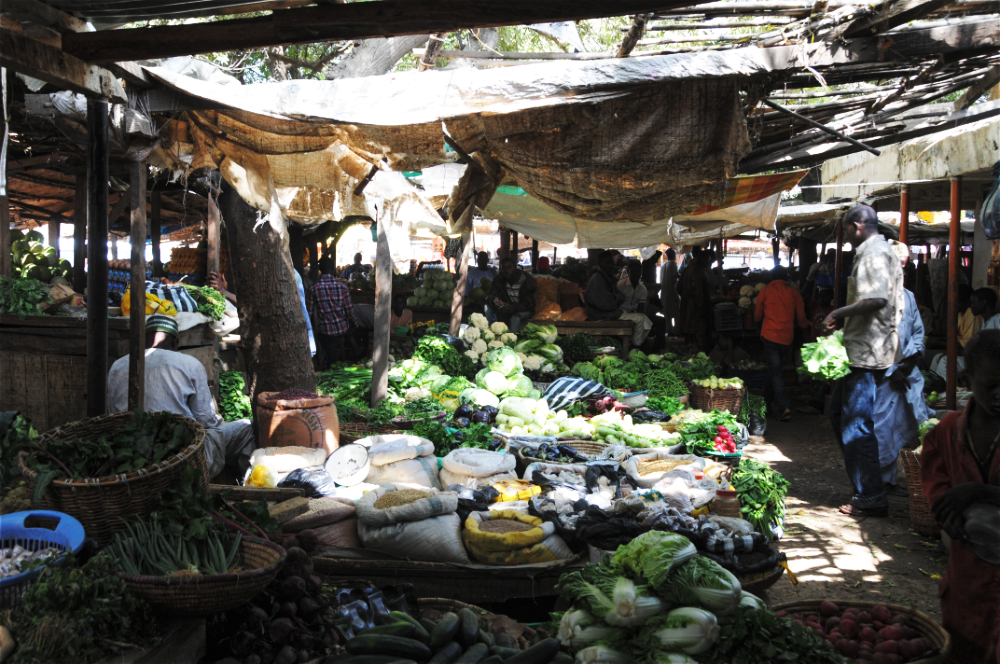
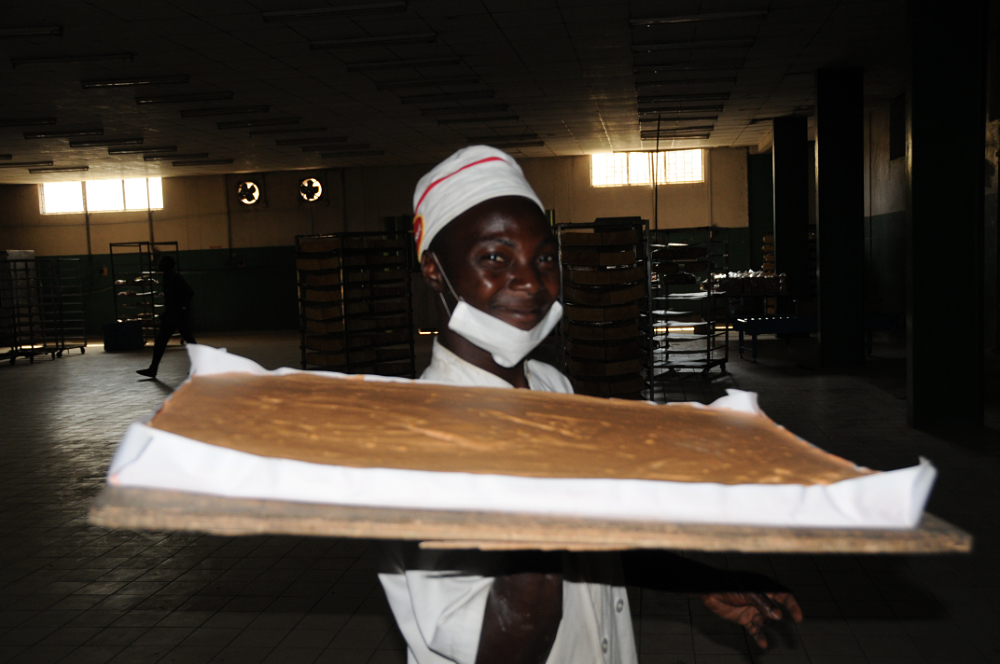
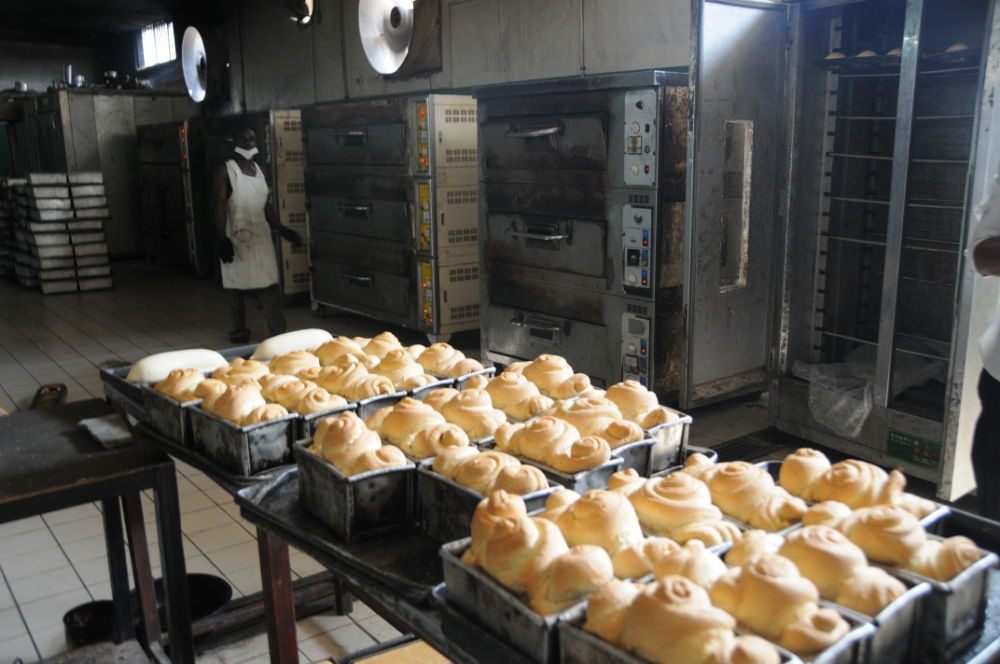
When I visited Kano I stayed with a great friend who was running a Chinese-owned bakery. One day we went to the farmers market to stock the fridge with vegetables, which is where I took the photos above. Below is the bakery itself, which employed quite a number of Nigerians. I wish I’d taken photos of Kano’s nightlife because that was another surprise. There were several clubs where you could go for music and drinks. I went to three different clubs and actually ended up drinking far more alcohol in Kano than I had during the rest of my trip through West Africa!