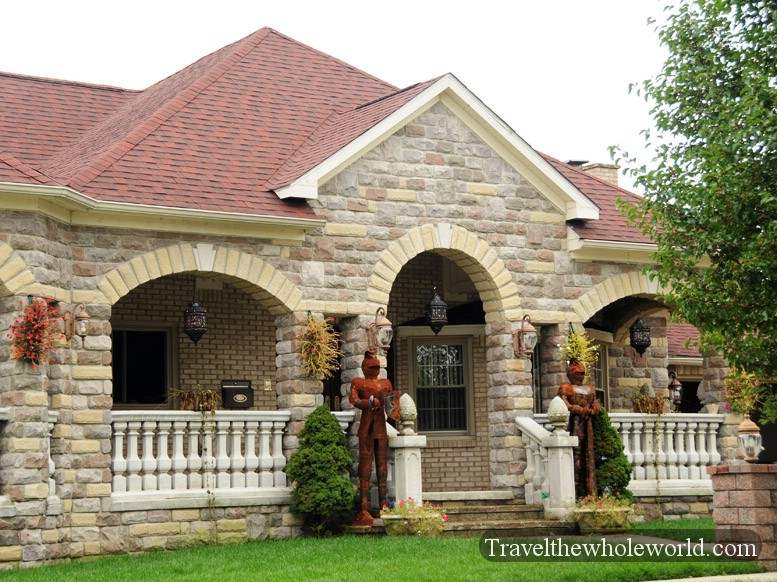
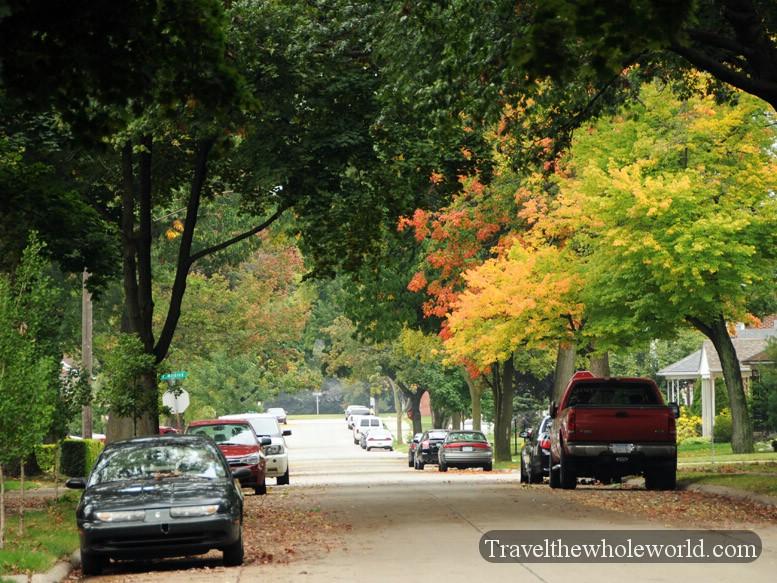
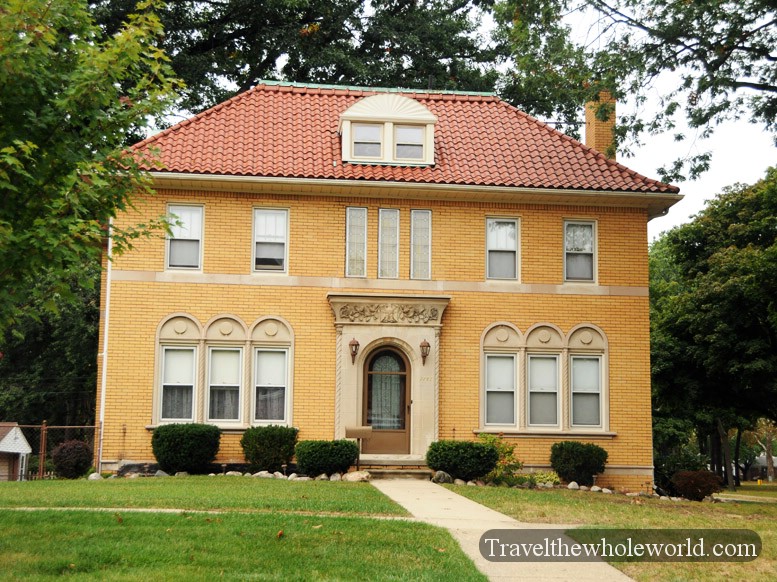
While visiting Detroit, I made the short trip to neighboring Dearborn. The two cities are right beside each other, but the neighborhoods I drove through in Dearborn felt noticeably different from what I had seen in Detroit. I passed plenty of attractive houses and quiet residential streets as I explored the city.
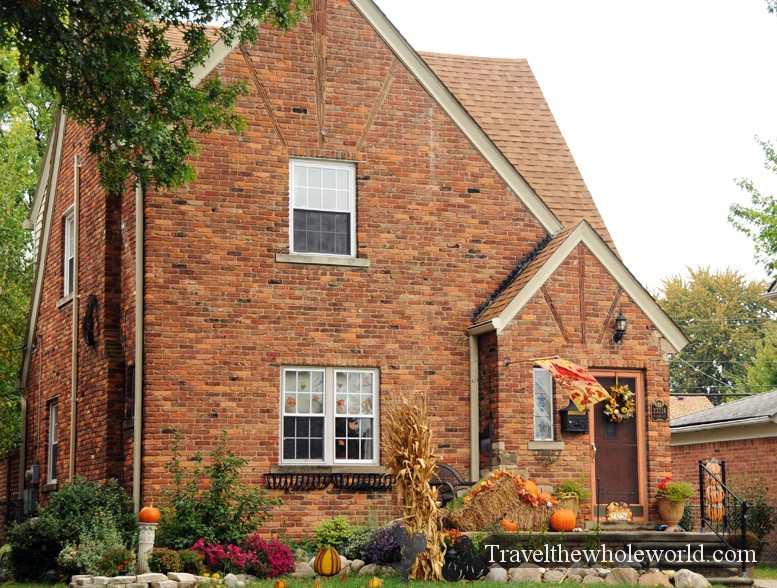
I was actually supposed to spend the night at a bed and breakfast in one of these neighborhoods. There was only one problem: when I arrived, nobody answered the phone or the door. Apparently my accommodation plans hadn’t survived the drive from Detroit.
Arab American Dearborn
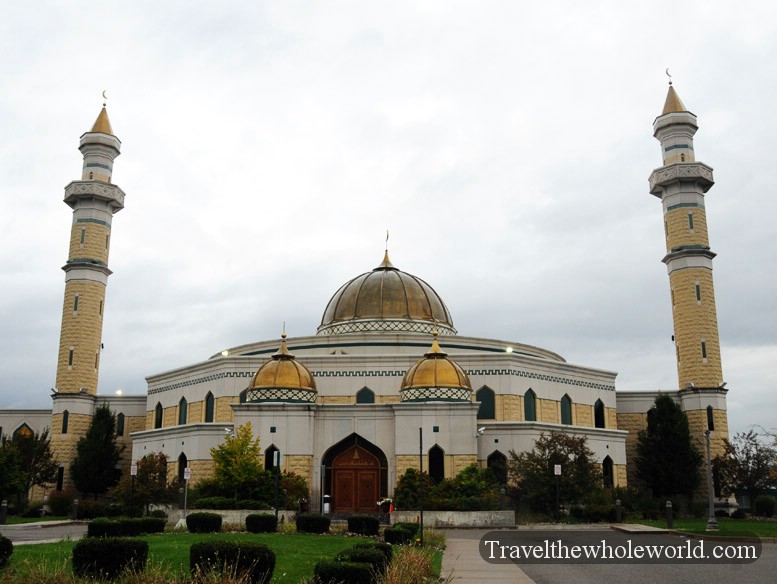
One of the things that makes Dearborn unique is its enormous Arab American community. Immigration from the Middle East has shaped the city for generations, with families arriving from countries including Lebanon, Yemen, Iraq, Palestine, and Syria. Dearborn today has one of the largest concentrations of people of Arab ancestry anywhere in the United States.
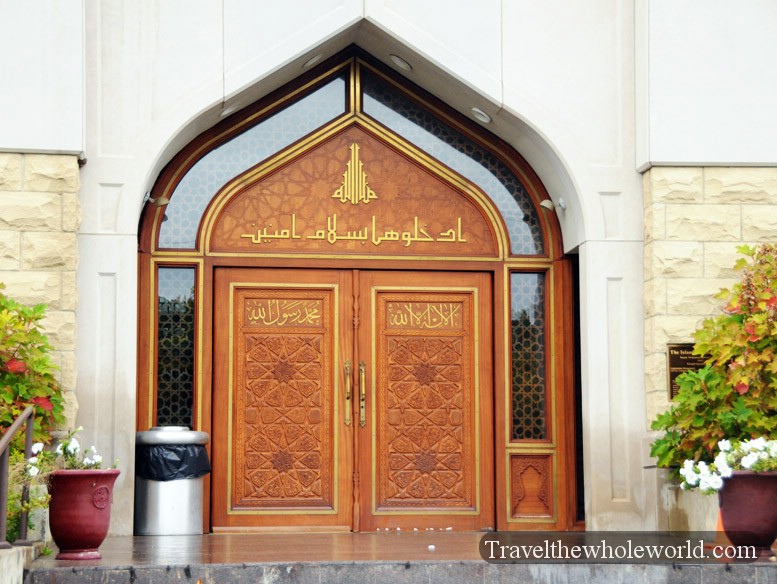
One of the most visible landmarks of that community is the Islamic Center of America. Its large mosque and minarets stand prominently along Ford Road and reflect how important the Arab and Muslim communities have become to Dearborn’s identity. The city’s Arab American history is more complicated than simply being Muslim, however, as generations of both Christian and Muslim immigrants from the Middle East have made Dearborn their home.
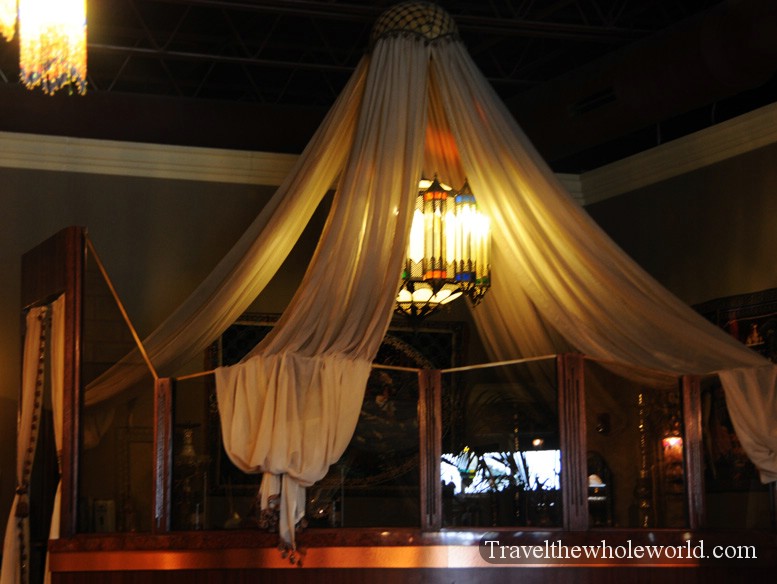
One of the benefits of all that immigration is the food. If you like Middle Eastern food as much as I do, Dearborn is an excellent place to eat. I found everything from casual restaurants to much more elaborate dining rooms, with Lebanese food particularly easy to find.

The Henry Ford
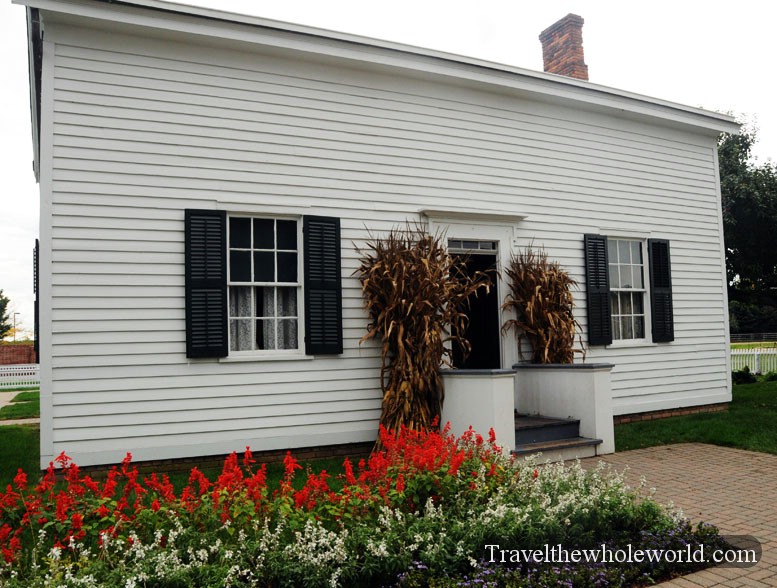
The biggest reason I came to Dearborn was to visit The Henry Ford, an enormous museum complex devoted to American history, transportation, industry, and innovation. It includes both the indoor Henry Ford Museum of American Innovation and the outdoor Greenfield Village.
Henry Ford was born on a farm near Dearborn in 1863. The house where he was born was eventually moved to Greenfield Village, where it can be visited today. Ford created the village by collecting and relocating historic buildings from around the United States and, in some cases, from other countries.
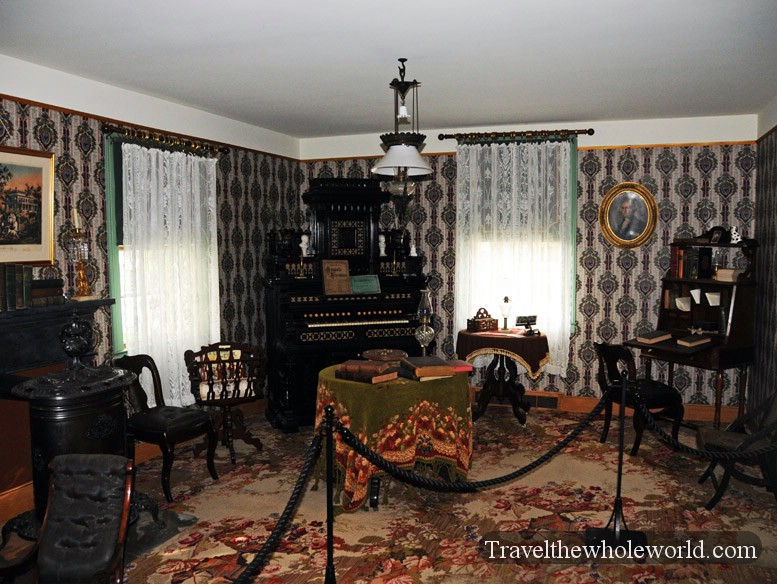
Rather than simply filling a conventional museum with artifacts, Ford wanted visitors to be able to walk through historic environments and see how people lived and worked. The result is a strange but fascinating collection of houses, workshops, farms, laboratories, vehicles, and machinery.
Henry Ford Museum
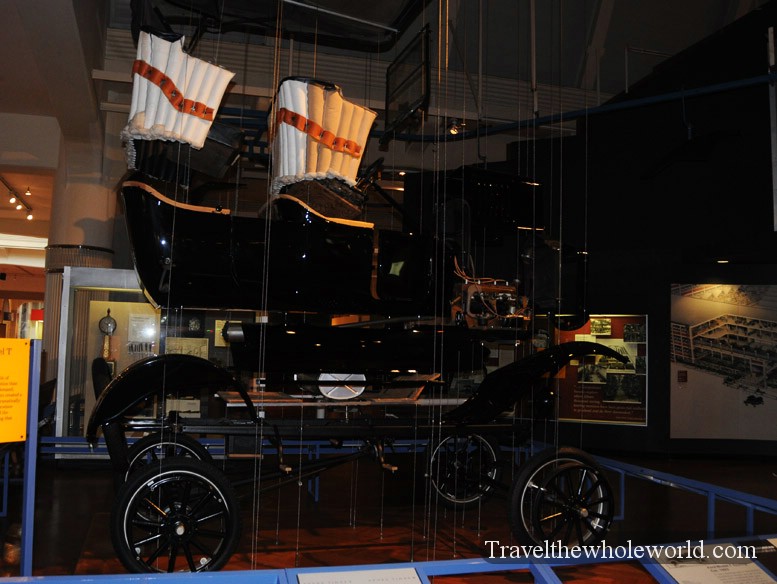
Inside the museum, transportation is naturally one of the major themes. One of the most important vehicles on display is the Ford Model T. The Model T wasn’t the world’s first mass-produced automobile, but Ford’s use of moving assembly-line production helped make automobiles affordable to millions of Americans and transformed manufacturing around the world.
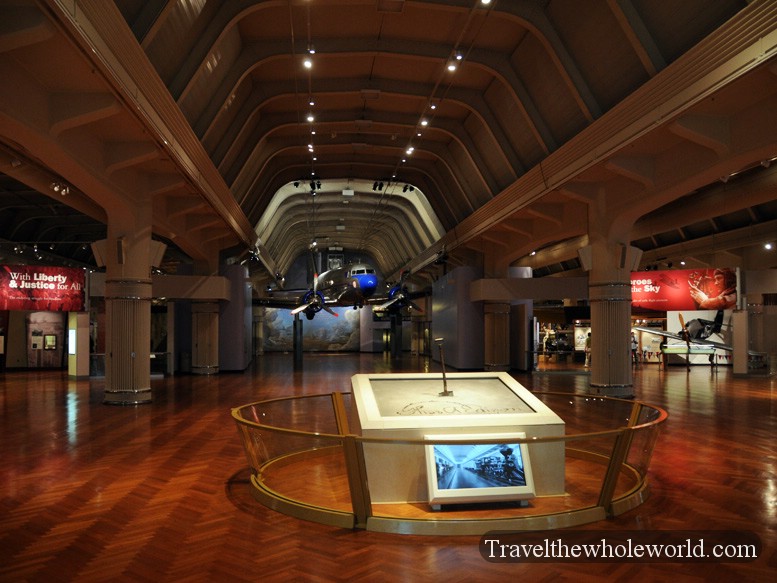
The museum goes far beyond Ford automobiles. Its enormous indoor collection includes cars, aircraft, locomotives, industrial machinery, and artifacts connected to some of the most important events in American history.
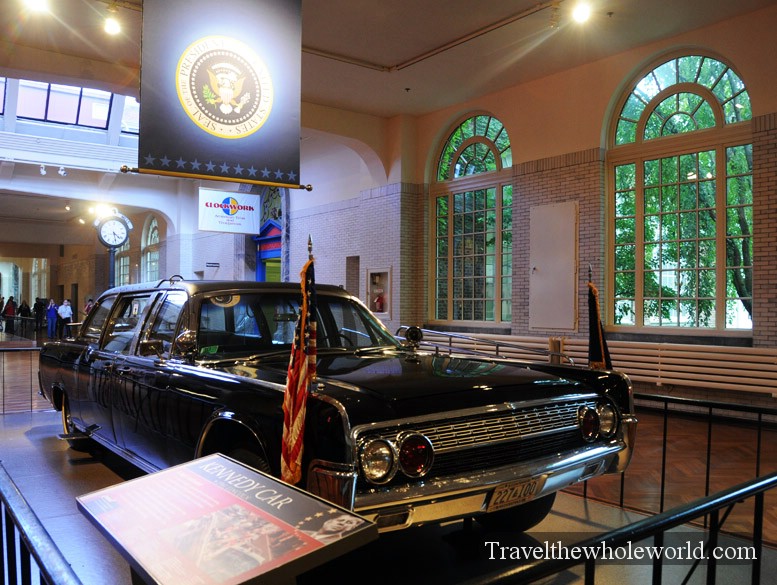
Among the museum’s most famous artifacts is the limousine President John F. Kennedy was riding in when he was assassinated in Dallas in 1963. The vehicle continued to be used by later presidents after being rebuilt and modified before eventually becoming part of the museum’s collection.
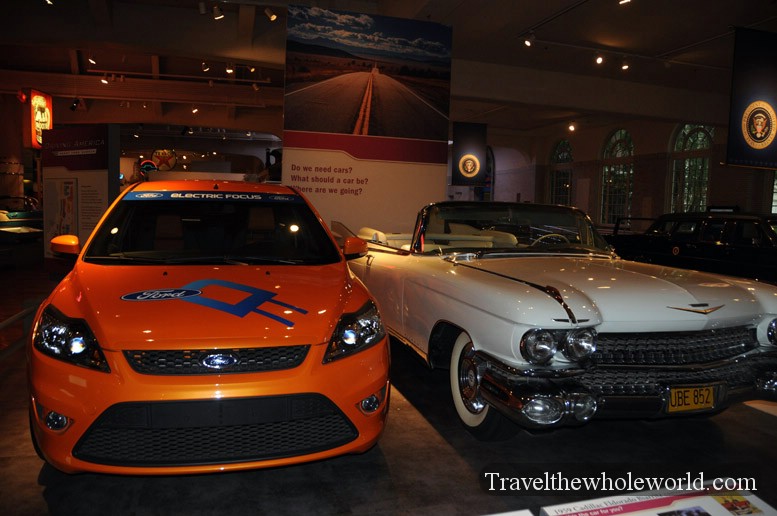
With so many generations of automobiles displayed together, it was interesting simply comparing how dramatically cars changed over the course of a century.
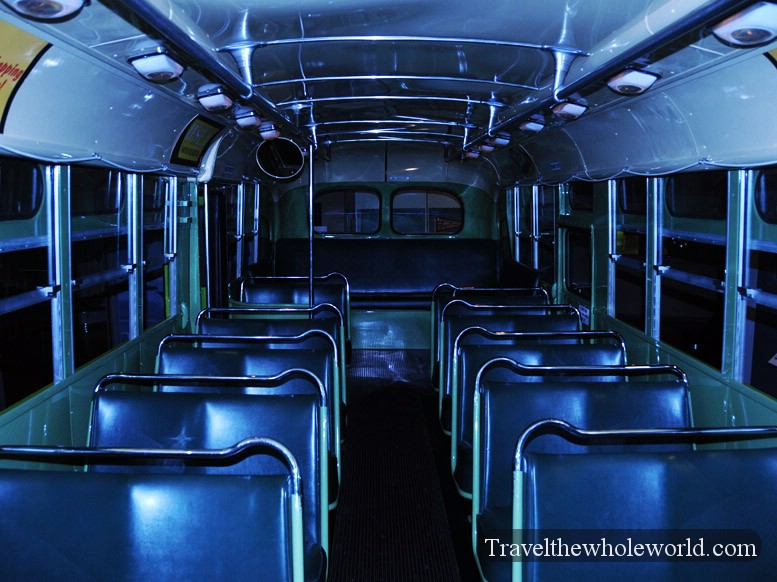
Another extraordinary artifact is the actual Montgomery city bus on which Rosa Parks refused to surrender her seat to a white passenger in 1955. Her arrest helped ignite the Montgomery Bus Boycott and became one of the defining events of the American Civil Rights Movement.
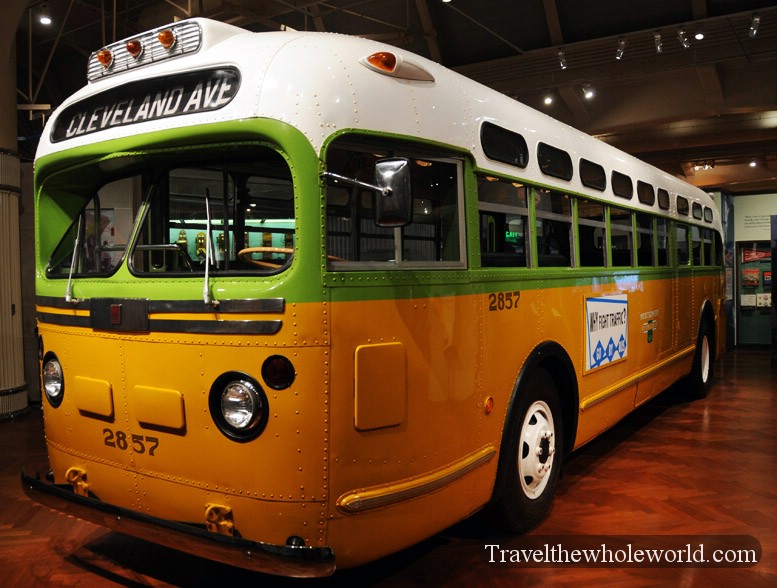
Unlike many historic artifacts that have to be viewed from behind barriers, visitors can actually step aboard the bus. Being able to sit inside a vehicle connected to such an important moment in American history made this one of the most memorable exhibits in the entire museum.
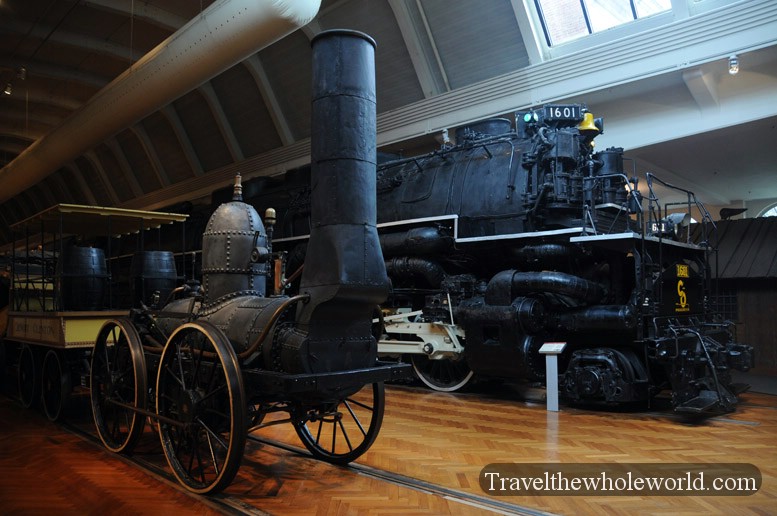
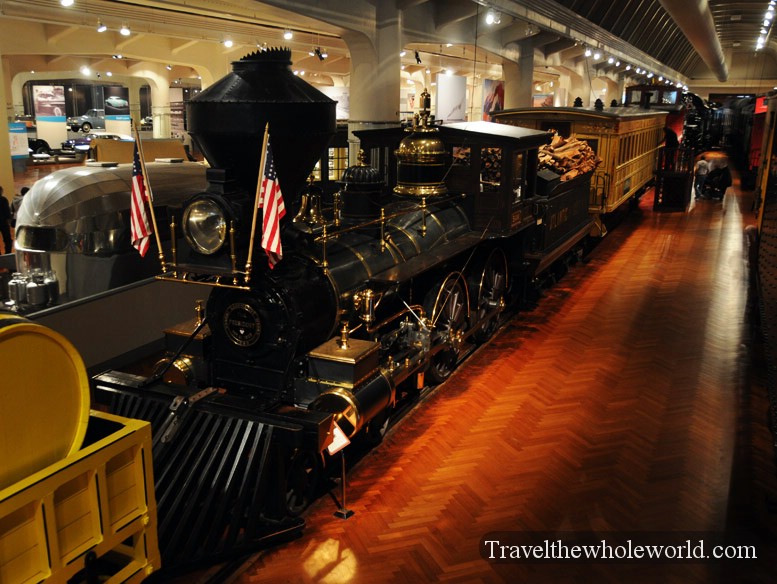
The collection also contains some enormous locomotives and other examples of industrial machinery. Seeing these machines indoors gives you a sense of just how huge the museum itself is.
Greenfield Village
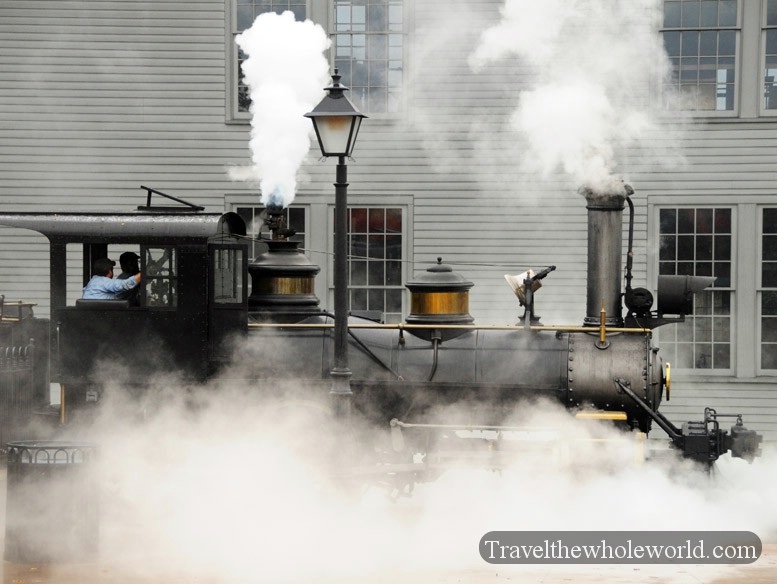
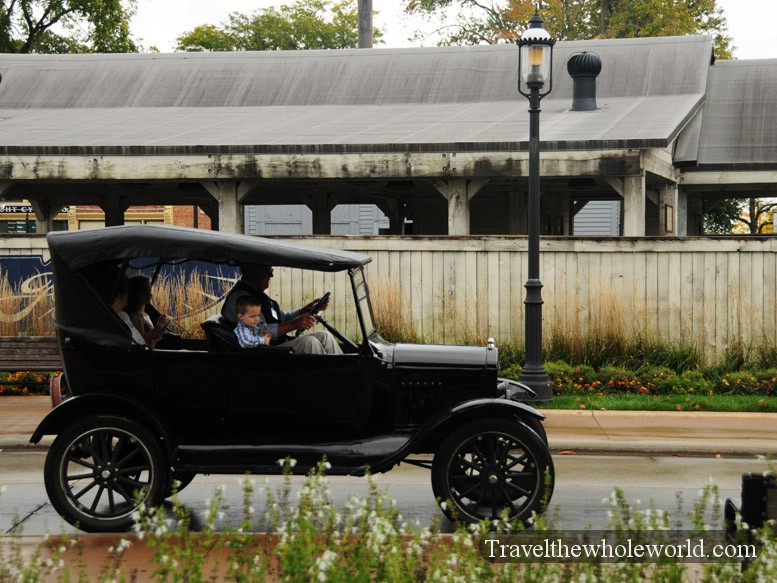
Outside the museum is Greenfield Village, and the place is much larger than I expected. You can ride around the village on a steam-powered train, travel in a historic Model T, or even see horse-drawn vehicles passing along the roads.
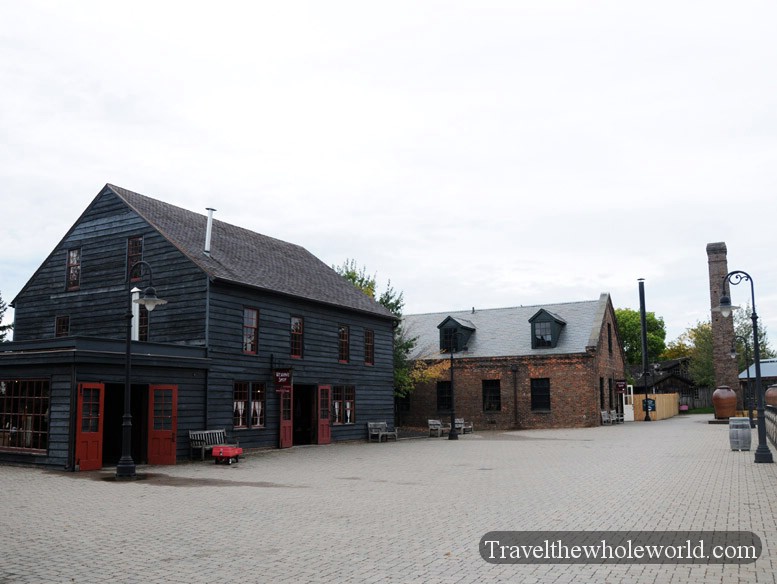
The village is filled with historic buildings that have been moved here and preserved. Instead of looking at everything through glass, you can walk through many of the buildings and see demonstrations showing how people worked and lived during earlier periods of American history.
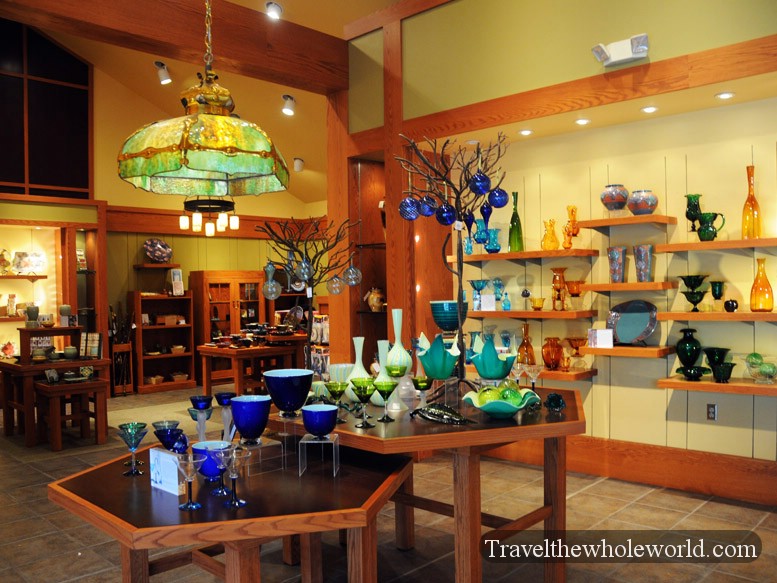
What I liked most about Greenfield Village were the people working inside many of the buildings. Rather than just reading signs, I could watch demonstrations and ask questions about how everyday tasks were performed before modern machinery and conveniences took over.
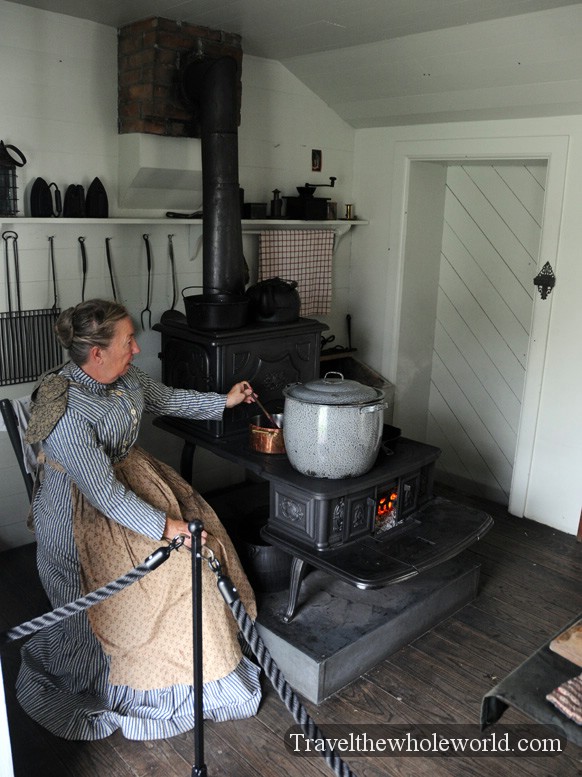
In one building I watched a woman demonstrate old-fashioned cooking techniques. These kinds of demonstrations made the village feel much more alive than a normal collection of historic houses.
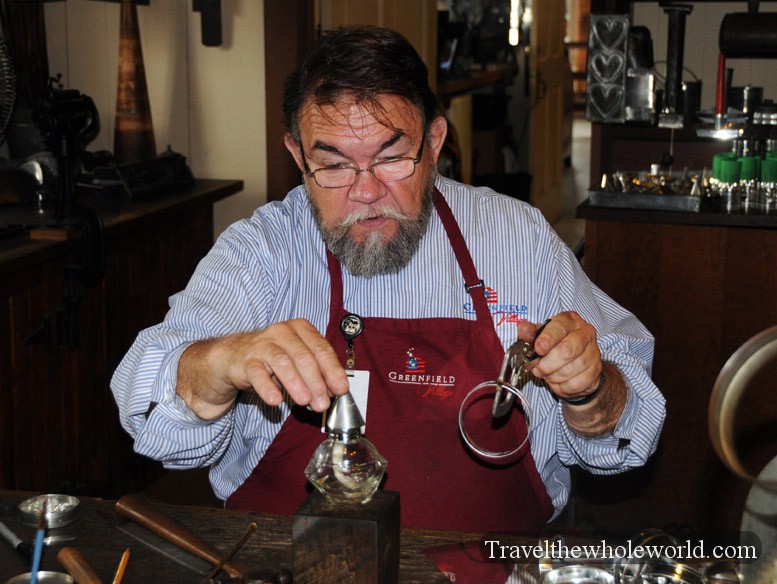
In another building, a craftsman demonstrated how tin could be worked into items such as bracelets, lamps, and other household objects. Watching people actually use the old tools made it much easier to understand the skills involved than simply seeing the finished objects sitting in a display case.
I originally came to Dearborn expecting a quick side trip from Detroit, but The Henry Ford alone could easily occupy most of a day. Between the historic vehicles, Rosa Parks bus, presidential limousine, enormous locomotives, and the living-history environment of Greenfield Village, Dearborn ended up having far more to see than I expected.
Explore More of Michigan
Dearborn • Detroit • Lansing • Saugatuck Dunes