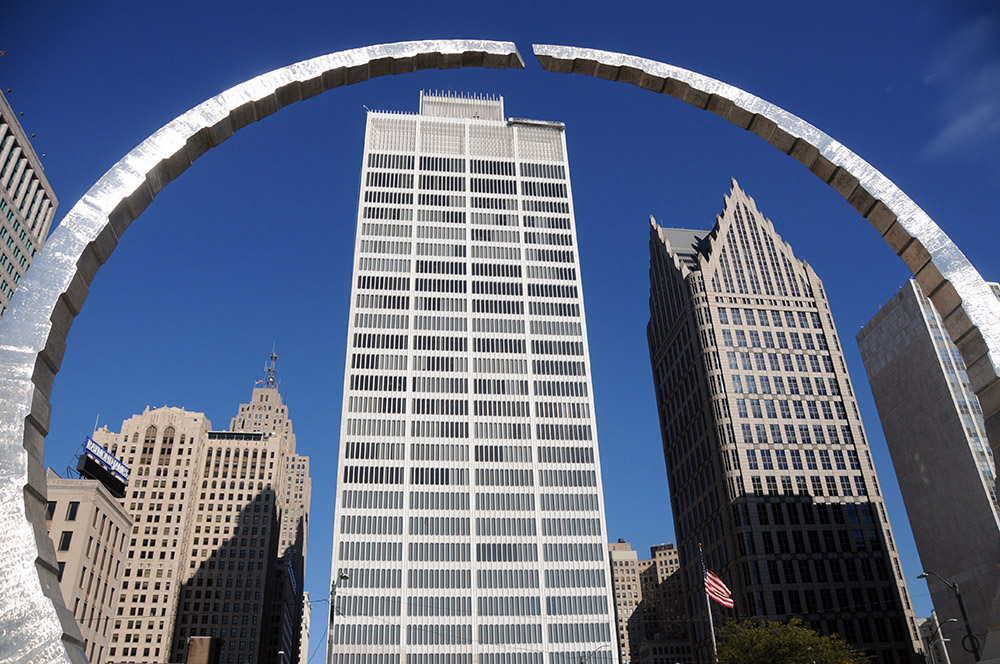
Detroit might have one of the roughest reputations of any major city in America. Before visiting, I have to admit that my expectations were pretty low. Images of abandoned buildings, struggling neighborhoods, and crime had shaped much of what I imagined the city would be like. Those parts of Detroit certainly existed, but they weren’t the entire city. One of my biggest surprises was discovering how different downtown Detroit was from the picture I had in my head.
Right in the heart of downtown I came across the Labor Legacy Monument, which recognizes the workers and labor movement that played such an important role in Michigan’s history. Detroit’s rise was closely connected to manufacturing, especially the automobile industry, and at its peak the city became one of the largest in the United States.
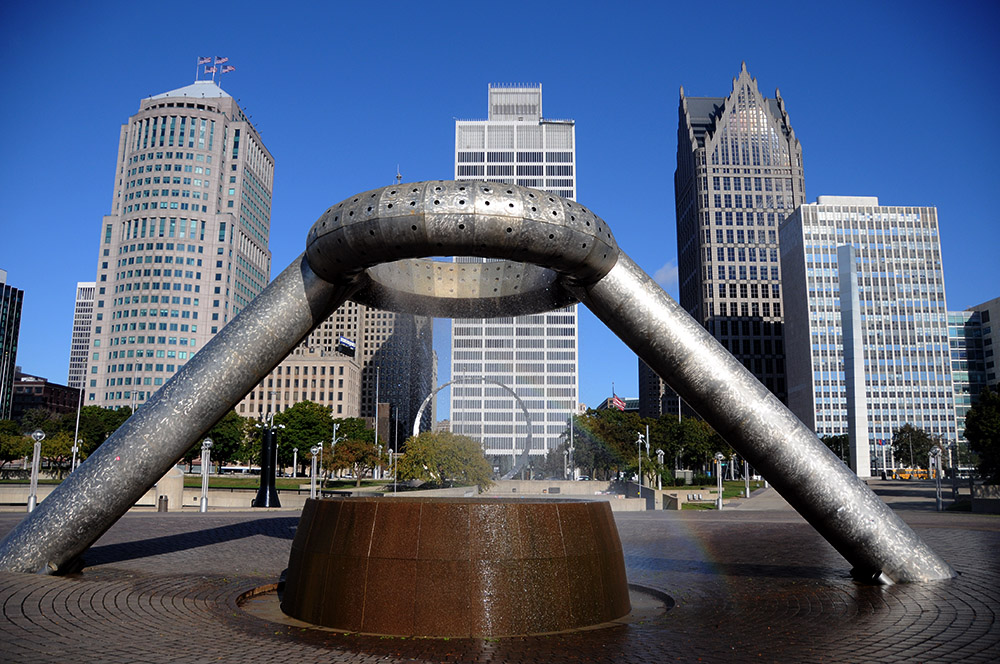
Hart Plaza is a good place to begin exploring downtown. It sits beside the Detroit River and contains several monuments and public spaces, including the unusual Dodge Fountain shown above. Across the river is Windsor, Canada, making Detroit one of the few major American cities where you can stand downtown and look directly into another country.
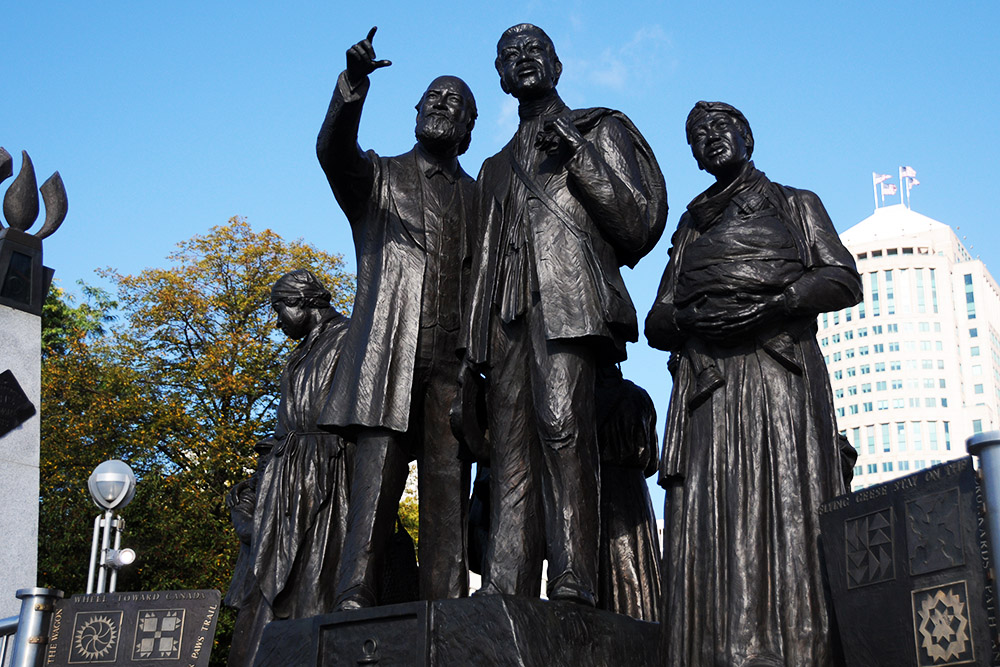
Near the river is the Gateway to Freedom monument, dedicated to people who escaped slavery through the Underground Railroad. Detroit’s location directly across the river from Canada made it an important final stop for many people escaping slavery in the United States.
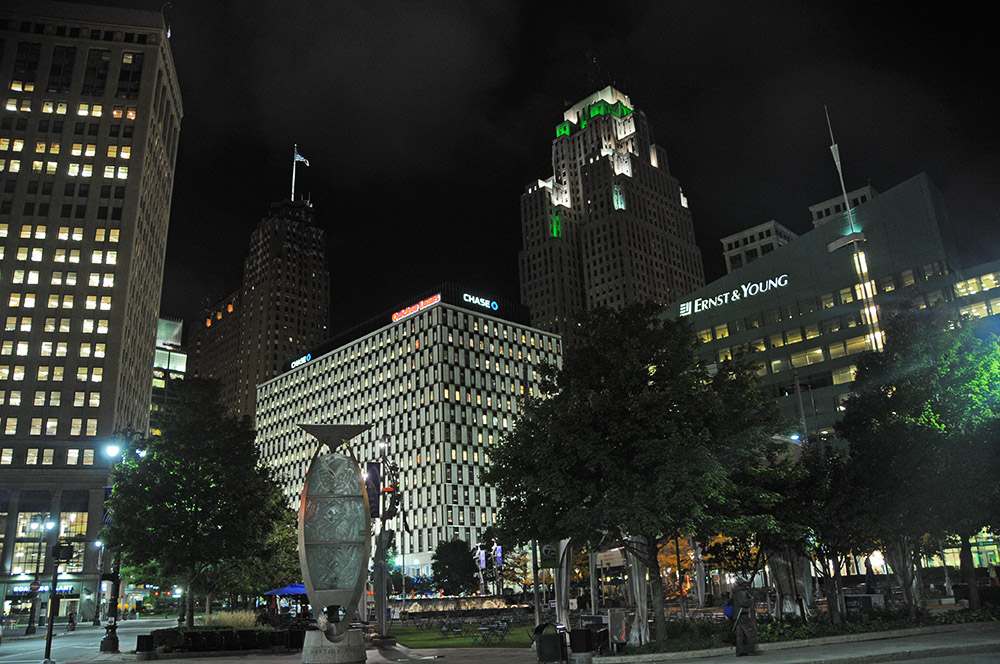
Downtown was especially nice to walk around at night. It looked nothing like the Detroit I had imagined before arriving, and I quickly realized how incomplete the city’s reputation could be. I visited during early fall, when it was still warm enough to comfortably explore outside during both the day and evening.
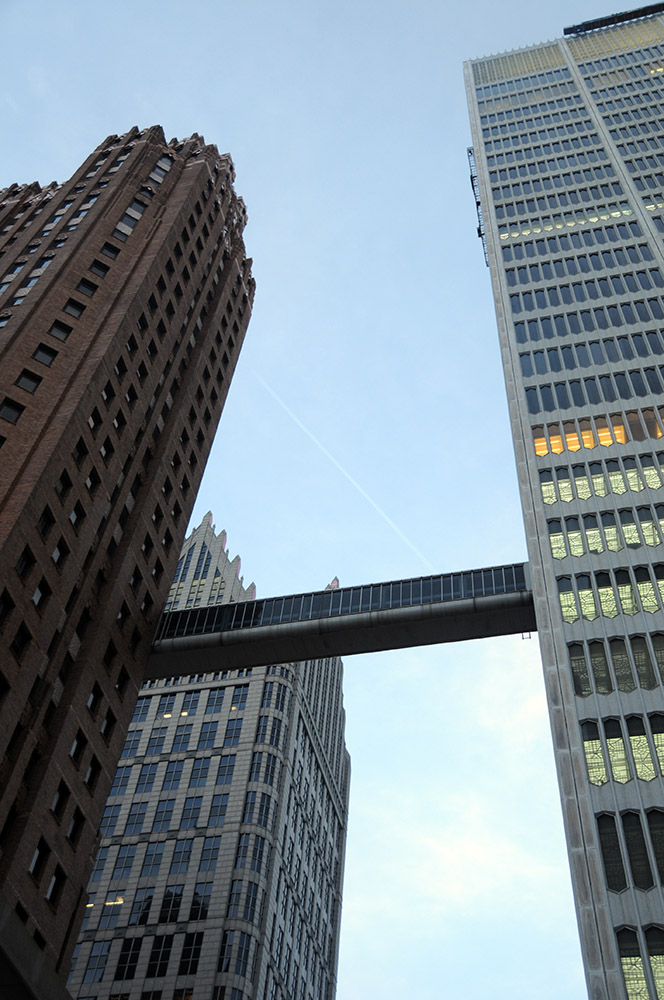
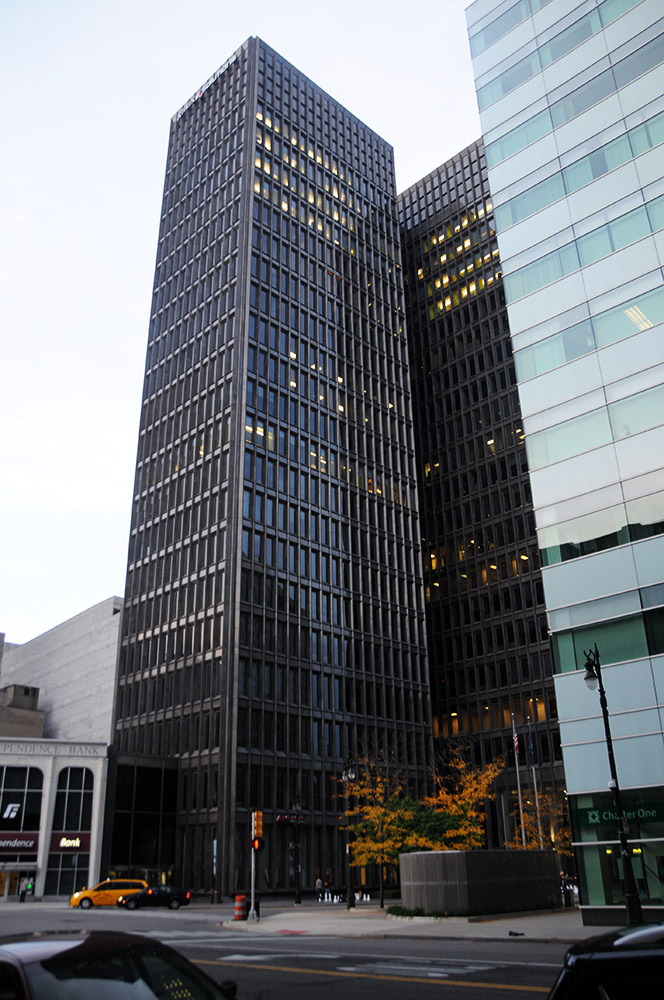
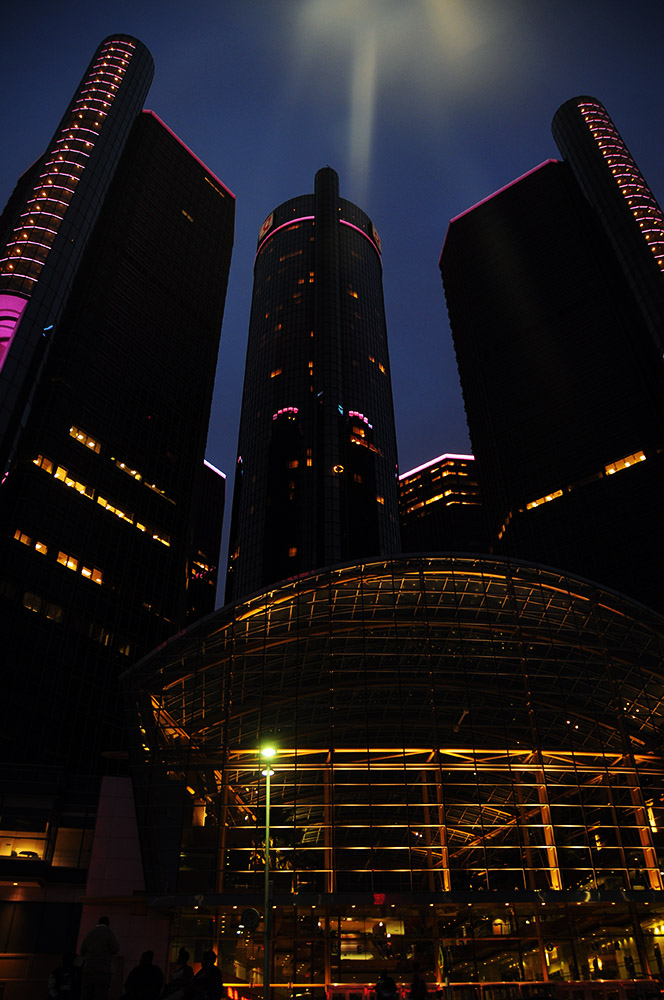
I was also surprised by the size of downtown. I expected a handful of tall buildings surrounded by a much smaller city, but Detroit still has the skyline of the enormous industrial center it once was. In 1950, Detroit had a population of more than 1.8 million people and ranked among the largest cities in the United States.
Of course, it’s impossible to talk about Detroit without talking about cars. The automobile industry transformed Detroit into one of America’s great industrial cities, earning it the nickname Motor City. General Motors, Ford, and Chrysler all became closely associated with the Detroit region, creating enormous numbers of manufacturing jobs and attracting workers from around the country.
Detroit’s later decline was much more complicated than any single explanation. Automation, changes in the automobile industry, factories moving elsewhere, suburbanization, racial and economic divisions, and other forces all contributed to the loss of jobs and population over several decades. The effects became visible throughout the city as neighborhoods lost residents and thousands of buildings were eventually abandoned.
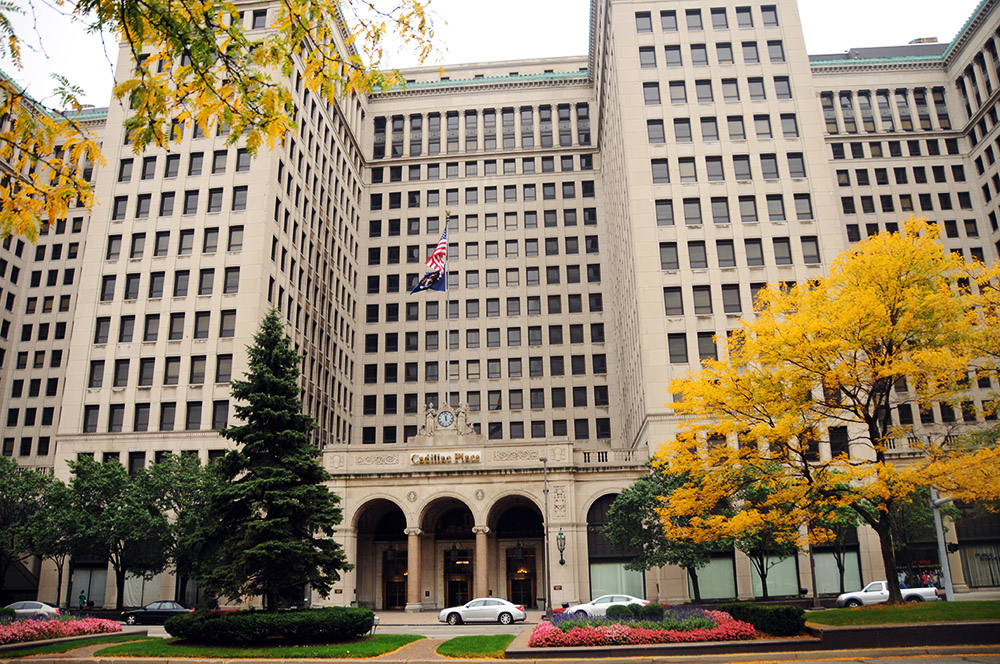
This enormous building is Cadillac Place, originally constructed as the headquarters of General Motors. One thing I learned while visiting Detroit was that the name Cadillac didn’t originate with the automobile company. It comes from Antoine de la Mothe Cadillac, the French explorer who founded Detroit in 1701.
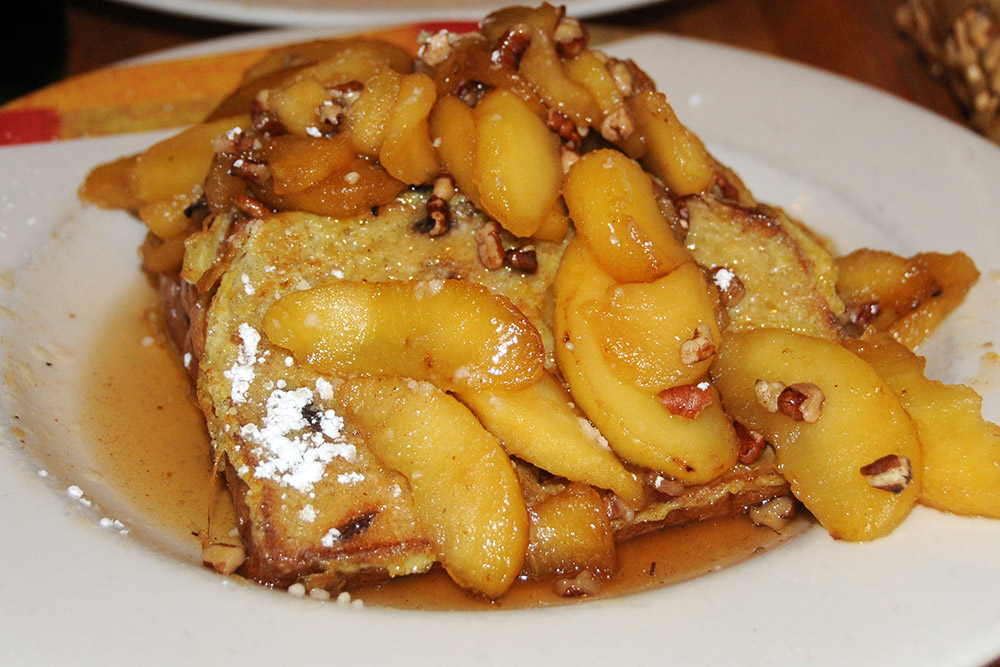
Exploring Detroit also meant trying some of the city’s food. One Sunday morning I went to the Hudson Cafe for brunch and found the place packed, with about a 45-minute wait just to get a table. My apple-covered French toast was completely over the top, but I definitely wasn’t disappointed.
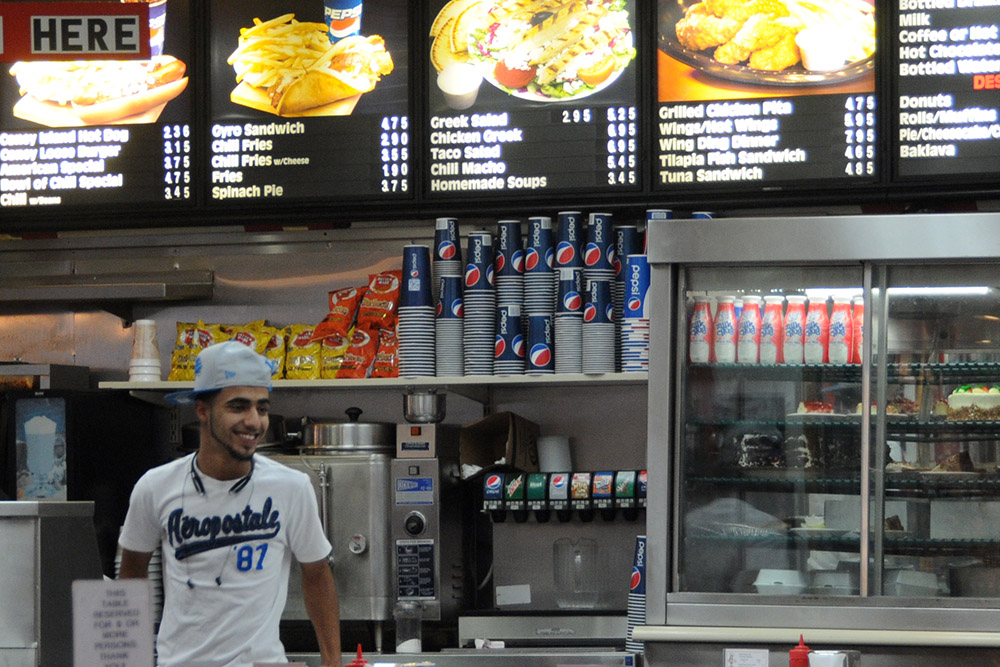
For another meal I went in the opposite direction and tried one of Detroit’s famous Coney Island restaurants. Two longtime competitors sit right beside each other downtown, both serving the city’s famous Coney dogs. I picked one of them mostly because eating a Coney dog seemed like one of those things I was obligated to do while visiting Detroit.

To be honest, I didn’t think the Coney dog itself was anything extraordinary. The experience and local rivalry were probably more interesting to me than the food. If I return, I’ll have to try the restaurant next door and see which side of the rivalry I prefer.
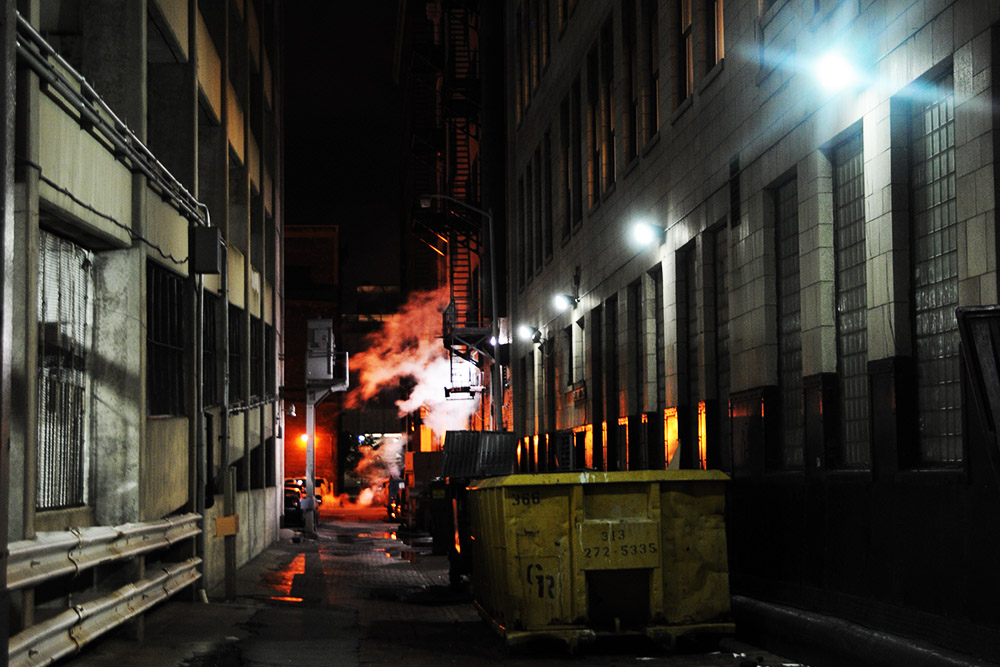
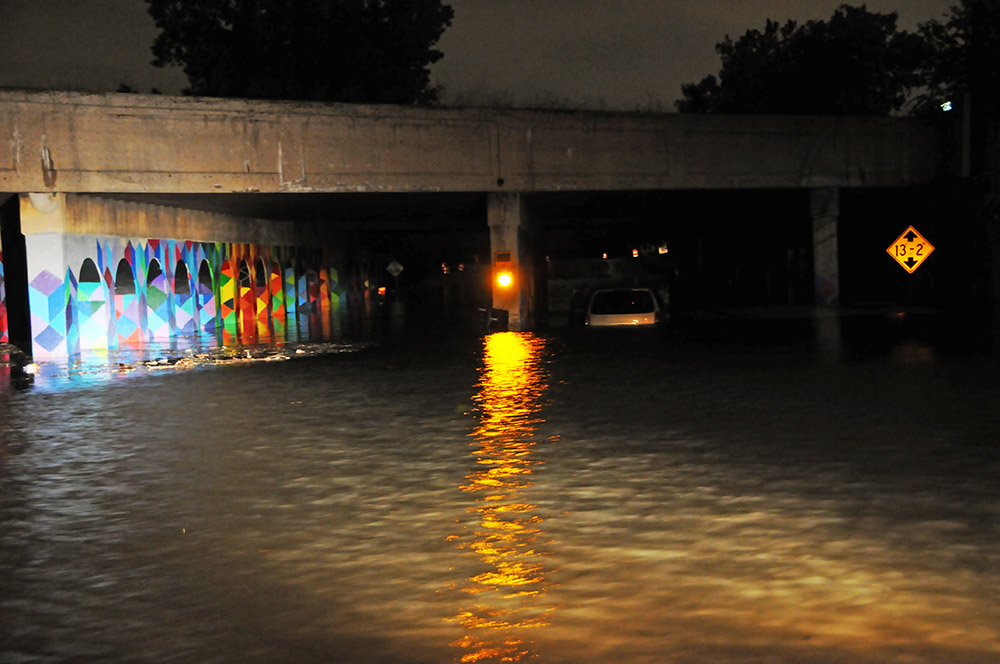
Detroit could also throw some unexpected obstacles into getting around. During one early-morning excursion around 4:00 AM, I came across this completely flooded street while trying to reach my hotel. Judging by the minivan sitting in the water, somebody had a much worse night than I did.
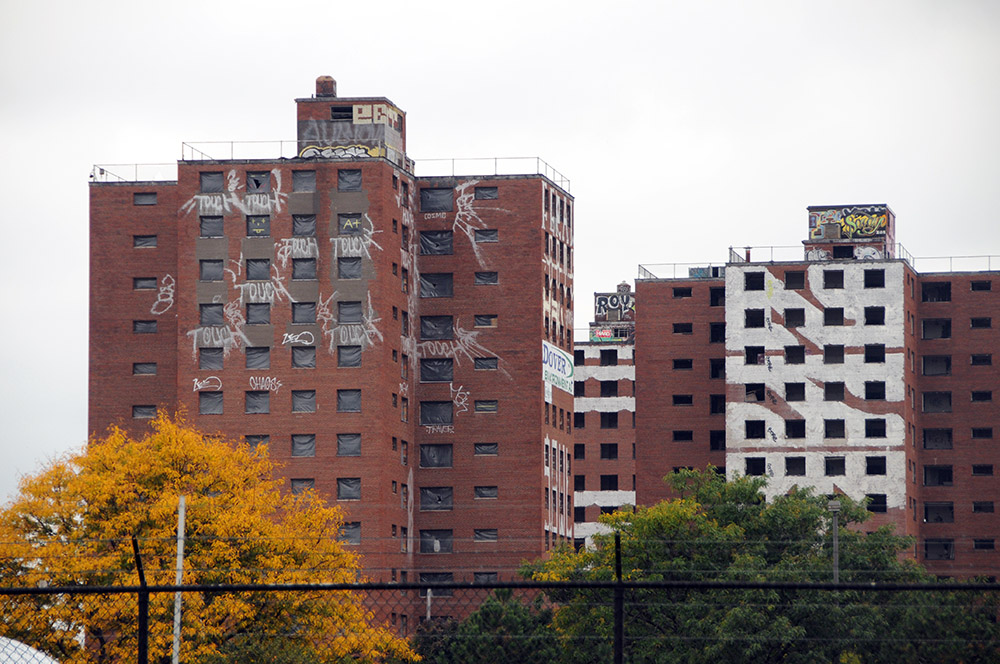
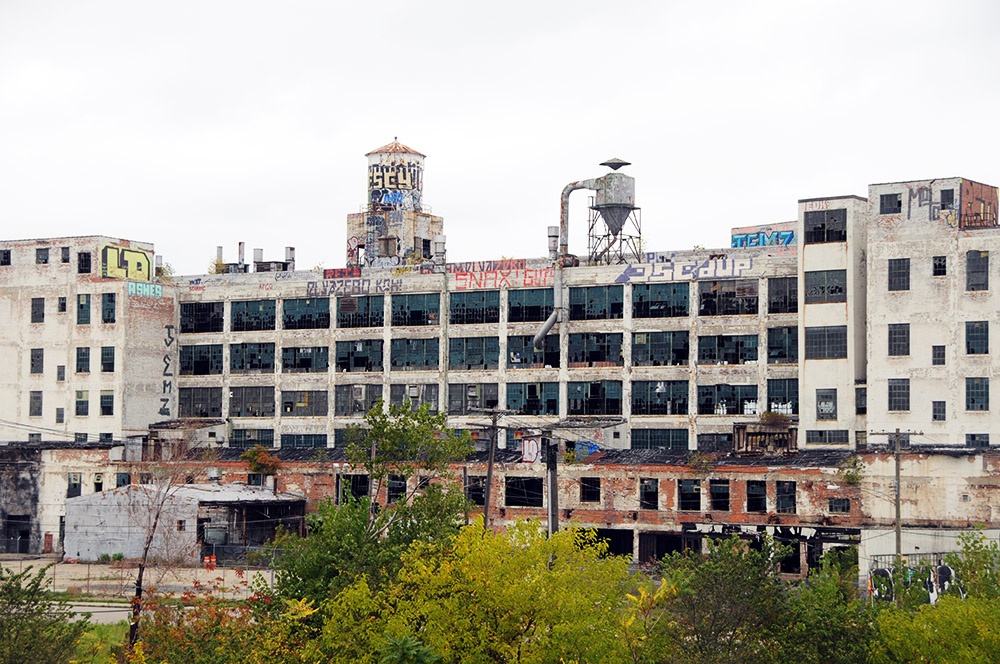
Eventually I did explore some of the abandoned areas that had contributed so much to Detroit’s reputation. Seeing enormous buildings sitting empty was very different from simply reading about the city’s population decline. Entire apartment complexes, factories, and homes had been left behind as neighborhoods lost residents.
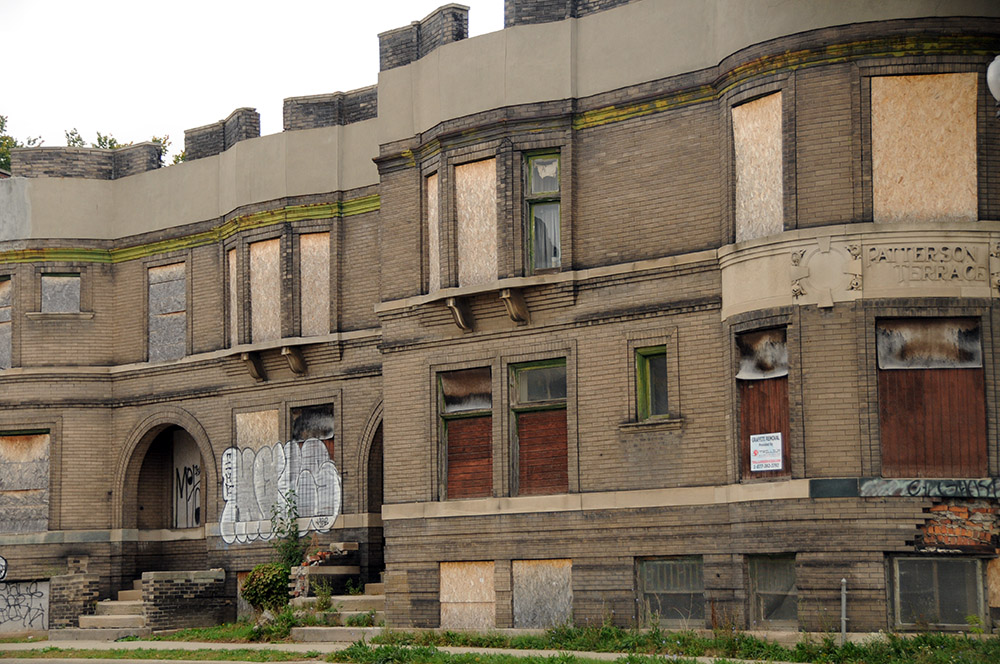
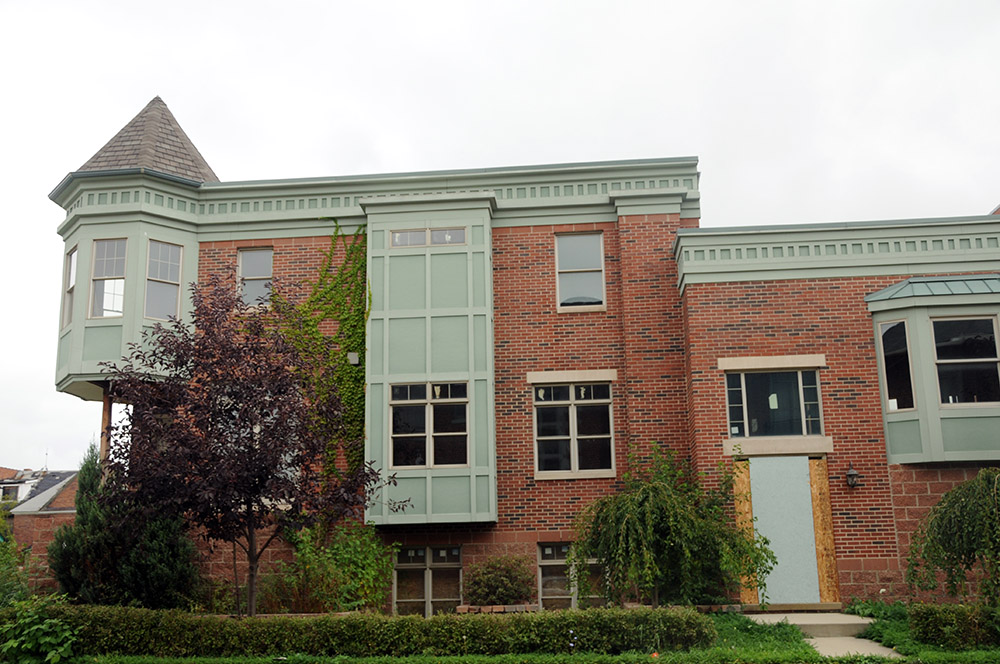
What made the situation especially interesting was how quickly things could change from one block to another. I photographed this row of abandoned homes and then found much newer houses nearby. That contrast between decay and rebuilding was something I noticed repeatedly while traveling around Detroit.
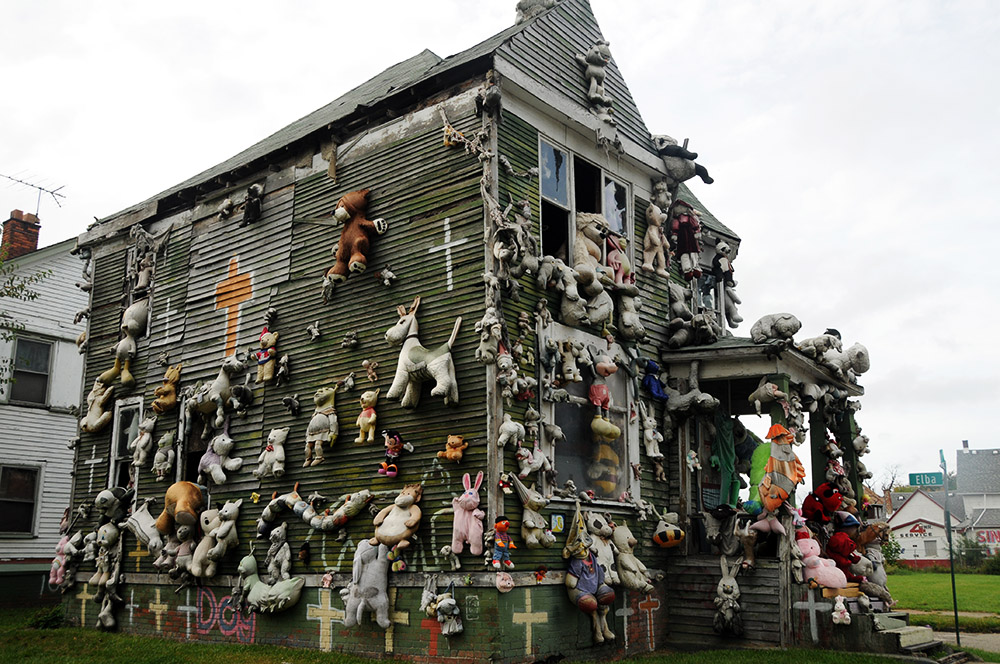
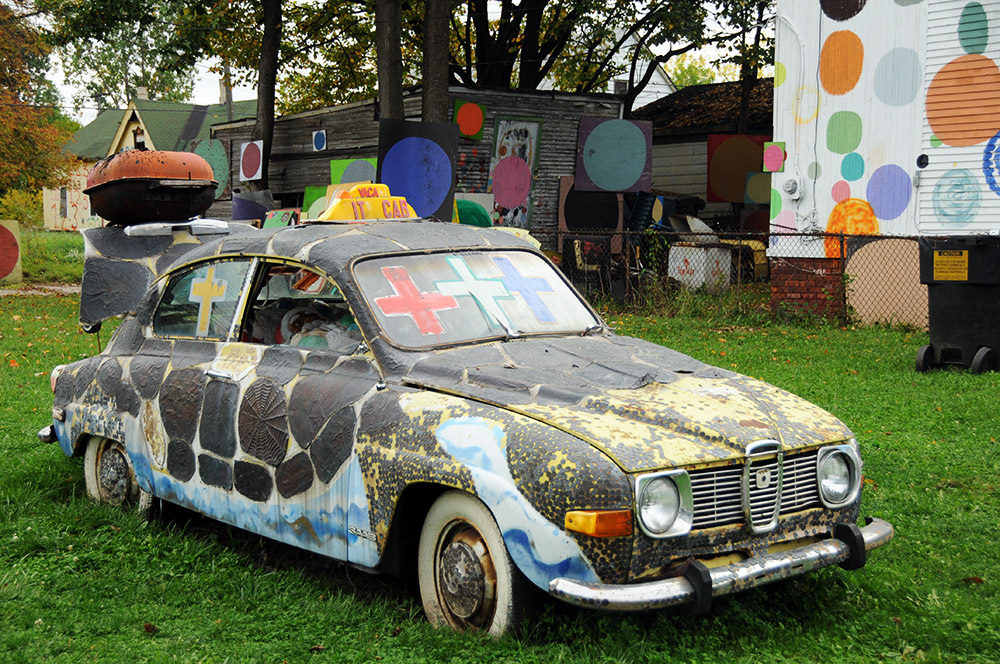
One of the most unusual places I visited was the Heidelberg Project. Before arriving, I had assumed this experiment in turning houses and vacant lots into outdoor art was relatively new. Instead, I learned that the project had already been transforming this neighborhood for decades.
The artwork uses houses, discarded objects, cars, signs, toys, and just about anything else imaginable. Some people love what the project has done for the neighborhood, while others have criticized it, but there’s no question that it created one of the strangest places I visited in Detroit.
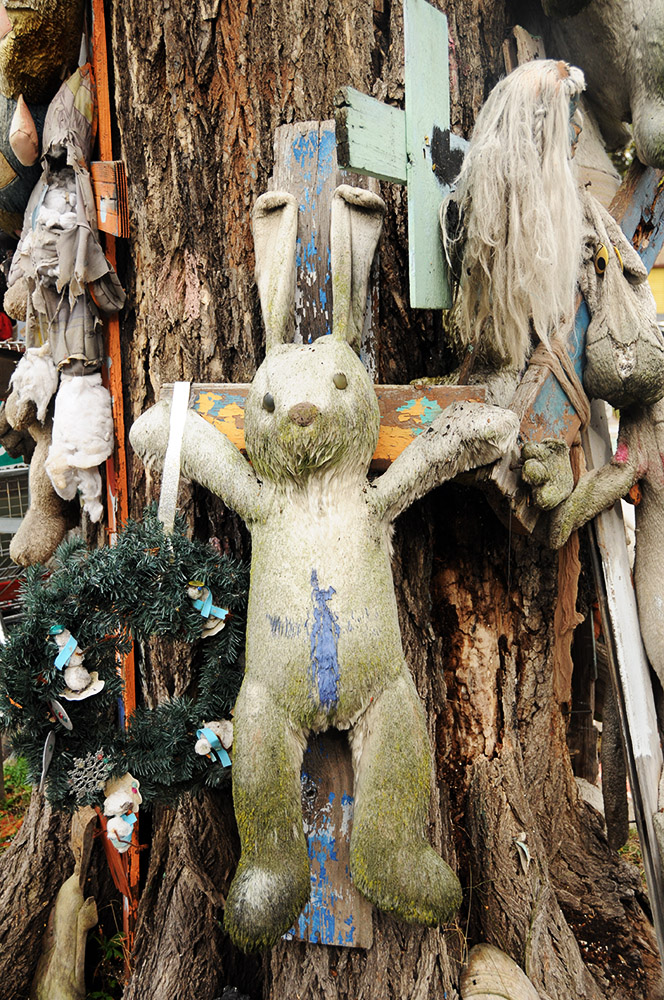
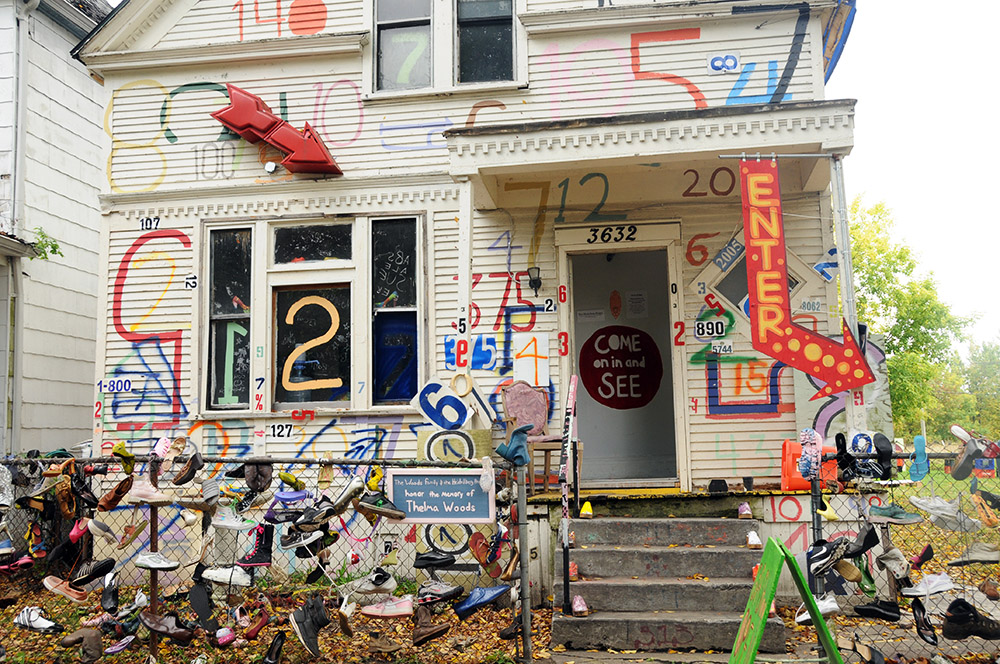
Some of the decorations were colorful and playful, while others were considerably more bizarre or even a little disturbing. I still have no idea what was going on with the rabbits attached to this tree.
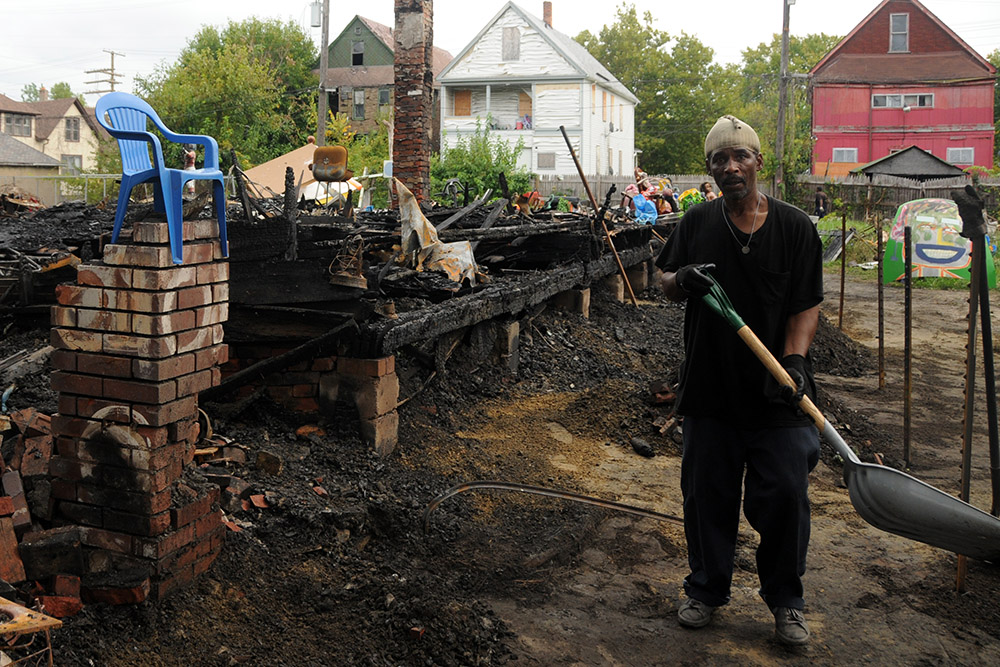
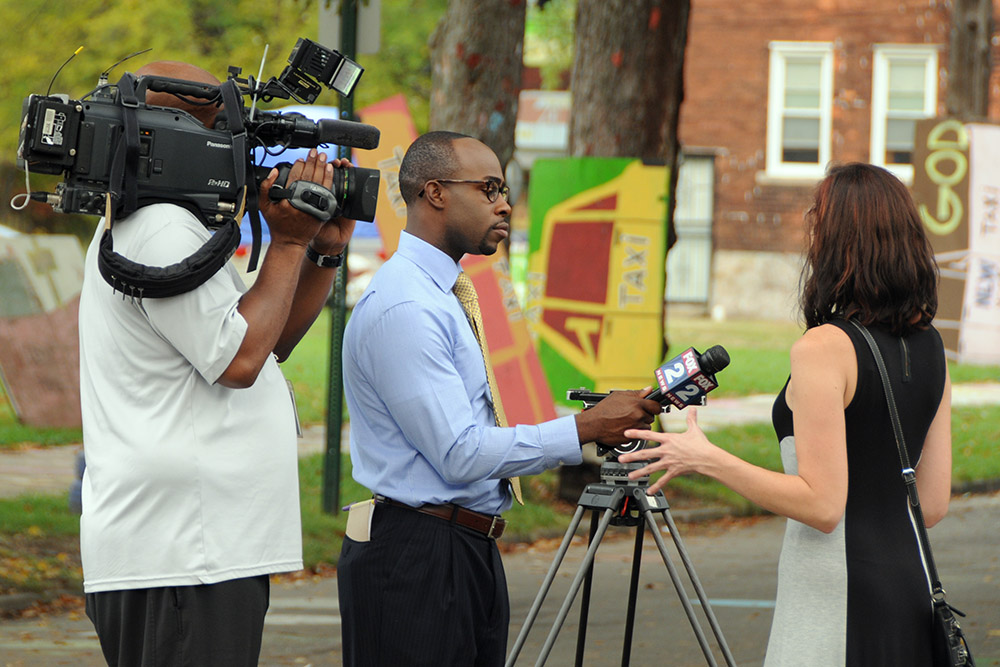
My timing at the Heidelberg Project turned out to be especially memorable because one of the houses had been damaged by arson only hours before my visit. Volunteers were already clearing debris when I arrived. What stuck with me was how determined they seemed to continue. Rather than dwelling on what had happened, they kept talking about where the project was going next while a local television crew reported on the fire.
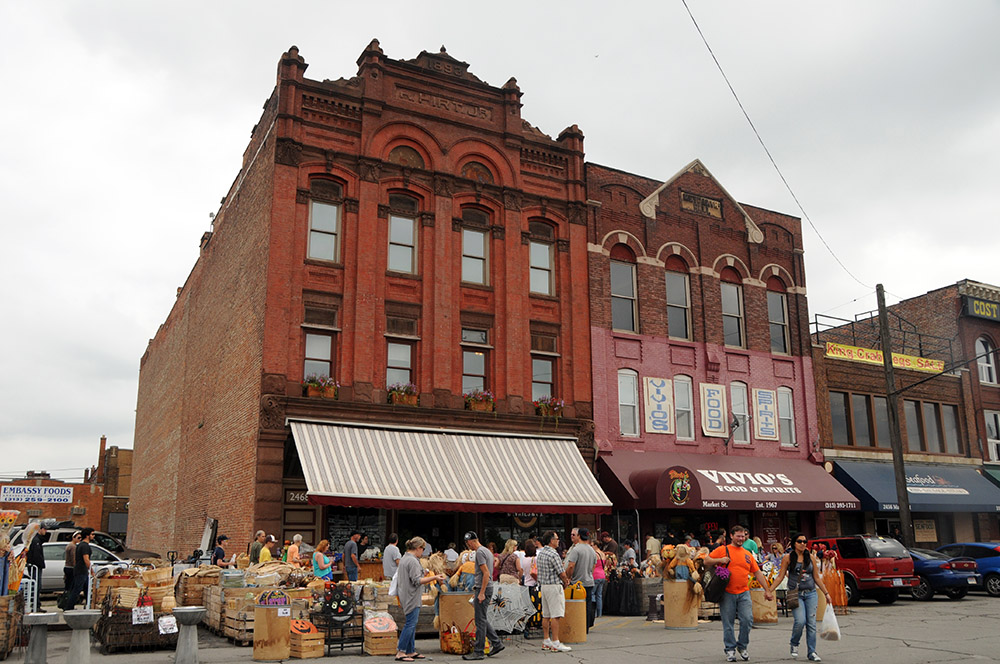
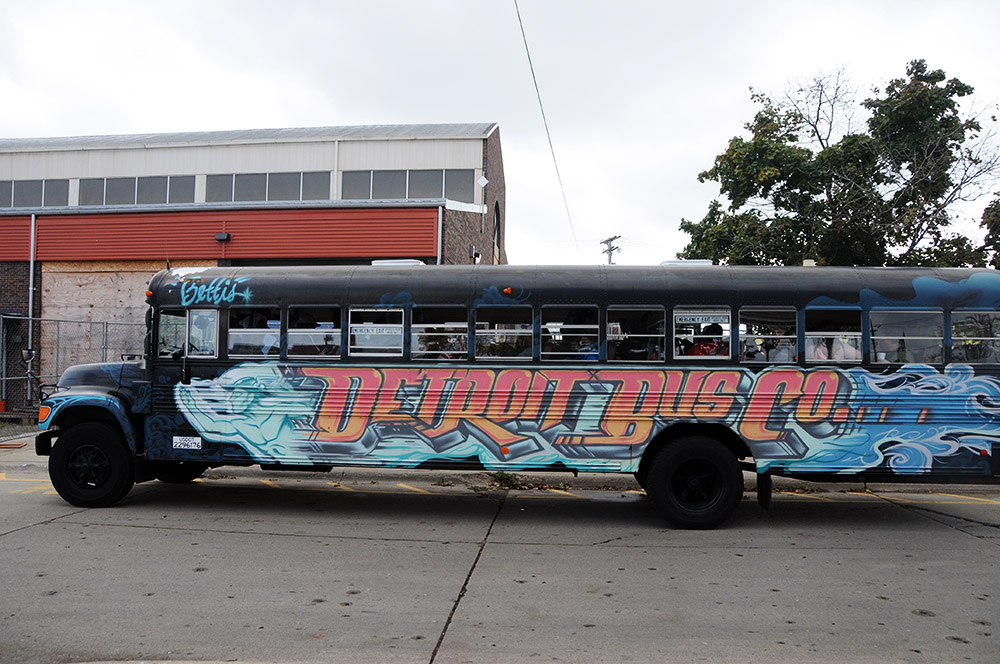
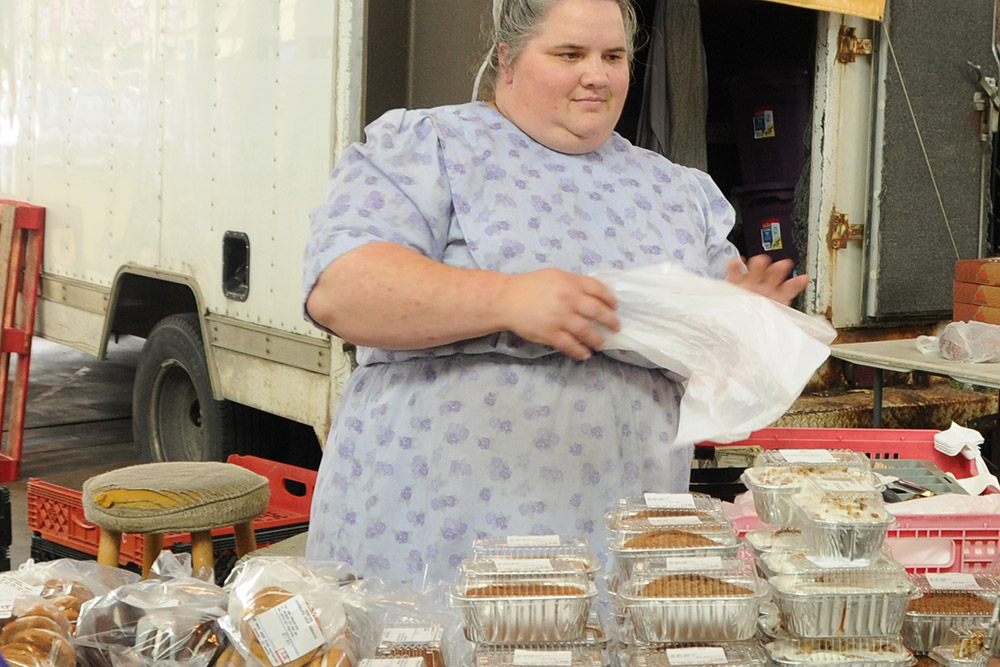
Another part of Detroit that I enjoyed was Eastern Market. In fact, this was one of my first stops in the city. The historic market district comes alive on Saturdays, when vendors and shoppers fill the area.
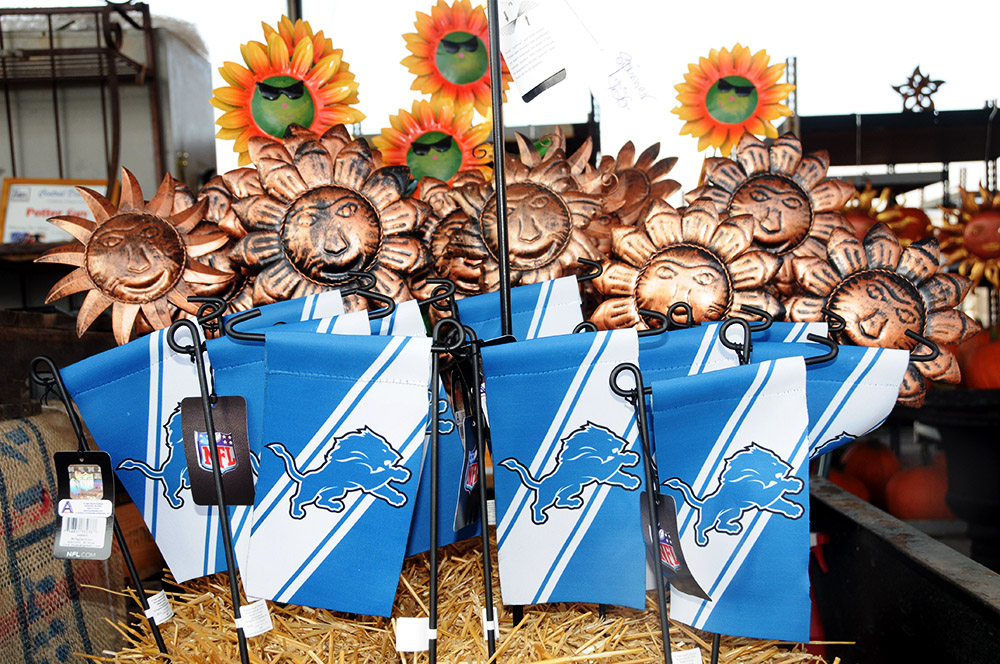
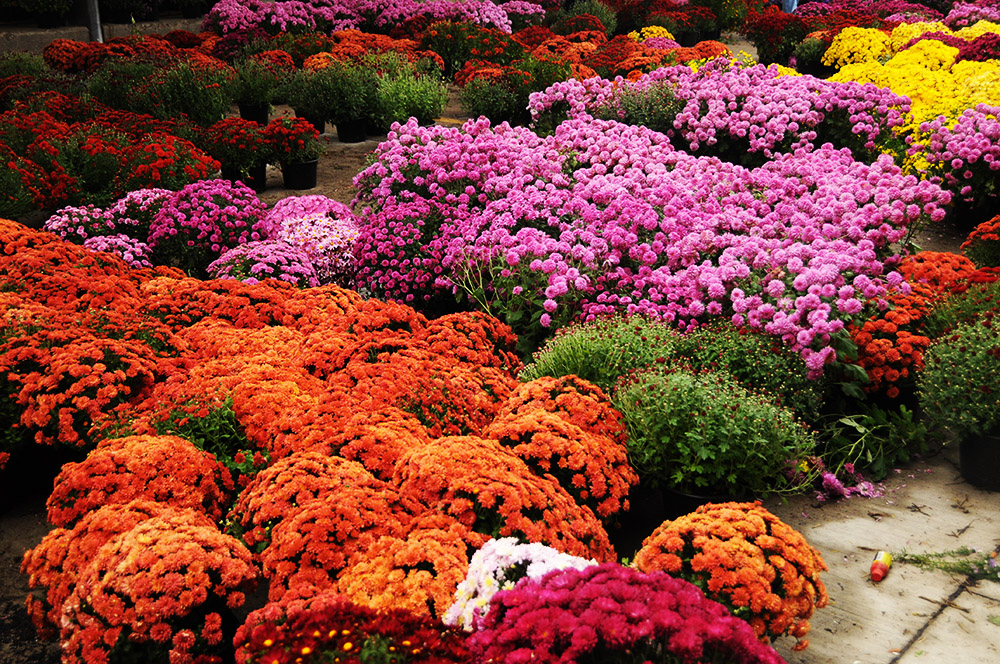

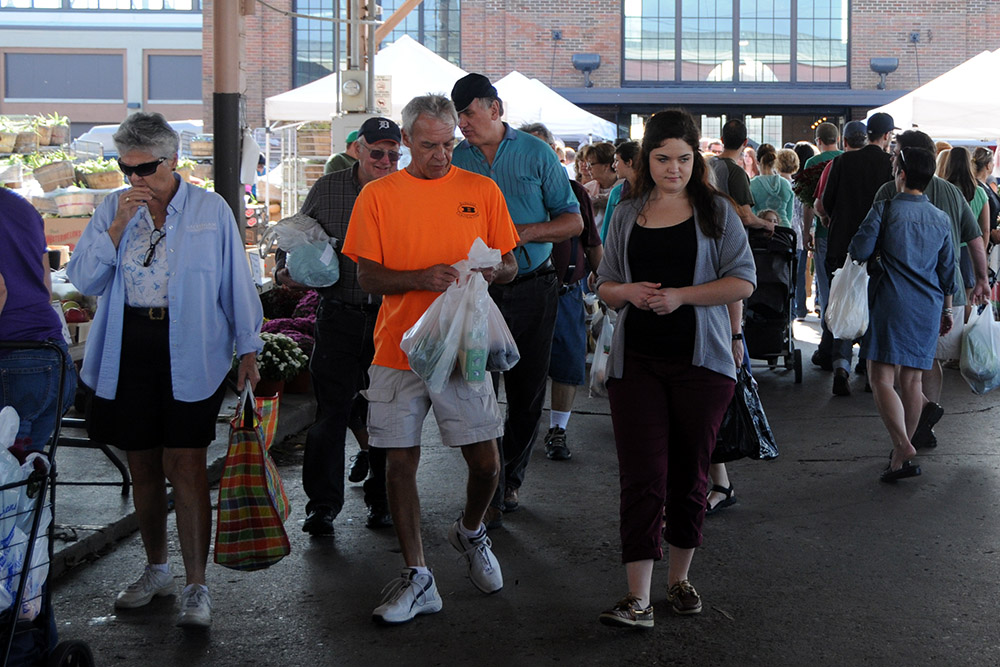
I visited in October, so pumpkins, squash, flowers, and other fall produce were everywhere. The market was packed with people and felt completely different from the quieter neighborhoods I had explored elsewhere in Detroit.

I ran into this guy while walking through the market, and he insisted that I take his picture. Encounters like this are one reason I enjoy wandering through markets when I travel. You never really know who you’re going to meet.
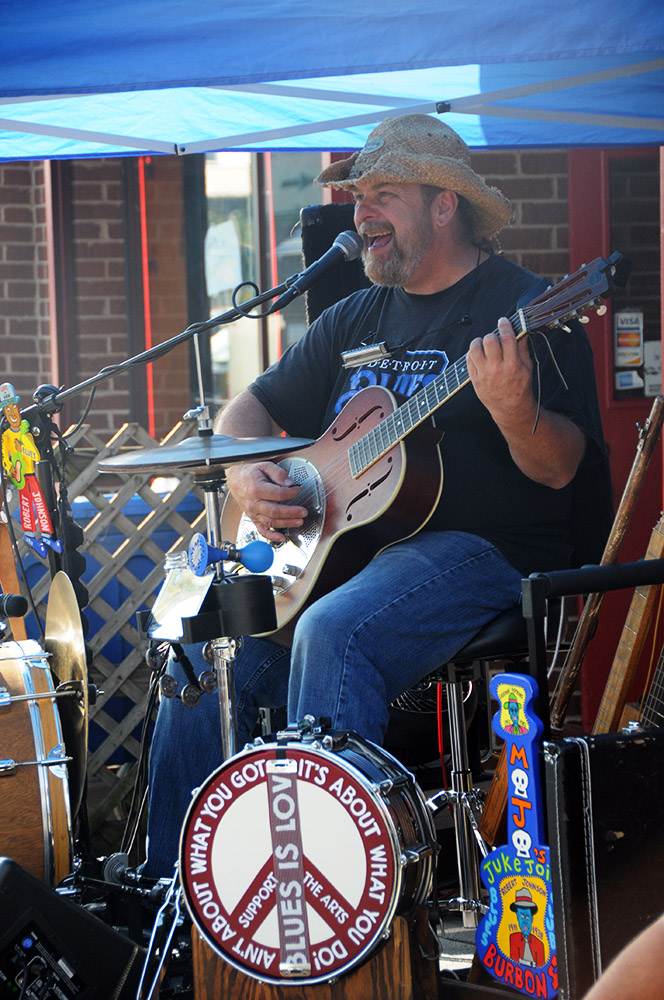
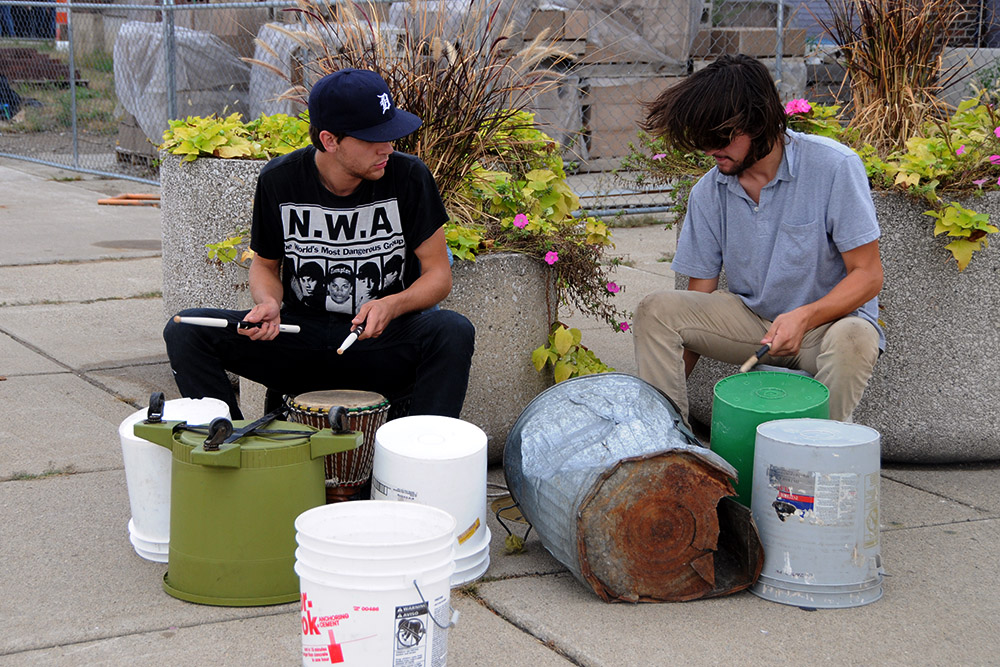
There was plenty happening outside the market buildings as well, including musicians and other street performers. The entire neighborhood had considerably more energy than I had expected before coming to Detroit.
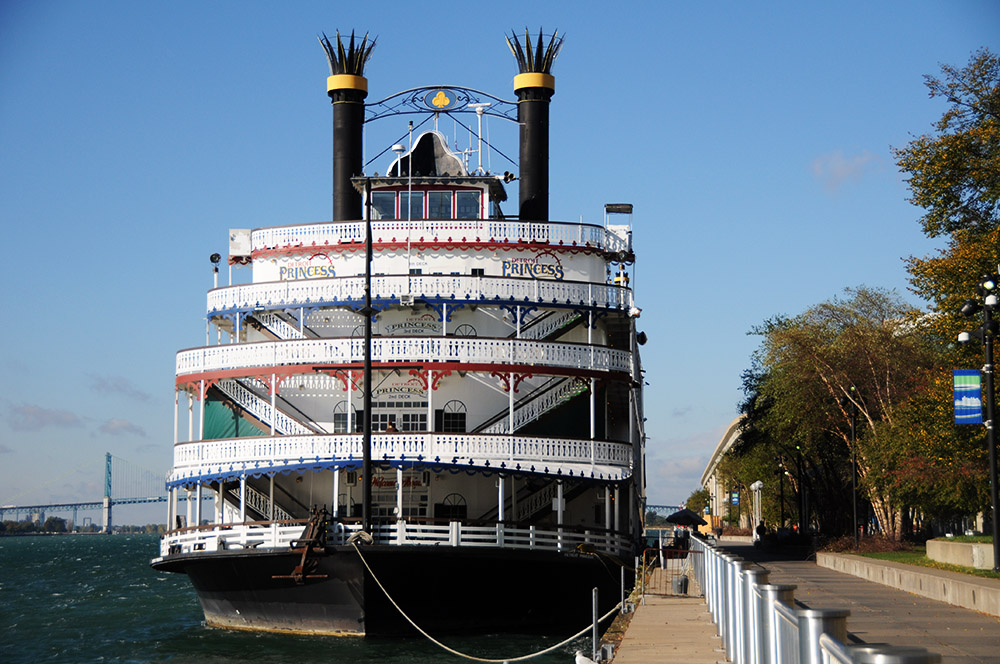
The Detroit RiverWalk provided another side of the city. The waterfront trail passes parks, monuments, and views across the river toward Windsor, Canada. Large boats also travel along the river, reinforcing how closely Detroit’s history has always been tied to its location on the Great Lakes.
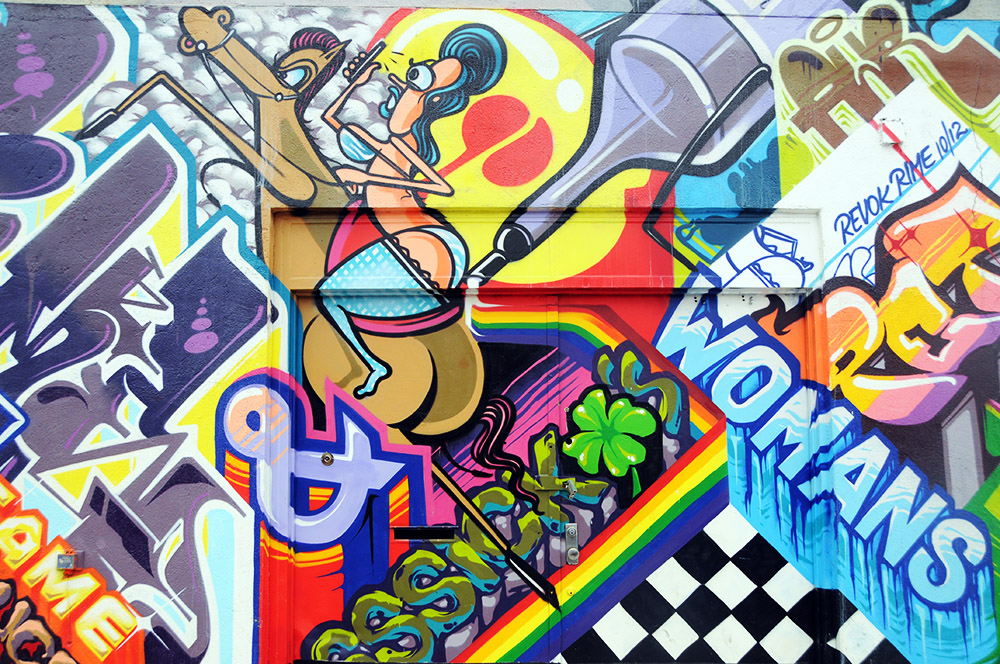
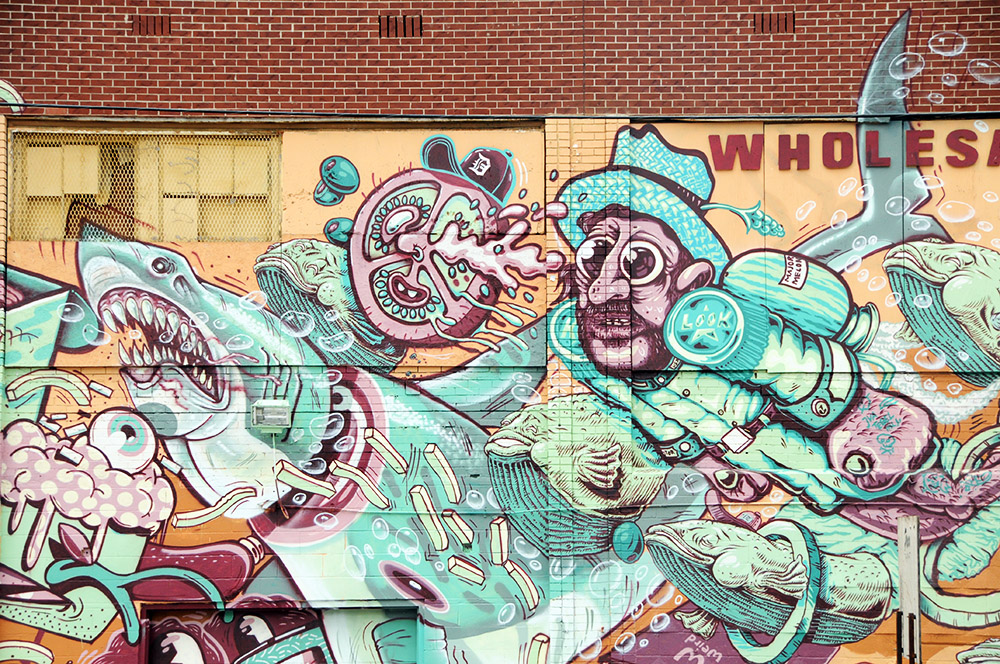
Street art was another recurring theme throughout Detroit, especially around Eastern Market. Huge murals covered otherwise ordinary walls and buildings, adding another layer to a city that already seemed filled with contrasts.
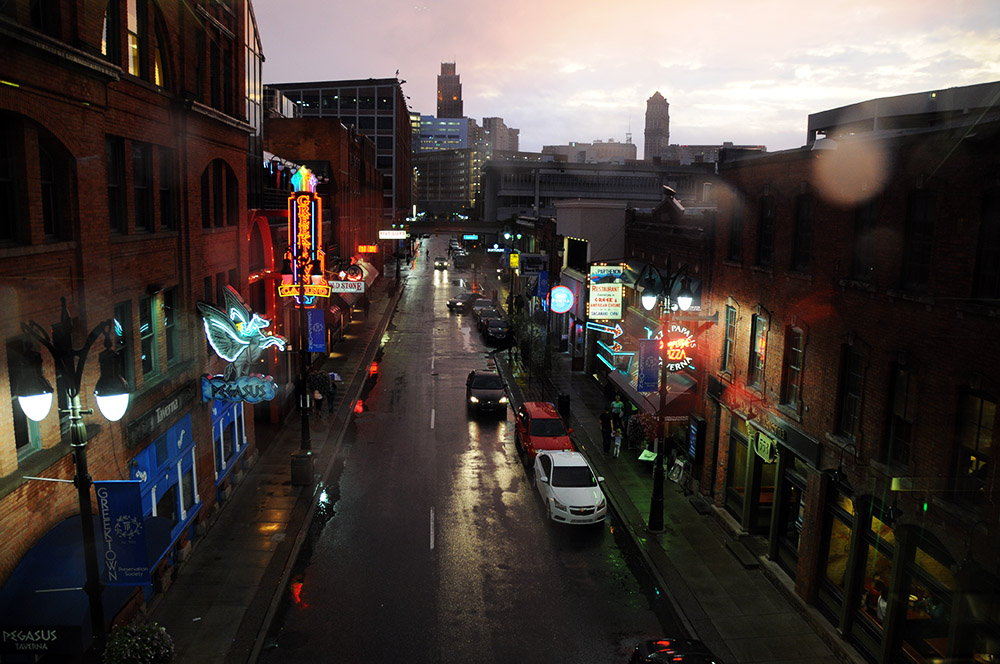
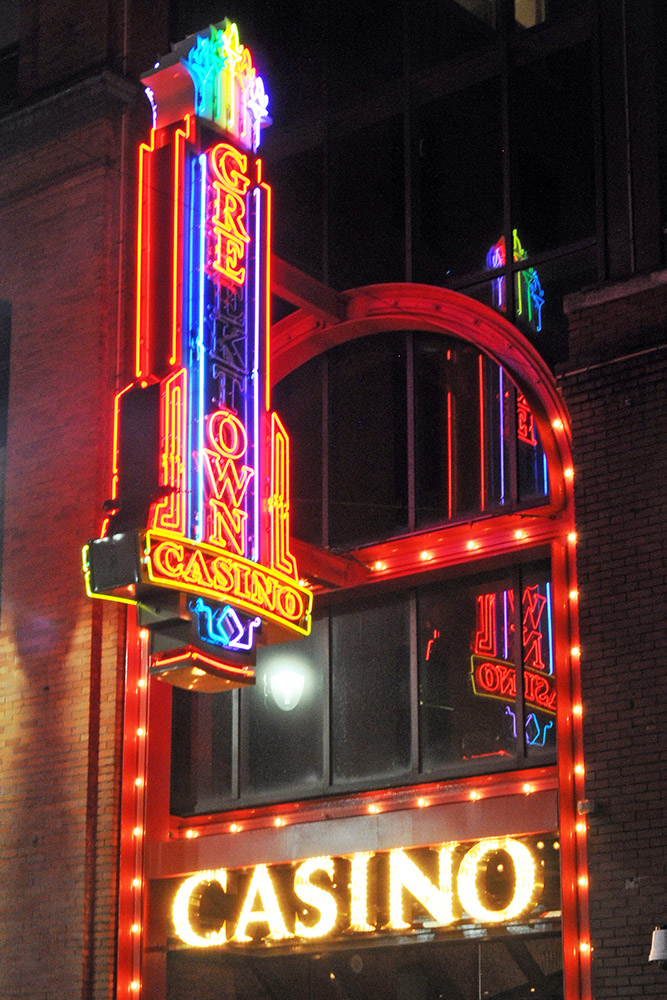
Another neighborhood I explored was Greektown, an entertainment district filled with restaurants and nightlife. The area has changed considerably over its history, eventually developing into the commercial district that exists today.

Detroit was also personal for me because I had a chance to catch up with one of my best friends, Hagy, who I knew from my time in the Marines. He was living in the area, and I hadn’t seen him for about two years, so exploring Detroit also gave us a chance to catch up.
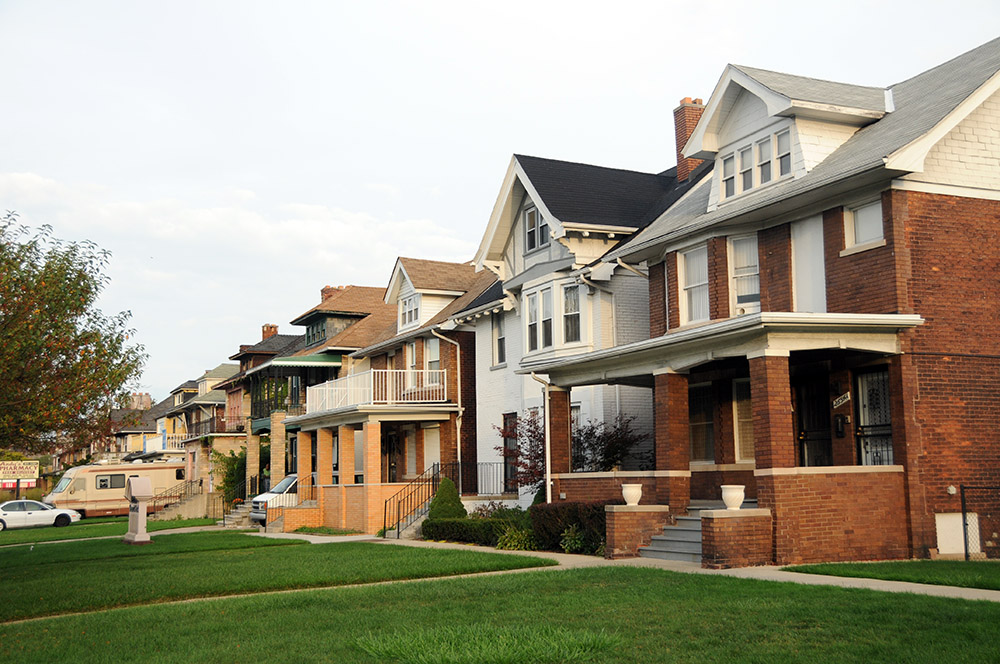
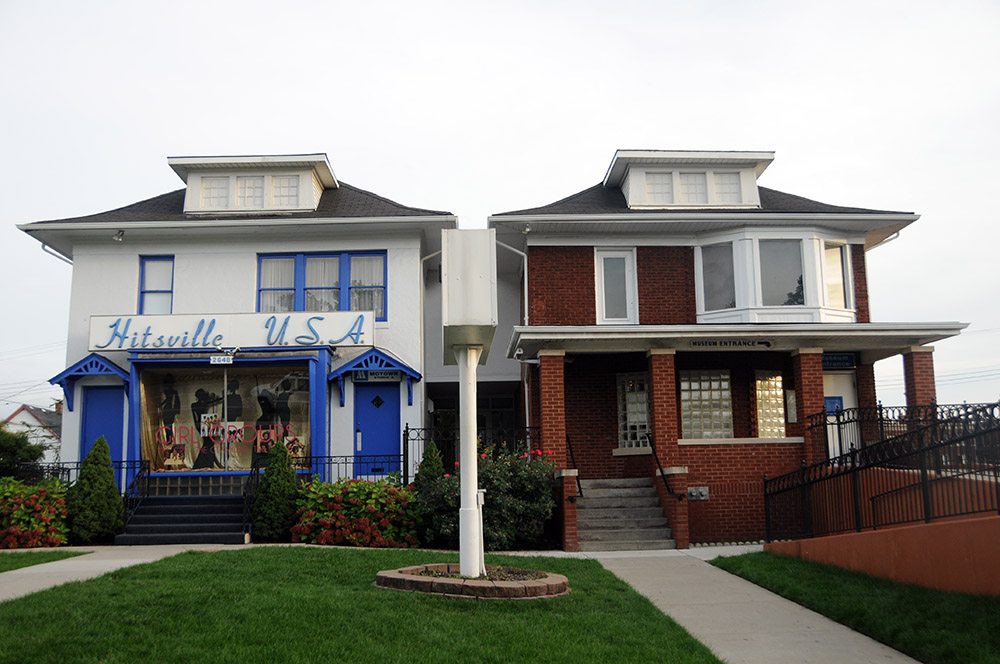
One of the most interesting pieces of Detroit history for me was learning how Motown began here. Artists including Marvin Gaye, the Jackson 5, Diana Ross and the Supremes, Stevie Wonder, and many others recorded music that became known around the world. Yet much of that history began inside a surprisingly modest house in Detroit.
I took the guided tour, but photography wasn’t allowed inside, so these exterior photos were about all I could bring back with me. The tour was still one of the highlights of my visit. Seeing the small space where so much influential music was created made the story of Motown considerably more impressive.
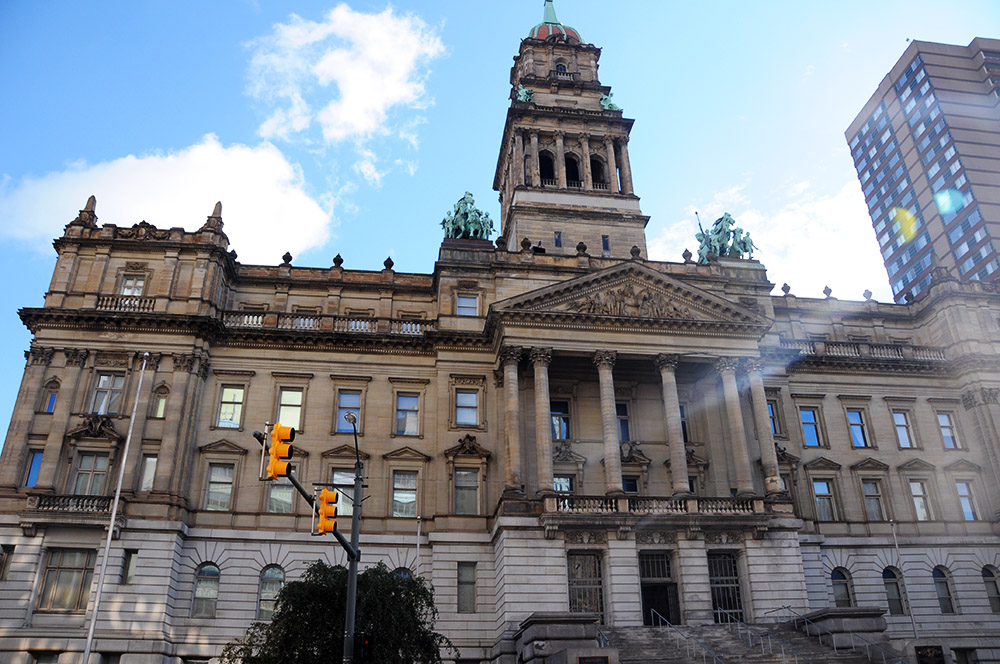
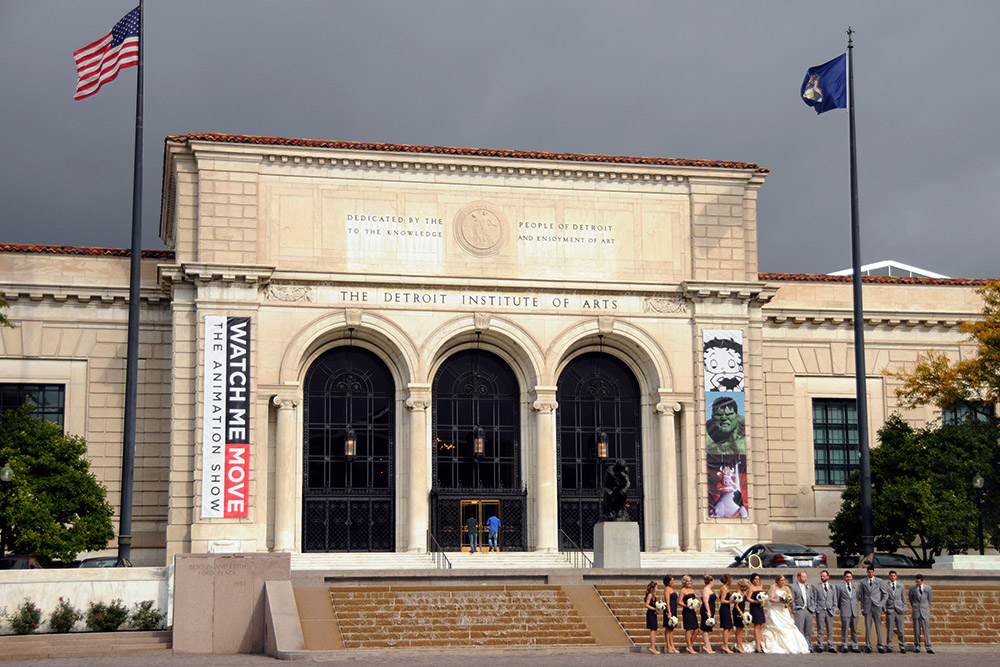
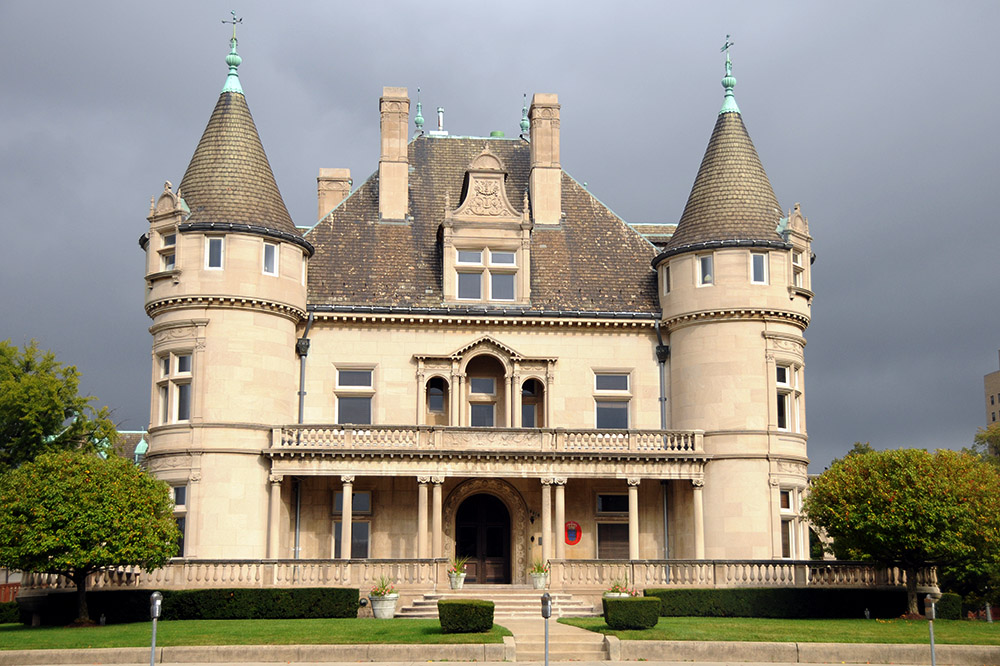
Detroit’s history isn’t limited to automobiles and music. The city still has impressive architecture and major cultural institutions, including the Detroit Institute of Arts. Places like these were another reminder of just how important and wealthy Detroit became during its industrial peak.
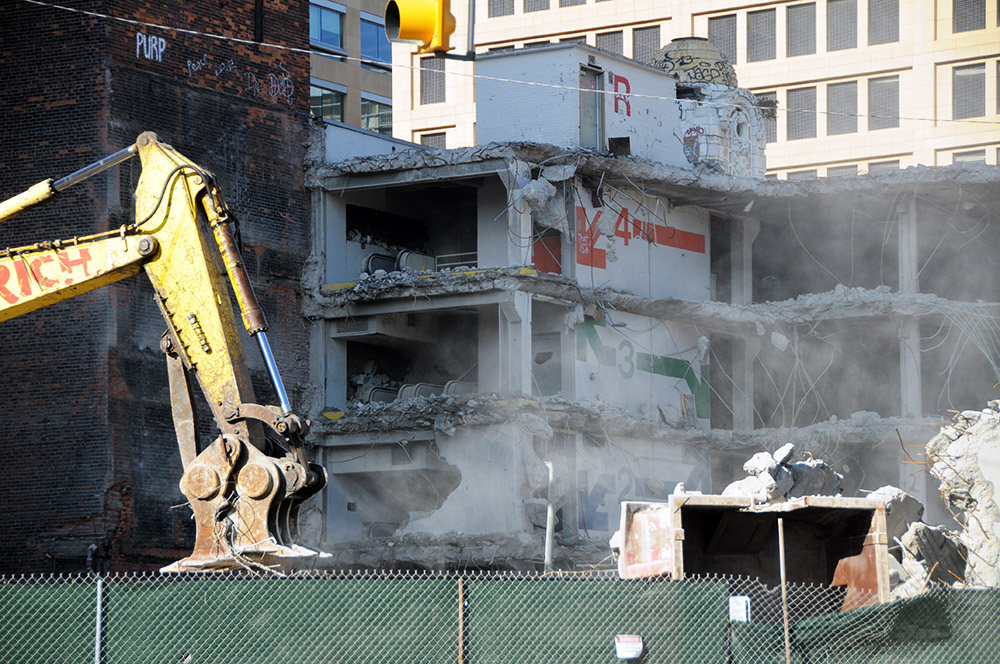
At the same time, demolition and redevelopment were visible around the city. Detroit’s abandoned structures are probably among its most photographed features, but actually traveling through the city showed me that demolition, restoration, new construction, and abandonment could all exist surprisingly close together.

Visiting in October turned out to be a great choice. Between the fall decorations, crowded markets, outdoor performers, and comfortable weather, I was able to spend most of my time simply walking around and seeing what I came across.
Detroit ended up being one of those cities where my expectations changed dramatically after seeing it for myself. The abandoned neighborhoods and economic problems that made the city infamous were real, but they were only one part of what I found. Downtown, Eastern Market, the riverfront, Motown, the Heidelberg Project, historic architecture, and the city’s enormous industrial legacy told a much more complicated story.
More than anything, Detroit was a reminder of why I prefer seeing places for myself instead of relying on their reputation. I arrived expecting one of America’s most troubled cities and left feeling that I had visited one of its most interesting.
Explore More of Michigan
Dearborn • Detroit • Lansing • Saugatuck Dunes