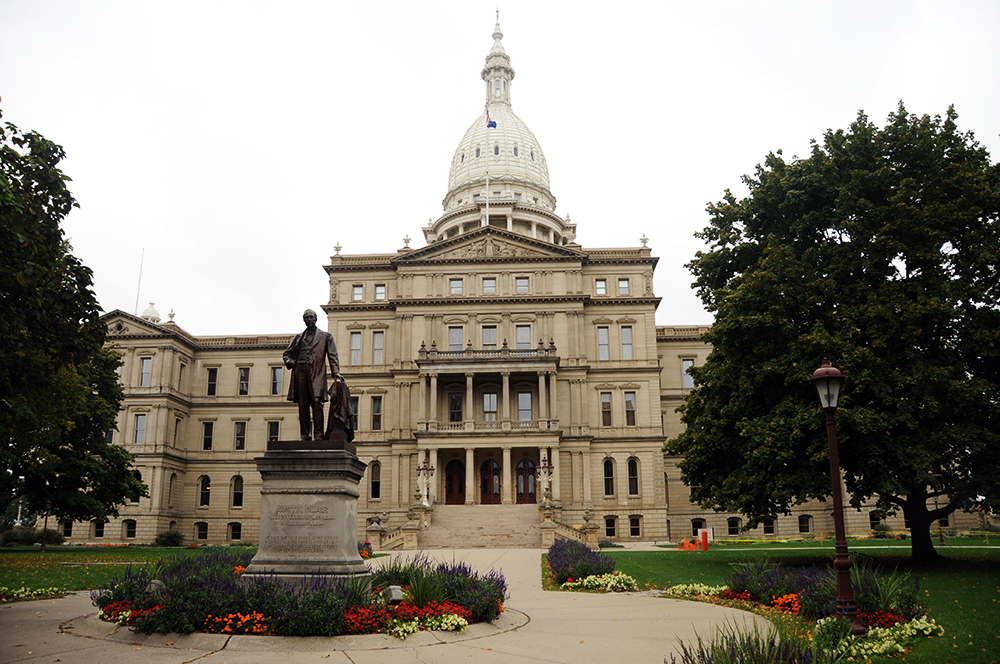
Michigan’s capital was one of those cities I knew almost nothing about before visiting. I expected Lansing to be small and quiet, but I was surprised to find considerably more going on than I had imagined. As I often do when visiting a state capital, I started at the Capitol Building. Michigan’s current Capitol was completed in the 1870s and remains one of the city’s most impressive landmarks.
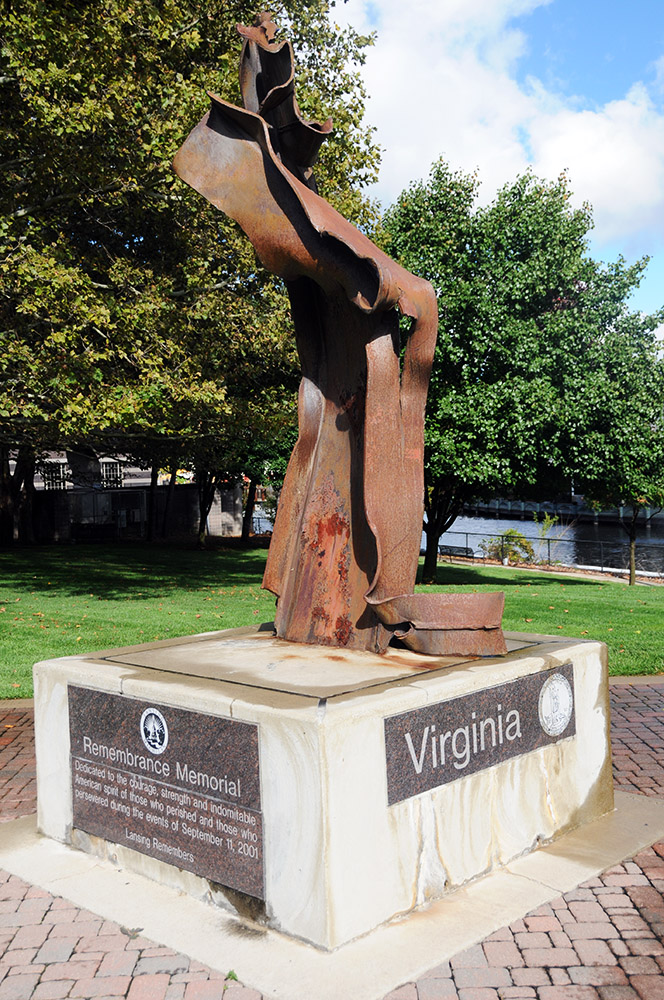
Outside the Capitol I came across this memorial dedicated to the September 11 attacks. One detail that stood out to me was its recognition of the Pentagon attack along with New York. Being from Virginia, I’ve always noticed that the Pentagon sometimes receives less attention in memorials than the World Trade Center, so I appreciated seeing all of the attacks represented here.
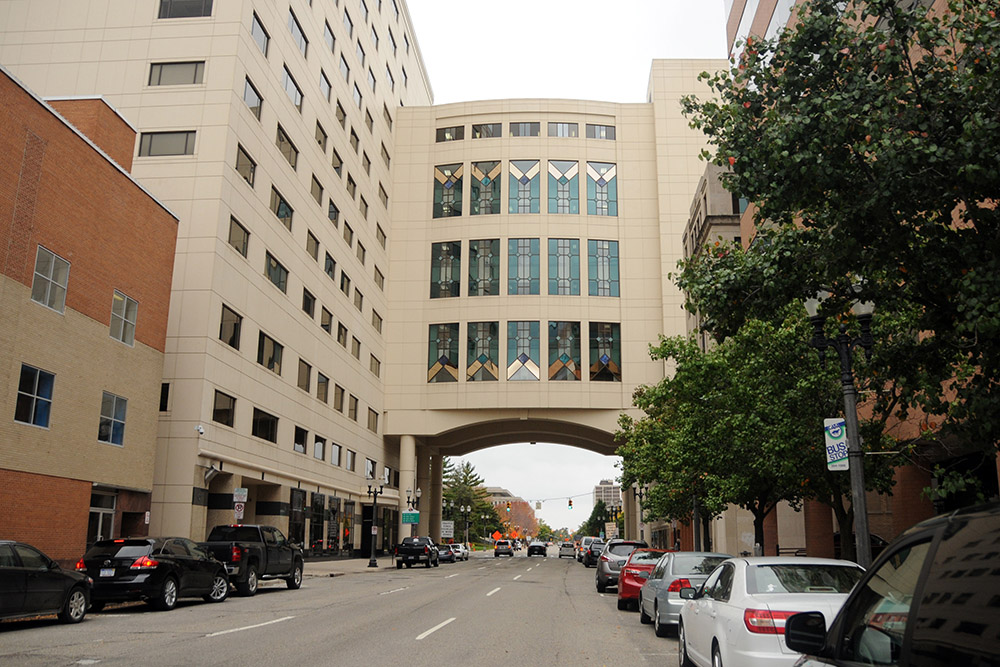
From the Capitol I explored more of downtown Lansing. I had previously visited Montpelier, Vermont, the smallest state capital in the country, and expected Lansing to be only somewhat larger. Instead, I found a proper city with high-rises, busy streets, and a much larger metropolitan area surrounding it.
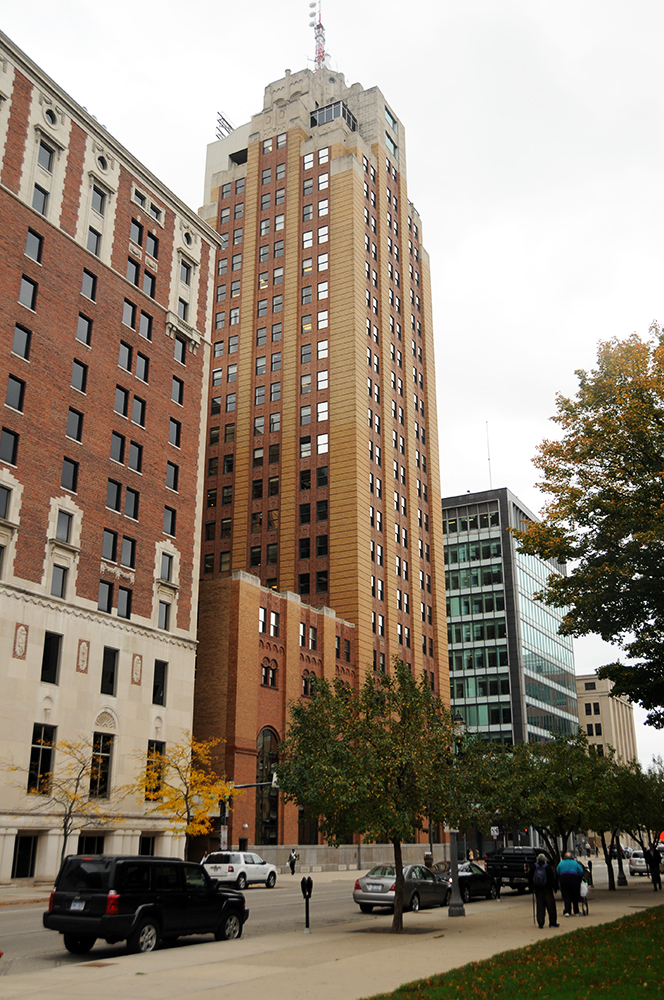
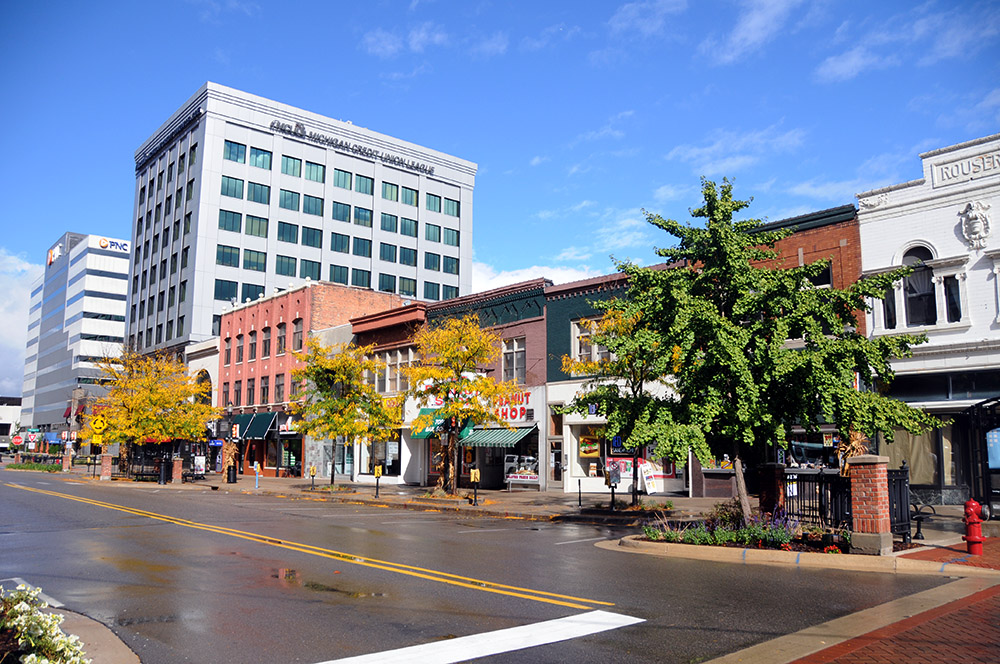
The downtown business district had small shops and cafes lining the streets. I visited in early October and encountered some light rain, but fortunately it wasn’t cold enough to keep me indoors. The leaves were already beginning to change, giving the city some early fall color.
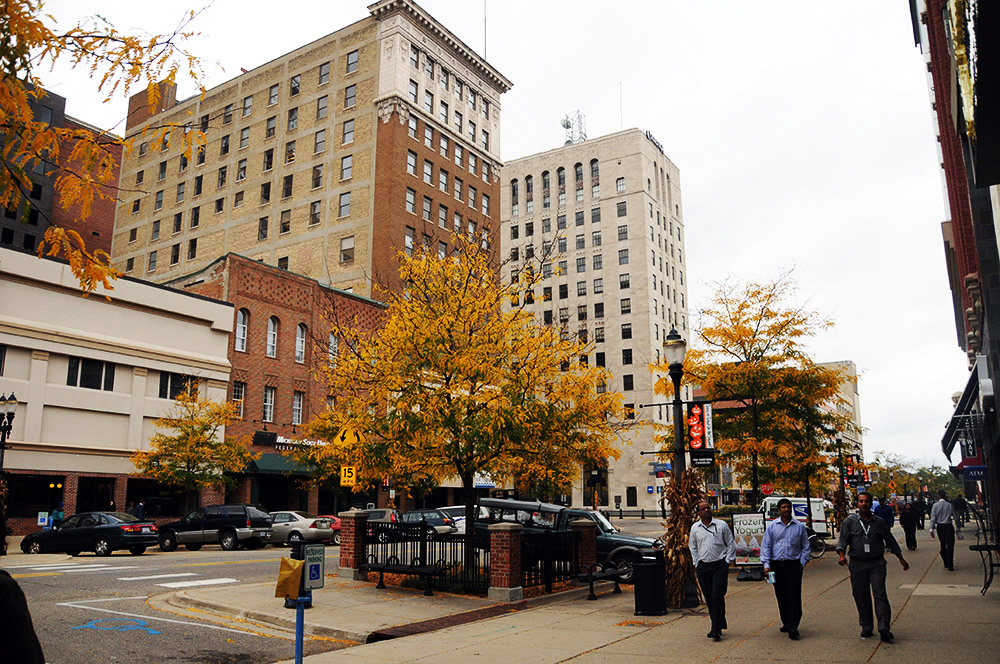
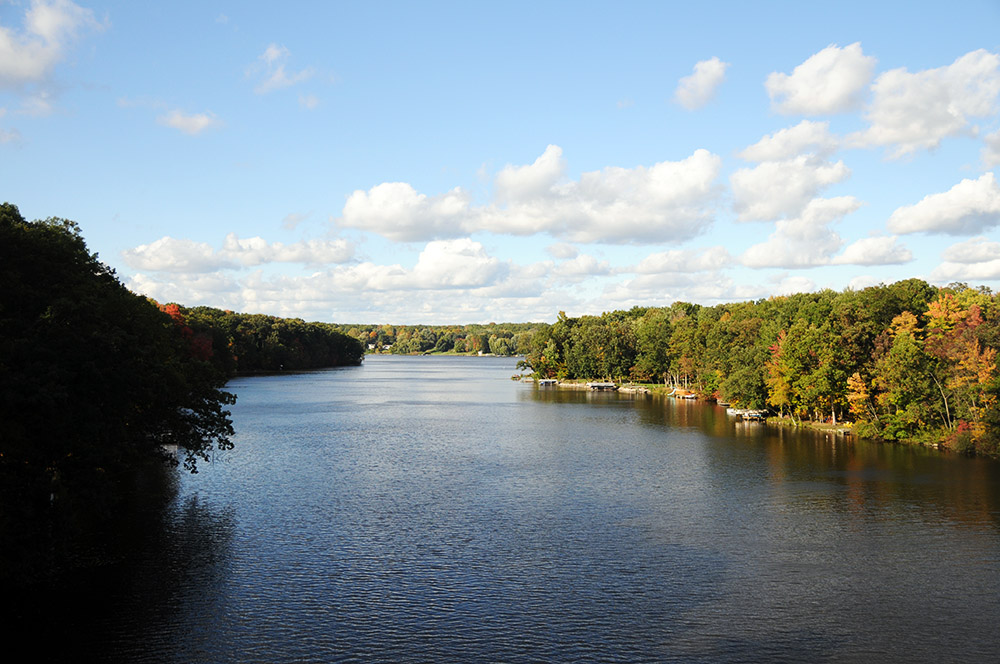
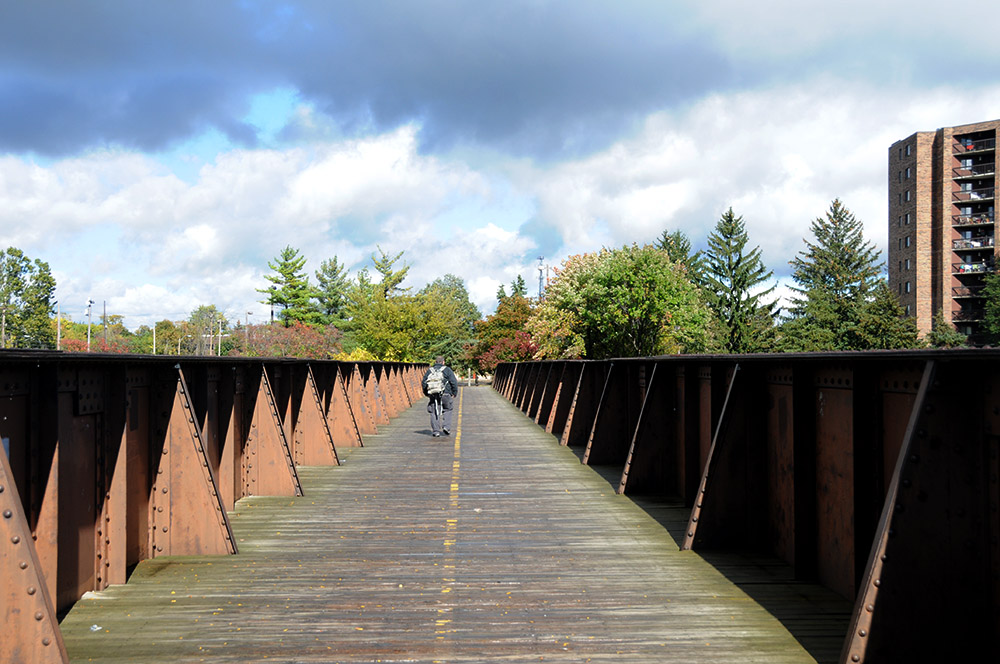
The Grand River passes directly through Lansing and provides a completely different setting from the government buildings and streets downtown. Much of the river can be explored along the Lansing River Trail, which connects parks, neighborhoods, downtown Lansing, and the surrounding area.
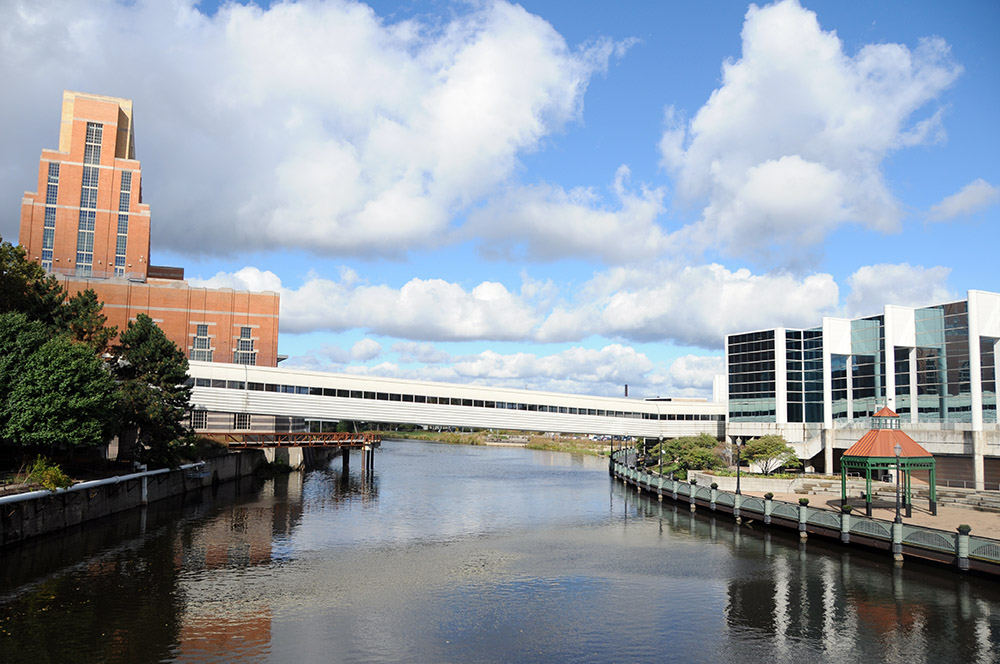
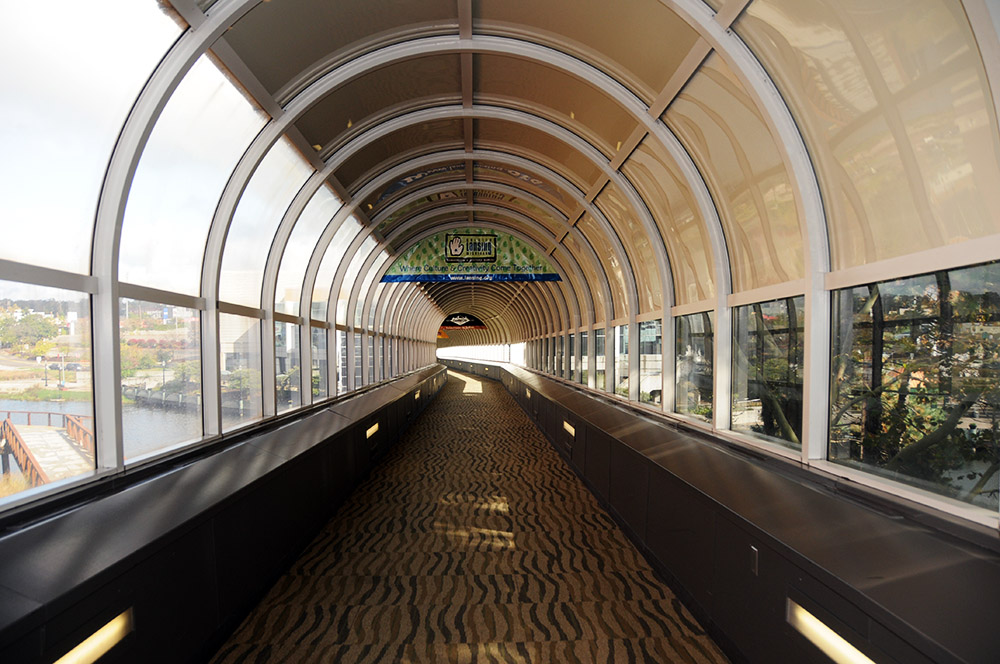
I spent some time walking along the river and through this covered section of the trail. The combination of the Grand River, trails, bridges, and nearby development made the waterfront one of the nicer parts of Lansing that I explored.
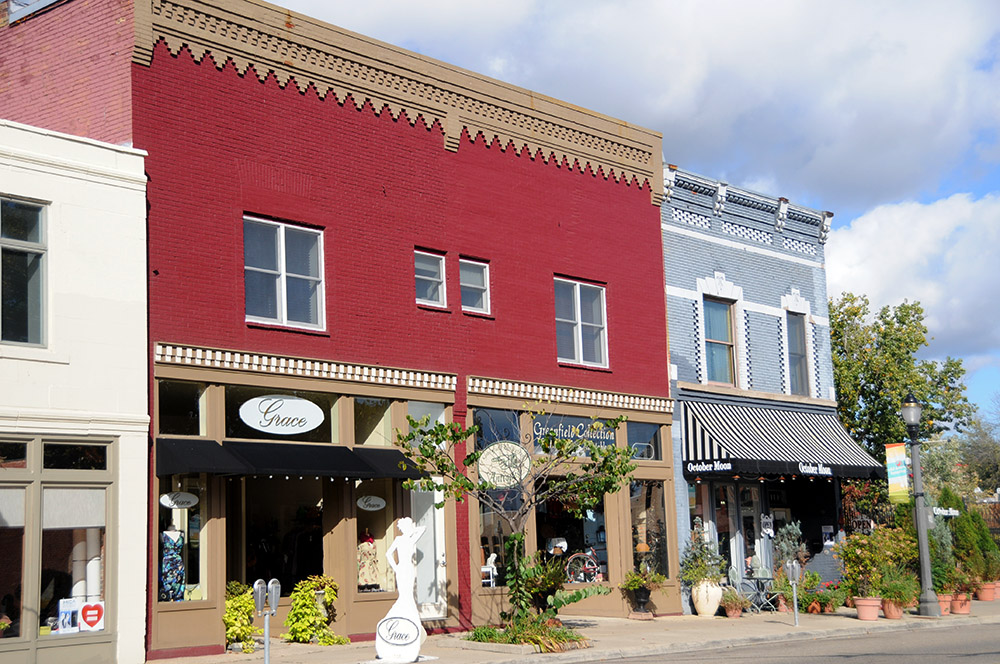
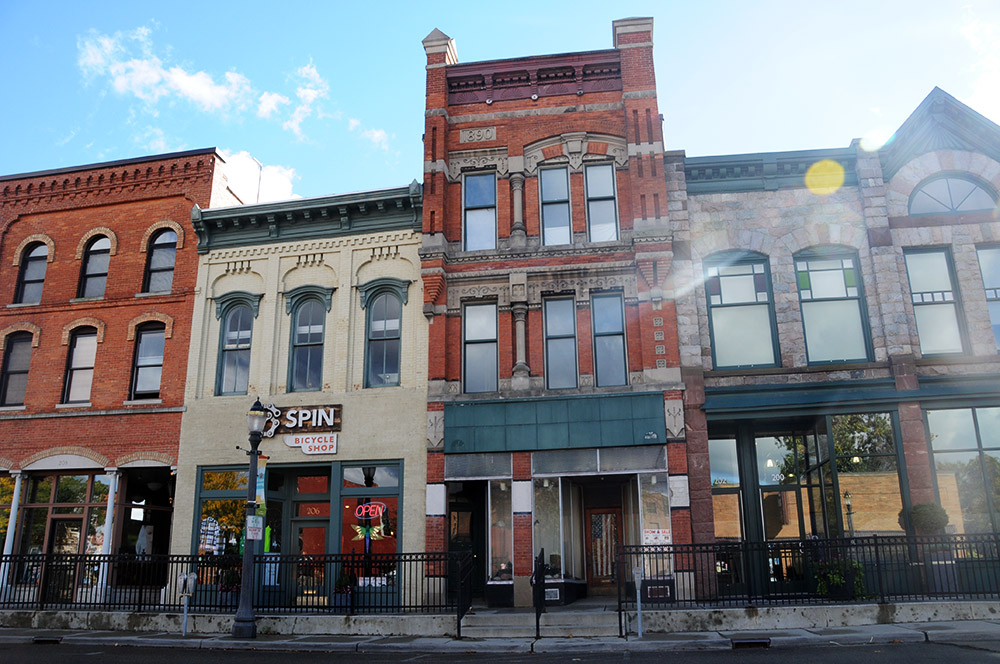
Following the Grand River brought me to another interesting part of the capital: Old Town Lansing. This is one of the city’s historic neighborhoods and today has a collection of restaurants, shops, galleries, and local businesses. Compared with the government-centered downtown, Old Town had a smaller and more neighborhood-like atmosphere.
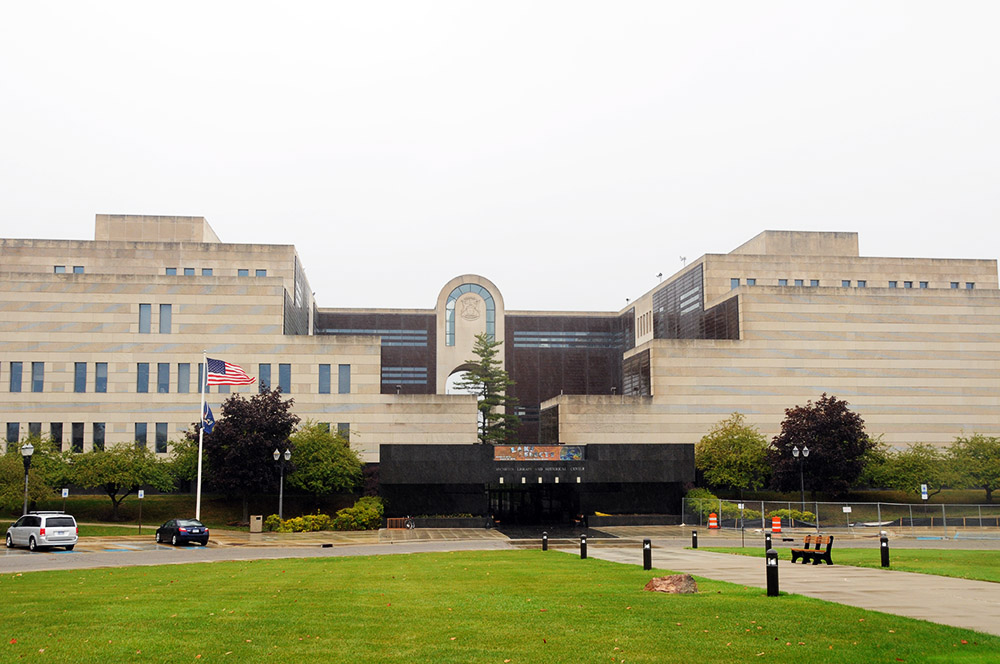
Without question, the biggest surprise of my visit was the Michigan History Center. I hadn’t even heard of it before arriving in Lansing, but it turned out to be one of the highlights of the city. The museum follows Michigan’s history across thousands of years, with exhibits covering everything from the state’s earliest inhabitants to its industrial and cultural history.
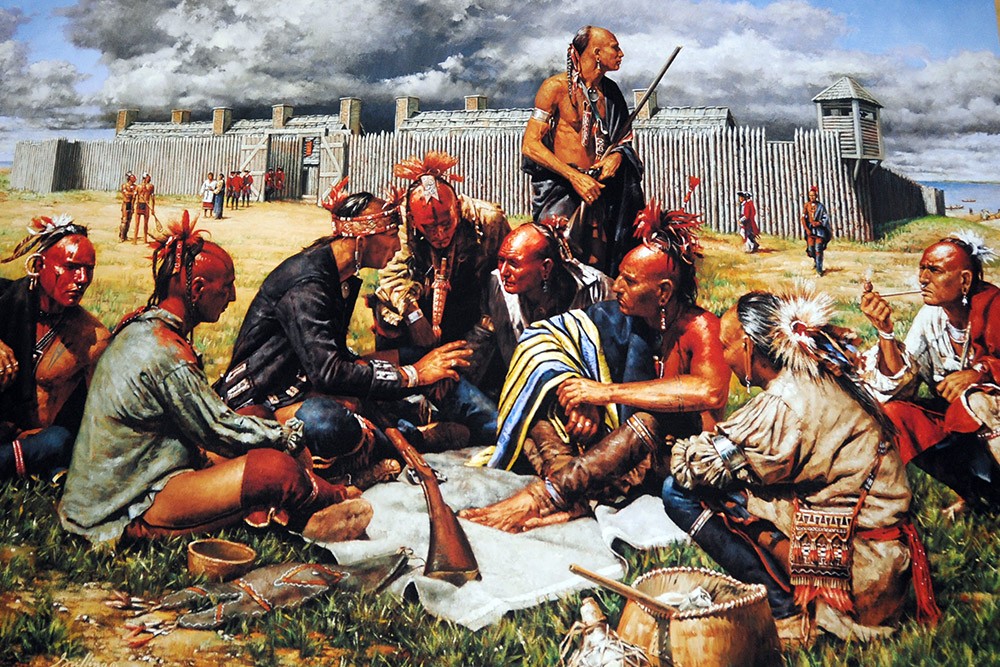
Some of the exhibits explore life in Michigan long before it became a state, including the Native peoples who lived throughout the Great Lakes region. Paintings, artifacts, and full-size displays help show how people lived during different periods of Michigan’s history.


The museum is large enough that there’s no way I could show everything I photographed. Beyond the earliest history were sections covering European settlement, mining, Michigan’s growth during the 19th century, and the Civil War. Although the major battles were fought far from Michigan, thousands of men from the state served in the Union Army.
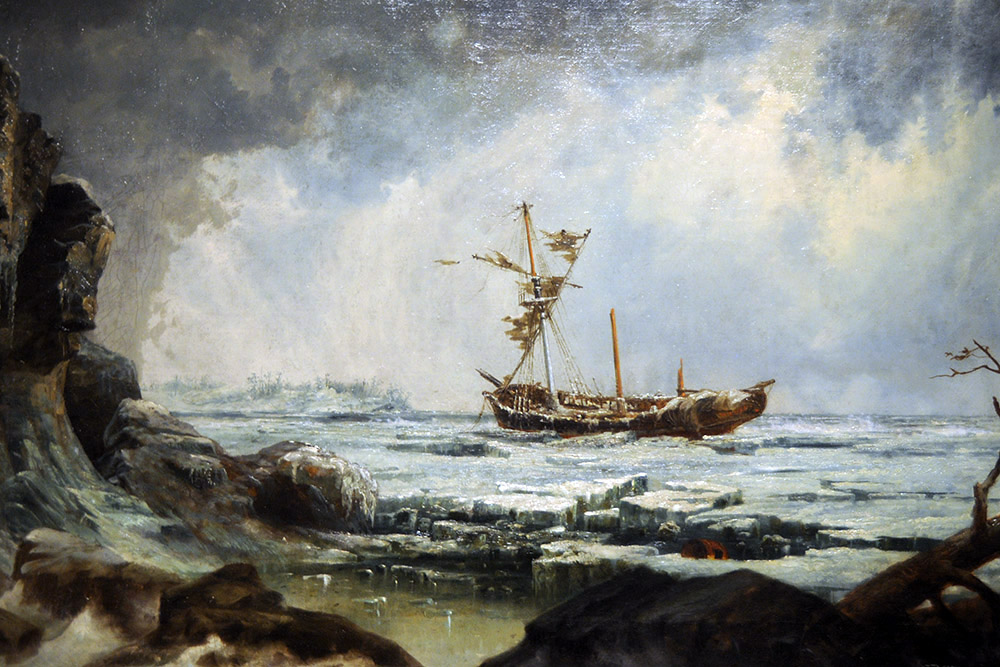
Not everything needed to be a huge exhibit to catch my attention. I came across this painting of a ship on the Great Lakes and, for whatever reason, it ended up being my favorite painting in the museum. I don’t remember its age or story, but I liked it enough that I had to include it here.
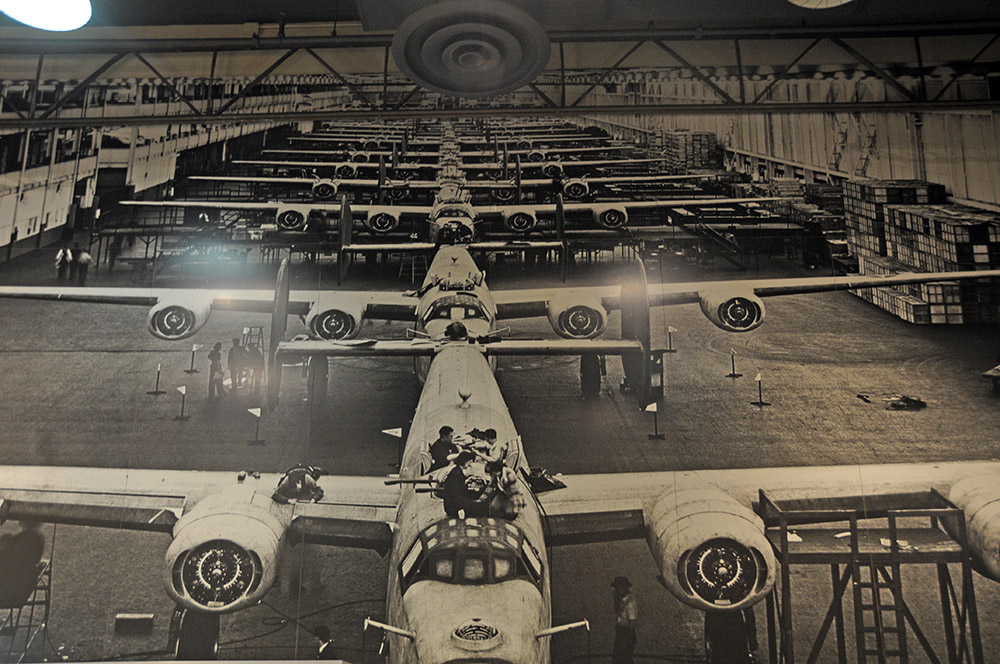
Michigan’s enormous manufacturing industry also gave the state an important role during World War II. Automobile factories and other industrial facilities were converted to wartime production, manufacturing aircraft, vehicles, tanks, engines, and other equipment. The photograph above shows bombers being assembled before eventually being sent into service.
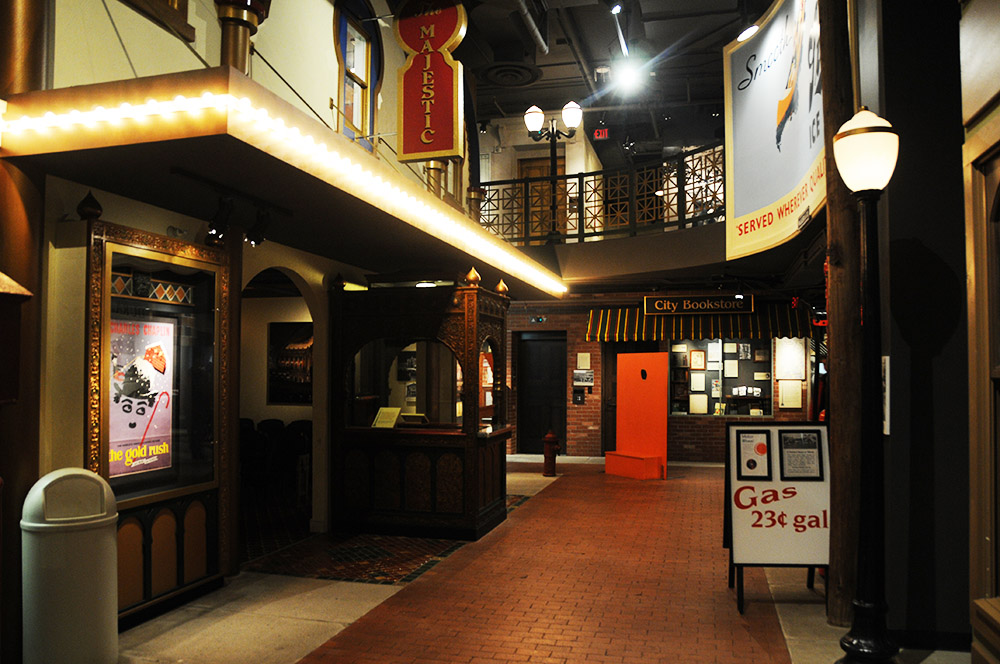
One of the most elaborate parts of the museum was this recreation of a Michigan town from the mid-20th century. Rather than simply placing objects behind glass, entire environments had been reconstructed to give visitors a sense of what life looked like during different periods.
The museum also covered Motown, the Detroit record label that became one of Michigan’s greatest contributions to American music and popular culture. I was able to explore that story much more closely when I visited Detroit, including the original Motown recording studio. You can see more of that on my Detroit page.
Lansing wasn’t a city I had particularly high expectations for before arriving, which may be why I enjoyed it as much as I did. The Capitol, Grand River, Old Town, and especially the Michigan History Center gave me plenty to explore. It may not be the first place most people think about when planning a trip through Michigan, but I found considerably more here than I expected.
Explore More of Michigan
Dearborn • Detroit • Lansing • Saugatuck Dunes