As a native, I was always surprised to hear that Virginia was one of the most visited states in America, but when you think about everything here, it makes sense. Virginia played an enormous role in the country’s history, beginning with the first permanent English settlement at Jamestown in 1607. More than 150 years later, Virginians such as George Washington helped lead the colonies to independence, and during the Civil War, Richmond became the capital of the Confederate States of America. Beyond its history, Virginia has an incredible variety of landscapes and cultures, stretching from the Appalachian Mountains and Shenandoah Valley to the cities of Northern Virginia and the beaches of the Atlantic coast.
Explore Richmond
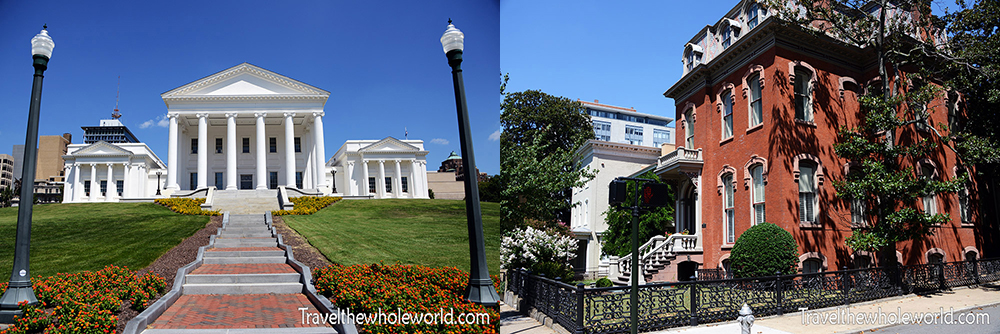
Richmond is the capital of Virginia and one of the most historically important cities in the state. Its history stretches from the colonial and Revolutionary periods through the Civil War, when Richmond served as the capital of the Confederate States of America. Today the city combines that history with an increasingly lively downtown, museums, restaurants, and neighborhoods worth exploring. The James River runs directly through Richmond and gives the city something unusual for a major urban area: excellent places for hiking, kayaking, and enjoying the outdoors without ever really leaving the city.
Explore Mt. Rogers

Virginia’s highest mountain is also one of the most unique natural areas in the state. Rising to 5,729 feet (1,746 meters), Mt. Rogers supports a high-elevation environment that feels very different from most of Virginia. The surrounding mountains contain rare Southern Appalachian spruce-fir forests along with open meadows, rocky ridges, and miles of hiking trails. The area is perhaps best known for the wild ponies that roam the nearby highlands, making this one of my favorite places in Virginia for hiking and camping.
Explore Virginia Beach

Virginia Beach is the state’s largest coastal destination, with miles of shoreline along both the Atlantic Ocean and Chesapeake Bay. The main oceanfront is lined with hotels, restaurants, entertainment, and a long boardwalk, while quieter beaches and natural areas can be found farther from the resort district. Virginia Beach is also part of the much larger Hampton Roads region, putting Norfolk, Chesapeake, and several important historic and military sites within easy reach.
Explore Alexandria
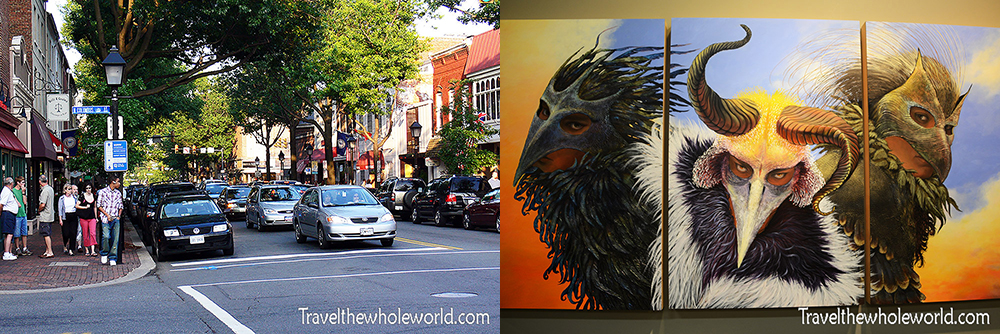
Old Town Alexandria is one of Northern Virginia’s most historic and attractive areas. Founded during the colonial era, the city was closely connected with George Washington and other figures from early American history. Today its brick sidewalks and historic buildings are filled with restaurants, shops, museums, art galleries, and plenty of bars. The waterfront along the Potomac River is especially nice for walking and offers views toward Washington, D.C.
Explore Springfield

Springfield is my hometown and the part of Virginia I know better than anywhere else. Located in the suburbs of Northern Virginia just outside Washington, D.C., Springfield isn’t a traditional tourist destination, but it provides a look at everyday life in one of the country’s largest metropolitan areas. Its location also makes it a convenient starting point for exploring Washington, Alexandria, Arlington, and the many parks and historic sites throughout Northern Virginia.
Explore Jamestown

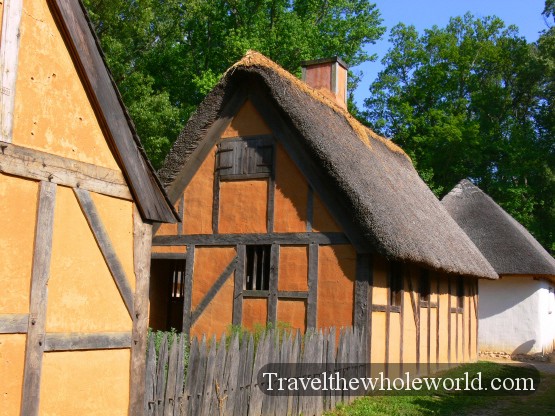
Established in 1607, Jamestown was the first permanent English settlement in what would eventually become the United States. Very little remains above ground from the original settlement, but the area contains archaeological sites and reconstructed sections that help show what life was like for the early colonists. Visitors can also see replicas of the ships that crossed the Atlantic and recreated Powhatan structures representing the Native American communities that had lived in the region long before the English arrived.
Explore Shenandoah National Park
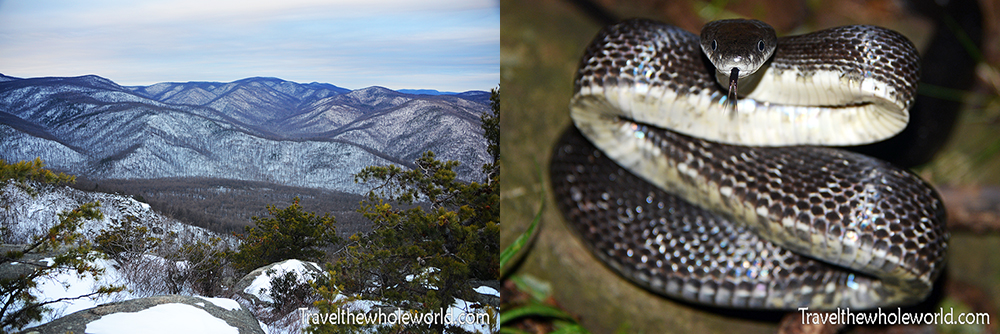
Shenandoah National Park protects a beautiful section of the Blue Ridge Mountains and is one of Virginia’s best destinations for hiking and wildlife. Skyline Drive follows the mountain ridges through the park, providing access to overlooks and dozens of hiking trails. The Appalachian Trail also passes through Shenandoah on its journey from Georgia to Maine. Black bears and white-tailed deer are common, while waterfalls, rocky overlooks, and peaks rising above 4,000 feet provide plenty of reasons to get out of the car and explore on foot.
Explore McAfee Knob
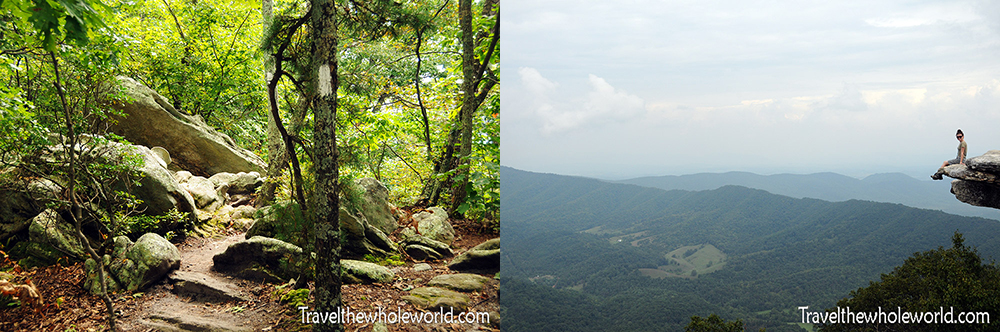
McAfee Knob is one of Virginia’s most famous hikes and one of the most photographed viewpoints along the entire Appalachian Trail. The trail climbs through the forest before reaching a dramatic rock ledge overlooking the surrounding mountains and valleys. The round-trip hike takes several hours and gains a good amount of elevation, but the view from the top makes it well worth the effort. Deer and other wildlife are common in the surrounding forest, and black bears also inhabit the region.
Explore Natural Bridge

Natural Bridge is one of Virginia’s most impressive natural landmarks. The enormous limestone arch rises more than 200 feet above Cedar Creek and was carved gradually by erosion over an immense period of time. The bridge itself is the main attraction, but the surrounding area also has hiking trails and other natural scenery to explore. It’s an easy place to include on a road trip through the mountains of western Virginia and remains one of the state’s most recognizable natural formations.