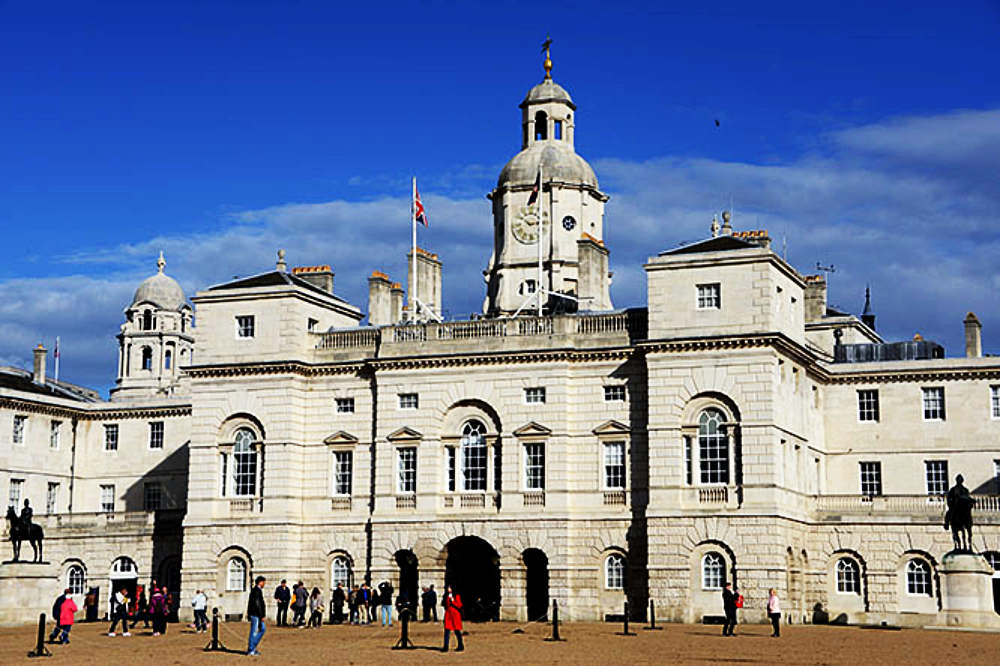
The United Kingdom is made up of England, Scotland, Wales and Northern Ireland. Great Britain refers specifically to the island containing England, Scotland and Wales, while the full country is officially the United Kingdom of Great Britain and Northern Ireland.
My earliest trip to England was an extremely brief stop while I was serving in the military aboard an aircraft carrier. I had so little time that it barely felt like a proper visit, but I still had a great experience and knew I wanted to return someday with enough time to explore the country properly.
Between historic cities, castles, prehistoric monuments, mountains, coastlines and the nightlife of major cities, there is enough throughout the United Kingdom to keep me traveling for an entire summer. I’ve only scratched the surface so far.
Explore London
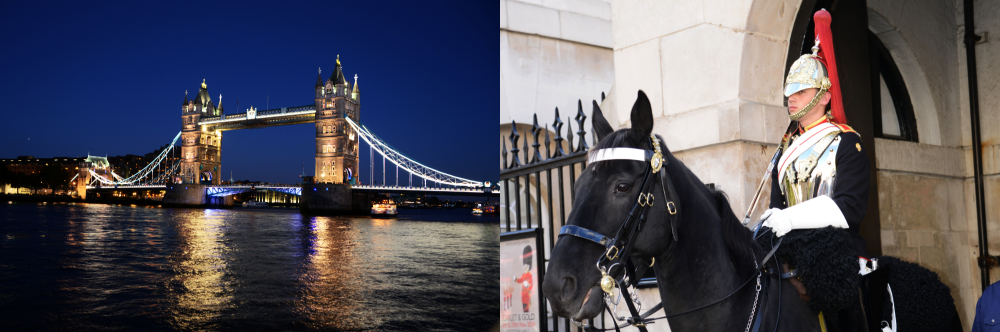
London is the capital and largest city of the United Kingdom and one of the world’s great historic cities. Founded by the Romans nearly two thousand years ago, London grew into the political and commercial heart of a global empire. Today, centuries of history sit alongside an enormous modern metropolis, with landmarks such as the Tower of London, Tower Bridge, Buckingham Palace and the Palace of Westminster scattered throughout the city.
The city’s historic neighborhoods, royal parks and world-class museums provide an extraordinary range of attractions. Visitors can explore the British Museum, admire masterpieces in the National Gallery, stroll along the River Thames or watch the ceremonial guards outside Buckingham Palace. London’s extensive Underground network makes it relatively easy to travel between its many distinctive neighborhoods.
There is easily enough sightseeing to fill several days, while London’s restaurants, traditional pubs, theaters and nightlife make the city just as active after dark. From the historic streets of Westminster to the modern skyscrapers of the financial district, London offers an impressive combination of British tradition and international culture.
Explore Stonehenge
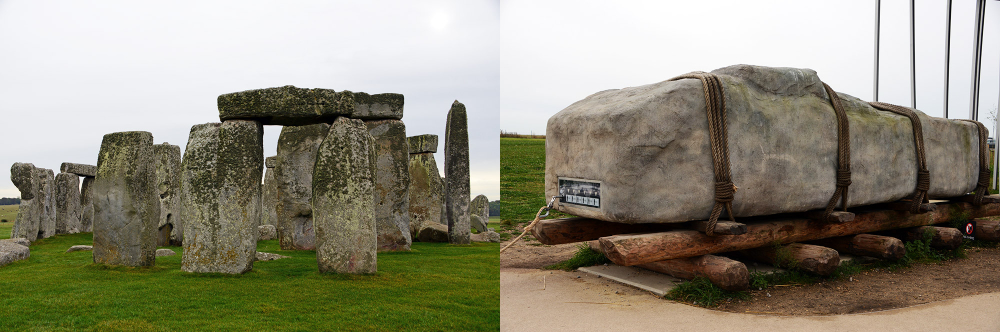
Stonehenge is one of the world’s most famous prehistoric monuments, standing on Salisbury Plain in southern England. Construction took place in several stages beginning roughly 5,000 years ago, while the enormous sarsen stones that form its most recognizable arrangement were erected around 2500 BC. The monument is part of a much larger prehistoric landscape containing burial mounds, ceremonial earthworks and other ancient sites.
Some of the standing stones weigh around 25 tons, making their transportation, shaping and placement an extraordinary achievement for prehistoric builders. The smaller bluestones originated in western Wales, requiring them to be transported over considerable distances. Exactly why Stonehenge was constructed remains uncertain, although its astronomical alignments and evidence of ceremonial and burial activity demonstrate that the site held enormous importance for the people who used it.
Stonehenge is particularly famous for its alignment with the summer and winter solstices, when the rising or setting sun corresponds with important features of the monument. These alignments suggest that the changing seasons played a significant role in its construction and use, although the precise religious and ceremonial traditions of its builders remain unknown.
Today, Stonehenge is a UNESCO World Heritage Site and one of England’s most visited historic attractions. Visitors can explore museum exhibits, reconstructed Neolithic houses and the surrounding prehistoric landscape to better understand the people, technology and traditions associated with this remarkable monument.
