Visiting Hargeisa
Under Renovation!
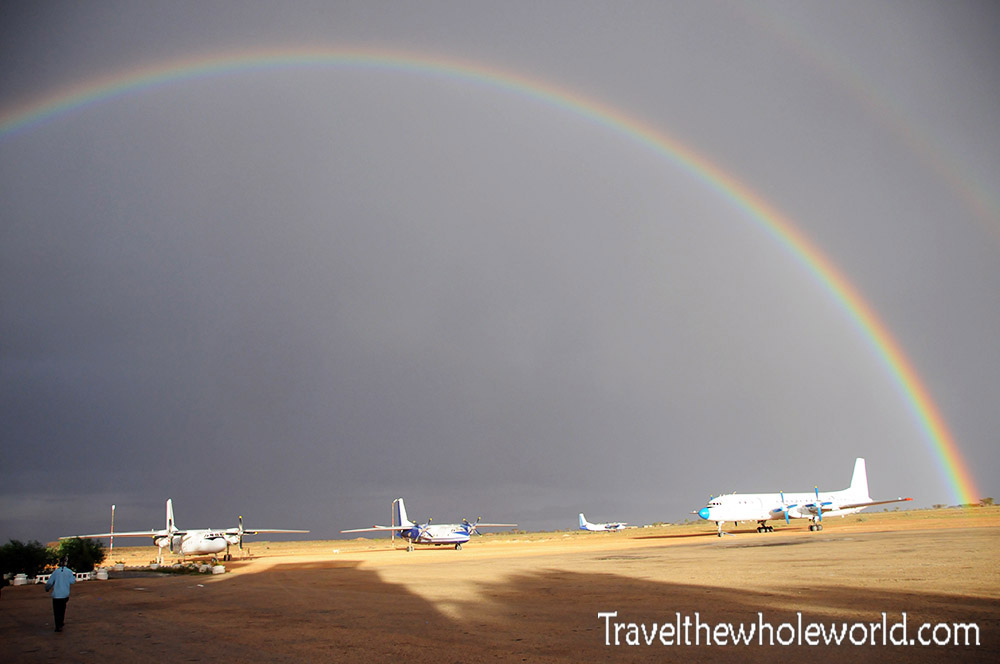
I wasn’t quite sure what to expect when I arrived to Somalia’s second largest city, but definitely not a full rainbow! My picture was rushed since I didn’t want to be questioned for photography at the airport, but this was one of the most amazing rainbows I’ve ever seen, and I regret not having a better photo of it. Immediately outside the airport the local Somalis encouraged me to take more photos. As my trip progressed, I learned that Somaliland doesn’t have a phobia of photography as some nations do, so I easily could have whipped my camera out and taken all the photos I wanted.
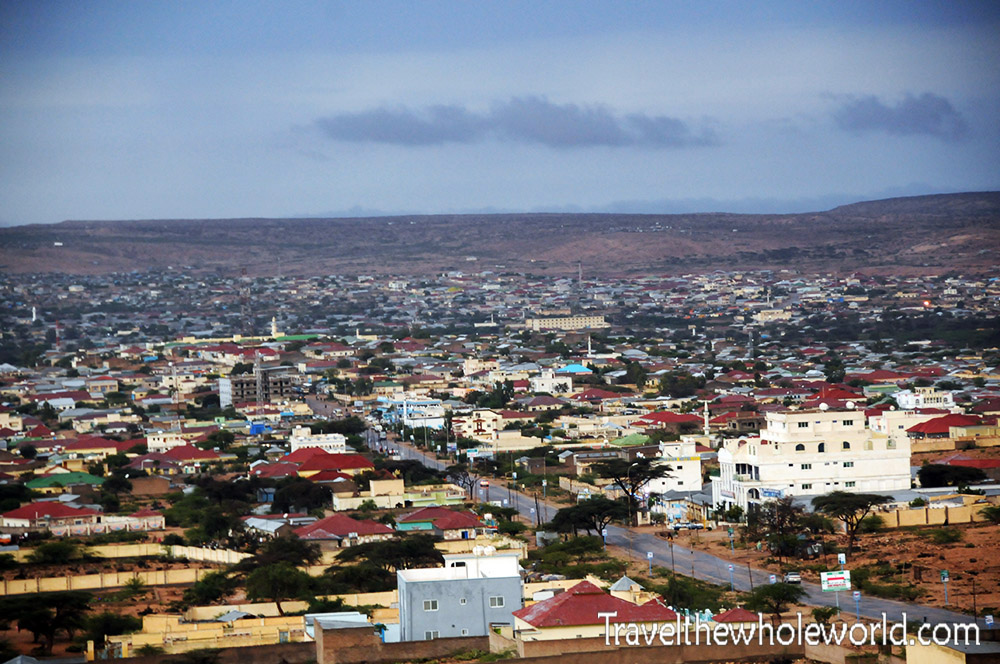
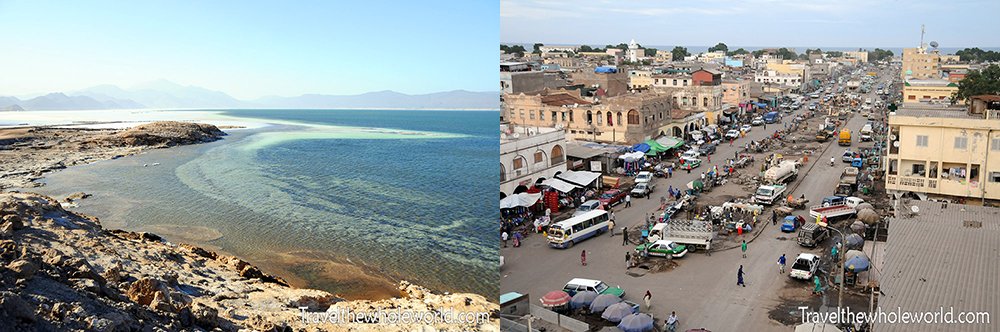
This next photo shows a city view of the capital of western Somalia, known as Hargeisa. With a population of about 1.3 million people, the only bigger city in the country is Mogadishu. Despite how relatively peaceful Hargeisa is, the chaos and anarchy that took over the country decades ago actually began right here.
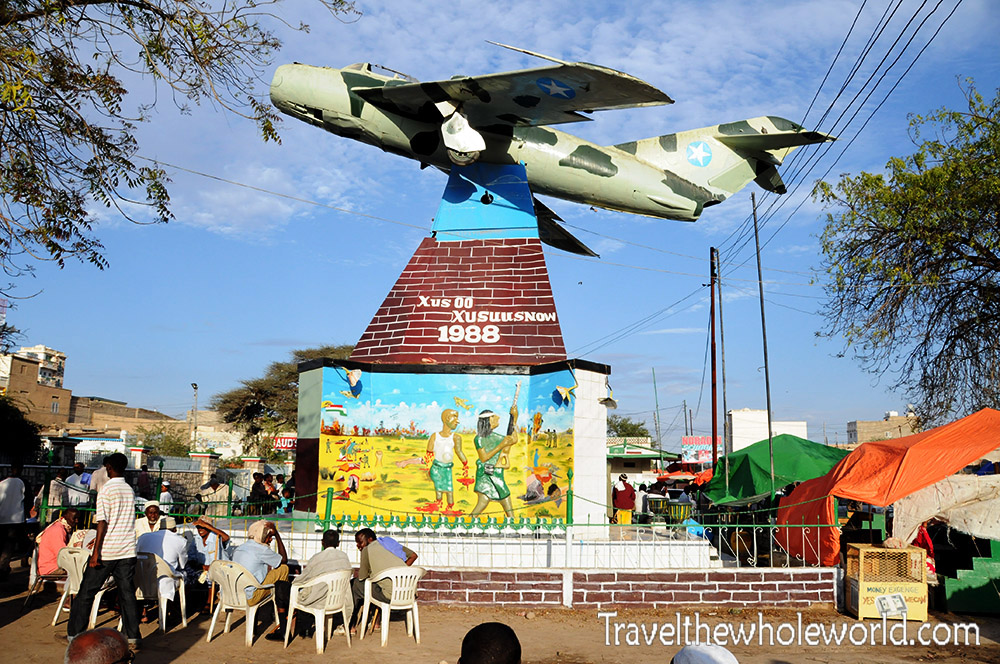
Quick history lesson on Somalia! Somalia became an independent nation in 1960, and was even a role model African country during its early years. Within a decade things began to get unstable however, Siad Barre put him in power after a successful coup. His dictatorship like regime made him very unpopular, and the country began to slowly deteriorate over time. Things escalated to the point that angry citizens refused to accept him as their leader and began forming rebel groups. Eventually rebels in what is now Somaliland were able to put together an army that was powerful enough to remove Siad Barre’s grip from the area. Losing control of part of his country did not sit well with him. His reaction was that of any good dictator; brutal retaliation by troops and bombings of rebel cities. And so the civil war had begun and Somalia has never been the same. The main conflict started in the late 1980s’, but over 25 years later the country has yet to truly recover. Hargeisa itself was seen as the capital of the resistance and faced most of Siad Barre’s wrath.
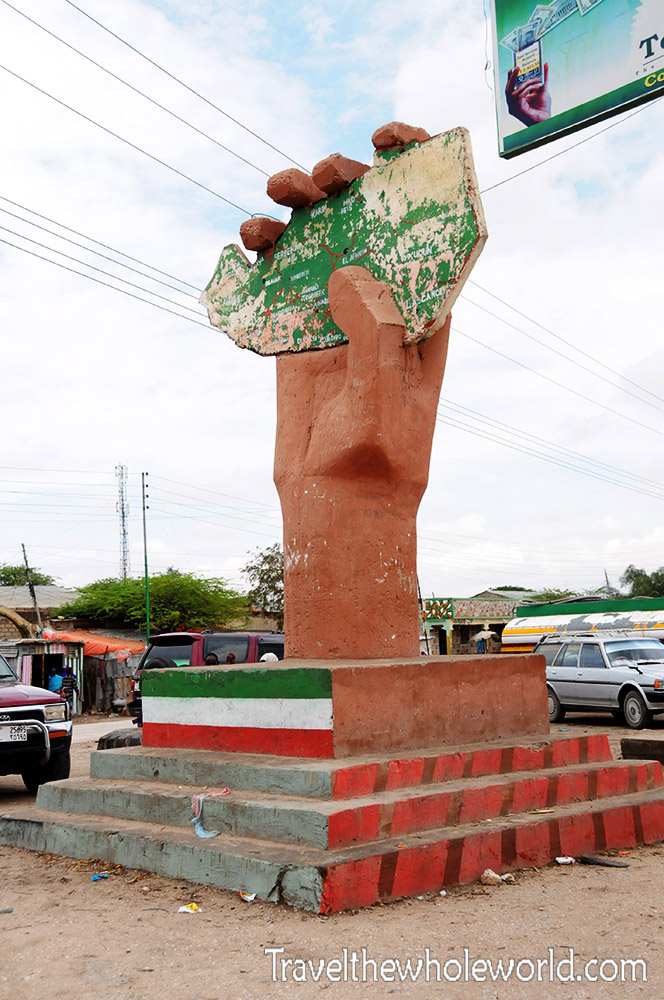
The civil war raged on until Siad Barre was overthrown in 1991. Instead of peace and unity, Somalia found itself divided into several regions; none of which were internationally recognized as an independent nation. Above is a monument of a hand holding the panhandle of Somalia, which is now Somaliland.
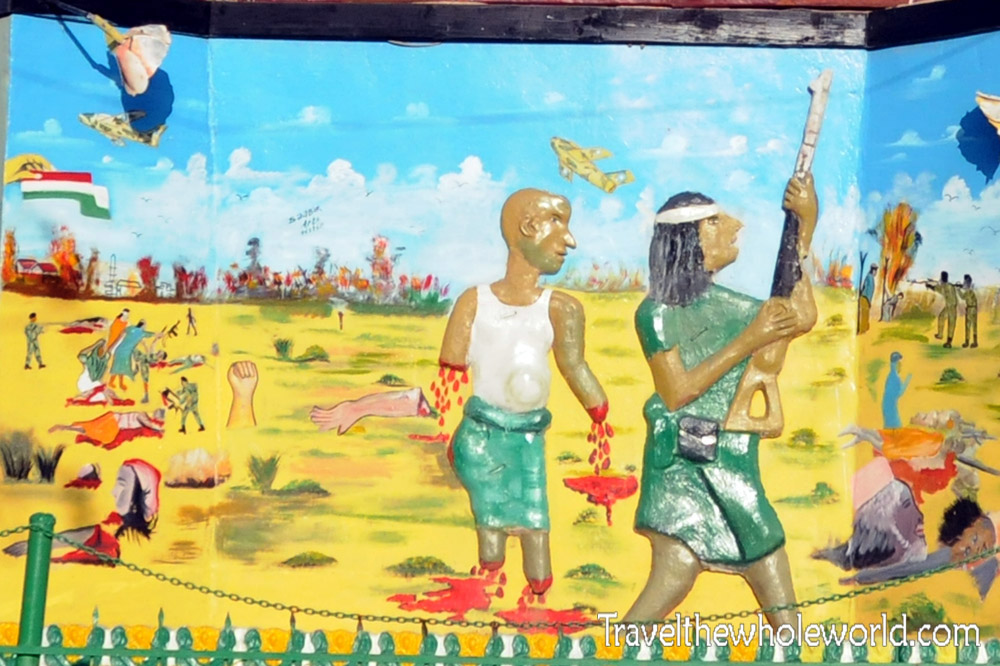
Towards the end of this trip I had a taxi driver who spoke excellent English and talked about his time as a soldier in the rebel group known as the SNM, or Somali National Movement. He described the destruction of Hargeisa with great detail and emotion. No buildings were spared, the city was flattened and the dead were sprawled out in the streets. He repeatedly emphasized how the city was so degraded that wild animals such as hyenas were living in the city. What’s happened here is definitely a sad story, but at least Hargeisa is now the most stable city in the country. This photo is part of the Somali Civil War Memorial, but a bit zoomed in so you can see the morbid depiction of an early battle that took place in Hargeisa.
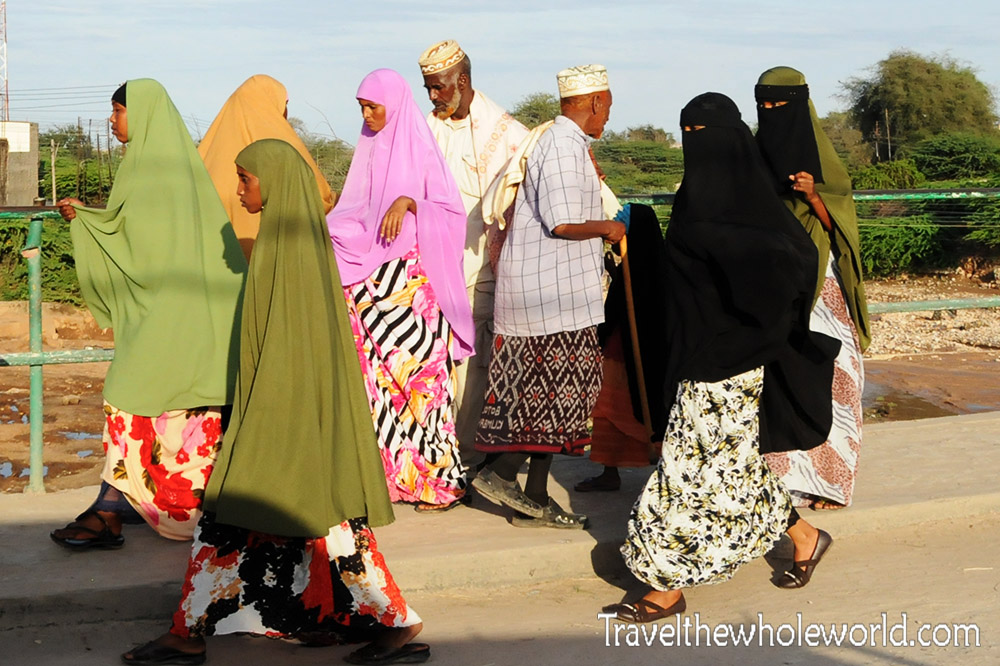
As a whole, Somaliland is by far the most stable region of the country today. Travelers in Hargeisa are unlikely to face any problems if they follow all the rules and use common sense. Above is a photo of some locals; I’d have guessed the clothing here would be all black and more conservative. Instead I was surprised to find a variety of beautiful and colorful clothing. Probably Hargeisa is considered a liberal city by Mogadishu standards, but this is just an assumption.
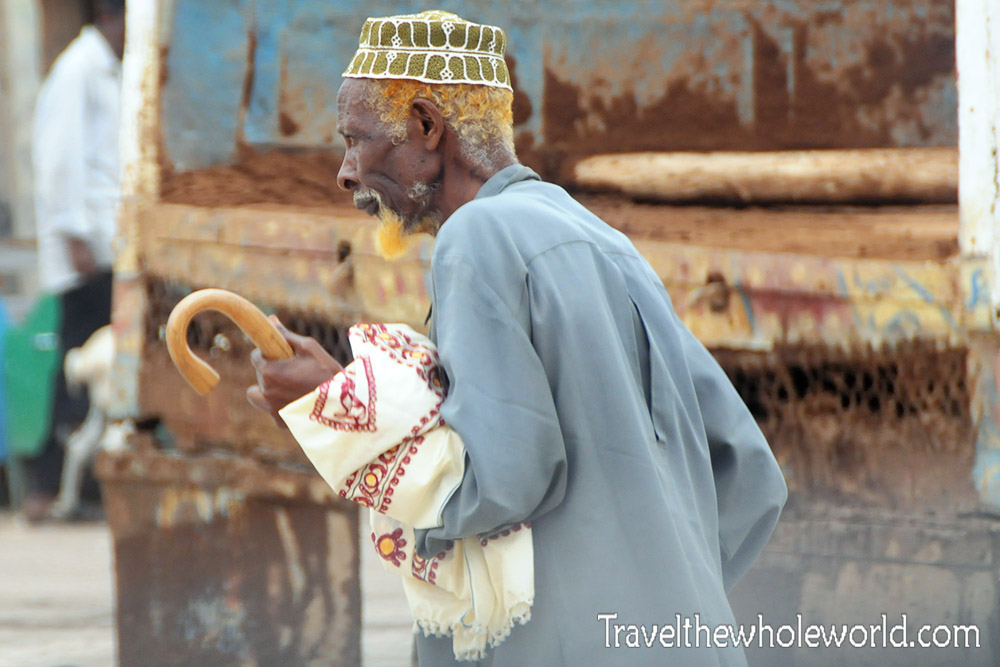
This Muslim nation is virtually 100% Sunni Islam with Islamic influences beginning in the 7th century. Note the man with the orange hair and beard. Many believe that according to the Quran, if your hair has turned white you may dye it any color except for black. The common way of doing this is by the use of henna which starts as a dark brown before turning orange as it eventually fades away.
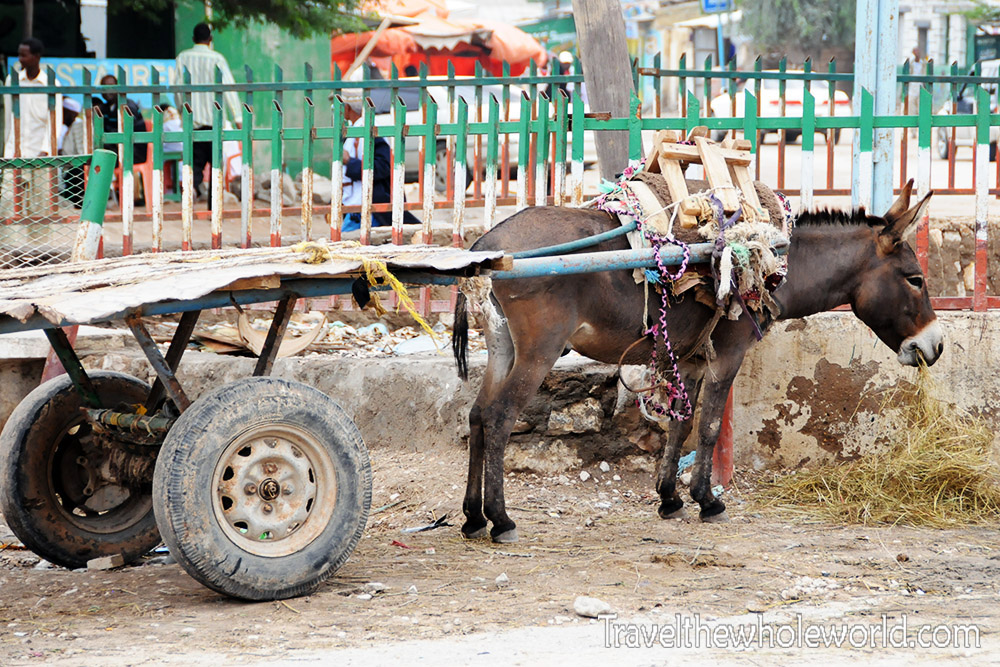
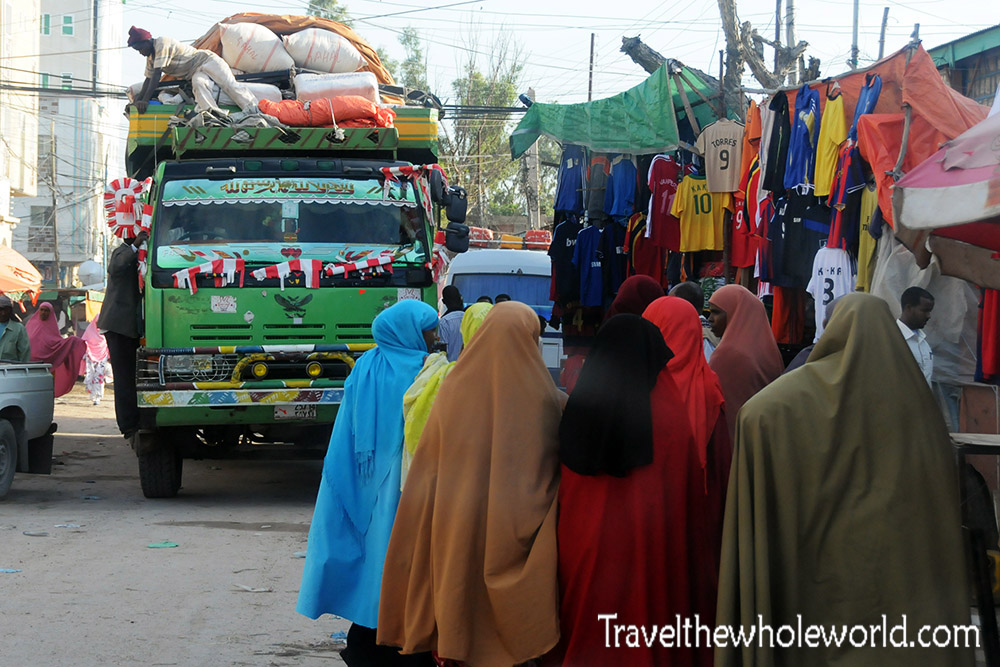
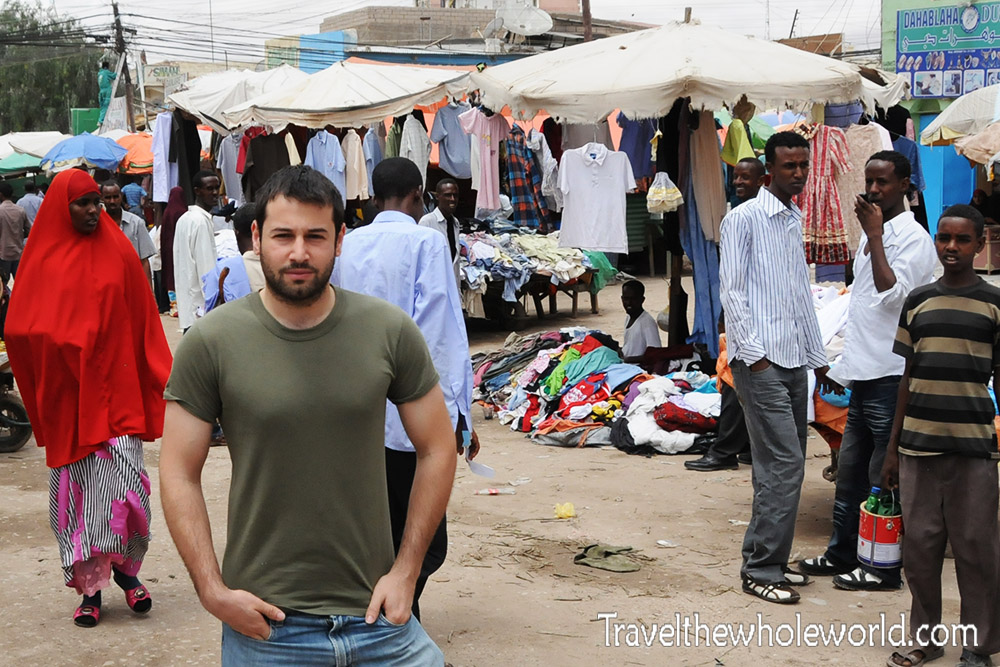
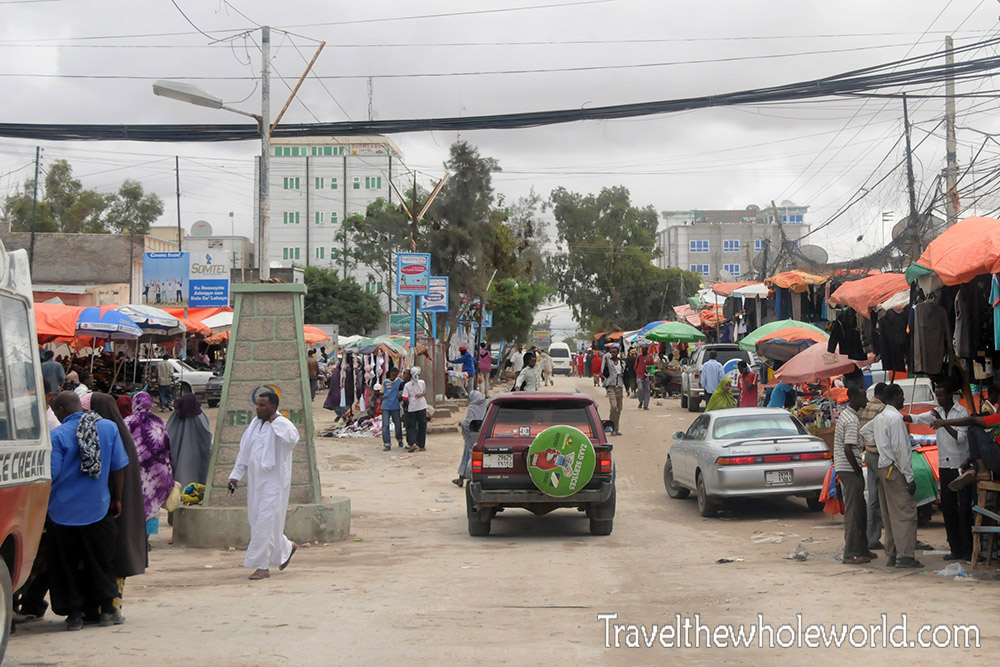
These photos are from Hargeisa’s main market. In the outskirts of the market I came across several donkeys attached to carts to pull goods. As I got closer there were more trucks than donkeys it seemed, and I started to see T-shirt stands like this one below.Other parts of the market here sold silver and gold, plenty of random pieces of clothing, and household items. I actually bought some fake Rayban sunglasses here along with a belt for 6,000 Somali Schillings or a buck each!
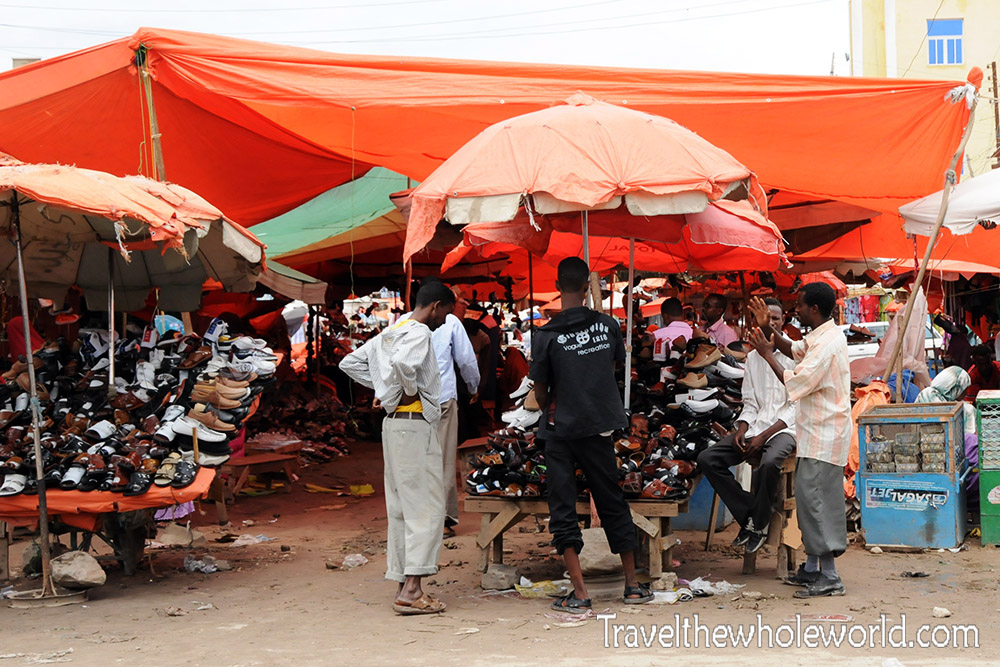
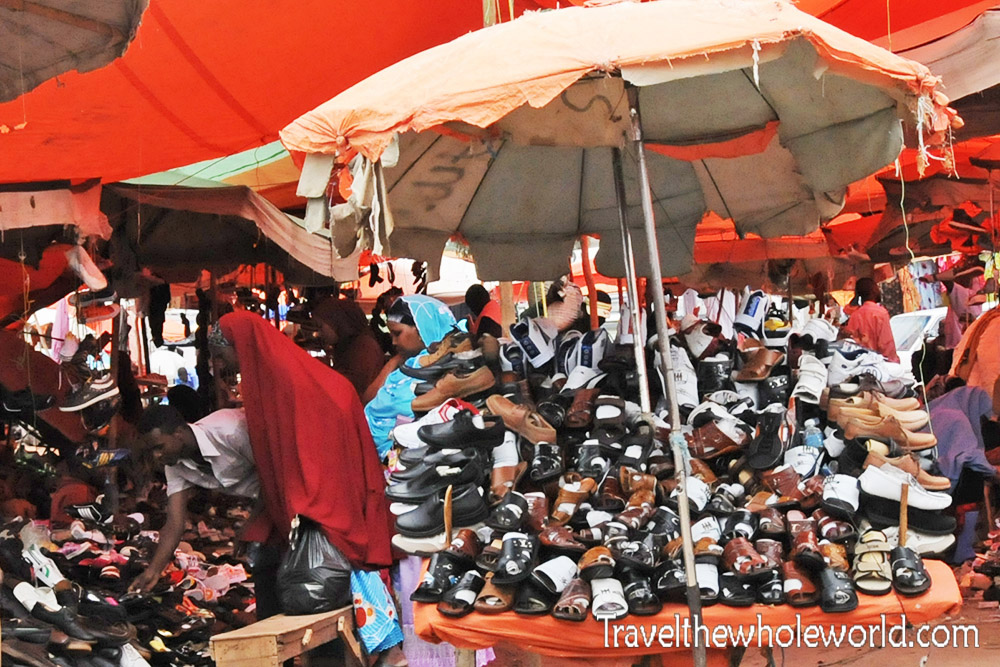
These two photos above and below show a large part of the market that sold nothing but shoes. It honestly seemed like there were enough shoes here to provide everyone in the capital with a pair. I’m not sure how it’s possible that these guys make money with all the competition and their huge inventory, but then again I see 10 shoe stores side by side in malls back home that somehow stay in business.
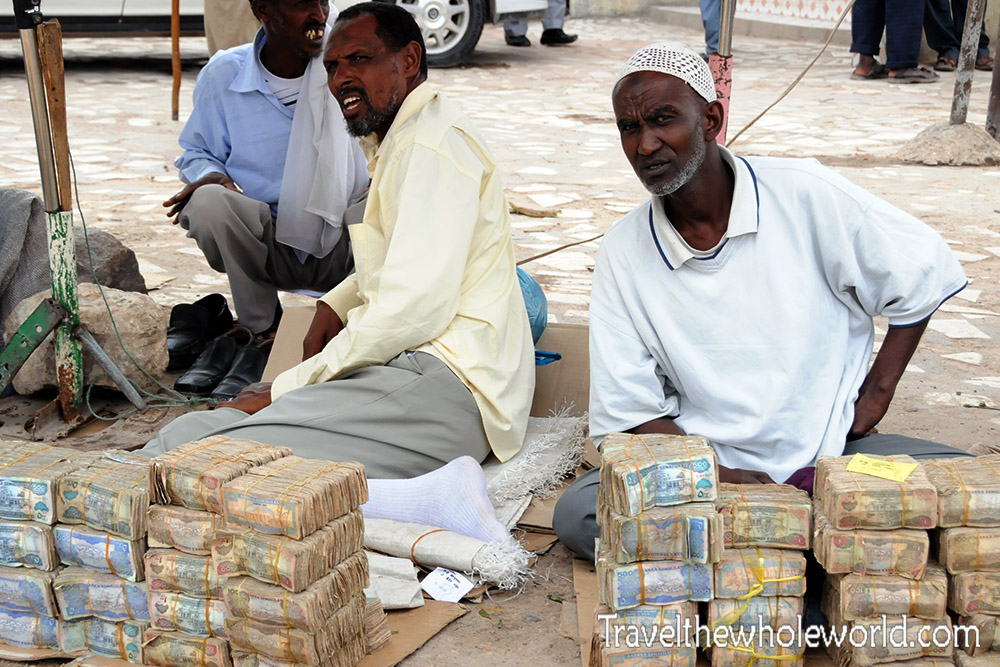
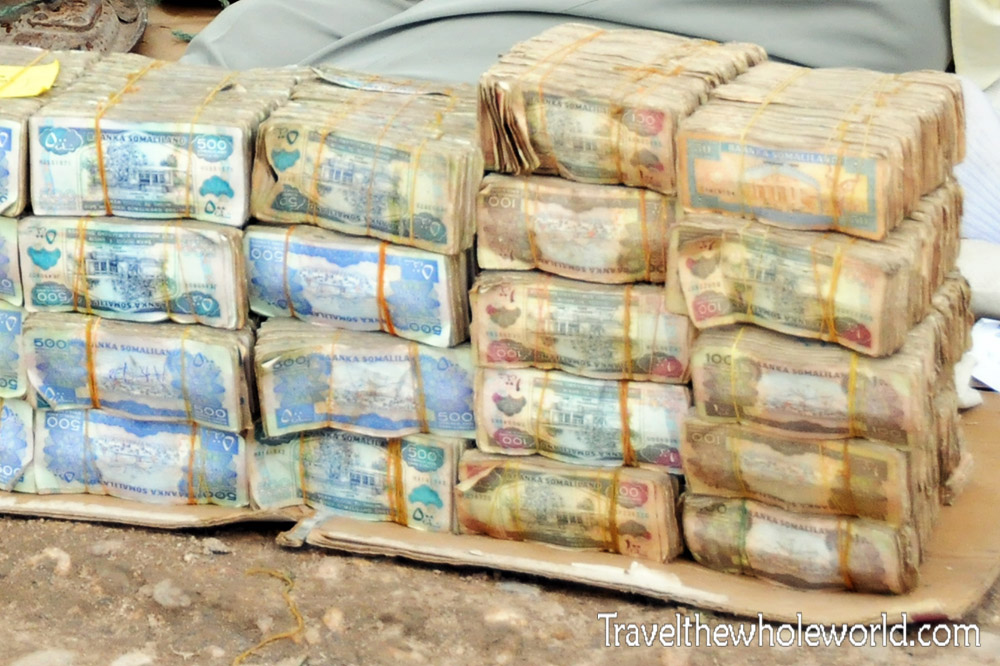
The markets in Hargeisa also have plenty of currency exchangers lining the street. At the time of my visit, one dollar was equal to 6,000 schillings, with the largest Somaliland bill being 500 schillings. So if you change $100, you’d have to carry 1,200 bills in your pocket! The giant piles of cash above aren’t worth as much as you might think since the exchange rate is so bad. If those were $20 bills then I’d assume those piles would easily be in the tens of millions, but they are probably in the few thousands. Religion here prevents stealing so these currency exchangers have little fear of being robbed. I’d imagine a thief walking out with stolen money would have just as much to fear from the locals as the police. Mob assaults can be common in this part of the world for those who steal.
Personally I wasn’t too worried walking around this market but one of my armed guards was walking around like something was about to go down. He would cautiously peer around corners while holding his AK and take up defensive positions. This made me nervous, but looking back I honestly believe he was either trying to look awesome in front of everyone or impress me with his authority.
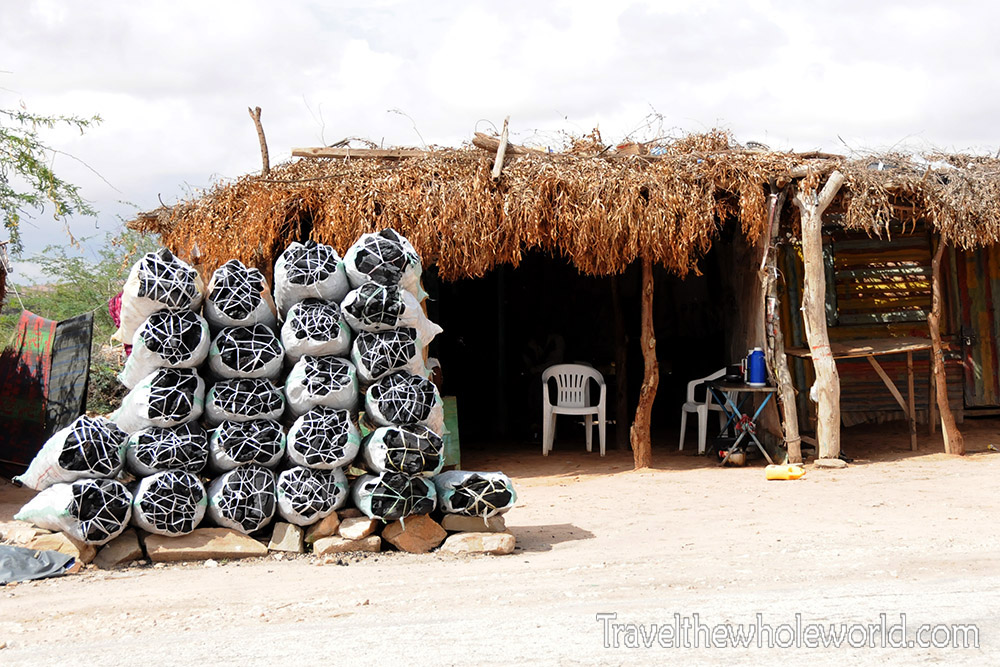
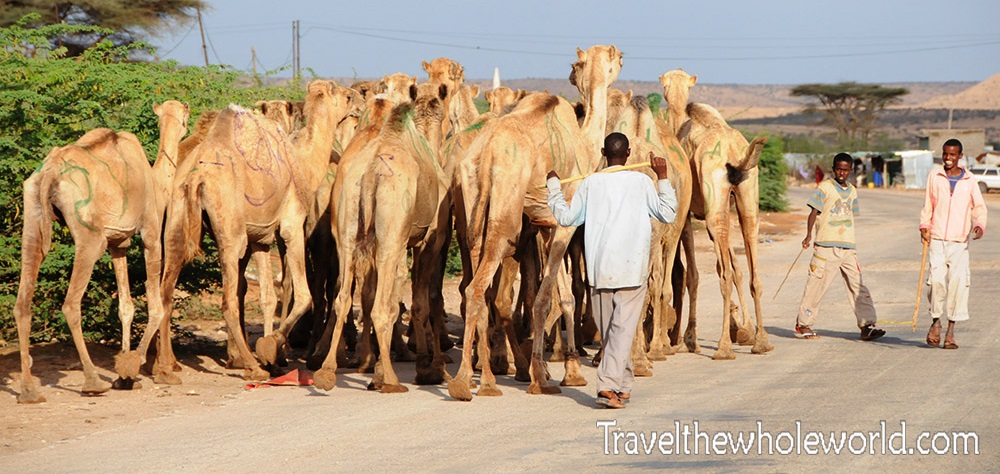
These two photos are from just outside Hargeisa. The small village there seems to have its local economy based off of charcoal, which is what you see for sale in the bags stacked up along the road. Later when I went to Yemen, I found the villages there looked similar and also had bags of charcoal for sale on the roads. I also came across this group of camels above that were being marched to their death. I was told that these camels were being herded to the butchery where they will be sold for meat.
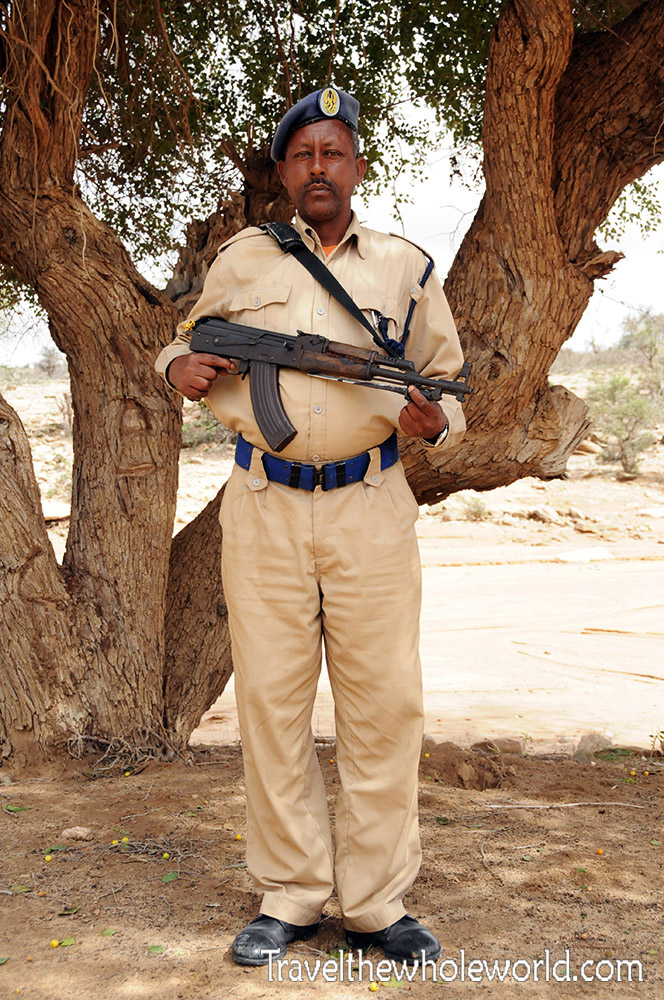
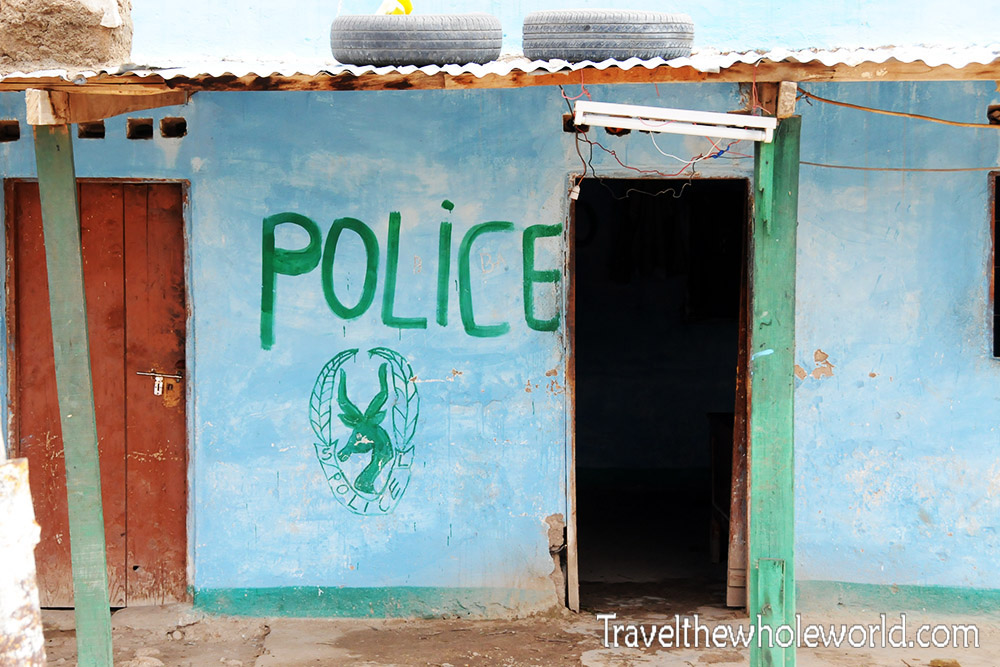
While traveling outside of Hargeisa I was required by local laws to be escorted by armed guards. There are several police blocks around the city and you’ll be quickly turned around if you don’t have an escort for your own protection. I was well aware of this before I had left the United States, but once I tried to arrange transportation I was explained by my hotel staff that two armed guards were required. I told them I had never heard of two guards being required. They responded that it was a new law because of foreigners being attacked in Somaliland.
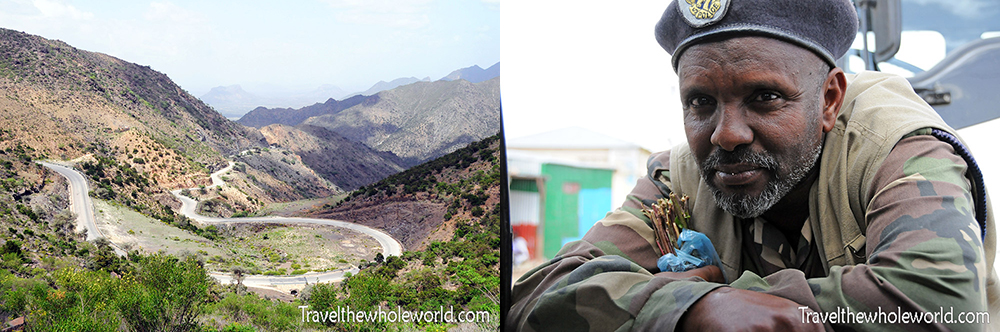
Having done a lot of research prior to my trip I found this difficult to believe, but then again safe is better than sorry. Who was I to arrive to a new country and explain to locals how safe it was and what their laws were? The only thing I was confident about with this arrangement was that I was being ripped off and lied to. After some arguing I figured I’d accept being ripped off for the time being and find out what was right as my trip progressed. Above is one of the two guards that were sent to accompany me and a photo of a police station on the right.
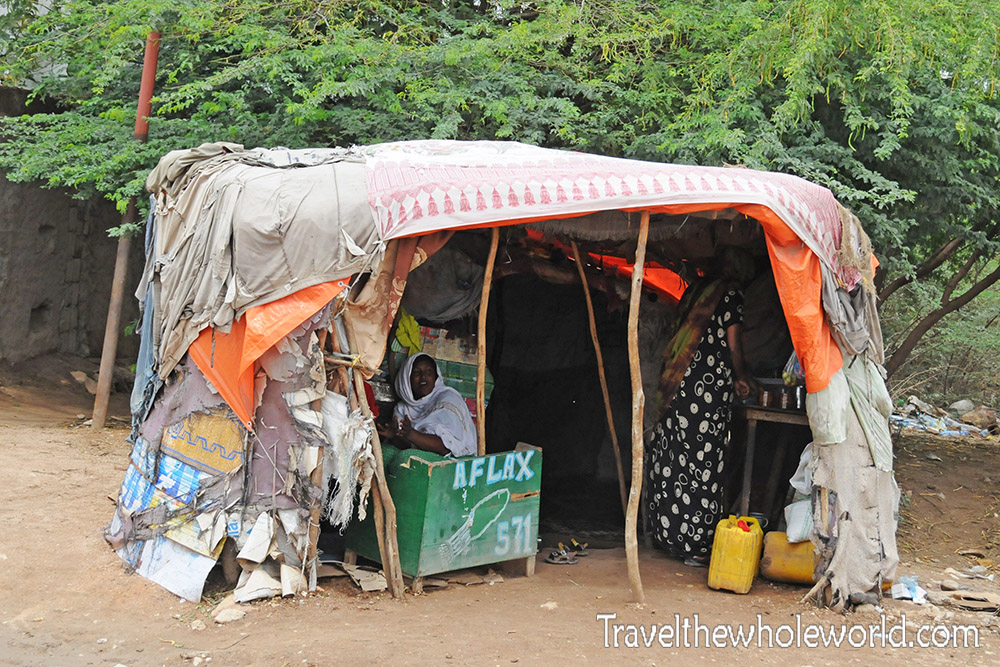
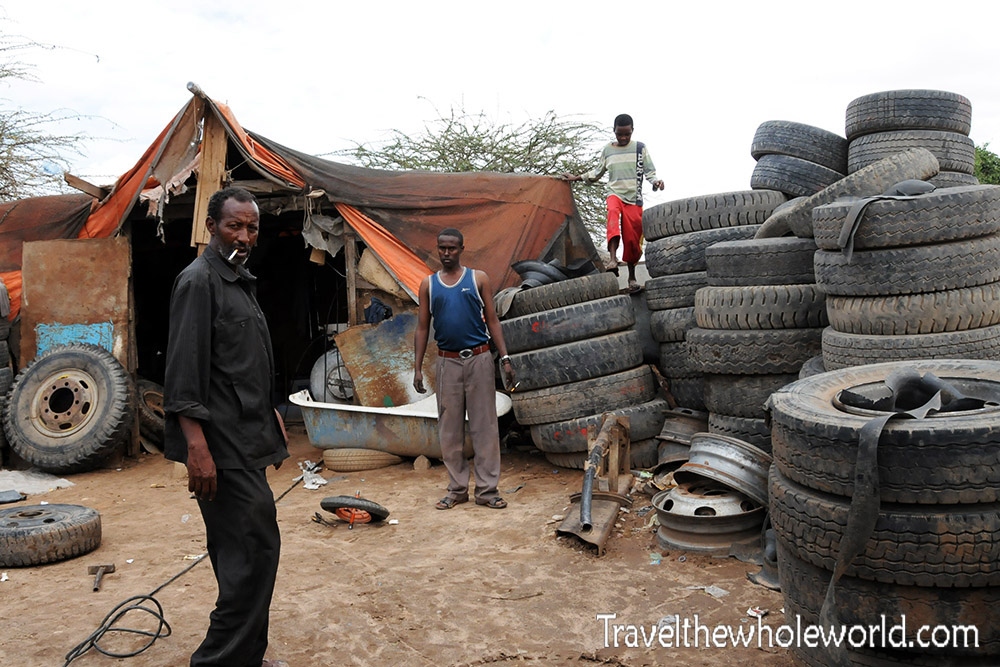
After I got my guards to join me we had to do one last stop in the outskirts of Hargeisa to get some water and fuel. Above you can see a humble shop on the left and an auto repair shop on the right. Cigarette smoking in gas stations is apparently legal here in Somalia by the way. You were even allowed to smoke cigarettes on the flight I took!
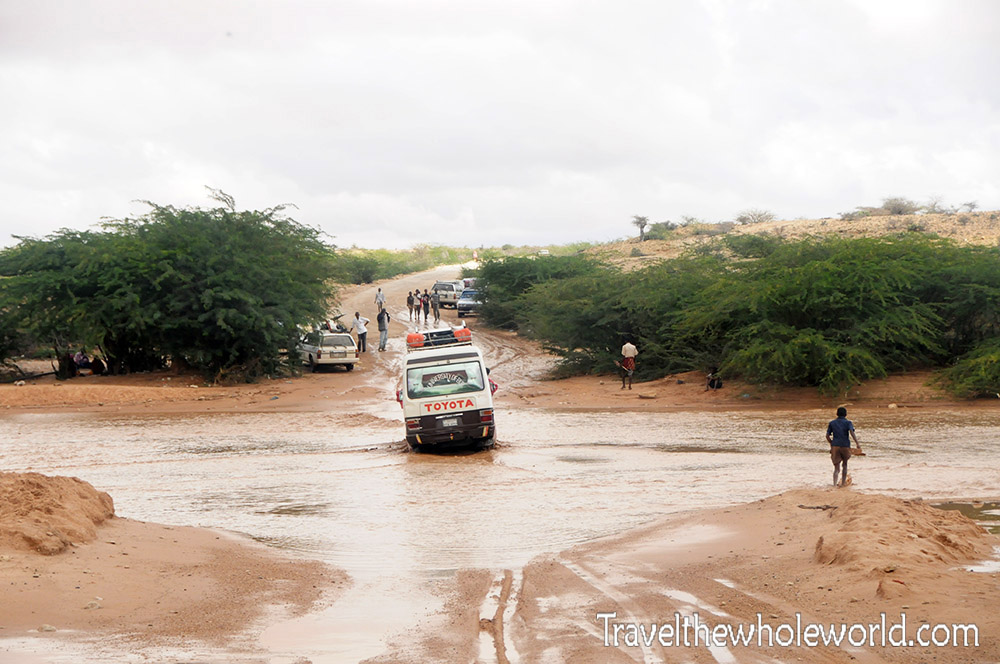
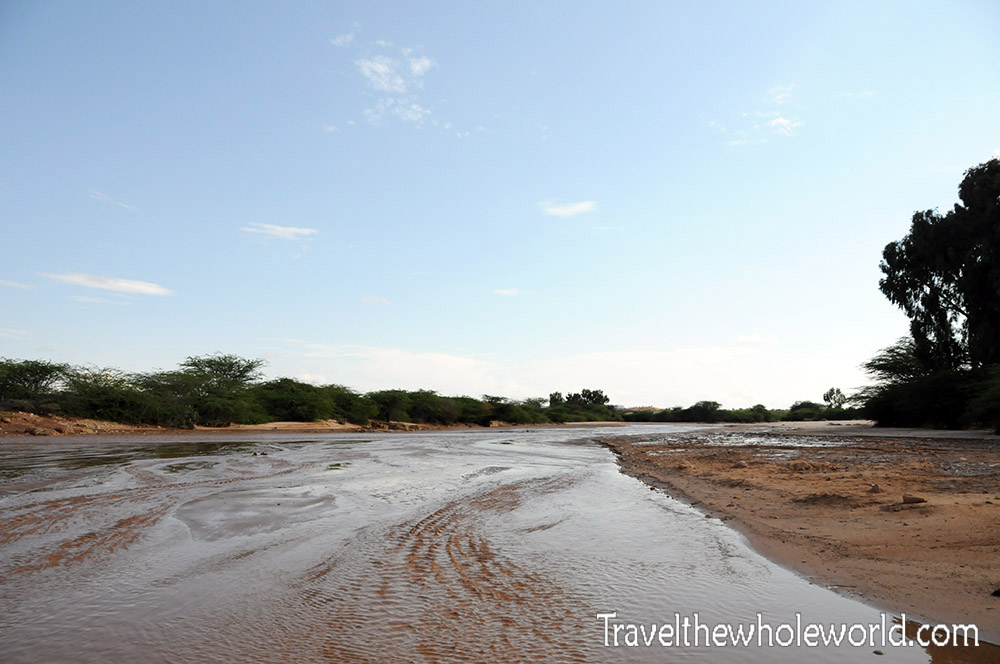
On a road trip north we came across a swollen river since it had just rained the night before. I forgot to mention that this area of Somalia is located over 4,000 feet so it can be cloudy and rainy. The storms I saw during my stay here were frequent and annoying. I complained to some locals about the weather and they told me they had never seen this much rain in their life! Interesting enough they blamed it on global warming.
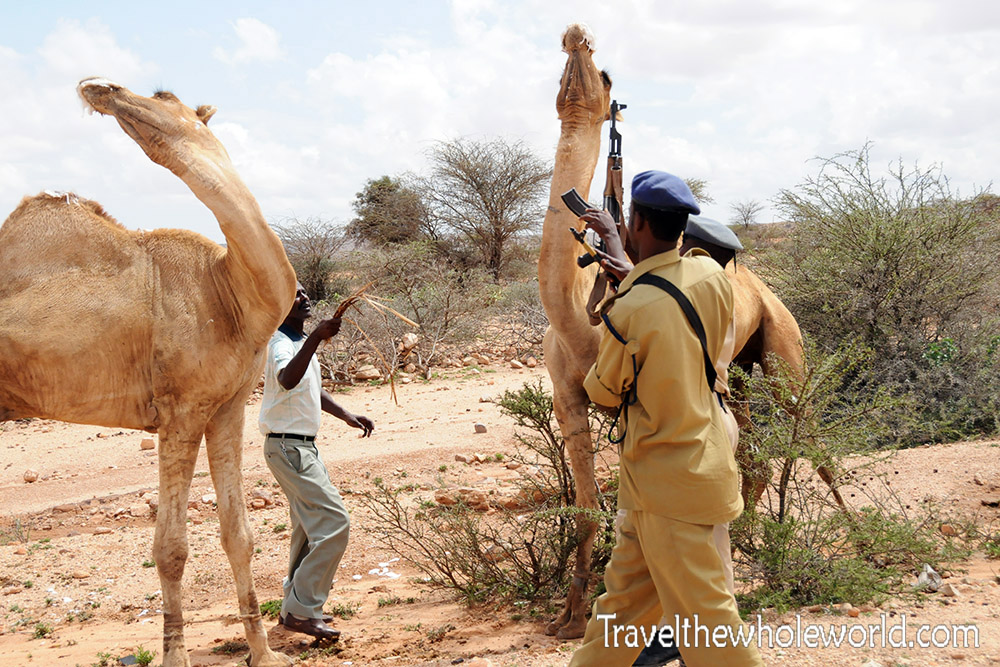
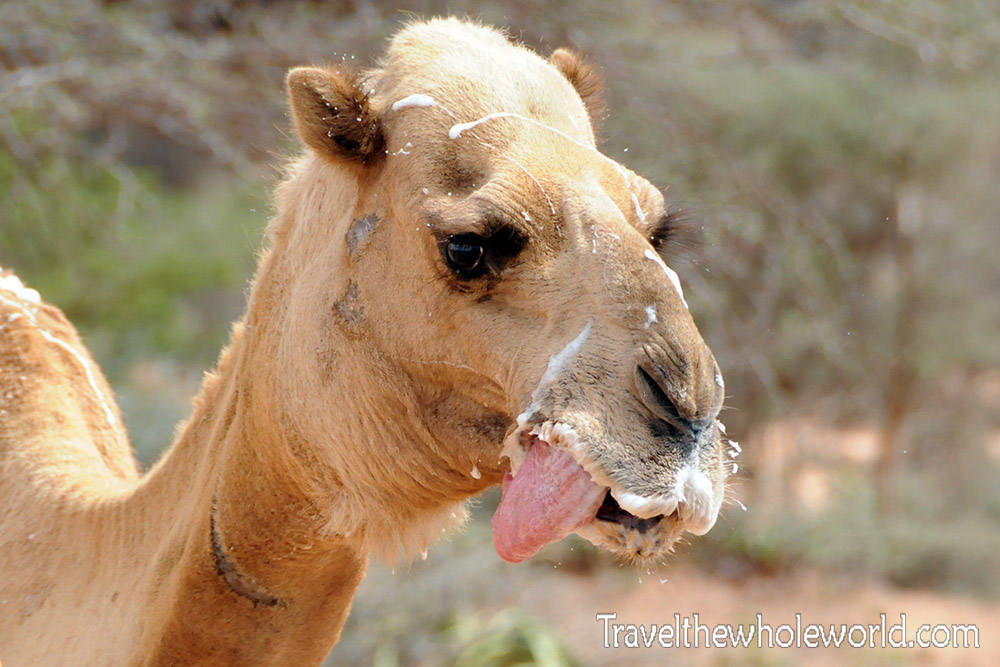
With the lecture I got from my lying hotel staff, I was worried about coming across some bandits or fighting after I left Hargeisa. I suppose perhaps they weren’t exaggerating, because within an hour of leaving the city we came across a small battle. Two camels right off the side of the road where fighting over who knows what. To this day I’m not sure why my guards were so concerned. When they saw the camels fighting they immediately pulled over and ran out the car screaming and hitting the camels with sticks to try to break up the fight. On the right, you can clearly see the guilt in the camel’s eyes for what he has just done.
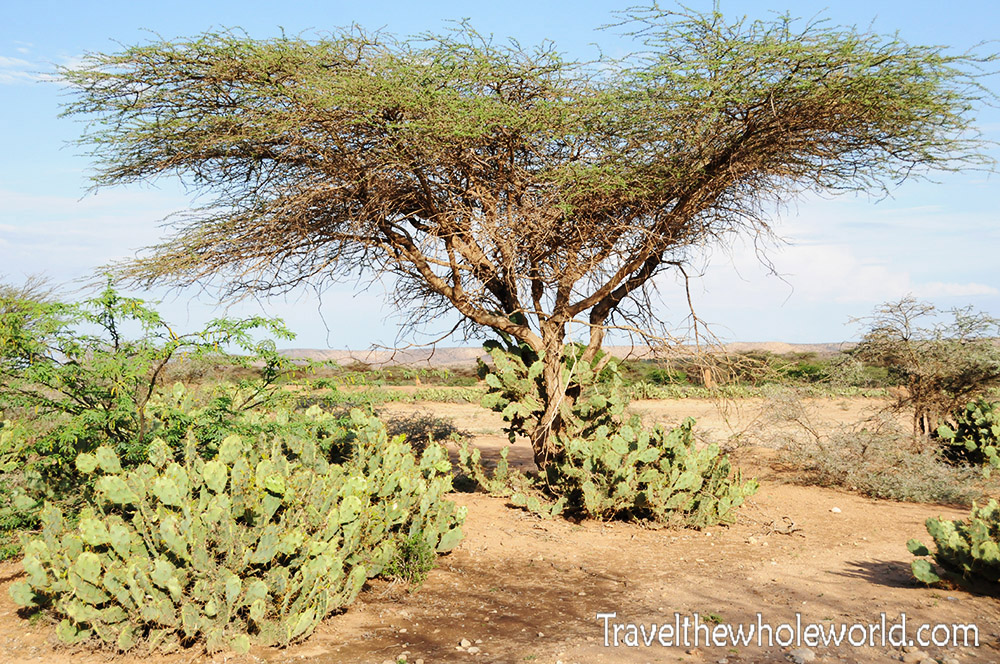
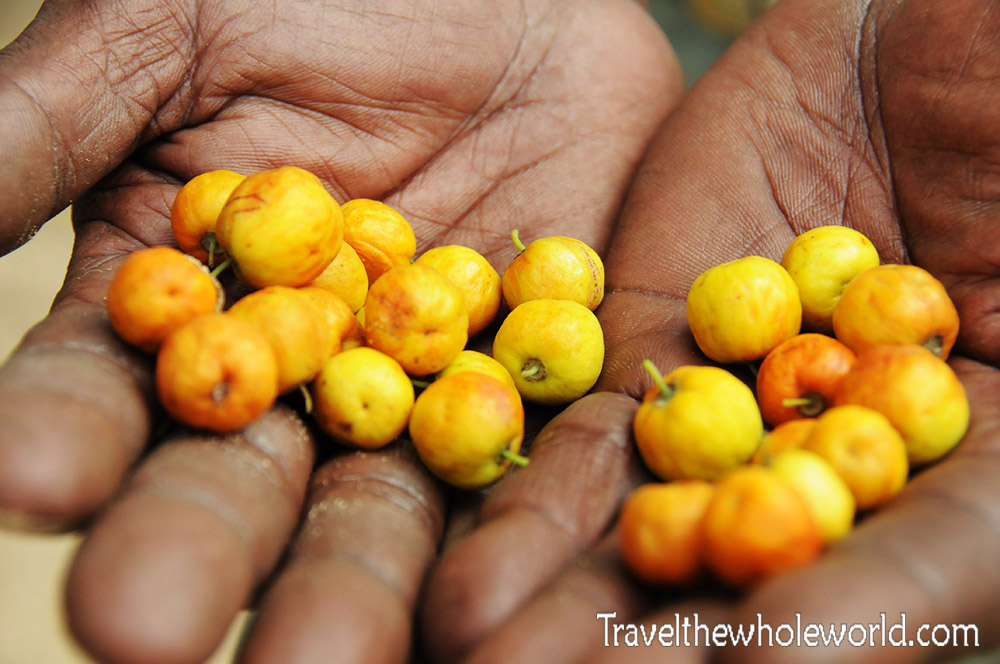
The region outside Hargeisa began to get scenic as I got closer to my destination. Above and below are some pictures from an area we stopped in. I saw lots of cacti both in Hargeisa itself and around the city in the rural areas. The two pictures below are of some of the rock formations that also dominate this region. Locals say that ancient Egyptians traded in this area which seems to be widely accepted. The part that I’m not so sure about is when people claim that the ancient Egyptians saw the mountains in these regions and that inspired them for the designs of their pyramids. Above are fruit berries being offered to me that came from a large tree. I’m not sure the name of the tree or the berries but I tried a few and they were pretty good. Later on a trip to Yemen, I was again offered the same berries.
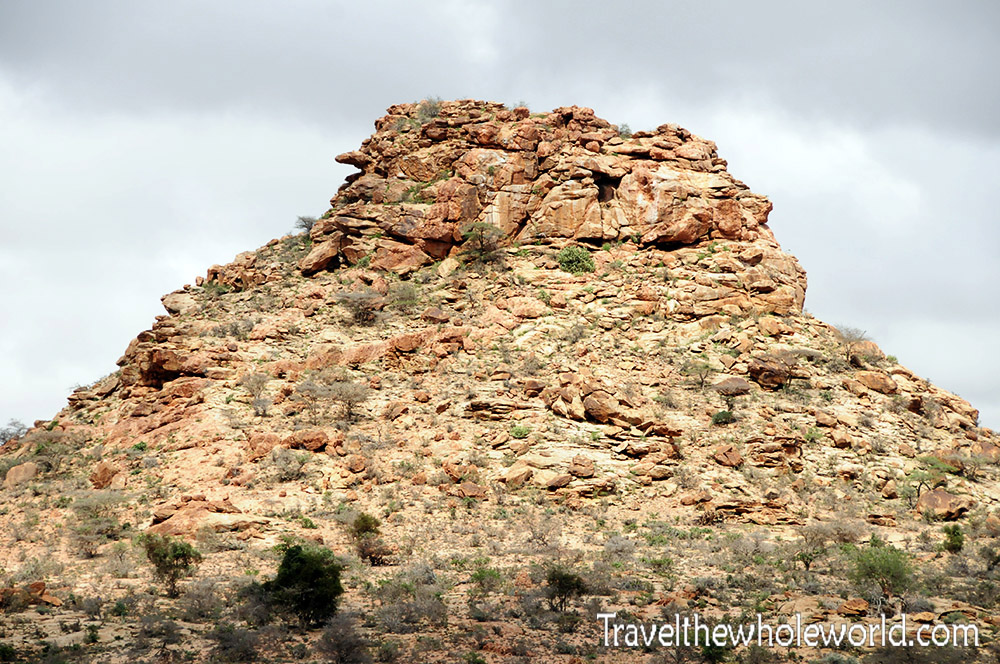
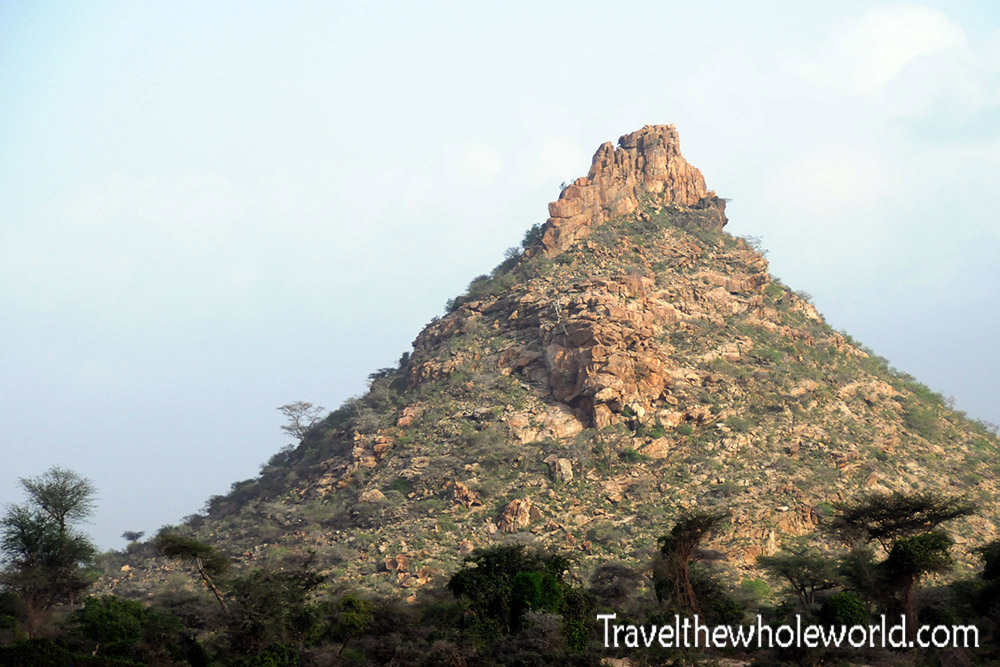
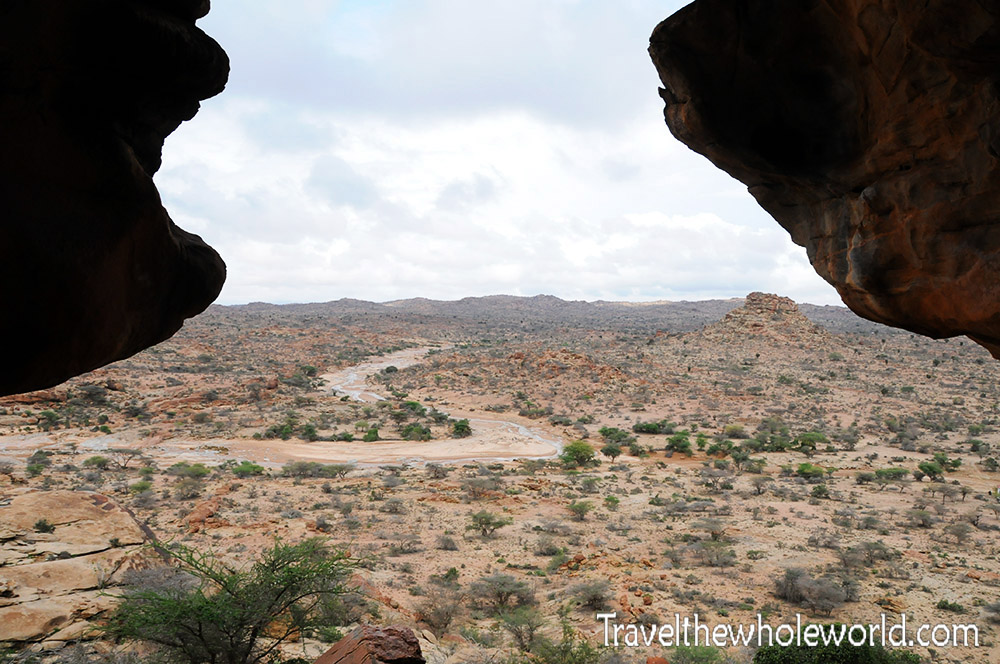
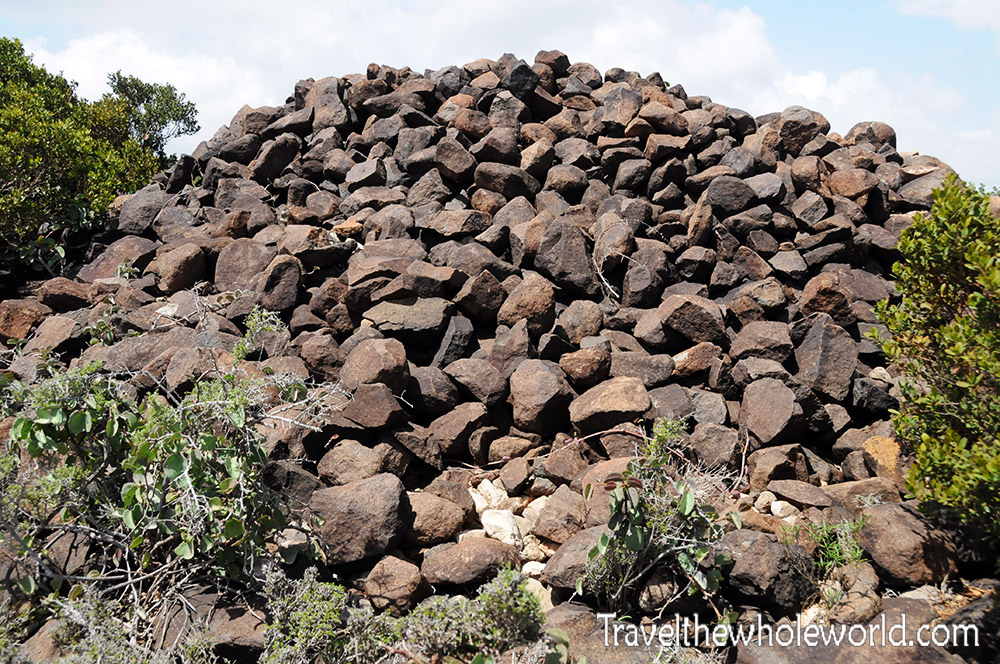
My day trip from Hargeisa took me to this dry and rocky area east of the city. Above is a nice view I was rewarded with after scrambling up some rocky peak. I was told that the piles of rocks on the right were covering human remains in a makeshift grave. I have no idea if these were victims of the civil war or another story altogether.
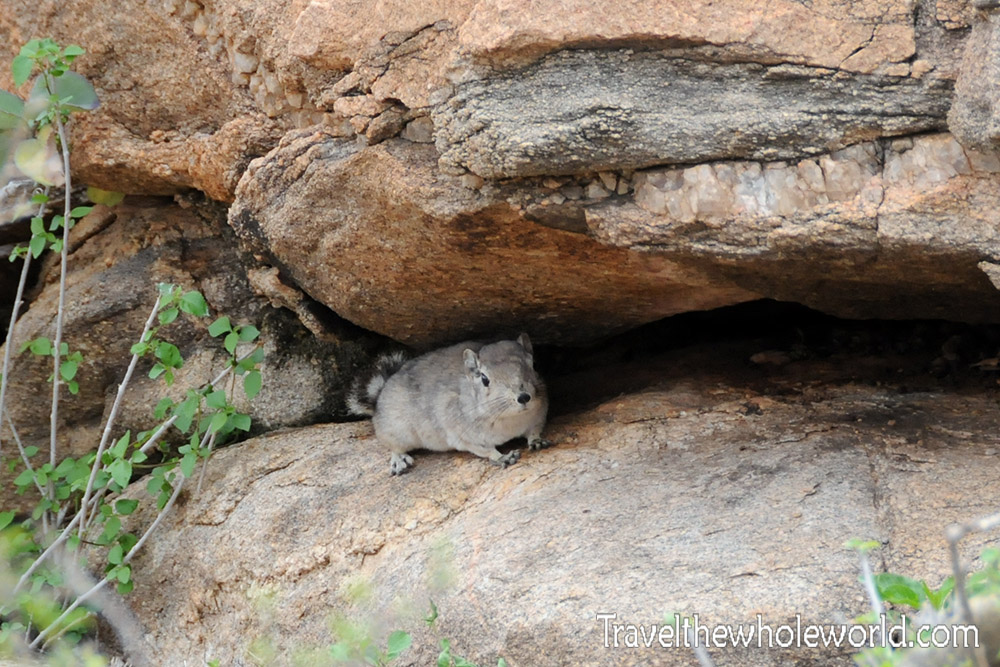
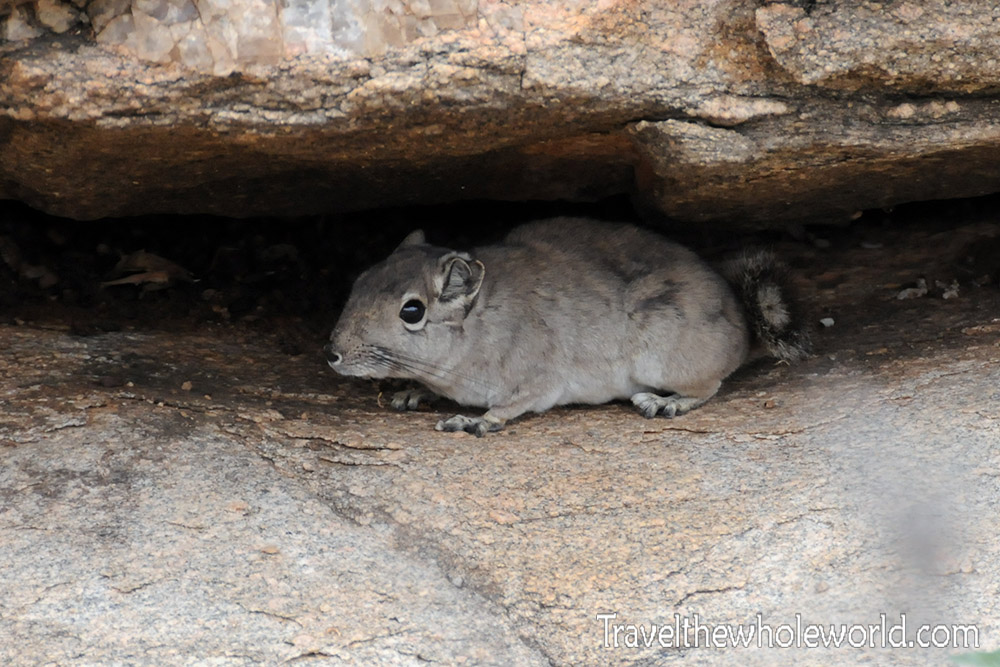
This area also had lots of large rodents, which to me looked like half rat and half squirrel. They seemed to be pretty shy but after some patience I was able to get a photo of two of them. I tried to find out the species of these guys after my trip but I had no luck.
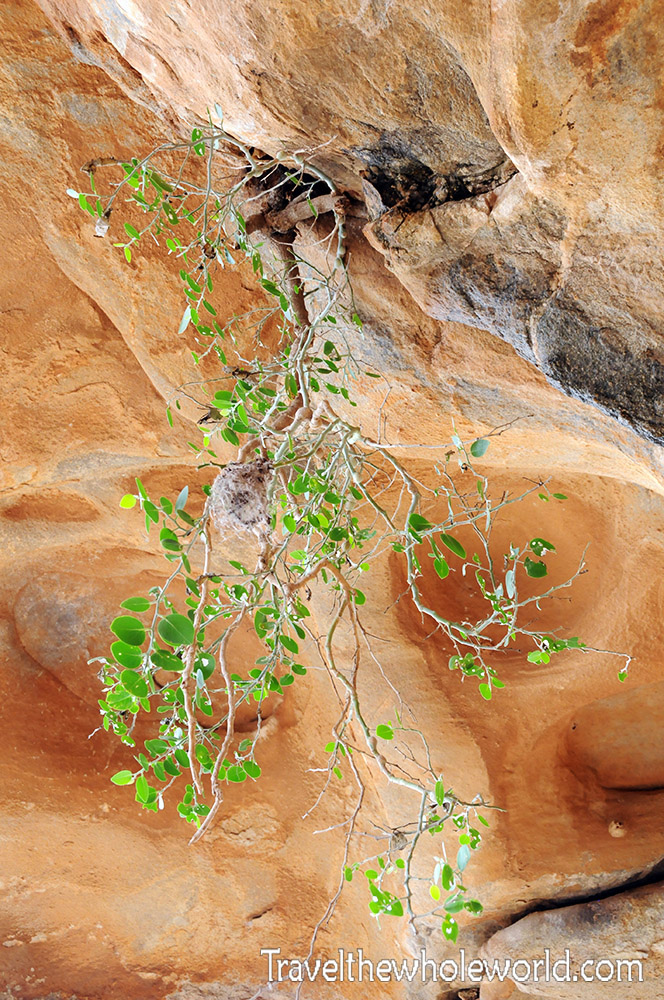
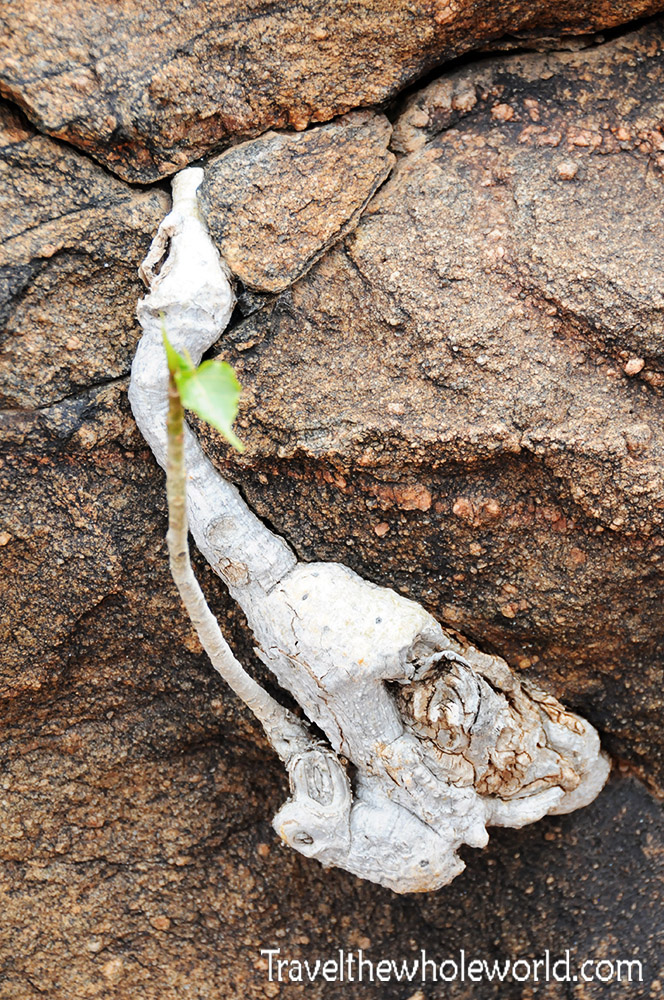
Some of the flora and fauna in this area was pretty unique as well. This area of the world is almost never visited so there are probably dozens of new species of both plant and wildlife waiting to be discovered. An interesting plant I saw was one that could grow straight out of the rocks. On the left you can see the root of one of these plants which other than the color it almost seems to be part of the rock itself at its base. On the right is another plant that is literally growing from the ceiling downward; making it look like the picture has been rotated upside down.
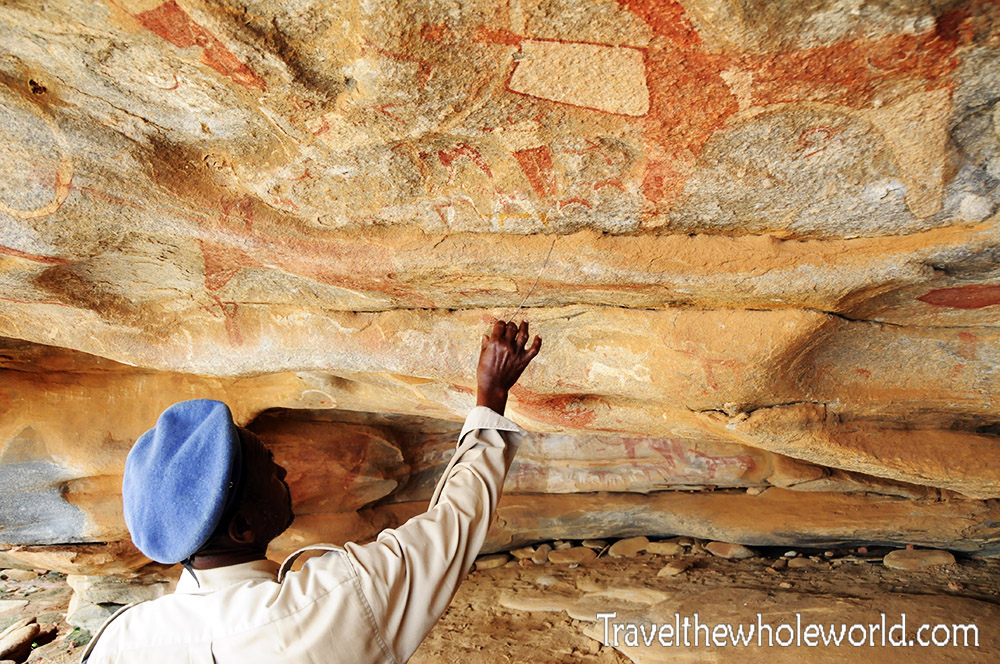
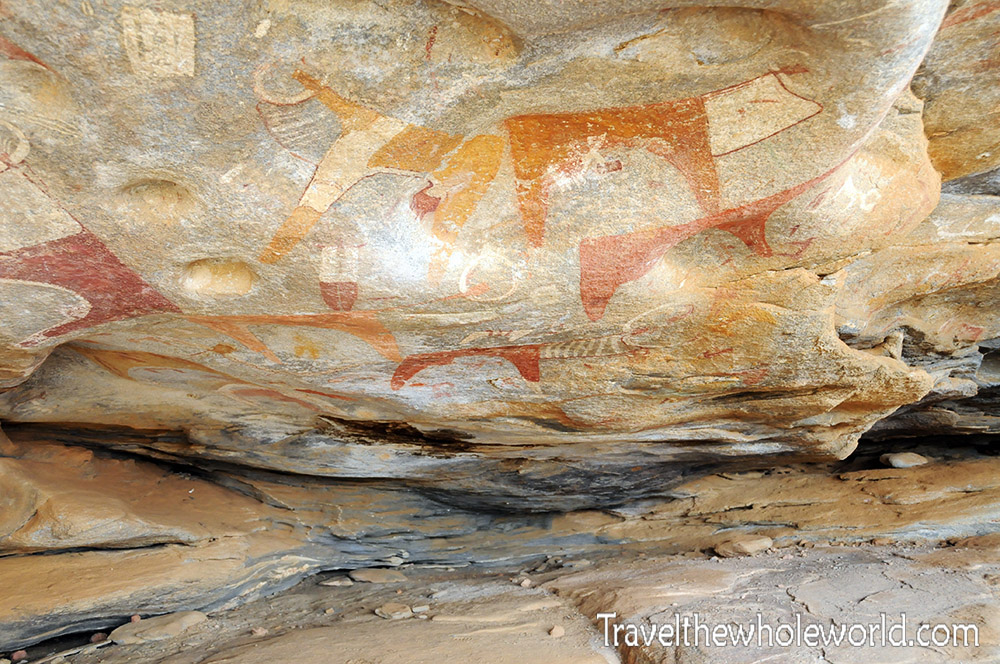
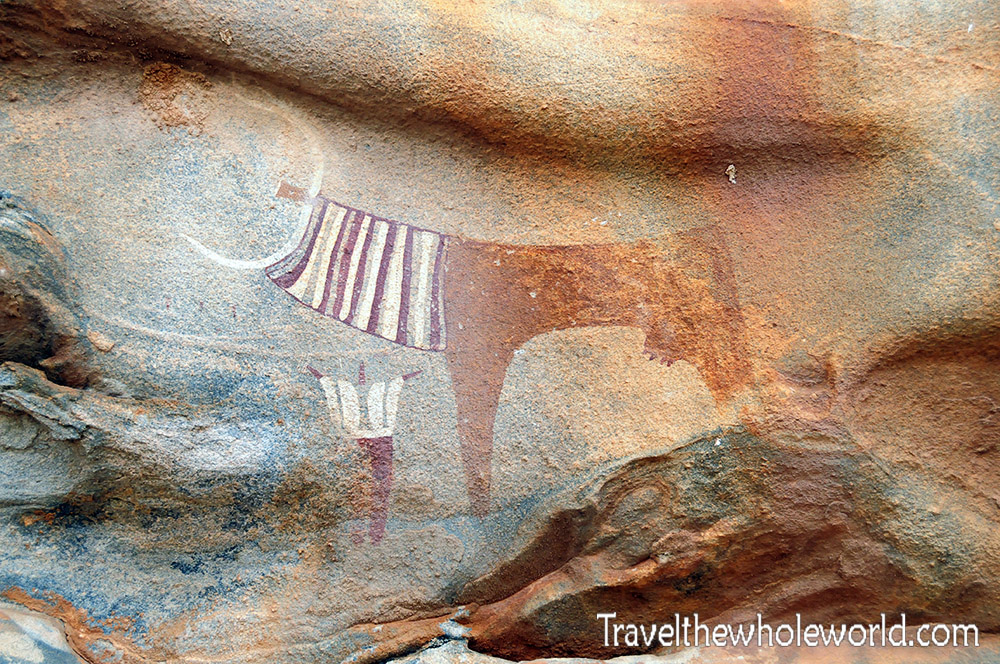
My main reason for visiting this area was to see these surrounding paintings. Discovered by some archaeologists in 2002, this area is known as Las Geel and it holds some of the oldest and best preserved cavemen paintings in the entire continent! They are believed to have been created between 5,000 and 3,000 BC, making them an incredible 5,000 to 7,000 years old. These cavemen seemed to have an obsession with cows as that was the majority of their paintings. They also included people, domesticated dogs, and other African animals such as lions and giraffes.