Berbera sits on the Gulf of Aden north of Hargeisa and is Somaliland’s principal seaport. I originally came here mostly because I wanted to see the city, but the trip ended up becoming much more of an outdoor and beach adventure than I had expected. Families were spending time along the coast, fishermen waved as I passed, and I even managed to go scuba diving. By the end of my stay, the shoreline was what I remembered most about Berbera.
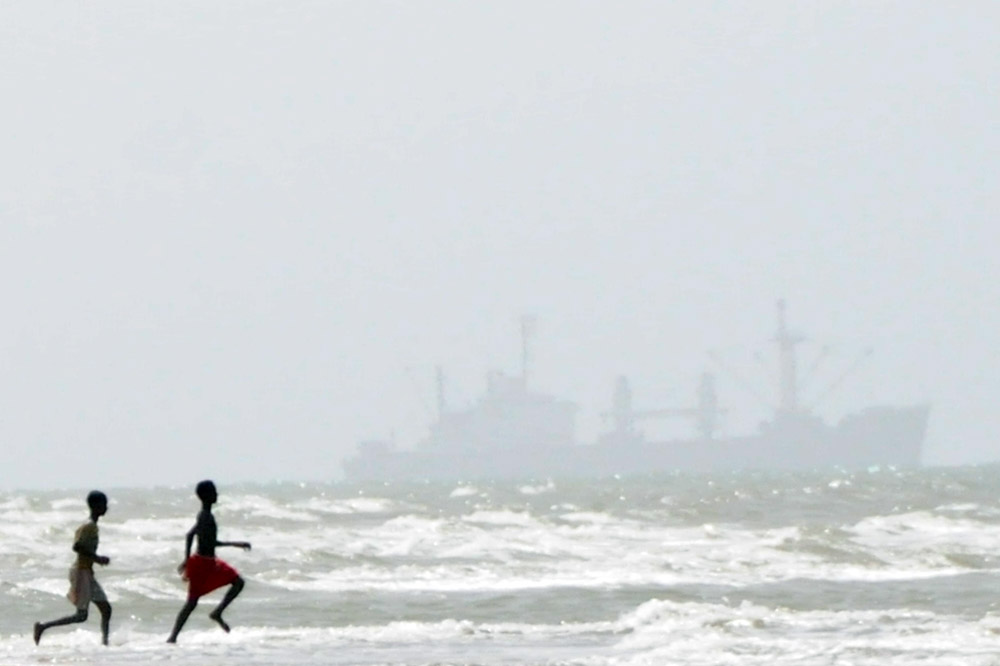
Arriving in Berbera
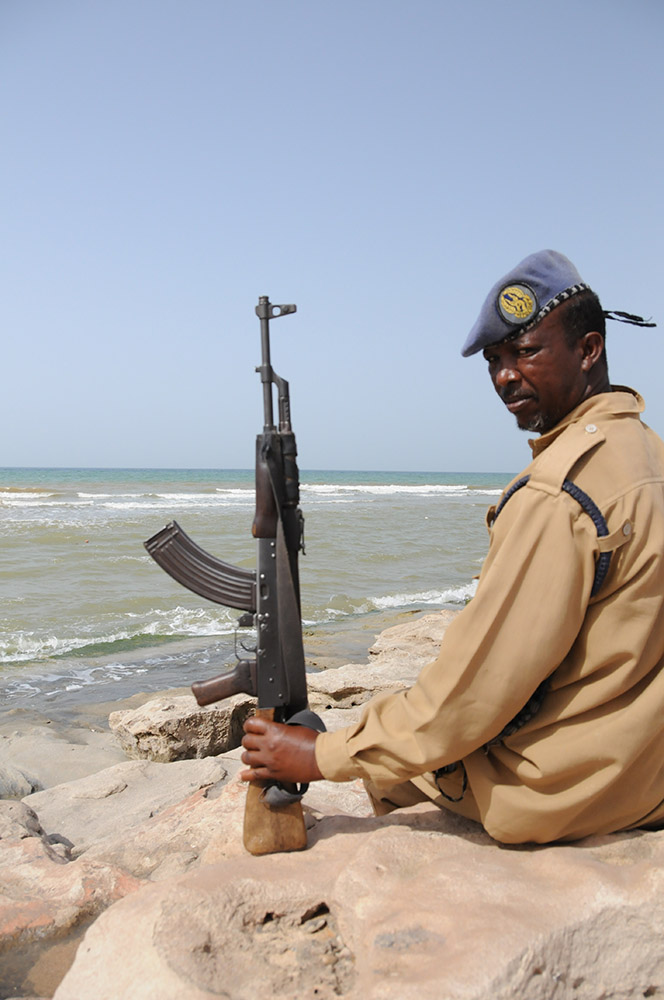
Getting here from Hargeisa had required arranging a private vehicle and armed guards. I had already argued with the hotel staff in Hargeisa over how much I was paying and whether two guards were really necessary, and that argument followed me all the way to Berbera. Once I met people here who helped me understand the local prices, I became convinced that I had been charged far more than necessary.
The guards still didn’t want to leave, and at first I thought they were the ones demanding more money. Someone who spoke Somali later explained that the guards themselves had apparently accepted that the arrangement was finished and that it was actually my taxi driver who was refusing to give up on getting paid for the return trip. Eventually we sorted everything out, and from that point forward my experiences in Berbera were almost entirely positive.
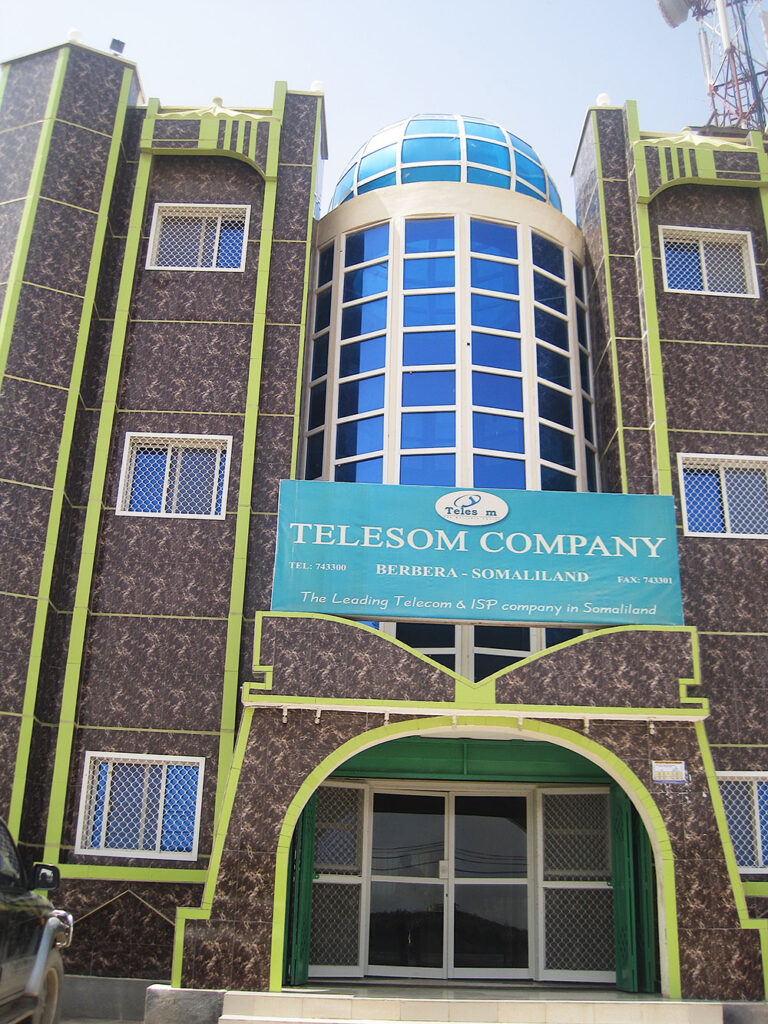
Wi-Fi was difficult for me to find at the time, but some guys working inside the Telesom building let me hang around and use theirs for free. Small gestures like that ended up being much more typical of my time in Berbera than the argument I had arrived with.
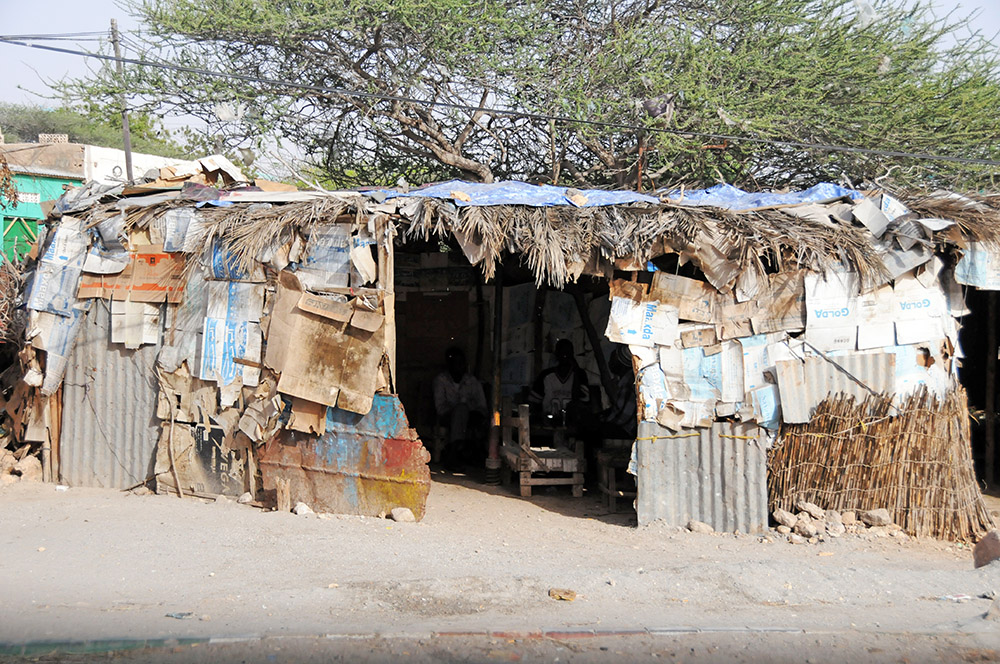
Walking Around Berbera
Berbera itself didn’t have a huge number of things that immediately caught my attention. The markets reminded me of smaller versions of what I had already seen in Hargeisa, and in hindsight I wish I had taken more photographs of the streets and everyday life around the city.
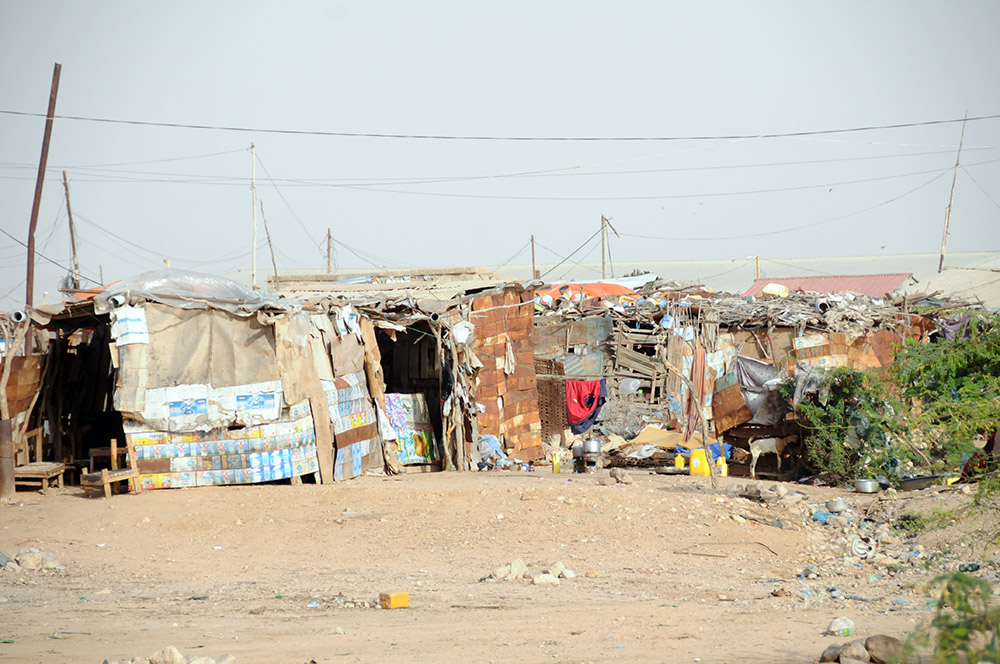
When I first arrived, I walked into a random hotel and couldn’t find any staff. While searching the building I eventually made my way onto the roof, where I found a young guy sleeping incredibly hard in the sun. It took much more effort than I expected to wake him, and for a moment I actually wondered whether something was wrong with him. He eventually woke up, I didn’t end up staying there, and at least the rooftop gave me a view over some of the streets I had failed to photograph from ground level.
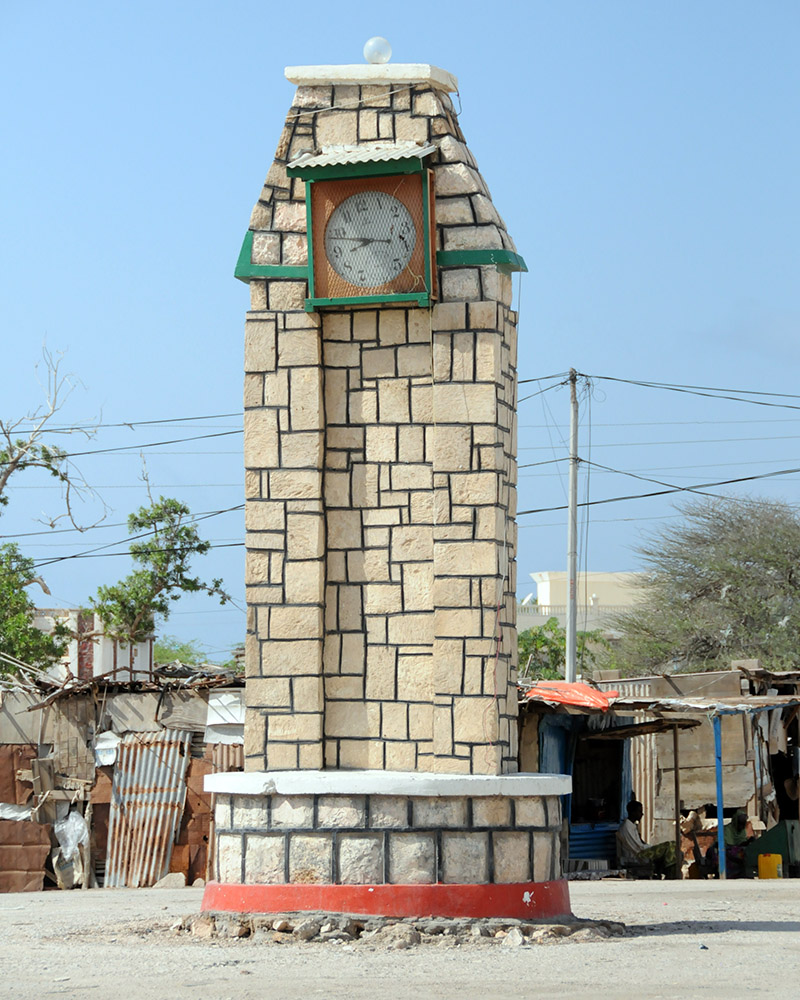
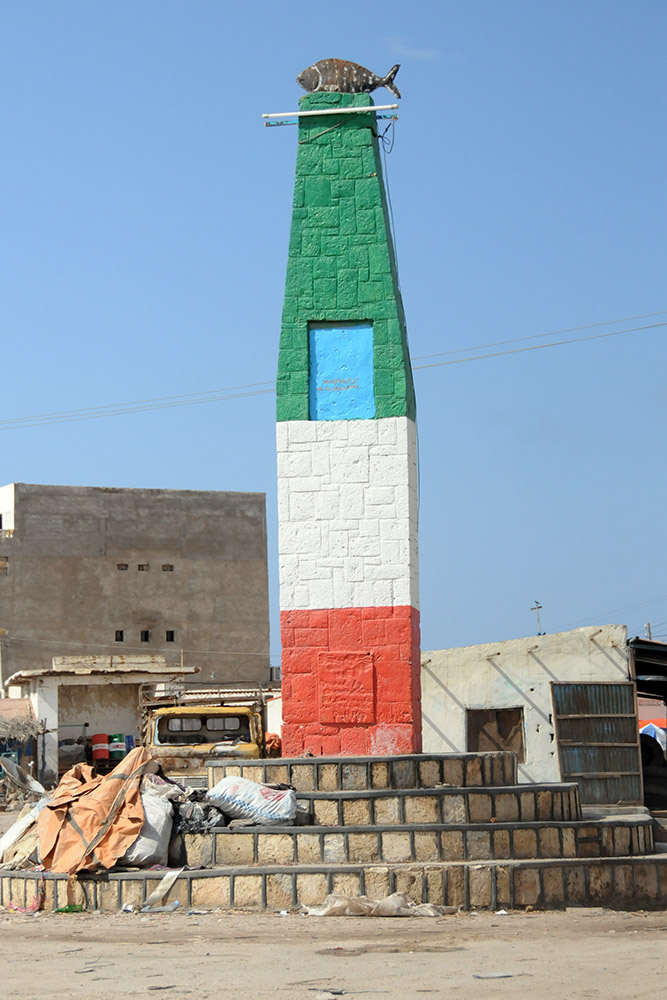
Berbera has been an important trading port for centuries and later served as the capital of British Somaliland before the administration moved inland to Hargeisa. Even today, the city’s identity remains closely tied to the sea and its port.
The Gulf of Aden
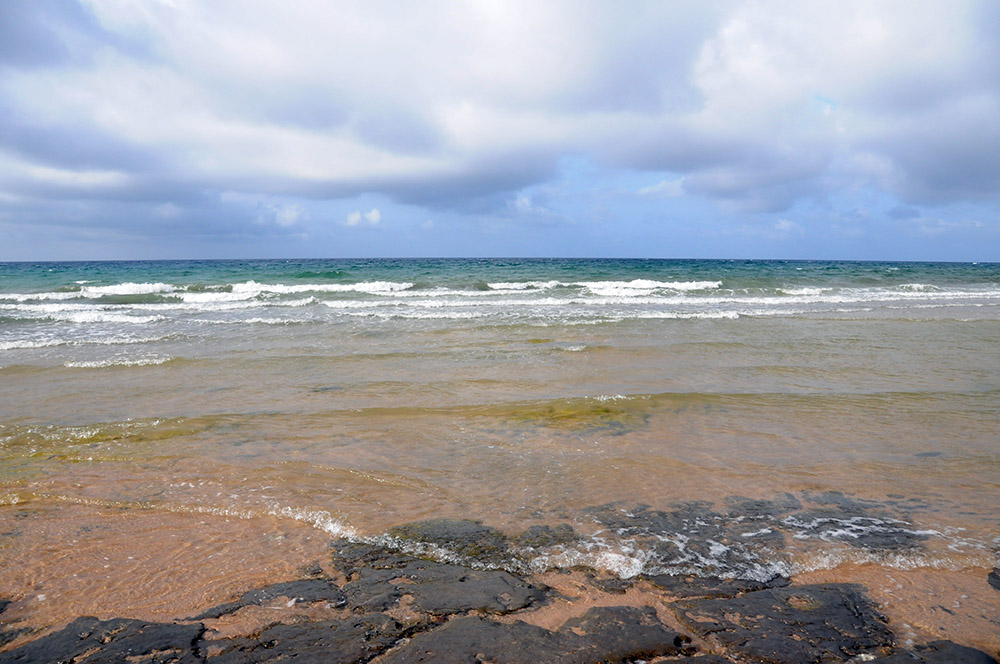
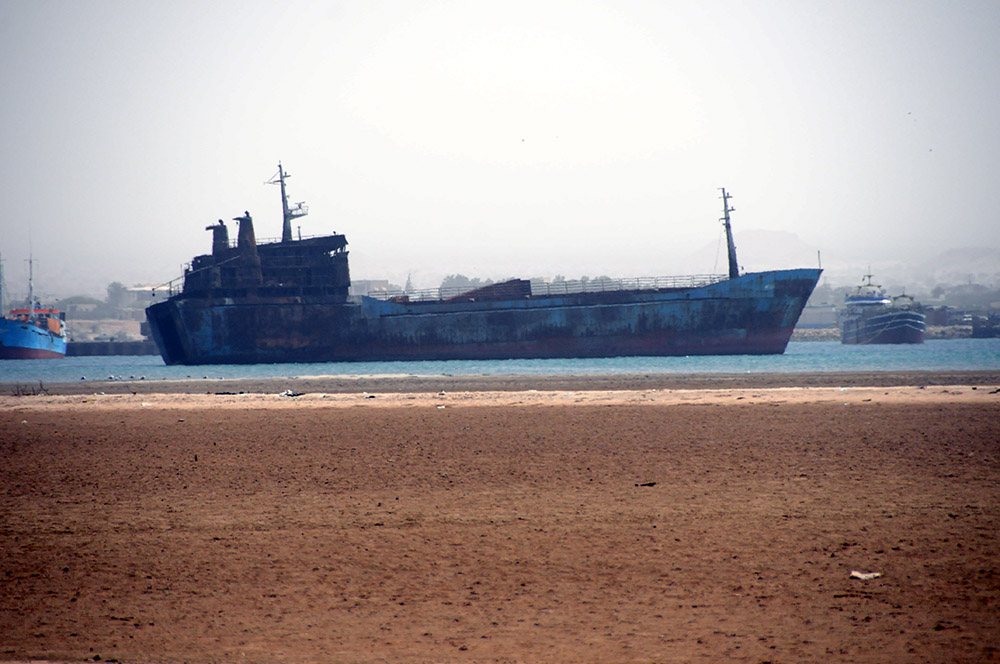
Berbera sits directly on the Gulf of Aden, with Yemen on the opposite side of the water. Two of my biggest regrets from this trip were both connected with the landscape. I got lazy and never traveled farther west to some of the more scenic sections of coastline, and I also missed the opportunity to hike farther into Somaliland’s high mountains. Those are exactly the kinds of things that bother me afterward because I know I probably won’t get unlimited chances to return.
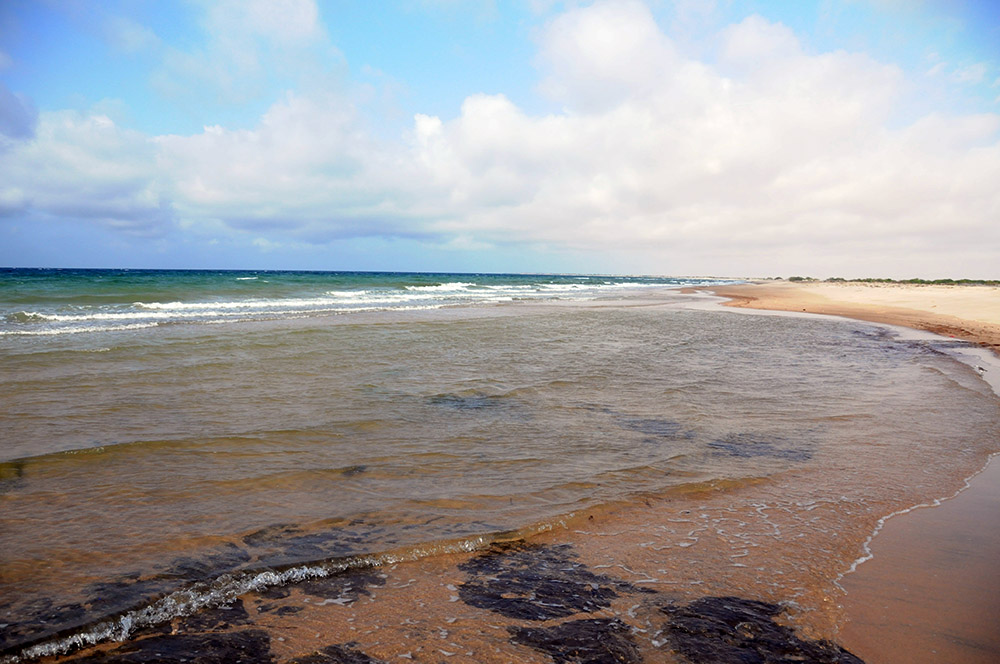
The coast immediately around Berbera wasn’t especially mountainous, but I still thought it was beautiful. The temperature felt surprisingly comfortable, somewhere around 75°F or 24°C during part of my visit, yet I somehow still managed to leave with a sunburn.
Walking the Beach With an Armed Guard
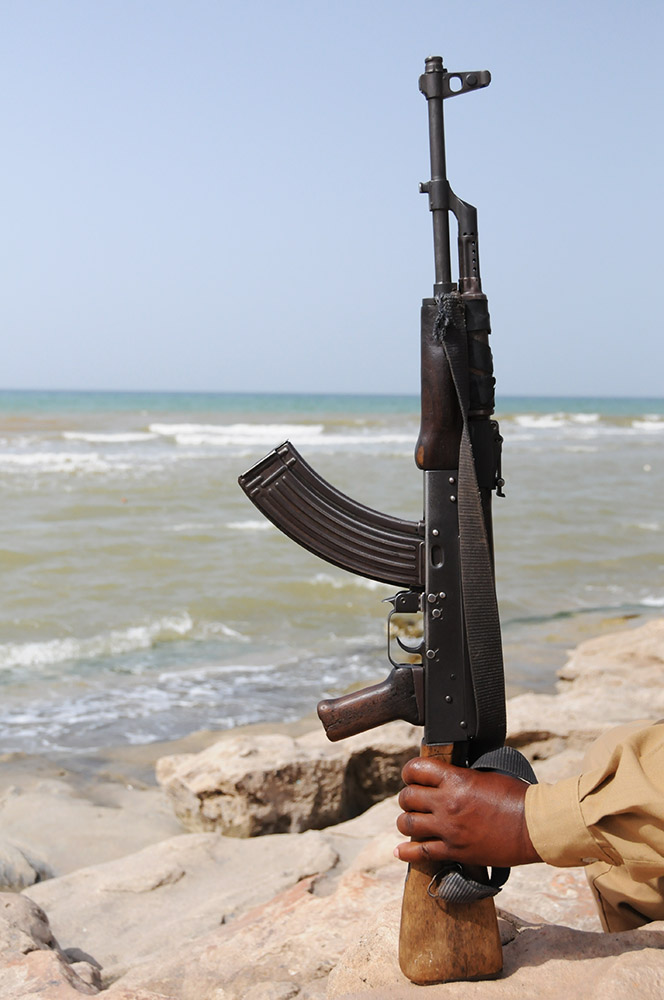
At the time of my visit, Somali piracy was still a major international story. Most of the well-known pirate bases were much farther east, particularly around Puntland, and Berbera itself was not one of the main centers. Still, because I was traveling outside the city, I was told that I needed an armed escort for one of my longer beach walks. Ironically, I had already taken another long walk in the opposite direction without a guard because I hadn’t realized one was supposedly required. I spent several hours out there completely alone and never had a problem.
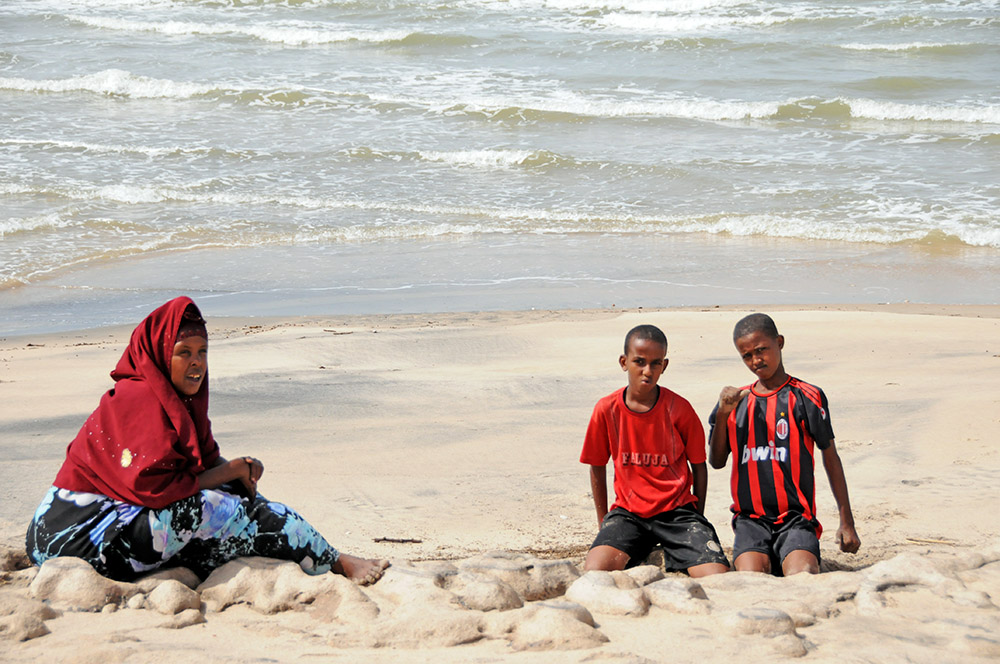
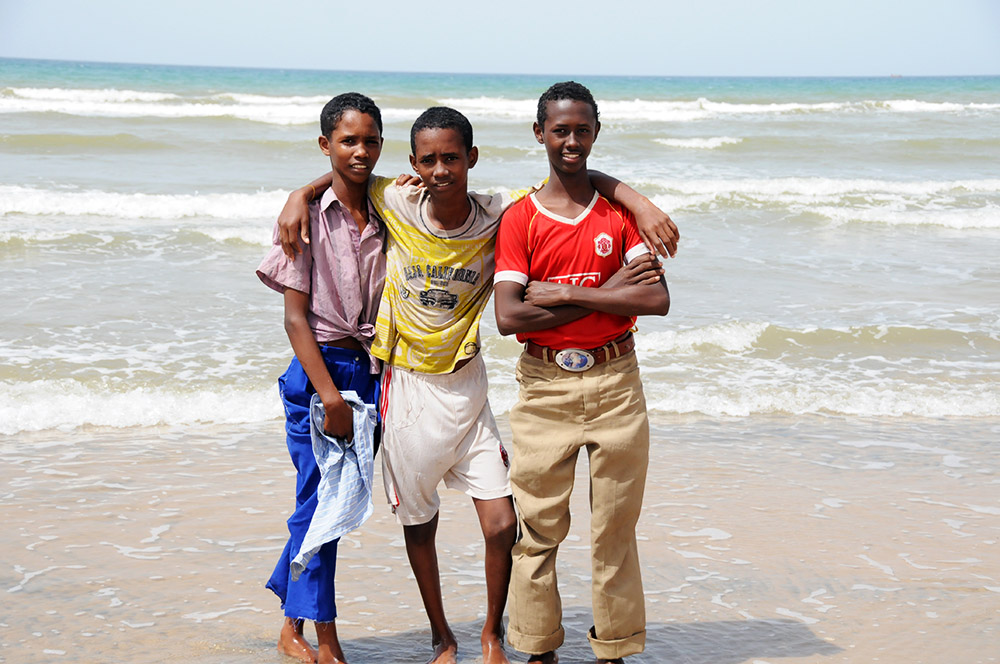
Closer to the city, the beach was considerably more active. I saw families, children swimming, and groups of guys playing soccer. That everyday atmosphere contrasted strongly with the image of the Somali coast I had absorbed from international news coverage.
Khat on the Beach
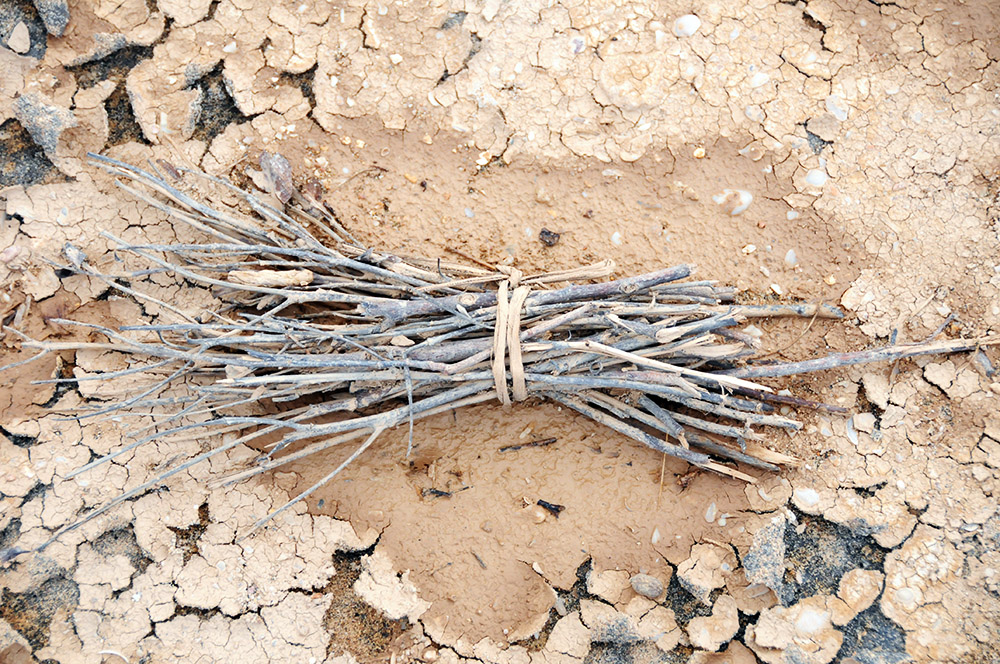
I didn’t think much about these leftover sticks when I first passed them. Khat is a stimulant plant whose leaves are commonly chewed in Somaliland and elsewhere in the Horn of Africa and Arabian Peninsula. When it is sold, the leafy branches are often bundled together, leaving behind the stripped stems afterward. The sight made me think about an odd cultural comparison. On a beach back home in the United States, you might occasionally find an empty beer can left behind. Here I was finding old bundles of khat instead. Different product, same unfortunate tendency to leave the leftovers on the beach.
Searching for a Fishing Village
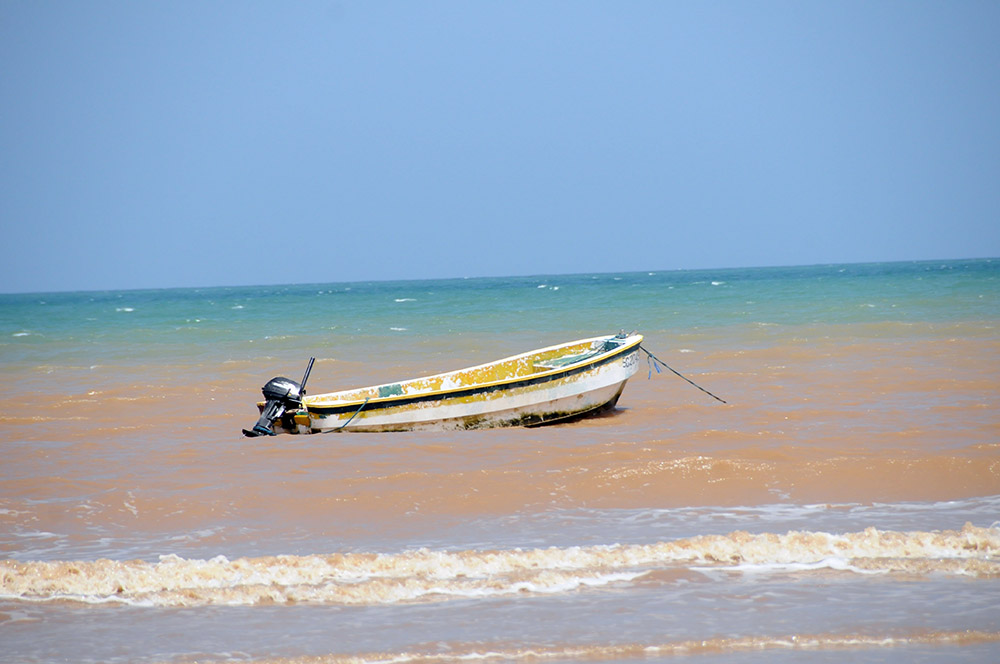
My goal during my first long walk was to reach a fishing village farther down the coast. I never quite made it, although I got close enough to begin seeing boats pulled up near the shoreline. In hindsight, I regret turning around. I might have been able to meet some of the fishermen or possibly go out with them and see what they were catching.
Camels on the Beach
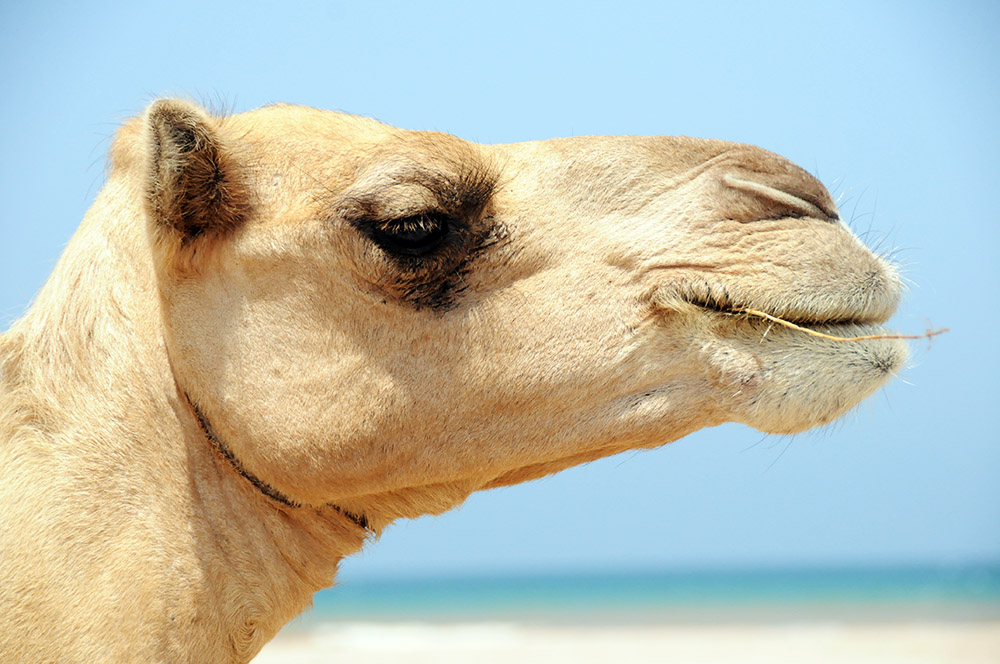
The farther I walked from the city, the fewer people I saw and the more camels began appearing. Somalia and the surrounding Somali regions are famous for their enormous camel populations, and seeing them wandering casually along the Gulf of Aden made that easy to believe.
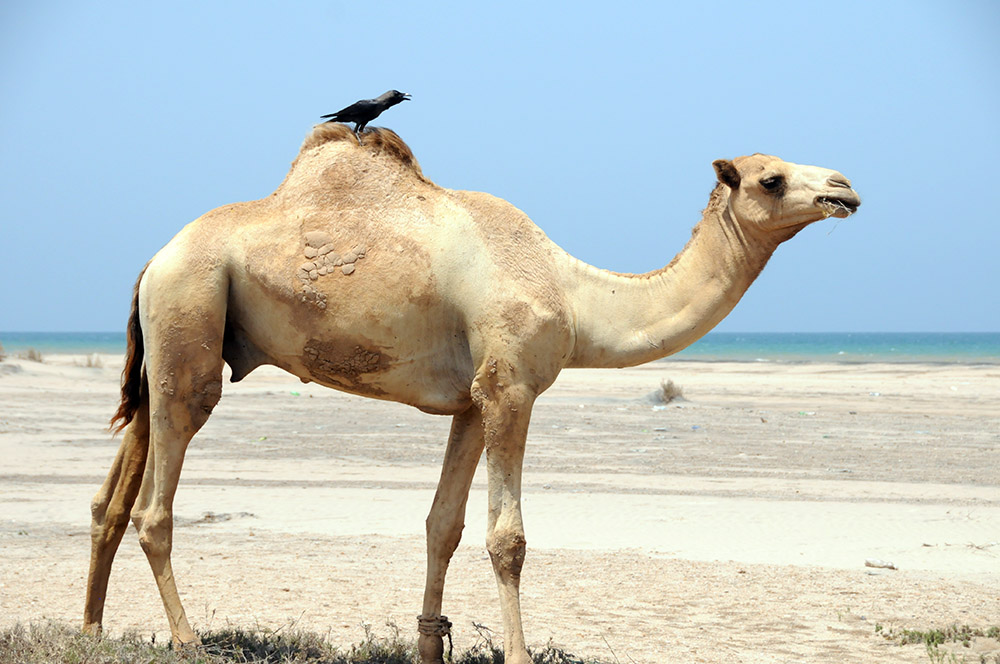
I had heard claims that this part of the world had more camels than anywhere else, which is difficult to prove at the regional level, but Somalia historically has had one of the world’s largest camel populations. Out on the beach, at least, it sometimes felt completely believable.
Hermit Crabs Everywhere
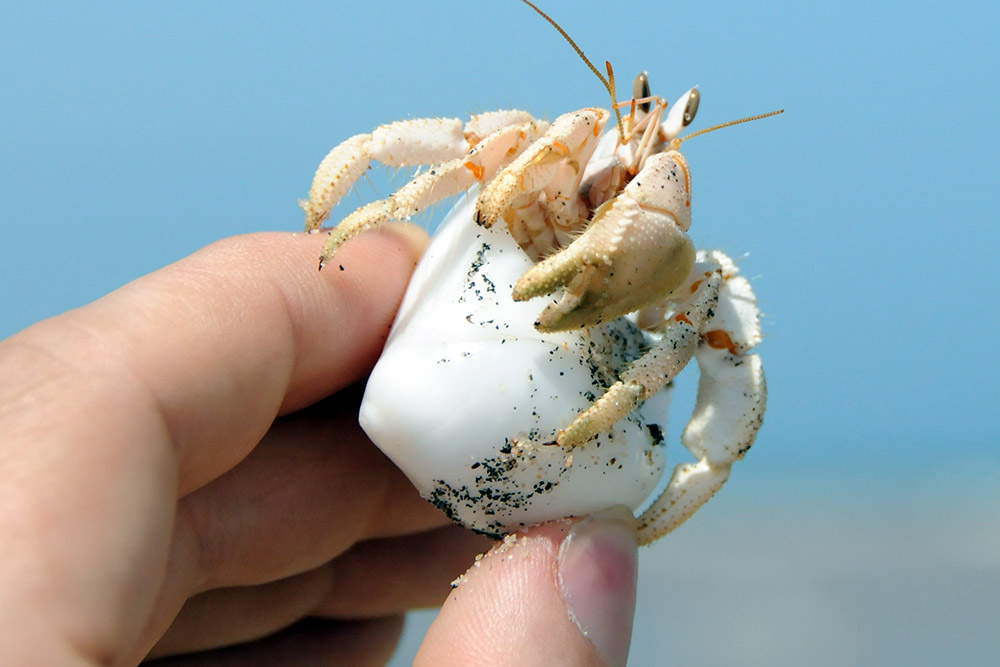
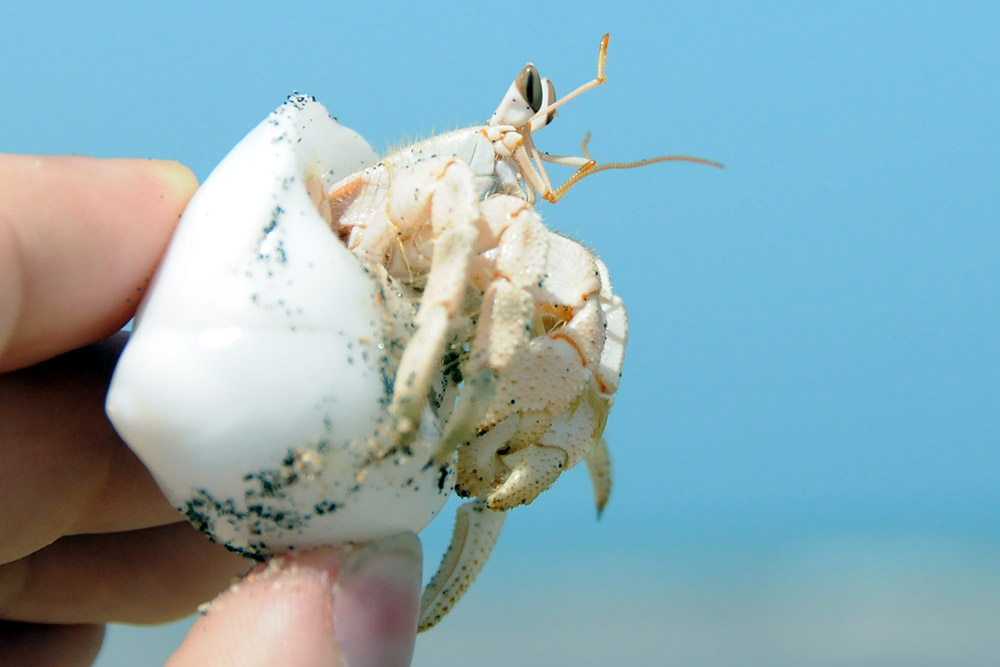
I have no idea where the world’s highest concentration of hermit crabs actually is, but this beach would have been a serious contender based on what I saw. It was difficult to walk for even a minute without finding another one. They came in different sizes and occupied all kinds of shells.
More Wildlife Along the Shore
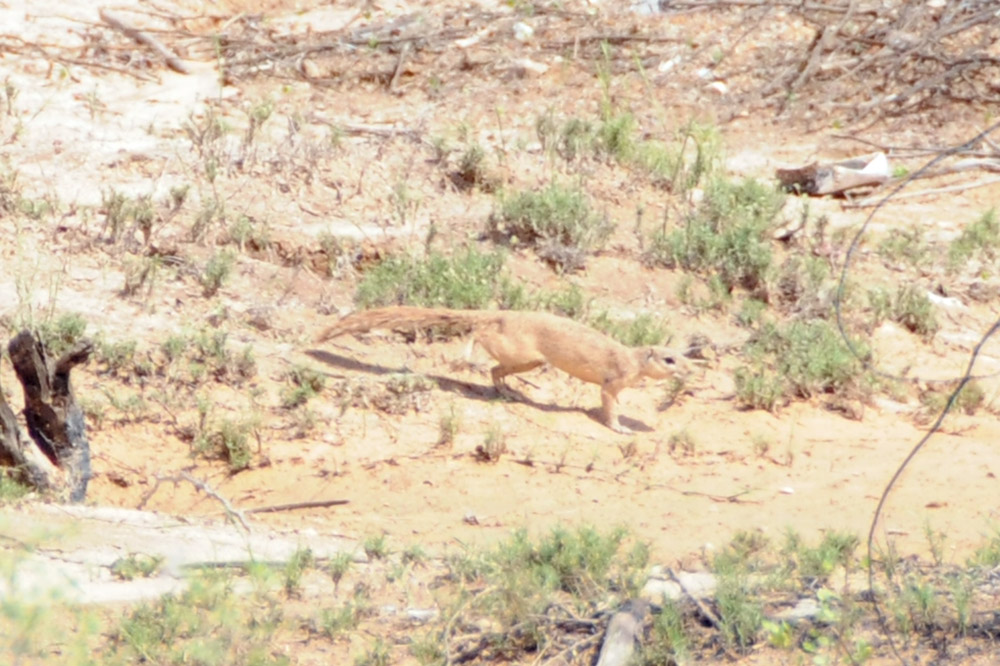
The wildlife wasn’t limited to the ocean. I also managed to photograph what appeared to be a mongoose near the coast, another animal I hadn’t expected to encounter while wandering around Berbera.
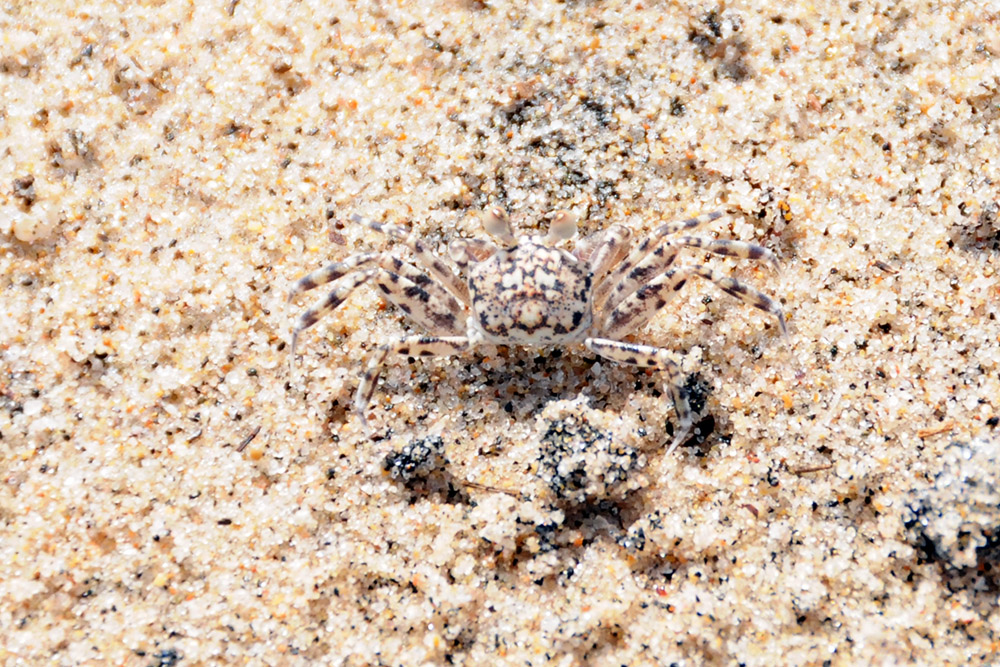
One crab had such effective camouflage that I probably would have walked straight past it if it hadn’t suddenly taken off. I also saw a much larger crab with a blue claw, but it reached the water before I could get a proper photograph.
A Changing Shoreline
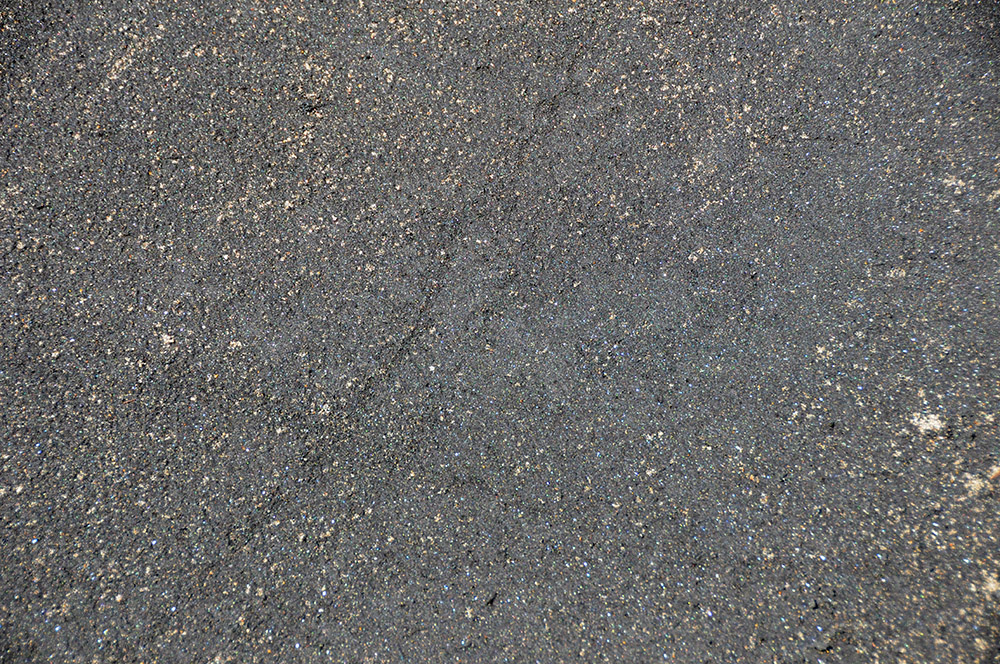
The shoreline changed repeatedly as I walked. Most sections were sandy, but other places became rocky or covered with green marine vegetation, and eventually I reached an area with noticeable patches of black sand. Walking for hours along the same coastline never really felt repetitive because the character of the beach kept changing.
Birds Along the Gulf of Aden
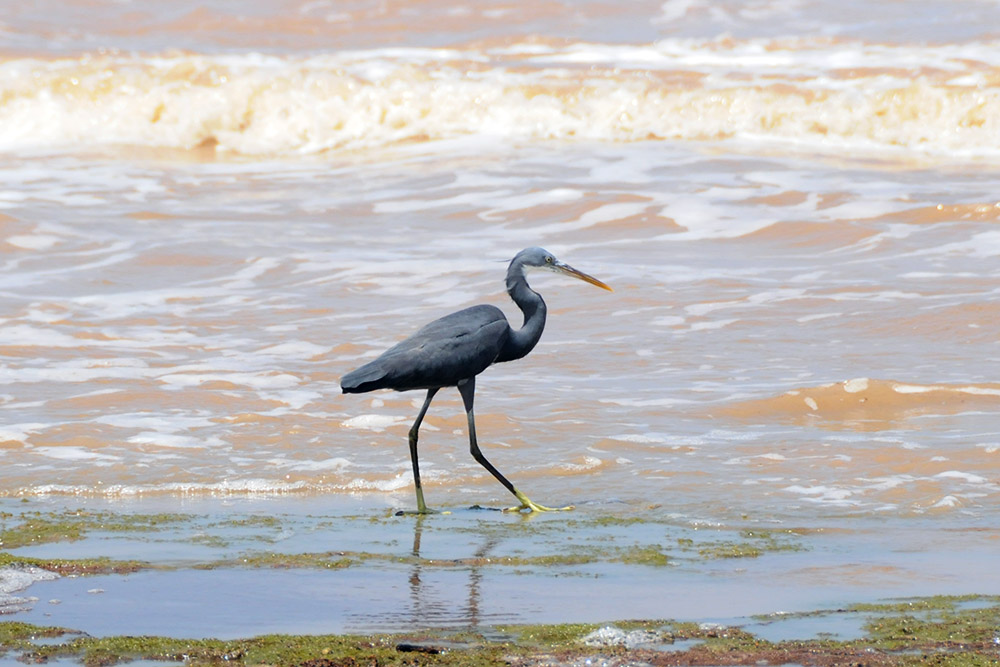
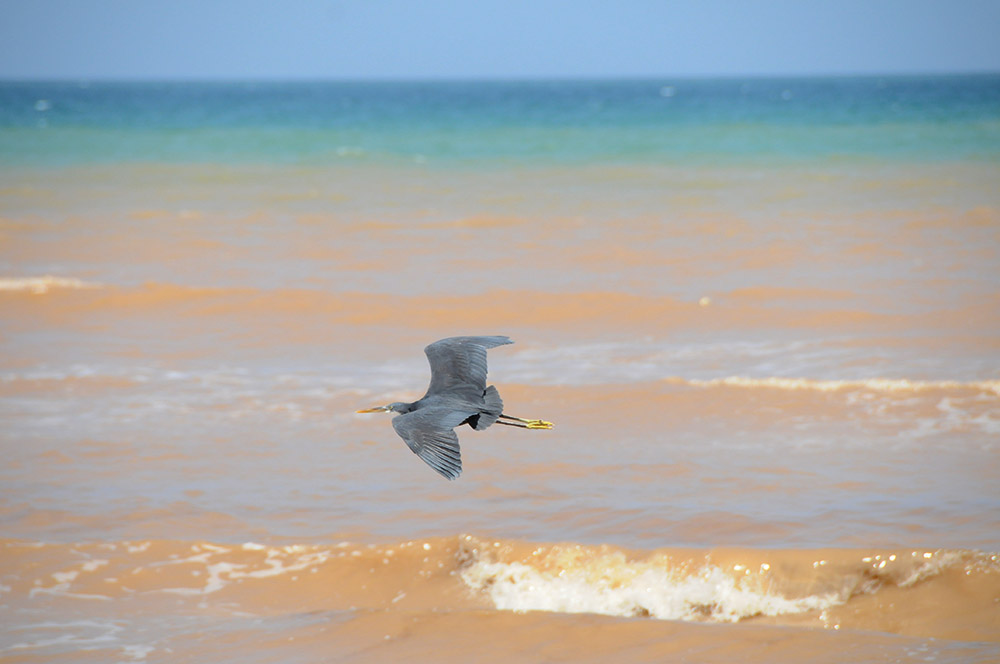
I saw several large wading birds during my walks. At the time I assumed many of them were herons, although I wasn’t completely confident of the individual species, so I’d rather leave the identification general than pretend I knew exactly what I was photographing.
Shells and a Sea Turtle
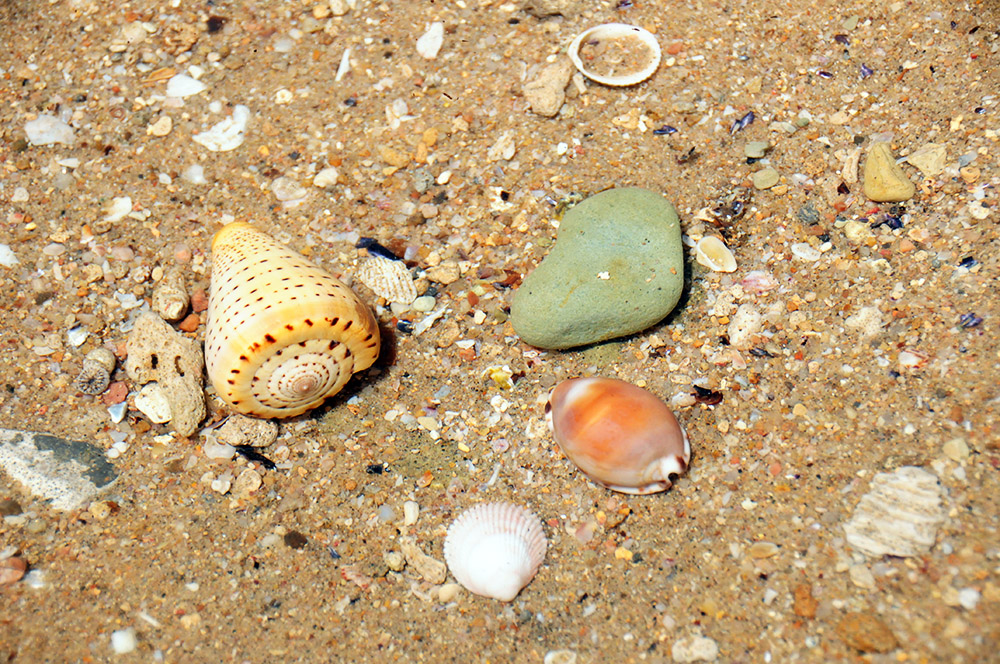
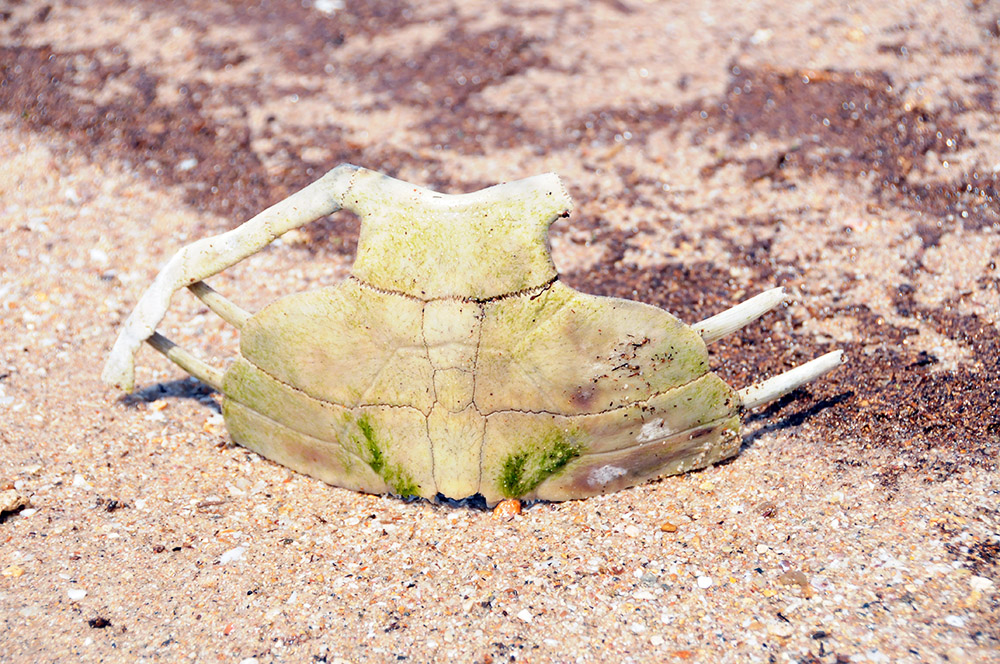
I found plenty of colorful seashells during the walk, although I didn’t keep any. Farther along the coast I also came across the remains of a large sea turtle shell, another reminder of how much wildlife existed along a shoreline that I had almost entirely to myself.
Scuba Diving in Somaliland
I had hoped to dive almost as soon as I reached Berbera, but the weather refused to cooperate. Heavy rain had created enough runoff to cloud the coastal water, so I waited several days for the visibility to improve. When conditions finally cleared enough, I managed to do two shore dives in the Gulf of Aden.
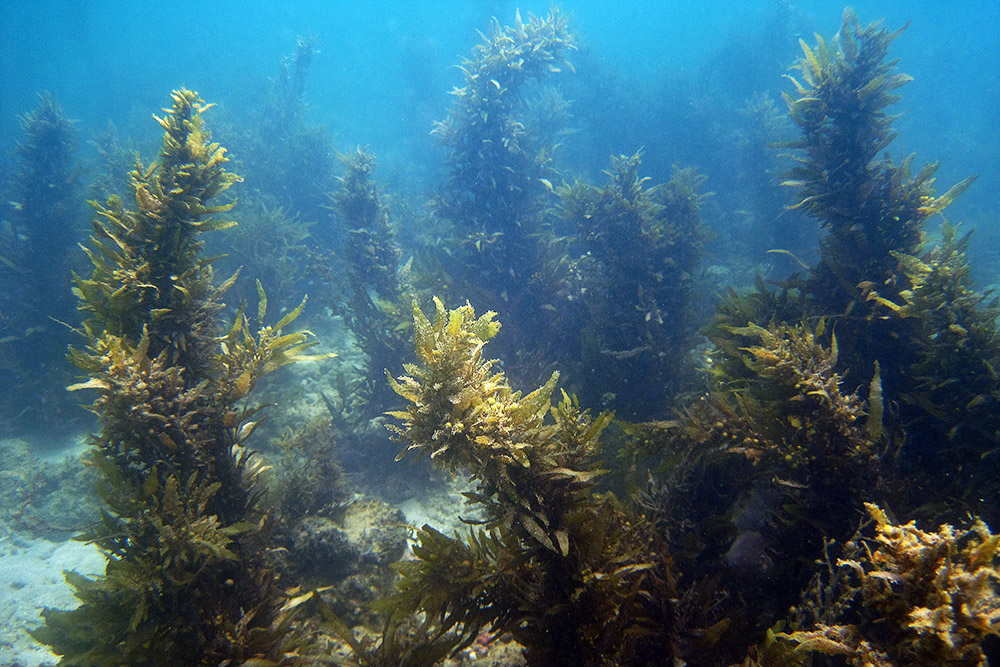
Close to shore I found large stalks of marine vegetation that created plenty of hiding places for smaller animals. In another shallow area there was a patch of extremely bright green seagrass that looked almost like somebody had planted a lawn underwater.
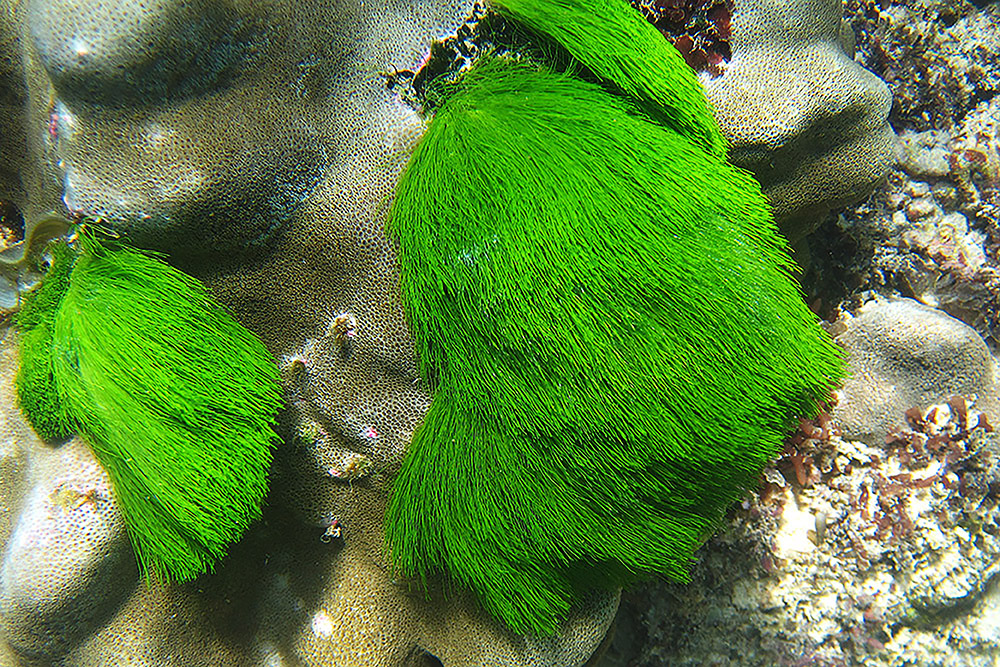
The Ocean Tree and Ocean Flower
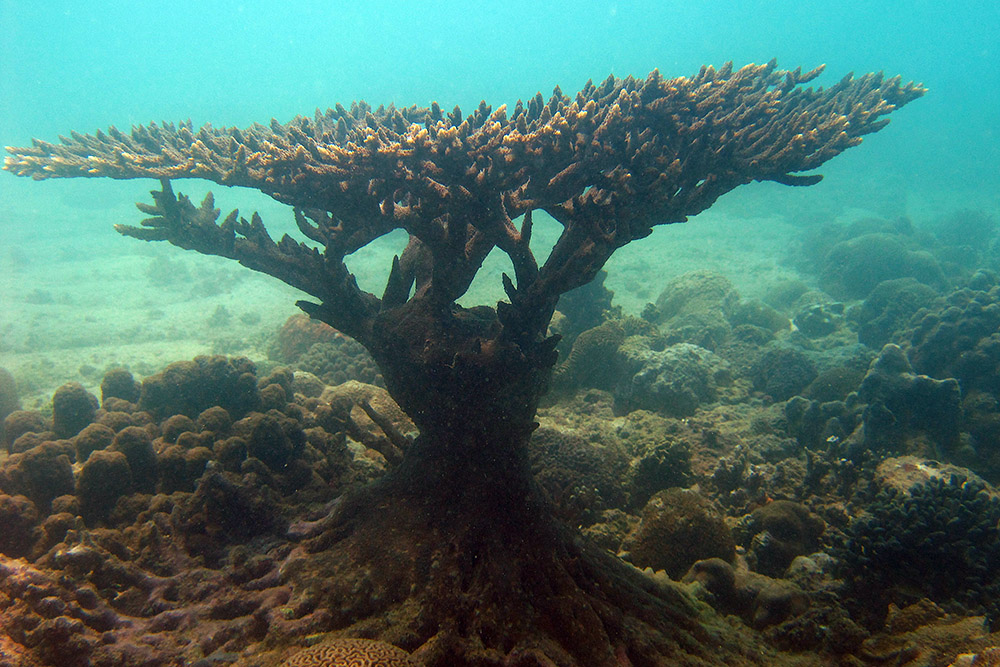
I loved this piece of coral even though it wasn’t particularly colorful. Its branching shape looked so much like a miniature tree that I started calling it the Ocean Tree. I never figured out whether the species normally grew into that exact form or whether this particular colony had simply developed that way.
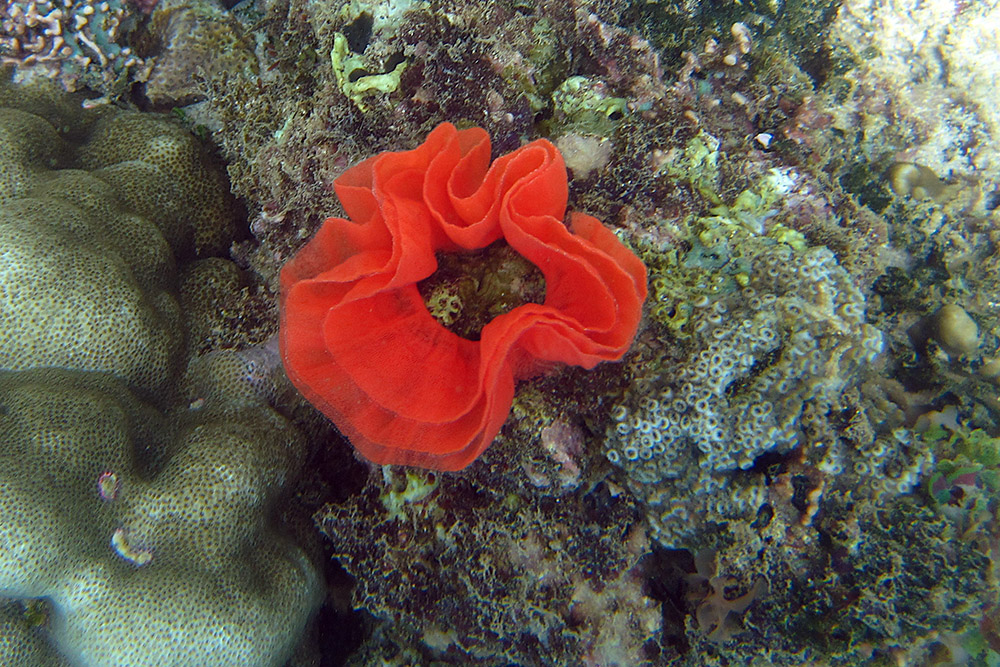
Another organism became the Ocean Flower. I tried repeatedly to identify it afterward and even showed photographs to people who were much more serious about diving than I was, but I never got a confident answer. Whatever it was, I would have loved to see an entire field of them.
Fish Everywhere
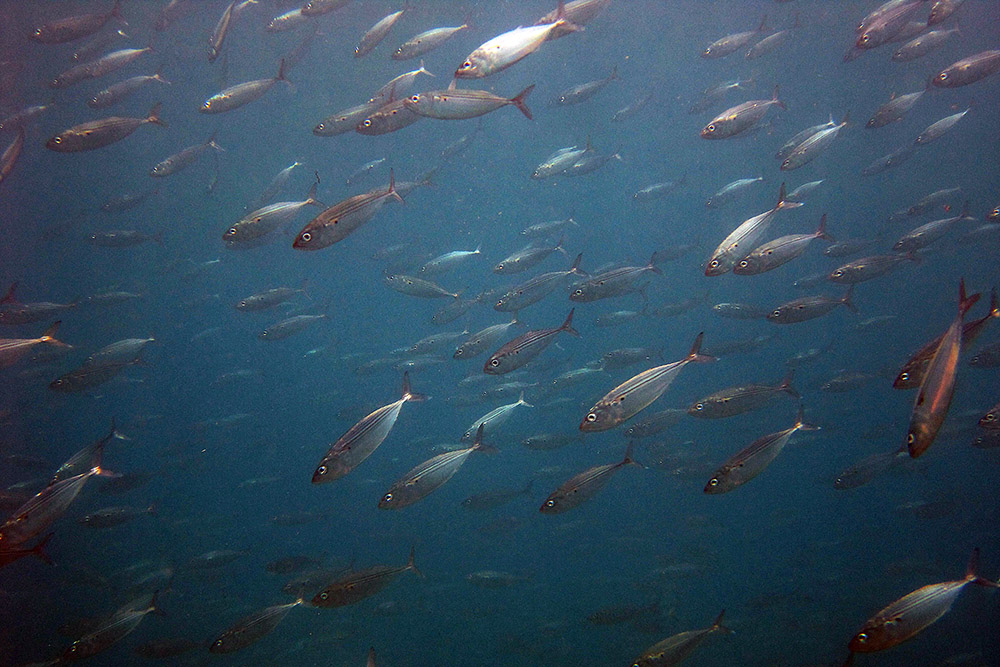
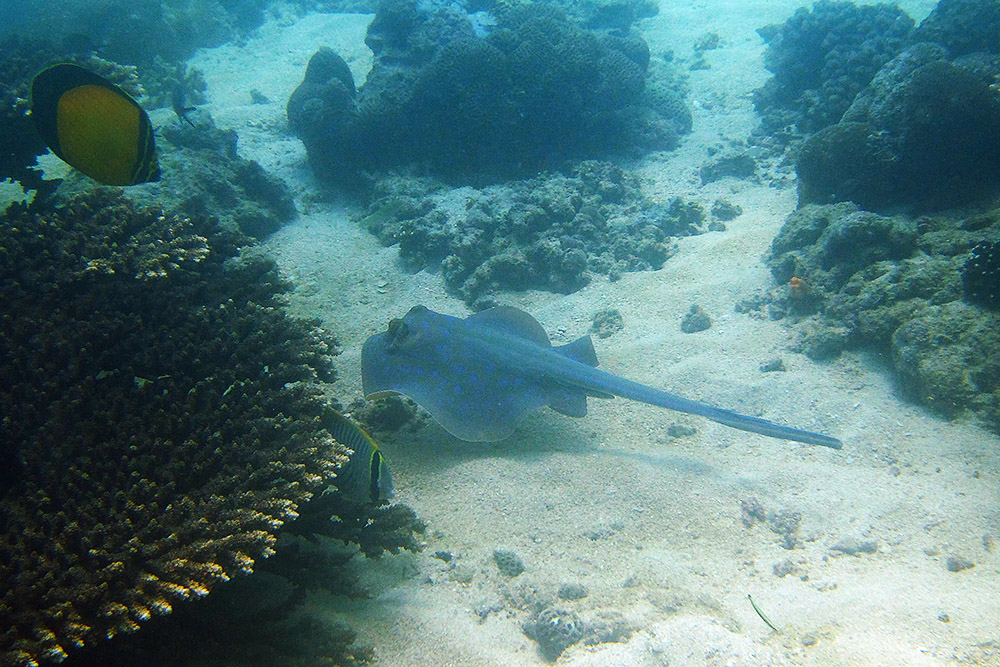
I was surprised by how much fish life I encountered during the dives. There seemed to be a good variety of species, and at times enormous schools passed right beside me. I wasn’t conducting any kind of scientific survey, so I wouldn’t try to judge the actual health of the ecosystem from two dives, but visually there was considerably more activity than I had expected.
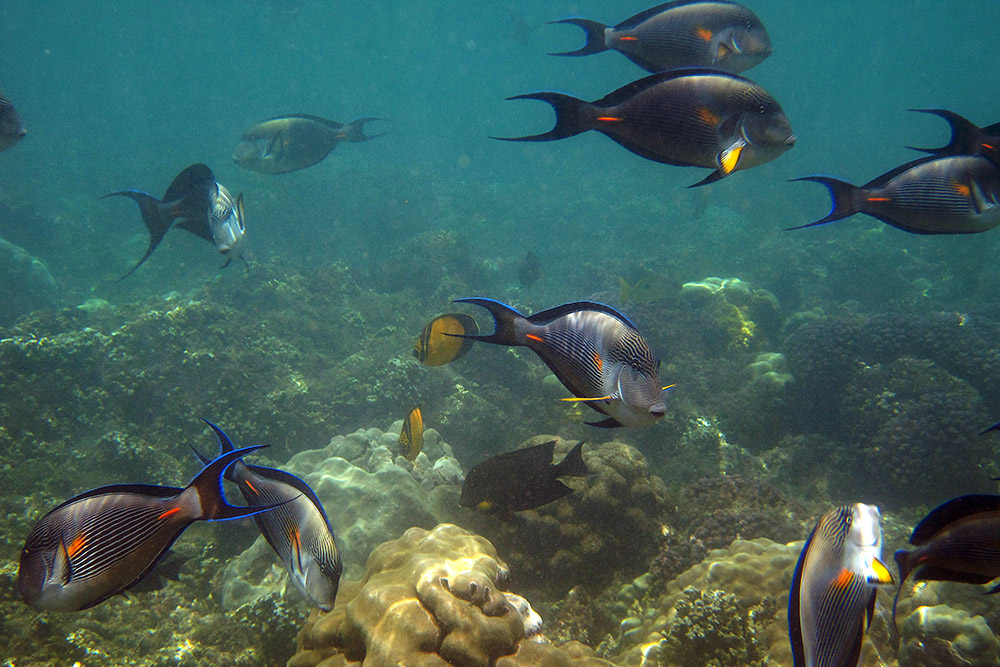
Some fish stayed out in the open while others disappeared almost completely into the underwater structure around them. That made diving slowly much more rewarding, since stopping to look closely often revealed animals I hadn’t noticed at first.
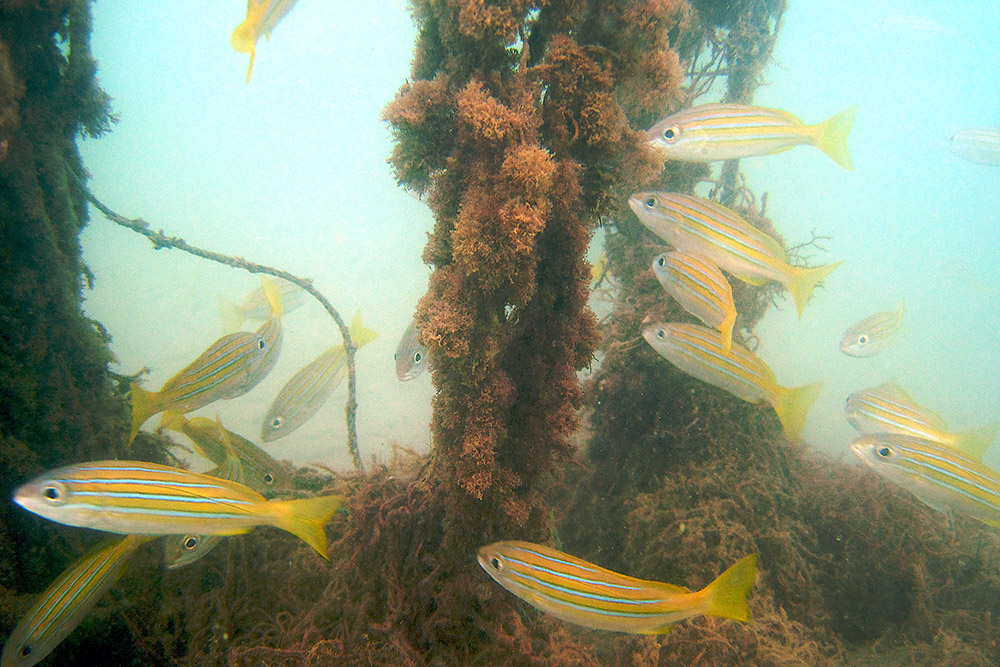
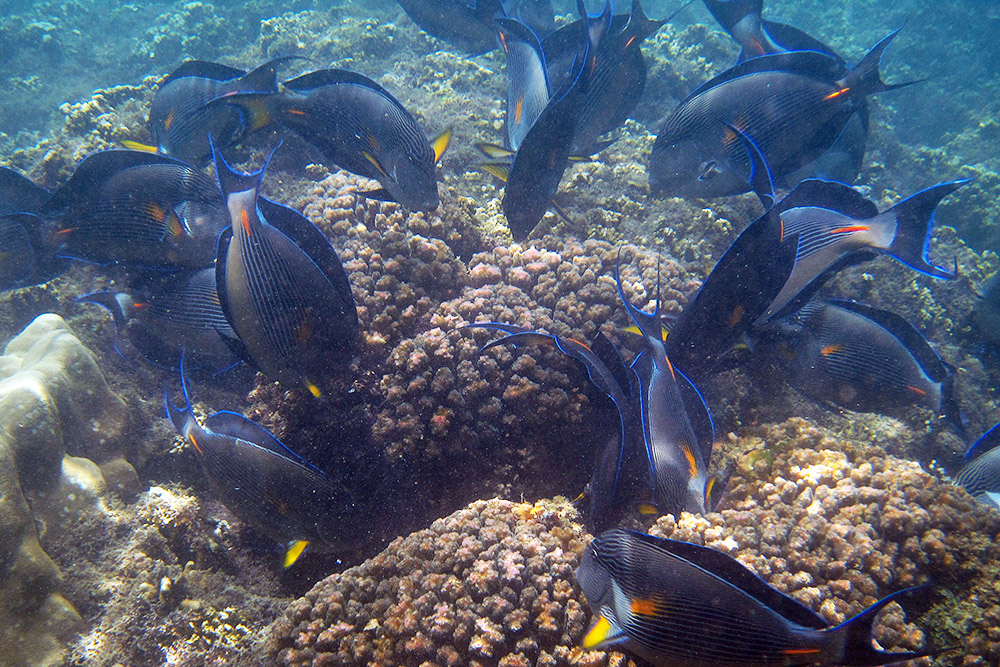
One group had been swimming around calmly when they suddenly rushed toward a patch of coral and began feeding. I never saw exactly what triggered them. They may have found smaller prey or something growing on the reef, but whatever it was caused the entire school to change behavior almost instantly.
Fish I Couldn’t Identify
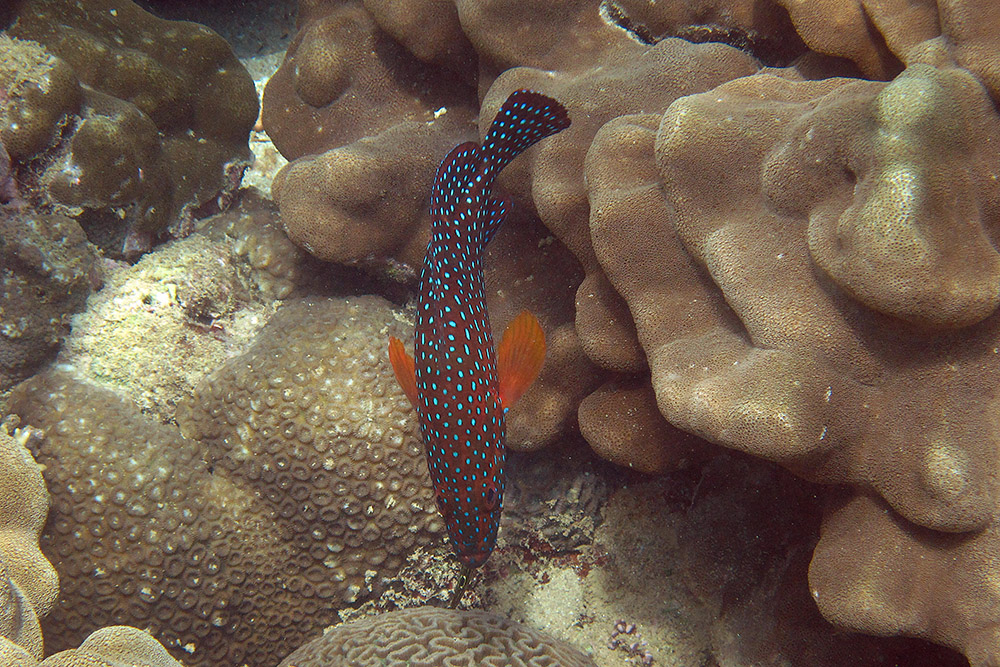
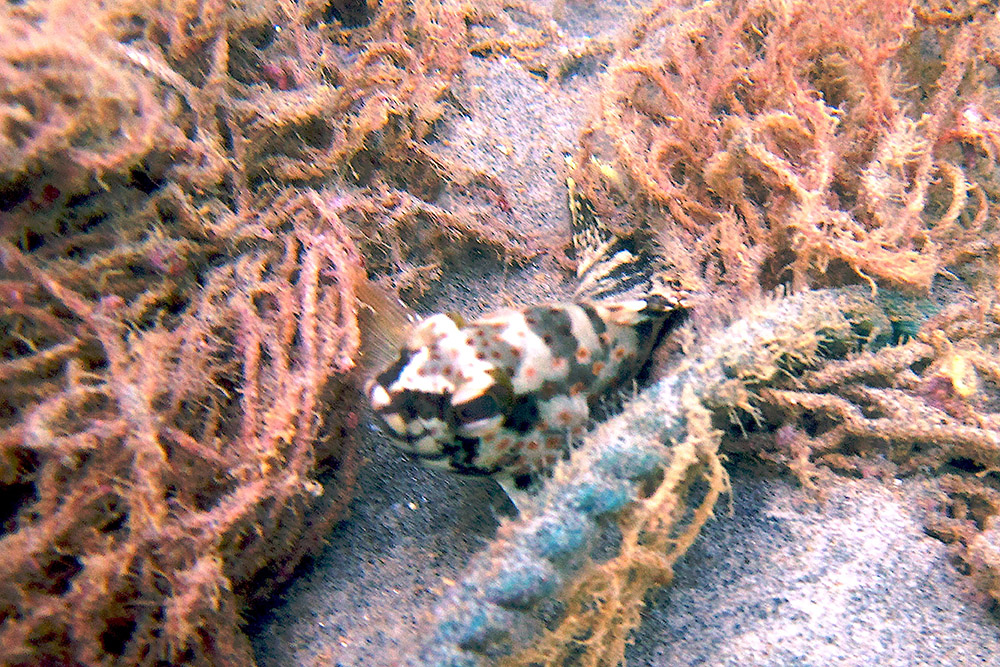
I thought this fish might have been some type of grouper because its body shape resembled coral groupers I had seen before, although the coloration didn’t seem quite right. I was even less successful identifying some of the brighter fish I encountered later in the dive.
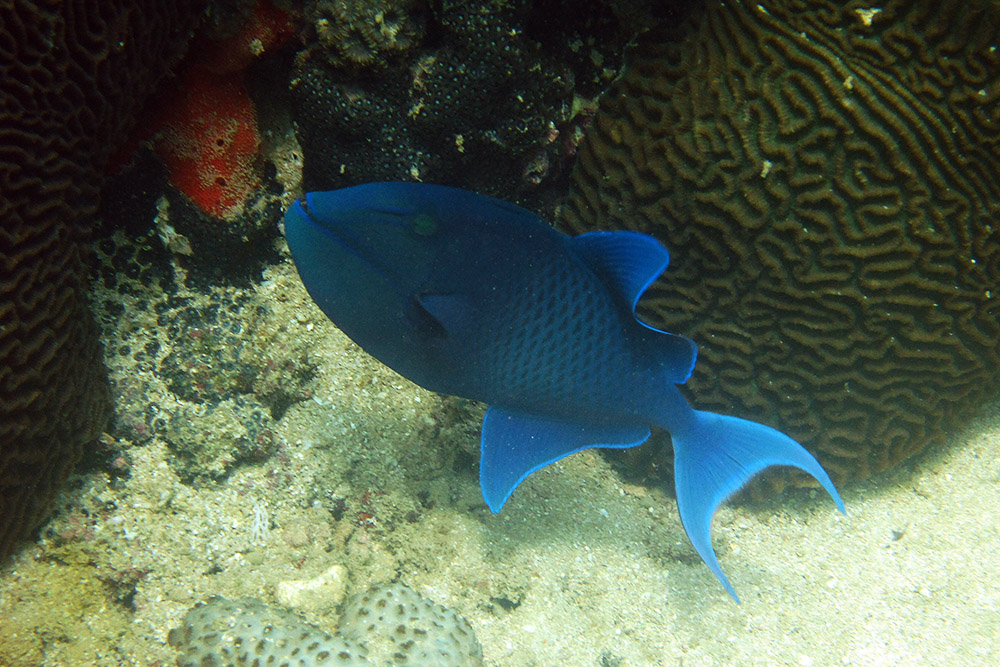
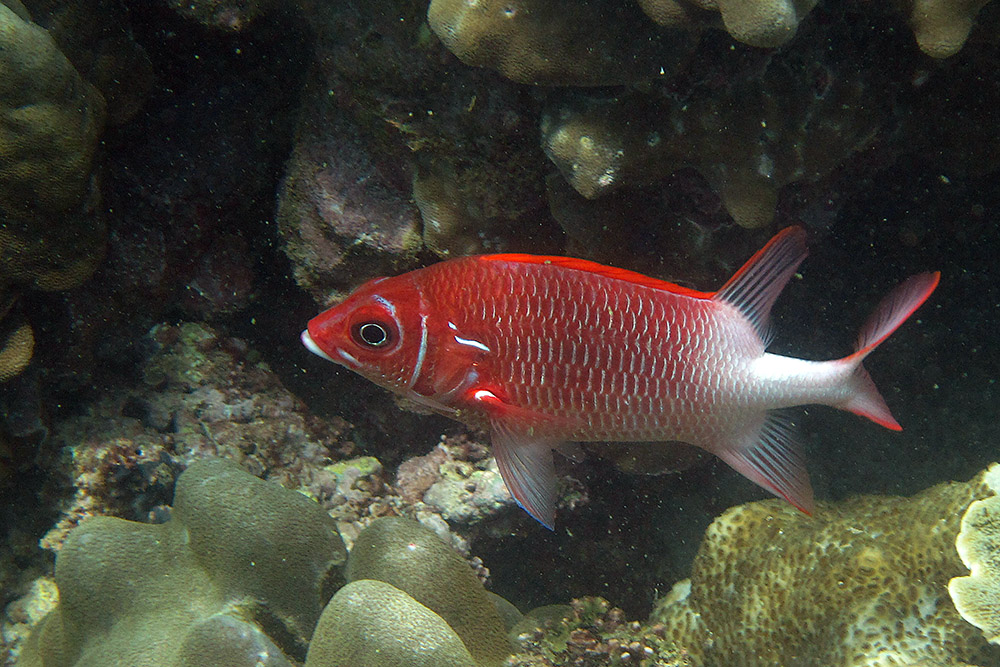
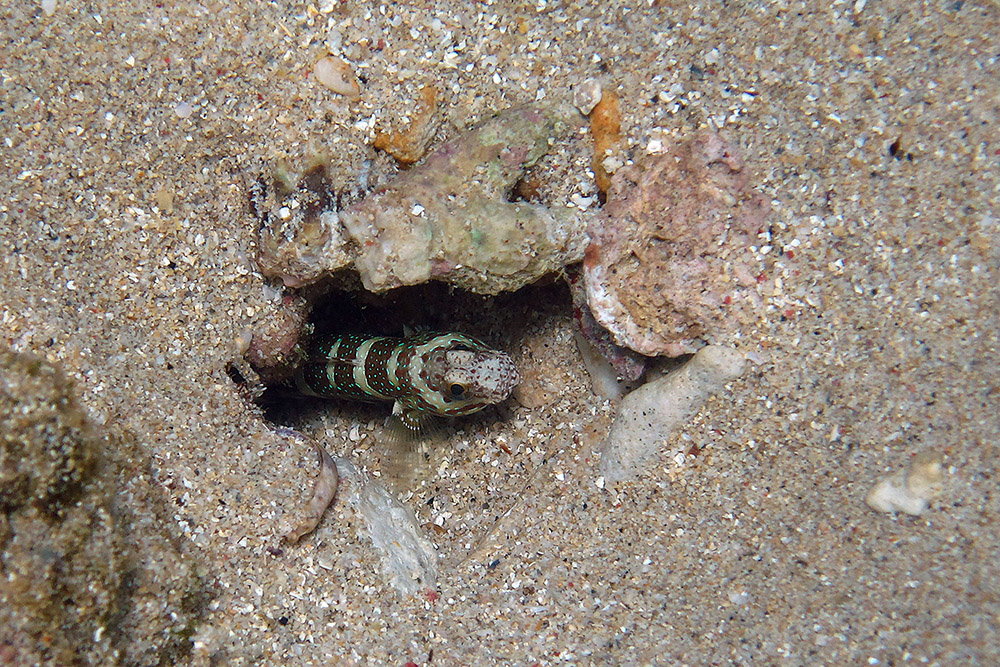
My underwater camera wasn’t especially good, but I was grateful to have it. Even with the mediocre image quality, it let me document a dive in a place I had never imagined I would be scuba diving when I first planned the trip.
My Time in Berbera
Berbera ended up being almost nothing like the visit I had imagined. I expected to spend most of my time exploring a Somali port city, but instead I wandered for hours along nearly empty beaches, watched camels stroll beside the Gulf of Aden, found more hermit crabs than I could count, spotted a mongoose, searched unsuccessfully for a fishing village, and eventually went scuba diving offshore.
I still regret not exploring farther west along the coast and not taking more photographs inside the city itself. At the same time, some of my favorite memories of Somaliland came from simply walking away from Berbera and seeing what appeared along the shoreline.