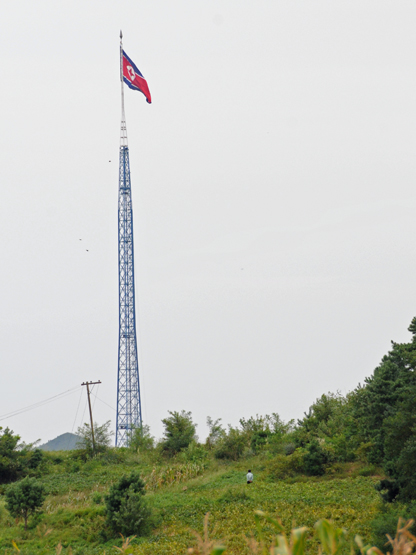
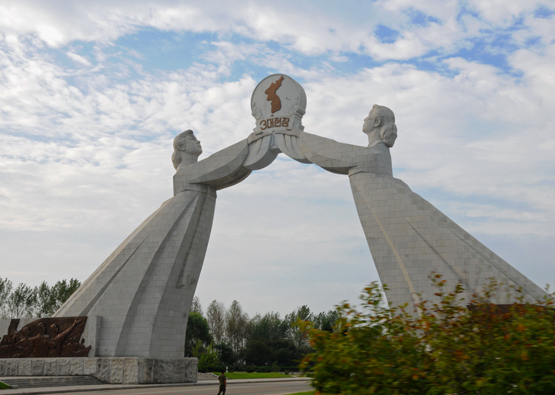
One of the most interesting parts of my trip to North Korea was visiting the DMZ and seeing the Korean Peninsula’s heavily fortified border from the northern side. Above is the enormous North Korean flag near the border, followed by a monument dedicated to the idea of Korean reunification.

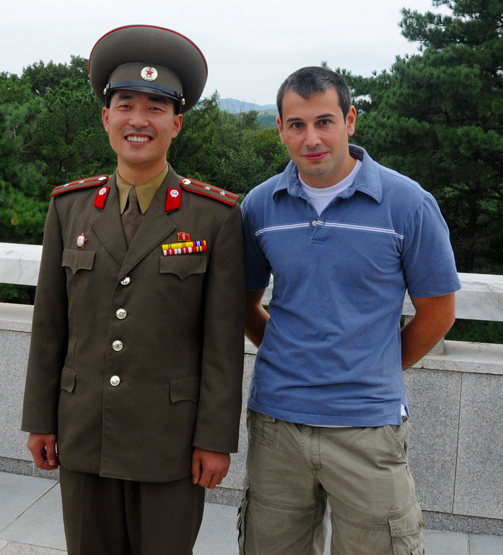
In 2004, I visited South Korea and toured the DMZ from the southern side. At the time I photographed the North Korean building above and never imagined that six years later I’d be standing on its second floor during a tour from the North. Above is a photo of me there with a North Korean guard while looking across the border into South Korea.
Standing on the northern side while looking across at American and South Korean soldiers and western tourists was one of the most unique experiences of my travels. I asked my escorts whether the people watching us might realize I was American. They laughed and told me they probably thought I was Russian.
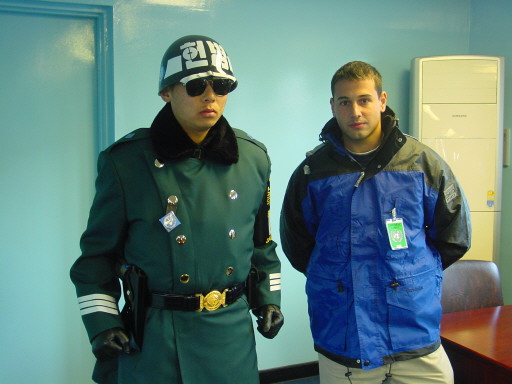
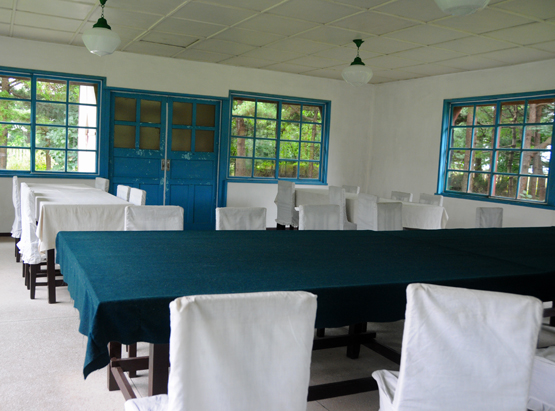
The photo above was taken during my earlier visit from South Korea in 2004, when I was 23 years old. Inside one of the conference buildings I was able to cross the military demarcation line briefly while accompanied by a South Korean soldier. Six years later I was able to experience the DMZ from the opposite side. The conference rooms here have played an important role in negotiations and meetings between the two sides since the Korean War.
Kaesong
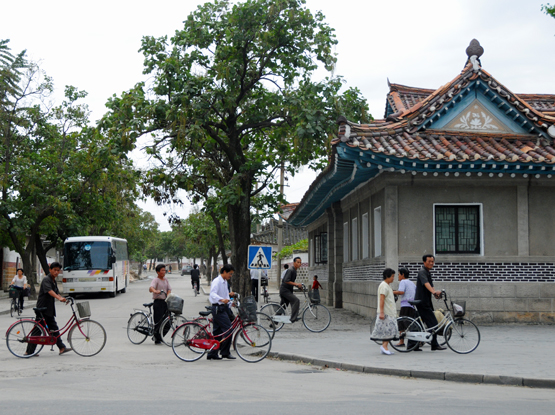
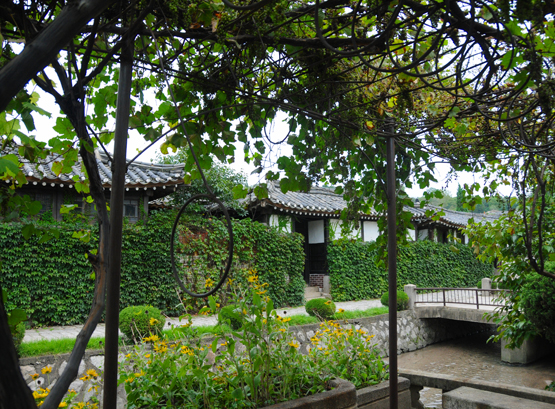
Another fascinating place I visited was the ancient city of Kaesong. The city served as the capital of the Goryeo dynasty and remains one of North Korea’s most important historic centers. Above are two views of Kaesong, including a street scene and historic Korean buildings that are now used as a hotel.
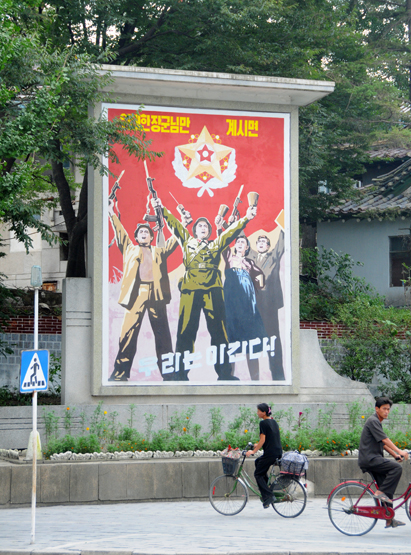
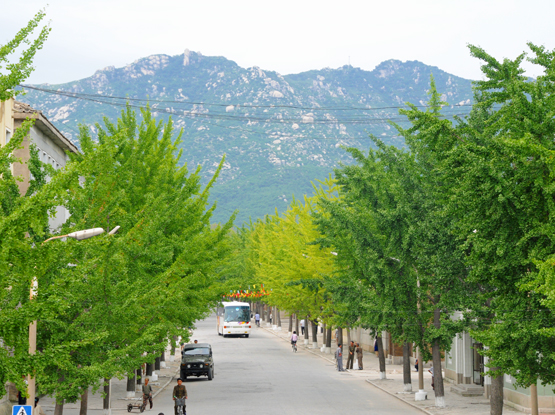
Throughout North Korea I saw signs and monuments commemorating events from the Korean War, including the one photographed above in Kaesong. The war remains an important part of the country’s modern history. Kaesong itself sits among attractive mountain scenery near the southern edge of North Korea.
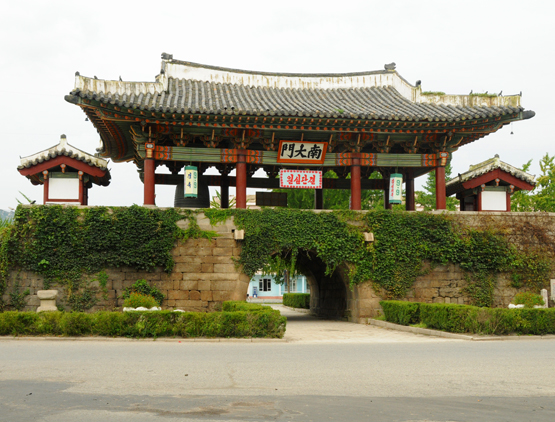
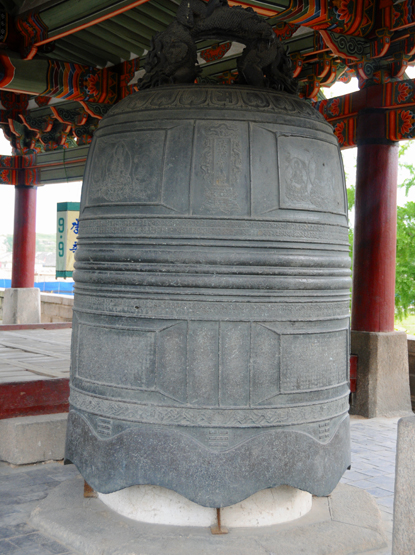
Above is the Namdaemun Gate, one of Kaesong’s historic landmarks. The original gate dates to the late 14th century and is the best preserved of the old citadel gates that once protected the city. Under its traditional roof is a large historic bell, accessible by stairs.
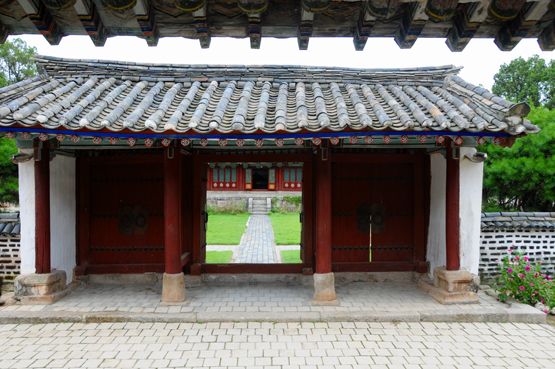
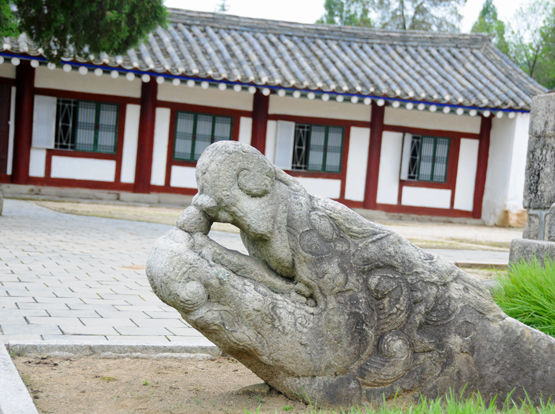
Kaesong’s long history can still be seen in its traditional architecture and historic sites. The city was an important political and cultural center during the Goryeo period, and a number of historic monuments survive today. The photos above show some of the traditional buildings and decorative artwork I saw while exploring the city.
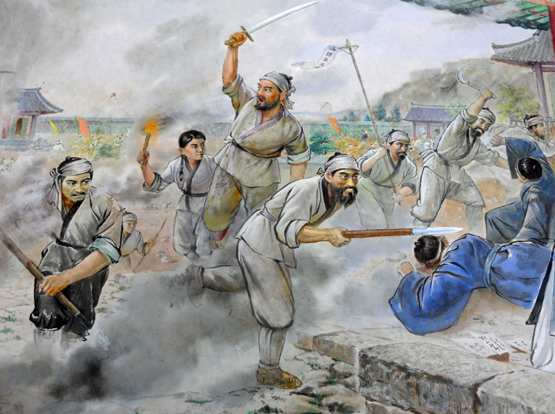
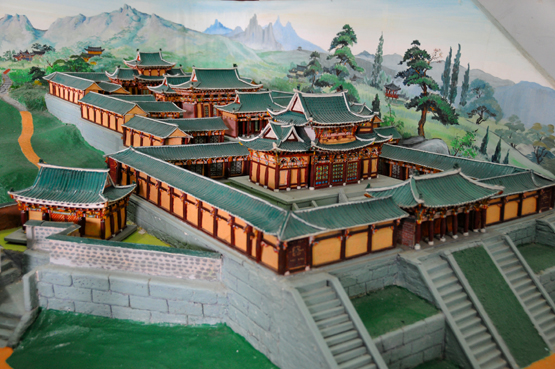
The final photos show artwork depicting Kaesong’s medieval history and a model illustrating the larger historic complex. Between its traditional architecture, mountain setting, and connection to centuries of Korean history, Kaesong was one of the most memorable historic places I visited in North Korea.