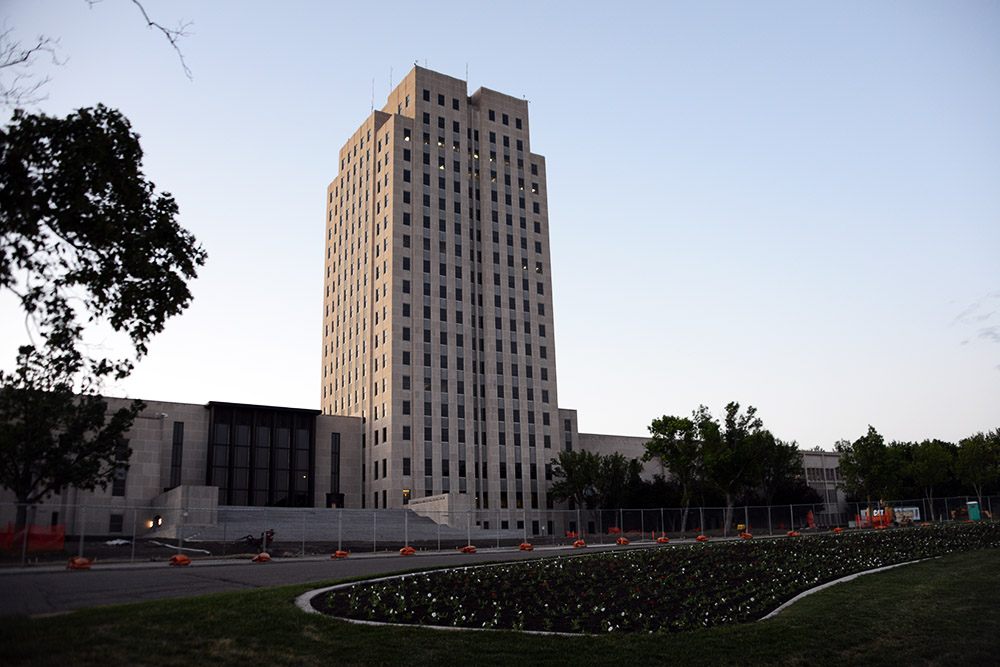
As one of the least populated states in America, I expected North Dakota’s capital of Bismarck to be barely more than a village. Bismarck’s population of about 75,000 people makes it a reasonably sized city, and it’s big enough that it doesn’t even make the list of the ten smallest state capitals! There is certainly enough here to make it a worthwhile visit for a few days. The photo above is the North Dakota State Capitol, which was much larger than I would have expected for North Dakota.
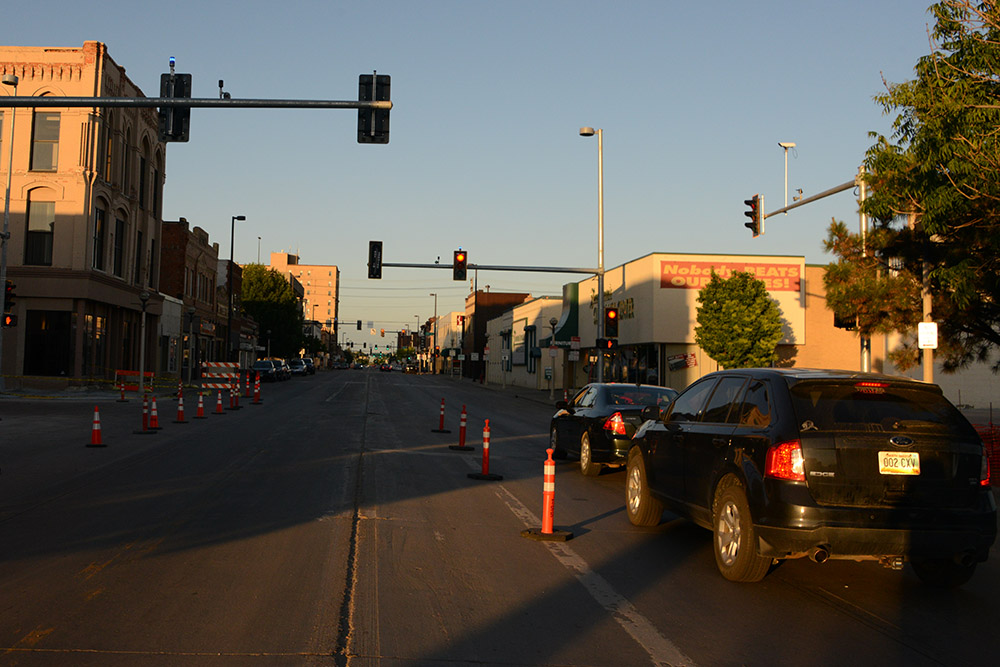
Bismarck is located along the Missouri River and has been North Dakota’s capital since statehood in 1889. It isn’t the kind of capital filled with skyscrapers and crowded streets, and that was part of what made it interesting to explore. The city still feels relatively small and quiet compared with most American capitals, while serving as the center of government for a state that stretches across a huge area of the northern Great Plains.
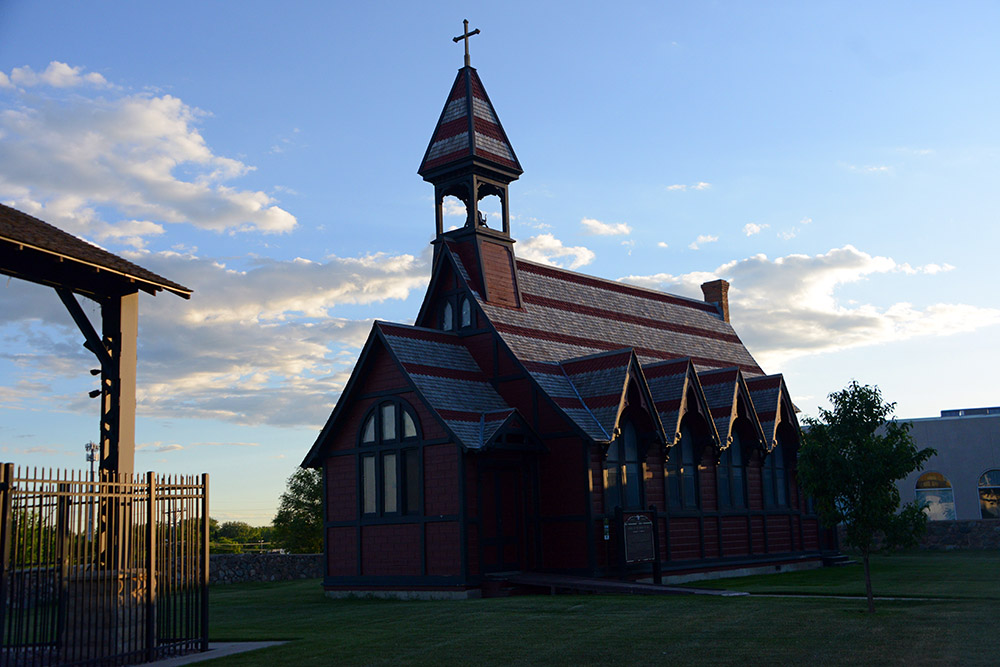
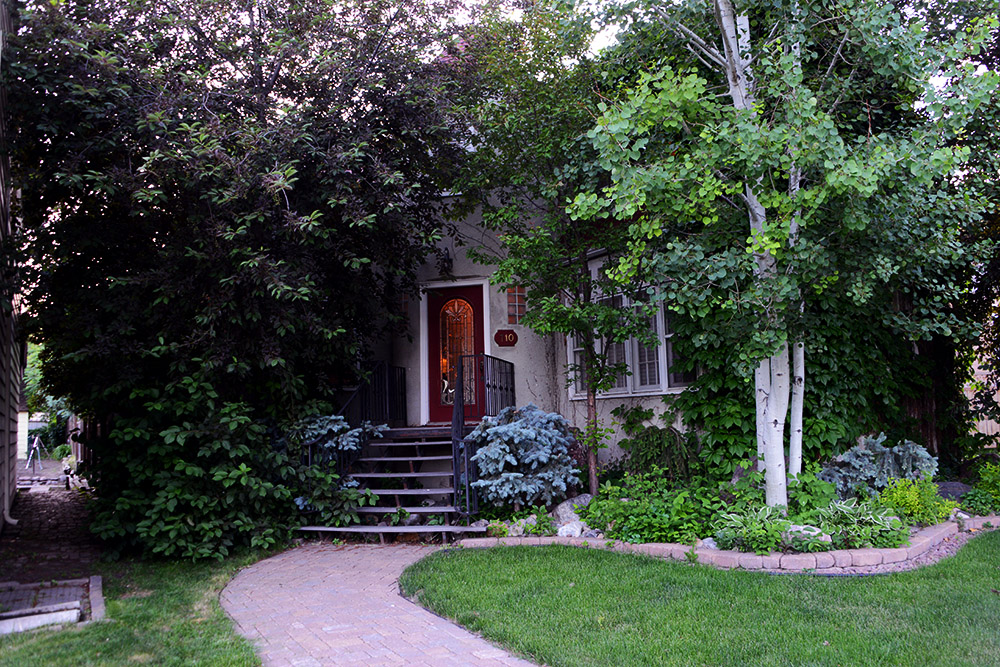
Around Bismarck I came across a mixture of churches, older homes, small businesses and other buildings that give the city a much different character from the larger capitals I’ve visited. North Dakota has never had the enormous population growth seen in many other parts of the country, and Bismarck still has some of the atmosphere of a smaller Great Plains city.
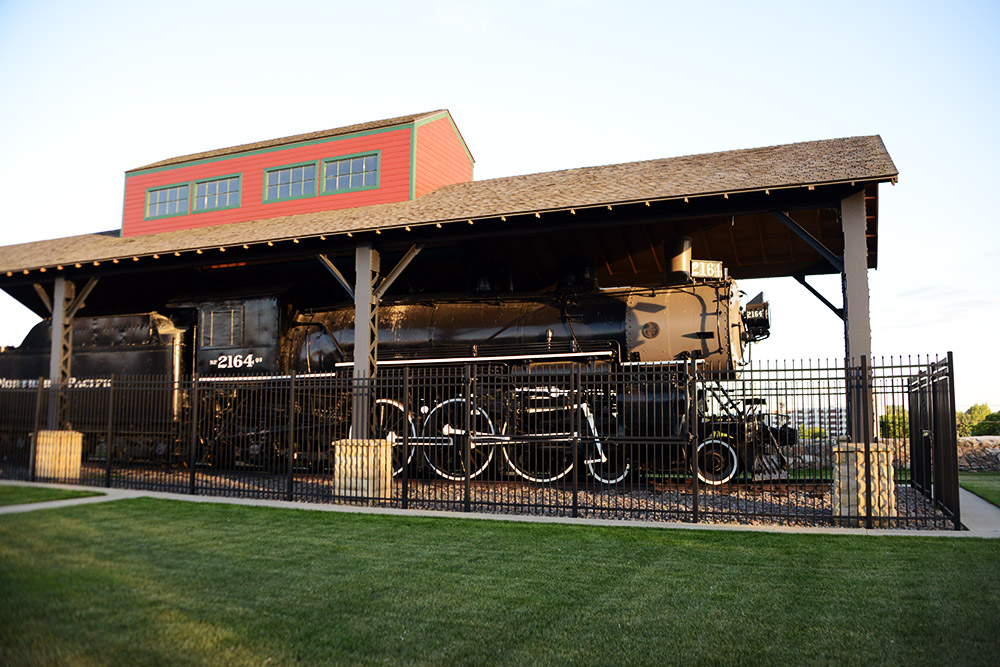
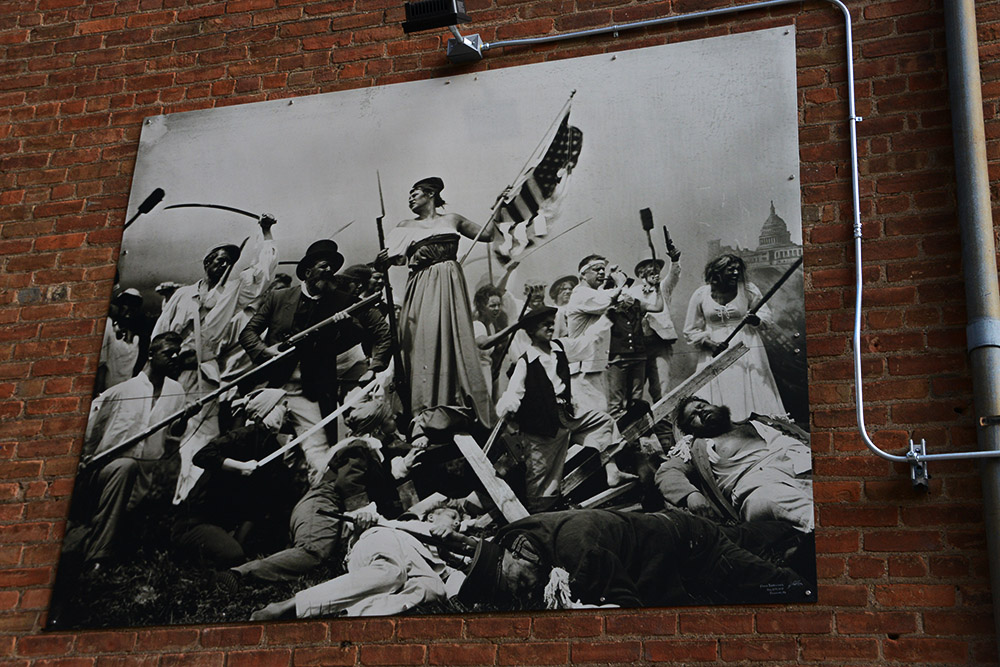
The railroad played an important role in the growth of Bismarck and much of North Dakota. The settlement that eventually became Bismarck grew alongside the Northern Pacific Railway during the 1870s, when railroads were rapidly pushing west across the Great Plains. Today trains are still a common sight throughout North Dakota and a reminder of how these relatively isolated communities became connected with the rest of the country.
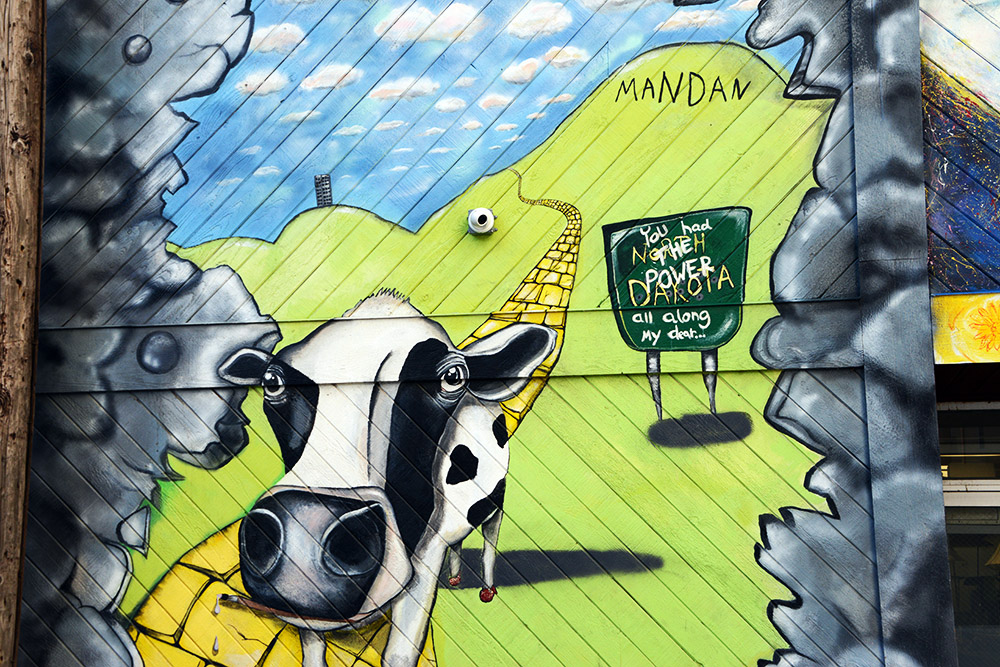
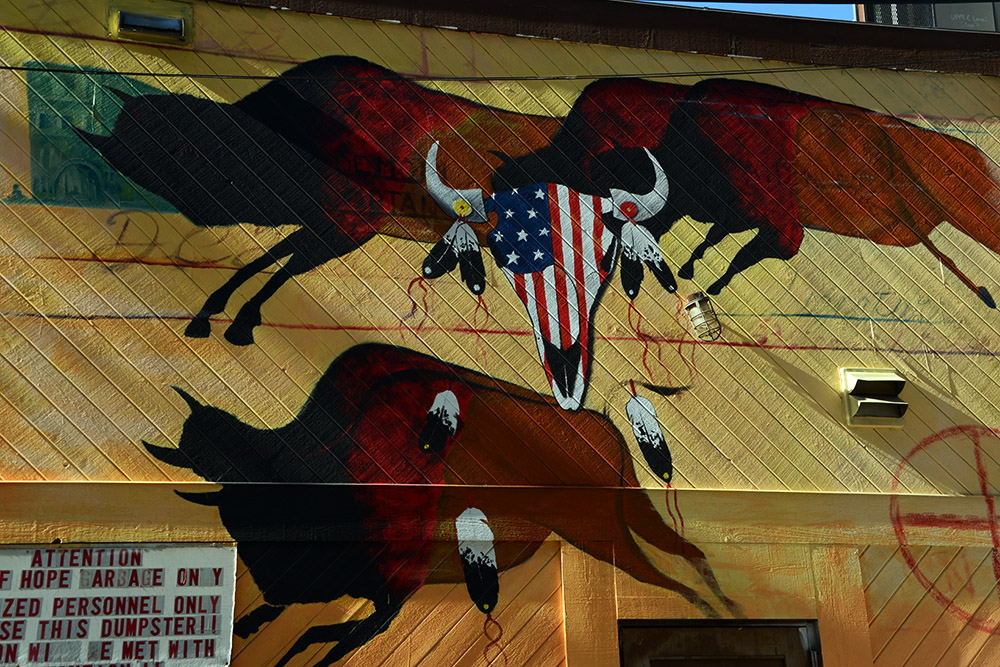
Not everything I photographed in Bismarck was a historic landmark. Wandering around a city usually turns up some random things that never make it into a guidebook, including some of the graffiti and street art I came across here. These kinds of ordinary scenes are often just as much a part of seeing a new place as visiting its major attractions.

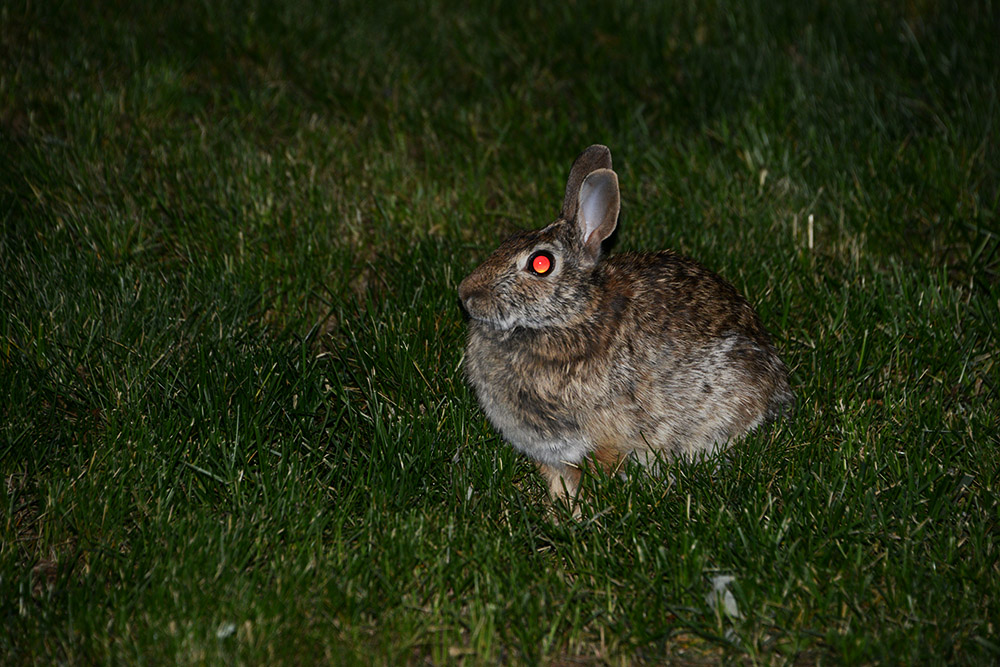
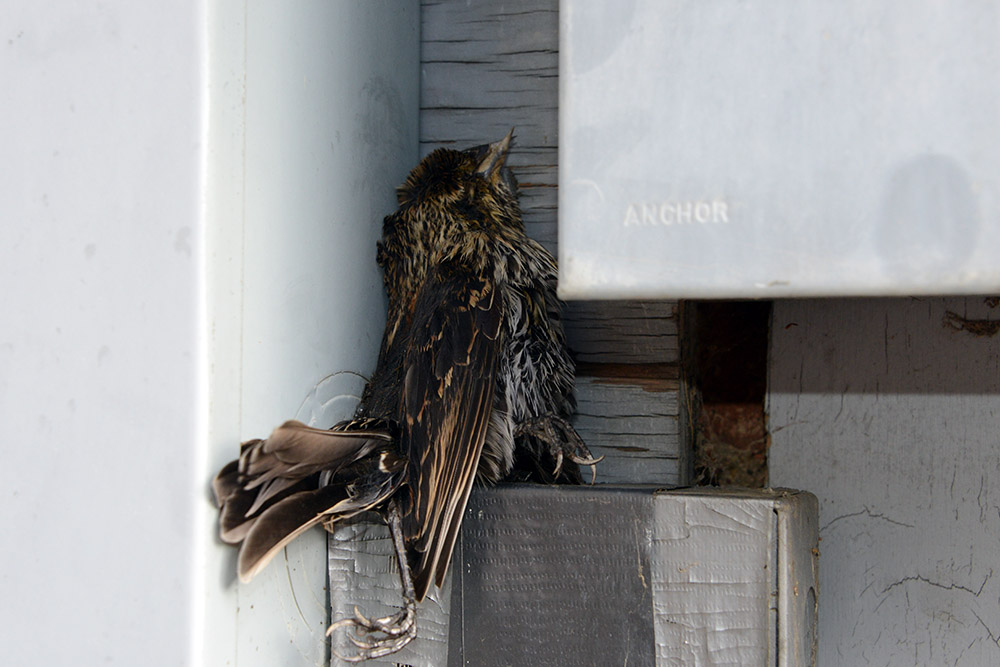
The city quickly gives way to the open landscape that dominates most of North Dakota, so wildlife is never very far away. Even around Bismarck I came across reminders that this is still a sparsely populated part of the country surrounded by the Great Plains.
North Dakota Heritage Center
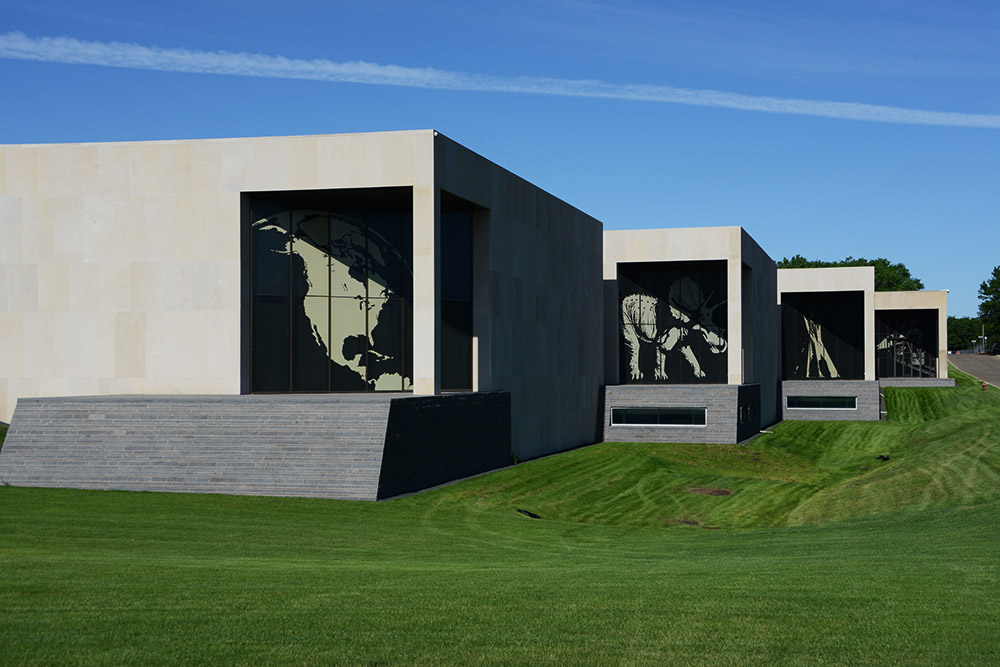
For a much deeper look at the state, Bismarck is home to the North Dakota Heritage Center. North Dakota’s history goes back far beyond the arrival of European settlers, and the museum covers the region from its ancient geological and prehistoric past through the Indigenous peoples of the northern plains and eventually the development of the modern state. This history becomes especially important when exploring the area around Bismarck, where several historic sites along the Missouri River preserve evidence of communities that existed long before the modern city.
Fort Abraham Lincoln
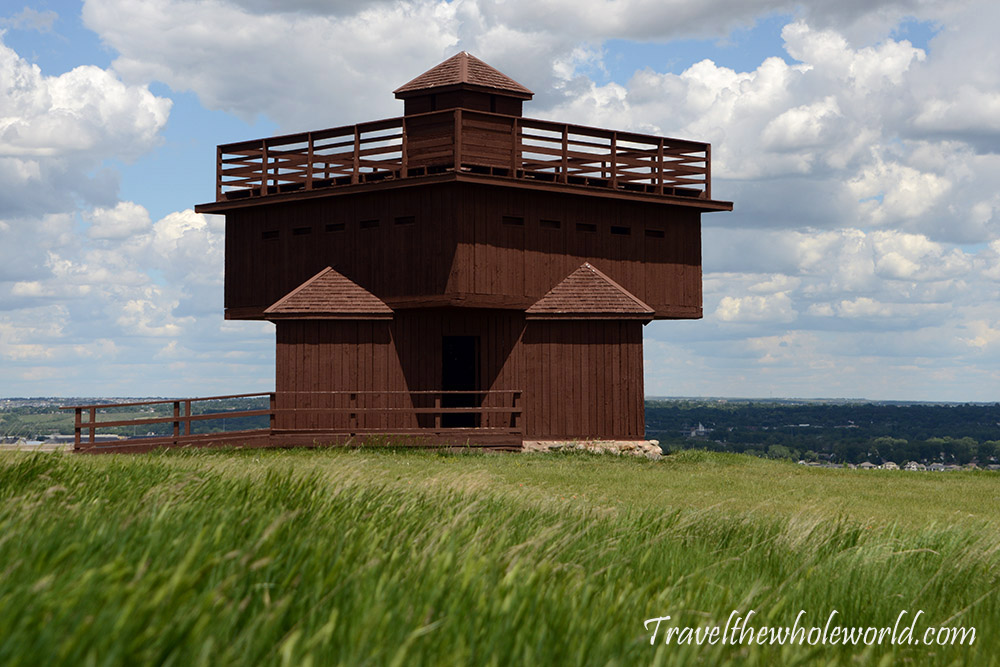
One of the most interesting places near Bismarck is Fort Abraham Lincoln State Park on the opposite side of the Missouri River. The site preserves two very different periods of the area’s history. Long before the U.S. Army arrived, Indigenous communities lived along the Missouri River. Centuries later the area became the location of an American military post during the westward expansion of the United States.
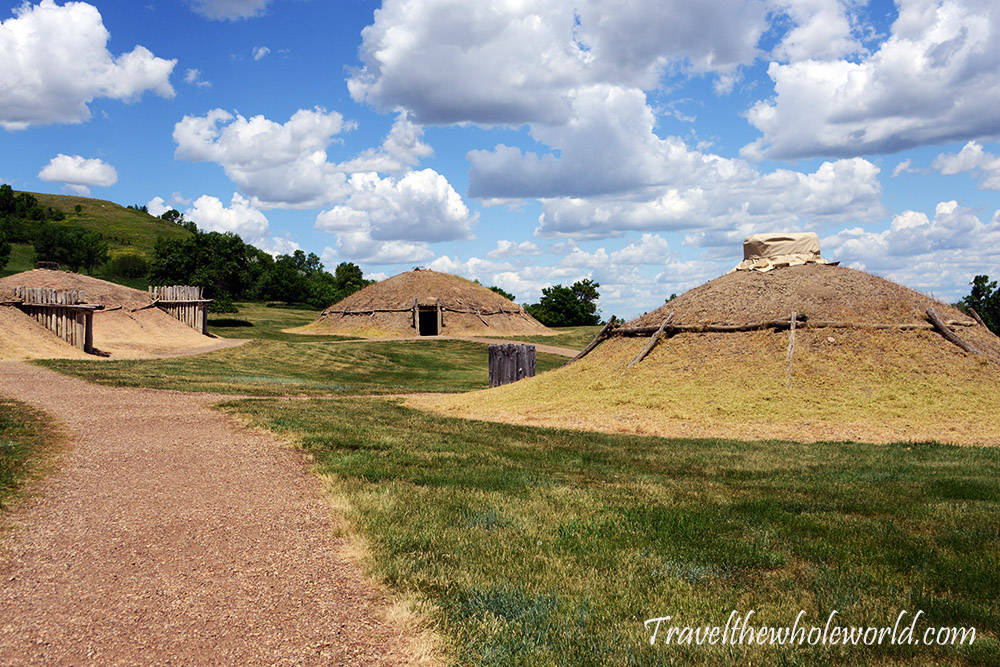
One of the most interesting parts of the park is the reconstructed earthlodge village. The Mandan people built settlements along the Missouri River consisting of large circular earthlodges rather than the tipis that many people associate with Native American life on the Great Plains. These were permanent communities where people farmed, hunted and traded along the river.
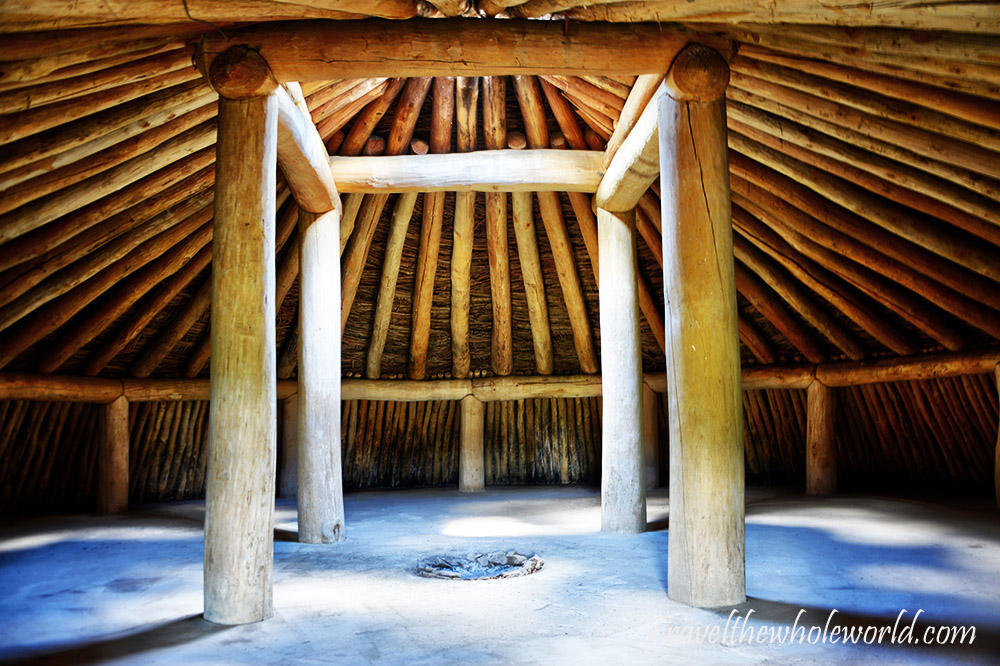
The inside of an earthlodge is considerably larger than it appears from the outside. Heavy wooden supports held up a roof covered with branches, grass and earth, creating a substantial structure that could withstand North Dakota’s extreme seasons. Entire families could live inside these lodges, with the Missouri River providing water, transportation and fertile land nearby.
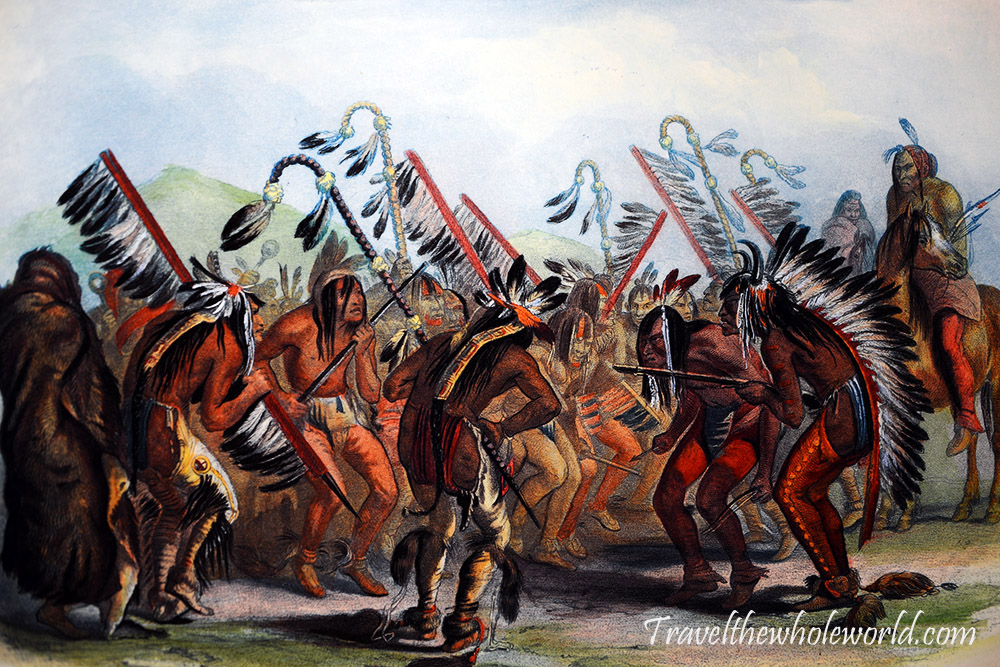
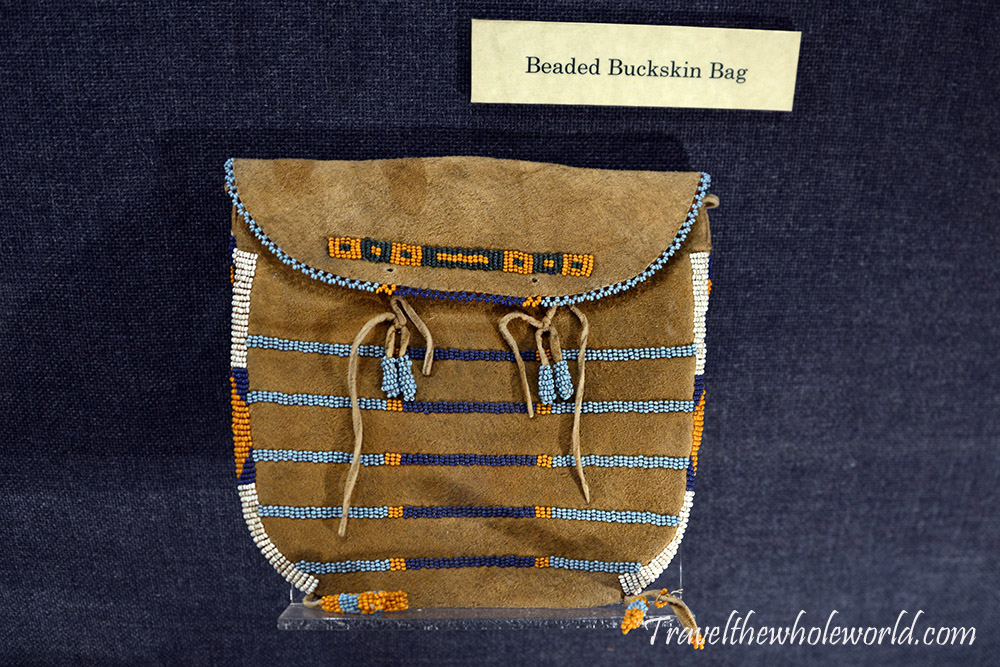
Displays around the historic site provide more information about the people who lived in this region and include examples of traditional artwork and objects. Visiting the earthlodges puts a completely different side of North Dakota’s history alongside the later military history for which Fort Abraham Lincoln is better known.
Fort Lincoln & General Custer
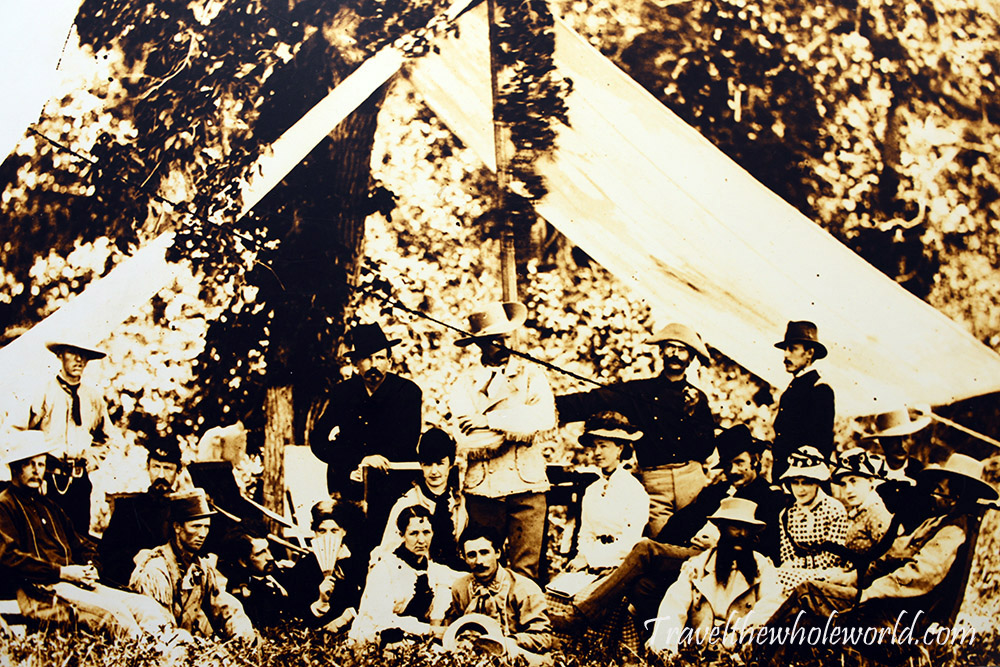
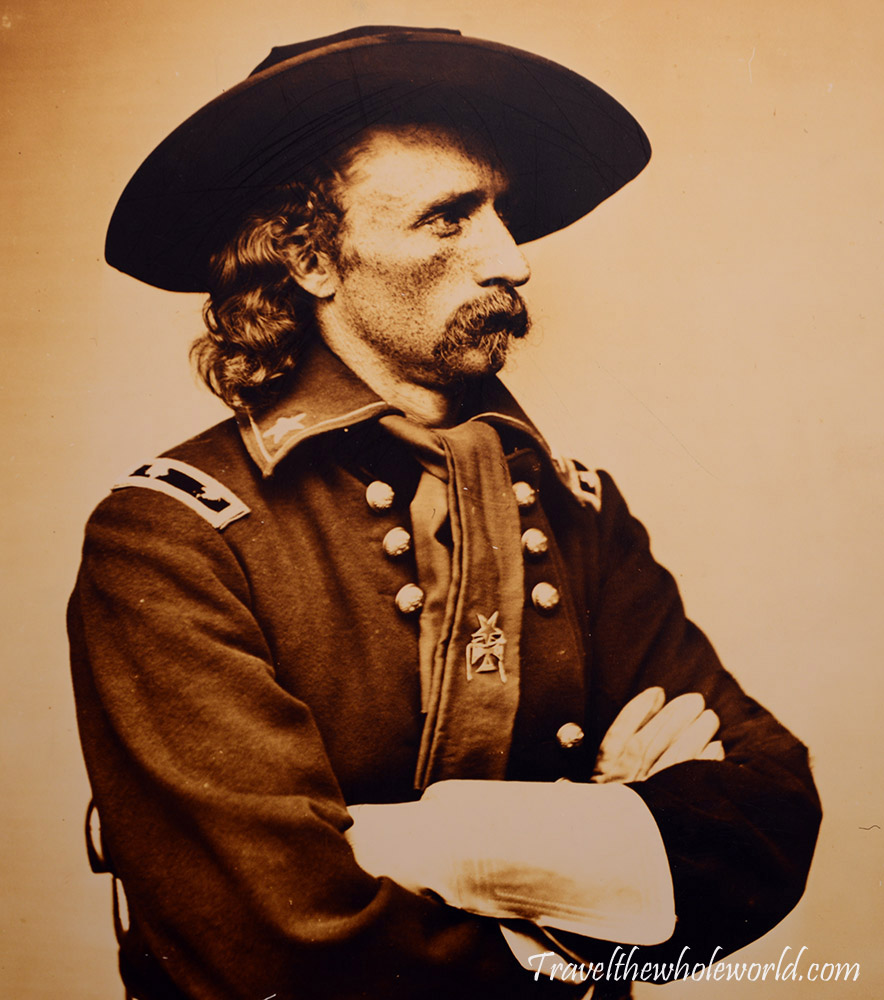
The military history of the area began in the 1870s when Fort Abraham Lincoln became an important U.S. Army post. Its most famous resident was Lieutenant Colonel George Armstrong Custer, who was stationed here with the 7th Cavalry. Whatever someone thinks of Custer today, his connection with the fort makes this one of the most historically significant places around Bismarck.
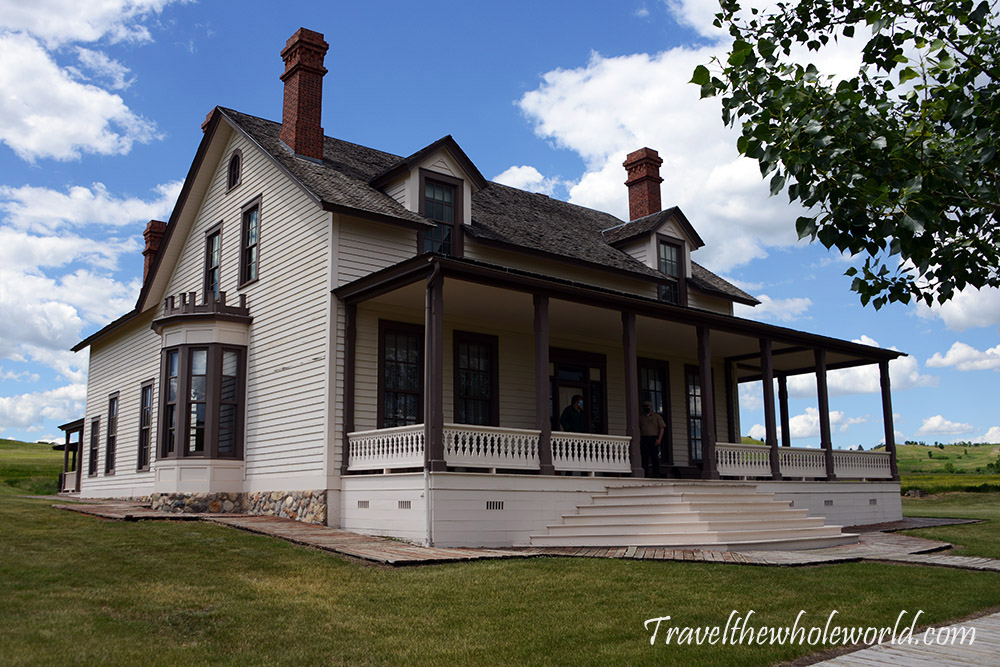
Custer lived here with his wife, Elizabeth, in a house at the military post. The original building no longer survives, but the house has been reconstructed and furnished to show what life at the fort would have looked like during the 1870s. From this fort, Custer and the 7th Cavalry departed in 1876 on the campaign that would end at the Battle of the Little Bighorn in present-day Montana.
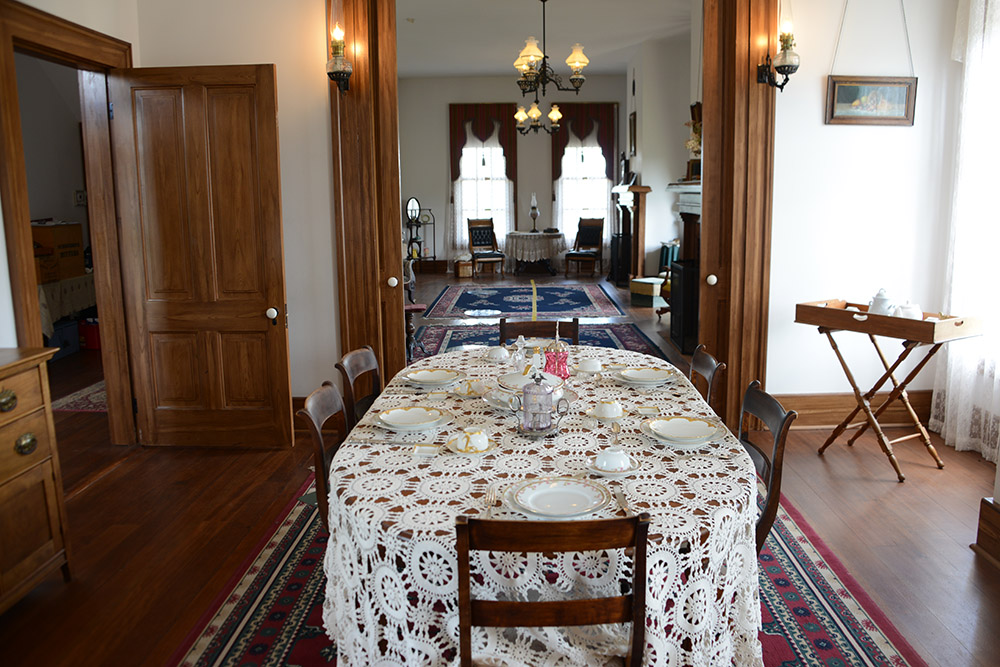
The reconstructed interior gives a much more personal look at life on a frontier military post. Rather than just seeing photographs and reading about the officers who were stationed here, you can walk through rooms recreated to resemble the home Custer and his wife occupied before his final campaign.
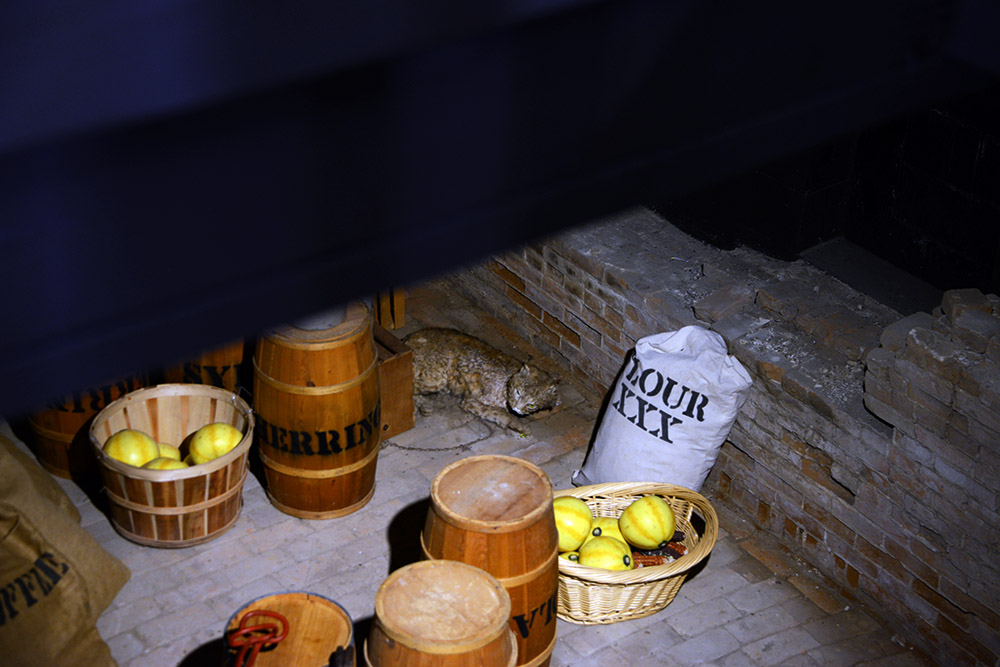
Even the cellar has been reconstructed, showing some of the less glamorous parts of everyday life at the fort. Considering North Dakota’s bitter winters and its location on what was then a remote frontier, maintaining a military post here would have been a very different experience from the modern Bismarck just across the river.
Before visiting, I mostly thought of Bismarck as a small state capital in one of America’s least populated states. There turned out to be considerably more history around the city than I expected. Between the state capitol, the Heritage Center, the Mandan earthlodges and Fort Abraham Lincoln, Bismarck ended up being much more interesting than its small size might suggest.
Explore More of North Dakota
Bismarck