I’ve always viewed North Dakota as one of America’s most rural and difficult states to reach, and when it was finally time for me to visit I found out I was right. Flights from Washington DC to North Dakota were nearly the same price as a flight from DC to China! And with no offense to North Dakota, it’s certainly not high on many people’s travel lists, probably except for people like me who are trying to visit all 50 states.
The trick to reaching North Dakota was to either pay the expensive airfare or fly to a nearby state for much less and drive the rest of the way. On this trip I only had time to explore Fargo and eastern North Dakota. I still need to return for Bismarck and Theodore Roosevelt National Park in the western part of the state.

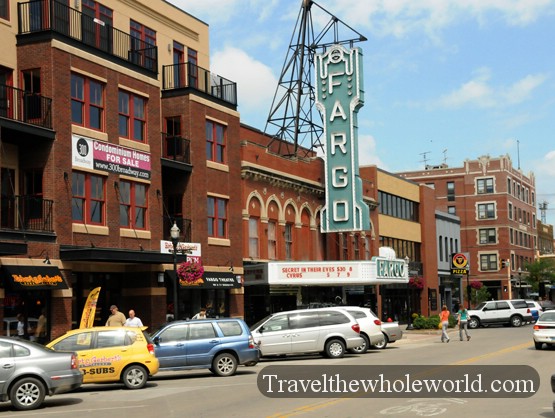
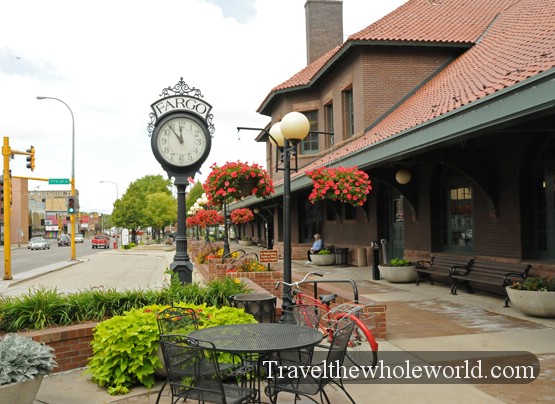
Most people know Fargo from the movie of the same name that was released in the 1990s. Despite the name, most of the movie wasn’t actually filmed in Fargo, so the photos above give you a better idea of what the city really looks like. This is downtown Fargo toward the end of July. Although Fargo itself isn’t a huge city, together with neighboring Moorhead, Minnesota, it forms the largest metropolitan area in the region.
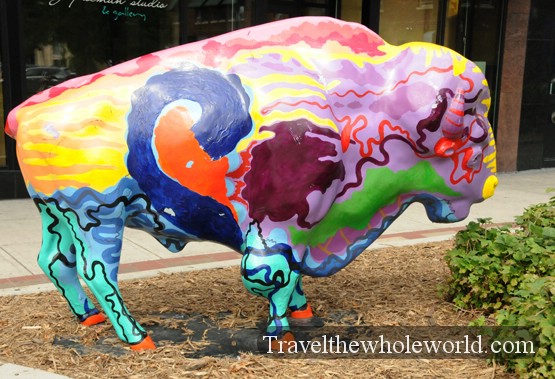
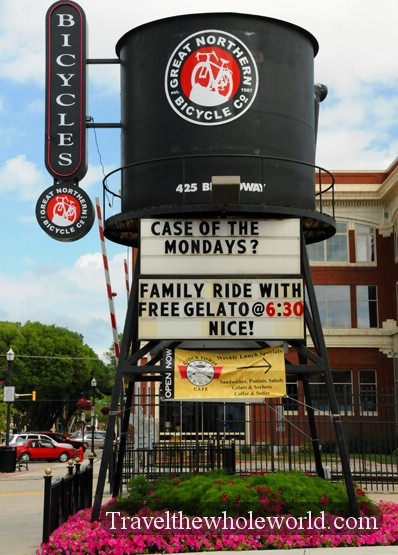
For such a small city, there are a fair amount of things to do here. The downtown area goes on for several blocks and has museums, restaurants, and shops. Above is one of the painted buffalo sculptures that I saw around the city. These reminded me of the painted moose I saw in Burlington, Vermont. On the right is an advertisement for a bicycle shop, probably a good way to explore Fargo in the summer and not such a good idea in the winter.
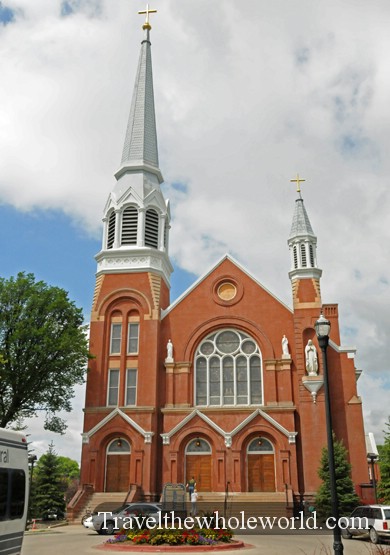
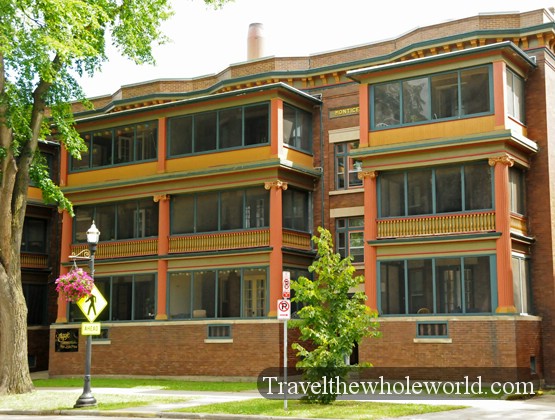
Here are two more photos from Fargo. On the left is a Gothic-style church dating to the late 19th century. On the right is one of the residential buildings I passed while exploring the city.
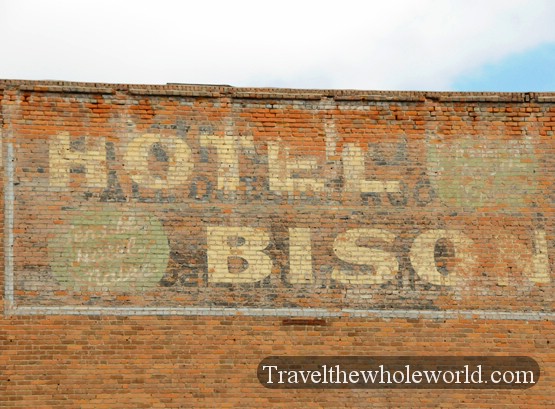
The old Hotel Bison sign still remains painted on the brick wall on the left. I originally thought the sign might have been extremely old, but it actually dates to the 1970s. Fargo’s railroad history goes back much farther and played an important role in connecting this remote part of the country with the rest of the United States.
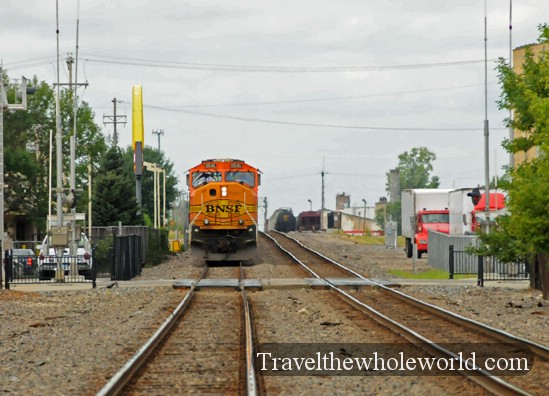
Even today Fargo can feel pretty remote, with Minneapolis several hours away by road. Before cars and airplanes became the dominant ways to travel, the railroad was essential to Fargo’s connection with the rest of the country. The Great Northern Railway once connected this part of the northern United States with Minneapolis to the east and the Pacific Northwest to the west. Freight trains are still a common sight throughout North Dakota today.
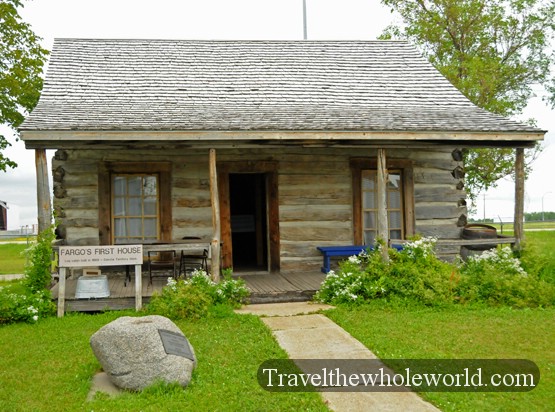
One of Fargo’s most interesting places is Bonanzaville, located on the western outskirts of the city. It’s essentially a collection of historic buildings and artifacts that show what life was like during North Dakota’s early settlement. The old buildings were probably my favorite part of the visit.

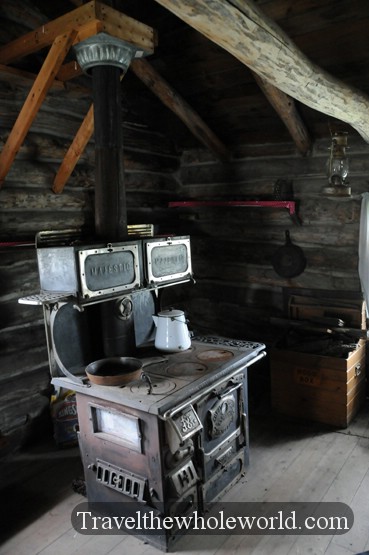

Walking through the old cabins and seeing the carriages and other artifacts gives a much better sense of how isolated life here must have been for North Dakota’s early settlers. Winters are still harsh today, so it’s difficult to imagine living here when these small cabins provided your protection from the elements.
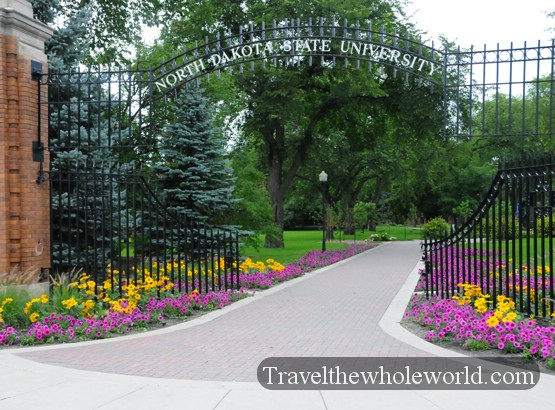
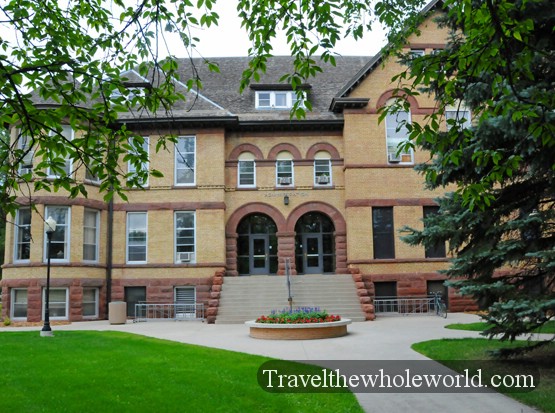
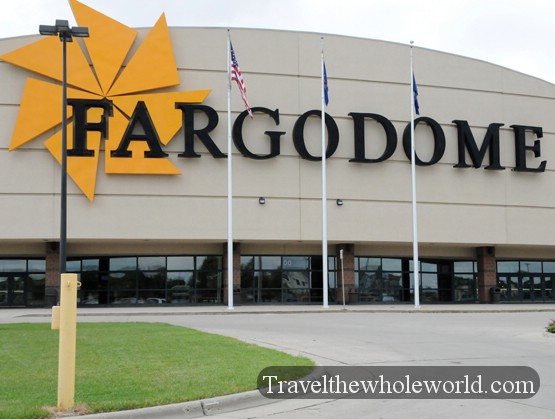
Back in the modern part of Fargo, North Dakota State University is a major part of the city. College sports are especially popular here, while the nearby Fargodome hosts sporting events, concerts, and other large events.
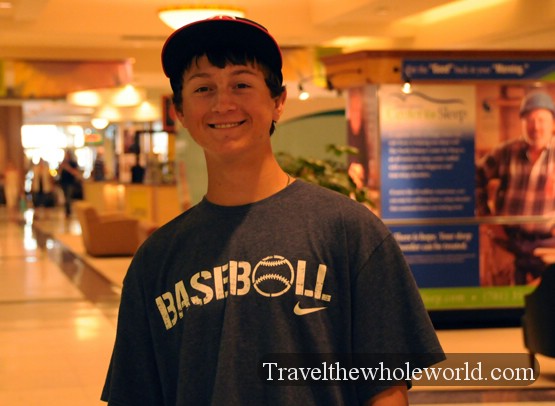
I also passed through West Acres Mall, which was fairly average by most standards but is a major shopping center for the area. While I was there, the kid on the right asked me to take his picture, so there is a real local North Dakotan!
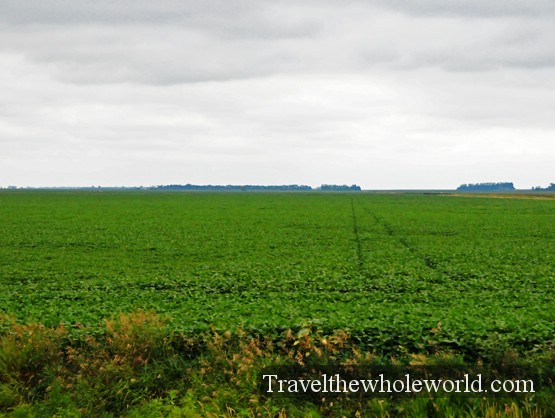
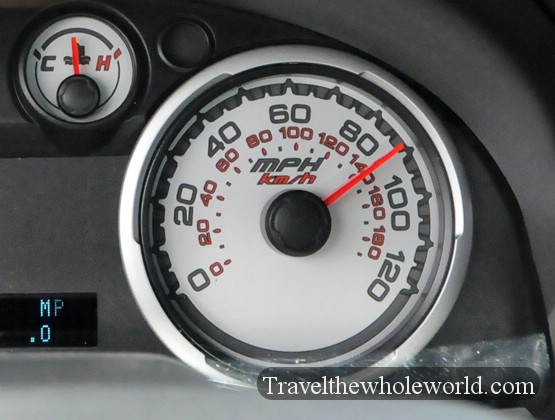
Once outside Fargo, eastern North Dakota quickly opens into enormous stretches of farmland and flat plains. Coming from the East Coast, the long, straight highways and lack of traffic made driving here feel completely different. There were stretches where the landscape seemed to continue forever without much interruption.
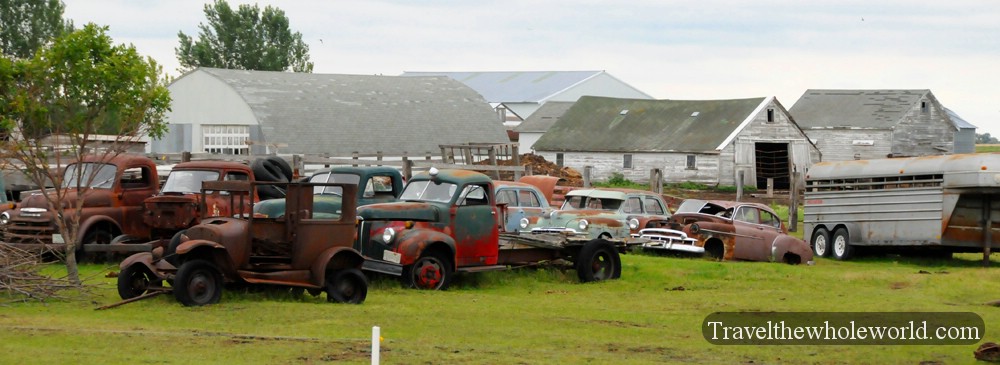
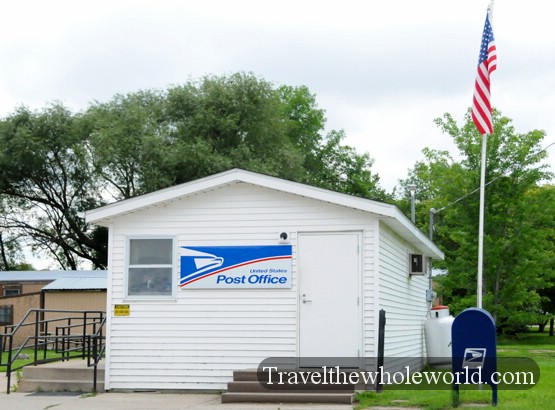
Above is a farm where I came across quite a collection of old rusty vehicles. On the right is the actual post office from one of the many tiny towns I passed through. It was basically a trailer, which gives you some idea of just how small and remote some of these communities are.

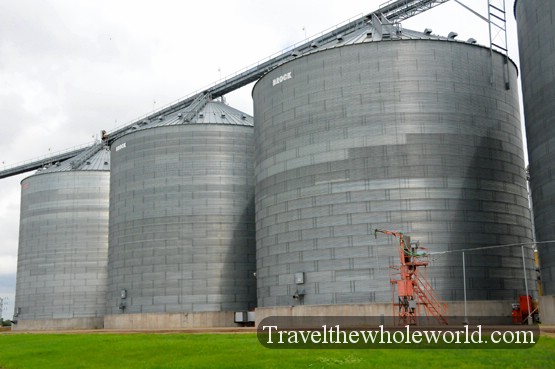
I’ve seen plenty of farming towns throughout the world, but what impressed me about North Dakota were the enormous grain elevators. Some were among the largest agricultural structures I had ever seen. I also thought it was interesting how closely the railway ran alongside them, a reminder of how important rail transportation remains to agriculture throughout the Great Plains.

I also decided to visit the Sheyenne National Grassland. Looking at a map, I had expected to enter an enormous uninterrupted nature preserve, but the reality wasn’t quite what I imagined. There were certainly natural areas and places to hike, but the grassland is mixed with farms, roads, and private property. It wasn’t the wilderness experience I had pictured before arriving.
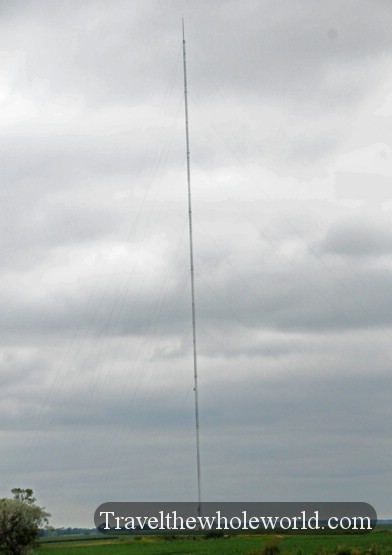
My other photo on the right is the enormous KVLY television mast north of Fargo. When it was completed in 1963, the tower became famous for its incredible height and remained one of the tallest structures ever constructed for decades. Standing in the otherwise flat North Dakota landscape makes its height even more impressive.