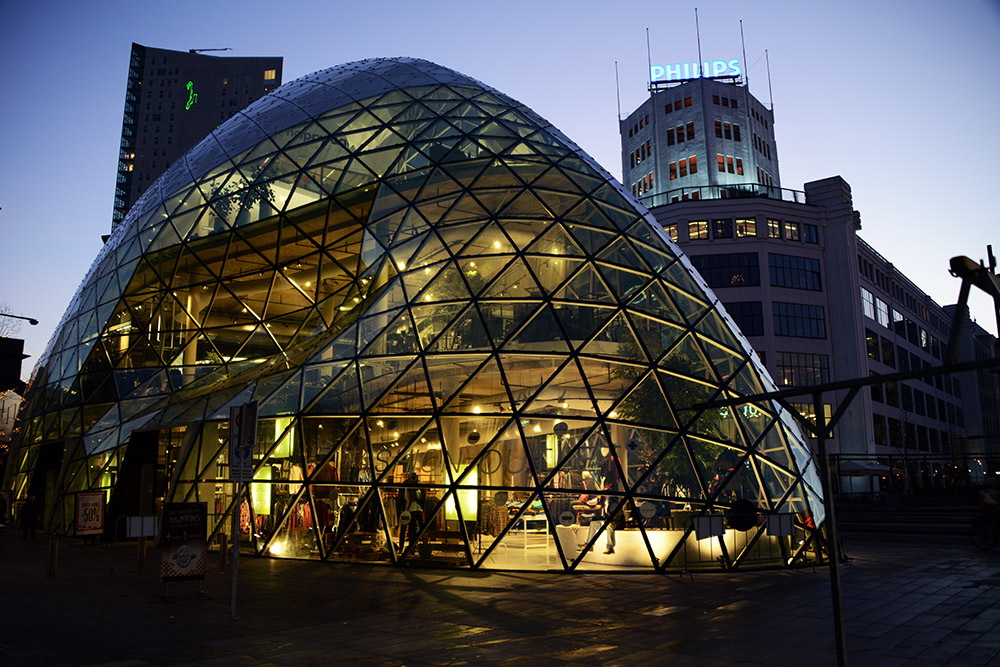
I’ve visited Eindhoven several times on business, so I’ve had more opportunities to explore the city than I normally get when traveling. Located in the southern Netherlands not far from Belgium, Eindhoven has developed into one of the country’s major centers for technology, engineering and design.
That modern identity is reflected throughout the city. Eindhoven has plenty of futuristic and unusual architecture, including buildings that look far more dramatic than their everyday purpose might suggest. The building above, for example, was simply a clothing store in the city center.
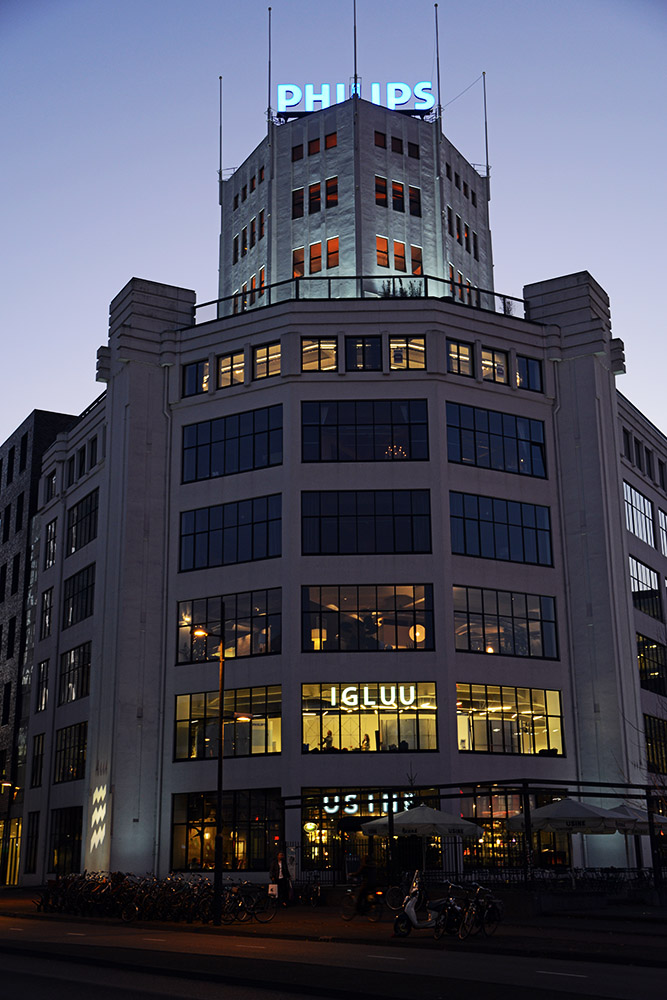
Eindhoven’s technological identity is closely tied to Philips, which was founded here in 1891. The company grew from a small light-bulb manufacturer into one of the world’s major electronics and technology companies, shaping much of Eindhoven’s development in the process.
My own reason for repeatedly visiting Eindhoven was connected to that history. My company had acquired a large division that had once belonged to Philips, while much of the technology and workforce remained in Europe. That occasionally brought me here for business.
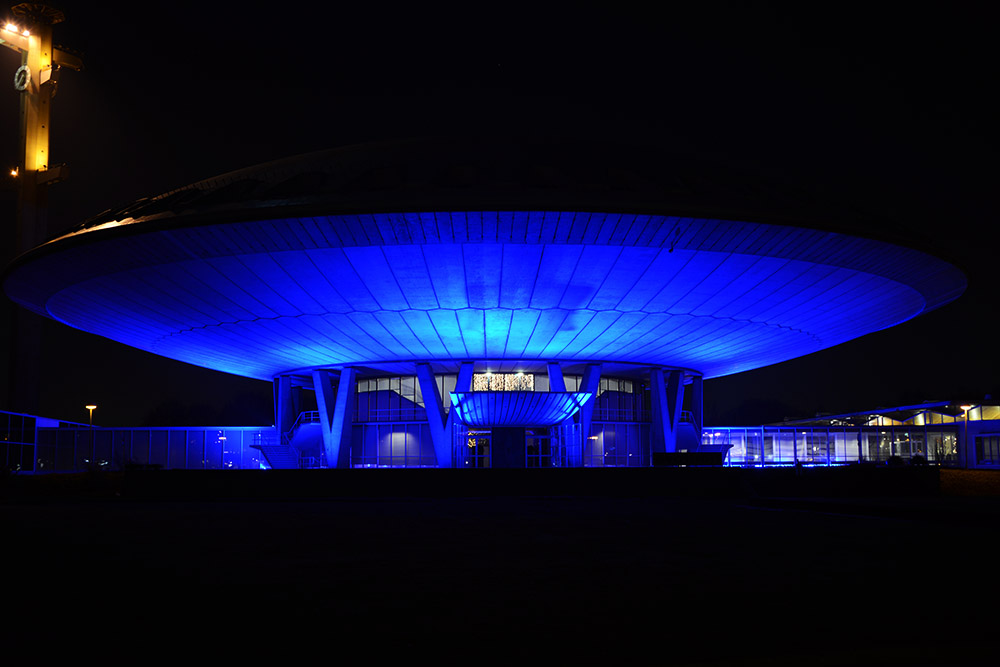
One of Eindhoven’s most recognizable buildings is the Evoluon, built by Philips to commemorate the company’s 75th anniversary and opened in 1966. Its flying-saucer appearance was deliberately futuristic, reflecting the optimism surrounding science and technology at the time.
The Evoluon originally operated as an interactive technology museum. That museum closed in 1989, and the building later became a conference and event center. More recently, it reopened to the public as the Next Nature Museum, returning the building to something much closer to its original educational purpose.
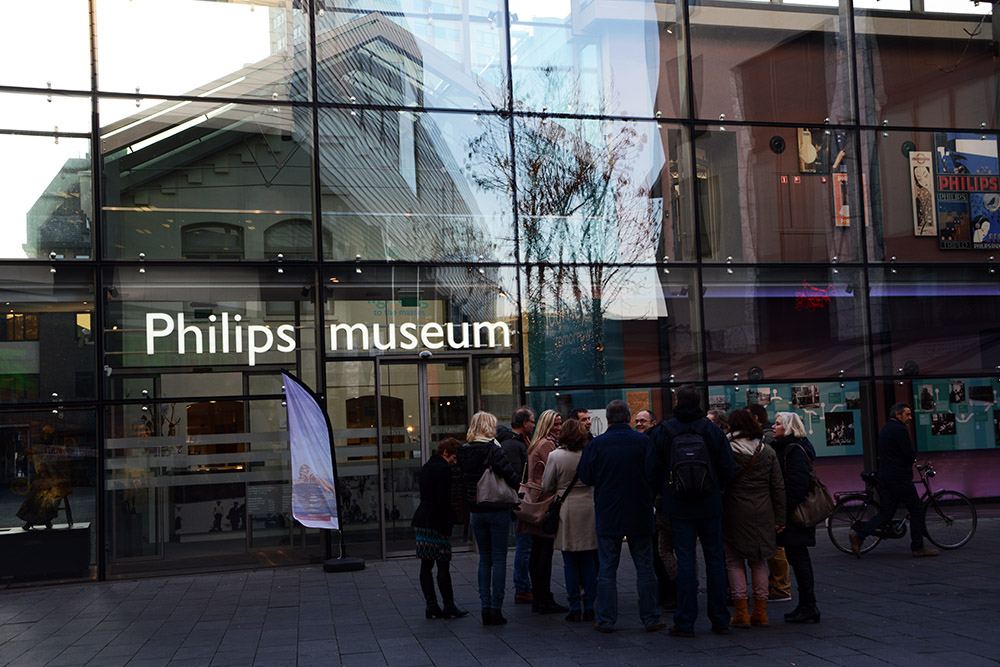
Despite visiting Eindhoven several times, I never managed to visit the Philips Museum. Since my work was directly connected to a former Philips division, this was probably the museum I most wanted to see.
The problem was timing. I was usually working during the day, and by the time I finished, the museums were already closed.
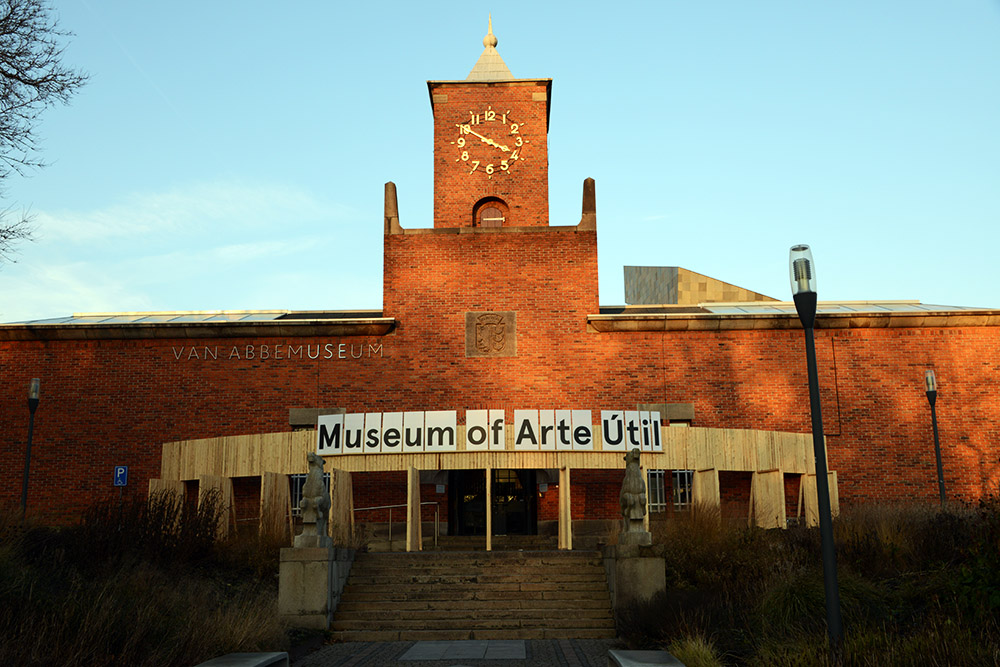
The same problem kept me out of the Van Abbemuseum, Eindhoven’s major museum of modern and contemporary art. I passed it more than once, but never at the right time to go inside.
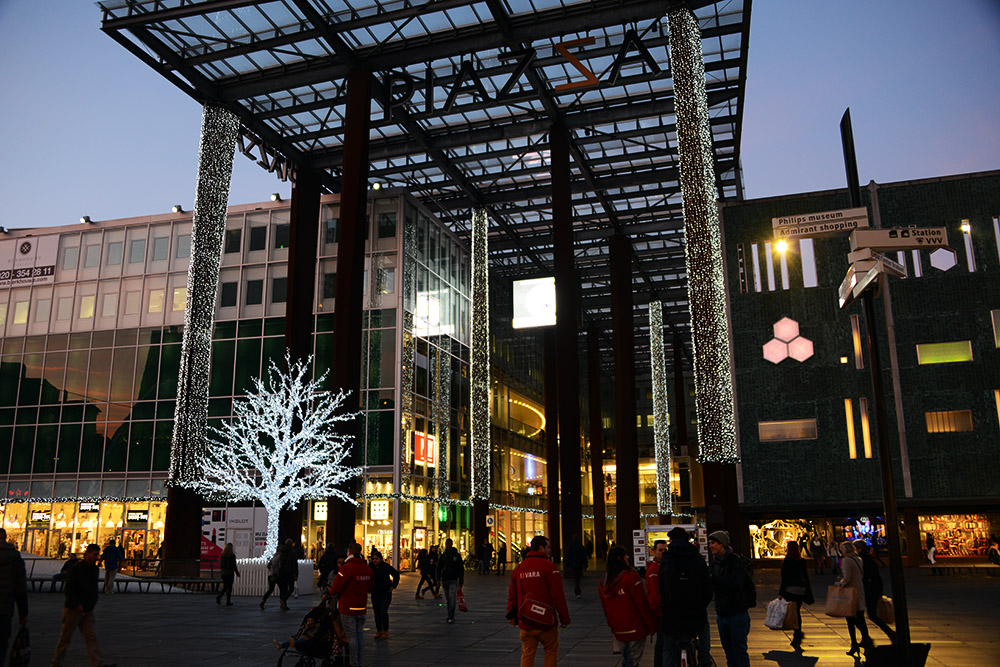
For one of the larger cities in the Netherlands, Eindhoven often felt surprisingly compact to me. The center has plenty of stores, restaurants and pedestrians during the day, but during my visits the shopping areas became dramatically quieter after the stores closed in the evening.
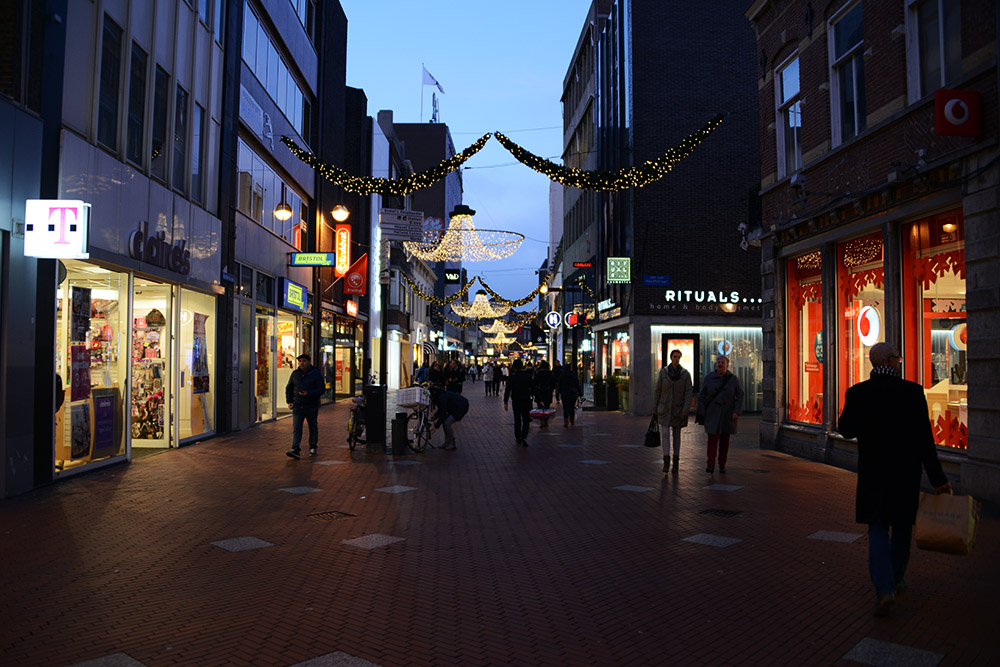
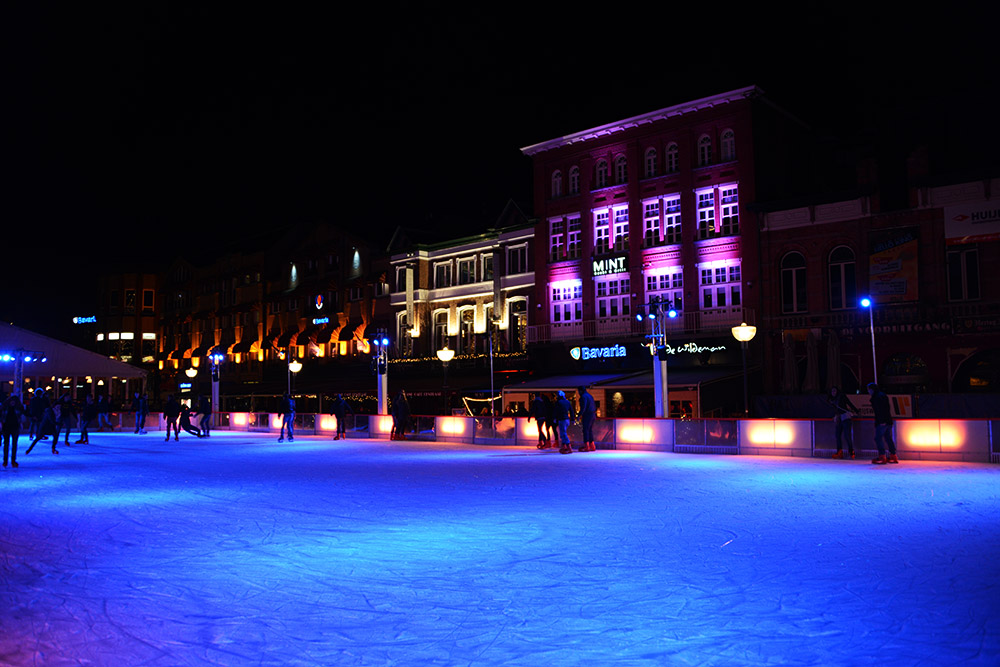
My first several trips were during the winter, so most of my free time came after work and after dark. On one visit, the central square had been transformed into an outdoor ice-skating rink.
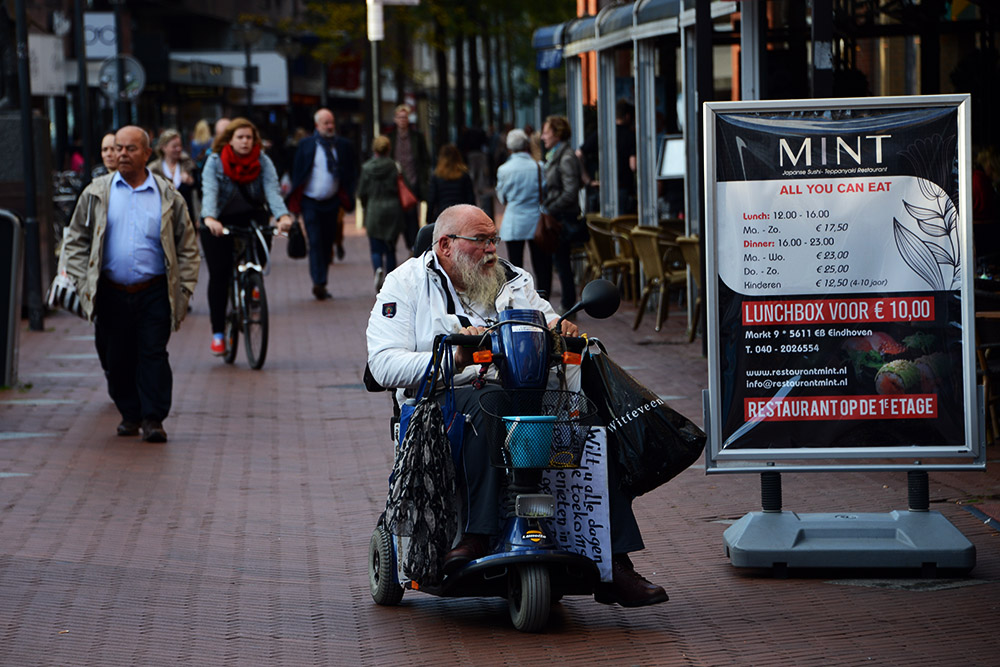
I also kept encountering this street preacher in the central square. I saw him during different visits and different seasons, usually using signs and a megaphone while moving through the center.
Because I didn’t understand enough Dutch, I never really knew what he was preaching about. Whatever the message was, he was certainly committed to it.
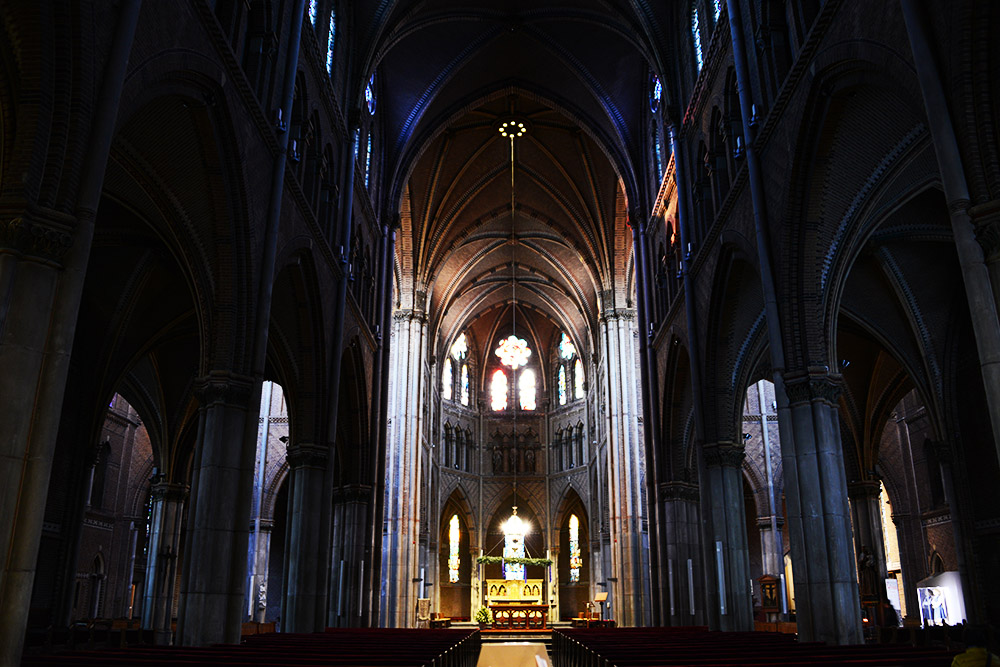
Just a short walk from the central square is Sint-Catharinakerk, one of Eindhoven’s best-known churches. The present neo-Gothic church was built during the 19th century after the earlier medieval church had become too small for the growing city.
The church suffered serious damage during World War II. An Allied bombing raid targeting Philips factories in December 1942 heavily damaged parts of the church, including the choir, interior and stained-glass windows. German bombing after Eindhoven’s liberation in September 1944 caused additional damage before the building was restored after the war.
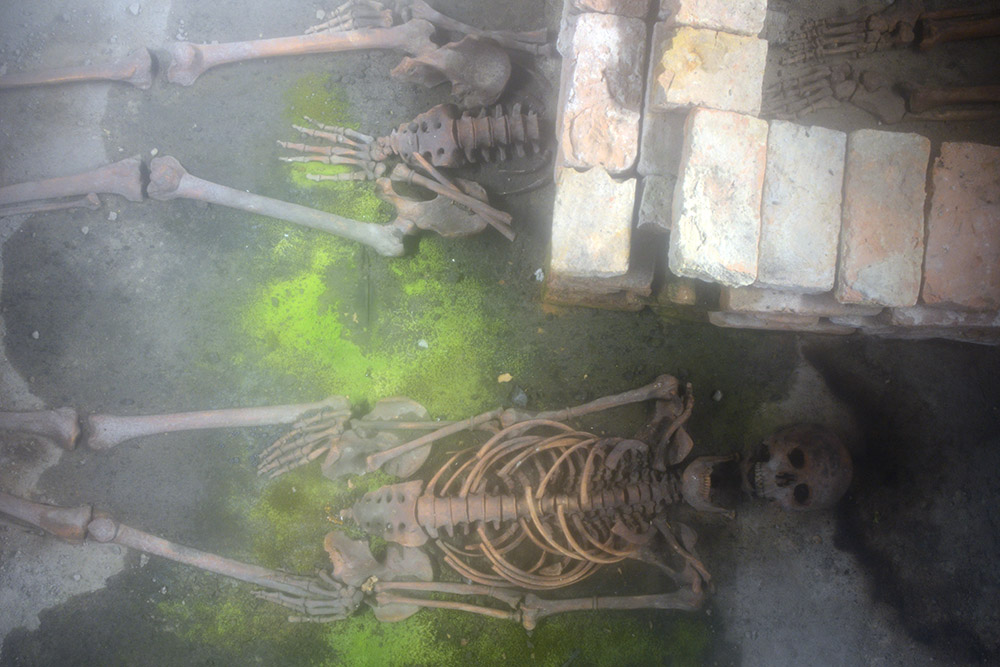
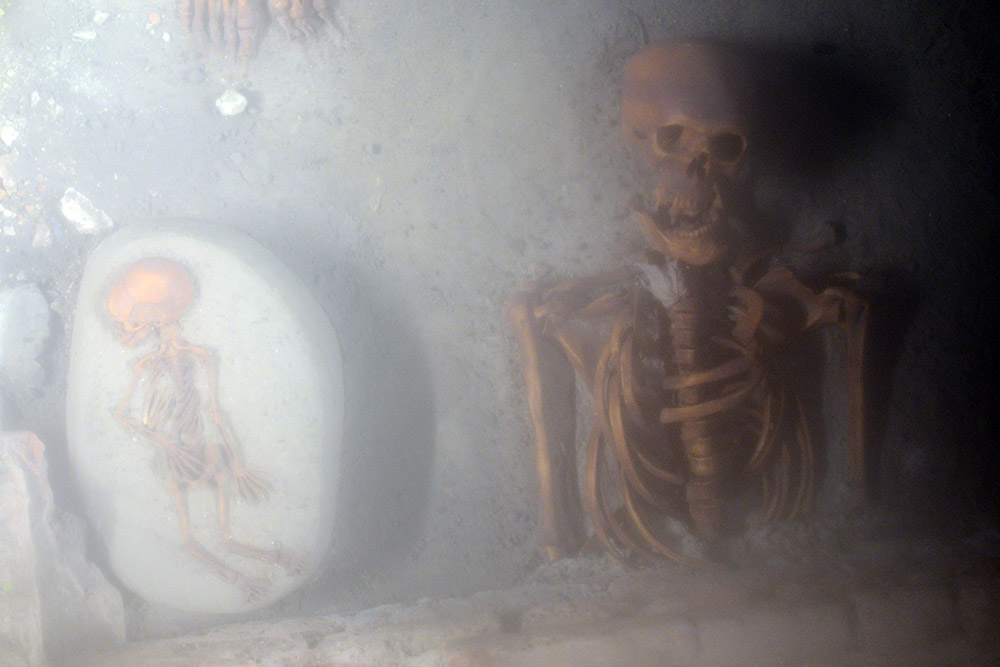
What really caught my attention wasn’t the architecture, though. Archaeological excavations around the church uncovered hundreds of graves belonging to people buried here over many centuries.
Parts of the excavation were preserved and displayed near the church, allowing visitors to look directly down at human remains beneath the square. Nearly 400 skeletons were studied during archaeological work in the area, including the remains of a child whose medieval DNA survived well enough for researchers to investigate.
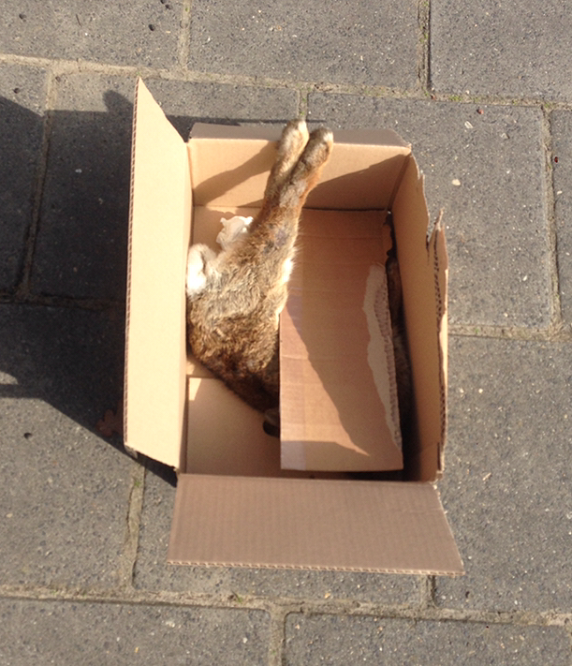
While we’re being morbid, here’s one of the stranger things I encountered in Eindhoven.
During a two-week work trip I came across this dead rabbit lying inside a cardboard box beside the sidewalk. If it had simply been on the road, I would have assumed it had been hit by a car. Being carefully placed inside a box made the whole thing considerably stranger.
I took a photograph with my phone and forgot about it.
More than six months later I returned to Eindhoven and happened to walk down the same sidewalk. The cardboard box had long since disappeared.
The rabbit had not.
Somehow its remains were still sitting in almost exactly the same place.
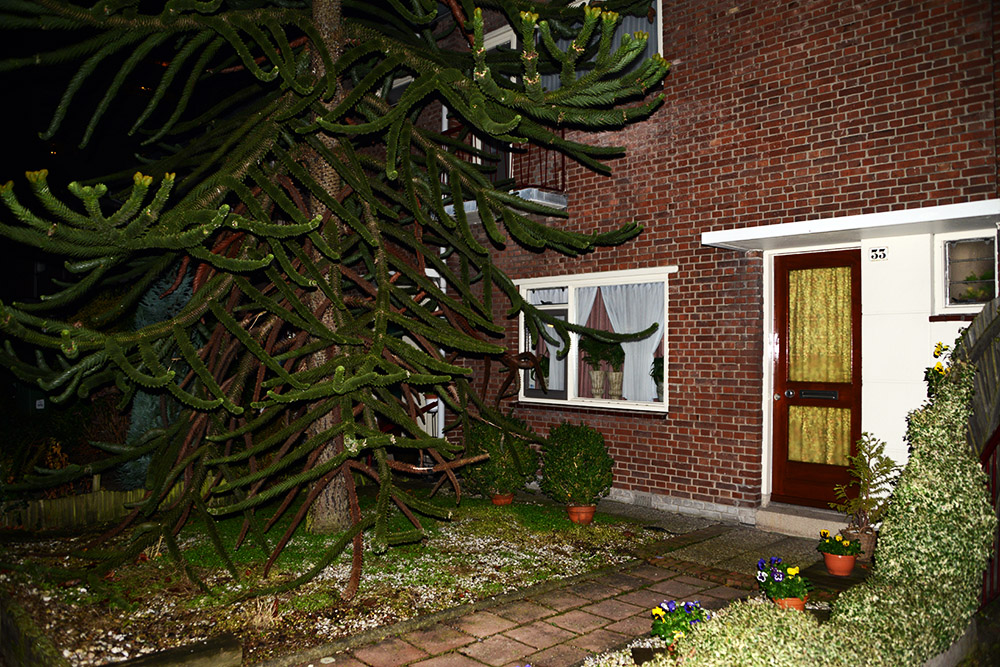
I spent a lot of time walking through residential neighborhoods during my business trips. One difference from the suburban neighborhoods I was accustomed to in the United States was how close many homes were to the sidewalk.
Some front windows were only a few feet from pedestrians passing outside, and many residents seemed perfectly comfortable leaving their curtains open.
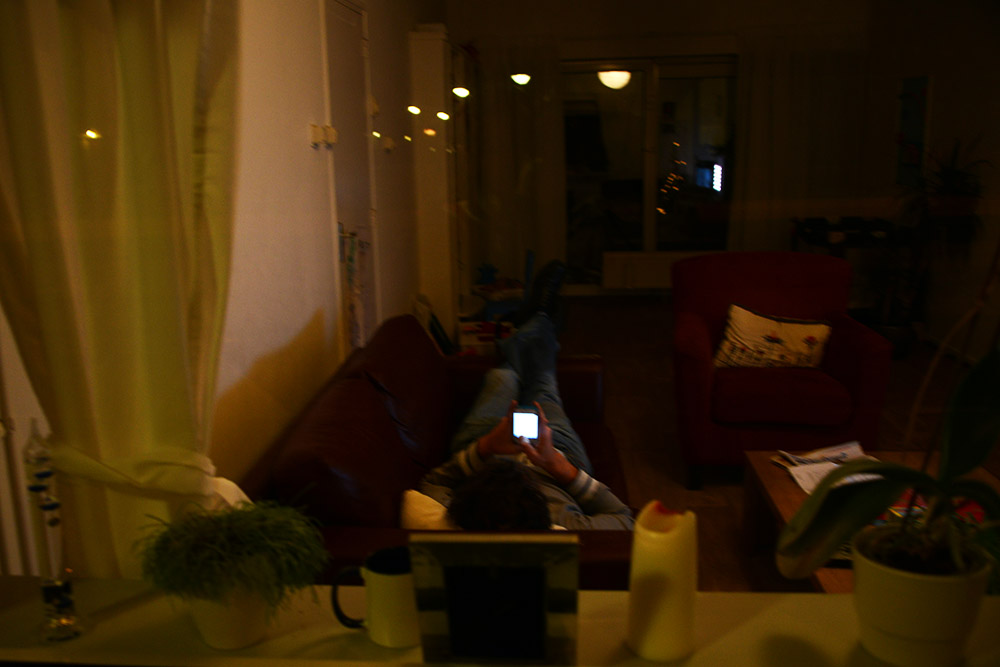
I remember being surprised that I could walk past someone’s living room while they were sitting only a few feet away watching television or eating dinner. Coming from the United States, it felt like almost no separation between public and private space.
I did take this photograph through one of the windows, which admittedly made me feel considerably creepier than the people inside seemed to feel exposed.
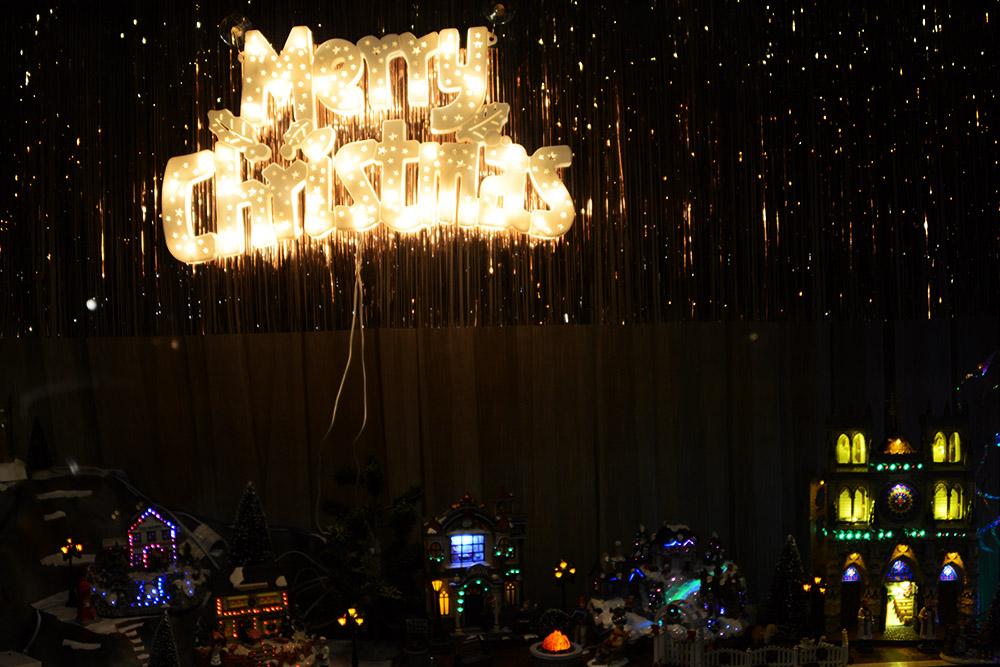
This particular walk took place in December, so Christmas decorations were scattered throughout the neighborhood. In that sense it didn’t feel too different from December back home in Virginia.
I eventually walked far enough outside the center that I started seeing road signs pointing back toward Eindhoven.
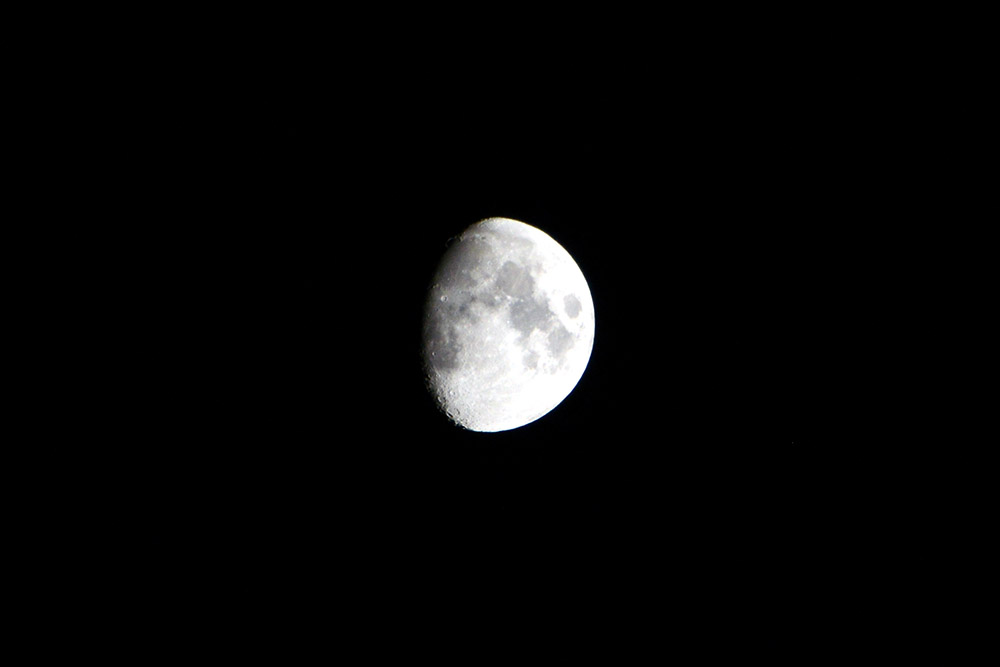
Fortunately I had my tripod with me and managed to get this photograph of the full moon before turning back.
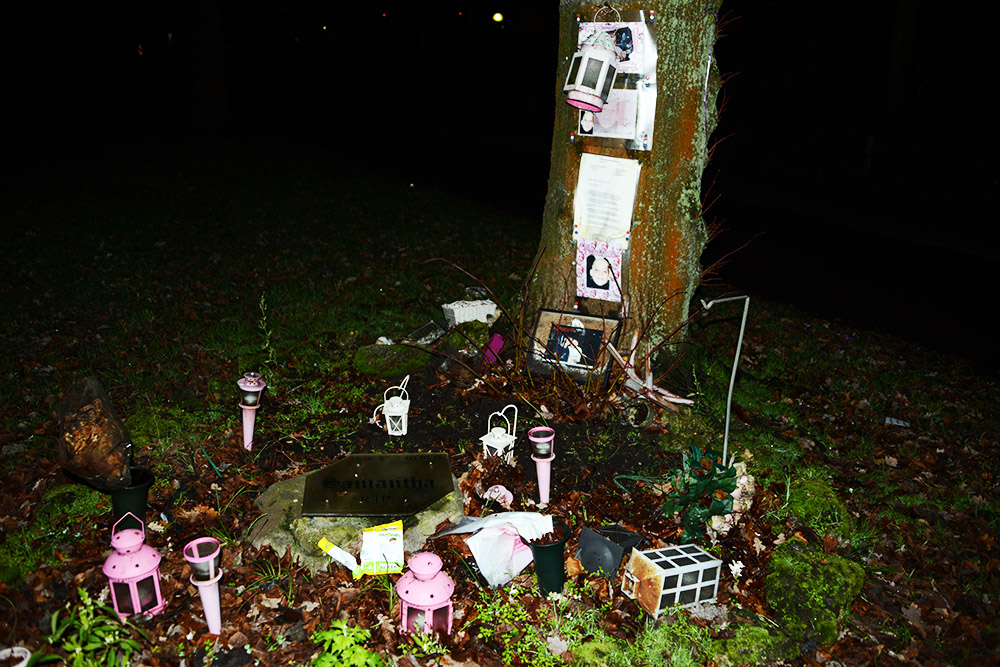
During another walk I came across this roadside memorial for a young woman. I couldn’t read enough Dutch to know the circumstances of her death, so I don’t want to speculate about what happened.
Not long afterward, I was waiting to cross a street when a car approached a red light at a speed that made me uncomfortable. Even though I had the right of way, I decided to wait. The vehicle went straight through the red light.
To my surprise, it was a police car.
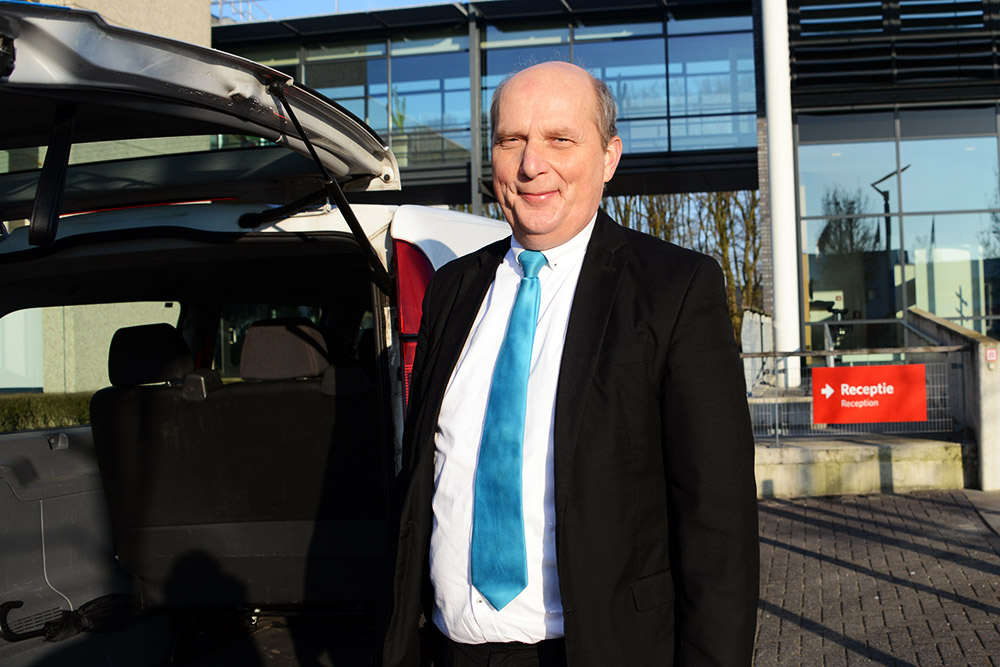
When I wasn’t walking, my company usually provided a shuttle between central Eindhoven and our workplace. We had several different drivers, but I often ended up with this guy.
He was easily the most entertaining of them and was nice enough to let me take his photograph.
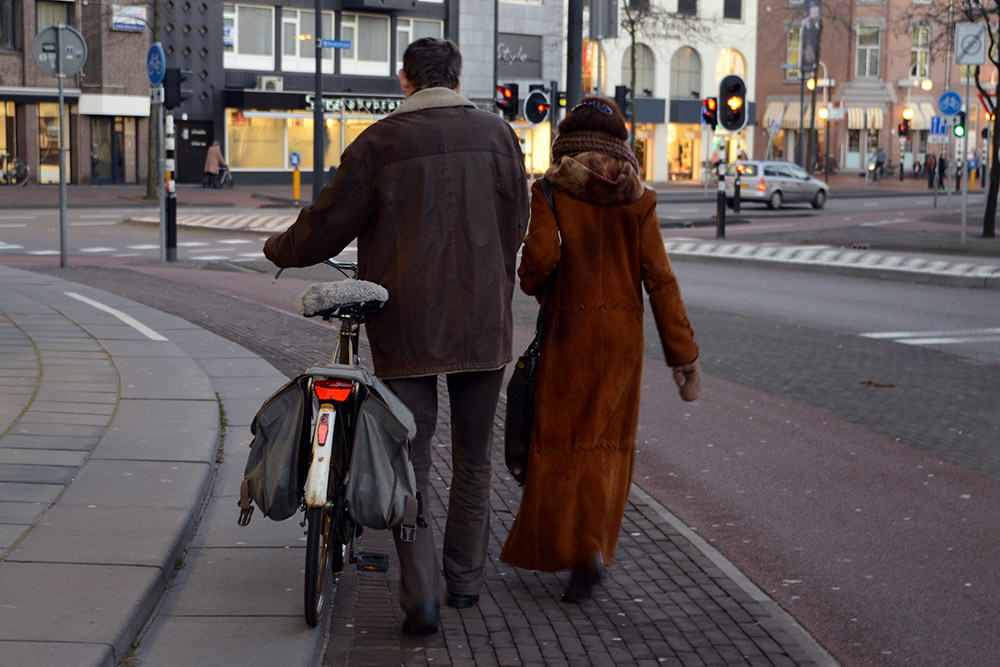
Like everywhere else I visited in the Netherlands, bicycles were a major part of everyday transportation. Eindhoven’s cycling infrastructure immediately stood out to me because some bicycle paths seemed almost as substantial as the roads themselves, with plenty of room for cyclists traveling in both directions.
I also noticed that many Dutch bicycles looked extremely basic compared with the expensive mountain and road bikes I was used to seeing in the United States. Eventually I realized that the traditional upright design wasn’t necessarily a sign that the bikes were old—it was simply a very practical style built for everyday transportation.
A local also warned me that an expensive bicycle would attract considerably more attention from thieves, which made the ordinary-looking city bikes seem even more practical.
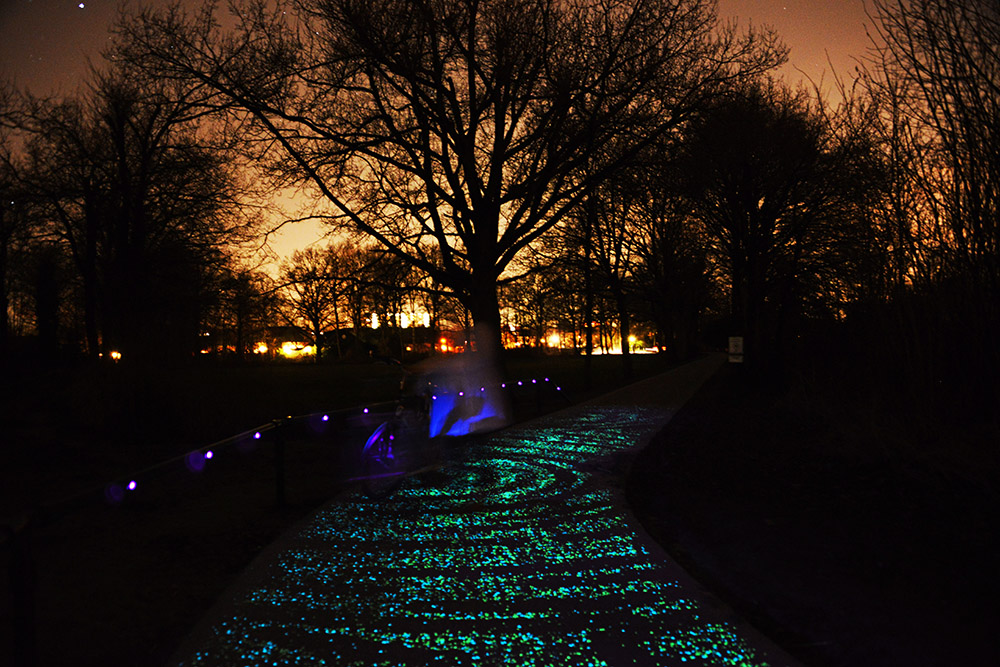
One of my favorite experiences around Eindhoven was something that actually needed to be visited at night: the Van Gogh-Roosegaarde bicycle path.
Vincent van Gogh lived and worked in nearby Nuenen from 1883 to 1885, and the bicycle path was created as a modern tribute to his connection with the region. Dutch designer Daan Roosegaarde used thousands of glowing stones arranged in swirling patterns inspired by Van Gogh’s The Starry Night.
The path opened in 2014 and stretches about 600 meters, not quite the mile-plus distance I originally remembered. The stones absorb energy during the day and glow after dark, creating a pattern that resembles stars scattered across the pavement.
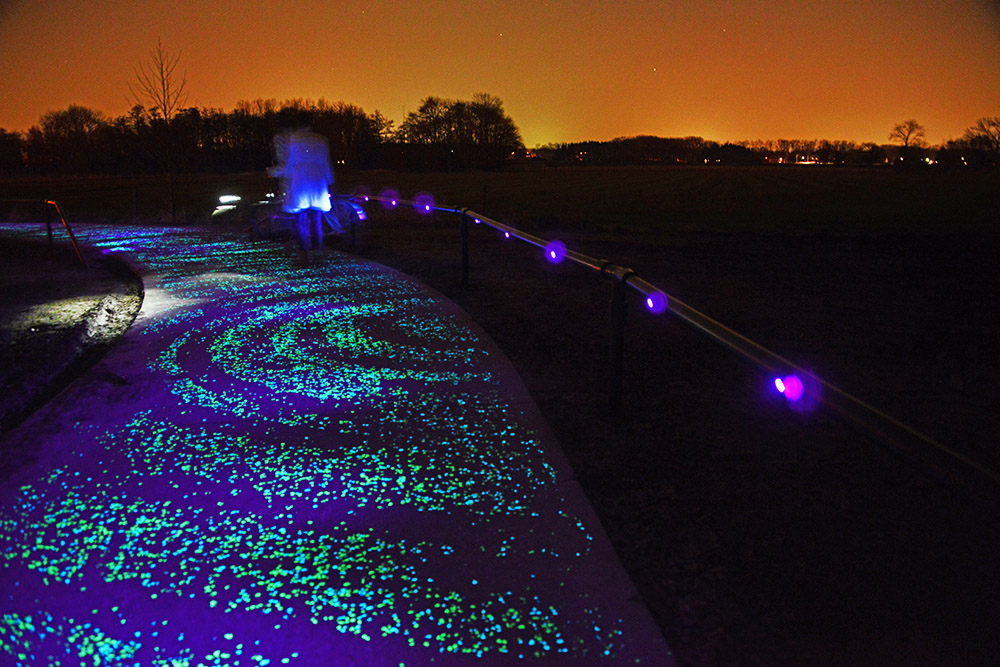
Most of my time in Eindhoven came after dark anyway because I was working during the day, so for once that schedule actually worked in my favor.
After several business trips, Eindhoven never felt like a major sightseeing destination to me in the same way as Amsterdam or The Hague. What made it interesting were the smaller things I repeatedly stumbled across: Philips history, unusual architecture, Dutch cycling culture, strange neighborhood discoveries and one glowing bicycle path that could only really be appreciated after the sun went down.
Explore More of the Netherlands
Amsterdam • Amsterdam Museums • Eindhoven • The Hague