Mississippi is a state deeply connected to the history and culture of the American South. From small towns and rural countryside to Civil War history and the beaches of the Gulf Coast, the state has a mix of places that feel very different from one another. Mississippi also played an important role in the Civil Rights Movement, adding another major chapter of American history to explore throughout the state.
My travels took me through the capital of Jackson and south to the Gulf Coast around Biloxi. Together they offered two very different sides of Mississippi: one centered around the state’s history and government, and the other around beaches, seafood, casinos, and the Gulf of Mexico.
Explore Jackson
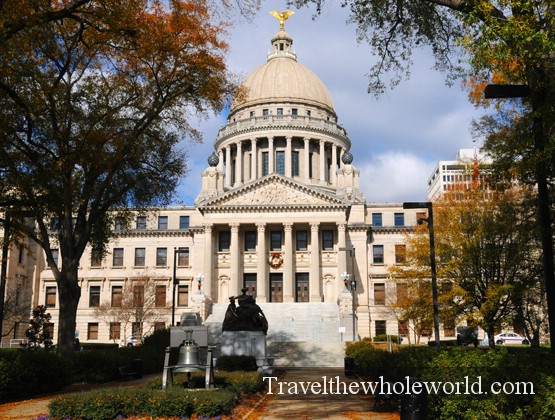
Jackson is Mississippi’s capital and largest city, making it a natural place to begin exploring the state. The city has landmarks connected to Mississippi’s political history, the Civil War, and the Civil Rights Movement, along with museums and historic buildings spread throughout the downtown area.
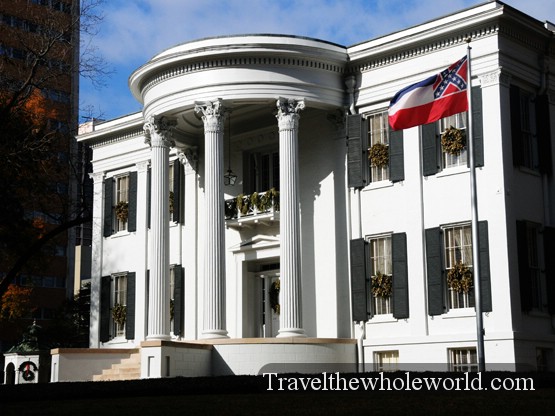
Jackson has gone through periods of redevelopment over the years, but much of its appeal for me was its history. As the state capital, the city provides a good introduction to Mississippi before heading into the smaller towns and rural areas surrounding it.
Explore Biloxi
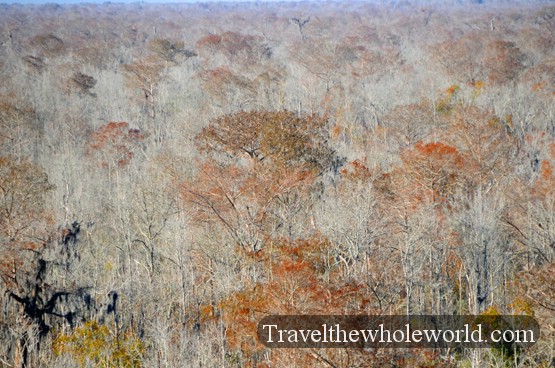
Travel south and Mississippi eventually reaches the Gulf of Mexico, where the landscape and atmosphere change considerably. The state’s relatively short coastline includes beaches, coastal forests, barrier islands, historic sites, and communities that have developed around fishing and the Gulf.
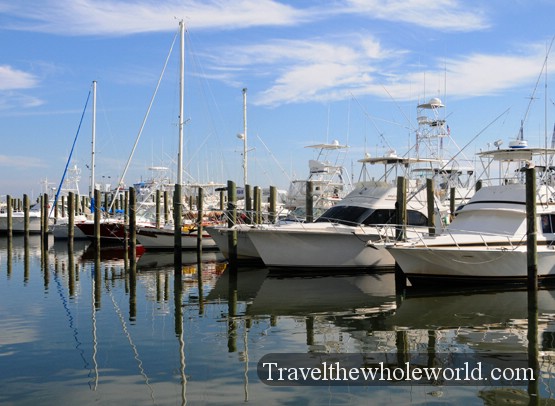
Biloxi is one of the best-known destinations along the Mississippi coast. The city was devastated by Hurricane Katrina in 2005, but rebuilding transformed much of the waterfront in the years that followed. Today the area combines beaches and boating with seafood restaurants, historic sites, and the large casino resorts that have become a major part of Biloxi’s tourism industry.