Visiting Pipestone National Monument
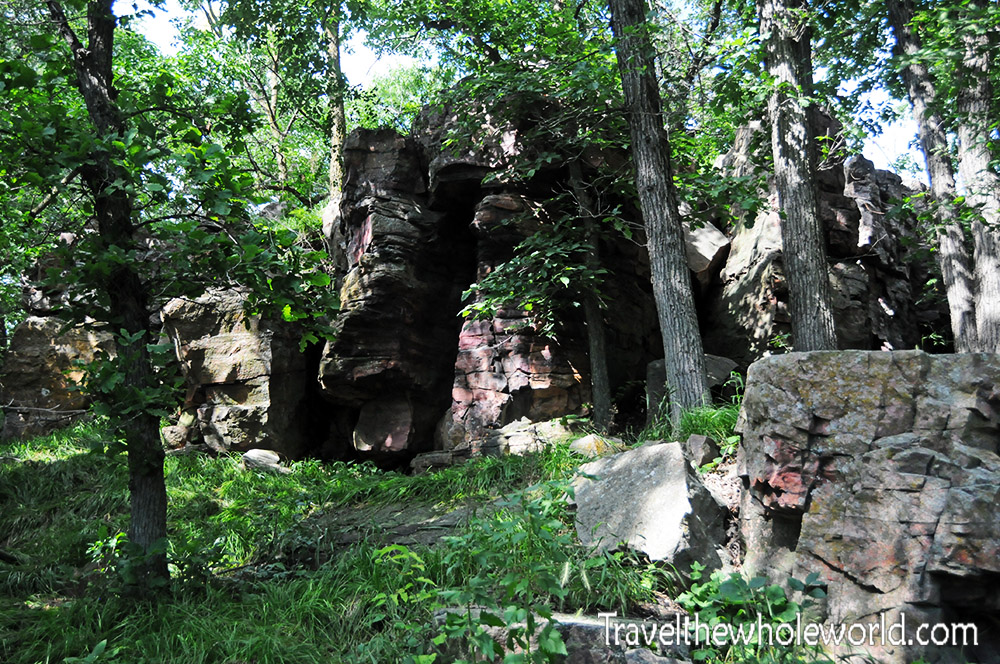
Several hours southwest of the twin cities is Pipestone National monument. It’s actually a pretty small area, but this was one of the most sacred places to Native Americans for hundred of years. At first it looks like any other natural region in the area like in the photo above. But what makes the area special is its unique colored red rocks.
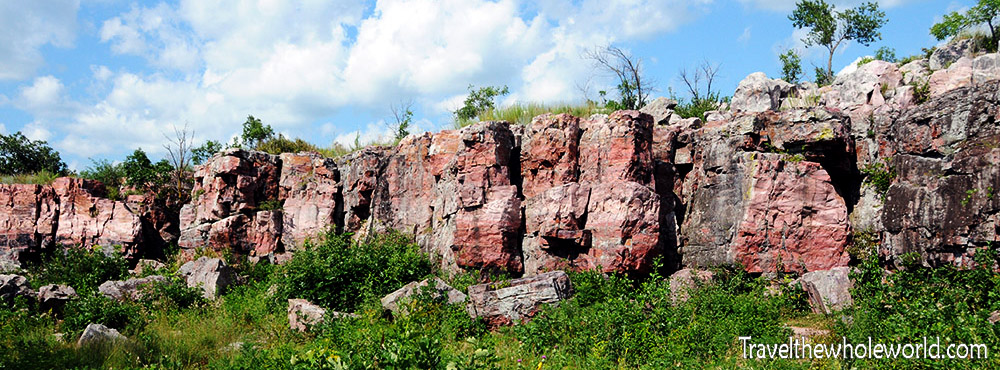
Explorer Jean-Nicolas Nicollet visited this area in the 19th century after learning about how Native Americans from various tribes all traveled to the red rocks to make their peace pipes. The land here was neutral ground were differences between tribes were set aside and Native American’s could come in peace.
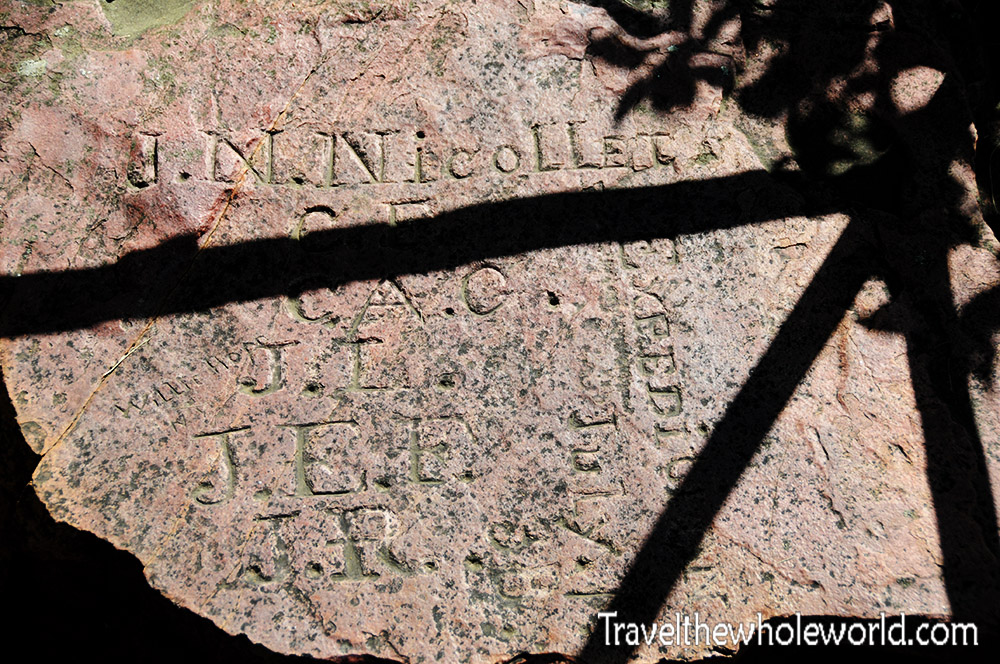
Nicollet was a French geographer, astronomer, and mathematician, and contributed significantly to mapping out this region of the United States. Nicollet led three expeditions in to explore unchartered parts of the United States. On his second expedition, July 4th 1838, he reached the Pipestone quarry. Above are his initials carved into the rock, as well as some of the members of his party.
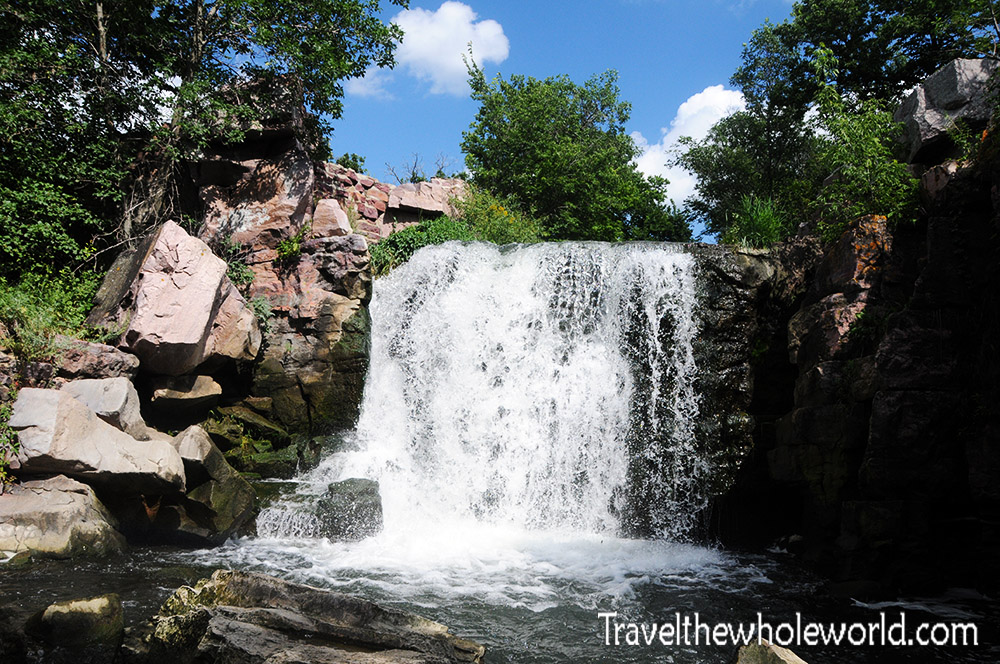
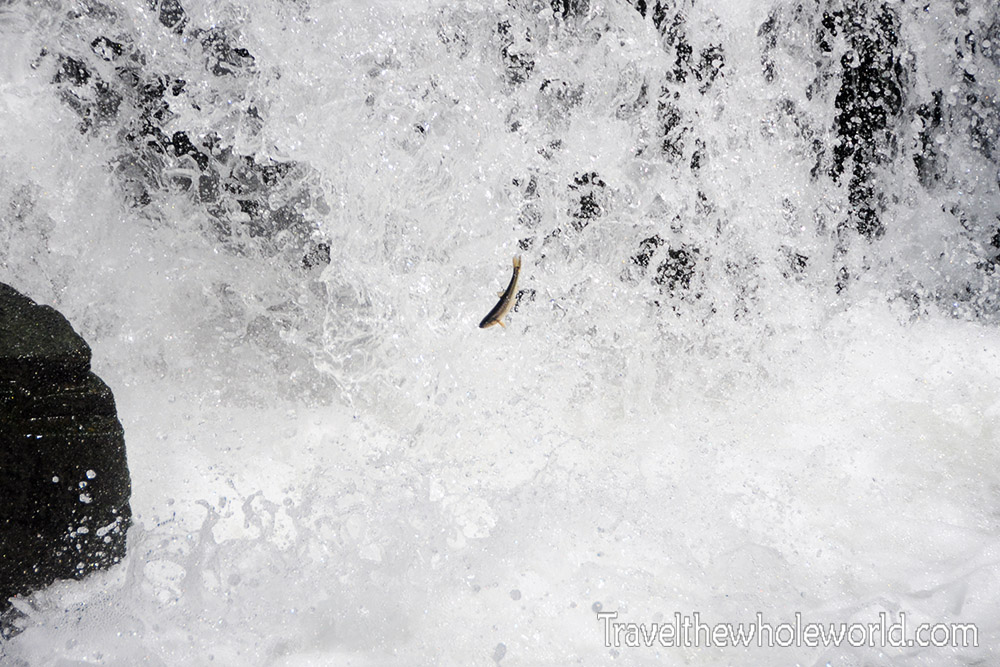
To me the highlight of Pipestone National monument was the small Winnewissa falls towards the end of the trail. It was a nice but hot day so the mist from the waterfall felt great! I thought I saw some fish jumping from the bottom of the falls, but it was hard to tell. At the time I had never seen fish doing this before, so I took a few photos and captured this guy below.
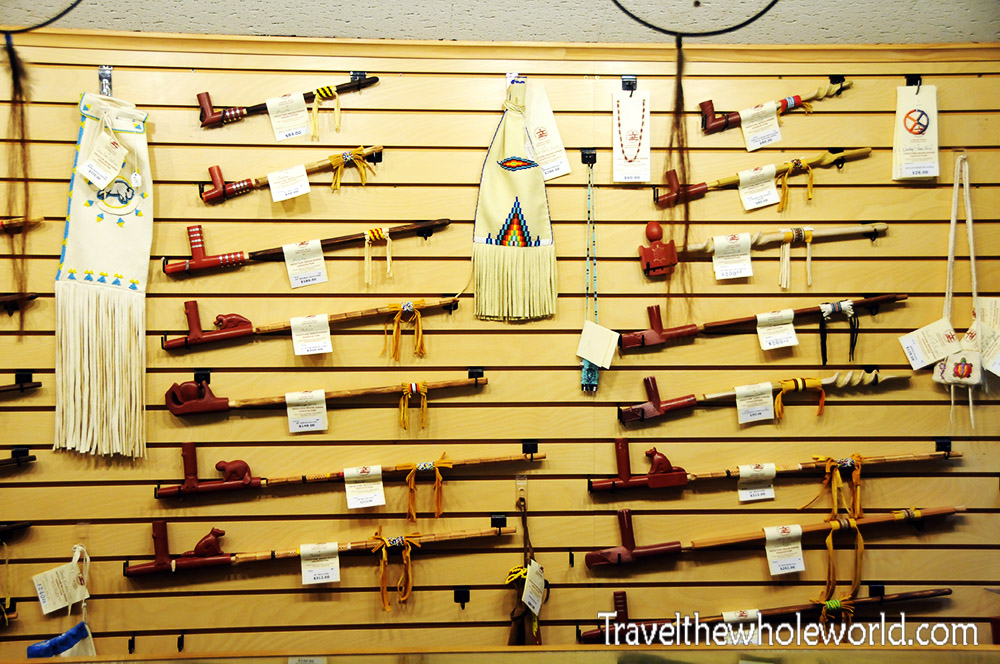
The trail in Pipestone National Monument is short. Soon after you’ll be back at the visitor center which of course sells peace pipes! Local natives still create these and they are great for souvenirs or for those who just enjoy smoking tobacco. The pipes were a major part of local culture. Natives believed that the smoke from the pipe carried their prayers to their Great Spirit. My biggest regret is not being able to see a local demonstration of the pipes being created, but there’s always next time.