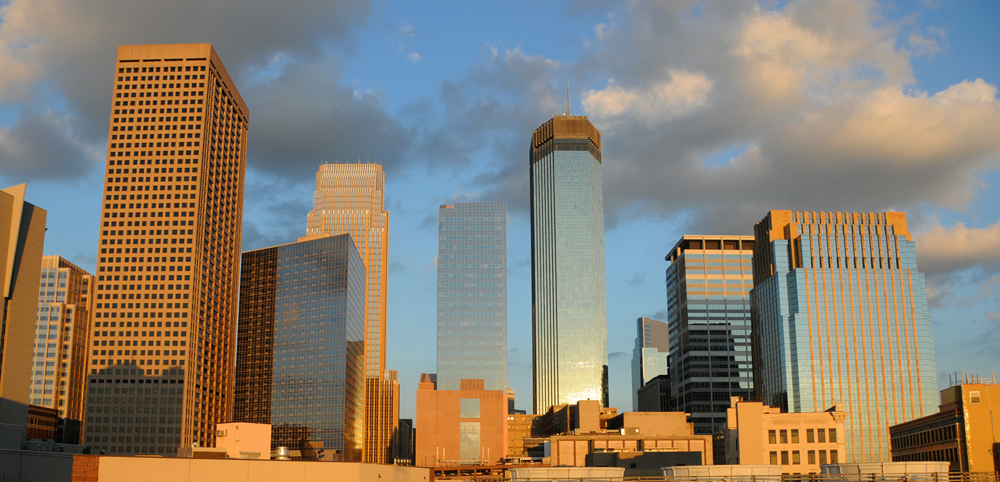
Minneapolis is the larger and more famous half of Minnesota’s Twin Cities. Both Minneapolis and St. Paul have plenty to see, but if I had to choose only one, I’d probably pick Minneapolis. The city has a much larger downtown skyline than I expected, along with historic areas along the Mississippi River, restaurants, theaters, sports, and one of the most famous shopping malls in the country.
Above is the Minneapolis skyline around sunset. I know there are much better viewpoints of the city, but somehow this was the best skyline photo I managed to get during my trip.
The Mississippi River and Mill District
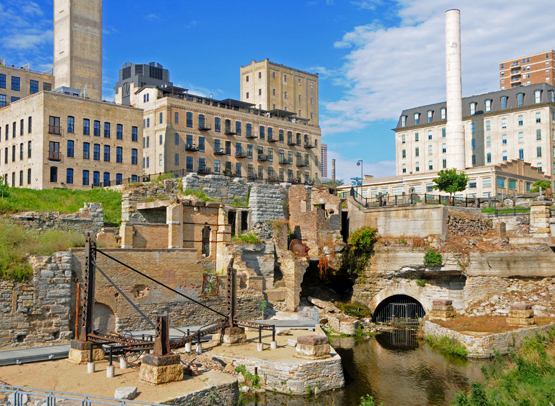
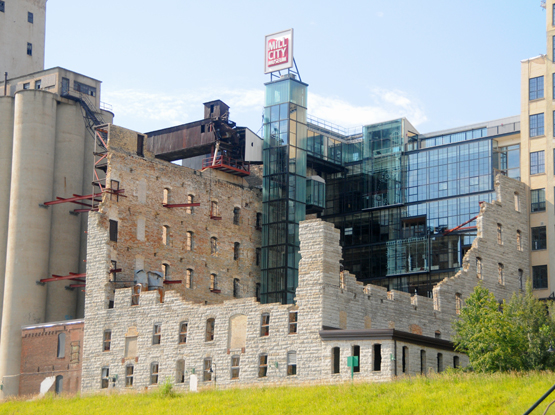
Some of the most interesting history in Minneapolis can be found along the Mississippi River near Saint Anthony Falls. The falls provided water power for mills, helping Minneapolis develop into one of the world’s major flour-milling centers.
Today some of the old industrial structures have been preserved as ruins, with walking and biking trails passing through the former mill district. I liked this part of Minneapolis because the old brick ruins and riverfront feel completely different from the modern downtown only a short distance away.
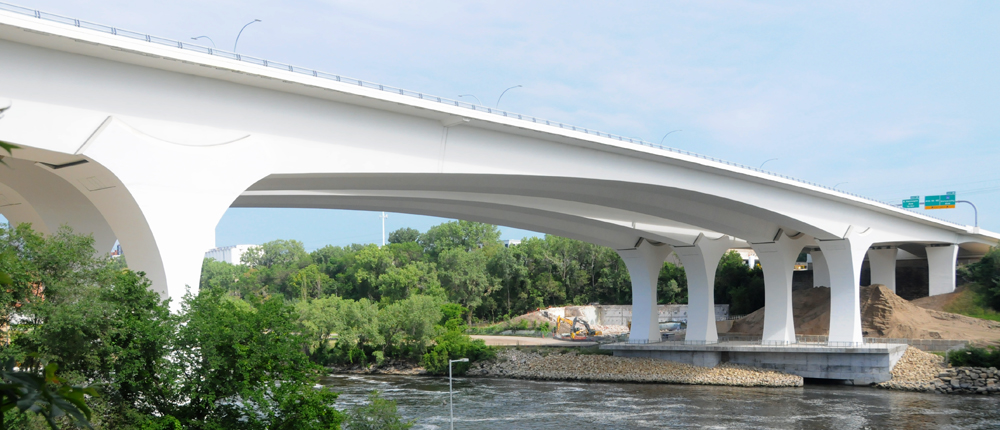
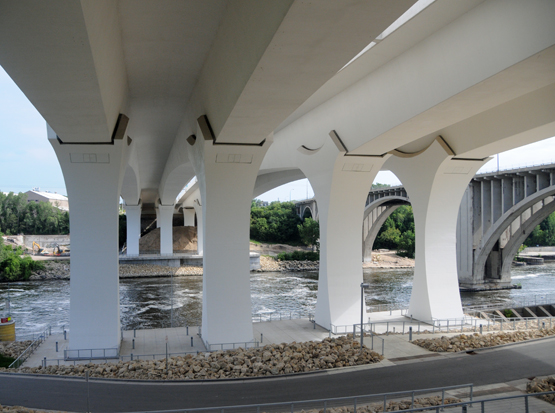
Close to the mill district is the replacement I-35W bridge. The original bridge collapsed during rush hour on August 1, 2007, sending vehicles into the Mississippi River. Thirteen people were killed and 145 were injured.
The replacement bridge opened the following year. Although its appearance is fairly simple, it was built with monitoring technology that allows engineers to collect information about the condition and performance of the structure.
Exploring Minneapolis
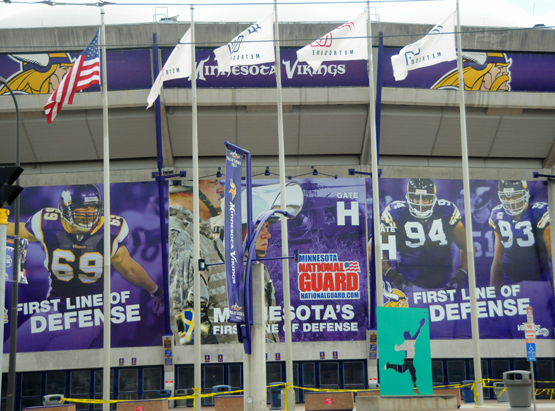
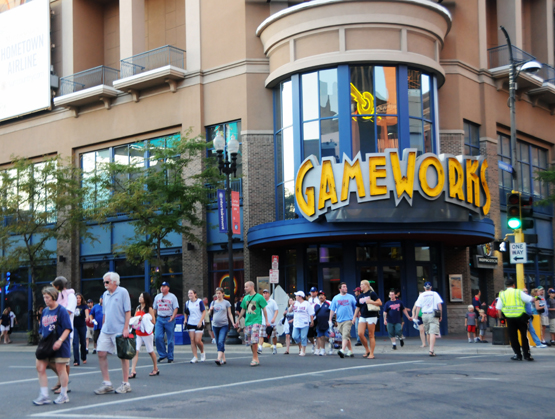
Minneapolis is a major sports city, and during my visit I photographed the stadium as well as crowds leaving a sporting event downtown. Between professional sports, restaurants, bars, theaters, and events, the city had considerably more activity than I had expected before visiting Minnesota.
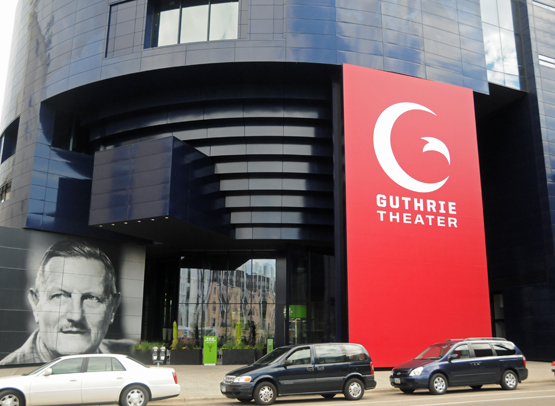
For something completely different from sports, Minneapolis is also home to the Guthrie Theater. The theater itself has been part of the city for decades, while its distinctive modern building overlooking the Mississippi opened in 2006.
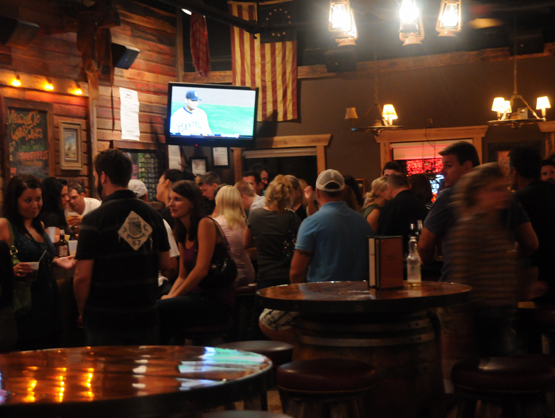
The other photo is from a bar I visited with a local friend I knew from the Marines. Having someone who actually lived in the area made it much easier to experience Minneapolis beyond simply moving between tourist attractions.
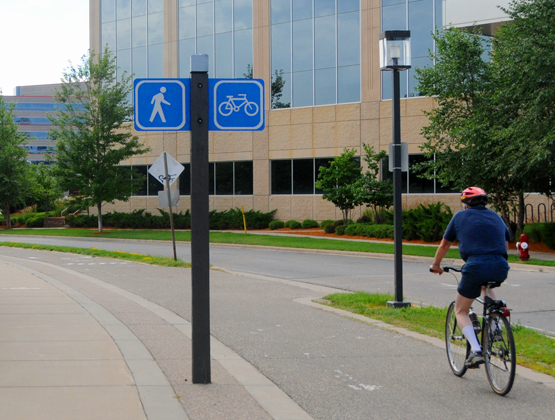
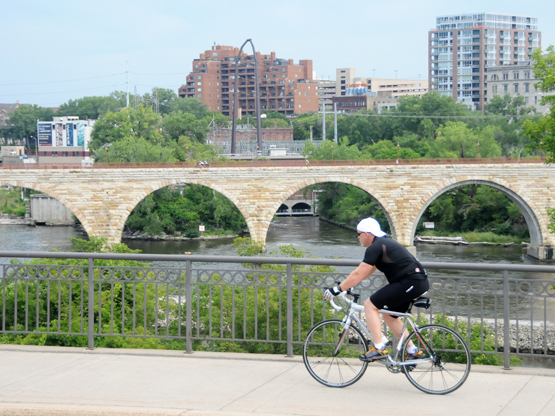
One thing that surprised me was how bike-friendly Minneapolis was. There were bike lanes along major streets as well as separate trails running through different parts of the city. For visitors, renting a bike would actually be a practical way to explore without constantly dealing with traffic and parking.
The Jucy Lucy

If you’re into burgers like I am, Minneapolis has another local attraction: the Jucy Lucy. Instead of placing the cheese on top of the hamburger, the cheese is sealed inside the meat and melts while the burger cooks. The result is great, although the molten cheese inside can be dangerously hot if you bite into it too quickly.
Two Minneapolis restaurants have famously competed over who invented the burger: Matt’s Bar and the 5-8 Club. Matt’s was closed when I tried to visit, so I ended up eating mine at the 5-8 Club instead.
Mall of America
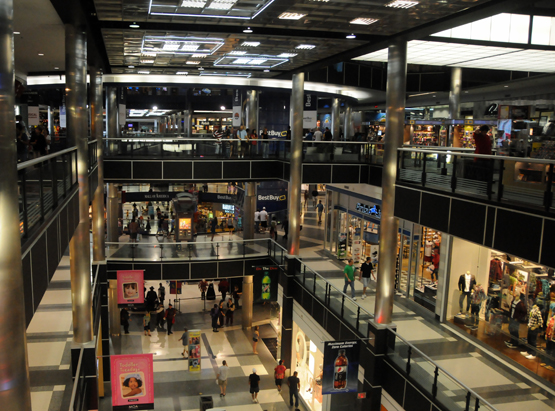
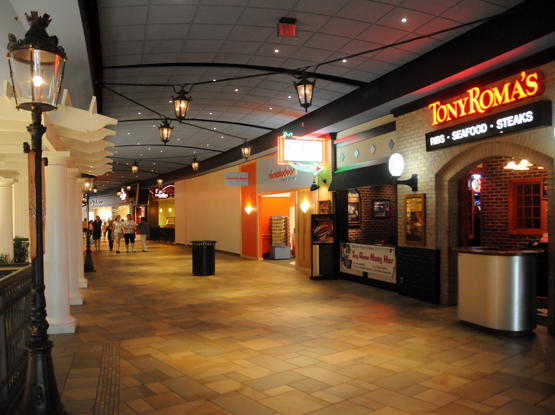
One of the most famous attractions in the Twin Cities area is the Mall of America. Calling it a shopping mall doesn’t really describe the scale of the place. Beyond hundreds of stores and restaurants, the complex contains entertainment and attractions that make it possible to spend an entire day inside without doing much traditional shopping at all.
I visited during the summer, but I could immediately understand the appeal of having an enormous indoor destination like this during a Minnesota winter.

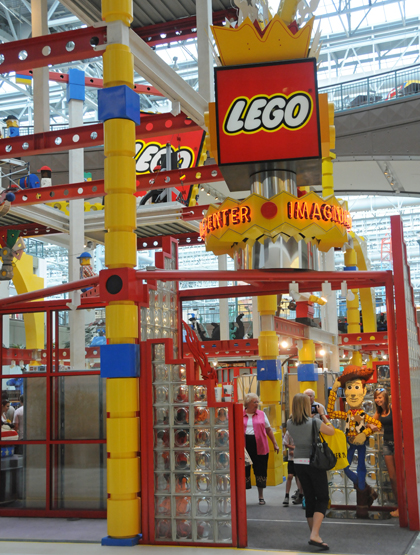
There were events and displays throughout the mall when I visited. I came across what appeared to be a medieval-themed performance as well as enormous LEGO creations. It felt more like an indoor entertainment complex that happened to contain a shopping mall.
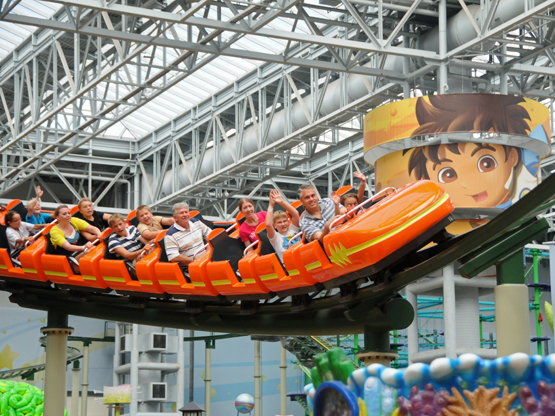
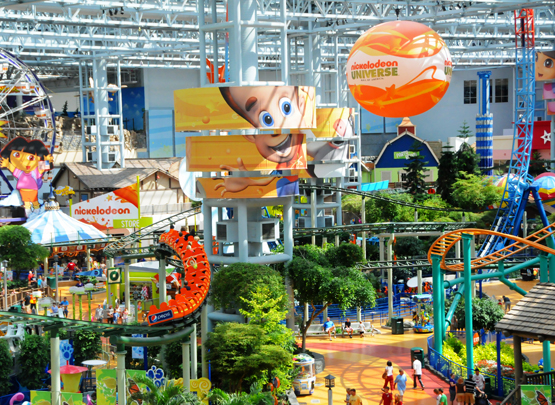
The strangest part is the full amusement park in the middle of the mall. Nickelodeon Universe covers several acres and includes roller coasters and other rides beneath the enormous indoor roof.
Even with everything I saw, I somehow missed the aquarium. Apparently I managed to explore one of the largest malls in the country and still walked past an entire underwater attraction.
Fort Snelling
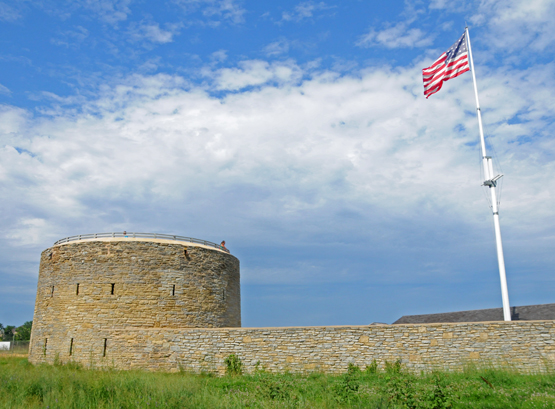
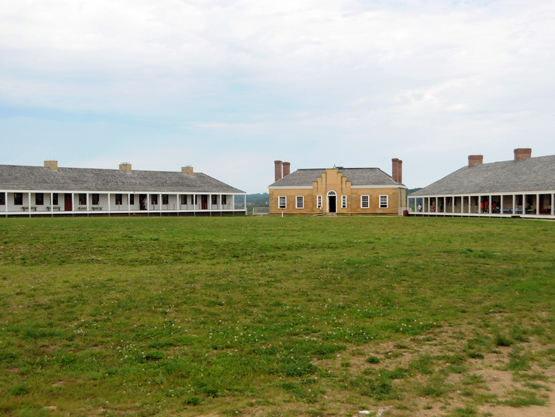
Long before Minneapolis and St. Paul grew into major cities, Fort Snelling stood near the meeting point of the Mississippi and Minnesota rivers. Construction began in the early 19th century, when this was still a remote frontier region of the United States.
Today the historic fort has been preserved and provides a look at military and frontier life during the 1800s. Above are one of the fortified corners and the central courtyard surrounded by historic buildings.
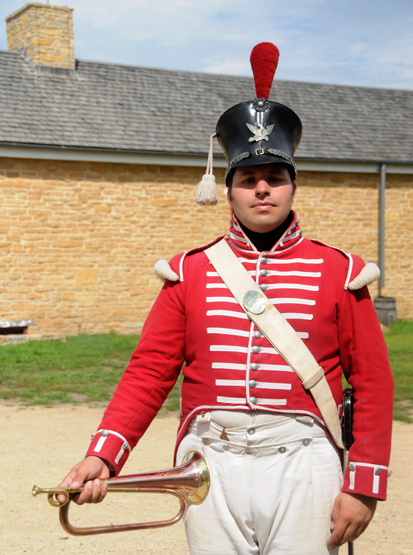
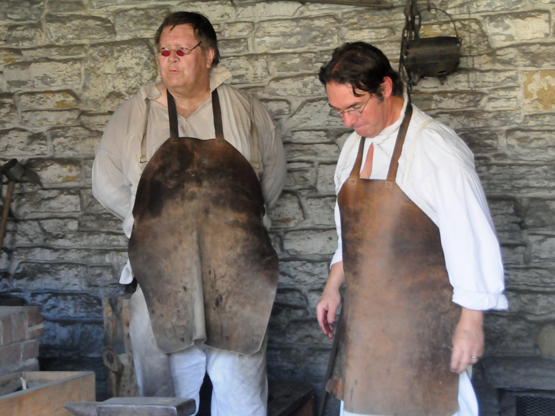
Historical interpreters demonstrate different parts of life at the fort, including military drills and blacksmithing. Having people actually performing the jobs made the site much more interesting than simply walking through empty historic buildings.
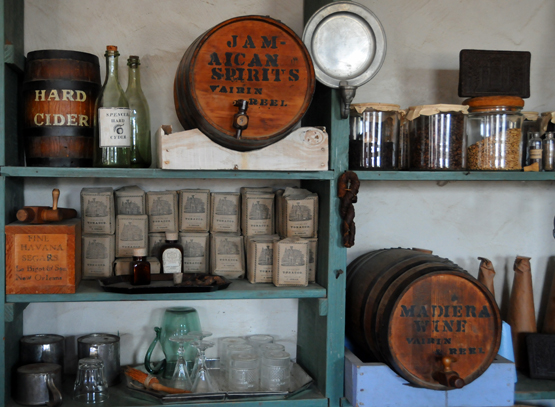
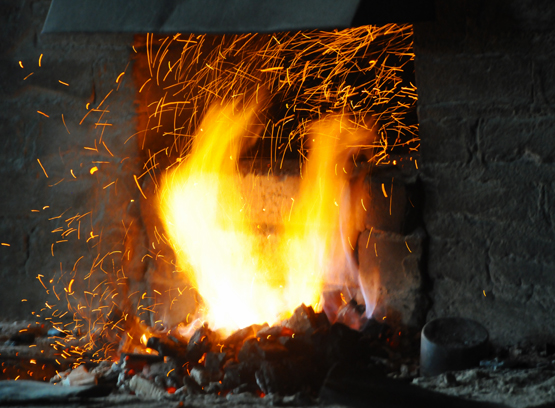
These last two photos from Fort Snelling show some of the supplies that would have been stored at the fort and the fire inside the blacksmith shop. Watching the blacksmith demonstration helped show how many basic objects that we now take for granted once had to be individually made by hand.
St. Paul
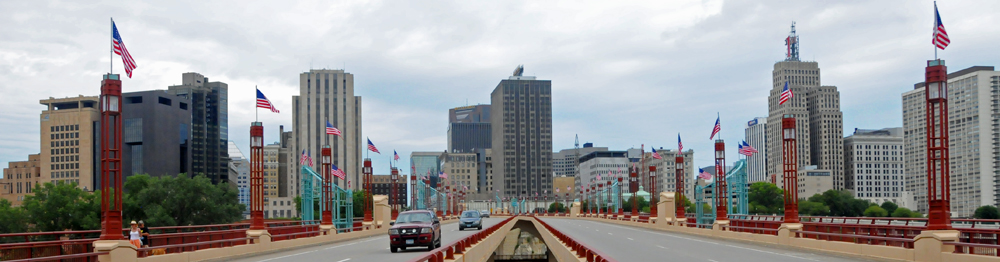
Only a few miles from Minneapolis is its Twin City, St. Paul. Although Minneapolis is larger, St. Paul is Minnesota’s state capital and has a noticeably different atmosphere. Above is the skyline as I approached the city across the Mississippi River.
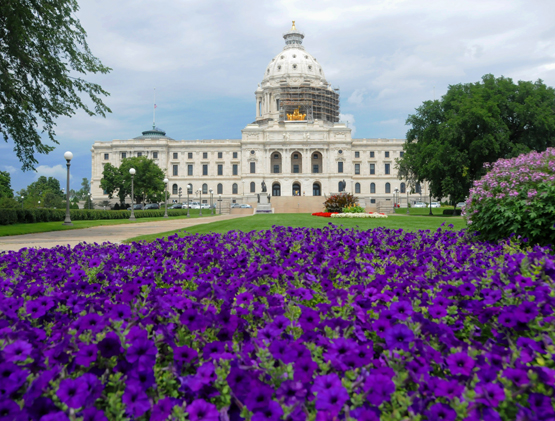
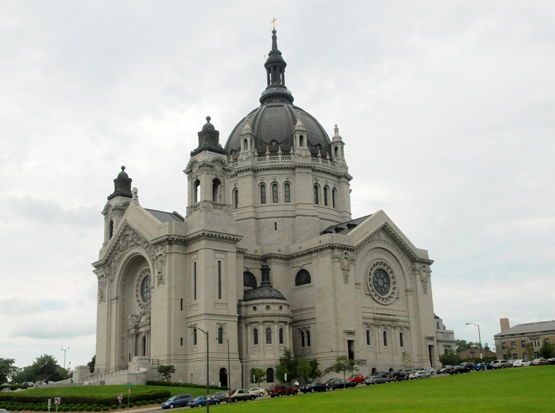
Two of St. Paul’s most prominent landmarks are the Minnesota State Capitol and the Cathedral of Saint Paul. Together they give this side of the Twin Cities a more historic and monumental appearance than much of downtown Minneapolis.
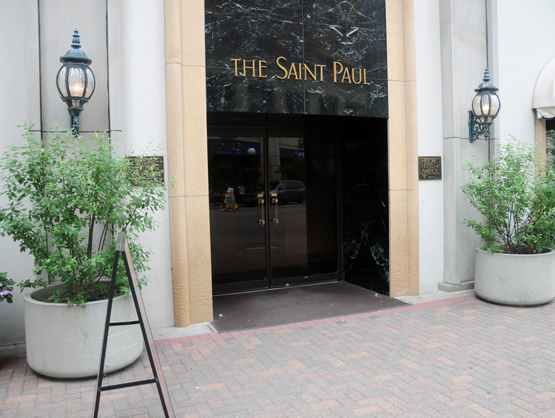
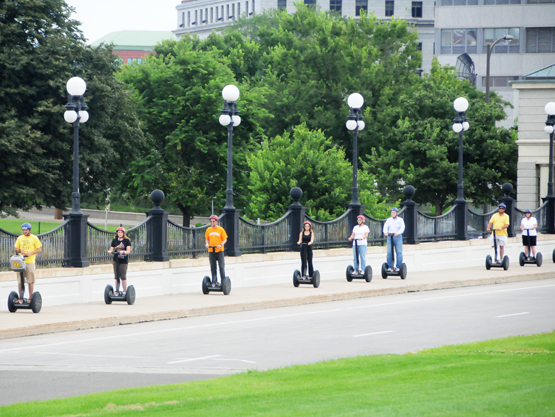
I spent some time simply walking around downtown St. Paul as well. Above is one of the city’s upscale hotels along with a group passing through on Segways. Apparently a Segway tour is one way to explore St. Paul, although I’ll stick with walking.
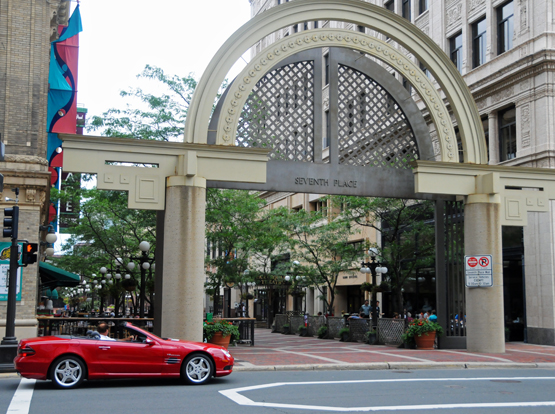
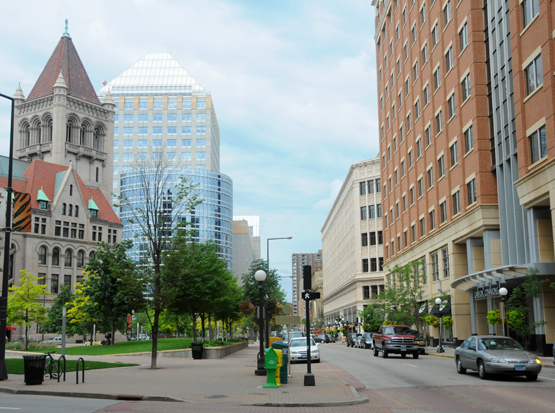
St. Paul felt quieter than Minneapolis during my visit, but its older downtown, government buildings, cathedral, and historic neighborhoods gave it plenty of character of its own. Visiting both cities made more sense than treating Minneapolis as the only destination.
Wabasha Street Caves
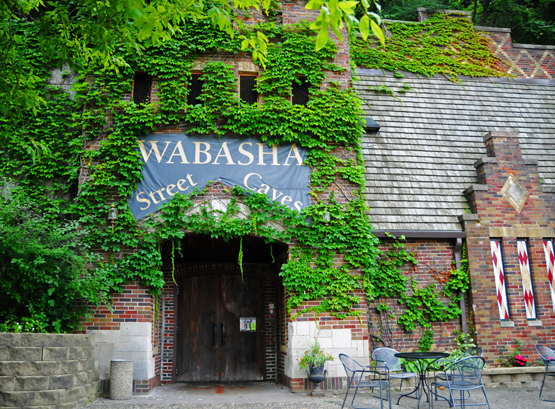
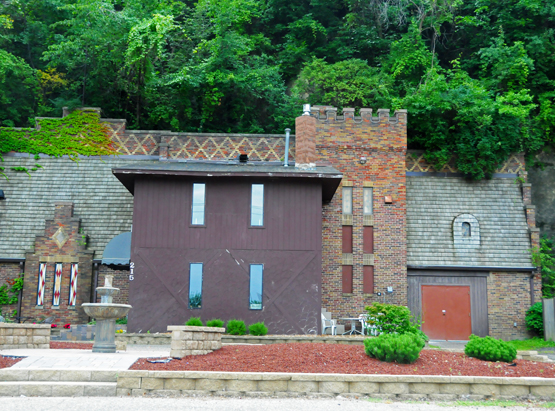
One of the places I most wanted to see in St. Paul was the Wabasha Street Caves. These aren’t really natural caves, but underground spaces carved into the sandstone cliffs along the Mississippi River.
The caves have had several uses over the years and became especially famous for their connections to St. Paul’s Prohibition-era nightlife and gangster stories. Unfortunately, they were closed when I visited, so I never made it inside and could only photograph the entrance.
Between Minneapolis and St. Paul, I found considerably more to explore than I had expected. Minneapolis had the riverfront, nightlife, biking, food, and enormous Mall of America, while St. Paul offered a quieter historic side of the metropolitan area. Add Fort Snelling between them and the Twin Cities easily had enough to keep me busy for several days.
Explore More of Minnesota
Duluth • Minneapolis • Pipestone National Monument • Superior Forest