Hawaii was one of the places I visited fairly early in my travels, long before I had seen much of what the rest of the world had to offer. Even after years of traveling since then, however, it remains one of the most beautiful places I’ve ever seen. The combination of tropical beaches, volcanic landscapes, lush rainforests, waterfalls, and steep green mountains gives the islands an incredible amount of scenery packed into a relatively small area. Hawaii is also home to some of the world’s most active volcanoes, excellent scuba diving and surfing, and important historic sites such as Pearl Harbor.
My trip here wasn’t actually planned. I ended up in Honolulu while trying to find a flight to Australia and decided to spend a few days exploring Hawaii instead. I visited Pearl Harbor, went scuba diving, and made it over to the Big Island to explore its volcanic landscape. Unfortunately I didn’t have an underwater camera at the time, so I can’t share any of the sea turtles and tropical fish I encountered while diving. Considering how unexpectedly I arrived, Hawaii ended up becoming one of the highlights of my early travels. I’ve seen a lot more of the world since that trip, but my opinion of Hawaii hasn’t changed much at all. I’d love to return to explore more of the islands, do more diving, spend several days hiking through the rainforest, and eventually make it to the summit of Mauna Kea.
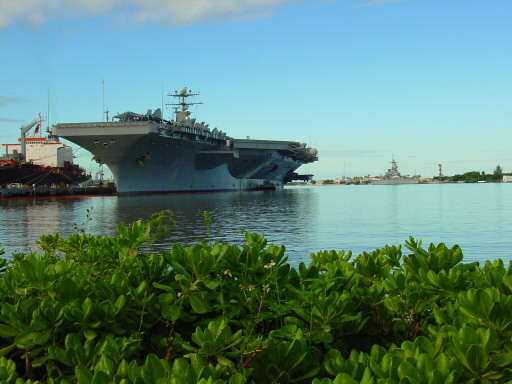
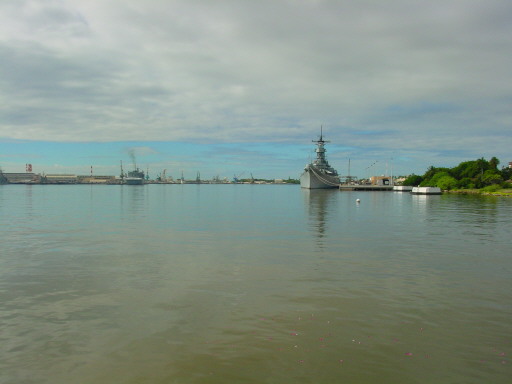
When I visited Hawaii, I had used my vacation days from the Marines to leave 60 days early. This is called terminal leave, and although I never had to report back to the military again, I was technically still on active duty. That allowed me to get a room for only $20 a night at Pearl Harbor. While walking around the military base I saw the aircraft carrier USS Abraham Lincoln making a port call, while the other photo shows a ship docked at Pearl Harbor.
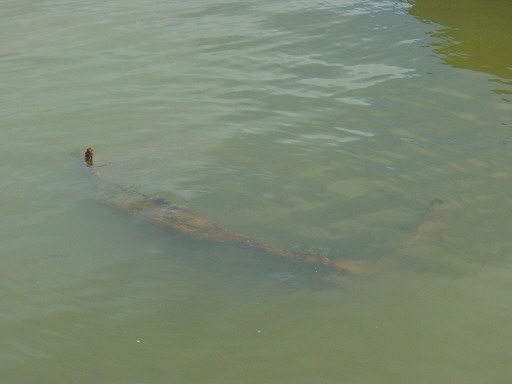
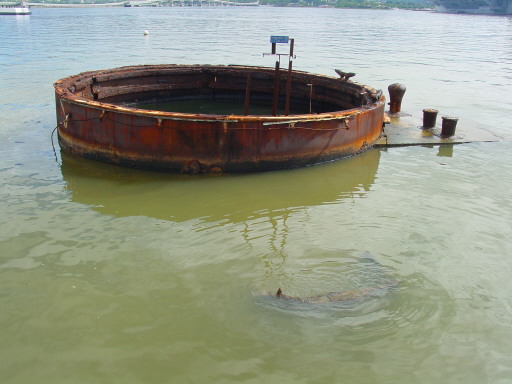
Without diving, these were probably the best photos I could take of the remains of the USS Arizona. The battleship was sunk during the Japanese attack on Pearl Harbor on December 7, 1941, which brought the United States into World War II. More than 1,000 sailors and Marines were killed aboard the Arizona, and the wreck remains at Pearl Harbor as a memorial to those who lost their lives.
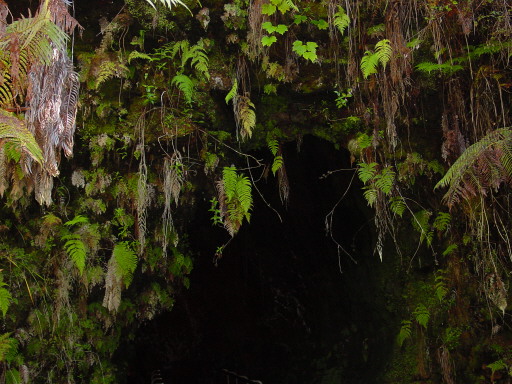
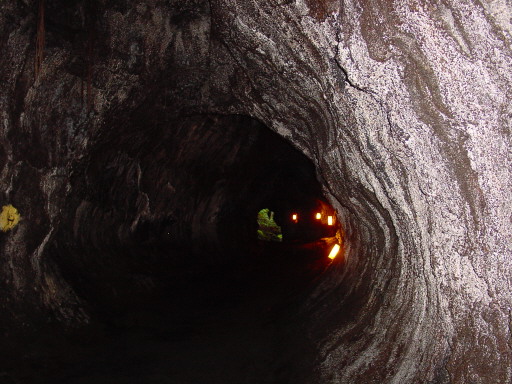
Along with Pearl Harbor, Hawaii is famous for the volcanic landscapes found throughout the islands. Some volcanoes remain active while others are dormant, and past eruptions have created all kinds of unusual geological formations. The two photos above show a lava tube that I explored on the Big Island. These tunnels form when the outside of a lava flow cools and hardens while molten lava continues flowing underneath it. Eventually the lava drains away, leaving a hollow tunnel behind. The one I explored wasn’t especially long and had lights installed inside, but some lava tubes can extend for miles.
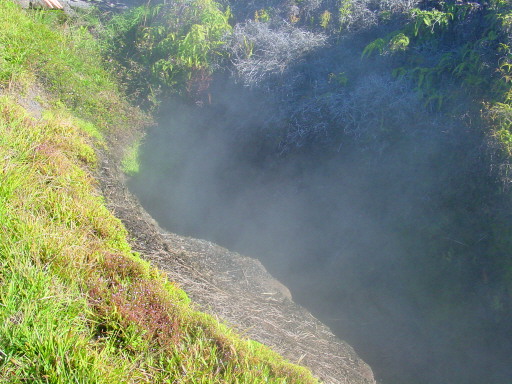
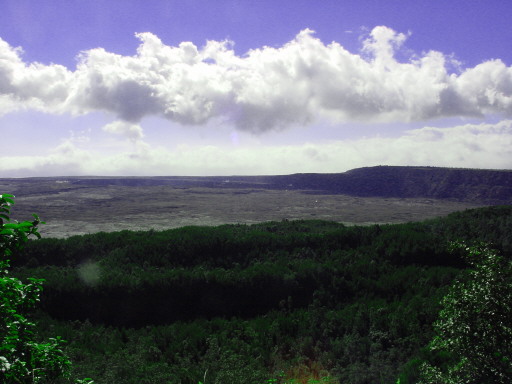
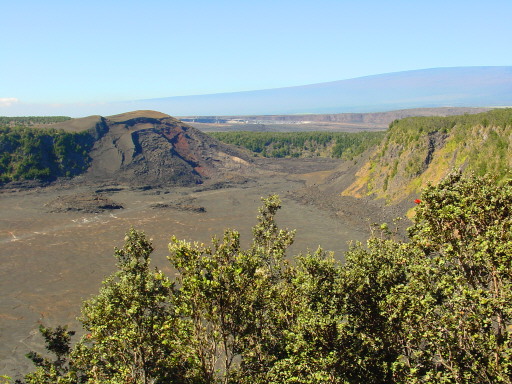
The volcanic activity on the Big Island isn’t limited to ancient lava flows. Steam vents and enormous volcanic craters are reminders that the landscape here is still geologically active. Walking around these areas was one of the most memorable parts of my visit because the volcanic terrain was unlike anything I had experienced before.
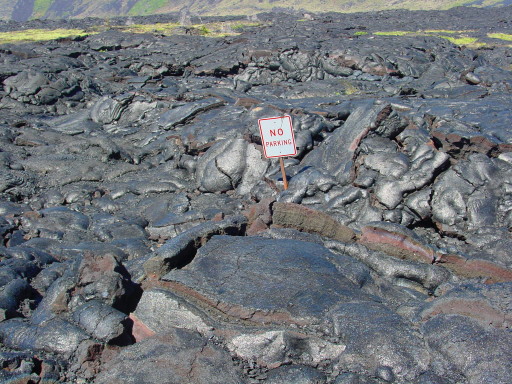
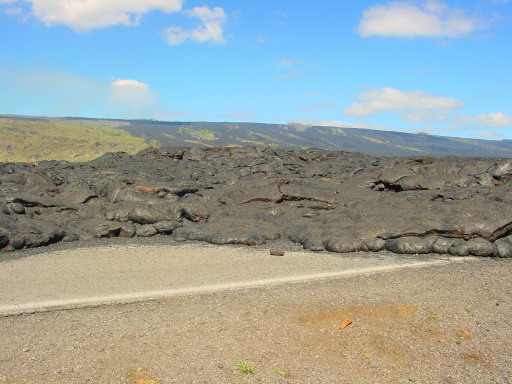
The long-running eruption of Kilauea that began in 1983 dramatically changed parts of the Big Island over the following decades. Lava covered roads and other developed areas, leaving reminders of how quickly an active volcano can transform the landscape. One of the more interesting sights I came across was the parking sign above surrounded by hardened lava. Nearby, another lava flow had reached the edge of a roadway.
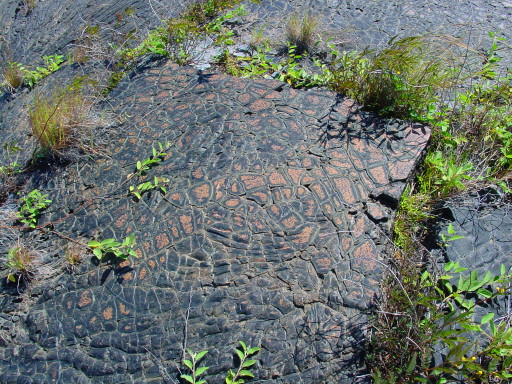
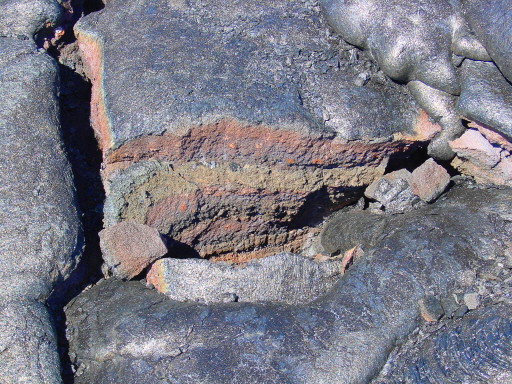
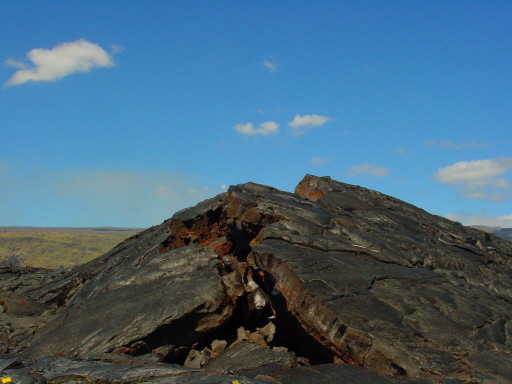
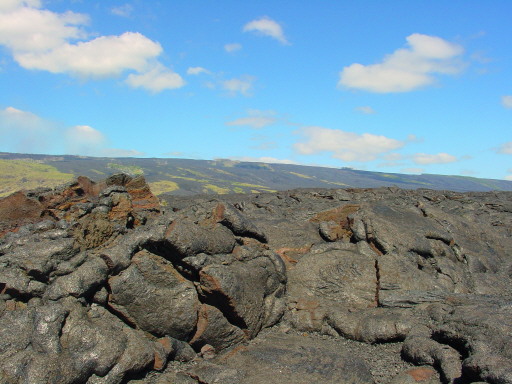
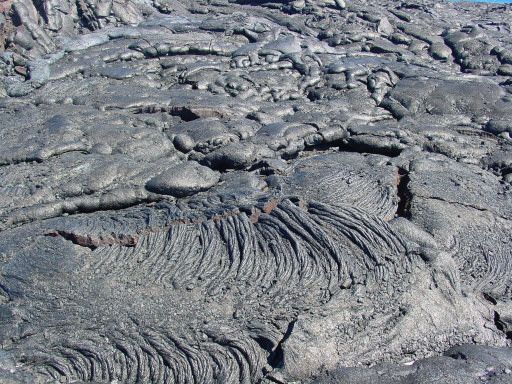
Even the hardened lava itself had an incredible amount of variety. I took these photos because of the unusual formations and colors in the rock. Some sections almost looked like bricks or tiles, while broken pieces of lava exposed different shades and layers created as the material cooled.
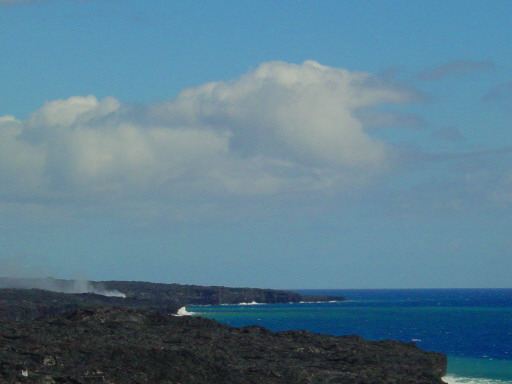
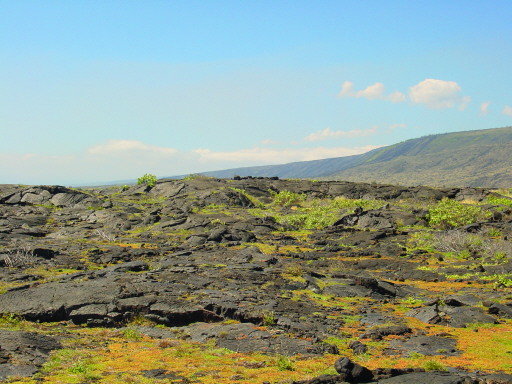
The cloud rising along the coastline in the first photo was created where hot lava entered the ocean. Seeing an active lava flow meeting the Pacific was incredible, but these areas also required keeping a safe distance because of the intense heat and potentially hazardous gases. Elsewhere on the island, older lava fields were already being reclaimed by vegetation. Grass and other plants had begun growing across the dark volcanic rock, gradually bringing life back to a landscape once covered by molten lava.
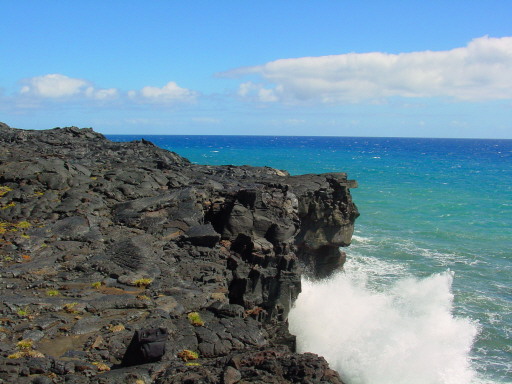
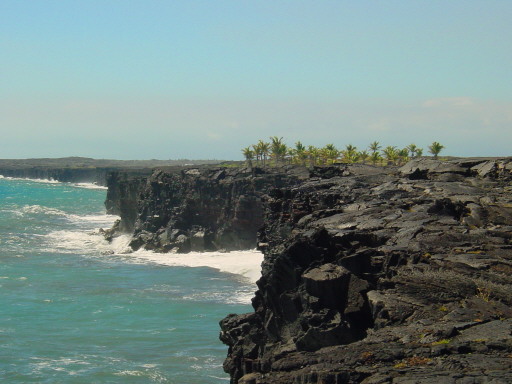
These photos show another side of the Big Island, where volcanic rock meets the tropical coastline. The contrast between black lava cliffs, blue Pacific water, green vegetation, and palm-lined beaches is part of what makes Hawaii’s scenery so distinctive.
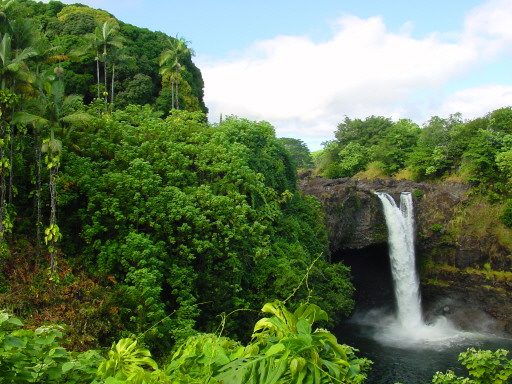
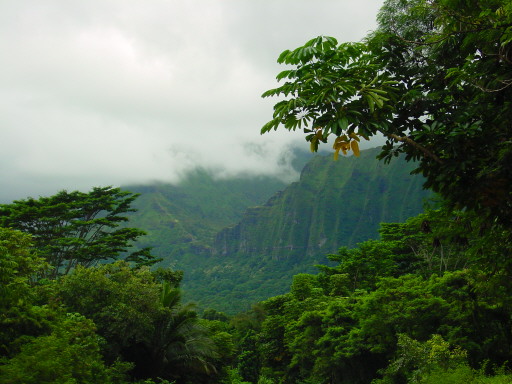
Hawaii’s natural beauty goes far beyond its beaches and volcanoes. Rainbow Falls and the mountainous rainforest show just how quickly the landscape can change as you travel around the islands. In a relatively short distance you can go from barren volcanic terrain to dense tropical vegetation, waterfalls, and steep green valleys.
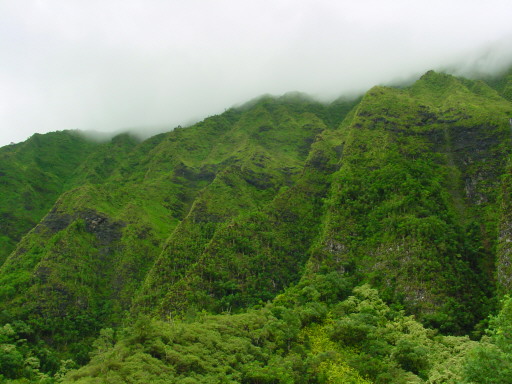
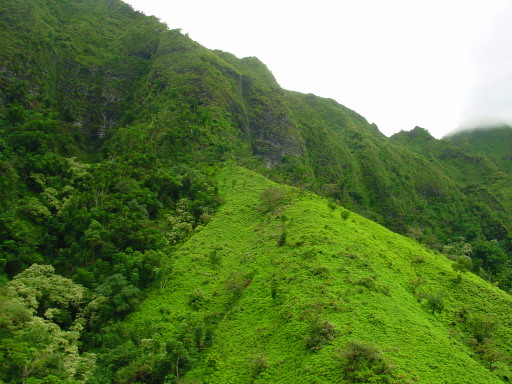
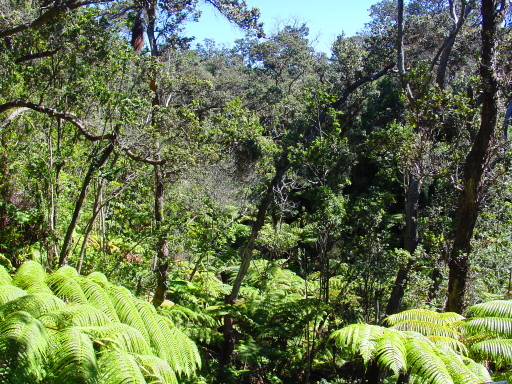
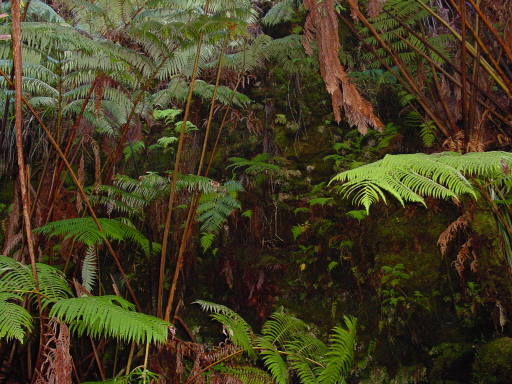
Since my trip to Hawaii was unplanned, I only had enough time for some short hikes through the rainforest. I’d love to return and spend several days trekking through some of the more remote parts of the islands. I also have my mind set on reaching the summit of Mauna Kea, which rises nearly 14,000 feet above sea level. Hawaii may have been one of my earlier travel experiences, but after everything I’ve seen since, its mountains, rainforests, volcanoes, and coastline still make it one of the most beautiful places I’ve ever visited.