Guam is a small Pacific island and an unincorporated territory of the United States. The island has a complicated history, including centuries of Spanish rule before becoming an American territory in 1898. During World War II, Japanese forces captured Guam shortly after the attack on Pearl Harbor and occupied the island until American forces retook it in 1944. Its location in the western Pacific also makes Guam a popular destination for visitors from Japan. When I visited, I came across quite a few Japanese couples who had traveled here for their weddings and honeymoons. I came to Guam with the U.S. Marines to help repair a broken aircraft and was able to spend about a week on the island. Work kept me from exploring as much as I would have liked, so I’d definitely like to return someday for scuba diving, hiking, and some of the cultural and historic places I missed.
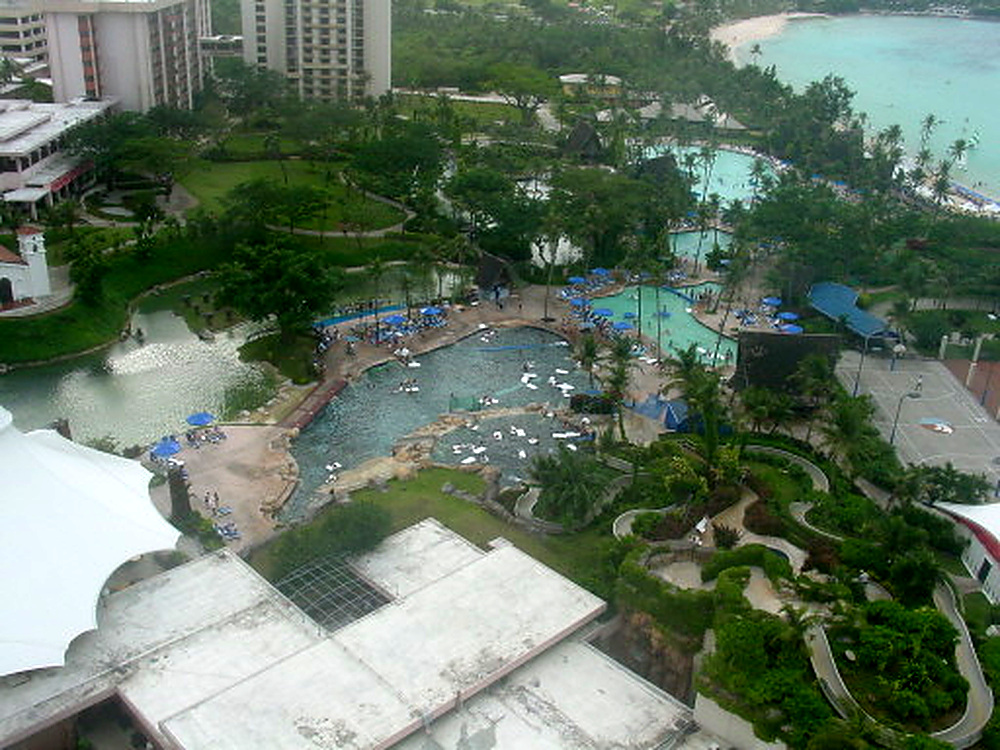
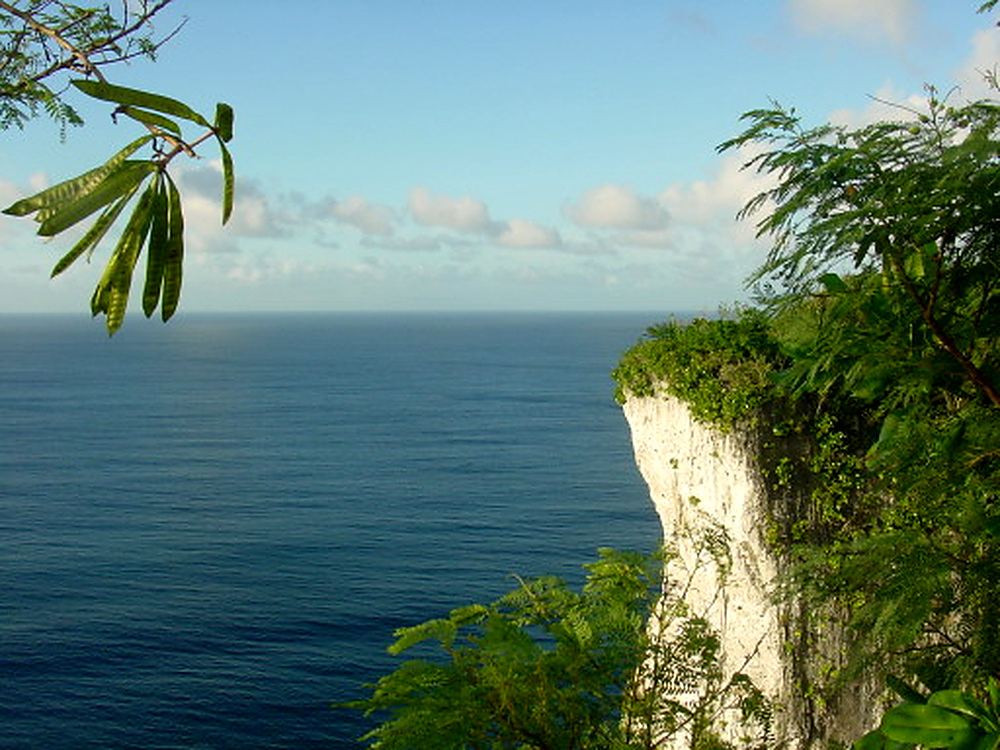
Guam has developed into a major vacation destination, particularly for travelers coming from East Asia. Around the tourist district were plenty of resorts, bars, clubs, restaurants, live music, and even fire dancers. One of the island’s most famous places is Two Lovers Point, a dramatic cliff overlooking the Philippine Sea. According to a Chamorro legend dating to the Spanish colonial period, two young lovers were forbidden from being together after the woman’s father arranged for her to marry someone else. Rather than be separated, the couple tied their hair together and leapt from the cliff. The story has several variations, but the legend gave the site its name and made it one of Guam’s best-known landmarks.
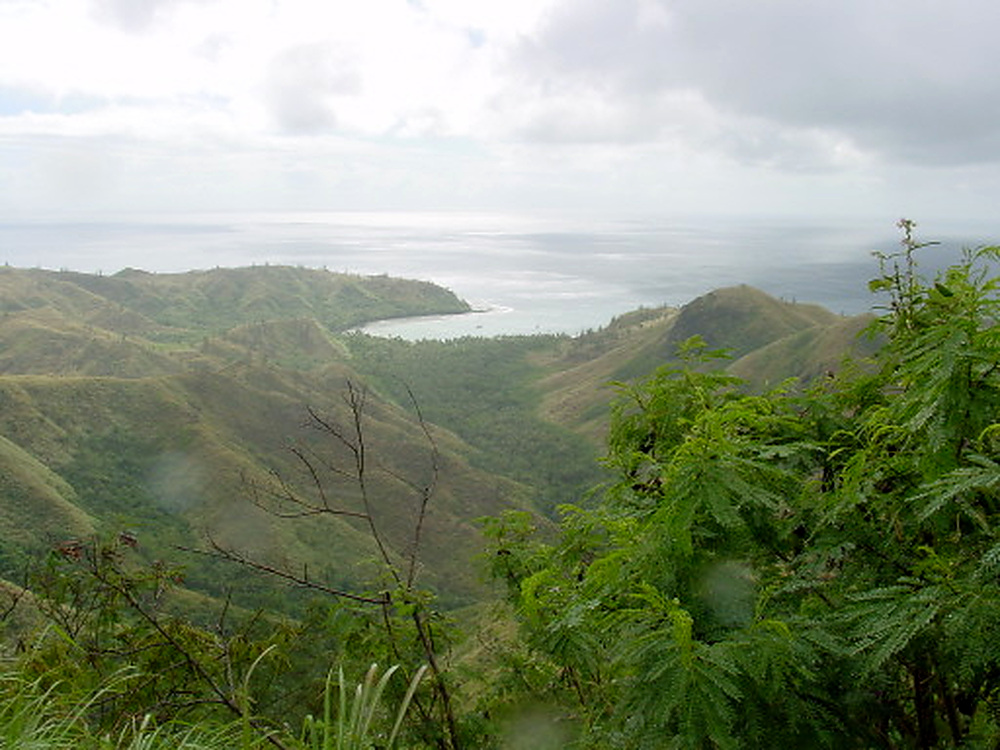
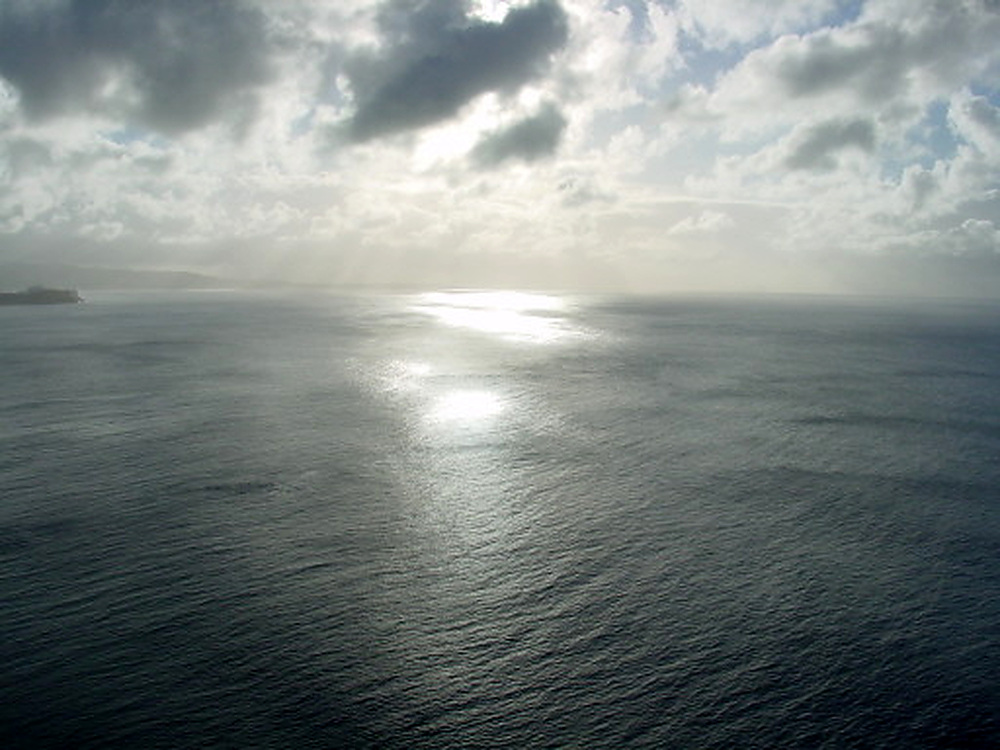
Beyond the developed tourist areas, Guam has a surprisingly rugged landscape, with green mountains, tropical forests, and dramatic coastal scenery. Its relatively small size makes it possible to experience very different parts of the island without traveling particularly far. Although I only had a week and was working for much of that time, I was able to appreciate some of the scenery that makes Guam much more than just a beach destination.
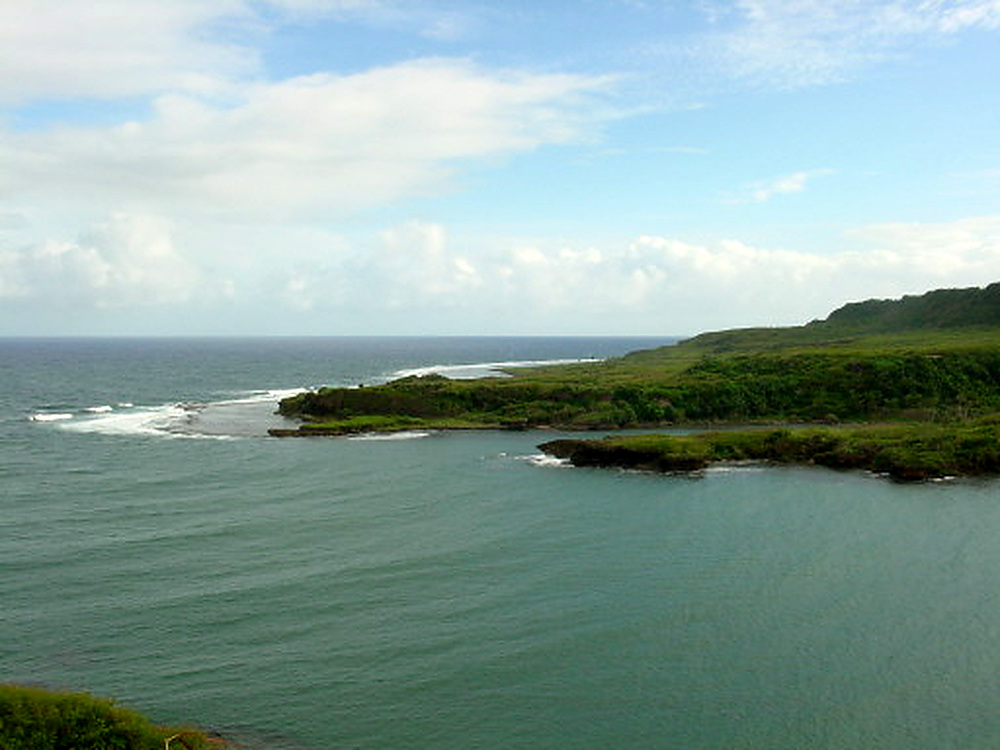
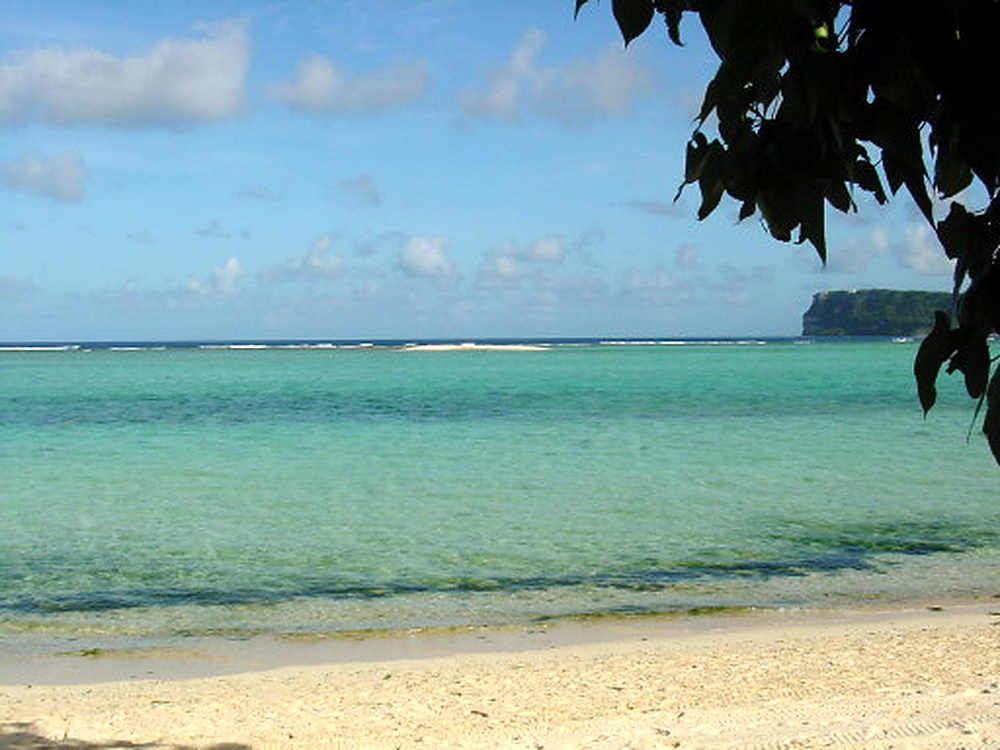
Guam is also filled with reminders of its World War II history, including wrecks scattered in the waters around the island. The lagoon above might look like any other tropical lagoon, but beneath the water are remains connected to Guam’s wartime past. The second photo shows a more typical Guam beach where I went swimming because it was directly in front of my hotel. Behind me were luxury resorts and restaurants, while just offshore was the warm, clear Pacific water that makes Guam such a popular beach destination.
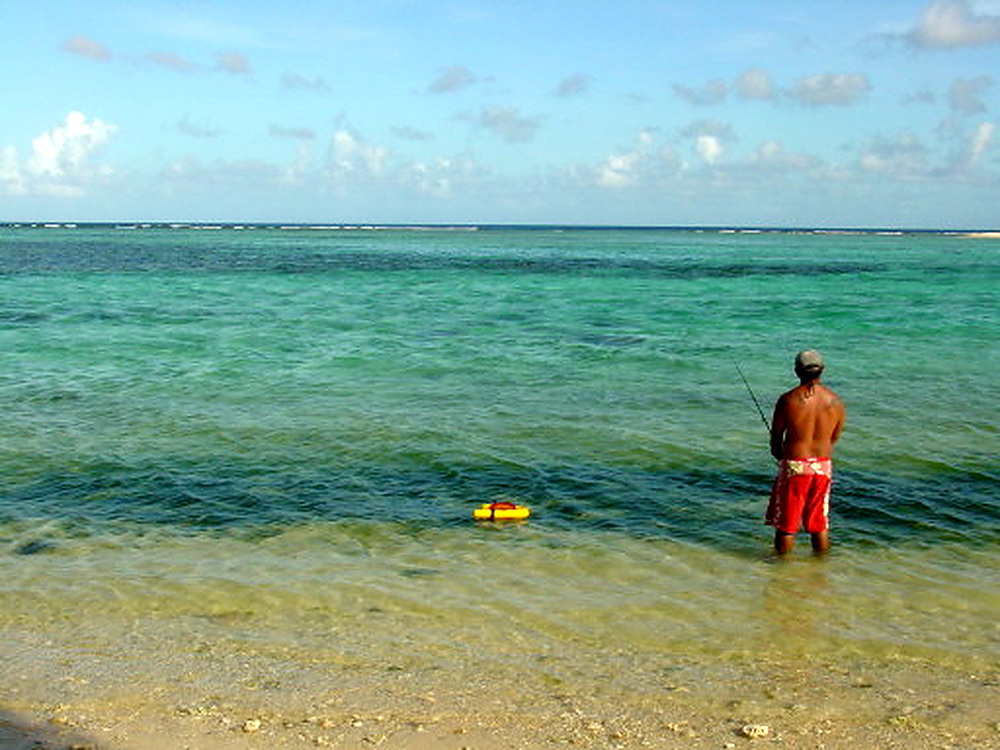
Fishing has long been part of life in Guam, where the surrounding ocean provides both food and recreation. The island’s coastal waters are home to a remarkable variety of marine life, something I was about to discover for myself during one of the most memorable experiences of my visit.
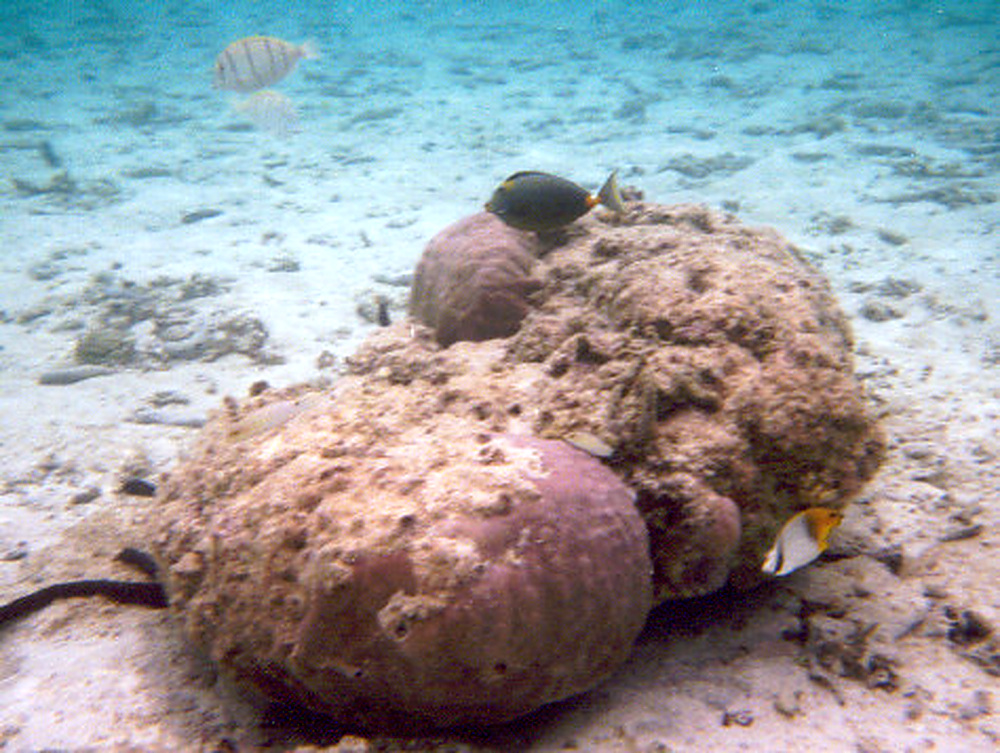
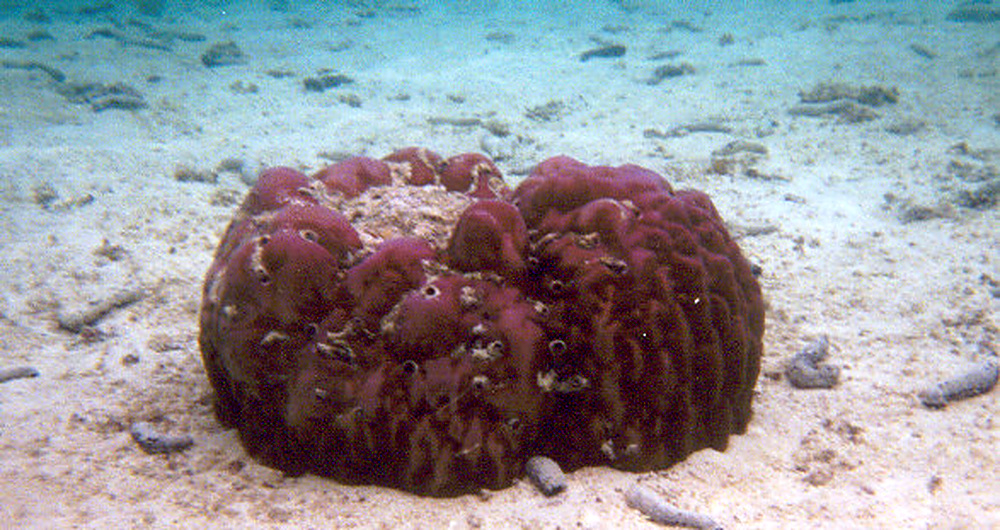
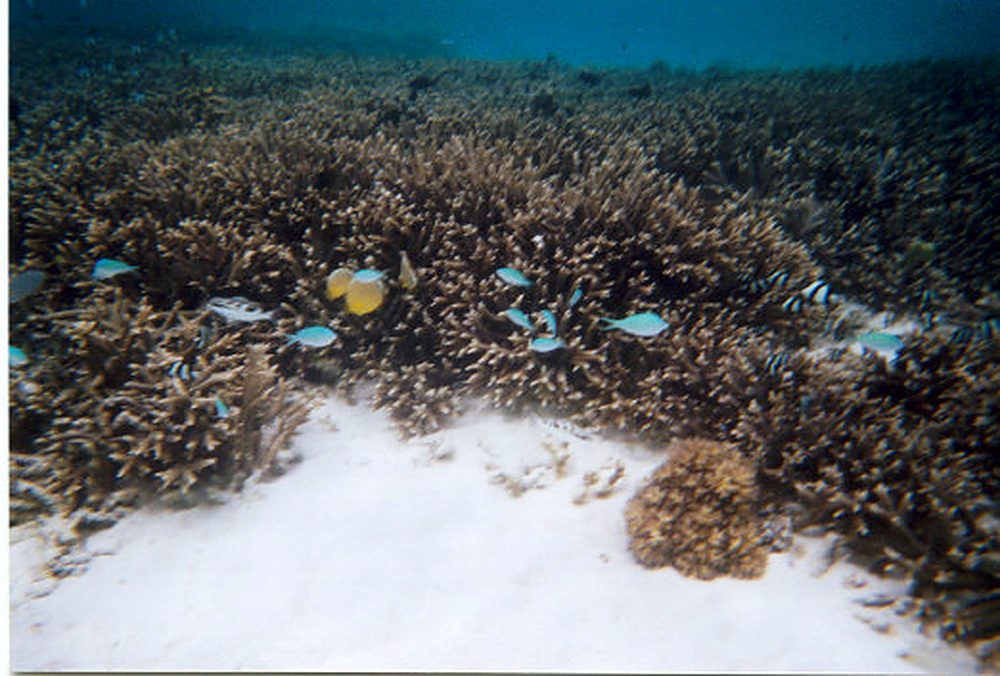
I visited Guam before my scuba-diving days. In fact, before arriving here I had never even gone snorkeling. Someone offered to take me snorkeling and I almost declined because I’d already spent much of the day swimming and couldn’t imagine there being anything particularly interesting beneath the surface. The second I put on a mask and reached the coral, however, I saw dozens of colorful tropical fish like the ones I’d only seen before in aquariums and pet stores. I had nothing more than a disposable waterproof camera, so the photos don’t come close to capturing how amazing that first experience was.
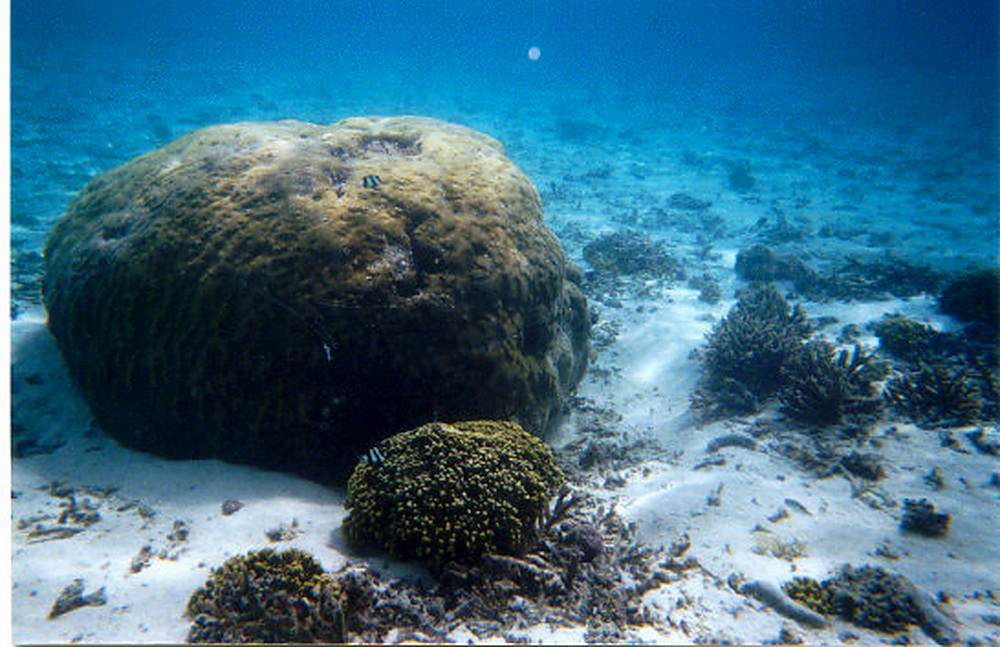
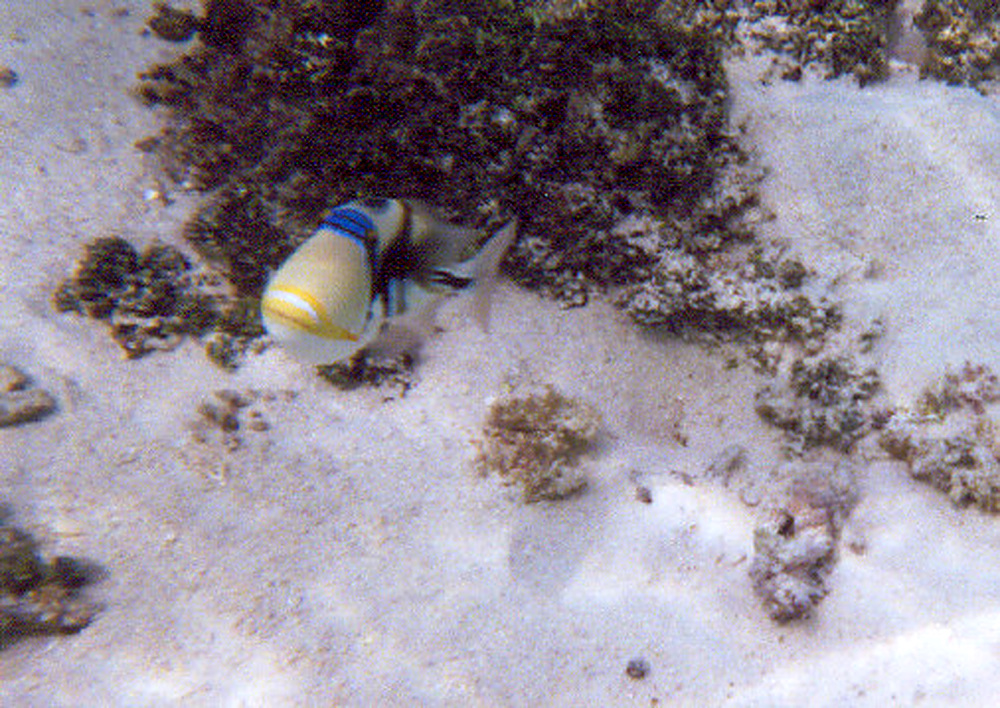
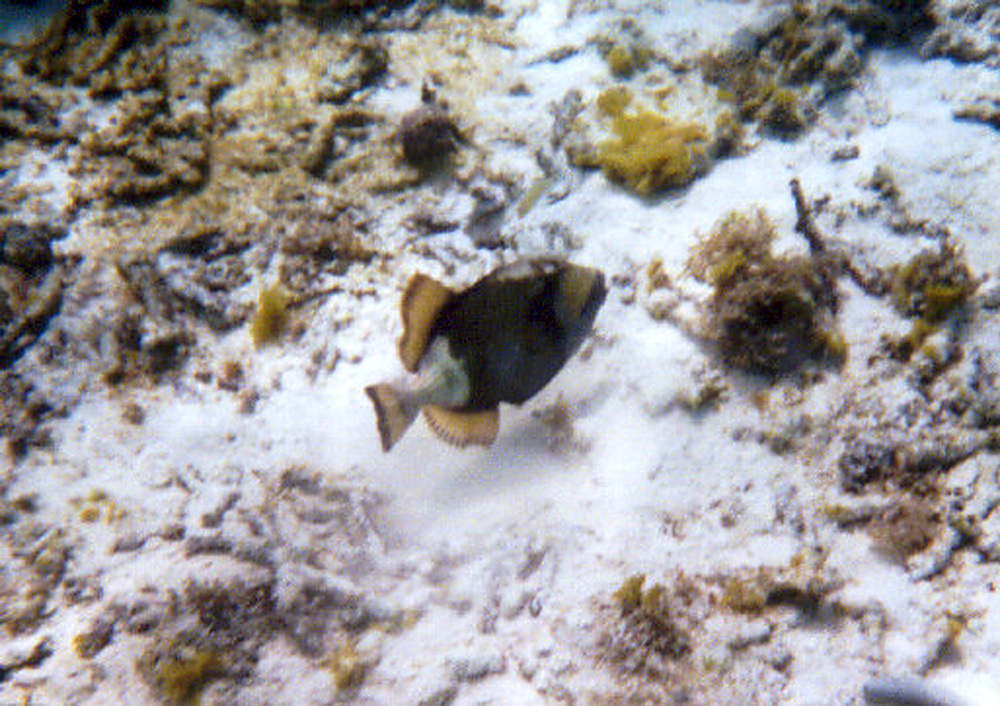
Among the fish I photographed were a colorful parrotfish and a brown triggerfish, just a few examples of the marine life living around Guam’s coral reefs. Seeing these fish in their natural habitat was completely different from looking at them through the glass of an aquarium. It made me realize how much of the natural world I’d been missing by never exploring underwater.
At one point the tide dropped while I was farther from shore and I found myself surrounded by shallow coral. I didn’t want to swim directly over it because a wave could push me down onto the reef and seriously injure me, not to mention damage the coral. I ended up carefully navigating my way through the reef while trying to remain over sandy areas. Looking back, Guam was probably the experience that first showed me how much there was to explore beneath the ocean.
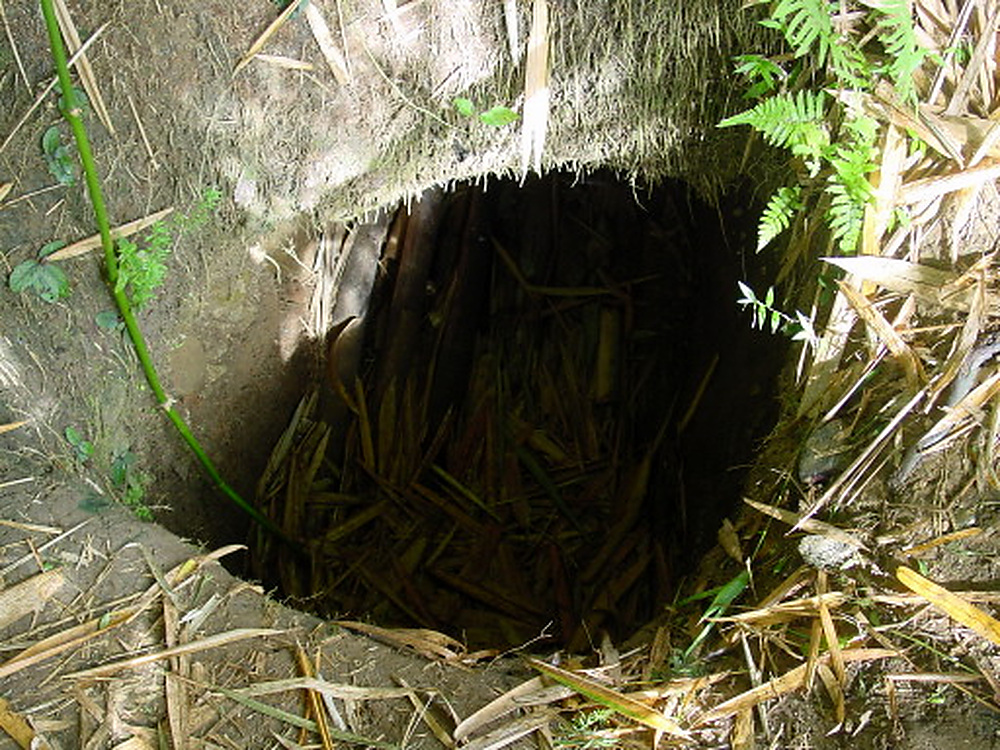
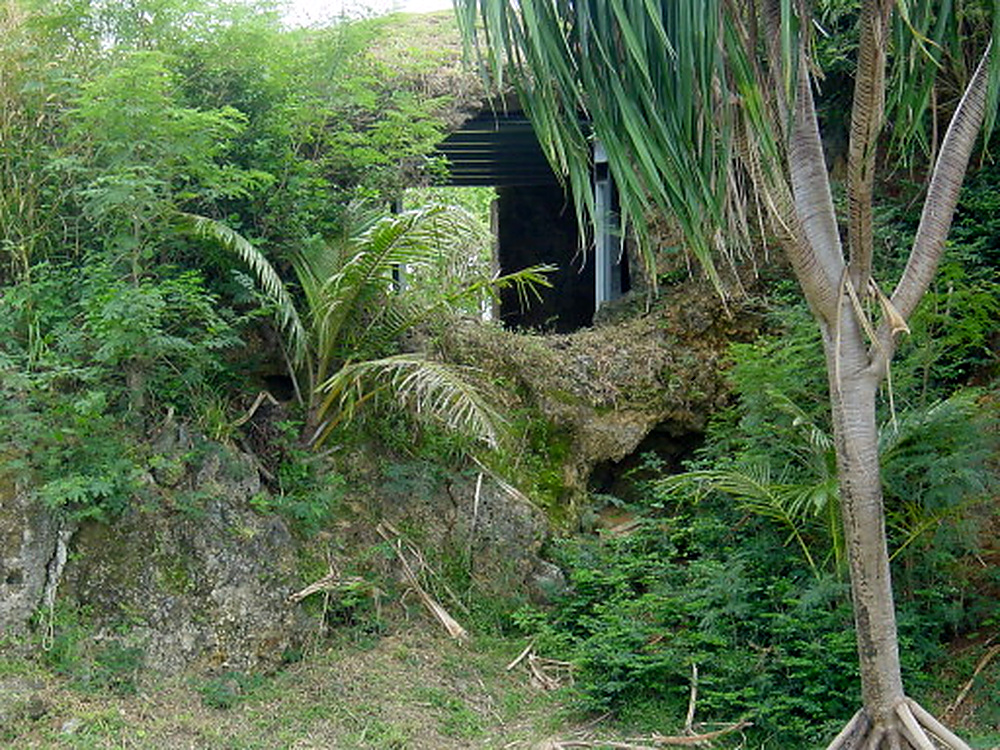
One of Guam’s most incredible World War II stories is that of Japanese Sergeant Shoichi Yokoi. After American forces retook Guam in 1944, Yokoi survived in hiding rather than surrendering. He remained hidden in the jungle for more than 27 years, living partly in an underground shelter and surviving on food he could gather from the surrounding forest. Two local men discovered him in 1972, nearly three decades after the war had ended. He eventually returned to Japan, where his extraordinary story made him famous.
Other wartime structures, including bunkers, remain scattered around Guam as reminders of the fighting that took place here. The island’s history is especially striking because the tropical landscapes that attract visitors today were once the setting for some of the fiercest battles of the Pacific War.
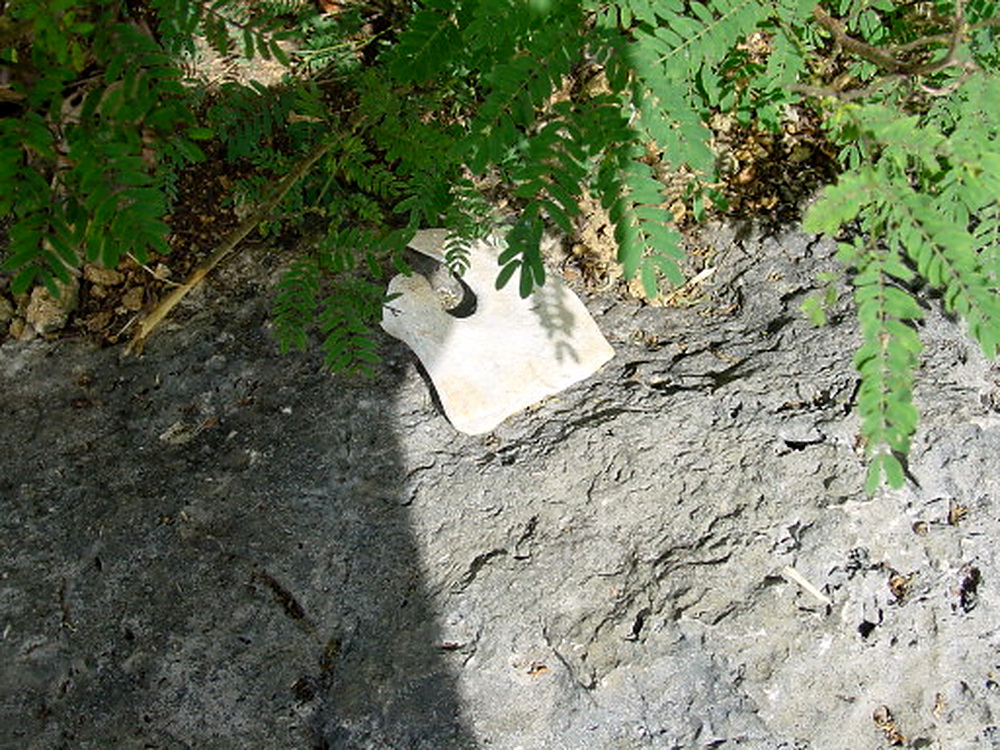
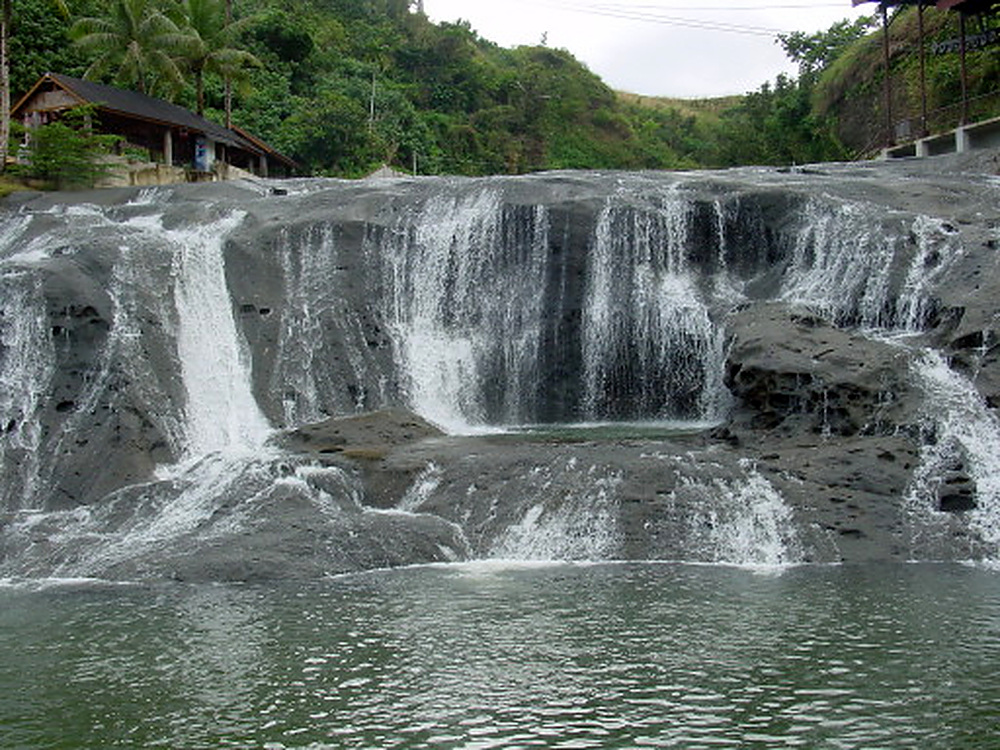
Nearby are Talofofo Falls, surrounded by the dense tropical vegetation that covers much of southern Guam. Between the waterfalls, jungle, beaches, coral reefs, and World War II history, I barely scratched the surface of the island during my week there. Guam is definitely one of those places where my original trip left me wanting to return and explore it properly.
