St. Marys: Gateway to Cumberland Island
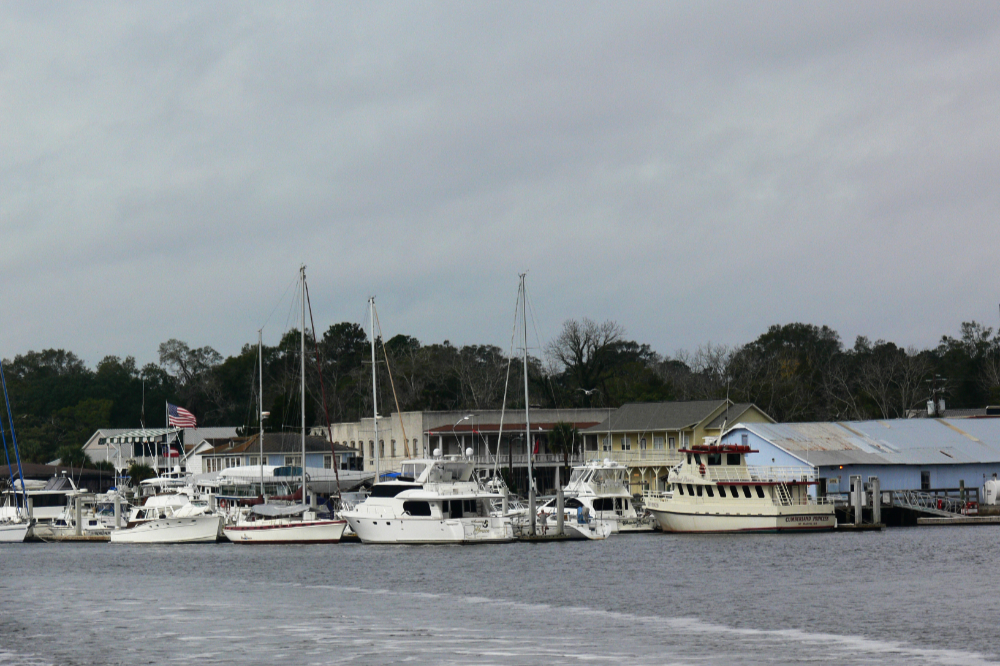
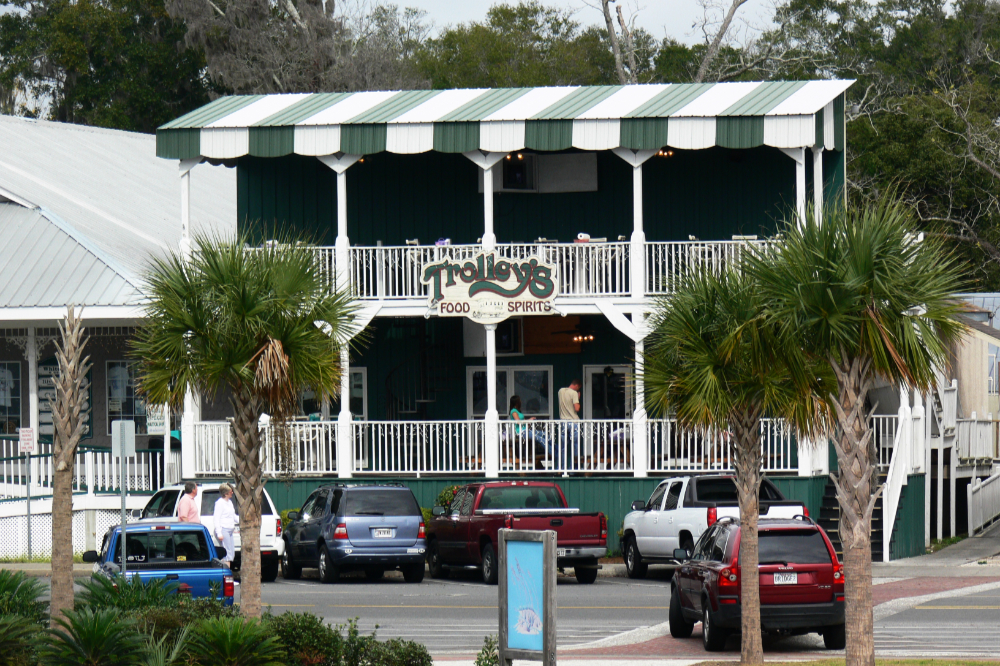
My trip to Cumberland Island began in St. Marys, a small coastal town in southeastern Georgia near the Florida border. The town has a relaxed waterfront with marinas, restaurants, and historic buildings overlooking the St. Marys River. In the first photograph, yachts and boats are moored along the marina, while the second shows a restaurant near the waterfront.
St. Marys is one of the main gateways to Cumberland Island National Seashore, with passenger ferries departing from the town for the island. Despite being relatively close to developed coastal communities, Cumberland Island feels remarkably remote once visitors arrive.
Exploring Cumberland Island’s Subtropical Forest
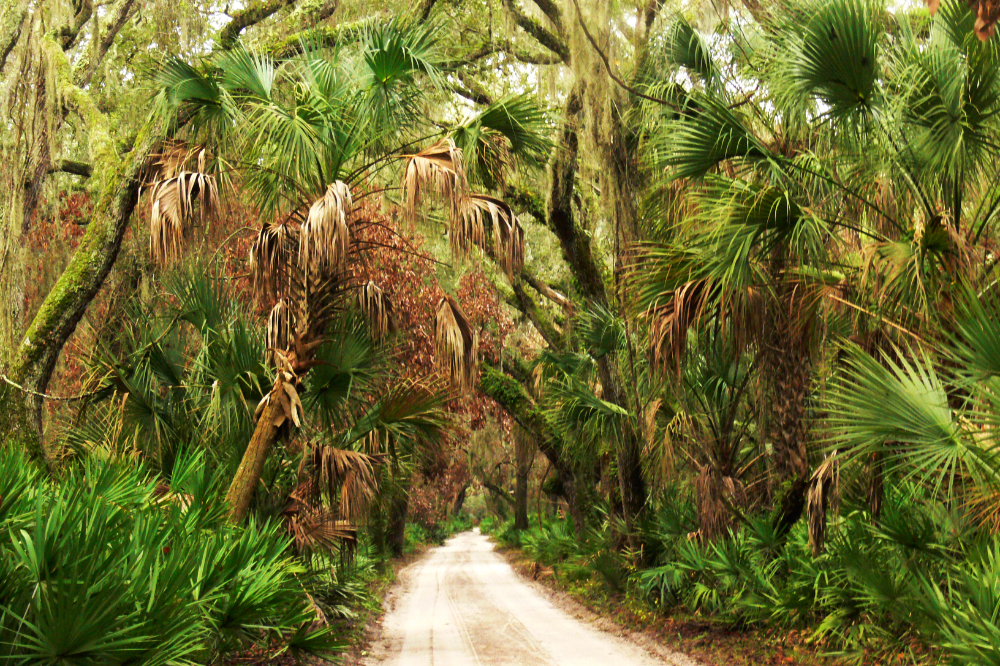
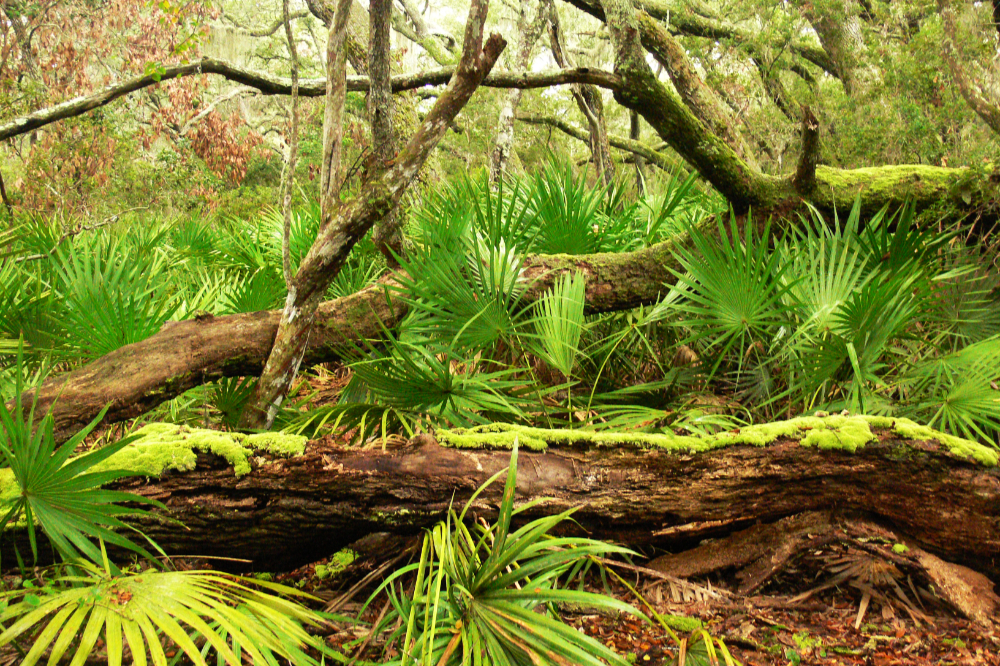
Cumberland Island was definitely one of my favorite outdoor experiences in the United States. Located off Georgia’s southeastern coast, the island is surprisingly large, with expansive beaches, maritime forests, salt marshes, and relatively little development. Access is limited, which helps preserve its quiet atmosphere and makes exploring the island feel very different from visiting most coastal destinations.
One of the main roads passes through a dense subtropical forest, where tall trees form a canopy above the sandy ground. Thick ferns and other vegetation cover portions of the forest floor. Walking through these wooded areas was one of the highlights of my visit, particularly because the landscape feels so different from the beaches just a short distance away.
Ancient-Looking Forests and Spanish Moss
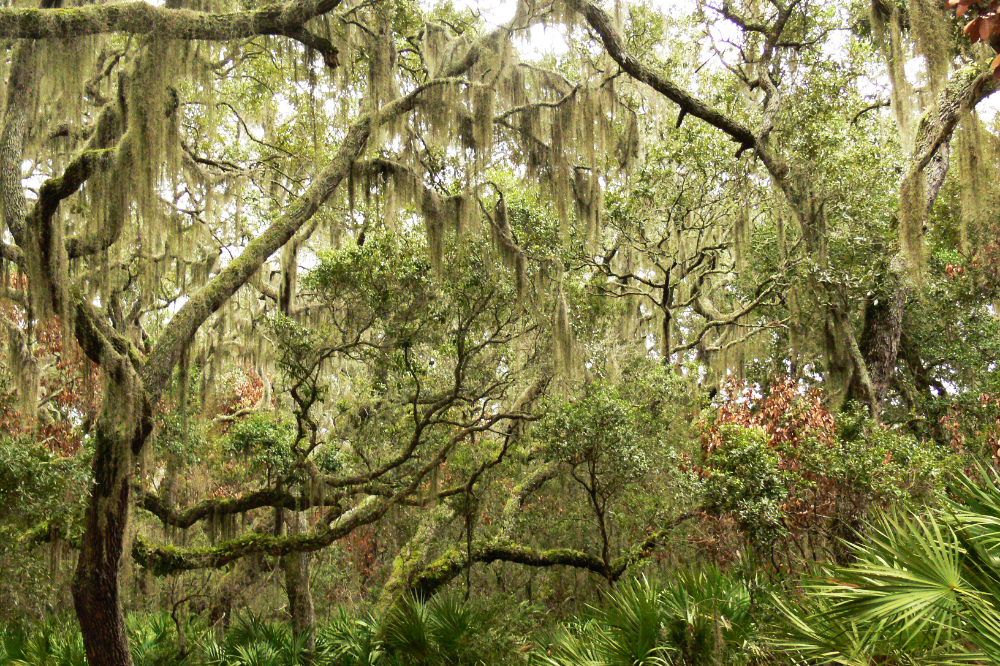
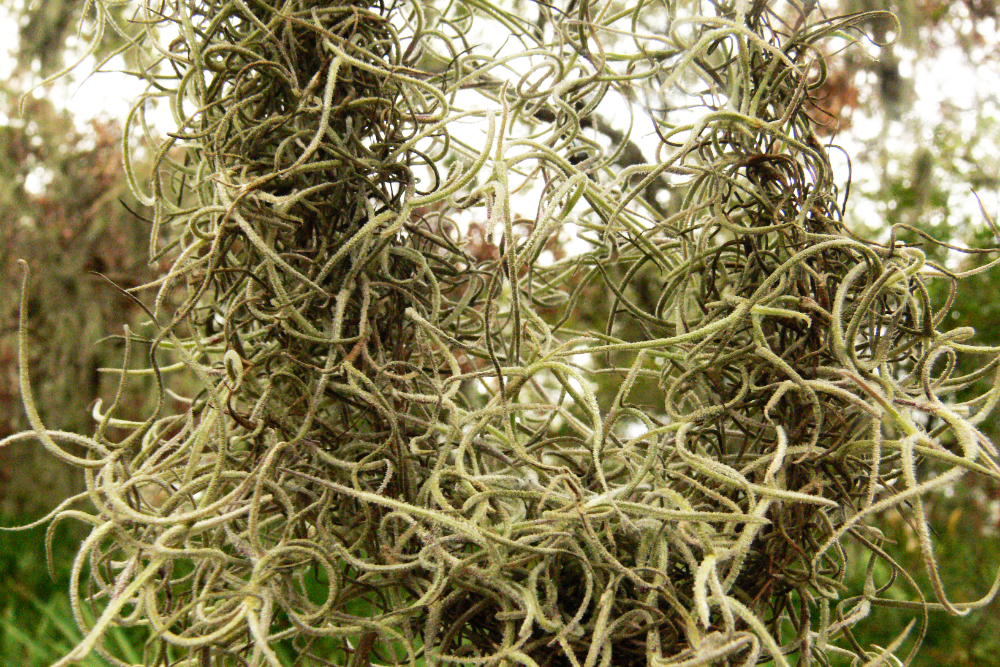
One of the most distinctive features of Cumberland Island’s forests is the abundance of Spanish moss hanging from the branches. The moss-covered trees create an almost jungle-like appearance, particularly in the more densely wooded areas. Spanish moss is common throughout the southeastern United States, especially in humid coastal environments.
Despite its name, Spanish moss is not actually a moss. It is a flowering plant related to bromeliads, and it absorbs moisture and nutrients from the air rather than taking them from the trees. Its long strands are especially noticeable beneath the spreading branches of the island’s live oaks.
Wild Horses and Coastal Dunes
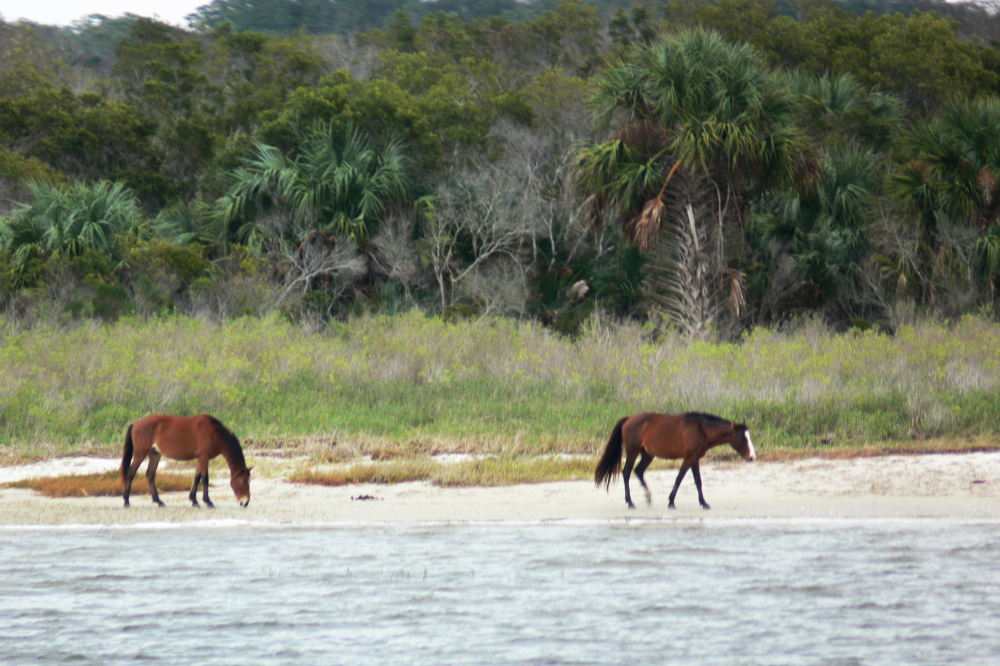
Among Cumberland Island’s best-known residents are its feral horses, which roam freely through different parts of the island. I came across the two horses pictured above while exploring. These animals are descendants of domestic horses brought to the island over generations, and they now live without regular human management.
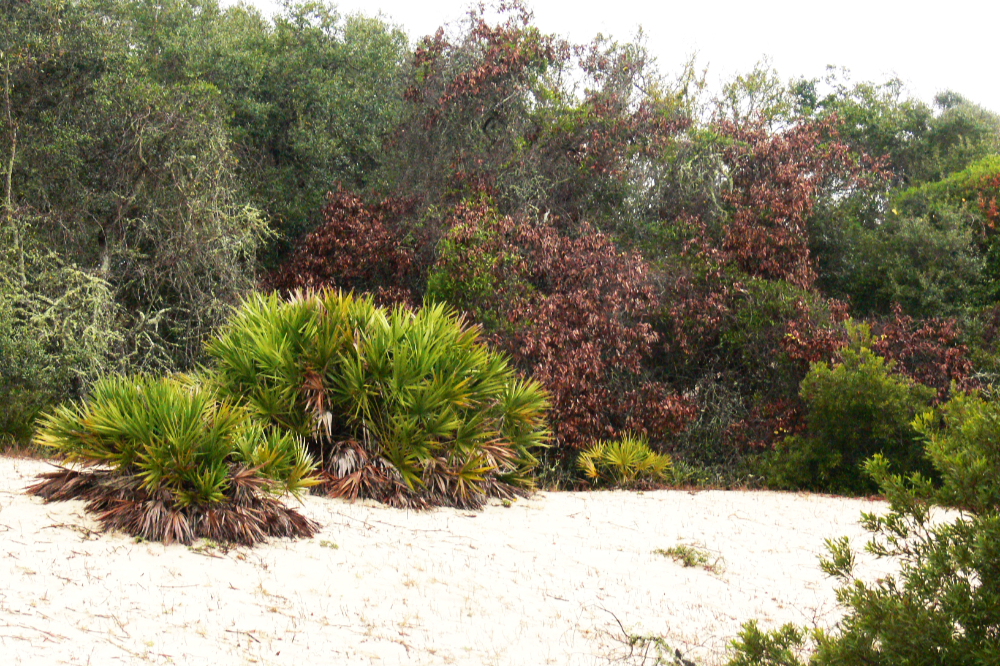
The horses can be encountered near open fields, forest edges, and coastal dunes, although visitors should observe them from a safe distance. Cumberland Island is also home to white-tailed deer, wild turkeys, alligators, and many other animals. The second photograph shows the transition from the sandy coastal landscape into the forest, one of the island’s striking natural contrasts.
Encountering Armadillos on Cumberland Island
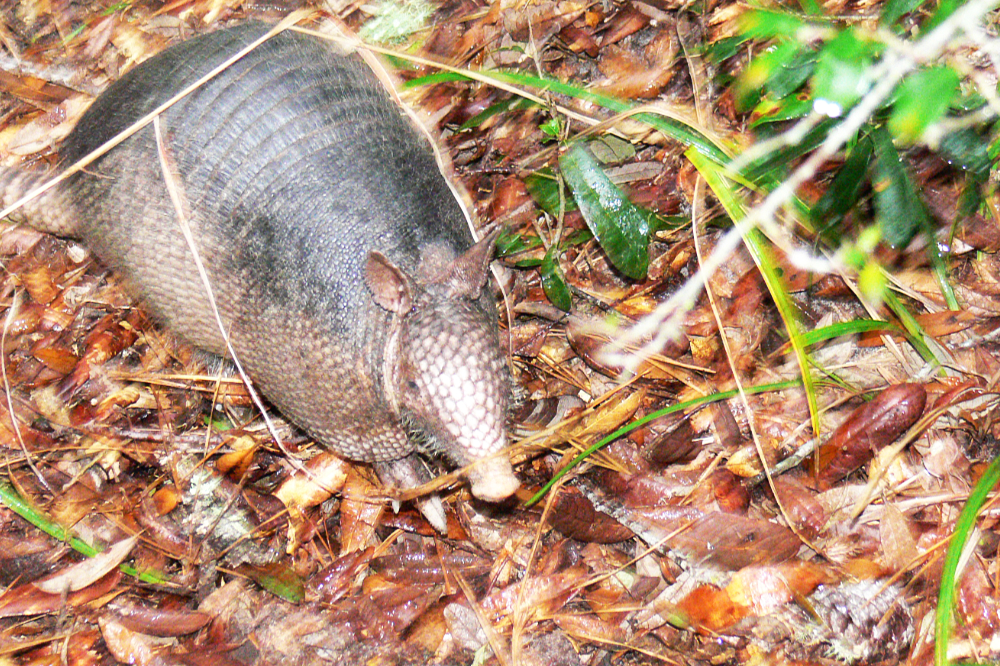
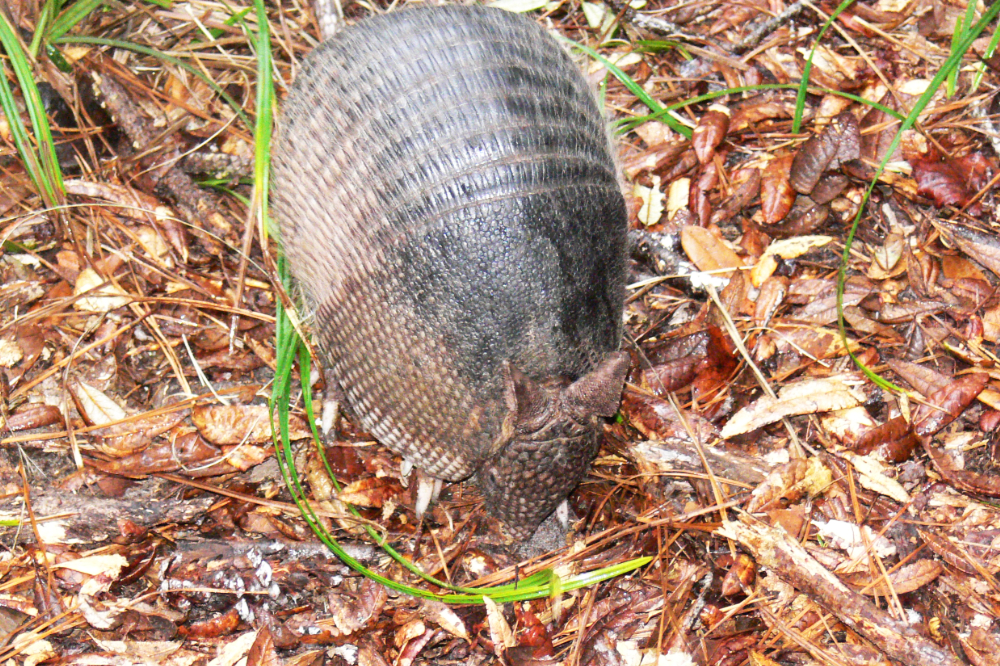
I also encountered several nine-banded armadillos, which were surprisingly unconcerned by my presence. These strange-looking animals are covered in protective bony plates and spend much of their time searching the ground for insects and other small invertebrates.
Armadillos originated farther south in the Americas but have expanded their range across much of the southern United States. The ones I encountered were constantly moving around, making it difficult to get perfectly clear photographs. They certainly weren’t shy, though, and I enjoyed watching them go about their business.
Secluded Beaches and Coastal Birds
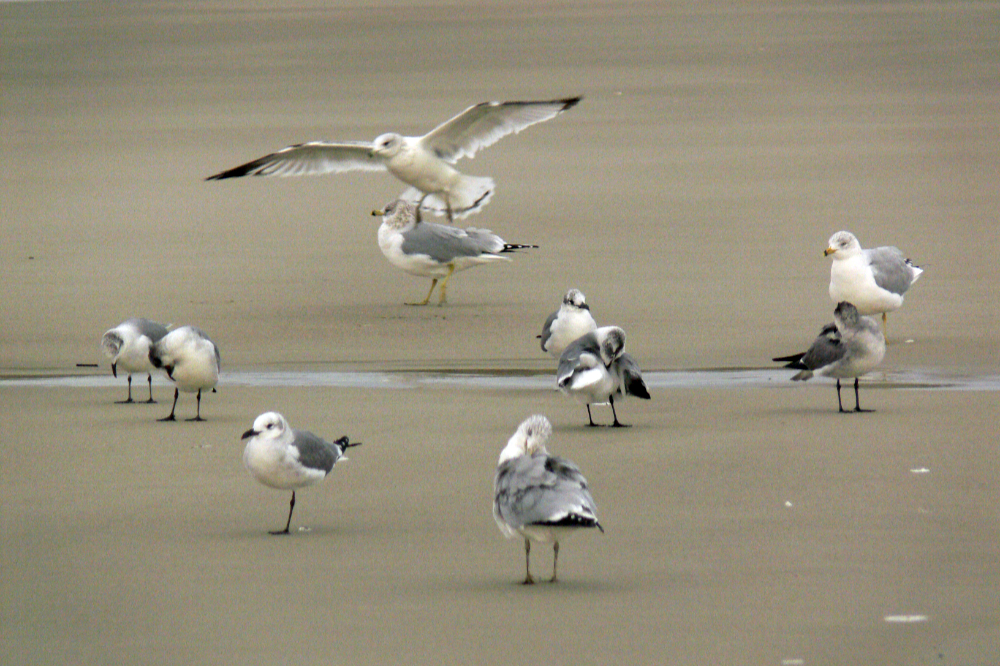
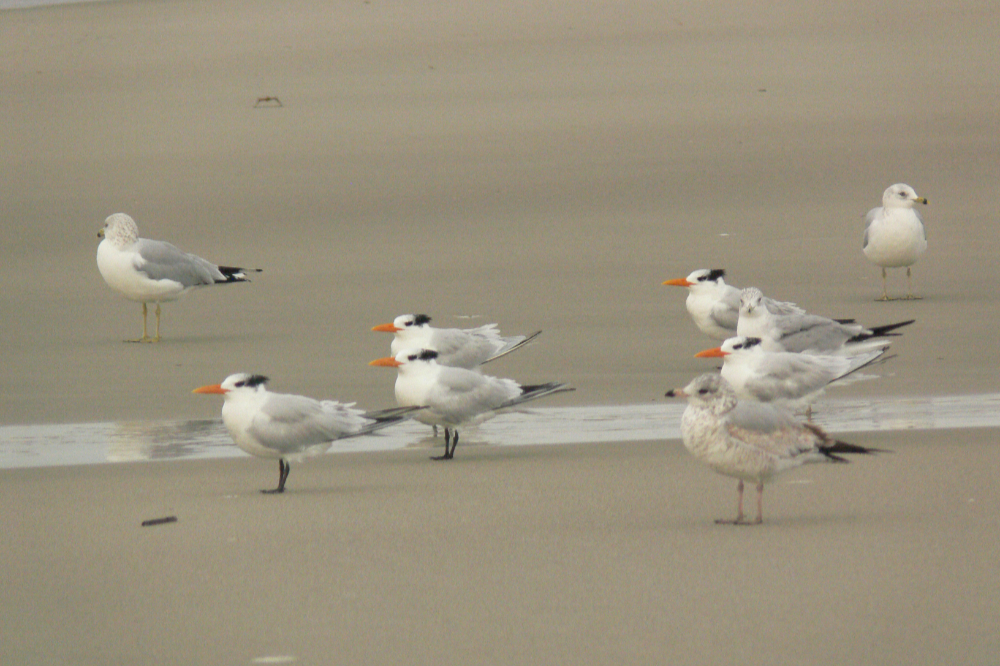
Cumberland Island’s beaches are among its greatest attractions. With miles of undeveloped Atlantic coastline, the island offers a sense of isolation that is difficult to find along much of the southeastern United States. Wide stretches of sand, dunes, and the absence of large beachfront developments make the shoreline particularly appealing.
During my visit, I encountered several groups of gulls gathered along the beach. The island also provides important habitat for numerous migratory and resident coastal birds, making it an interesting destination for wildlife observation as well as hiking and beach exploration.
Horseshoe Crabs and Jellyfish Along the Shore
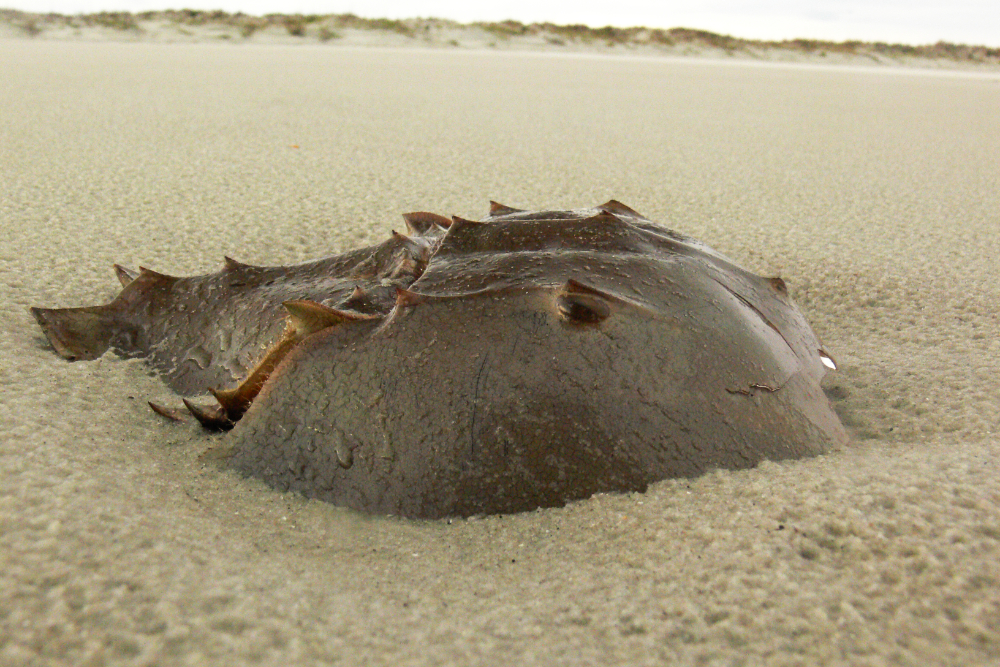
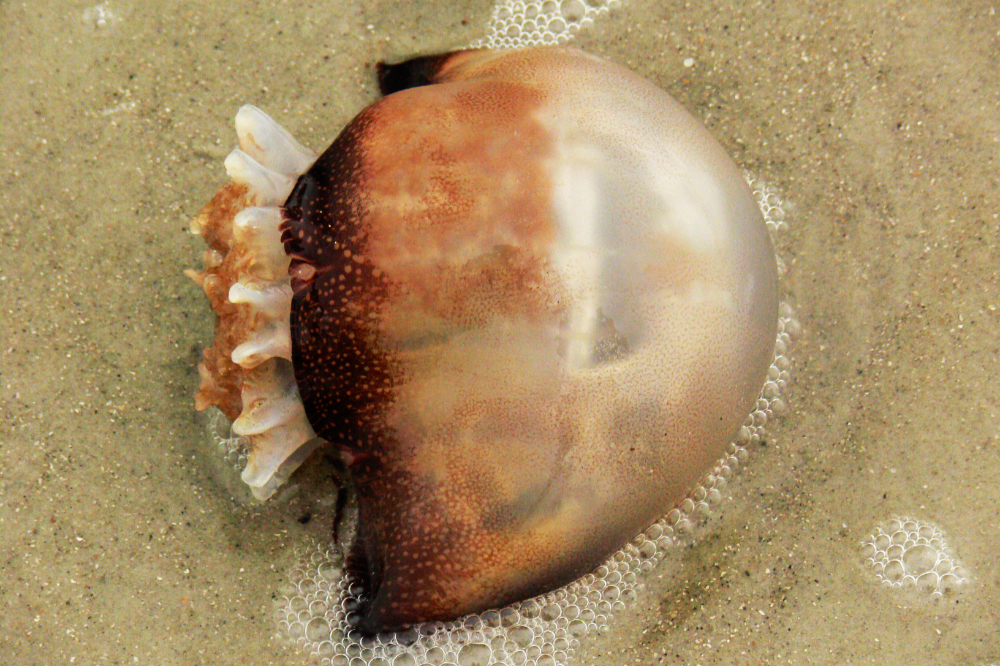
While walking along the beach, I came across a horseshoe crab shell and a large cannonball jellyfish that had washed ashore. Horseshoe crabs are particularly fascinating animals because their evolutionary lineage extends back hundreds of millions of years. Despite their name, they are more closely related to spiders and scorpions than to true crabs.
Cannonball jellyfish are common along the southeastern Atlantic coast and are frequently washed onto beaches. I’ve encountered them many times while visiting coastal areas throughout the Southeast, and I may even have been stung by a few over the years. Finding such a variety of marine life along the shoreline made exploring Cumberland Island even more interesting.
More Wildlife Along the Cumberland Island Shore
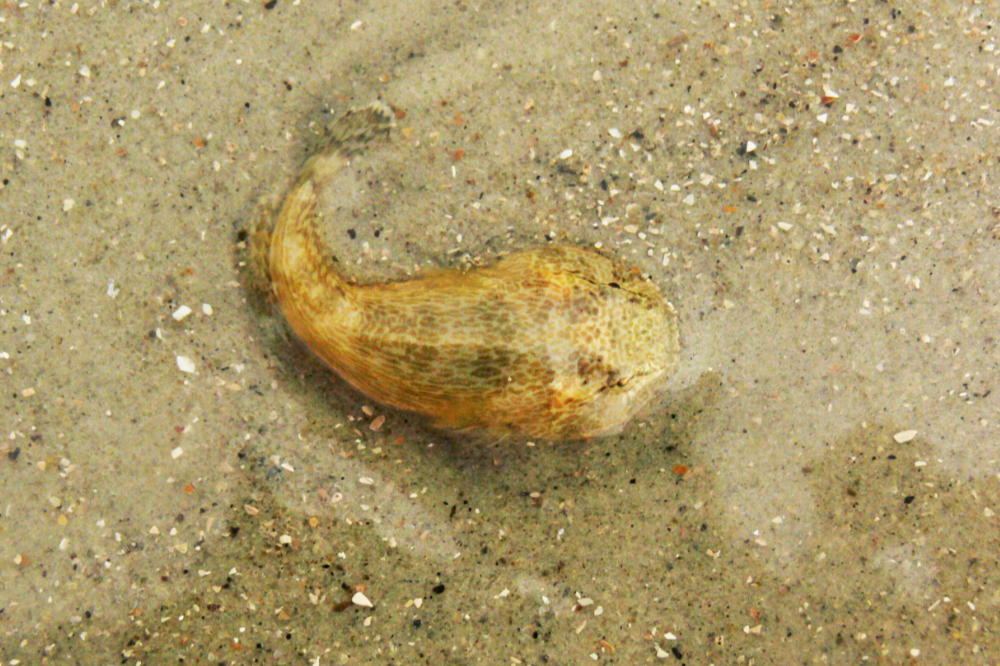
Another unusual discovery was a small fish that I found inside a horseshoe crab shell along the beach. After taking its photograph, I threw it back into the ocean. The island’s shoreline was full of interesting things to discover, from shells and marine animals to the birds and other wildlife living along the coast.
Even the ferry ride to Cumberland Island provided opportunities to see wildlife. During the roughly 45-minute journey from St. Marys, I spotted about half a dozen dolphins swimming in the surrounding waters, including one that traveled alongside our boat. Unfortunately, the original dolphin photograph does not have a replacement among the new uploads, but seeing the dolphins remains one of my favorite memories of the trip.
Between its remote beaches, dense maritime forests, free-roaming horses, armadillos, and abundant coastal wildlife, Cumberland Island remains one of the most memorable natural destinations I’ve visited in the United States. Its limited development and protected landscapes make it a remarkable place to explore.
Explore More of Georgia
Brasstown Bald • Atlanta • Cumberland Island • Savannah