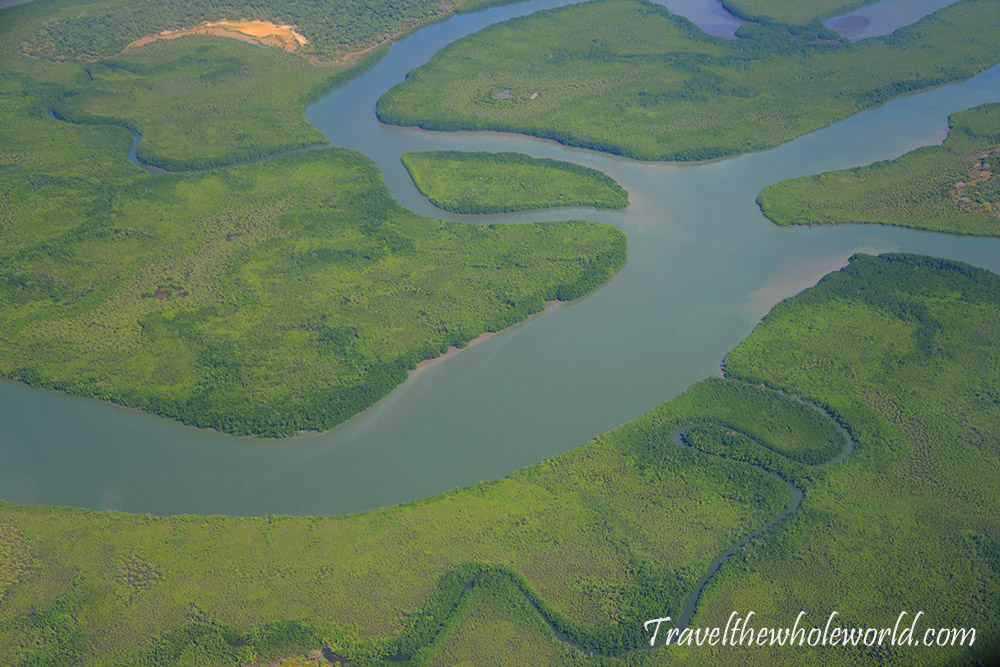
The Gambia River Basin is a broad term, as essentially the entire country of Gambia could be considered part of the basin! In this case, I’m mostly referring to the country’s great outdoors, where you can find vast areas of wilderness and wildlife. A visit to any of these areas away from the cities will take you through a variety of ecosystems. The farther east and deeper into the basin you go, the more wildlife and adventure you can expect to find. This photo is an aerial shot I took of the estuary near the Atlantic, where the Gambia River finally empties into the ocean. The small inlets and creeks winding through the mangrove swamps create a maze of opportunities to explore.
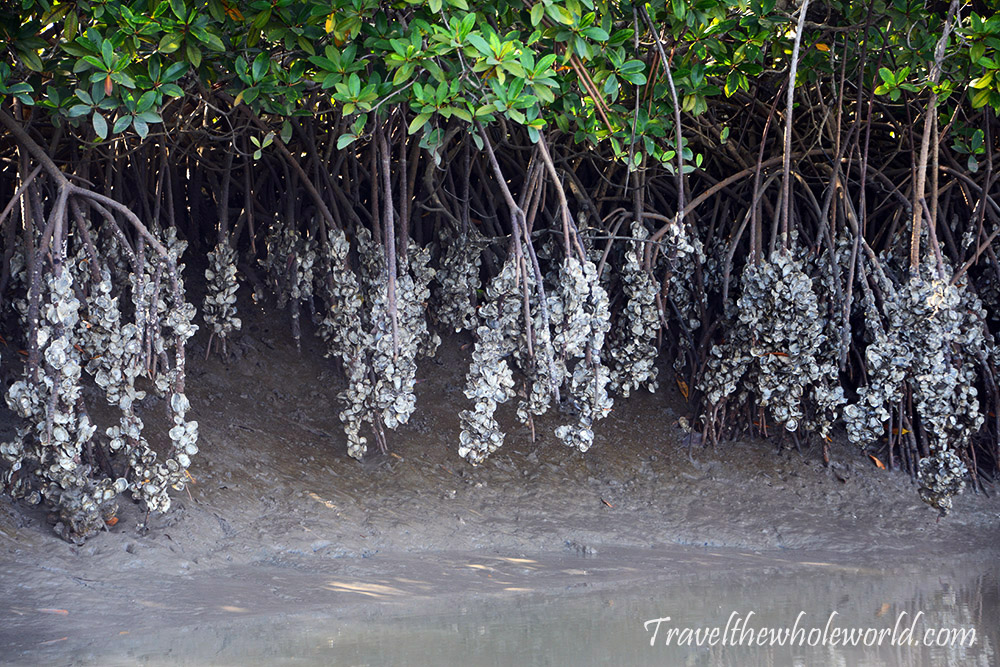
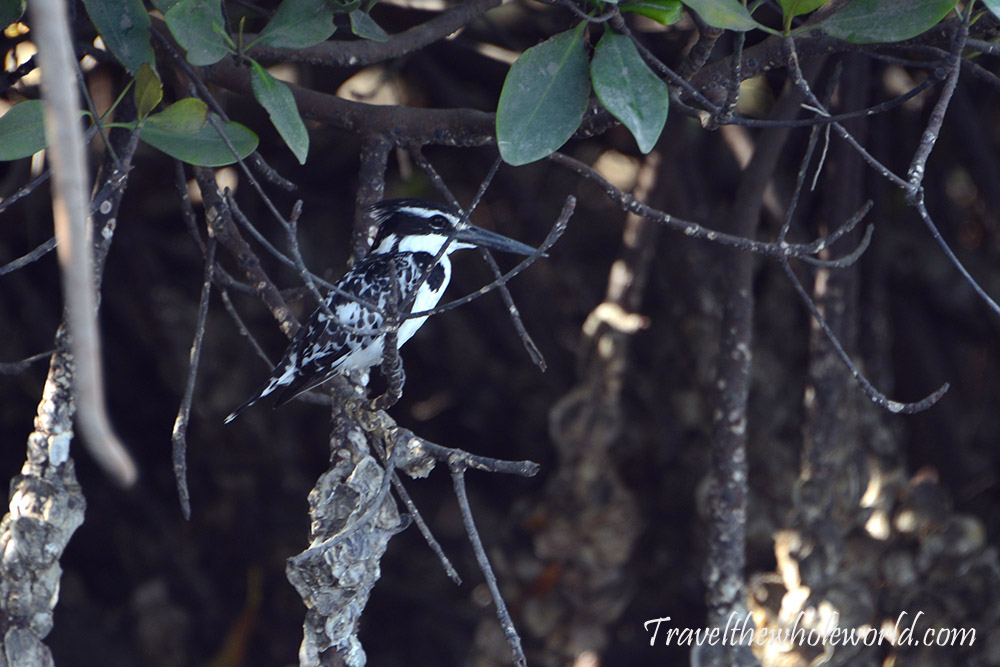
It seemed like much of the Gambia River Basin near the coast was made up of tidal mangrove swamps. I’ve seen several mangrove swamps in my life, but I don’t remember any being decorated with oysters. When the tide went out, the oysters hung onto the roots of the trees like giant ripe grapes. Somewhere among the hanging oysters I spotted this kingfisher below.
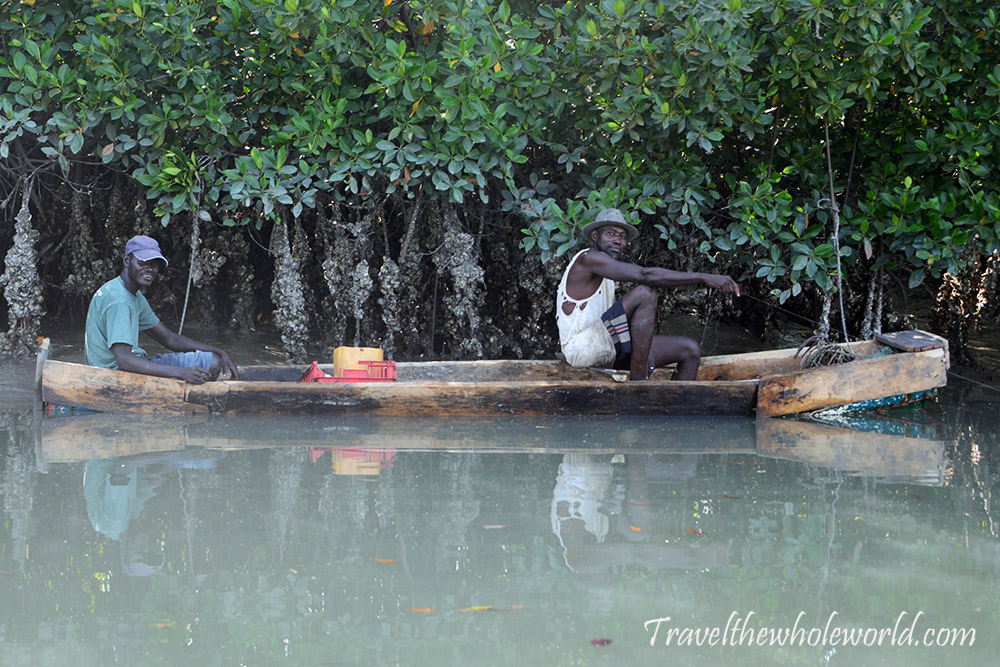
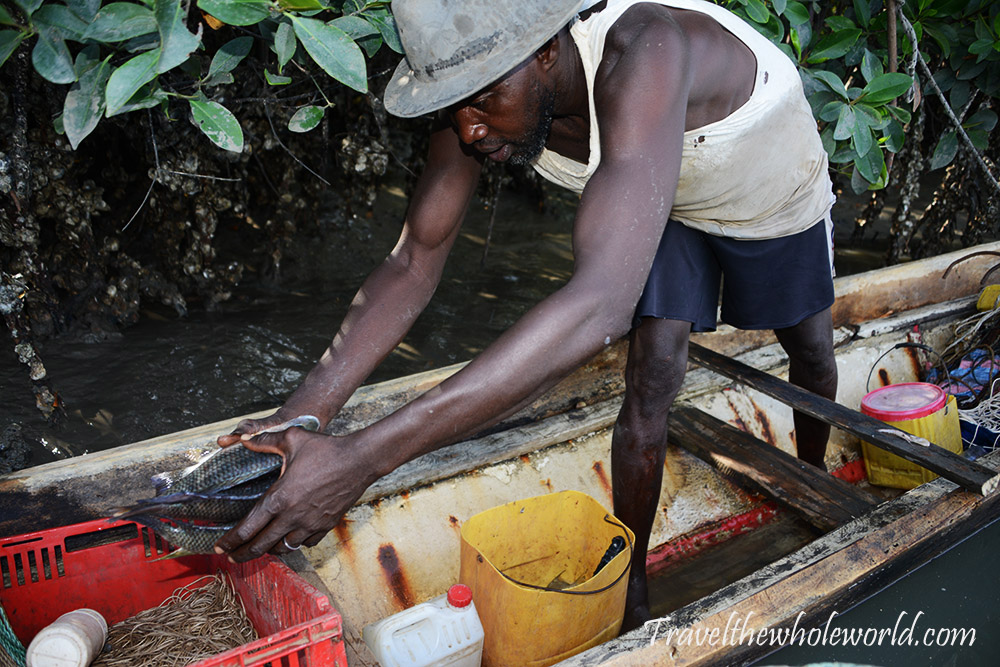
Right past the kingfisher I met these two nice guys who were fishing themselves. They were all smiles when we started talking and were nice enough to allow me to take their picture. It looks like they had caught a bunch of catfish along with some other species. I only saw one other small boat on the river where I was. I suppose the deeper you travel into the wilderness, the fewer people you’ll come across as you start entering areas with crocodiles and hippos!
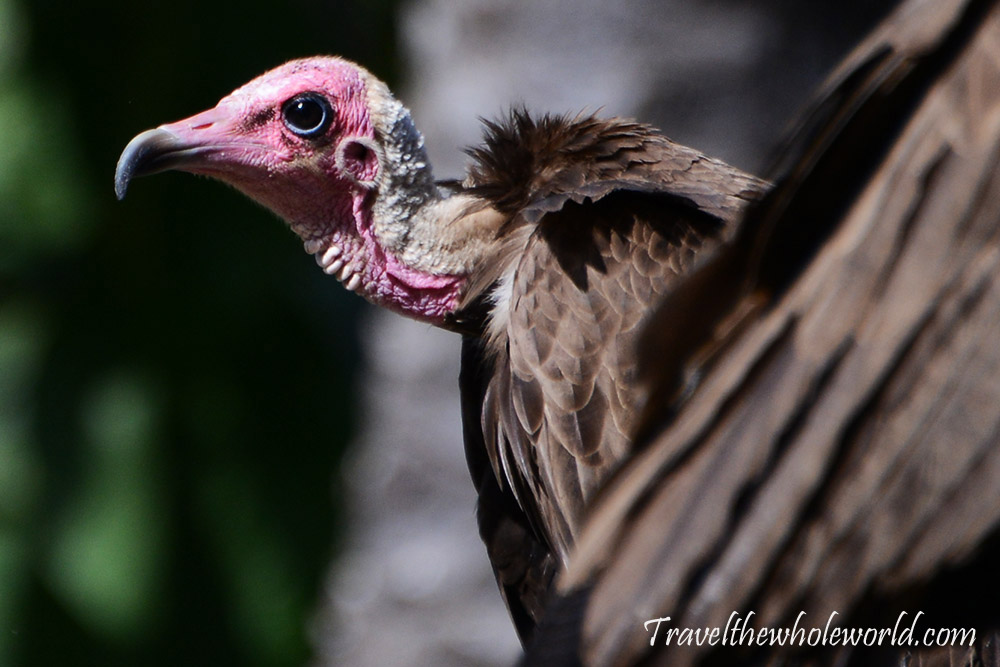
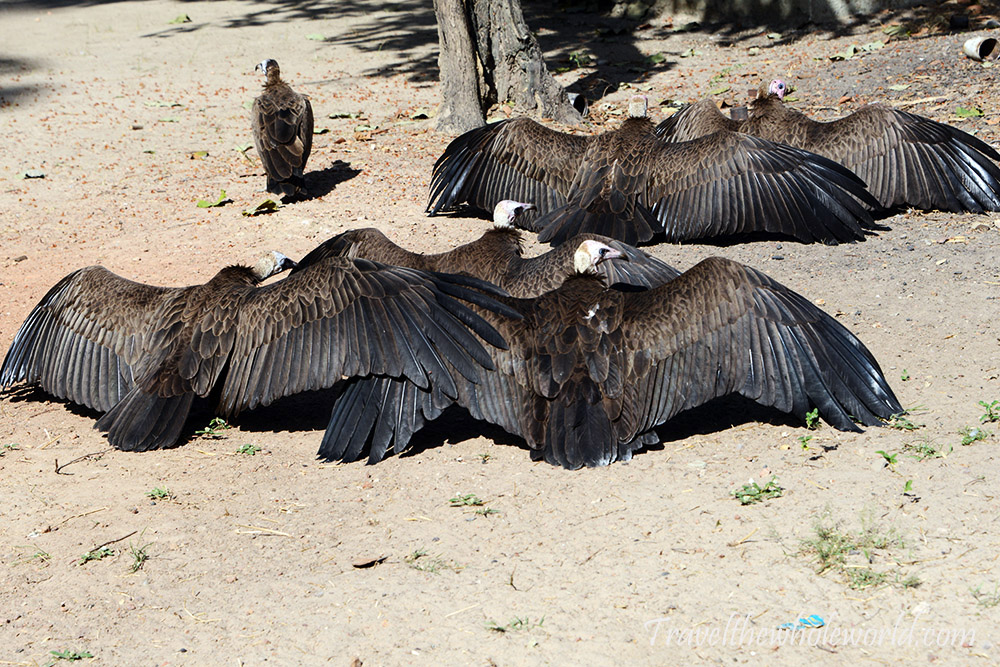
While some people work hard for their meals, other animals simply scavenge for them. There are several species of vultures in the Gambia River Basin. The one photographed above is the hooded vulture. I made the mistake of assuming it was a well-established bird throughout the continent, but while it does have a large range, it is actually listed as critically endangered. Its population has declined dramatically due to several threats, including poisoning and hunting. The vultures below seemed to form a shield when I approached them. I wasn’t sure if this was some kind of Spartan tactic or if it had something to do with the sun, which was also in my direction.
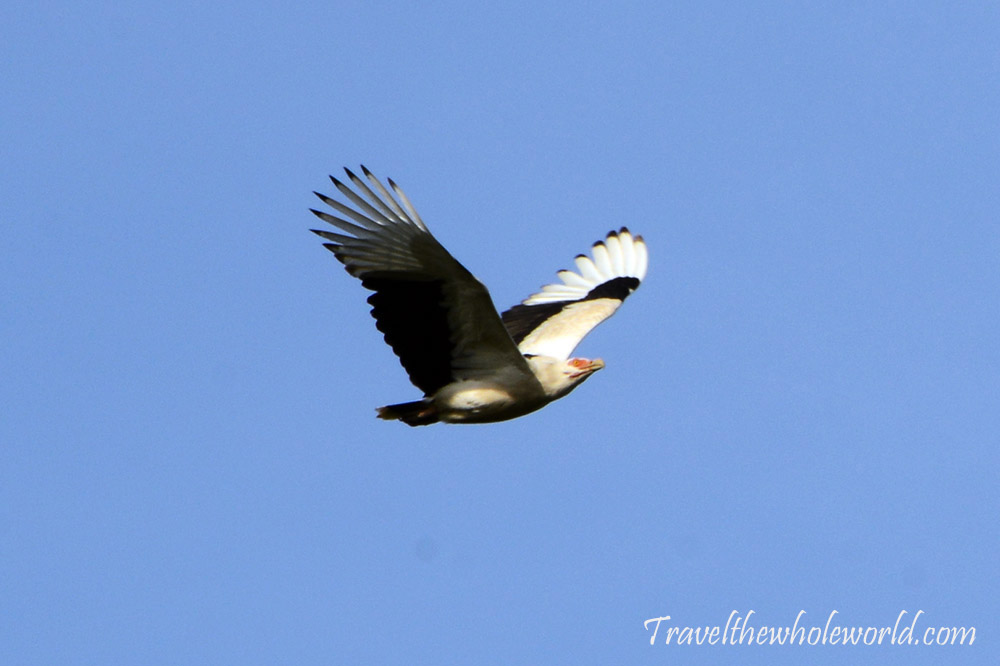
Like most people, I’m never too excited to see a vulture and don’t usually regard them as attractive birds. If I had to pick my favorite species, though, it would probably be this palm-nut vulture. I had never heard of them before, but not only are they much more attractive than most vultures, they also have a unique diet. Although they will eat carrion and other animal matter, palm-nut vultures stand out because a large portion of their diet consists of the fruits of oil palms and other plants.
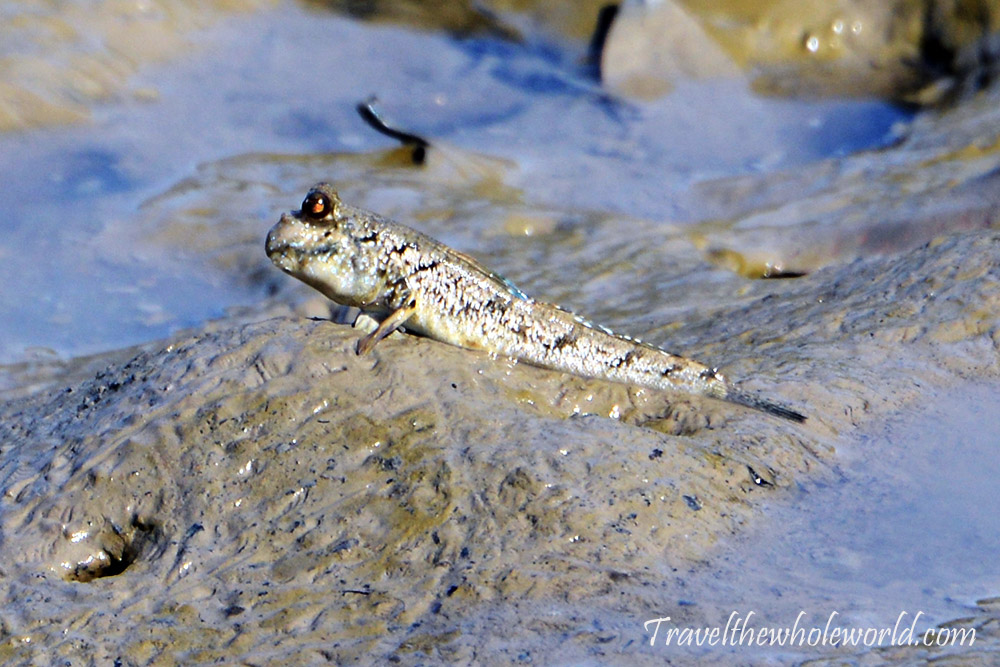
In all my travels, I think Gambia may have been the first place I ever saw a mudskipper. These things lined the muddy shores of the rivers and channels in the mangrove forests. They often made loud popping noises as we passed by and seemed fairly shy. The only photos I was able to get of them were taken at full zoom. They’re unique fish because they can move around on land using their fins and spend long periods of time outside the water. Watching them move between the mud and water, they almost look like something halfway between a frog and a fish!
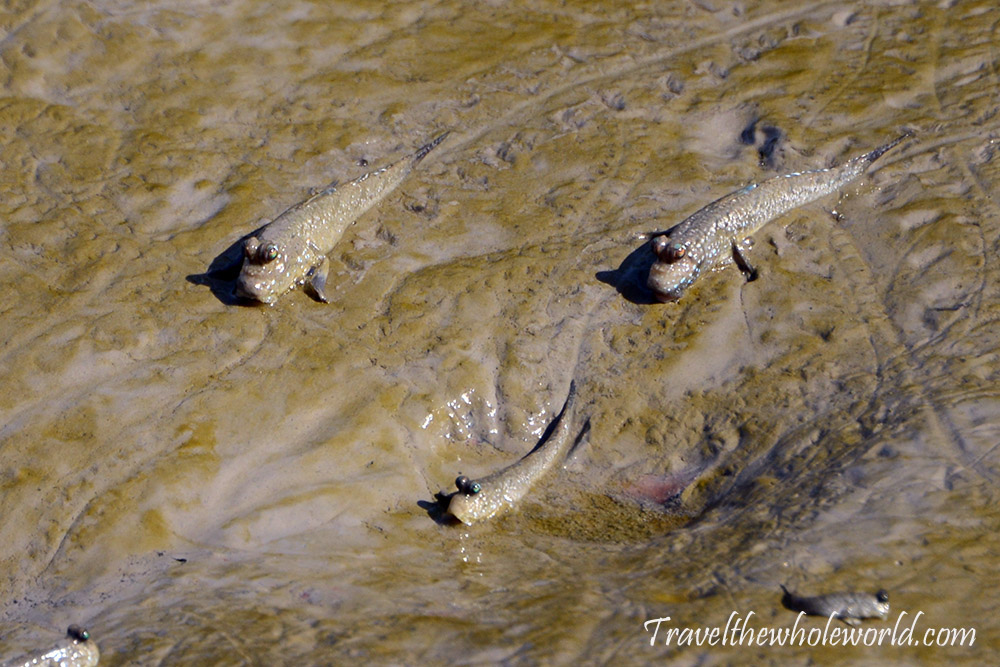
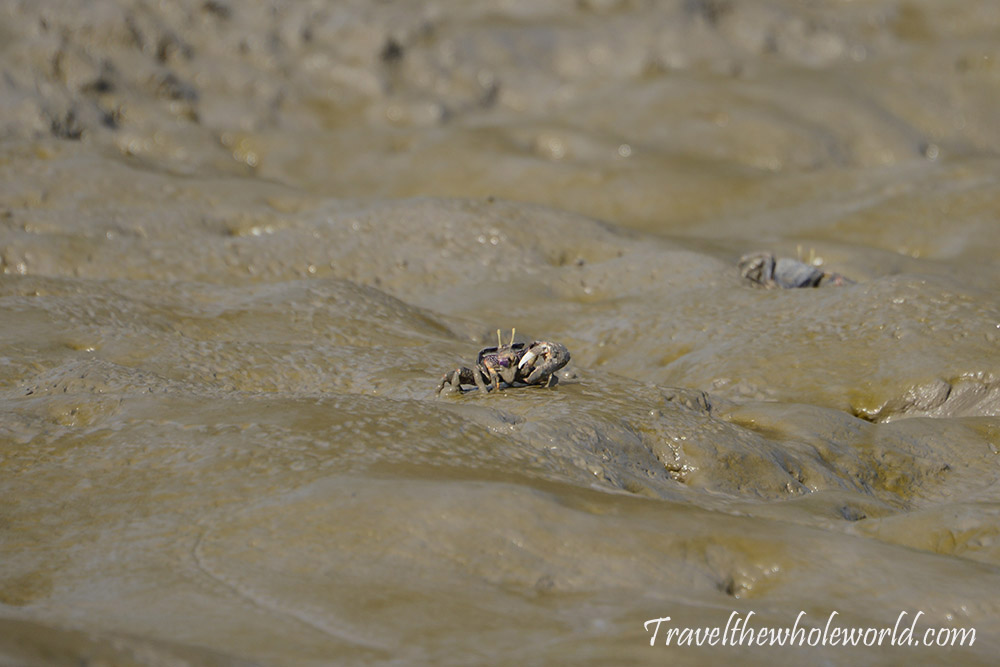
The only friends the mudskippers seemed to have were crabs. Both animals dominated the muddy shores of the swamps, and you could easily see hundreds of them as our boat passed through.
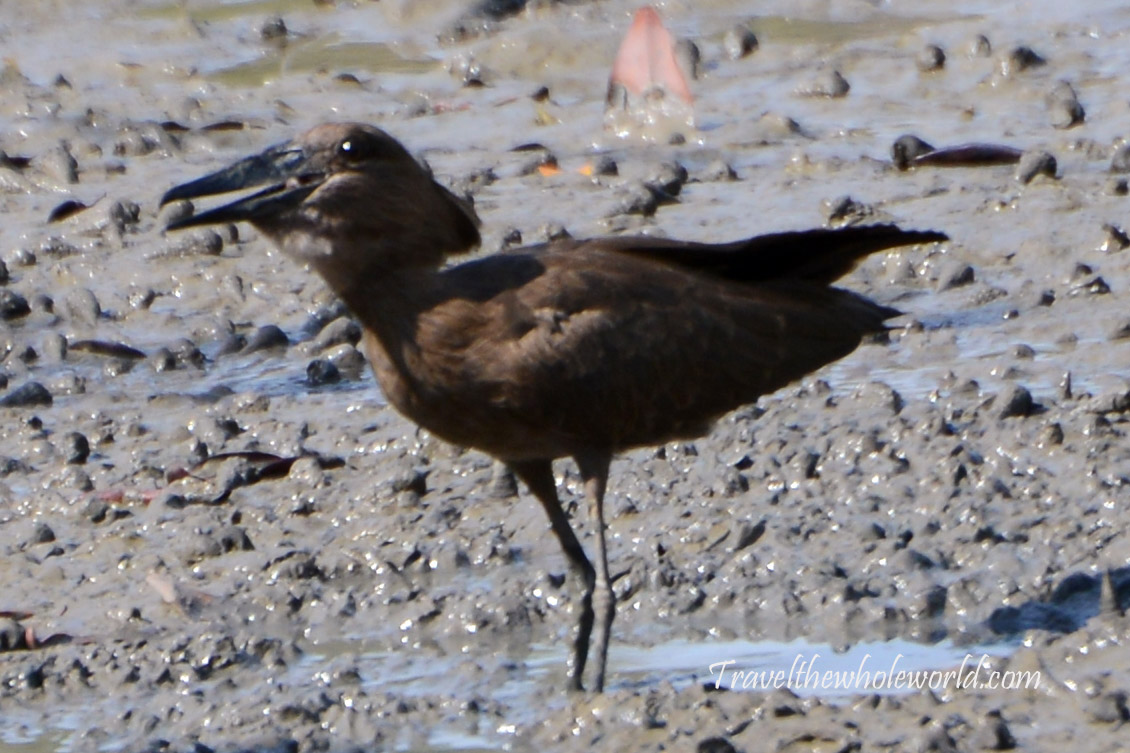
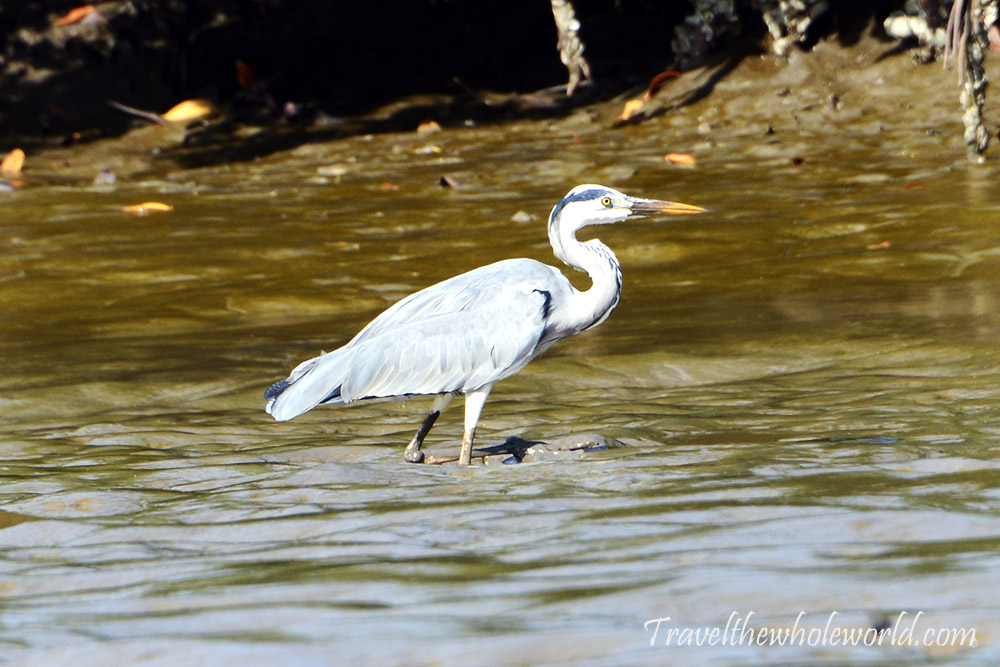
I figured the mudskippers didn’t have many enemies, which was why their numbers were so high. Later on, though, I passed this bird that was casually scooping them up one by one! Herons remain one of the animals I’ve spotted most often around the world, and the one below was too far away for me to see exactly what it was hunting, but mudskippers would certainly make an easy meal.
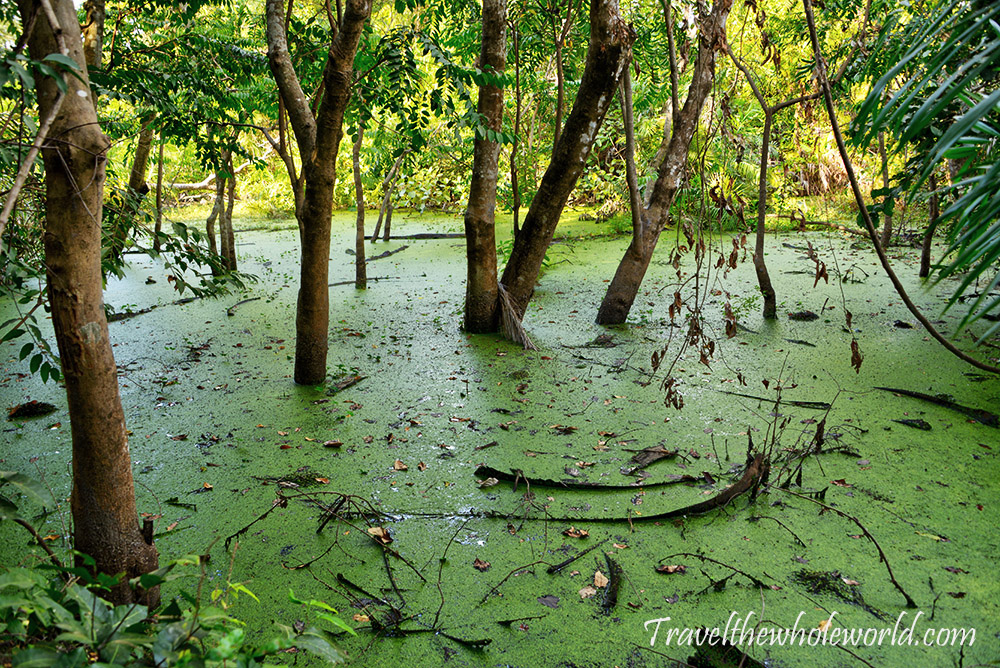
Since the mangrove swamps are tidal and connected to the ocean, they retain water throughout the year. Deeper into the forests, however, you can find small inland freshwater swamps. One of them even had a small crocodile in it, but it was far enough away that I didn’t get any decent photos worth sharing. Other parts of the basin had receding shorelines and lakes that were completely dried up during the dry season.
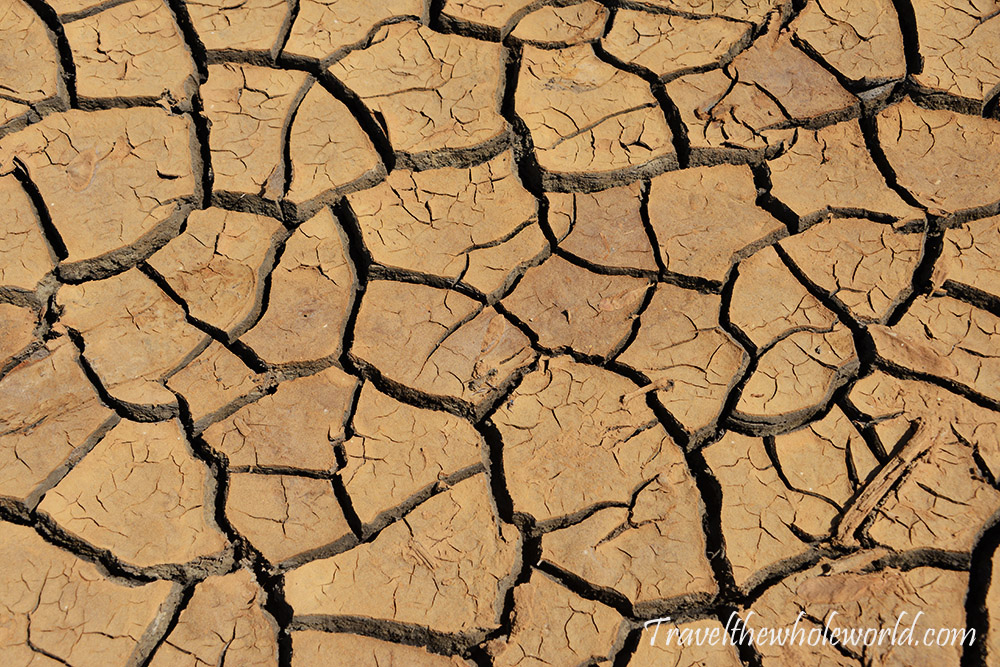
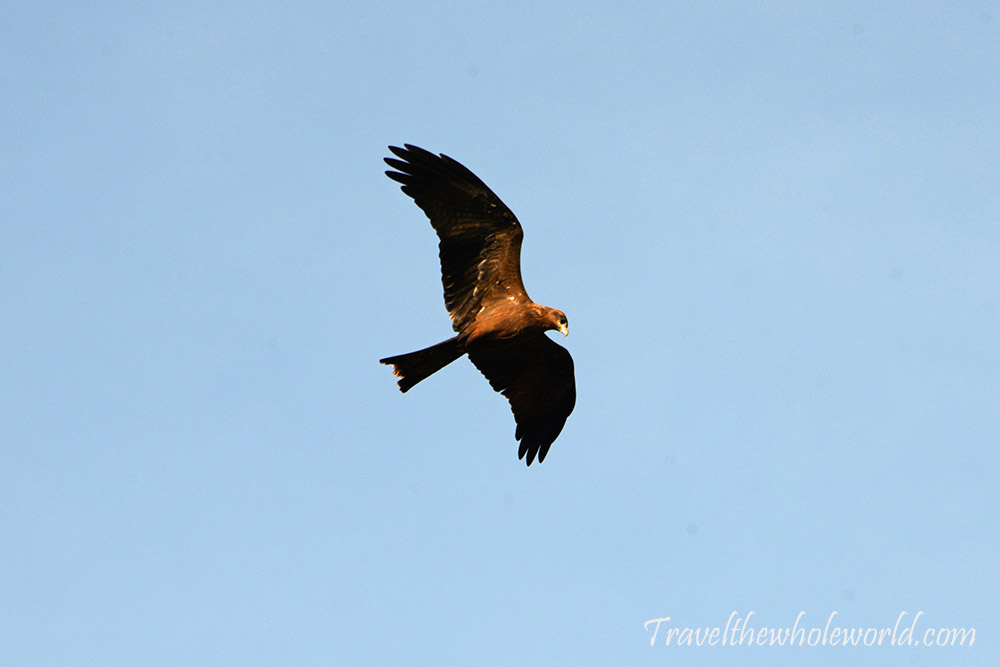
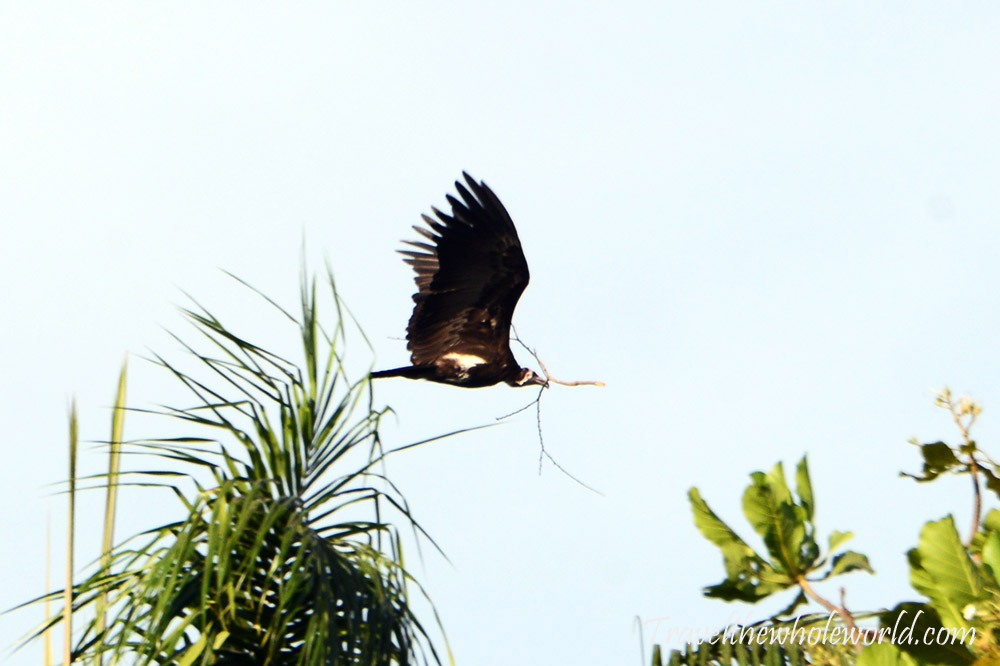
I assumed that being along the open rivers would make bird watching easier, but surprisingly I saw a lot more birds in the forested areas. The bird above is a kite. The nest-building bird below was almost as large as a vulture, but I’m not sure what species it was.
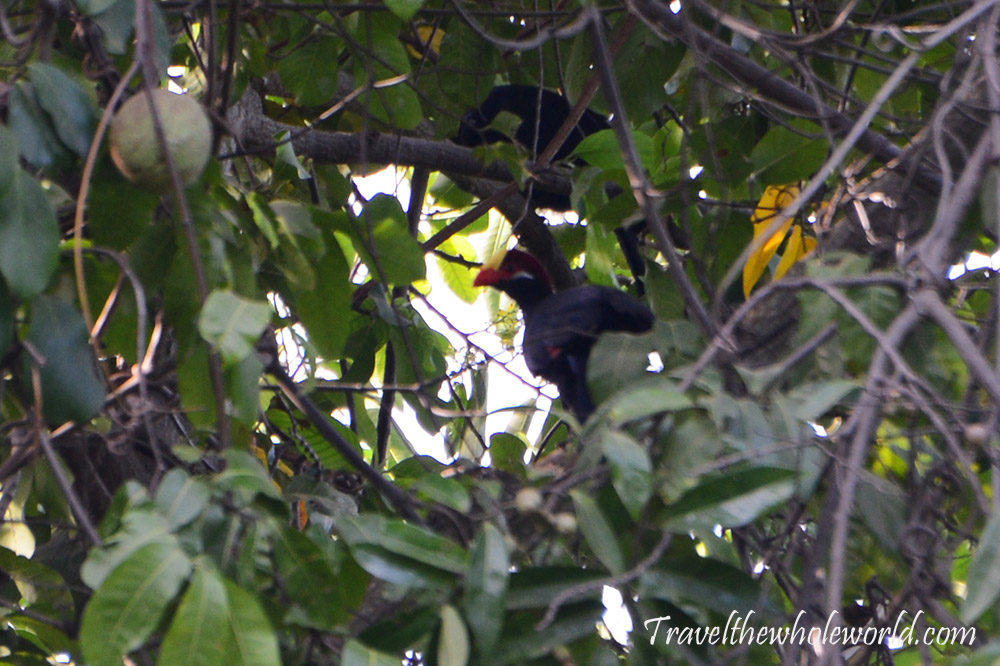
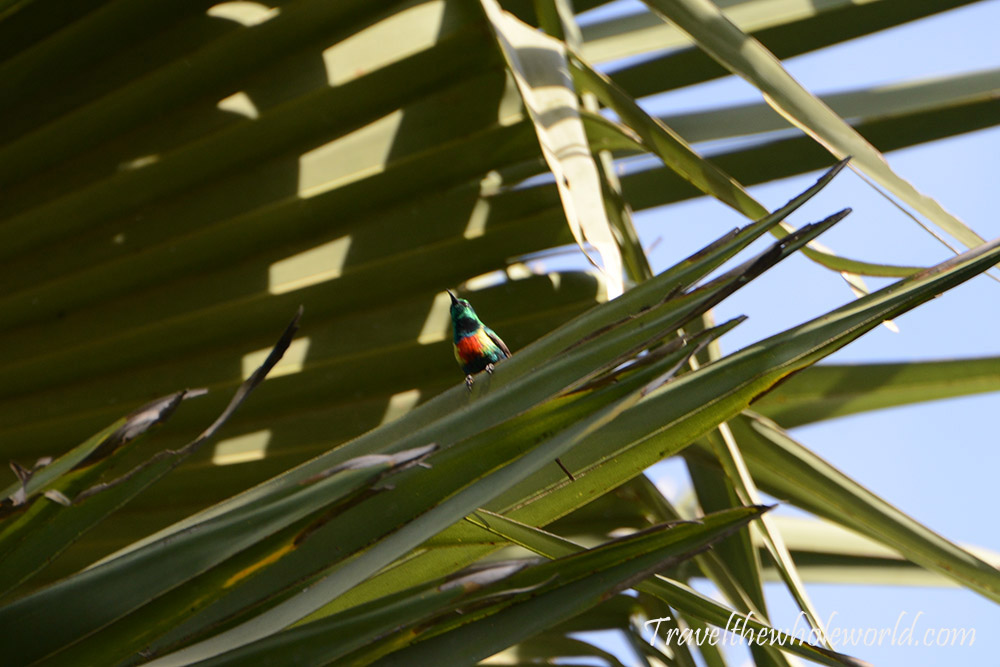
Maybe one of the most prized birds to see in Gambia is the turaco. Although this is a terrible picture, I’m pretty happy to have seen the bird at all. It’s even more beautiful when flying and displaying the bright colors beneath its wings. I was lucky enough to see that too, but the bird was far too fast for my camera. The photo below shows a much smaller but equally colorful bird, a sunbird.
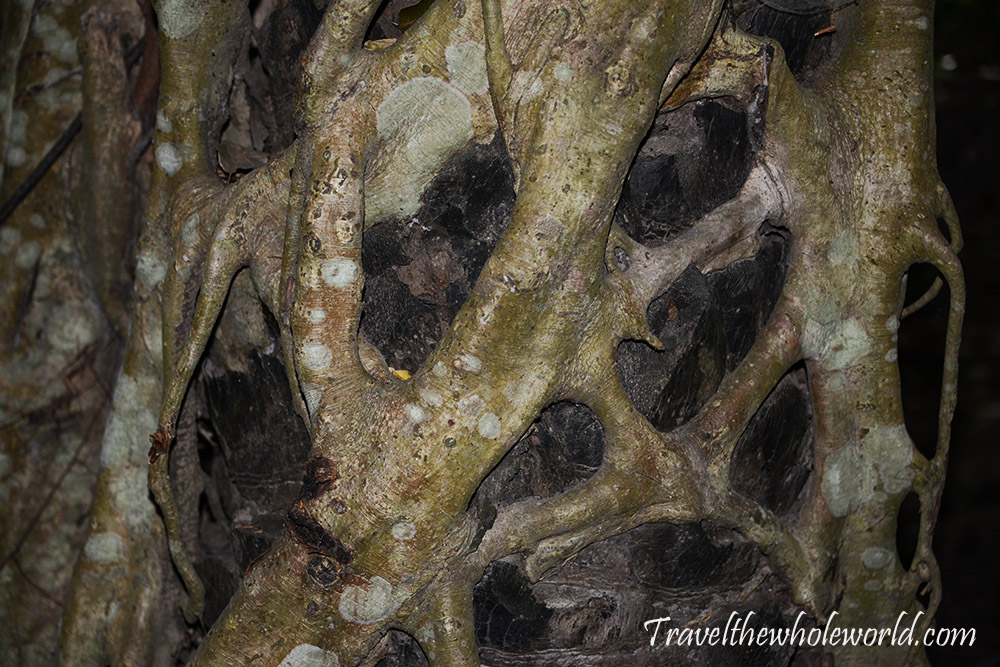
I’m not a botanist, but I could tell there was a huge variety of trees and plants in these woods. While many of them looked interesting, the one that caught my eye the most was this “strangle tree.” I believe it’s actually a strangler fig, which grows around a host tree and can eventually overwhelm and kill it.
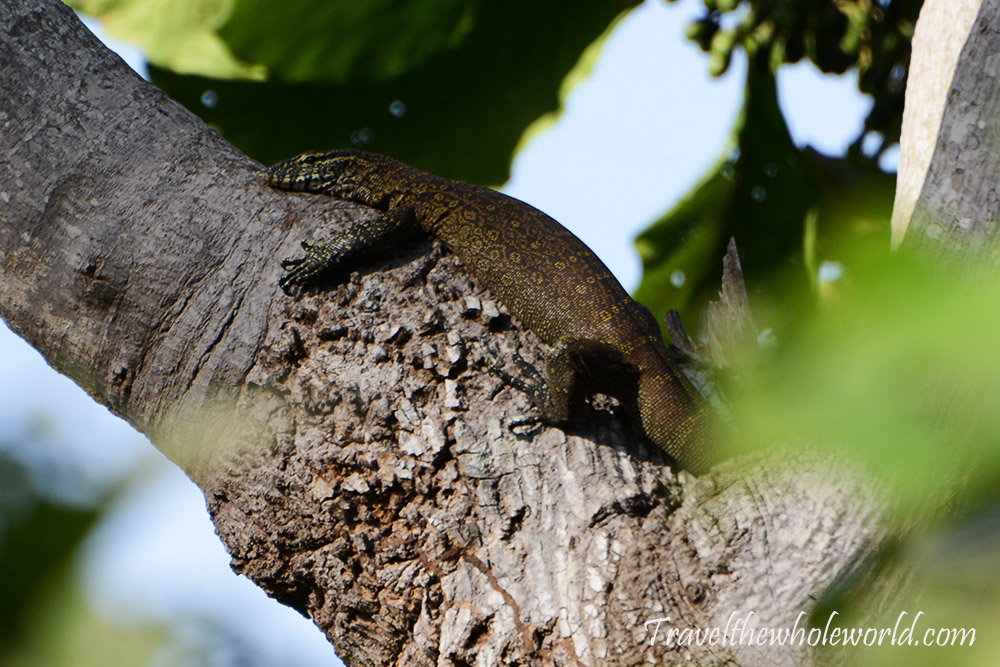
About 15 feet (4 meters) up another tree was this large monitor lizard. It didn’t seem to care that I was there, maybe because of its size and the distance between us. I had hoped to see some snakes, but those are usually some of the most difficult animals to find in the wild.
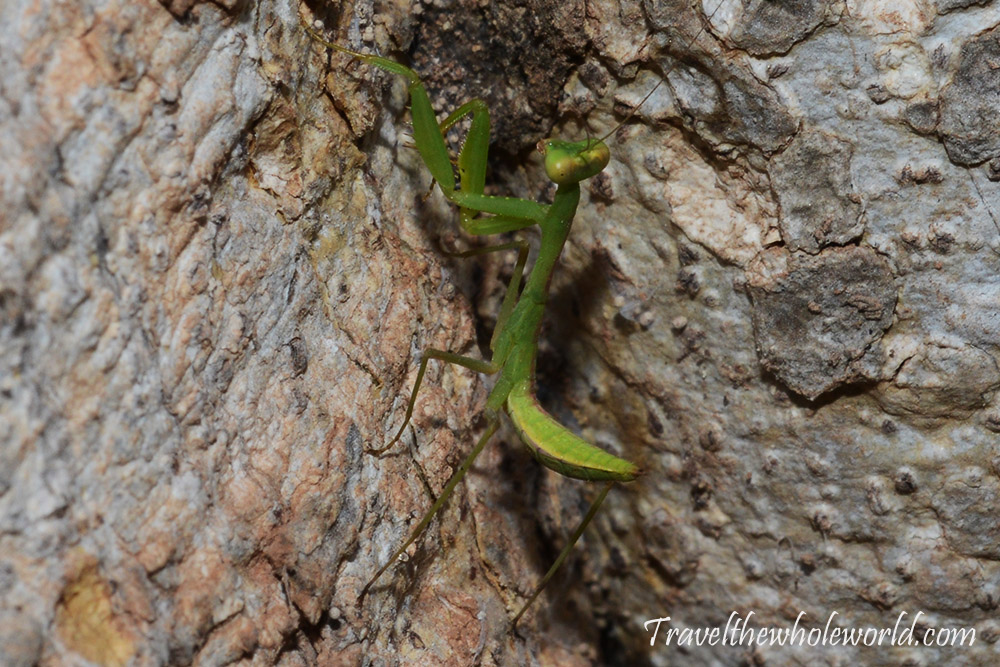
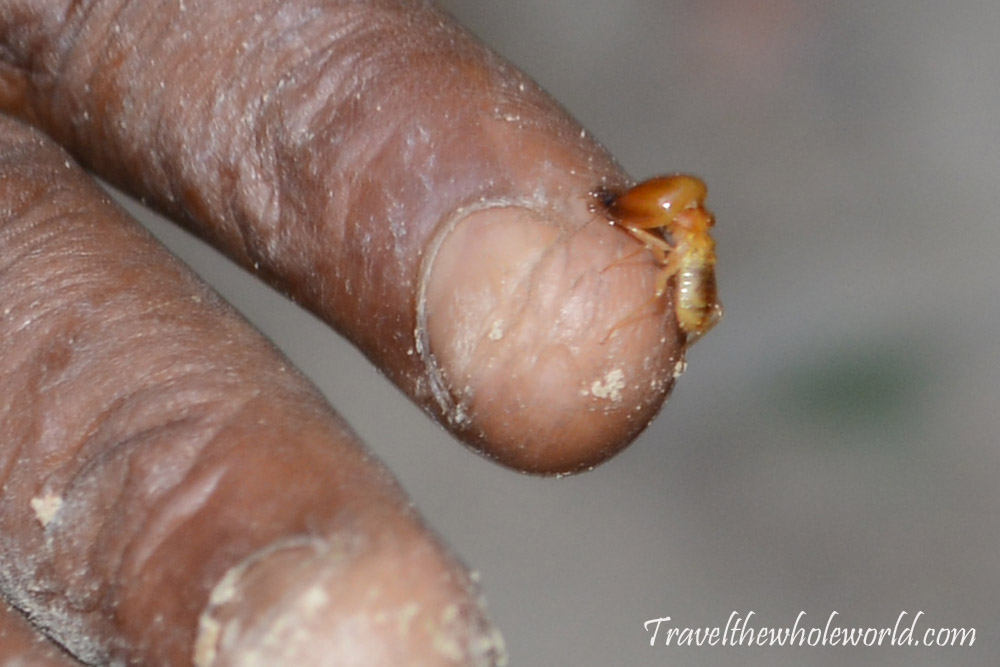
I’ve always liked praying mantises and was happy when I came across this young one in Gambia. I can’t imagine it was very old based on its size, but I was a bit disappointed by my photo, especially since I brought and even used my macro lens! The praying mantis landed on my shoulder during a 30-minute ride. Somehow it actually stayed with me the entire time until I was able to try photographing it. Most praying mantises I’ve encountered are surprisingly calm, even the large adults. The only other insect I photographed was this angry termite, which bit onto my friend’s finger after he agreed to sacrifice it for the photo. I suppose in the termite’s defense, my friend had attacked its house.
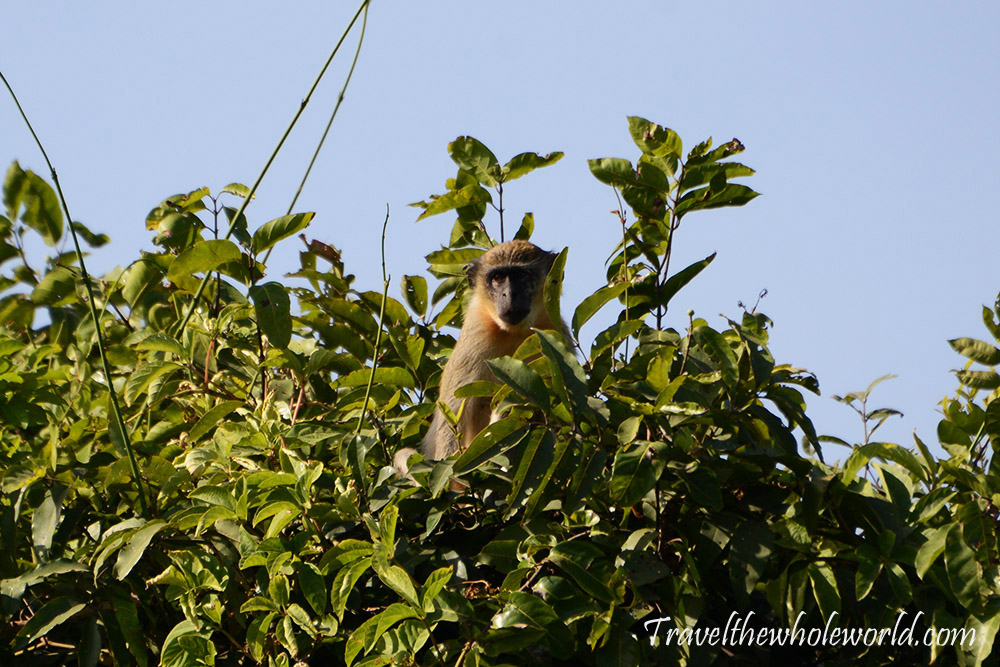
I’ve seen vervet-type monkeys in other parts of Africa, but it wasn’t until my trip to Gambia that I learned more about the monkeys found in this part of West Africa. The green monkey is widespread across the region and can be found from Senegal through several countries farther east and south. I’m not really sure where the “green” in the name comes from, since their fur looks more grayish or golden to me.
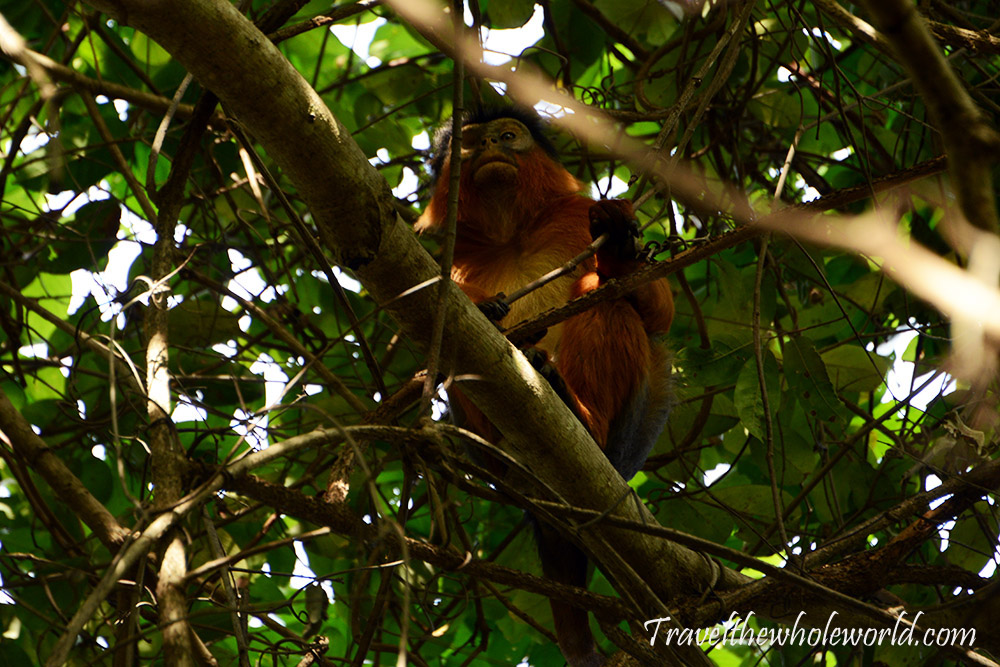
The green monkeys seemed to be pretty common in Gambia, but much harder to spot were these red colobus monkeys. They were much shyer than the green monkeys and are critically endangered. I could usually get fairly close to the green monkeys, and there are places around the coastal region where they’ll even take food from people’s hands. The red colobus monkeys, meanwhile, would usually run away when they spotted me from a distance, or at least retreat high into a tree like this one did.
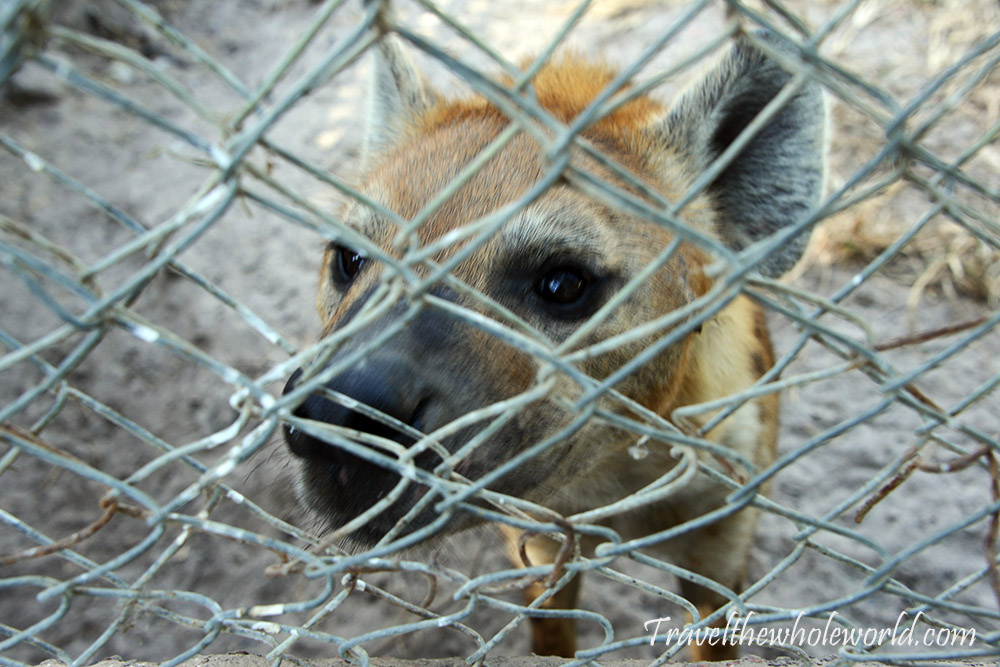
And lastly, here is a spotted hyena. There was a small area I came across in the park that had a few captive hyenas, birds, and monkeys. This was the only photo I took of any of the caged animals; all the other animals on this page were wild and spotted by chance. It’s probably better to have an encounter with a hyena like this than to meet one up close and personal in the wild. I’ve seen them many times during my travels, but I was close enough to this one that I even dared to touch its nose. I had absolutely no idea how huge hyenas were until this experience. They may look somewhat like large dogs from a distance, but up close they’re incredibly powerful animals.
Explore More of Gambia
Banjul • the Gambia River Basin