Rila Monastery was one of the places I most wanted to see in Bulgaria. Hidden in the Rila Mountains, the Monastery of Saint Ivan of Rila has existed in one form or another for more than a thousand years and remains one of the country’s most important religious and cultural sites.
What impressed me almost immediately was that this wasn’t just a single church. Rila is an entire walled complex, with residential quarters, courtyards, towers, storage areas, kitchens, museums, and religious buildings packed together in the mountains.
Entering Rila Monastery
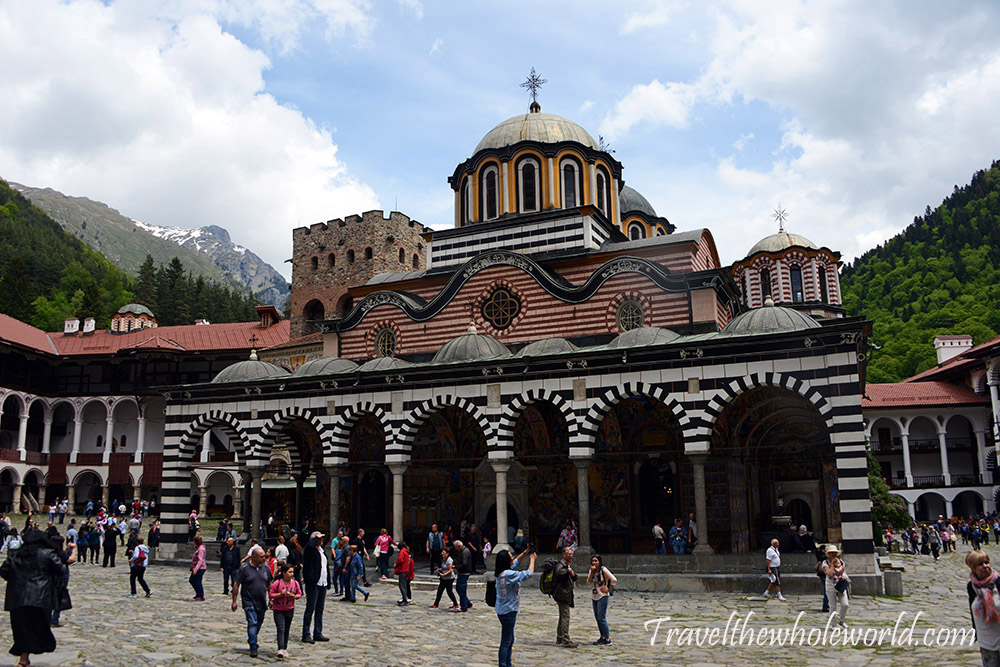
The first thing that struck me was how enclosed the monastery felt. High walls surround the complex, while several levels of balconies and living quarters look down into the central courtyard.
It felt less like visiting a single religious building and more like entering a small fortified town.
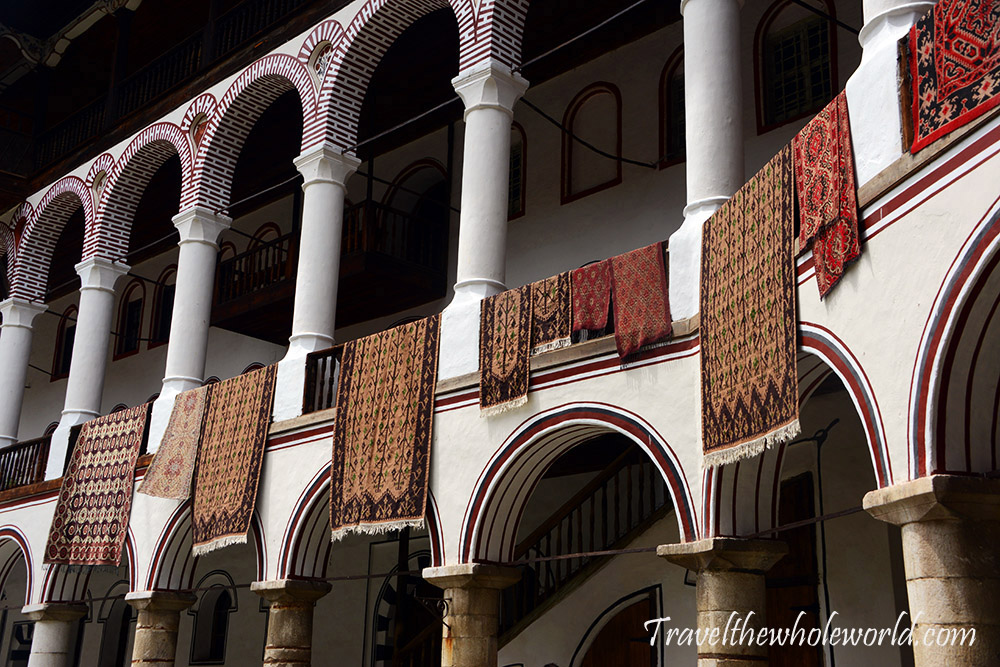
Despite the completely different religion and culture, this scene reminded me of some Buddhist monasteries I had visited in Tibet a few years earlier.
I think it was mostly the carpets hanging from the upper balconies, combined with the enclosed courtyard and residential buildings surrounding everything.
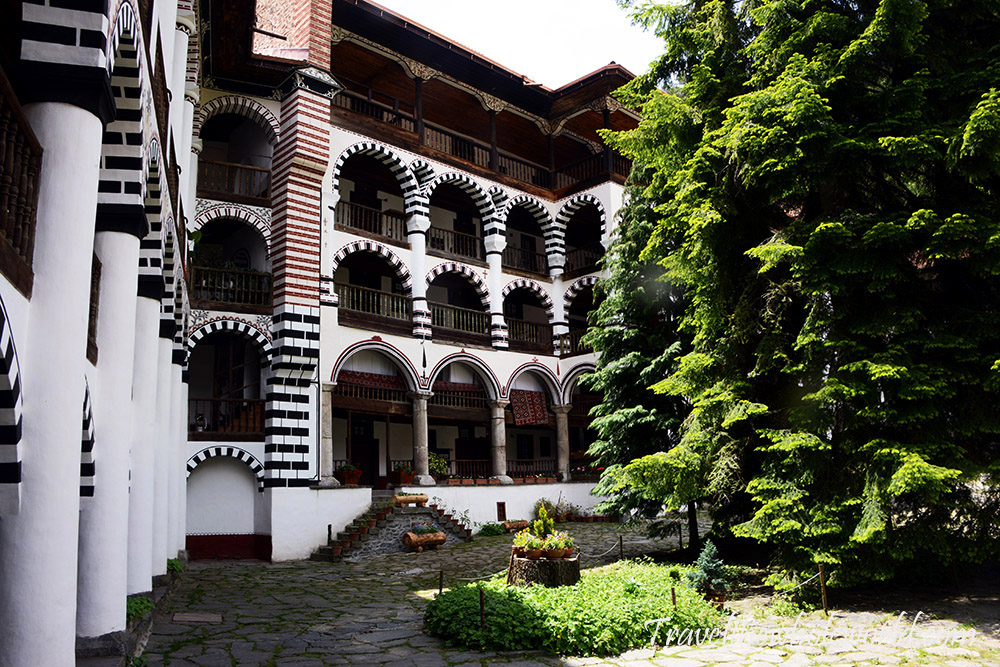
Inside the Monastery Complex
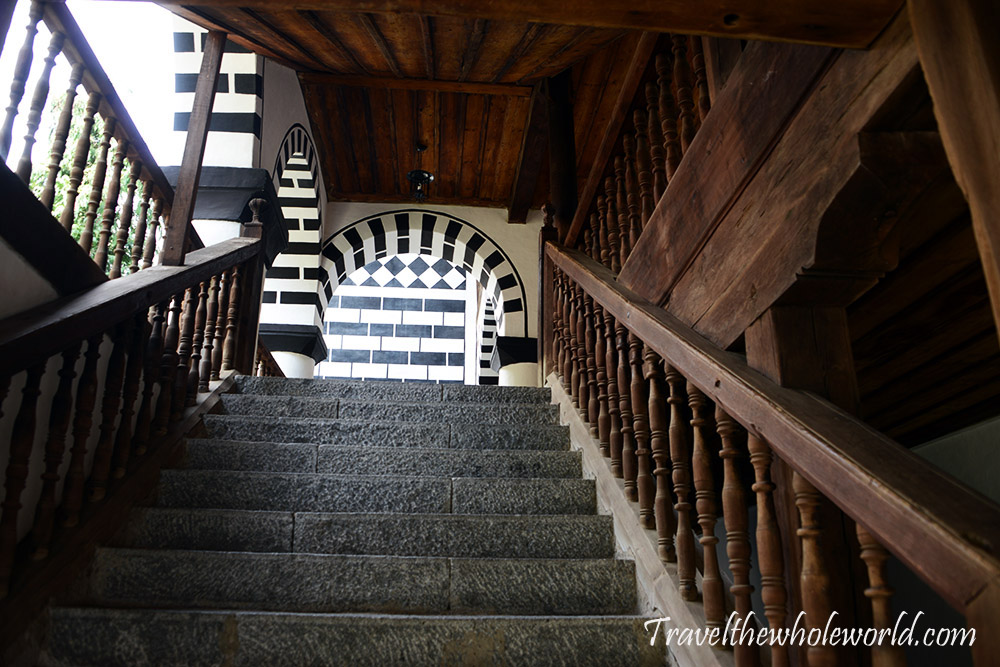
Walking through Rila gave me a better idea of how large the complex actually was.
Stairs, corridors, balconies, storage spaces, kitchens, living quarters, and courtyards connected the different parts of the monastery. Some areas were obviously designed for worship, while others existed simply because hundreds of people had to live and work here over the centuries.
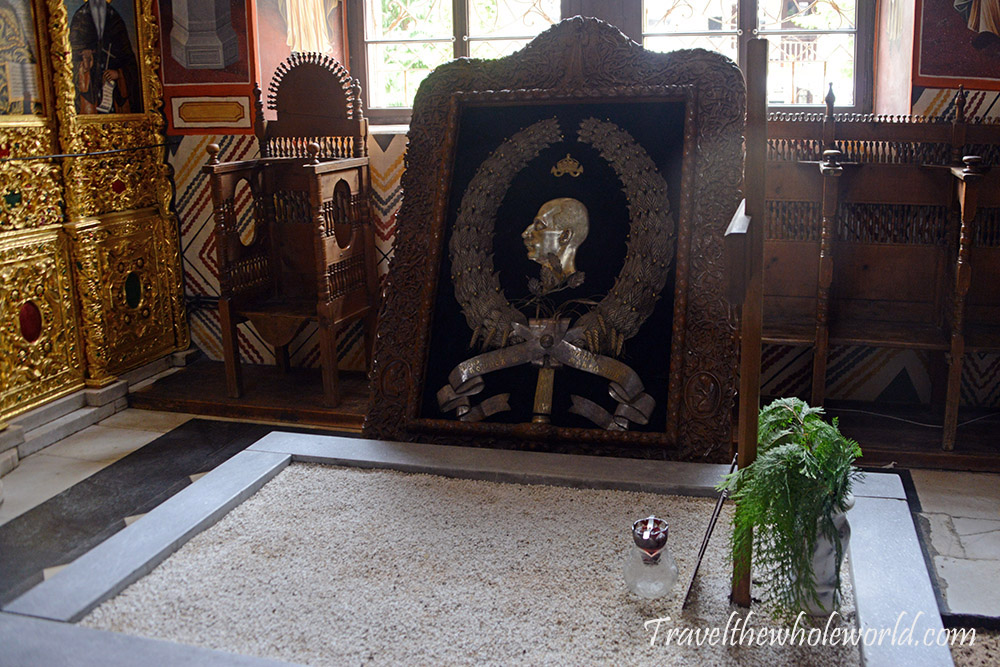
Royal and Religious Tombs
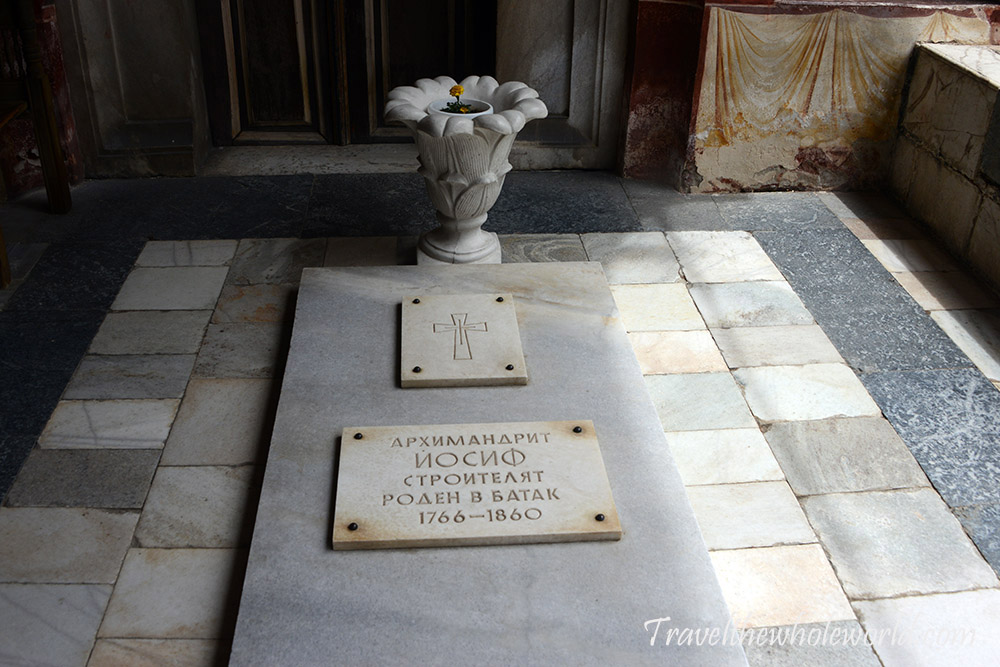
Rila Monastery is closely connected with important figures from Bulgarian religious and political history, and several tombs and memorials are found throughout the complex.
Hrelyu’s Tower
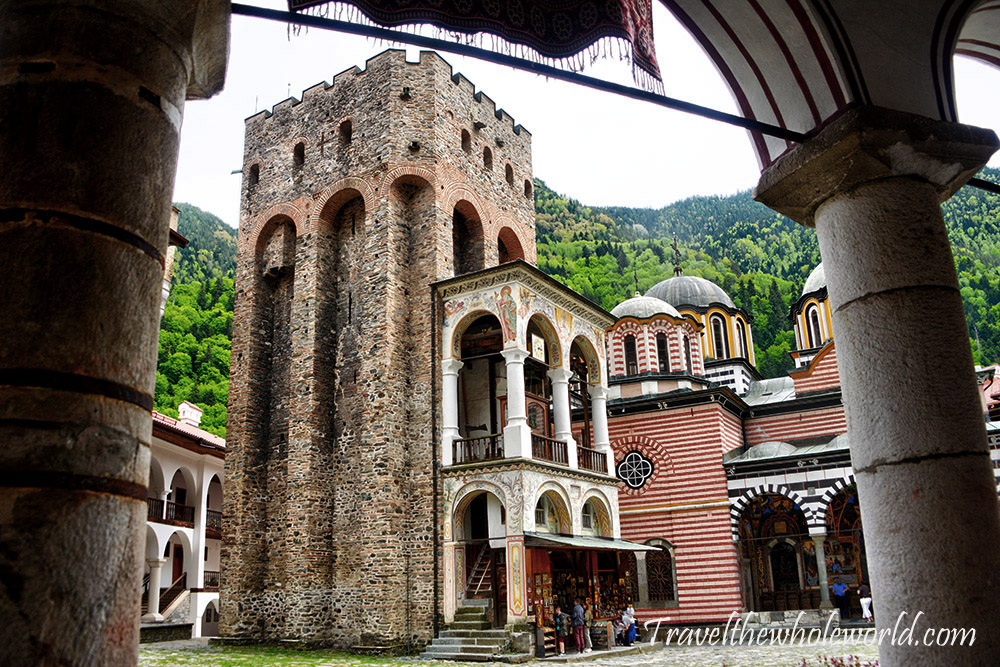
One of the oldest surviving structures inside the monastery is Hrelyu’s Tower.
The heavy stone construction gives it a very different appearance from the colorful balconies and painted church surrounding it. It also serves as a reminder that monasteries in this region sometimes needed to function as places of refuge and defense as well as worship.
Passageways Through Rila
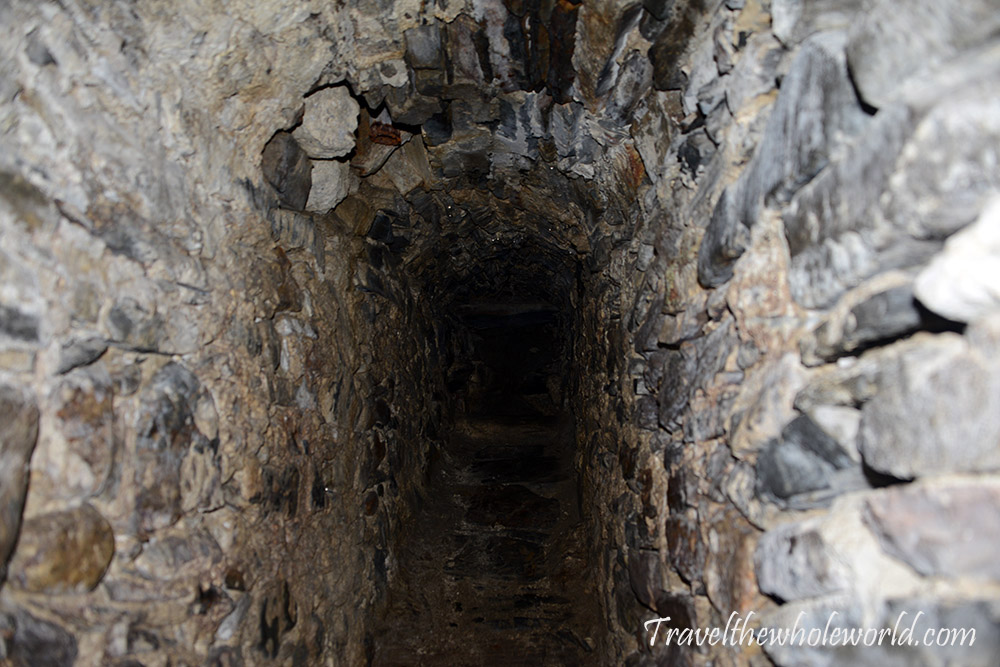
Some of my favorite parts of Rila weren’t necessarily the famous landmarks, but the smaller details between them.
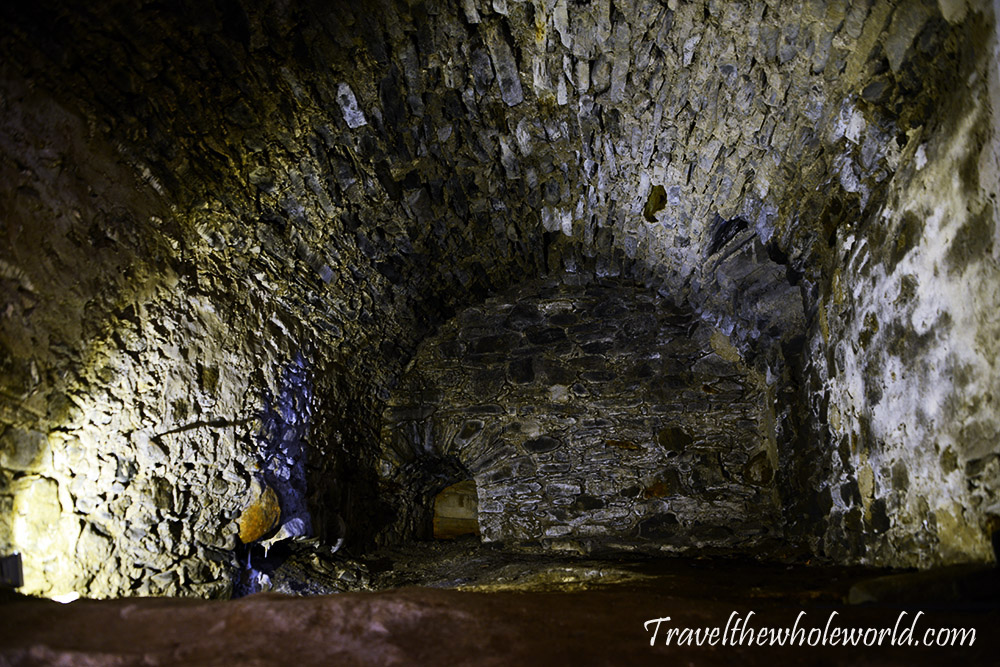
Walking through dark stone passages and then emerging back into the bright central courtyard made the entire monastery feel much larger and more complicated than it appeared from one viewpoint.
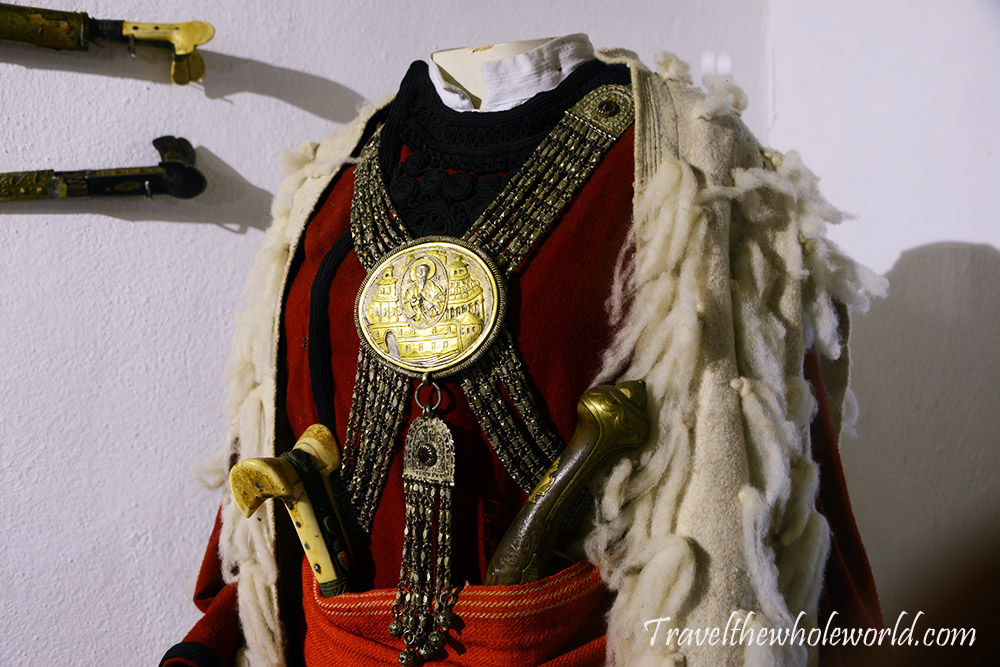
Life Beyond Religion
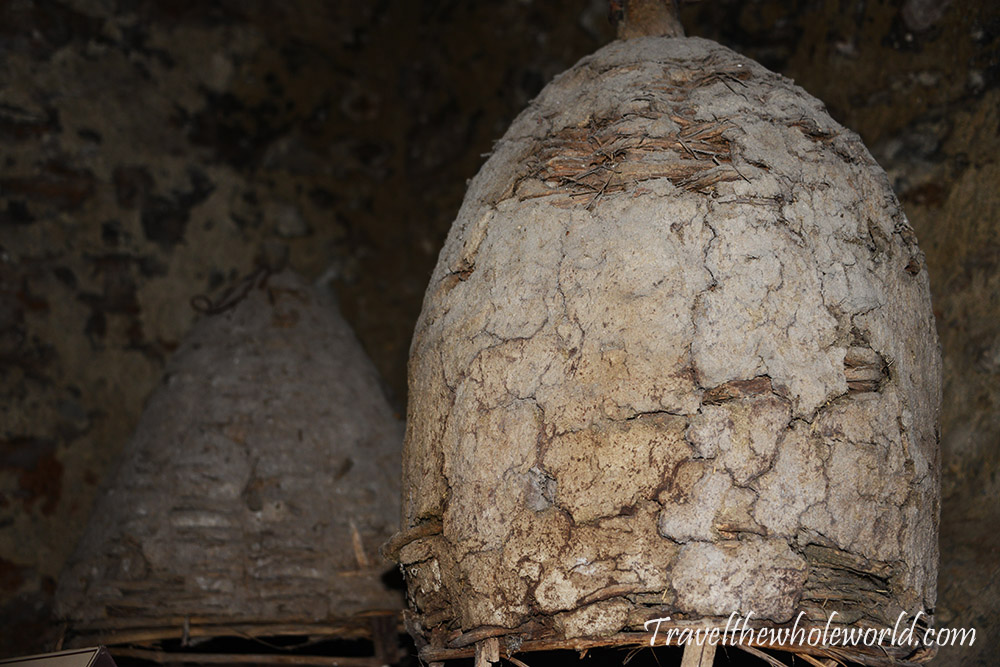
Of course, most visitors focus on the religious history of monasteries, but I also find the everyday logistics interesting.
A community this large had to feed itself, store supplies, heat buildings, repair equipment, and support the monks living here year-round. In many ways, monasteries like Rila had to operate as small self-sustaining communities.
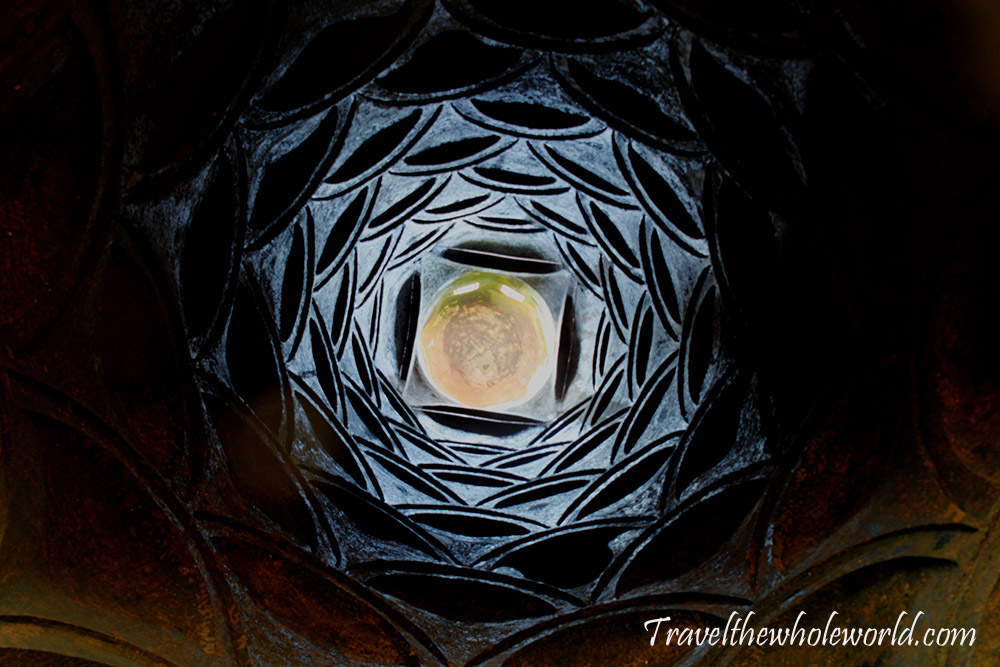
The Church at the Center of Rila
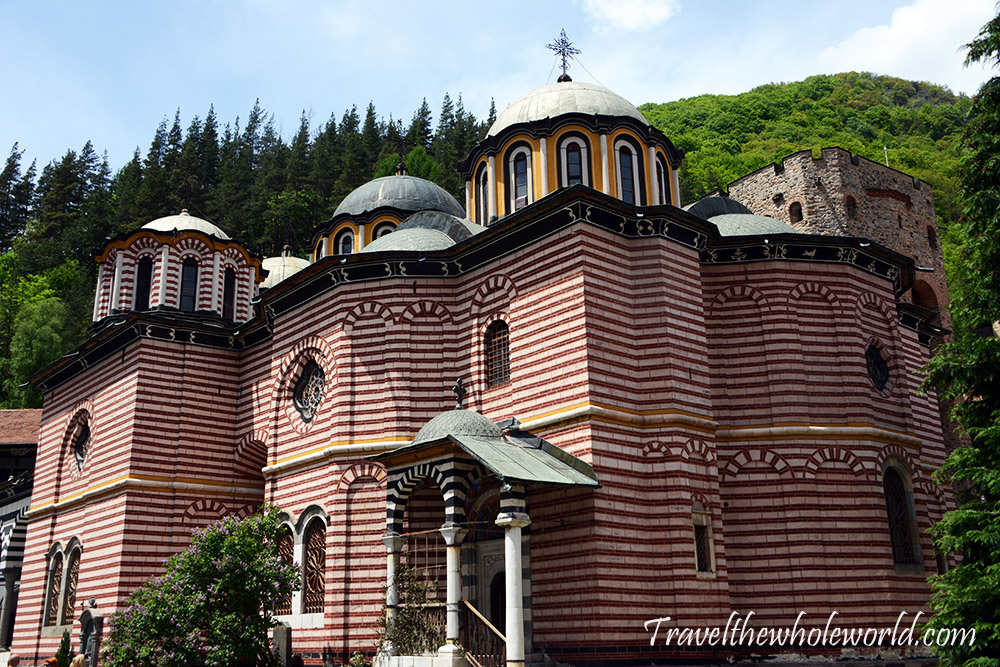
The main church dominates the central courtyard and is easily the most visually impressive structure in the complex.
Even before stepping closer, the striped arches, domes, and painted exterior make it stand out from the surrounding residential buildings.
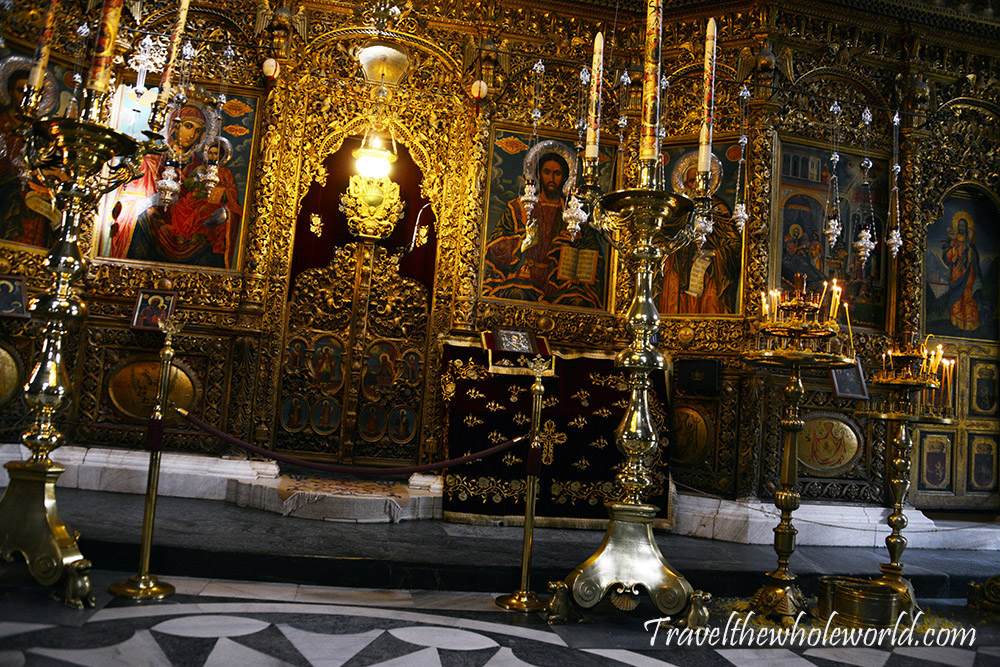
How the Monastery Supported Itself
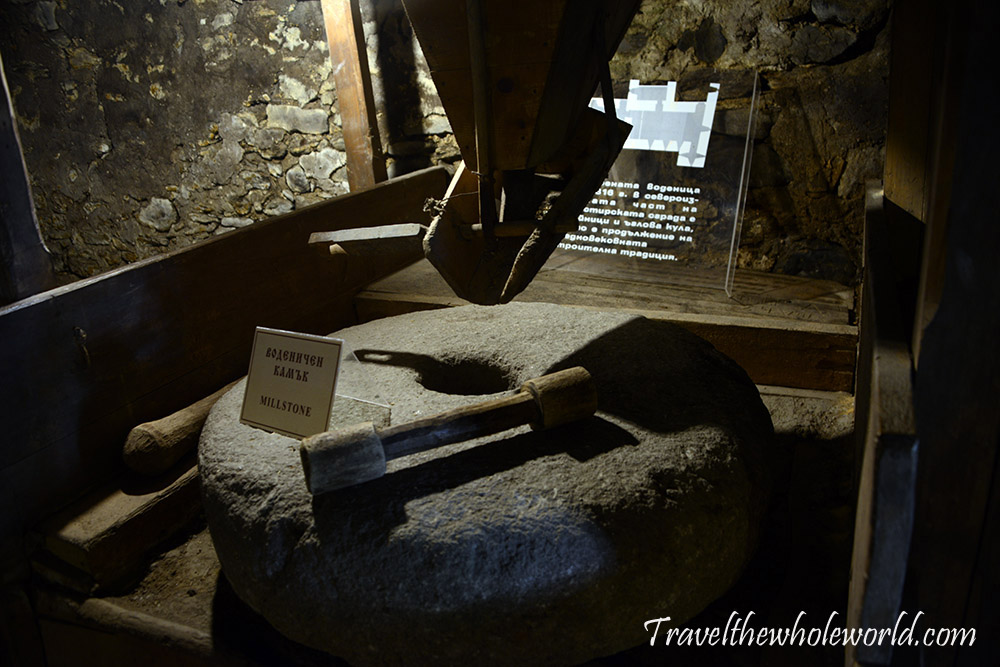
Aside from rituals and religious beliefs, the basic way of life inside a monastery is interesting to me.
For centuries, communities like this had to support large numbers of people with relatively little help from the outside world. The millstone above is one example of the infrastructure needed to keep the monastery functioning.
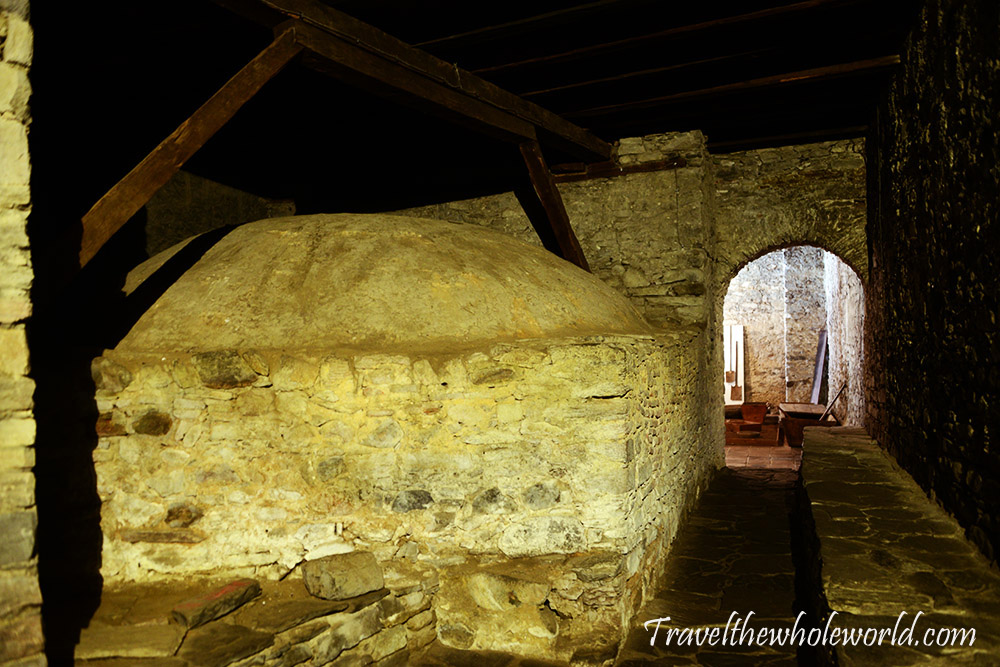
The massive oven gives an even better idea of the scale involved. This wasn’t a kitchen designed to feed a handful of people.
Lunch at Rila Monastery
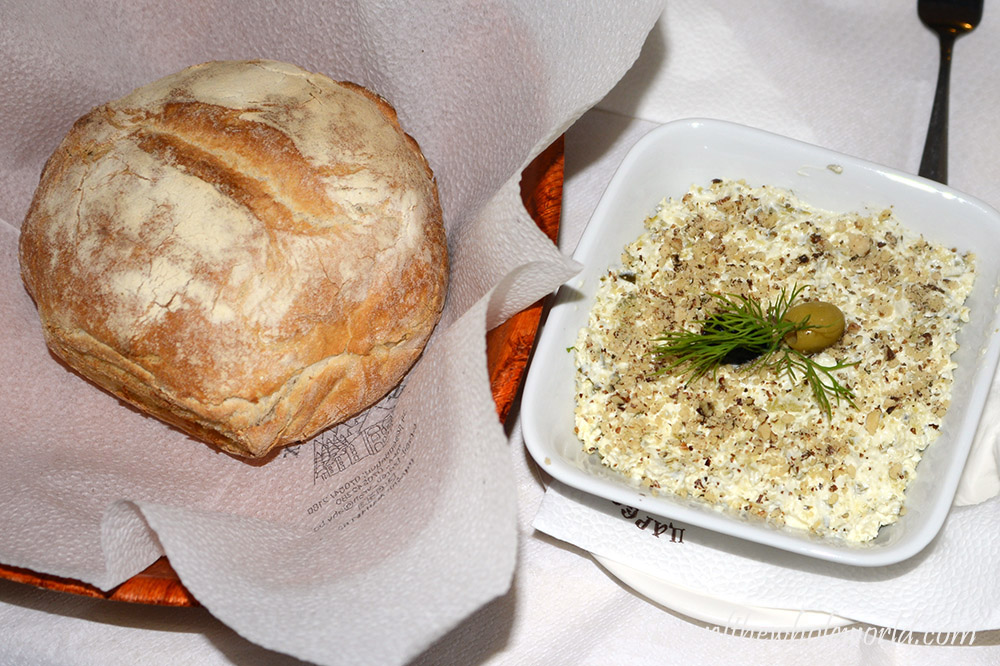
I had lunch at the monastery as well.
The meal included monastery bread along with traditional Bulgarian yogurt. It was simple, filling, and probably a much more appropriate meal here than trying to find something elaborate.
The Frescoes of Rila Monastery
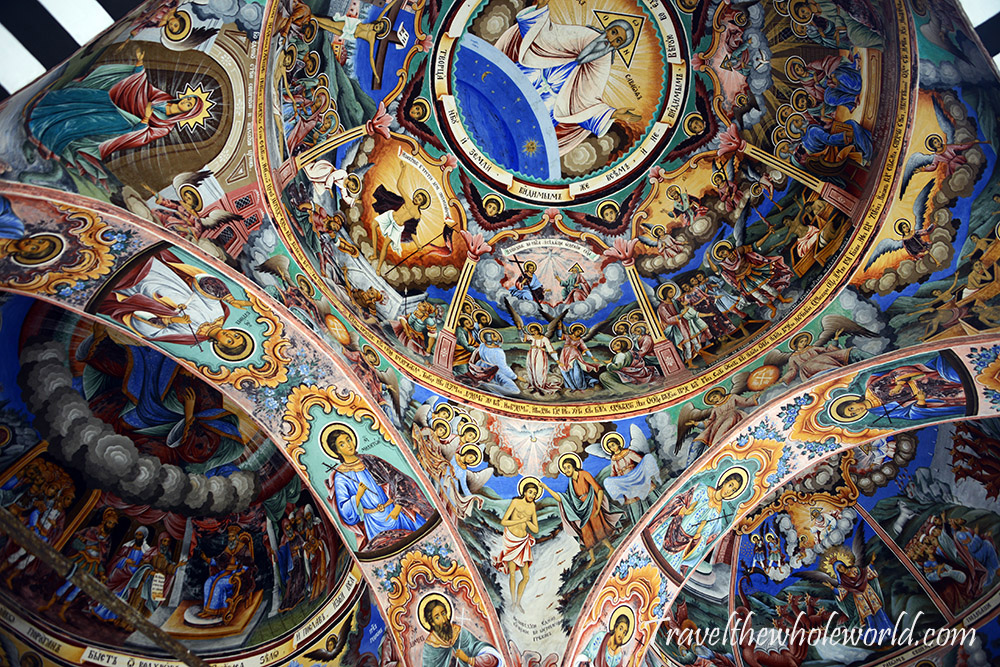
By far my favorite part of Rila Monastery was the fresco painting.
A single painting with this level of color and detail would have been enough to impress me. Instead, enormous sections of the walls, arches, and ceilings were completely covered in them.
There was almost nowhere to look without seeing another scene.
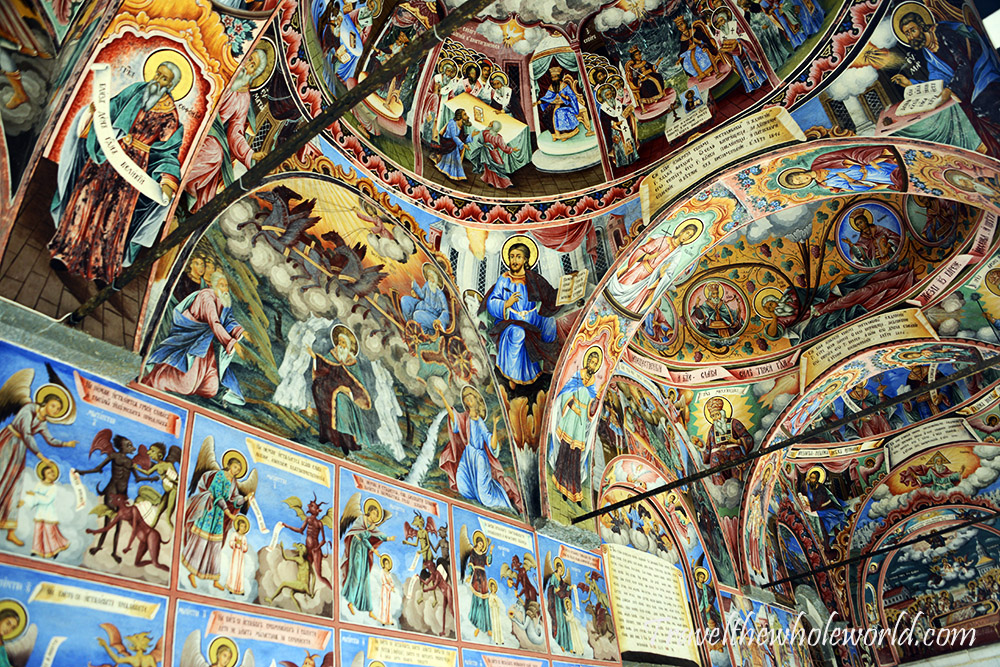
The paintings made the church feel completely different from the relatively plain stone structures elsewhere in the monastery. Every surface seemed to tell part of a larger religious story.
Leaving Rila Monastery
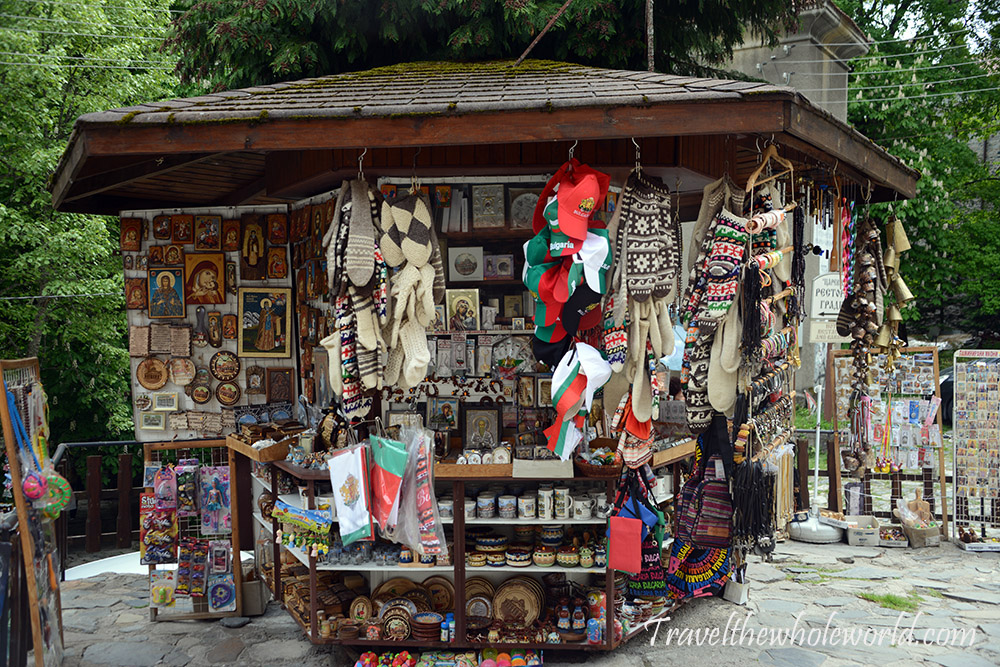
Rila Monastery ended up being much more interesting than I expected because it wasn’t simply a church or historical monument.
It was a place where religion, architecture, Bulgarian history, everyday life, and the practical needs of a mountain community were all mixed together.
I came expecting the famous monastery and its frescoes, but I ended up just as interested in the kitchens, storage areas, millstones, corridors, living quarters, and other details showing how people had actually lived here.
The setting in the Rila Mountains only made the entire place more memorable.
Explore More of Bulgaria
Musala Peak • Sofia • the Rila Monastery