Bandar Seri Begawan was unlike any other capital I had visited in Southeast Asia. Brunei’s oil wealth was obvious almost immediately, especially in the scale of its mosques, royal buildings, hotels, and government infrastructure.
At the same time, the city itself was surprisingly quiet. It wasn’t a huge, crowded capital like Bangkok or Manila. Instead, it felt small, polished, and wealthy, with extravagant landmarks appearing almost suddenly between ordinary neighborhoods and tropical rivers.
Omar Ali Saifuddien Mosque
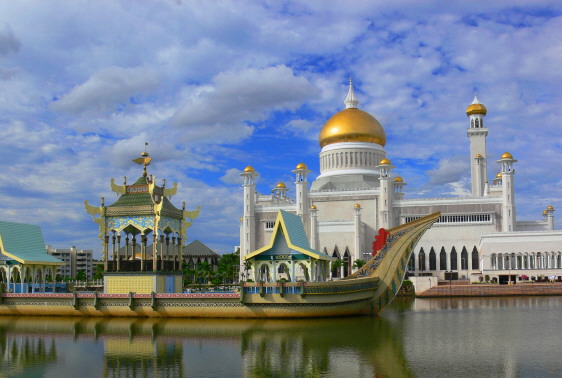
Omar Ali Saifuddien Mosque was one of the first places that showed me just how much money Brunei had.
The mosque was completed in the 1950s and named after Sultan Omar Ali Saifuddien III. Gold-colored domes, marble, and imported materials give the building an appearance that feels far more extravagant than what you would expect in such a small capital.
Jame’ Asr Hassanil Bolkiah Mosque
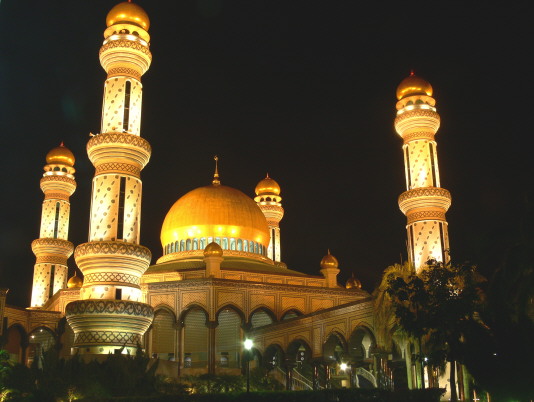
The second major mosque I visited was even larger and was built in honor of Sultan Hassanal Bolkiah.
Brunei seemed to have enough money that each generation of the royal family could leave behind something monumental.
A Small Capital
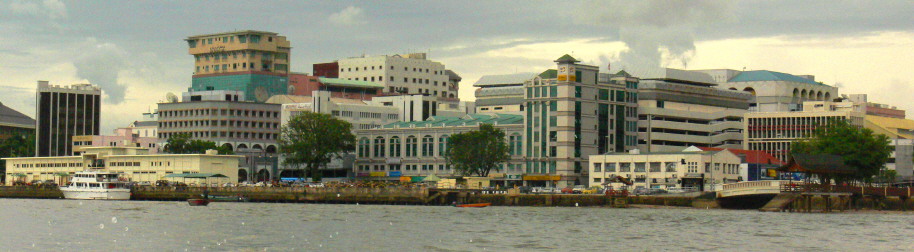
Bandar Seri Begawan wasn’t a sprawling metropolis. The capital felt compact and easy to move around, especially compared with many other Southeast Asian cities.
That small scale made the oversized mosques, palace grounds, and luxury hotels stand out even more.
The Sultan and His Palace
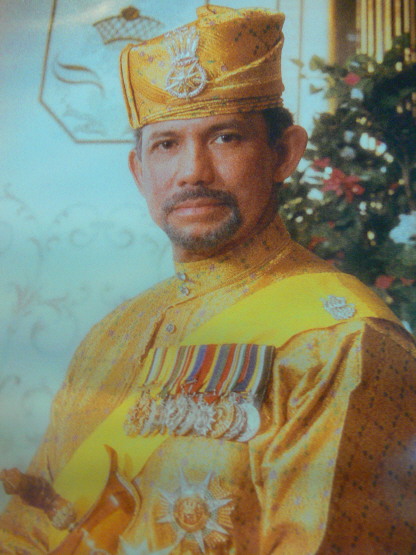
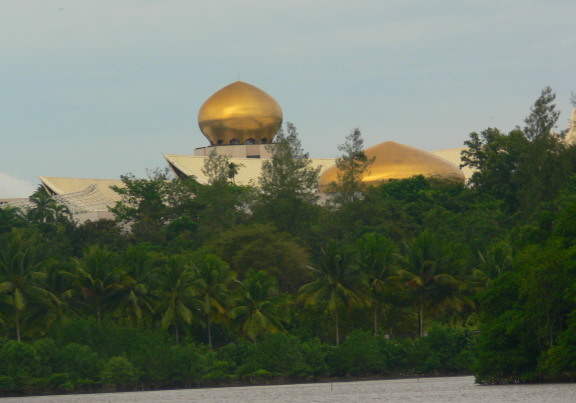
Brunei’s royal family is almost impossible to separate from the country’s identity. Sultan Hassanal Bolkiah ruled the country when I visited and was already famous around the world for his wealth.
I heard all kinds of stories about his personal fortune, including enormous collections of luxury cars and extravagant tips while traveling.
Some of those stories were difficult to verify, but they fit the general image Brunei had built around itself: tiny country, enormous oil wealth.
Royal Tombs
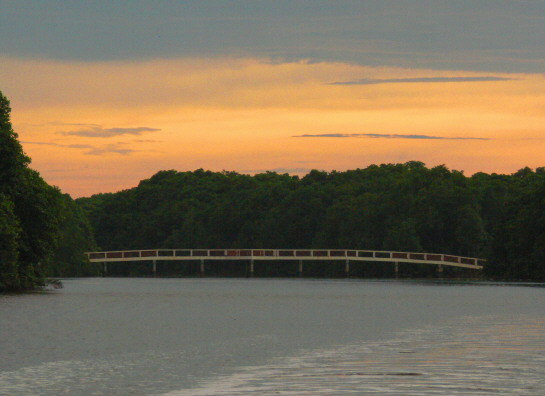
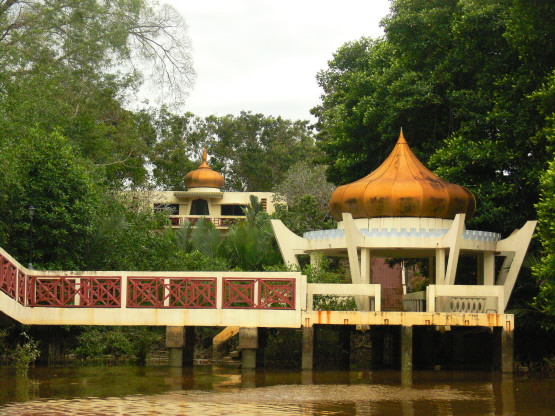
The royal influence didn’t end with palaces and mosques. Historic sultans are buried at different sites around Brunei, including tombs near the rivers.
The tomb I visited was connected with one of Brunei’s rulers from several centuries ago.
People Around the Capital
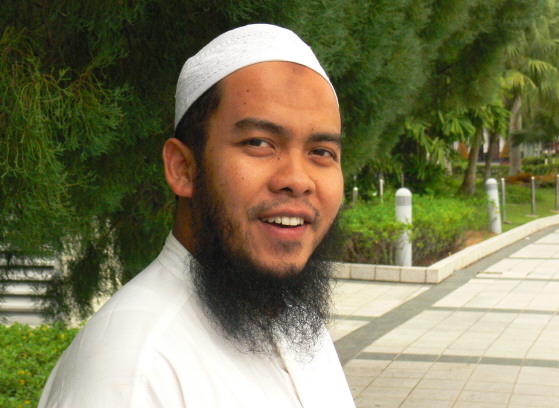
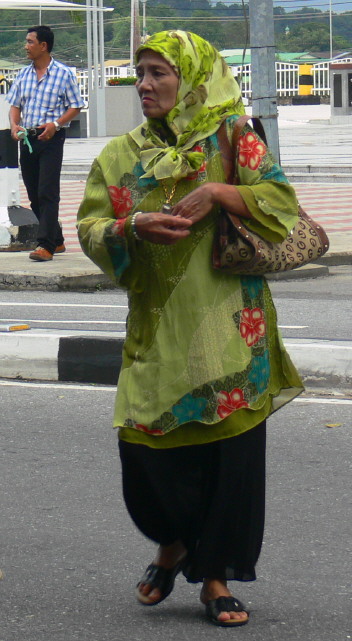
Brunei is officially Islamic, and religion was visible throughout everyday life, especially in architecture and clothing.
There were also many people living in Brunei who had come from neighboring countries, particularly Malaysia.
After taking the photo above, I was briefly stopped by security and asked what I was doing in the area.
By coincidence, they were working for the U.S. Embassy.
They asked a couple of questions, decided I wasn’t particularly interesting, and sent me on my way.
Shopping in Bandar Seri Begawan
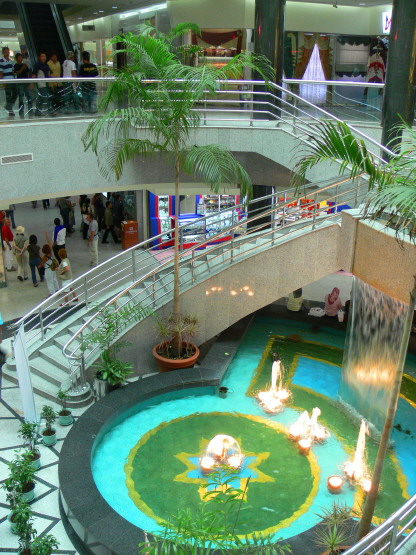
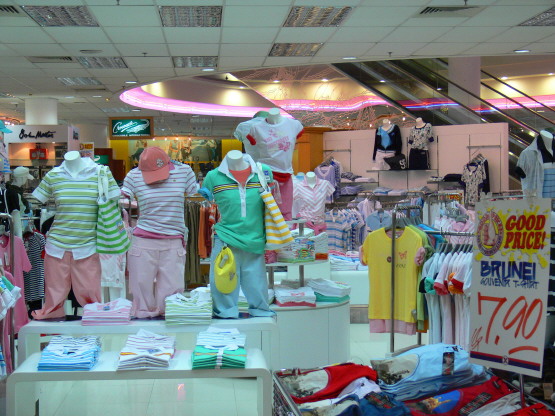
Bandar Seri Begawan had plenty of shopping centers, restaurants, and modern commercial areas.
The main mall was literally called “The Mall,” which was refreshingly straightforward.
I never really explored Brunei’s nightlife. The city didn’t give me the same party atmosphere I found in other parts of Southeast Asia, and honestly that wasn’t what I had come here looking for anyway.
The Empire Hotel
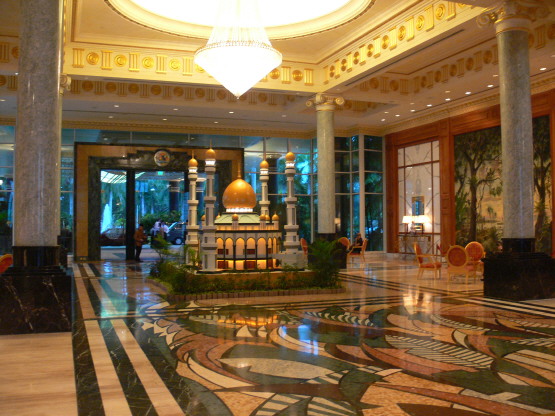
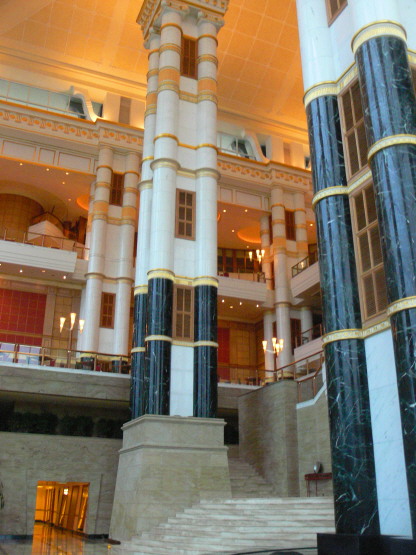
If the mosques weren’t enough evidence of Brunei’s wealth, the Empire Hotel definitely was.
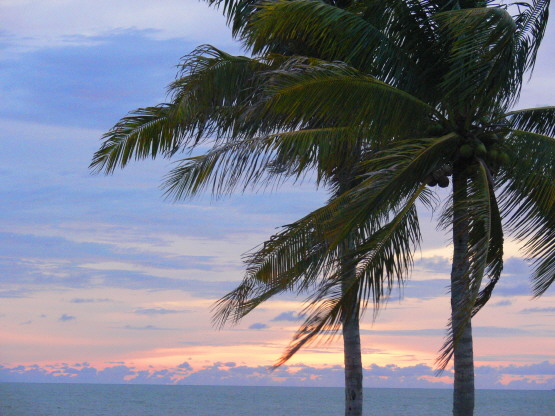
The entire place felt oversized. Huge open spaces, marble everywhere, giant columns, entertainment facilities, and beach access made it feel more like a palace complex than a normal hotel.
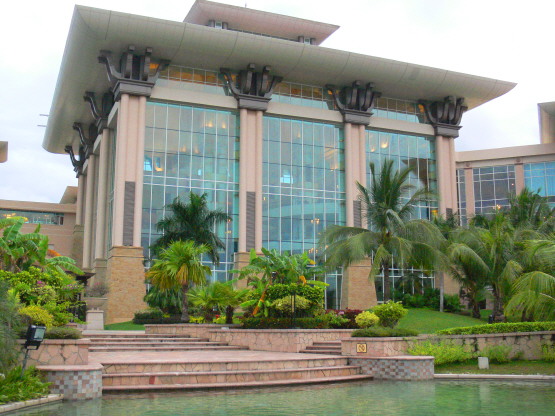
The strangest part was how empty everything felt.
I remember asking a local how a hotel this elaborate could stay in business with so few guests.
His answer was basically that it was backed by the government, and Brunei had enough money that profitability wasn’t the only concern.
Whether that explanation was completely accurate or not, walking through nearly empty luxury spaces made the story feel believable.
Another Side of the Capital
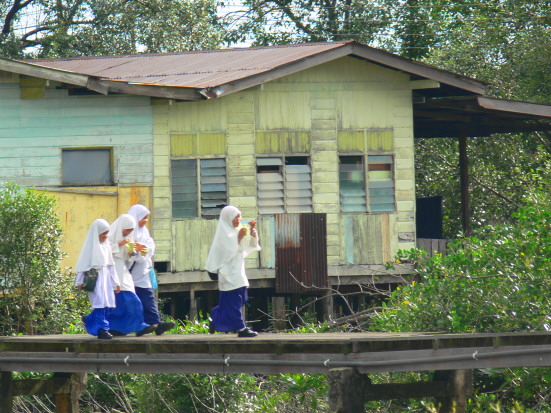
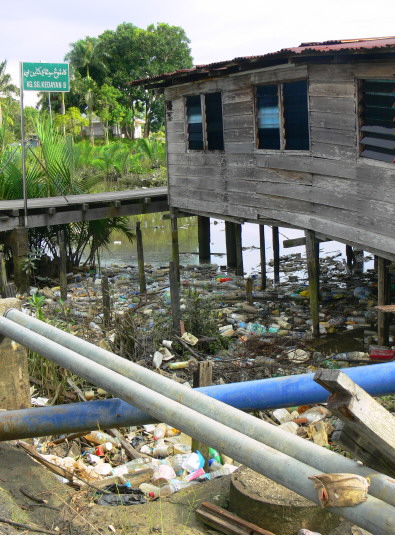
Not every part of Bandar Seri Begawan looked polished and wealthy.
Some residential areas were much more modest, and I came across places where trash had piled up along the water or underneath houses.
That surprised me in a country with so much money and so few people.
Kampong Ayer
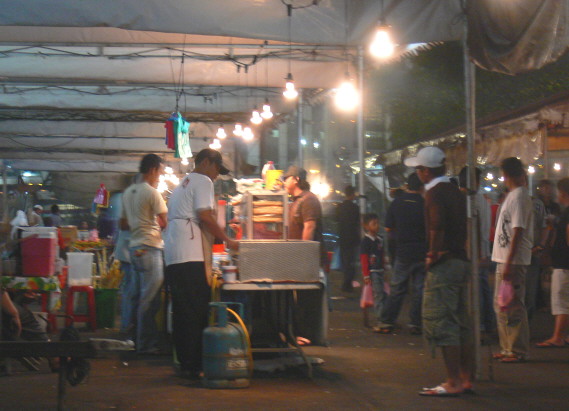
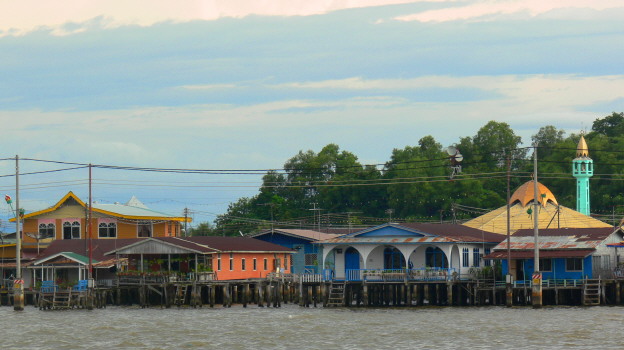
One of the most interesting parts of Bandar Seri Begawan was Kampong Ayer, the huge water village built along the river.
Entire neighborhoods were raised above the water on stilts, connected by boardwalks and boats. Houses, shops, schools, and mosques all existed within the community.
Seeing such a traditional settlement sitting directly beside Brunei’s modern capital created one of the strongest contrasts in the city.
Water Taxis
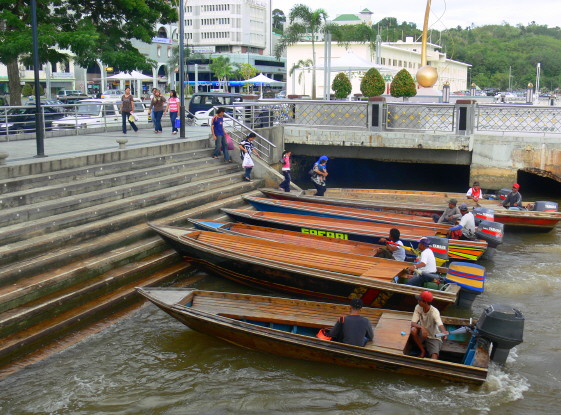
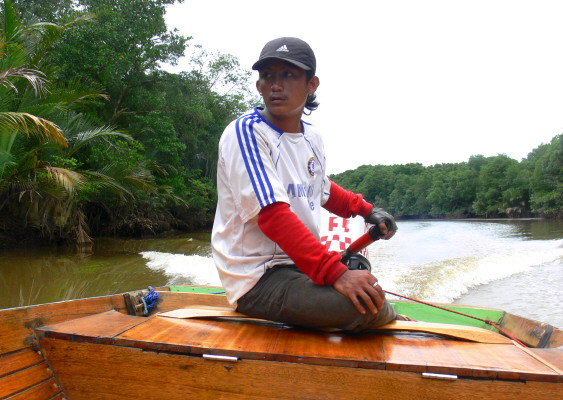
After exploring the capital and Jerudong Park, I hired a water taxi and headed out along the river looking for wildlife.
Finding a boat wasn’t difficult. Drivers waited along the waterfront, and I could simply explain where I wanted to go and negotiate a price.
There were enough drivers around that bargaining usually worked in my favor.
Inside Kampong Ayer
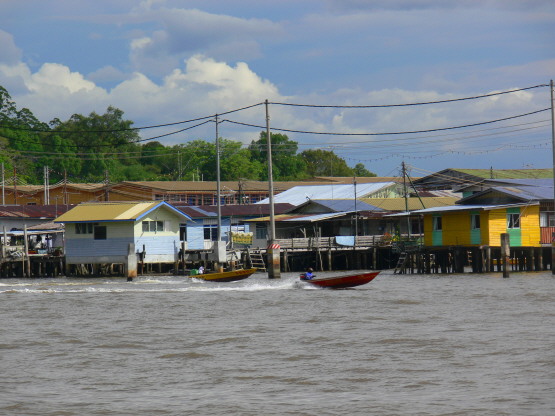
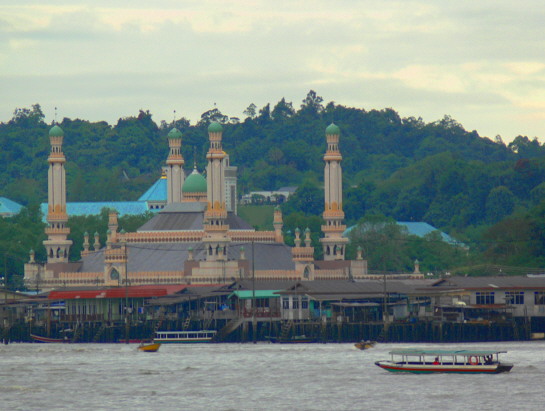
From the river, Kampong Ayer felt like its own city.
Boats raced between neighborhoods while narrow walkways connected colorful homes, schools, shops, and mosques.
A Gas Station for Boats
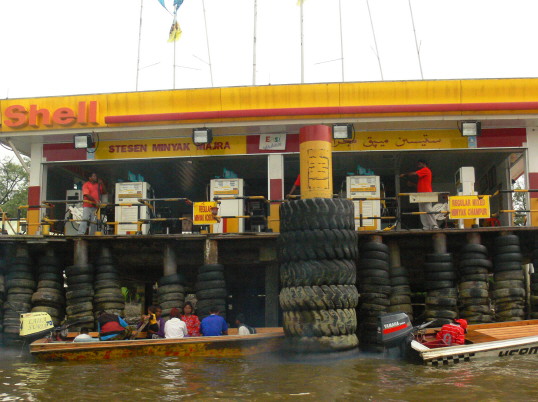
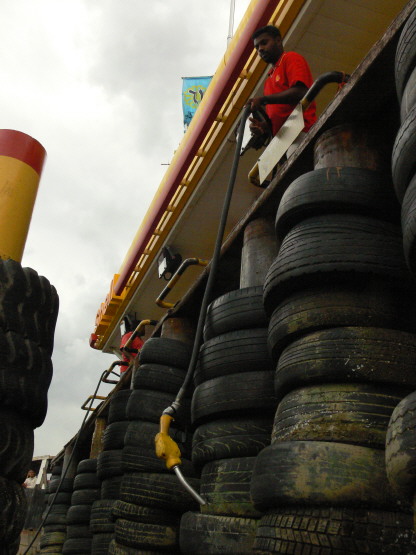
One of my favorite little details was the river gas station.
Instead of pulling up in a car, boats came alongside and workers lowered long fuel hoses to the water.
It made complete sense in a city where boats functioned like taxis, but I’d never seen anything quite like it before.
Into the Mangroves
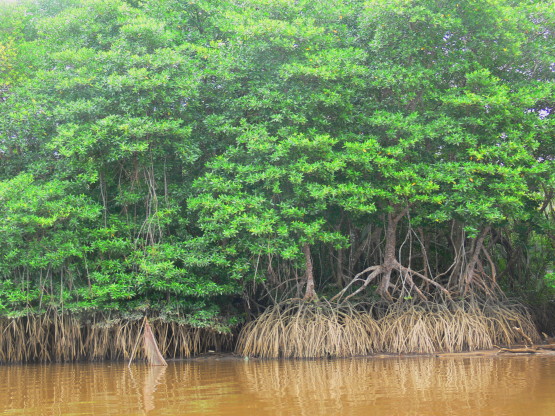
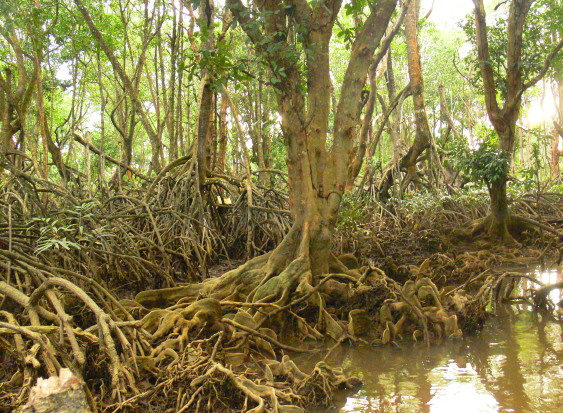
Beyond the water village, the river became much wilder.
The waterways were brackish, mixing freshwater from inland with saltwater influenced by the sea. Mangroves lined the banks, their roots exposed or submerged depending on the tide.
I made two trips through these forests, and low tide turned out to be especially good for wildlife.
Monitor Lizards
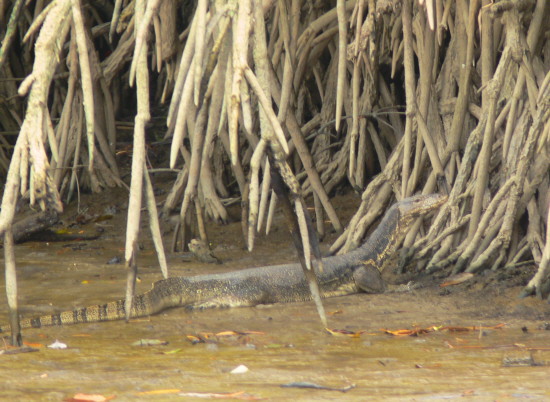
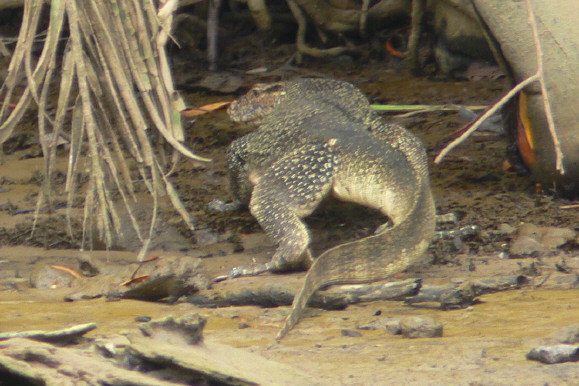
During one low-tide trip, I saw almost ten monitor lizards along the exposed riverbanks.
Some were enormous.
They looked almost like miniature alligators from a distance, but every one I saw was shy and quickly retreated into the forest as our boat approached.
Proboscis Monkeys
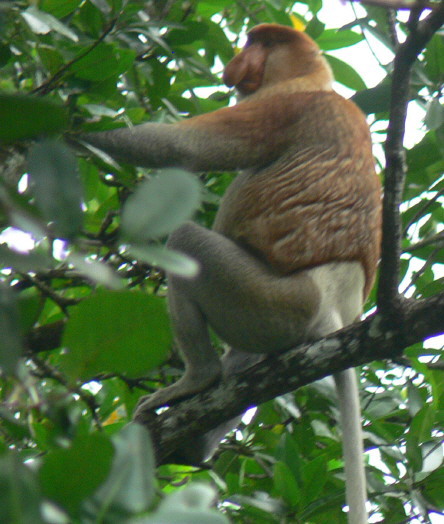
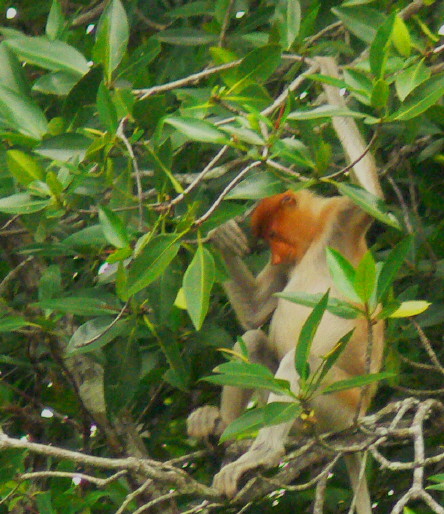
The wildlife I most wanted to see was the proboscis monkey.
I had seen these strange monkeys on television before, mostly because of the enormous noses of the males. What I hadn’t realized until visiting Borneo was that proboscis monkeys are found nowhere else in the world.
Seeing them in the wild made the river trip completely worth it.
The male above had the exaggerated nose I associated with the species, while the female looked like she was sitting in the trees thinking about something much more important than the tourist photographing her.
My Time in Bandar Seri Begawan
Bandar Seri Begawan was full of contrasts.
I could spend the morning looking at gold-domed mosques and one of the largest royal residences in the world, walk through nearly empty luxury hotels and modern malls, then jump into a small water taxi and within minutes be surrounded by stilt villages and mangrove forest.
By the end of the day, I could be watching giant monitor lizards disappear into the trees and searching for proboscis monkeys found nowhere outside Borneo.
For such a small and quiet capital, Bandar Seri Begawan gave me a lot more to explore than I expected.