One of the strangest and most interesting places I visited in Azerbaijan was Gobustan. The landscape south of Baku is dry, rocky, and almost barren in places, but it contains thousands of years of human history along with some of the country’s most unusual natural features.
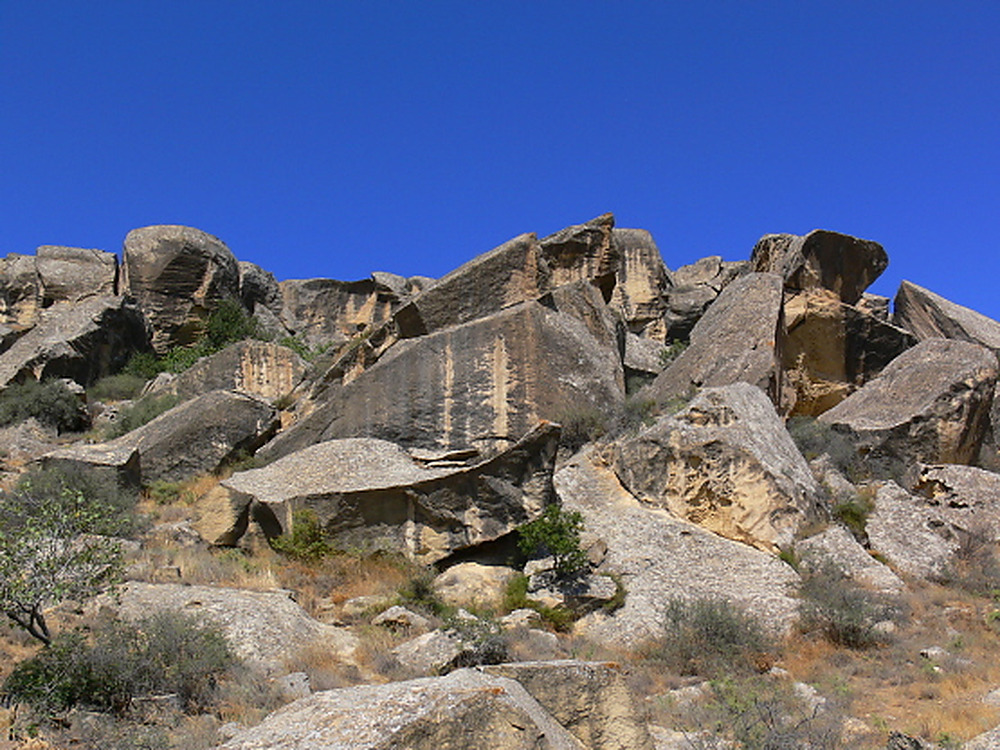
The trip gave me a look at a completely different side of Azerbaijan from Baku. Within a relatively short distance were the Caspian Sea, ancient petroglyphs, strange rock formations, oil fields, and bubbling mud volcanoes.
Into Gobustan
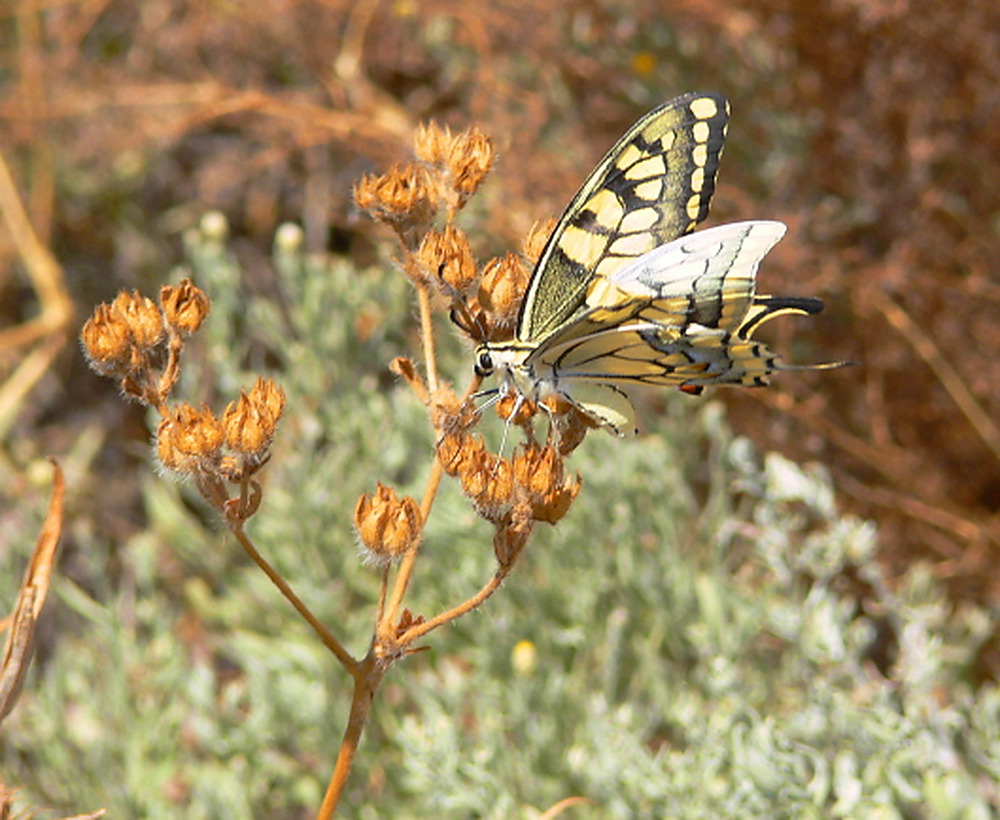
The landscape itself was one of the things I liked most about Gobustan. Huge boulders and exposed rock formations are scattered across the hills, creating natural shelters, narrow passages, and elevated viewpoints.
It feels like exactly the kind of place where people could have lived thousands of years ago, and the evidence they left behind is still carved directly into the stone.
The Petroglyphs
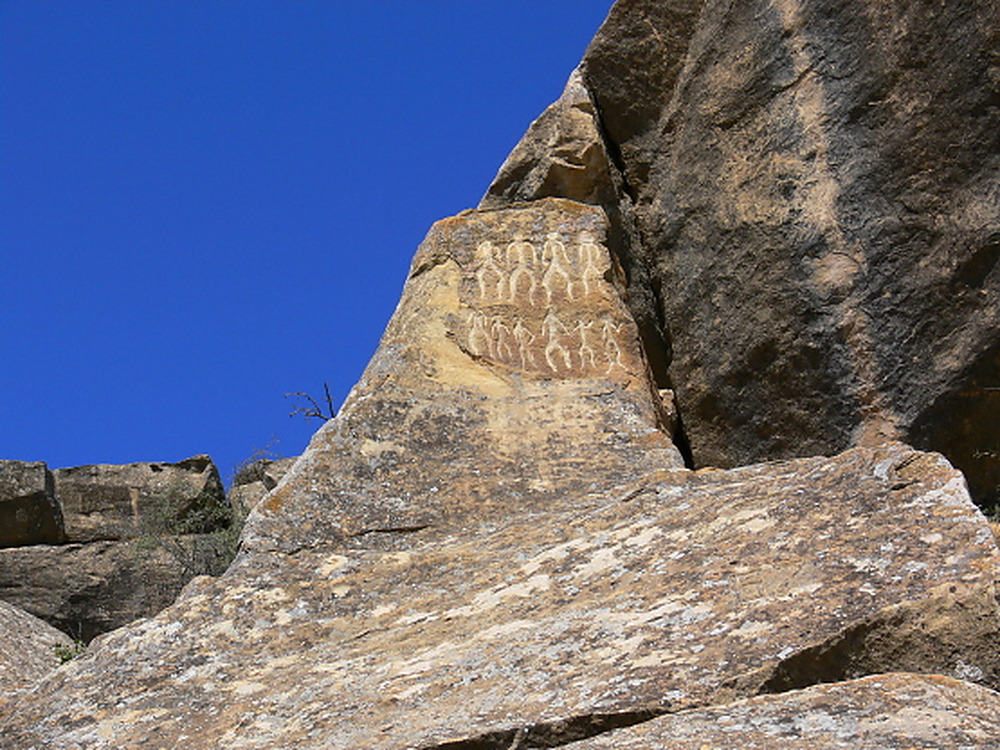
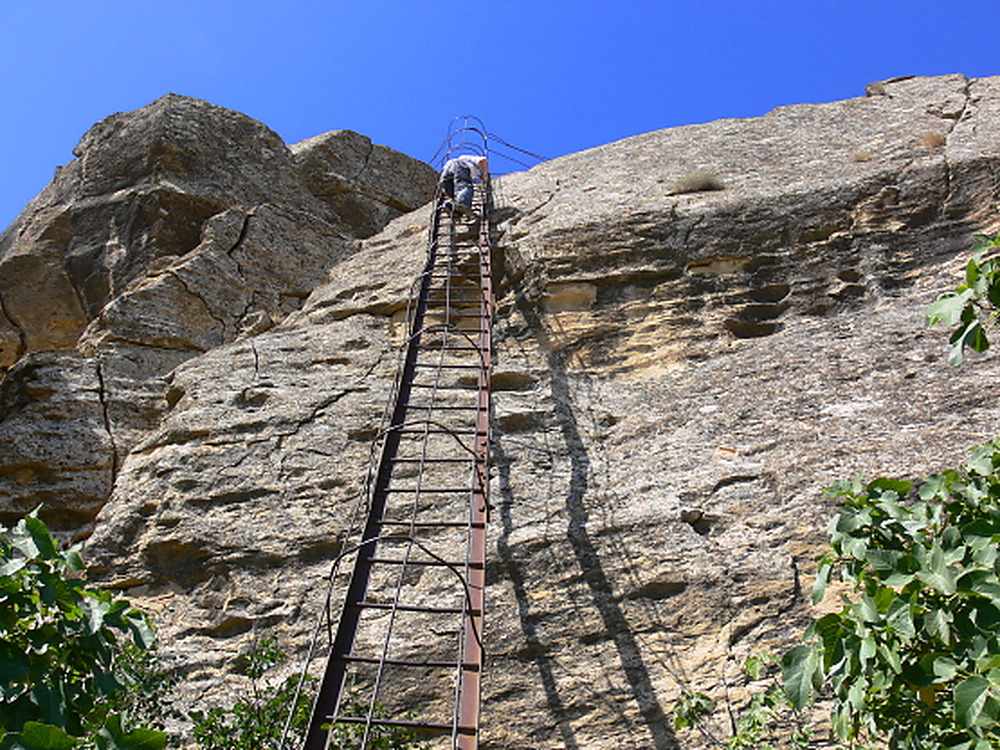
Exploring Gobustan involved more than simply walking around a flat archaeological site. Some parts of the route climbed through boulders and rocky slopes, including several steep ladders that led deeper into the area.
The reward was seeing the petroglyphs that made Gobustan famous. Thousands of images have been carved into the rocks here, with some dating back many thousands of years.
Most aren’t enormous or dramatic. Many are actually quite small and simple, depicting people, animals, hunting scenes, boats, and other parts of everyday life. But that simplicity is part of what makes them fascinating. These weren’t monuments created for tourists or rulers—they were images left behind by people who actually lived here.

The Musical Stone
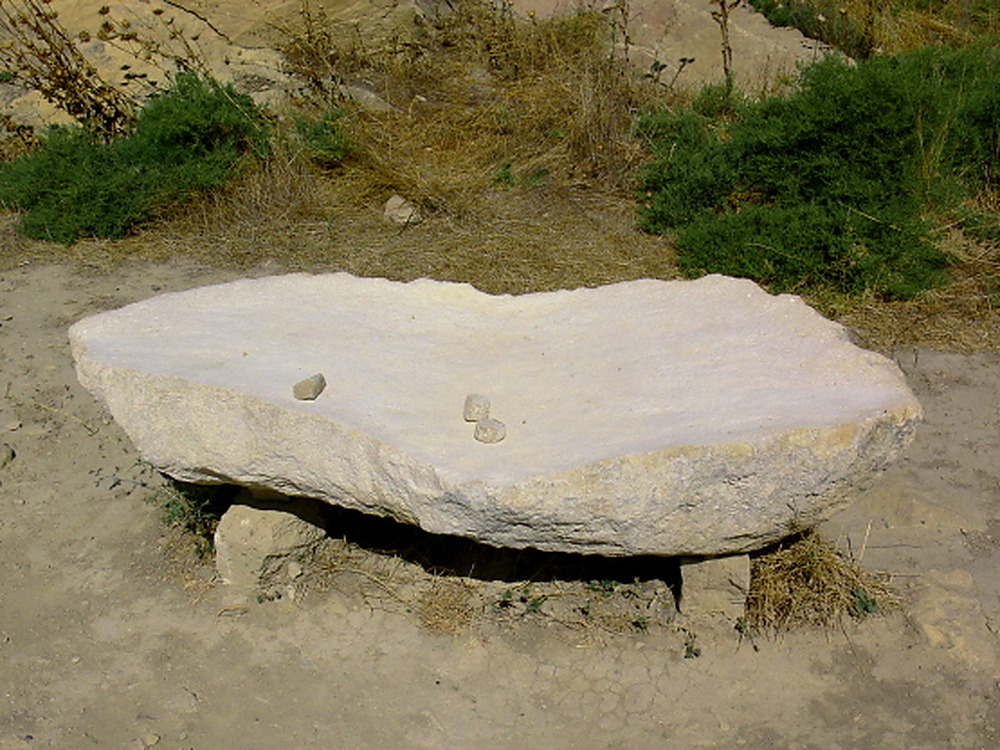
One of the stranger features at Gobustan is a large resonant stone known as the Gaval Dash. When struck in the right places, the rock produces a surprisingly clear ringing sound.
It is believed that stones like this may have been used by people living here for music or ceremonies. After looking at thousands-of-years-old carvings, hearing a rock itself produce music made the entire site feel even stranger.
Azerbaijan’s Mud Volcanoes
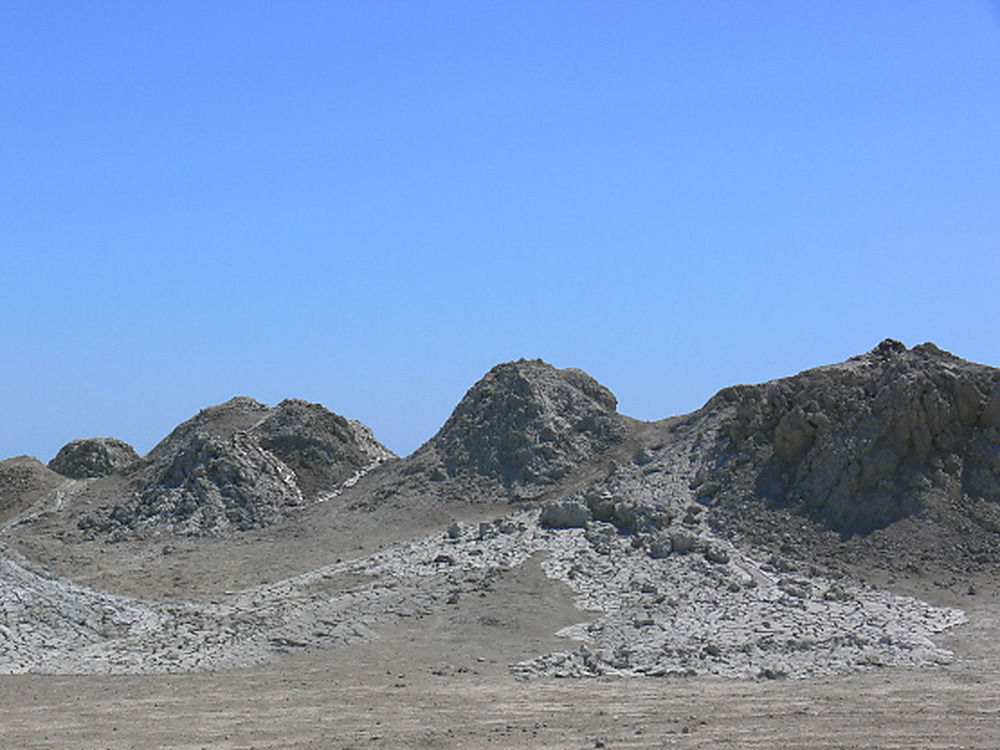
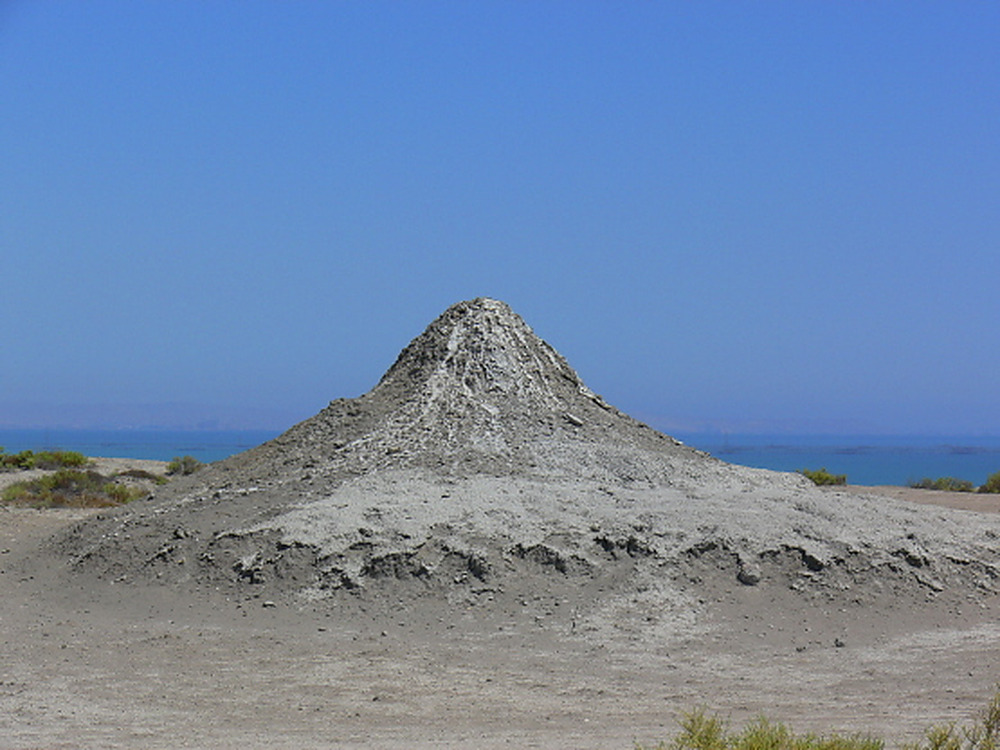
As interesting as the petroglyphs were, the mud volcanoes nearby were probably the strangest part of the day.
Azerbaijan has one of the largest concentrations of mud volcanoes in the world. Many of the ones I visited looked almost exactly like miniature volcanoes, with cone-shaped slopes and bubbling craters at the top.
The difference is that instead of hot lava, they spit out cold mud.
They were also surprisingly loud. The bubbling and popping noises were so exaggerated that they almost sounded like sound effects from a cartoon.
Cold Mud Instead of Lava
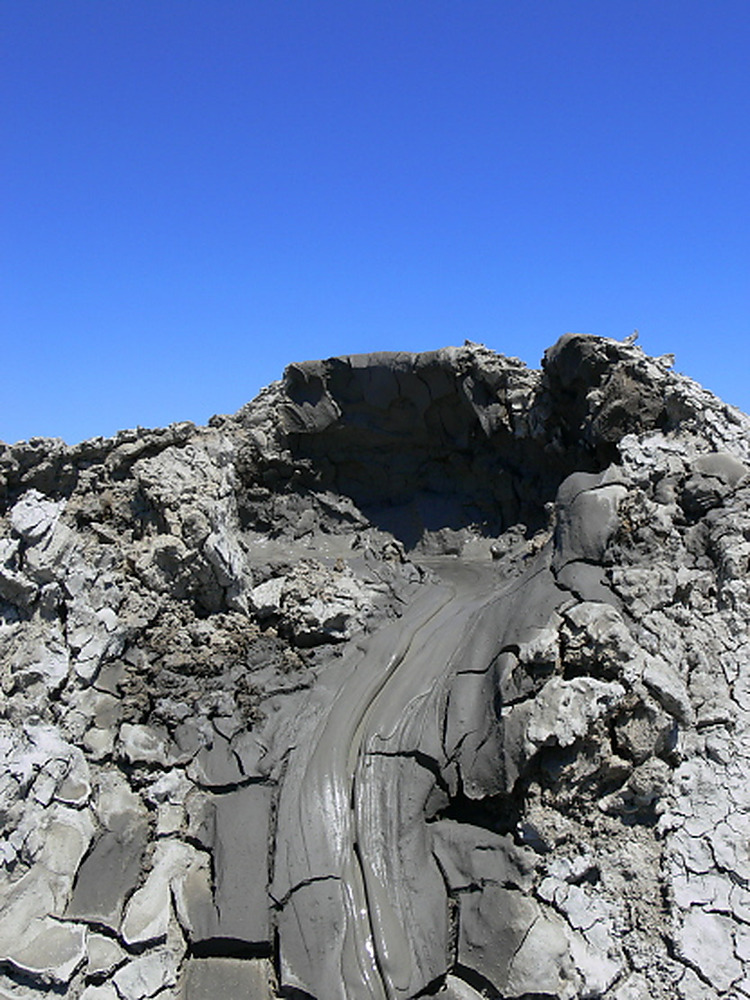
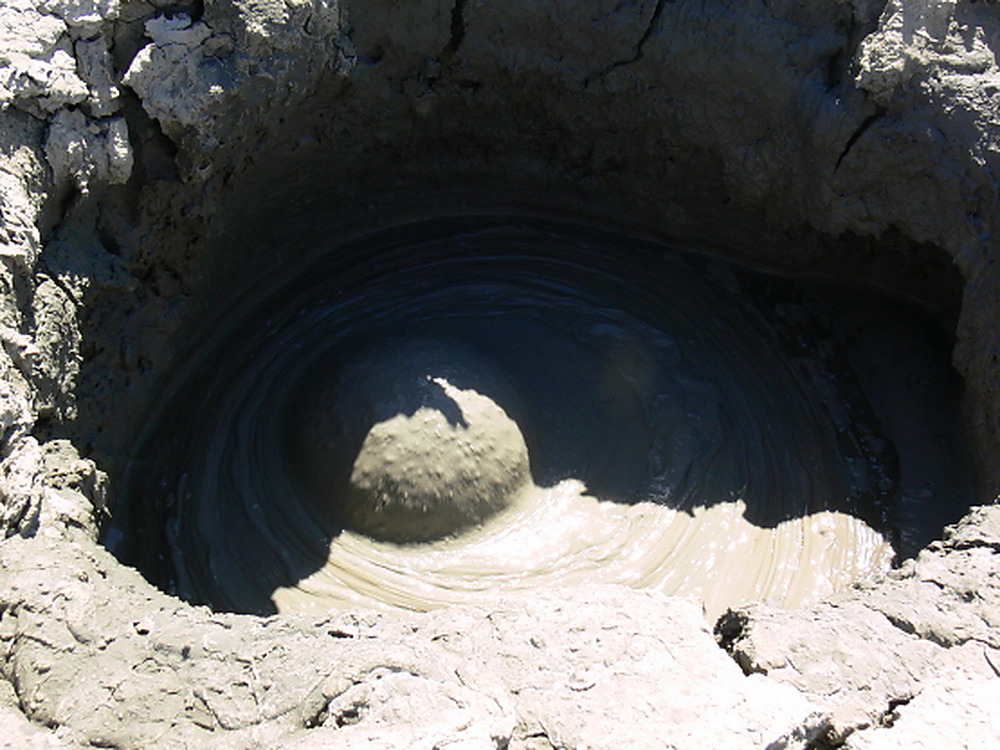
The mud was cool enough that you could walk right up to the craters and touch it. Watching it bubble out of the center and slowly run down the sides made the formations look like normal volcanoes operating in slow motion.
It was one of the most unusual geological things I’d seen anywhere. There was no dramatic eruption or dangerous lava, just constant bubbling, strange noises, and cold gray mud slowly rebuilding the little cones around each crater.
The Caspian Sea and an Ancient Landscape
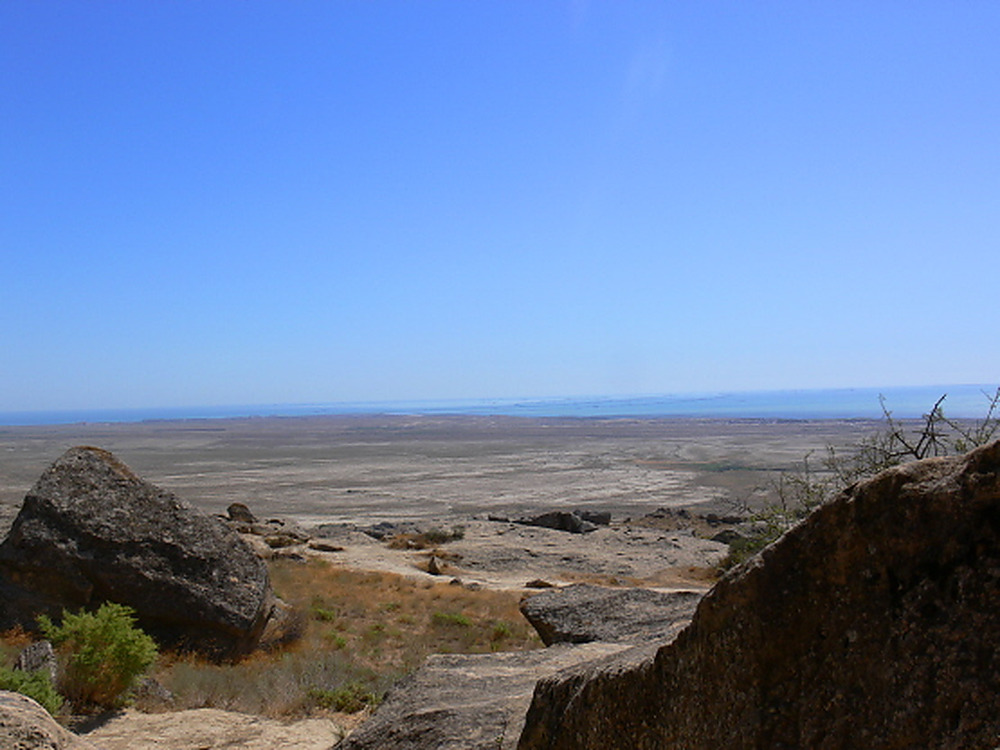
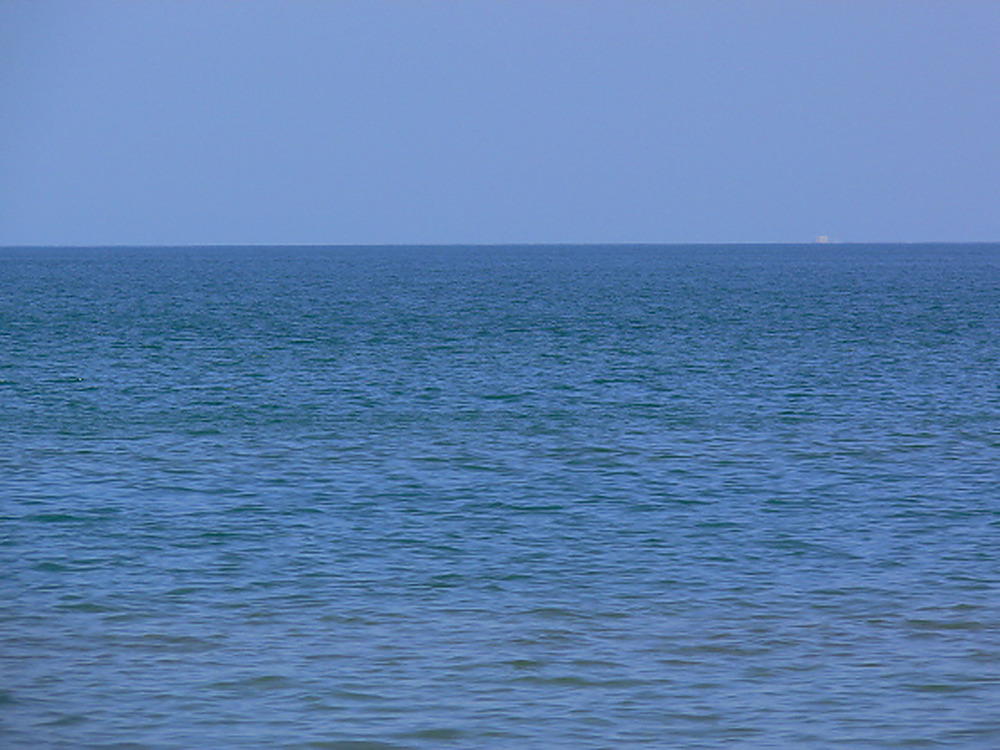
Gobustan sits close to the Caspian Sea, but the shoreline hasn’t always been where it is today. Water levels have changed dramatically over thousands of years, and places that are now dry land were once much closer to the coast.
Ancient people lived throughout this region, using the rocky shelters and surrounding landscape for generations. The combination of exposed stone, open plains, and distant water gives Gobustan a very different atmosphere from modern Baku.
Oil Country
Azerbaijan is famous for the oil and natural gas beneath the Absheron region and the Caspian Sea. The petroleum industry has shaped the country’s economy for generations and is a major reason Baku developed as quickly as it did.
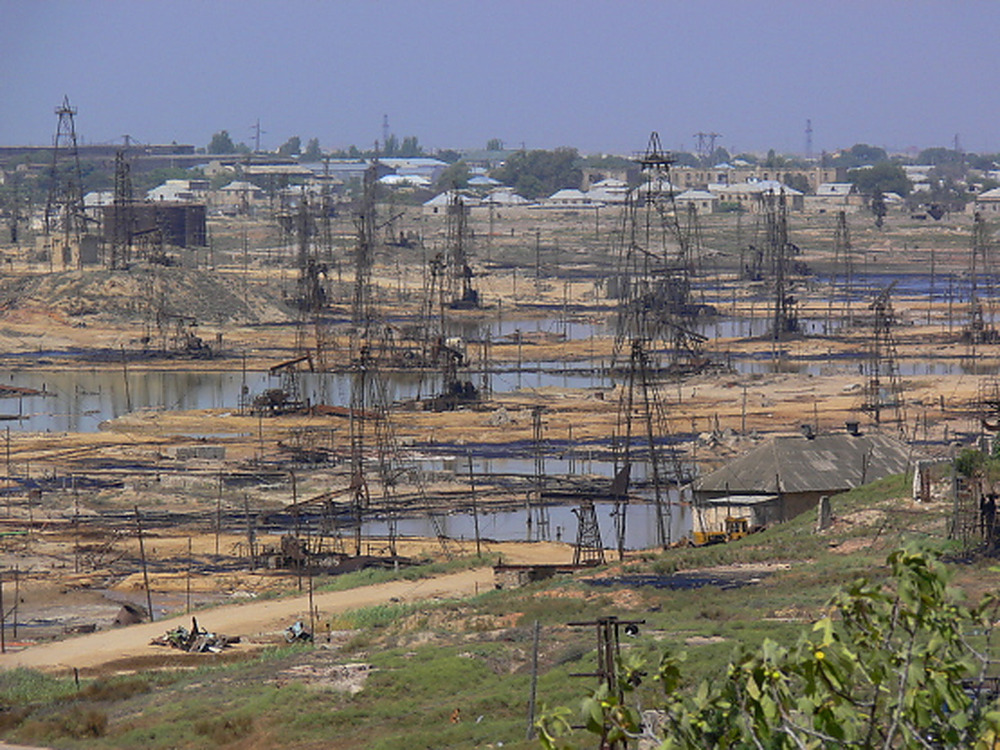
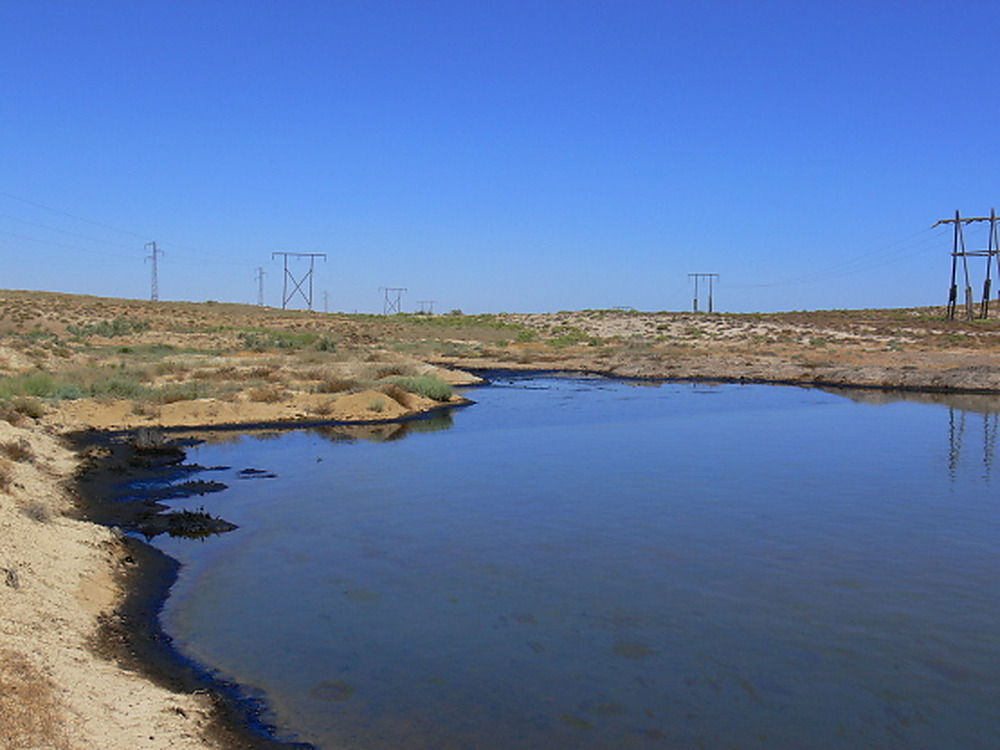
On the drive toward Gobustan I passed plenty of reminders of that industry, from oil wells and equipment to areas where the landscape itself had clearly been affected by petroleum production.
One of Azerbaijan’s Strangest Day Trips
Gobustan ended up being one of my favorite excursions from Baku because so many completely different things were packed into the same trip. I passed oil fields and the Caspian Sea, climbed through a rocky prehistoric landscape, saw carvings left behind thousands of years ago, listened to a musical stone, and finished the day standing beside volcanoes that spit cold mud.
There aren’t many places where ancient archaeology and bizarre geology sit this close together.
For a country that had already surprised me several times, Gobustan somehow managed to make Azerbaijan even stranger.
Explore More of Azerbaijan
Baku • Gobustan