Little Rock isn’t a city that most Americans immediately think of as a tourist destination. Before visiting, I mainly associated Arkansas’ capital with Bill Clinton, who served as governor of the state before becoming president. Once I started exploring, though, I found quite a bit of history packed into the city, including two state capitol buildings, one of the most important sites of the Civil Rights Movement, and a surprisingly enjoyable riverfront along the Arkansas River.
Arkansas State Capitol
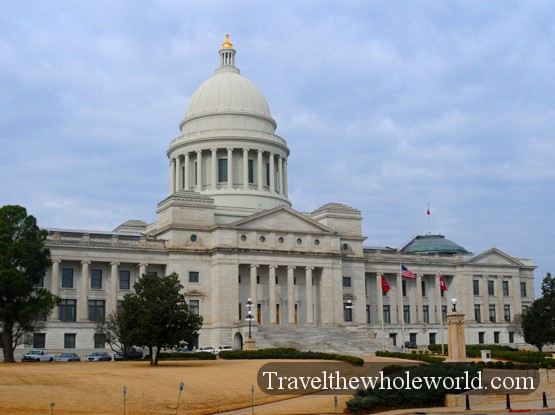
The Arkansas State Capitol sits just west of downtown Little Rock. Construction began in 1899 and took sixteen years before the building was finally completed in 1915. Like several state capitols around the country, its neoclassical design immediately brings to mind the United States Capitol in Washington, D.C.
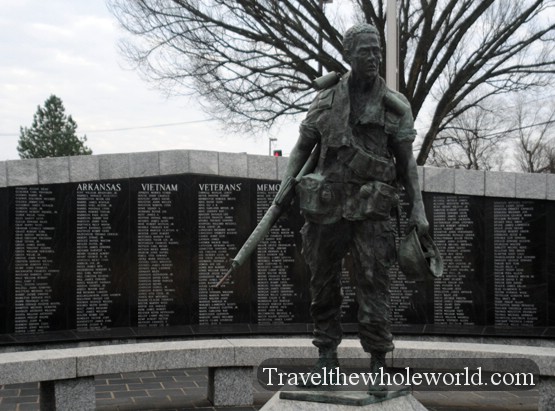
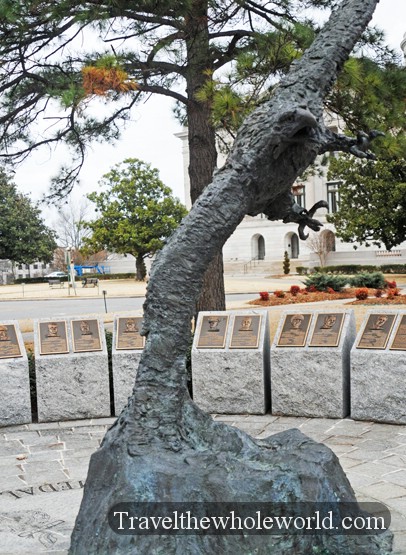
The surrounding grounds contain several monuments and memorials dedicated to Arkansas history and military service.
The Old State House
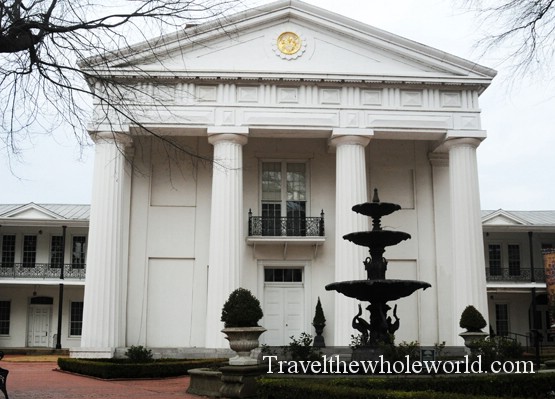
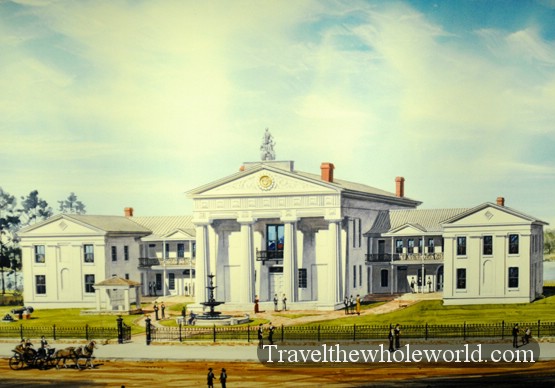
Before the current capitol existed, Arkansas’ government operated from what is now known as the Old State House. Built beginning in the 1830s, it is the oldest surviving state capitol building west of the Mississippi River.
After the government moved into the new capitol, the old building eventually became a museum. I found the exhibits surprisingly interesting because they covered much more than politics and government.
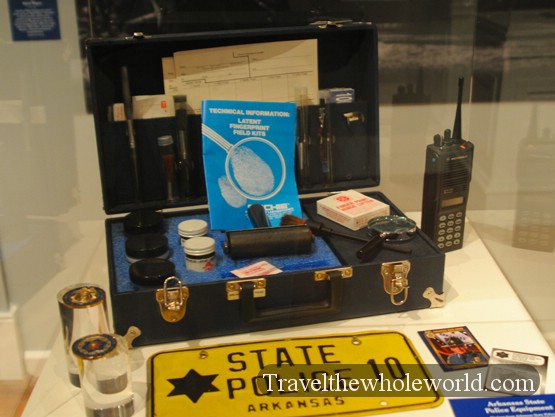
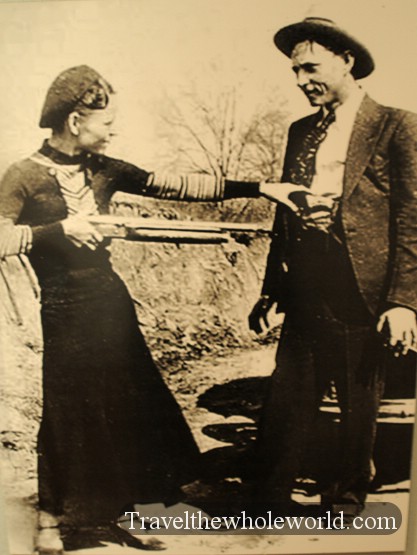
One section focused on Arkansas’ history of crime and law enforcement. The exhibit, called Badges, Bandits and Bars, covered everything from illegal gambling to some of the notorious criminals who operated throughout the region during the early 20th century.
Among the displays were confiscated gambling equipment and photographs of Bonnie and Clyde. I hadn’t expected to spend much time learning about Arkansas criminals inside the former state capitol, but it ended up being one of the more memorable parts of the museum.
Little Rock Central High School
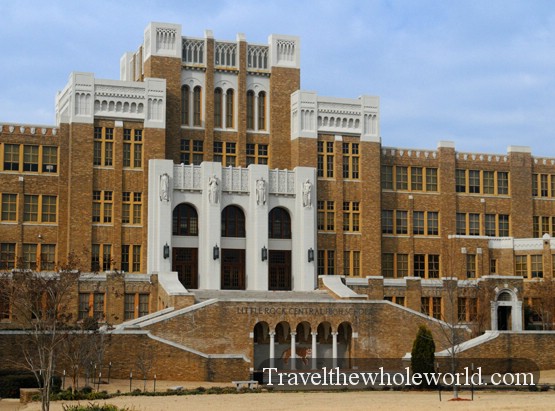
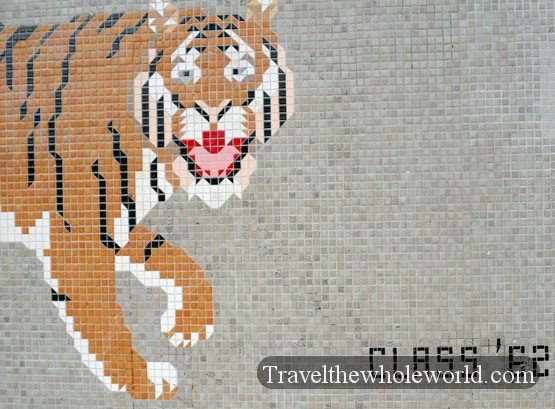
In my opinion, the most historically significant place to visit in Little Rock is easily Central High School. The enormous school opened in 1927 and was considered one of the most impressive high schools in the country at the time.
Three decades later, it became internationally famous for a much more important reason.
In 1957, nine Black students attempted to attend the previously segregated school following the Supreme Court’s decision declaring segregated public schools unconstitutional. Arkansas Governor Orval Faubus initially used the Arkansas National Guard to prevent the students from entering.
The confrontation eventually became a national crisis. President Dwight D. Eisenhower federalized the Arkansas National Guard and sent members of the 101st Airborne Division to Little Rock to protect the students as they entered the school.
Those students became known as the Little Rock Nine, and their experience turned Central High School into one of the defining landmarks of the Civil Rights Movement.
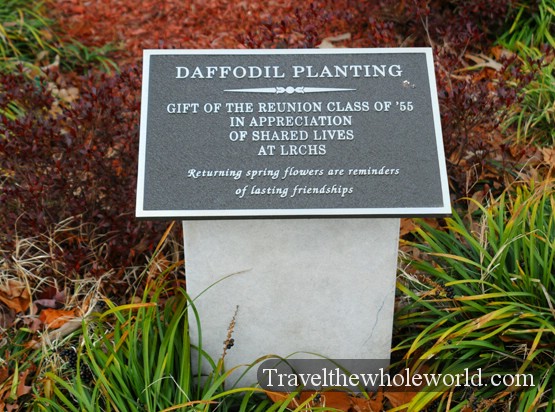
What makes the site particularly unusual is that Central High isn’t simply a preserved historic building. It’s still an active high school. Students continue attending classes inside the same building where one of the country’s most important battles over school integration took place.
The Neighborhood Around Central High
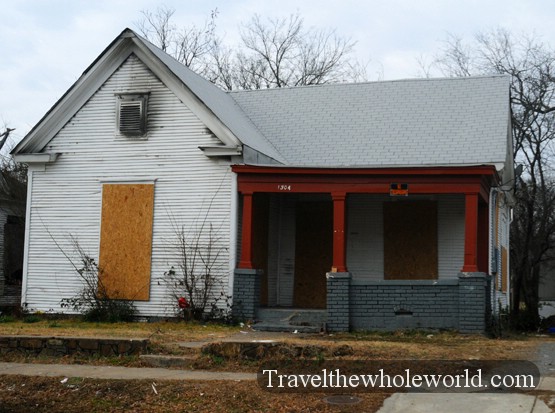
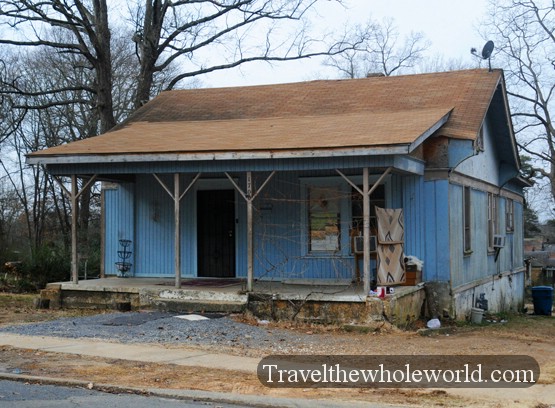
After visiting the school, I spent some time driving around the surrounding residential neighborhood. The contrast was difficult to miss. Alongside occupied homes were numerous buildings that appeared abandoned or badly deteriorated.
Some streets looked considerably rougher than I had expected, and these houses were among the most run-down I encountered during my trip through Arkansas. It wasn’t the impression of Little Rock I had expected immediately after visiting such an important national historic site.
Bill Clinton and Little Rock
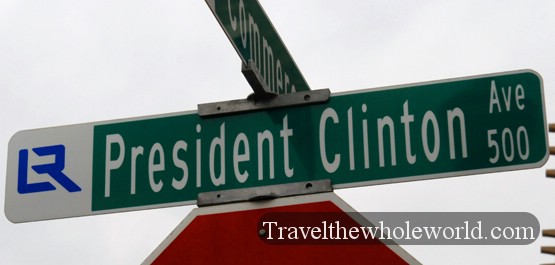
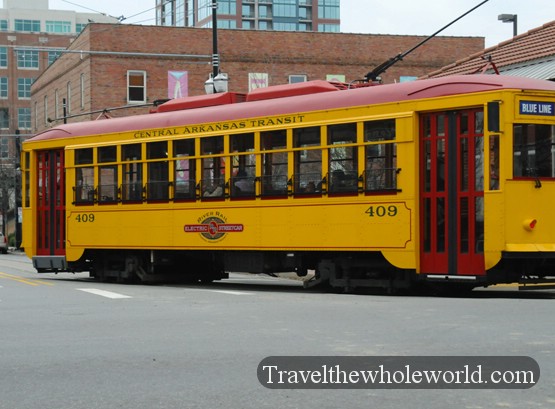
It’s almost impossible to spend much time in Little Rock without encountering the name Bill Clinton. Before becoming president, Clinton spent much of his political career in Arkansas and served multiple terms as governor.
President Clinton Avenue runs through the River Market District, and farther along the river is the Clinton Presidential Center.
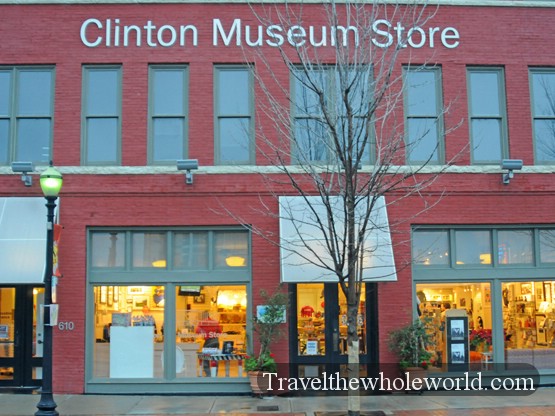
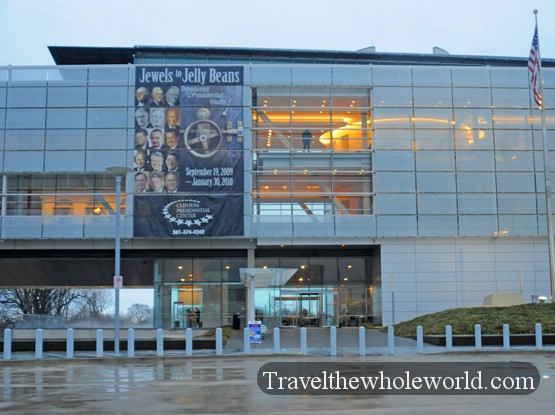
The Clinton Presidential Center contains the presidential library and museum covering Clinton’s administration and political career. Its modern design also stands out dramatically from most of the older buildings around downtown Little Rock.
River Market District
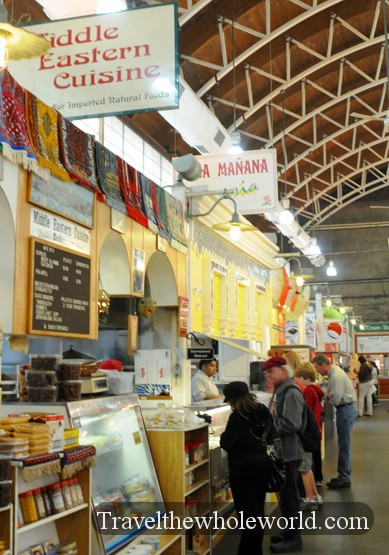
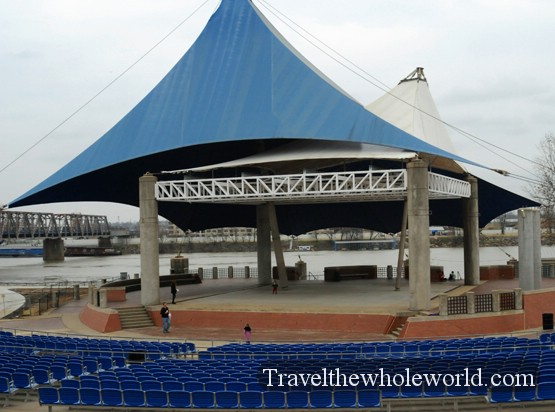
The River Market District was the liveliest part of downtown that I visited. Restaurants, bars, shops, museums, and public spaces are concentrated near the Arkansas River, with President Clinton Avenue running through the center of the district.
I happened to visit in the middle of January under gray skies, so my photographs make the riverfront look considerably more depressing than it probably deserves. I could easily imagine the same area being packed on a warm summer evening, especially during a concert at the riverside amphitheater.
The Peabody Ducks
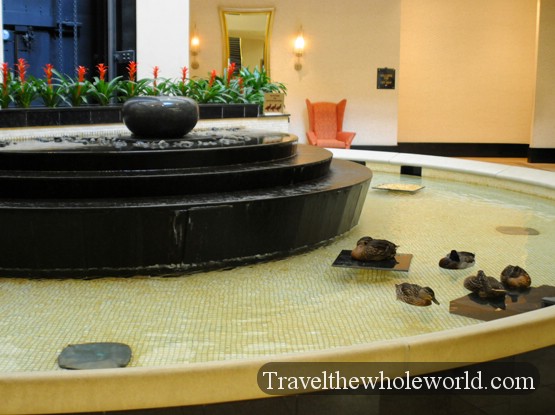
At the time of my visit, one of the better-known hotels downtown was the Peabody Little Rock. Like the original Peabody Hotel in Memphis, it continued the wonderfully strange tradition of keeping live ducks in the lobby fountain.
Watching ducks wander around an upscale hotel lobby is one of those things that doesn’t really need to make sense to be entertaining.

Walking Along the Arkansas River
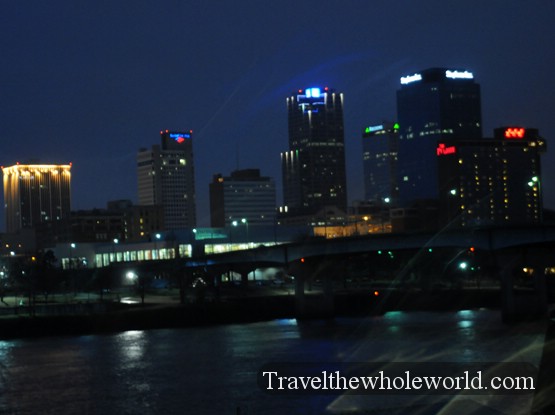
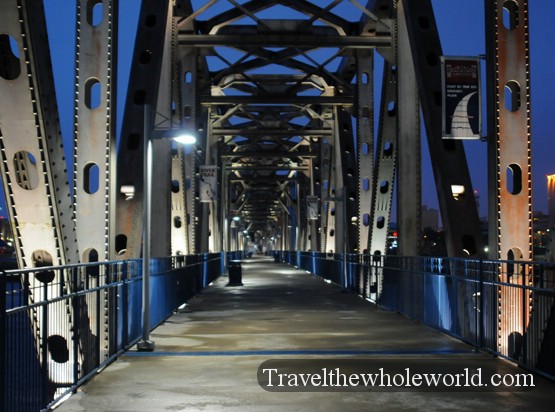
What I enjoyed most in Little Rock was surprisingly simple: walking along the Arkansas River at night on the opposite side from downtown.
There wasn’t much happening along the trail itself, which was part of what made it enjoyable. It was quiet, and from across the water I had some of my best views of the Little Rock skyline. After spending the day driving between museums and historic sites, walking along the river was a relaxing way to see the city from a completely different perspective.
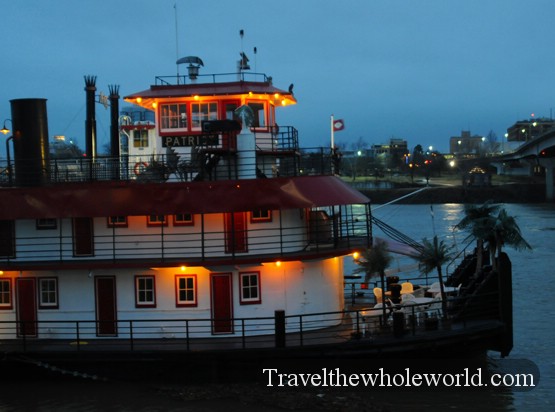
Along the waterfront I also saw the Arkansas Queen, a paddlewheel-style riverboat that offered cruises along the Arkansas River at the time of my visit.
Mount Holly Cemetery
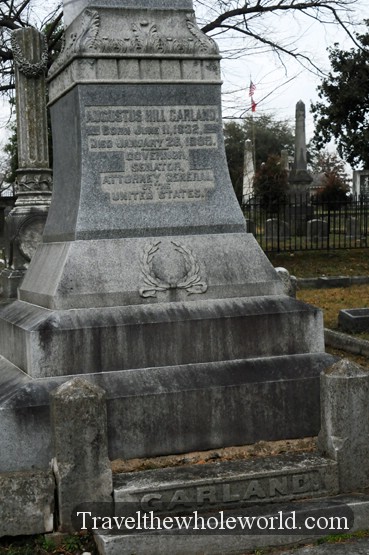
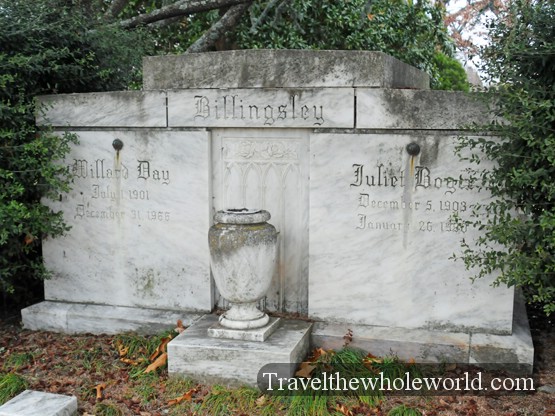
My final stop was Mount Holly Cemetery, established in 1843 and one of the most historic cemeteries in Arkansas. Numerous governors, senators, mayors, military figures, and other prominent Arkansans are buried here.
Little Rock ended up being more interesting than I expected. Central High School alone makes the city historically important, but I also enjoyed the Old State House, the riverfront, and simply walking beside the Arkansas River after dark. The gray January weather didn’t do Little Rock any favors, but underneath it I found a city with considerably more history and character than I had expected when I arrived.
“`
Explore More of Arkansas
Hot Springs • Little Rock • the Ozarks