Fairbanks had been on my mind for years for one major reason: the northern lights. I had tried to see the aurora on several previous trips to northern parts of the world, even spending two weeks once in Scandinavia, but somehow cloudy weather followed me everywhere I went. Finally, I made it to Fairbanks in the middle of winter and was not disappointed!
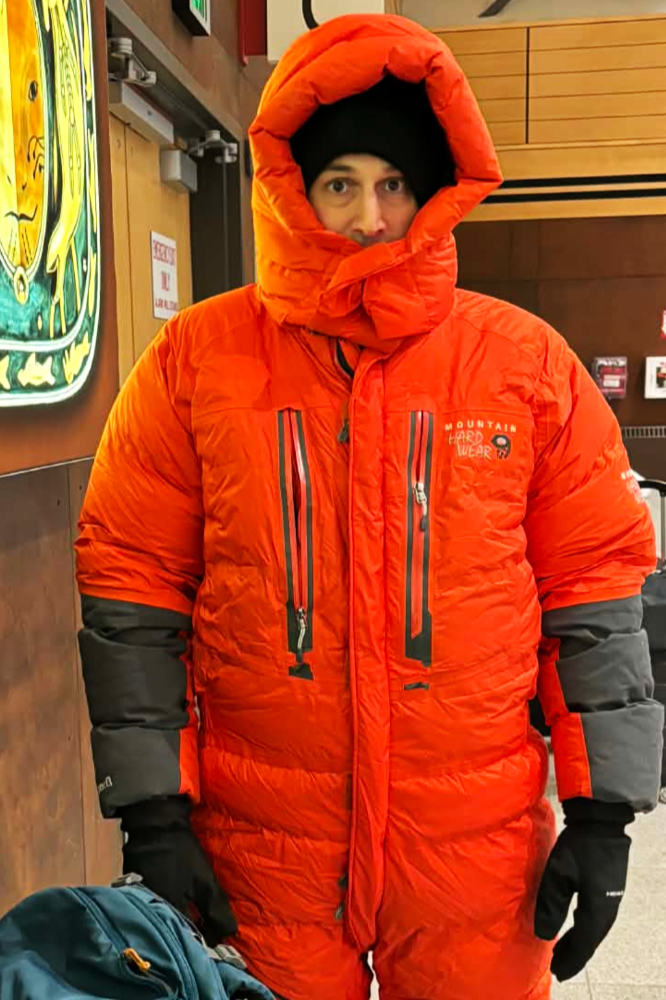
When I arrived in Fairbanks, the temperatures were seriously in the negative 40s. At the time, I thought it was always this cold here, and while those temperatures aren’t unheard of, it’s normally not this brutal. Luckily for me, I had my Mt. Everest down suit! Below is a picture from one of the warmer days, when it hit -29°F.
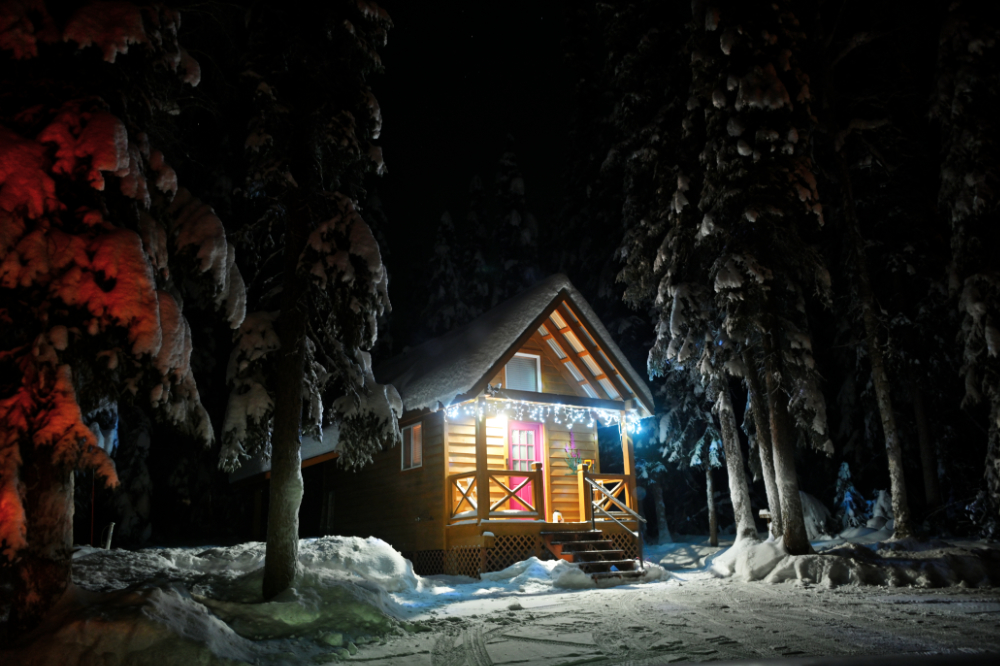
For some reason many flights seem to arrange their arrival late at night. I suppose in the winter it doesn’t matter much, since it was nearly dark all day, but made it a surreal experience stepping outside at midnight in some of the coldest temperatures I’ve ever felt. My girlfriend and I ran straight for the car, then headed to this cozy secluded cabin.
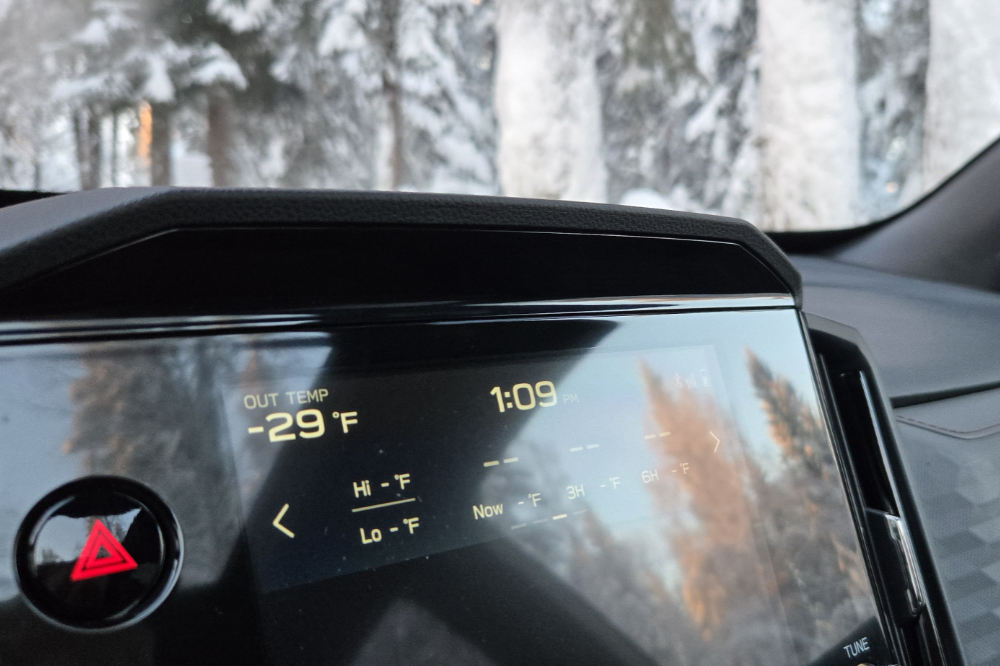
I certainly picked the right time if I wanted winter. Temperatures dropped to around -40°F during my visit, making this one of the coldest places I had ever experienced. At temperatures like that, simply walking around outside becomes an experience. Cars, buildings, roads, trees, and even the air itself seem different.
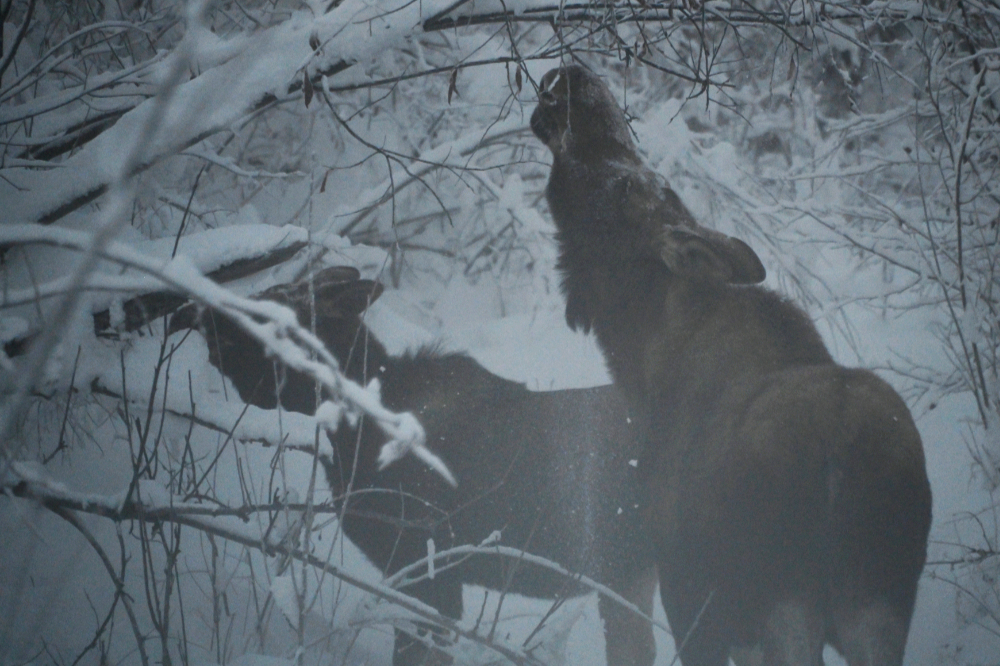
Despite the extreme temperatures, wildlife still had to go about its daily routine. Moose were among the animals I encountered around Fairbanks, seemingly much better equipped for the conditions than I was.
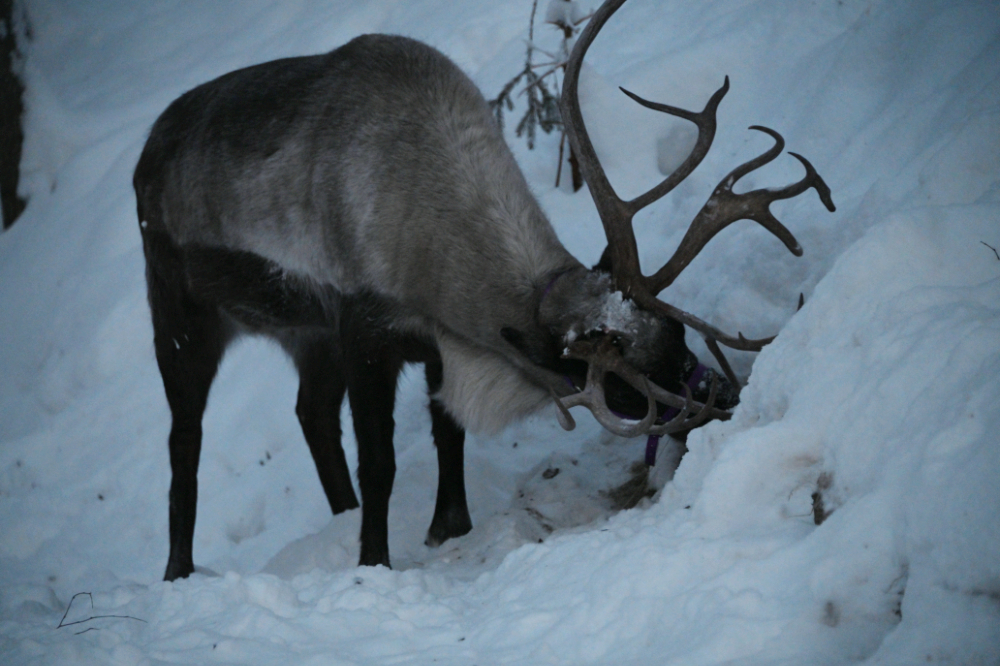
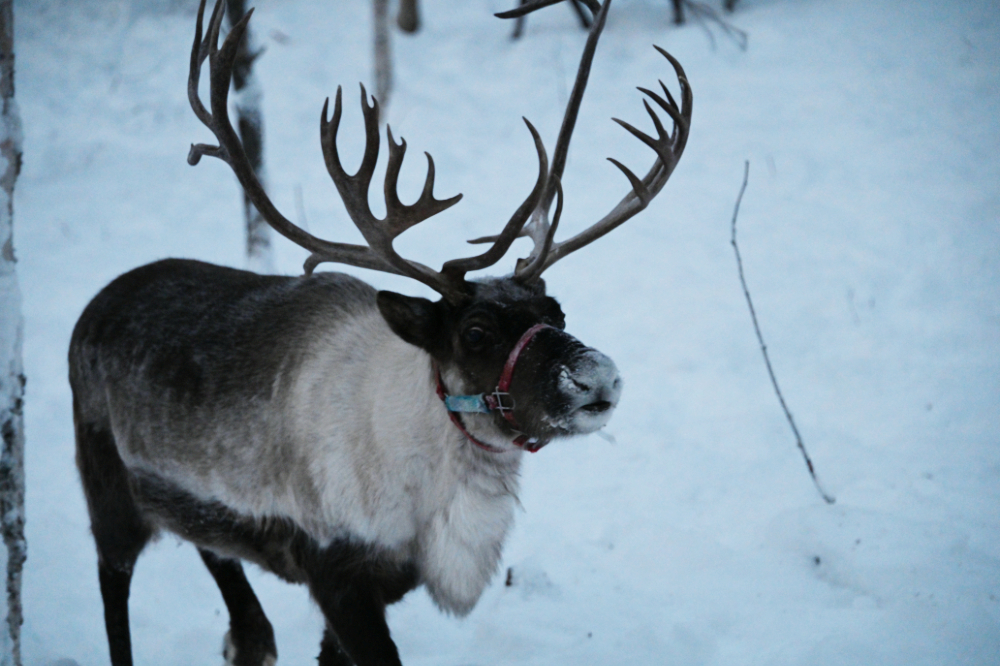
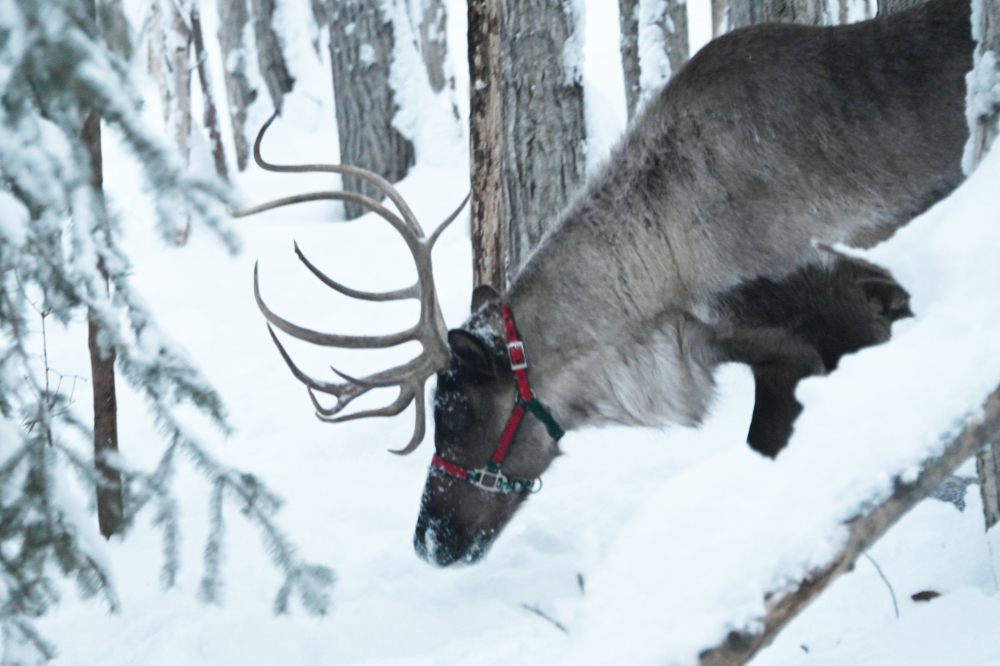
One of the most interesting things I learned was that reindeer can see ultraviolet light. Human vision generally ends at wavelengths around 400 nanometers, but reindeer can perceive ultraviolet wavelengths below that range. In an Arctic environment where snow reflects enormous amounts of ultraviolet light, this gives them an advantage that humans simply don’t have.
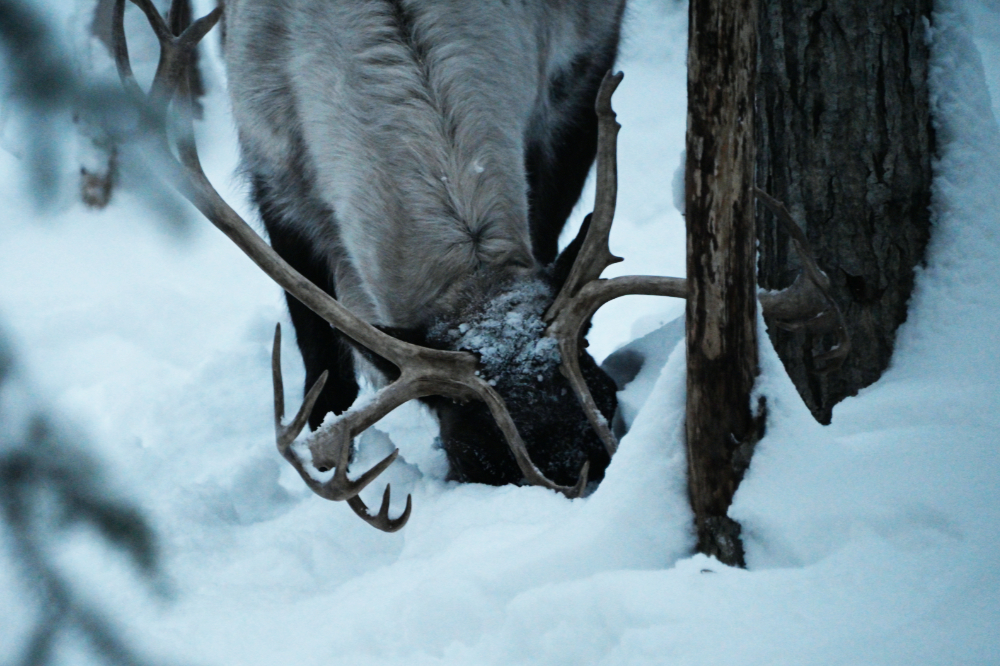
Their unusual vision can help increase the contrast between the snowy landscape and things that absorb ultraviolet light, including lichens that reindeer forage for during the winter. It was fascinating to realize that the landscape I was looking at wasn’t necessarily the same landscape these animals were seeing.
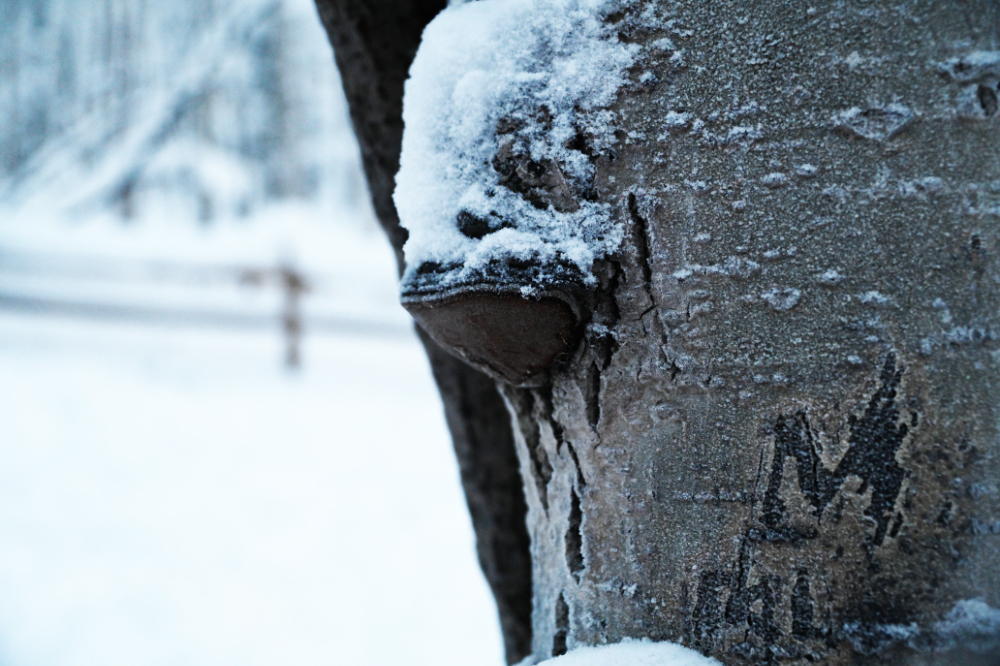
Fairbanks sits deep in Alaska’s interior, where the winters are long, dark, and brutally cold. Even the vegetation reflects the harsh environment. Trees that would grow much larger farther south have to survive frozen ground, short growing seasons, and months of extreme winter conditions.
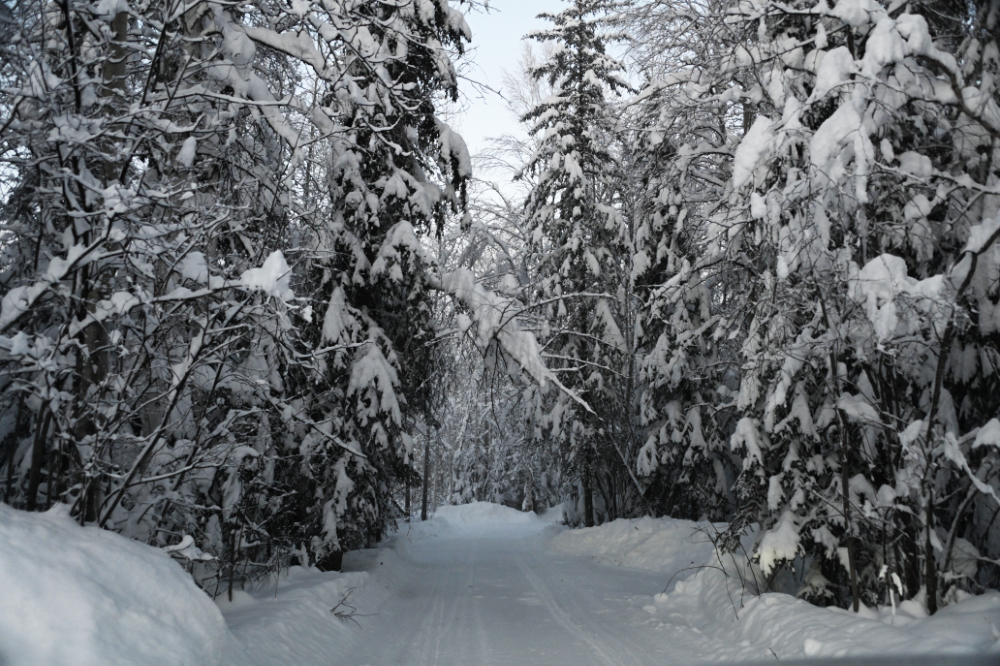
Driving around Fairbanks in winter was another reminder of where I was. Snow and ice weren’t temporary inconveniences waiting for the next warm afternoon to melt them. They were simply part of the landscape.
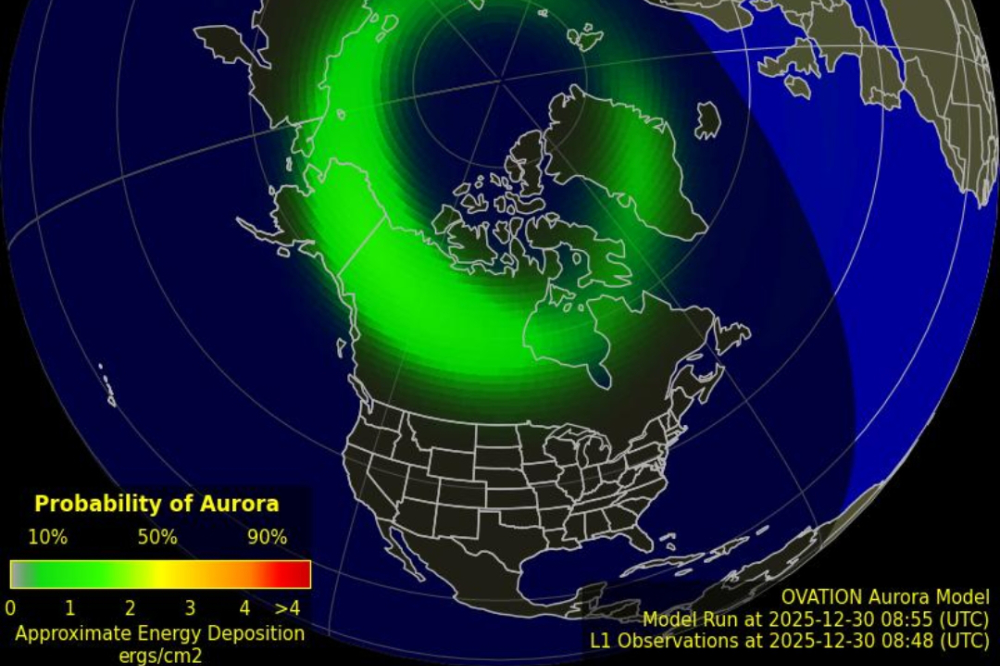
Of course, the real reason I had come this far north in the middle of winter was the aurora borealis. I had been trying to see the northern lights for what seemed like forever, watching forecasts and hoping conditions would finally cooperate. Fairbanks gave me another chance, and this time I finally got what I had come for.
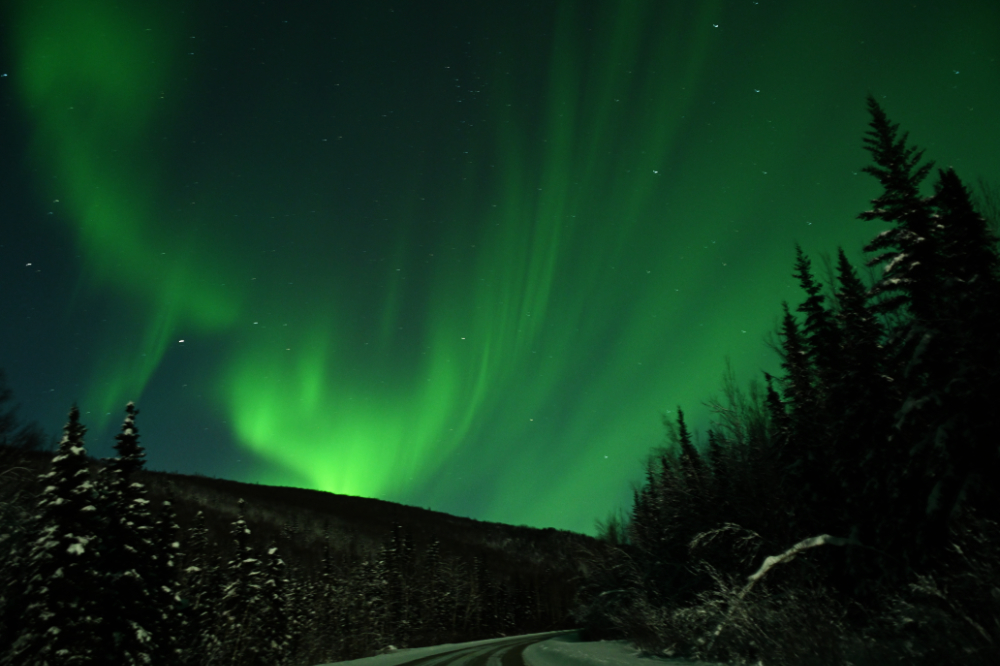
Seeing the northern lights in person was different from what I had imagined from photographs. I expected beautiful green light stretched across the sky, but what caught me completely off guard was how much it moved. The aurora wasn’t simply hanging overhead like a glowing cloud. It shifted and changed in real time, with bands of light moving across the darkness.
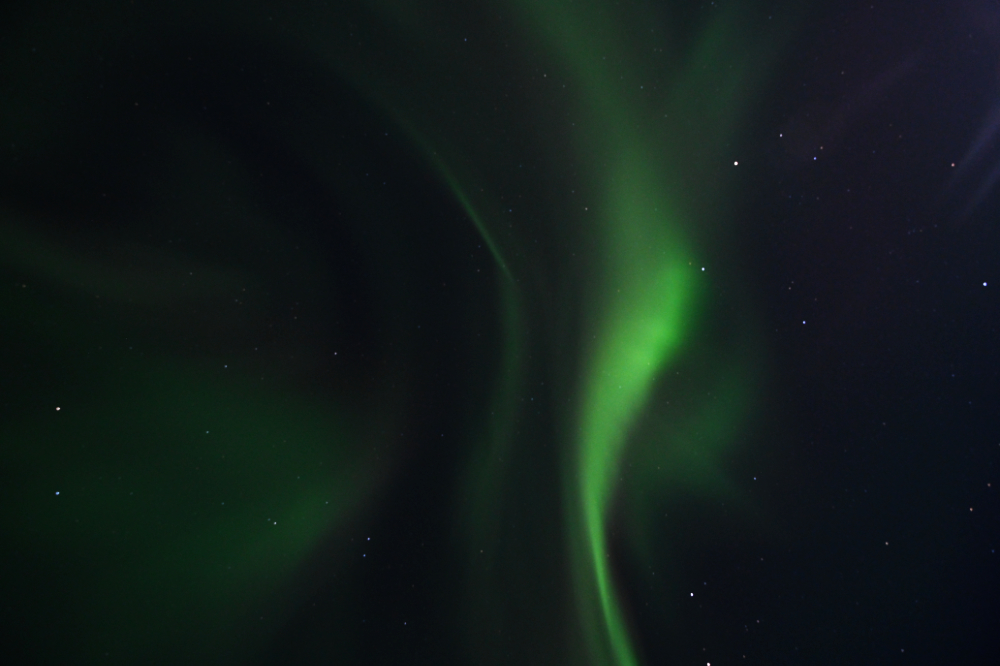
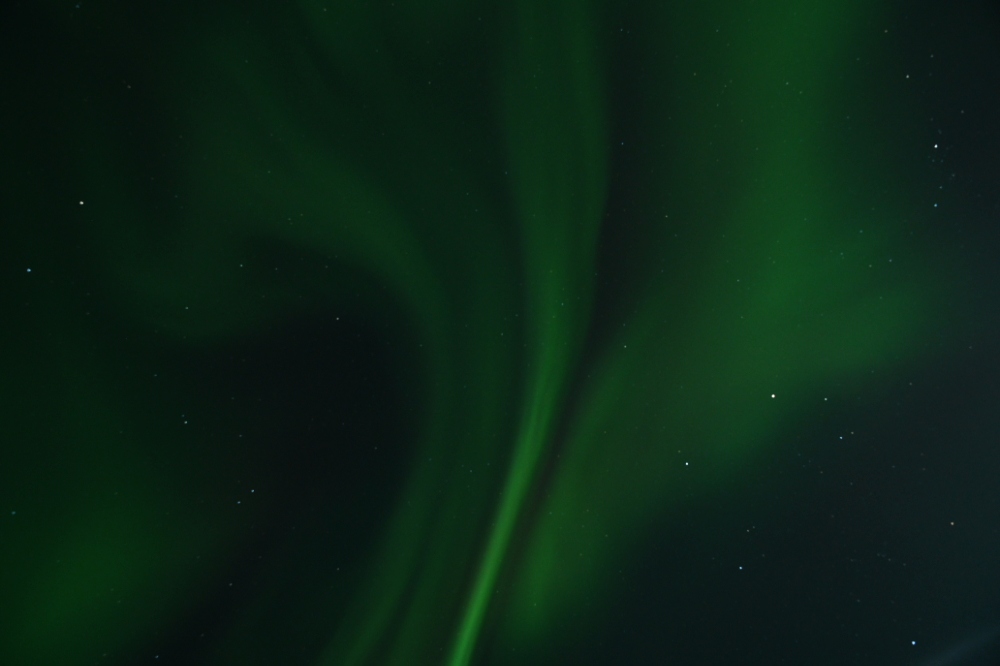
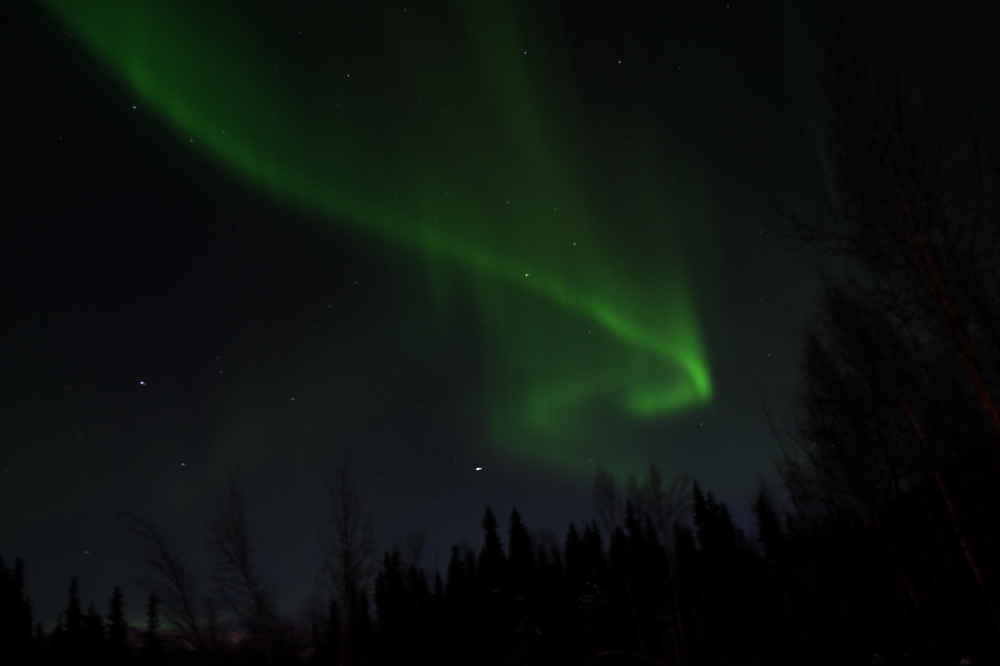
Photographs capture the colors, but they don’t really capture that movement. After spending years wanting to see the aurora, watching it dance across the sky was the part of the experience that impressed me most. It was one of those rare things I’d seen countless photographs of beforehand and still wasn’t prepared for when I finally saw it myself.
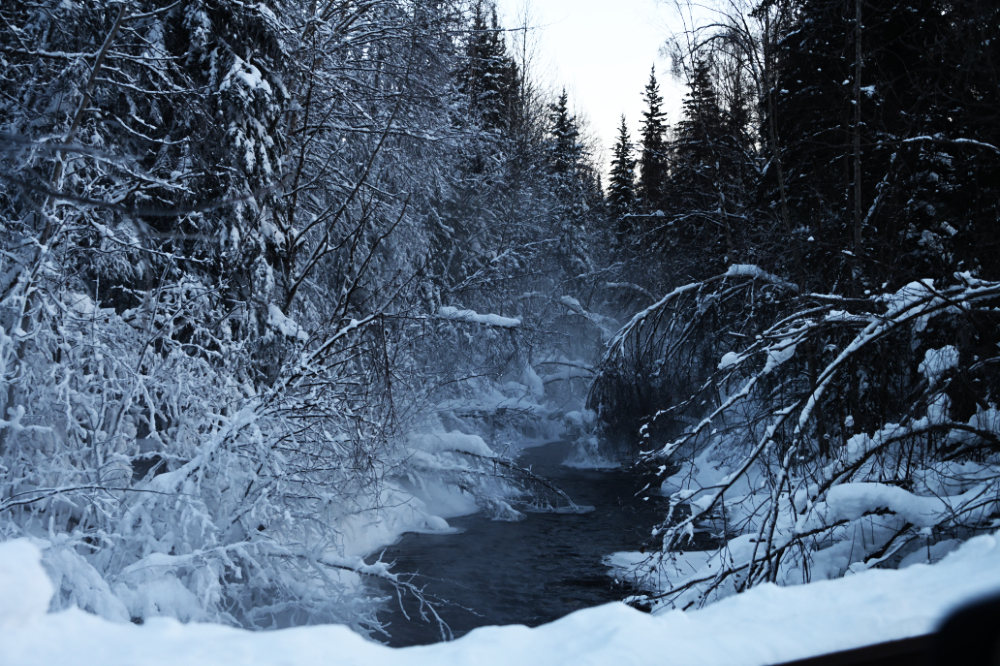
Chena Hot Springs provided about as dramatic a contrast to the outside temperature as possible. Surrounded by a frozen landscape, naturally heated water continued flowing while snow and ice covered almost everything around it.
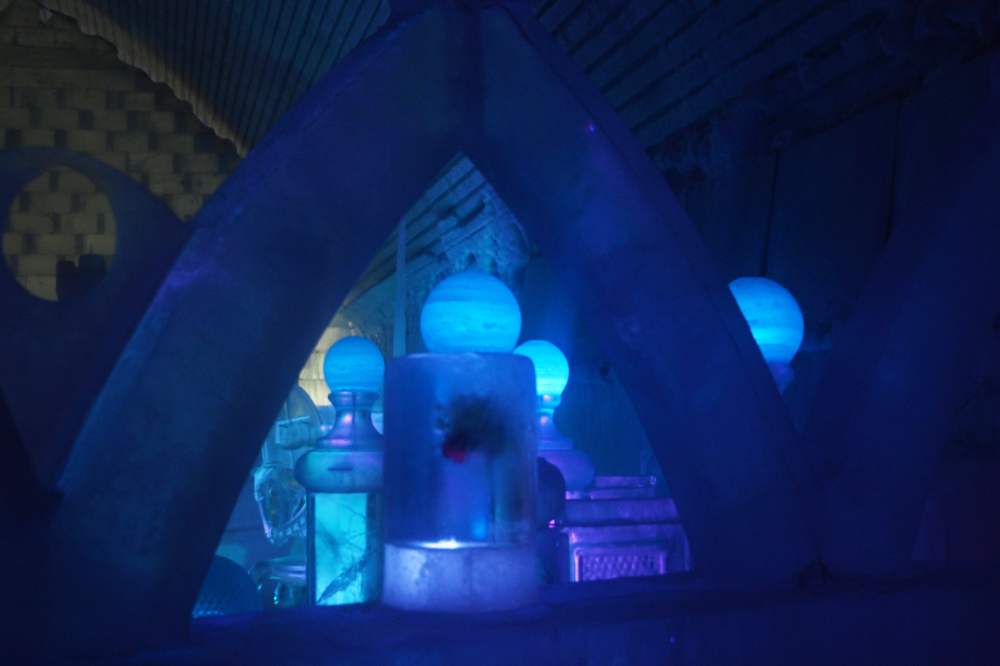
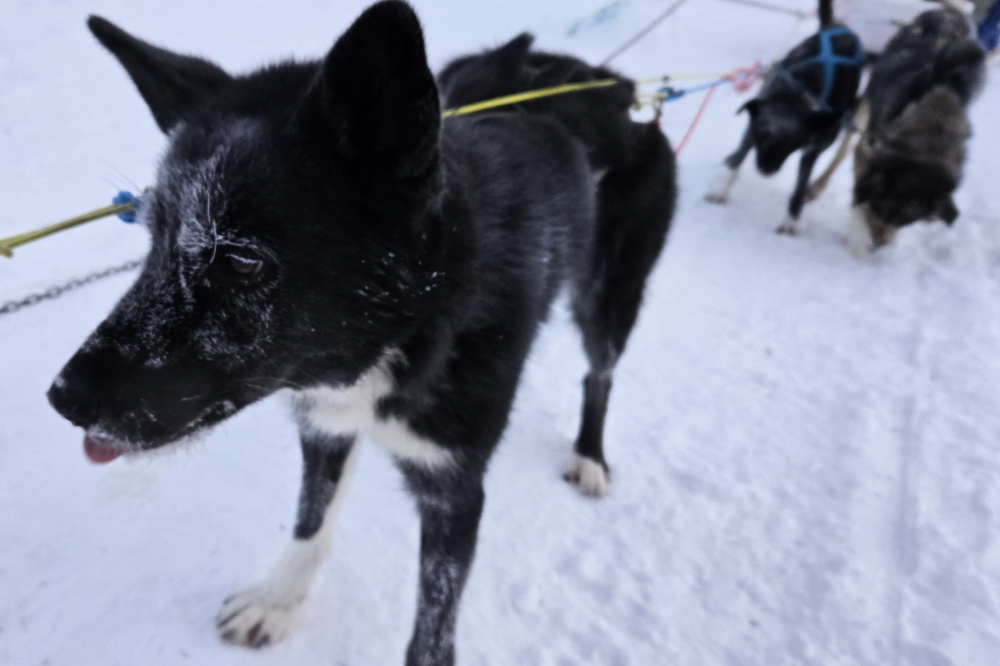
Dog sledding was another experience that made considerably more sense after spending time in Alaska during winter. Long before modern roads connected communities across the state, dog teams provided transportation through a landscape that could remain buried beneath snow for months.
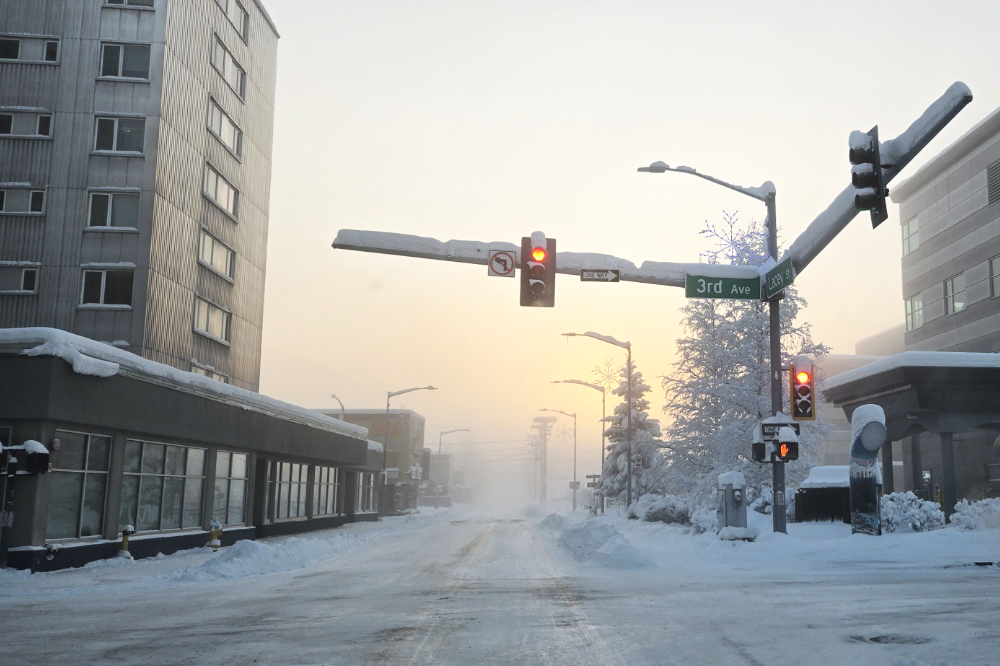
I wish I had taken more photographs of Fairbanks itself. I spent so much of the trip focused on the surrounding landscape, wildlife, winter activities, and especially the aurora that I came home with surprisingly few pictures of the city. Fairbanks isn’t a huge city, but sitting this far north in Alaska’s interior gives it a character unlike anywhere else I’d visited in the United States.