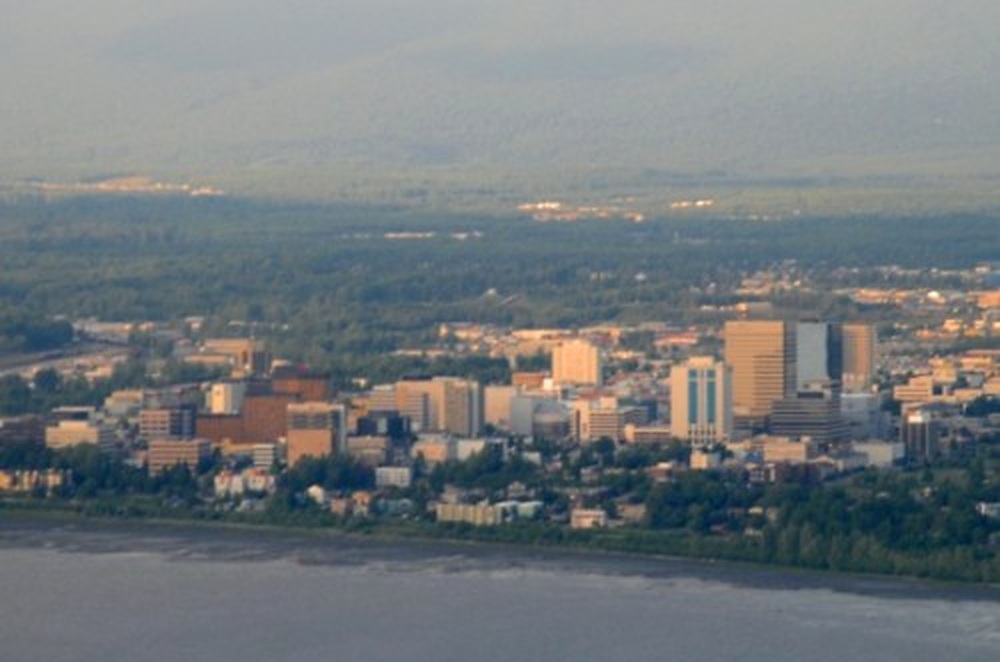
Anchorage is by far Alaska’s largest city, with a huge percentage of the state’s population concentrated in and around it. What makes the city especially interesting is how different it can feel depending on the time of year.
When I visited Alaska in May, temperatures were generally in the 50s, and later in June I experienced days approaching 70°F. My first trip in January was obviously much colder, although not quite as brutally cold as I had imagined Alaska would be. Temperatures were often in the upper teens, which was only about twenty degrees colder than the winter weather I was used to back home in Virginia.
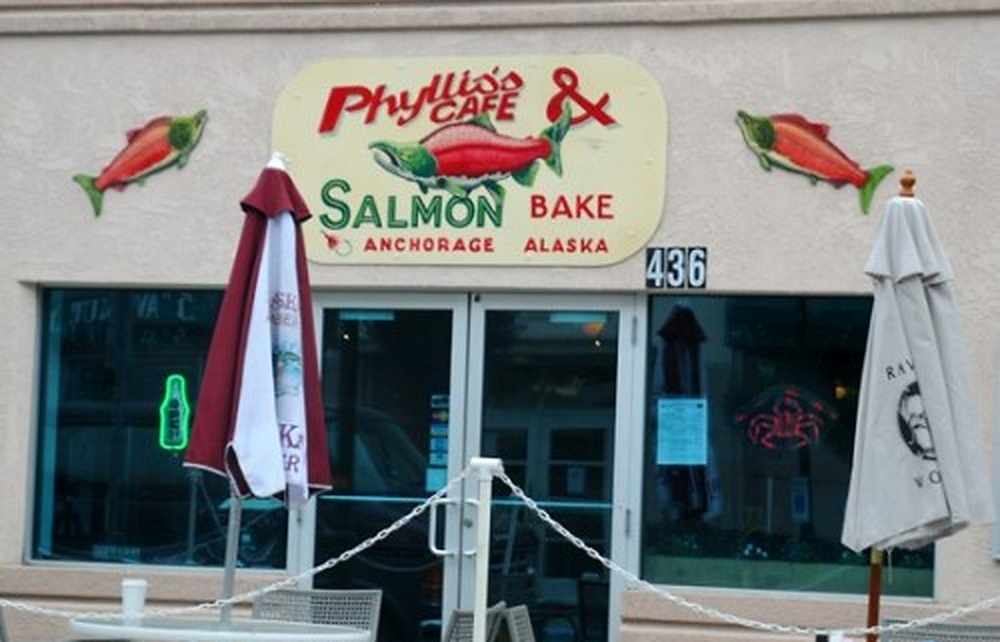
Salmon is obviously a big part of Alaska, whether you’re talking about wildlife, fishing, or food. Even around Anchorage, reminders of Alaska’s famous salmon are everywhere.
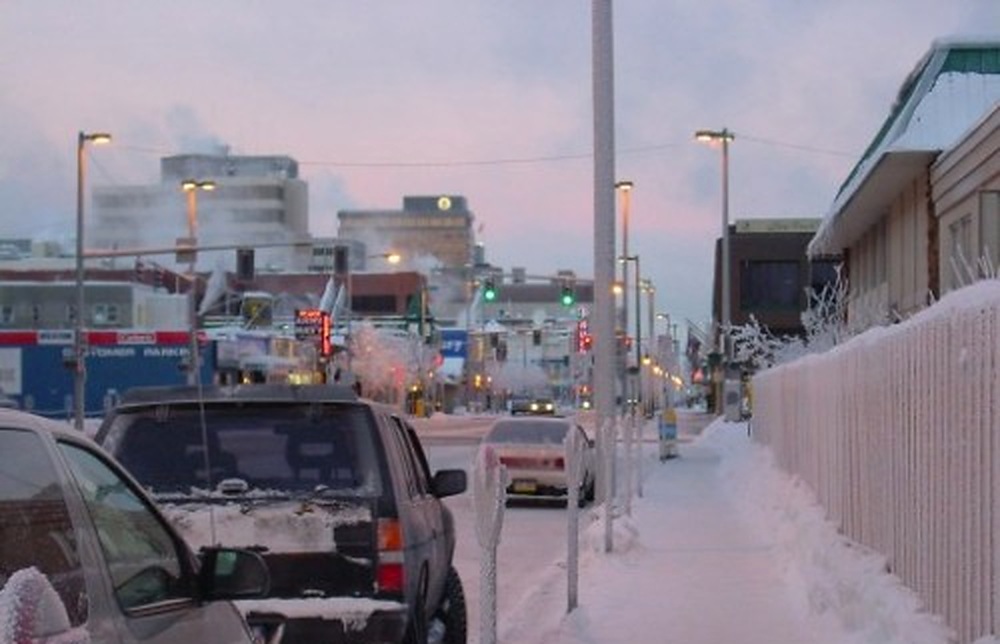
Winter was a completely different experience. During my January visit, the sun didn’t rise until around 11 in the morning. Streets could remain covered with snow and ice, and the combination of cold temperatures and extremely short days made Anchorage feel like a very different city from the one I later saw during the warmer months.
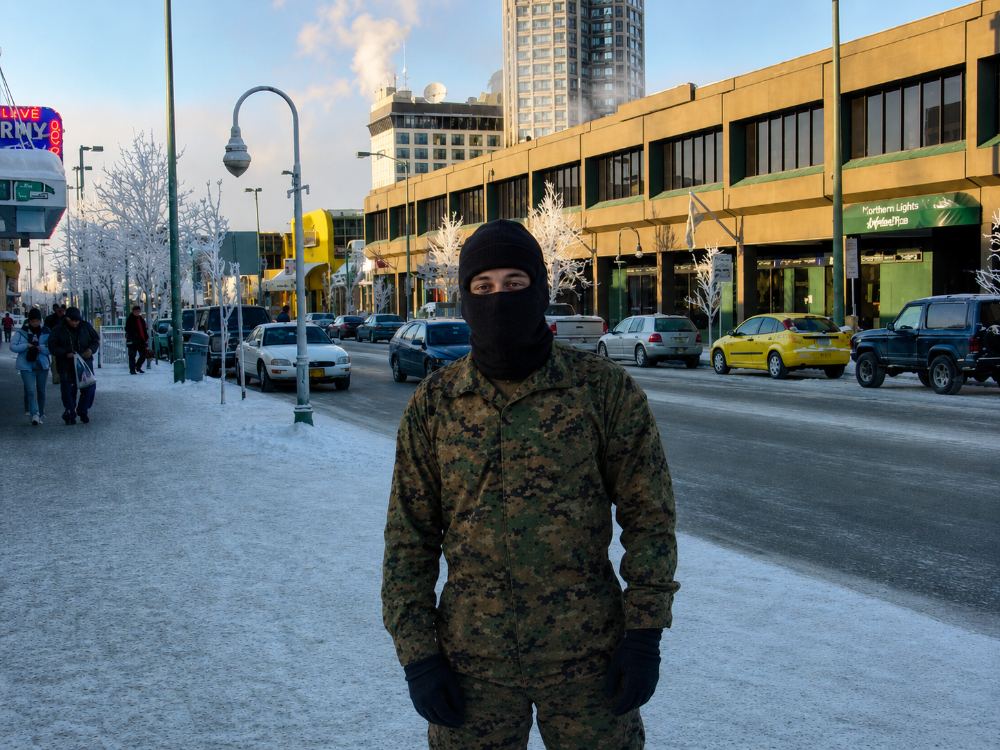
That’s me wandering around the streets somewhat aimlessly during my first visit. I hadn’t originally come to Alaska to explore Anchorage at all. I was in the Marines and traveling to Japan when our plane broke down, turning Alaska into an unexpected stop along the way.
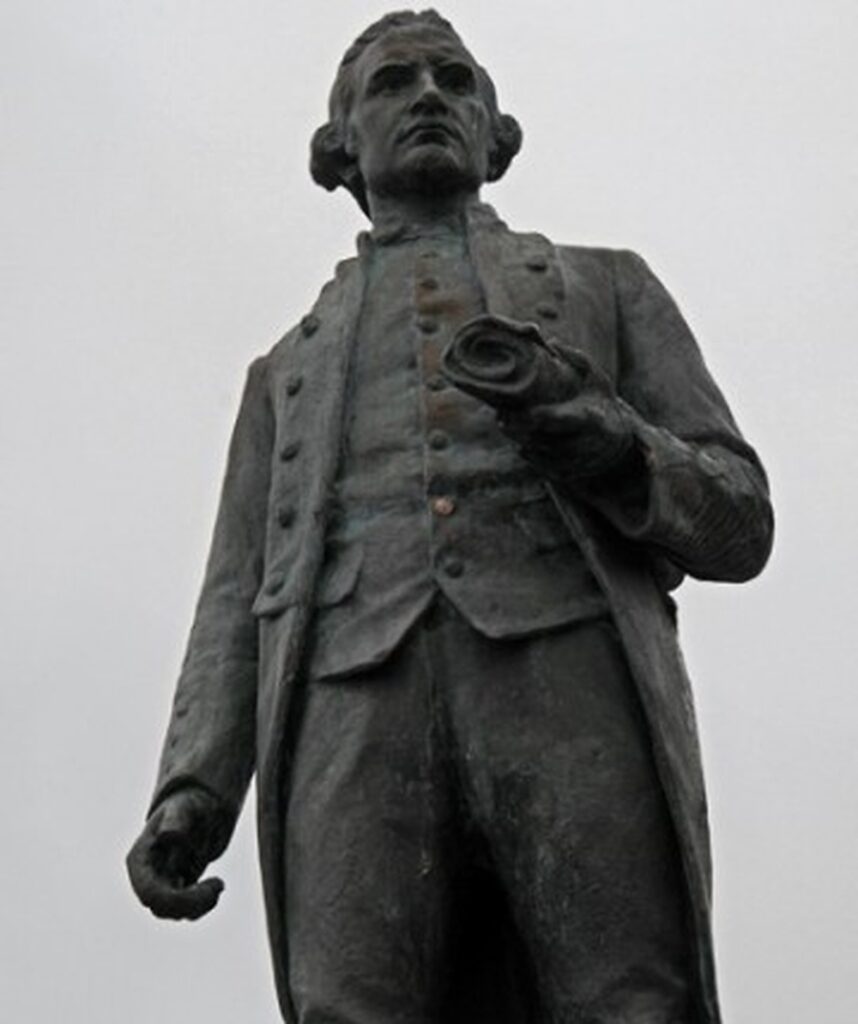
Anchorage itself is a surprisingly young city. It sits at the upper end of Cook Inlet, which was explored and mapped by Captain James Cook in 1778. Anchorage didn’t begin developing until the early 20th century, when construction of the Alaska Railroad brought workers and a settlement to the area.
The statue above overlooks Cook Inlet. On exceptionally clear days, Denali can be visible far to the north, an incredible sight considering how far away the mountain is.
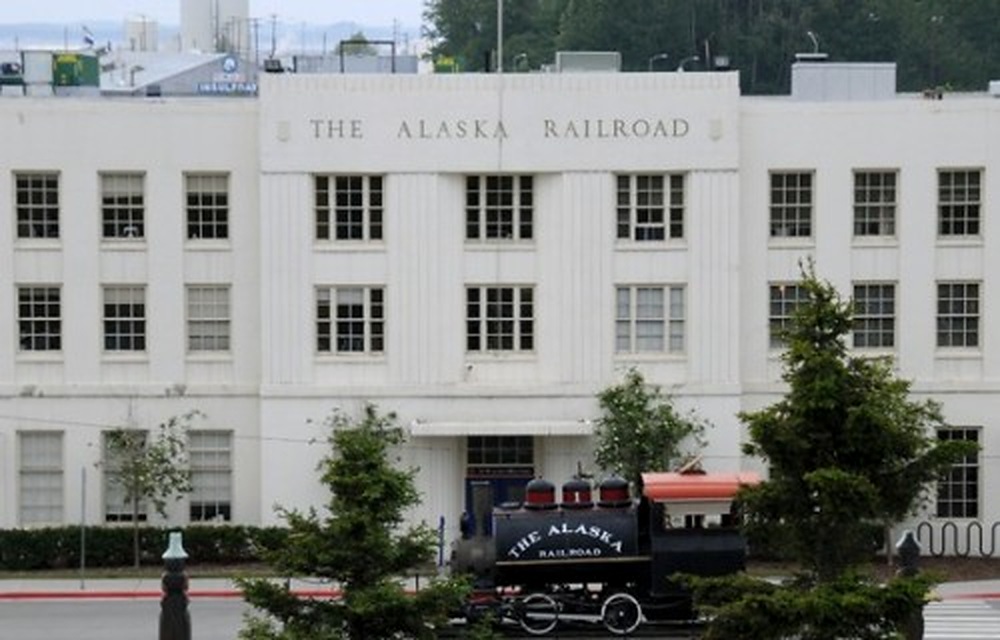
The Alaska Railroad played a major role in Anchorage’s creation and growth. What began as a railroad construction camp eventually developed into the largest city in Alaska.
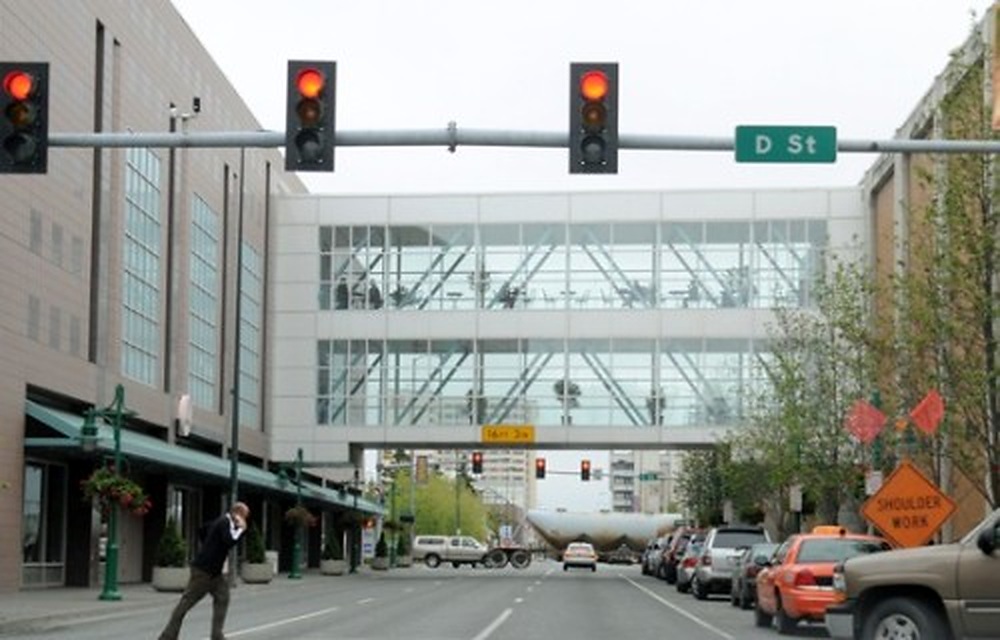
Downtown Anchorage can look surprisingly ordinary during the summer. There are museums, restaurants, souvenir shops, and plenty of stores selling things unique to Alaska. You could almost forget how remote you are until you look beyond the buildings and see mountains rising around the city.
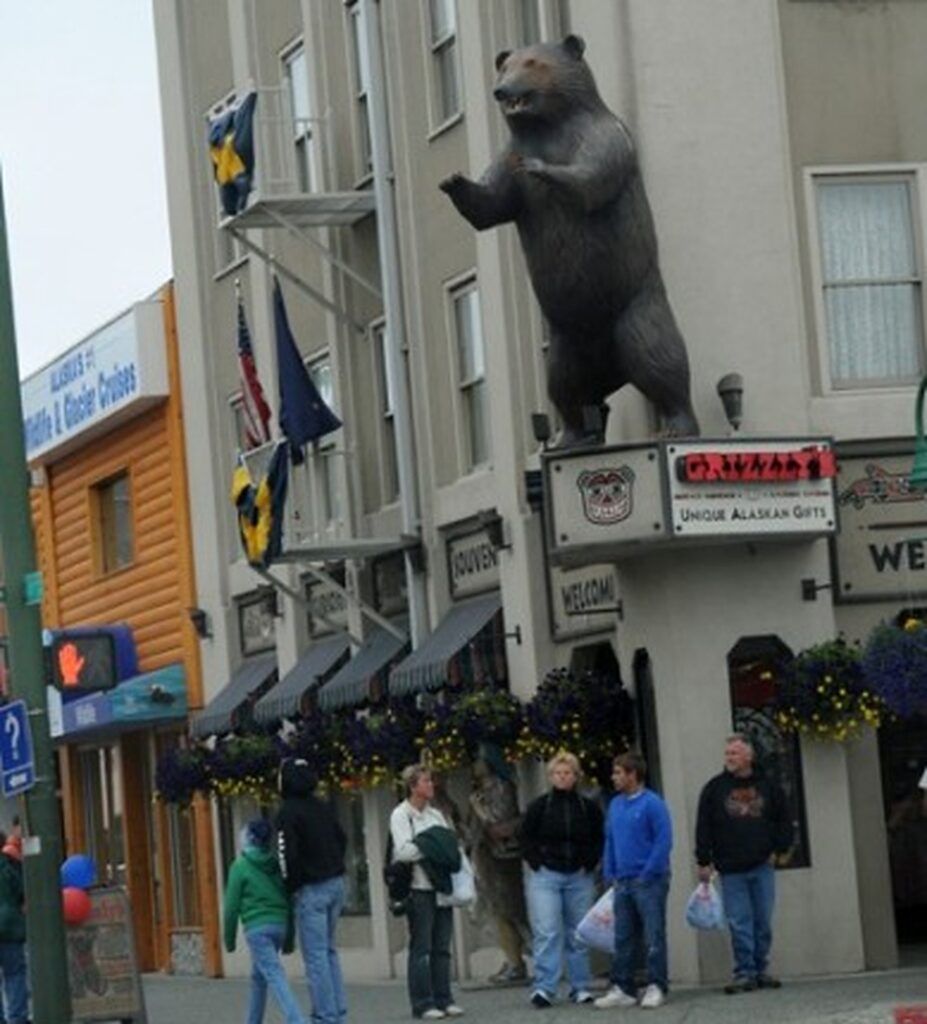
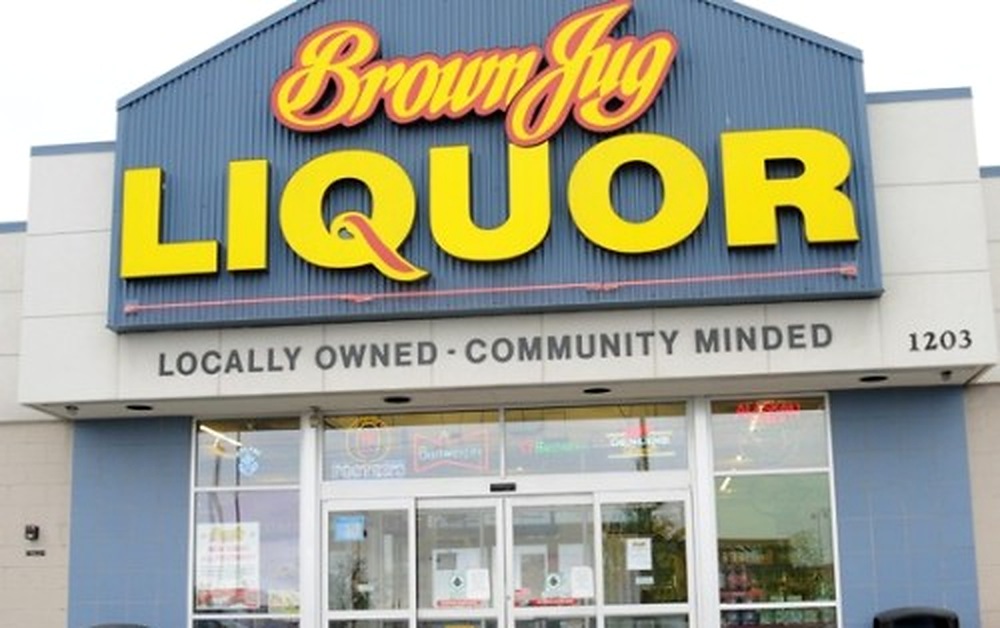
During my winter visit, I started joking that there must be two ways to survive an Alaskan winter. Anchorage gets its share of extremely cold weather, and when you combine that with only a few hours of daylight, spending the evening somewhere warm suddenly makes a lot of sense. I remember seeing what seemed like a ton of liquor stores around the city.
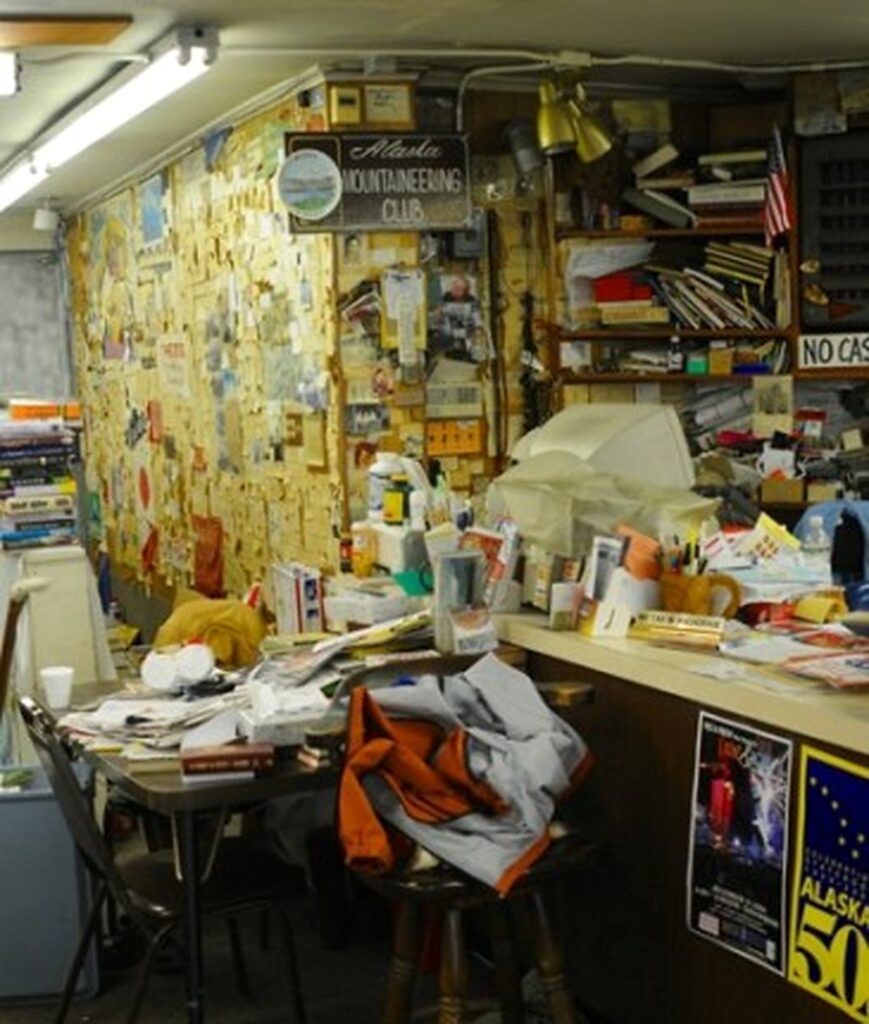
The other traditional answer to surviving an Alaskan winter was fur. Today many of the furs sold in Anchorage are expensive specialty or luxury items, but historically fur clothing was obviously much more practical in a place with winters like these.
I visited this particular shop during an earlier trip and talked with a very old man who worked there. He told me stories about Alaska and about American and foreign presidents who had supposedly visited his store and bought fur. Years later, when I returned in 2009, he was still there.
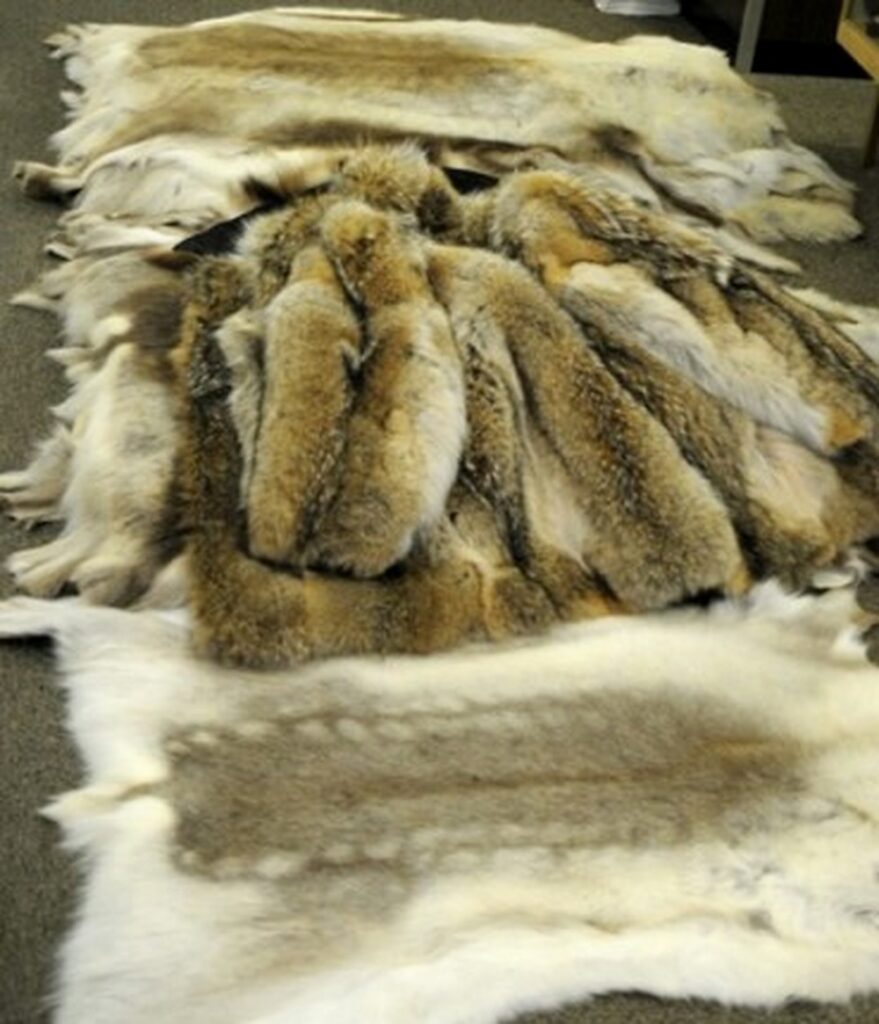
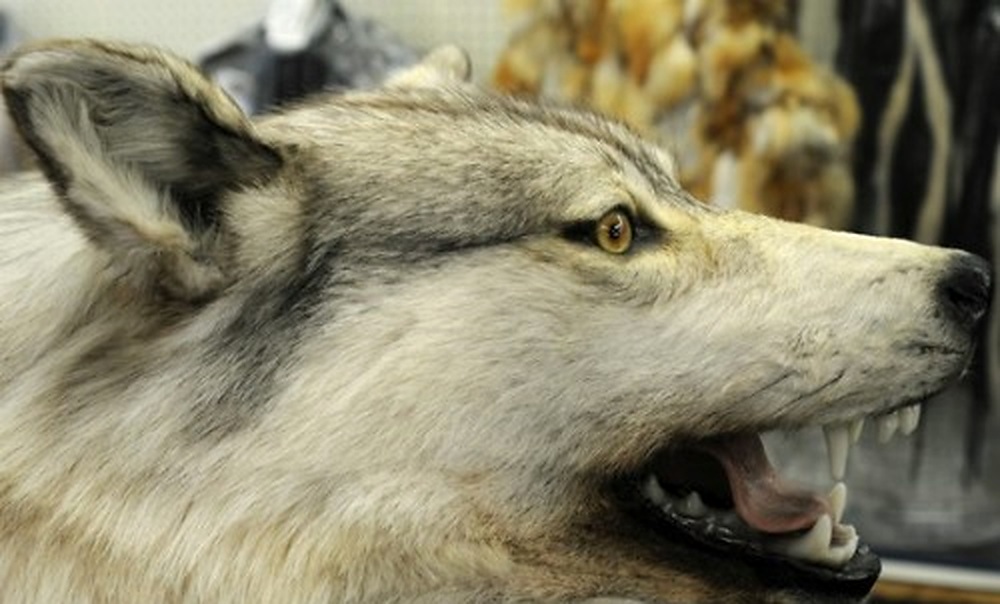
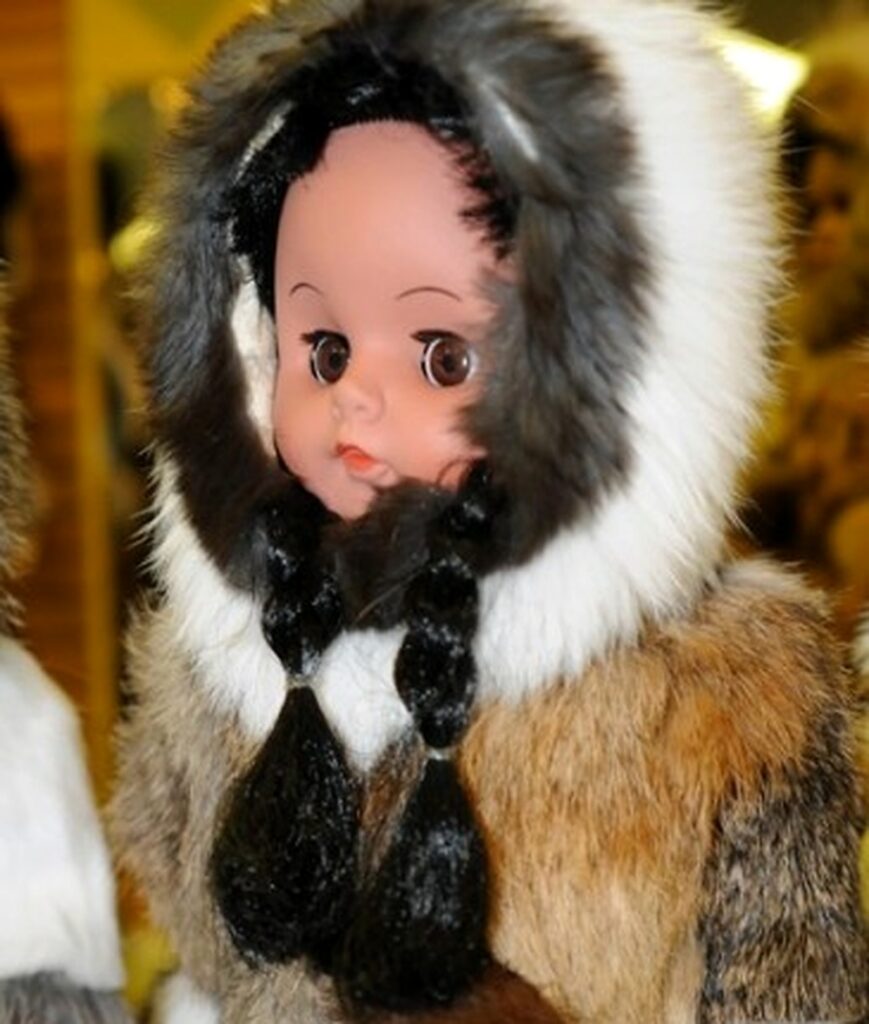
Some of the fur coats I saw were priced just below $10,000. Even the smaller souvenirs weren’t cheap, with fur shoes and dolls sometimes costing a couple hundred dollars. Whatever your opinion of the modern fur trade, seeing these stores was another reminder of how important animal hides and fur once were for surviving Alaska’s climate.
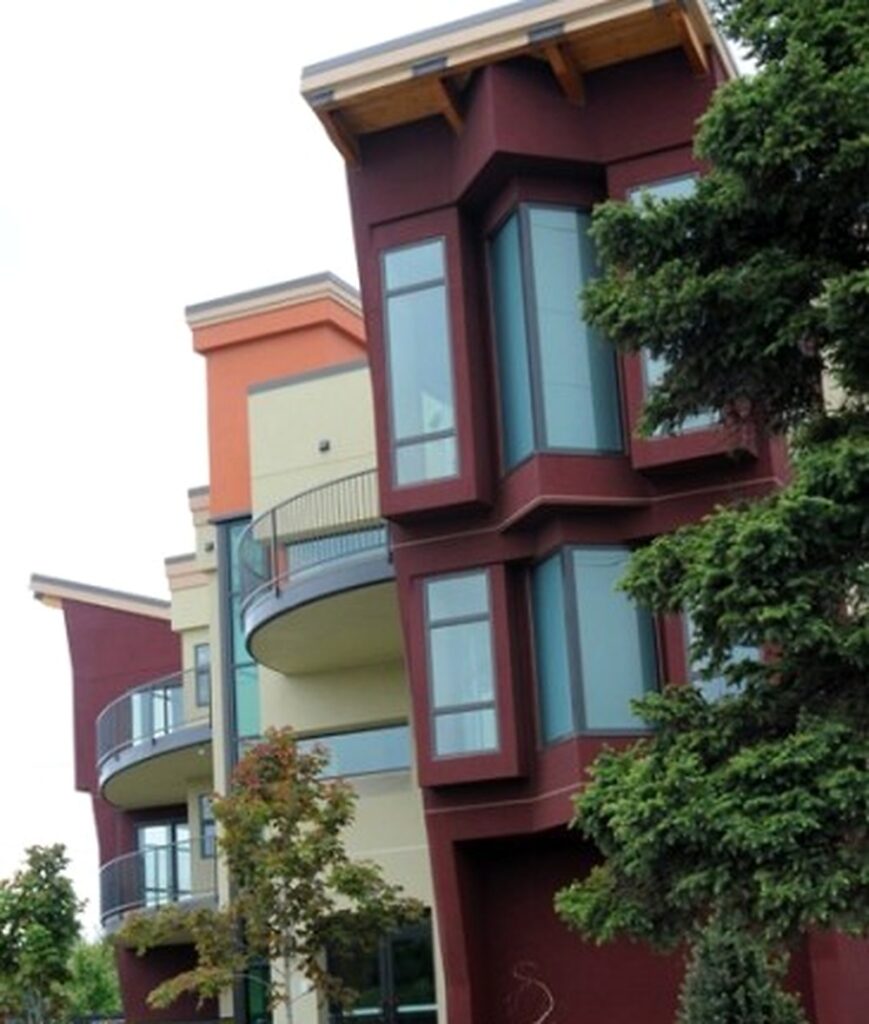
Spring and summer are obviously much easier times to explore Alaska. I personally don’t think I’d want to live here because of the long, dark winters, but plenty of people clearly disagree.
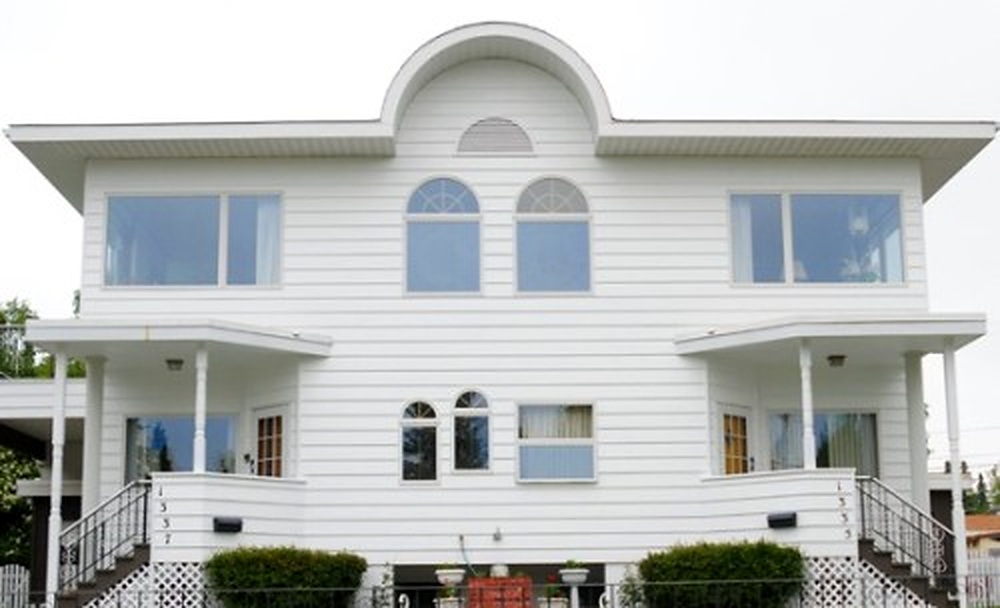
Anchorage also had more normal neighborhood life than I expected before visiting. There were parks throughout the city with tennis courts, soccer fields, trails, and other places for people to get outside during the warmer months.
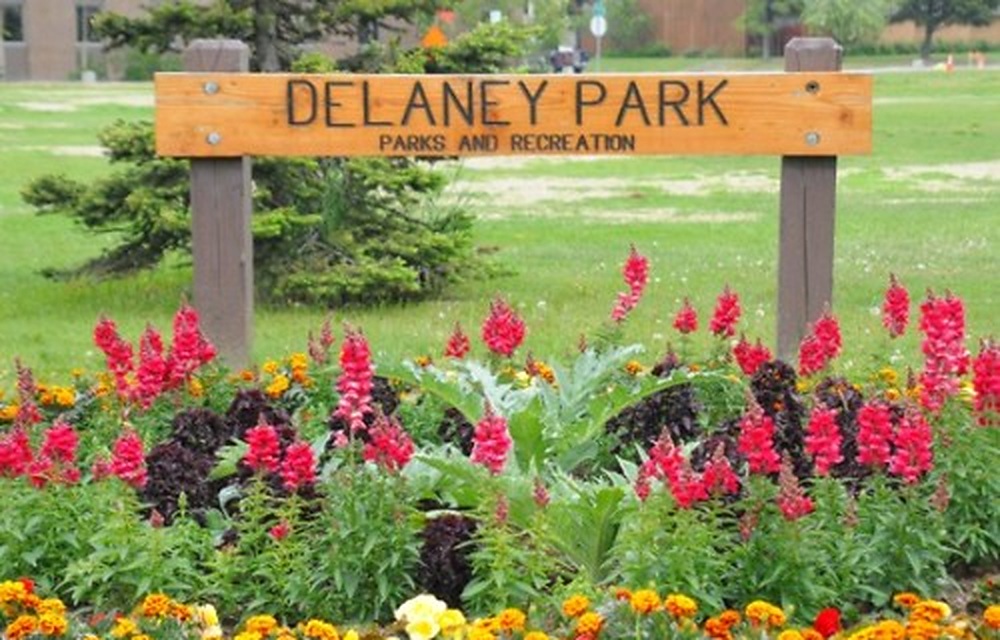
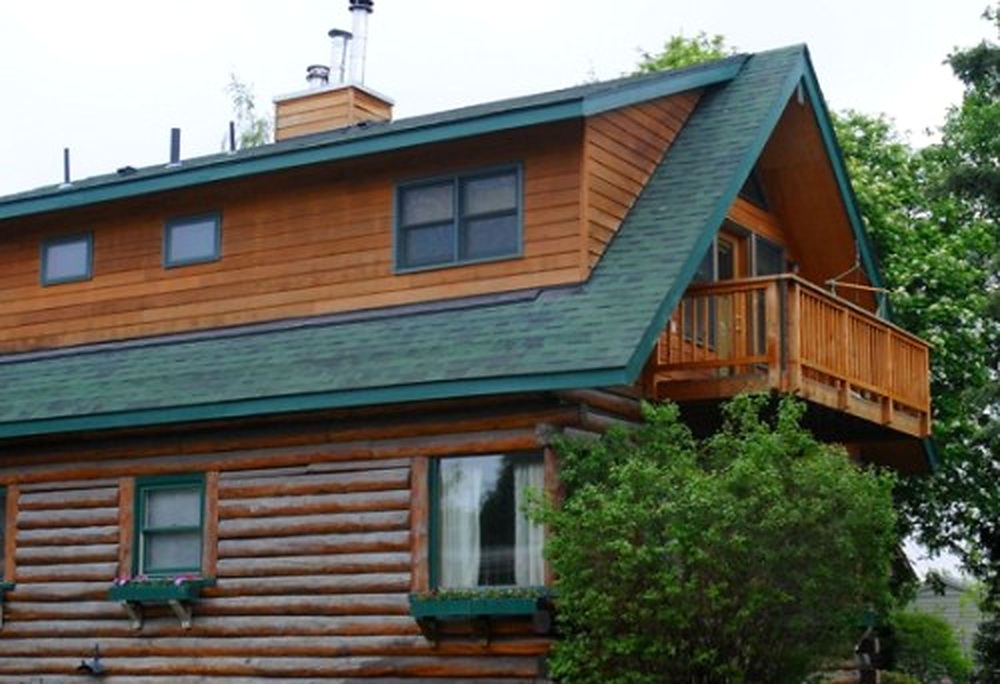
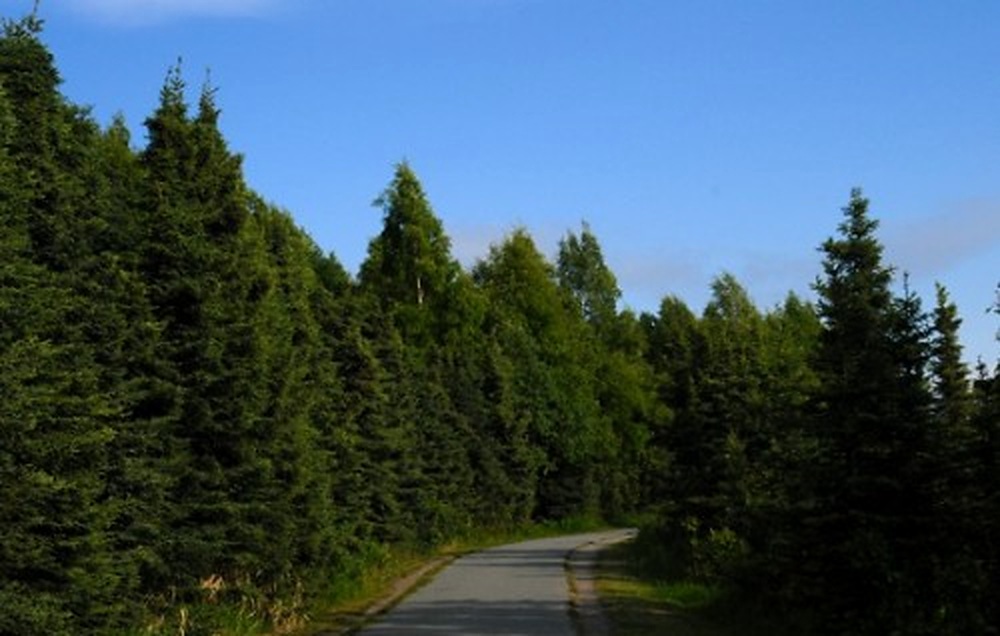
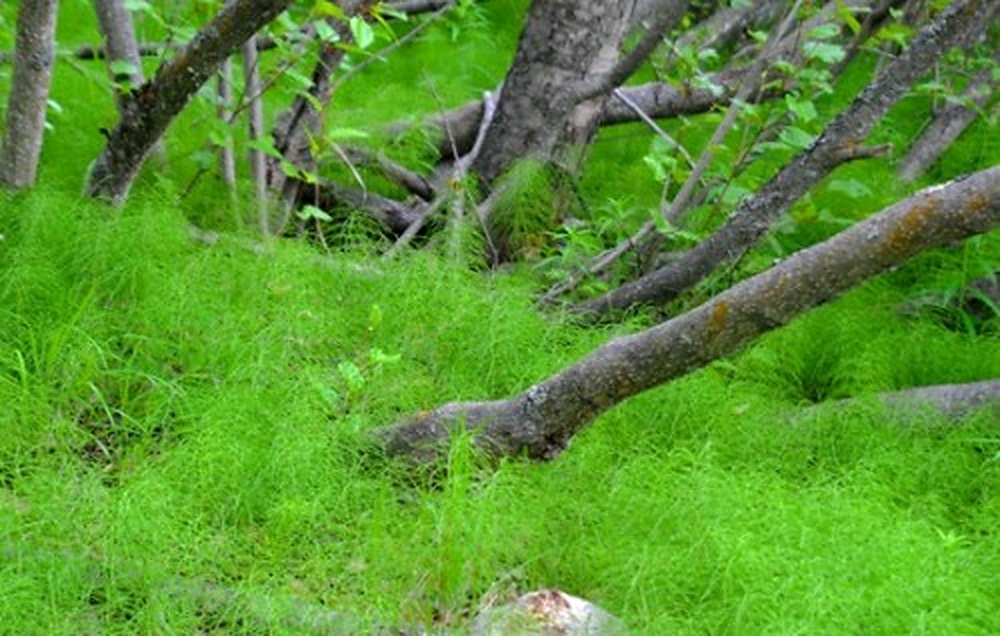
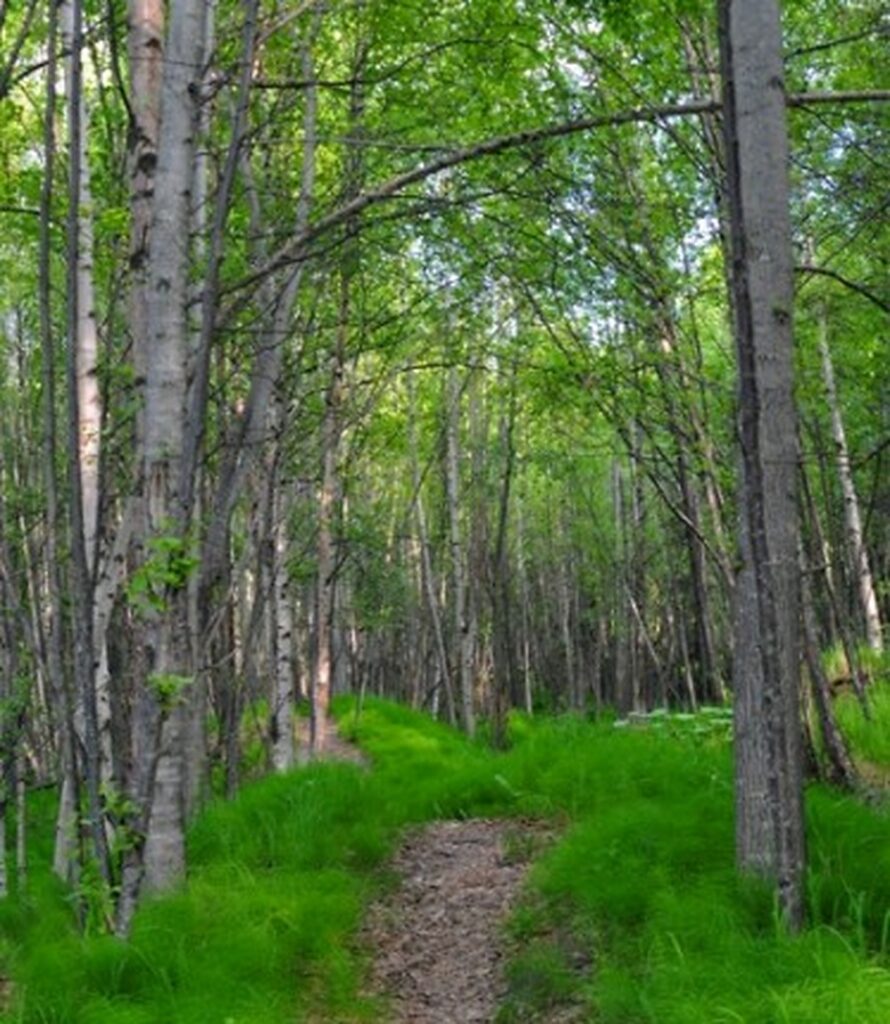
One of my biggest surprises was how green Anchorage became during the warmer months. Evergreen forests were exactly what I expected to see in Alaska, but some of the leafy summer scenery could have almost passed for the forests back home in Virginia.
You don’t even have to travel far outside Anchorage to experience it. Trails run through and around the city, so within a short distance of downtown you can find yourself walking through forests instead of streets.
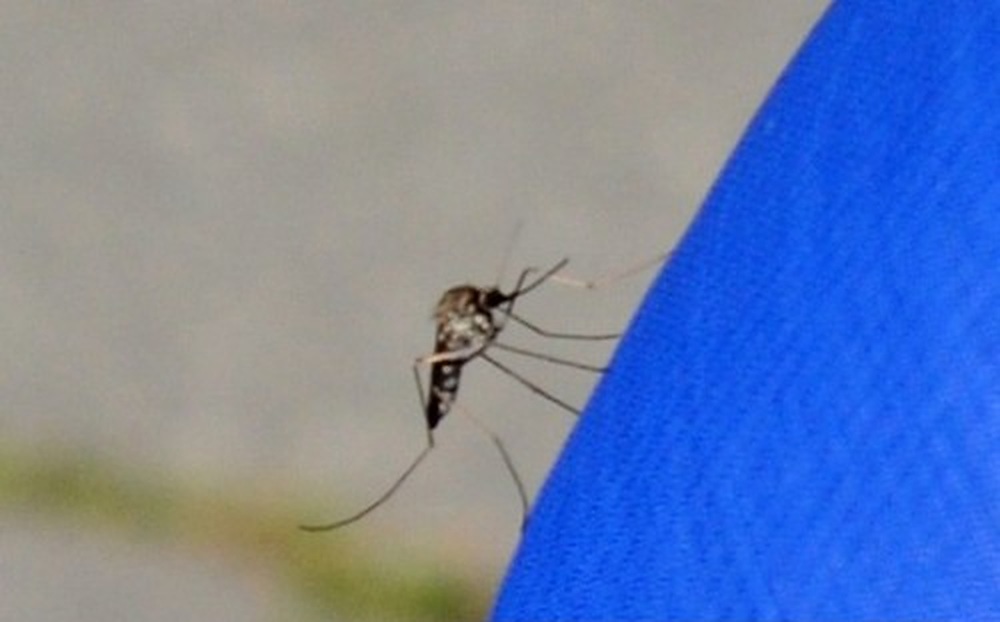
One thing I definitely didn’t expect was the mosquitoes. Of all the places I’ve traveled in my life, Alaska had some of the most persistent mosquitoes I’ve ever encountered. Who would have thought mosquitoes would be such a problem only a few hundred miles south of the Arctic?
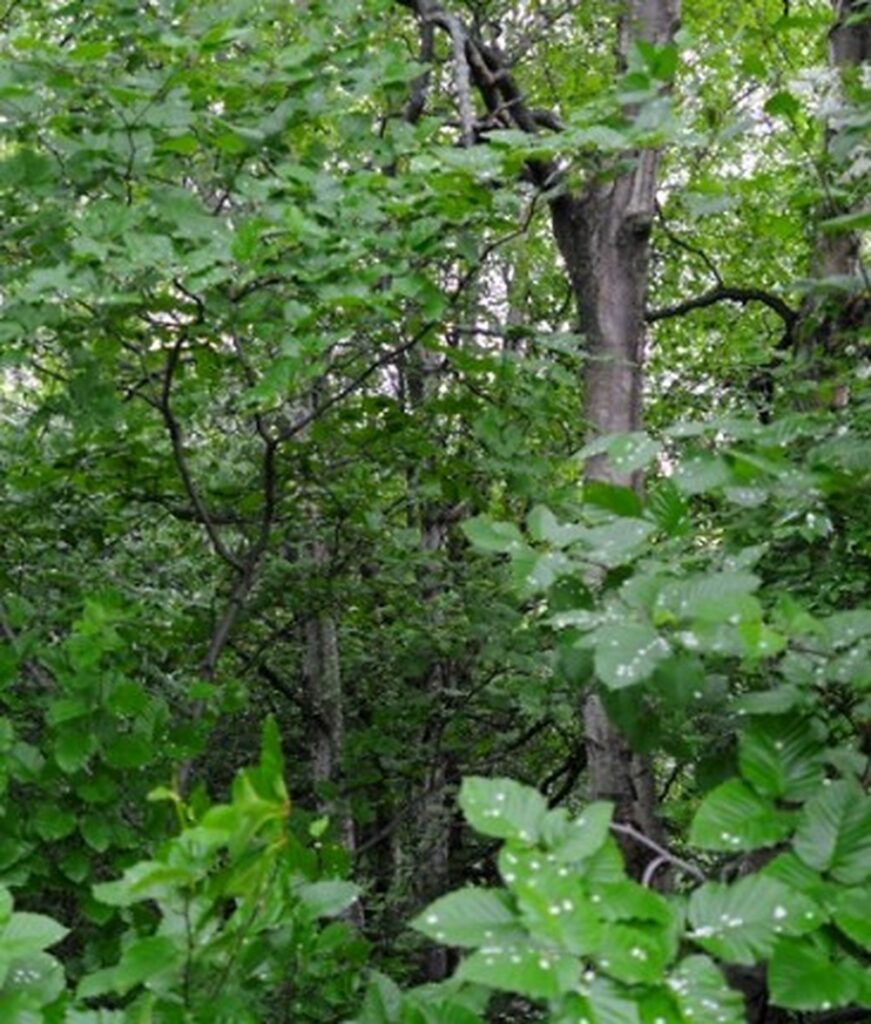
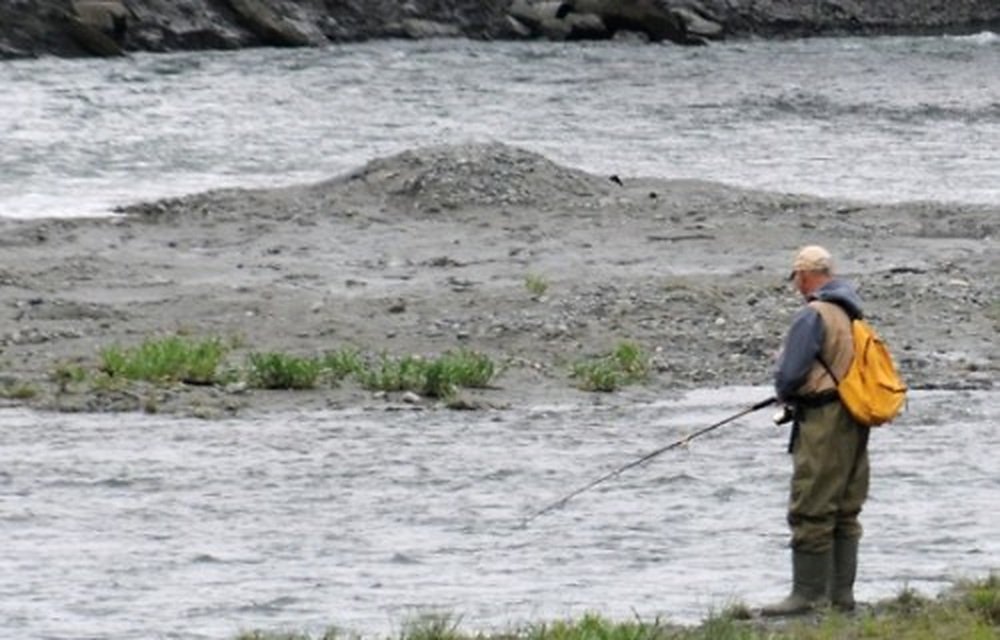
Even these photos were taken within Anchorage. At the right time of year, salmon return upstream through local waterways, and people can fish without traveling deep into the Alaskan wilderness.
Unfortunately, my timing wasn’t quite right. I waited around hoping to see salmon swimming upstream but didn’t see a single fish. I believe I was simply there too early in the season.
Anchorage ended up being much more than the cold northern city I had pictured before I first arrived. Winter gave me the darkness, snow, and ice I expected from Alaska, while returning during the warmer months showed me an almost completely different place filled with green forests, trails, wildlife, and incredibly long days.
Most of my 2009 trip to Alaska would ultimately be spent far from the city climbing Denali, but Anchorage gave me at least a small look at what the rest of this enormous state has to offer.
Explore More of Alaska
Fairbanks • Anchorage