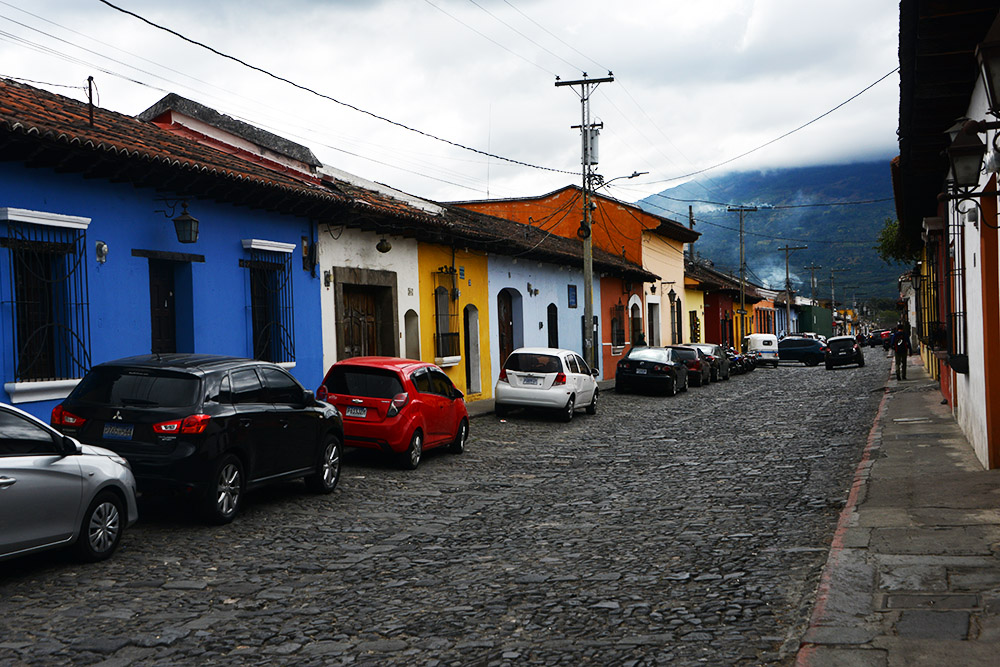
Antigua was once the capital of Guatemala and remains one of the country’s most historic cities. Surrounded by volcanoes, the old center is filled with cobblestone streets, colorful colonial buildings, churches, convents, and ruins left behind by centuries of earthquakes. I spent much of my time simply walking through the city, where even ordinary streets seemed to lead toward another historic building.
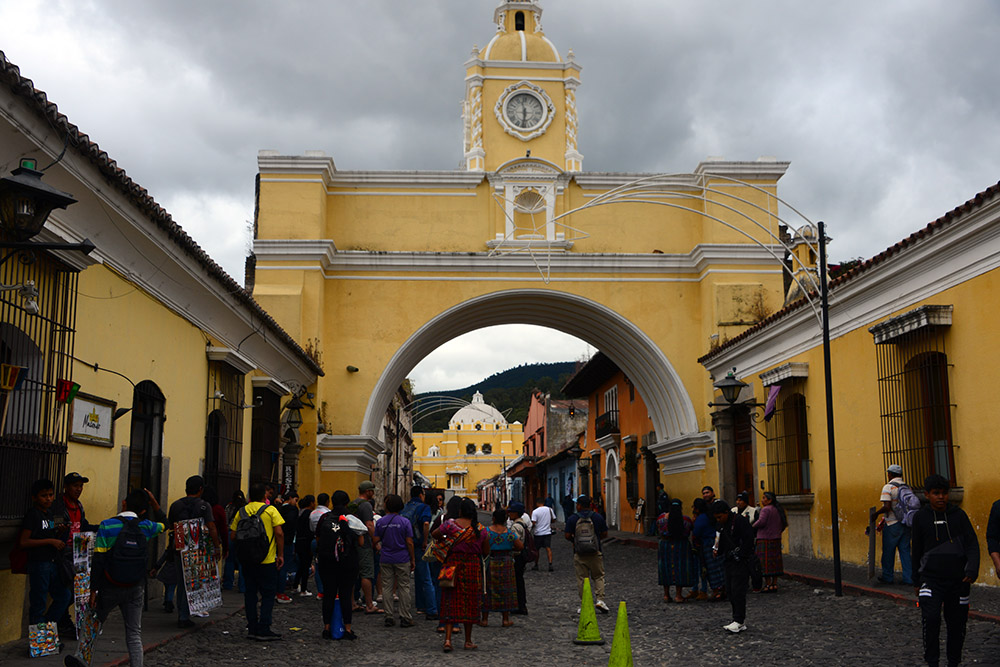
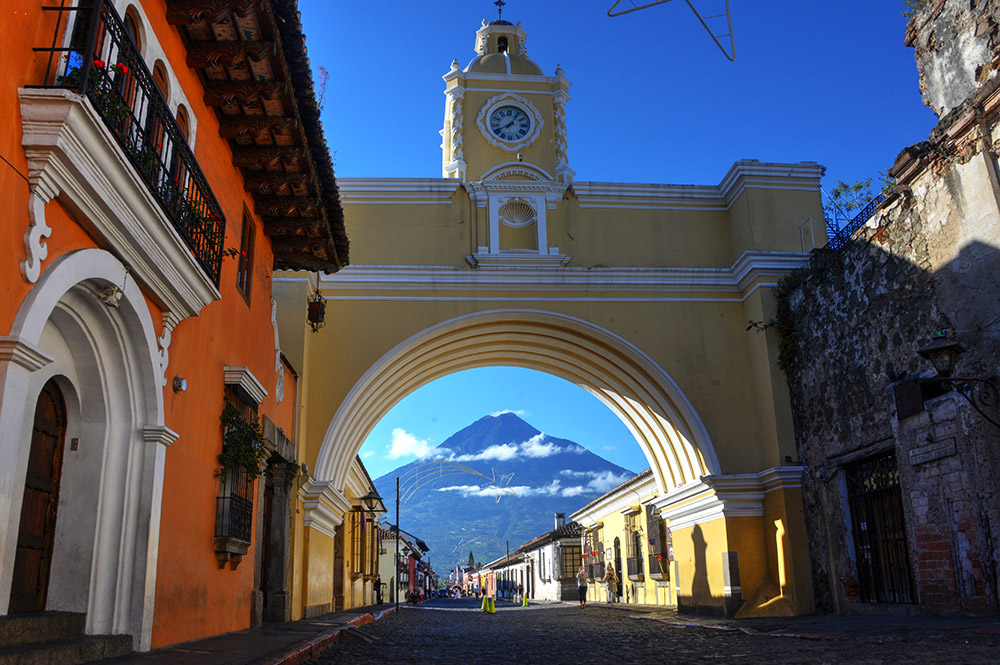
The Santa Catalina Arch is probably the most recognizable landmark in Antigua. Built in the 17th century, the arch connected the Santa Catalina convent with a building on the opposite side of the street, allowing the cloistered nuns to cross without going outside. Today it has become one of the defining views of Antigua, especially with the mountains and volcanoes rising beyond the city.
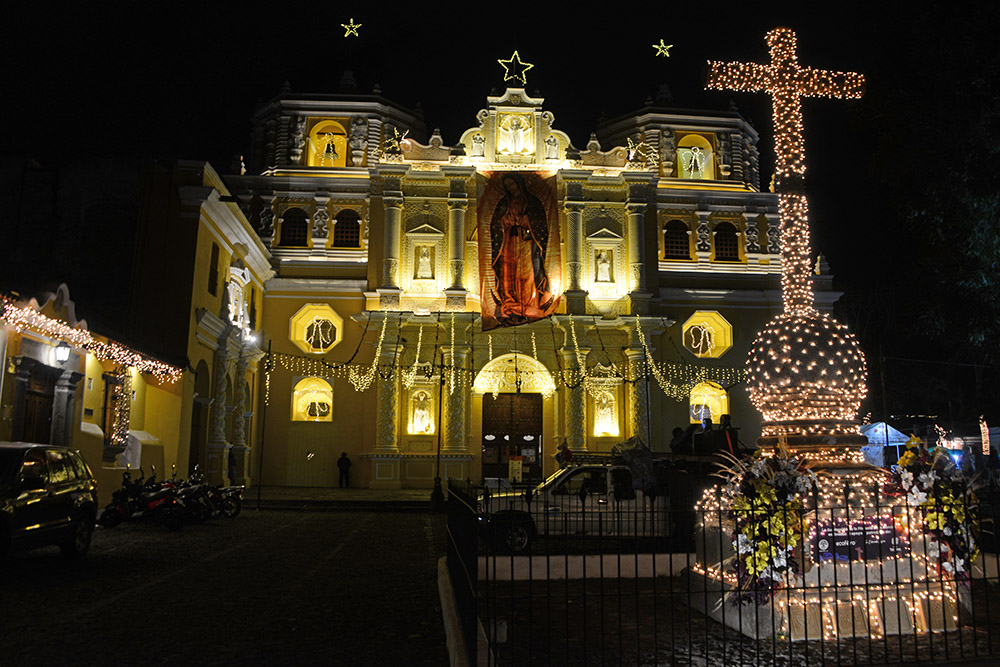
Antigua has an incredible concentration of historic churches. La Merced immediately stood out because of its yellow facade and elaborate white decoration. The present church dates to the 18th century and was constructed with the region’s frequent earthquakes in mind, giving it a relatively low and broad design.
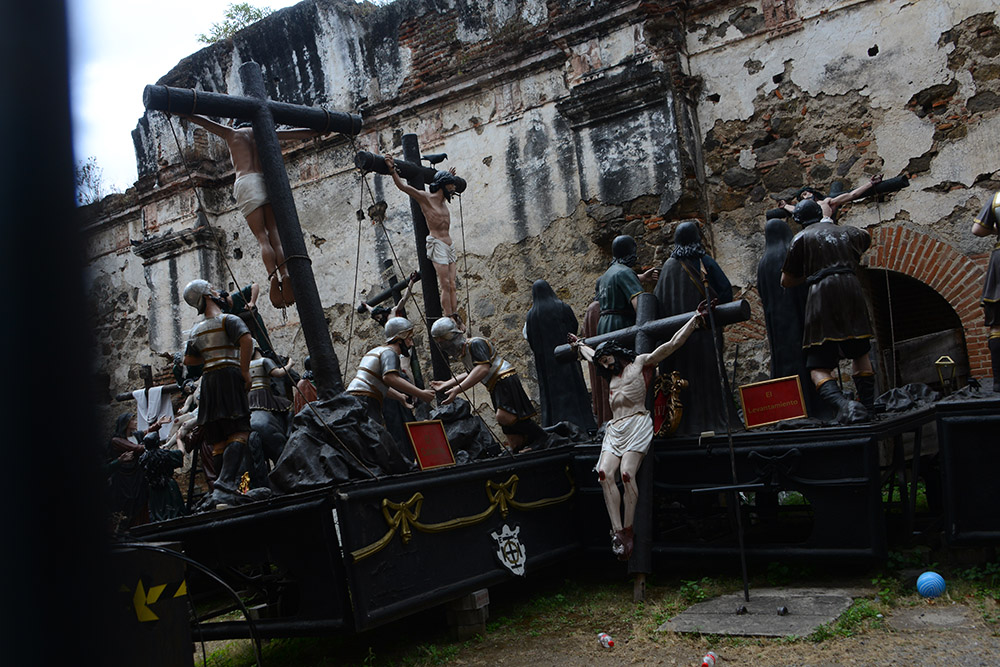
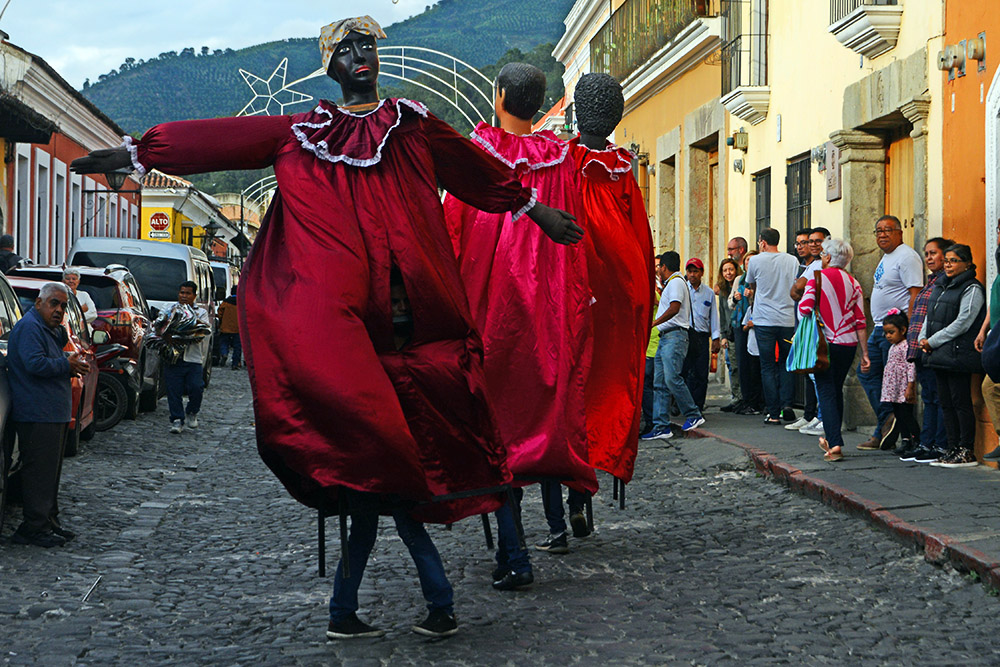
Antigua wasn’t interesting only for its architecture. While walking through the city I also came across religious displays and local performances, including these dancers on stilts. With so much activity taking place among centuries-old buildings, the historic center felt very much like a living city rather than an area preserved only for visitors.
Convento de las Capuchinas
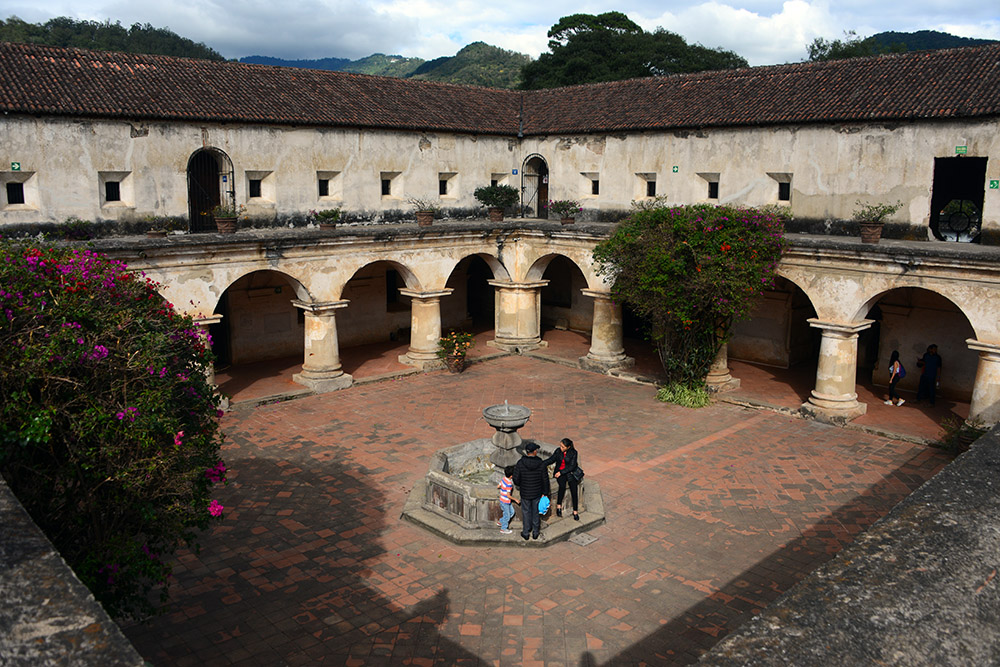
One of the places I spent more time exploring was the Convento de las Capuchinas. The convent was completed during the 18th century for Capuchin nuns, but its religious life was relatively short. A major earthquake in 1773 badly damaged Antigua and eventually led to the capital being moved to present-day Guatemala City.
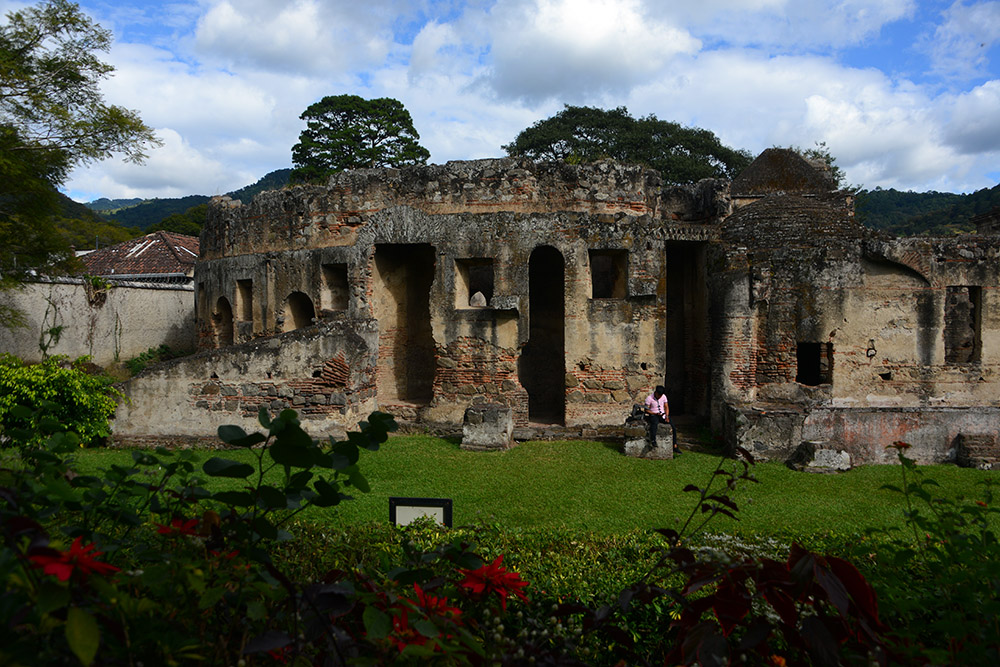
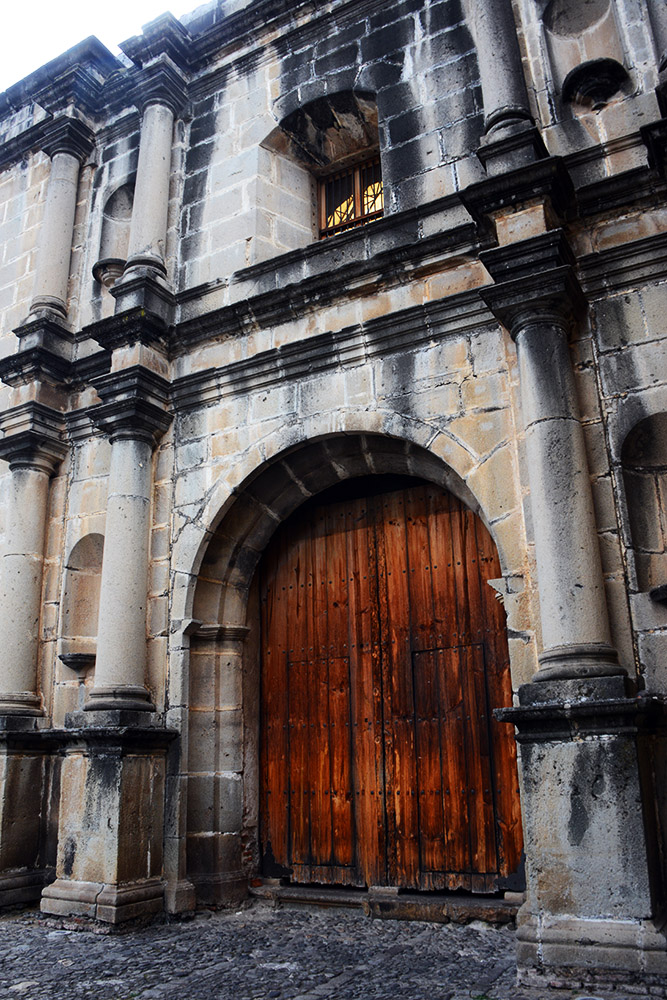
Much of the complex has survived or been restored, making it possible to walk through the courtyards, passageways, and rooms of the former convent. I particularly liked how the ruins mixed open-air spaces with sections where the original colonial architecture was still intact.
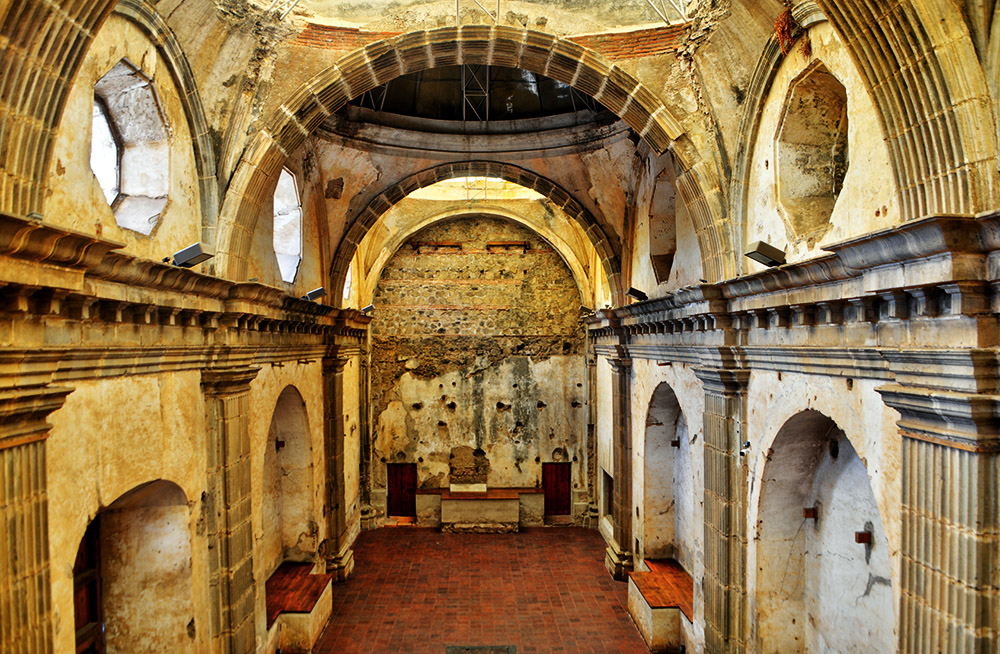
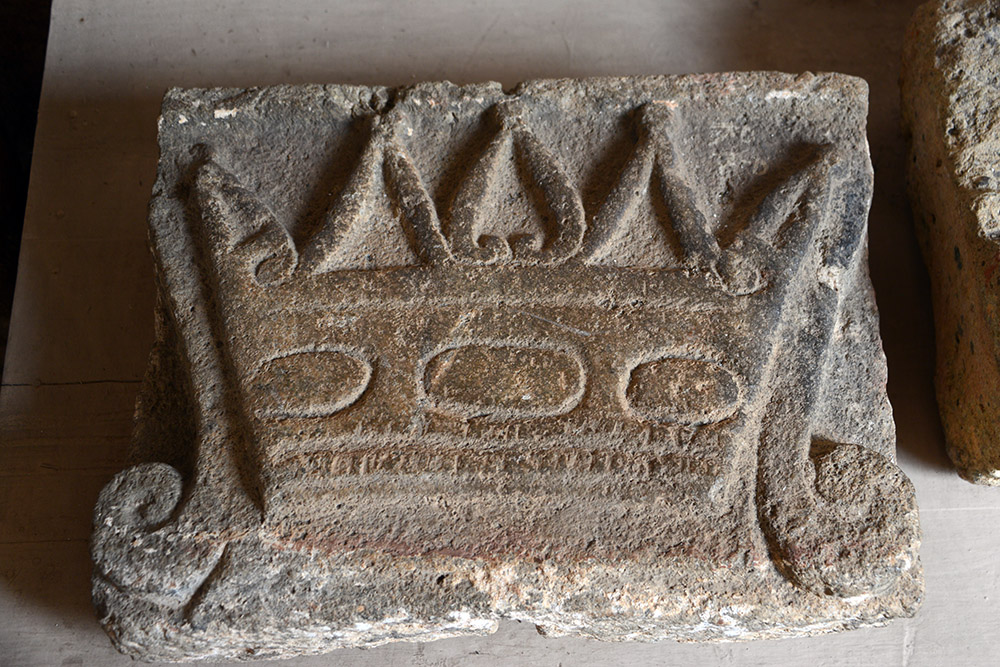
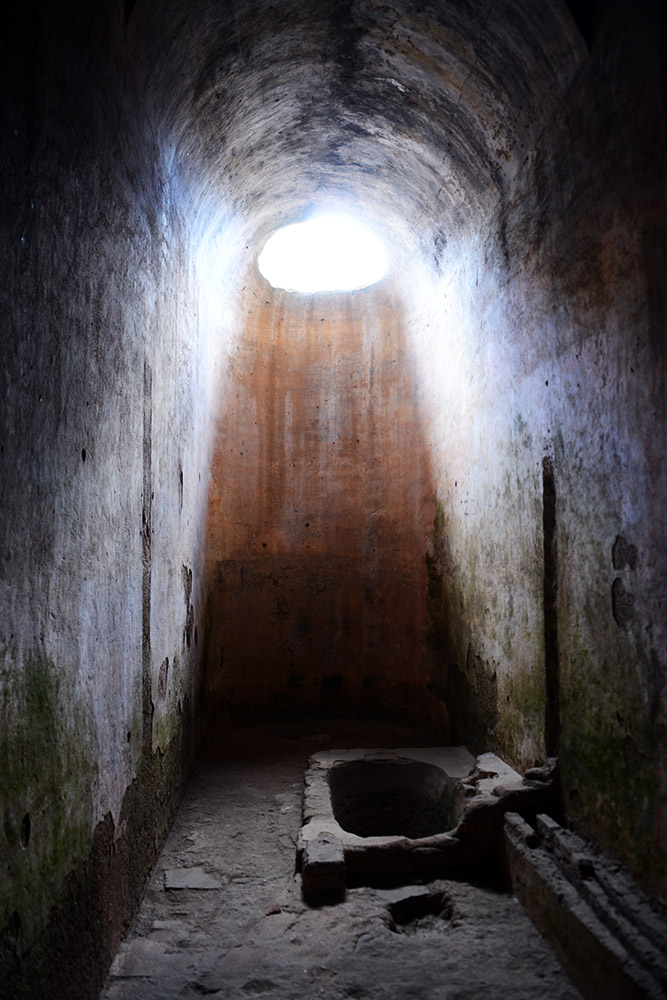
One of the most unusual parts of Capuchinas is its circular structure, built around a central courtyard with individual rooms arranged around it. The design is unlike most of the other colonial religious buildings I saw in Antigua and made this one of the more distinctive ruins I explored in the city.
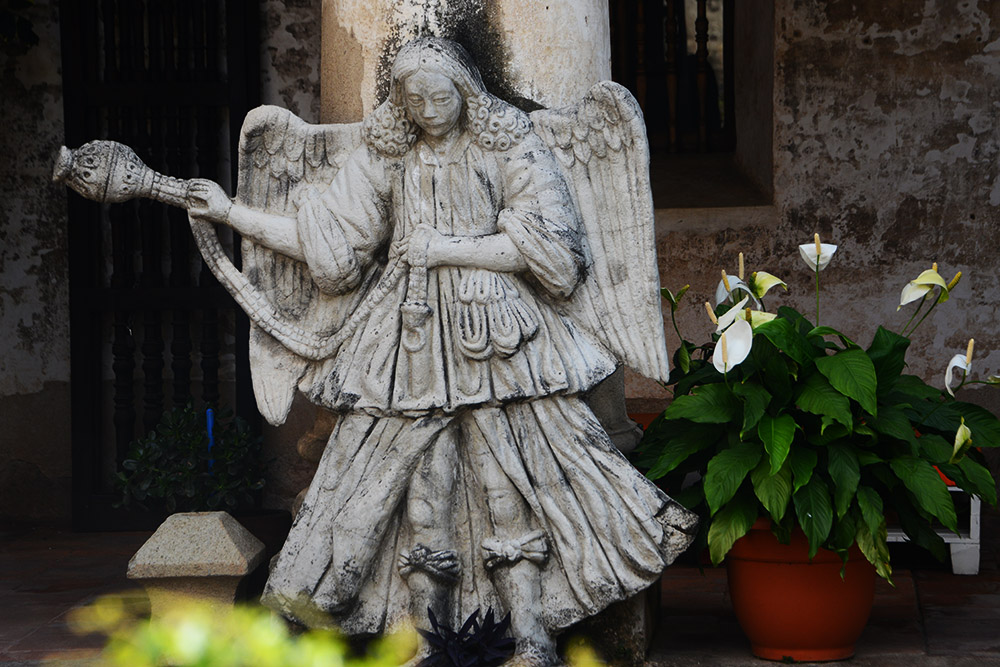
Compañía de Jesús
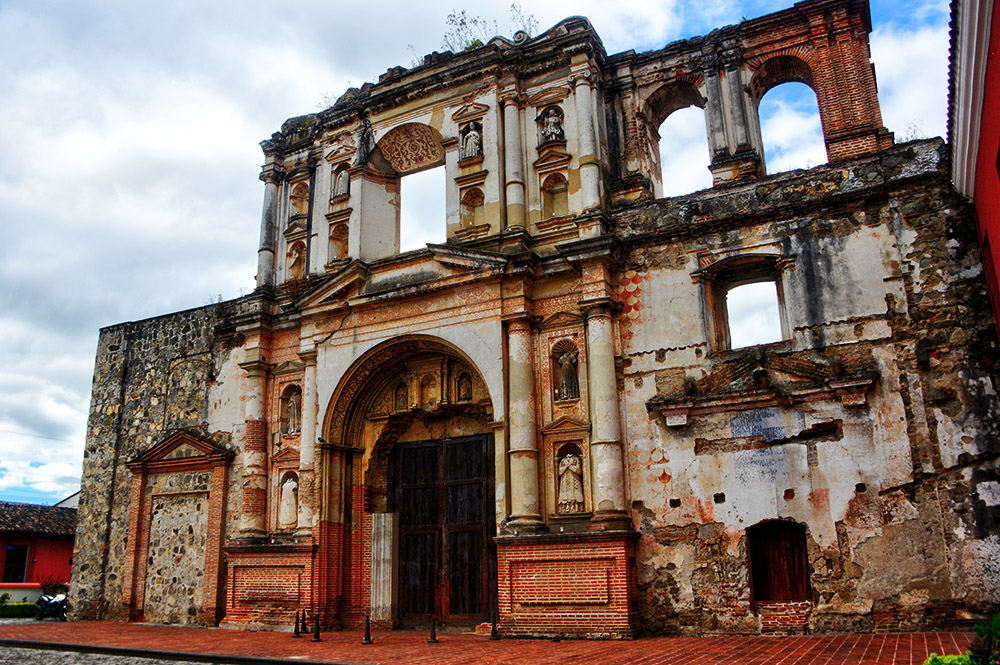
Another historic religious complex I visited was the Compañía de Jesús. The Jesuits established themselves in Antigua during the colonial period, constructing a church and convent that were later heavily damaged by earthquakes. The surviving ruins are another reminder of how much Antigua’s history has been shaped by the volcanic and seismic activity surrounding the city.
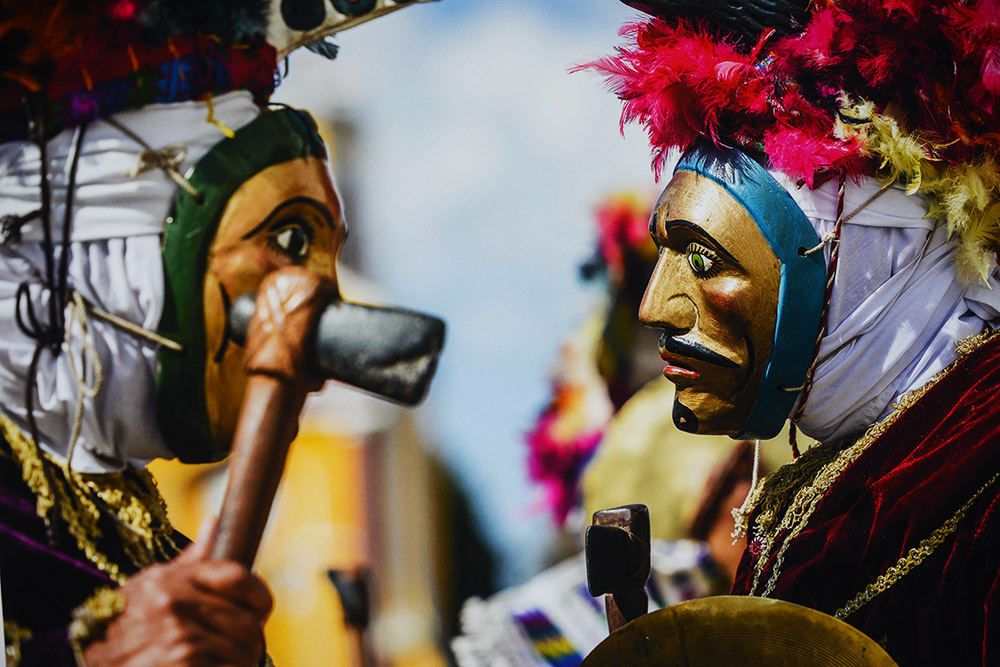
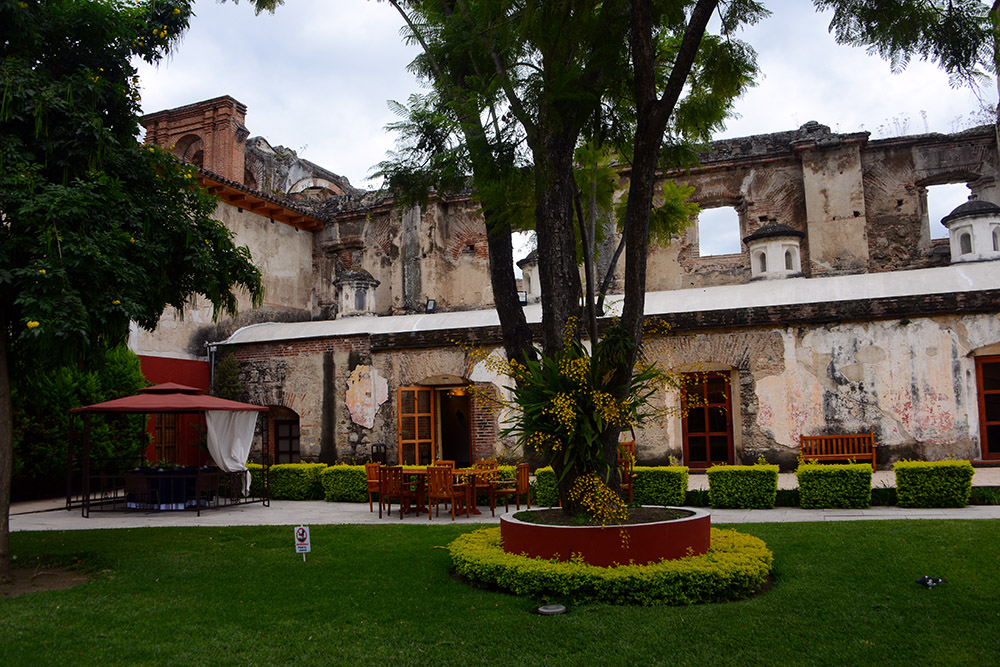
The old complex has found new uses rather than simply remaining an archaeological site. Parts of it contained small businesses and places to sit, while other areas displayed artwork. I liked being able to wander through a historic ruin that was still being actively used.

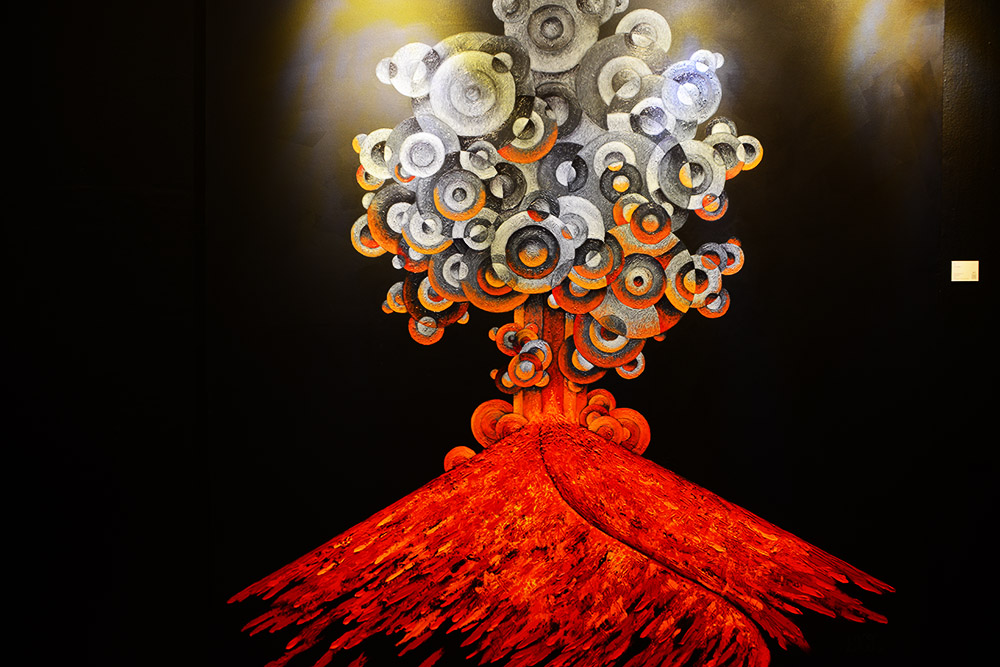
The artwork was a fitting way to end my visit to the complex. Volcanoes and earthquakes have repeatedly damaged Antigua, yet they are also inseparable from the landscape surrounding the city. Between the colonial architecture, ruined convents, active churches, cobblestone streets, and volcanoes on the horizon, Antigua ended up being one of the most visually distinctive cities I visited in Guatemala.
Explore More of Guatemala
Antigua • Vulcan Fuego