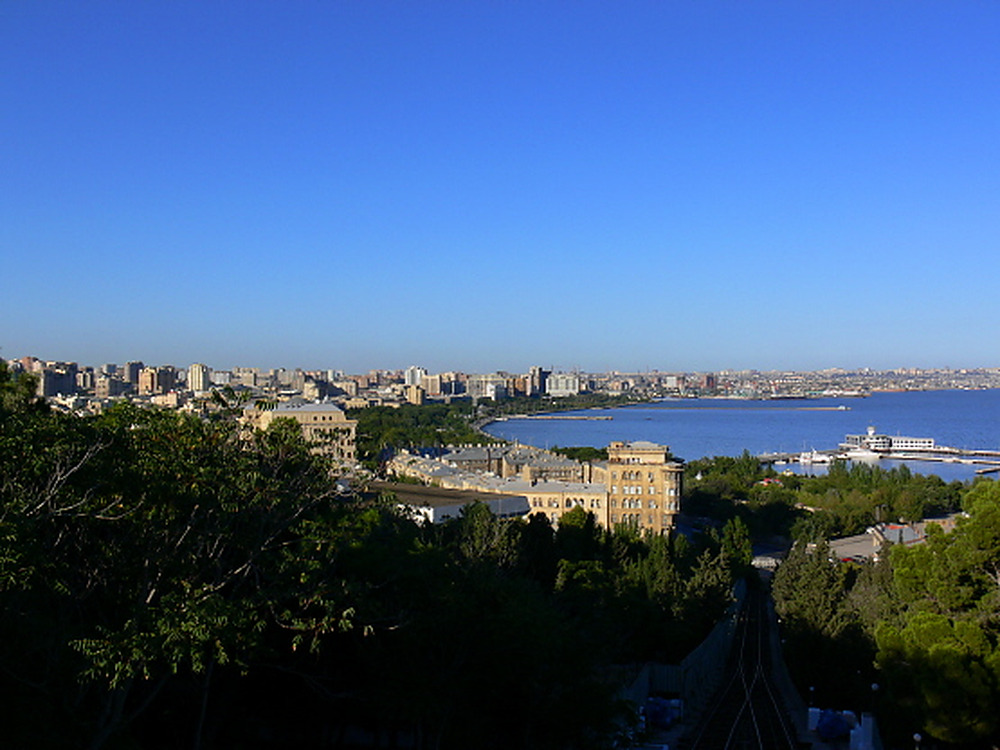
Baku was one of the biggest surprises of my trip through the Caucasus. Azerbaijan’s capital sits on a peninsula extending into the Caspian Sea, and with more than two million people it is by far the largest city in the country. Before arriving, I really didn’t know what to expect. What I found was a lively city where ancient walls and centuries-old buildings stood surprisingly close to modern development, restaurants, bars, and nightlife.
I spent time exploring both sides of Baku, but some of my favorite experiences were in and around the Old City. I also traveled outside the center to see castles, natural fires, and the Ateshgah Fire Temple, giving me a much broader look at the history of the region than I had expected when I first arrived.
Modern Baku
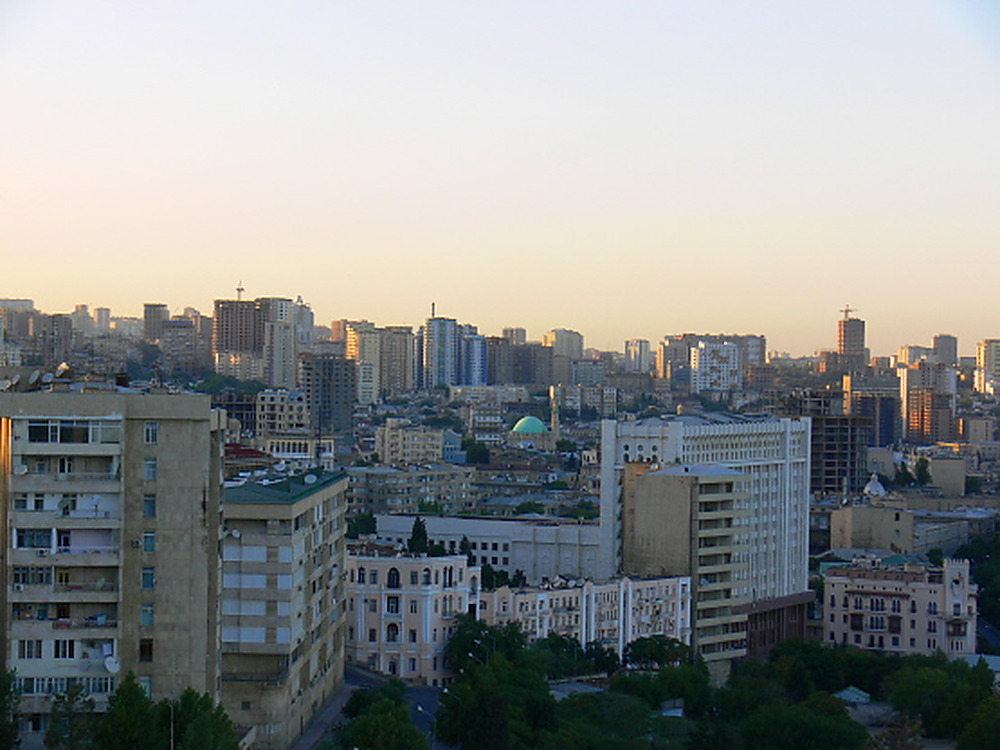
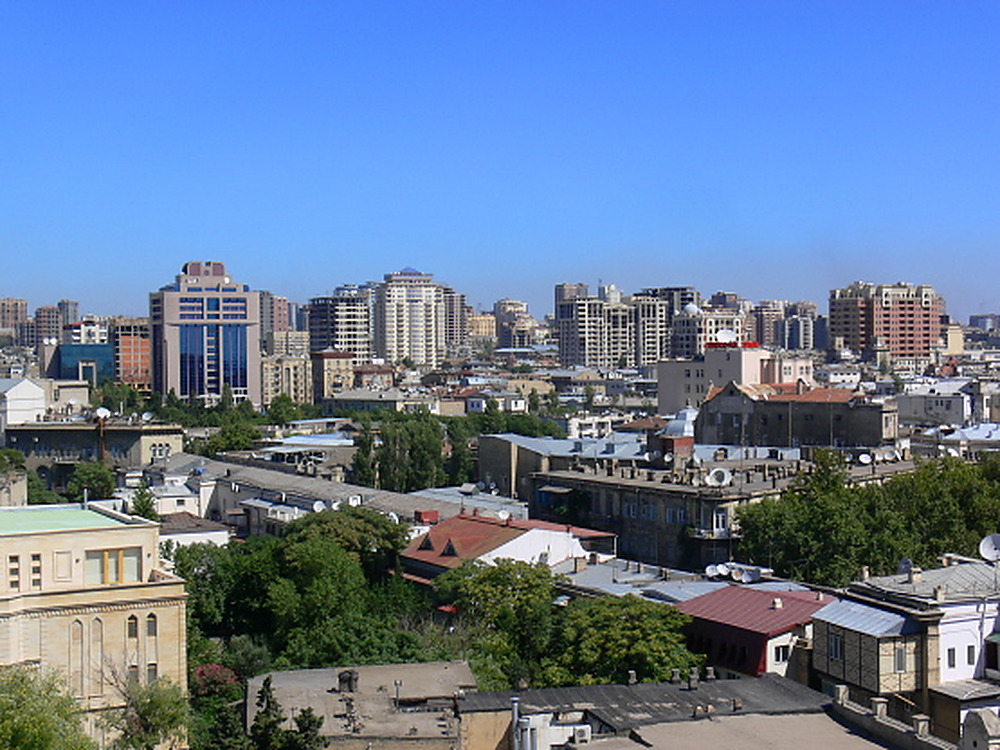
Like many cities with centuries of history, Baku has a clear contrast between its modern neighborhoods and the historic center. Modern Baku was where I found much of the city’s nightlife, including restaurants, bars, nightclubs, and shisha lounges.
The city felt considerably more lively and international than I had expected before coming to Azerbaijan.
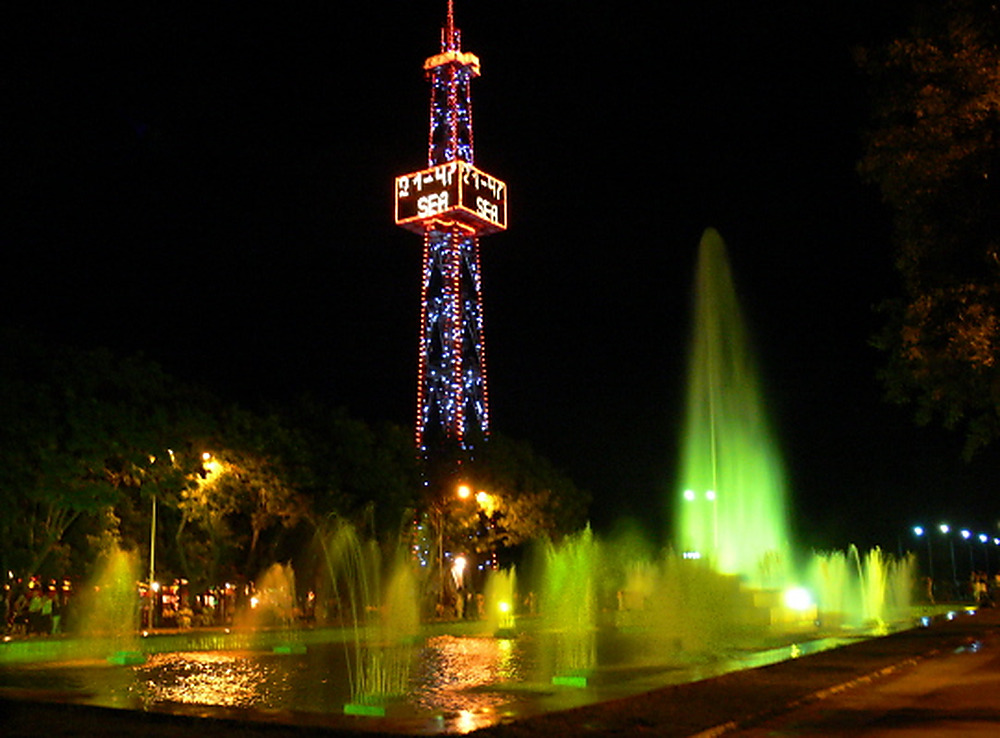
Fountain Square was one of the places where that side of Baku was most obvious. The pedestrian streets around it were filled with people, restaurants, shops, and cafes, making it feel completely different from the stone lanes inside the Old City.
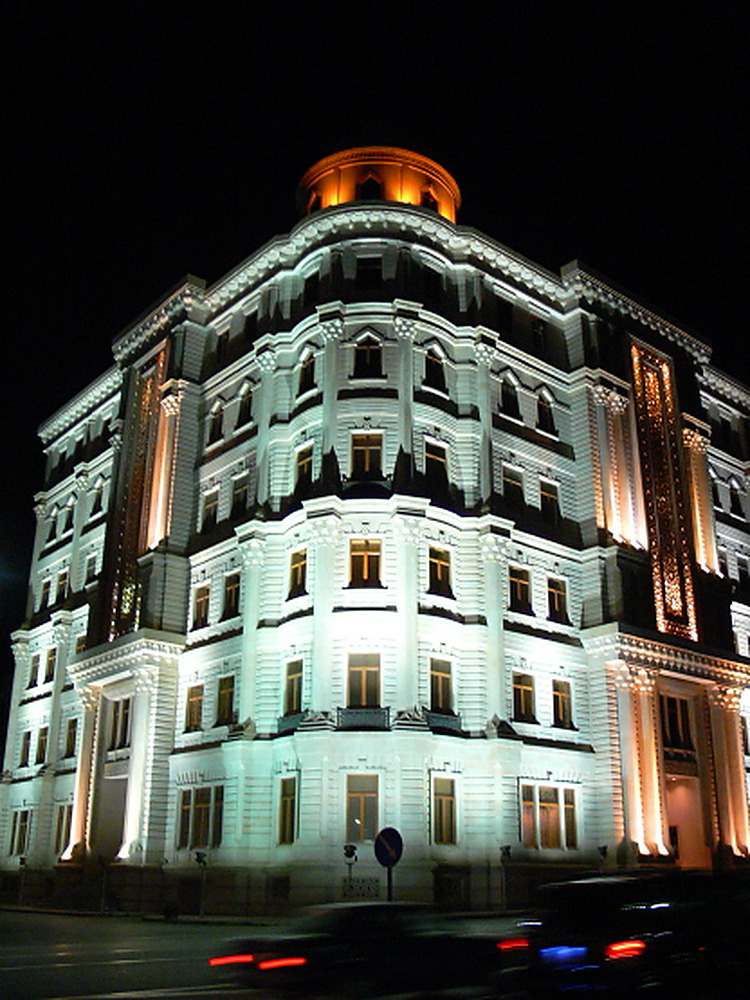
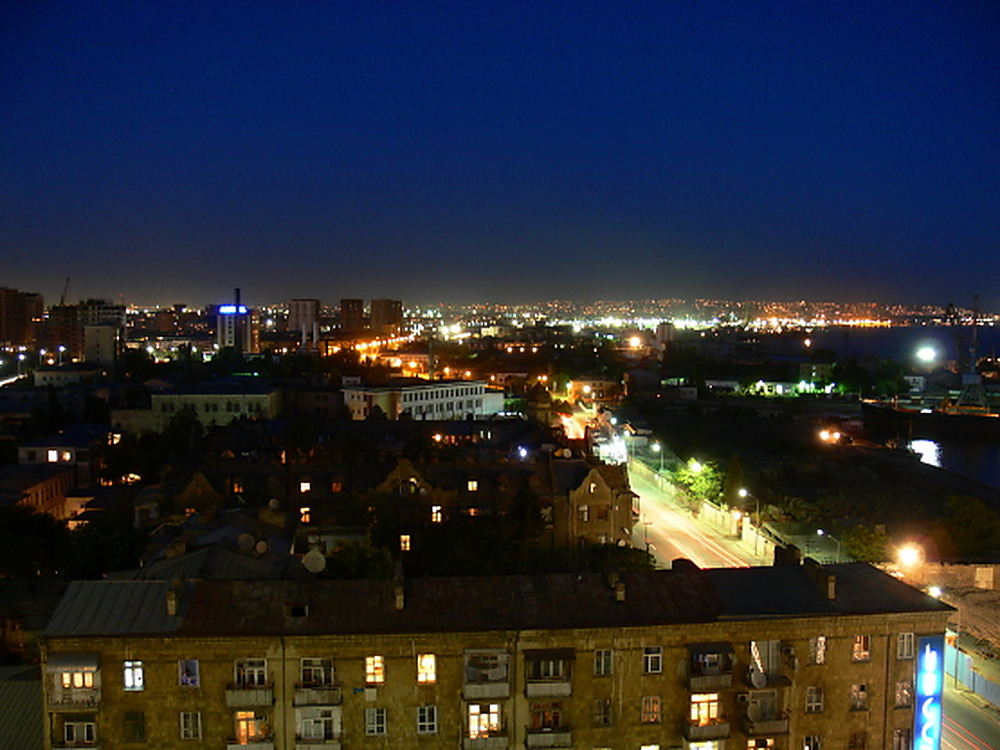
Baku was particularly impressive after dark. Buildings throughout the center were illuminated, and the combination of modern development, older architecture, and the waterfront gave the city a completely different appearance at night.
Mosques and the Philharmonic Hall
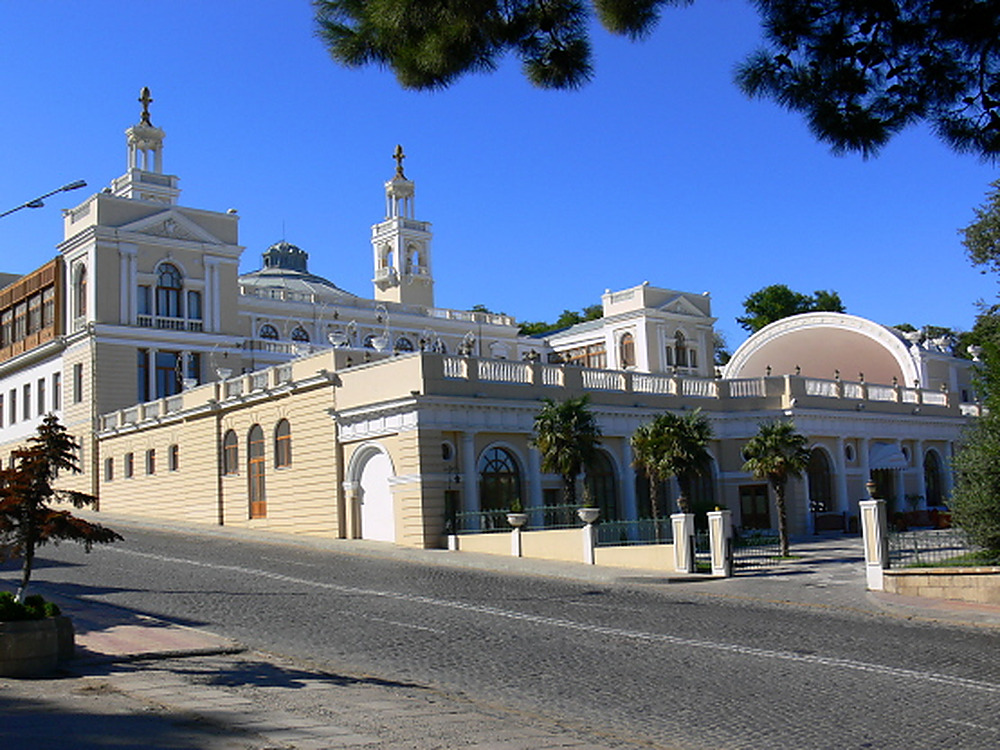
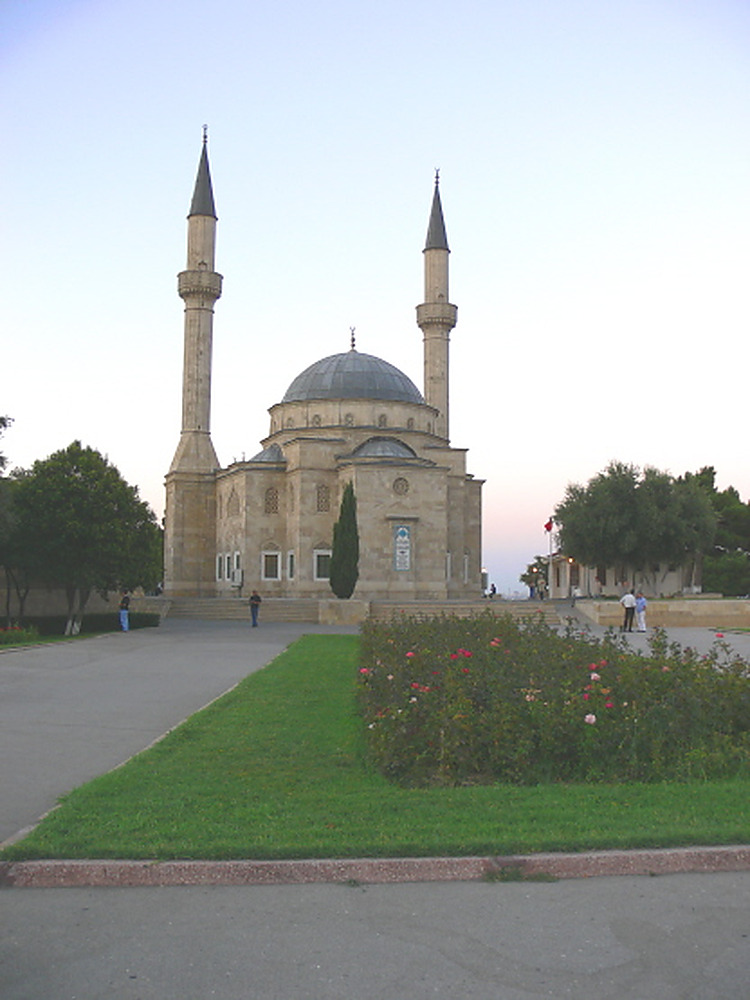
Mosques were a familiar sight around Baku, but one building I initially mistook for something else was the Azerbaijan State Philharmonic Hall. The building dates to the early 20th century and was originally constructed as a venue for entertainment and gatherings before becoming home to Azerbaijan’s Philharmonic Society.
It was another example of how much interesting architecture I encountered simply walking through the city.
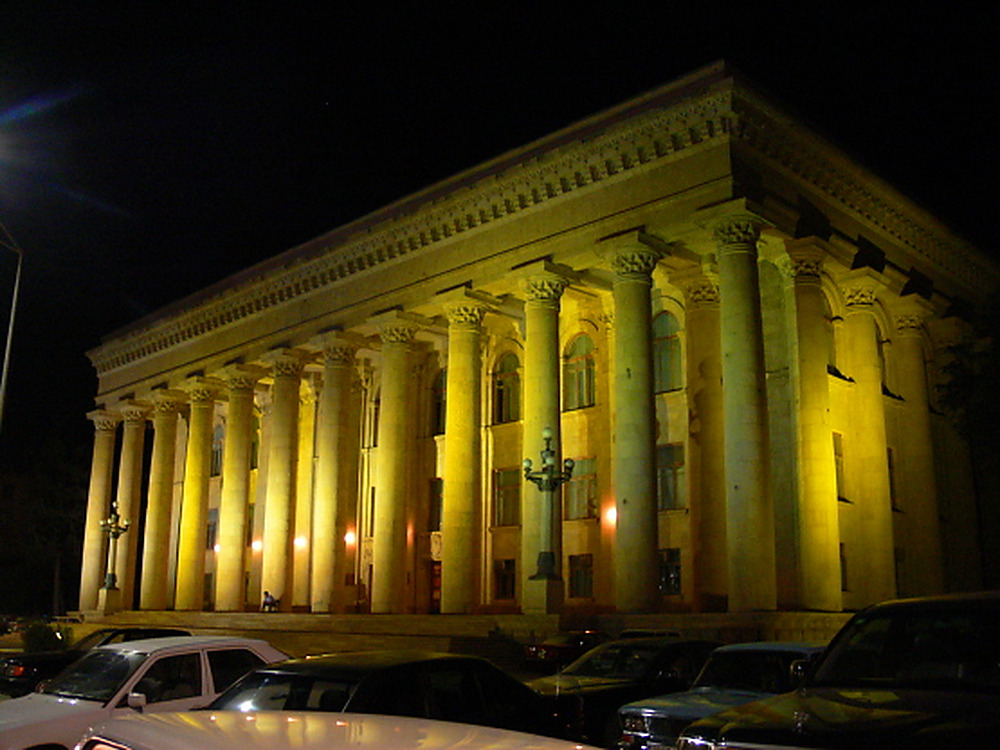
I had originally photographed another distinctive building thinking it was Baku’s parliament. It turned out to be the Azerbaijan Carpet Museum, which was a pretty good reminder that some of my identifications while traveling were not always as accurate as I thought they were at the time.
A Few Unexpected Cakes
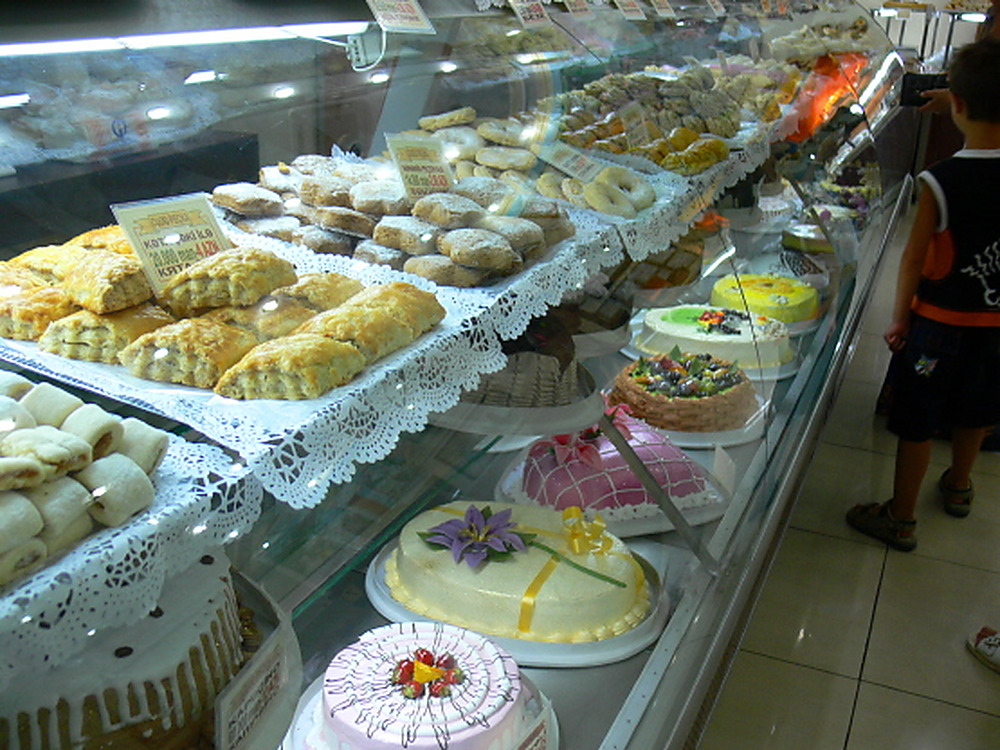
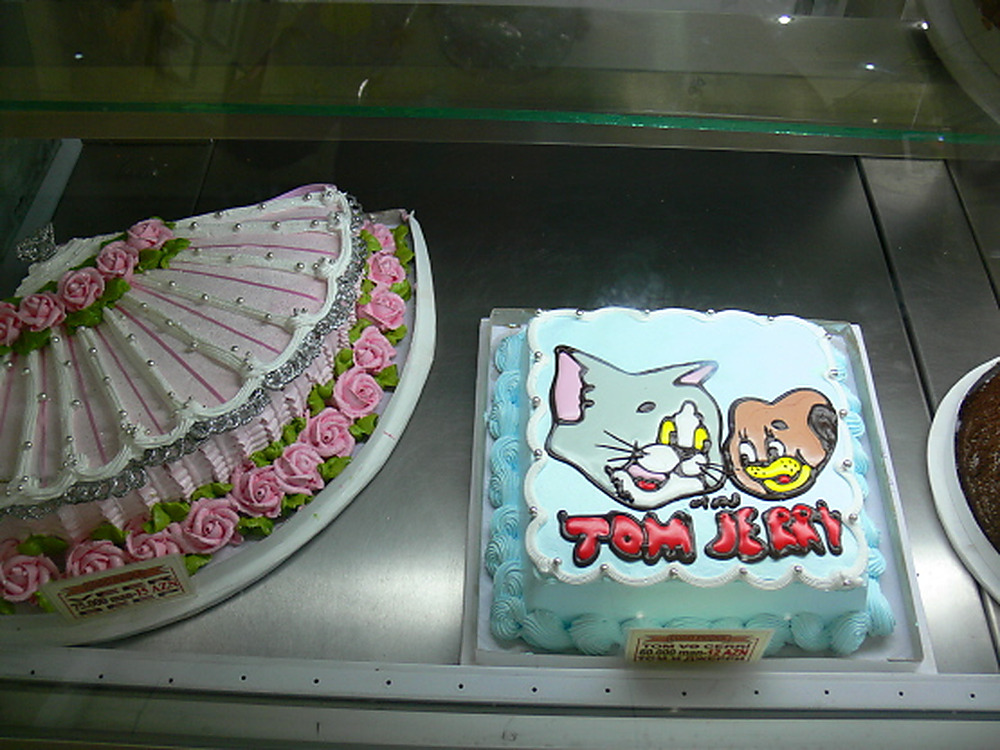
Not everything I photographed in Baku had historical importance. I wandered into a bakery displaying some surprisingly elaborate cakes, including one decorated with Tom and Jerry. After spending so much time photographing mosques, monuments, and ancient buildings, it was one of those random little things that I still remembered from the city.
The Caspian Sea
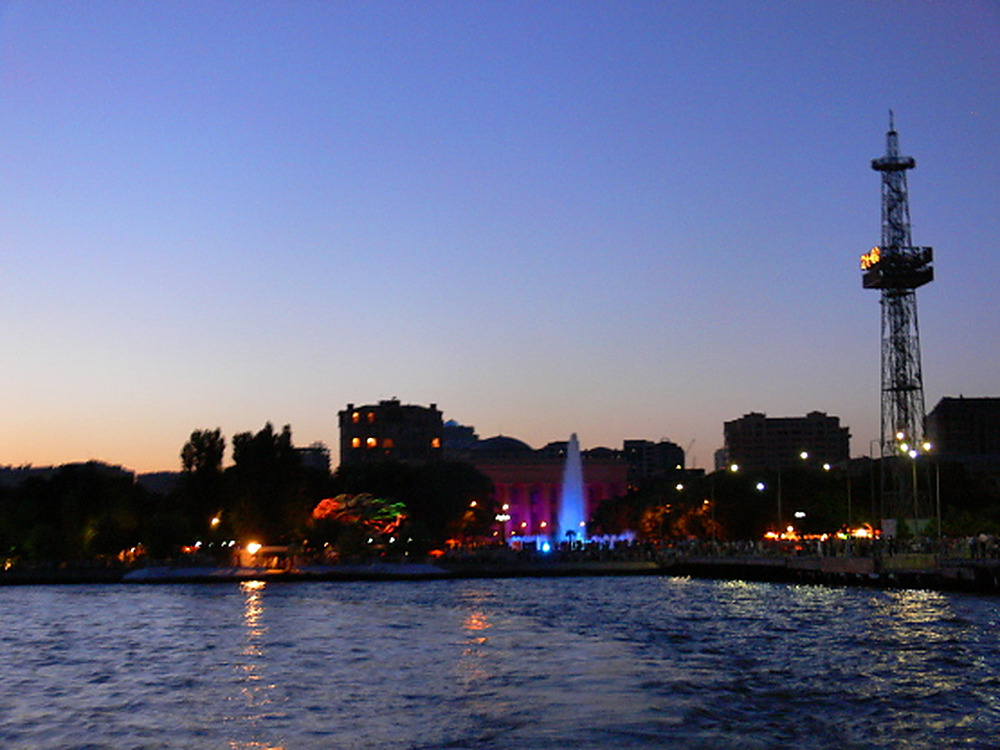
The Caspian Sea gives Baku another side that I hadn’t really associated with Azerbaijan before visiting. The city stretches directly along the water, and during the hot summers people head toward the coast for boating, jet skiing, swimming, and other activities.
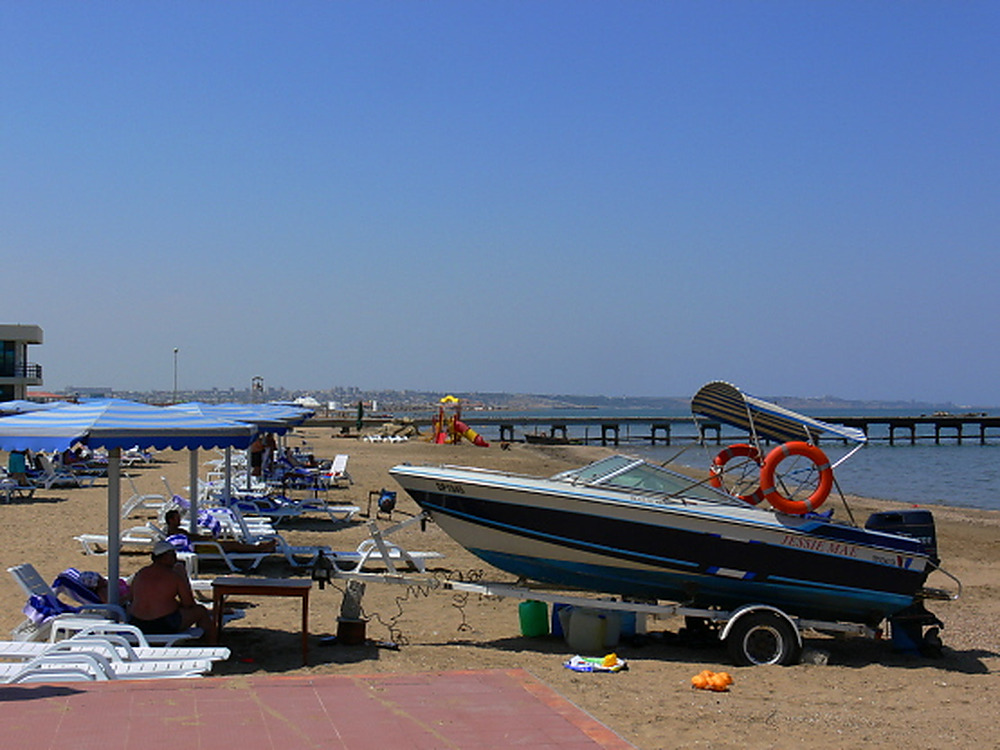
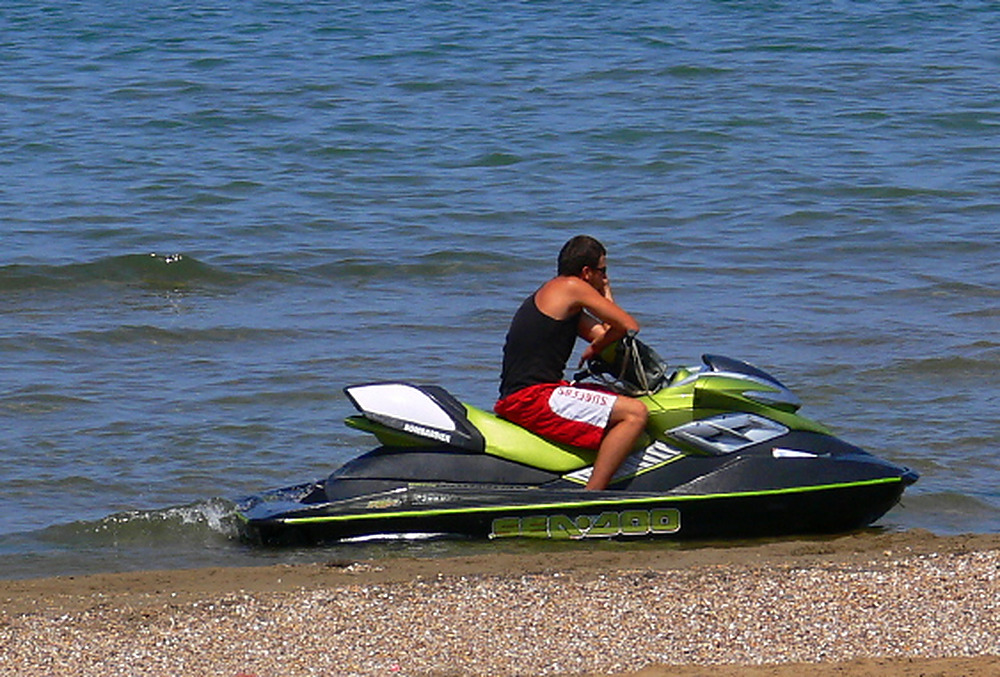
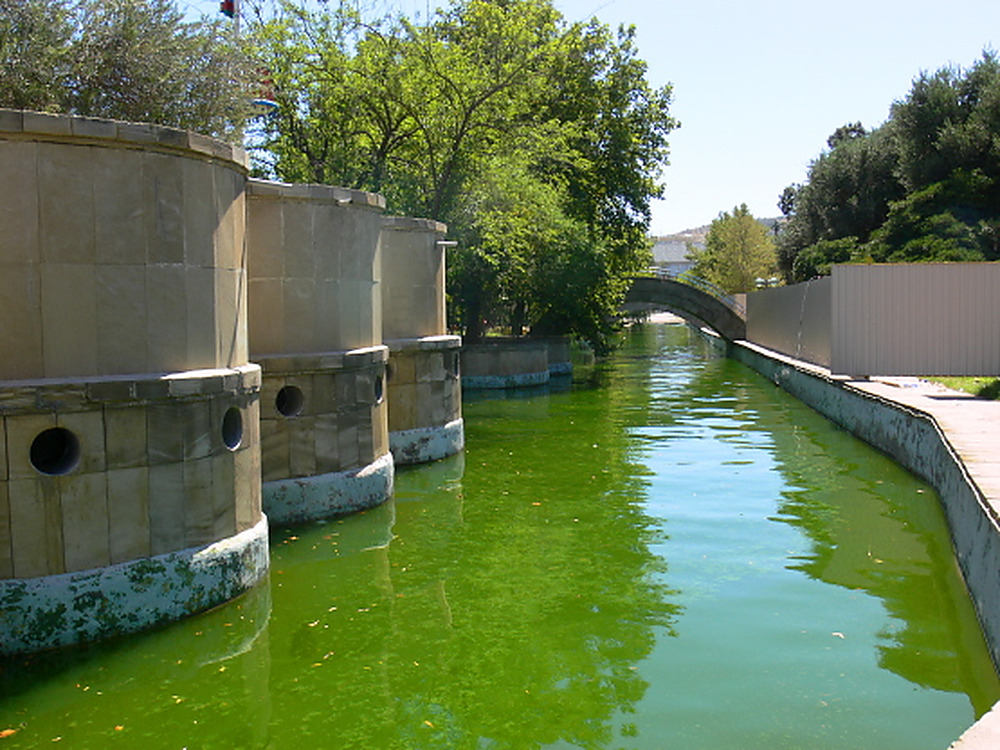
I saw a nice resort along the Caspian with a freshwater swimming pool and an outdoor theater for live music. I had also heard that scuba diving was available and tried to arrange a dive myself.
Unfortunately, I never had any luck making it happen.
Martyrs’ Lane
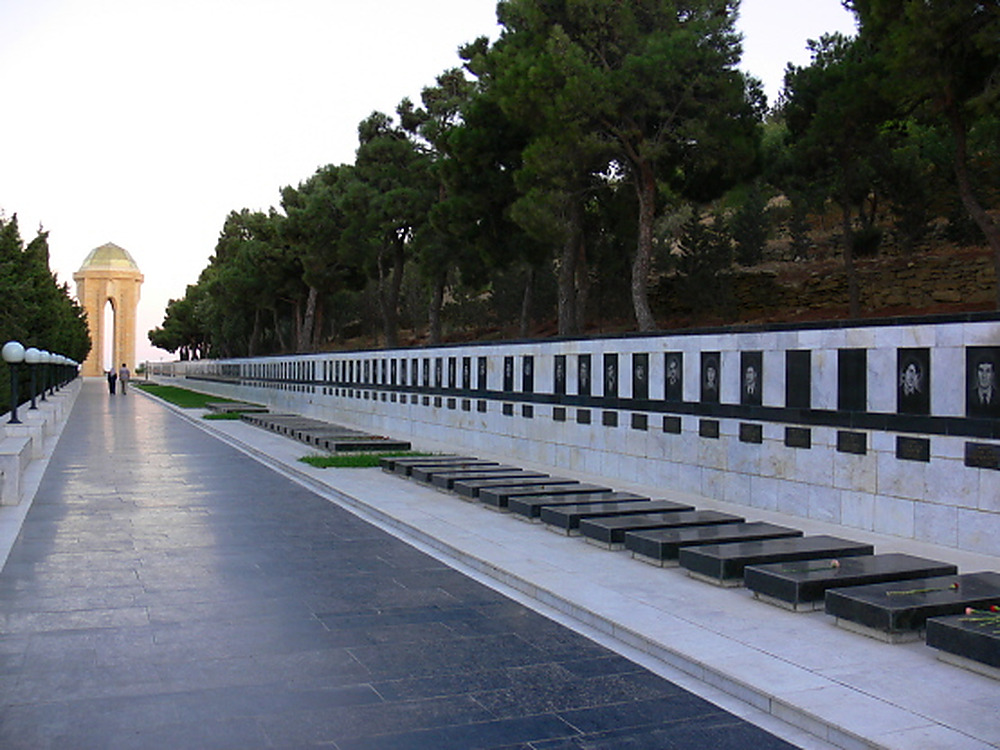
Near one of the highest points overlooking Baku is Martyrs’ Lane, one of the city’s most important memorials. Among those commemorated here are Azerbaijanis killed during the Soviet crackdown in Baku in January 1990, when demonstrations and the growing independence movement were met by Soviet troops.
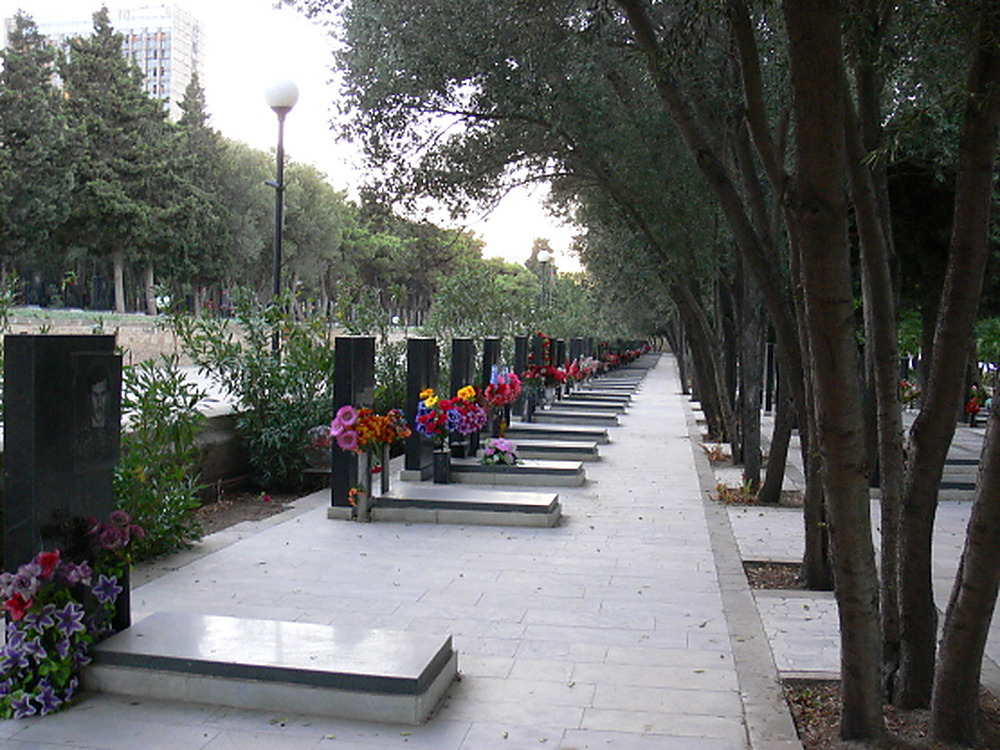
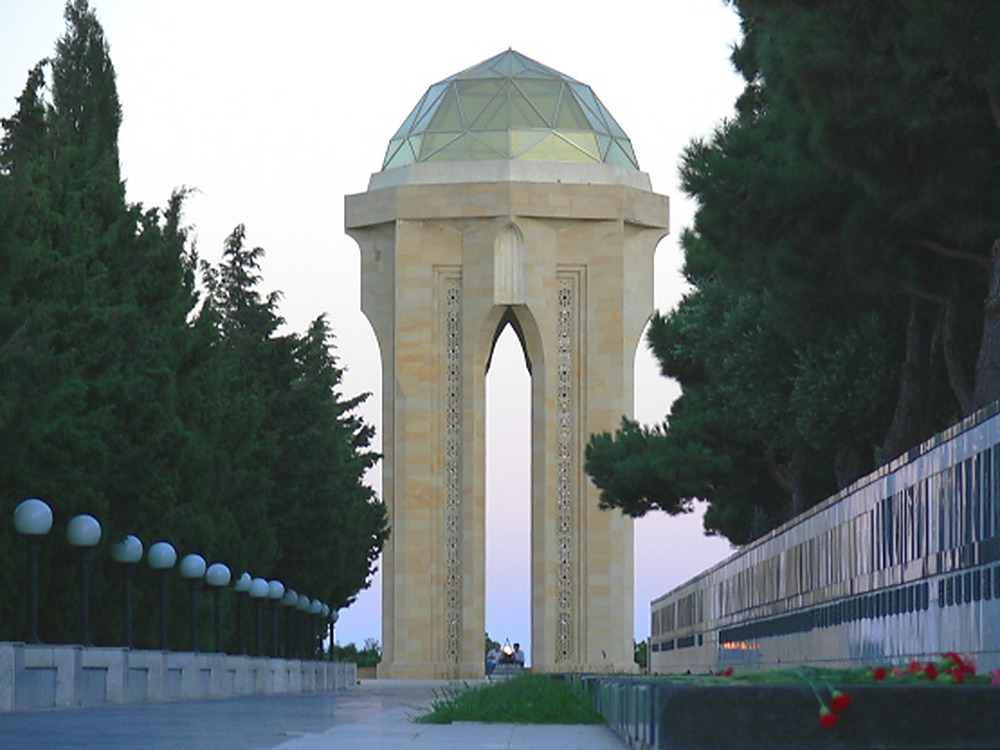
The location is both a memorial and one of the best viewpoints over the city and Caspian Sea. The atmosphere was much quieter than the busy streets below, and the rows of graves made it impossible to treat the hill simply as another viewpoint.
Inside Baku’s Old City
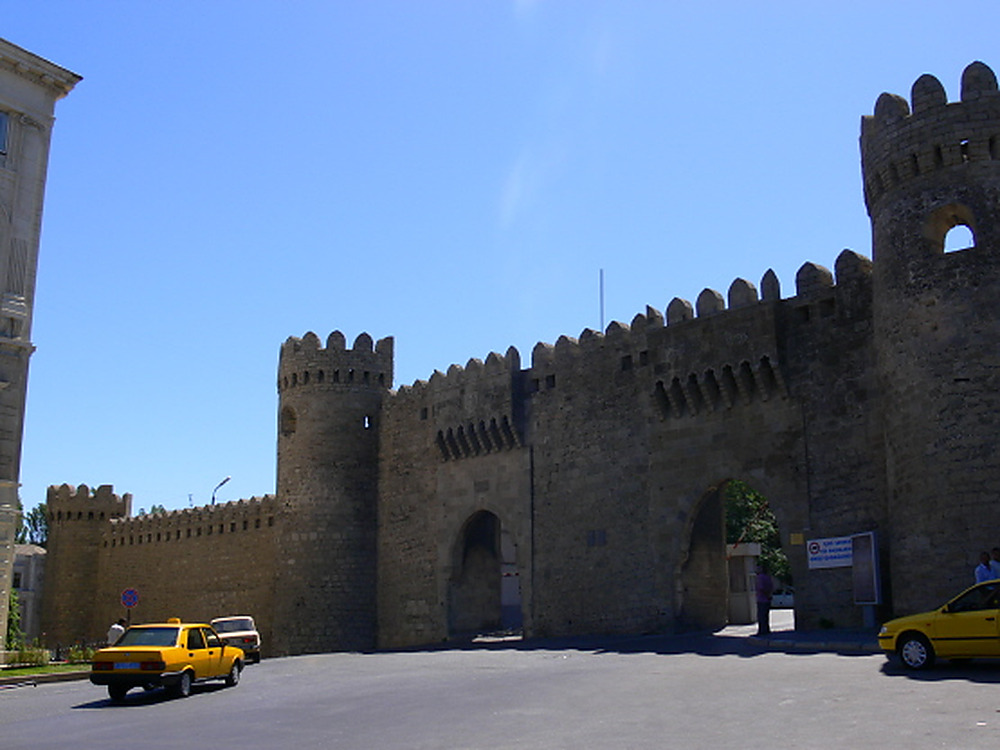
One of my favorite places to explore was the Old City, or Icherisheher. Historic walls still surround much of the district, separating its narrow streets, stone buildings, mosques, palaces, shops, and restaurants from modern Baku outside.
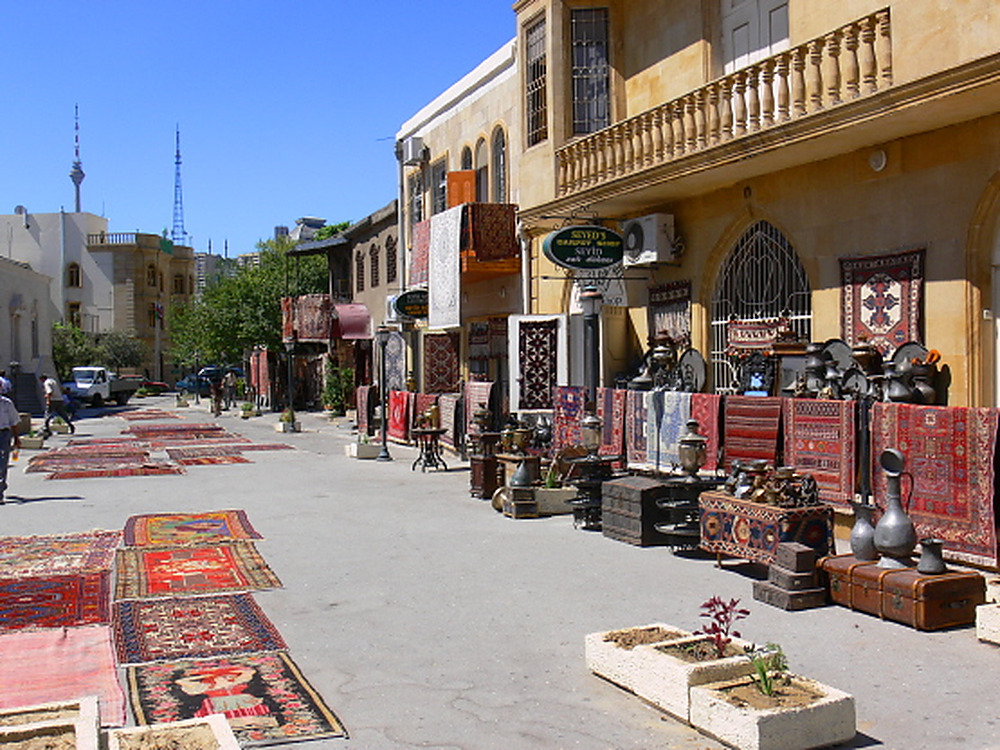
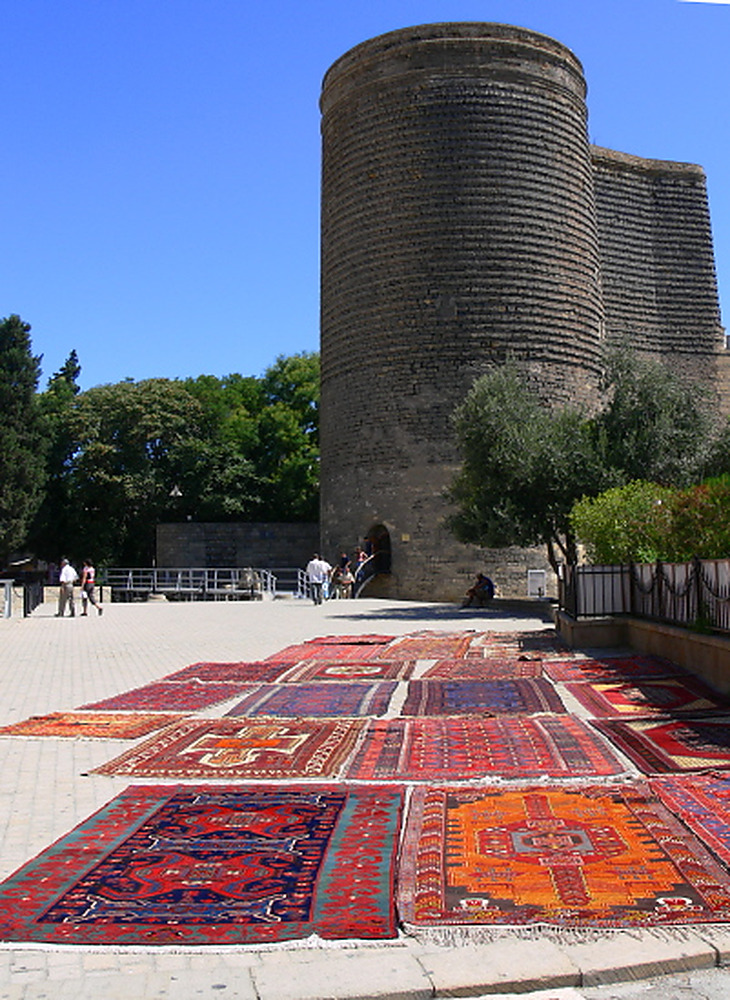
There were plenty of places selling carpets, antiques, and souvenirs from Azerbaijan and the surrounding region. Even without buying anything, the shops were interesting just to wander through.
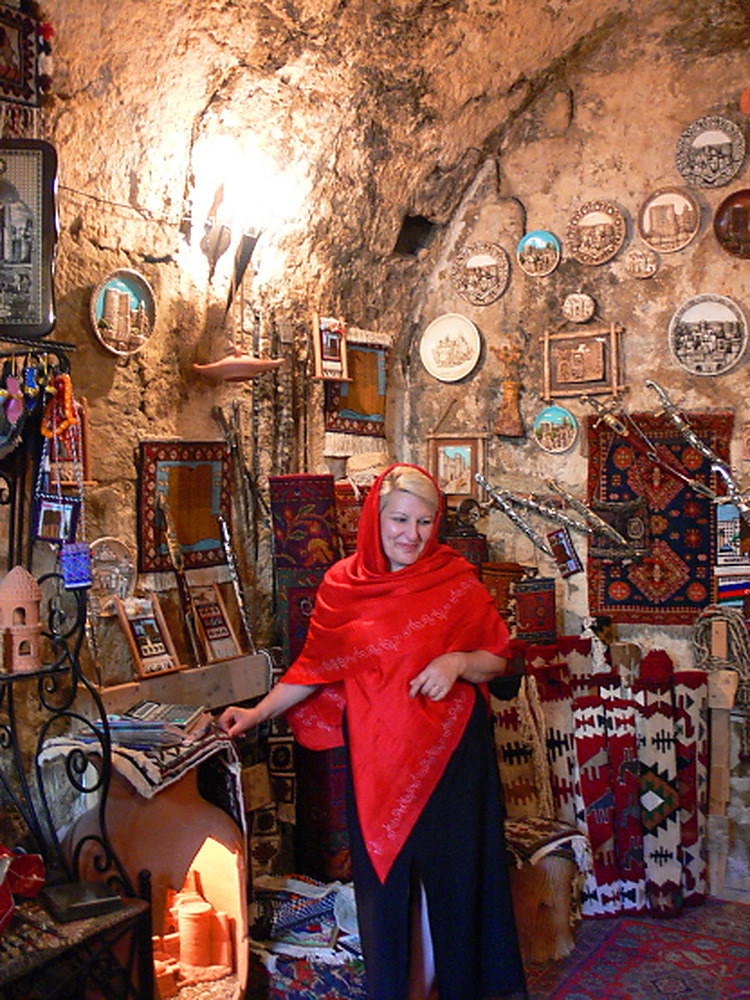
The Old City wasn’t simply a collection of monuments. People still lived and worked inside the walls, and that was part of what made walking around it so interesting. Modern Baku was only a short distance away, but inside the walls the atmosphere changed almost immediately.
Palace of the Shirvanshahs
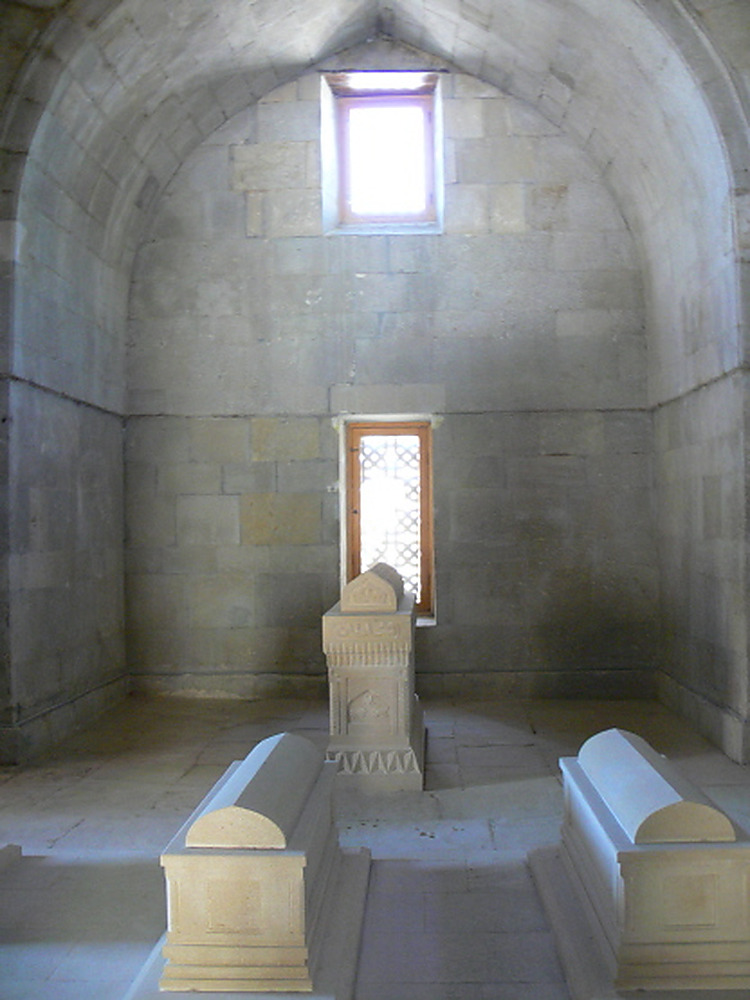
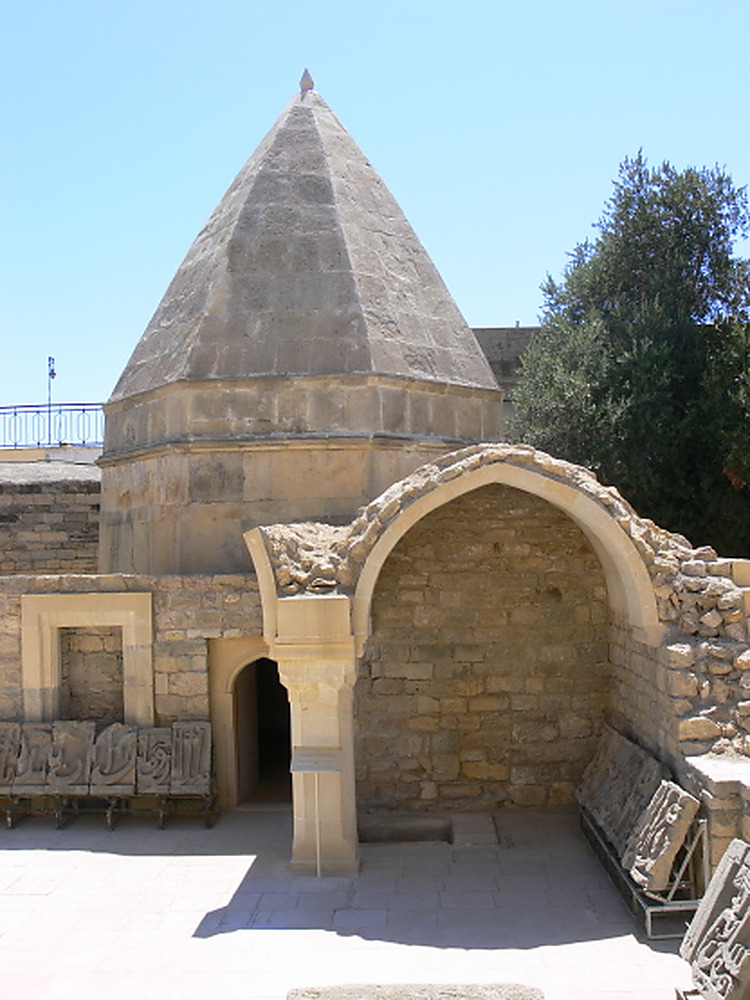
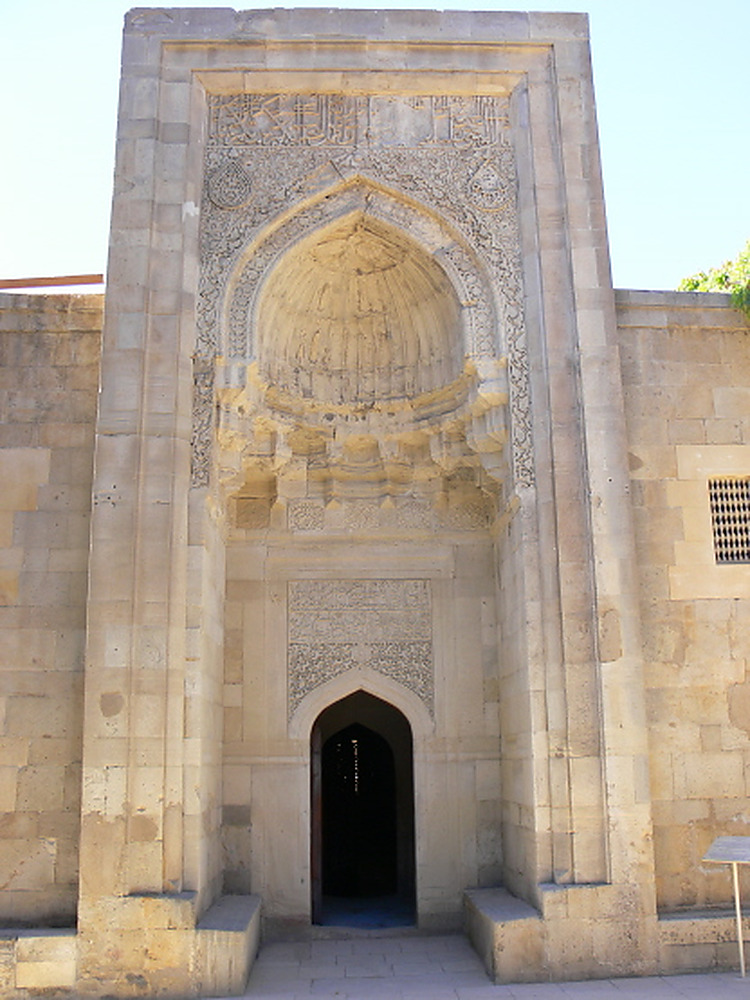
One of the most important sites inside the Old City is the Palace of the Shirvanshahs. Much of the complex was constructed during the 15th century, when Baku became an important center of the Shirvanshah dynasty.
The complex includes the palace itself along with a mosque, mausoleum, tombs, bathhouse remains, and other structures. Compared with some of the enormous royal palaces elsewhere in the world, it isn’t particularly extravagant, but its age and setting inside the Old City make it one of Baku’s most interesting historic sites.
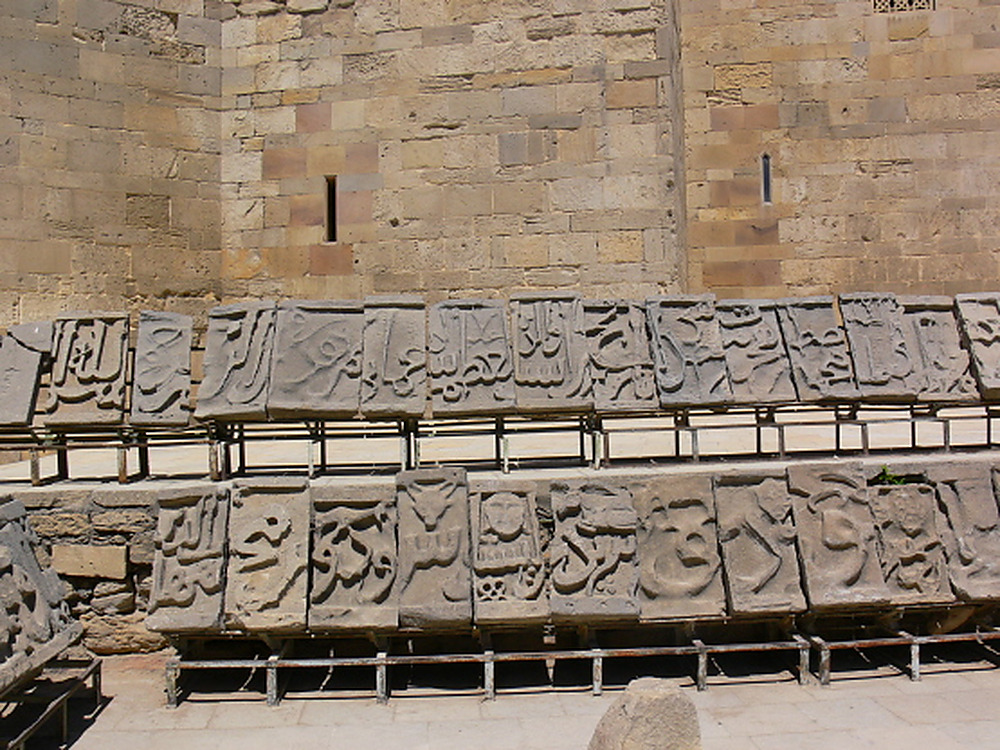
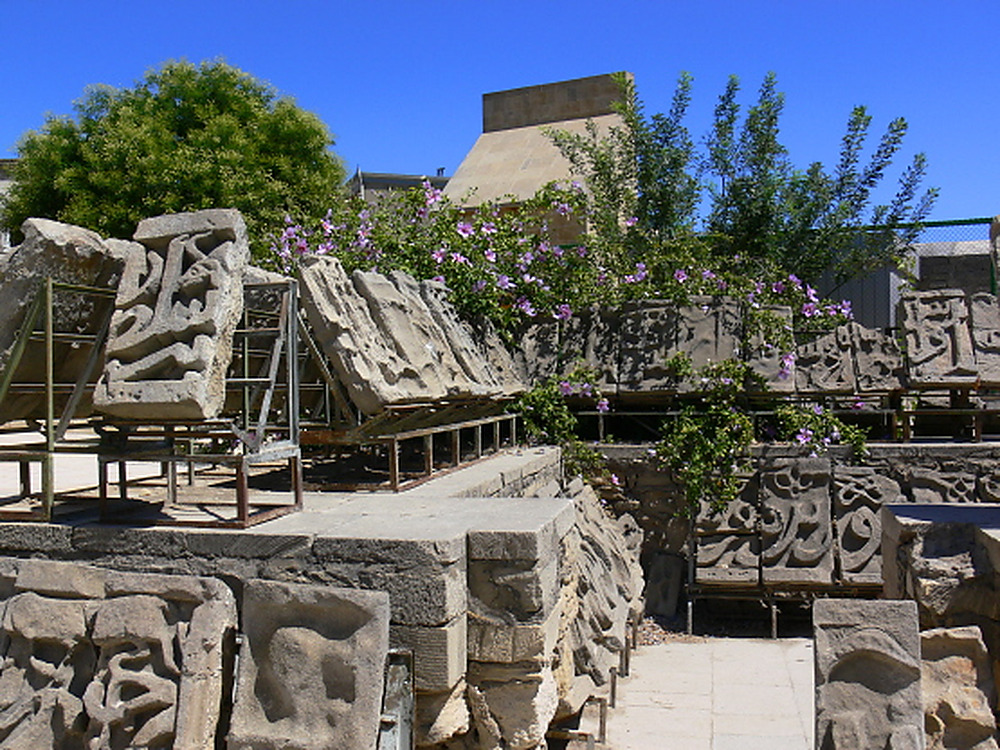
The inscriptions were another reminder of how many different cultures and periods had left their mark on Baku. Even when I couldn’t understand what was written, the carved stones helped make the palace feel considerably older than the modern city surrounding the Old City walls.
Maiden Tower
Maiden Tower is probably the most famous landmark inside Baku’s Old City. Its exact origins and original purpose remain uncertain, and different parts of the structure may date from different periods.
The mystery extends to its name. One legend tells of a woman who jumped from the tower to escape a forced marriage, while another explanation connects the word “maiden” with the idea that the tower had never been forcibly captured.
Whatever the truth, the uncertainty surrounding it only makes the tower more interesting.
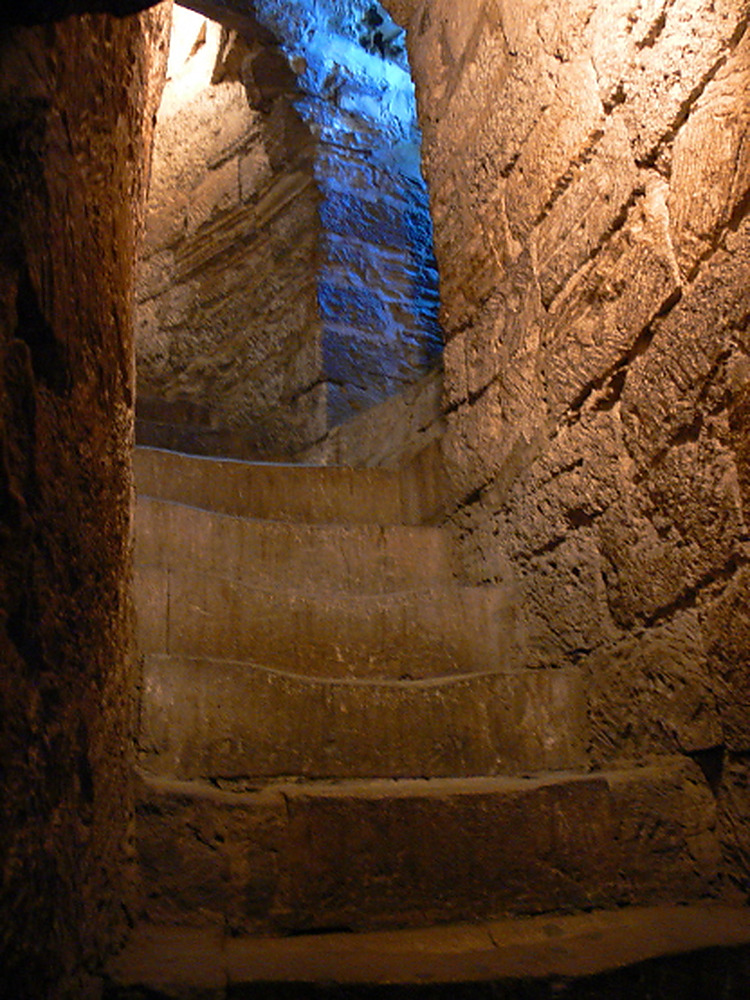
Inside, I climbed the narrow stone stairways through the tower. Displays occupied some of the interior spaces, but for me the building itself was more interesting than anything placed inside it.
Old Bathhouses and Caravan Stops
Some of my favorite places in the Old City weren’t the major monuments at all.
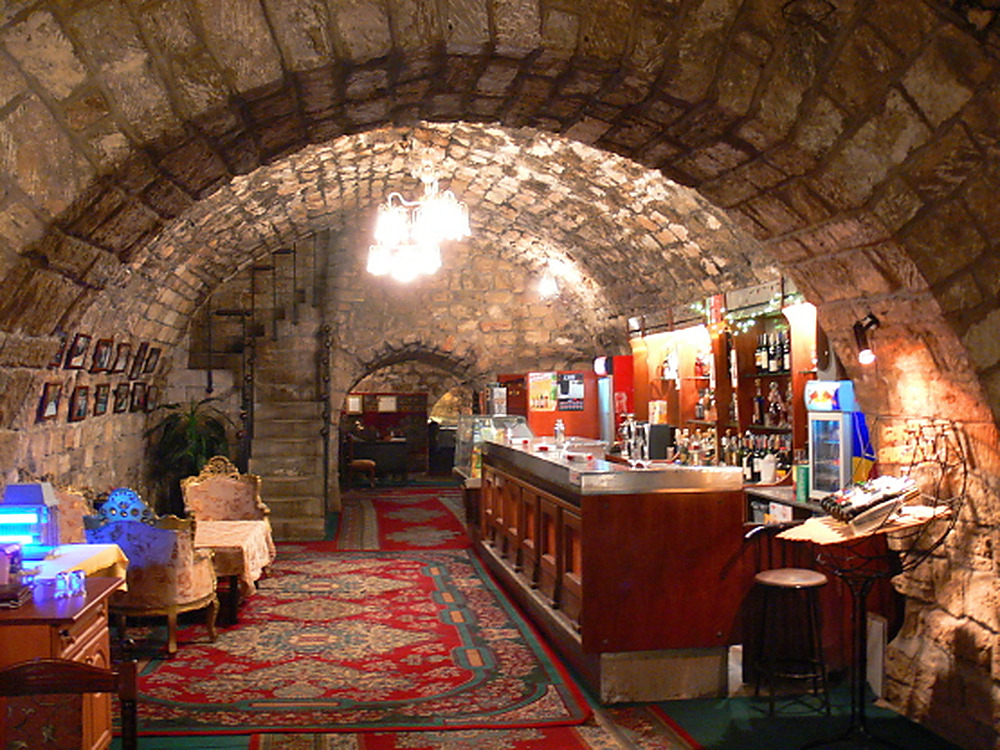
I came across the remains of an old bathhouse as well as buildings that once accommodated travelers passing through Baku. Inside one former caravan stop, hooks that had once been used to secure travelers’ camels were still visible on the walls.
Today the space has been converted into a bar and restaurant.
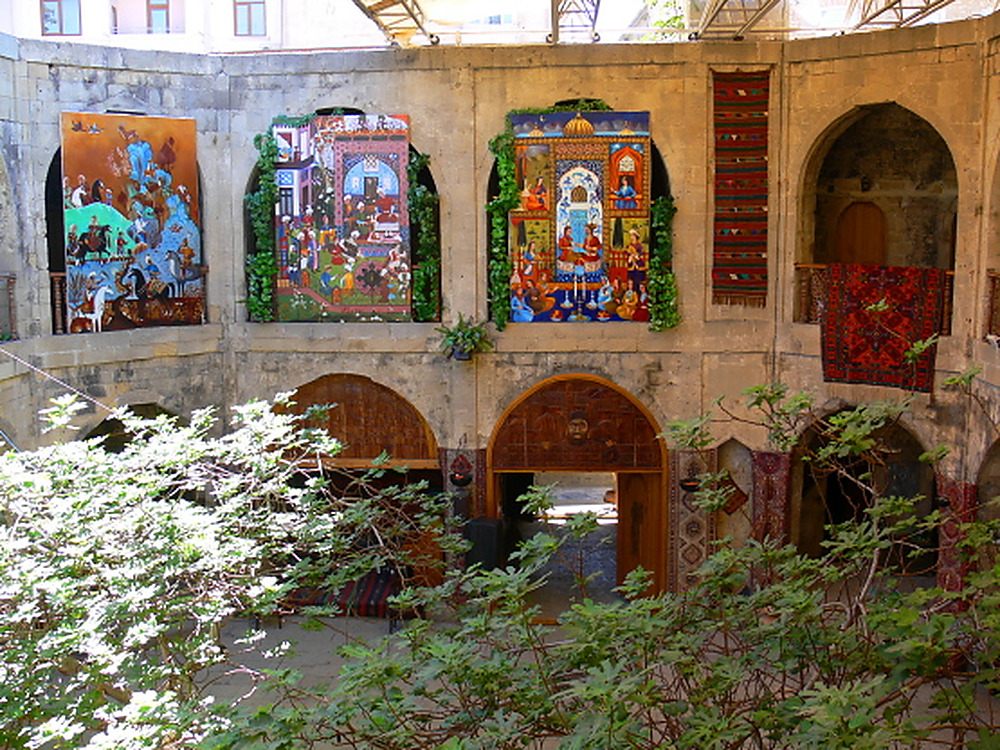
Baku once stood along important trading routes connecting regions of Asia and Europe, and places like this served travelers arriving with goods and animals. Today many of these historic spaces have been transformed into cafes and restaurants.
This ended up being one of my favorite parts of the city. Instead of preserving every old building as a museum, parts of Baku’s history were still being actively used.
Mardakan Castle
I also traveled outside central Baku to see some of the historic sites scattered across the surrounding Absheron Peninsula.
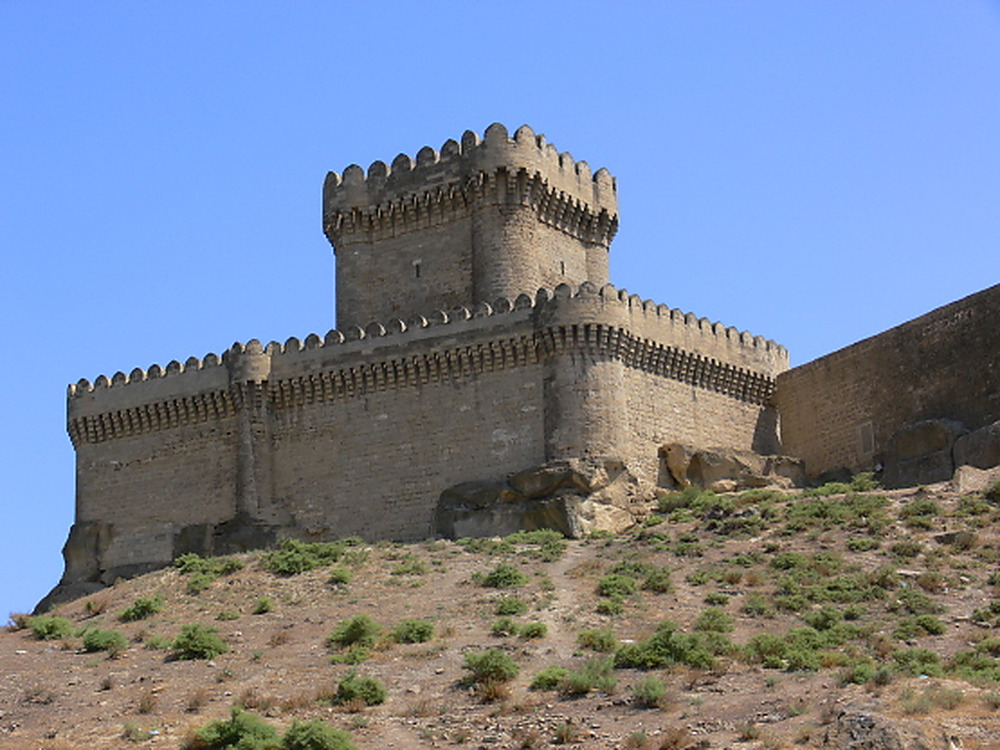
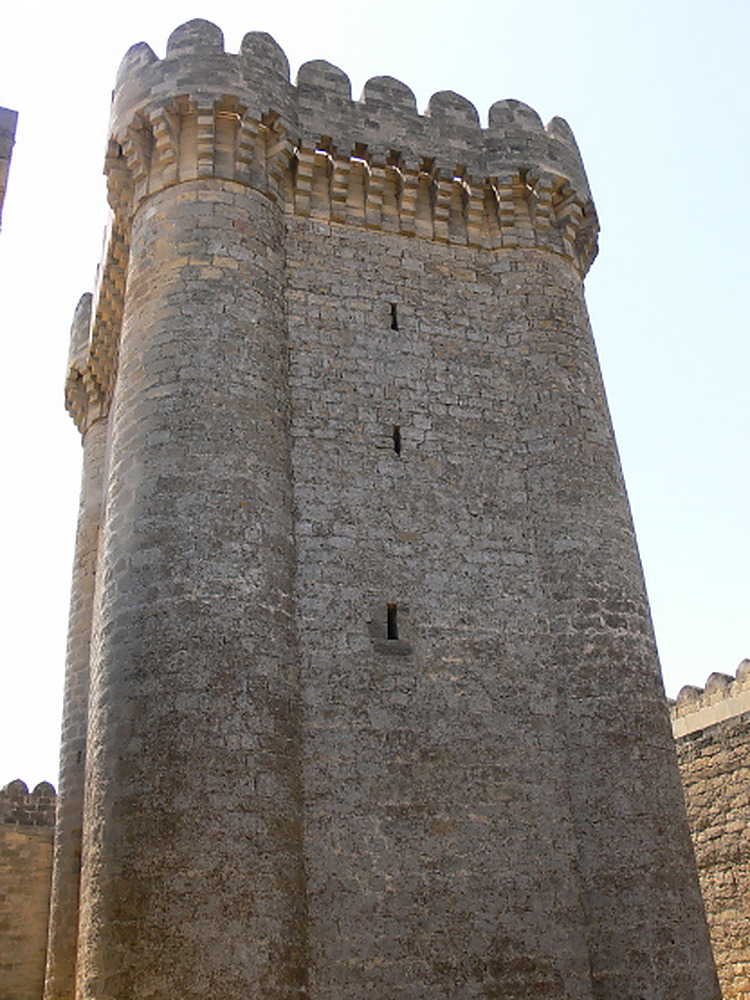
One of them was a medieval fortress at Mardakan. The interior was in rough condition when I visited, but the surviving walls and roughly 22-meter central tower still made it an impressive stop.
The Land of Fire
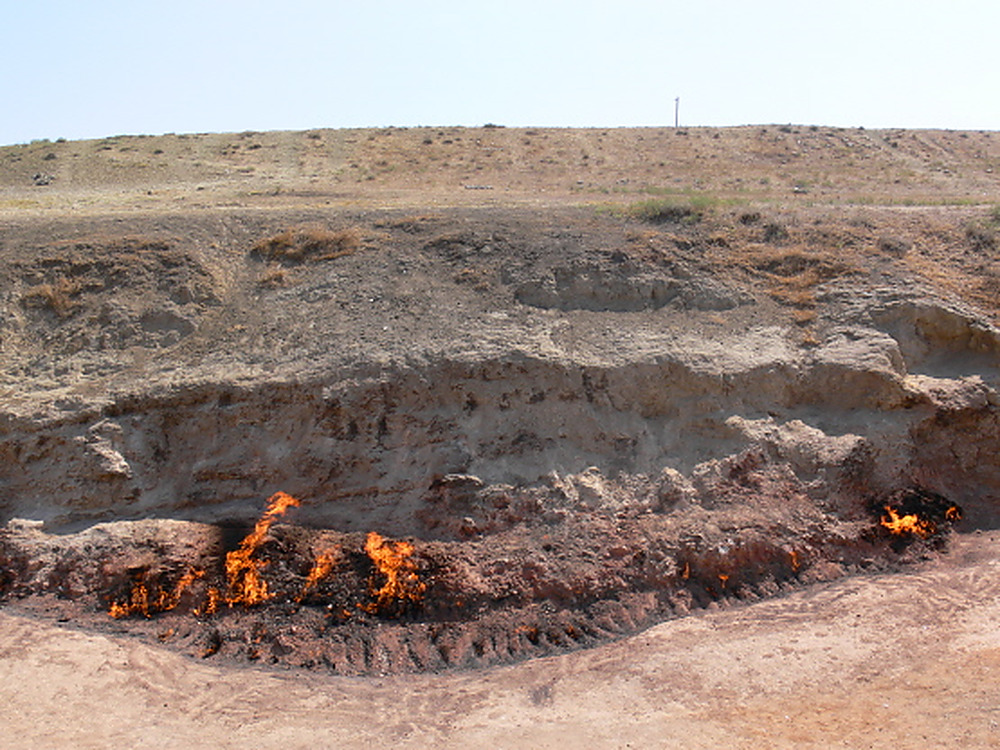
Azerbaijan isn’t called the Land of Fire for nothing. Natural gas escaping through the ground has produced flames in parts of the Absheron Peninsula for centuries, and these fires became closely connected with the history and culture of the region.
Seeing fire apparently coming straight out of the earth was strange enough by itself. Knowing that natural fires had been observed in this region for generations made it considerably more interesting.
Ateshgah Fire Temple
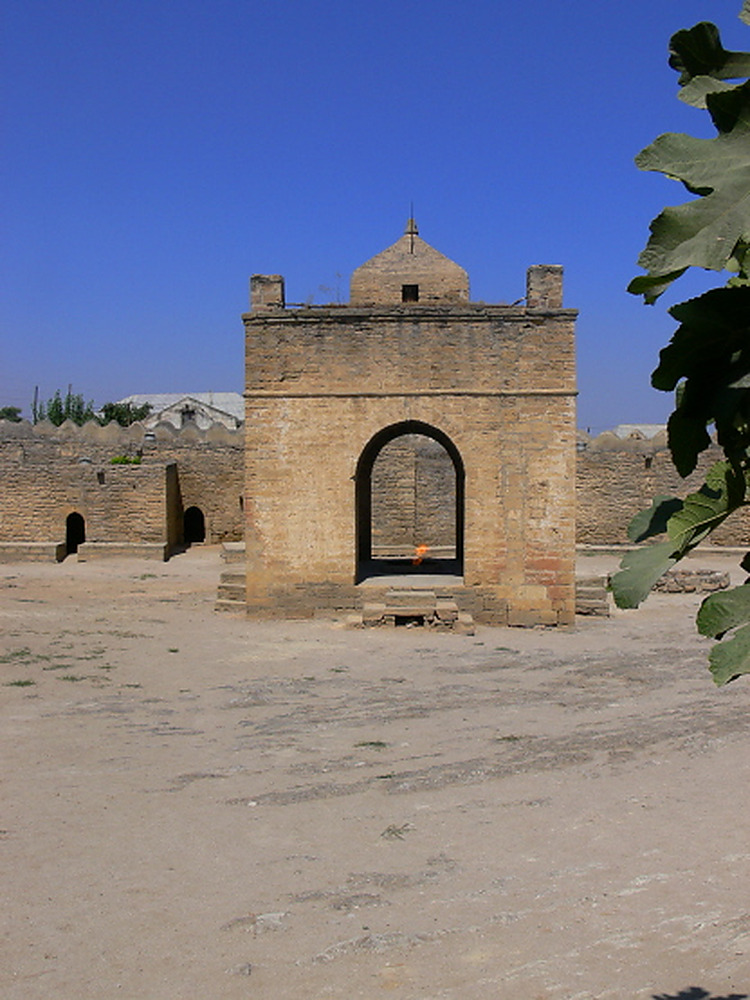
Another fascinating stop was Ateshgah, the Fire Temple outside Baku. The complex was used by fire-worshipping communities and travelers with connections to the Indian subcontinent, reflecting Azerbaijan’s position along historic trade routes between Asia and Europe.
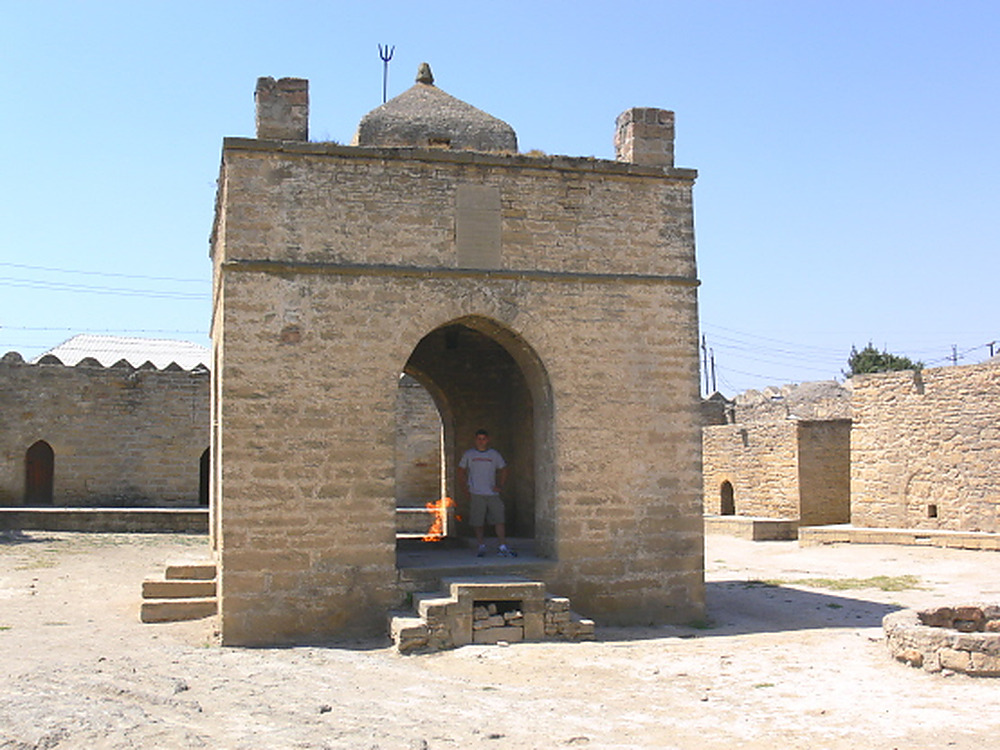
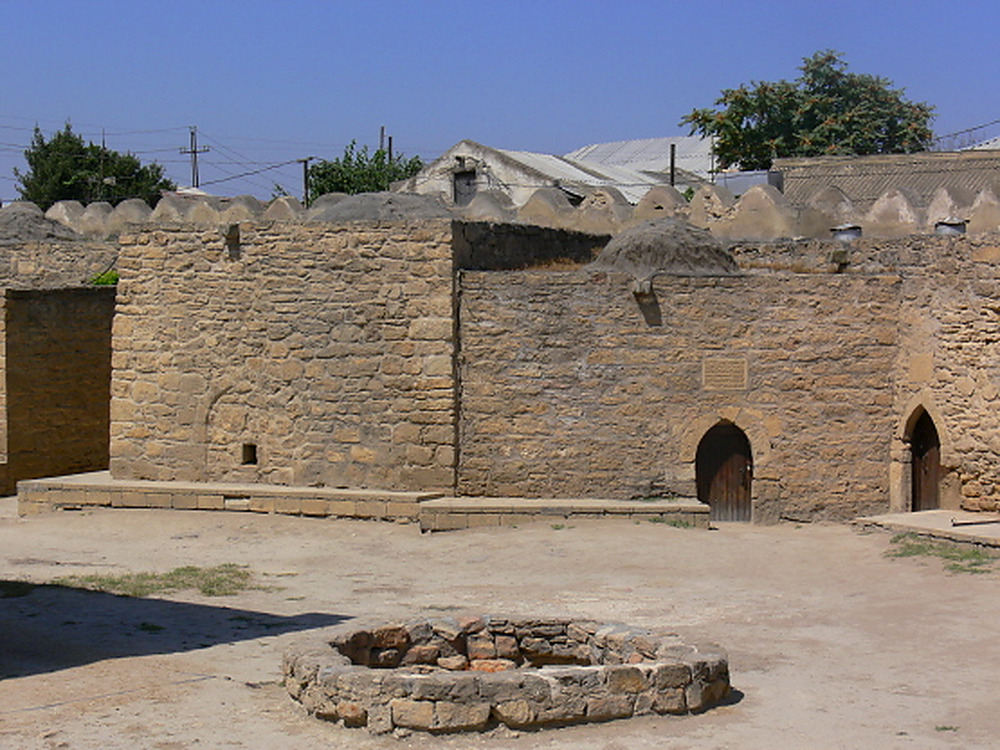
The temple complex contains a central fire altar surrounded by stone rooms that were used by people staying at the site. Walking through the courtyard and then into the individual rooms made it easier to understand that Ateshgah had been more than simply a place where people came to look at the flames.
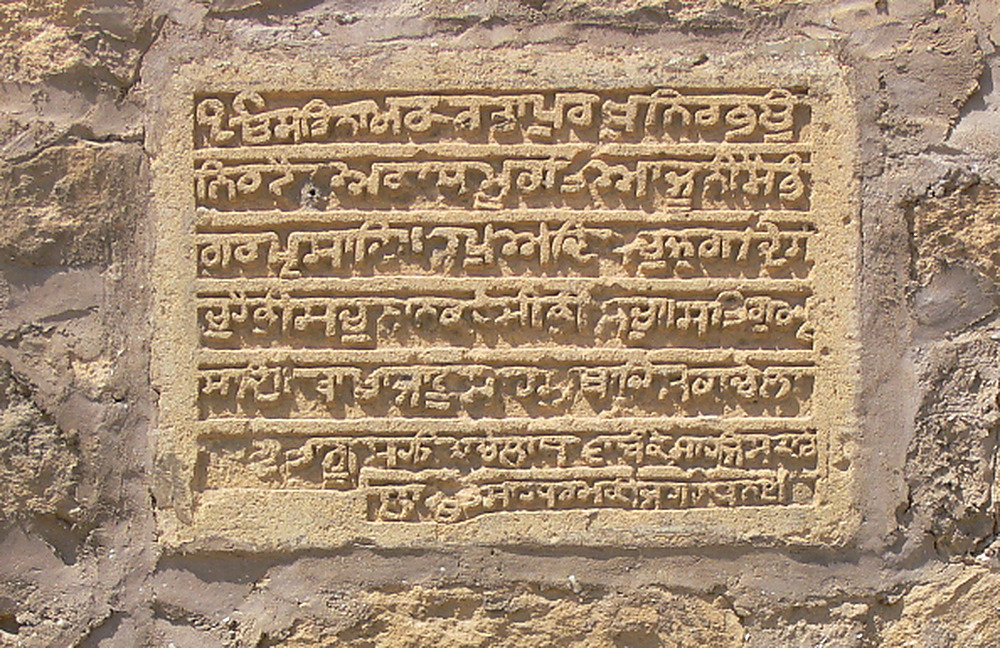
Some of the inscriptions at the temple reflect the backgrounds of the travelers and worshippers who came here, another connection between Azerbaijan and the historic trade routes stretching much farther east.
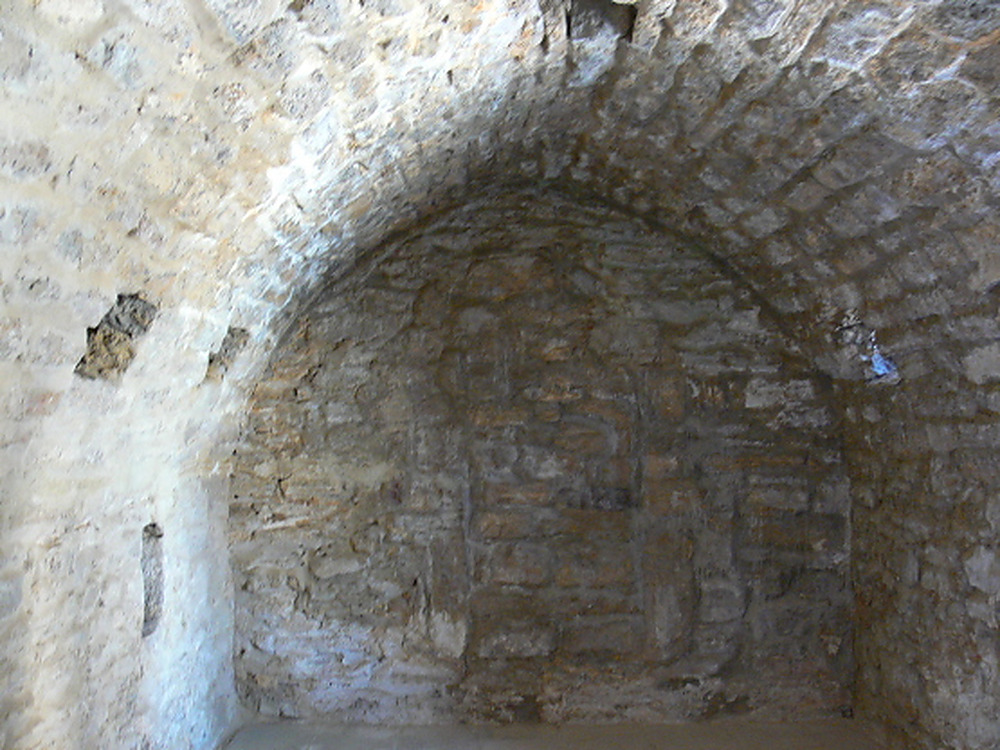
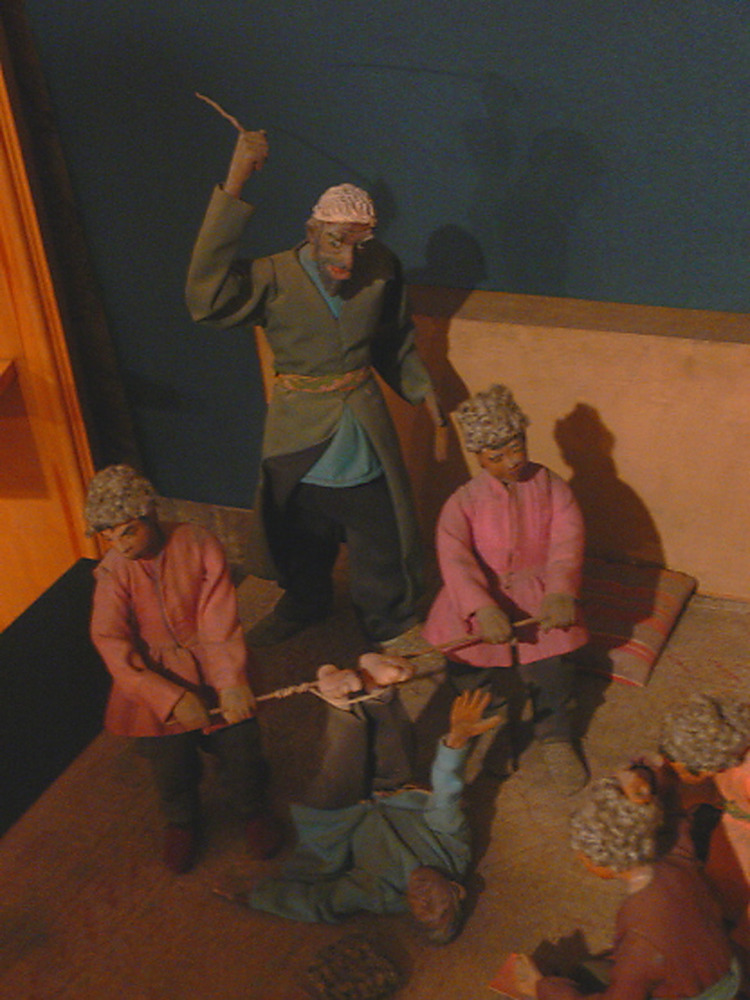
Several of the rooms now contain displays recreating scenes connected with people who once stayed at the temple.
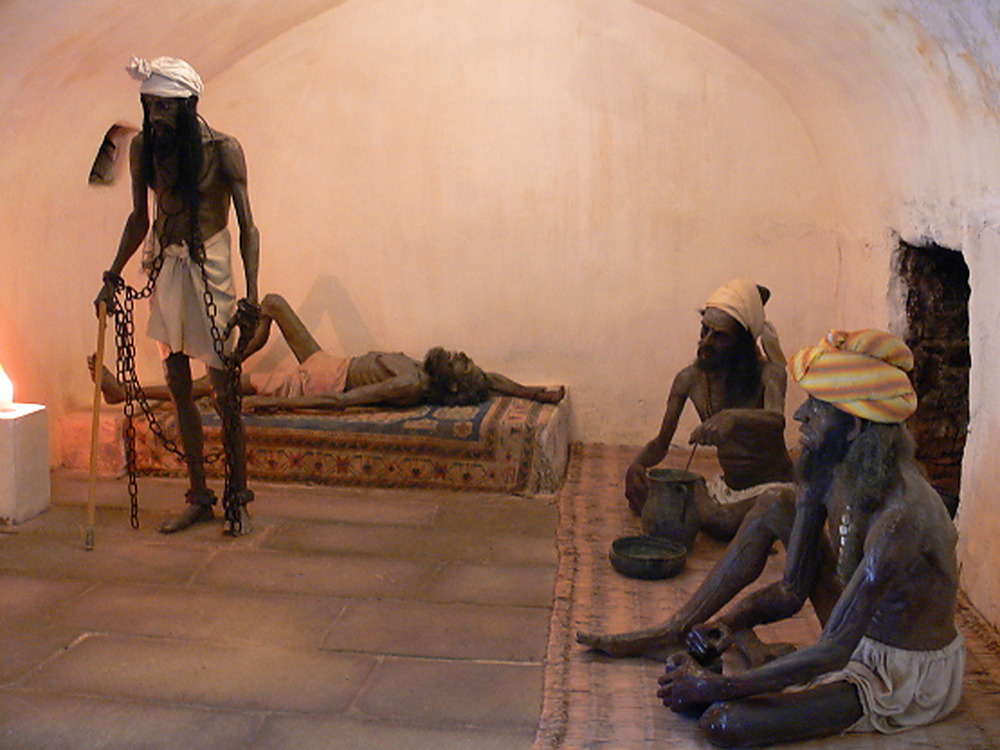
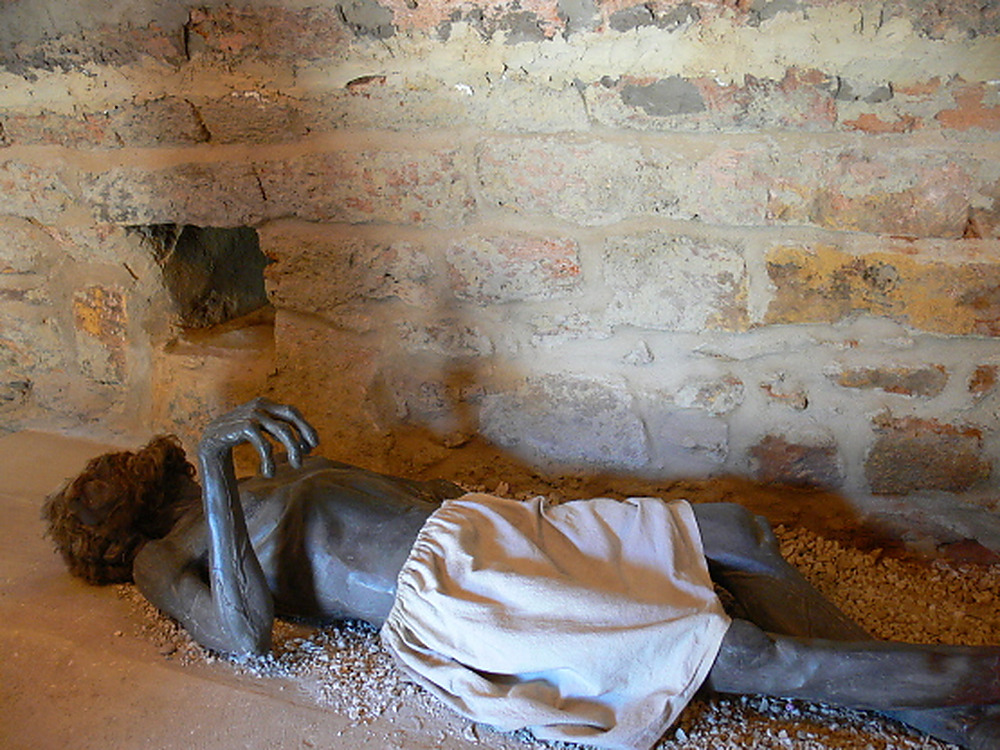
The displays were a little strange, but together with the inscriptions, small rooms, courtyard, and fire altar they helped make Ateshgah feel like something more than an isolated historic monument.
Baku From Above
My Time in Baku
Baku ended up being far more interesting than I expected before arriving. There was enough modern nightlife and activity to make the city fun after dark, but during the day I could walk through an ancient walled city, climb Maiden Tower, explore a medieval palace, or eat inside a building that once sheltered travelers and their camels.
Then just outside the city were castles, fire temples, and flames coming naturally out of the ground.
I also never did manage to go scuba diving in the Caspian Sea.
I guess that gives me at least one excuse to go back.