Moscow was one of the places I was most interested in seeing during my travels through Russia. The city immediately impressed me with its enormous scale, monumental architecture, historic churches, and landmarks I had seen countless times in photographs. Walking into Red Square and seeing the Kremlin and St. Basil’s Cathedral in person was one of the highlights of my time in the country.
I also enjoyed seeing how much variety there was beyond Moscow’s most famous sights. Grand government buildings and historic monuments stood alongside busy commercial streets, restaurants, shops, churches, and everyday city life. Moscow felt like a place where different periods of Russian history were visible throughout the city, and simply walking around gave me plenty to explore.
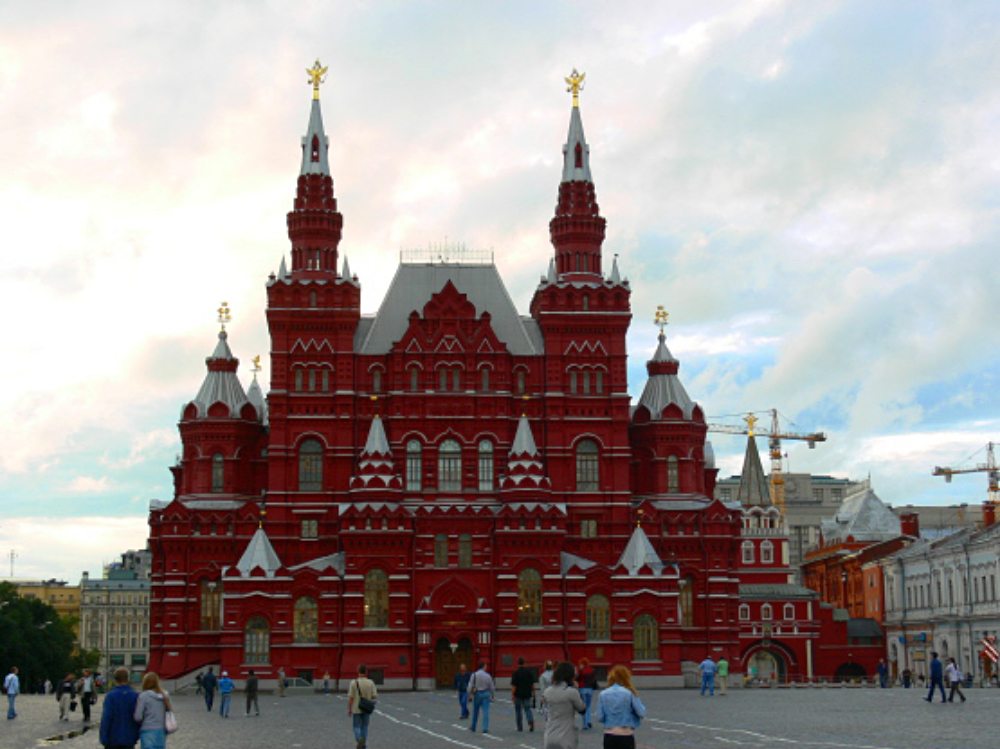
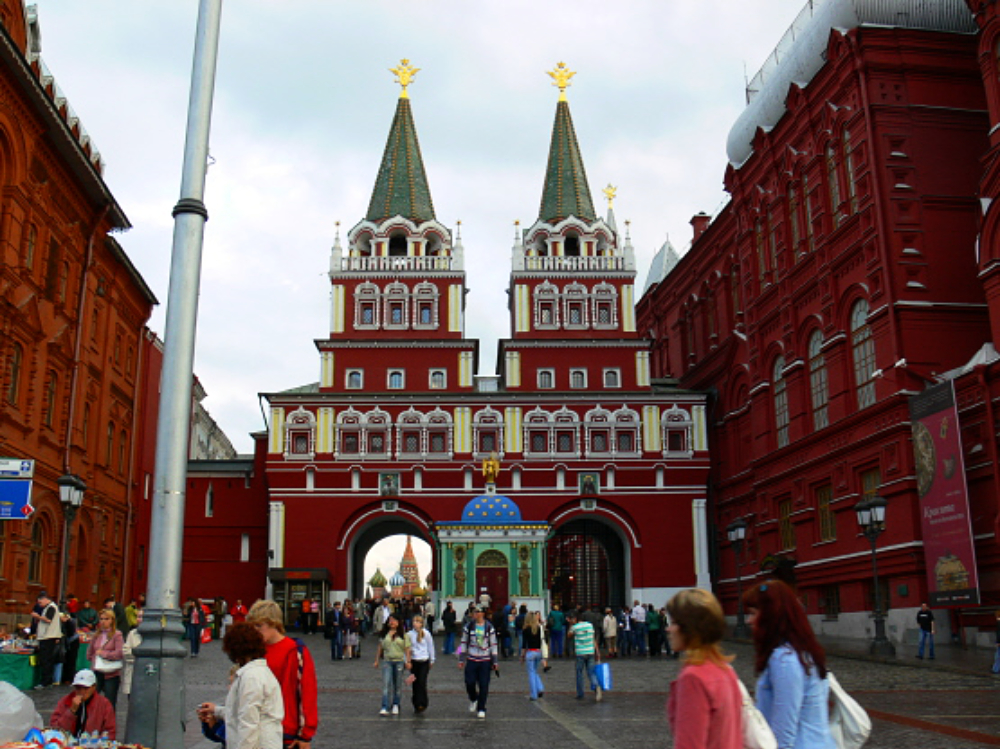
Red Square sits at the historic center of Moscow and is surrounded by some of the city’s most recognizable landmarks. The Kremlin borders one side of the square, while St. Basil’s Cathedral, Lenin’s Mausoleum, and the historic GUM department store are all nearby. Despite knowing these landmarks long before I arrived, seeing them together in person gave me a much better sense of the scale and architecture of central Moscow.
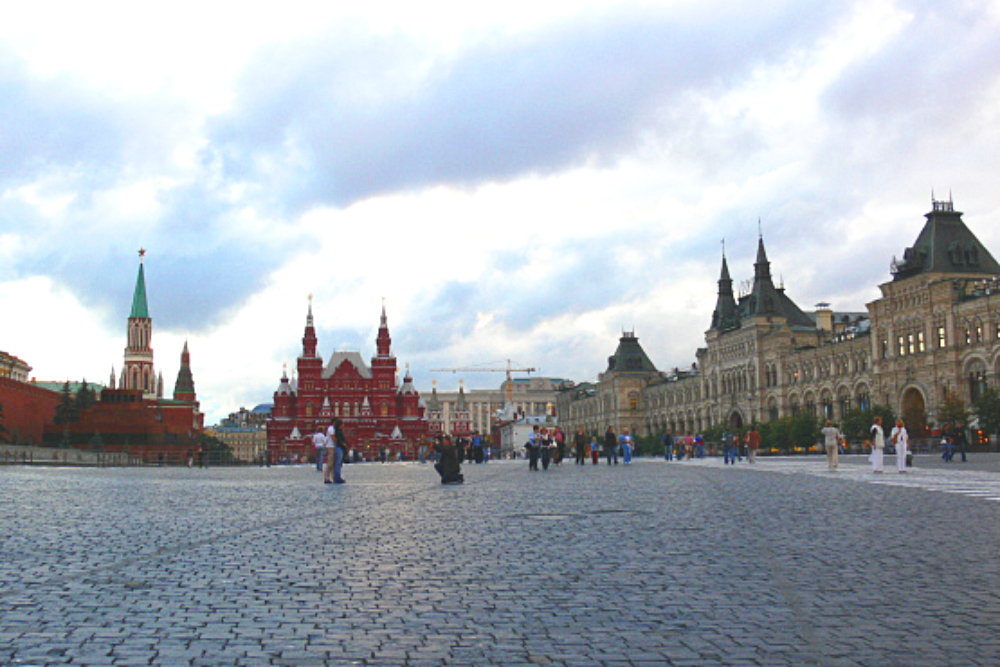
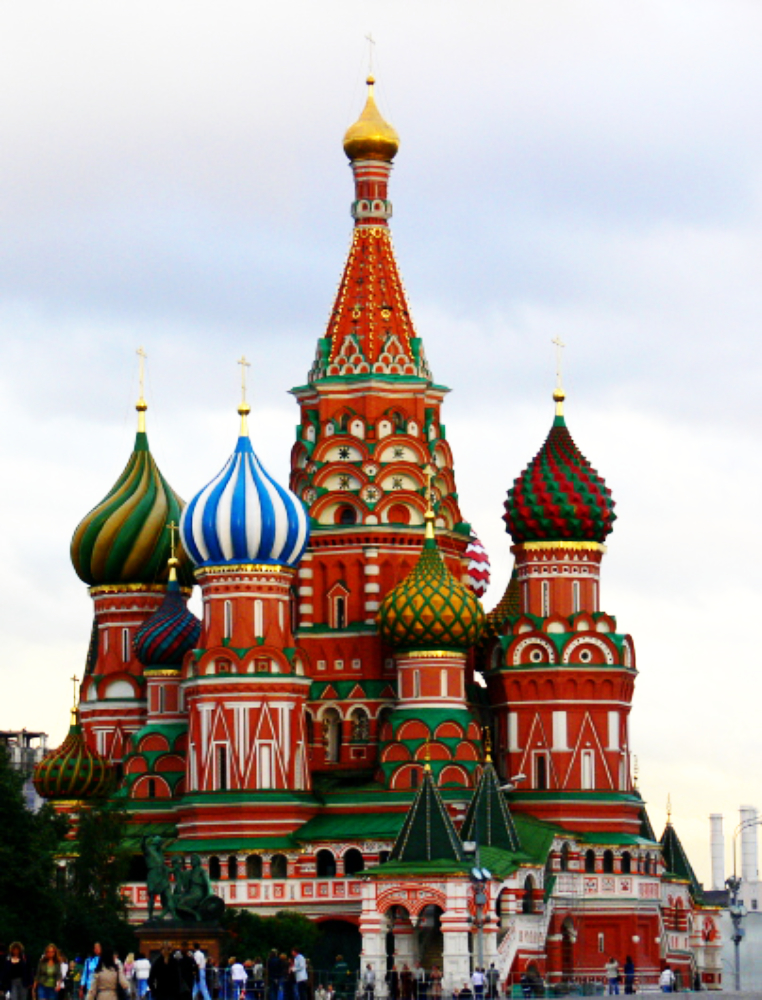
St. Basil’s Cathedral is one of Moscow’s most distinctive landmarks. Its colorful domes and elaborate architecture make it immediately recognizable, but the building is even more striking when viewed from Red Square. It became one of my favorite sights in Moscow and one of the buildings that most strongly represented the city to me.
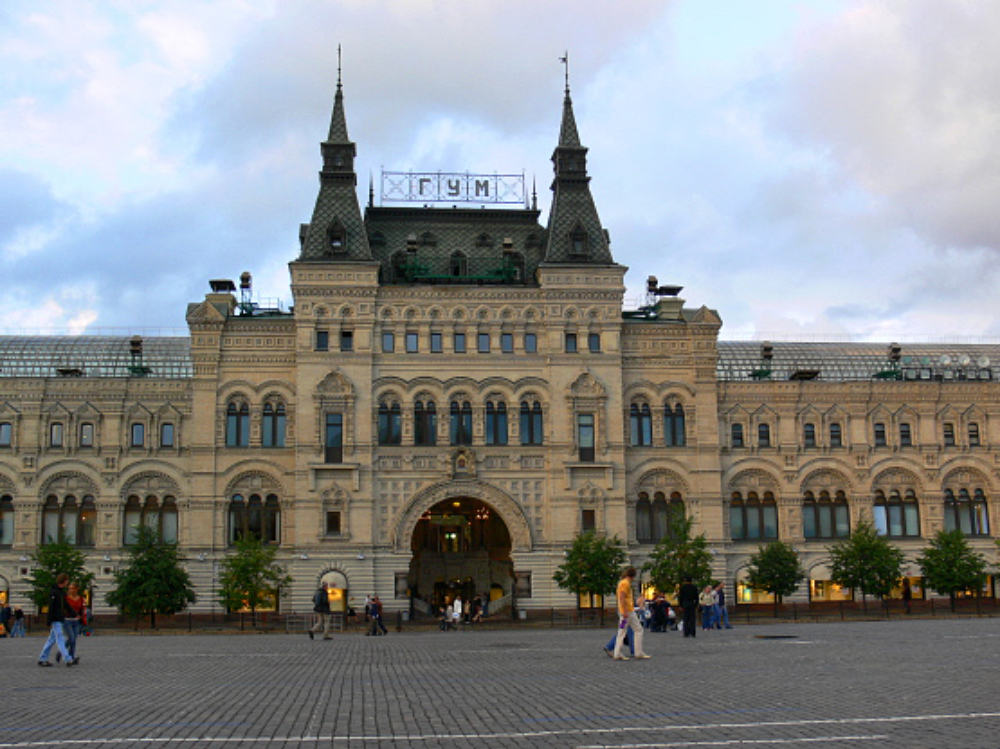
Across Red Square is GUM, the enormous historic shopping arcade that occupies much of the eastern side of the square. Its long facade is itself one of Red Square’s major architectural landmarks, while the interior contains multiple levels of shops and galleries beneath a glass roof. Together with the surrounding monuments, it helps make Red Square feel like an entire historic district rather than a single attraction.
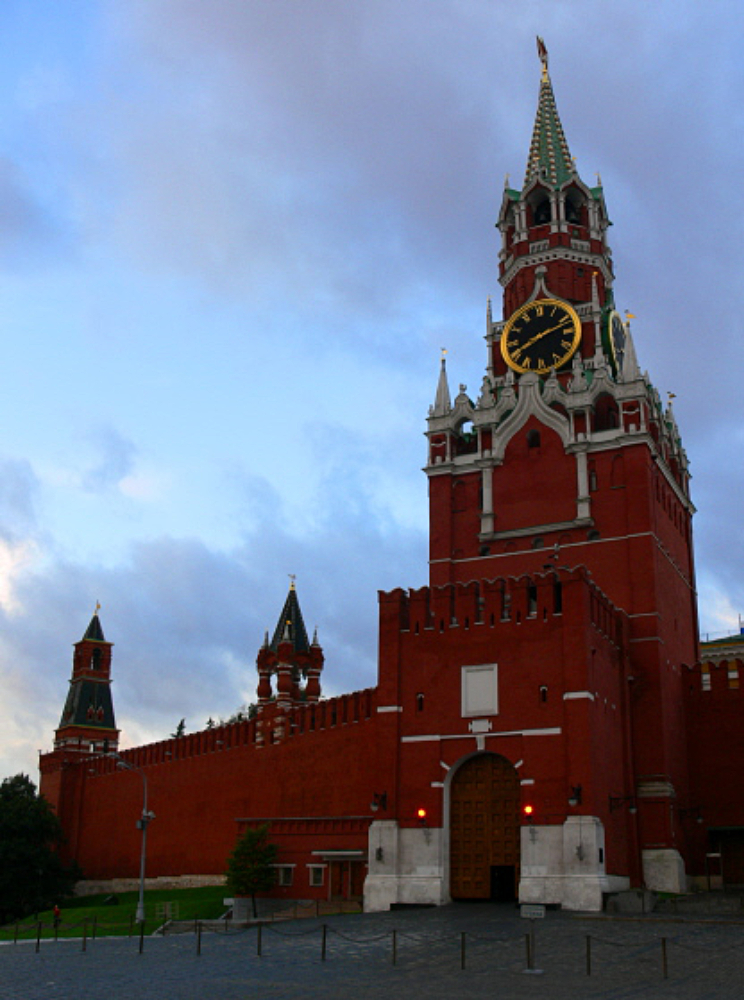
The Kremlin was another place I wanted to see while in Moscow. The fortified complex has stood at the center of Russian political and religious life for centuries, with walls and towers surrounding palaces, cathedrals, government buildings, and historic monuments. Entering the complex offered a different perspective from viewing its walls across Red Square.
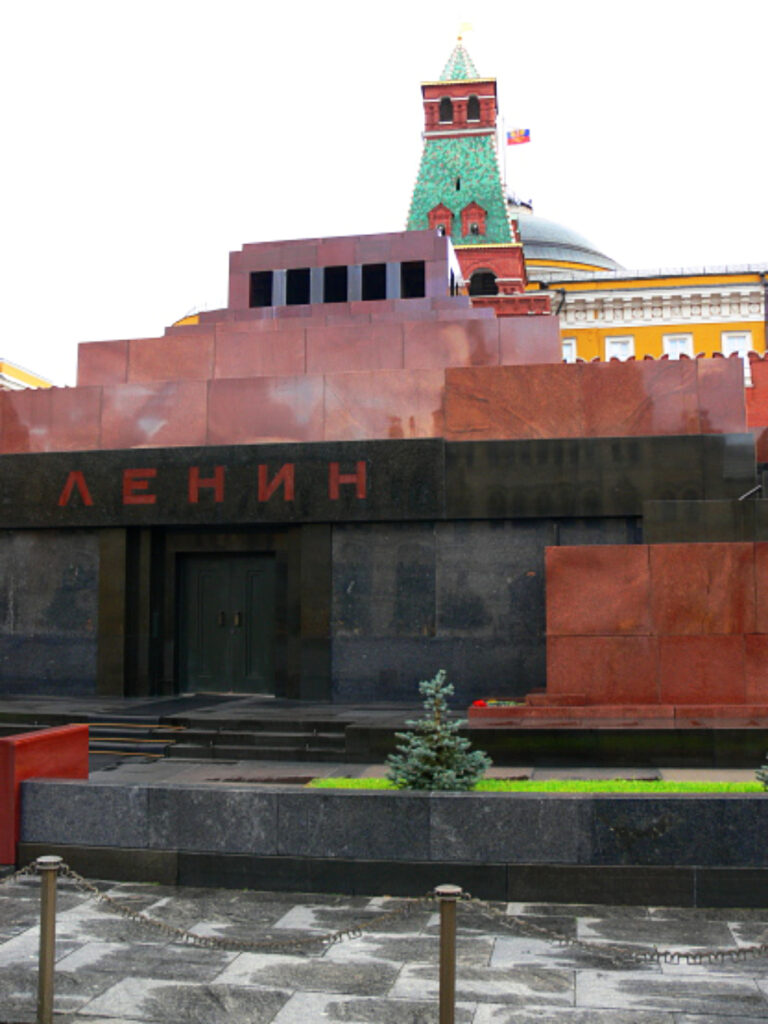
Lenin’s Mausoleum stands beside the Kremlin wall on Red Square. Vladimir Lenin’s preserved body is displayed inside, making the mausoleum one of the more unusual historic sites I visited in Moscow. The restrained exterior is especially noticeable among the much larger and more elaborate buildings surrounding the square.
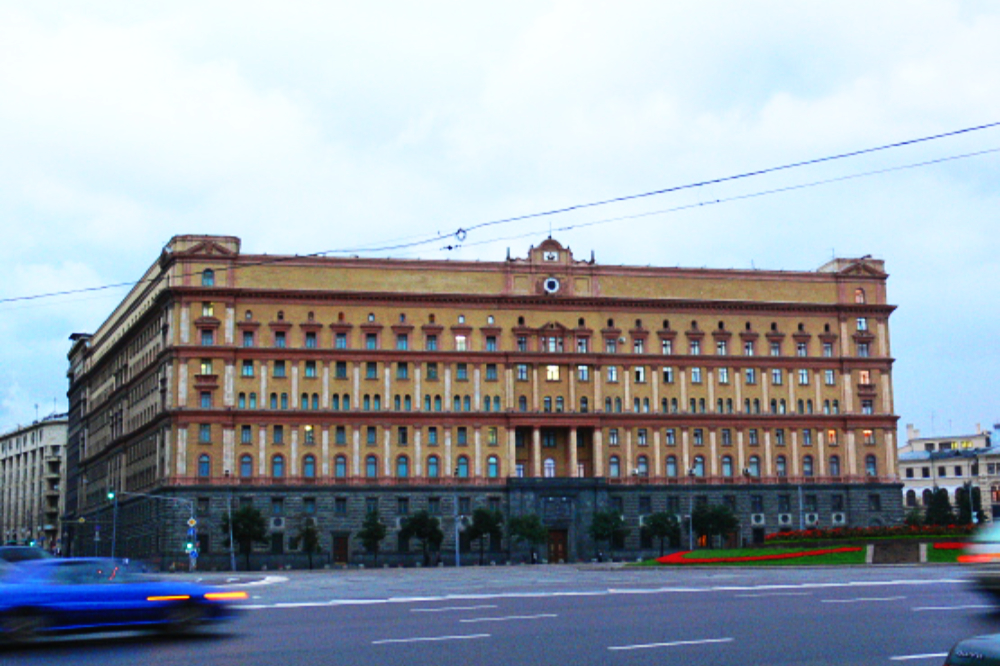
Elsewhere in central Moscow I visited the Lubyanka Building, one of the city’s best-known government buildings. Its long history and prominent location make it another recognizable piece of Moscow’s urban landscape and one of the many places where the city’s history is reflected directly in its architecture.
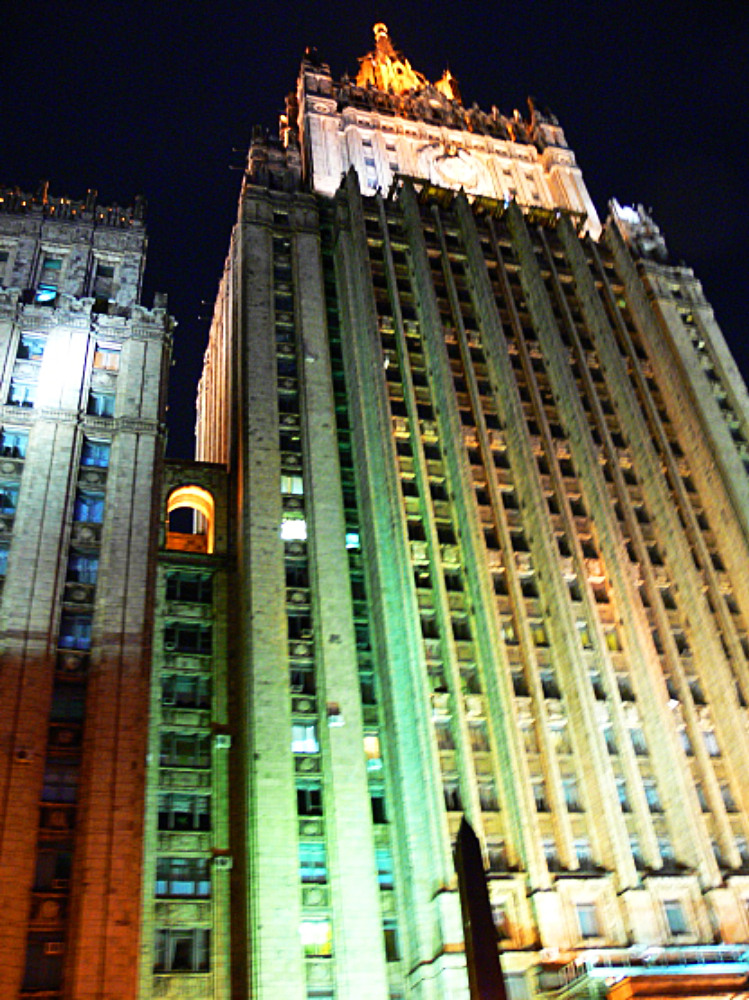
The Ministry of Foreign Affairs was another building that stood out to me. The skyscraper is one of Moscow’s monumental Stalin-era high-rises, and its height and distinctive architecture make it a prominent part of the city’s skyline. Buildings on this scale were part of what made walking around Moscow so interesting.
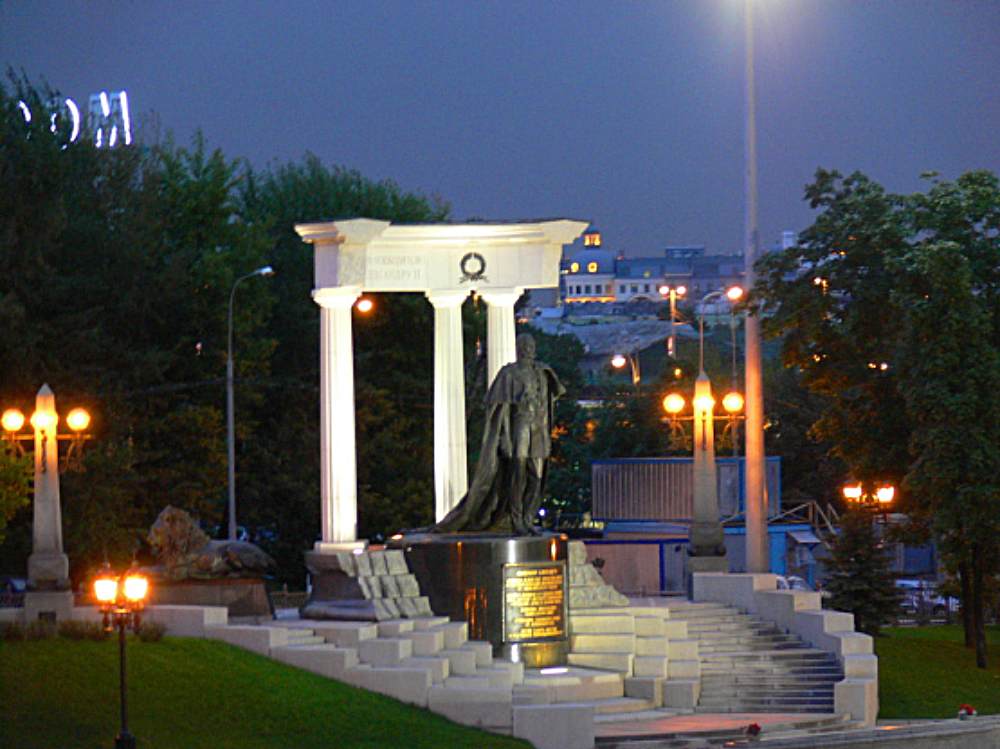
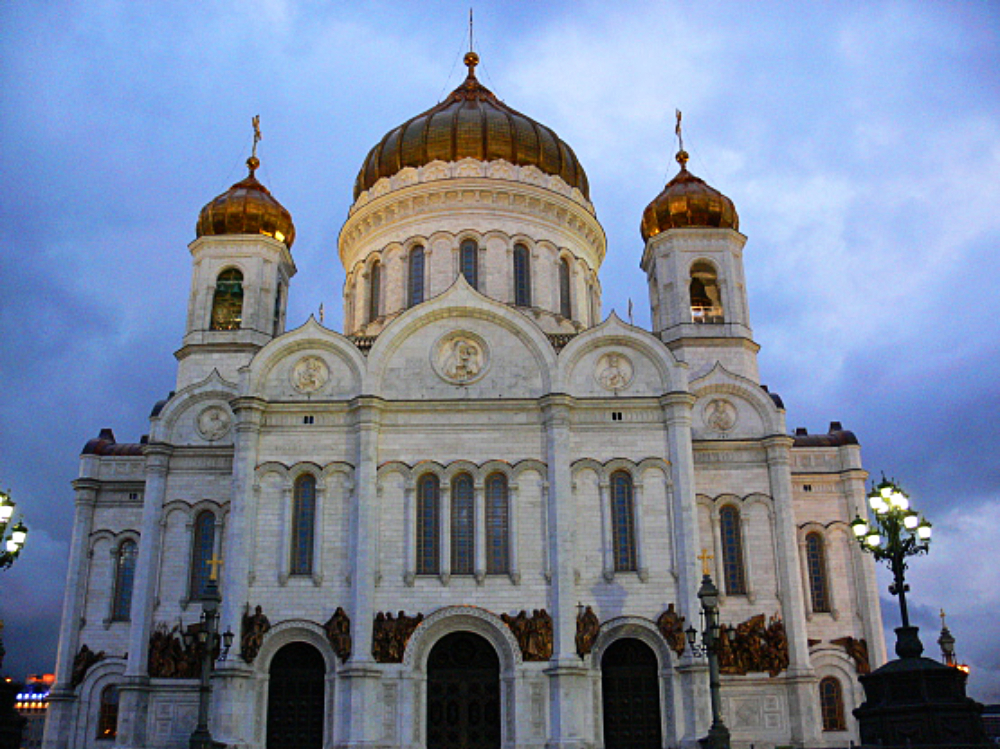
Moscow’s churches added another dimension to the city. Russian Orthodox architecture, with its domes, decorative details, and long history, provided a strong contrast with the monumental government buildings and modern commercial areas nearby. The variety of architecture was one of the things I enjoyed most while exploring Moscow.
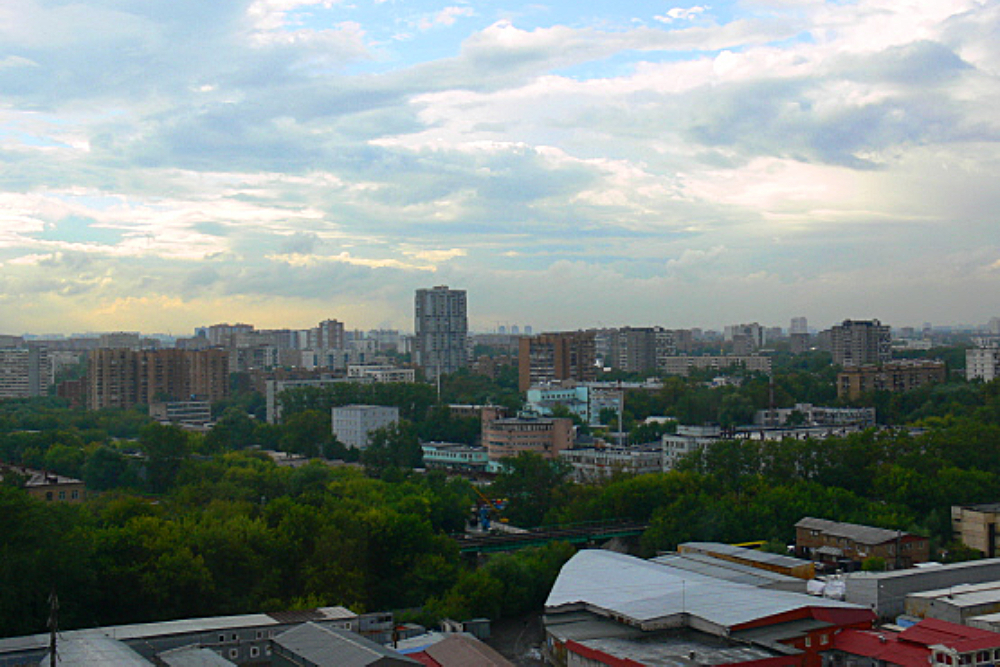
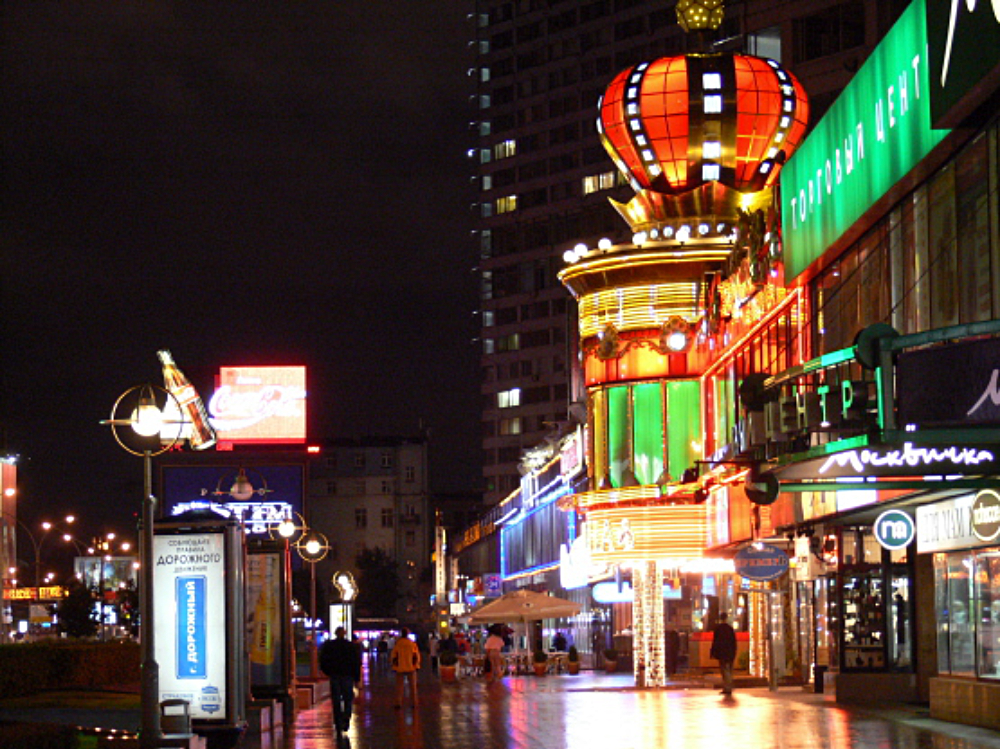
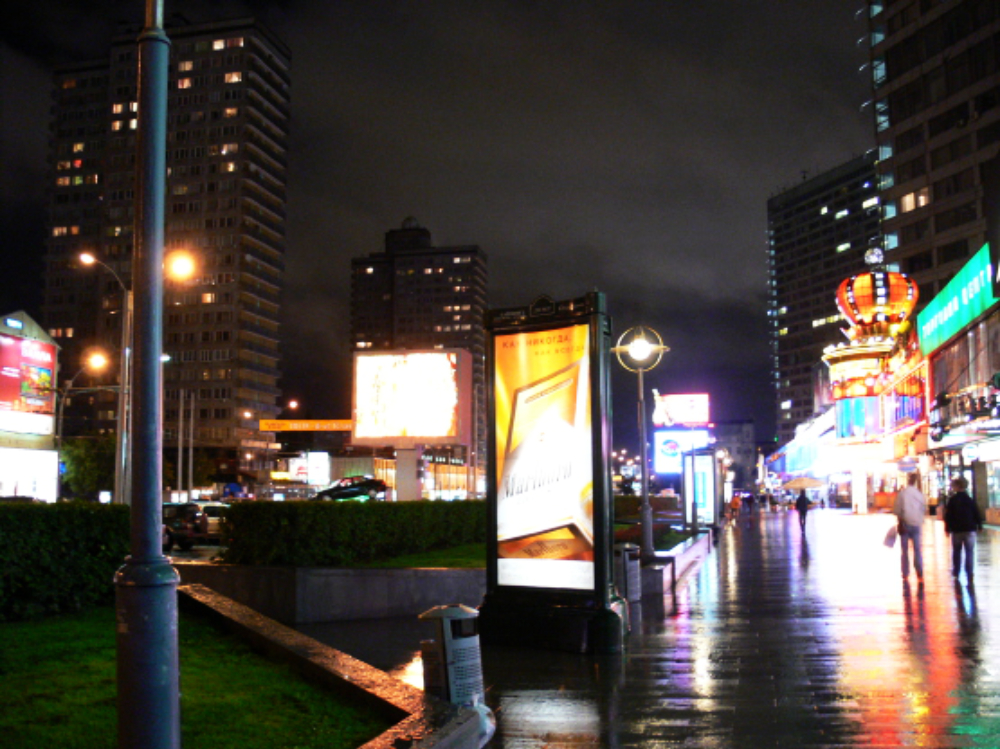
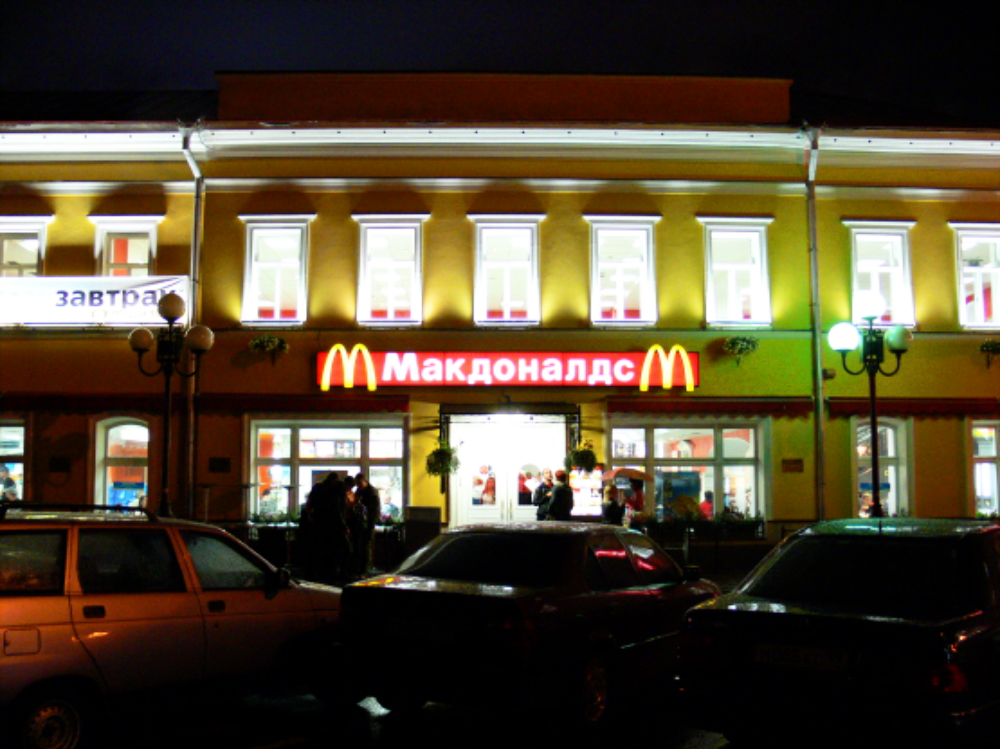
Beyond the major landmarks, I spent time simply walking through central Moscow. Downtown had restaurants, shops, bars, busy streets, and plenty of activity well into the evening. Seeing these ordinary parts of the city alongside places such as Red Square and the Kremlin made Moscow feel much more varied than the collection of famous landmarks I had known before arriving.
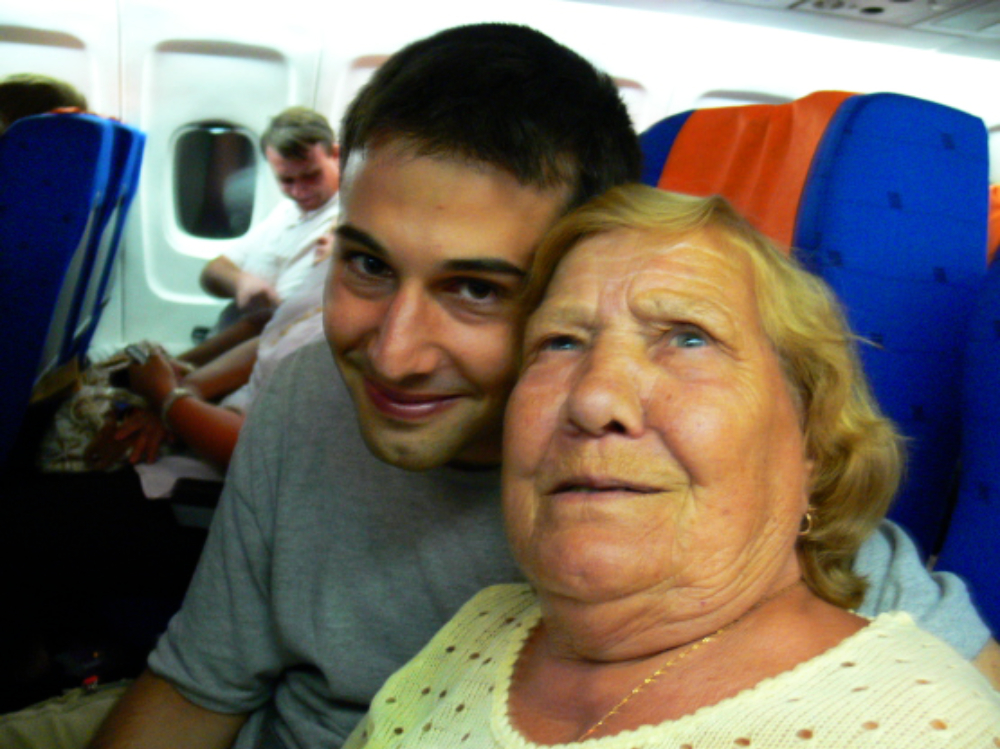
One of my more memorable personal experiences came on my final flight from Sochi back to Moscow. I sat next to a man named Sergey who ordered what seemed like an endless supply of vodka shots and beer and was more than happy to share. By the end of the flight, we were all having a pretty good time.
Sergey also told me about his family and his experiences growing up in the region. It was one of those unexpected conversations that became part of the trip itself, and it gave me a personal memory of Russia that was completely different from visiting monuments or historic sites.
Moscow ultimately became one of the highlights of my travels through Russia. Red Square and the Kremlin were every bit as impressive as I had hoped, but I also enjoyed the city’s churches, monumental architecture, busy streets, restaurants, and the simple experience of exploring such an enormous capital. It was a city I had known through photographs and history long before visiting, and seeing it for myself gave me a much broader impression of Moscow.
Explore More of Russia
Moscow • Sochi
