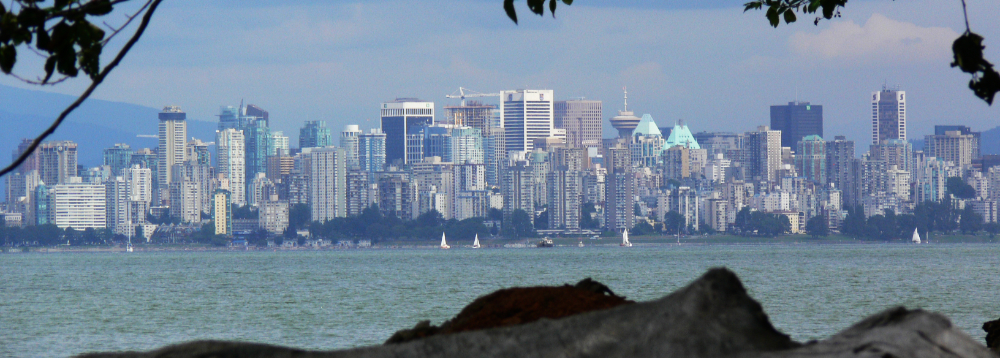
Vancouver was my introduction to western Canada, and the city’s setting immediately stood out. It’s a major modern city on Canada’s Pacific coast, but mountains, forests, beaches, and the ocean are never very far away. The combination gives Vancouver a completely different atmosphere from most large North American cities I’ve visited.
Downtown Vancouver
Vancouver’s location is a major part of its appeal. The city sits between the Strait of Georgia and the Coast Mountains, with high-rise buildings rising beside the water and mountains forming a dramatic backdrop. The Pacific Ocean also gives Vancouver relatively mild winters compared with most major Canadian cities.
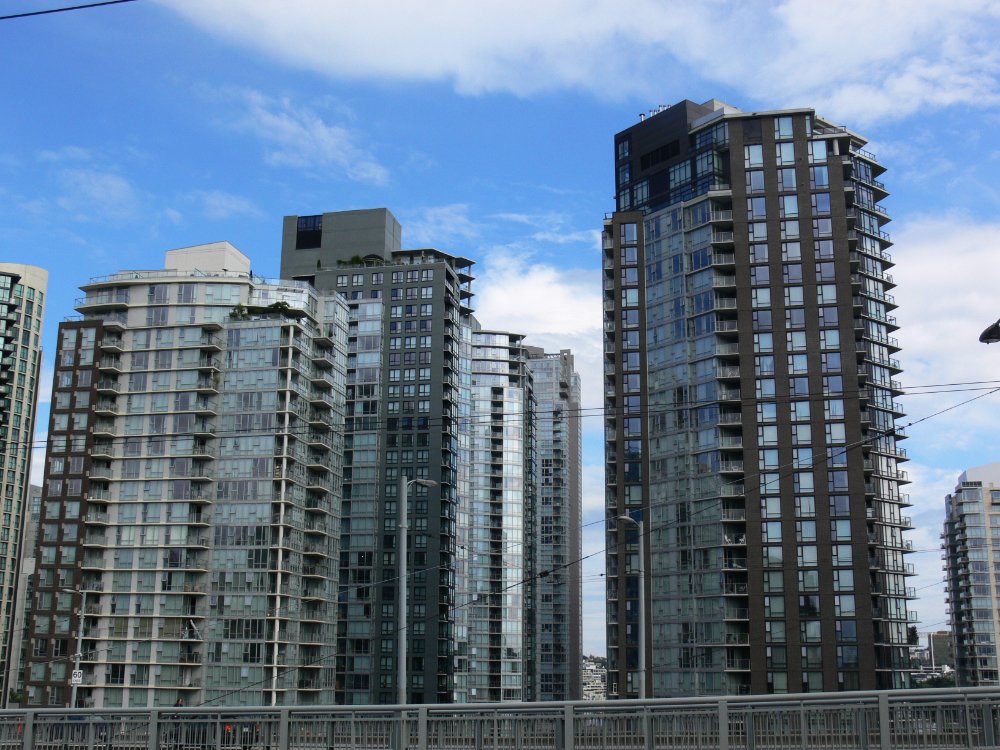
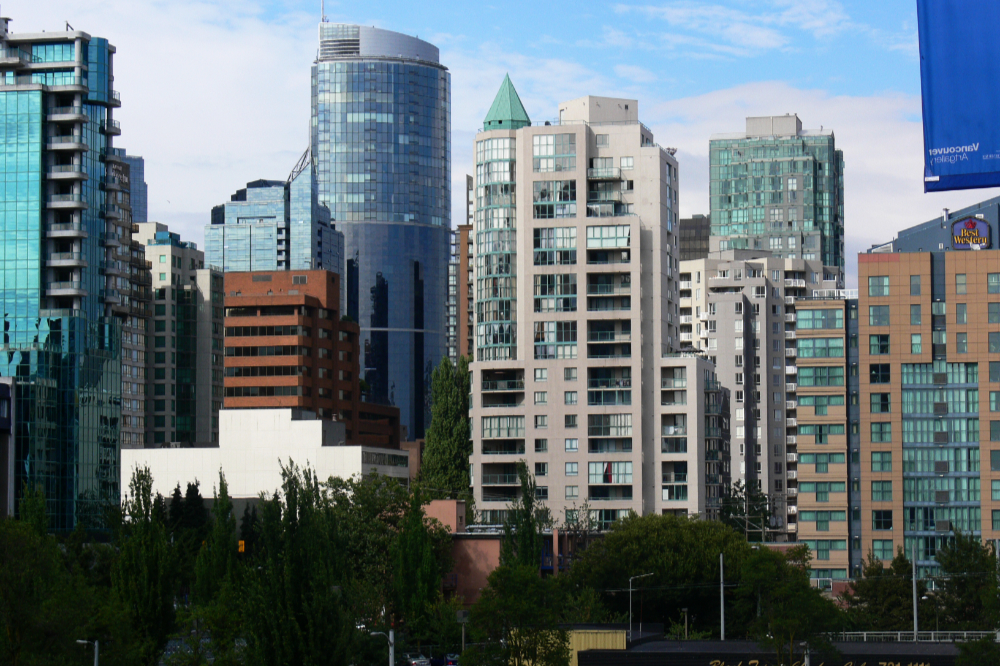
Downtown itself is densely developed, with modern residential towers, office buildings, restaurants, shops, and waterfront neighborhoods packed into a relatively small area. Even while walking among the high-rises, I was rarely very far from the water.
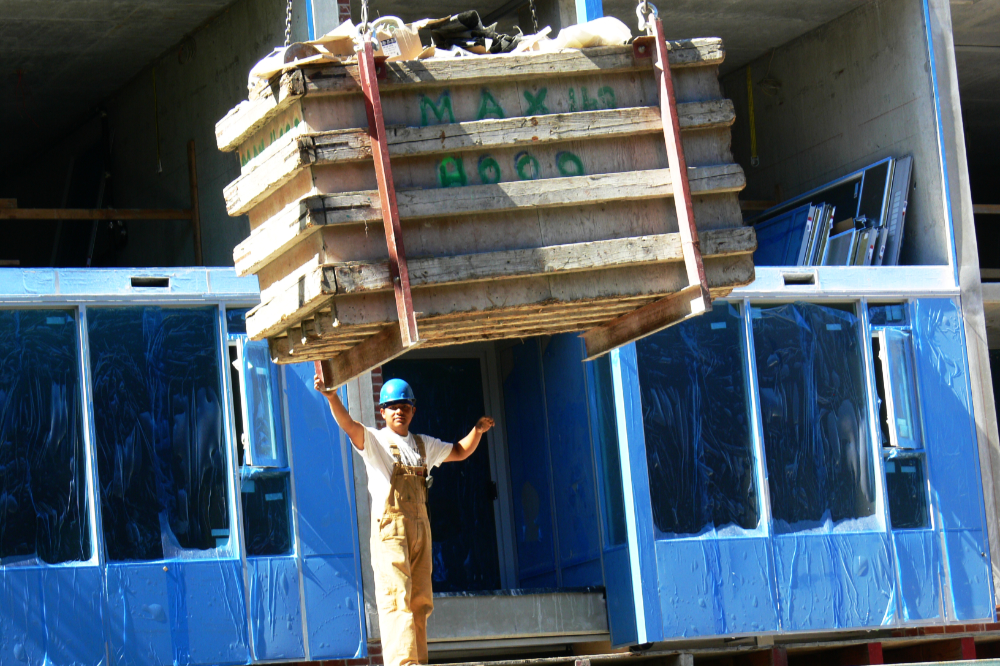
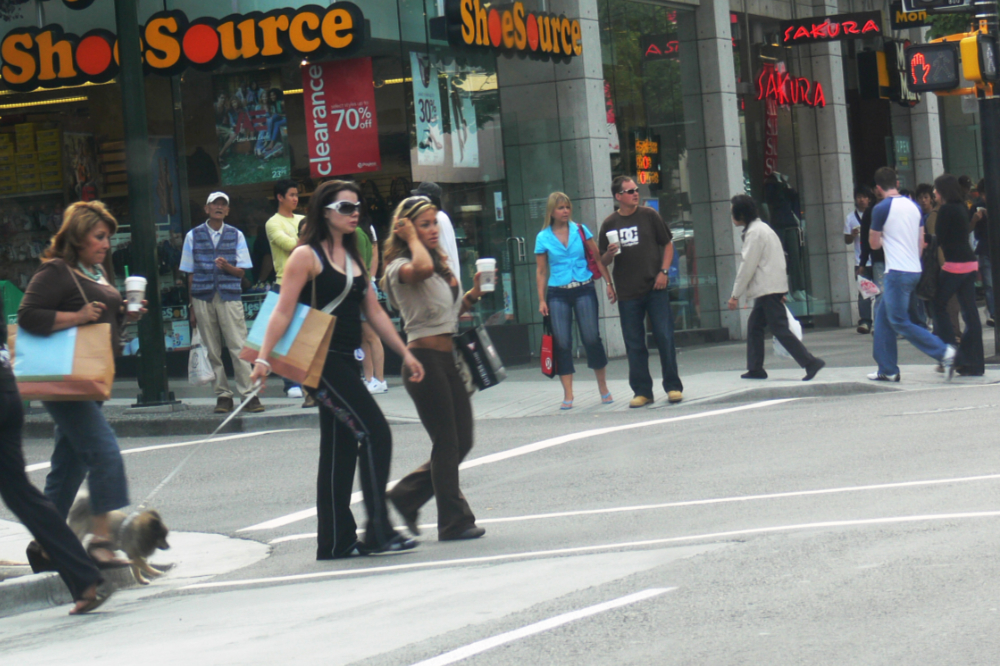
I spent much of my time simply walking around the city rather than following a specific list of attractions. That gave me a chance to see both the heavily developed downtown and the smaller streets, shops, parks, and neighborhoods surrounding it.
Vancouver’s Waterfront
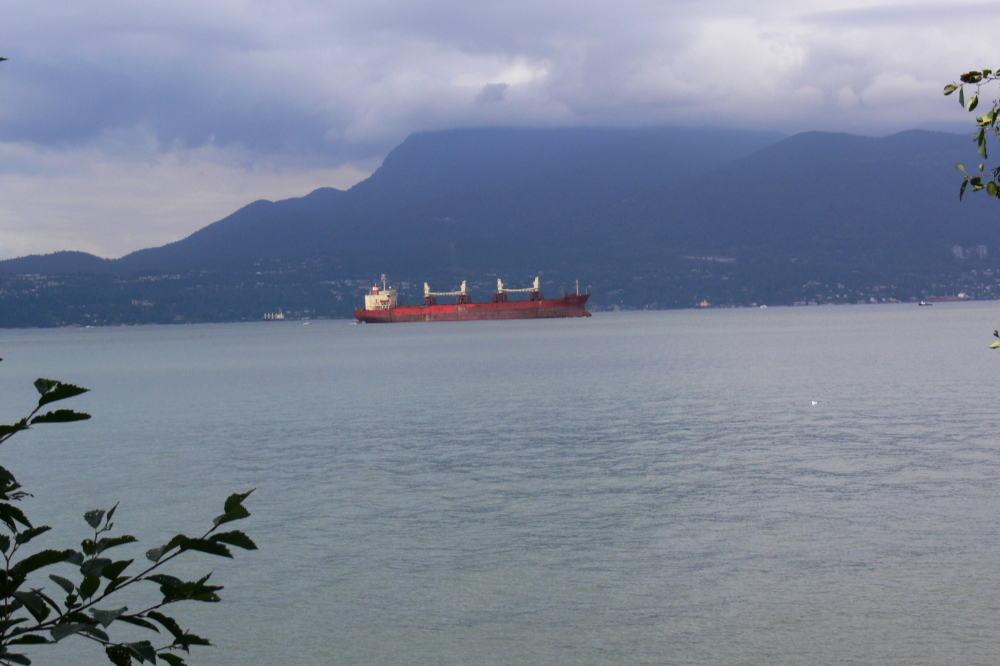
The tradeoff for Vancouver’s relatively mild climate is rain. Overcast skies and rainy days are common, particularly during the cooler months, and I saw plenty of that weather during my visit. This ship entering the harbor beneath a thick layer of clouds captured one side of the city’s Pacific Northwest climate pretty well.
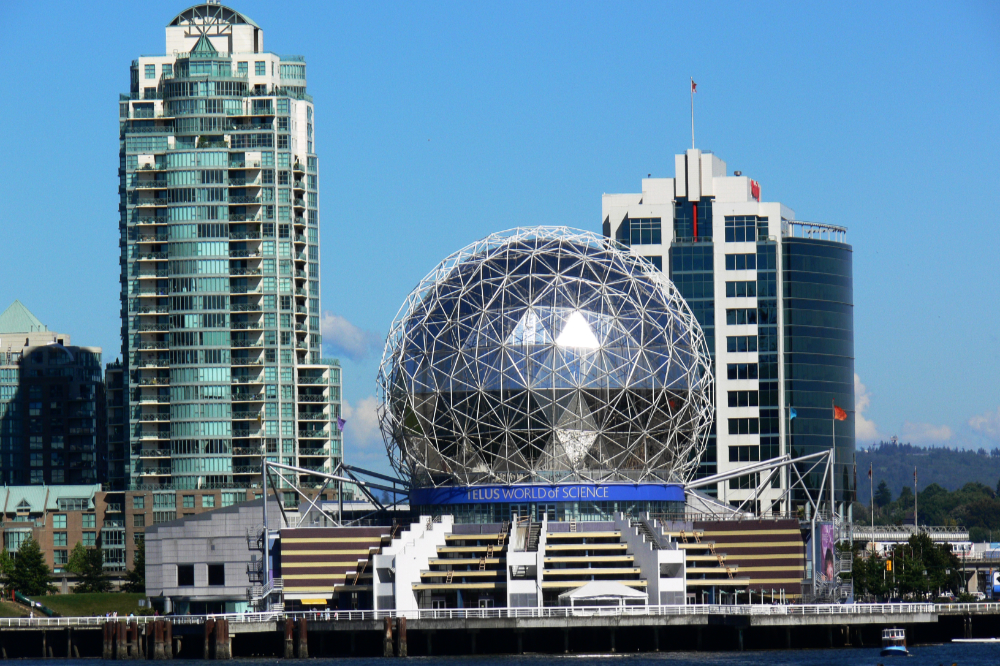
When the clouds cleared, Vancouver looked completely different. Science World, with its distinctive geodesic dome, sits beside False Creek and is one of the most recognizable buildings along the city’s waterfront.
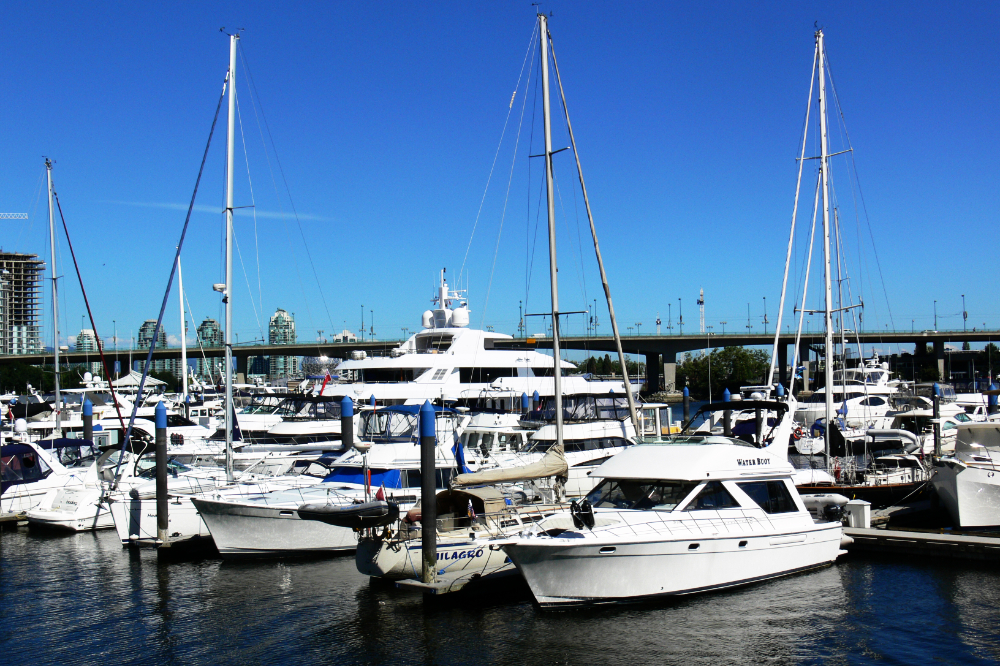
On a sunny day, the combination of water, mountains, parks, marinas, and modern buildings makes the city especially impressive. Vancouver’s relationship with the water isn’t limited to its harbor; inlets, beaches, marinas, and waterfront paths are woven throughout the city.
Life Along Vancouver’s Seawall
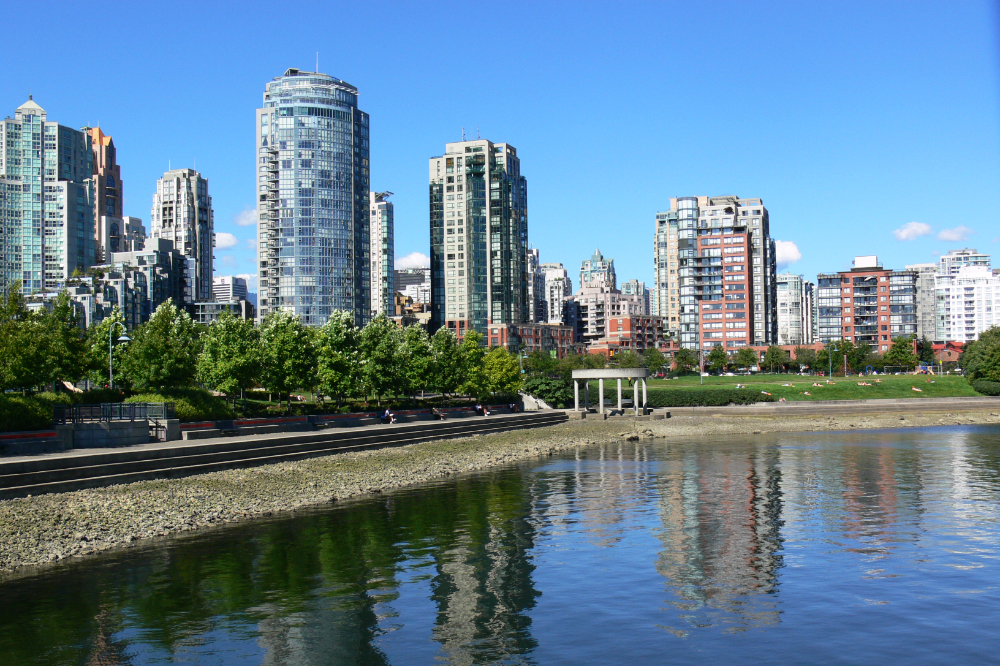
One of my favorite parts of Vancouver was the seawall. The waterfront paths are used by walkers, runners, and cyclists and connect many of the city’s parks and waterfront neighborhoods. It was one of the places where Vancouver’s combination of a major city and immediate access to the outdoors was most obvious.
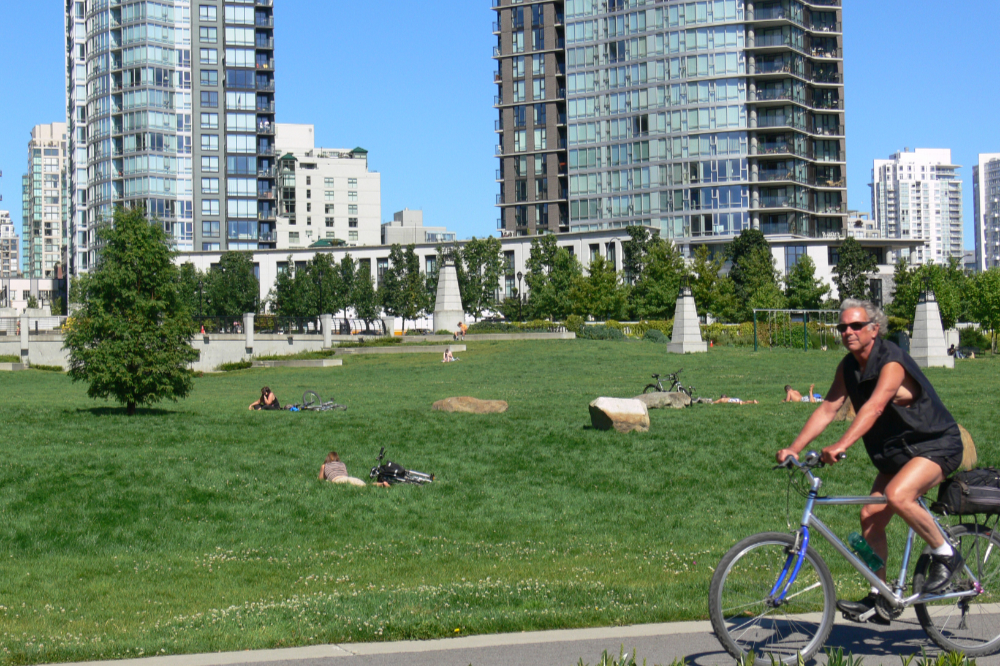
On sunny days, people seemed to be outside everywhere. Parks and green spaces line parts of the waterfront, providing places to relax only a short distance from downtown’s skyscrapers.
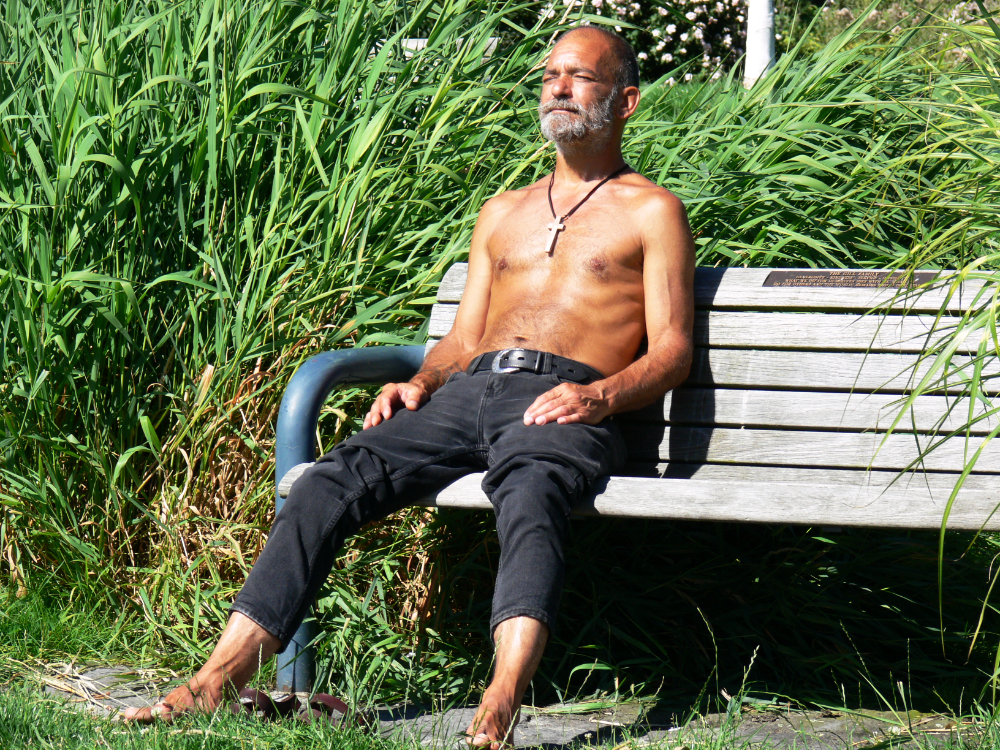
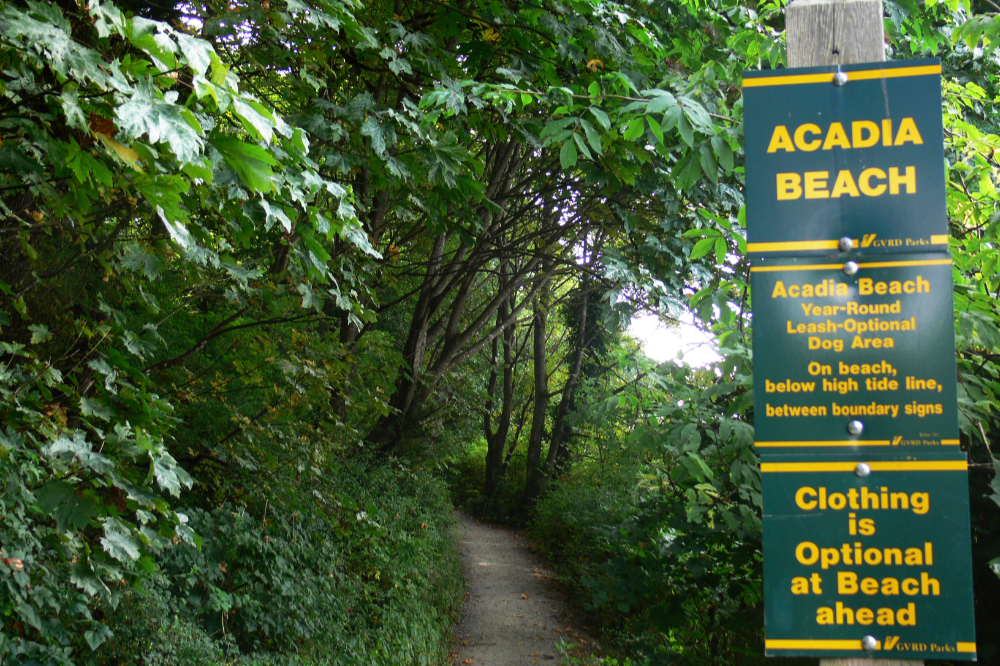
The beaches were another reminder that Vancouver isn’t simply a city surrounded by impressive scenery; the landscape is part of everyday life here. Within a relatively short walk or bike ride of downtown, it’s possible to go from dense city streets to parks, beaches, and long stretches of waterfront.
Like any large city, Vancouver also had neighborhoods that felt completely different from the polished waterfront areas. I accidentally wandered into one of the rougher parts of downtown during my visit, which was a sharp contrast to the parks, beaches, and marinas only a short distance away. That contrast was part of seeing the city beyond its postcard views.
Explore More of Canada
Mt. Garibaldi • Banff • Calgary • Vancouver