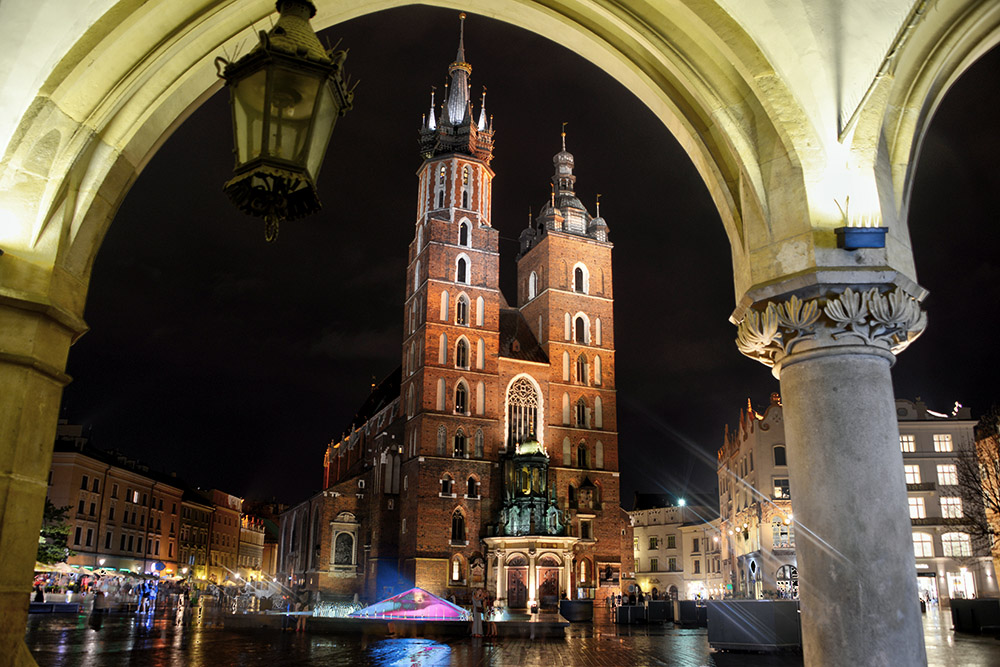
Krakow is the second largest city in Poland and one of the oldest in the country, with a history stretching back more than a thousand years. For centuries it was also the capital of Poland, leaving the city with an incredible collection of historic architecture. I really didn’t know what to expect before arriving, but Krakow ended up being one of the most beautiful cities I visited in this part of Europe. The heart of the city is the enormous Main Market Square, where one of the most recognizable landmarks is St. Mary’s Basilica. The Gothic church dates primarily to the 14th century and its two uneven towers dominate the skyline above the square.
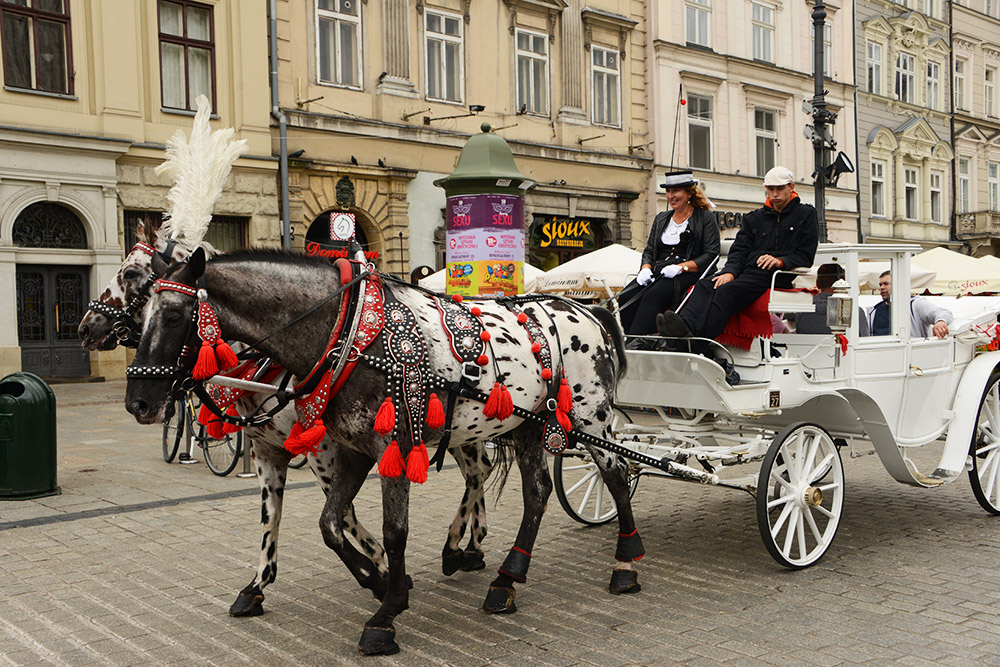
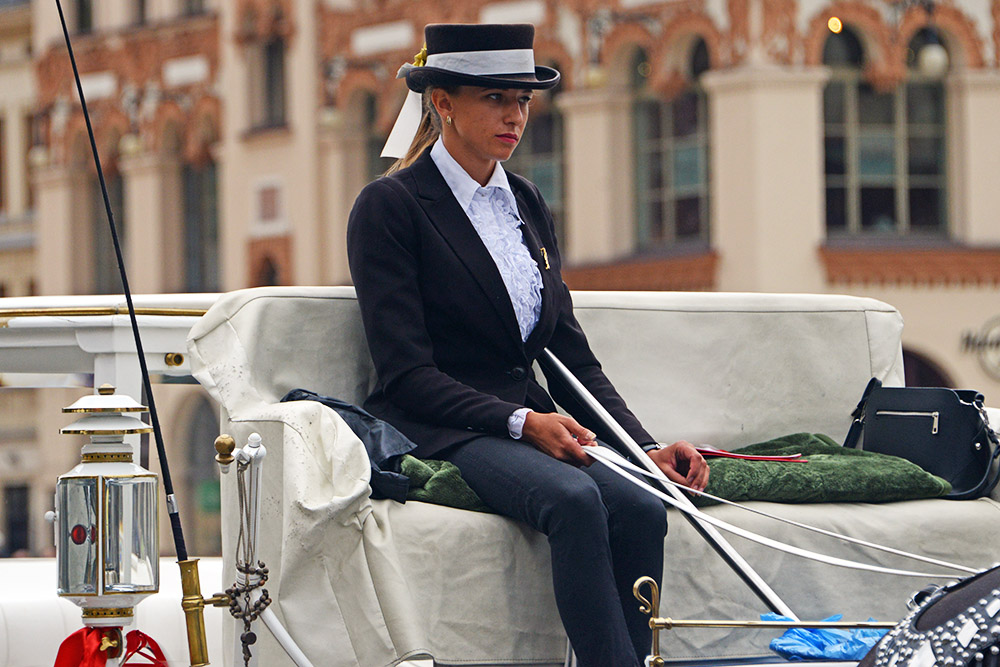
One thing you’ll immediately notice around Krakow’s Old Town are the horse-drawn carriages. They’re mostly for tourists today, offering rides through the historic center while adding even more character to the medieval surroundings. With the old buildings, cobblestone streets, and carriages passing through the square, parts of central Krakow can feel like you’ve stepped back in time.
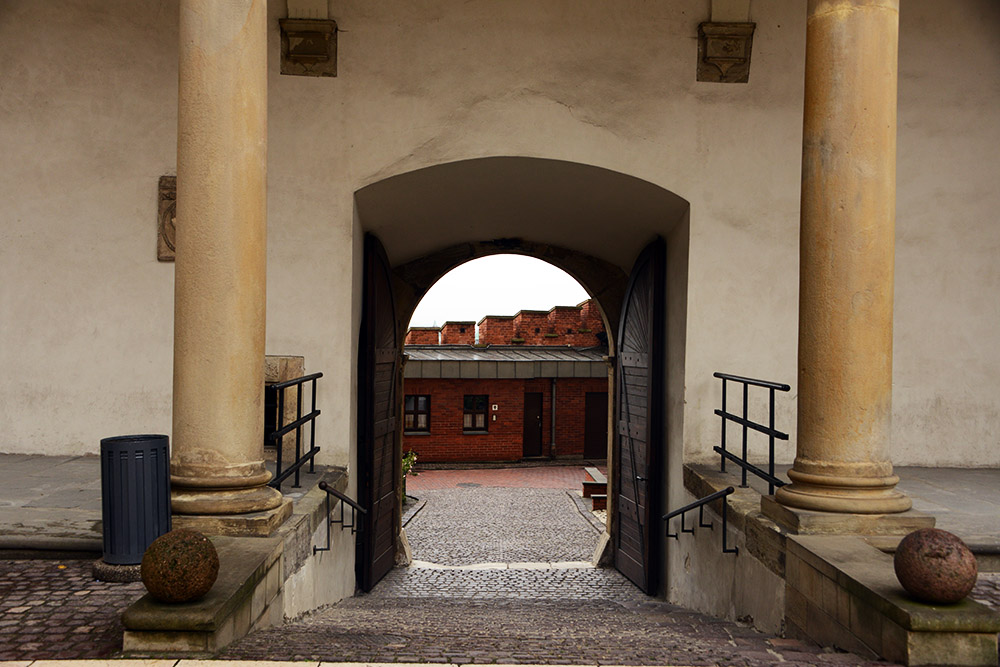
A must-visit in Krakow is Wawel Castle, sitting on a hill overlooking the Vistula River. Wawel was one of the most important political and religious centers in Polish history, serving for centuries as the residence of Polish kings. The entire complex is surrounded by thick defensive walls, with several entrances connecting the hill to the rest of the city. The photo above shows one of the smaller passages leading out of the complex.
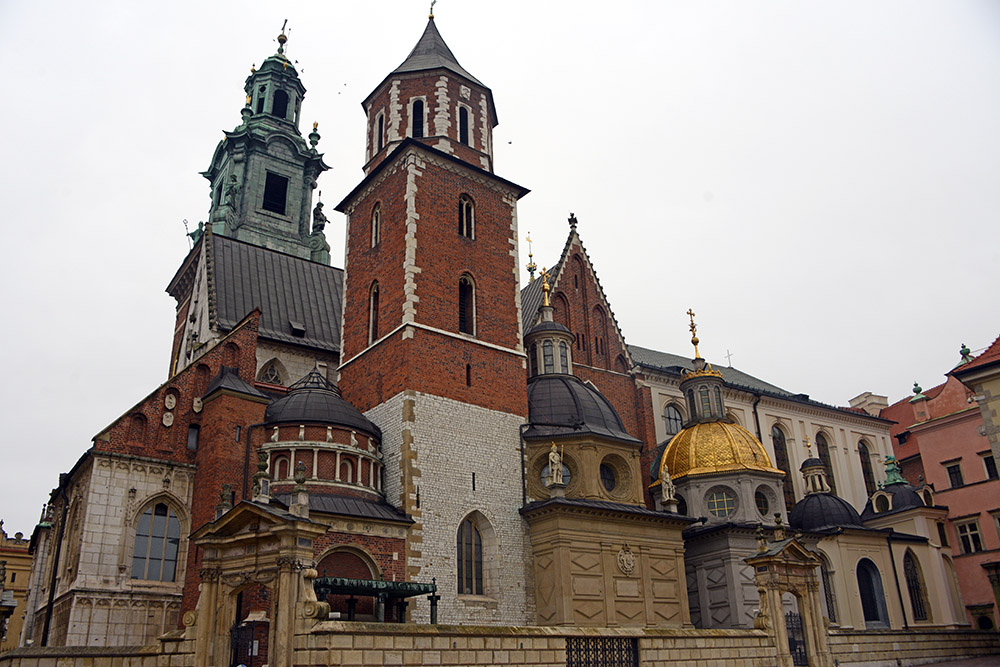
One of the most important buildings on Wawel Hill is Wawel Cathedral. For centuries this was the site of Polish royal coronations, and many kings, national heroes, and other important figures are buried here. The cathedral has been expanded and rebuilt so many times that its exterior is a mixture of different architectural styles rather than one uniform design.
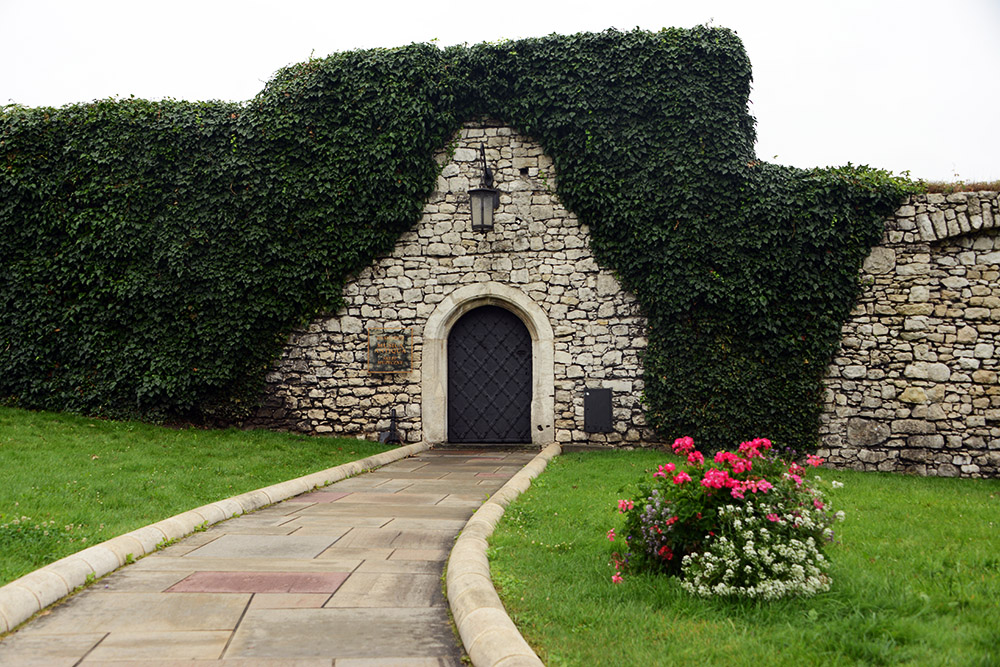
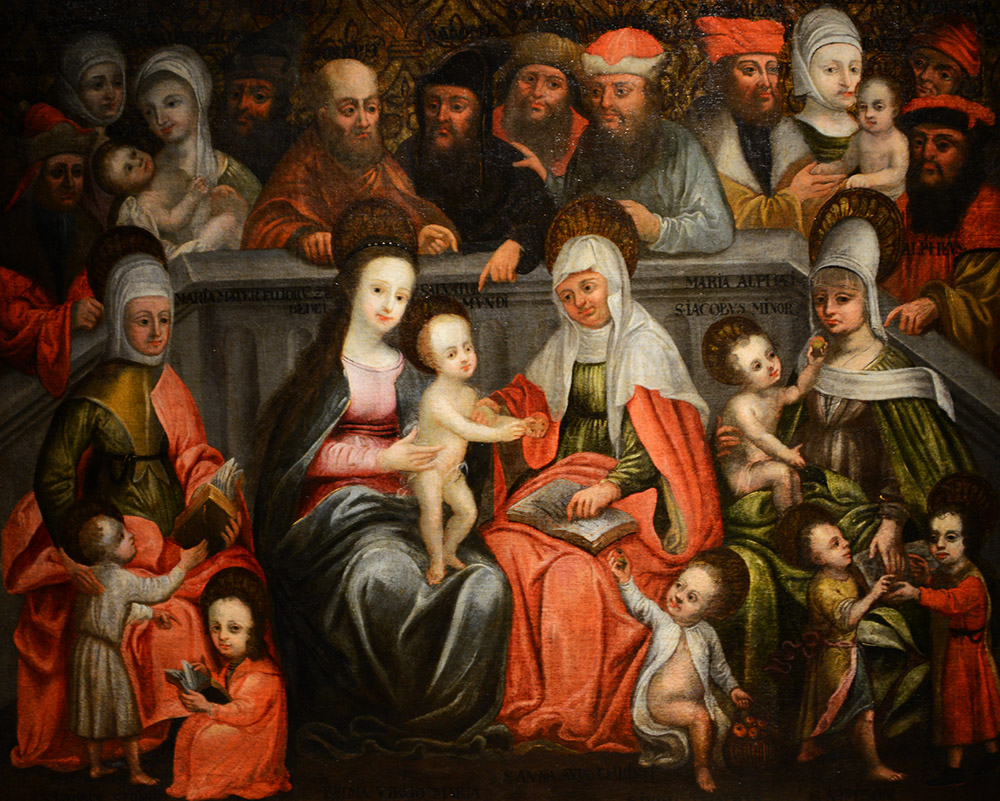
There is enough inside the Wawel complex to spend hours exploring. Beyond the cathedral are royal chambers, courtyards, historic artwork, and exhibitions covering centuries of Polish history. Even if you don’t visit every museum, simply walking around the castle grounds is worthwhile.
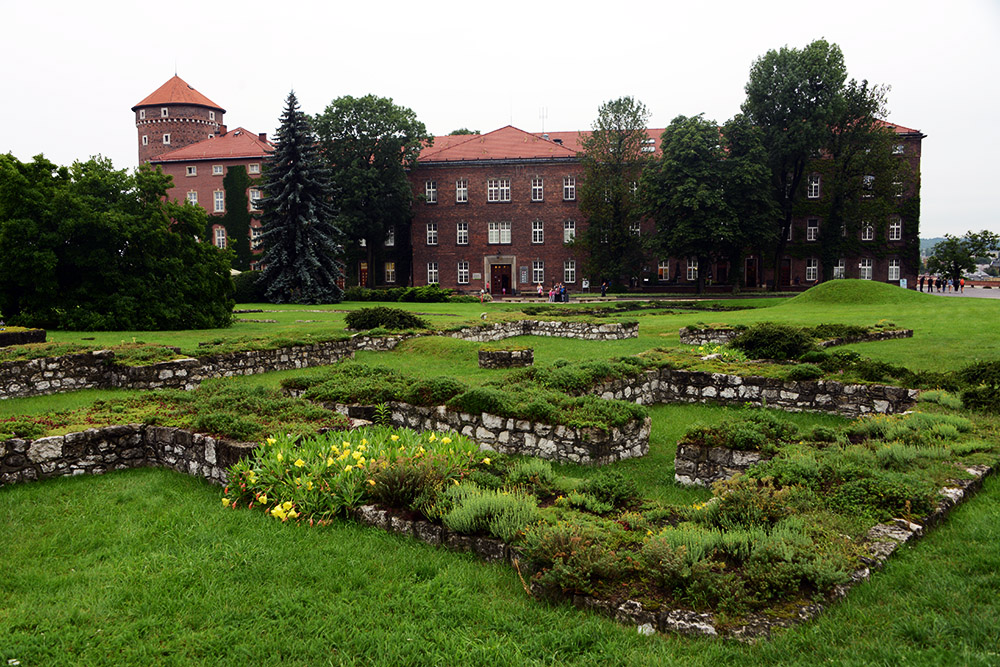
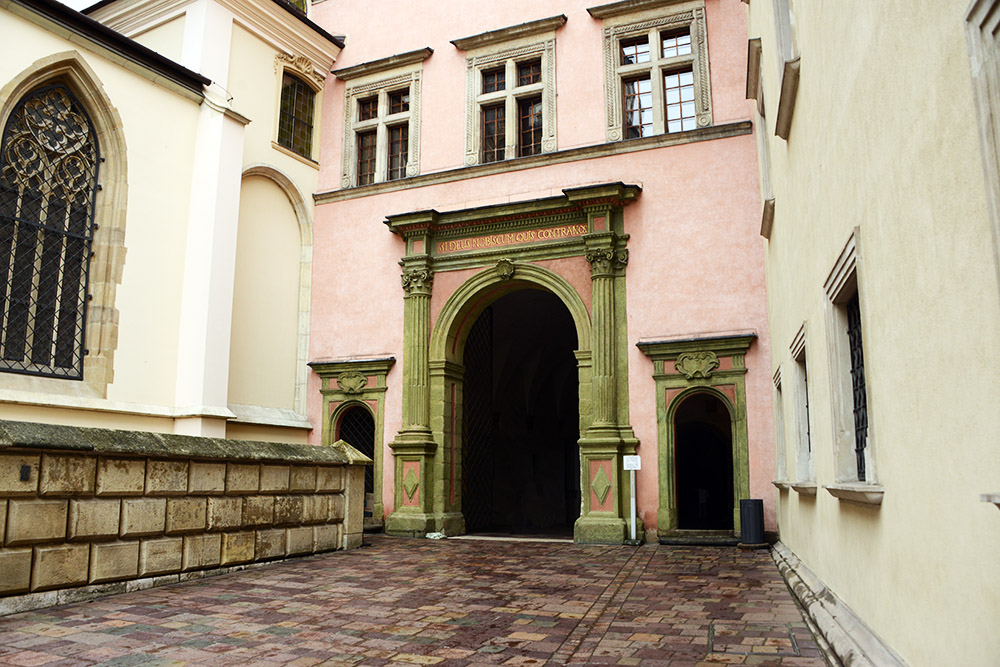
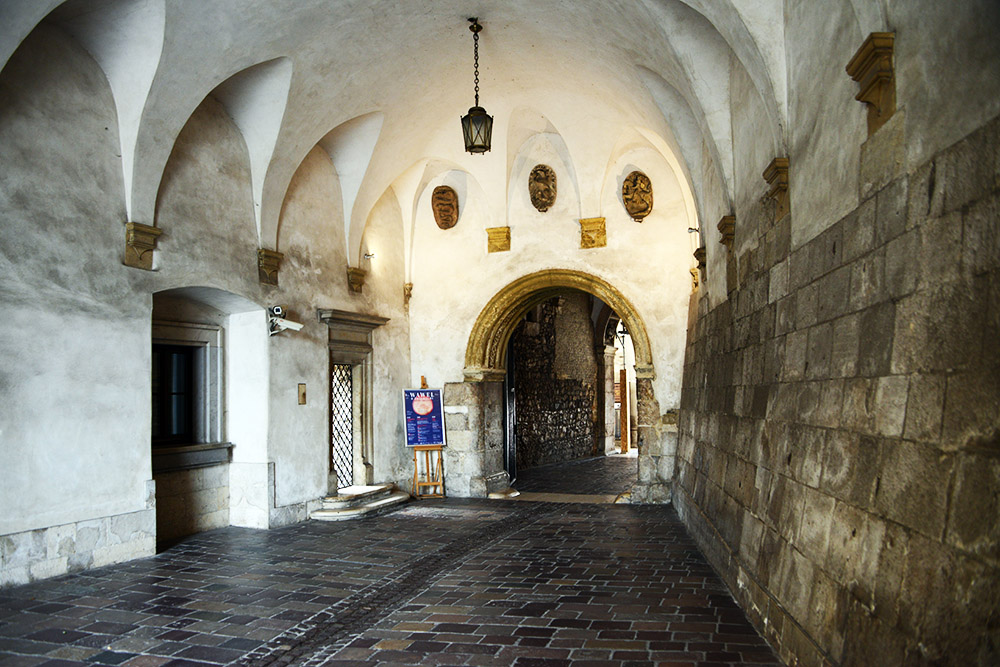
Wawel Hill also has passages and pathways running through and beneath parts of the complex. With so many different buildings packed inside the old fortifications, exploring Wawel feels more like walking through a small historic district than visiting a single castle.
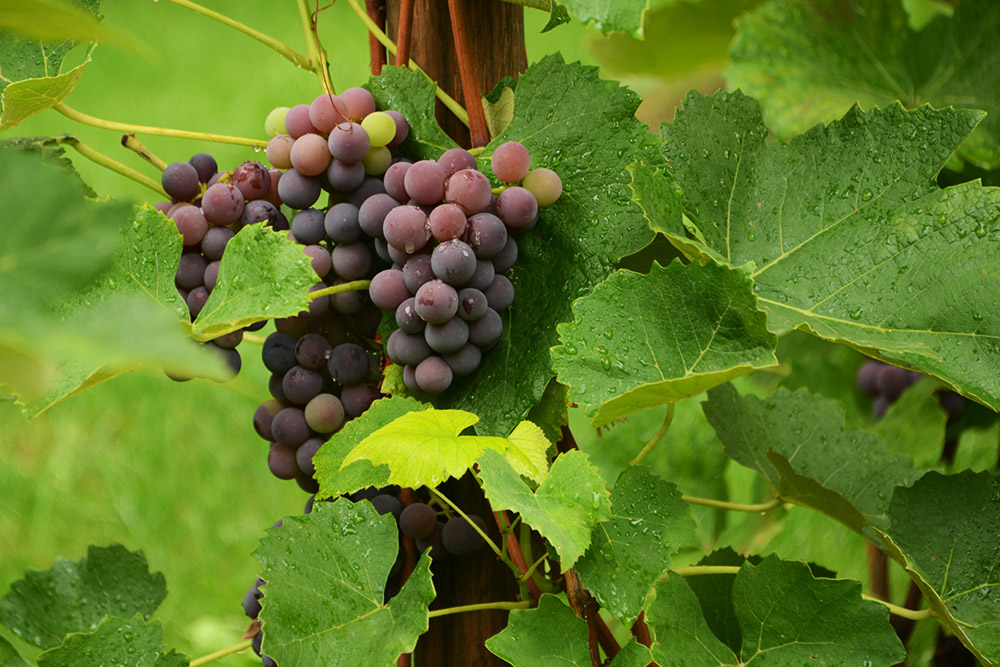
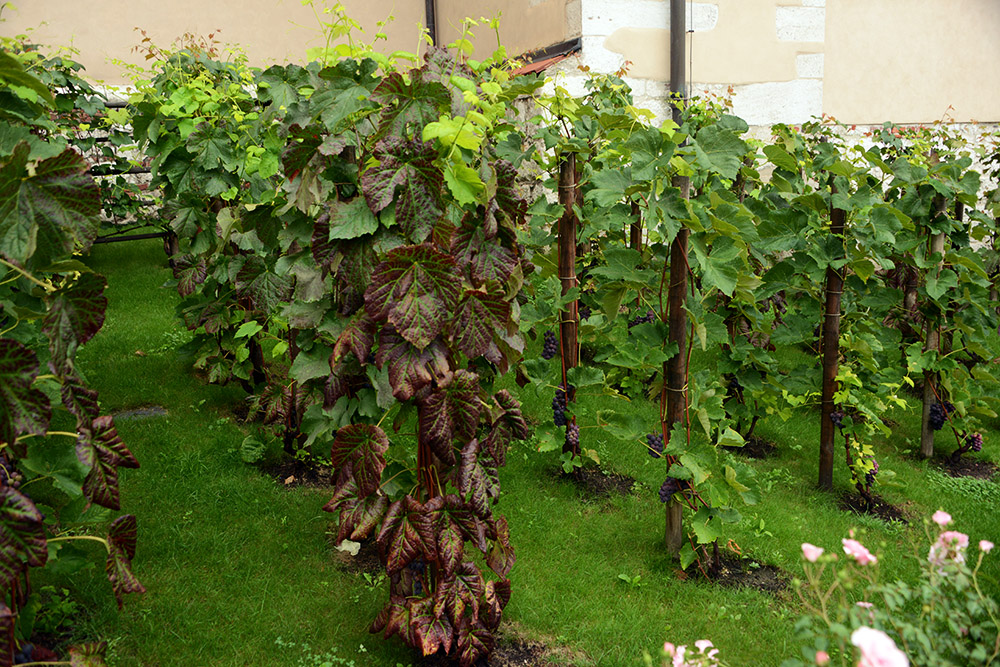
One thing I wasn’t expecting to find at Wawel was a small vineyard. Grapevines grow along the hillside beneath the castle, another detail that makes the grounds interesting to wander around before heading back into the center of Krakow.
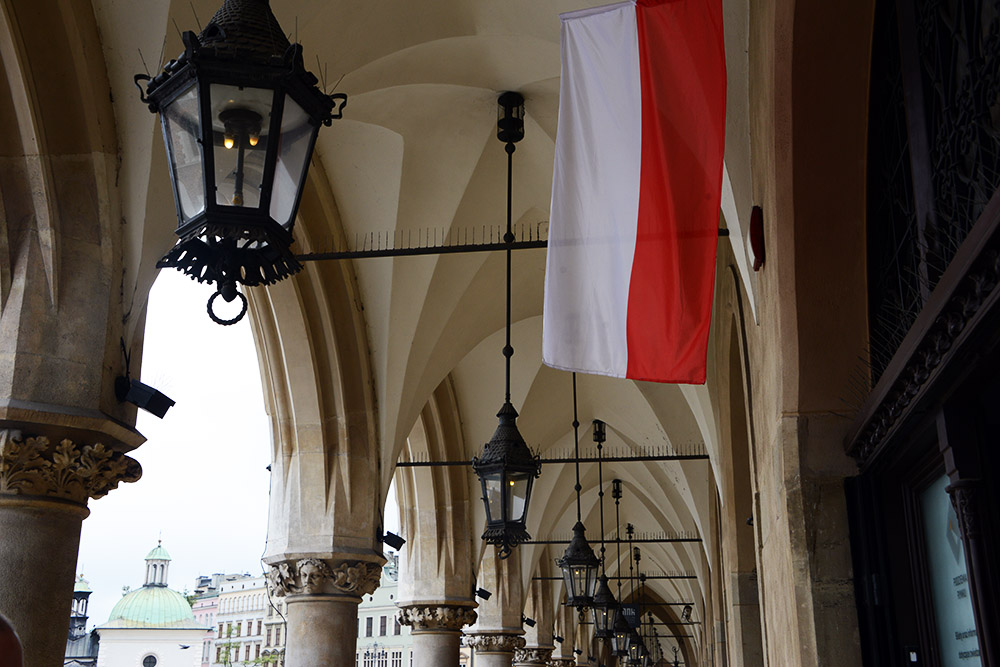
Back in the Old Town, Krakow is one of those cities where simply walking around is one of the main attractions. Historic buildings, churches, outdoor cafes, restaurants, and small details in the architecture are everywhere. At the center of it all is the Sukiennice, or Cloth Hall, which has stood in the Main Market Square in various forms for centuries.
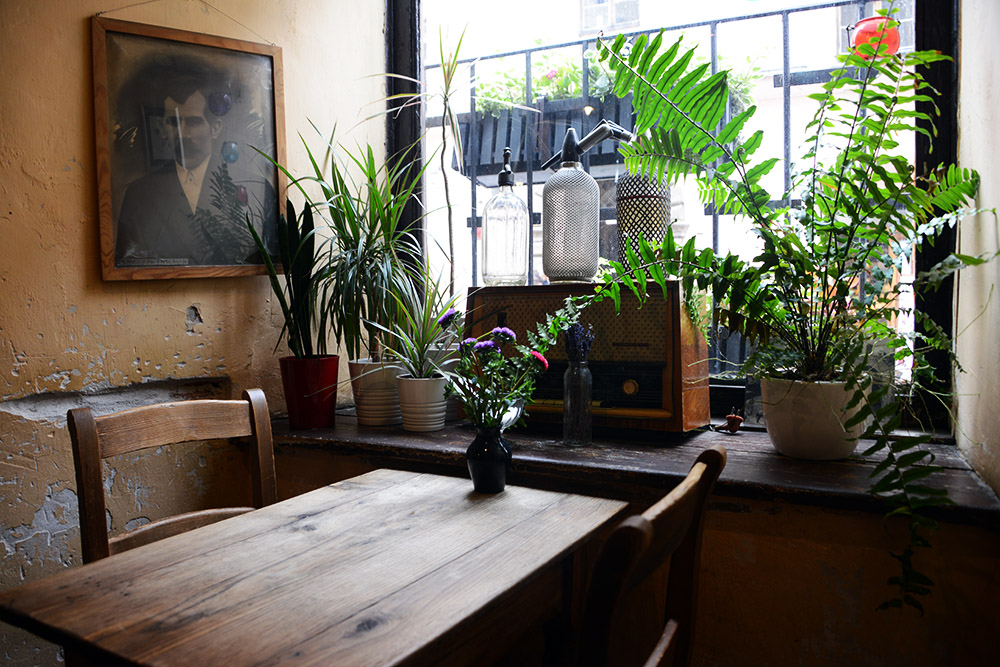
The streets around the Main Market Square are packed with restaurants and cafes, making the historic center just as enjoyable for sitting around as it is for sightseeing. This was one of the things I liked most about Krakow. It has plenty of major historic attractions, but you don’t need to constantly move from one landmark to another to enjoy the city.

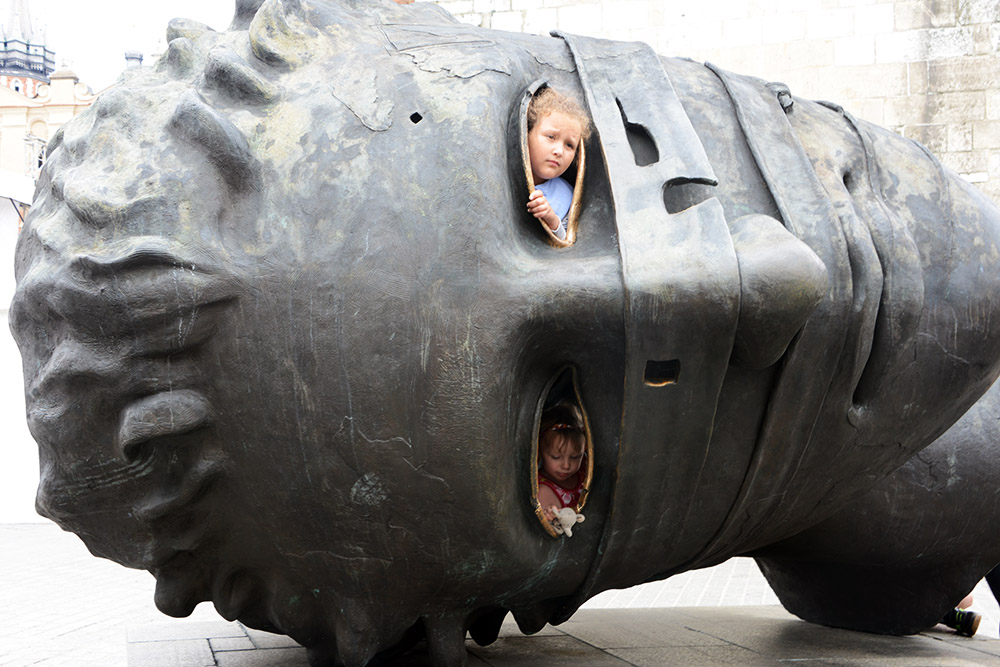
There are also countless little details throughout the Old Town that are easy to miss if you’re only looking for the major landmarks. Statues, carved faces, decorative figures, and centuries-old architectural features appear throughout the streets and buildings.
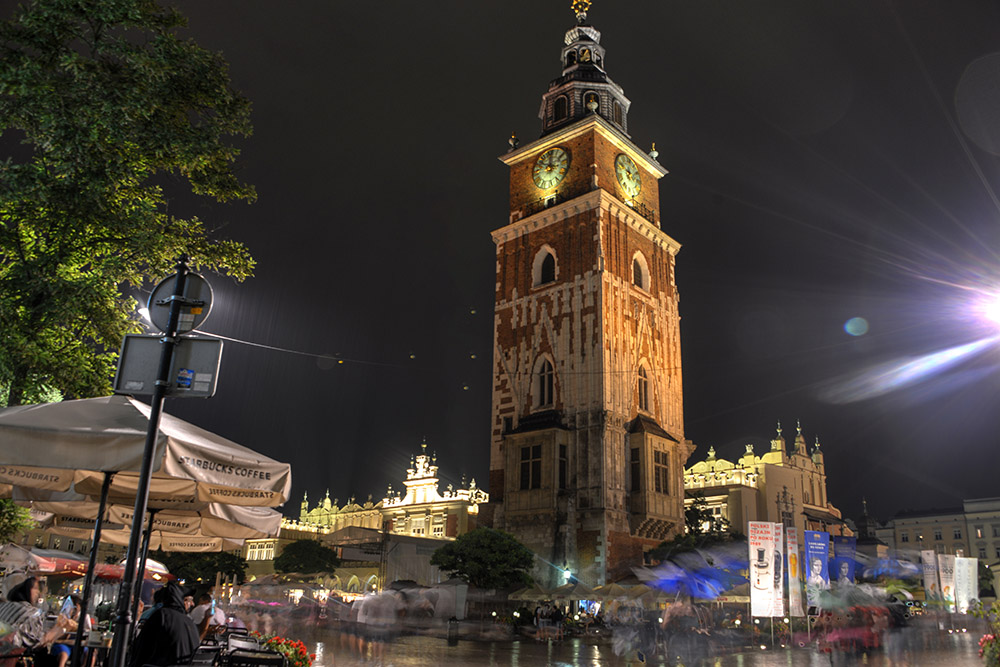
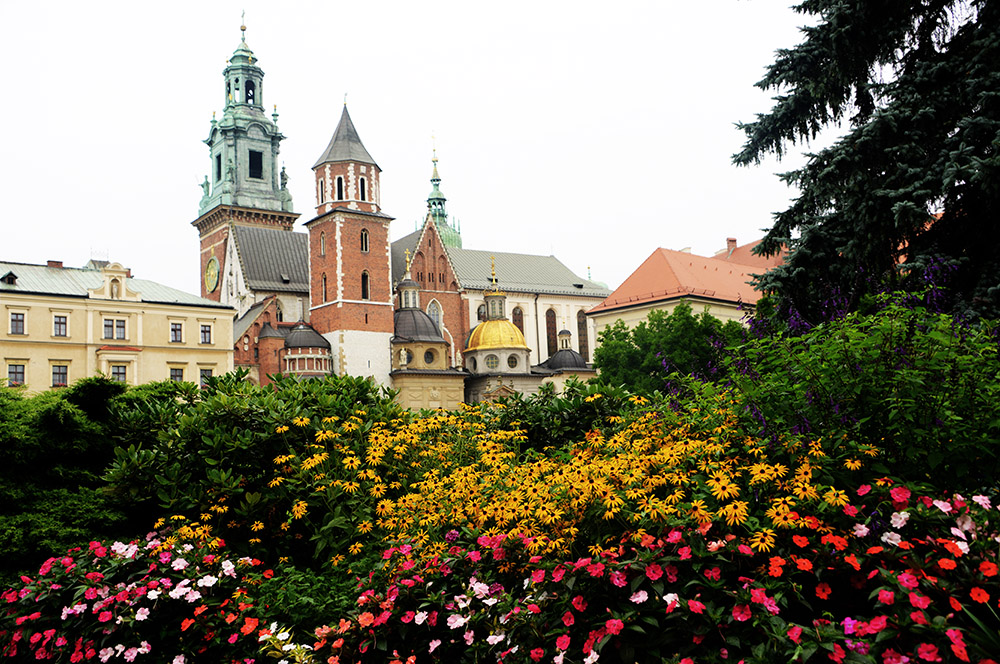
Church towers and other historic buildings dominate much of Krakow’s skyline. Unlike many European cities that lost large sections of their historic centers during World War II, Krakow escaped the level of destruction suffered by cities such as Warsaw. As a result, an extraordinary amount of its older architecture survived.
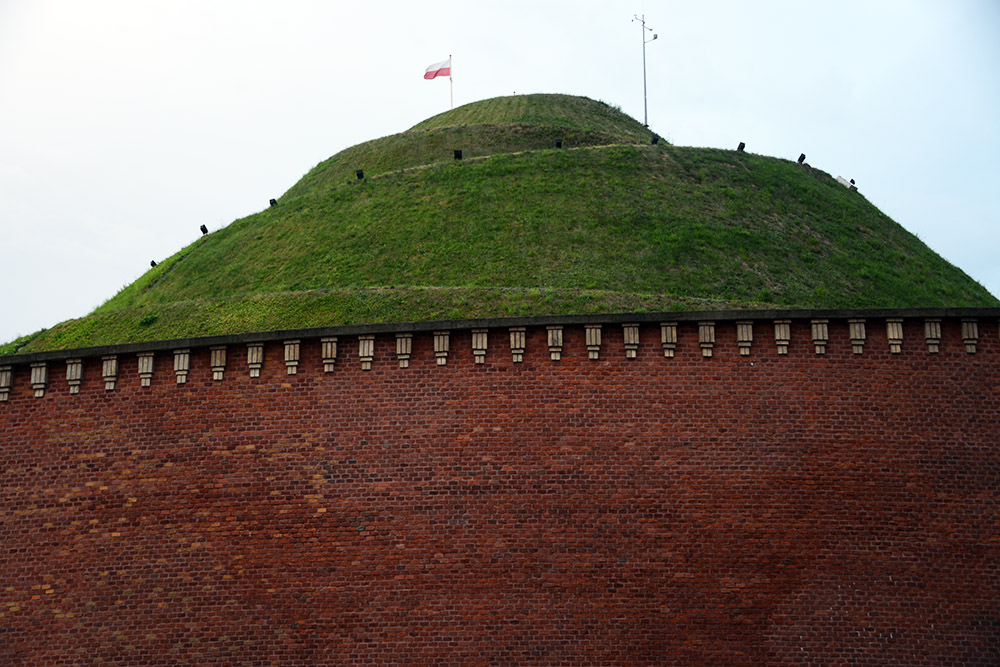
I’ve always wanted to hike Australia’s highest peak, Mount Kosciuszko, so when I heard about the Kościuszko Mound in Poland, of course I had to visit. Both are named for Tadeusz Kościuszko, although there is an interesting connection between the two. Polish explorer Paweł Edmund Strzelecki named Australia’s mountain after Kościuszko in 1840, reportedly because its shape reminded him of the mound dedicated to the Polish national hero.
I felt a little ashamed that I knew the name but had never really known who Tadeusz Kościuszko was. He became a national hero in several countries for fighting against foreign domination and political oppression during the 18th century. Most interesting to me was learning that when he heard about the American Revolution, he crossed the Atlantic and joined the Continental Army. He became an important military engineer during the war and eventually reached the rank of brigadier general.
The mound in Krakow was constructed after his death as a monument in his honor. A short winding path circles its way to the summit, making this one of the easier “mountains” I’ve climbed.
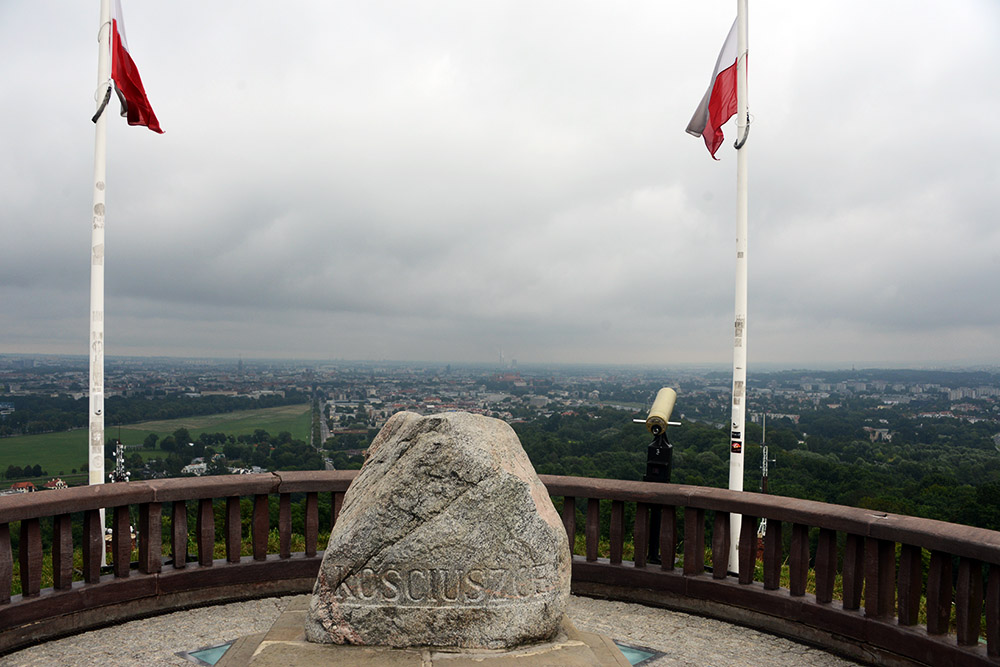
The summit gives you a completely different perspective of Krakow from what you see in the Old Town. From here you can look across the city and surrounding countryside, making the mound worth visiting even if you have no particular interest in its history.
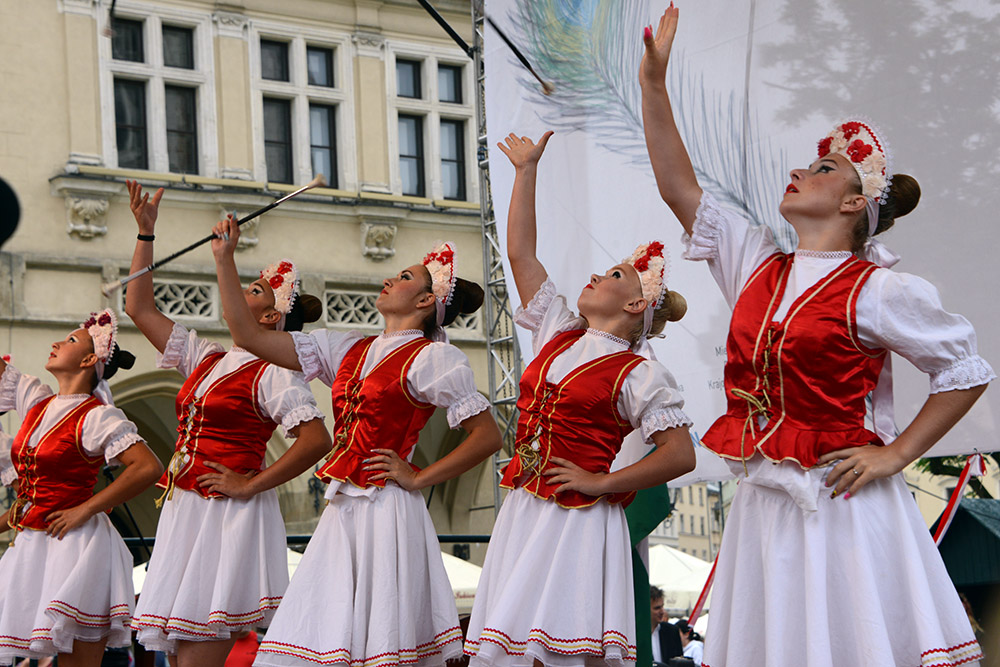
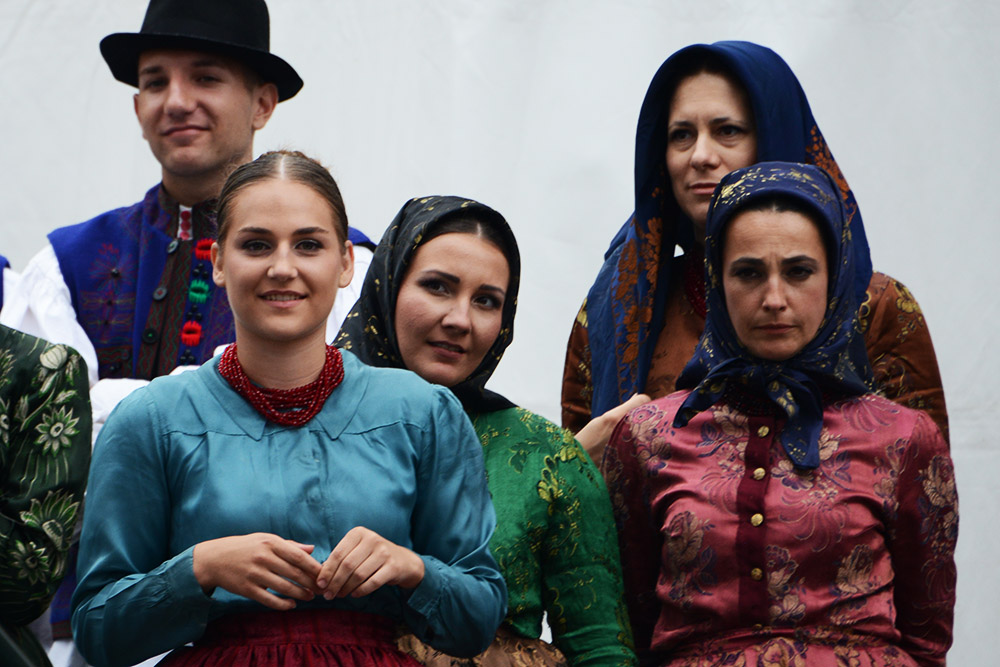
Krakow is also considered one of Poland’s cultural centers, and during my visit I came across traditional Polish dancing and other performances. Events like this added something different to all the castles, churches, and museums and made the city feel like more than just a collection of historic buildings.
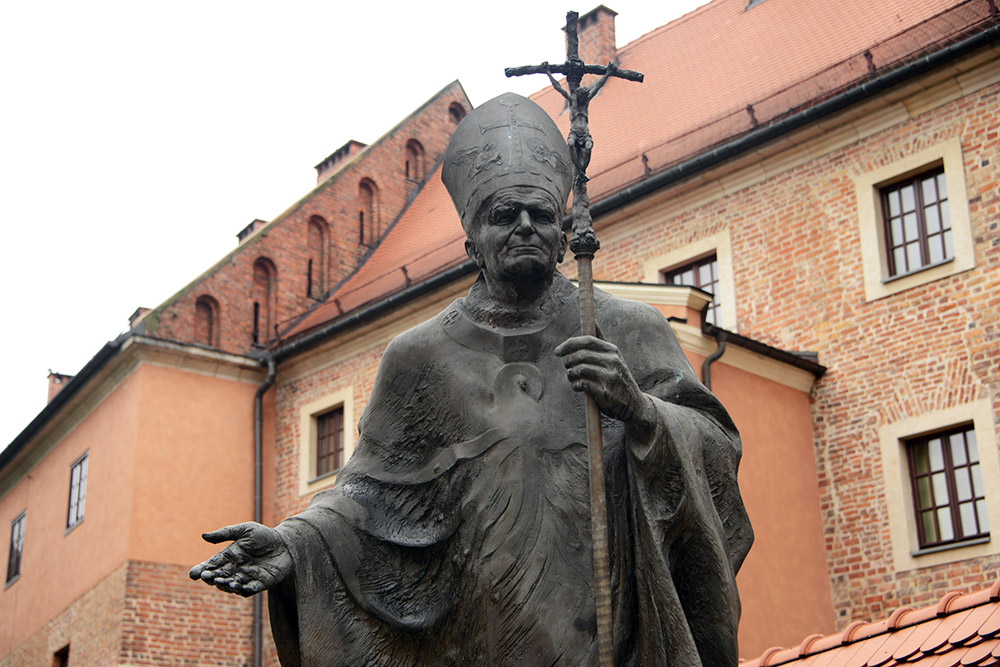
Another figure you’ll see remembered throughout Krakow is Pope John Paul II. Before becoming pope in 1978, Karol Wojtyła spent much of his life in Krakow and eventually became the city’s archbishop. His connection to the city remains strong, and memorials and references to him can be found throughout Krakow.
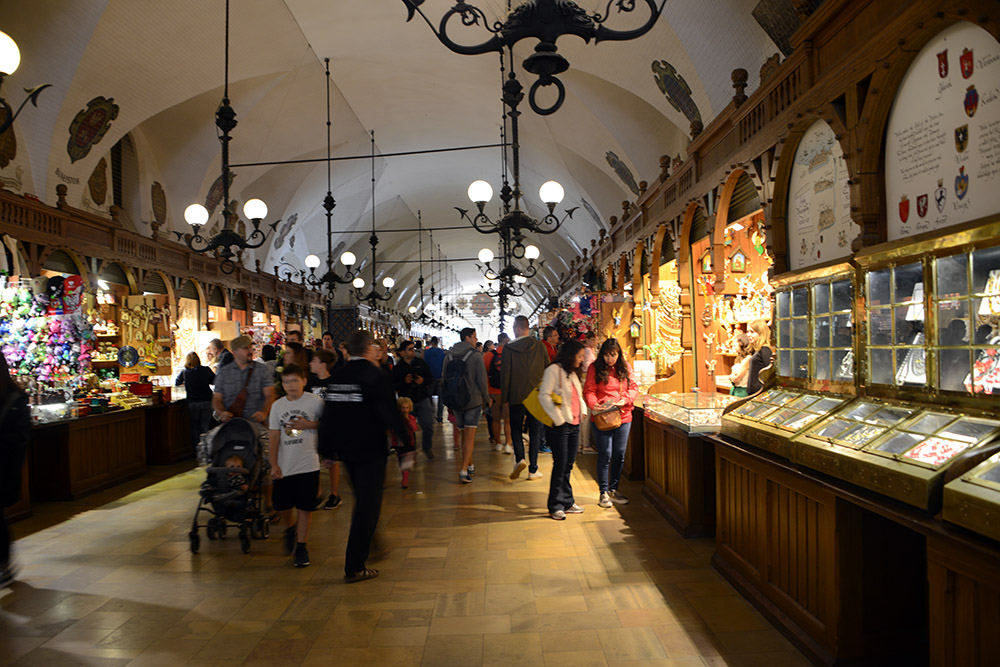
The Sukiennice, better known in English as the Cloth Hall, sits right in the middle of the Main Market Square. Merchants have traded around this location for centuries, and today the ground floor remains filled with stalls selling souvenirs, crafts, and other goods. Combined with St. Mary’s Basilica and the Town Hall Tower, it helps make the enormous square one of the most impressive historic centers I’ve visited in Europe.
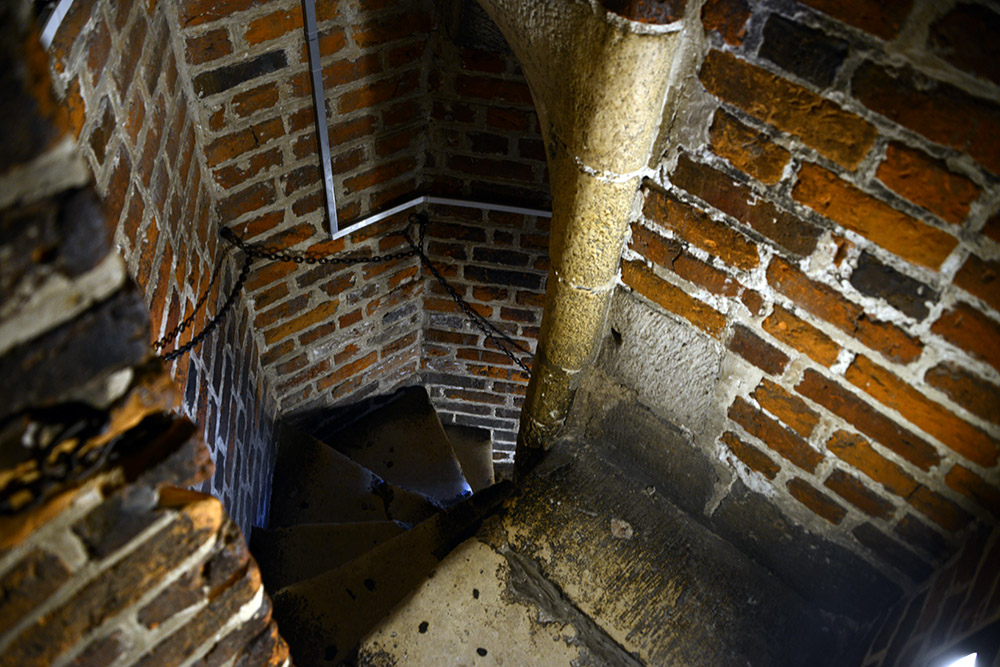
For one last view of central Krakow, I climbed the Town Hall Tower in the Main Market Square. The tower is all that remains of Krakow’s old town hall, which was demolished in the 19th century. Getting to the top means climbing a series of narrow stone steps inside the medieval tower.
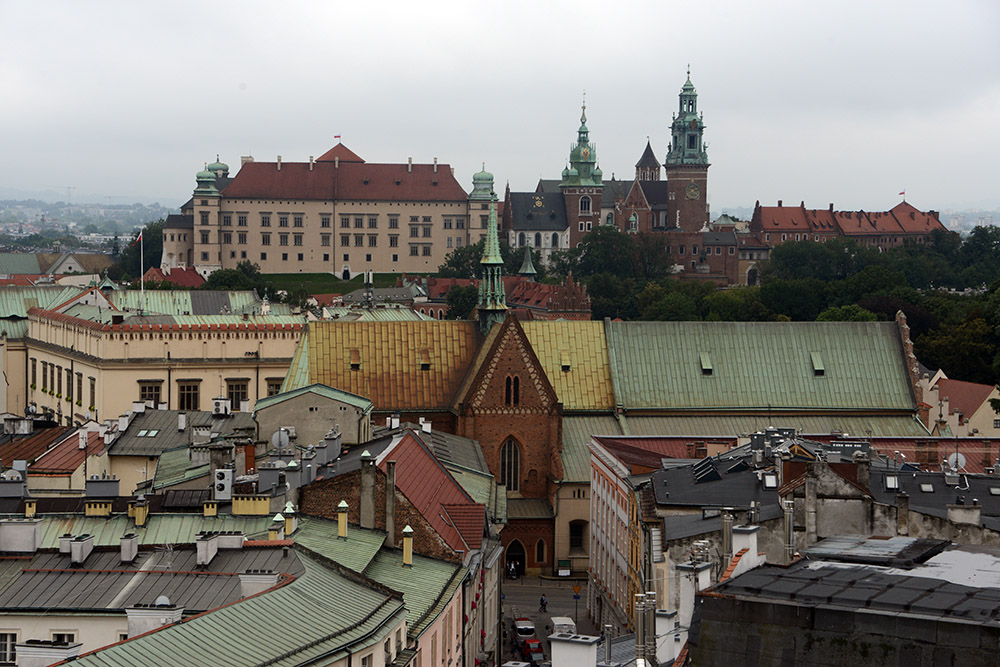
The view from the top was a fitting way to finish exploring the historic center. From above you can really appreciate the size of the Main Market Square and the density of old buildings surrounding it. I arrived in Krakow without knowing much about the city and left extremely impressed. Between Wawel Castle, the enormous medieval center, Polish history and culture, and simply wandering its streets, Krakow ended up being one of the highlights of my trip through Poland.
Explore More of Poland
Tatras Mountains • Auschwitz • Krakow