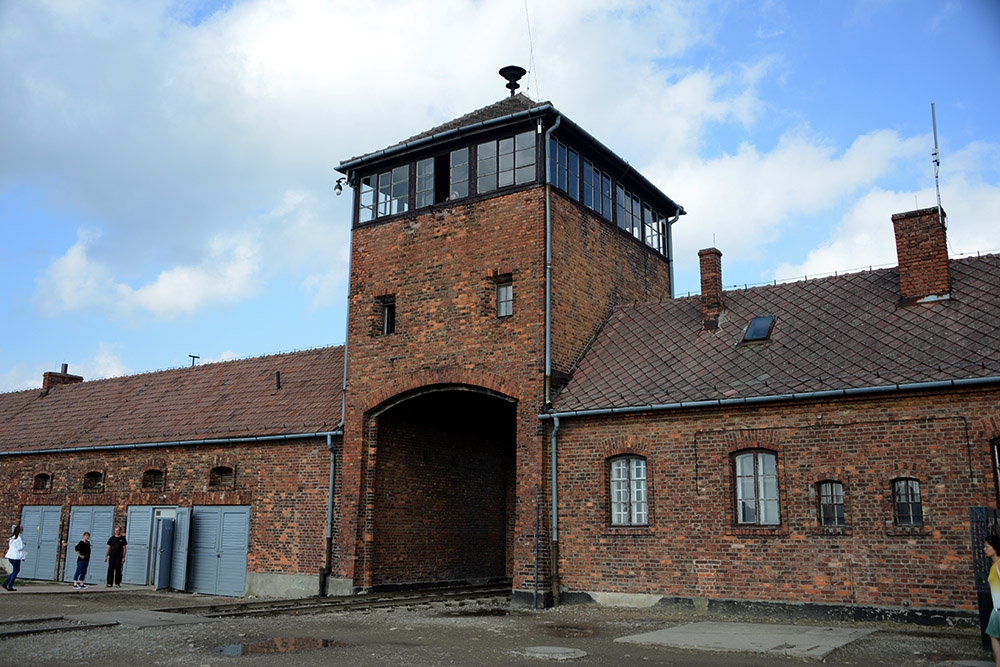
Auschwitz is definitely one of the most difficult places I’ve visited in all my travels. I had previously visited genocide museums and memorials in places like Rwanda, but Auschwitz was a different experience. I first learned about Auschwitz in detail when I was 13 and we studied the Holocaust in school, and ever since then it was a place I intended to visit in person.
By the time I finally made it here, it had been years since I had studied the Holocaust in any detail. One thing I hadn’t remembered was the enormous scale of Auschwitz. I had always thought of it as a single concentration camp, but Auschwitz was actually a complex consisting of three main camps and dozens of smaller subcamps. I started my visit at Auschwitz II-Birkenau, whose infamous entrance and railway tracks are shown above. This was where countless victims arrived by train from across Nazi-occupied Europe.
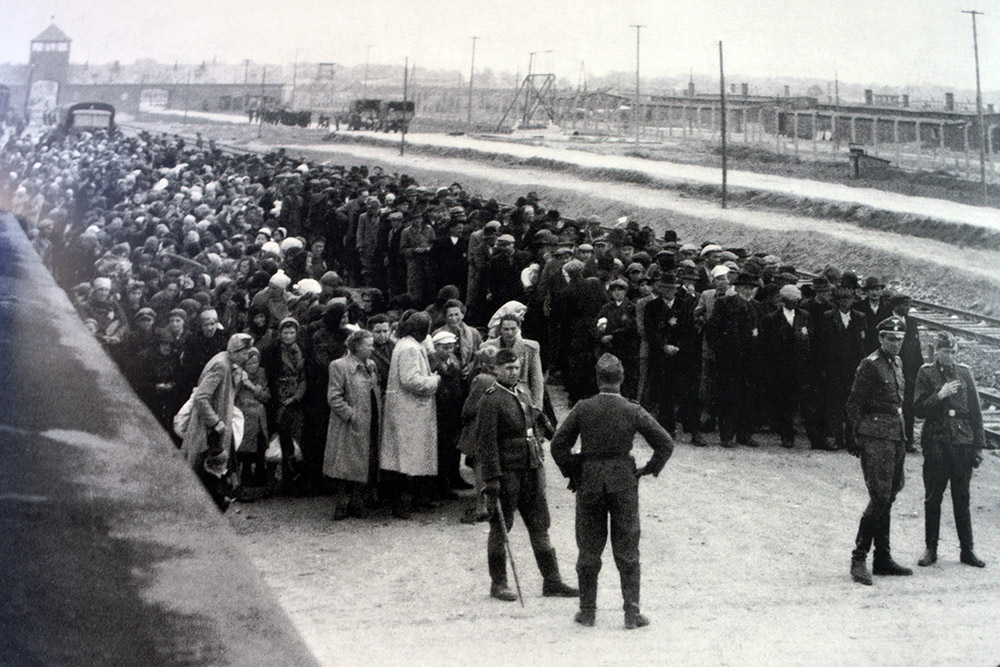
Auschwitz II-Birkenau was constructed in 1941 as the Auschwitz complex expanded. It initially held prisoners of war and became a center of forced labor, but it ultimately developed into the largest killing center of the Holocaust. Most of the approximately 1.1 million people murdered throughout the Auschwitz complex were killed at Birkenau, the overwhelming majority of them Jews.
One of the most humanizing parts of visiting Auschwitz for me was seeing actual photographs of the victims. Statistics involving hundreds of thousands or millions of people are almost impossible to comprehend, but seeing individual faces is different. These were ordinary people with families and lives who arrived here without knowing what awaited them.
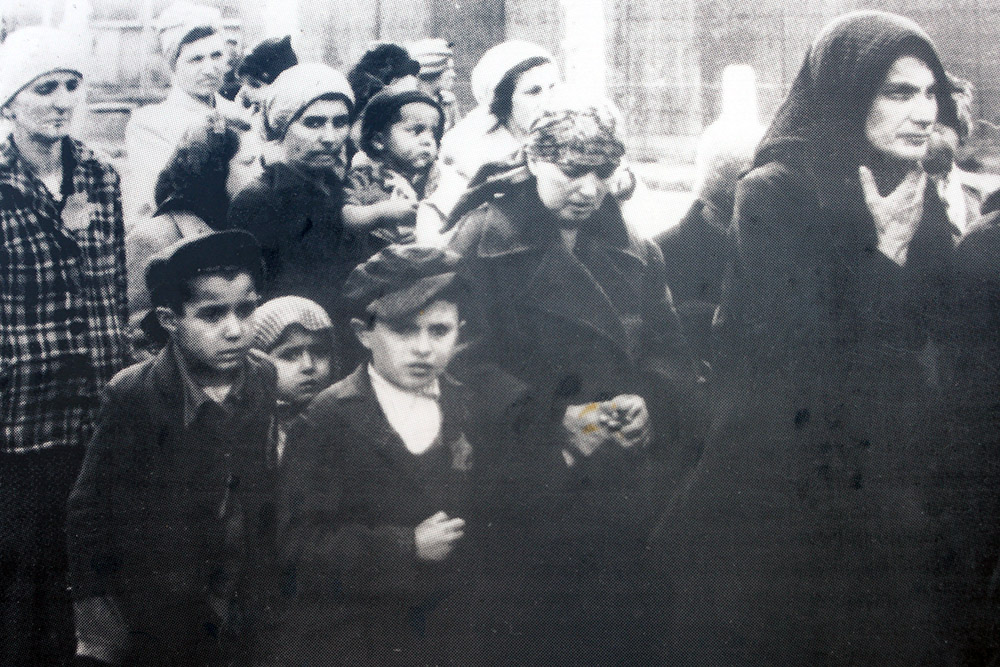
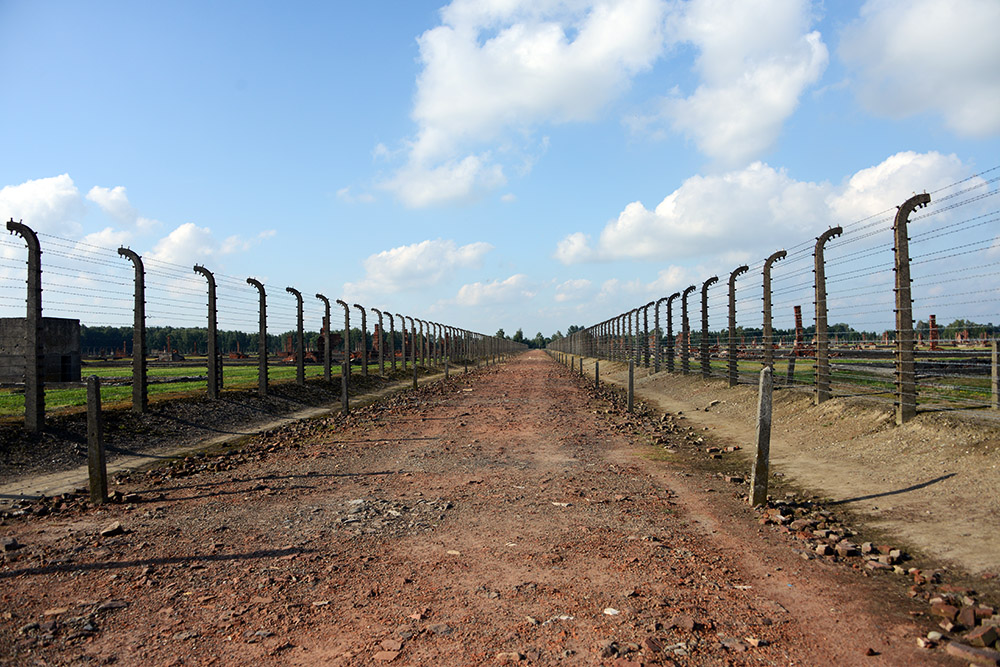
When transports arrived at Birkenau, SS doctors and other personnel carried out selections on the railway platform. Prisoners considered capable of working were sent into the camp for forced labor. Many of those considered unable to work, including children, elderly people, and others, were sent directly toward the gas chambers and murdered shortly after arriving. Walking the same route today makes the scale of what happened here much easier to understand.
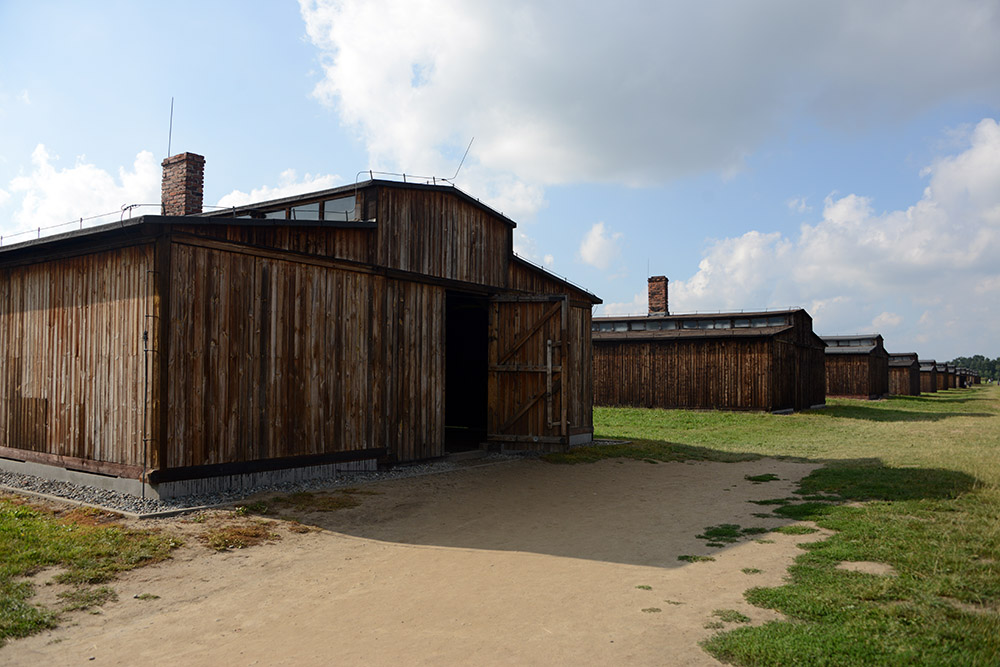
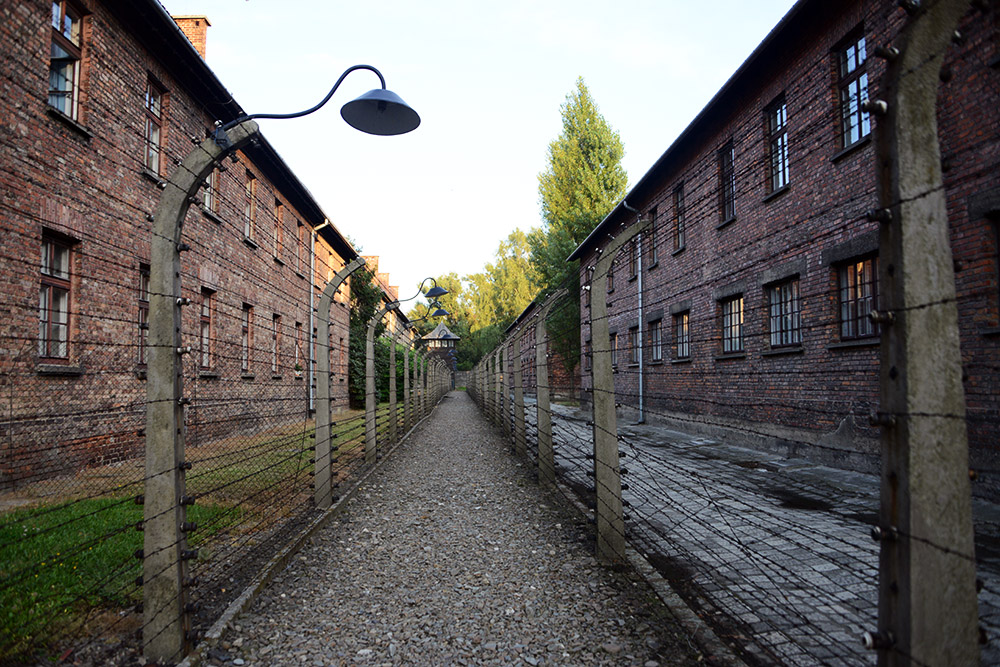
Those who weren’t immediately killed were imprisoned in primitive and severely overcrowded barracks like these. Hundreds of prisoners could be packed into a single building with inadequate sanitation, food, heating, and medical care. Disease and starvation were widespread, while prisoners who remained healthy enough were subjected to exhausting forced labor.
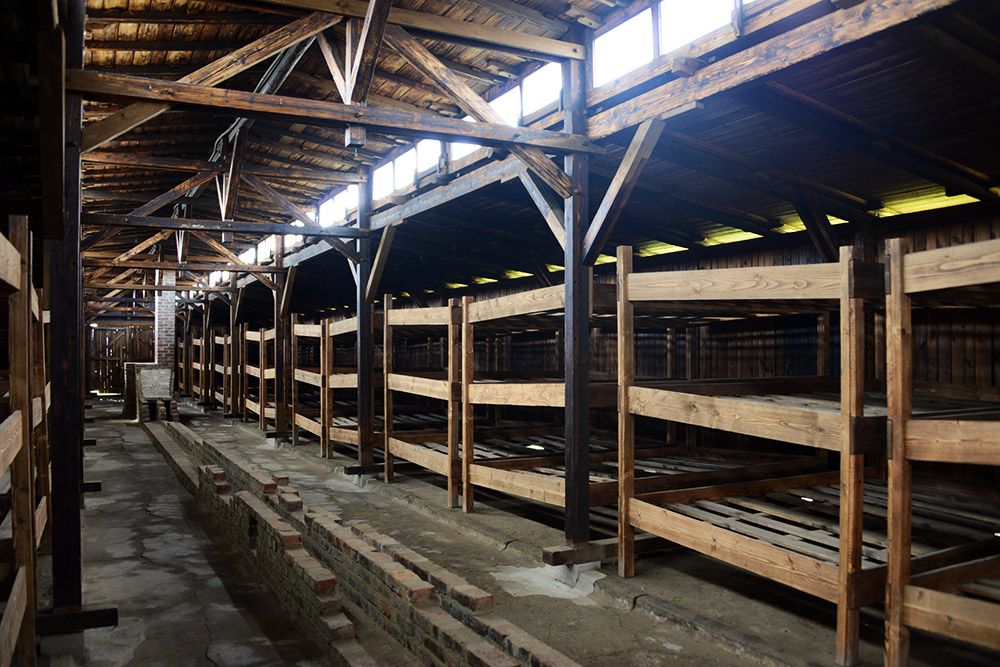
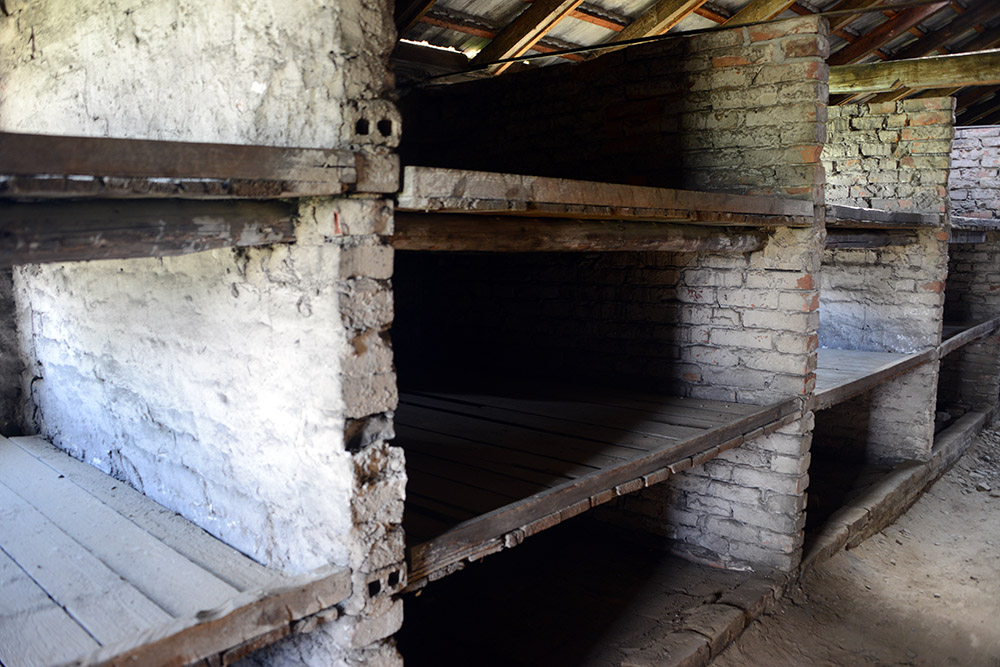
The conditions inside the barracks are difficult to imagine from photographs alone. Prisoners slept crowded together on crude wooden bunks, often with several people sharing each level. Hunger, disease, exhaustion, and the constant threat of selection and death were part of everyday life inside the camp.
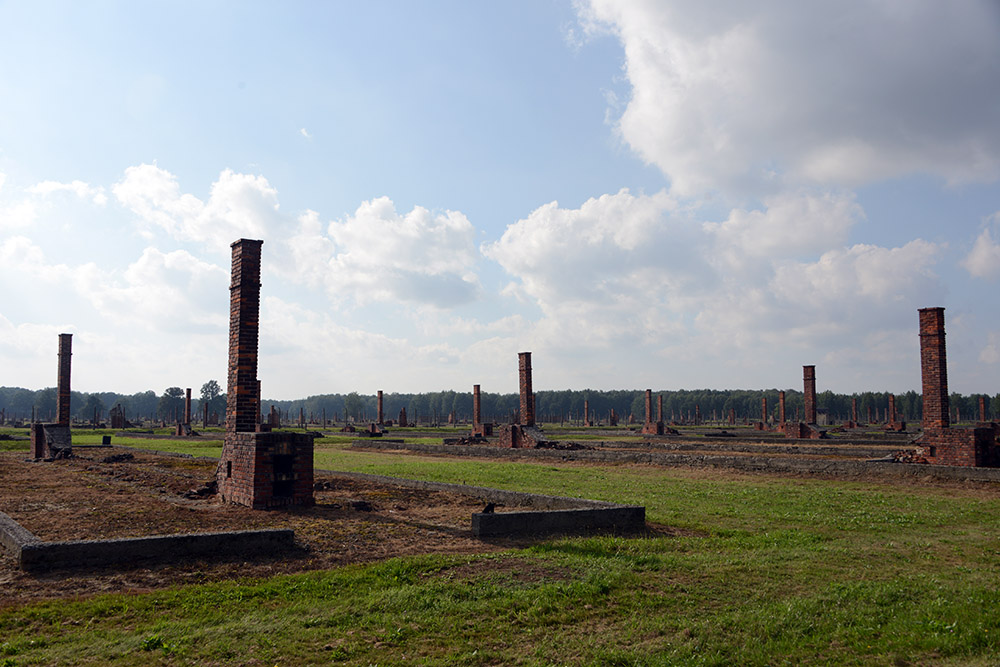
My final photo from Auschwitz II shows rows of surviving brick chimneys. Many of the wooden barracks that once surrounded them are long gone, leaving the chimneys standing across the landscape and giving some idea of just how enormous Birkenau was. Preservation work continues throughout Auschwitz-Birkenau because the surviving structures naturally deteriorate with time.
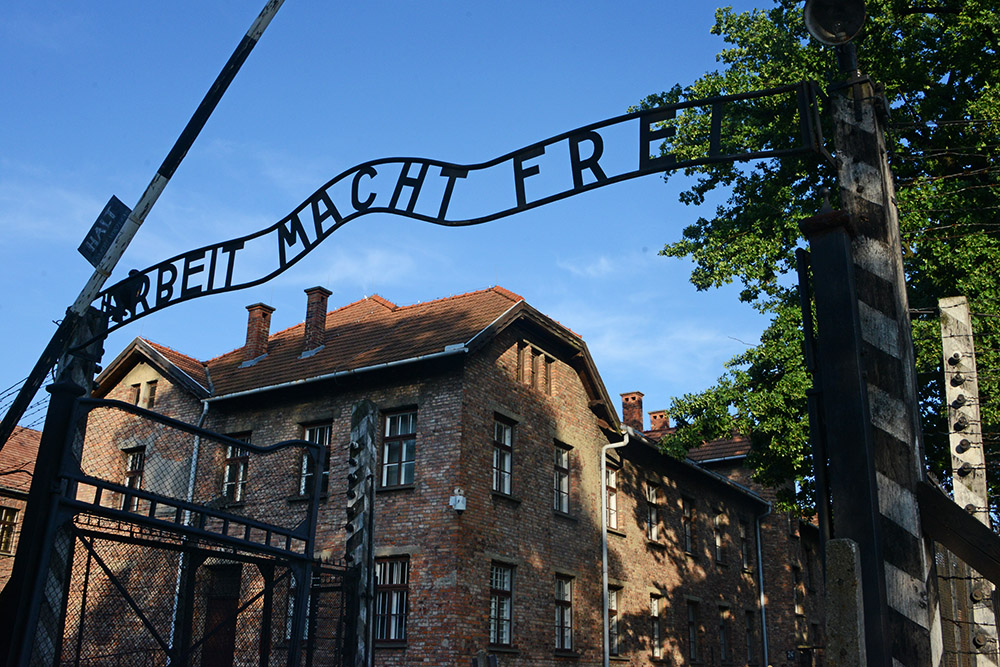
After visiting Auschwitz II-Birkenau, I went to Auschwitz I, the original camp located only a few miles away. I had seen the infamous sign above in documentaries and photographs but had almost forgotten about it until seeing it in person. The German words Arbeit Macht Frei translate roughly to “Work Sets You Free,” a cynical slogan placed over the entrance to the camp.
The original sign was actually stolen in 2009 and cut into several pieces by the thieves. It was recovered shortly afterward and restored, although the sign displayed over the entrance today is a replica while the original is preserved by the museum.
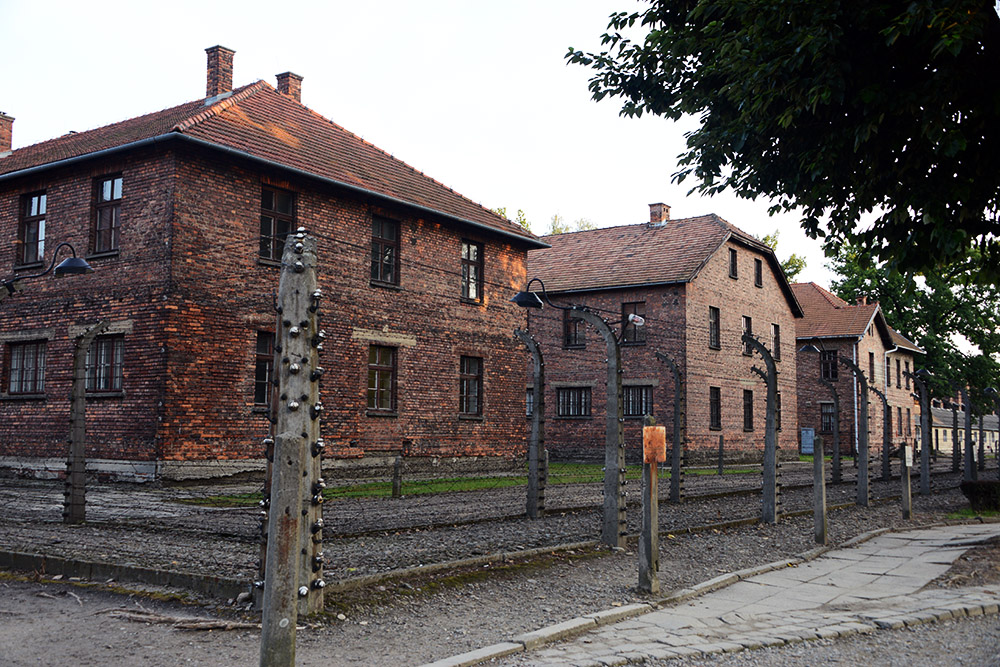
From the outside, some of the brick buildings at Auschwitz I almost look like ordinary apartments or military barracks. That somehow makes the history inside them even more disturbing. Auschwitz I was established in 1940, initially to imprison Polish political prisoners, and later expanded to hold prisoners from across occupied Europe. Soviet prisoners of war were among the many groups imprisoned and murdered here.
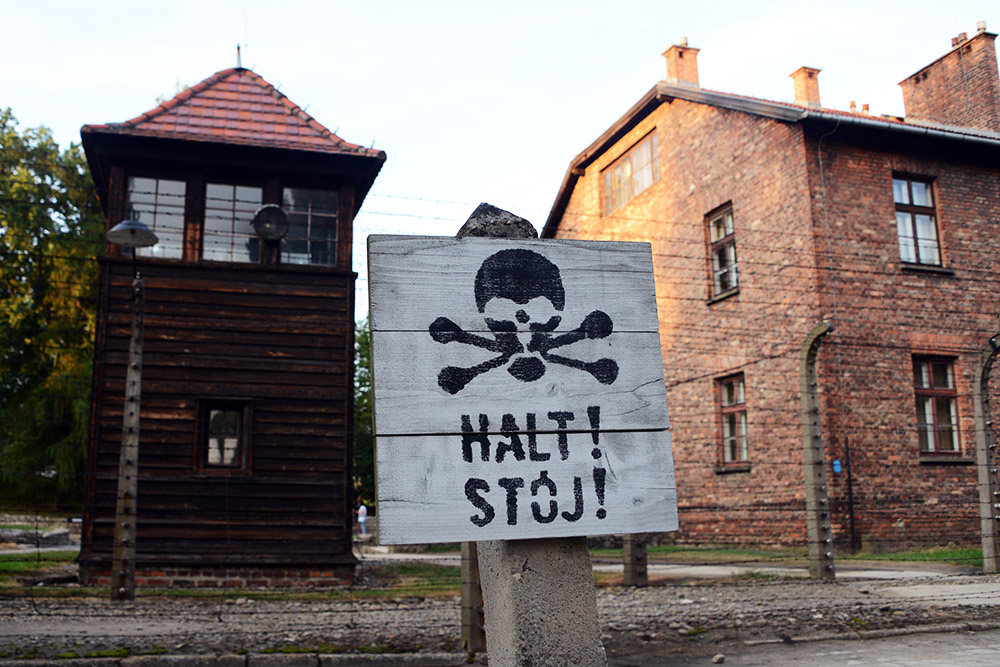
Soviet prisoners of war were treated especially brutally. Thousands were brought to Auschwitz beginning in 1941, where they faced starvation, forced labor, executions, and other forms of abuse. Soviet POWs were also among the prisoners used in the first experiments with Zyklon B as a method of mass killing at Auschwitz.
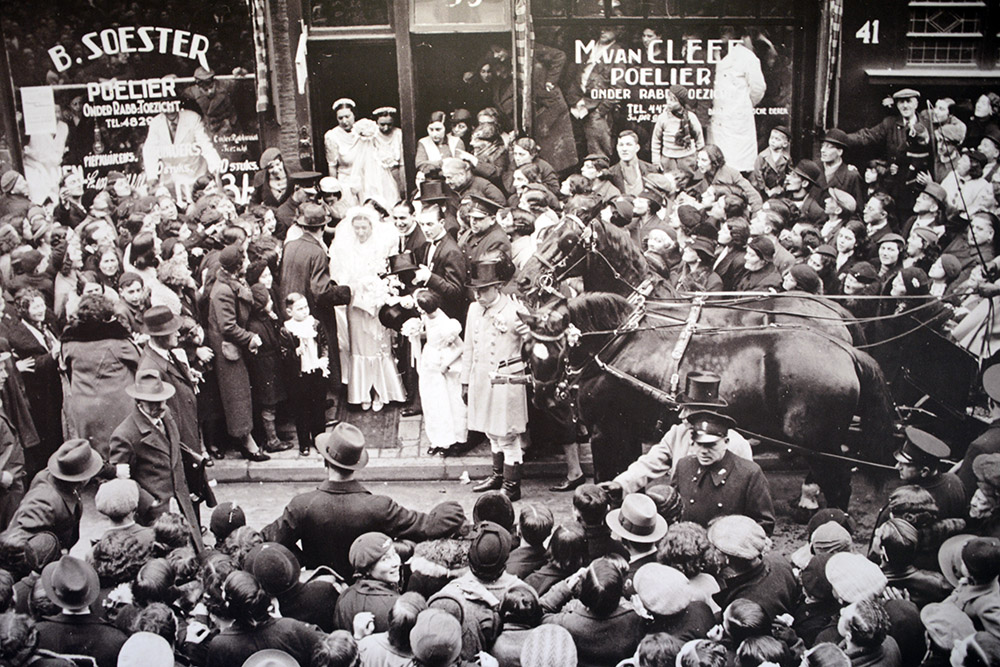
Many of the former prison blocks at Auschwitz I have been converted into museum exhibitions, with different buildings focusing on different parts of the Holocaust and the history of the camp. One exhibit showed Jewish life in Europe before World War II. The photograph above shows people in the Netherlands during happier times before the Holocaust. Images like this were among the most powerful things I saw because they show the victims simply living ordinary lives before everything was taken from them.
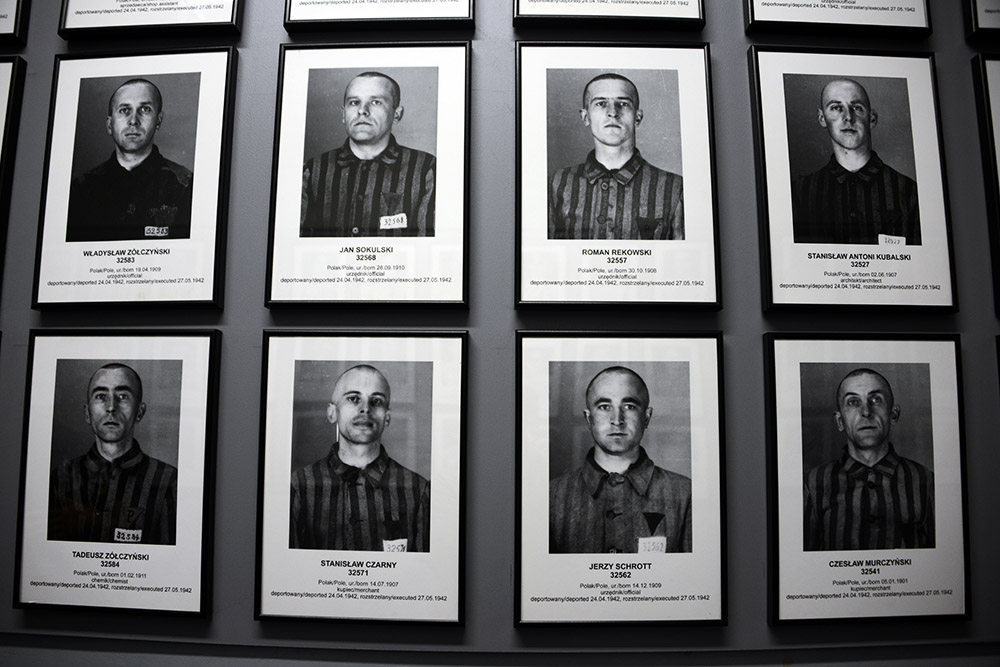
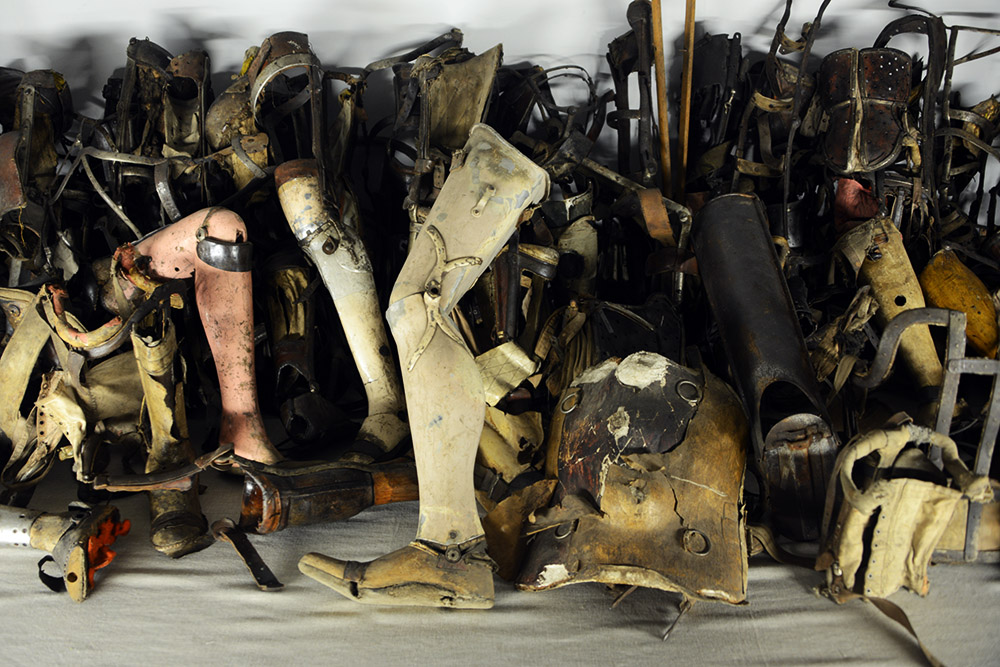
Several of the buildings contain rows of photographs of individual prisoners. Other exhibits contain enormous collections of personal belongings confiscated from people brought to Auschwitz. Seeing thousands of these objects together gives a sense of scale that statistics alone simply can’t provide.
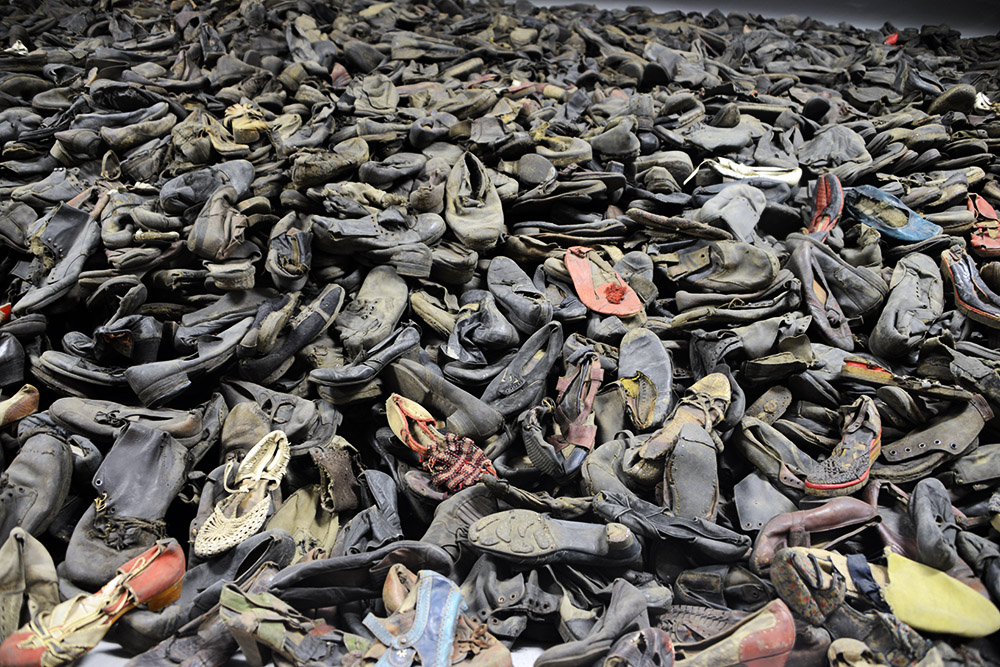
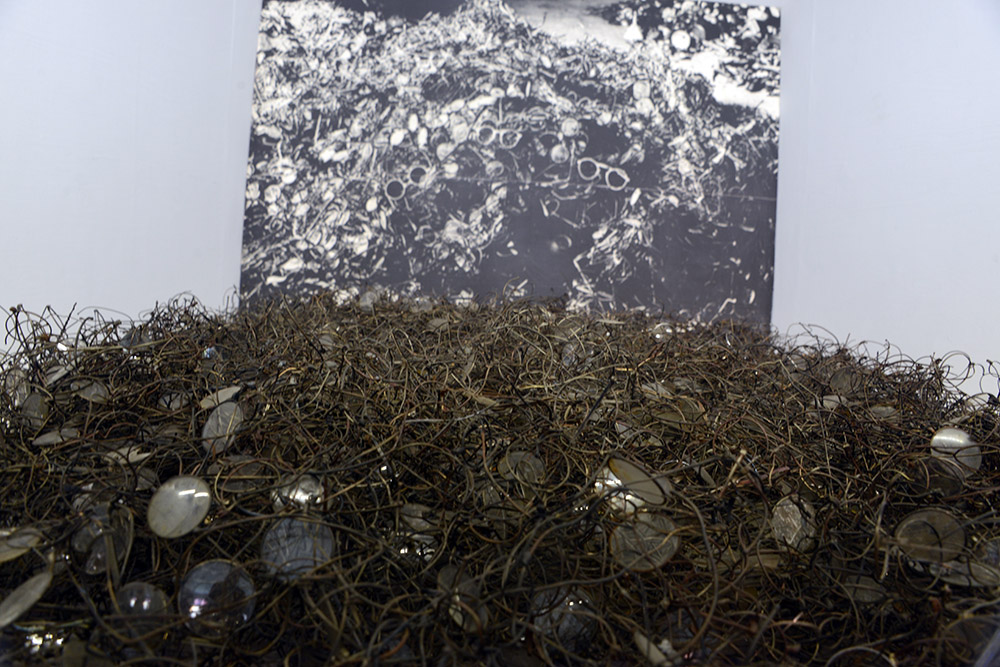
Among the exhibits are enormous piles of shoes, eyeglasses, suitcases, prosthetic limbs, and other possessions taken from victims. One of the most disturbing exhibits contains human hair removed from victims, which visitors are not permitted to photograph. When Auschwitz was liberated, Soviet troops discovered thousands of kilograms of human hair that the Nazis had accumulated for industrial use.
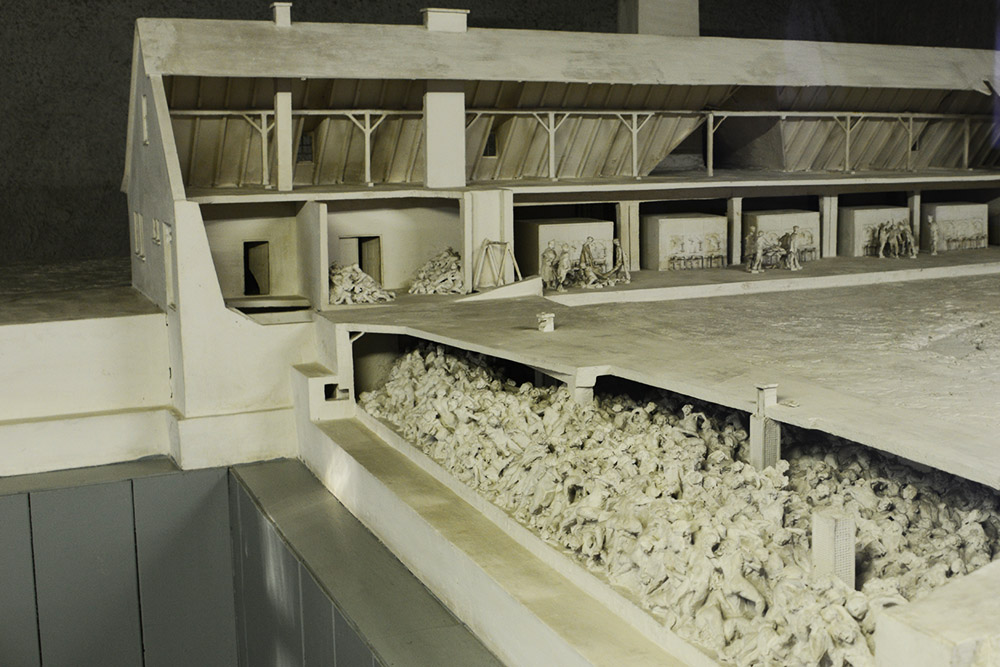
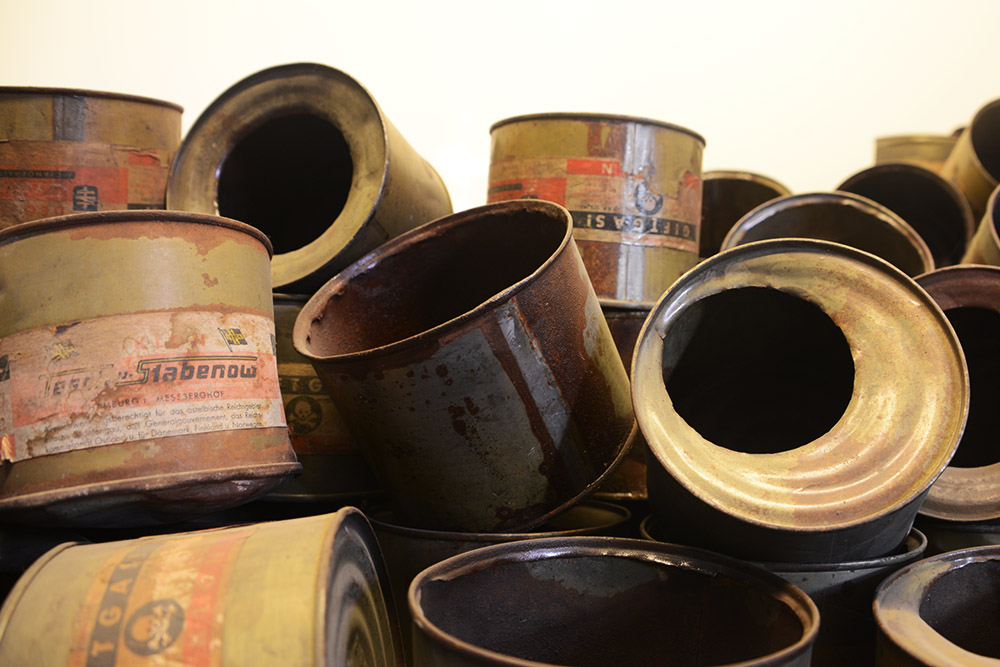
Several exhibits explain how the Nazis developed and expanded the use of gas chambers for mass murder. Zyklon B, a pesticide that released poisonous hydrogen cyanide gas, became the primary killing agent used in the gas chambers at Auschwitz. The museum displays both models explaining the process and surviving containers of Zyklon B.
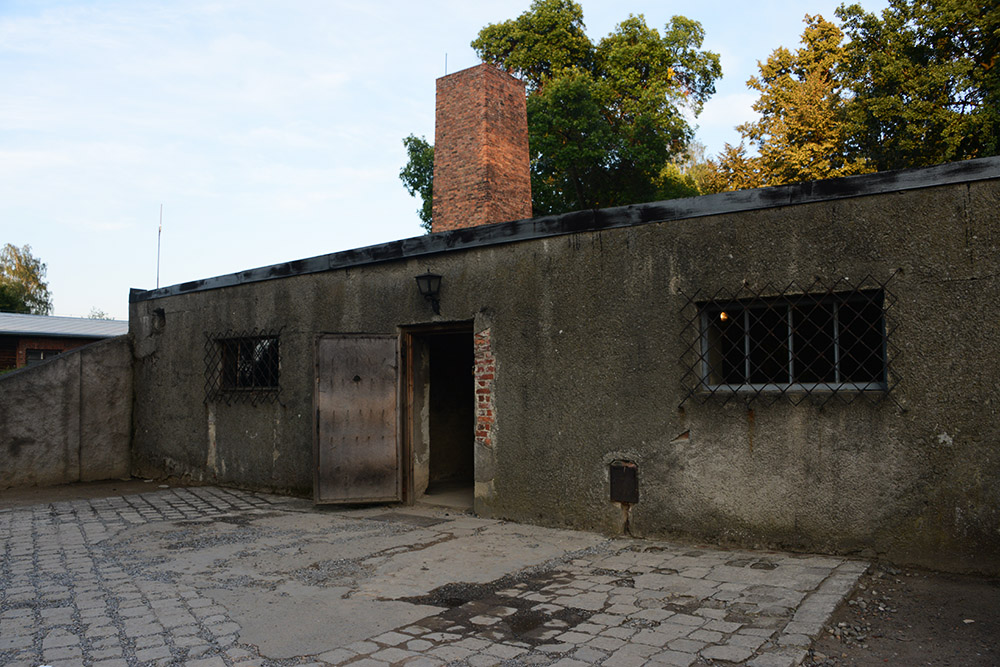
Near the edge of Auschwitz I is the surviving gas chamber and crematorium known as Crematorium I. The building originally served other purposes before being converted for use as a gas chamber and crematorium. Although the much larger killing facilities at Birkenau were later destroyed, parts of this structure survived the war and can be entered by visitors today.
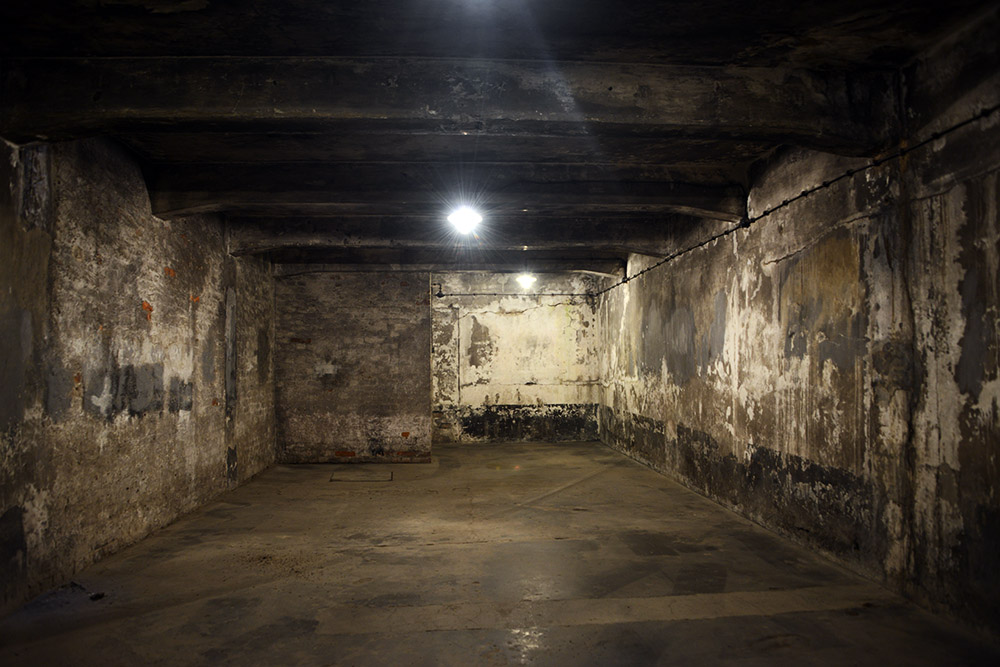
Walking inside the gas chamber was probably the most disturbing part of the visit. Unlike museum photographs or artifacts behind glass, you’re physically standing inside a place where people were murdered. The room is stark and almost empty today, which somehow makes knowing what happened inside even harder to process.
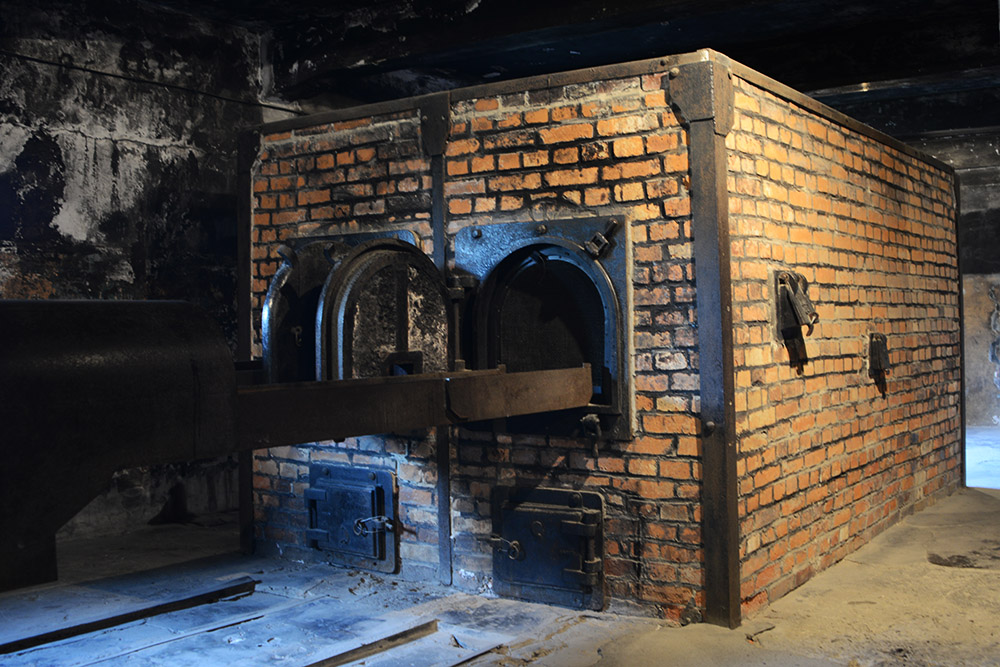
There’s no positive way to end a page about Auschwitz, although the camp was finally liberated by Soviet troops on January 27, 1945. The SS had already evacuated tens of thousands of prisoners on death marches, but the Soviet Army found approximately 7,000 prisoners still alive when it arrived.
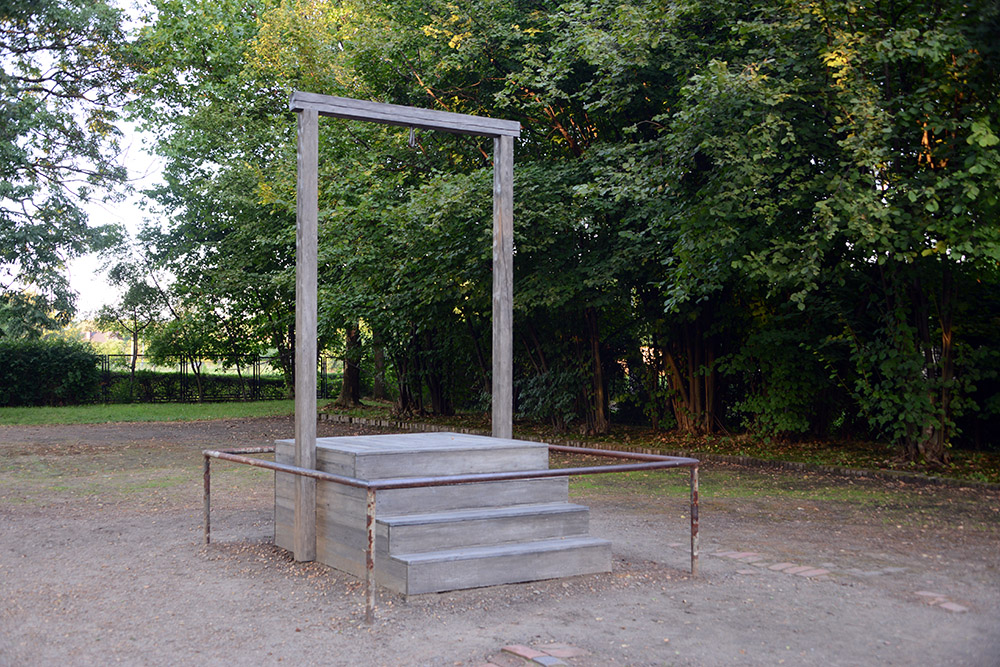
Many of those responsible for the crimes committed at Auschwitz attempted to disappear after the war. Rudolf Höss, the longest-serving commandant of Auschwitz, was eventually captured, tried in Poland, and sentenced to death. On April 16, 1947, he was hanged on the gallows shown above, only a short distance from the crematorium at Auschwitz I. Today Auschwitz-Birkenau remains preserved as both a museum and memorial to the more than one million people murdered here.
Explore More of Poland
Tatras Mountains • Auschwitz • Krakow