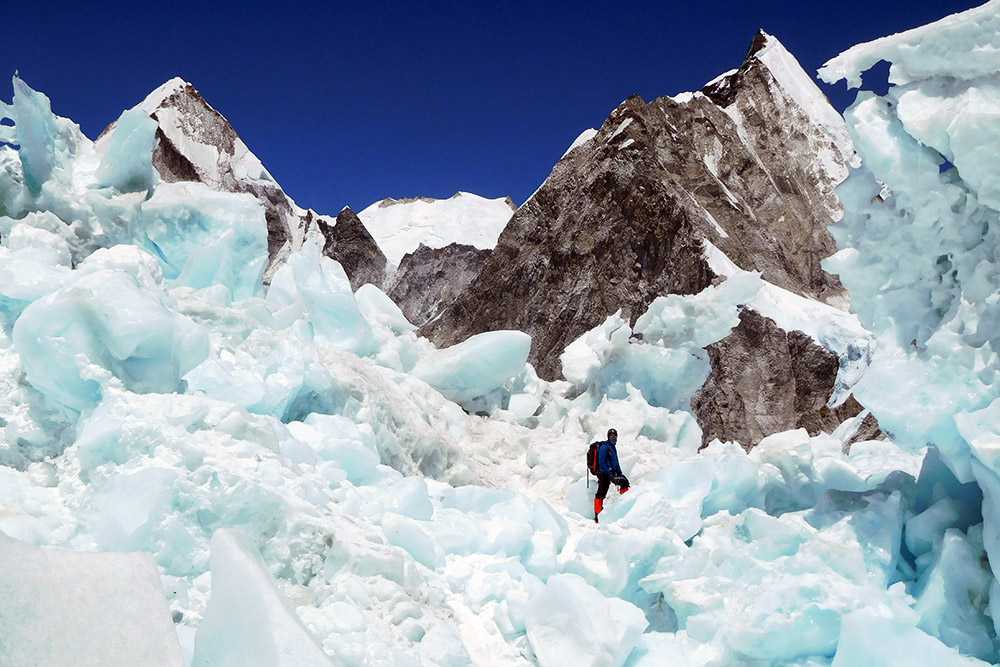
Nepal is one of the most beautiful and geographically remarkable countries in the world. Although it is a dream destination for many travelers, much of the country remains relatively unexplored by international visitors. Nepal is known for its rich Hindu and Buddhist traditions, its historic temples and monasteries, and as the birthplace of Siddhartha Gautama, the Buddha. Its landscapes are equally extraordinary, ranging from subtropical forests and lowland plains in the south to the towering Himalayas and the highest mountains on Earth in the north.
My travels to Nepal have been almost entirely focused on climbing Mount Everest. I’ve visited the country twice, but both trips were primarily limited to Kathmandu and the Himalayas. Climbing in Nepal was one of the most incredible experiences of my life, and trekking through the Khumbu Valley gave me an opportunity to experience the mountain scenery, Sherpa culture, and Buddhist traditions of the Everest region. However, there is still an enormous amount of Nepal I haven’t seen. I’ll definitely return someday to explore more of the country beyond the mountains.
Explore Kathmandu
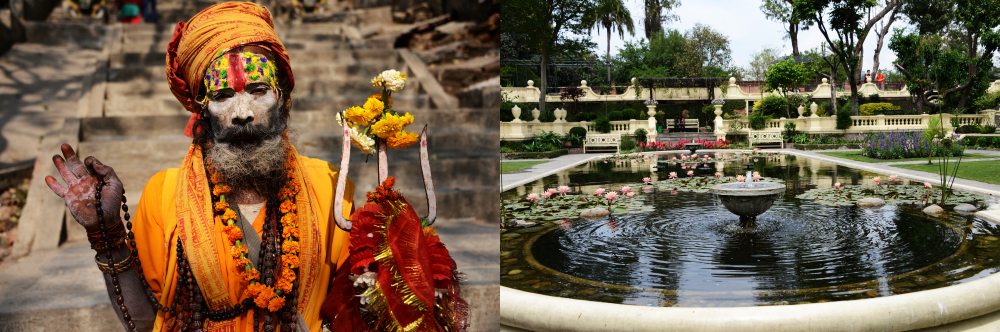
Nepal’s capital, Kathmandu, is a bustling city in the Kathmandu Valley, surrounded by hills and filled with centuries of history. Its famous Durbar Square contains former royal palaces, temples, and remarkable examples of traditional Newar architecture. Elsewhere in the city, visitors can explore Swayambhunath, also known as the Monkey Temple, the sacred Hindu complex of Pashupatinath, and the peaceful Garden of Dreams. Kathmandu combines ancient Hindu and Buddhist traditions with busy markets, restaurants, shopping districts, and modern urban life. It also serves as the principal starting point for many expeditions into the Nepalese Himalayas.
Explore the Khumbu Valley
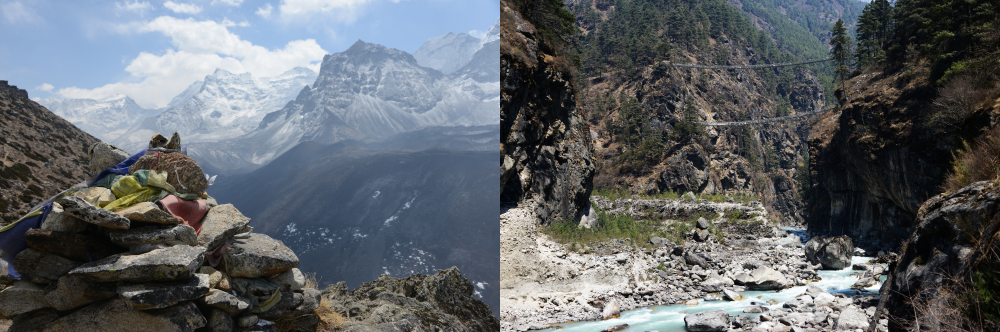
The Khumbu Valley is one of the most spectacular mountain regions in the world and the traditional gateway to Mount Everest. The famous Everest Base Camp trekking route begins near Lukla and passes through Sherpa villages, suspension bridges, Buddhist monasteries, and breathtaking Himalayan landscapes. Along the way, trekkers visit Namche Bazaar, Tengboche Monastery, Dingboche, and Lobuche before reaching Everest Base Camp. The region is also home to extraordinary peaks such as Ama Dablam, Lhotse, and Cholatse. Beyond its scenery, the Khumbu offers an opportunity to experience the traditions and mountain communities that have supported Himalayan expeditions for generations.
Explore Mount Everest
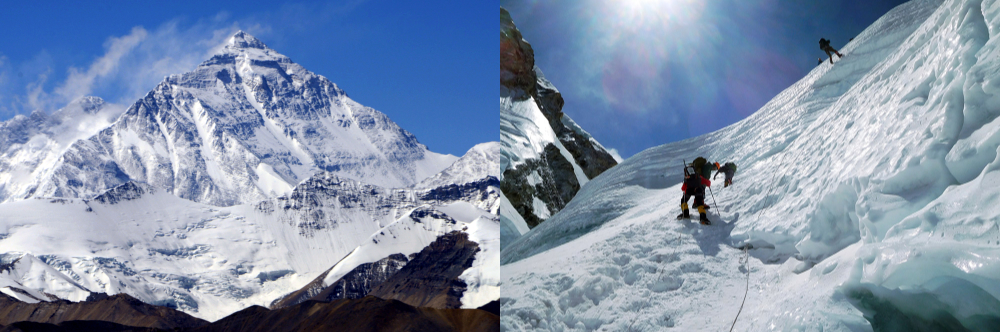
Mount Everest is the highest mountain on Earth, rising to 8,848.86 meters (29,031.7 feet) along the border between Nepal and Tibet. The Nepalese side is famous for the trek to Everest Base Camp and the climbing route through the Khumbu Icefall, Western Cwm, Lhotse Face, and South Col. The Tibetan side offers a dramatically different landscape, with access to the mountain’s north side and its historic Northeast Ridge climbing route.
I climbed Mount Everest from both Nepal and Tibet and photographed both routes. Although they ultimately lead toward the same summit, the two sides offer very different climbing experiences, scenery, and perspectives of the mountain. My Everest expedition pages document the journey in much greater detail, from the approach to base camp to the challenges of climbing at extreme altitude.
