Kathmandu Durbar Square and the 2015 Earthquake
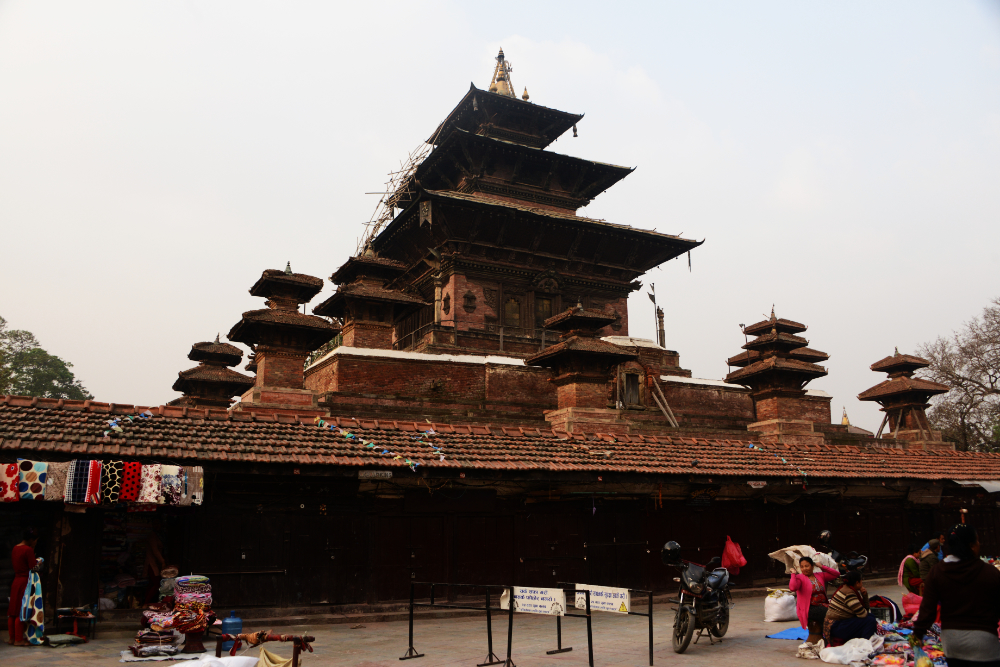
My first experience in Kathmandu was visiting Durbar Square, one of the city’s most important historic and religious centers. For centuries, this district served as a royal center for the Kathmandu Valley, with temples, courtyards, palaces, and intricate Newar architecture concentrated around the square. I visited in 2016, not long after the devastating April 2015 earthquake, and the destruction was still impossible to miss. Many historic structures had been heavily damaged, while some temples had been completely destroyed.
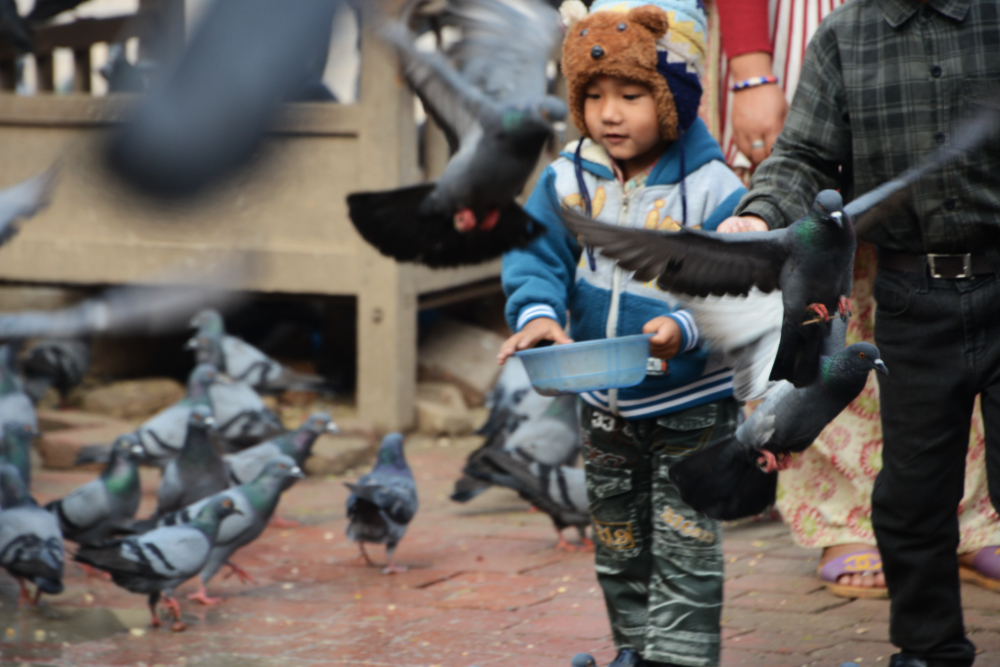
If you look closely at the first photograph, you’ll notice pigeons gathering around the temples. People sold corn and other seeds nearby so visitors could feed them. Kathmandu wasn’t nearly as touristy as I expected, perhaps because my visit came so soon after the earthquake. Instead of crowds of foreign tourists, I mostly saw local families and children enjoying the square. The Nepali boy above was definitely having a good time!
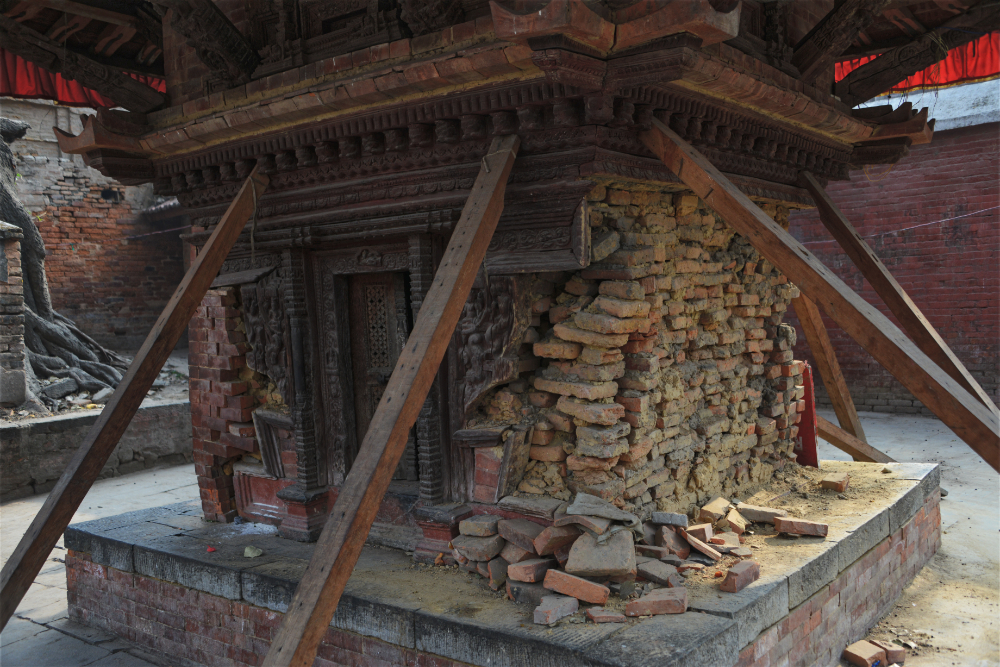
The earthquake damage became obvious as soon as I began exploring Durbar Square. Wooden beams supported weakened temples, bricks were missing from walls, and enormous cracks ran through some of the historic structures. Restoration work was underway, but repairing buildings with centuries of architectural history was clearly going to take time.
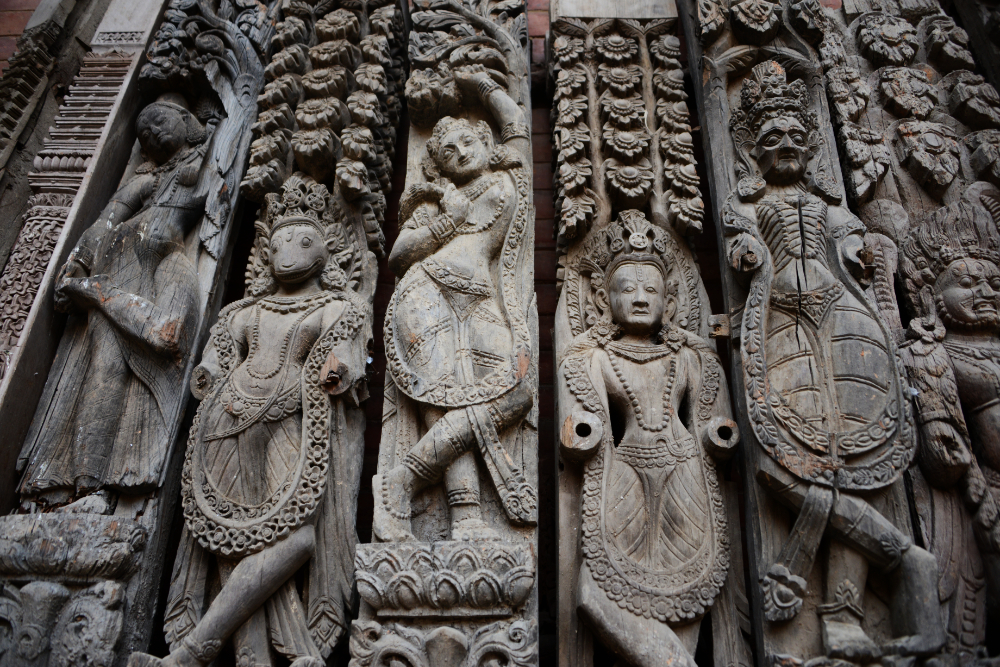
Some of the ancient woodwork had been temporarily removed to protect it during the reconstruction. A local told me that the carved wooden pieces photographed below were around 400 years old. Seeing such intricate craftsmanship up close made me appreciate how much historical and artistic heritage had been threatened by the earthquake.
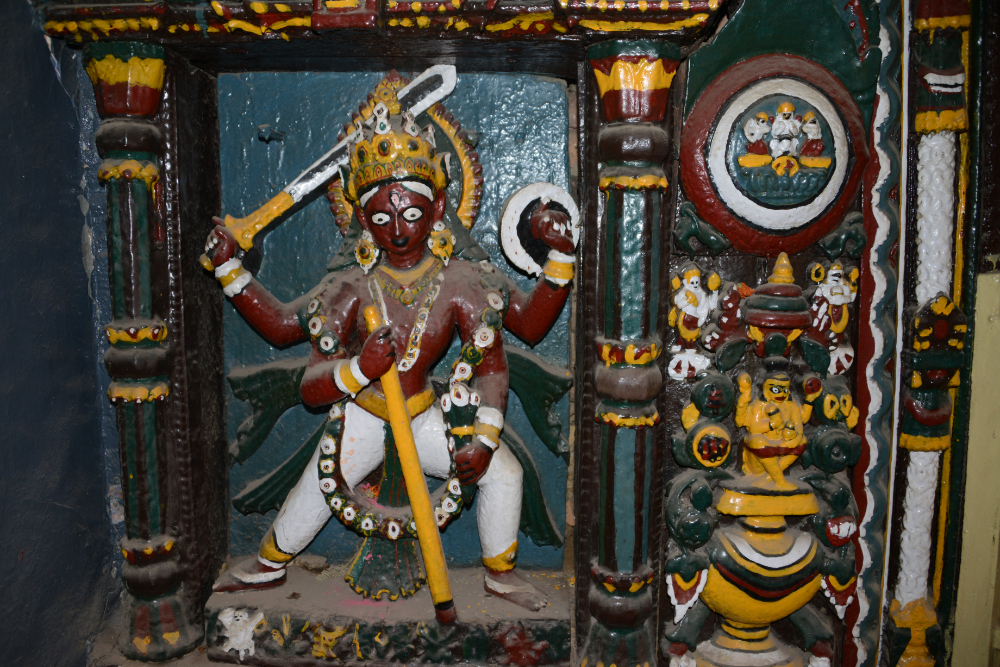
I also entered the courtyard of the former Royal Palace within Durbar Square. Unfortunately, I didn’t get a good photograph showing the entire courtyard, but the picture above captures some of the elaborate artwork decorating its buildings. The palace complex had also suffered significant earthquake damage, with large cracks visible in some walls and scaffolding covering sections undergoing restoration.
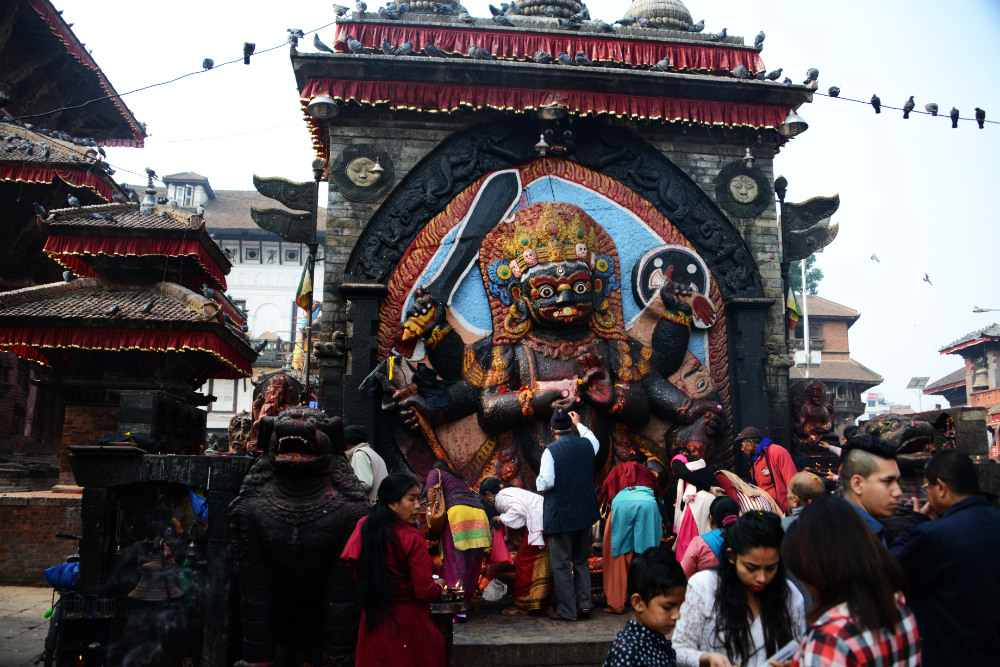
One of the most interesting religious sites in the square was the enormous stone image of Kal Bhairav, a fierce manifestation of the Hindu god Shiva. Kal Bhairav is associated with justice, and according to local tradition, anyone who lies in front of the deity risks terrible consequences. The image was historically associated with oaths and the administration of justice, with officials reportedly using the site when settling disputes.
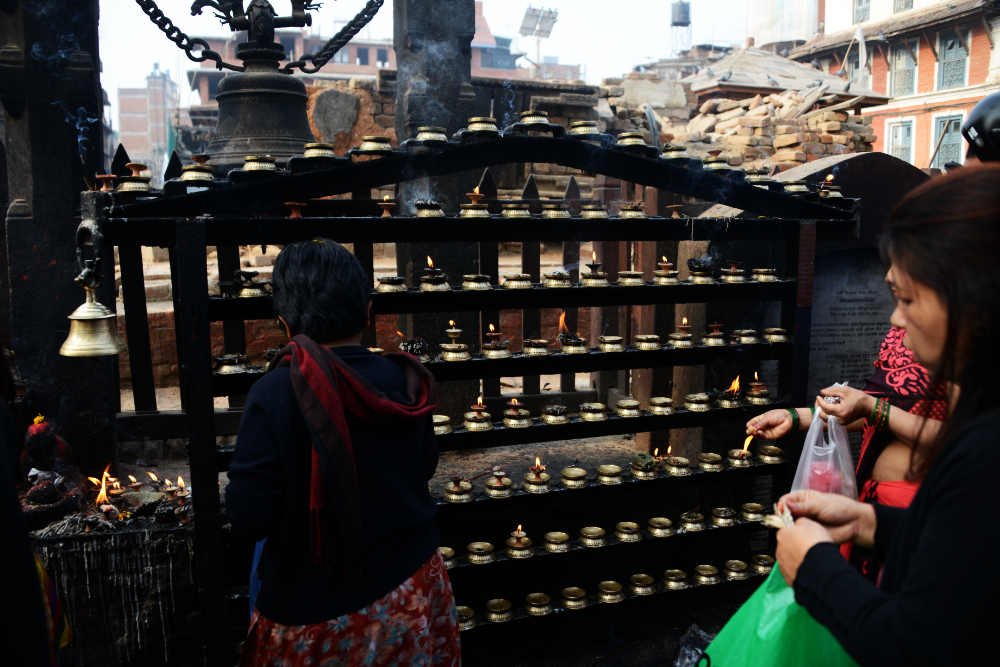
Nearby were smaller shrines where people lit candles and made offerings. Religious devotion was visible throughout Kathmandu, often woven directly into the city’s busiest streets and public spaces.
Rani Pokhari and Kathmandu’s Historic Landmarks
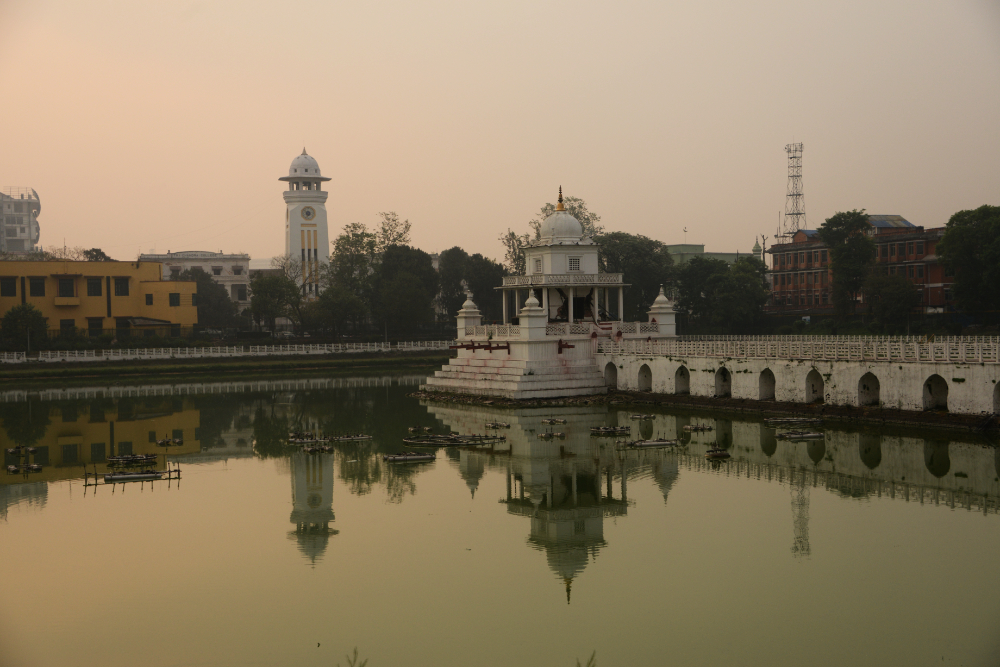
While exploring outside Durbar Square, I came across Rani Pokhari, also known as the Queen’s Pond. I originally stopped simply because I thought it was beautiful, but later learned about the history and legends surrounding it.
The pond was commissioned in the 17th century by King Pratap Malla following the death of his young son, traditionally described as an attempt to console the grieving queen. Like many historic places in Kathmandu, royal history, religion, and local traditions come together in the story of this landmark.
Swayambhunath — Kathmandu’s Monkey Temple
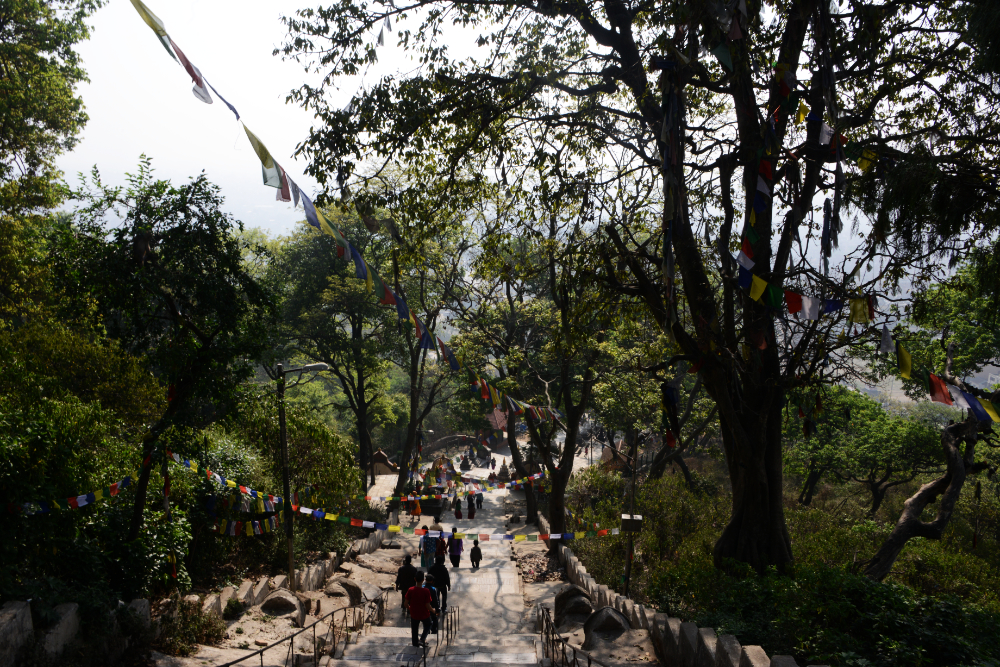
The following day I headed to the famous Monkey Temple, better known as Swayambhunath. This ancient Buddhist religious complex stands on a hill overlooking Kathmandu and is one of the city’s most recognizable landmarks.
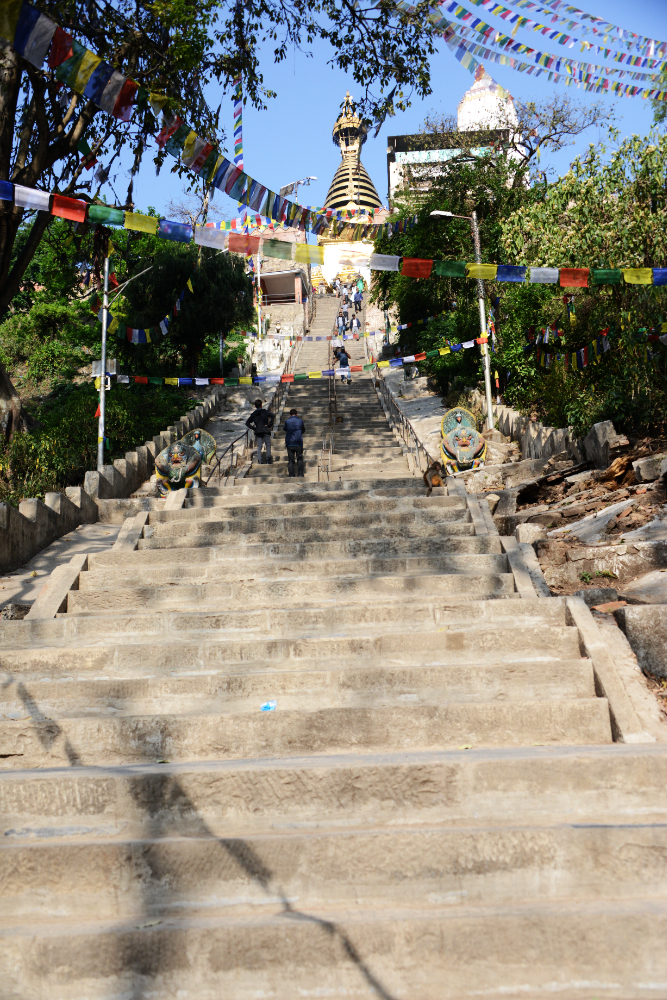
Reaching the complex involves climbing hundreds of steep stone steps. It’s a decent little workout, especially considering I was preparing to attempt Mount Everest only a few days later! The photograph above looks back down the staircase, while the one below shows the climb toward the top.
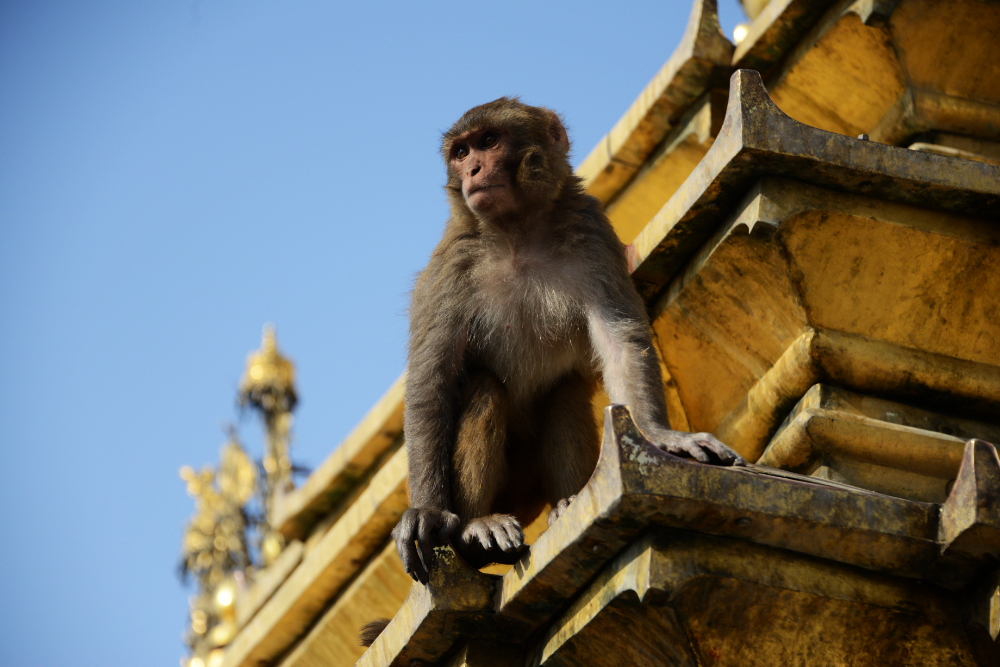
Of course, there are monkeys here, which is how the temple earned its famous nickname. Surprisingly, there weren’t nearly as many as I expected. I actually think there were just as many dogs wandering around. Maybe Dog Temple would have been equally appropriate!
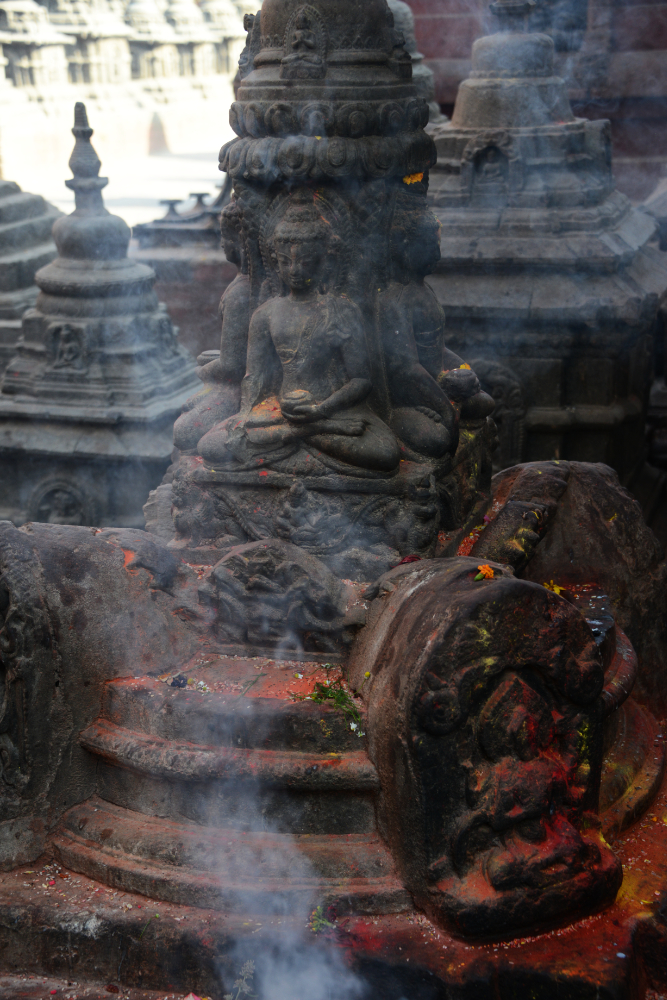
The temple complex was filled with religious artwork, shrines, incense, and places for prayer. Swayambhunath is important to both Buddhists and Hindus, and the atmosphere reflected its continuing role as an active place of worship rather than simply a tourist attraction.
There were other tourists around, but most of the people I saw appeared to be locals visiting for religious reasons. The incense above had just been lit when I took the photograph.
Religion and Everyday Life in Kathmandu
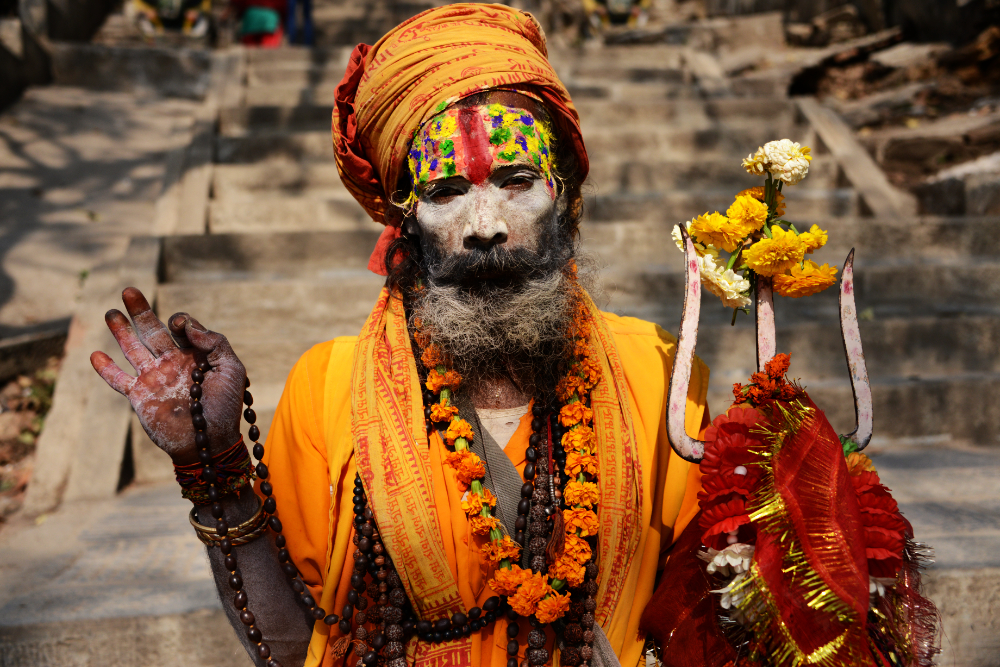
Religion is deeply woven into everyday life in Nepal, from the large temples and monasteries to the smaller shrines scattered throughout Kathmandu’s neighborhoods. Buddhist and Hindu traditions are especially prominent, and religious symbols appear everywhere from historic monuments to ordinary homes and shops.
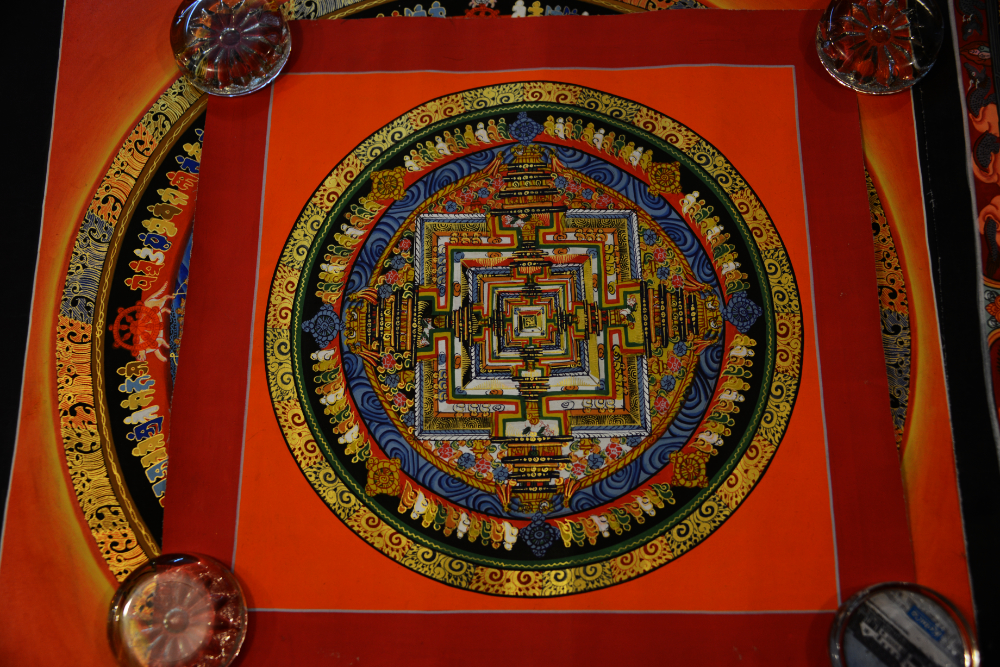
While exploring Kathmandu, a local convinced me to buy the mandala photographed above, explaining that it could provide protection from bad luck. Of course, he was also trying to make a sale, but considering I was attempting Everest in a few days, I figured a little extra protection couldn’t hurt!
Pashupatinath Temple and Hindu Cremation Ceremonies
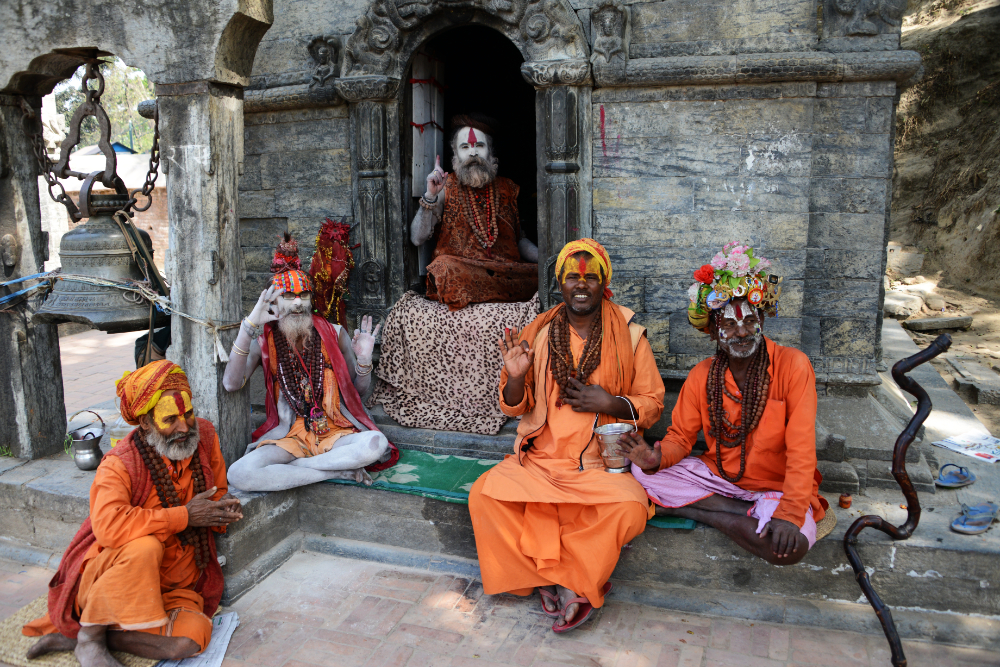
One of my most interesting visits in Kathmandu was Pashupatinath Temple along the Bagmati River. This major Hindu temple complex is dedicated to Shiva and is one of Nepal’s most sacred religious sites.
The area reminded me of Varanasi in India because religious ceremonies and open-air cremations take place beside the river. Hindu pilgrims, priests, and families gather here for worship and important life rituals. The photograph above shows some of the Hindu priests and holy men I encountered around the temple complex.
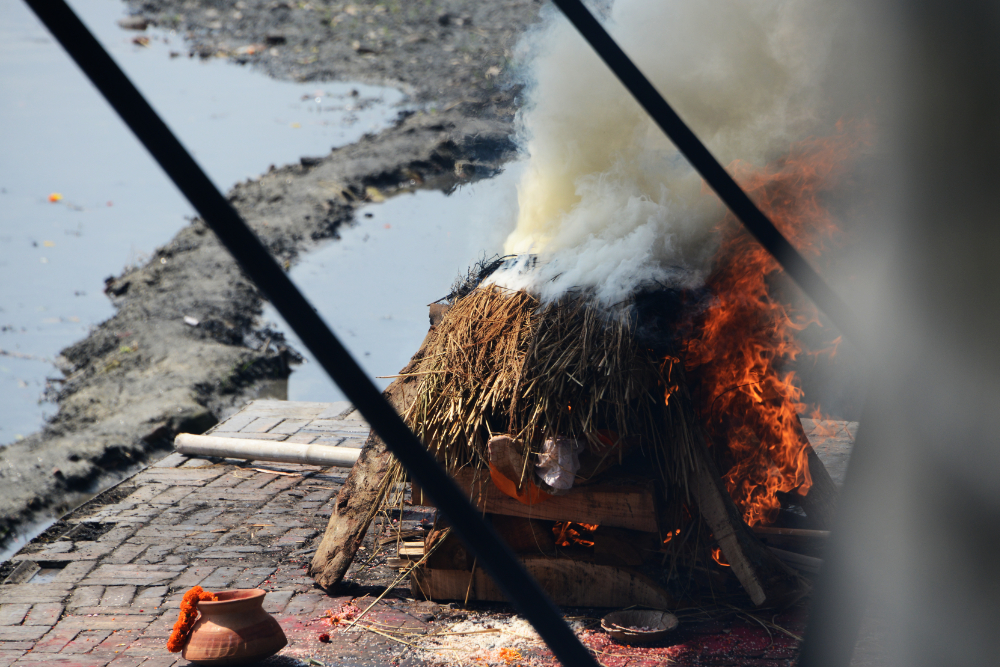
Cremations were taking place along the river during my visit. The photograph above shows a funeral pyre shortly after it was lit. Locals told me that the cremation process could take several hours.
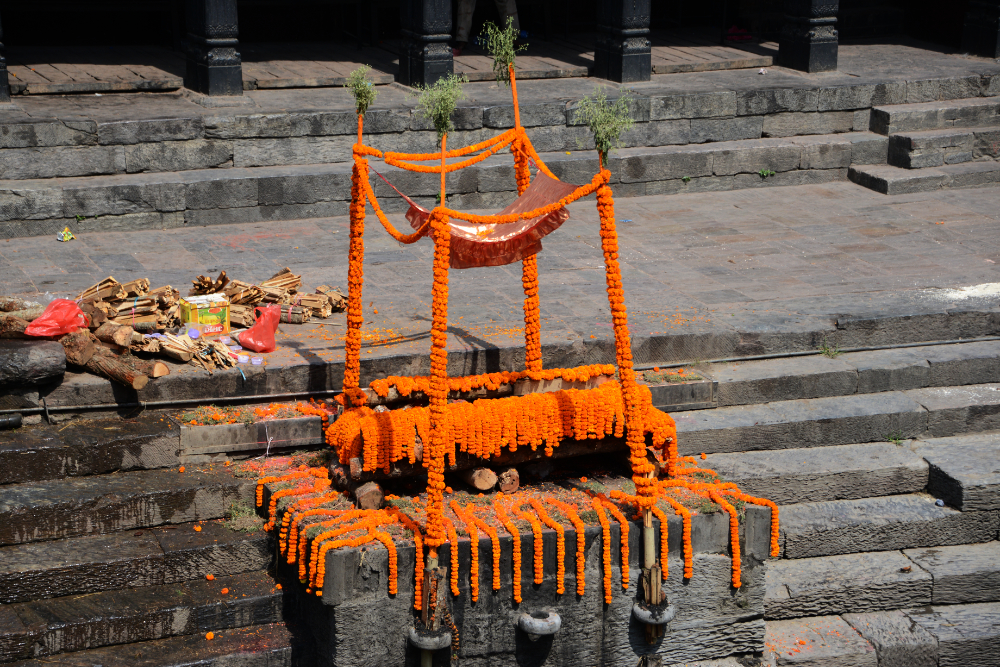
Different ceremonial platforms, known as ghats, were used for funeral rites along the river. Some were noticeably more elaborate than others, reflecting the site’s historical traditions and social distinctions. Watching these ceremonies was a reminder of how openly important religious rituals are incorporated into daily life in Kathmandu.
Exploring Kathmandu’s Streets and Neighborhoods
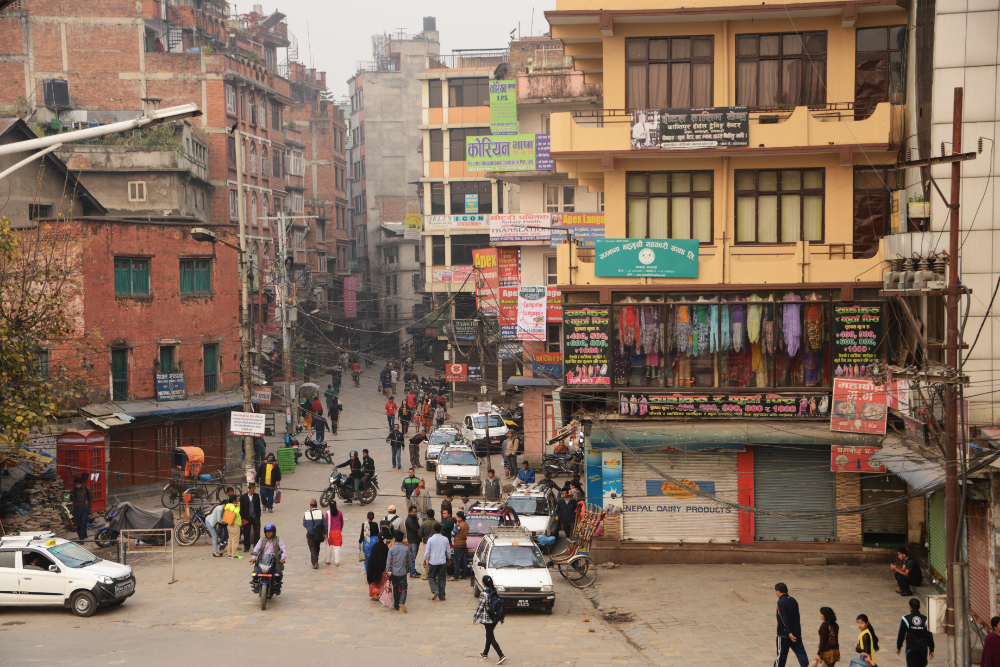
Back in the heart of Kathmandu, I spent plenty of time simply walking around and photographing the city. Kathmandu is extremely dense, with crowded streets, tightly packed buildings, markets, and neighborhoods stretching across the valley.
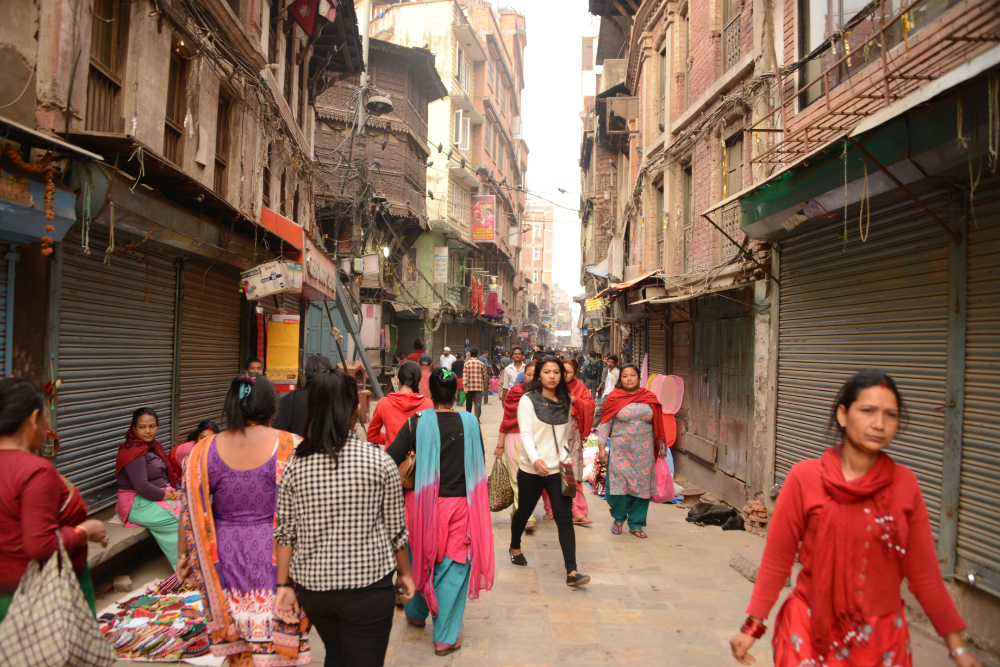
At times I found street photography difficult because no matter which direction I pointed the camera, I felt like I was putting it directly into someone’s face. Fortunately, people generally seemed welcoming and didn’t appear bothered by me taking photographs.
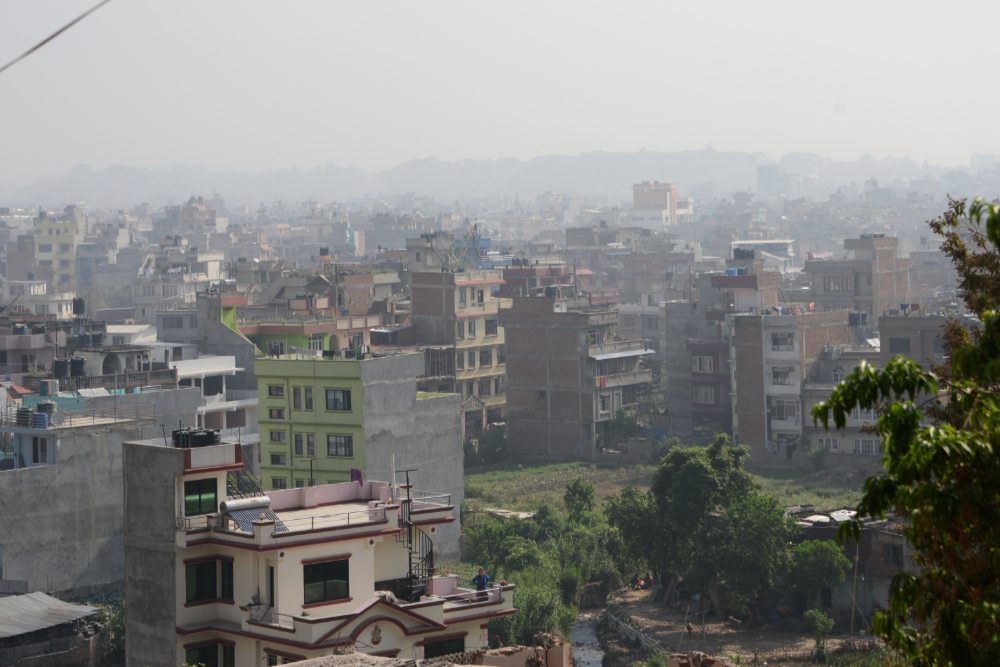
Much of Kathmandu’s urban landscape consists of closely spaced residential and commercial buildings, with shops and vendors occupying the streets below. The city has expanded considerably over the decades, but traditional neighborhoods and historic religious sites remain interwoven with newer development.
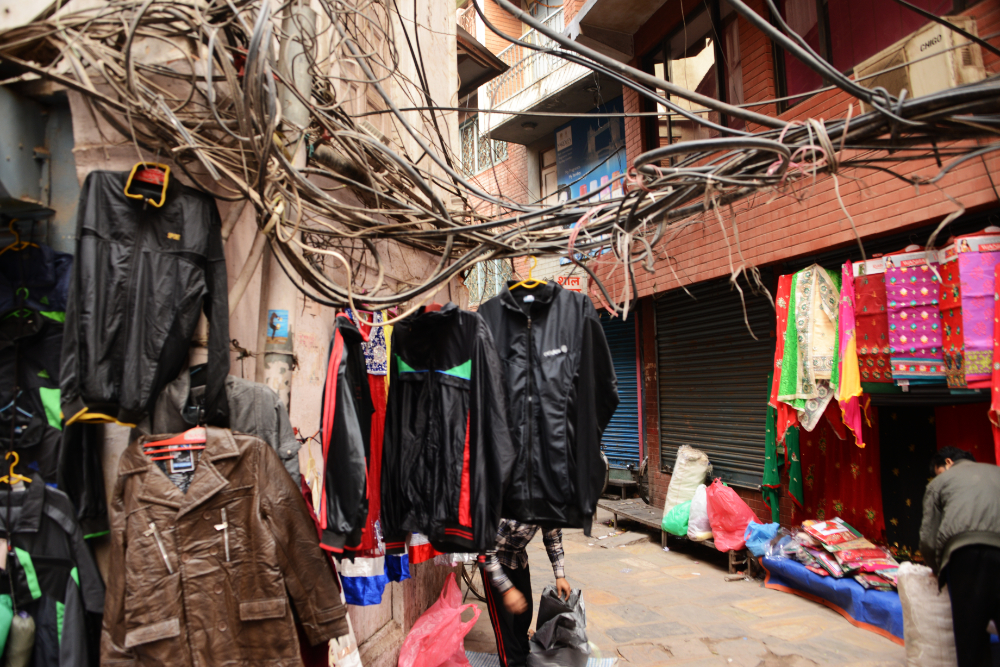
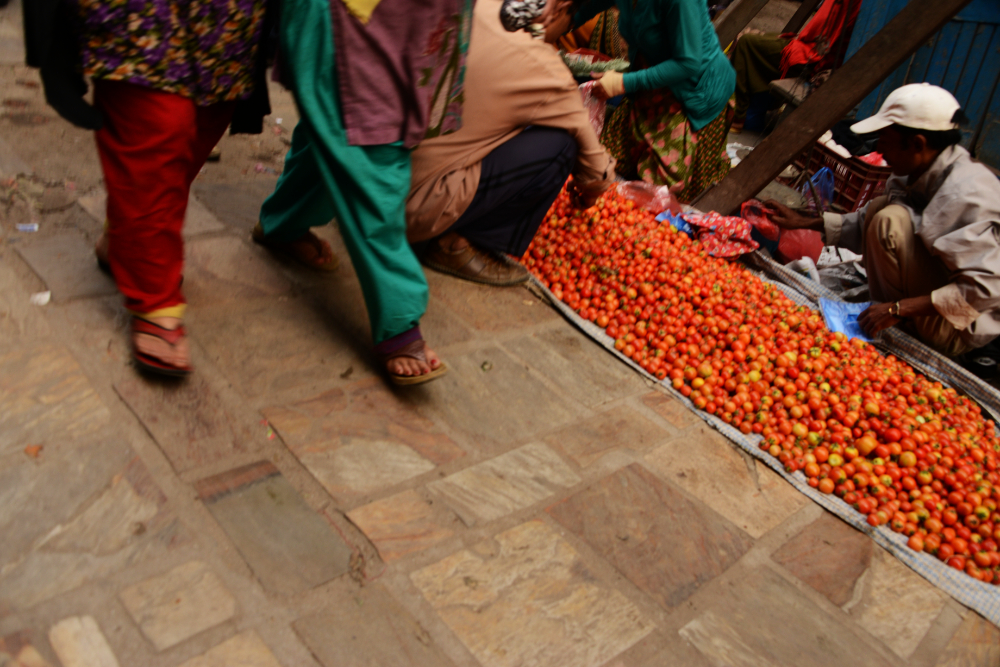
The streets were lined with tangled power lines, sometimes hanging surprisingly low. Someone had even taken advantage of them to display shirts for sale! Street vendors seemed to occupy every available corner, selling everything from clothing to enormous piles of vegetables and produce.
Earthquake Recovery and Reconstruction
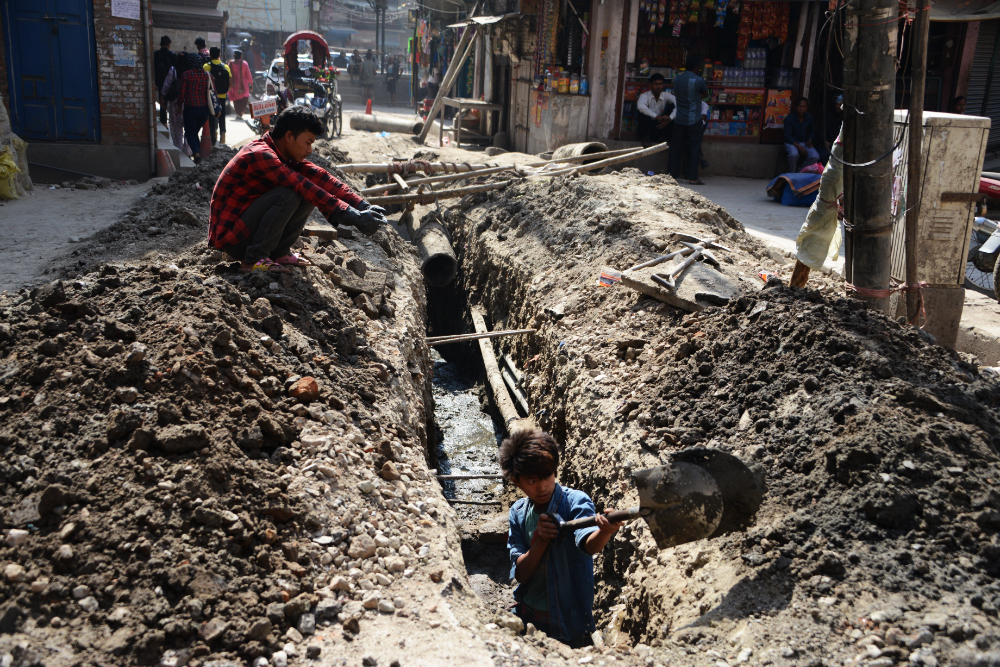
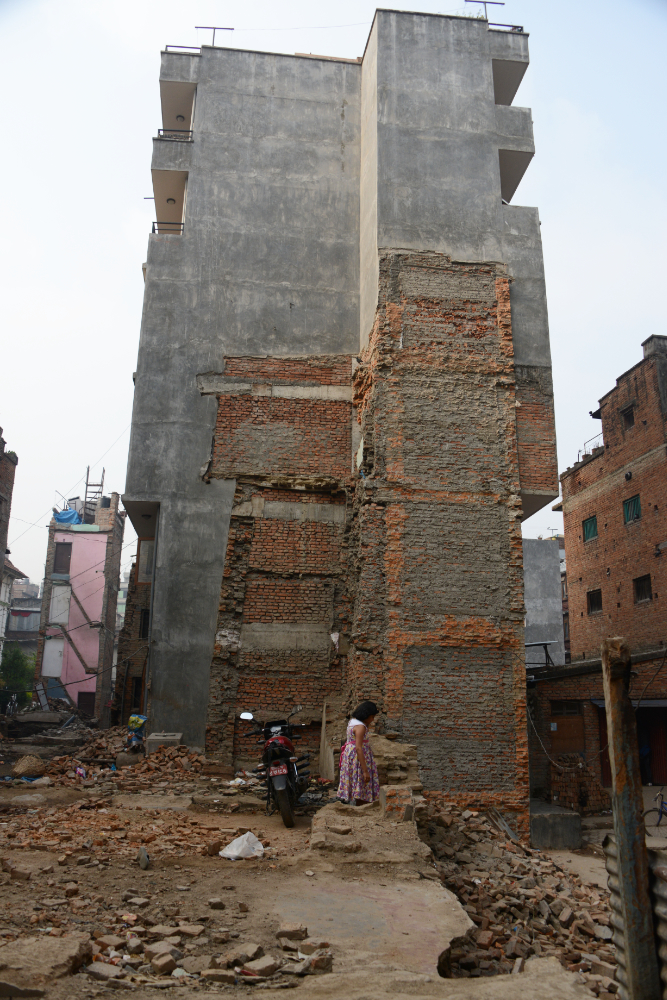
During my visit, Kathmandu was still recovering from the devastating 2015 earthquake. Reconstruction was a major undertaking, particularly in historic neighborhoods where traditional buildings and centuries-old temples had been damaged.
Even a year later, damaged structures remained throughout the city, and restoration work was still underway at many important historic sites. Seeing the recovery firsthand gave me a greater appreciation for the challenge of preserving Kathmandu’s architectural heritage while rebuilding the city around it.
Garden of Dreams — A Peaceful Escape in Kathmandu
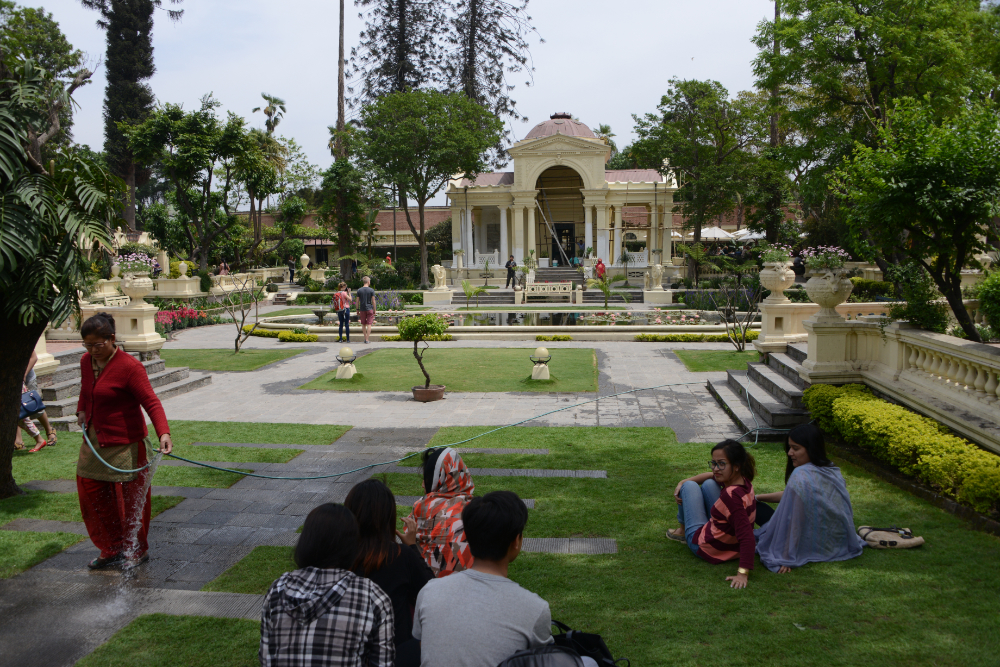
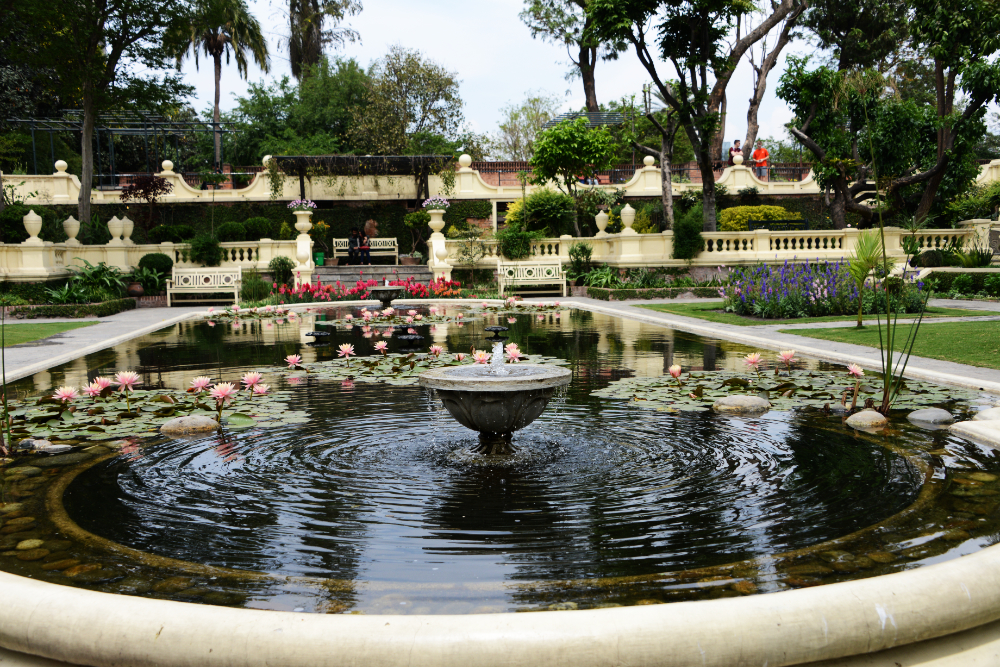
Possibly my favorite place in Kathmandu was the Garden of Dreams, a beautifully landscaped historic garden near the busy Thamel district. Originally developed in the early 20th century, the garden features neoclassical architecture, fountains, ponds, and carefully maintained lawns.
After the crowds, dust, traffic, and earthquake damage elsewhere in the city, I wasn’t expecting much when I visited. Instead, I found a beautifully maintained little oasis that felt completely separated from the chaos outside. I liked it enough that when I returned from the mountains, it was one of the first places in Kathmandu I visited again.
There’s also a great cafe inside the gardens where you can get coffee and desserts and simply relax for a while. Couples were sitting on benches and lying in the grass, enjoying the beautiful weather. It was an ideal place to unwind after spending hours exploring Kathmandu’s busy streets.
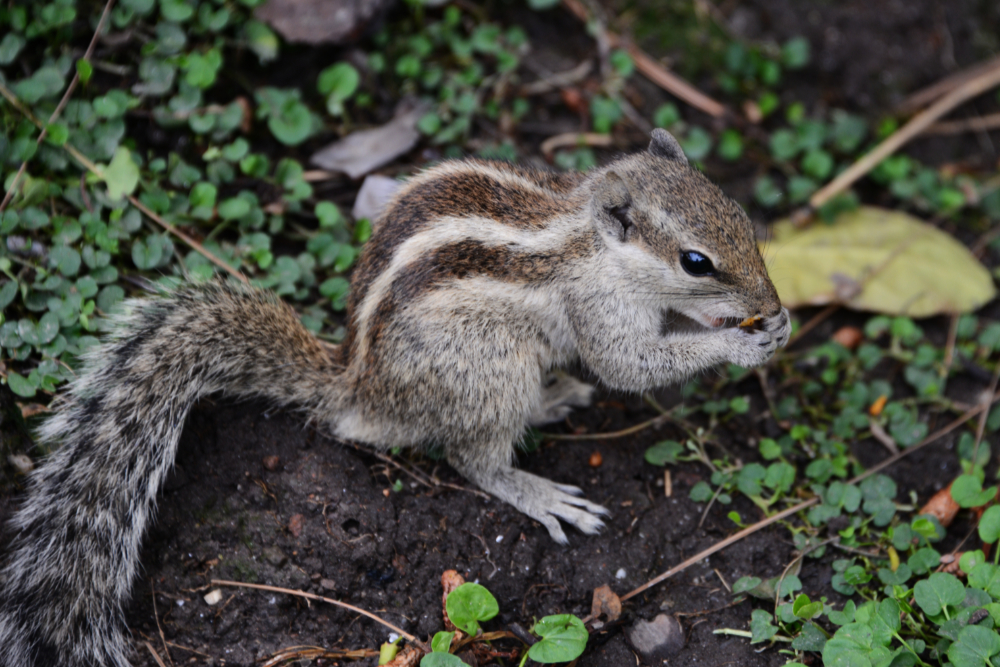
Apparently the squirrels had discovered the Garden of Dreams too. I saw several here and don’t remember seeing them anywhere else in Kathmandu!
Kathmandu turned out to be far more interesting than simply a starting point for my Everest expedition. Between the ancient temples, religious ceremonies, historic architecture, busy neighborhoods, and peaceful Garden of Dreams, there was an enormous amount to explore. The city was still recovering from the earthquake when I visited, but its cultural heritage and everyday energy made a lasting impression on me. And with Mount Everest waiting just a few days away, my time in Kathmandu was only the beginning of an unforgettable journey through Nepal.
