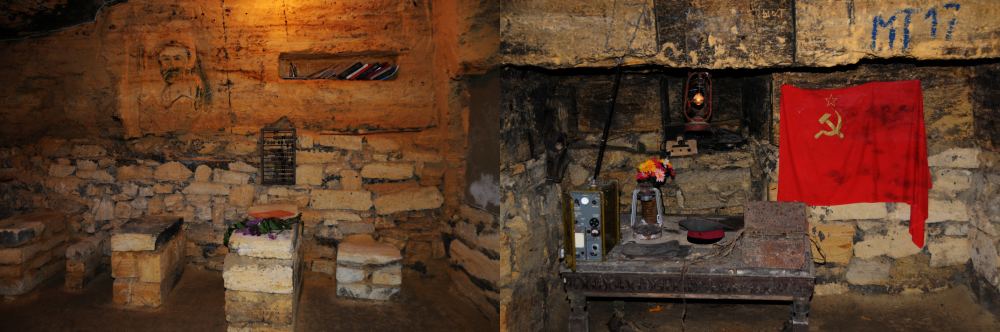
Odesa sits on the Black Sea in southern Ukraine and has a very different atmosphere from Kyiv. Although settlements existed in this area long before the modern city, Odesa began developing into a major port in the late eighteenth century and expanded rapidly during the nineteenth century.
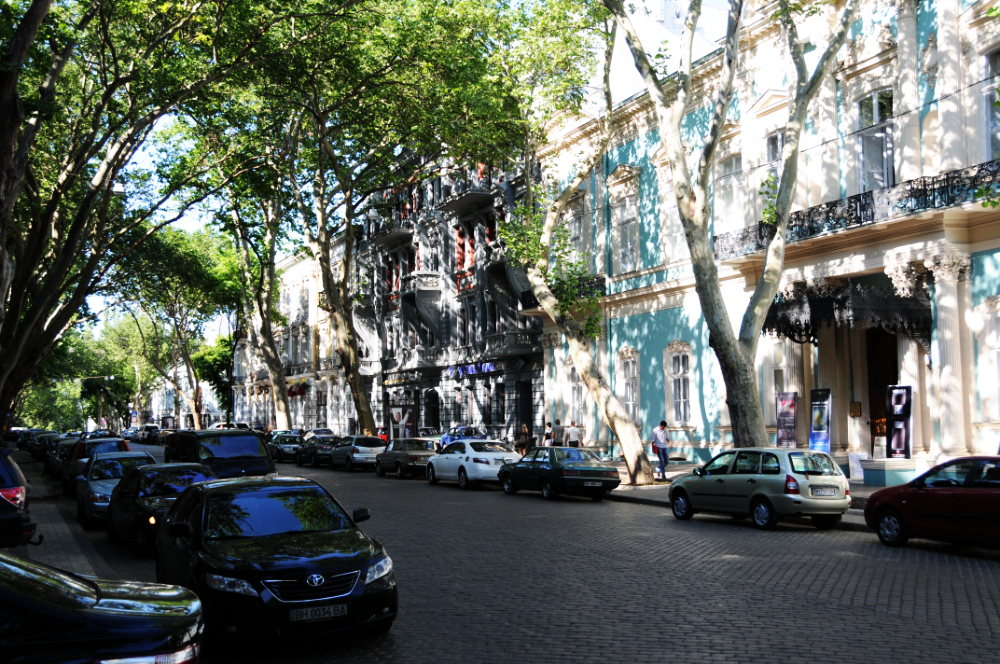
I especially liked the historic center, with its cobblestone streets, ornate buildings and architecture reflecting the city’s long history as a cosmopolitan Black Sea port.
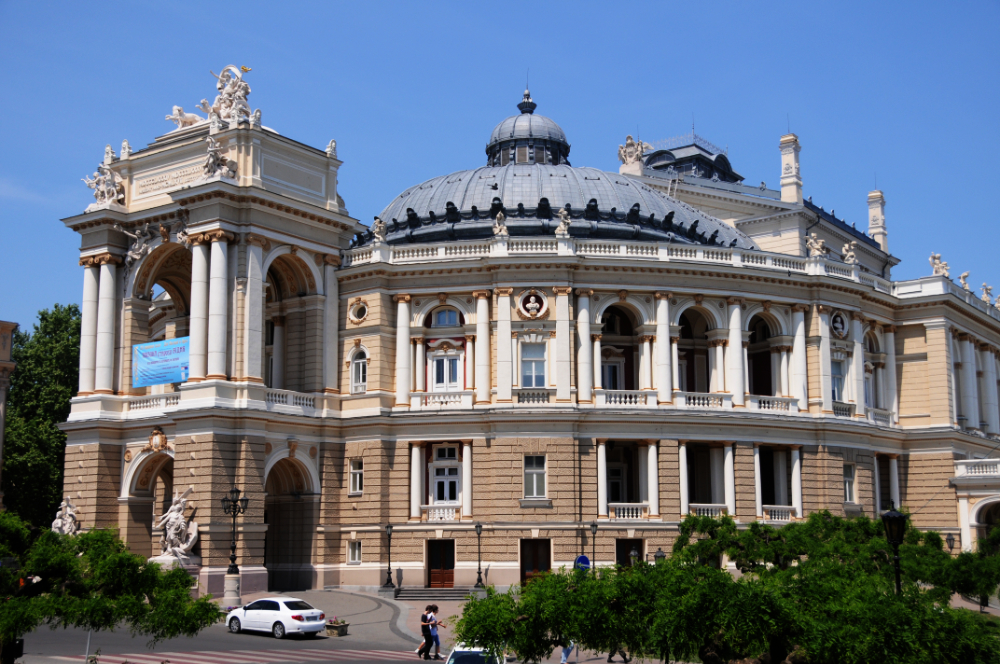
One of Odesa’s most famous buildings is the Odesa Opera and Ballet Theatre. The city’s first opera house opened in the early nineteenth century but was destroyed by fire in 1873. The magnificent building standing today opened in 1887 and was designed by the Viennese architects Ferdinand Fellner and Hermann Helmer.
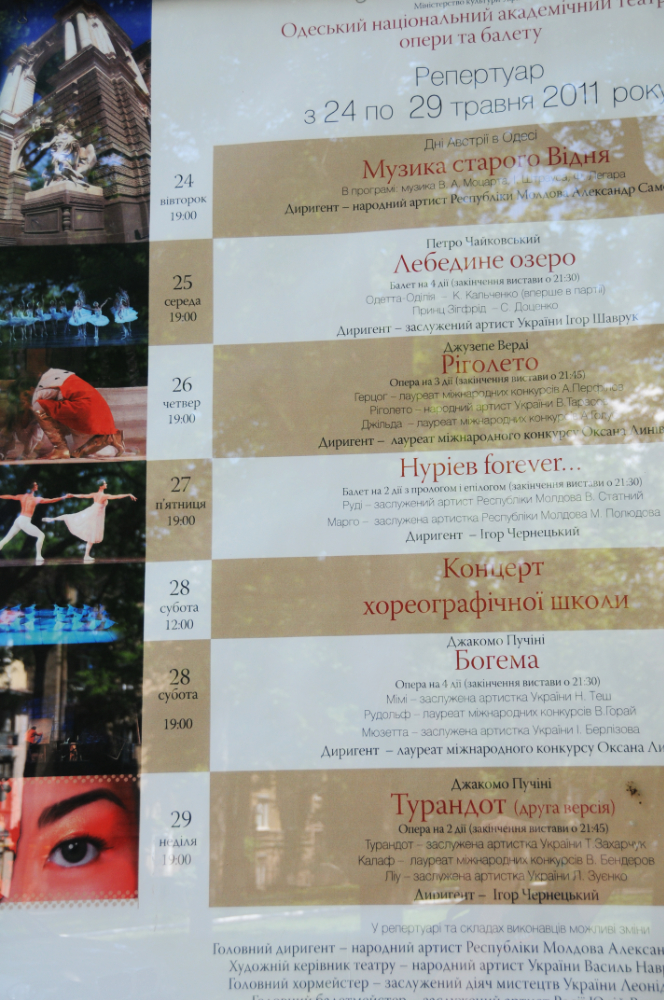
The theater survived the battles and occupations of World War II and remains one of the city’s most recognizable landmarks. The photograph below shows advertisements for performances taking place around the time of my visit.
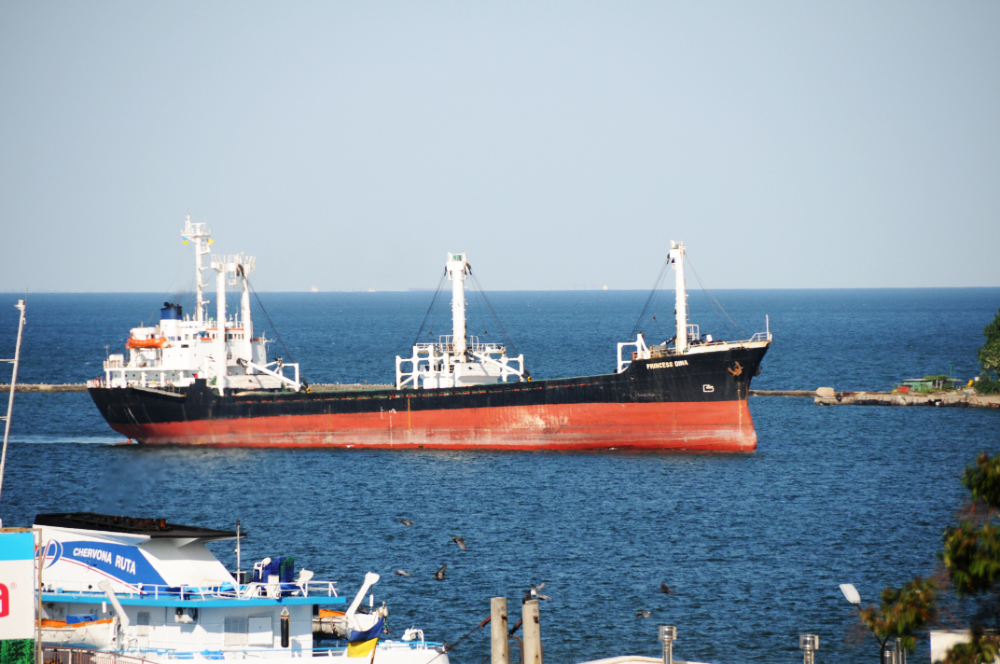
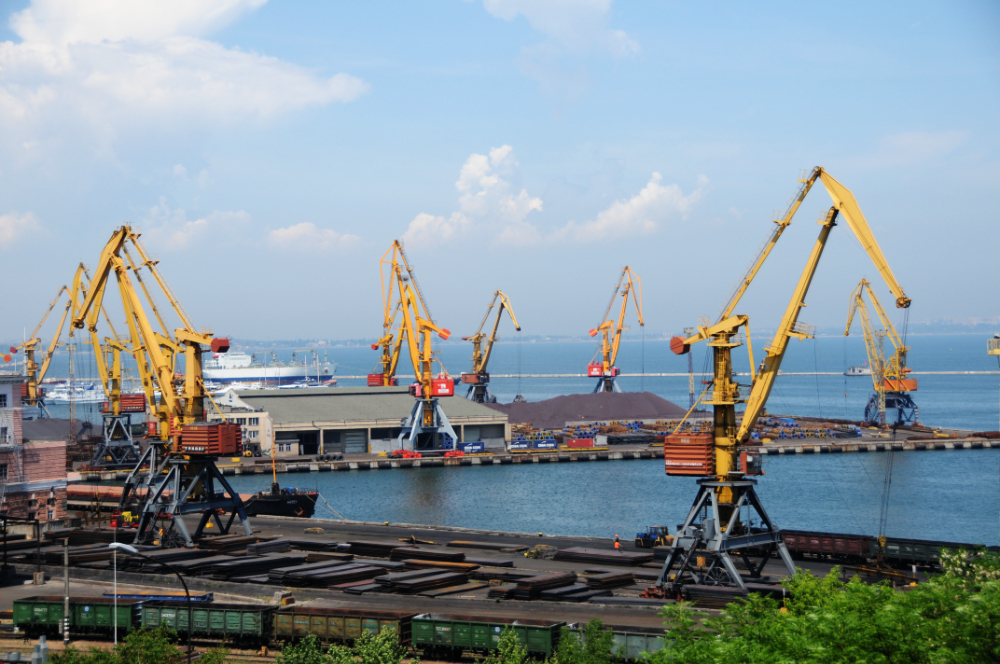
Odesa owes much of its growth and importance to its location on the Black Sea. The port developed into a major gateway for trade between Ukraine and the wider Black Sea and Mediterranean regions, particularly for agricultural exports.
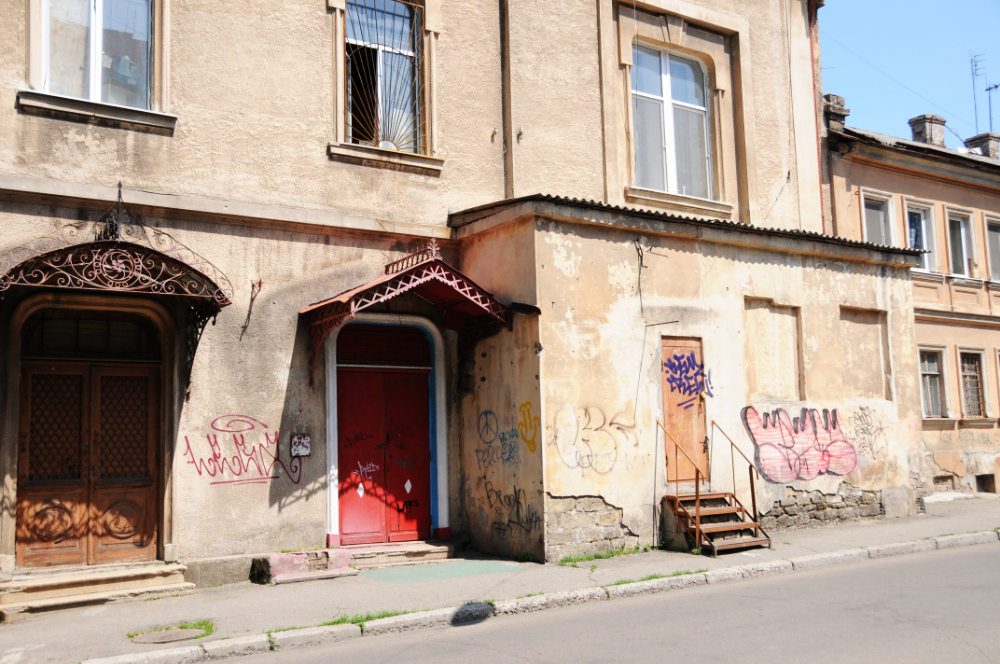
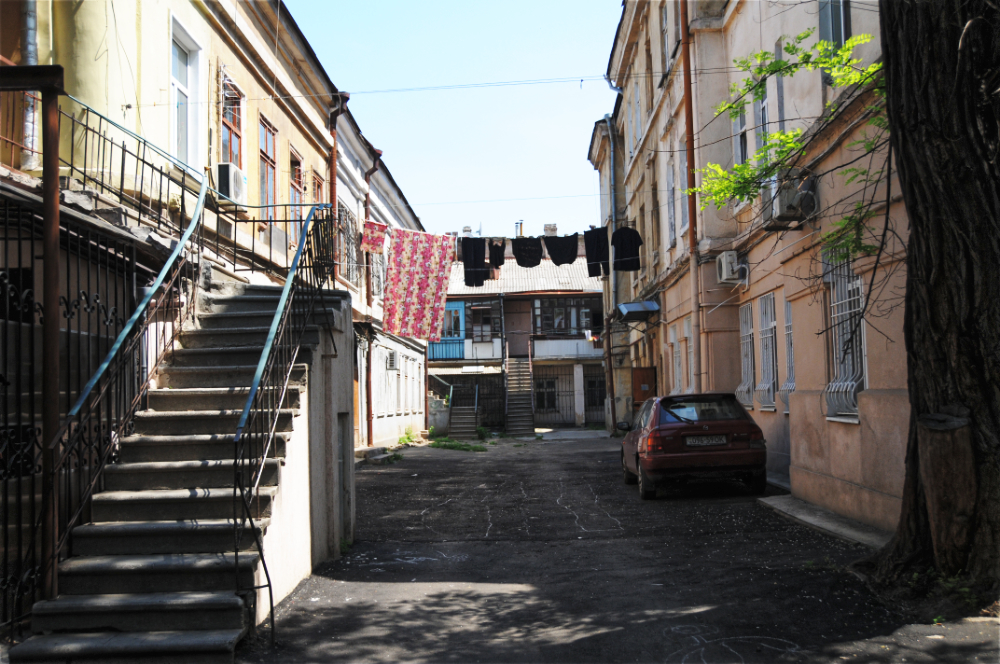
I stayed outside the main tourist area in a room inside a residential apartment building. I actually liked that because it gave me a chance to see a more ordinary side of the city and share a building with local residents rather than other travelers.
Communicating could be difficult because I didn’t speak Ukrainian or Russian and couldn’t always find someone who spoke English, but most of the people I encountered were helpful. I did have one uncomfortable encounter with a man on a bus who seemed like he wanted to fight me, but otherwise my experience in Odesa was positive.
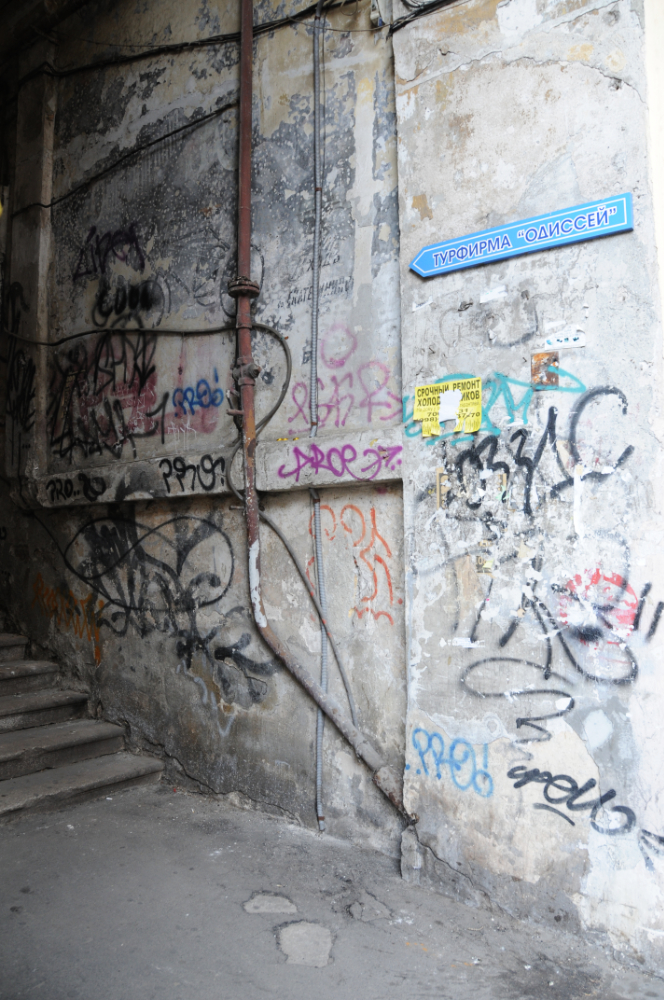
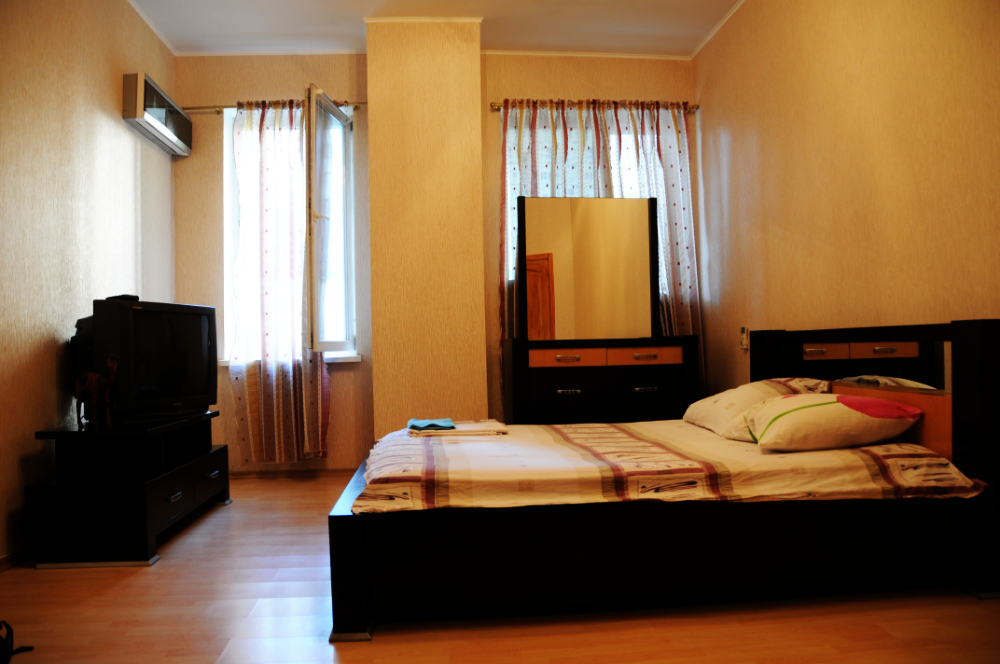
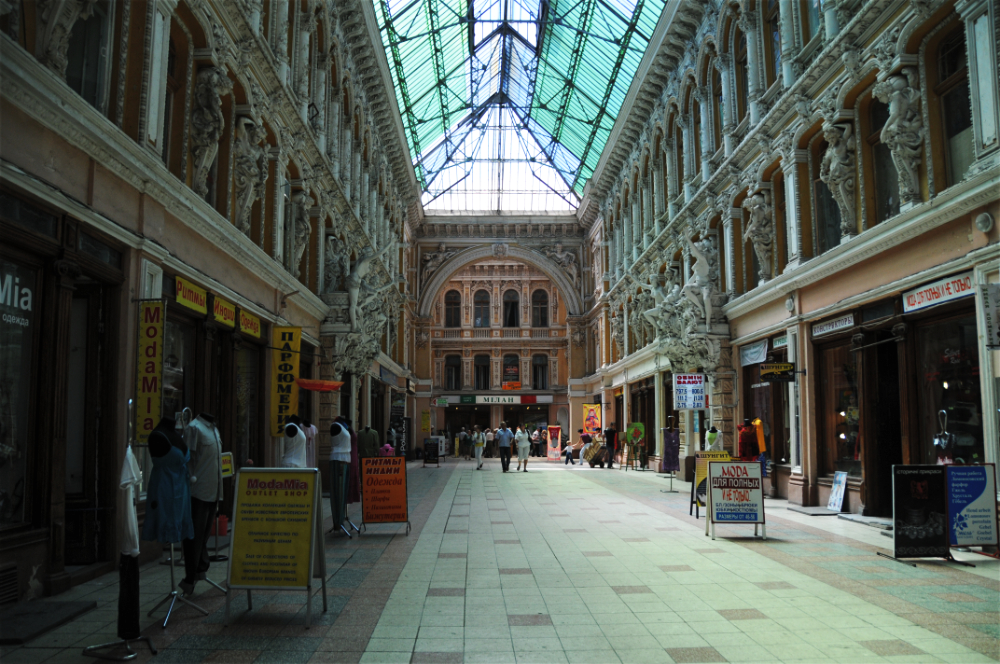
Eventually the quieter streets led me toward Odesa’s historic center and Deribasivska Street, one of the city’s best-known pedestrian areas. The contrast between residential neighborhoods and the more polished center was one of the things I enjoyed about exploring the city on foot.
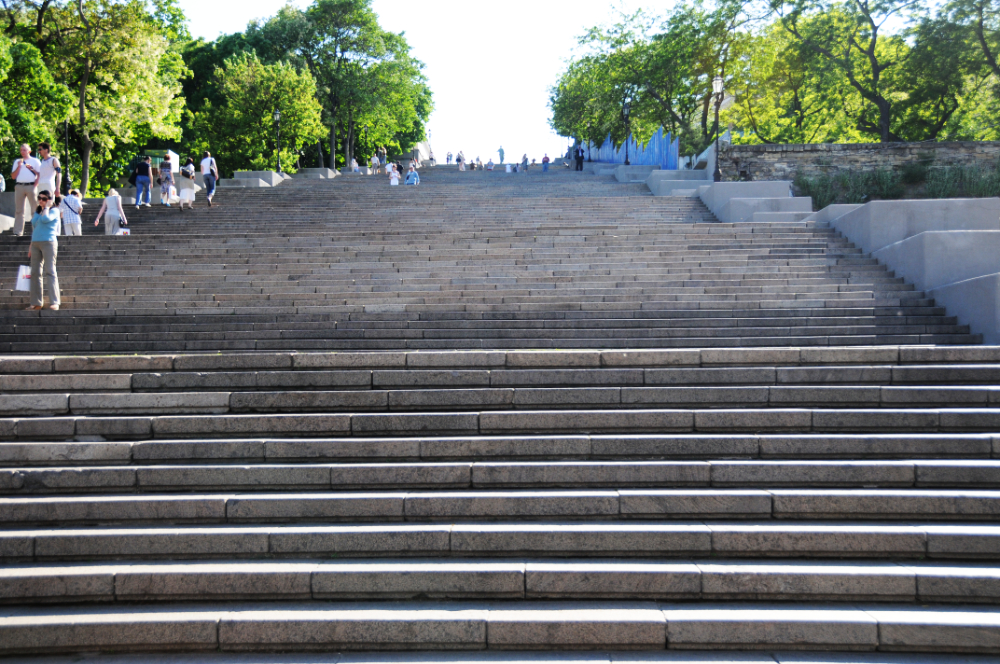
One of Odesa’s great landmarks is the Potemkin Stairs, the monumental staircase connecting the elevated city center with the port below. Their design creates an interesting optical illusion: viewed from below, the landings largely disappear and the staircase seems like an uninterrupted series of steps.
The stairs became famous around the world through Sergei Eisenstein’s 1925 silent film Battleship Potemkin. Its most famous sequence depicts Tsarist soldiers marching down the staircase while firing into a crowd of civilians. The massacre shown in the film never actually happened on the steps, but the scene became so influential that the staircase remains closely associated with the movie.
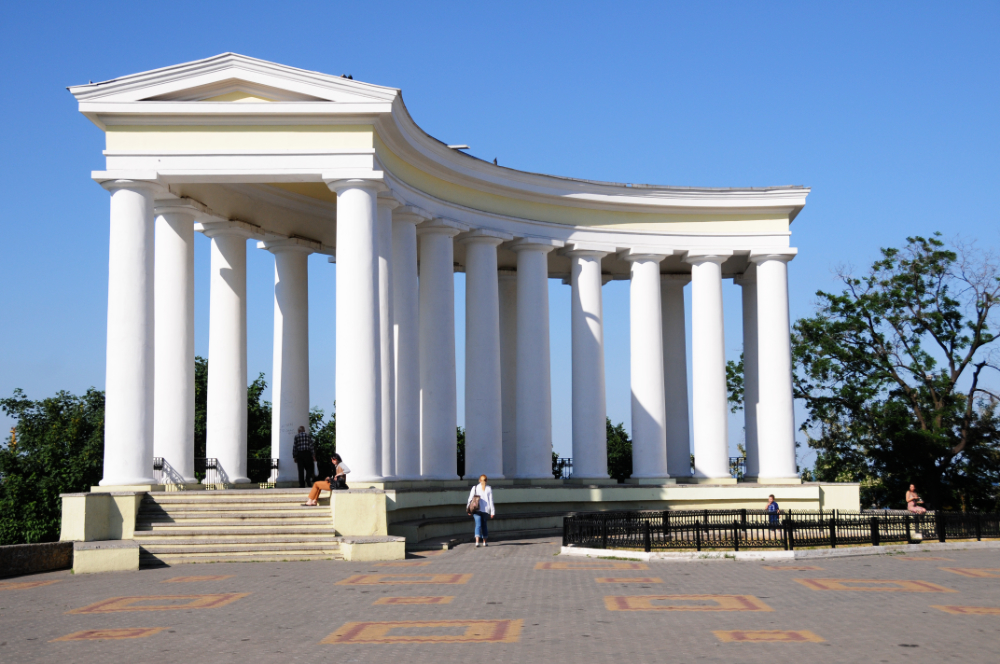
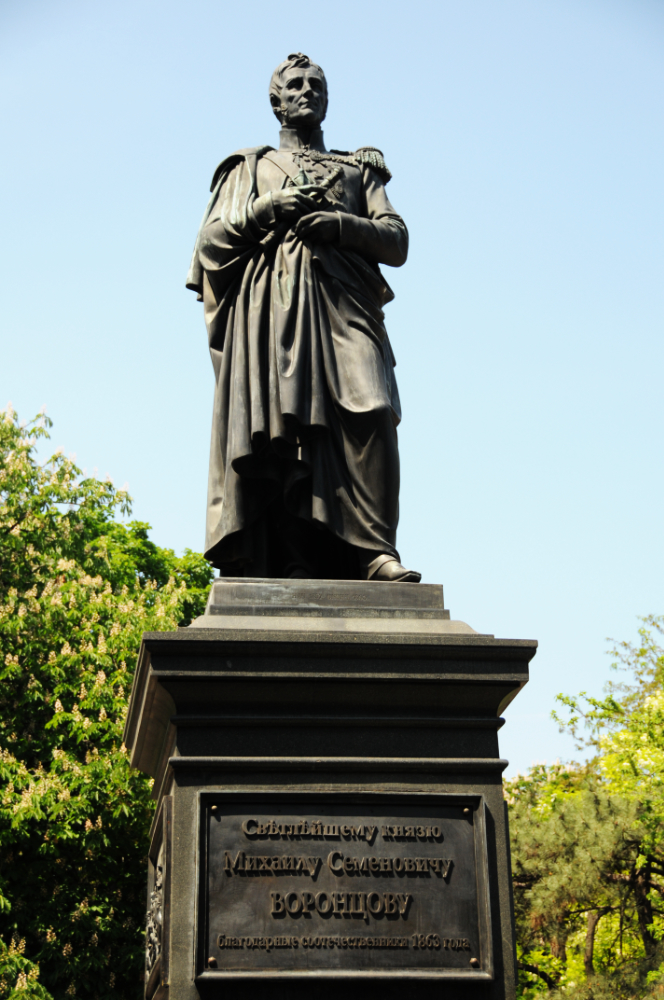
Not far from the Potemkin Stairs is Vorontsov Palace, built in the nineteenth century for Mikhail Vorontsov. Vorontsov was a Russian imperial military commander and statesman who fought during the Napoleonic Wars and later served as governor-general of the region. His residence occupied a prominent position overlooking Odesa’s port.
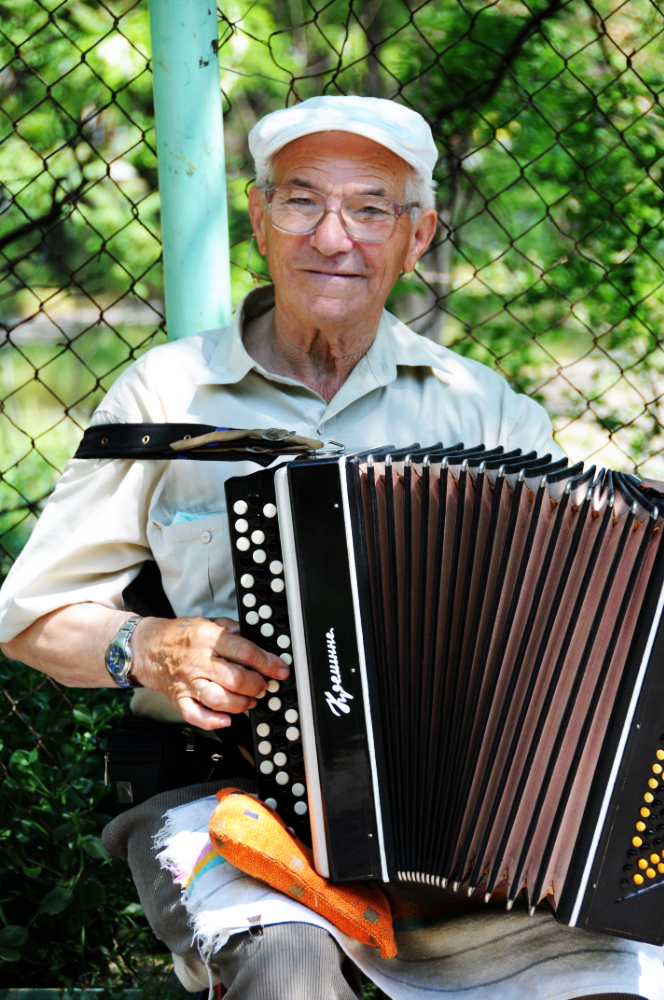
I also met this musician who told me he had once served aboard a Soviet submarine. Since I had served as a U.S. Marine aboard an American aircraft carrier, I realized that during the Cold War we technically would have been serving on opposite sides.
We didn’t share a common language, but I managed to gesture that I had served aboard an aircraft carrier. He understood, and we shook hands. It was a small interaction, but one I still remember from my time in Odesa.
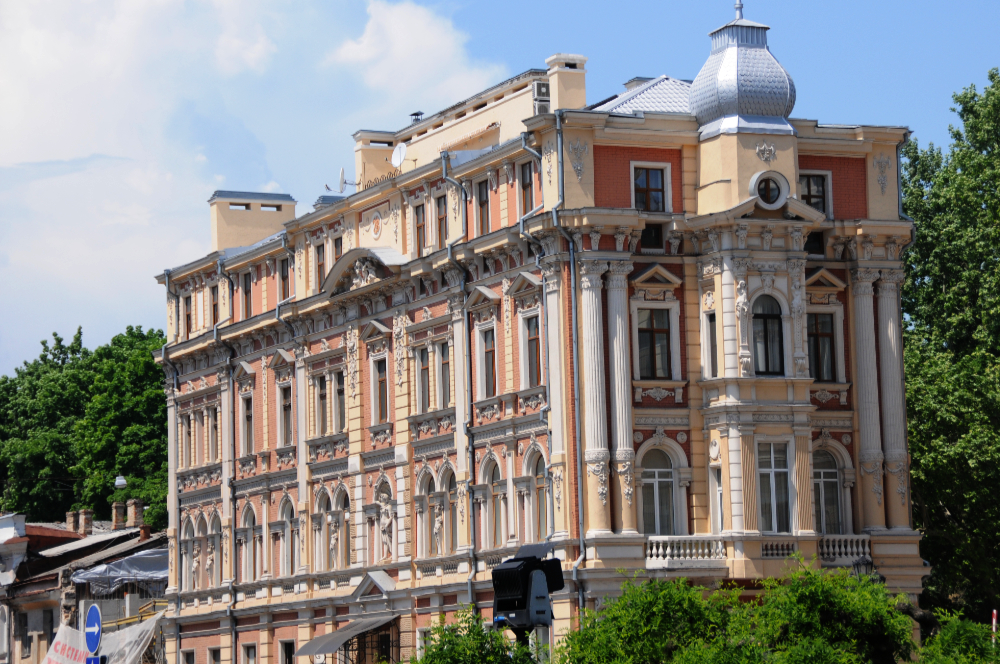
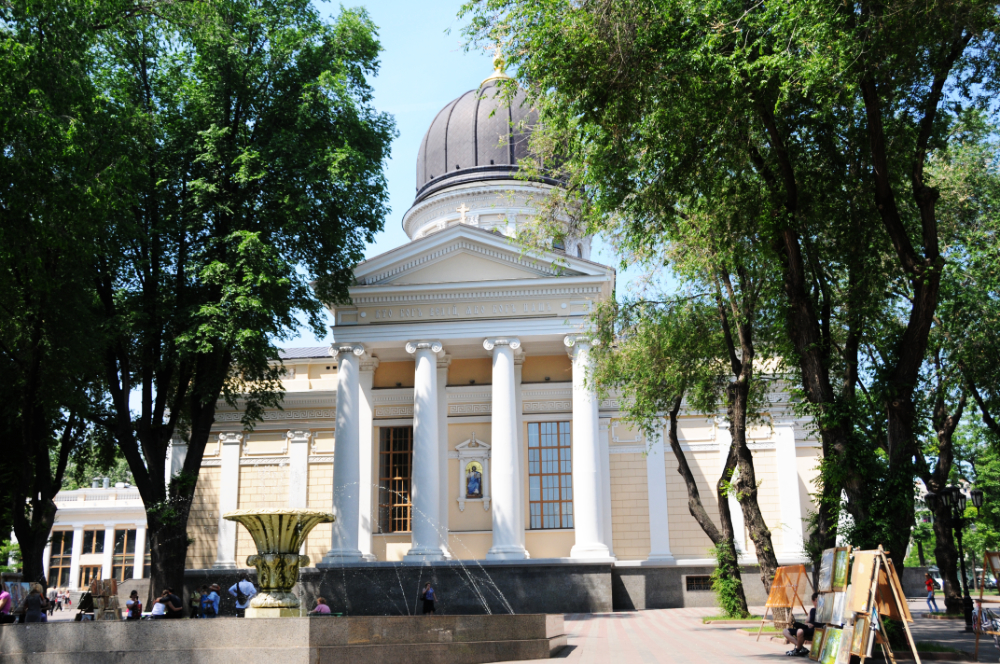
I never figured out exactly what the building in the first photograph was, but its architecture caught my attention while I was walking near the opera house. The second photograph shows Odesa’s Transfiguration Cathedral, one of the city’s principal Orthodox churches.
The cathedral has a complicated history. Its predecessor was largely completed during the nineteenth century but was demolished by Soviet authorities in 1936. It was reconstructed after Ukrainian independence and consecrated in 2010.
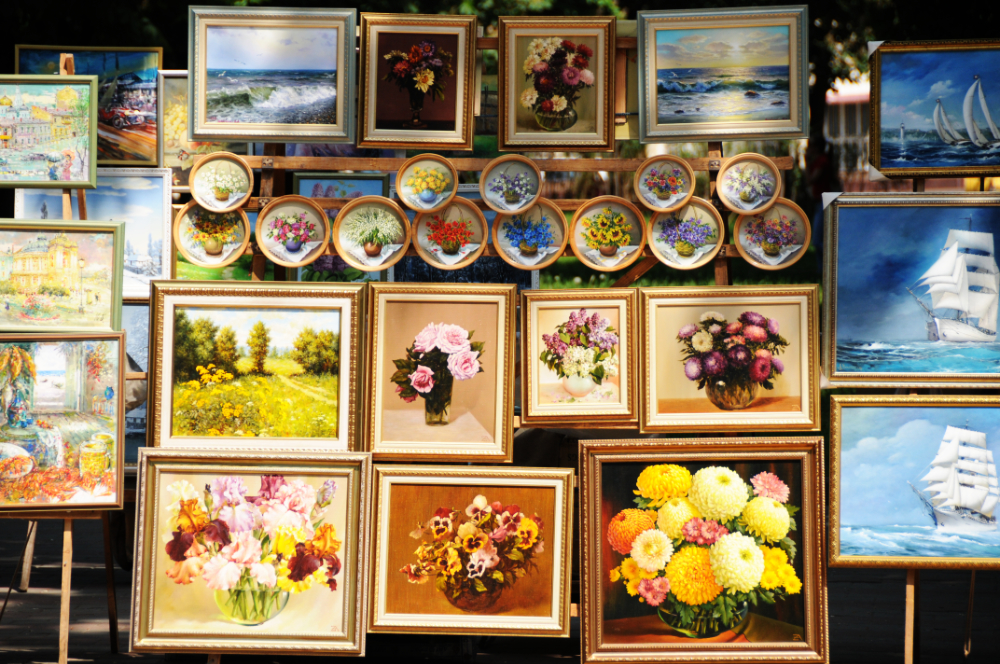
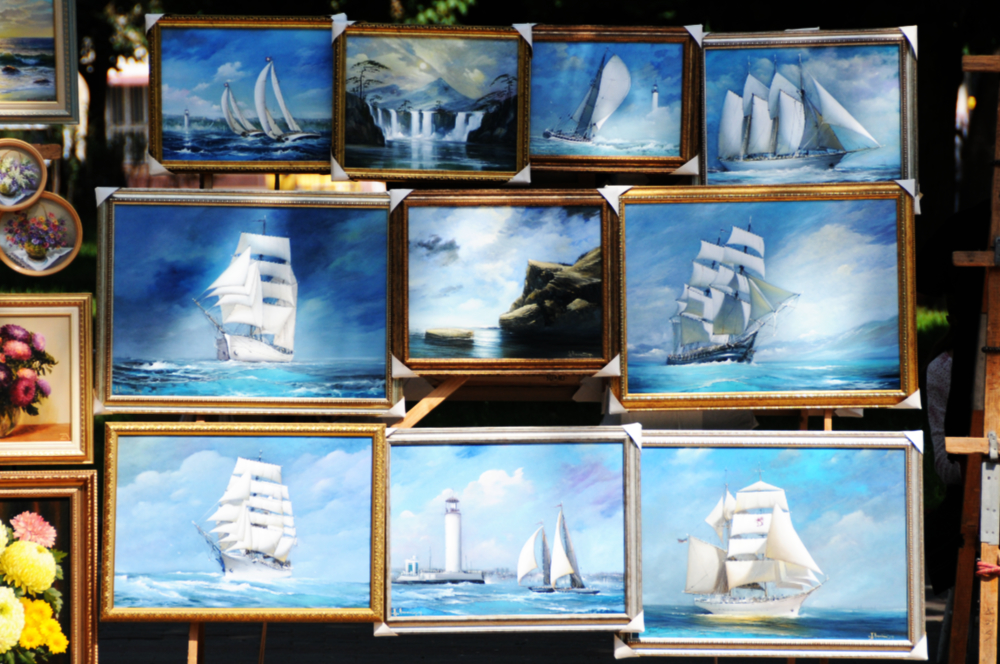
Near the cathedral I came across artists selling their paintings outdoors. There was a surprising amount of good artwork at prices that seemed incredibly reasonable. I rarely buy souvenirs when I travel, but this time I couldn’t resist.
I bought a painting of a sailing ship that still hangs on my bedroom wall. Looking back, I actually regret not buying more.


Odesa had no shortage of restaurants when I visited. I had passed an incredibly crowded McDonald’s in Kyiv and later regretted not taking a photograph, so when I saw this one in Odesa I made sure to get a picture.
The meal above came from a much nicer restaurant in central Odesa and cost me only about $6 at the time. The surprise came when I was charged another $4 for a tiny bottle of water. Whether it was an honest price or simply a tourist markup, I decided there were plenty of other restaurants to try instead.
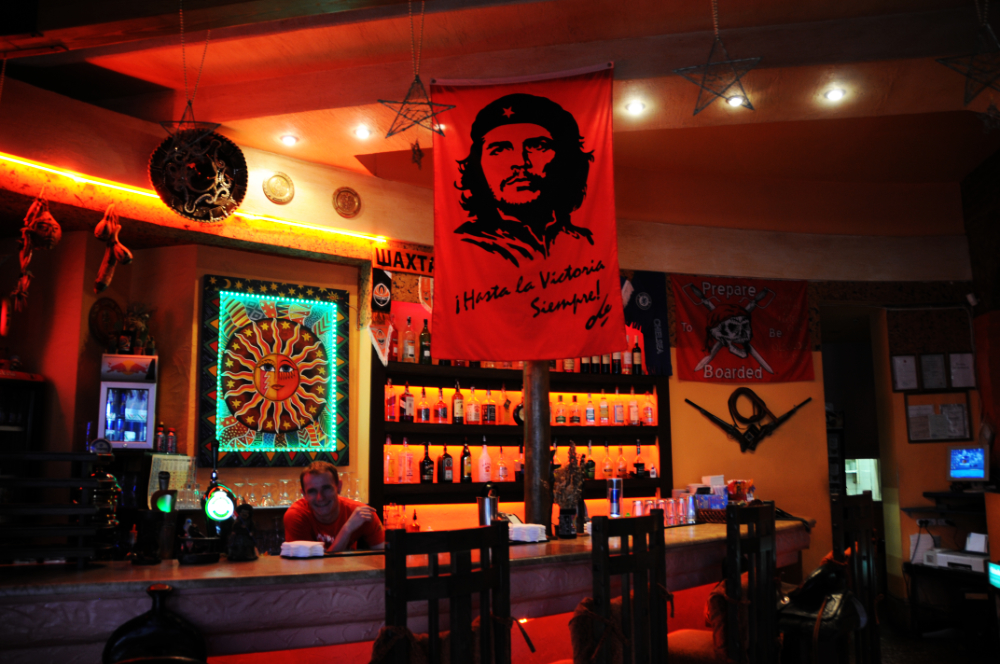
Odesa was also known for its nightlife, particularly during the warmer months. Since I was traveling alone, I didn’t spend much time drinking or visit the larger clubs around Arcadia. I did stop at several bars and restaurants around the city.
I love Guinness, so naturally I tried ordering one when I found an Irish pub. They were out. I had better luck at a Mexican restaurant, which had both a good bar and good food.
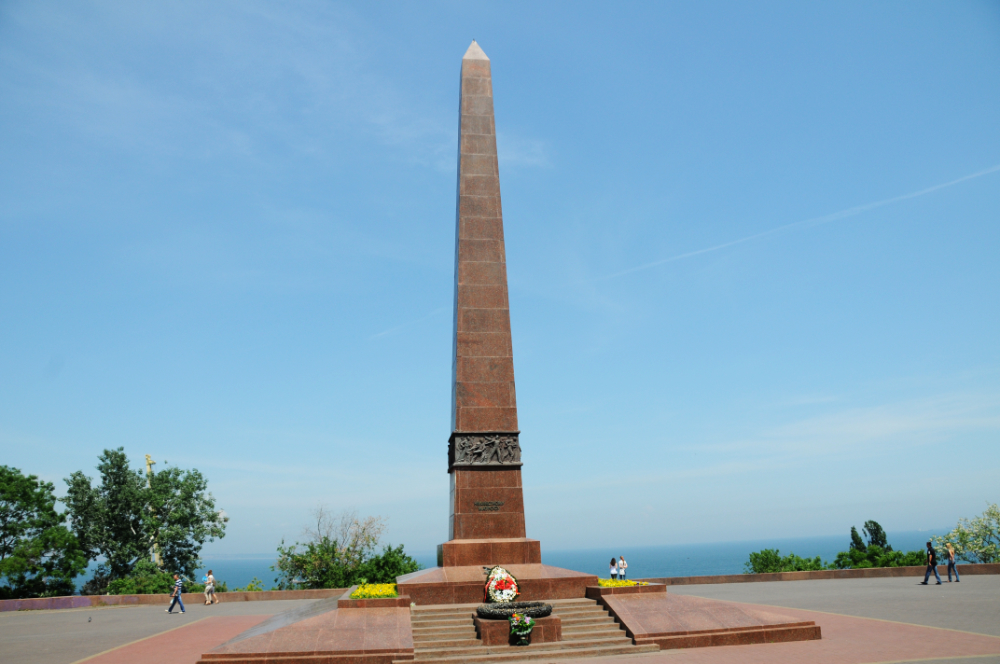
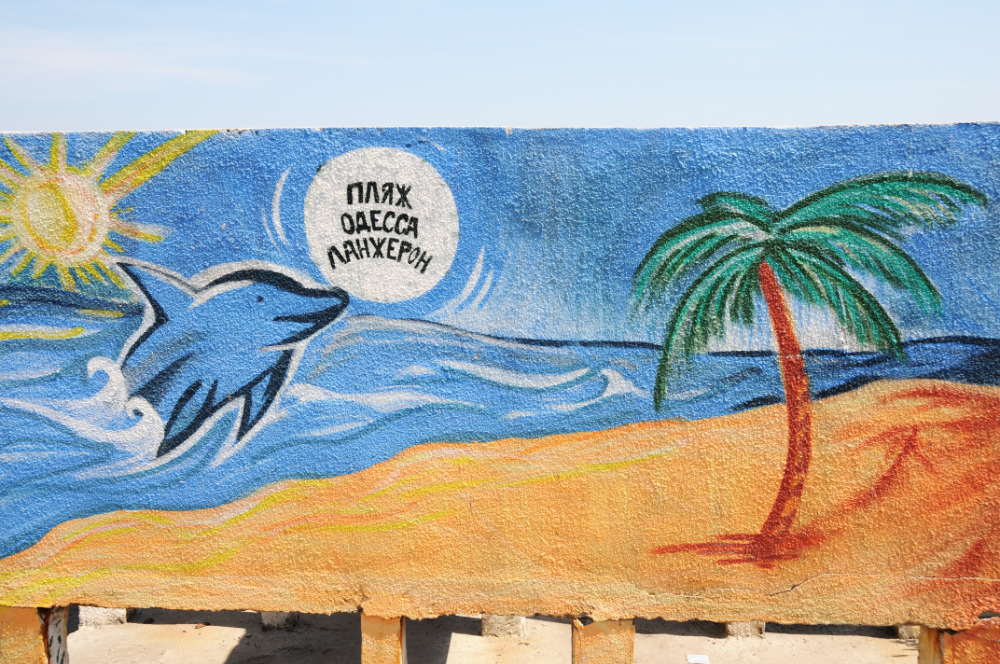
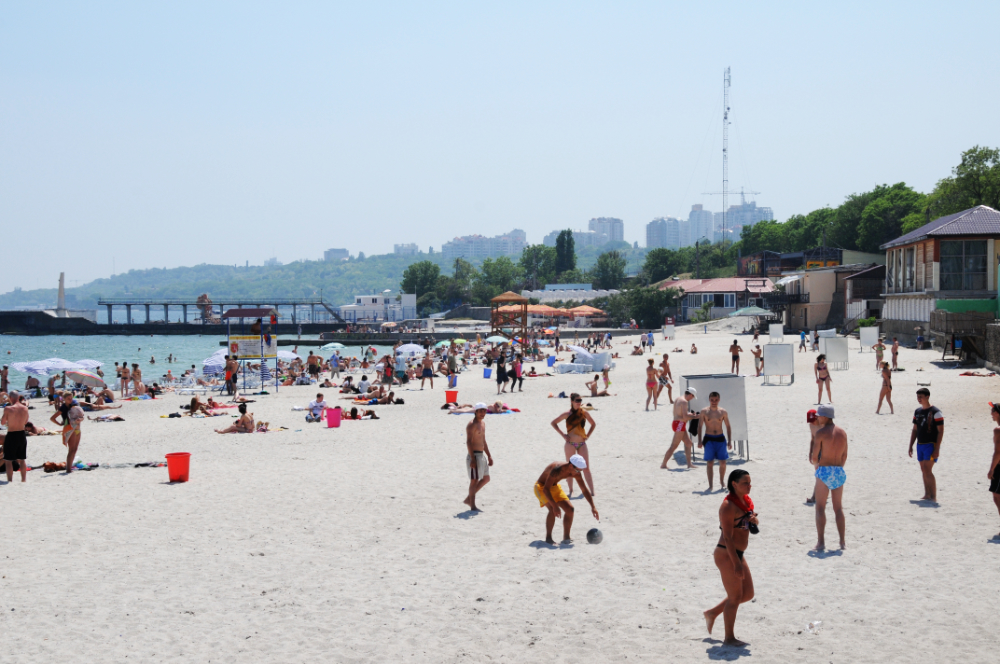
And then there was the Black Sea. Odesa has a long stretch of coastline with numerous beaches, ranging from busy developed areas to quieter sections farther from the center. These photographs were taken around Otrada Beach.
I visited in May, when the air temperature was already in the mid-70s Fahrenheit, or around the mid-20s Celsius. Plenty of people were lying in the sun, although the Black Sea was still pretty cold.
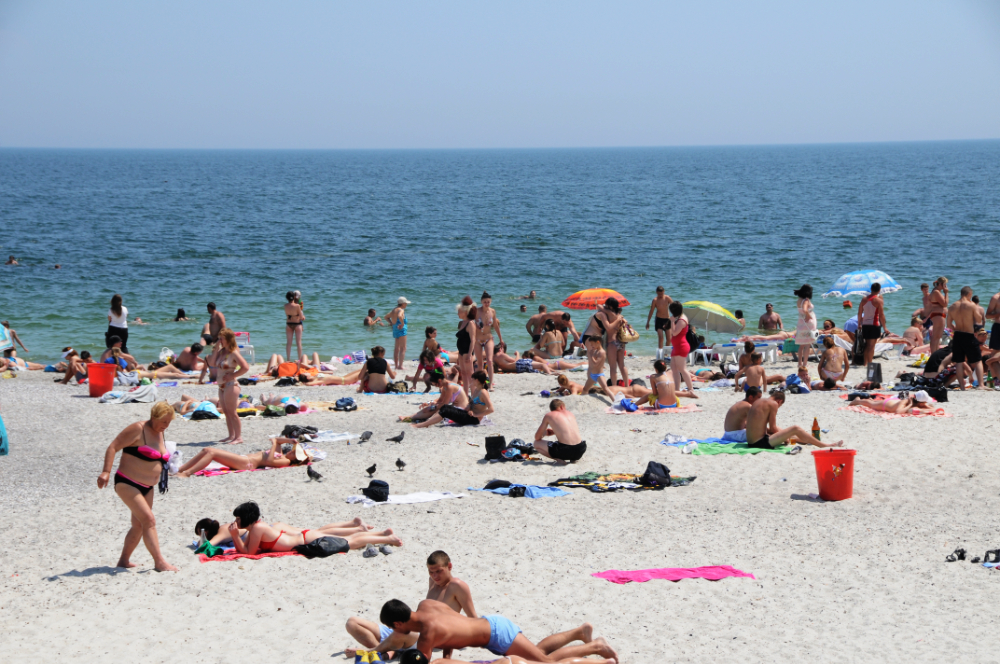
I went swimming anyway. The first few minutes weren’t particularly pleasant, but once I got used to the temperature it wasn’t bad.
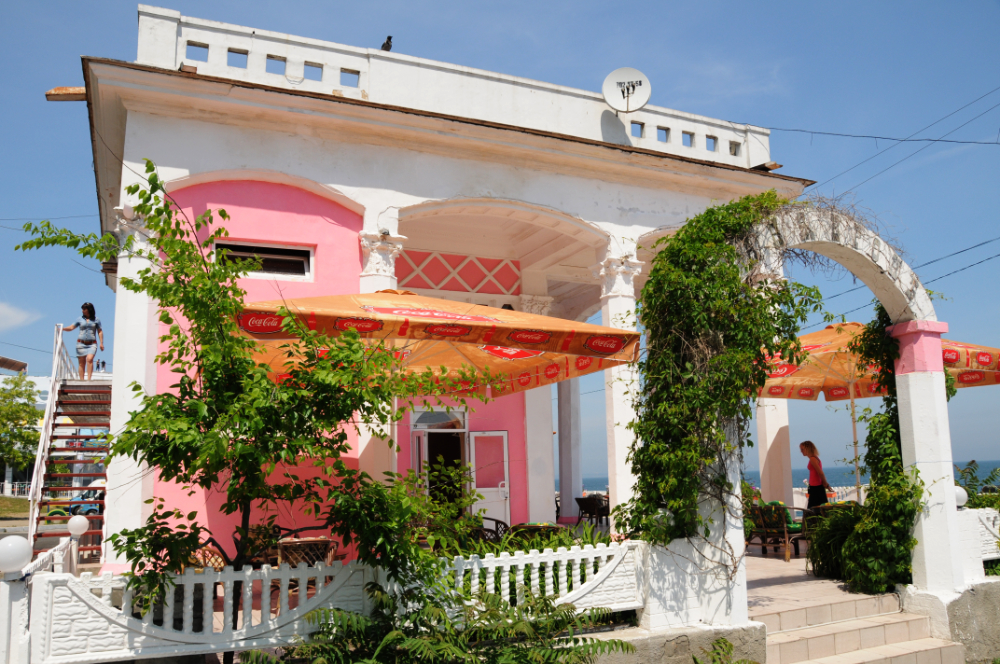
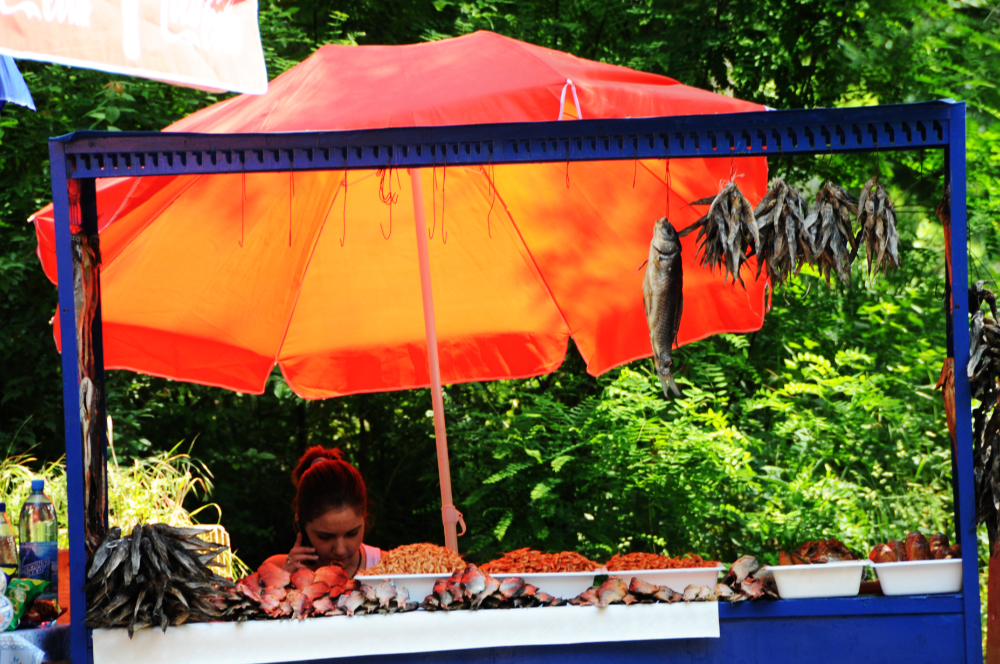
Cafés and small businesses lined parts of the waterfront, while vendors sold fish and other food nearby. I only explored a portion of Odesa’s coastline, so there were plenty of beaches I never reached. Arcadia was the one I heard about most often, but I’ll have to save that for another visit.
Explore Odesa’s World War II History & Catacombs